Thai Basil
A distinctively flavored basil variety with purple stems and anise-clove notes essential to Southeast Asian cooking.





On this pageOverview
Meet Thai Basil
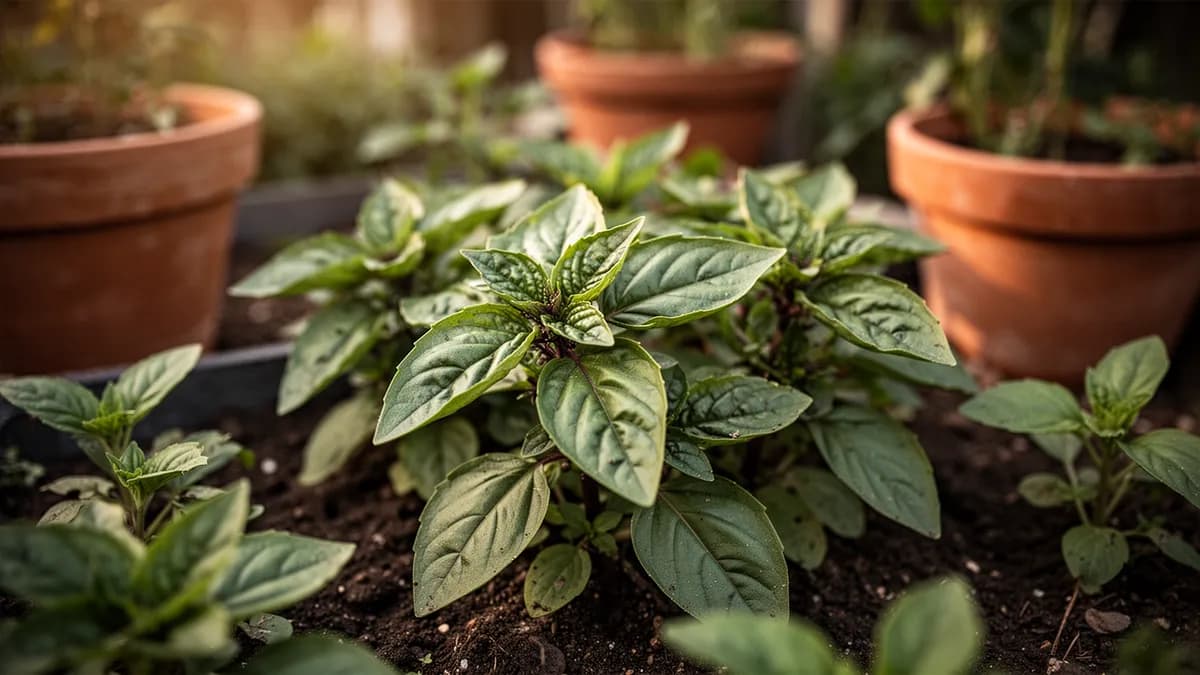
A distinctively flavored basil variety with purple stems and anise-clove notes essential to Southeast Asian cooking. Unlike sweet basil, Thai basil holds its flavor well during cooking and can be added earlier in the process. Grow in full sun with consistent moisture and pinch flowers to prolong leaf production.
When to plant Thai Basil
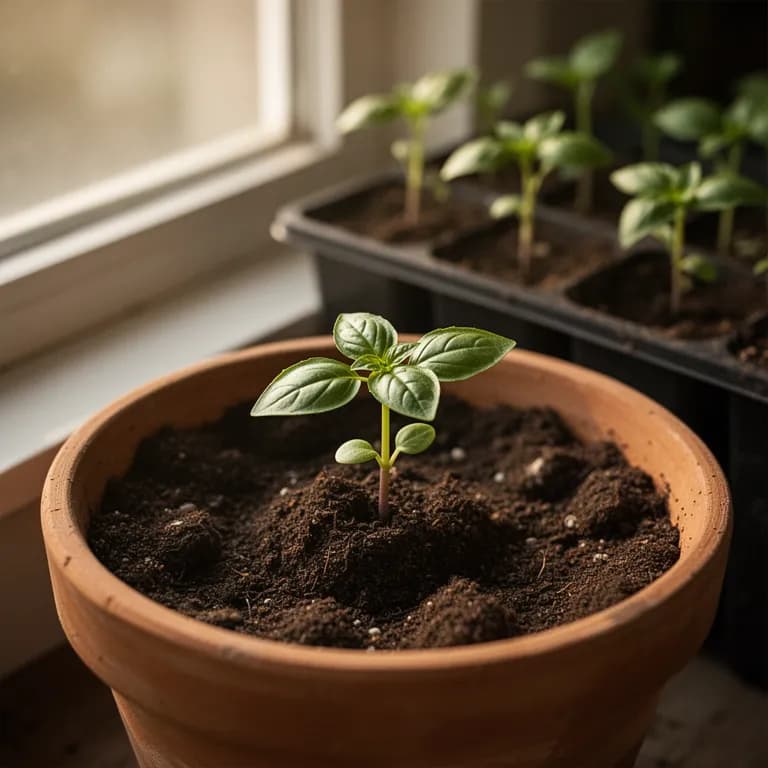
Sow Thai basil seeds indoors 6-8 weeks before the last frost. Scatter seeds on moist seed-starting mix and press gently without covering, as they require light for germination. Maintain soil temperature of 70-75°F using a heat mat. Germination takes 5-14 days. Provide 14-16 hours of strong artificial light once seedlings emerge. Thin to one seedling per cell at the first true leaf stage. Harden off over 7-10 days before transplanting outdoors when nighttime temperatures consistently exceed 55°F.
Your Thai Basil Year
Composed for Zone 7 · typical seasons · frost passes Apr 2, returns Nov 1
Plant Thai Basil Apr – Jun, pick Jun – Sep. Check the planting methods below and set your climate to personalize these windows.
How to grow Thai Basil
Start Thai basil seeds indoors 6-8 weeks before the last frost date, sowing them on the surface of moist seed-starting mix and pressing gently without covering. Seeds need light and warmth (70-75°F) to germinate, which typically takes 5-14 days. Transplant seedlings outdoors only after nighttime temperatures consistently stay above 55°F, as Thai basil is even more cold-sensitive than sweet basil.
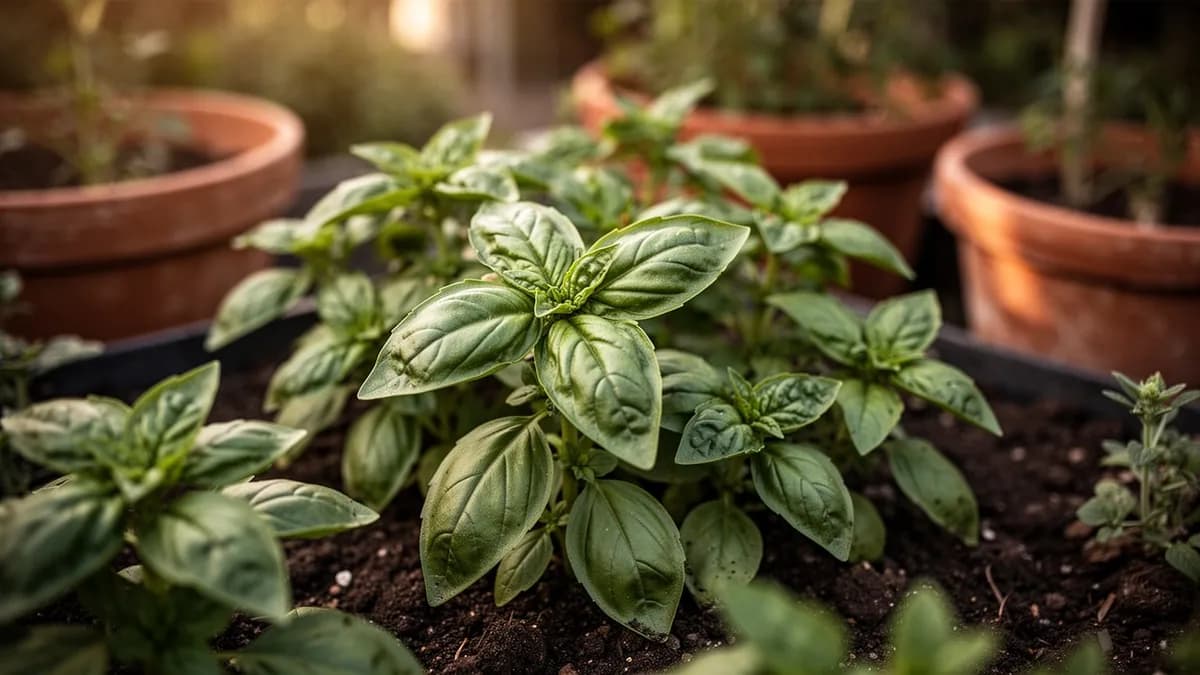
Prepare a planting site with rich, well-drained soil amended with compost. Space plants 12-18 inches apart in full sun. Thai basil grows more upright than sweet basil, reaching 12-18 inches with sturdy purple stems and narrow dark green leaves. Water consistently at the base of plants, keeping soil evenly moist but not waterlogged. Mulch around plants to retain moisture and regulate soil temperature.
While Thai basil is more bolt-resistant than sweet basil and its purple flowers are ornamental, removing flower spikes still encourages more leaf production. Feed every 2-3 weeks with a balanced liquid fertilizer. Thai basil handles heat better than many basil varieties and actually intensifies in flavor during the hottest months of summer, making it ideal for warm-climate gardens.
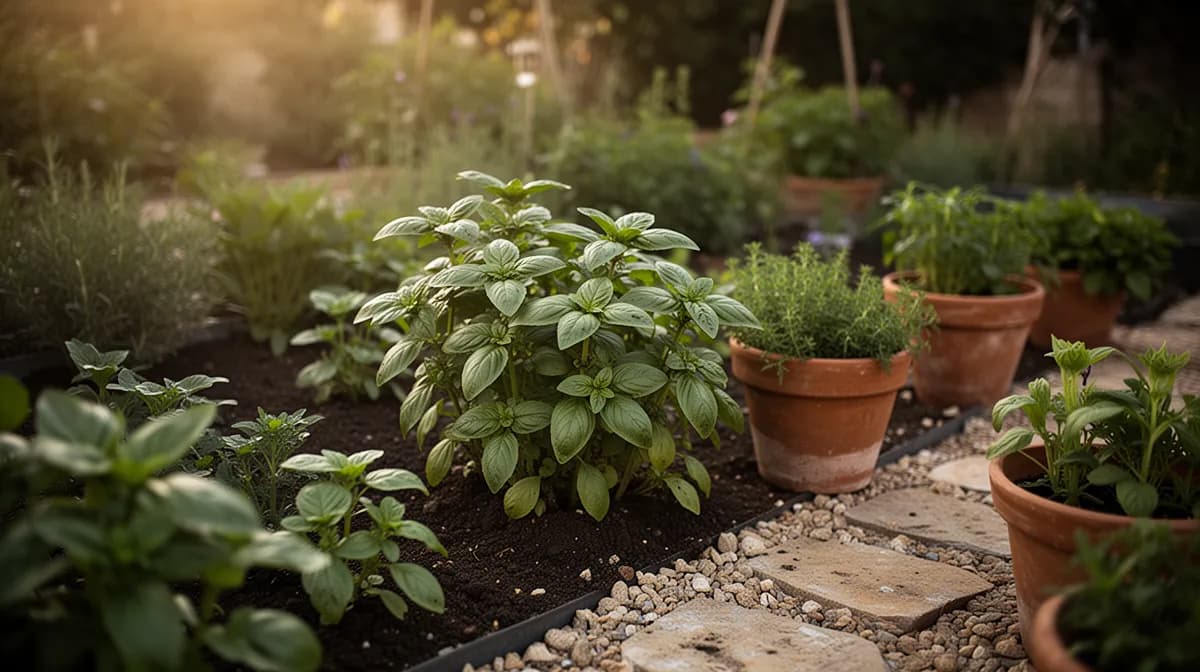
36 plants fit a 4 × 8 ft bed
Each Thai Basil wants 25 cm of elbow room. The planner keeps that spacing for you — every plant, every bed.
Thai Basil's best neighbours
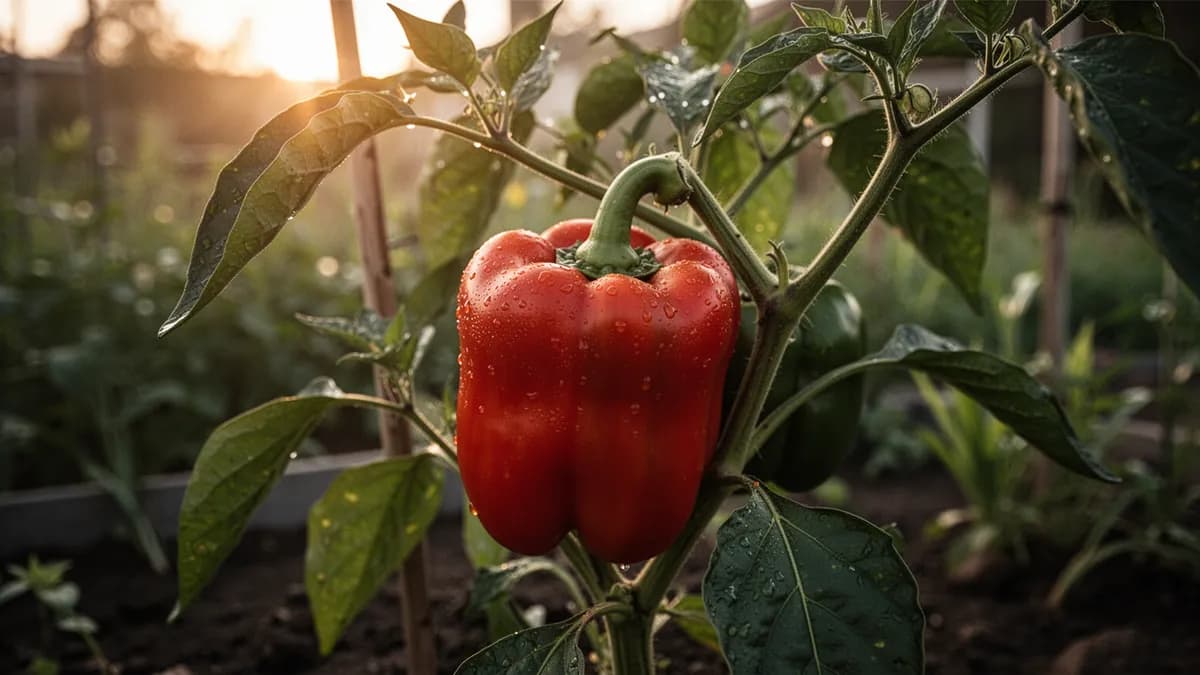
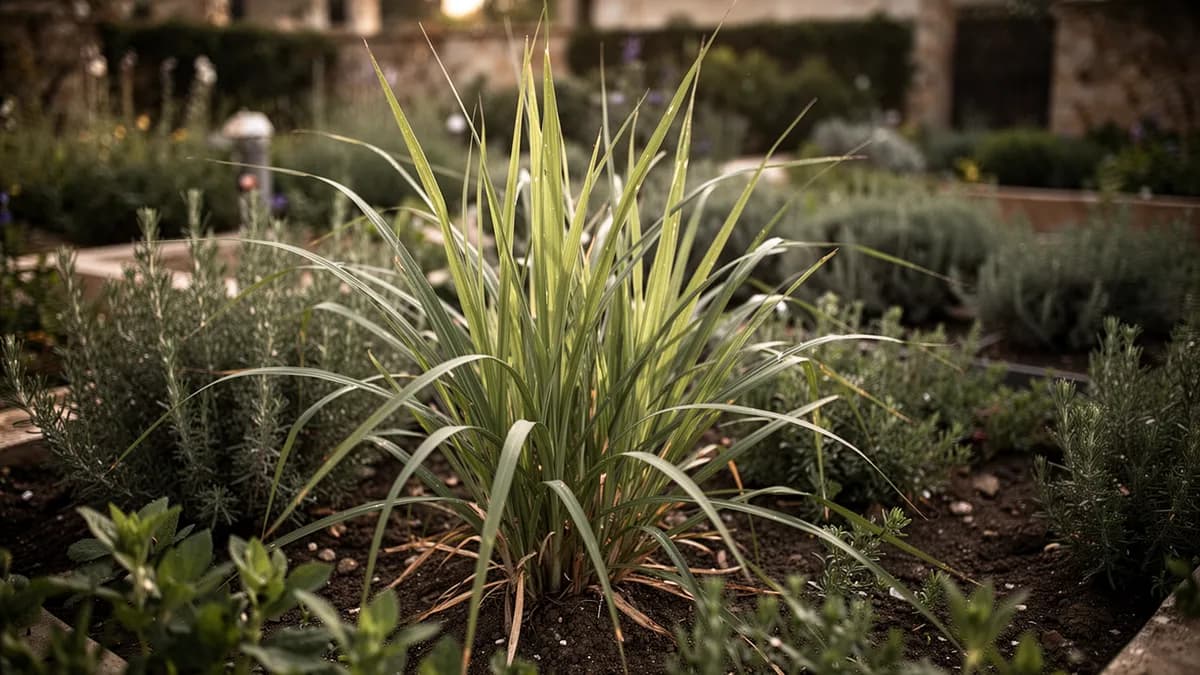
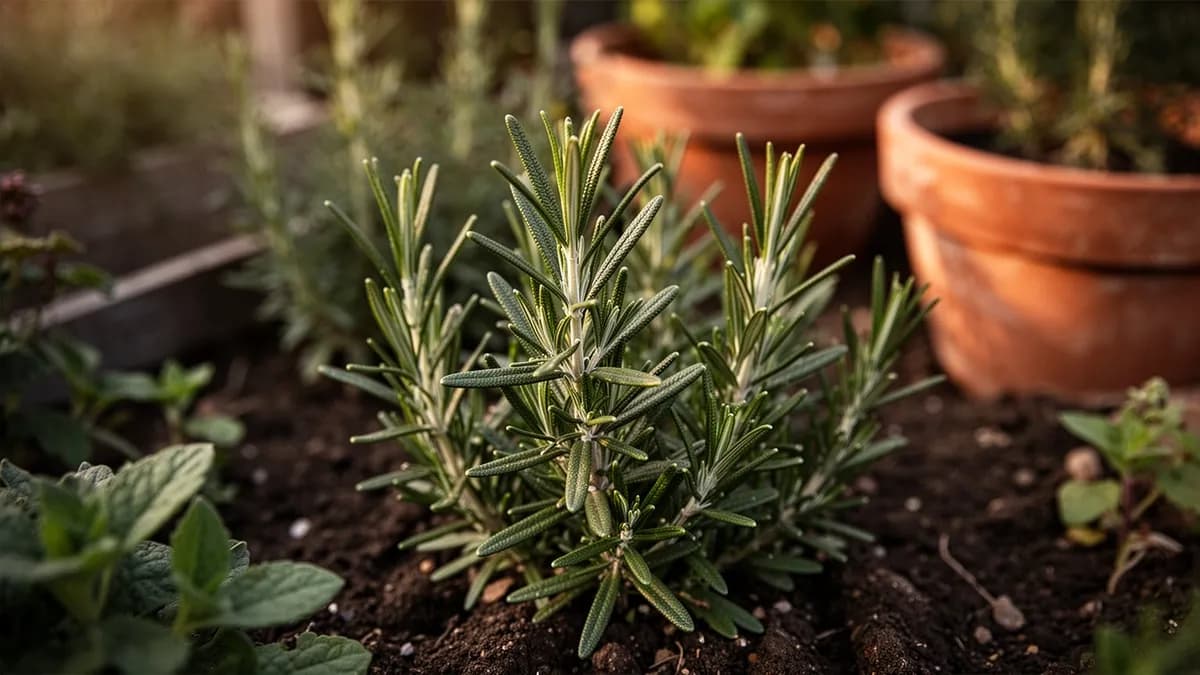
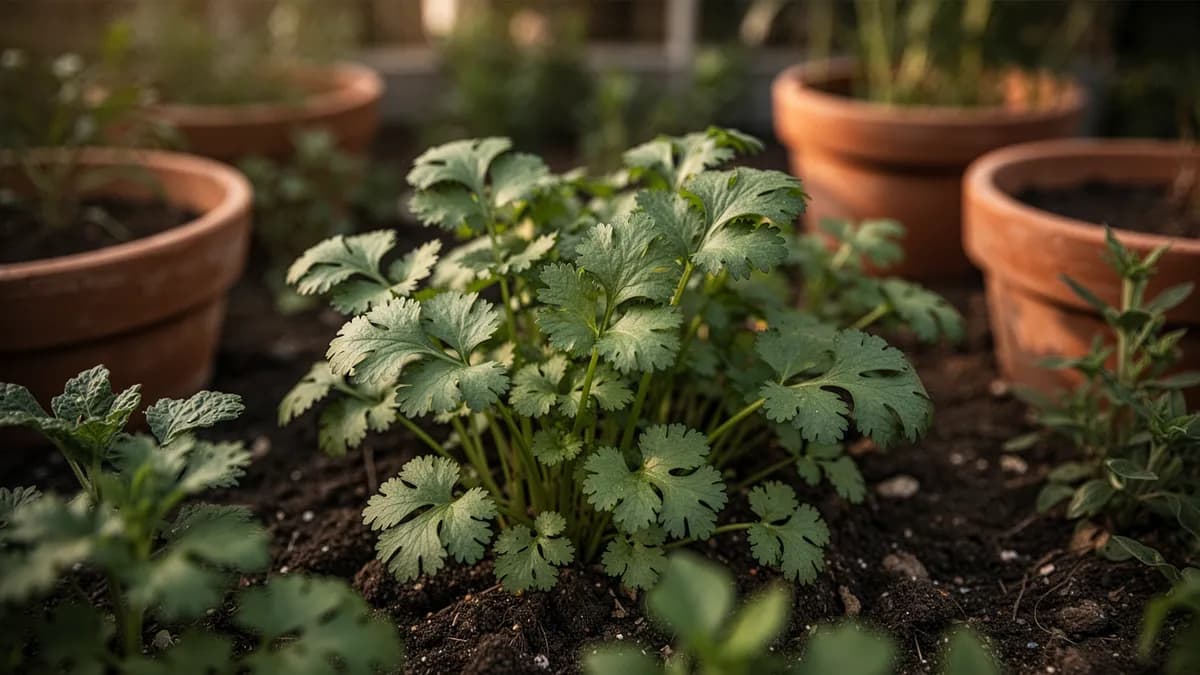
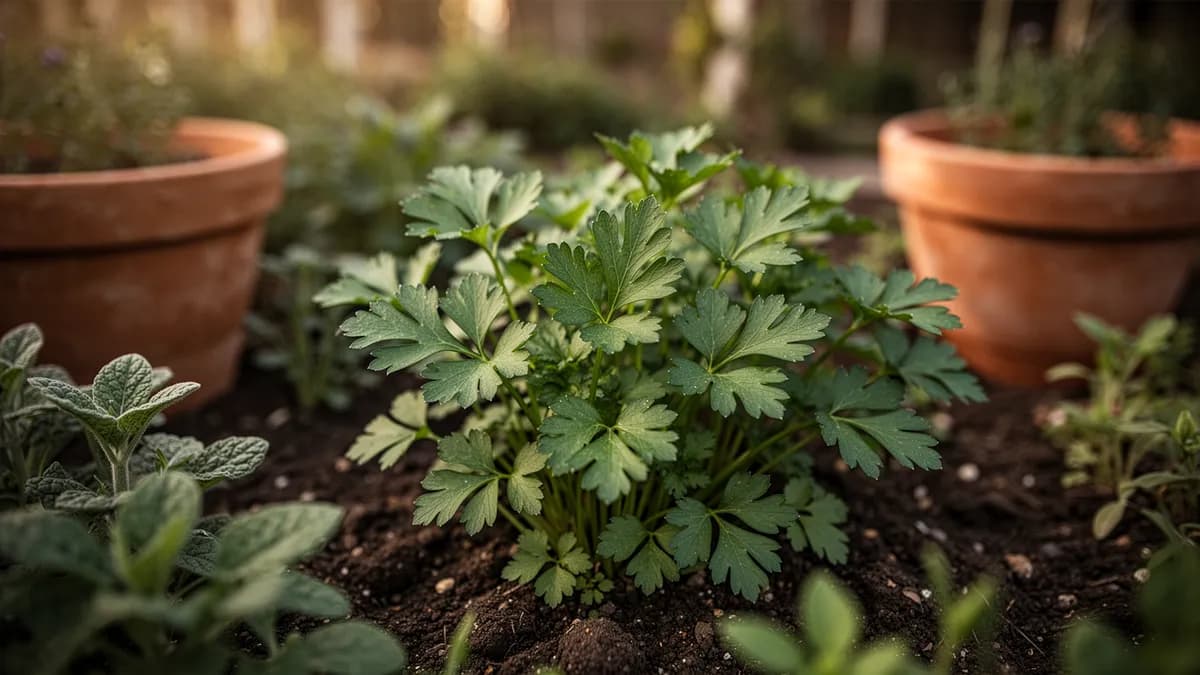
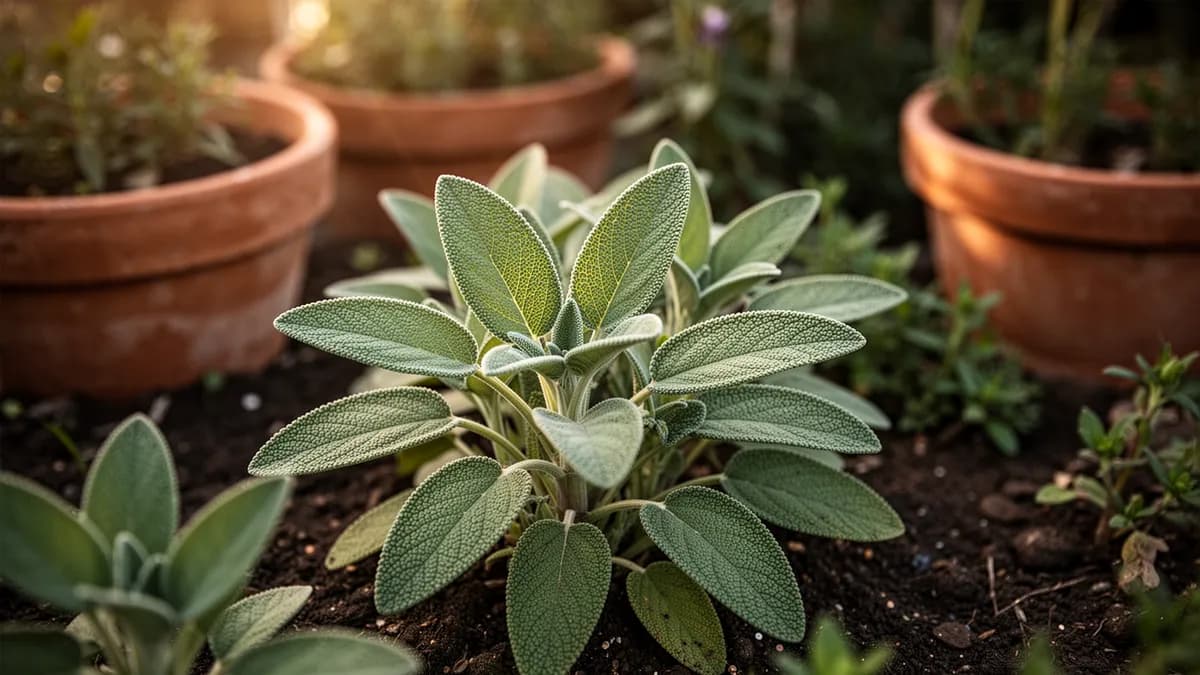
Thai basil makes an excellent companion for tomatoes and peppers, repelling aphids and attracting pollinators with its showy purple flowers. Plant near eggplant, where it helps deter flea beetles. Thai basil grows well with lemongrass and cilantro, creating a Southeast Asian herb garden with shared growing preferences. Avoid planting near sage and rosemary, which prefer drier conditions. The strong aromatic oils of Thai basil can help mask the scent of vulnerable crops from certain pests.
Tomato belongs beside it. Sage doesn't.
Old growers' knowledge, checked against Thai Basil's real companion table below — test any plant you're growing.
Try Thai Basil in a bed — right here
A real planner bed with Thai Basil already in it. Tap a companion to place it and watch the pairing checks answer — green for good neighbours, red for a clash.


Related growing guides
Feed it well
Thai basil thrives in rich, well-drained soil with a pH of 6.0-7.0. Amend planting beds with 2-3 inches of compost before planting. Feed every 2-3 weeks with a balanced liquid fertilizer (10-10-10) or fish emulsion during the growing season. Thai basil is a heavier feeder than some Mediterranean herbs and benefits from consistently fertile soil. Mulch with straw or shredded leaves to maintain soil moisture and warmth. Avoid heavy clay soils; improve drainage with perlite or coarse sand if necessary.
Ideal Temperature
Hardiness Zone Compatibility
From seed to harvest, stage by stage
Seed Germination
Thai basil seeds are tiny, black, and become mucilaginous when wet, forming a gel-like coating that aids moisture retention. Seeds require consistent warmth of 20-25°C (68-77°F) for reliable germination, which typically occurs in 7-14 days. Light improves germination, so seeds should be pressed into the soil surface or covered with no more than 3mm of fine vermiculite.
Seedling Development
Cotyledon leaves emerge first, followed by the first pair of true leaves which already carry a faint anise scent when rubbed. Stems begin to show a hint of purple coloring. The seedling develops a compact form and starts building its root system. Growth is slow at this stage but accelerates as the plant establishes.
Vegetative Growth
The plant enters rapid growth, developing its characteristic sturdy purple stems and glossy, pointed dark green leaves with serrated edges. Branching increases dramatically, especially if the growing tips are pinched regularly. The plant develops a bushy, upright form reaching 30-45 cm tall. The distinctive anise-clove aroma intensifies as essential oil glands mature in the leaves.
Peak Harvest
The plant reaches full maturity at 45-60 cm tall with abundant foliage and strong purple stems. Leaves are at their most aromatic and flavorful, packed with essential oils including estragole and eugenol. This is the prime harvest window, and regular cutting stimulates vigorous new growth from leaf nodes below each cut. Flower buds begin forming at stem tips.
Flowering
Striking purple flower spikes emerge at the stem tips, each bearing whorls of small tubular flowers that are highly attractive to bees, butterflies, and other pollinators. The flowers are edible with a milder version of the leaf's anise flavor. Leaf production slows as the plant redirects energy toward seed production. Flavor becomes slightly more bitter and woody.
Seed Set and Decline
The plant focuses entirely on seed production as flower spikes mature and dry. Lower leaves may yellow and drop. Stems become increasingly woody at the base. In tropical climates, Thai basil behaves as a short-lived perennial, but in temperate zones the plant dies with the first frost. Each flower spike produces dozens of tiny seeds that can be collected for next season.
Start seeds indoors 6-8 weeks before the last frost date. Use a heat mat to maintain soil temperature above 20°C (68°F). Mist gently rather than watering heavily, as the tiny seeds can easily wash away. Bottom watering works well for seed trays.
Caring for Thai Basil month by month
What to do each month for your Thai Basil
October
You are hereIn frost-prone zones, harvest remaining foliage before the first frost kills the plant. Thai basil is extremely frost-sensitive and blackens at even a light frost. Bring potted plants indoors to a bright windowsill. Collect dried seed heads if you allowed flowers to mature.
Know exactly what to do in your garden — every month
One email at the start of each month: what to sow, plant, and tackle right now — for your Thai Basil and everything growing around it. Plus a short starter course that helps you dodge the classic mistakes.
- What to do, right now
- Matched to your season
- Starter course included
Harvesting Thai Basil
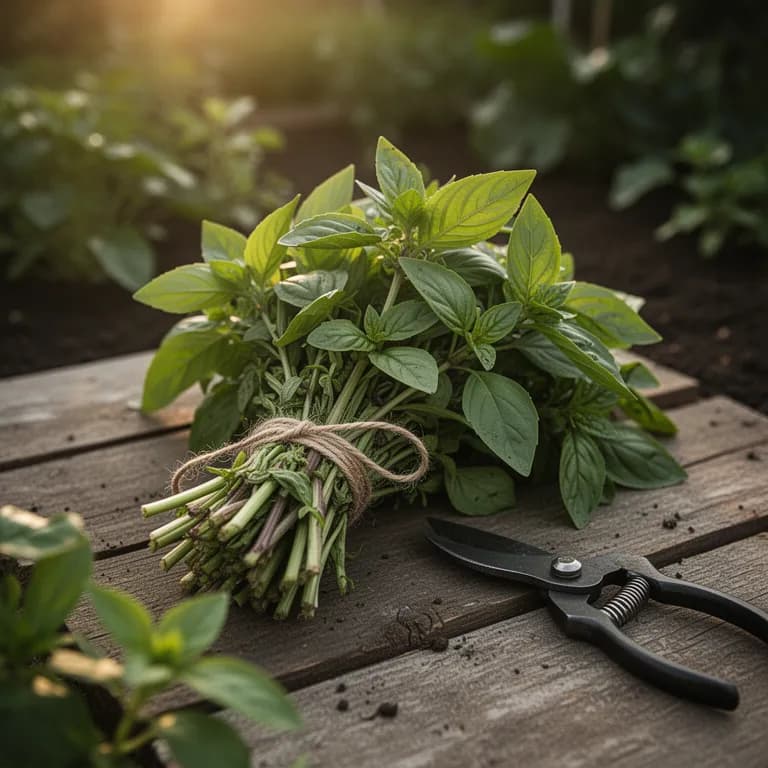
Begin harvesting Thai basil once plants have at least 3-4 sets of true leaves, typically 35-45 days after sowing. Cut stems just above a leaf node to encourage branching. Unlike sweet basil, Thai basil's flavor holds up during cooking, so harvest generously for stir-fries and curries. The purple flower spikes are also edible and make an attractive garnish. Harvest in the morning when essential oils are most concentrated. Regular cutting every 1-2 weeks promotes bushier, more productive plants.
assuming you plant when the window opens — set your real date
Pick Thai Basil promptly and the plant keeps producing.
Storage & Preservation
Store fresh Thai basil stems in a glass of water at room temperature, loosely covered with a plastic bag. Avoid refrigerating, as cold causes the leaves to blacken. For freezing, blanch whole sprigs briefly in boiling water, shock in ice water, and pack into freezer bags. Thai basil can also be preserved in oil by pureeing leaves with a small amount of neutral oil and freezing in ice cube trays for instant flavor additions to stir-fries. Dried Thai basil retains some anise notes but loses much of its complexity.
What goes wrong — and the fix
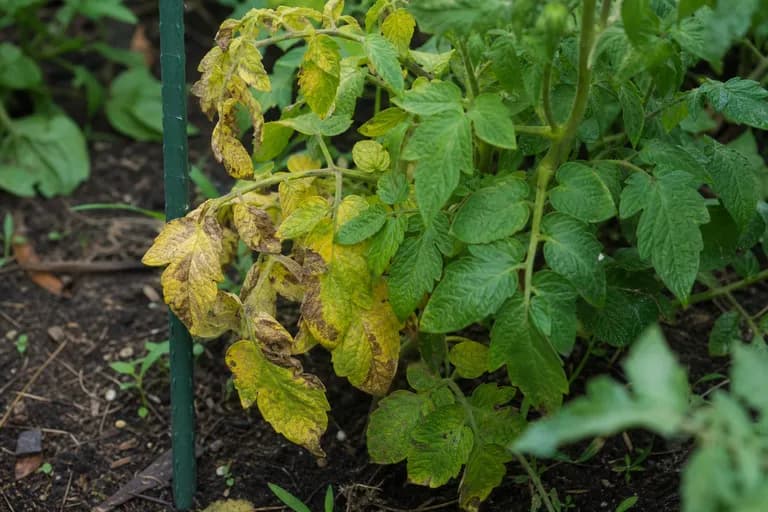
Fusarium Wilt
DiseaseYellowing and browning of leaves starting from the base, dark streaks inside stems when cut, progressive wilting.
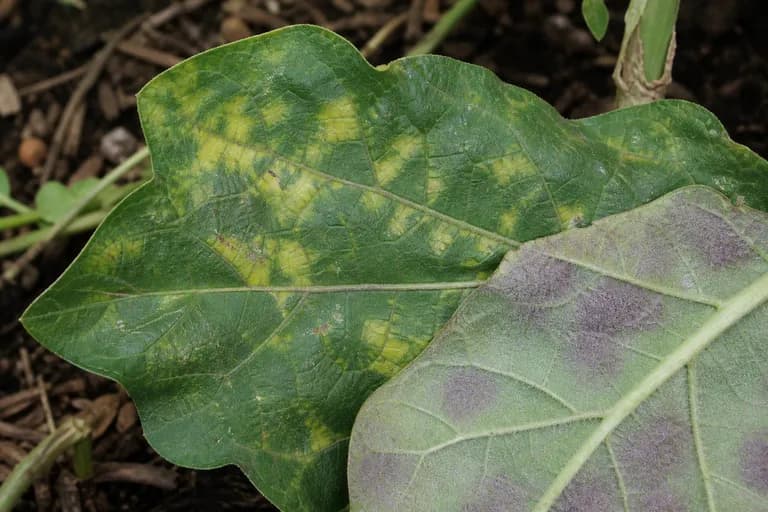
Downy Mildew
DiseaseYellow patches between leaf veins on upper surfaces, grey-purple fuzzy growth on undersides, leaf drop.
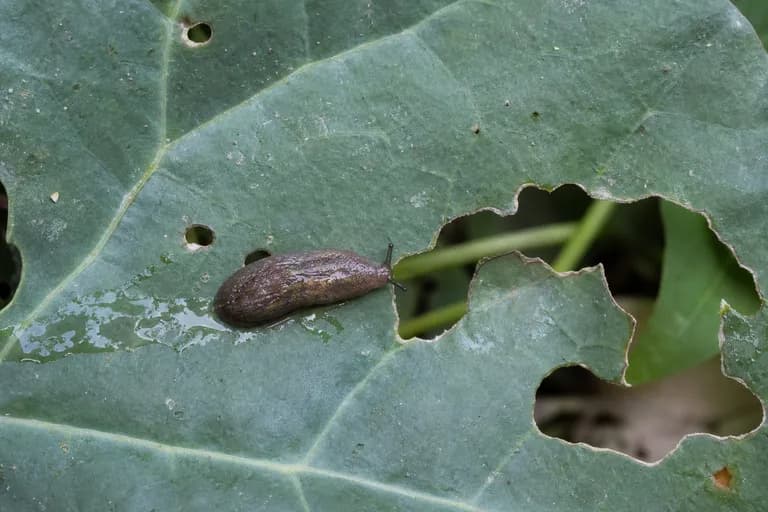
Slugs
PestIrregular holes in lower leaves, silvery slime trails on foliage and soil, damage most severe overnight and in wet conditions.
Troubleshooting Common Problems
Cold sensitivity is the primary concern with Thai basil; leaves blacken and plants die at temperatures below 40°F. Always wait until warm weather is fully established before transplanting outdoors. Leggy growth results from insufficient light; provide at least 6-8 hours of direct sun daily. If leaves lose their intense color and flavor, the plant may need more sunlight or may be over-fertilized with nitrogen. Thai basil is somewhat more resistant to downy mildew than sweet basil but can still be affected in humid conditions with poor airflow.
Growing Tips
- Thai basil is far more heat-tolerant than Italian sweet basil and actually performs best in the hottest part of summer when sweet basil struggles. Plant it in your sunniest spot — it needs at least 6-8 hours of direct sunlight daily for the strongest flavor and most compact growth.
- Pinch the central growing tip once the plant has 3-4 pairs of true leaves to trigger lateral branching. Each pinched stem produces two new growing points, creating a dense, bushy plant with dramatically more harvestable foliage than an unpinched single-stemmed plant.
- Root Thai basil cuttings in a glass of water on a sunny windowsill — stems root readily in 7-10 days. This is the fastest way to propagate new plants mid-season and the best method for bringing Thai basil indoors before frost for winter harvests.
- Remove flower buds promptly if your goal is maximum leaf production. Once Thai basil begins flowering, the plant shifts energy from leaf growth to seed production, and leaf flavor becomes subtly more bitter. However, the purple flowers are edible and beautiful, so leaving a few for pollinators and garnish is worthwhile.
- Water consistently at the base of the plant, keeping soil evenly moist but never waterlogged. Thai basil wilts dramatically when thirsty but recovers quickly after watering. Avoid overhead watering which can promote fungal leaf diseases like downy mildew and Fusarium wilt.
- Companion plant Thai basil with tomatoes, peppers, and eggplant — they share similar heat and water requirements, and basil's aromatic oils are believed to repel aphids, whiteflies, and tomato hornworms from neighboring plants.
- Grow Thai basil in containers at least 20-25 cm deep and wide. It performs exceptionally well in pots on sunny patios, balconies, and doorsteps. Container plants are easier to bring indoors before frost and can extend your harvest season by several months.
- Feed Thai basil every 2-3 weeks with a balanced liquid fertilizer during the active growing season. Avoid high-nitrogen feeds that promote lush but less flavorful growth. A balanced organic fertilizer or compost tea encourages steady growth with maximum essential oil production.
- Harvest Thai basil in the morning after the dew has dried but before the heat of midday. Essential oil concentration peaks in the morning hours, giving you the most aromatic and flavorful leaves. Cut whole stems rather than individual leaves — the plant regrows more vigorously from stem cuts.
- Preserve surplus Thai basil by freezing whole leaves or chopped leaves in olive oil using ice cube trays. Unlike drying, which destroys much of Thai basil's delicate anise flavor, freezing retains the essential oils remarkably well. Frozen Thai basil cubes drop perfectly into stir-fries, soups, and curries.
Grow your best Thai Basil yet — and everything around it.
Start a free plan today. Lay out your beds, drop in your Thai Basil, and let PlotMyGarden handle the timing, spacing, companions and reminders from seed to harvest basket.
Pick your Thai Basil
Siam Queen
An All-America Selections winner with exceptionally large leaves and intense anise flavor. Vigorous grower reaching 24 inches with showy purple flower spikes.
Thai Magic
A compact variety ideal for containers with deeply colored purple stems and a slightly sweeter flavor profile than standard Thai basil.
Queenette
A dwarf Thai basil reaching only 10-12 inches, perfect for windowsill growing and small-space gardens with full-sized flavor.
Fresh Thai basil at grocery stores and Asian markets costs $3-5 per small bunch (about 30-40g of usable leaves). A single seed packet costing $2-4 grows 8-12 plants that collectively yield 1.5-3 kg of fresh Thai basil over a season — equivalent to $150-400 worth of store-bought bunches. Since Thai basil is often sold in quantities larger than a single recipe requires and wilts within days of purchase, home-grown plants eliminate waste entirely by allowing you to harvest exactly what you need, moments before cooking.
Quick recipes
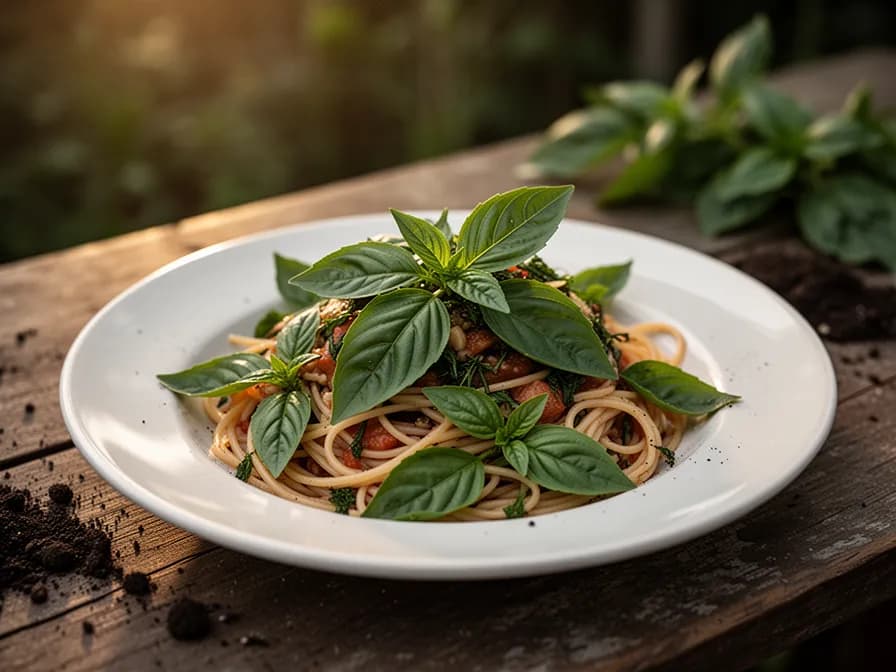
Pad Kra Pao (Thai Holy Basil Stir-Fry)
20 minThailand's beloved street food classic adapted for Thai basil — a fiery, savory stir-fry of minced protein with garlic, chillies, and a generous handful of Thai basil leaves wilted in at the last moment. Traditionally served over jasmine rice with a crispy fried egg on top.
10 ingredientsVietnamese Pho Garnish Plate
10 minAn aromatic herb plate built around fresh Thai basil sprigs, the essential accompaniment to a steaming bowl of pho. Diners tear basil leaves into the hot broth where they wilt slightly and release their licorice-like perfume into the soup.
6 ingredientsThai Basil Lemonade
15 minA refreshing herbal lemonade that infuses the anise-sweet fragrance of Thai basil into a simple citrus base. The purple stems and occasional flower buds give the drink a beautiful pale lavender tint when muddled. Served ice-cold, it is a uniquely aromatic summer drink.
7 ingredientsCulinary Uses
Thai basil is indispensable in Southeast Asian cooking, where its distinctive anise-clove flavor holds up beautifully during high-heat cooking. Use it in Thai curries, Vietnamese pho, stir-fries, and spring rolls. Add leaves to spicy soups and noodle dishes in the final minutes of cooking. The purple flower buds are edible and add a concentrated burst of flavor as a garnish. Thai basil pairs well with chili, lemongrass, ginger, coconut milk, and fish sauce.
What's inside
Health Benefits
- Thai basil contains high concentrations of eugenol, a phenolic compound with clinically documented anti-inflammatory and analgesic properties — the same compound that gives cloves their medicinal bite. Regular dietary consumption may help reduce chronic low-grade inflammation.
- Rich in essential oils with demonstrated antibacterial activity against common foodborne pathogens including E. coli, Salmonella, and Staphylococcus aureus. Adding fresh Thai basil to meals may contribute to food safety beyond its culinary role.
- Provides significant vitamin A as beta-carotene (over 100% DV per 100g), supporting healthy vision, robust immune function, and cellular differentiation — particularly important for skin health and respiratory tract integrity.
- Contains rosmarinic acid, a potent polyphenol antioxidant that has shown promise in research studies for reducing allergic responses by inhibiting inflammatory enzymes and suppressing the activation of immune cells that drive allergic reactions.
- The essential oils in Thai basil, particularly linalool and citronellol, have demonstrated adaptogenic and mild anxiolytic effects in preliminary research, supporting traditional Asian medicine practices that used basil preparations for stress relief and mental clarity.
- High in vitamin K (over 400% DV per 100g), which is essential for blood clotting cascade regulation and plays an increasingly recognized role in bone mineral density maintenance and cardiovascular calcification prevention.
Where Thai Basil comes from
Thai basil (Ocimum basilicum var. thyrsiflora) traces its origins to the tropical regions of Southeast Asia, where wild basil species have grown for thousands of years in the warm, humid climates of present-day Thailand, Vietnam, Cambodia, and Laos. While the broader basil genus Ocimum likely originated in tropical Africa and India, the thyrsiflora variety evolved specifically in Southeast Asia, developing its characteristic anise-clove flavor profile, sturdy purple stems, and heat tolerance in response to the region's monsoon climate and intense culinary traditions.
Basil has deep roots in Asian spiritual and medicinal practice. In Thailand, basil varieties have been cultivated for centuries not only as essential culinary herbs but also as medicinal plants in traditional Thai healing systems. Ancient practitioners used Thai basil infusions to treat digestive complaints, coughs, and skin conditions. The herb also holds spiritual significance — in several Southeast Asian cultures, aromatic herbs like basil are associated with purification, protection, and good fortune.
Thai basil became integral to some of the world's most celebrated cuisines. In Thai cooking, it features prominently in stir-fries, curries, and soups, valued for its ability to withstand high-heat wok cooking without wilting or turning bitter. In Vietnamese cuisine, fresh Thai basil sprigs are an essential component of the herb plate served alongside pho, spring rolls, and other dishes. Cambodian and Laotian kitchens similarly rely on Thai basil as a foundational aromatic herb.
Thai basil reached Western kitchens primarily through the wave of Southeast Asian immigration following the Vietnam War in the 1970s and 1980s. As Thai and Vietnamese restaurants proliferated across North America, Europe, and Australia, demand for authentic ingredients grew. By the 1990s, Thai basil had become widely available in Asian grocery stores and farmers markets, and adventurous home gardeners began growing it alongside its Italian cousin. Today it is one of the most popular specialty herbs grown in home gardens worldwide, prized for both its culinary versatility and its ornamental beauty.
Thai Basil: did you know?
Fascinating facts about Thai Basil
Thai basil (Ocimum basilicum var. thyrsiflora) is one of over 60 recognized varieties of basil, but it stands apart from sweet basil thanks to its distinctive anise-licorice flavor profile created by high concentrations of the essential oil compound estragole, which is nearly absent in Italian sweet basil.
Thai Basil questions, answered
When should I plant Thai Basil?
What are good companion plants for Thai Basil?
What hardiness zones can Thai Basil grow in?
How much sun does Thai Basil need?
How far apart should I space Thai Basil?
What pests and diseases affect Thai Basil?
How do I store Thai Basil after harvest?
What are the best Thai Basil varieties to grow?
What soil does Thai Basil need?
What is the difference between Thai basil and sweet basil?
Can I grow Thai basil indoors during winter?
Why is my Thai basil turning yellow?
Is Thai basil safe for pets?
How do I save Thai basil seeds for next year?
How do I prevent my Thai basil from getting leggy?
You just read the theory. Now grow it on autopilot.
Everything that makes Thai Basil fiddly — the timing, the spacing, the companions, the harvest window — is exactly what PlotMyGarden handles for you, for every plant in your garden.
A plan that knows your weather
Set your location once. Get sow, feed and harvest dates built around your real last-frost date and live forecast — no more guessing from a generic seed packet.
From the “When to plant” sectionDrag-and-drop bed planner
Design beds on a grid. Every plant snaps to its proper spacing, and you can see your whole season laid out before you spend a cent on seed.
From the “Growing guide” sectionCompanion conflicts, caught early
200+ good-and-bad pairings checked live as you plant — so a season-wrecking mistake never makes it into the ground.
From the “Companions” sectionReminders you'll actually act on
“Water the beans.” “Pick today before it turns.” Timely, specific, and tied to the plants you're really growing.
From the “Harvest” sectionSuccession, scheduled
Want a harvest for six weeks, not six days? It spaces your sowings automatically and reminds you when each new block is due.
From the “When to plant” sectionA record that gets smarter
Every harvest you log teaches it your garden. Next year's plan starts from what actually worked in your soil, not a textbook's.
From the “Overview” sectionPlant these alongside Thai Basil
More Culinary Herbs
Keep Thai Basil away from these
Garden plans featuring Thai Basil
Grow your best Thai Basil yet — and everything around it.
Start a free plan today. Lay out your beds, drop in your Thai Basil, and let PlotMyGarden handle the timing, spacing, companions and reminders from seed to harvest basket.