Greengage Plum
Widely regarded as the finest-flavored of all plums, producing small, round, green to golden fruits with honeyed sweetness.





On this pageOverview
Meet Greengage Plum
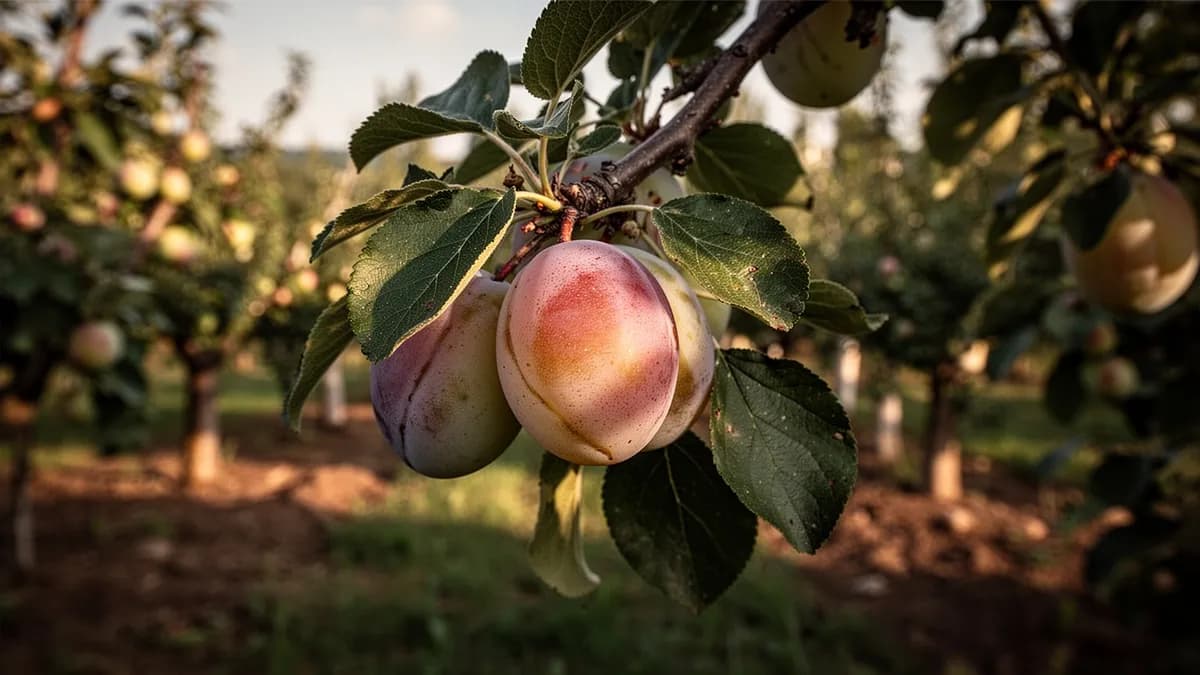
Widely regarded as the finest-flavored of all plums, producing small, round, green to golden fruits with honeyed sweetness. Greengages are more challenging to grow than other plums, producing smaller crops and being more susceptible to disease. The exquisite flavor when tree-ripened makes the extra effort worthwhile for discerning fruit growers.
When to plant Greengage Plum
Greengage pits require 90 to 120 days of cold stratification. Seedling trees may produce reasonable fruit but rarely match the parent's quality. For the finest flavor, purchase grafted trees on St. Julien A or Pixy rootstock. Pixy provides useful dwarfing ideal for fan training against walls. Grafted trees begin fruiting in four to five years. Select the most sheltered, south-facing location available for best flavor development.
Your Greengage Plum Year
Composed for Zone 7 · typical seasons · frost passes Apr 2, returns Nov 1
Plant Greengage Plum Mar – Apr, pick Aug – Sep. Check the planting methods below and set your climate to personalize these windows.
How to grow Greengage Plum
Greengages perform best in USDA zones 5 through 8, preferring the moderate, temperate climates of Europe where they originated. Plant bare-root trees in late winter in full sun with well-drained, fertile soil. Space 15 feet apart. Greengages are mostly self-fertile but produce heavier crops with a compatible European plum pollinator nearby such as a Victoria or Oullins Gage.
These are more temperamental than other plums, producing lighter crops and requiring more warmth during the ripening period to develop their legendary honeyed sweetness. Train as open-center trees or fan-train against a south-facing wall, which provides the extra warmth that intensifies flavor. Prune lightly in summer to avoid silver leaf disease entry.
Thin fruit to three to four inches apart for larger, sweeter individual plums. Greengages are prone to biennial bearing without thinning. Fertilize moderately in spring. Water consistently during fruit development but avoid excessive moisture near harvest, which dilutes flavor. The reward for patient, attentive care is fruit of extraordinary quality that many consider the pinnacle of temperate fruit growing.
Greengage Plum needs more room than a 4 × 8 ft bed gives
Each Greengage Plum wants 300 cm of elbow room. The planner keeps that spacing for you — every plant, every bed.
Greengage Plum's best neighbours
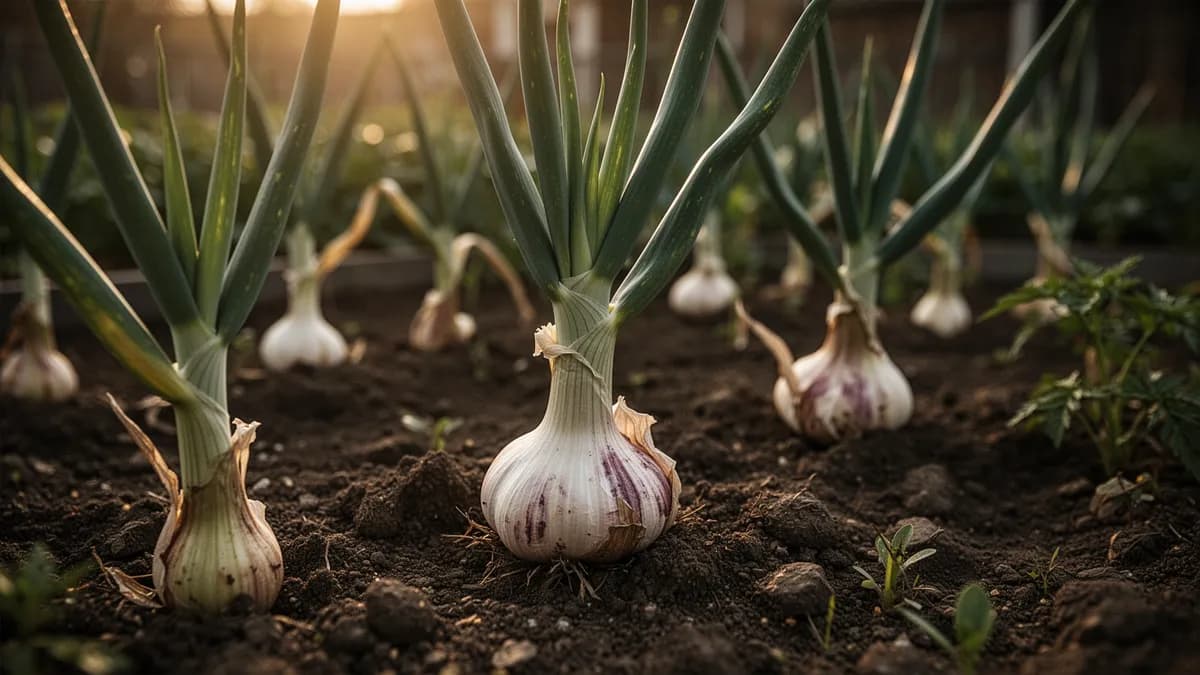
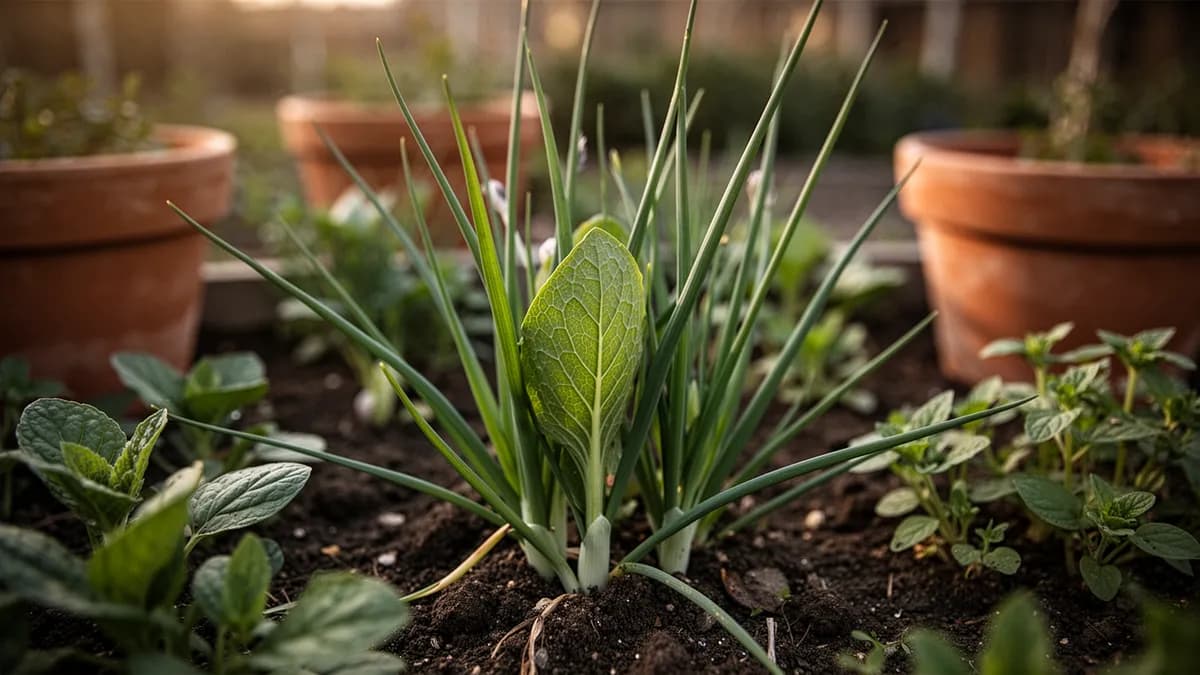
Fan-train greengages against south-facing walls for the warmth needed to develop optimal sweetness. Underplant with low-growing Mediterranean herbs like thyme and oregano that reflect heat upward. Nasturtiums attract aphids away from the tree. Garlic and chives deter borers. Nitrogen-fixing clover as ground cover supports soil fertility. Avoid shading from taller trees, as greengages need maximum sun and warmth for flavor development.
Garlic belongs beside it. Walnut Tree doesn't.
Old growers' knowledge, checked against Greengage Plum's real companion table below — test any plant you're growing.
Try Greengage Plum in a bed — right here
A real planner bed with Greengage Plum already in it. Tap a companion to place it and watch the pairing checks answer — green for good neighbours, red for a clash.


Related growing guides
Feed it well
Greengages prefer deep, fertile, well-drained loam with a pH of 6.0 to 7.0. They respond to rich soil better than most plums. Incorporate generous amounts of compost at planting. Apply a balanced fertilizer in early spring and mulch with well-rotted manure in autumn. The extra fertility rewards with sweeter, larger fruit. Potassium supports sugar development. Avoid waterlogged conditions, which promote root rot.
Ideal Temperature
Hardiness Zone Compatibility
From seed to harvest, stage by stage
Dormancy and Bud Swell
The greengage tree is fully dormant through winter, its bare branches showing little outward sign of life. Beneath the bark, however, the tree is building reserves and the flower buds are slowly swelling as day length increases. Greengages generally break dormancy slightly earlier than many other European plum varieties, making them particularly vulnerable to late frosts during the blossom period that follows.
Bloom and Pollination
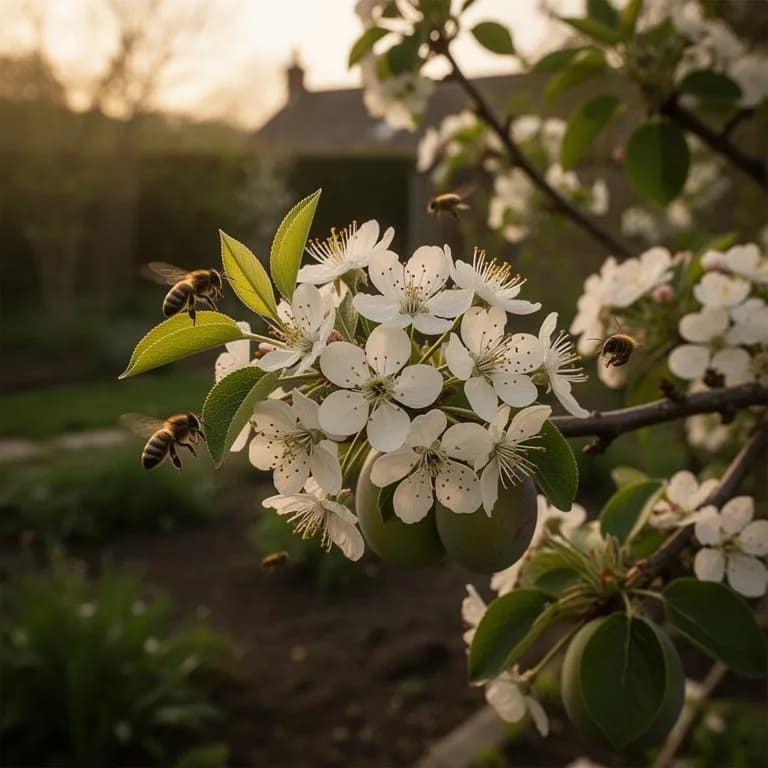
The greengage bursts into flower in early to mid spring with clusters of pure white, lightly scented blossoms. Most traditional greengage varieties, including Old Green Gage and Cambridge Gage, are only partially self-fertile and set a much better crop when a compatible pollinator such as Victoria, Czar, or another plum in the same pollination group blooms nearby. The flowers are open for a short window and depend heavily on bee activity for successful pollination.
Fruit Set and June Drop
After successful pollination the tiny fruitlets begin to develop, each one a vivid, hard apple-green sphere. The tree naturally sheds a proportion of these fruitlets in late spring in the natural thinning event known as the June drop. In a good year with strong pollination, greengages can set a very heavy crop that must be thinned by hand to prevent branch breakage and ensure each remaining fruit develops its full size and characteristic honey-sweet flavour.
Fruit Development and Colour Change
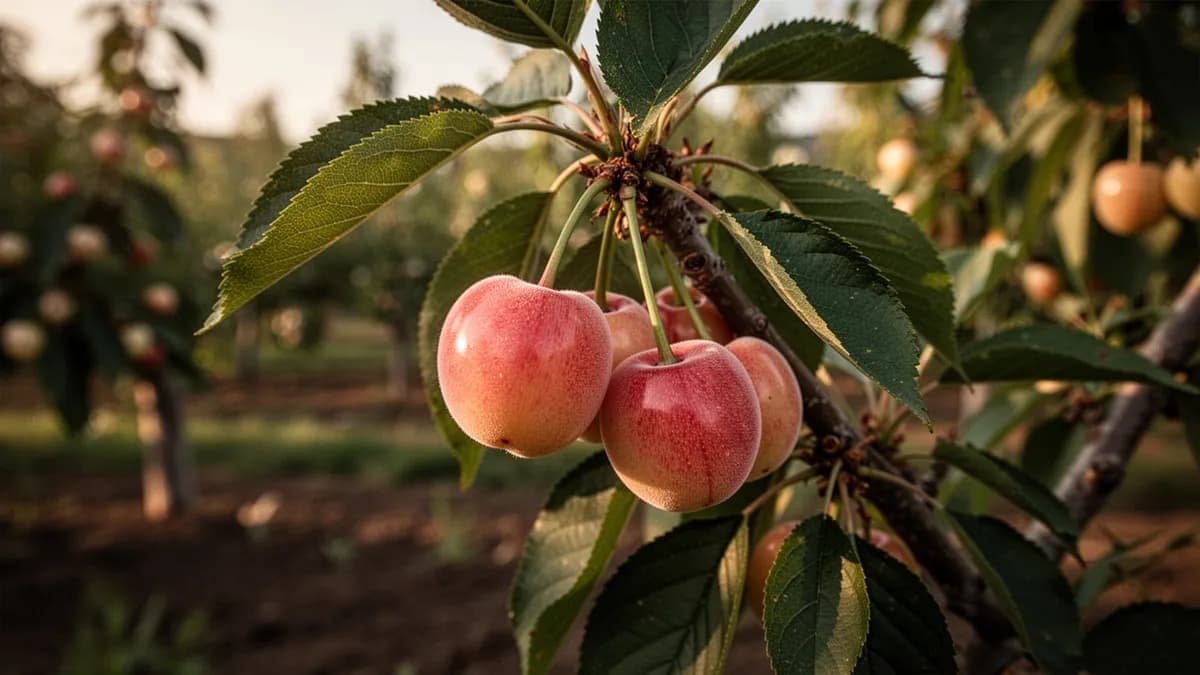
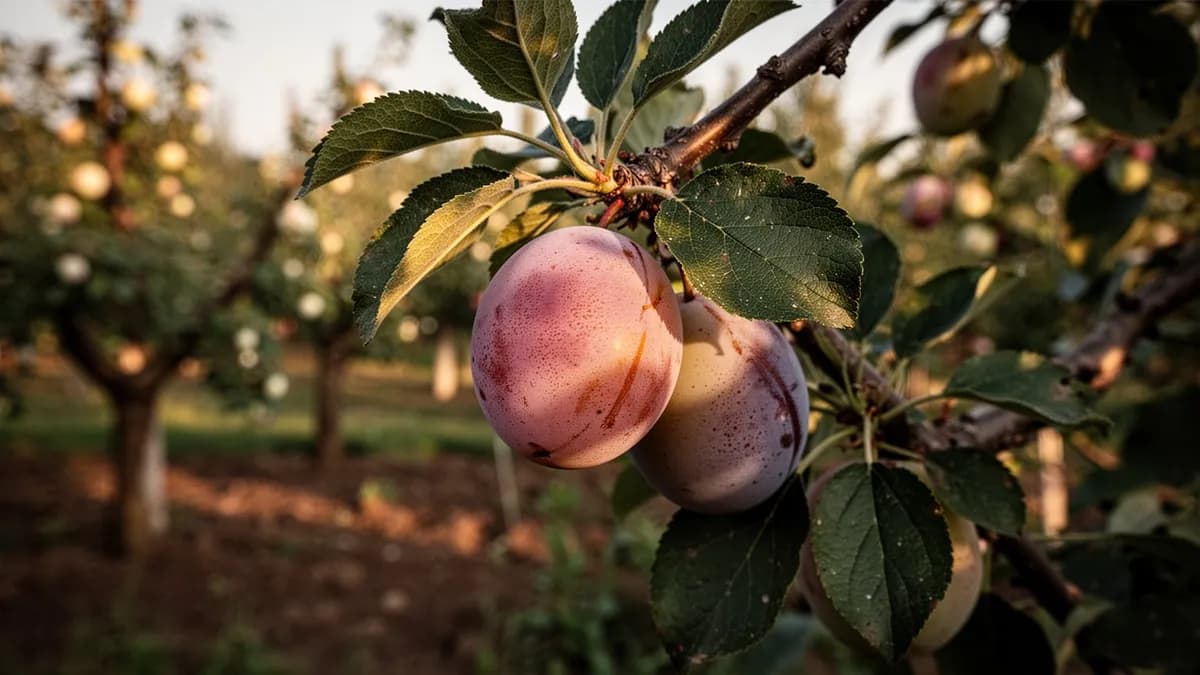
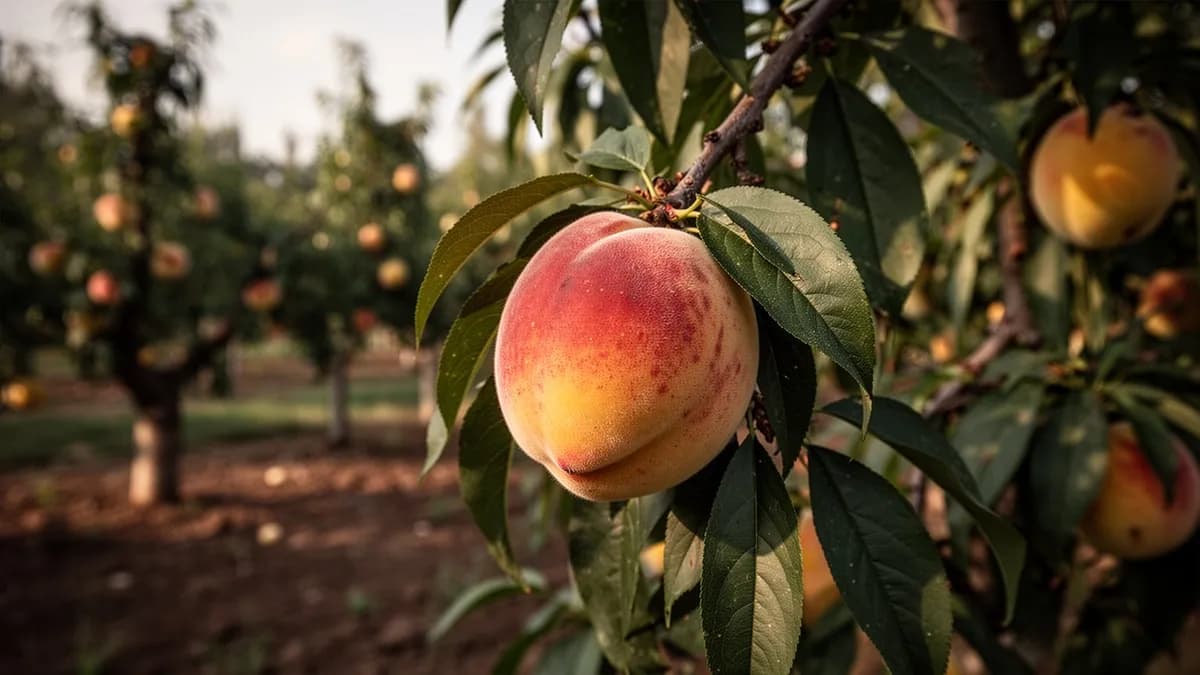
Greengages grow slowly through summer, remaining green and hard for much of the season. As harvest approaches the skin transitions from a solid apple-green to a luminous golden-green, often developing a warm amber or faint red blush on the side exposed most directly to the sun. The flesh softens gradually and the characteristic aroma of honey, vanilla, and ripe melon intensifies in the final two to three weeks before picking.
Harvest
Most greengage varieties are ready to harvest from late July through September depending on the cultivar and location. Ripe greengages yield very slightly to gentle thumb pressure near the stalk end and detach cleanly from the branch with a gentle half-twist. The flesh of a perfectly ripe greengage is extraordinarily sweet, honeyed, and aromatic, with a complexity of flavour that far exceeds almost any other plum variety.
Post-Harvest and Leaf Fall
Once fruiting is complete, the greengage tree directs its energy toward consolidating the wood that will carry next year's flowering buds and building carbohydrate reserves in its roots. Leaves may develop a soft golden-yellow tone before dropping in autumn. The tree gradually enters dormancy as temperatures fall and the days shorten, completing its annual cycle.
Winter Rest
The greengage tree is fully dormant through the depths of winter. This rest period is essential: the tree requires a sufficient accumulation of chilling hours below 7°C to break dormancy correctly and flower uniformly in spring. In regions with mild winters, insufficient chilling can lead to erratic, staggered blossom opening and poor fruit set. The dormant period is also the best time to assess the tree's structure and plan any remedial work.
Apply a dormant-season oil spray or winter wash in late January or February to smother overwintering aphid eggs and scale insects before they hatch. This is also the ideal time to inspect the framework branches carefully for signs of canker lesions, silver leaf, or dieback, and to cut out any affected wood cleanly back to healthy tissue.
Caring for Greengage Plum month by month
What to do each month for your Greengage Plum
October
You are hereComplete the harvest and clear all fallen fruit and leaves from beneath the tree. Apply a final mulch of well-rotted compost around the tree base. Plant new bare-root trees from mid-autumn once the tree is dormant. Clean and sterilise all pruning tools before putting them away for winter.
Know exactly what to do in your garden — every month
One email at the start of each month: what to sow, plant, and tackle right now — for your Greengage Plum and everything growing around it. Plus a short starter course that helps you dodge the classic mistakes.
- What to do, right now
- Matched to your season
- Starter course included
Harvesting Greengage Plum
Greengages ripen from August through September. The fruit is ready when it turns from green to golden-green or amber and gives slightly to gentle pressure. The flavor is at its absolute peak when the fruit is dead-ripe on the tree, warm from the sun. This is when the legendary honeyed sweetness fully develops. Pick carefully to avoid bruising the delicate skin. Handle like precious items, as tree-ripened greengages do not transport well.
assuming you plant when the window opens — set your real date
Pick Greengage Plum promptly and the plant keeps producing.
Storage & Preservation
Freshly picked greengages keep only two to four days at room temperature and up to one week refrigerated. Their fleeting peak ripeness is part of their mystique. Greengage jam is one of the most prized preserves, with an extraordinarily complex, honeyed flavor. The fruit bottles beautifully in syrup. Greengage compote is a classic French dessert. Freeze halved fruit for later use in tarts and baking. Greengage ice cream captures the ephemeral flavor for year-round enjoyment.
What goes wrong — and the fix
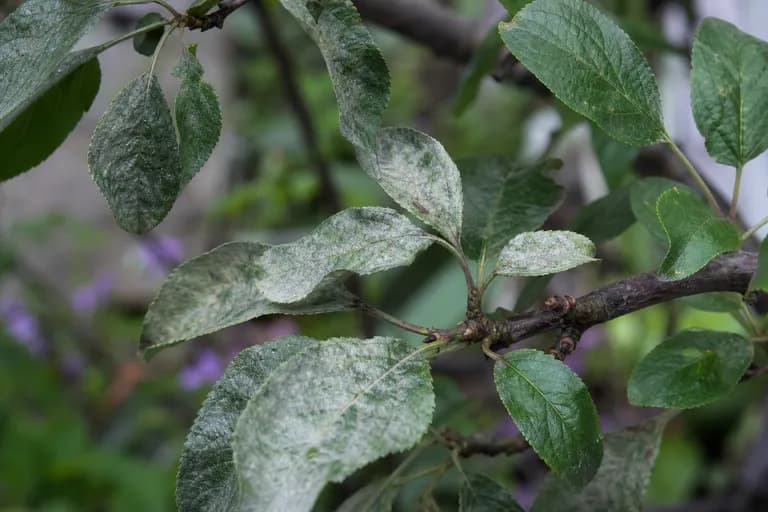
Silver Leaf Disease
DiseaseSilvery metallic sheen on leaves, progressing to branch dieback. Cut wood shows brown staining. The most serious disease of plums in temperate climates.
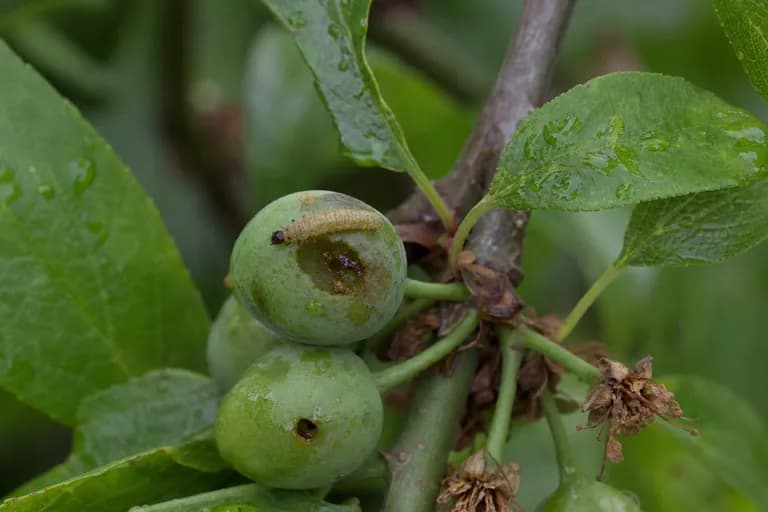
Plum Sawfly
PestLarvae bore into developing fruit shortly after petal fall, feeding inside and causing early fruit drop. Exit holes visible on dropped fruit with dark frass.
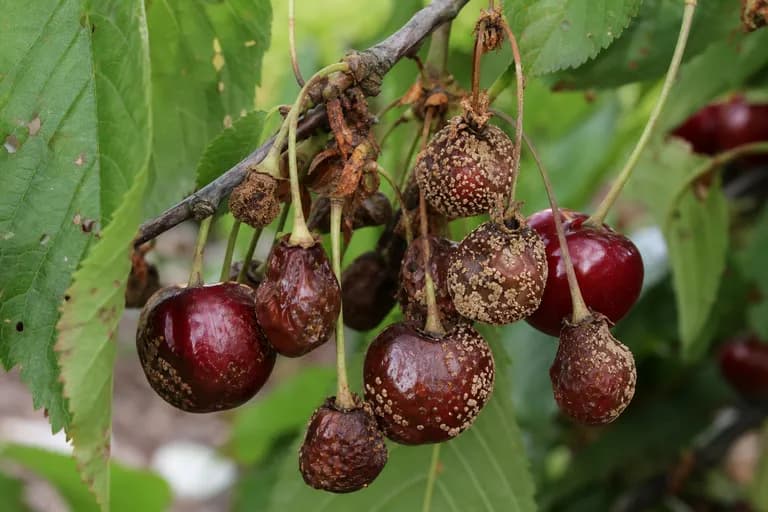
Brown Rot
DiseaseBrown, spreading rot on ripening fruit with concentric rings of gray-tan spore masses. Can spread rapidly in warm, humid conditions near harvest.
Troubleshooting Common Problems
Greengages are notoriously inconsistent croppers, producing heavily one year and lightly the next. They require more warmth than other plums to develop their characteristic sweetness, making them less reliable in cool, cloudy summers. Silver leaf disease is a persistent threat. The fruit's delicate quality means it does not store or transport well, which is why fresh greengages are rarely found in markets despite their legendary flavor.
Growing Tips
- Choose the warmest, most sheltered position available in the garden for a greengage, ideally against a south- or south-west-facing wall or fence. Unlike many other European plums, greengages need accumulated summer heat to develop their full honey-sweetness, and they will fruit poorly or fail to ripen completely in exposed or shaded positions.
- Select a variety suited to your climate before buying. Denniston's Superb and Cambridge Gage are the most reliable croppers in cool, northern gardens because they are more self-fertile and their blossom tends to be slightly more frost-resistant than Old Green Gage. Old Green Gage itself is the benchmark for flavour but performs best in warm, sheltered southern gardens or in a greenhouse.
- Most greengage varieties are only partially self-fertile and set dramatically better crops when a compatible cross-pollinator is nearby. Victoria plum, Czar, and Early Transparent Gage are all excellent pollinators that bloom at the same time and combine well with most greengage varieties. Plant your pollinator within 15 metres if possible.
- Always prune greengage trees in summer, between mid-June and late August, never in autumn or winter. This is not merely a recommendation but a necessity, as silver leaf disease, which is almost invariably fatal if it progresses to the main branches, enters through pruning wounds and its spores are most abundant from September to May.
- Thin the fruit rigorously after the June drop, reducing clusters to singles spaced at least 5-7 cm apart. Greengages that are allowed to crowd each other produce small, under-flavoured fruit and put excessive strain on branches. Well-thinned fruit is noticeably larger, sweeter, and more aromatic at harvest.
- Feed greengages with a high-potassium fertiliser from fruit set in early summer through to the onset of colour change in late summer. Potassium is the nutrient most directly responsible for fruit sweetness and flavour complexity in stone fruits. A weekly liquid feed of high-potash tomato fertiliser from June to August makes a measurable difference to the quality of the harvest.
- Water greengage trees deeply and consistently during dry spells in summer, particularly during the two to three weeks when fruit is swelling rapidly before harvest. Irregular watering, especially a period of drought followed by sudden heavy irrigation, causes the fruit skin to split as the flesh expands rapidly, ruining both appearance and keeping quality.
- Harvest greengages with the utmost care, as their thin skin bruises far more easily than most other plum varieties. A bruised greengage deteriorates within hours. Pick each fruit individually by cupping it in the palm and using a gentle half-twist, leaving the stalk attached. Lay harvested fruit in a single layer in a shallow tray or punnet rather than piling it up.
- Plan to process or eat greengages within two to three days of picking. Unlike firmer plum varieties that keep for one to two weeks in the refrigerator, greengages at peak ripeness are highly perishable. Have jam jars sterilised and recipe ingredients ready before you harvest, and make processing the fruit a priority immediately after picking.
- Consider growing a greengage tree in a large unheated greenhouse or polytunnel if your garden is in a cool, marginal climate. The extra warmth and frost protection available in a glass or polycarbonate structure transforms greengage cultivation in areas where outdoor cropping is unreliable, allowing even the most flavoursome but tender varieties to thrive.
Grow your best Greengage Plum yet — and everything around it.
Start a free plan today. Lay out your beds, drop in your Greengage Plum, and let PlotMyGarden handle the timing, spacing, companions and reminders from seed to harvest basket.
Pick your Greengage Plum
Reine Claude Verte (Green Gage)
The original French greengage with round, green fruit and incomparable honeyed sweetness. The benchmark against which all other plums are measured.
Reine Claude Dorée (Golden Gage)
A golden-amber variant with similar outstanding flavor and slightly larger fruit. Stunning visual appeal when tree-ripened to golden translucency.
Oullins Gage
A larger, more reliable greengage with yellow-green fruit. Slightly less intense flavor than true greengages but still excellent and much easier to grow.
Cambridge Gage
An English variety with excellent greengage flavor and better disease resistance. Compact tree suitable for smaller gardens. Good for fan training.
A bare-root greengage tree on a semi-dwarfing rootstock typically costs between $30-60 from a specialist fruit nursery, with first fruits expected within 3-4 years. A mature, well-managed greengage tree produces 10-30 kg of fruit annually, equivalent to $60-200 worth of premium organic greengages at speciality greengrocer or farmers market prices, where they command a significant premium over ordinary plums due to their rarity and exceptional flavour. Over a productive lifespan of 30-50 years, a single tree represents a cumulative harvest value of $1,800-10,000. Home-grown greengages are also simply unavailable at most supermarkets, meaning that growing your own is the only practical way for most people to access this fruit at all. Surplus fruit preserved as jam, compote, or eau de vie extends the value of each harvest throughout the year.
Quick recipes
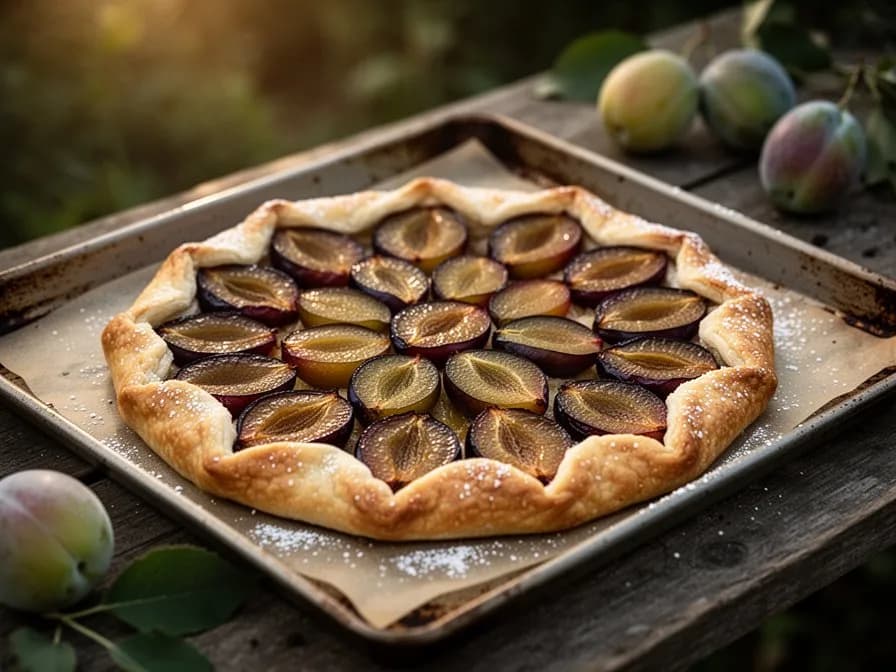
Greengage Jam
50 minutesGreengage jam is widely regarded as one of the most exquisite of all fruit preserves, with a delicate golden colour and a complex flavour of honey, vanilla, and sweet almonds that is completely unlike ordinary plum jam. The high sugar content of ripe greengages means this jam sets beautifully with only a modest amount of added sugar. It is exceptional spread on fresh bread, stirred into natural yogurt, or used as a filling for French-style tarts.
6 ingredients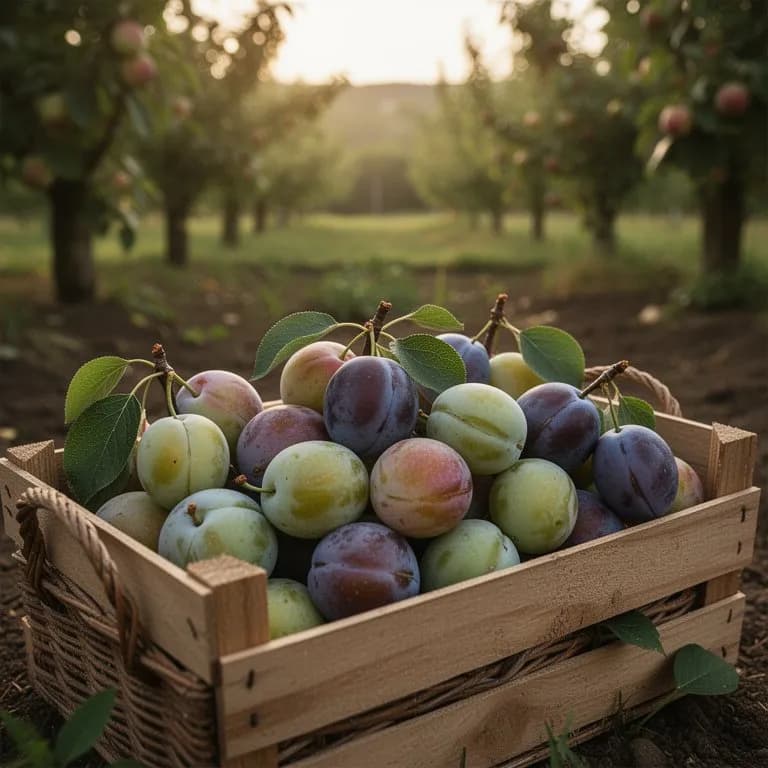
Greengage and Almond Tarte Tatin
25 minutes plus 30 minutes bakingA stunning upside-down tart that caramelises the greengages into jewel-like rounds of burnished gold, suspended in a rich buttery caramel and topped with a crisp all-butter pastry lid. The almond frangipane layer absorbs the greengage juices during baking to create an extraordinary flavour combination. Serve warm directly from the oven with a generous spoonful of crème fraîche.
7 ingredientsGreengage and Elderflower Compote
20 minutesA simple, fragrant compote that celebrates the natural honeyed perfume of the greengage with the floral lift of elderflower cordial. The result is an intensely aromatic sauce that is as beautiful to look at, a translucent pale amber-gold, as it is to eat. Spoon it over vanilla ice cream, panna cotta, rice pudding, or thick Greek yogurt, or serve alongside cold roast pork as an elegant alternative to apple sauce.
6 ingredientsCulinary Uses
Greengages are considered the finest dessert plum, best eaten warm from the tree at peak ripeness. Greengage jam is a classic French preserve of extraordinary refinement. The fruit makes exquisite tarts, especially the French tarte aux mirabelles. Poach gently in light syrup for an elegant dessert. Greengage ice cream and sorbet capture the ephemeral flavor. Pair with soft cheeses and honey for a simple, sophisticated course.
What's inside
Health Benefits
- Rich in polyphenolic antioxidants, particularly chlorogenic acid and quercetin concentrated in the green skin, which help protect cells from oxidative stress and may reduce the risk of chronic inflammatory conditions when consumed regularly as part of a varied diet
- Provides natural dietary fibre and sorbitol that work synergistically to support healthy gut microbiome diversity, promote regular bowel movements, and maintain a healthy digestive environment throughout the colon
- Supplies vitamin C which plays a central role in immune system function, stimulates the production of white blood cells, and enhances the absorption of non-haem iron from plant-based foods consumed in the same meal
- Contains vitamin K and potassium that together support cardiovascular health by contributing to healthy blood pressure regulation, arterial flexibility, and the maintenance of adequate bone mineral density throughout adult life
- Offers a low glycaemic index energy source despite their notable sweetness, as the natural fructose in greengages is metabolised more slowly than refined sugars, providing a sustained energy release without sharp blood glucose spikes
- Contains trace amounts of copper, manganese, and B-group vitamins including B2 and B6 that are essential cofactors in energy metabolism, neurotransmitter synthesis, and the maintenance of healthy skin and nervous system function
Where Greengage Plum comes from
The greengage belongs to the European plum species Prunus domestica subsp. italica, a subspecies that likely arose as part of the broader domestication of European plums in the Caucasus and western Asia several thousand years ago. The specific lineage that gave rise to the varieties we now call greengages was developed and refined in the monasteries and royal gardens of the Middle East and later the Mediterranean, where small, intensely sweet, green-skinned plums were cultivated as prized delicacies long before they reached northern Europe. The greengage entered French horticultural history in the early 16th century when it was grown in the royal gardens of France and named 'Reine-Claude' in honour of Queen Claude, the first wife of King Francis I and daughter of Louis XII. Claude was celebrated for her gentle disposition and her love of the fruit, and the name she lent it has endured in France to this day. The variety had almost certainly been brought to France from Italy or the Middle East somewhat earlier, possibly during the Italian campaigns of the French army, and it spread rapidly through the aristocratic gardens of France owing to its extraordinary flavour. The introduction to England is attributed to Sir William Gage of Hengrave Hall in Suffolk, who around 1724 received a consignment of fruit trees from the Carthusian monastery of Chartreuse in France. According to the most widely accepted account, the labels identifying the green-fruited variety were lost in transit, and the trees arrived without a name. Sir William's gardener consequently named the mystery variety after his employer's family, and 'greengage' entered the English language. The variety quickly became fashionable among English gardeners and fruit growers, celebrated in the writings of 18th and 19th century horticulturists as the finest of all plums. Many improved and selected greengage varieties were subsequently bred in England, including Cambridge Gage, Denniston's Superb, and later Oullins Golden Gage, each retaining the characteristic green-gold skin and honeyed sweetness of the original. Today, greengages are grown throughout temperate Europe, in North America, and in parts of Australia and New Zealand, always occupying a special position among home orchard enthusiasts as the variety that demands the most from its grower but rewards patience and care with fruit of unrivalled quality and complexity.
Greengage Plum: did you know?
Fascinating facts about Greengage Plum
The greengage was introduced to England in the 18th century by Sir William Gage of Hengrave Hall in Suffolk, who received trees from a French monastery. When the shipment arrived with the plant labels missing from several trees, his head gardener named the unknown green-fruited variety after the family, and the name 'greengage' stuck permanently in the English language.
Greengage Plum questions, answered
When should I plant Greengage Plum?
What are good companion plants for Greengage Plum?
What hardiness zones can Greengage Plum grow in?
How much sun does Greengage Plum need?
How far apart should I space Greengage Plum?
What pests and diseases affect Greengage Plum?
How do I store Greengage Plum after harvest?
What are the best Greengage Plum varieties to grow?
What soil does Greengage Plum need?
Why are greengages considered so special compared to ordinary plums?
Are greengages difficult to grow?
Which greengage variety should I choose for a small garden?
How do I know when my greengages are ready to pick?
Can I grow a greengage tree in a pot?
Why did my greengage tree produce blossoms but no fruit?
You just read the theory. Now grow it on autopilot.
Everything that makes Greengage Plum fiddly — the timing, the spacing, the companions, the harvest window — is exactly what PlotMyGarden handles for you, for every plant in your garden.
A plan that knows your weather
Set your location once. Get sow, feed and harvest dates built around your real last-frost date and live forecast — no more guessing from a generic seed packet.
From the “When to plant” sectionDrag-and-drop bed planner
Design beds on a grid. Every plant snaps to its proper spacing, and you can see your whole season laid out before you spend a cent on seed.
From the “Growing guide” sectionCompanion conflicts, caught early
200+ good-and-bad pairings checked live as you plant — so a season-wrecking mistake never makes it into the ground.
From the “Companions” sectionReminders you'll actually act on
“Water the beans.” “Pick today before it turns.” Timely, specific, and tied to the plants you're really growing.
From the “Harvest” sectionSuccession, scheduled
Want a harvest for six weeks, not six days? It spaces your sowings automatically and reminds you when each new block is due.
From the “When to plant” sectionA record that gets smarter
Every harvest you log teaches it your garden. Next year's plan starts from what actually worked in your soil, not a textbook's.
From the “Overview” sectionPlant these alongside Greengage Plum
More Stone Fruits
Keep Greengage Plum away from these
Grow your best Greengage Plum yet — and everything around it.
Start a free plan today. Lay out your beds, drop in your Greengage Plum, and let PlotMyGarden handle the timing, spacing, companions and reminders from seed to harvest basket.