Ancho Pepper
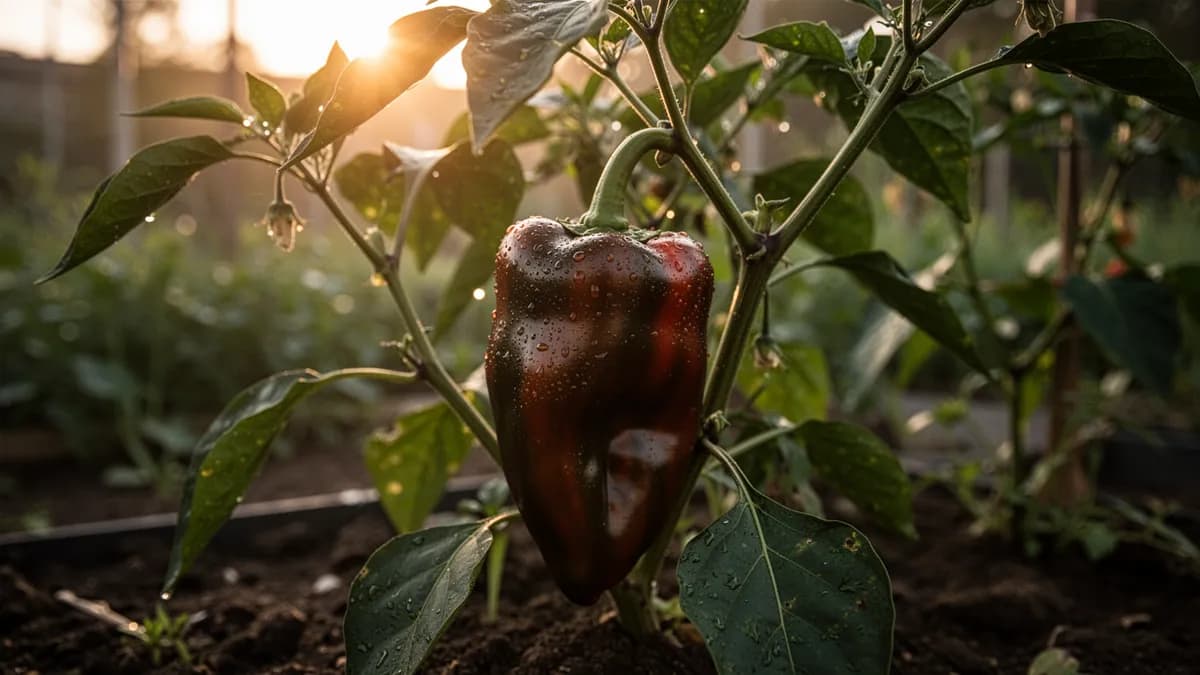
A mild dried pepper essential in Mexican cuisine, harvested green as poblano or left to ripen to deep red for drying.





On this pageOverview
Meet Ancho Pepper
A mild dried pepper essential in Mexican cuisine, harvested green as poblano or left to ripen to deep red for drying. Plants are sturdy and productive in warm climates with consistent moisture. Provide rich soil amended with compost and stake plants once fruit sets heavily. Harvest when fruits turn dark red and slightly wrinkled for the sweetest dried flavor.
When to plant Ancho Pepper
Start ancho pepper seeds indoors 8-10 weeks before the last frost date. Plant seeds one-quarter inch deep in warm, moist seed-starting mix at 80-85°F for germination in 10-14 days. Use a heat mat as pepper seeds require consistently warm soil. Grow seedlings under strong light for 14-16 hours daily. Harden off for 10-14 days before transplanting after nighttime temperatures stay above 55°F. Do not rush transplanting as cold soil stunts pepper growth significantly and may cause permanent setback.
Your Ancho Pepper Year
Composed for Zone 7 · typical seasons · frost passes Apr 2, returns Nov 1
Plant Ancho Pepper Feb – May, pick Jul – Sep. Check the planting methods below and set your climate to personalize these windows.
How to grow Ancho Pepper
Ancho peppers, the dried form of the poblano, are essential in Mexican cuisine with their mild, rich, slightly fruity heat. Grown as green poblanos for fresh use or allowed to ripen to red for drying into ancho chiles. Start seeds indoors 8-10 weeks before the last frost as peppers need a long, warm growing season. Transplant after soil reaches 65°F and nighttime temperatures stay above 55°F.
Space plants 18-24 inches apart in a warm, sheltered location with full sun. These sturdy plants grow 2-3 feet tall and benefit from staking as heavy fruit loads can bend branches. Water consistently with 1-1.5 inches per week. Mulch to maintain soil moisture and warmth. Peppers are sensitive to cold and will not thrive until warm weather is established.
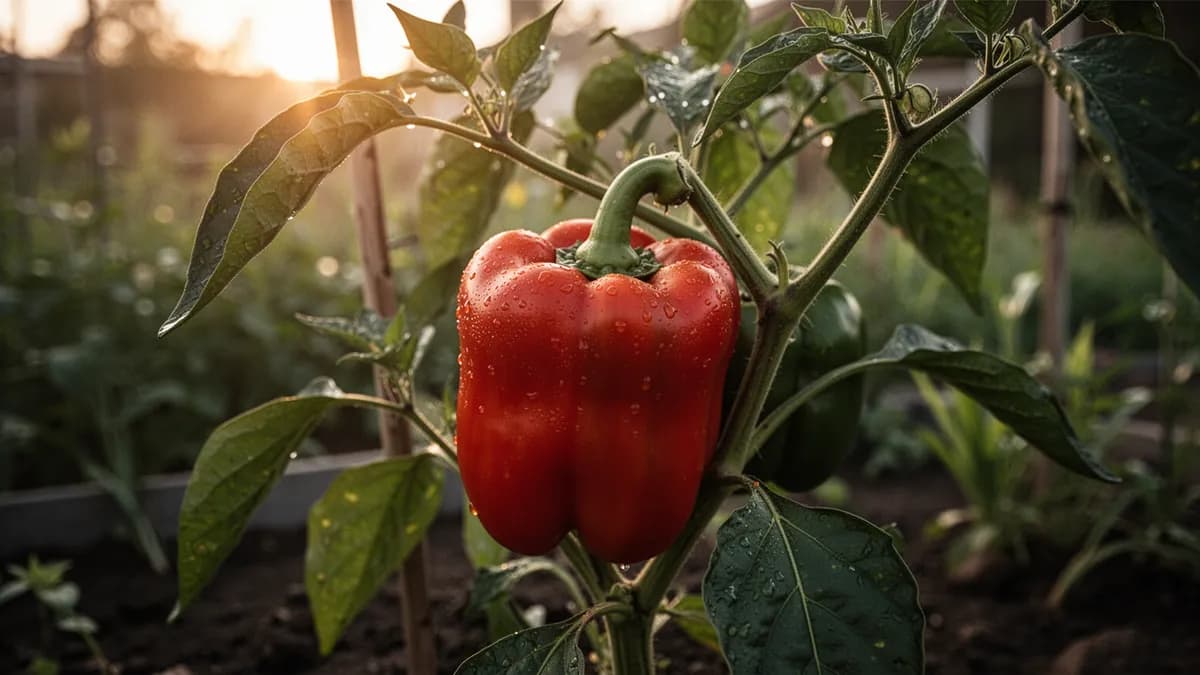
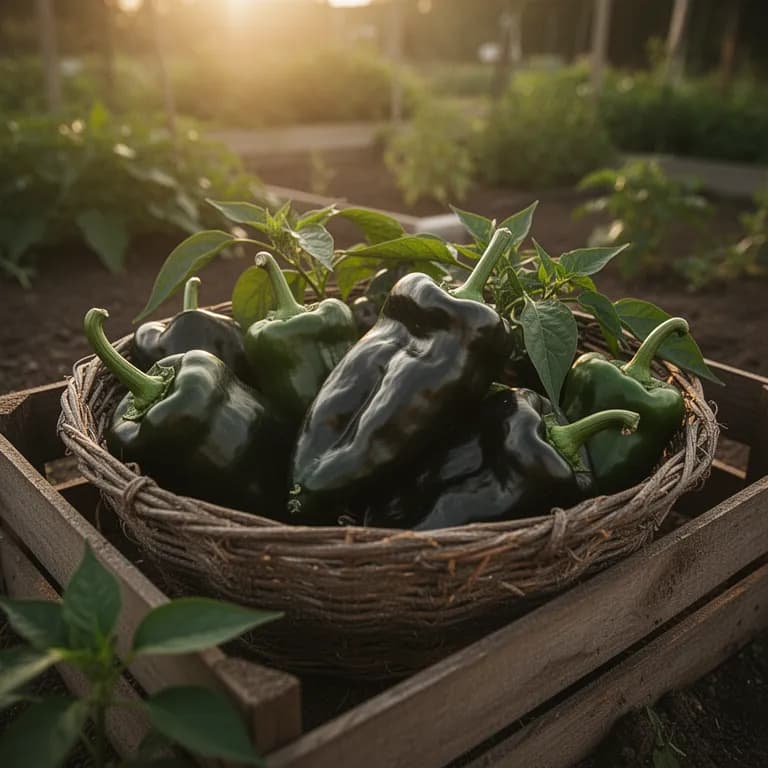
Ancho/poblano peppers produce dark green, heart-shaped fruits that can be harvested green or left to ripen to deep red on the plant. For fresh poblanos, harvest when fruits are glossy dark green and firm. For ancho chiles, allow fruits to turn fully red, then dry. Each plant produces 6-12 peppers over the season. These mild peppers rate 1000-2000 Scoville units, making them family-friendly for adding depth without excessive heat.
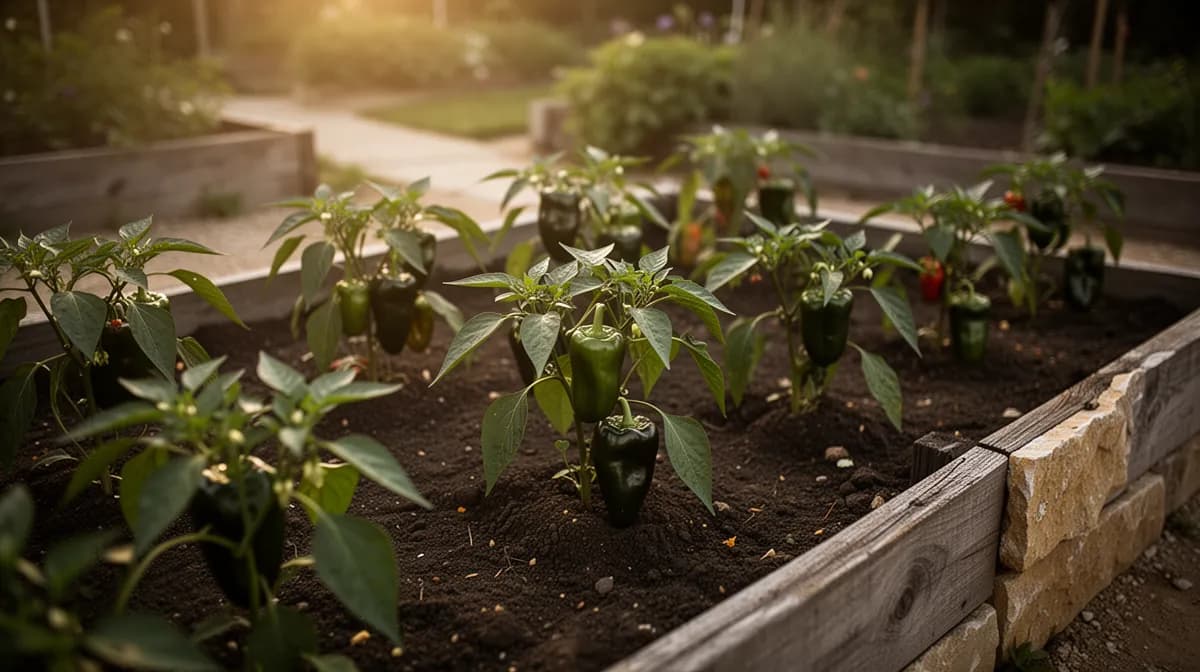
10 plants fit a 4 × 8 ft bed
Each Ancho Pepper wants 45 cm of elbow room. The planner keeps that spacing for you — every plant, every bed.
Ancho Pepper's best neighbours
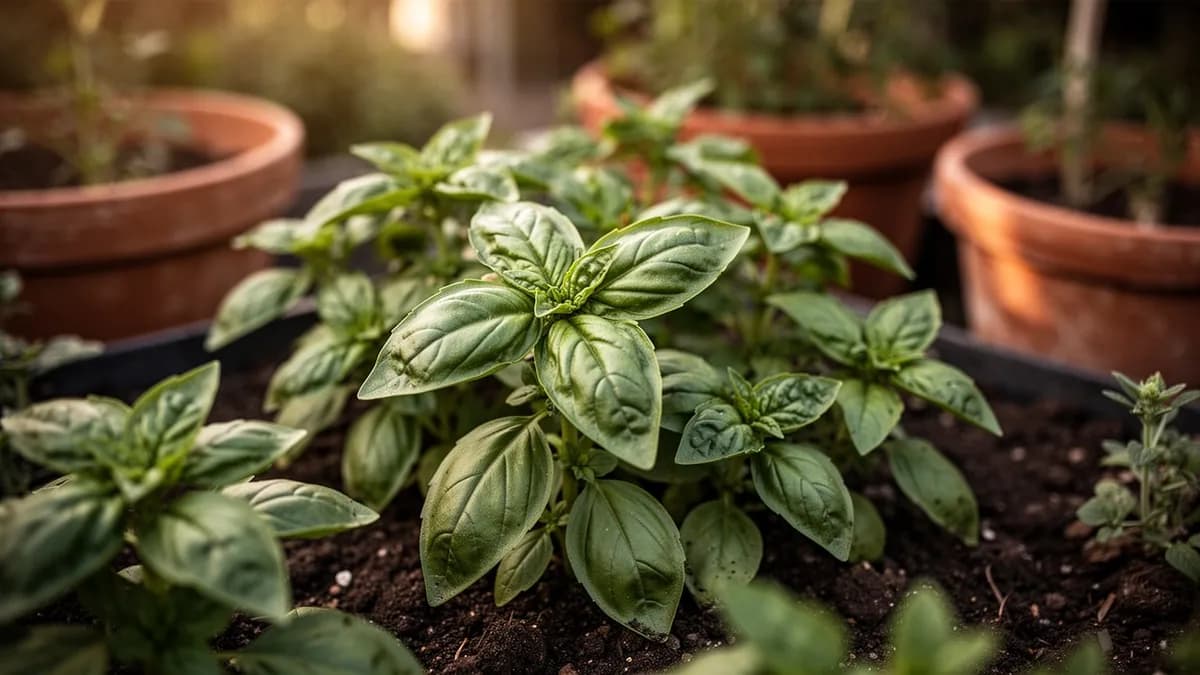
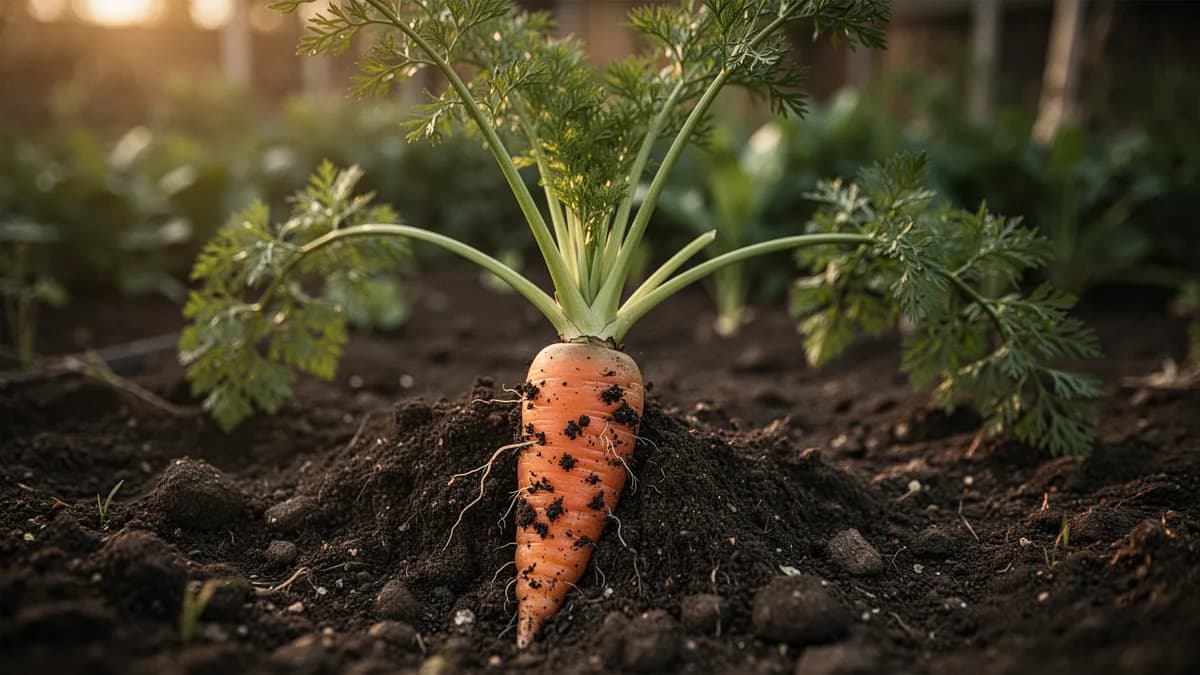
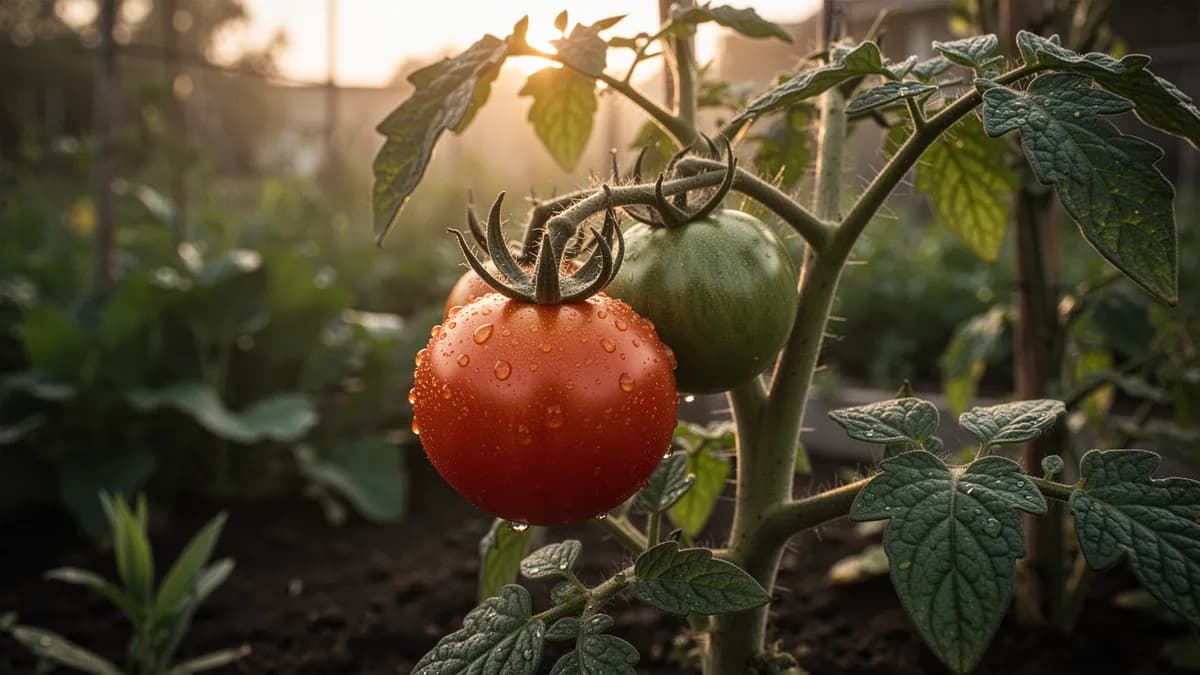
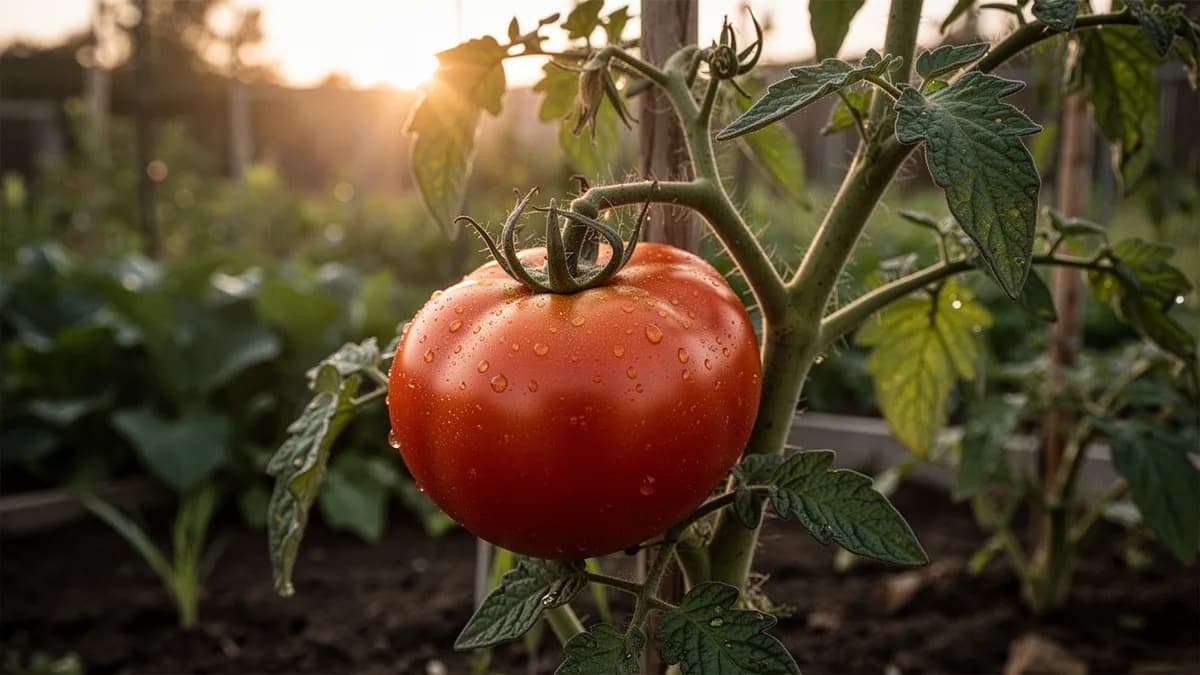
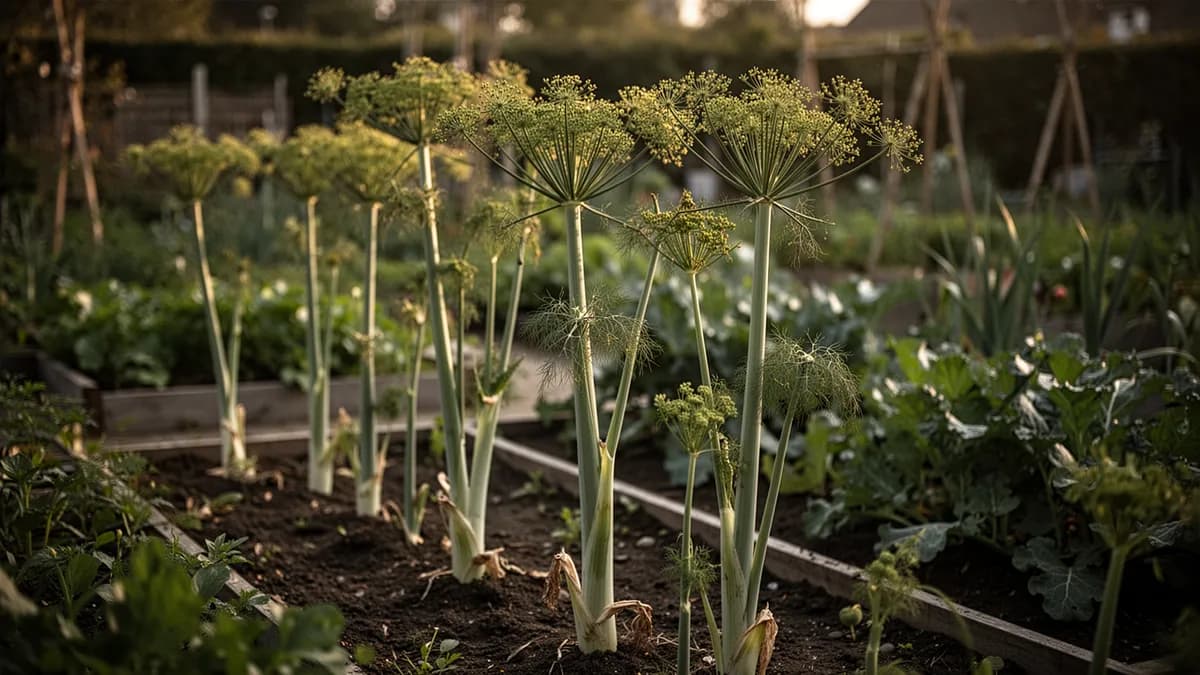
Ancho peppers grow well alongside tomatoes, basil, and carrots which are classic garden companions. Basil may help repel aphids and improve pepper flavor. Marigolds deter many common pepper pests. Avoid planting near fennel which inhibits pepper growth. Beans and peas fix nitrogen that benefits the moderately heavy-feeding peppers. Onions and garlic planted nearby may help deter aphids and other insect pests. Provide ample spacing between pepper plants for good air circulation.
Tomato belongs beside it. Fennel doesn't.
Old growers' knowledge, checked against Ancho Pepper's real companion table below — test any plant you're growing.
Try Ancho Pepper in a bed — right here
A real planner bed with Ancho Pepper already in it. Tap a companion to place it and watch the pairing checks answer — green for good neighbours, red for a clash.


Related growing guides
Feed it well
Ancho peppers grow best in fertile, well-drained soil with a pH of 6.0-6.8. Work in compost before planting and apply balanced fertilizer at transplanting. Side-dress with calcium-rich amendments like bone meal when flowering begins to prevent blossom end rot. Avoid excessive nitrogen which promotes foliage over fruit. A phosphorus-rich fertilizer at bloom time supports flower and fruit development. Black plastic mulch warms soil and reduces watering stress that can trigger blossom end rot.
Ideal Temperature
Hardiness Zone Compatibility
From seed to harvest, stage by stage
Seed Starting
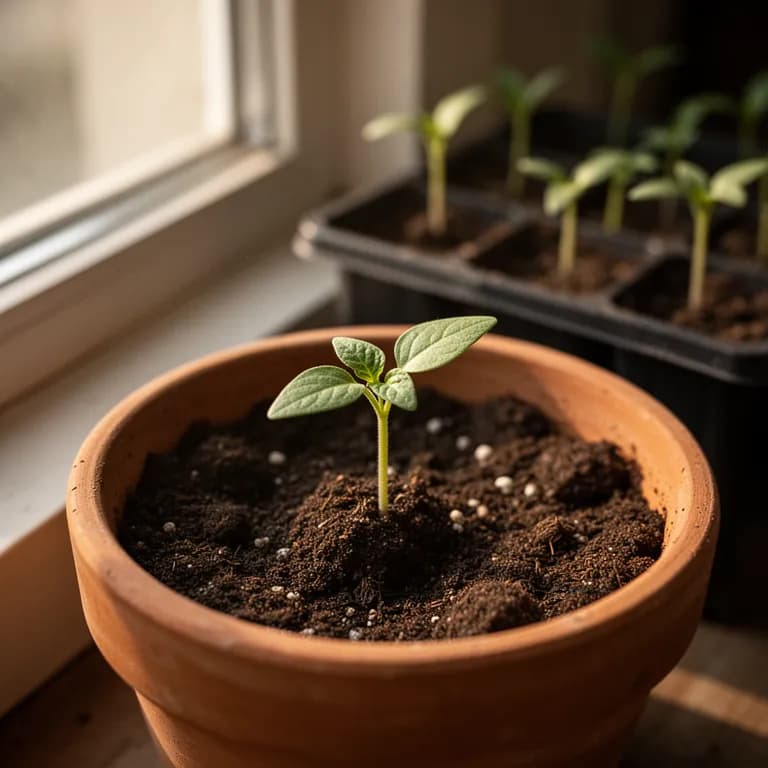
Ancho pepper seeds germinate slowly, taking 10-21 days in warm conditions. Seeds need consistent soil temperatures of 24-29°C (75-85°F) for reliable germination. The first structures to emerge are pale cotyledon leaves that look nothing like the true leaves that follow. Starting indoors is essential in most climates because of the long season required.
Seedling Development
True leaves develop with a distinctive pointed oval shape. Growth is slow and deliberate during this phase as the root system establishes. Seedlings are sensitive to cold drafts and overwatering. By the end of this stage, plants should have 6-8 true leaves and a sturdy stem.
Vegetative Growth
After transplanting, plants establish quickly in warm soil and begin building a bushy, well-branched framework. The sturdy stems develop a slightly woody base, and the dark green foliage becomes dense and lush. Plants typically reach 45-60 cm tall and wide during this phase.
Flowering and Fruit Set
Small white flowers with five petals appear at branch nodes. Each flower is self-fertile and can set fruit without cross-pollination, though bee visits improve yields. Fruit set is highly sensitive to temperature — flowers may drop if nighttime temperatures exceed 24°C (75°F) or daytime temperatures exceed 35°C (95°F).
Fruit Development (Poblano Stage)
Green fruits enlarge rapidly into the classic heart-shaped poblano form, reaching 10-15 cm long with thick, glossy walls. At this stage the pepper has a mild to medium heat (1,000-2,000 Scoville units) and the rich, earthy flavor poblanos are prized for. Most gardeners harvest some peppers at this green stage for fresh use.
Ripening and Harvest
Peppers left on the plant transition from dark green through brown to a deep, rich red. Fully ripe red fruits are noticeably sweeter and more complex in flavor than green poblanos, with slightly increased heat. These ripe red peppers are what become ancho chiles when dried — the flavor transformation during drying concentrates sugars and develops deep, smoky-sweet notes.
Start seeds indoors 8-10 weeks before your last frost date. Use a heat mat set to 27°C (80°F) — without bottom heat, germination is erratic and can take over 3 weeks. Keep the growing medium moist but never waterlogged.
Caring for Ancho Pepper month by month
What to do each month for your Ancho Pepper
October
You are hereHarvest all remaining peppers before the first frost — even partially ripe peppers can be brought indoors to finish ripening on a sunny windowsill. Pull spent plants and compost healthy material. Record variety notes and yield data.
Know exactly what to do in your garden — every month
One email at the start of each month: what to sow, plant, and tackle right now — for your Ancho Pepper and everything growing around it. Plus a short starter course that helps you dodge the classic mistakes.
- What to do, right now
- Matched to your season
- Starter course included
Harvesting Ancho Pepper
For fresh poblanos, harvest when fruits are 4-6 inches long, glossy dark green, and firm. For ancho chiles, leave fruits on the plant until they turn fully deep red. Cut peppers from the plant with pruners rather than pulling to avoid breaking branches. Harvest regularly to encourage continued production. The transition from green to red takes 2-3 weeks and concentrates the sweet, rich flavor. Red poblanos left on the plant past peak may begin to wrinkle, which is the start of the natural drying process.
assuming you plant when the window opens — set your real date
Pick Ancho Pepper promptly and the plant keeps producing.
Storage & Preservation
Fresh green poblanos keep in the refrigerator for 1-2 weeks. For ancho chiles, dry red-ripe peppers on screens in a warm, well-ventilated area or use a food dehydrator at 135°F until completely brittle. Store dried anchos in airtight containers away from light for up to one year. Poblanos are excellent roasted, peeled, and frozen for later use in chiles rellenos and sauces. Smoked and dried red poblanos become chipotle-like peppers with complex, smoky flavor. Poblano rajas (roasted strips) freeze well.
What goes wrong — and the fix
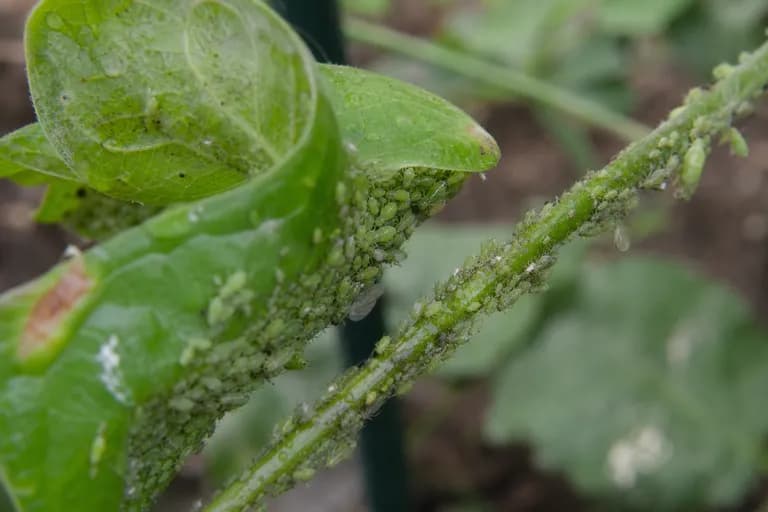
Aphids
PestGreen or black aphid colonies on shoot tips and leaf undersides causing curled leaves and stunted growth.
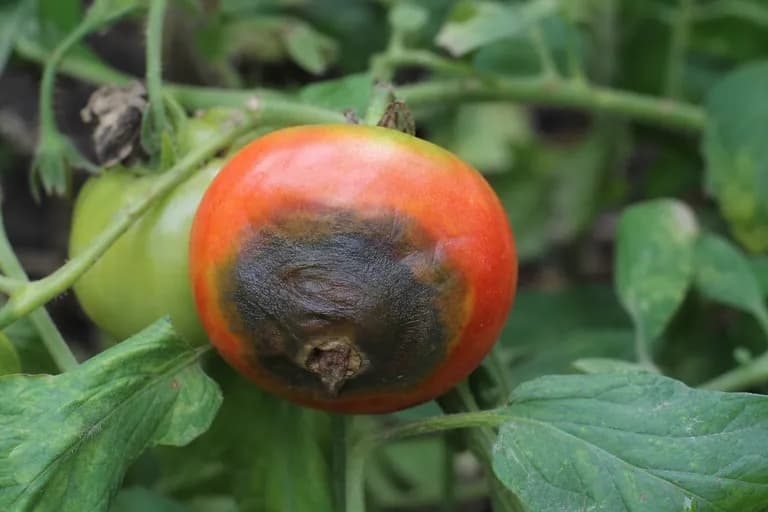
Blossom End Rot
DiseaseDark, sunken, leathery spots on the bottom of developing fruits caused by calcium deficiency or irregular watering.
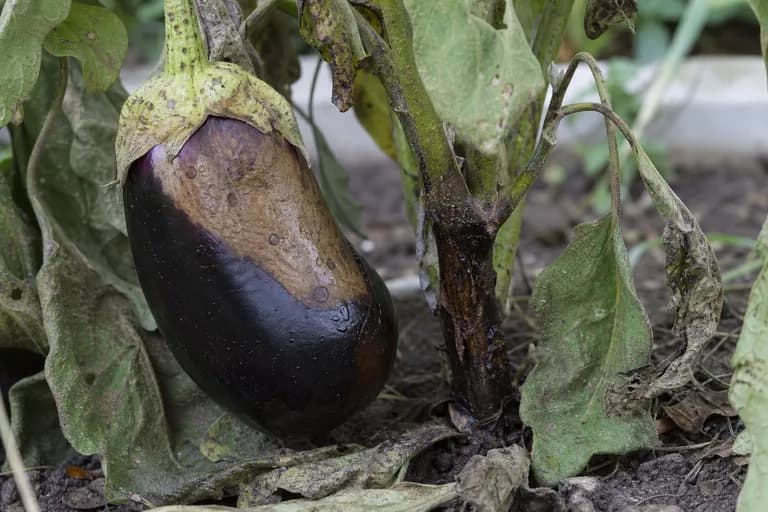
Phytophthora Blight
DiseaseWater-soaked lesions on stems near soil level, wilting, and dark spots on fruits during wet conditions.
Troubleshooting Common Problems
Blossom end rot is the most common issue, caused by calcium deficiency or inconsistent watering. Maintain even moisture with mulch and drip irrigation. Sunscald on fruits occurs when leaves are lost to disease, exposing fruits to direct sun. Slow fruit set in cool weather is normal; peppers need warm nights above 55°F to set fruit. Flowers may drop in extreme heat above 95°F or during temperature swings. Green fruits left on the plant too long may develop soft spots before ripening to red.
Growing Tips
- Start seeds early and use bottom heat. Poblano peppers have a long growing season (120-150 days to fully ripe red fruit) and germinate slowly without warmth. Starting 8-10 weeks before the last frost with a heat mat at 27°C (80°F) is essential for a productive harvest in most climates.
- Do not over-fertilize with nitrogen. Excess nitrogen produces enormous bushy plants with lush foliage but few flowers and delayed fruit set. Switch to a low-nitrogen, high-phosphorus formula (5-10-10) once the first flowers appear to redirect the plant's energy toward fruit production.
- Provide consistent, even moisture throughout the season. Poblanos are much more sensitive to irregular watering than many other peppers — drought stress followed by heavy watering causes blossom end rot, cracking, and misshapen fruit. Drip irrigation on a timer is the ideal solution.
- Stake or cage every plant. Poblano peppers produce large, heavy fruit that can snap branches or topple the entire plant during wind or rain. A single sturdy stake or a small tomato cage installed at transplanting prevents losses later in the season.
- Roast peppers over an open flame or under a broiler until the skin is completely blackened, then steam in a covered bowl for 10 minutes. The charred skin peels away easily, revealing the silky roasted flesh that is the foundation of countless Mexican dishes.
- For the best dried ancho chiles, leave peppers on the plant until fully ripe to deep red — do not pick at the green stage. Ripe red peppers develop significantly more sugar and flavor complexity during drying than peppers picked even slightly early.
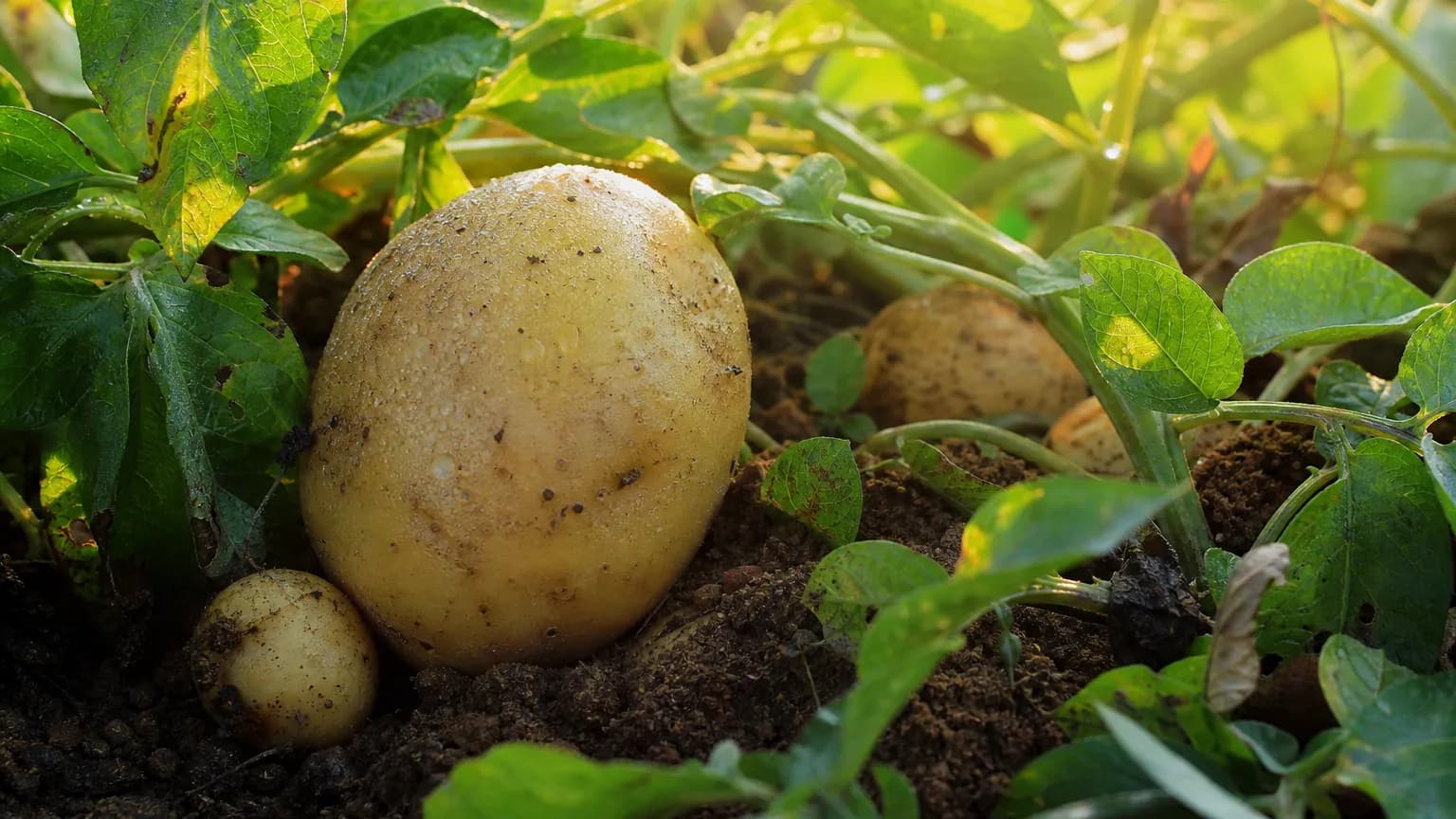
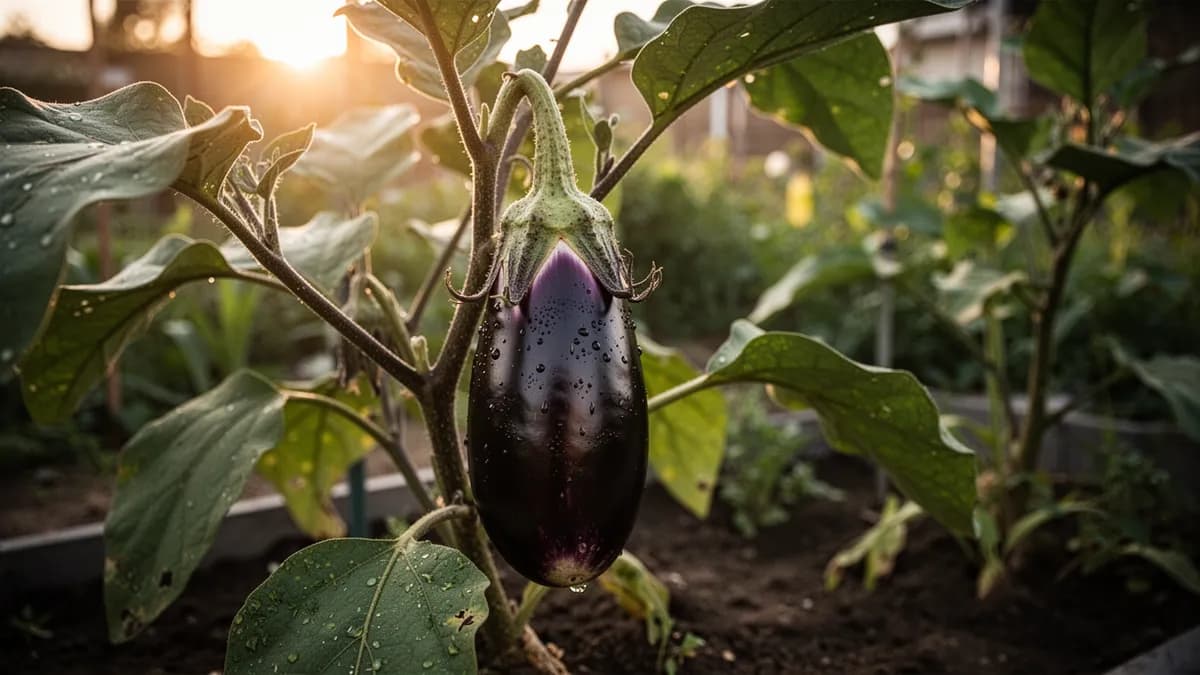
- Rotate planting locations annually. Poblanos are in the same family (Solanaceae) as tomatoes, eggplants, and potatoes, and share many soil-borne diseases. Avoid planting any solanaceous crop in the same bed more than once every 3-4 years.
- Pinch the first few flower buds that appear on transplants. This feels counterintuitive but forces the plant to invest energy in root and branch development before fruiting, resulting in a larger, stronger plant that ultimately produces more and bigger peppers.
Grow your best Ancho Pepper yet — and everything around it.
Start a free plan today. Lay out your beds, drop in your Ancho Pepper, and let PlotMyGarden handle the timing, spacing, companions and reminders from seed to harvest basket.
Pick your Ancho Pepper
Ancho 101
Standard ancho/poblano with dark green heart-shaped fruits ripening to deep red. Excellent for both fresh use and drying.
Tiburon
Large, thick-walled poblano with excellent stuffing cavity. Dark green color and mild, rich flavor.
Ancho Magnifico
Heavy-yielding hybrid with uniform, large fruits and excellent disease resistance. Great for both fresh and dried use.
Mulato Isleno
Brown-skinned dried pepper variety (mulato) with chocolate and cherry notes. Different from standard ancho in both color and flavor.
Fresh poblano peppers cost $3-6 per pound at grocery stores, and dried ancho chiles sell for $8-15 per pound (or $3-5 for a small packet of 3-4 chiles). A single plant producing 10-15 peppers easily yields $15-30 worth of fresh poblanos or $20-40 worth of dried anchos. Growing just 4-6 plants can save $60-180 per season. The savings are even more dramatic if you regularly buy specialty items like ancho chile powder ($12-20 per jar), chile relleno kits, or ancho-based sauces — all made effortlessly from a home harvest.
Quick recipes
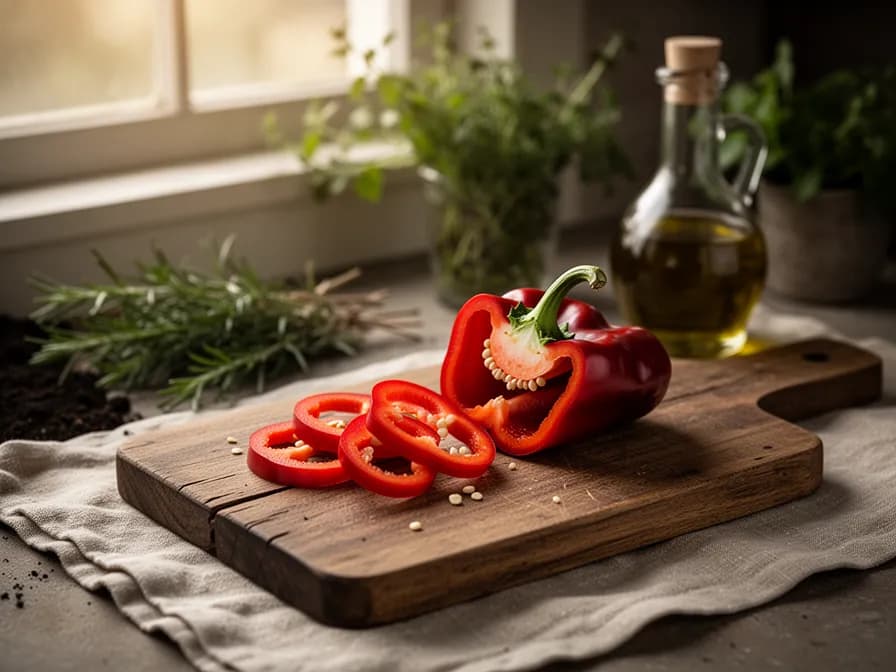
Classic Chiles Rellenos
45 minRoasted poblano peppers stuffed with melted cheese, dipped in fluffy egg batter, and fried until golden — the definitive Mexican comfort dish. The smoky, mild pepper pairs perfectly with creamy Oaxaca or Monterey Jack cheese.
7 ingredientsAncho Chile Mole Sauce
50 minA simplified but deeply authentic mole sauce built on dried ancho chiles — rich, complex, subtly sweet, and mildly spicy. This versatile sauce transforms grilled chicken, enchiladas, or tamales into something extraordinary.
10 ingredientsRoasted Poblano and Corn Soup
35 minA creamy, smoky soup that showcases the roasted poblano's earthy flavor alongside sweet corn. Charring the peppers first adds a layer of smokiness that makes this simple soup taste remarkably complex.
9 ingredientsCulinary Uses
Fresh green poblanos are the pepper of choice for chiles rellenos, stuffed with cheese and battered for frying. Roast over an open flame to blister and peel the skin for rajas (roasted strips) used in tacos and quesadillas. Dried ancho chiles are the foundation of many Mexican mole sauces and enchilada sauces, providing mild heat with sweet, fruity depth. Rehydrate dried anchos in hot water, then blend into sauces. Ancho chile powder adds warmth to soups, stews, and chili without excessive heat.
What's inside
Health Benefits
- Exceptionally high in vitamin C — a single fresh poblano pepper provides about 90% of the daily recommended intake, supporting immune function, iron absorption, and collagen production for healthy skin and joints.
- Contains capsaicin at mild, accessible levels that offer anti-inflammatory benefits and may boost metabolism without the intense burning sensation of hotter peppers, making it ideal for people who want capsaicin's health benefits without extreme heat.
- Rich in B vitamins, particularly B6 (pyridoxine), which plays a critical role in brain development, neurotransmitter production, and the conversion of food into cellular energy.
- Provides a significant amount of vitamin A and beta-carotene (especially in ripe red fruits), supporting healthy vision, skin integrity, and reproductive health.
- The combination of dietary fiber, low calories, and high nutrient density makes poblano peppers an excellent food for blood sugar management and cardiovascular health — the fiber slows glucose absorption while capsaicin may improve cholesterol profiles.
- Dried ancho chiles concentrate antioxidant compounds including quercetin, luteolin, and capsanthin — carotenoid pigments that give the dried pepper its deep red color and have demonstrated anti-inflammatory and free-radical-scavenging activity in research studies.
Where Ancho Pepper comes from
The ancho/poblano pepper (Capsicum annuum) traces its origins to the highlands of central Mexico, where wild ancestors of all Capsicum annuum peppers were first domesticated at least 6,000-7,000 years ago. Archaeological evidence from the Tehuacán Valley in Puebla shows that chile peppers were among the earliest plants cultivated by Mesoamerican peoples, predating the domestication of corn and beans. The poblano type specifically developed in the fertile valleys surrounding the city of Puebla de los Ángeles, founded in 1531, though the pepper varieties cultivated there had already been refined by indigenous farmers for centuries before Spanish arrival.
The dried ancho chile became central to Mexican cuisine long before European contact. Pre-Columbian cooks developed sophisticated drying and toasting techniques to transform fresh peppers into shelf-stable pantry staples with concentrated, complex flavors. When Spanish colonizers arrived, they encountered a chile culture of remarkable sophistication — Aztec markets offered dozens of named chile varieties, each with specific culinary roles. The ancho's mild heat and rich, sweet flavor made it the preferred base for elaborate sauces, and this tradition evolved into the mole sauces that are now considered the pinnacle of Mexican culinary art.
Today, the poblano/ancho remains one of Mexico's most important agricultural crops, with Puebla, Guanajuato, Zacatecas, and San Luis Potosí as major production regions. The pepper has gained significant popularity in the United States and Europe since the 1990s, driven by growing interest in Mexican cuisine. Home gardeners across temperate climates now grow poblanos successfully, and the dried ancho chile has become a staple in specialty food markets worldwide. Despite its global spread, the finest ancho chiles are still considered to come from the high valleys of central Mexico, where the combination of altitude, soil, and climate produces peppers with unmatched depth of flavor.
Ancho Pepper: did you know?
Fascinating facts about Ancho Pepper
The ancho chile and the poblano pepper are the same plant — 'poblano' refers to the fresh green pepper, while 'ancho' (meaning 'wide' in Spanish) refers to the same pepper after it has been ripened to red and dried. This dual identity makes it one of the few vegetables known by two completely different names depending on its preparation.
Ancho Pepper questions, answered
When should I plant Ancho Pepper?
What are good companion plants for Ancho Pepper?
What hardiness zones can Ancho Pepper grow in?
How much sun does Ancho Pepper need?
How far apart should I space Ancho Pepper?
What pests and diseases affect Ancho Pepper?
How do I store Ancho Pepper after harvest?
What are the best Ancho Pepper varieties to grow?
What soil does Ancho Pepper need?
What is the difference between a poblano pepper and an ancho chile?
Why are my poblano peppers hotter than expected?
How do I dry poblano peppers into ancho chiles at home?
Can I grow poblano peppers in containers?
Why are my poblano pepper flowers falling off without setting fruit?
When should I harvest poblano peppers — green or red?
You just read the theory. Now grow it on autopilot.
Everything that makes Ancho Pepper fiddly — the timing, the spacing, the companions, the harvest window — is exactly what PlotMyGarden handles for you, for every plant in your garden.
A plan that knows your weather
Set your location once. Get sow, feed and harvest dates built around your real last-frost date and live forecast — no more guessing from a generic seed packet.
From the “When to plant” sectionDrag-and-drop bed planner
Design beds on a grid. Every plant snaps to its proper spacing, and you can see your whole season laid out before you spend a cent on seed.
From the “Growing guide” sectionCompanion conflicts, caught early
200+ good-and-bad pairings checked live as you plant — so a season-wrecking mistake never makes it into the ground.
From the “Companions” sectionReminders you'll actually act on
“Water the beans.” “Pick today before it turns.” Timely, specific, and tied to the plants you're really growing.
From the “Harvest” sectionSuccession, scheduled
Want a harvest for six weeks, not six days? It spaces your sowings automatically and reminds you when each new block is due.
From the “When to plant” sectionA record that gets smarter
Every harvest you log teaches it your garden. Next year's plan starts from what actually worked in your soil, not a textbook's.
From the “Overview” sectionPlant these alongside Ancho Pepper
More Nightshades
Keep Ancho Pepper away from these
Grow your best Ancho Pepper yet — and everything around it.
Start a free plan today. Lay out your beds, drop in your Ancho Pepper, and let PlotMyGarden handle the timing, spacing, companions and reminders from seed to harvest basket.