Pera Seckel
Una variedad de pera diminuta, del tamaño de un bocado, con una pulpa intensamente dulce y especiada y una resistencia excepcional al fuego bacteriano.





En esta páginaResumen
Conoce Pera Seckel
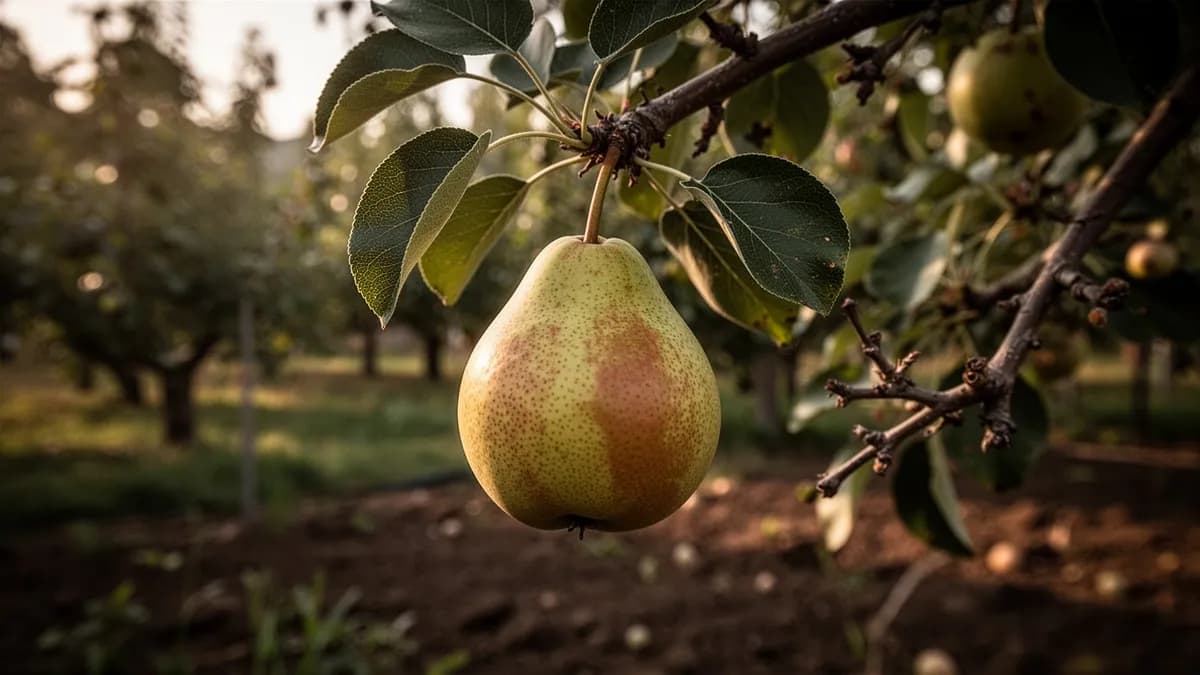
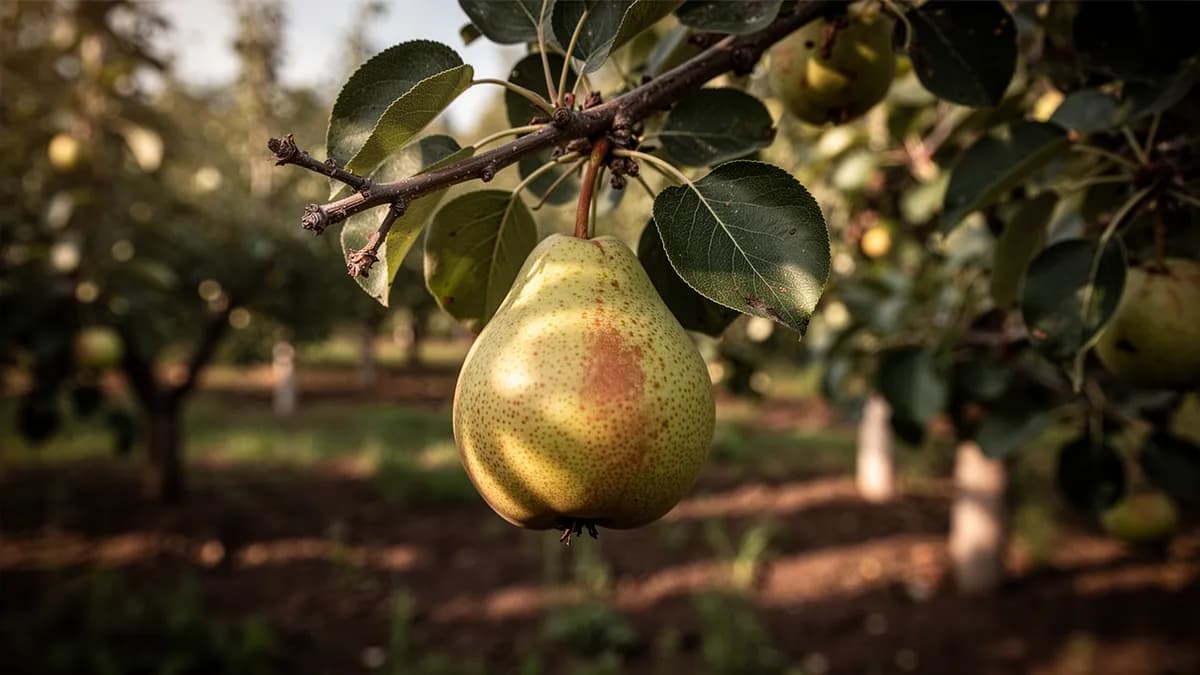
Una variedad de pera diminuta, del tamaño de un bocado, con una pulpa intensamente dulce y especiada y una resistencia excepcional al fuego bacteriano. Las peras Seckel son ideales para conservar enteras, encurtirlas y como tentempié infantil por su pequeño tamaño y su dulzor concentrado. Los árboles compactos están entre los más resistentes a enfermedades de todas las variedades de pera.
Cuándo plantar Pera Seckel
Las semillas de pera Seckel pueden usarse para producir portainjertos, aunque los árboles nacidos de semilla no reproducirán la variedad madre. Extraiga las semillas de frutas totalmente maduras, límpielas a fondo y estratifíquelas en arena húmeda a entre 0 y 4 °C durante 60 a 90 días. Siembre las semillas estratificadas a 1.25 cm de profundidad en sustrato bien drenado en primavera. Las plántulas crecen con vigor y sirven bien como portainjerto para injertar. Injertar madera de Seckel sobre portainjertos de plántula u OHxF mediante injerto de lengüeta durante la dormancia.
Tu año de Pera Seckel
Ajustado a Zona 7 · temporada típica · la helada se va hacia el 2 abr y vuelve hacia el 1 nov
Planta Pera Seckel Mar – Abr y cosecha Sep – Oct. Consulta los métodos de plantación y elige tu clima para adaptar los periodos.
Cómo cultivar Pera Seckel
Las peras Seckel están entre las variedades de pera más fáciles de cultivar gracias a su excelente resistencia a enfermedades y a su porte compacto. Plántelas a pleno sol en un franco fértil y bien drenado con un pH de 6.0 a 7.0. Separe los árboles estándar 4.5 metros y los semienanos 3 a 3.5 metros. Sitúe la unión del injerto por encima de la línea del suelo y riegue a fondo al plantar, seguido de una capa generosa de mantillo.
Las peras Seckel son parcialmente autofértiles, pero producen cosechas mucho más abundantes cuando se polinizan de forma cruzada con Bartlett, Bosc o Moonglow. Tenga en cuenta que Seckel y Bartlett son cruzadamente incompatibles, aunque ambos sean excelentes polinizadores de otras variedades. Pode en forma de eje central a finales del invierno, retirando brotes acuosos y ramas cruzadas para mantener una buena circulación del aire.
Los árboles compactos requieren menos poda que las variedades grandes. Riegue de forma constante durante los periodos secos, aportando entre 2.5 y 5 cm de agua por semana durante el desarrollo del fruto. Abone ligeramente a comienzos de primavera con una fórmula equilibrada. Las peras Seckel son naturalmente vigorosas y pueden sobrecargarse mucho, así que aclare los racimos a dos o tres frutos por racimo cuando los frutitos tengan el tamaño de una canica para mantener un buen tamaño del fruto.
Para Pera Seckel un bancal de 120 × 240 cm se queda corto
Cada Pera Seckel pide 240 cm de margen. El planificador guarda ese marco por ti — cada planta, cada bancal.
Los mejores vecinos de Pera Seckel
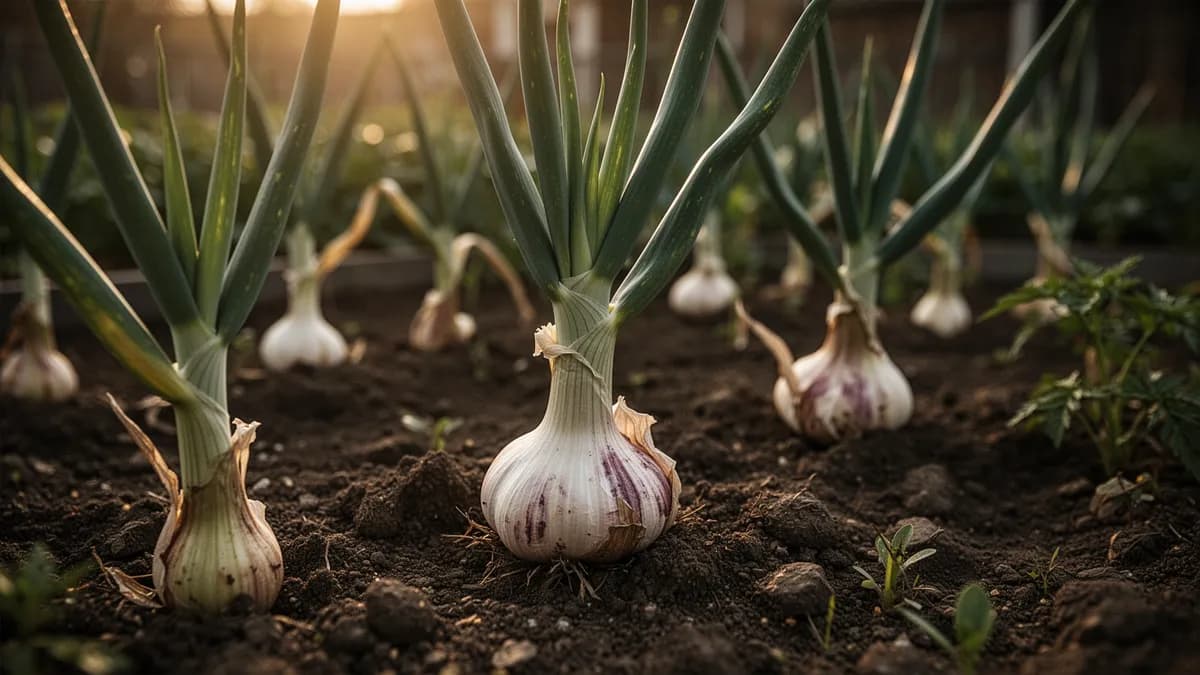
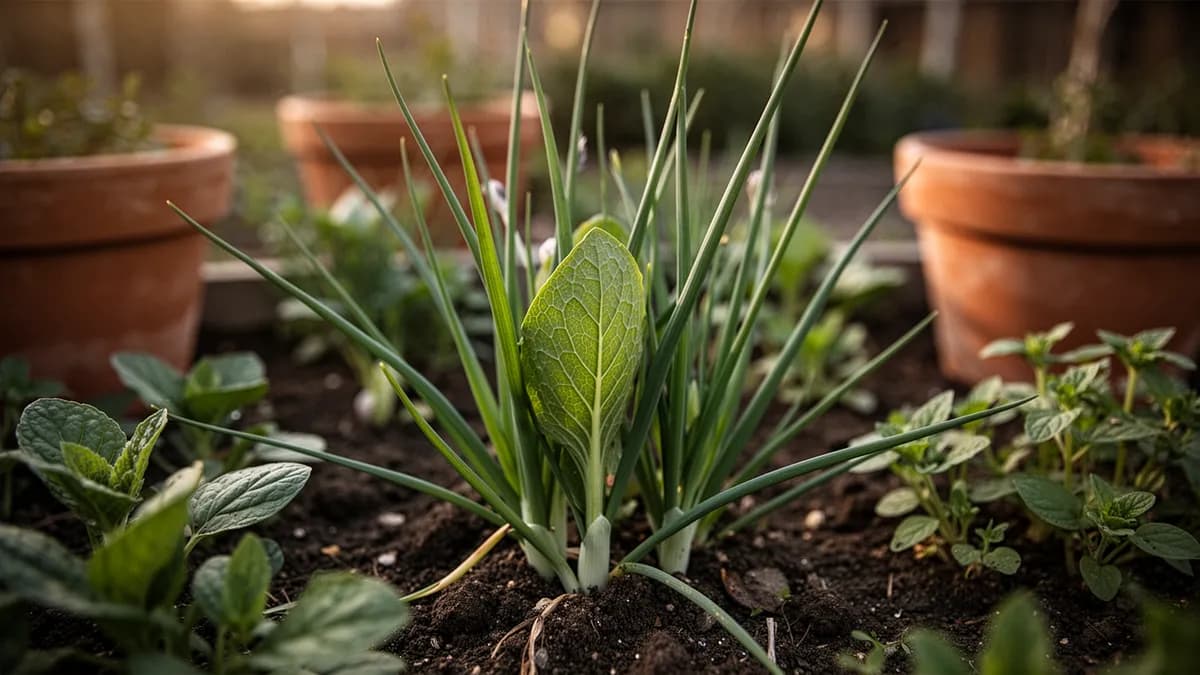
El ajo y el cebollino plantados alrededor de los perales Seckel ayudan a repeler pulgones y barrenadores con sus compuestos penetrantes. La consuelda sirve como una excelente planta de acolchado acumuladora de nutrientes bajo la copa. Hierbas de porte bajo como el tomillo, el orégano y la manzanilla atraen polinizadores e insectos beneficiosos. El trébol blanco entre las filas fija nitrógeno y crea hábitat para escarabajos depredadores que viven en el suelo. Los capuchinos funcionan como cultivo trampa para los pulgones, alejándolos de los perales.
Ajo va a su lado. Nogal no.
Saber de huerto de siempre, cotejado con la tabla real de Pera Seckel — prueba cualquier planta que cultives.
Prueba Pera Seckel en un bancal, aquí mismo
Un bancal real del planificador con Pera Seckel ya plantado. Toca una planta compañera para colocarla y mira cómo responde la comprobación de vecinos: verde para buenos vecinos, rojo si hay conflicto.


Guías de cultivo relacionadas
Abónalo bien
Las peras Seckel se adaptan a una amplia gama de tipos de suelo y rinden bien en un suelo de jardín promedio con un drenaje razonable. El pH ideal es 6.0 a 7.0, aunque Seckel tolera condiciones ligeramente alcalinas. Aplique en primavera una capa ligera de fertilizante equilibrado, ya que los árboles naturalmente vigorosos necesitan menos nutrición suplementaria que las variedades grandes. El exceso de fertilización provoca crecimiento vegetativo excesivo y reduce la calidad del fruto. Acolche cada año con compost para mantener la salud del suelo y la retención de humedad.
Temperatura ideal
Compatibilidad de zonas de rusticidad
De la semilla a la cosecha, etapa por etapa
Dormancia y frío
El peral Seckel entra en dormancia plena tras la caída de las hojas y necesita 600 a 900 horas de frío, con temperaturas sostenidas entre 0 °C y 7 °C, para romper correctamente la dormancia de las yemas en primavera. Durante este periodo, el árbol parece muerto sobre el suelo, pero las raíces permanecen activas en los periodos suaves, extrayendo lentamente humedad y almacenando carbohidratos en los tejidos de raíces y tallo. Seckel se considera moderadamente resistente al frío y tolera temperaturas invernales de hasta unos -26 °C cuando está plenamente dormido.
Hinchazón de yemas y floración
A medida que se satisfacen los requisitos de frío invernal y suben las temperaturas del suelo, las yemas de Seckel se hinchan y se abren en racimos de flores blancas de cinco pétalos. Seckel florece a mitad de temporada, algo más tarde que Bartlett y Bosc, lo que ofrece cierta protección natural contra las heladas tempranas de primavera. La floración dura aproximadamente 7 a 10 días. Seckel se considera autofructífera, pero produce mucho más cuando es polinizada de forma cruzada por una variedad compatible como Bosc, Bartlett o Anjou del mismo grupo de polinización.
Cuajado y caída de junio
Tras una polinización exitosa, las flores fecundadas se hinchan hasta convertirse en pequeños frutos verdes. Los perales Seckel suelen cuajar con abundancia y son propensos a la sobrecarga, lo que puede provocar producción alternante y frutos pequeños y poco sabrosos. El árbol deja caer de forma natural algunos frutitos a comienzos del verano, la llamada caída de junio, pero esto rara vez aclara suficientemente la cosecha en un árbol sano y vigoroso. Casi siempre es necesaria la intervención manual para lograr un buen tamaño del fruto y una fructificación anual fiable.
Desarrollo del fruto
Durante la mitad y el final del verano, los frutitos de Seckel se hinchan de manera constante mientras las células se expanden y la pulpa acumula azúcares, ácidos orgánicos y los compuestos aromáticos volátiles característicos, incluidos los que le dan sus notas distintivas de especias y anís, que la hacen única entre las variedades de pera. La piel pasa de un verde brillante a un verde amarillento apagado con abundante berostación y un rubor rojo parduzco en la cara expuesta al sol. La humedad constante del suelo y un abonado veraniego rico en potasio son esenciales para el desarrollo pleno del sabor.
Madurez y cosecha
Las peras Seckel maduran a comienzos y mediados del otoño, normalmente de mediados de septiembre a octubre según el clima y la altitud. Como todas las peras europeas, se cosechan maduras pero no completamente maduras y deben dejarse madurar fuera del árbol. Una Seckel lista para recoger se libera de la rama con un giro corto y suave y el tallo se separa limpiamente. La piel habrá desarrollado su característica berostación pardo rojiza y verde dorado. No espere a que el fruto se ablande en el árbol: el deterioro interno ocurrirá mucho antes de que el exterior se sienta blando.
Poscosecha y caída de hojas
Tras la cosecha, el árbol redirige la fotosíntesis hacia el almacenamiento de carbohidratos en las raíces y el inicio de las yemas frutales de la temporada siguiente. El follaje se vuelve amarillo y cae a medida que se acortan los días y bajan las temperaturas. El periodo poscosecha es crítico para la productividad del año siguiente: los árboles sobrecargados, poco alimentados o estresados por la sequía durante el verano a menudo no forman suficientes yemas florales en esta etapa, lo que provoca una cosecha escasa o nula al año siguiente.
Realice la poda en dormancia en un día seco y sin heladas a finales del invierno, recortando las ramas muertas, enfermas o cruzadas y acortando los espolones frutales demasiado largos. Aplique un aceite hortícola en reposo para sofocar cochinillas invernantes, huevos de ácaros y esporas fúngicas sobre la corteza. Inspeccione la unión del injerto y elimine de inmediato cualquier brote que surja por debajo de ella.
Cuidar Pera Seckel mes a mes
Qué hacer cada mes para tu Pera Seckel
Octubre
Mes actualSiga retirando hojas caídas y frutos momificados alrededor de la base del árbol: rástrille y composte o deseche lejos del huerto para reducir la presión de enfermedades invernantes. Aplique un fertilizante otoñal equilibrado, rico en potasio y bajo en nitrógeno, alrededor de la línea de goteo. Coloque bandas de grasa en el tronco a mediados de mes para interceptar a las hembras ápteras de la polilla de invierno que suben a poner huevos. Revise las peras almacenadas cada semana.
Ten claro qué hacer en tu huerto, cada mes
Un correo al empezar cada mes: qué sembrar, plantar y hacer ahora mismo — para tu Pera Seckel y todo lo que crece alrededor. Más un breve curso inicial para esquivar los errores clásicos.
- Qué hacer ahora mismo
- Ajustado a tu temporada
- Curso inicial incluido
Cosechar Pera Seckel
Las peras Seckel maduran de septiembre a octubre y pueden cosecharse cuando la piel verde oliva desarrolla un cálido rubor amarillento. A diferencia de las peras más grandes, Seckel puede madurar en el árbol sin desarrollar una textura arenosa, aunque también madura bien fuera del árbol. Recoja cuando el fruto se desprenda fácilmente del espolón con un suave giro hacia arriba. El pequeño fruto es perfecto para conservar entero. Coseche en varias pasadas, ya que los frutos de distintas partes del árbol maduran de forma desigual. Guarde los frutos recogidos a temperatura ambiente durante unos días para que alcancen su dulzor pleno.
se supone que plantas al comenzar el periodo — indica tu fecha real
Cosecha Pera Seckel a tiempo y la planta sigue produciendo.
Almacenamiento y conservación
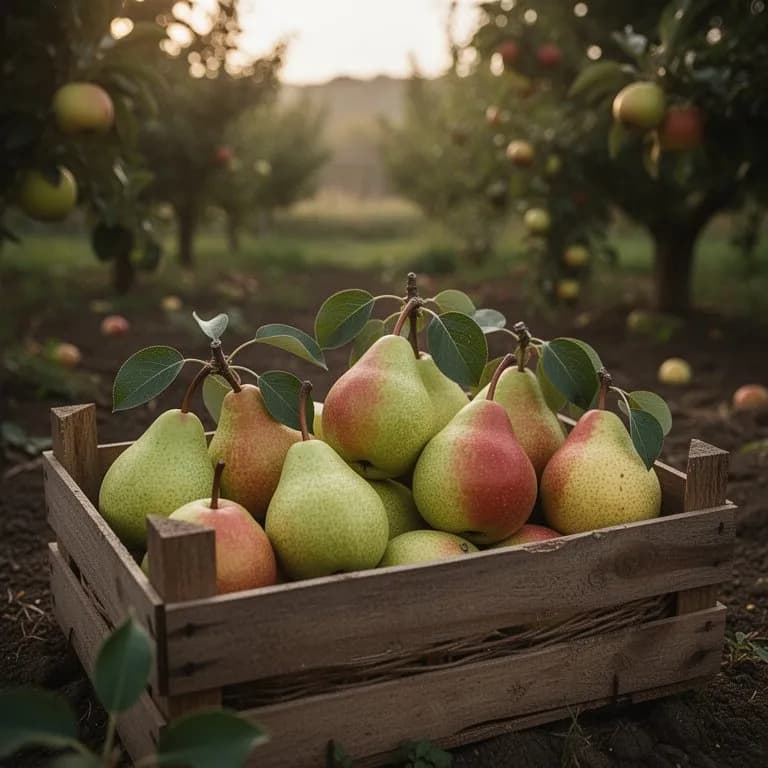
Las peras Seckel se conservan bien durante dos o tres meses a entre 0 y 2 °C en el refrigerador. Su pequeño tamaño y su textura firme las hacen ideales para conservar enteras en almíbar especiado, creando un elegante fruto en conserva. Son excelentes encurtidas con canela, clavo y vinagre como condimento para carnes. Las peras Seckel también dan una mantequilla de pera magnífica, tentempiés de pera deshidratada y peras en brandy. Congele las frutas partidas en almíbar para usarlas en batidos y repostería durante todo el invierno.
Qué falla — y cómo solucionarlo
Psila del peral
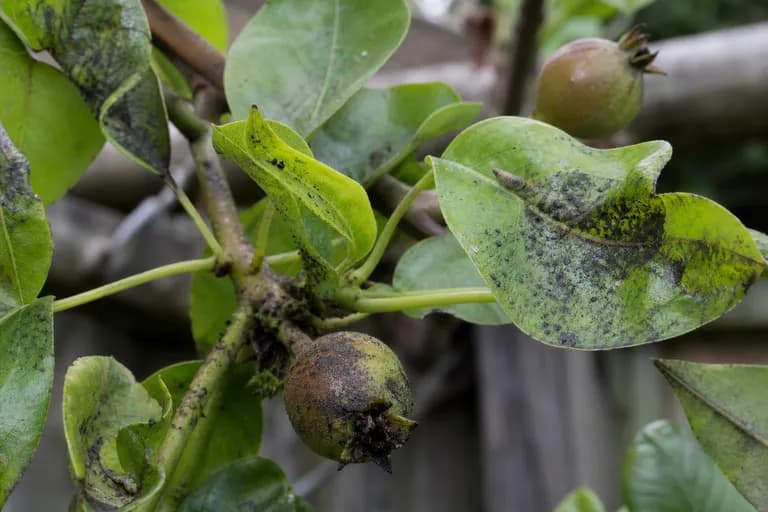
PlagaDepósitos de melaza en hojas y frutos que provocan fumagina; hojas enrolladas y amarilleamiento en los brotes nuevos.
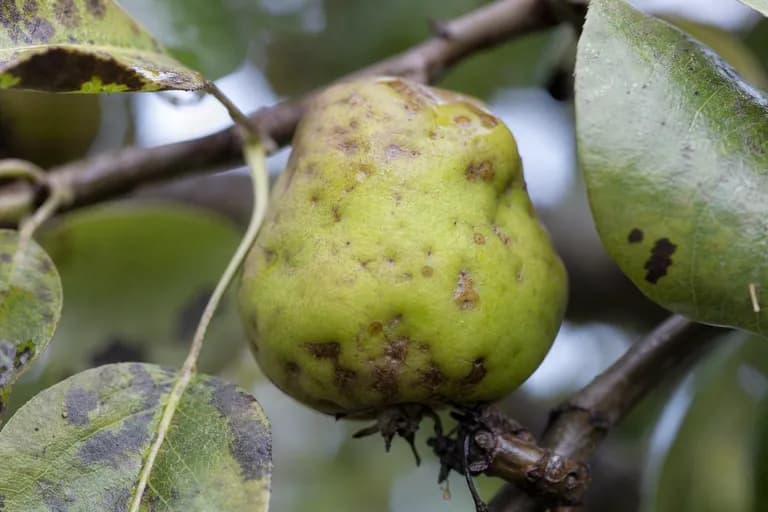
Virus de la mancha pétrea
EnfermedadEl fruto desarrolla células pétreas duras y granuladas por toda la pulpa, lo que lo vuelve incomestible; la superficie del fruto se presenta abollada y deformada.
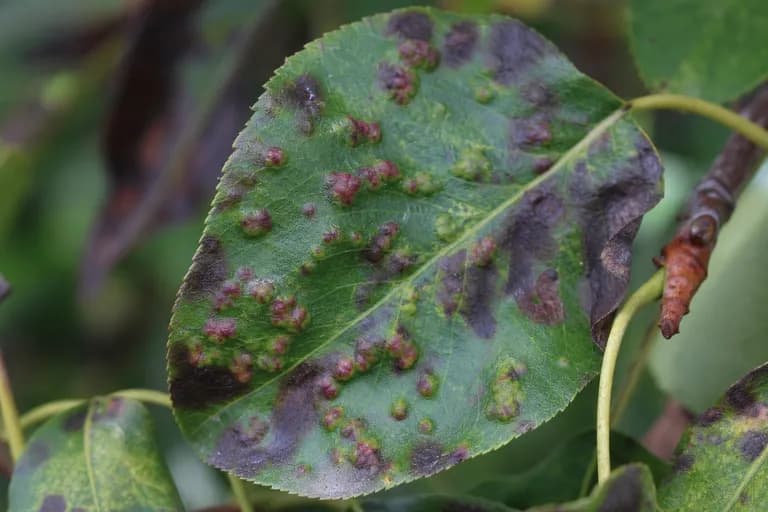
Ácaro de la ampolla de la hoja del peral
PlagaAmpollas rojas o verdes elevadas en las hojas que se vuelven marrones o negras a mediados del verano; los ataques intensos pueden reducir el vigor del árbol.
Solución de problemas comunes
El problema más común en las peras Seckel es la sobrecarga, que produce frutos pequeños y sin sabor si no se aclaran bien. A pesar de su resistencia al fuego bacteriano, los árboles aún pueden sucumbir en brotes graves, especialmente los jóvenes. La psila del peral sigue siendo una plaga persistente incluso en variedades resistentes. El pequeño tamaño del fruto puede decepcionar a quienes esperan peras de tamaño estándar. Seckel es cruzadamente incompatible con Bartlett, así que debe plantarse otra variedad polinizadora. A los pájaros les atraen especialmente los frutos pequeños y dulces.
Consejos de cultivo
- Plante Seckel en pleno sol para maximizar el dulzor y el desarrollo del rubor pardo rojizo.
- Aclárela con decisión. Los árboles Seckel son muy productivos y, sin aclareo, tienden a dar muchísimos frutos pequeños y poco sabrosos.
- Combine Seckel con Bartlett, Bosc o Anjou para mejorar el cuajado, pero no la plante con Bartlett como única compañera, porque son incompatibles entre sí.
- Mantenga una poda moderada y centrada en una estructura abierta. La variedad es compacta de forma natural y no necesita podas agresivas.
- Si quiere fruta para conservar entera, coseche en el punto justo de madurez y no espere a que se ablande en el árbol.
- Para jardines pequeños, Seckel es una gran elección porque ofrece mucho sabor en un espacio reducido.
- Los pájaros aman estas peritas dulces y pequeñas, así que considere protección si la cosecha es abundante.
- Una capa de acolchado anual con compost ayuda a sostener la humedad y la salud del suelo sin empujar un crecimiento excesivo.
- Un riego constante durante el engorde del fruto mejora mucho el tamaño y evita problemas de calidad.
- La resistencia natural al fuego bacteriano hace que Seckel sea una opción especialmente buena en zonas donde otras peras sufren.
Cultiva tu mejor Pera Seckel — y todo lo que la rodea.
Empieza un plan gratis hoy. Diseña tus bancales, coloca tu Pera Seckel y deja que PlotMyGarden gestione el momento, el espaciado, las asociaciones y los recordatorios de la semilla a la cesta.
Elige tu Pera Seckel
Seckel
La pera original de azúcar, con frutos diminutos, intensamente dulces y una resistencia excepcional al fuego bacteriano; el referente de las mini peras.
Worden Seckel
Un deporte ligeramente más grande de Seckel, con la misma dulzura concentrada y una resistencia a enfermedades superior.
Seckel sobre OHxF 87
Combinación semienana que produce un árbol de 2.5 a 3.5 metros que empieza a dar fruto antes y mantiene la resistencia a enfermedades.
Las peras Seckel pueden ser sorprendentemente valiosas en un huerto doméstico porque su tamaño pequeño no impide una producción muy abundante. Una sola cosecha grande puede proporcionar muchos tarros de fruta entera en conserva, compotas y encurtidos que serían costosos de comprar en tiendas especializadas. Como la fruta es ideal para conservar entera, un árbol maduro convierte fácilmente una cosecha modesta en múltiples productos caseros con poco desperdicio. Para familias que disfrutan de conservas y aperitivos gourmet, un árbol Seckel puede ahorrar bastante dinero en frutas especiales y regalos comestibles durante la temporada.
Recetas rápidas
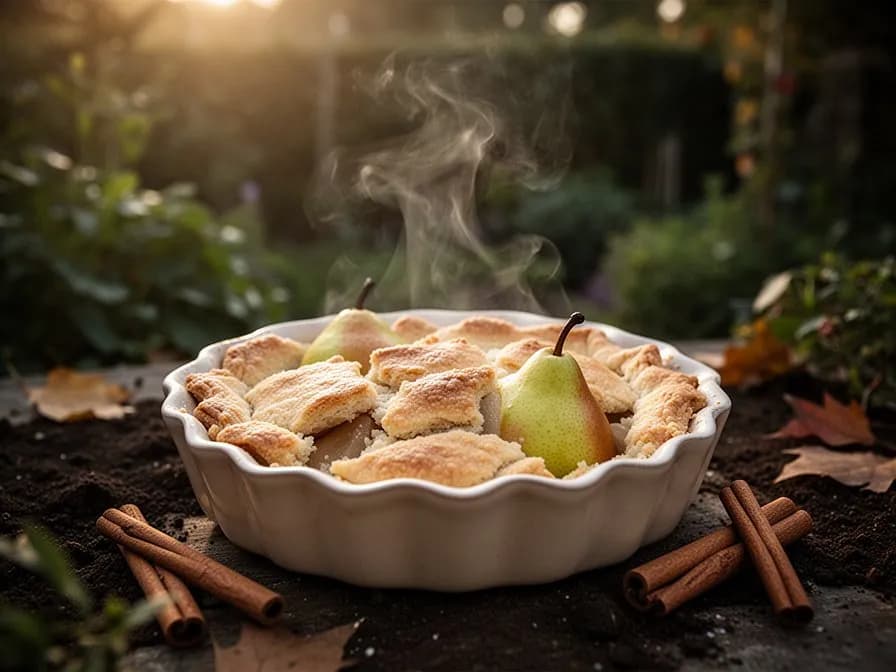
Peras Seckel encurtidas enteras
20 minutos de preparación, varios días de encurtidoLa forma clásica de conservar Seckel: pequeños frutos enteros encurtidos en una salmuera aromática con especias. Su tamaño los hace perfectos para servir como acompañamiento elegante de carnes asadas, quesos o tablas de aperitivos. El encurtido realza su dulzor y añade una nota especiada brillante.
8 ingredientesPeras Seckel escalfadas con miel y vainilla
25 minutosUn postre sencillo y perfumado en el que las pequeñas peras Seckel se escalfan en un almíbar suave de miel y vainilla hasta quedar tiernas y brillantes. Sirva calientes o frías con yogur, crema o una bola de helado.
6 ingredientesCompota especiada de pera Seckel
30 minutosUna compota espesa y fragante para untar, ideal para tostadas, yogur o como relleno de pasteles. La dulzura natural de Seckel reduce la necesidad de azúcar añadido y su aroma especiado aporta complejidad.
6 ingredientesUsos culinarios
Las peras Seckel son un fruto perfecto para picar, ideal para las loncheras infantiles y las tablas de aperitivos. Son magníficas conservadas enteras en almíbar de vainilla o canela para un postre elegante. Encurta peras Seckel enteras en vinagre especiado como acompañamiento gourmet para carnes asadas y tablas de queso. Su dulzor intenso da una mantequilla de pera y unas conservas excepcionales. Si se parten por la mitad y se asan con miel, se convierten en un postre sencillo pero impresionante.
Qué contiene
Beneficios para la salud
- La pera Seckel ofrece fibra dietética que favorece la digestión y ayuda a mantener la saciedad con una fruta pequeña y fácil de comer.
- Su dulzor concentrado permite satisfacer antojos de algo dulce con una porción modesta.
- Aporta vitamina C y otros micronutrientes en una forma refrescante y baja en grasa.
- La pectina natural de la pera apoya una digestión saludable y puede contribuir al control del colesterol.
- Consumida con piel, la fruta aporta más fibra y compuestos antioxidantes.
- Es una alternativa de merienda naturalmente dulce a los snacks ultraprocesados.
De dónde viene Pera Seckel
La pera Seckel es una auténtica reliquia del patrimonio frutal norteamericano. Se cree que surgió a finales del siglo XVIII como una plántula espontánea cerca del río Delaware, en una granja perteneciente a un agricultor llamado Seckel, en Pensilvania. La pequeña fruta dulce llamó la atención de los horticultores de la región por su sabor intensamente concentrado y su resistencia excepcional al fuego bacteriano, una enfermedad que devastaba muchas otras peras de la época. Con el tiempo, la variedad se propagó por los viveros y se convirtió en una favorita de los huertos domésticos, los mercados locales y la conserva casera.
Su diminuto tamaño le granjeó el apodo de 'pera de azúcar', y la Seckel se convirtió en un símbolo de lo que una pera pequeña podía ofrecer: una dulzura extraordinaria, un perfume especiado y una versatilidad sorprendente en la cocina. A diferencia de las peras de gran tamaño que dominaron el comercio posterior, Seckel nunca fue especialmente importante en el mercado mayorista, pero sí mantuvo un lugar firme en jardines familiares, huertos históricos y colecciones de fruticultura patrimonial.
La historia de la Seckel también está ligada al desarrollo temprano de la horticultura en Norteamérica. Antes de la refrigeración moderna, las peras pequeñas y firmes que podían conservarse enteras en almíbar o encurtirse eran especialmente valiosas para la cocina doméstica. Seckel encajaba a la perfección en ese uso y se convirtió en una de las variedades más queridas para conservas enteras, peras en tarro y regalos de despensa.
Hoy en día, Seckel sigue siendo apreciada por quienes buscan peras con un sabor intenso y un tamaño de bolsillo, así como por jardineros que necesitan un árbol relativamente pequeño, compacto y resistente. Aunque las peras grandes dominan los supermercados, Seckel conserva un aura casi de especialidad artesanal: una pera minúscula con una personalidad desmesurada.
Pera Seckel: ¿sabías que?
Datos fascinantes sobre Pera Seckel
La pera Seckel es una de las poquísimas variedades de pera originadas en Estados Unidos: se descubrió creciendo de forma silvestre cerca del río Delaware en una finca propiedad de un agricultor de Pensilvania apellidado Seckel a finales del siglo XVIII, lo que la convierte en una rara contribución genuinamente americana a la tradición europea de la pera.
Pera Seckel: preguntas frecuentes
¿Cuándo debo plantar Pera Seckel?
¿Cuáles son buenas plantas acompañantes para Pera Seckel?
¿En qué zonas de rusticidad puede crecer Pera Seckel?
¿Cuánto sol necesita Pera Seckel?
¿A qué distancia debo espaciar Pera Seckel?
¿Qué plagas y enfermedades afectan a Pera Seckel?
¿Cómo almaceno Pera Seckel después de la cosecha?
¿Cuáles son las mejores variedades de Pera Seckel para cultivar?
¿Qué suelo necesita Pera Seckel?
¿Por qué mis peras Seckel salen tan pequeñas?
¿Seckel necesita otro árbol para dar fruto?
¿Puedo conservar Seckel entera?
¿Qué hago si veo signos de fuego bacteriano?
¿Seckel es buena para jardines pequeños?
Acabas de leer la teoría. Ahora cultívala en piloto automático.
Todo lo que hace que Pera Seckel sea delicado — el momento, el espaciado, las asociaciones, la ventana de cosecha — es justo lo que PlotMyGarden resuelve por ti, para cada planta de tu huerto.
Un plan que conoce tu clima
Indica tu ubicación una vez. Recibe fechas de siembra, abonado y cosecha basadas en tu última helada real y el pronóstico en vivo — sin adivinar con un sobre genérico.
De la sección “Cuándo plantar”Planificador de bancales de arrastrar y soltar
Diseña bancales sobre una cuadrícula. Cada planta encaja con su espaciado correcto y ves toda la temporada antes de gastar un céntimo en semillas.
De la sección “Cultivo”Conflictos de asociación, detectados a tiempo
Más de 200 buenas y malas combinaciones comprobadas en vivo mientras plantas — para que un error que arruine la temporada nunca llegue a la tierra.
De la sección “Asociaciones”Recordatorios que sí vas a seguir
“Riega las judías.” “Recoge hoy antes de que se pase.” Oportunos, concretos y ligados a las plantas que de verdad cultivas.
De la sección “Cosecha”Escalonado, programado
¿Quieres cosechar seis semanas en vez de seis días? Reparte tus siembras automáticamente y te avisa cuando toca el siguiente lote.
De la sección “Cuándo plantar”Un registro que se vuelve más listo
Cada cosecha que registras le enseña tu huerto. El plan del año que viene parte de lo que de verdad funcionó en tu suelo, no en un manual.
De la sección “Resumen”Planta estos junto a Pera Seckel
Más Frutas de pepita
Mantén Pera Seckel lejos de estos
Cultiva tu mejor Pera Seckel — y todo lo que la rodea.
Empieza un plan gratis hoy. Diseña tus bancales, coloca tu Pera Seckel y deja que PlotMyGarden gestione el momento, el espaciado, las asociaciones y los recordatorios de la semilla a la cesta.