Anjou Pear
A versatile, egg-shaped pear with firm, creamy flesh and a subtle, refreshing sweetness when ripe.





On this pageOverview
Meet Anjou Pear
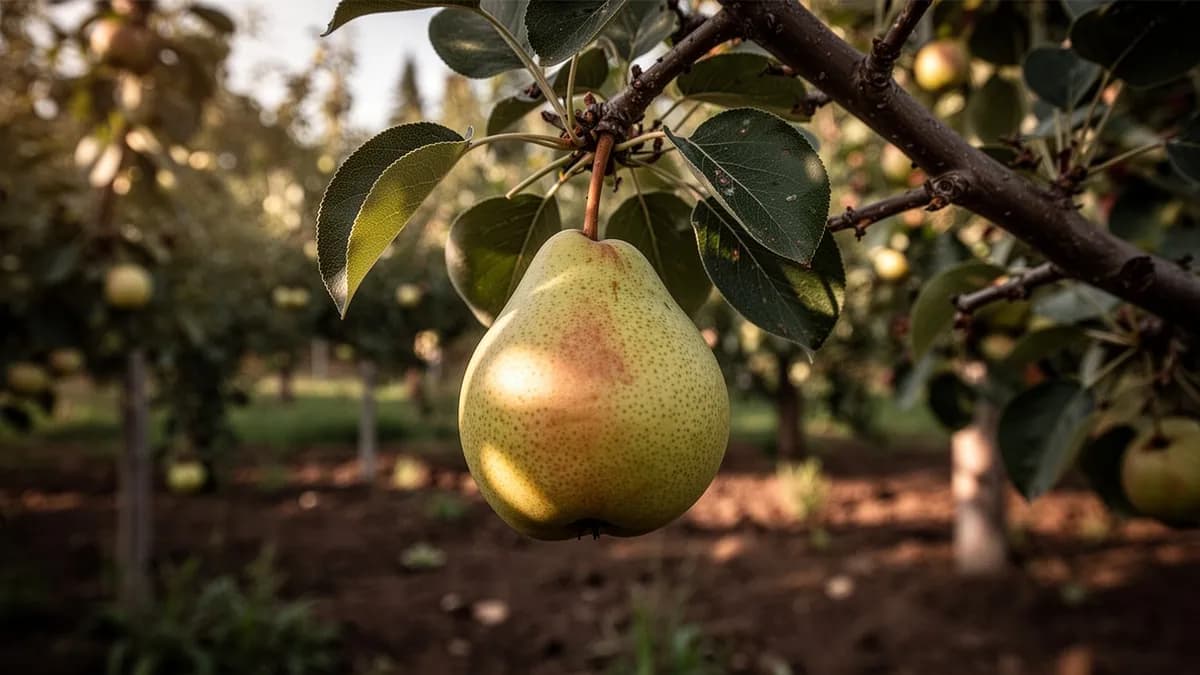
A versatile, egg-shaped pear with firm, creamy flesh and a subtle, refreshing sweetness when ripe. Anjou pears are available in both green and red varieties and have the longest storage life of common pear cultivars. They do not change color when ripe, so test by pressing gently near the stem for a slight give.
When to plant Anjou Pear
Anjou pears are propagated by grafting onto compatible rootstock rather than from seed, as seedlings will not reproduce the parent variety. For rootstock production, extract seeds from ripe fruit and stratify in moist peat at 33 to 40 degrees Fahrenheit for 60 to 90 days. Sow stratified seeds half an inch deep in a well-draining seed mix in spring. Seedlings can be budded or grafted with Anjou scion wood in the following dormant season using T-budding or whip-and-tongue grafting.
Your Anjou Pear Year
Composed for Zone 7 · typical seasons · frost passes Apr 2, returns Nov 1
Plant Anjou Pear Mar – Apr, pick Sep – Nov. Check the planting methods below and set your climate to personalize these windows.
How to grow Anjou Pear
Anjou pears perform best in deep, well-drained loamy soil with a pH between 6.0 and 7.0. Plant bare-root trees in late winter or early spring while dormant, setting the graft union about two inches above the soil surface. Standard trees need 18 to 20 feet of spacing, while semi-dwarf rootstocks allow 12 to 15 feet. Water deeply at planting and apply a four-inch layer of organic mulch around the base, keeping it away from the trunk.
Anjou pears are partially self-fertile but produce much larger crops with a cross-pollinator such as Bartlett, Bosc, or Comice within 50 feet. Prune trees to an open center or modified central leader form in late winter. Remove inward-growing branches and water sprouts to allow sunlight to penetrate the canopy and improve fruit color and sugar development.
Provide one to two inches of water per week during the growing season, with particular attention during fruit sizing in midsummer. Apply a balanced fertilizer in early spring before bud break at one pound per inch of trunk diameter. Avoid excessive nitrogen, which promotes vegetative growth at the expense of fruit production and increases fire blight susceptibility.
Anjou Pear needs more room than a 4 × 8 ft bed gives
Each Anjou Pear wants 300 cm of elbow room. The planner keeps that spacing for you — every plant, every bed.
Anjou Pear's best neighbours
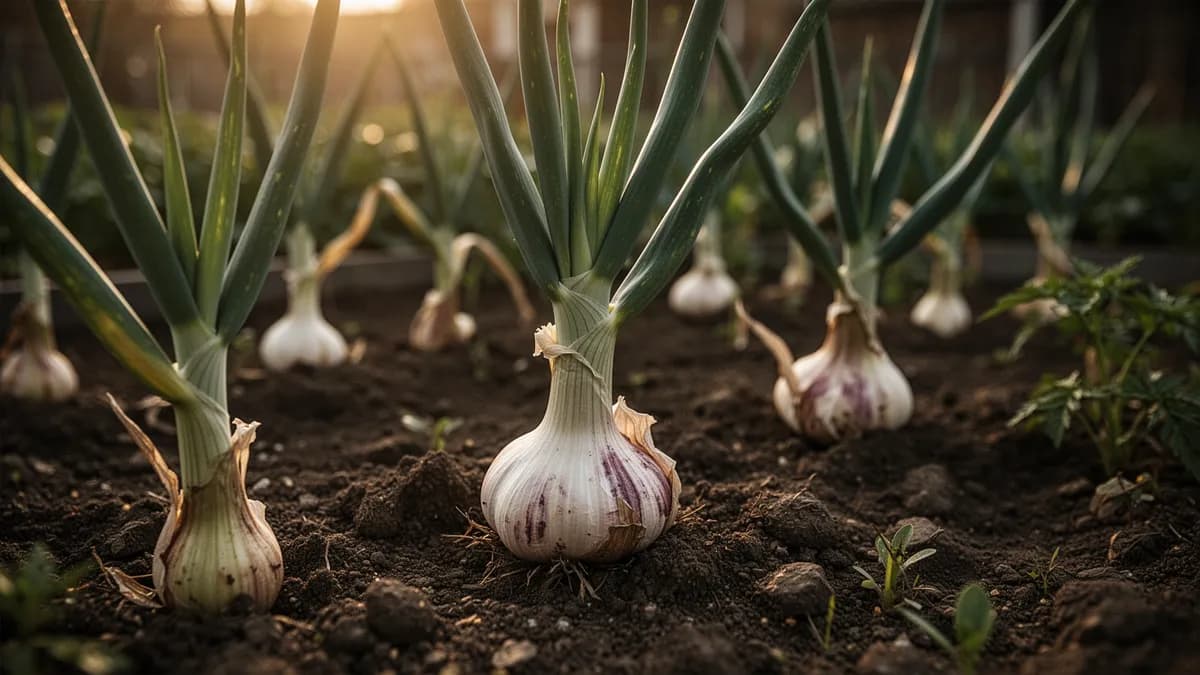
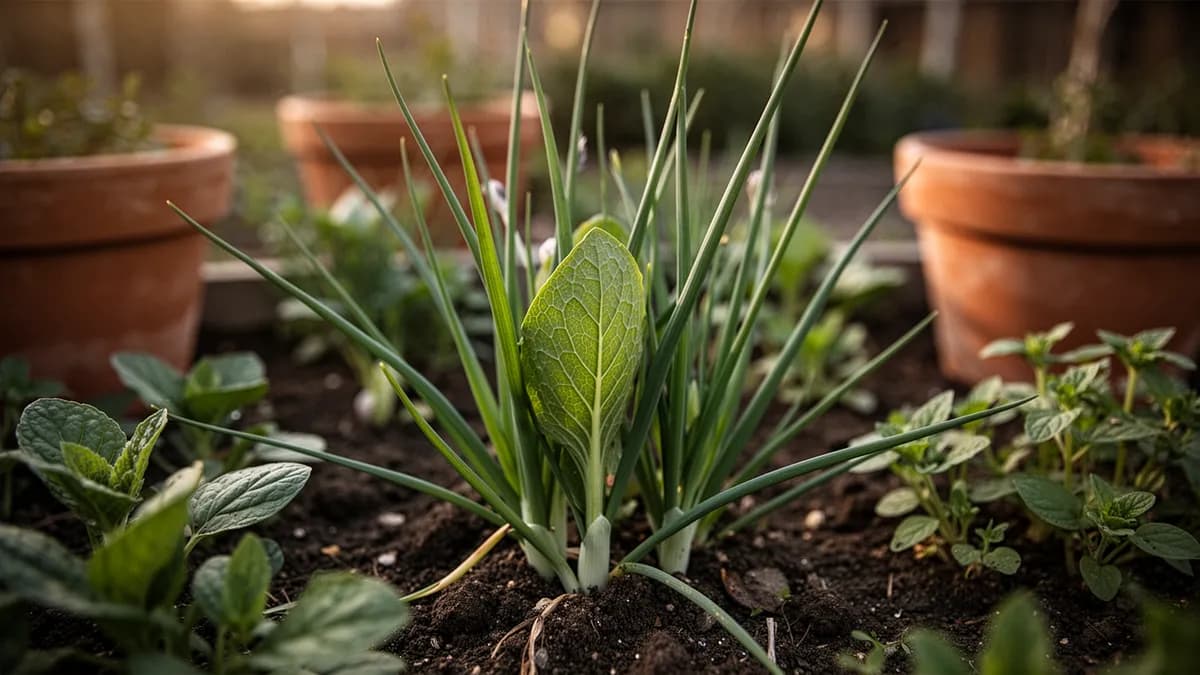
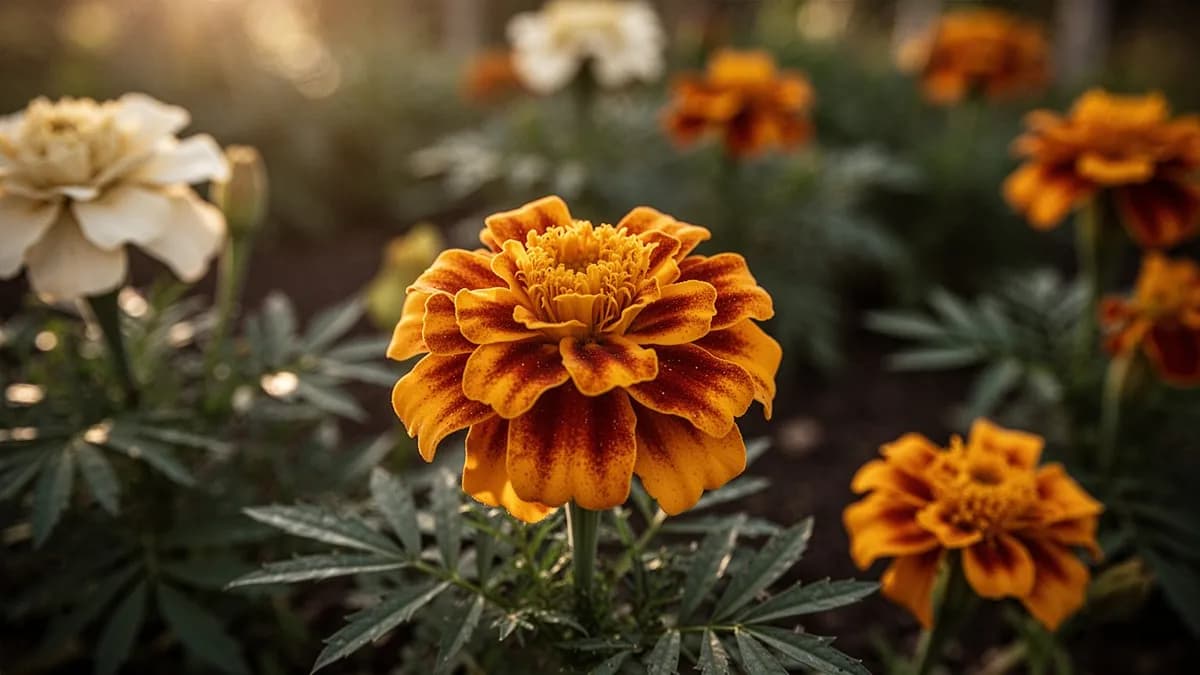
Garlic, chives, and other alliums planted around Anjou pear trees help deter borers and aphids. Comfrey serves as a dynamic nutrient accumulator when grown as a living mulch beneath the canopy. White clover between rows fixes nitrogen and supports pollinator populations during bloom. Tansy and yarrow attract beneficial parasitic wasps that prey on pear psylla. Avoid planting near walnut trees due to juglone toxicity.
Garlic belongs beside it. Walnut Tree doesn't.
Old growers' knowledge, checked against Anjou Pear's real companion table below — test any plant you're growing.
Try Anjou Pear in a bed — right here
A real planner bed with Anjou Pear already in it. Tap a companion to place it and watch the pairing checks answer — green for good neighbours, red for a clash.


Related growing guides
Feed it well
Anjou pears prefer deep, fertile, well-drained loam with a pH of 6.0 to 7.0. They tolerate heavier soils better than most pear varieties but still require adequate drainage. Apply a balanced 10-10-10 fertilizer in early spring at one pound per inch of trunk diameter. Supplement with potassium if leaf margins show browning or fruit quality declines. Mulch annually with compost or aged wood chips to maintain soil organic matter and moisture retention.
Ideal Temperature
Hardiness Zone Compatibility
From seed to harvest, stage by stage
Dormant and Chilling
The Anjou pear tree enters deep dormancy after leaf fall in autumn and remains leafless through winter. During this period the tree accumulates chilling hours — temperatures between 0°C and 7°C — needed to break bud dormancy in spring. Anjou requires approximately 800–1000 chilling hours, which is reliably met in most temperate climates of the Pacific Northwest, northern Europe, and similar regions. Roots remain metabolically active during mild spells, storing carbohydrates and minerals in preparation for the explosive growth of spring.
Bud Swell and Bloom
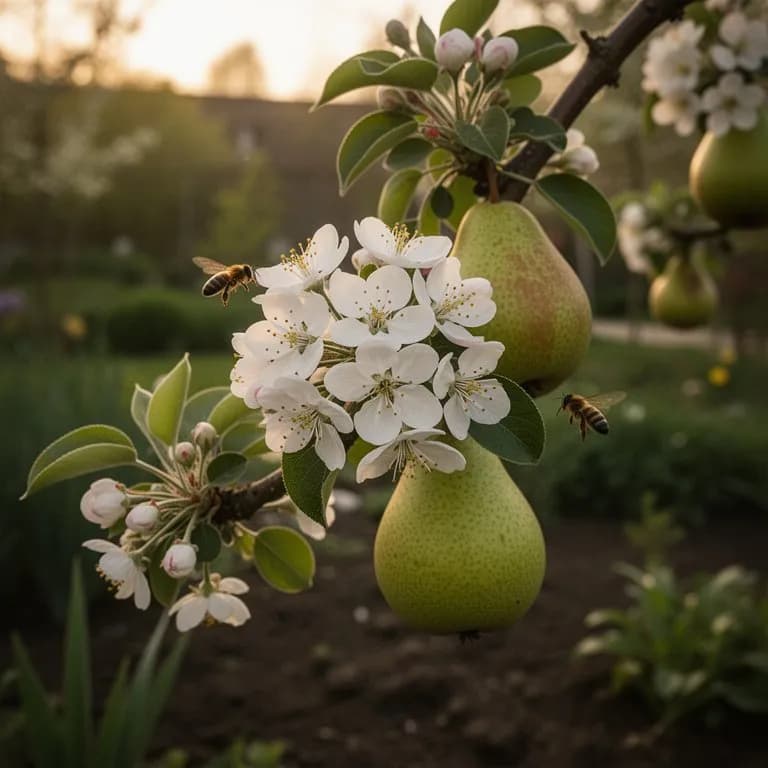
As chilling requirements are satisfied and spring temperatures rise, Anjou's buds swell and burst into clusters of pure white five-petalled flowers. Bloom typically occurs in mid to late April in most temperate climates and lasts 8–12 days. Anjou is not reliably self-fertile and performs best when planted alongside a compatible pollinator such as Bartlett, Bosc, or Comice. Open blossoms are highly vulnerable to late frosts, which can freeze the pistils and eliminate the season's entire potential crop.
Fruit Set and June Drop
Successfully pollinated flowers develop into small fruitlets. The tree sheds a natural proportion of these in late spring and early summer — the June drop — as an internal mechanism to balance crop load against available resources. Anjou trees can set heavy crops that, if left unthinned, result in small, poor-flavoured fruit and biennial bearing, where the tree exhausts its reserves one year and produces little or no fruit the next. Manual thinning after the natural drop is essential for consistent, high-quality annual harvests.
Fruit Development
From midsummer through early autumn the Anjou fruitlets expand steadily as the tree accumulates sugars and starches within the developing flesh. The fruit's characteristic egg-shaped profile with a very slight neck becomes more pronounced during this phase. Skin colour remains green throughout development — even fully ripe Anjou pears do not change colour significantly, making visual ripeness assessment unreliable and requiring the grower to rely on other indicators. Consistent soil moisture during this phase is critical to prevent fruit cracking and to support full size development.
Pre-Harvest Maturity
Anjou pears reach harvest maturity in September to early October. Because Anjou skin remains green even when ripe, colour is not a reliable harvest indicator. Commercial growers use starch-iodine tests and pressure gauges (penetrometers) to assess maturity. Home growers can rely on the lift-and-twist test and subtle yellowing of the background skin colour on sun-exposed fruit. Harvesting too early results in flesh that never fully sweetens; harvesting too late causes the flesh to break down from the inside out during cold storage.
Cold Storage and Off-Tree Ripening
One of Anjou's greatest strengths is its exceptional cold storage capability. Properly harvested fruit held at 0–2°C and 90–95% relative humidity will remain in excellent condition for four to five months, allowing growers to enjoy their harvest from October through February or March. To ripen stored pears for eating, remove them from cold storage and hold at 18–21°C for 3–7 days until the flesh near the stem yields softly to gentle pressure. Avoid storing Anjou near ethylene-producing produce such as apples, which can accelerate ripening and shorten storage life.
Post-Harvest Recovery
After harvest the Anjou tree redirects its energy from fruit production to root carbohydrate storage and the formation of next season's flower buds within existing fruiting spurs. Leaves begin to yellow and drop as day length shortens and temperatures fall. This post-harvest period is critical for the tree's long-term productivity — adequate nutrition and pest management during this phase directly influences the quality of the following year's blossom and fruit set.
Prune during deep dormancy on dry, frost-free days in late winter before bud swell begins. Focus on removing dead, diseased, and inward-growing branches, and shortening vigorous upright shoots to encourage horizontal fruiting spurs. Apply a dormant horticultural oil spray to smother overwintering mite eggs, scale insects, and fungal spores clinging to the bark. Inspect the trunk and main limbs for cankers, fire blight mummies, and sunscald, addressing each before new growth begins.
Caring for Anjou Pear month by month
What to do each month for your Anjou Pear
October
You are hereContinue harvesting any remaining fruit and complete the cold storage setup. Clear fallen fruit and leaves from beneath the tree promptly to reduce disease pressure over winter. Apply a balanced autumn fertiliser around the drip line. Fit trunk guards on young trees to protect against rabbit and rodent gnawing during winter. Fit grease bands around the trunk to trap wingless winter moths.
Know exactly what to do in your garden — every month
One email at the start of each month: what to sow, plant, and tackle right now — for your Anjou Pear and everything growing around it. Plus a short starter course that helps you dodge the classic mistakes.
- What to do, right now
- Matched to your season
- Starter course included
Harvesting Anjou Pear
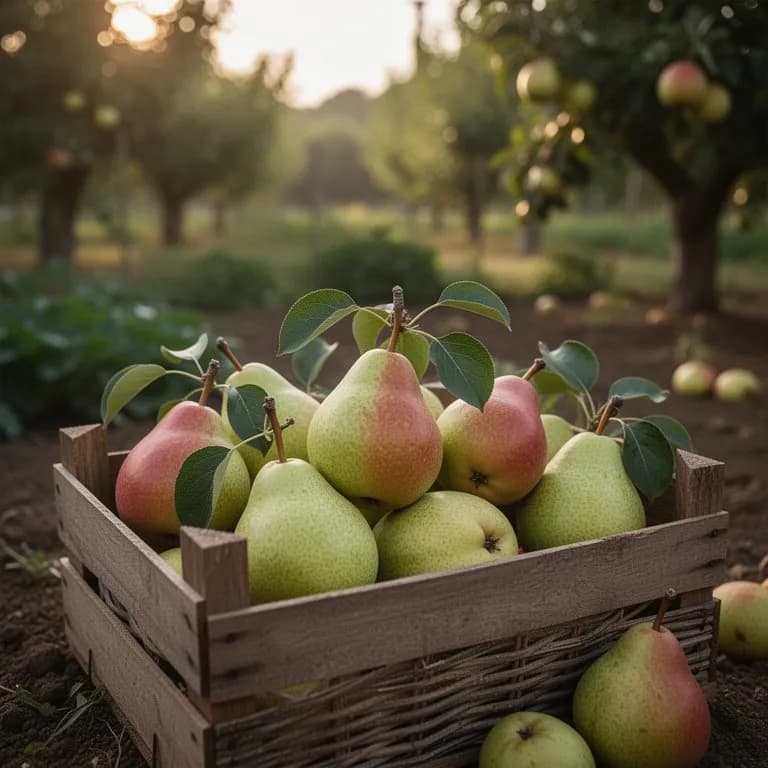
Anjou pears are harvested in late September to October while still firm and green. Unlike Bartlett pears, Anjou do not change color when ripe, making ripeness testing essential. Apply gentle thumb pressure near the stem end; if it yields slightly, the pear is ready to eat. After picking, Anjou pears require a chilling period of two to six weeks at 30 to 32 degrees Fahrenheit to initiate proper ripening. Without this cold period, the fruit may never develop its full buttery texture and sweetness.
assuming you plant when the window opens — set your real date
Pick Anjou Pear promptly and the plant keeps producing.
Storage & Preservation
Anjou pears have the longest storage life of any common pear, keeping up to six months at 30 to 32 degrees Fahrenheit with 90 percent humidity. After cold storage, ripen at room temperature for seven to ten days. They are excellent for fresh eating, salads, and cheese pairings. For preservation, can Anjou pears in light syrup, make pear butter, or freeze sliced fruit in ascorbic acid solution. Their firm texture makes them suitable for drying in a dehydrator as well.
What goes wrong — and the fix
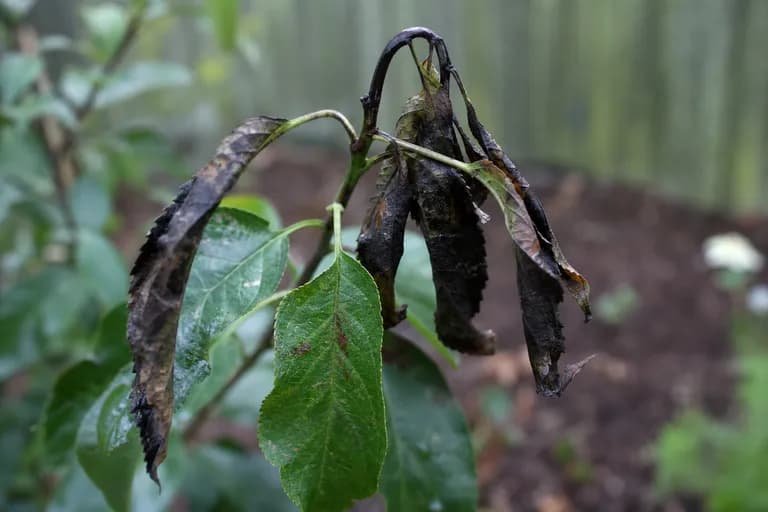
Fire Blight
DiseaseBlossoms turn brown and wilt; shoot tips blacken and curve into a shepherd's crook; oozing cankers appear on branches.
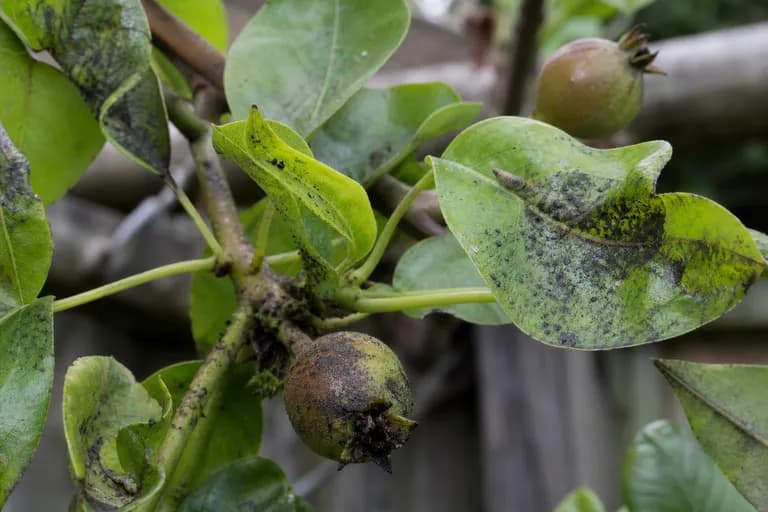
Pear Psylla
PestSticky honeydew on leaves and fruit; black sooty mold growth; leaf yellowing and premature drop; reduced fruit quality.
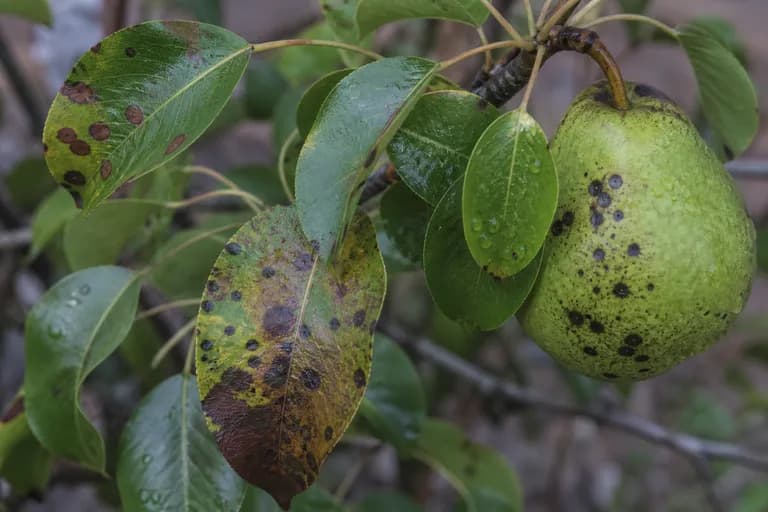
Fabraea Leaf Spot
DiseaseSmall dark spots on leaves expanding to larger brown lesions; infected leaves drop prematurely; fruit develops black raised spots.
Troubleshooting Common Problems
Anjou pears are moderately susceptible to fire blight, particularly during warm, wet springs. The fruit requires a mandatory chilling period after harvest, and skipping this step results in poor texture and flavor. Trees can be slow to begin bearing, sometimes taking five to seven years on standard rootstock. Pear psylla infestations cause cosmetic damage from sooty mold that reduces marketability. The green skin makes it challenging for home gardeners to judge ripeness without the thumb pressure test.
Growing Tips
- Plant Anjou pears in a sheltered, south- or southwest-facing position receiving a minimum of six hours of direct sunlight per day. In regions with late spring frosts, choose a site on a gentle slope rather than low-lying ground, as cold air drains downhill and collects in frost pockets that can destroy the entire year's blossom in a single night.
- Anjou is partially self-fertile but produces significantly heavier, more consistent crops when a compatible cross-pollinator is planted nearby. Bartlett (Williams), Bosc, and Comice are all excellent pollinators for Anjou and bloom at a compatible time. Plant at least two varieties within 15–30 metres of each other and ensure they are in the same or adjacent pollination groups.
- Pear scab caused by the fungus Venturia pirina is one of the most common problems on Anjou in humid climates, causing dark scabby lesions on both fruit and foliage. Reduce risk by applying copper-based or sulphur fungicide sprays at bud burst and petal fall, pruning to maintain an open, well-ventilated canopy, and removing fallen leaves promptly in autumn to eliminate overwintering spore sources.
- Fire blight (Erwinia amylovora) is a serious bacterial disease to which Anjou has moderate susceptibility. Learn to recognise the early signs — wilting, blackening shoot tips with a characteristic shepherd's crook curl — and act immediately by cutting out infected wood at least 30–45 cm below the visible margin of infection. Sterilise pruning tools between every cut with 70% isopropyl alcohol, and burn or bin all removed material.
- Anjou pears perform best in deep, fertile, well-drained loam with a soil pH between 6.0 and 6.5. Before planting, improve heavy clay soils by incorporating generous quantities of horticultural grit and well-rotted organic matter to enhance drainage. Waterlogged soil promotes Phytophthora collar rot and other root diseases that can kill even established trees within a few seasons.
- Because Anjou pears do not visibly change colour as they ripen, never rely on skin colour alone to judge harvest timing. Use the lift-and-twist test — if the fruit parts cleanly from the spur with a gentle horizontal twist, it is ready — combined with gentle thumb pressure near the stalk end and, if you own one, a penetrometer reading of 14–17 lbs to determine the optimal harvest window.
- Anjou is one of the few pear varieties that can be successfully stored for four to five months when held at 0–2°C and 90–95% relative humidity immediately after harvest. A frost-free shed, root cellar, or dedicated wine cooler set to just above 0°C can serve as adequate home cold storage. To ripen fruit for eating, remove it from cold storage and hold it at room temperature for 4–7 days until the flesh near the stem yields softly under gentle finger pressure.
- Apply a 7–10 cm layer of composted wood chip, well-rotted manure, or garden compost as a mulch ring around the base of the tree each spring, keeping the mulch at least 15 cm away from the trunk to prevent collar rot. Mulching conserves soil moisture, moderates root zone temperature, suppresses weed competition, and annually adds organic matter that feeds the soil ecosystem and improves long-term soil structure.
- Young Anjou trees benefit from a structured training programme during the first three to four years after planting. Select three to five well-spaced scaffold branches radiating from the central leader and remove all competing upright growth. Tying horizontal branches down with soft ties or weighted strings encourages the formation of fruiting spurs and reduces the tree's tendency to produce excessive vegetative growth at the expense of fruit production.
- In regions prone to pear psyllid — a tiny sucking insect that deposits honeydew and causes leaf distortion, sooty mould, and fruit russeting — apply a kaolin clay particle film spray to the foliage and developing fruit from late spring through summer as a physical barrier. Maintaining a population of predatory insects by avoiding broad-spectrum pesticides and planting insectary flowers nearby also provides significant biological control.
Grow your best Anjou Pear yet — and everything around it.
Start a free plan today. Lay out your beds, drop in your Anjou Pear, and let PlotMyGarden handle the timing, spacing, companions and reminders from seed to harvest basket.
Pick your Anjou Pear
Green Anjou
The classic variety with bright green skin that remains green even when ripe, offering a mild, refreshing sweetness.
Red Anjou
A striking maroon-skinned sport with the same creamy flesh and mild flavor, adding visual appeal to fruit displays.
Anjou on OHxF 87
Semi-dwarf combination producing a manageable 12 to 15 foot tree with good fire blight resistance in the rootstock.
Columbia Red Anjou
A deeply colored red sport selected for uniform dark crimson skin and reliable annual production.
Anjou pears typically retail for $2.00–$4.00 per kilogram at supermarkets, with organic, heirloom, or locally grown fruit at farmers' markets often commanding $4.00–$7.00 per kg or more. A semi-dwarf Anjou tree on quince rootstock yields approximately 20–40 kg of fruit per season once mature, representing $40–$160 worth of fruit at standard supermarket prices annually. A full-size standard tree may yield 60–100 kg or more. Given that a named, grafted Anjou tree from a reputable nursery costs $30–$60, the initial investment is typically recovered within two to four productive seasons. Over the tree's 50–75-year productive lifespan, a single well-managed Anjou can yield several thousand dollars' worth of premium fresh fruit, plus the additional value of any processed produce — jams, chutneys, pear butter, juice, and perry — made from the surplus harvest.
Quick recipes
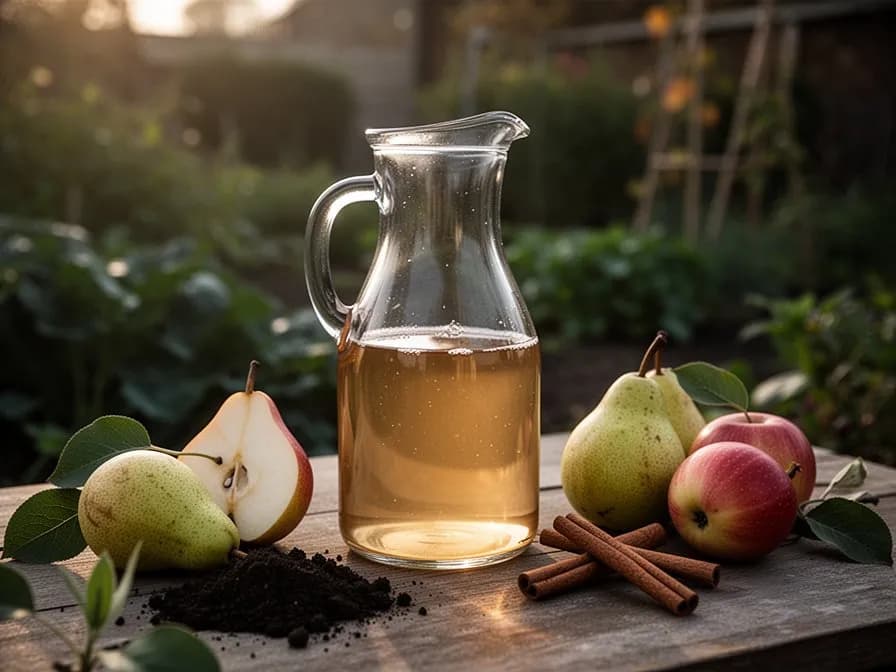
Red Wine Poached Anjou Pears
45 minutesWhole Anjou pears poached until tender in a rich spiced red wine syrup infused with cinnamon, cloves, orange zest, and vanilla. The fruit absorbs the deep ruby colour of the wine as it cooks, transforming into a stunning dessert that is as beautiful on the plate as it is delicious. Serve warm or chilled with a generous spoonful of crème fraîche or a scoop of vanilla ice cream. The poaching syrup can be reduced further to a glossy sauce and drizzled over the fruit at the table.
8 ingredients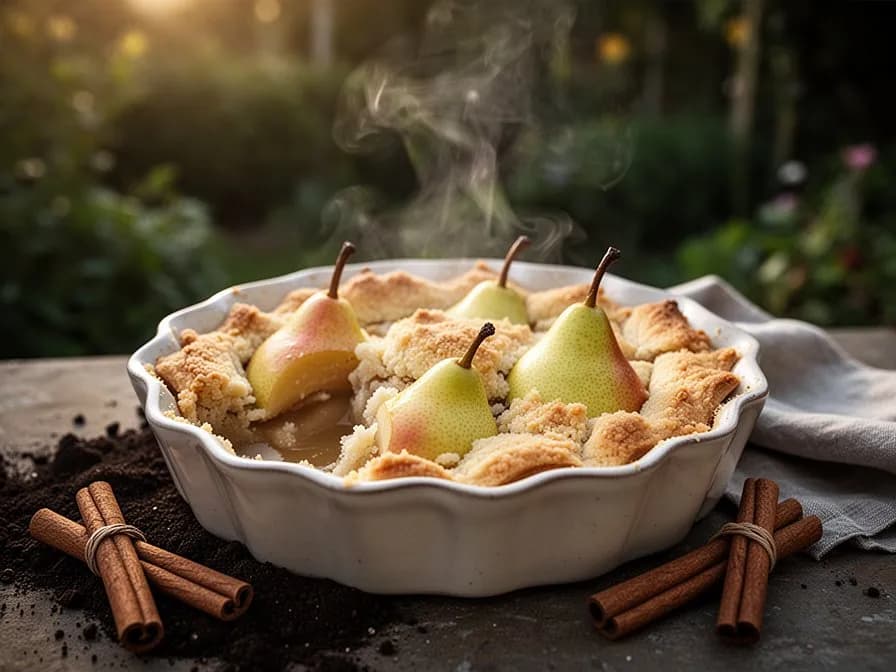
Anjou Pear, Walnut, and Gorgonzola Salad
15 minutesA classic autumnal salad combining thinly sliced ripe Anjou pears, toasted walnuts, crumbled Gorgonzola Dolce, and crisp radicchio leaves dressed in a honey-balsamic vinaigrette. The interplay of sweet pear, bitter radicchio, tangy cheese, and crunchy nuts creates a perfectly balanced dish that works equally well as an elegant starter or a satisfying lunch. Use ripe but still slightly firm Anjou pears so the slices hold their shape in the dressing.
9 ingredients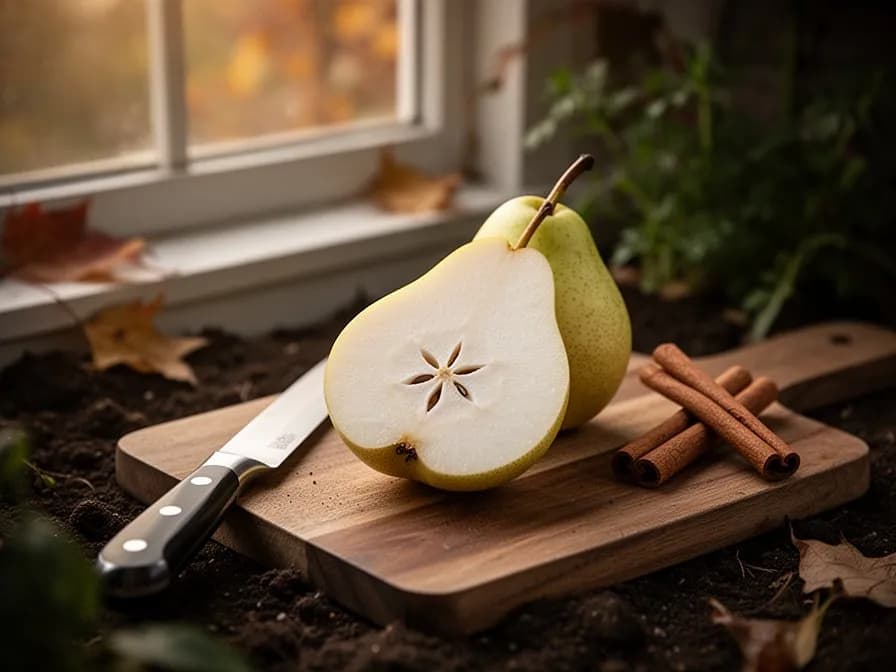
Anjou Pear and Almond Tart
1 hour 10 minutesA classic French-inspired frangipane tart filled with a rich almond cream and topped with fanned slices of Anjou pear baked until golden and caramelised at the edges. Anjou's dense, smooth flesh holds its shape beautifully in the oven and its mild sweetness complements the buttery almond filling without competing with it. Serve at room temperature with a dusting of icing sugar and a drizzle of apricot glaze for a dessert that is elegant enough for a dinner party but straightforward enough for a weekend bake.
9 ingredientsCulinary Uses
Anjou pears are prized for fresh eating with their mild, sweet flavor and smooth texture. They pair beautifully with strong cheeses like Gorgonzola and Roquefort on charcuterie boards. Slice into salads with arugula, walnuts, and vinaigrette. Green and red Anjou pears hold up well in baking and make elegant poached desserts. They also blend smoothly into pear soup and work well in savory dishes with pork or chicken.
What's inside
Health Benefits
- Anjou pears provide 3.1 g of dietary fibre per 100 g — including soluble pectin and insoluble cellulose — that supports digestive regularity, reduces LDL cholesterol levels, feeds beneficial gut bacteria as a prebiotic, and is associated in large epidemiological studies with reduced risk of type 2 diabetes and colorectal cancer.
- The polyphenol antioxidants in Anjou pears — quercetin, catechin, chlorogenic acid, and epicatechin, concentrated mainly in the skin — help neutralise damaging free radicals, reduce chronic systemic inflammation, and may lower the long-term risk of cardiovascular disease and certain hormone-sensitive cancers.
- Regular consumption of pears and similar white-fleshed fruits has been linked in prospective cohort studies with a meaningfully reduced risk of ischaemic stroke, with researchers attributing much of the protective effect to the flavonoid quercetin and its anti-inflammatory and endothelial-protective properties.
- With a low glycaemic index of approximately 38 and a glycaemic load of only 4 per medium fruit, Anjou pears raise blood sugar slowly and modestly, making them one of the more suitable whole fruit choices for people managing insulin resistance, pre-diabetes, or type 2 diabetes within a balanced dietary pattern.
- Anjou pears are a good source of copper — providing around 9% of the daily value per 100 g — an essential trace mineral that supports iron absorption and utilisation, immune function, the synthesis of collagen and elastin in connective tissues, and the health of the central nervous system.
- The combination of vitamin C, flavonoid antioxidants, and copper in Anjou pears provides meaningful support for immune system function, helps protect cellular DNA from oxidative damage associated with ageing and environmental stressors, and contributes to the maintenance of healthy skin, blood vessels, and connective tissue.
Where Anjou Pear comes from
The Anjou pear — known formally as Beurré d'Anjou — has its roots firmly in the rich horticultural tradition of nineteenth-century Belgium and northern France. Despite its name's association with the Anjou region of the Loire Valley, the variety was identified and first described by Belgian pomologists, most likely arising as a chance seedling or deliberate cross in the orchards of the Low Countries during the early to mid-1800s. Belgium was during this period the undisputed world capital of dessert pear breeding, with horticultural societies in Ghent, Brussels, and Mons actively cultivating, evaluating, and naming hundreds of new varieties in their pursuit of the perfect buttery, melting-fleshed pear. The Anjou, with its smooth, nearly stone-cell-free flesh, reliable cropping habit, and exceptional keeping quality, quickly distinguished itself among this extraordinary profusion of new cultivars.
The variety arrived in North America during the mid-nineteenth century, carried by European immigrant nurserymen and orchardists who brought grafting wood and young trees across the Atlantic as they established new lives and new orchards in the young republic. It found its ideal home in the Pacific Northwest, where the combination of cool winters with reliable chilling hours, long warm sunny summers with low humidity, fertile volcanic soils, and abundant irrigation water from snowmelt rivers created near-perfect conditions for European pear production. Commercial Anjou orchards were established in Oregon's Hood River Valley and in Washington State's Wenatchee and Yakima valleys from the late nineteenth century onwards, and the variety came to define the identity of Pacific Northwest pear growing in the way that no other cultivar has matched before or since.
By the mid-twentieth century, the red Anjou — a natural colour mutation discovered in commercial orchards — joined the green as a commercial offering, giving the fresh fruit trade a visually striking alternative that carried identical eating and storage qualities. Today, Anjou remains the single most produced pear variety in the United States, with the Pacific Northwest annually shipping hundreds of thousands of tonnes to domestic and international markets. The variety's story is a compelling example of how the right plant, in the right climate, at the right moment in agricultural history, can travel from the private gardens of nineteenth-century Belgian horticulturalists to define a regional industry on the other side of the world.
Anjou Pear: did you know?
Fascinating facts about Anjou Pear
The Anjou pear was not actually named after the Anjou region of France's Loire Valley — it was first selected and described by Belgian horticulturalists in the nineteenth century and named in honour of Anjou somewhat retrospectively; its French name, Beurré d'Anjou, translates to 'butter pear of Anjou', a reference to its famously smooth, buttery flesh.
Anjou Pear questions, answered
When should I plant Anjou Pear?
What are good companion plants for Anjou Pear?
What hardiness zones can Anjou Pear grow in?
How much sun does Anjou Pear need?
How far apart should I space Anjou Pear?
What pests and diseases affect Anjou Pear?
How do I store Anjou Pear after harvest?
What are the best Anjou Pear varieties to grow?
What soil does Anjou Pear need?
How do I know when my Anjou pears are ripe and ready to eat after I pick them?
Why does my Anjou pear tree produce fruit only every other year?
My Anjou pear tree has what looks like burnt, wilting branch tips — what is wrong and what should I do?
Can I grow an Anjou pear tree in a pot or container garden?
What is the difference between green and red Anjou pears, and does it affect how I grow or use them?
How much water does an Anjou pear tree need, and can it tolerate drought?
You just read the theory. Now grow it on autopilot.
Everything that makes Anjou Pear fiddly — the timing, the spacing, the companions, the harvest window — is exactly what PlotMyGarden handles for you, for every plant in your garden.
A plan that knows your weather
Set your location once. Get sow, feed and harvest dates built around your real last-frost date and live forecast — no more guessing from a generic seed packet.
From the “When to plant” sectionDrag-and-drop bed planner
Design beds on a grid. Every plant snaps to its proper spacing, and you can see your whole season laid out before you spend a cent on seed.
From the “Growing guide” sectionCompanion conflicts, caught early
200+ good-and-bad pairings checked live as you plant — so a season-wrecking mistake never makes it into the ground.
From the “Companions” sectionReminders you'll actually act on
“Water the beans.” “Pick today before it turns.” Timely, specific, and tied to the plants you're really growing.
From the “Harvest” sectionSuccession, scheduled
Want a harvest for six weeks, not six days? It spaces your sowings automatically and reminds you when each new block is due.
From the “When to plant” sectionA record that gets smarter
Every harvest you log teaches it your garden. Next year's plan starts from what actually worked in your soil, not a textbook's.
From the “Overview” sectionPlant these alongside Anjou Pear
More Pome Fruits
Keep Anjou Pear away from these
Grow your best Anjou Pear yet — and everything around it.
Start a free plan today. Lay out your beds, drop in your Anjou Pear, and let PlotMyGarden handle the timing, spacing, companions and reminders from seed to harvest basket.