Naranja Valencia
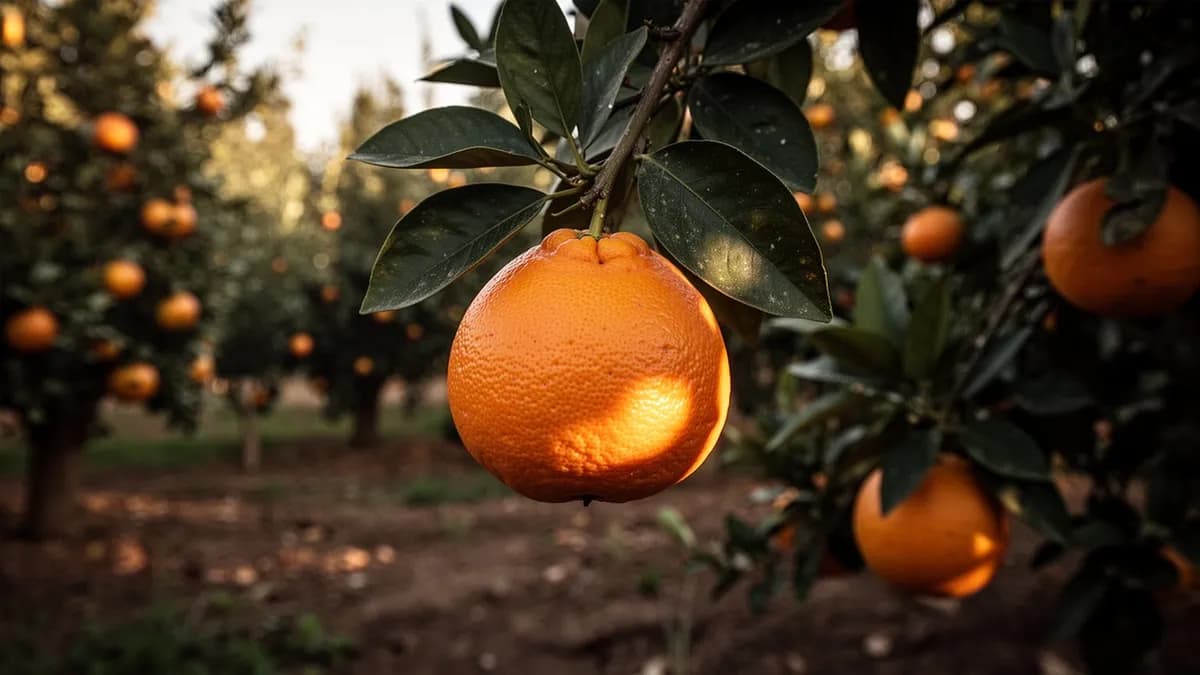
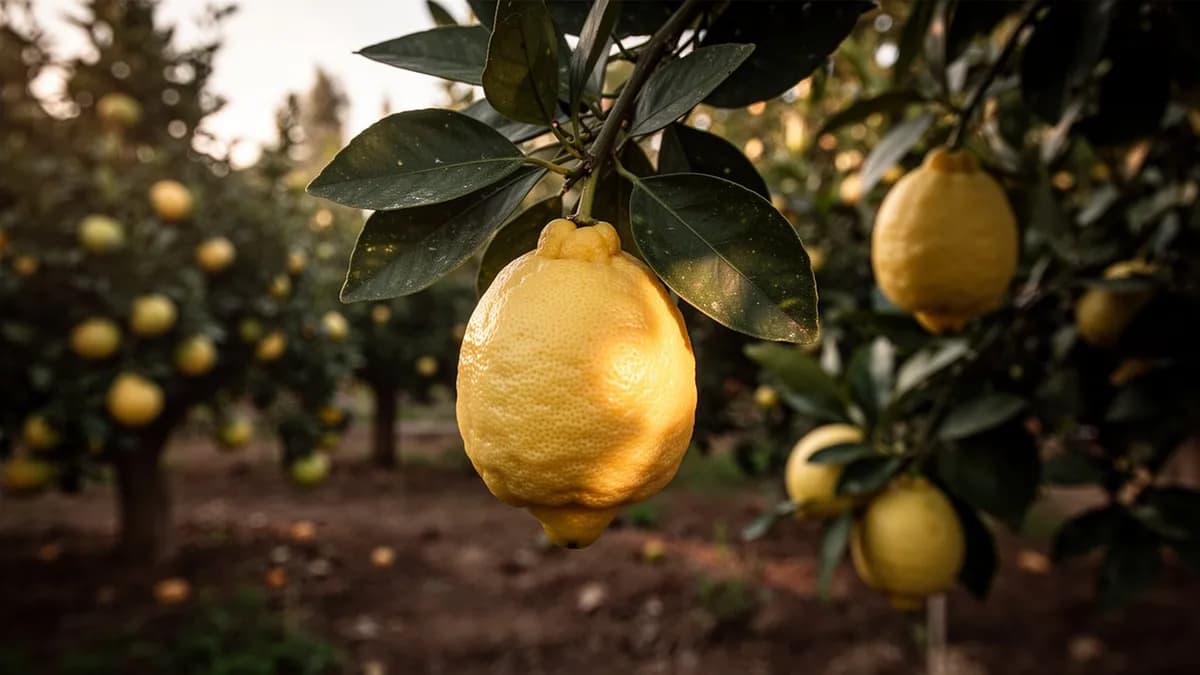
La naranja de referencia para zumo, que produce frutos dulces de piel fina que maduran en primavera y verano, complementando a las naranjas navel de invierno.





En esta páginaResumen
Conoce Naranja Valencia
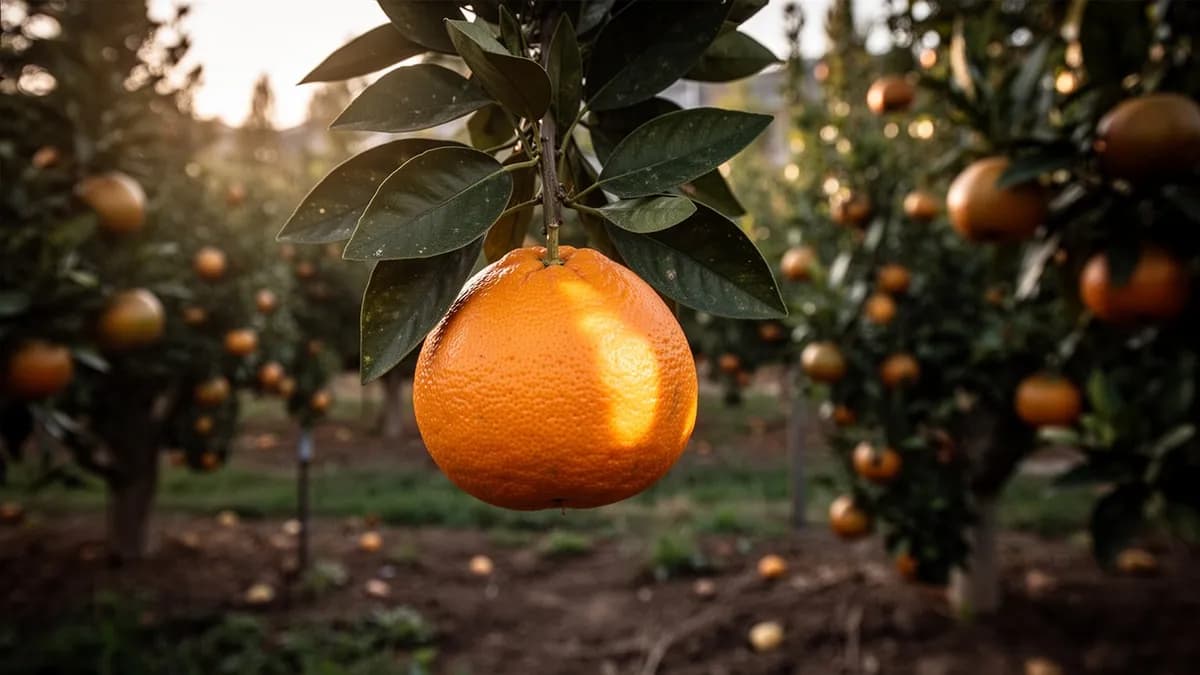
La naranja de referencia para zumo, que produce frutos dulces de piel fina que maduran en primavera y verano, complementando a las naranjas navel de invierno. Las naranjas Valencia tienen pocas semillas y un alto contenido de zumo que no se vuelve amargo, lo que las hace ideales para exprimir en fresco. Los frutos pueden permanecer en el árbol durante meses sin perder calidad.
Cuándo plantar Naranja Valencia
Las naranjas Valencia cultivadas desde semilla no producen frutos idénticos al árbol madre y pueden tardar entre ocho y quince años en dar fruta. Para obtener resultados fiables, compre árboles injertados de vivero que fructifiquen en tres a cinco años. Si las cultiva desde semilla como proyecto educativo o para portainjerto, extraiga las semillas de frutos maduros, enjuague la pulpa y plante de inmediato, porque las semillas de cítricos pierden viabilidad con rapidez. Siembre a 2.5 cm de profundidad en mezcla de semillero húmeda y estéril, y mantenga una temperatura de 21 a 29 °C. La germinación suele producirse entre dos y seis semanas. Las plántulas necesitan mucha luz y deben abonarse ligeramente una vez establecidas.
Tu año de Naranja Valencia
Ajustado a Zona 7 · temporada típica · la helada se va hacia el 2 abr y vuelve hacia el 1 nov
Planta Naranja Valencia Mar – May y cosecha Mar – Jul. Consulta los métodos de plantación y elige tu clima para adaptar los periodos.
Cómo cultivar Naranja Valencia
Las naranjas Valencia se desarrollan mejor en las zonas USDA 9 a 12, con exposición a pleno sol y protección frente a los vientos fríos. Plántelas en un suelo bien drenado, con un pH de 6.0 a 7.0, dejando 3.6 metros entre árboles de tamaño estándar o 2.4 metros entre variedades semienanas. Riegue en profundidad y con regularidad durante los dos primeros años; después, mantenga una humedad constante durante la floración y el desarrollo del fruto.
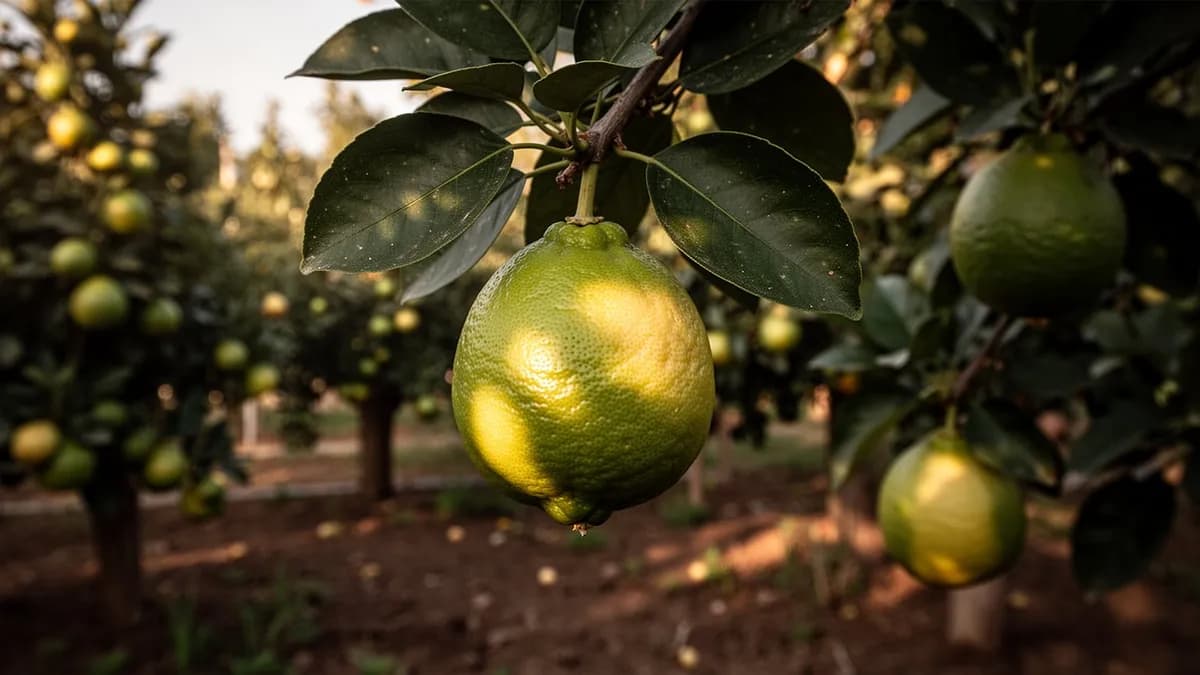
A diferencia de la mayoría de los cítricos, que maduran en invierno, las naranjas Valencia se cosechan de marzo a julio, proporcionando naranjas frescas fuera de la temporada de otras variedades. El fruto puede permanecer varios meses en el árbol después de madurar sin deteriorarse, una característica conocida como cosecha prolongada o almacenamiento en el árbol. Sin embargo, si se deja en el árbol con tiempo cálido, el fruto puede experimentar reverdecimiento, en el que la piel pasa de naranja a verde. Este cambio cosmético no afecta la calidad interna.
Fertilice con una fórmula específica para cítricos a finales de enero, en mayo y en septiembre. Los árboles Valencia tienden a crecer con vigor y se benefician de una poda anual para mantener un tamaño manejable y mejorar la circulación del aire. Elimine de inmediato los chupones interiores y cualquier rama por debajo del injerto. El estrés hídrico en verano puede provocar el rajado del fruto, así que aplique mantillo generosamente y riegue de forma constante durante los periodos calurosos y secos.
Para Naranja Valencia un bancal de 120 × 240 cm se queda corto
Cada Naranja Valencia pide 360 cm de margen. El planificador guarda ese marco por ti — cada planta, cada bancal.
Los mejores vecinos de Naranja Valencia
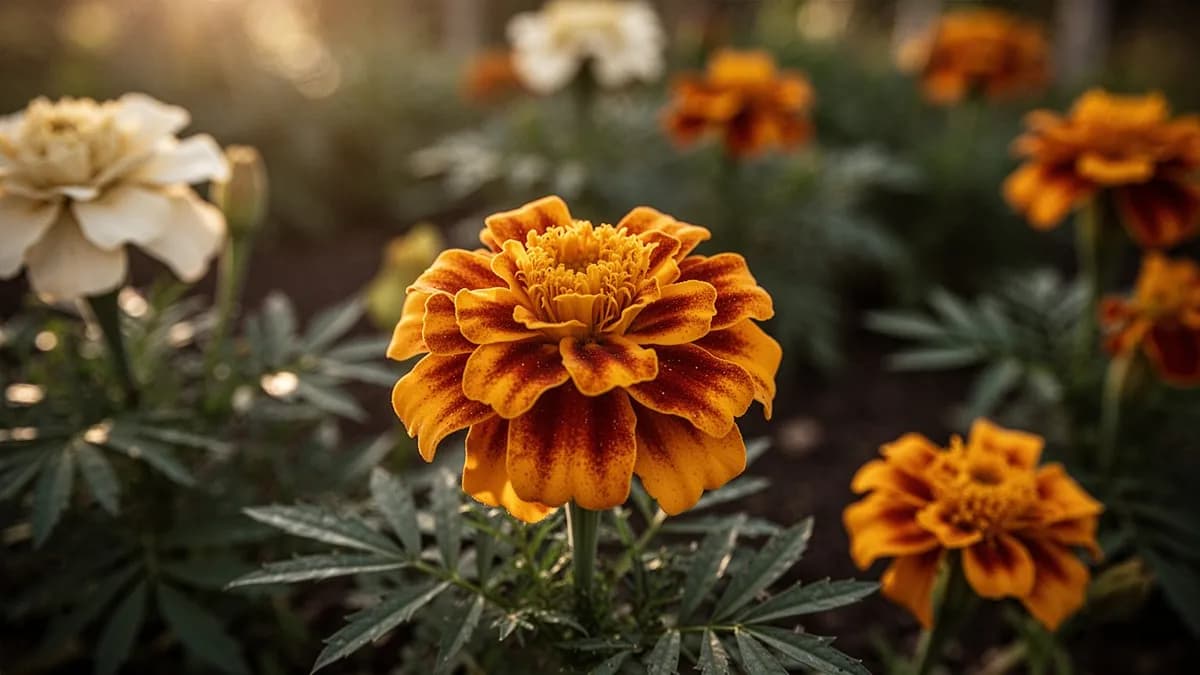
Cultive cubiertas vegetales fijadoras de nitrógeno, como trébol blanco o veza vellosa, bajo las naranjas Valencia para fijar nitrógeno atmosférico y mejorar la fertilidad del suelo. Plante limoncillo y citronela cerca para ayudar a repeler mosquitos y algunas plagas de los cítricos. Las caléndulas plantadas alrededor de la línea de goteo disuaden a los nematodos y atraen sírfidos cuyas larvas consumen pulgones. La borraja atrae a los polinizadores con sus flores azules y se resiembra con facilidad para aportar beneficios continuos. Evite plantar maíz u otros cultivos muy demandantes de nitrógeno cerca de los cítricos, ya que compiten por los nutrientes.
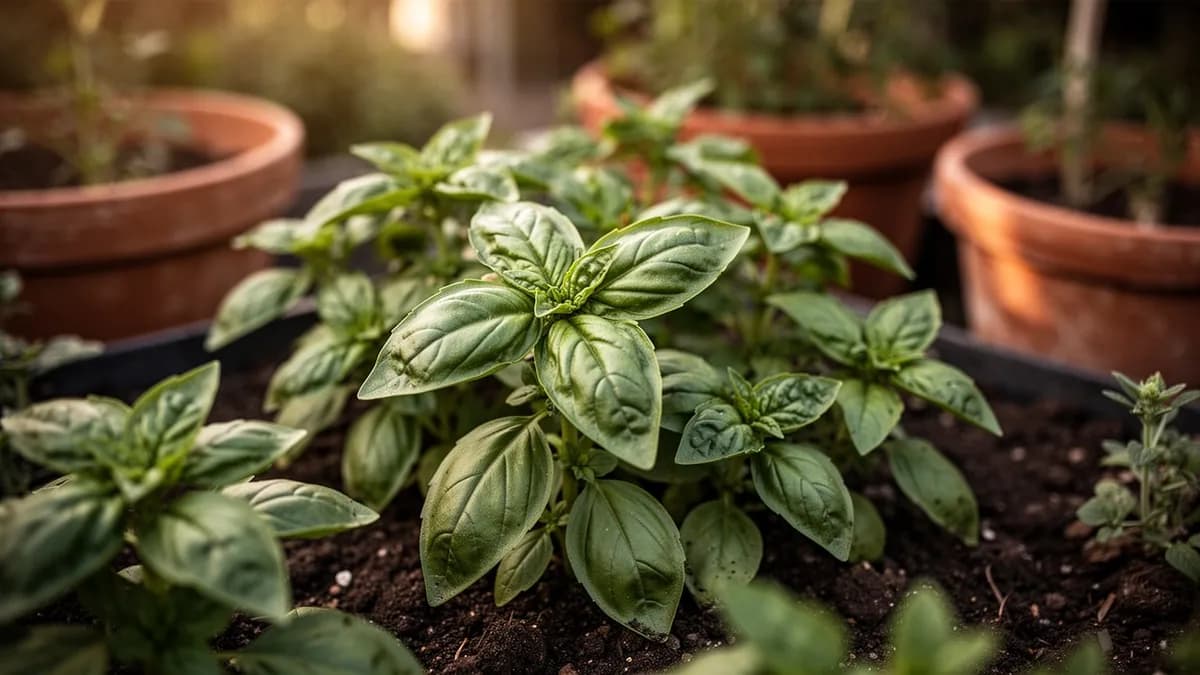
Albahaca va a su lado. Nogal no.
Saber de huerto de siempre, cotejado con la tabla real de Naranja Valencia — prueba cualquier planta que cultives.
Prueba Naranja Valencia en un bancal, aquí mismo
Un bancal real del planificador con Naranja Valencia ya plantado. Toca una planta compañera para colocarla y mira cómo responde la comprobación de vecinos: verde para buenos vecinos, rojo si hay conflicto.


Guías de cultivo relacionadas
Abónalo bien
Las naranjas Valencia se adaptan a diversos tipos de suelo, pero se desarrollan mejor en un franco arenoso profundo y bien drenado, con un pH de 6.0 a 7.0. En suelos arcillosos pesados, plante en caballones elevados para garantizar un drenaje adecuado. Aplique tres veces al año un fertilizante completo para cítricos con micronutrientes, aumentando las dosis conforme maduran los árboles. Los árboles jóvenes necesitan aproximadamente 450 gramos de nitrógeno real al año, mientras que los árboles maduros requieren entre 1.4 y 1.8 kilogramos. Si aparecen síntomas de carencia, complemente con pulverizaciones foliares de zinc y manganeso. Los cultivadores ecológicos pueden usar estiércol compostado, emulsión de pescado y harina de algas como principales fuentes de nutrientes.
Temperatura ideal
Compatibilidad de zonas de rusticidad
De la semilla a la cosecha, etapa por etapa
Establecimiento y desarrollo de raíces
Tras la plantación, la naranja Valencia concentra su energía en establecer un sistema radicular funcional en lugar de producir nuevo crecimiento aéreo. Las raíces se extienden por el suelo circundante y desarrollan las finas raíces absorbentes que tomarán agua y nutrientes durante décadas. El crecimiento sobre el suelo puede parecer lento o estancado en esta fase, y eso es completamente normal. Elegir un lugar bien drenado y proporcionar una humedad constante sin encharcamiento es crítico durante el establecimiento para evitar la podredumbre radicular y las infecciones fúngicas en el punto de injerto.
Crecimiento vegetativo y formación de la copa
Una vez establecida, la naranja Valencia entra en un periodo de crecimiento vegetativo vigoroso, produciendo varios brotes nuevos cada año. El nuevo crecimiento aparece en oleadas coordinadas, normalmente en primavera, a comienzos del verano y de nuevo a principios de otoño, y cada brote genera hojas nuevas brillantes que maduran a un verde profundo y ceroso. El árbol está construyendo la estructura leñosa de ramas que sostendrá la fruta durante muchas décadas. Los árboles jóvenes pueden producir una pequeña cantidad de flores y frutos inmaduros en esta fase, que por lo general deben retirarse para redirigir la energía hacia el desarrollo estructural.
Primera floración y cuajado del fruto
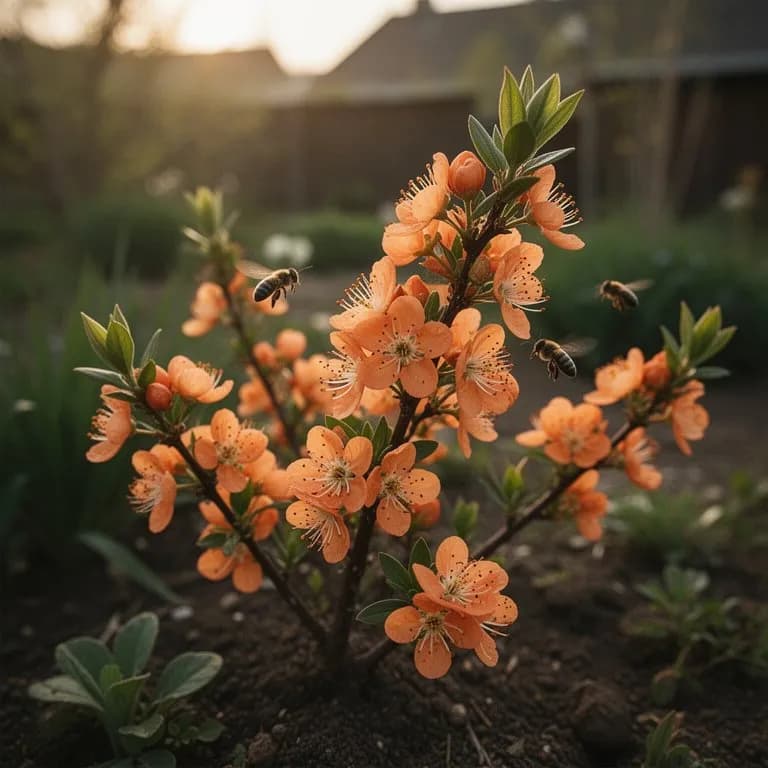
Lo bastante madura para reproducirse, la naranja Valencia produce su primera floración significativa, normalmente en primavera entre marzo y mayo en el hemisferio norte. Las pequeñas flores blancas y cerosas se agrupan en las puntas de las ramas y desprenden uno de los aromas más celebrados de toda la horticultura. La naranja Valencia es en gran medida autofértil, lo que significa que un solo árbol puede cuajar fruto sin compañero de polinización, aunque la actividad de insectos mejora notablemente el cuajado. Tras la caída de los pétalos, se desarrollan frutitos verdes diminutos y el árbol elimina de forma natural una gran parte de ellos en un proceso equivalente a la caída de junio en los frutales de hoja caduca.
Desarrollo y engorde del fruto
Los frutitos retenidos crecen de forma constante durante el verano y el otoño, pasando por una secuencia de división celular seguida de una rápida expansión celular. A diferencia de la mayoría de las variedades de cítricos, las naranjas Valencia tienen un periodo de desarrollo excepcionalmente largo, de aproximadamente 12 a 15 meses desde la flor hasta la plena madurez. Durante esta larga temporada de crecimiento, el árbol lleva a la vez fruta madura próxima a la cosecha mientras los botones florales del año siguiente ya se están desarrollando, un fenómeno exclusivo de la Valencia entre las variedades comerciales de cítricos. La piel permanece verde incluso cuando el interior de la fruta ya es dulce, porque las temperaturas nocturnas cálidas inhiben la degradación de la clorofila que produce el color naranja característico.
Cambio de color y maduración
A medida que las temperaturas descienden a finales del invierno y comienzos de la primavera, la clorofila se degrada en la piel y el fruto pasa de verde a amarillo pálido y finalmente al naranja intenso característico de la Valencia en plena madurez. El contenido de zumo sigue aumentando hasta la cosecha, y la acidez natural disminuye en relación con el azúcar, produciendo ese equilibrio dulce y ácido que hace de la Valencia el estándar de oro para el zumo fresco. En climas cálidos, los frutos maduros de Valencia pueden reverdecer temporalmente en el árbol cuando vuelve el calor primaveral, un fenómeno llamado reverdecimiento que no indica pérdida de calidad ni de sabor: el fruto sigue completamente maduro y delicioso por dentro.
Recuperación poscosecha y nuevo brote
Tras la cosecha de primavera, la naranja Valencia entra en una fase crítica de recuperación y renovación. El árbol redirige la energía de la producción de fruto hacia el brote vegetativo primaveral que reconstruye la copa foliar y, al mismo tiempo, genera las yemas florales que se convertirán en la cosecha de la próxima temporada. Como los árboles Valencia llevan fruta y desarrollan las flores del año siguiente al mismo tiempo, la nutrición y el riego poscosecha tienen un efecto desproporcionado en la calidad y cantidad de la cosecha del año siguiente.
Riegue los árboles recién plantados en profundidad dos o tres veces por semana durante las primeras ocho semanas y después pase a un riego profundo semanal. Coloque un anillo de 7 cm de mantillo orgánico, desde 15 cm fuera del tronco hasta la línea de goteo, para conservar la humedad y moderar la temperatura del suelo. Evite todo fertilizante durante las primeras seis a ocho semanas para prevenir quemaduras en las raíces jóvenes y tiernas.
Cuidar Naranja Valencia mes a mes
Qué hacer cada mes para tu Naranja Valencia
Octubre
Mes actualPrepare el árbol para temperaturas más frescas asegurándose de que llegue bien regado al otoño. Trate cualquier infestación activa de cochinillas o pulgones antes de que las poblaciones se refugien para el invierno. Empiece a comprobar el fruto en busca de cambio de color y madurez interna probándolo. Aplique una última pulverización foliar de micronutrientes antes de que las temperaturas desciendan demasiado para una absorción eficaz. Renueve el mantillo antes del invierno para aislar la zona radicular.
Ten claro qué hacer en tu huerto, cada mes
Un correo al empezar cada mes: qué sembrar, plantar y hacer ahora mismo — para tu Naranja Valencia y todo lo que crece alrededor. Más un breve curso inicial para esquivar los errores clásicos.
- Qué hacer ahora mismo
- Ajustado a tu temporada
- Curso inicial incluido
Cosechar Naranja Valencia
Las naranjas Valencia maduran de marzo a julio, bastante más tarde que la mayoría de las variedades de cítricos. Compruebe la madurez probando el fruto y no guiándose solo por el color de la piel, ya que el reverdecimiento puede hacer que fruta madura parezca inmadura. Corte el fruto del árbol con tijeras de poda en lugar de arrancarlo, porque eso puede desgarrar la piel y acortar su vida de conservación. Recoja de forma progresiva durante varios meses, ya que el fruto se mantiene bien en el árbol. Cosechar por la mañana produce los frutos más jugosos. Las naranjas Valencia tienen el mayor contenido de zumo de cualquier variedad de naranja, con unas 80 ml por fruto mediano.
se supone que plantas al comenzar el periodo — indica tu fecha real
Cosecha Naranja Valencia a tiempo y la planta sigue produciendo.
Almacenamiento y conservación
Las naranjas Valencia frescas se conservan una semana a temperatura ambiente o hasta seis semanas en el frigorífico. Su alto contenido de zumo las convierte en la naranja por excelencia para exprimir, y el zumo fresco puede congelarse en cubiteras hasta ocho meses. Puede hacer concentrado de naranja reduciendo zumo fresco a fuego lento. La mermelada de naranja Valencia tiene un sabor más brillante y dulce que la de naranja amarga de Sevilla. Deshidrate rodajas finas para picar o como ambientador natural. La ralladura se congela muy bien y puede rallarse directamente desde el estado congelado.
Qué falla — y cómo solucionarlo
Cochinillas de los cítricos
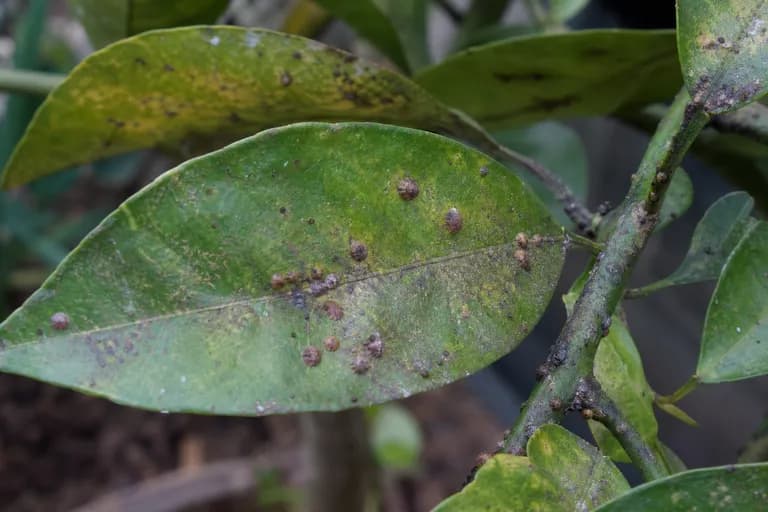
PlagaPequeñas protuberancias redondas y cerosas en hojas y ramas. Las infestaciones intensas causan amarilleo, caída de hojas y depósitos pegajosos de melaza que favorecen la fumagina.
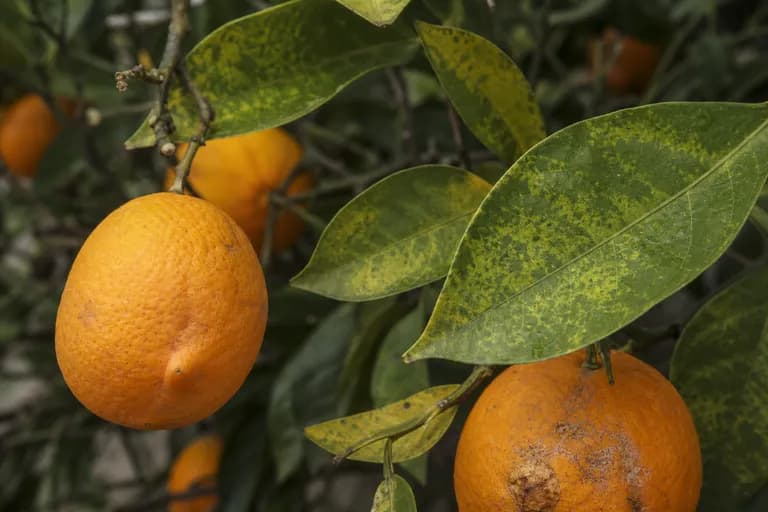
Enverdecimiento de los cítricos (HLB)
EnfermedadMoteado asimétrico y manchado en las hojas, frutos deformes y amargos con semillas abortadas, y un declive gradual del árbol durante varios años.
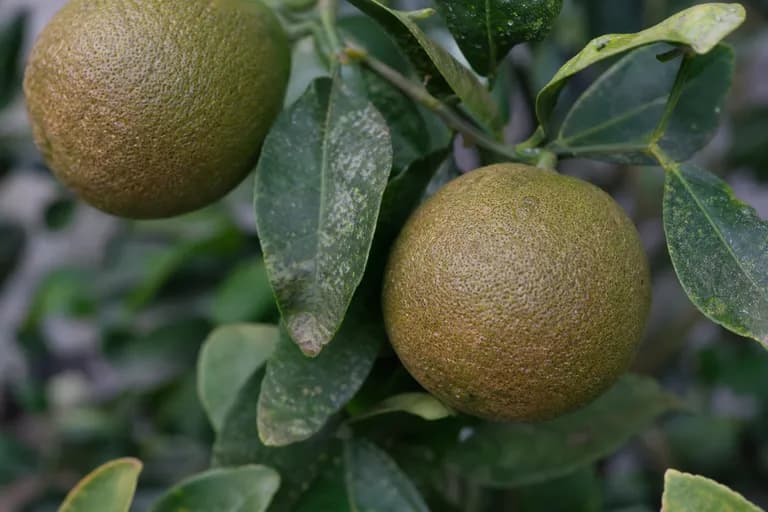
Ácaro del russetado de los cítricos
PlagaDecoloración bronceada o parda en la piel del fruto, que le da un aspecto áspero y mate. No afecta a la calidad interna, pero reduce el atractivo visual.
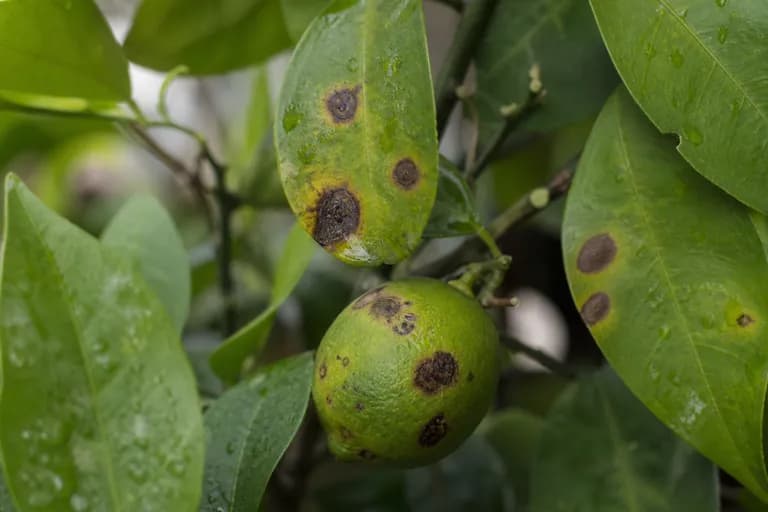
Mancha marrón por Alternaria
EnfermedadPequeñas manchas de color marrón oscuro a negro en hojas jóvenes y frutos. Las manchas pueden tener halos amarillos. Las infecciones graves causan caída prematura del fruto.
Solución de problemas comunes
El reverdecimiento es la preocupación más común, en la que el fruto maduro vuelve a ponerse verde en el árbol durante el tiempo cálido de primavera. Esto es solo un cambio estético y no afecta al sabor ni a la calidad del zumo. La alternancia productiva provoca cosechas abundantes un año y escasas al siguiente, y puede mitigarse aclarando fruta en los años de carga alta. El rajado del fruto resulta de patrones de riego irregulares, especialmente una lluvia intensa después de la sequía. La podredumbre del extremo del ombligo, una mancha marrón y seca en el extremo floral, aparece con vientos secos y calurosos y puede reducirse con un riego constante.
Consejos de cultivo
- Plante la naranja Valencia en el microclima más cálido y protegido frente a heladas que tenga su jardín: los muros orientados al sur o al suroeste irradian calor acumulado que puede proteger al árbol de temperaturas varios grados más frías que en una posición abierta, ampliando de forma efectiva su zona de cultivo en media zona USDA.
- La naranja Valencia se desarrolla mejor en suelos profundos y de buen drenaje, de tipo franco arenoso o franco, con un pH entre 6.0 y 7.0. Evite plantar en zonas donde el agua se acumule tras la lluvia, ya que la podredumbre radicular por Phytophthora es la enfermedad más común y devastadora de los cítricos y casi siempre está causada por un drenaje deficiente.
- Plante siempre sobre un portainjerto de cítricos adecuado a sus condiciones de suelo: naranjo trifoliado para suelos pesados y climas fríos, naranjo dulce o Citrange Carrizo para suelos arenosos profundos y bien drenados, y mandarina Cleopatra para suelos con pH alto o ligeramente salinos. Nunca plante esquejes enraizados propios, porque los árboles injertados son superiores en casi todos los aspectos.
- Abone tres veces al año con un fertilizante granulado completo para cítricos: a finales de invierno, justo antes del brote primaveral; a comienzos del verano, durante el engorde del fruto; y a principios de otoño para apoyar el desarrollo de raíces antes del invierno. Los cítricos son plantas muy exigentes, con alta necesidad de nitrógeno y micronutrientes; las carencias de magnesio y zinc son especialmente comunes y aparecen como amarilleo entre las nervaduras de las hojas.
- Los riegos profundos y poco frecuentes entrenan a las raíces para crecer hacia abajo en lugar de extenderse lateralmente cerca de la superficie, produciendo un árbol más resistente a la sequía. Aplique el agua lentamente en la línea de goteo en lugar de junto al tronco, permitiendo que penetre entre 50 y 60 cm en el suelo. Use una sonda de suelo o un destornillador largo para comprobar la profundidad de humedad antes de cada riego.
- Los cítricos deben podarse de forma ligera y estratégica, no con cortes severos. Elimine cada año, a finales de invierno o después de la cosecha, la madera muerta, enferma o cruzada. El objetivo es mantener una forma de vaso abierta con 4-6 ramas principales de estructura, retirar de inmediato cualquier brote por debajo del injerto y mantener el árbol a una altura en la que todos los frutos puedan alcanzarse a mano.
- Proteja los árboles jóvenes del frío con guirnaldas de bombillas incandescentes de 100 vatios colocadas entre la copa, que generan suficiente calor para proteger varios grados por debajo de cero. Envuelva el tronco inferior y el injerto con arpillera para una protección adicional. Un árbol bien regado tolera el frío mucho mejor que uno seco; riegue en profundidad el día antes de una helada prevista.
- La plaga individual más importante que debe vigilar es el psílido asiático de los cítricos (Diaphorina citri), vector del devastador enverdecimiento de los cítricos (Huanglongbing). Inspeccione los brotes nuevos en busca de pequeñas excrecencias tubulares, cerosas y azul pálido en los brotes jóvenes, el excremento característico de las ninfas del psílido. Notifique cualquier hallazgo sospechoso de inmediato a la autoridad agrícola local.
- Coseche las naranjas Valencia cortando limpiamente el pedúnculo con unas tijeras de poda afiladas, en lugar de tirar o girar, ya que desgarrar el extremo del tallo crea una puerta de entrada para patógenos que causan podredumbre poscosecha. Para obtener la mejor calidad de zumo, deje reposar las naranjas recolectadas a temperatura ambiente durante 24-48 horas antes de exprimirlas, porque la fruta a temperatura ambiente libera entre un 20 y un 30 % más de zumo que la fruta fría.
- El reverdecimiento de las naranjas Valencia maduras, cuando la fruta plenamente dulce y madura pasa de naranja a verde durante el tiempo cálido de primavera, es inofensivo y no indica pérdida de calidad. La pulpa y el zumo internos siguen totalmente maduros y deliciosos. El sabor, y no el color de la piel, es siempre el indicador correcto de que la naranja Valencia está lista para cosechar.
Cultiva tu mejor Naranja Valencia — y todo lo que la rodea.
Empieza un plan gratis hoy. Diseña tus bancales, coloca tu Naranja Valencia y deja que PlotMyGarden gestione el momento, el espaciado, las asociaciones y los recordatorios de la semilla a la cesta.
Elige tu Naranja Valencia
Midknight Valencia
Variedad tardía sin semillas con excelente calidad de zumo. Madura entre dos y cuatro semanas antes que la Valencia estándar.
Delta Valencia
Desarrollada para climas más cálidos y con menor tendencia al reverdecimiento. Produce frutos medianos, jugosos y con pocas semillas.
Campbell Valencia
Selección de maduración temprana con un color interno naranja más intenso y un rendimiento de zumo excelente. Popular en California.
Rhode Red Valencia
Mutación pigmentada de Valencia con pulpa y piel teñidas de rojo, que combina la calidad del zumo Valencia con un atractivo visual especial.
Un naranjo Valencia maduro en un clima cálido puede producir entre 50 y 150 kg de fruta al año, el equivalente a entre 100 y 400 € en naranjas frescas a precios típicos de mercado ecológico de 2 a 3 € por kg. El zumo de naranja Valencia fresco de calidad premium se vende a 8-15 € por litro, lo que hace que la producción casera sea todavía más interesante desde el punto de vista económico: 150 kg de fruta producen aproximadamente 60-75 litros de zumo, con un valor de venta al por menor de 480-1.125 €. Una vez que un naranjo Valencia alcanza su plena producción a los 5-7 años, puede seguir dando abundantes cosechas durante 50 años o más con aportes anuales relativamente modestos de agua y fertilizante, convirtiéndose en una de las inversiones a largo plazo más valiosas para jardineros en climas adecuados.
Recetas rápidas

Zumo clásico de naranja Valencia recién exprimido
10 minutosNo hay nada comparable a un vaso de zumo prensado con naranjas Valencia recién recogidas de su propio árbol. El zumo es más dulce, más aromático e infinitamente más sabroso que cualquier cosa envasada. Sírvalo inmediatamente tras exprimirlo, ya que el sabor alcanza su punto máximo en minutos y se deteriora en pocas horas por oxidación.
4 ingredientes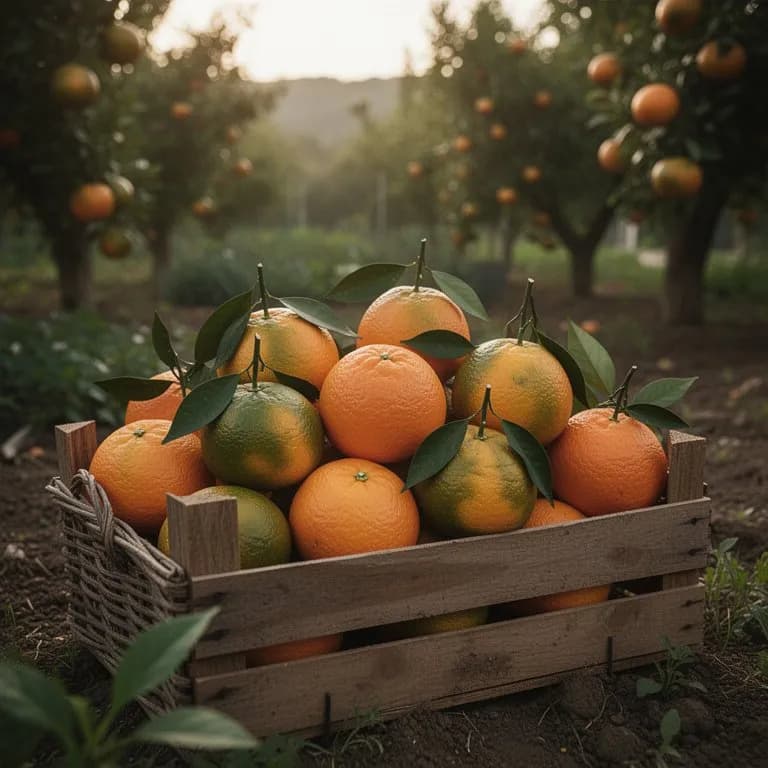
Mermelada de naranja Valencia
30 minutos de preparación, 1 hora de cocciónLas naranjas Valencia producen una mermelada extraordinariamente equilibrada: lo bastante dulce para resultar agradable, pero con acidez natural suficiente y los aceites aromáticos de la piel para dar al producto final un sabor complejo y redondo. El alto contenido natural de pectina de la parte blanca de la naranja hace que esta mermelada cuaje de forma fiable sin añadir pectina, dando lugar a una conserva ámbar y transparente con tiras de piel suspendidas.
5 ingredientesEnsalada marroquí de naranja y aceitunas
15 minutosUna ensalada vibrante del norte de África que muestra la pulpa dulce y jugosa de las naranjas Valencia junto con aceitunas salinas, cebolla roja y especias cálidas en una combinación que suena inusual pero ofrece resultados extraordinarios. Este plato destaca lo versátiles que son las naranjas Valencia más allá del zumo, combinando de maravilla con ingredientes salados. Sírvala junto con cordero a la parrilla, pollo o como acompañamiento refrescante de cualquier plato principal contundente.
8 ingredientesUsos culinarios
Las naranjas Valencia son el estándar de oro para el zumo recién exprimido, produciendo un zumo dulce, sin amargor y con gran persistencia aromática. Utilice el zumo en batidos, cócteles como el screwdriver y la mimosa, y polos caseros. Los gajos alegran las ensaladas de fruta y combinan muy bien con aguacate en platos salados. La ralladura aporta frescura a tartas, galletas y glaseados. El zumo de Valencia se reduce de forma magnífica para salsas de pato, pollo y cerdo.
Qué contiene
Beneficios para la salud
- Aporta una potente dosis de vitamina C: una sola naranja Valencia mediana cubre más de la mitad de la necesidad diaria de un adulto y favorece la función del sistema inmunitario, la cicatrización, la producción de colágeno y la absorción del hierro vegetal de los alimentos consumidos en la misma comida
- Rica en hesperidina, un compuesto flavanónico que se encuentra casi exclusivamente en los cítricos y que ha demostrado en ensayos clínicos mejorar la función vascular, reducir la presión arterial en personas con hipertensión y disminuir marcadores de inflamación sistémica relacionados con la enfermedad cardiovascular
- La combinación de vitamina C y flavonoides en el zumo de naranja Valencia ha mostrado una biodisponibilidad superior a la de los suplementos de vitamina C por sí solos, lo que sugiere que la matriz completa del fruto mejora la absorción y la actividad biológica de sus propios nutrientes
- Aporta folato dietético esencial para la síntesis y reparación del ADN, apoyando la división celular sana en todo el cuerpo y desempeñando un papel especialmente crítico al principio del embarazo para prevenir defectos del tubo neural en el desarrollo fetal
- Contiene compuestos vegetales naturales, incluidos limonoides, presentes en la parte blanca y en las semillas, que han mostrado propiedades anticancerígenas en estudios de laboratorio, con interés particular en sus efectos sobre cánceres hormonodependientes y líneas celulares de leucemia
- Su contenido de fibra soluble, principalmente pectina presente en la parte blanca y en las membranas de los gajos, favorece la salud digestiva al alimentar a las bacterias intestinales beneficiosas, ralentizar la absorción de glucosa para moderar la respuesta glucémica y contribuir a la sensación de saciedad tras comer
De dónde viene Naranja Valencia
La naranja Valencia (Citrus sinensis 'Valencia') pertenece a la vasta y compleja familia de las naranjas dulces, cuyo linaje definitivo se remonta al sur de China y al sudeste asiático, donde las primeras formas de Citrus sinensis se cultivaban miles de años antes de nuestra era. Textos chinos antiguos mencionan el cultivo de cítricos ya hacia el 2200 a. C., y parientes silvestres de la naranja aún crecen en los bosques de la provincia de Yunnan y la región circundante. Comerciantes y exploradores árabes difundieron las naranjas dulces hacia el oeste por las rutas comerciales a través de Persia y Oriente Próximo, llegando a la cuenca mediterránea en los siglos X y XI. Los navegantes y exploradores portugueses de los siglos XV y XVI fueron figuras clave en la distribución de variedades de naranja por su imperio en expansión, estableciendo huertos cítricos en las Azores, Madeira, la costa de Brasil y sus enclaves comerciales a lo largo de la costa africana y en la India. Se cree que la variedad concreta hoy conocida como Valencia fue seleccionada o desarrollada en las islas Azores, posiblemente a partir de material de origen chino o indio llevado por barcos portugueses. La naranja adquirió su nombre actual casi por casualidad. En la década de 1860, un viverista inglés llamado Thomas Rivers importó esquejes de las Azores y vendió la variedad en Inglaterra, donde pasó a conocerse como Rivers Late orange. Una importación posterior a California en la década de 1870 por el viverista A.B. Chapman llevó a rebautizar el árbol con el nombre de Valencia, España, quizá para señalar su pedigrí mediterráneo y atraer a los compradores estadounidenses. El verdadero impulso para las naranjas Valencia llegó con el desarrollo de la industria del zumo fresco en California y Florida a principios del siglo XX. A diferencia de las naranjas navel, que contienen compuestos de limonina que vuelven amargo el zumo pocas horas después de extraerlo, el zumo de Valencia conserva su sabor y dulzura, lo que la hace ideal para el procesado comercial. Esta propiedad, combinada con su temporada tardía que se extiende hasta bien entrada la primavera, cuando otras variedades de naranja ya habían sido cosechadas, convirtió a la Valencia en la piedra angular de la industria mundial del zumo de naranja. A mediados del siglo XX, la Valencia se cultivaba comercialmente en seis continentes, desde California y Florida hasta Brasil, Sudáfrica, Australia y España, testimonio de su extraordinaria adaptabilidad y del atractivo universal de su zumo.
Naranja Valencia: ¿sabías que?
Datos fascinantes sobre Naranja Valencia
La naranja Valencia recibe su nombre de la ciudad de Valencia, en España, pero su origen real es discutido: lo más probable es que se desarrollara a partir de material portugués o chino en las Azores y solo adquiriera su nombre español cuando un viverista inglés la llevó a California a través de Londres en la década de 1870.
Naranja Valencia: preguntas frecuentes
¿Cuándo debo plantar Naranja Valencia?
¿Cuáles son buenas plantas acompañantes para Naranja Valencia?
¿En qué zonas de rusticidad puede crecer Naranja Valencia?
¿Cuánto sol necesita Naranja Valencia?
¿A qué distancia debo espaciar Naranja Valencia?
¿Qué plagas y enfermedades afectan a Naranja Valencia?
¿Cómo almaceno Naranja Valencia después de la cosecha?
¿Cuáles son las mejores variedades de Naranja Valencia para cultivar?
¿Qué suelo necesita Naranja Valencia?
¿Cuánto tarda un naranjo Valencia en dar fruta?
¿Por qué mis naranjas Valencia siguen verdes en lugar de ponerse naranjas?
¿Puedo cultivar un naranjo Valencia en maceta?
¿Cuál es la diferencia entre la naranja Valencia y la naranja navel para un huerto doméstico?
¿Cuáles son los signos del enverdecimiento de los cítricos y qué debo hacer si lo sospecho?
¿Cómo arreglo las hojas amarillas de mi naranjo Valencia?
Acabas de leer la teoría. Ahora cultívala en piloto automático.
Todo lo que hace que Naranja Valencia sea delicado — el momento, el espaciado, las asociaciones, la ventana de cosecha — es justo lo que PlotMyGarden resuelve por ti, para cada planta de tu huerto.
Un plan que conoce tu clima
Indica tu ubicación una vez. Recibe fechas de siembra, abonado y cosecha basadas en tu última helada real y el pronóstico en vivo — sin adivinar con un sobre genérico.
De la sección “Cuándo plantar”Planificador de bancales de arrastrar y soltar
Diseña bancales sobre una cuadrícula. Cada planta encaja con su espaciado correcto y ves toda la temporada antes de gastar un céntimo en semillas.
De la sección “Cultivo”Conflictos de asociación, detectados a tiempo
Más de 200 buenas y malas combinaciones comprobadas en vivo mientras plantas — para que un error que arruine la temporada nunca llegue a la tierra.
De la sección “Asociaciones”Recordatorios que sí vas a seguir
“Riega las judías.” “Recoge hoy antes de que se pase.” Oportunos, concretos y ligados a las plantas que de verdad cultivas.
De la sección “Cosecha”Escalonado, programado
¿Quieres cosechar seis semanas en vez de seis días? Reparte tus siembras automáticamente y te avisa cuando toca el siguiente lote.
De la sección “Cuándo plantar”Un registro que se vuelve más listo
Cada cosecha que registras le enseña tu huerto. El plan del año que viene parte de lo que de verdad funcionó en tu suelo, no en un manual.
De la sección “Resumen”Planta estos junto a Naranja Valencia
Más Cítricos
Mantén Naranja Valencia lejos de estos
Cultiva tu mejor Naranja Valencia — y todo lo que la rodea.
Empieza un plan gratis hoy. Diseña tus bancales, coloca tu Naranja Valencia y deja que PlotMyGarden gestione el momento, el espaciado, las asociaciones y los recordatorios de la semilla a la cesta.