Blood Orange
typical season: not winter-hardy in zone 7 (needs 9–11) · grow it in a pot and bring it in for winter · plant Mar – May · set your climate
A striking citrus variety with deep crimson flesh caused by anthocyanin pigments that develop during cool nights.
On this pageOverview
Meet Blood Orange
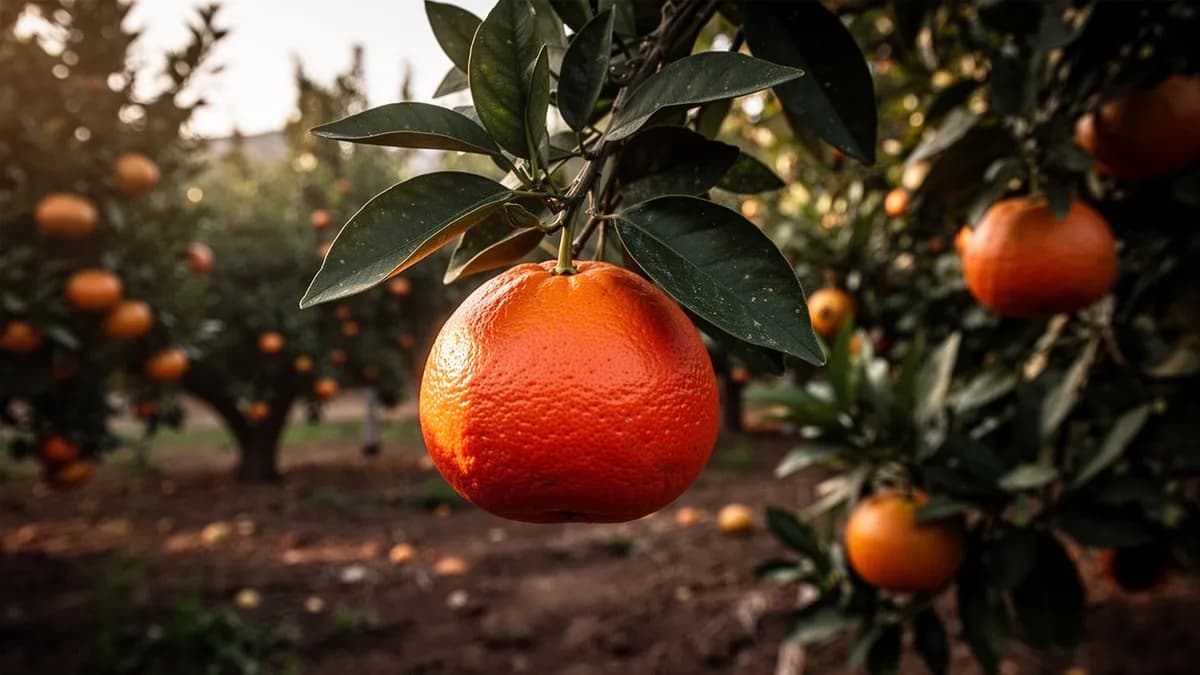
A striking citrus variety with deep crimson flesh caused by anthocyanin pigments that develop during cool nights. Blood oranges have a distinctive raspberry-citrus flavor unlike any other orange variety. The Moro, Tarocco, and Sanguinello cultivars each offer different levels of color intensity and sweetness.
When to plant Blood Orange
Blood oranges can be grown from seed, though seedlings will not produce true-to-type fruit and may take seven to fifteen years to bear. For reliable results, purchase grafted nursery trees on cold-hardy rootstocks such as Trifoliata or Carrizo citrange. Grafted trees typically begin bearing fruit within three to four years. If growing from seed for rootstock or curiosity, soak seeds overnight, plant one inch deep in moist potting mix, and keep warm at 70 to 80 degrees Fahrenheit. Seedlings emerge in two to four weeks and should be grown in bright light until large enough to transplant.
Your Blood Orange Year
Composed for Zone 7 · typical seasons · frost passes Apr 2, returns Nov 1
Plant Blood Orange Mar – May, pick Jan – Apr. Check the planting methods below and set your climate to personalize these windows.
Where do you grow Blood Orange?
Blood Orange needs zones 9–11 to grow outdoors all year, so its dates depend on where you grow it. Set your climate and we'll date the reminders for your garden.
How to grow Blood Orange
Blood oranges thrive in USDA zones 9 through 11, requiring full sun and well-drained soil with a slightly acidic pH between 6.0 and 6.5. Plant in spring after all frost danger has passed, spacing trees about 10 feet apart. Water deeply once or twice per week during the first two years to establish a strong root system, then reduce to weekly watering once mature.
The signature crimson flesh develops best when nighttime temperatures drop below 50 degrees Fahrenheit during the ripening period, which is why Mediterranean climates produce the most intensely colored fruit. In warmer subtropical areas, coloration may be less dramatic. Fertilize three times per year with a citrus-specific fertilizer in late winter, late spring, and early fall.
Prune lightly after harvest to maintain an open canopy that allows sunlight to penetrate the interior. Remove water sprouts and any dead or crossing branches. Protect trees from frost with covers or outdoor-rated holiday lights that generate gentle heat. Container-grown blood oranges should be brought indoors when temperatures drop below 30 degrees Fahrenheit.
Blood Orange's best neighbours
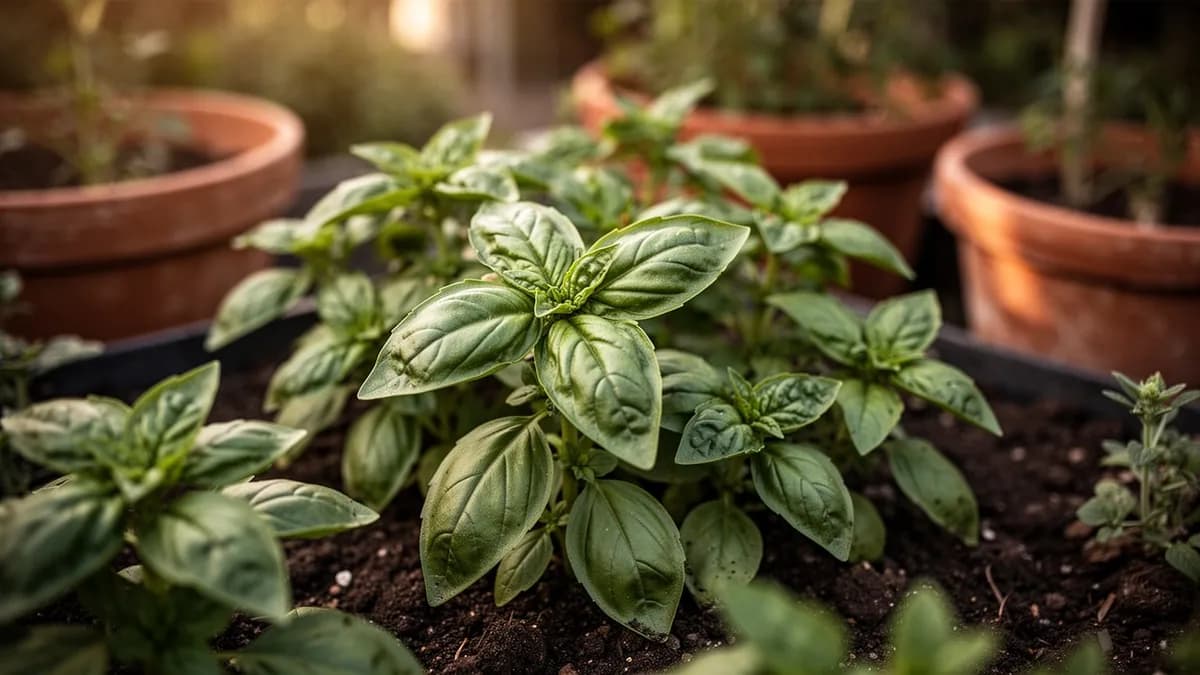
Plant nitrogen-fixing cover crops like crimson clover or fava beans beneath blood orange trees to enrich the soil naturally. Aromatic herbs such as basil, rosemary, and thyme planted nearby can help deter certain insect pests while attracting beneficial pollinators. Nasturtiums serve as excellent trap crops, drawing aphids away from citrus foliage. Comfrey planted at the drip line acts as a dynamic nutrient accumulator, bringing minerals from deep in the soil to the surface when used as mulch. Avoid planting bermudagrass or St. Augustine grass near citrus, as they compete aggressively for water and nutrients.
Basil belongs beside it. Walnut Tree doesn't.
Old growers' knowledge, checked against Blood Orange's real companion table below — test any plant you're growing.
Related growing guides
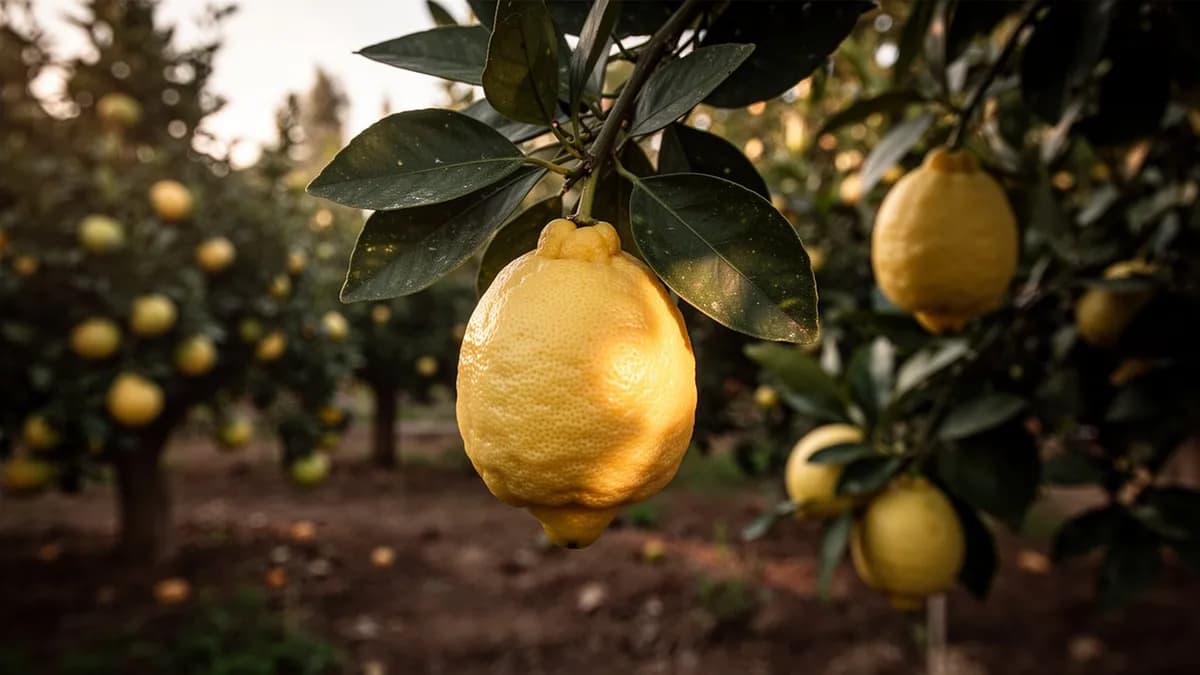
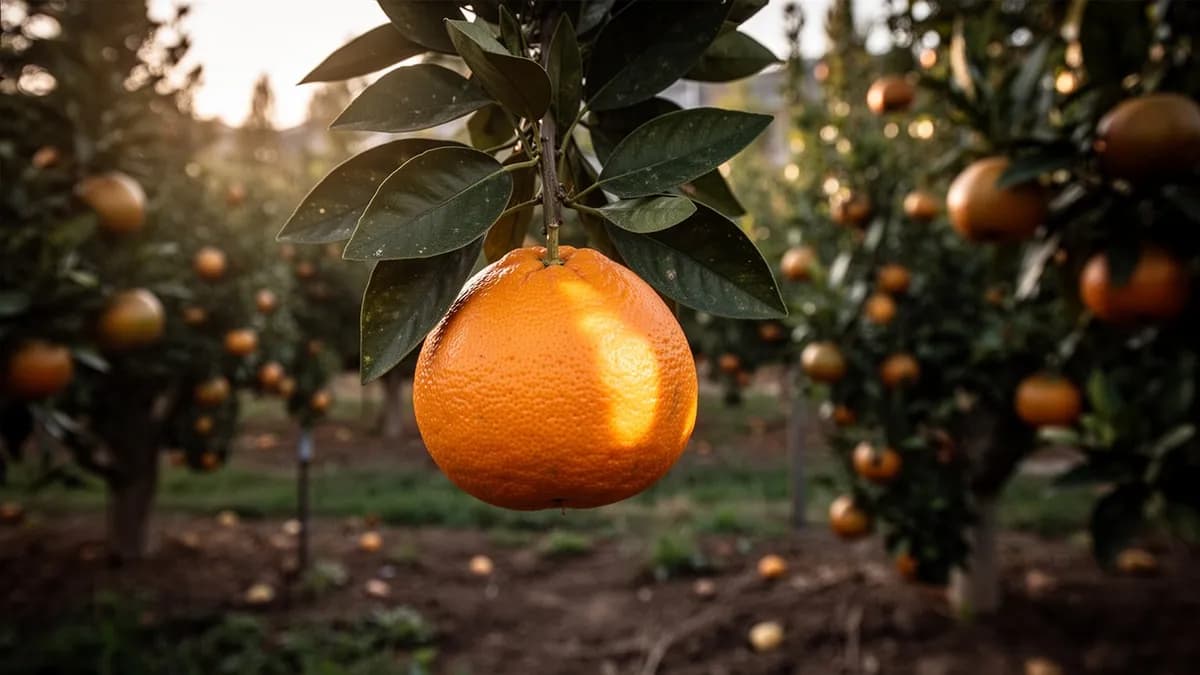
Feed it well
Blood oranges prefer well-drained sandy loam or loamy soil with a pH of 6.0 to 6.5. Amend heavy clay soils with generous amounts of compost and coarse sand to improve drainage. Apply a balanced citrus fertilizer such as 8-8-8 or a specialized citrus blend three times per year: in February before spring growth, in May after fruit set, and in September before fall. Supplement with chelated iron and manganese if leaves show interveinal yellowing. Add two to three inches of organic mulch around the drip line, keeping it six inches away from the trunk.
Ideal Temperature
Hardiness Zone Compatibility
From seed to harvest, stage by stage
Transplant Establishment
Grafted blood orange trees (the only practical way to grow them for reliable fruit) focus almost entirely on root establishment during the first 6–8 weeks after planting. Above-ground growth may be minimal. The graft union should be kept above the soil line at all times.
Vegetative Growth
The tree develops multiple flushes of vigorous new growth through the warm season, building the branch framework and expanding the root system. Leaves are dark, glossy, and highly ornamental. Trees should not be expected to bear significant fruit in this first year — channeling energy into structure pays dividends later.
First Flowering
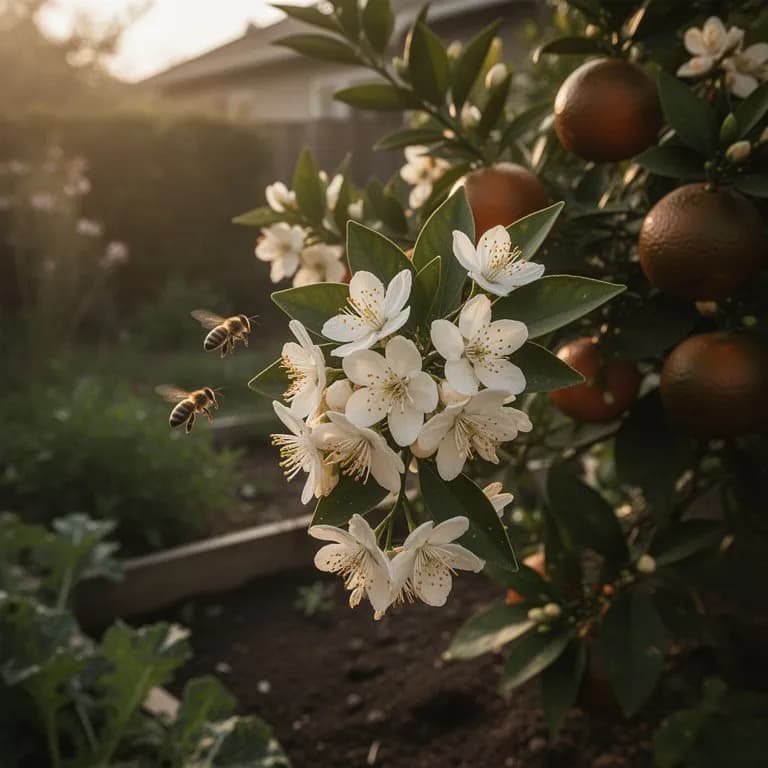
Grafted trees typically produce their first meaningful flower display in their second or third year. Blood orange flowers are white, five-petalled, and exceptionally fragrant — filling the garden with a heady scent. Flowering is triggered by cool winter temperatures, usually appearing in late winter to early spring.
Fruit Set and Development
After successful pollination, small green fruitlets develop. The tree naturally sheds many of these in early summer (the 'June drop') — this is normal and desirable. The anthocyanin pigments that create the blood orange's signature color begin developing only when temperatures drop in autumn and winter, turning the flesh and sometimes the rind progressively red.
Color Development and Ripening
As autumn and winter arrive and nights cool, anthocyanins — the same pigments found in blueberries and blackberries — accumulate in the flesh. The transformation can be dramatic: fruit that looked like a conventional orange in early autumn can be deeply crimson inside by early winter. The rind may also develop a dark blush on the side most exposed to cold. Flavor shifts from sharp to a complex balance of citrus and berry.
Harvest
Blood oranges typically ripen from early winter into early spring, peaking in midwinter — making them a prized winter fruit. The 'Moro' variety is the earliest and most deeply colored; 'Tarocco' is later and generally considered the finest in flavor. Fruit can hold on the tree for several weeks once ripe.
Post-Harvest Rest
After the main winter harvest, the tree enters a brief quieter period before the next flowering cycle begins again in late winter. This is the best window for any structural pruning, removal of dead wood, and assessment of overall tree health.
Water gently and consistently but avoid waterlogging. Stake the young tree if winds are likely. Keep the graft union visible above soil. Protect from frost with horticultural fleece if temperatures approach 0°C.
Caring for Blood Orange month by month
What to do each month for your Blood Orange
October
You are hereCool nights begin to trigger anthocyanin production — the transformation to red flesh begins. Reduce watering frequency as temperatures cool. Apply a final slow-release fertilizer. Resist the urge to harvest early — the best color and flavor needs several more weeks of cold nights.
Harvesting Blood Orange
Blood oranges ripen from midwinter through mid-spring, depending on the cultivar. Moro ripens earliest with the deepest color, while Tarocco ripens later with superior sweetness. Taste-test fruit before harvesting the entire crop, as external color does not reliably indicate internal pigmentation. Clip fruit from the tree with pruning shears, leaving a short stem stub to prevent rind tearing. Fruit left on the tree past peak ripeness will become dry and pithy. Harvest in the morning when fruit is cool for best storage quality.
Storage & Preservation
Store blood oranges at room temperature for up to one week or refrigerate for three to four weeks. Their striking color makes them ideal for fresh eating and dramatic garnishes. Juice freezes well for up to six months and retains its ruby color. Blood orange marmalade showcases both the flavor and pigment beautifully. Dehydrated blood orange slices make attractive cocktail garnishes and snacks. The zest can be dried and stored in airtight containers for several months.
What goes wrong — and the fix
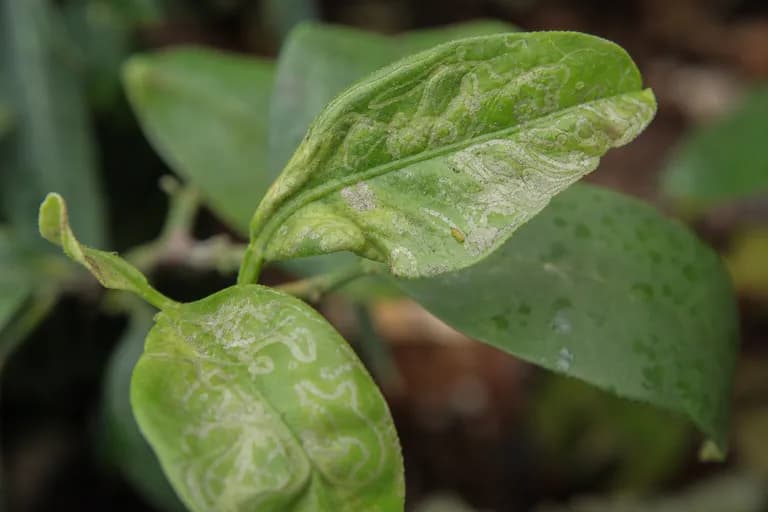
Citrus Leafminer
PestSerpentine silvery trails on young leaves, leaf curling, and distorted new growth.
Citrus Canker
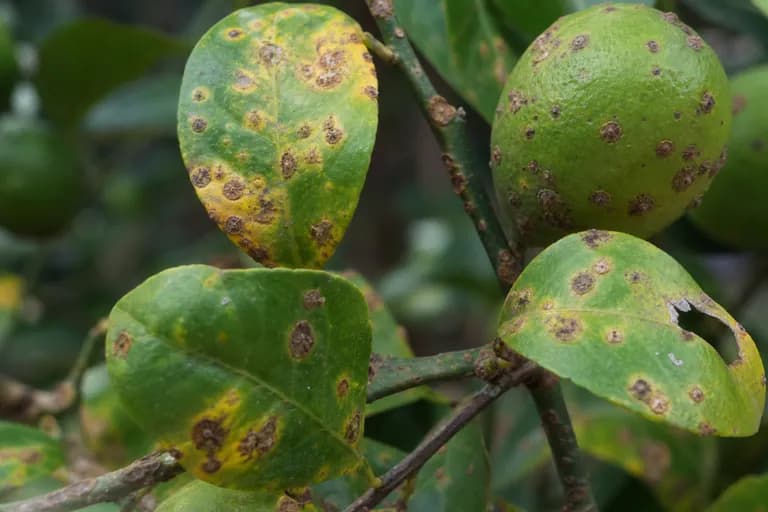
DiseaseRaised, corky brown lesions surrounded by yellow halos on leaves, stems, and fruit. Premature fruit drop and defoliation in severe cases.
Asian Citrus Psyllid
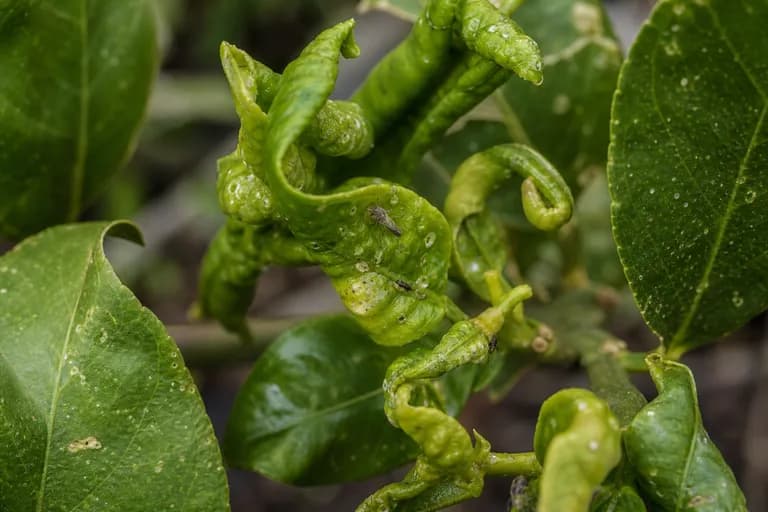
PestCurled, twisted new growth with waxy tubules. The insect itself is a tiny brown mottled pest that feeds at a 45-degree angle on leaf surfaces.
Phytophthora Root Rot
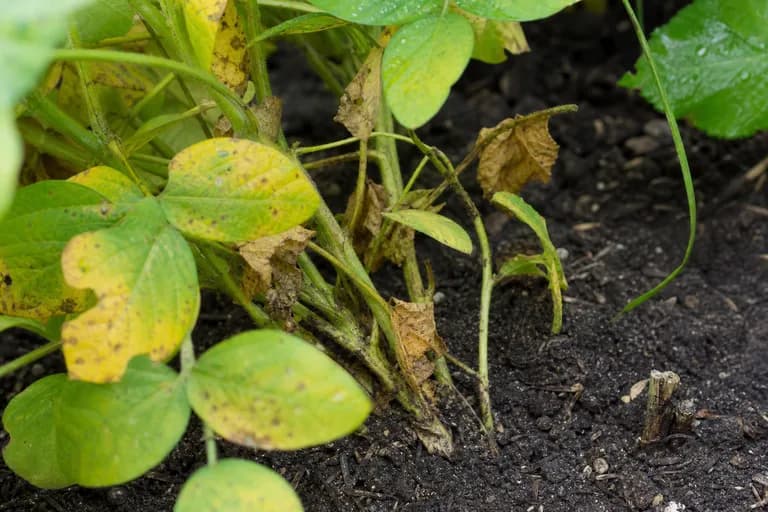
DiseaseYellowing leaves, slow decline, gumming on lower trunk, dark water-soaked bark at the soil line, and eventual tree death.
Troubleshooting Common Problems
Inadequate cold nights during ripening result in poorly pigmented flesh, which is the most common disappointment for growers outside Mediterranean climates. Alternate bearing, where trees produce heavily one year and lightly the next, can be managed by thinning fruit in heavy-crop years. Splitting occurs when heavy rain follows drought, so maintain consistent watering. Sunburn on exposed fruit can be prevented by maintaining adequate canopy cover. Iron chlorosis shows as yellow leaves with green veins and is corrected with chelated iron applications.
Growing Tips
- Always purchase a grafted blood orange tree from a reputable specialist citrus nursery. The three named Sicilian varieties — Moro (earliest and most deeply colored), Tarocco (finest flavor, latest to ripen), and Sanguinello (mid-season, excellent juice) — each have distinct characteristics. 'Moro' is the best choice for cooler climates as it develops deep color earliest in the season.
- Cool winter nights are not just desirable but essential for blood oranges — without regular temperatures below 12°C during the autumn and winter ripening period, the fruit will be orange-fleshed like any standard sweet orange. Do not try to protect the tree from mild winter cold at the expense of color development; the plant can handle temperatures down to about -2°C without significant damage.
- Choose the sunniest, most sheltered position available — a wall or fence facing the midday sun is ideal in cooler climates. Reflected heat from masonry extends the growing season and helps the tree build the energy reserves needed for a good fruit crop.
- Drainage is non-negotiable. Blood orange trees are members of the citrus family and will decline rapidly in waterlogged soil. If your garden has heavy clay, plant on a raised mound and incorporate generous amounts of grit and compost. In containers, always use a specialist citrus compost and ensure drainage holes are clear.
- Feed regularly with a dedicated citrus fertilizer containing not just nitrogen, phosphorus, and potassium but also the trace elements magnesium, iron, manganese, and zinc. Interveinal yellowing of leaves (yellow between veins while veins stay green) is a classic sign of iron or manganese deficiency caused by soil that is too alkaline — treat with chelated iron and lower soil pH with sulfur.
- In autumn, resist the temptation to cover the tree or bring container trees indoors the moment temperatures drop. The cool nights from mid-autumn onward are exactly what triggers anthocyanin production and the color transformation that defines a true blood orange. Move container trees to frost protection only when temperatures consistently threaten to drop below -2°C.
- Mulch the root zone generously with wood chips or straw, keeping mulch pulled back 10–15 cm from the trunk to prevent collar rot. A deep mulch layer conserves soil moisture during summer, moderates soil temperature, suppresses weeds, and slowly adds organic matter to the soil as it breaks down.
- Pruning should be minimal compared to deciduous fruit trees. Remove any shoots arising below the graft union immediately — these are rootstock growth and will not produce blood oranges. Light annual thinning of crossing branches and dense interior growth improves air circulation. Major structural pruning is best done in late winter after the harvest but before new growth begins.
- For container culture, repot into a slightly larger pot every 2–3 years in spring using fresh citrus or loam-based compost. Feed fortnightly with a liquid citrus fertilizer during the growing season from early spring to early autumn. Bring containers to a cool, bright frost-free space for winter — an unheated greenhouse or cool conservatory at 5–10°C is ideal, providing both frost protection and the cold stimulus required for color development.
- The most reliable pest issues on blood oranges are scale insects, aphids, and citrus leafminer. An annual dormant oil spray applied in late winter before new growth emerges smothers overwintering scale and is highly effective as both a preventive and curative treatment. Ants climbing the trunk protect scale insects from natural predators — use a sticky barrier around the trunk or a physical collar to prevent ant access.
Pick your Blood Orange
Moro
The most intensely pigmented blood orange with deep burgundy flesh and a strong berry-like flavor. Earliest to ripen and most reliable coloring.
Tarocco
Considered the sweetest blood orange, originating from Italy. Lighter red coloring but exceptional juice quality and flavor complexity.
Sanguinello
A late-season Spanish cultivar with medium-red flesh, few seeds, and a tender, juicy texture. Ripens in February through April.
Sanguine de Mussolini
A rare heirloom variety with moderate pigmentation and a balanced sweet-tart flavor, prized by collectors.
Blood oranges command a significant premium in supermarkets and specialty food stores — premium blood oranges regularly sell for $2–$4 per fruit, and a carton of blood orange juice costs several times more than standard orange juice. A mature blood orange tree in a suitable climate can produce 80–250 fruits per season. At $2 per fruit, a single productive tree yields $160–$500 worth of premium fruit annually. Over a 15–20 year productive lifespan, the investment in a well-chosen grafted tree and basic ongoing care can return thousands of dollars in equivalent retail value, not counting the incomparable advantage of harvesting at peak ripeness — the point at which blood orange color and flavor are at their absolute maximum, something no commercial supply chain can reliably deliver.
Quick recipes
Blood Orange Juice Spritz
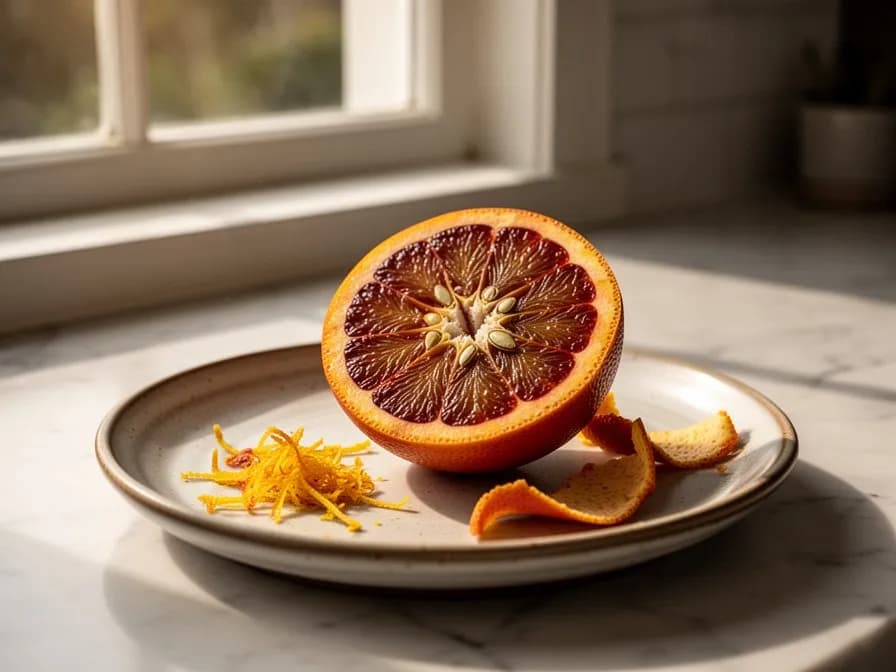
5 minutesSqueeze blood oranges on a citrus press and pour the vivid crimson juice immediately over ice. Top with chilled sparkling water in a ratio of roughly two parts juice to one part water. Add a thin blood orange wheel to the glass. The color is spectacular and the flavor — sweet, sharp, and faintly of raspberry — is incomparable. For an adult version, replace sparkling water with a dry Prosecco or Campari soda.
5 ingredients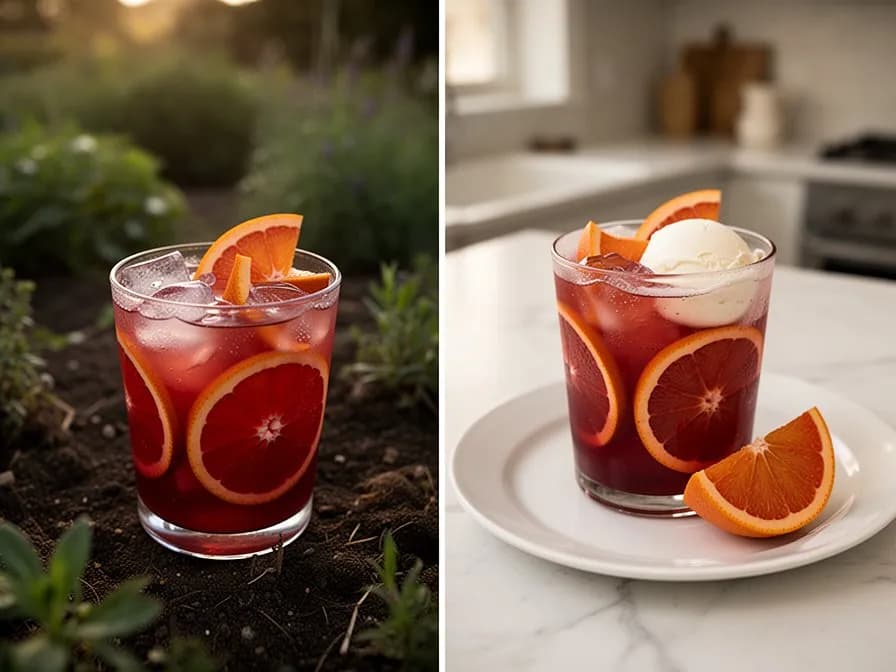
Blood Orange, Burrata and Pistachio Salad
12 minutesPeel blood oranges removing all pith and slice into rounds. Arrange on a wide plate with torn burrata, scattered whole pistachios, and a few fronds of fresh fennel. Drizzle generously with good extra-virgin olive oil and a squeeze of lemon. Scatter flaky sea salt and cracked black pepper. The combination of the creamy burrata, bitter pistachios, and intensely flavored blood orange is visually stunning and deeply satisfying.
7 ingredientsBlood Orange Curd
25 minutesA stunning deep-rose curd made with blood orange juice and zest. In a small heavy saucepan, whisk together the juice and zest of 3 blood oranges, 100g caster sugar, 3 whole eggs, and 80g cold cubed butter. Cook over low-medium heat, stirring constantly, until the mixture thickens enough to coat the back of a spoon (about 10–12 minutes). Do not let it boil. Pour into sterilized jars and refrigerate. Use on toast, scones, stirred into yogurt, or as a cake filling. The color — a vivid pink-coral — is extraordinary.
5 ingredientsCulinary Uses
Blood oranges add dramatic color to salads, especially paired with fennel, arugula, and goat cheese. The juice makes stunning cocktails, vinaigrettes, and sorbets. Use segments in grain bowls or alongside roasted beets for a visually striking dish. Blood orange curd is a colorful twist on lemon curd, and the zest adds floral complexity to baked goods and chocolate desserts.
What's inside
Health Benefits
- Outstanding source of vitamin C, which supports immune function, collagen synthesis, iron absorption, and acts as a potent antioxidant protecting cells from oxidative damage throughout the body
- Uniquely rich among citrus fruits in anthocyanins — the same class of antioxidant pigments found in blueberries and blackberries — which research associates with reduced markers of inflammation, improved endothelial function, and lower risk of cardiovascular disease
- Anthocyanins from blood oranges have been studied for neuroprotective effects, with preliminary research suggesting potential benefits for cognitive health and reduced age-related cognitive decline
- High in dietary fiber, particularly soluble pectin, which feeds beneficial gut bacteria, supports healthy cholesterol levels, and moderates blood sugar response — making blood oranges a thoughtful choice for those managing blood glucose
- Provides meaningful folate content, essential for DNA synthesis and healthy cell division, making blood oranges particularly valuable during pregnancy for reducing the risk of neural tube defects
- Contains hesperidin and other citrus flavonoids associated in population studies with reduced blood pressure and improved blood vessel elasticity, contributing to long-term cardiovascular health
Where Blood Orange comes from
The blood orange occupies a singular place in the history of citrus. Unlike the sweet orange (Citrus sinensis), which was developed over millennia of deliberate cultivation across China and Southeast Asia, the blood orange appears to have arisen as a spontaneous mutation — its origins most strongly associated with the Mediterranean island of Sicily, where it has been cultivated for several centuries.
The earliest reliable written references to blood oranges appear in Sicilian agricultural records from the early 17th century, though the fruit was likely present considerably earlier as an unremarked curiosity. The red coloring was initially regarded with suspicion by growers and consumers, who associated it with rotting or diseased fruit. It took time for the distinctive flavor — sweeter and more complex than standard sweet oranges, with a characteristic undertone of raspberry or dark berry — to win appreciation.
By the 18th and 19th centuries, blood oranges had become firmly established across Sicily and the wider Mediterranean, particularly in Spain and Malta. The volcanic basalt soils of Mount Etna's slopes, with their particular mineral composition and the sharp diurnal temperature swings of a Sicilian winter, proved almost uniquely suited to producing blood oranges of exceptional quality. The three principal Sicilian varieties — Moro, Tarocco, and Sanguinello — became internationally recognized, and in 1998 they were granted Protected Geographical Indication status under EU law, a legal recognition of the link between origin and quality more commonly associated with wine and cheese.
The key to blood orange color — and the reason they remain so strongly associated with the Mediterranean — lies in the anthocyanin pigments responsible for the red flesh. These pigments, which are essentially absent in all other orange varieties, require cool temperatures (consistently below 12°C at night) during the fruit's ripening phase to accumulate to visible levels. In permanently warm or tropical climates, blood oranges simply do not develop their characteristic color or the berry-tinged flavor that accompanies it. This temperature dependency makes blood oranges one of the few citrus fruits that genuinely cannot be fully replicated in a warm greenhouse or tropical garden setting.
Today, blood oranges are grown commercially in Sicily, Spain, southern France, California, Florida, South Africa, and Australia — wherever winter nights are reliably cool. They remain a seasonal luxury in many markets: arriving in shops from December and disappearing by March, their brief season intensifying their desirability. For the home gardener in a climate with cool winters, growing a blood orange tree offers the extraordinary reward of watching ordinary-looking green fruit transform, as autumn deepens, into some of the most visually stunning and complex-flavored citrus in existence.
Blood Orange: did you know?
Fascinating facts about Blood Orange
The vivid red flesh of blood oranges is caused by anthocyanins — powerful antioxidant pigments normally associated with berries like blueberries and blackberries. These pigments are almost unique among citrus fruits.
Blood Orange questions, answered
When should I plant Blood Orange?
What are good companion plants for Blood Orange?
What hardiness zones can Blood Orange grow in?
How much sun does Blood Orange need?
How far apart should I space Blood Orange?
What pests and diseases affect Blood Orange?
How do I store Blood Orange after harvest?
What are the best Blood Orange varieties to grow?
What soil does Blood Orange need?
Why is my blood orange flesh not red — it looks like a regular orange inside?
When should I harvest blood oranges — how do I know they are ripe?
What is the difference between Moro, Tarocco, and Sanguinello blood oranges?
Can I grow a blood orange tree in a pot in a cool or cold climate?
My blood orange tree dropped most of its flowers without setting fruit — what went wrong?
Are blood oranges more difficult to grow than regular sweet oranges?
Plant these alongside Blood Orange
More Citrus
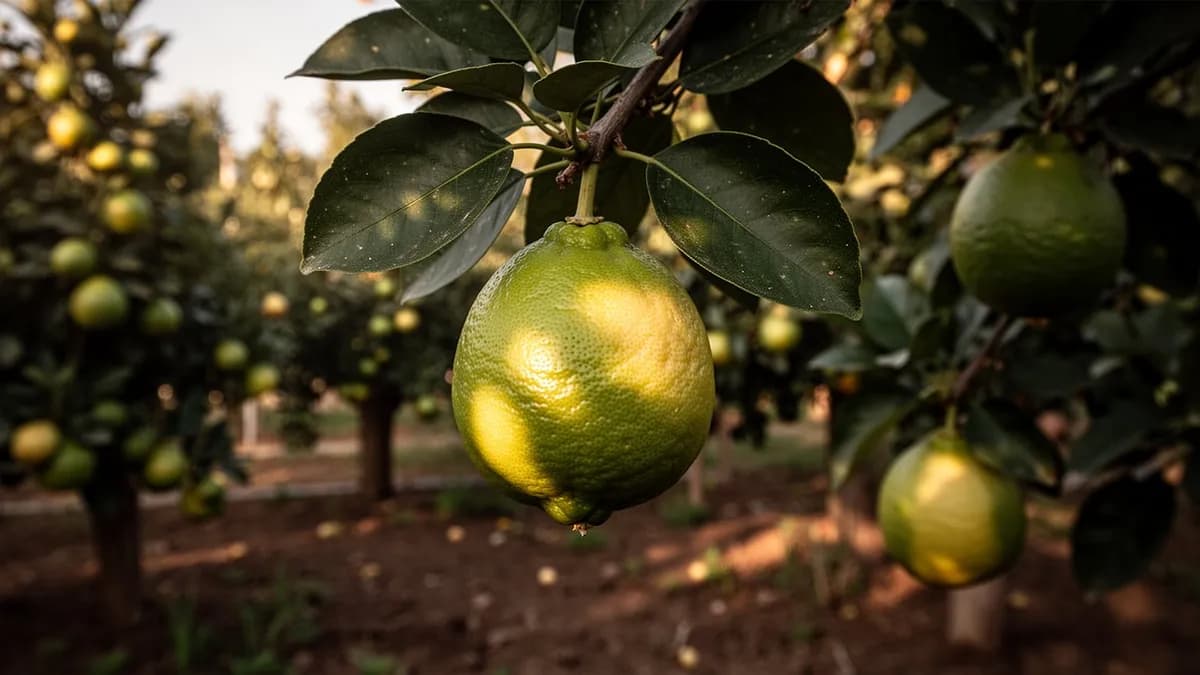
Keep Blood Orange away from these
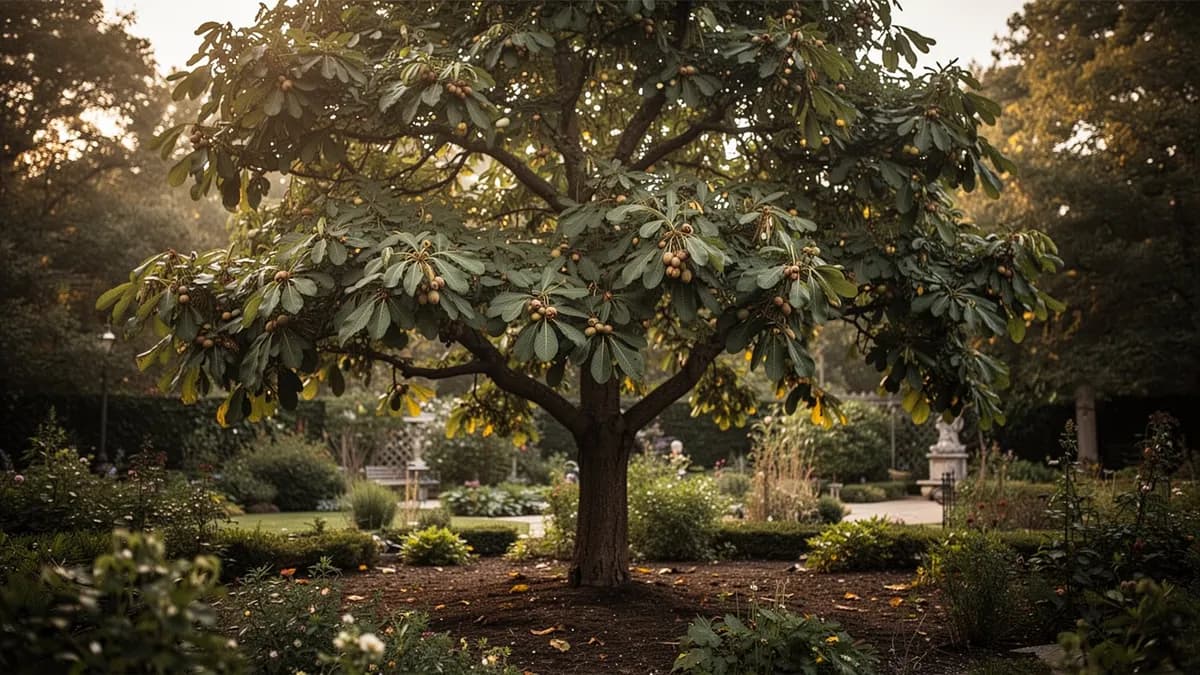
Grow your best Blood Orange yet — and everything around it.
Start a free plan today. Lay out your beds, drop in your Blood Orange, and let PlotMyGarden handle the timing, spacing, companions and reminders from seed to harvest basket.
