Pineapple Mint
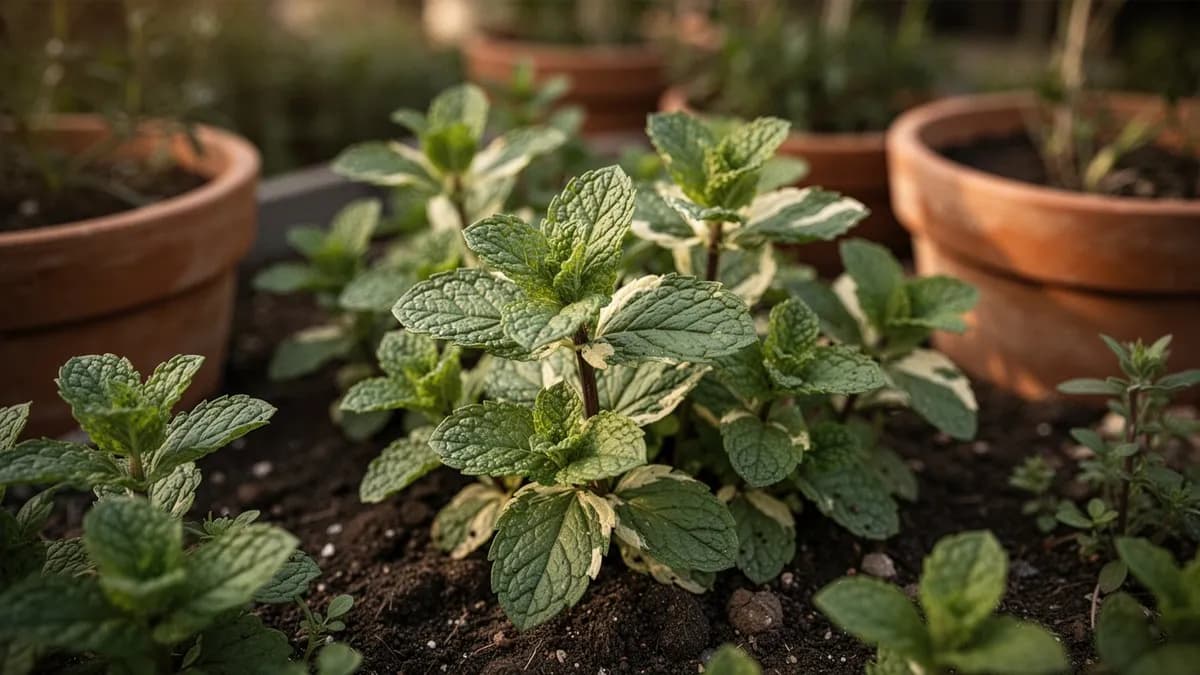
A variegated apple mint with cream-and-green splashed leaves and a fruity pineapple-mint scent.





On this pageOverview
Meet Pineapple Mint
A variegated apple mint with cream-and-green splashed leaves and a fruity pineapple-mint scent. The attractive foliage makes it one of the most ornamental mints, suitable for border edging when contained. Use fresh leaves in fruit salads, tropical drinks, and garnishes where a mild fruity mint flavor is desired.
When to plant Pineapple Mint
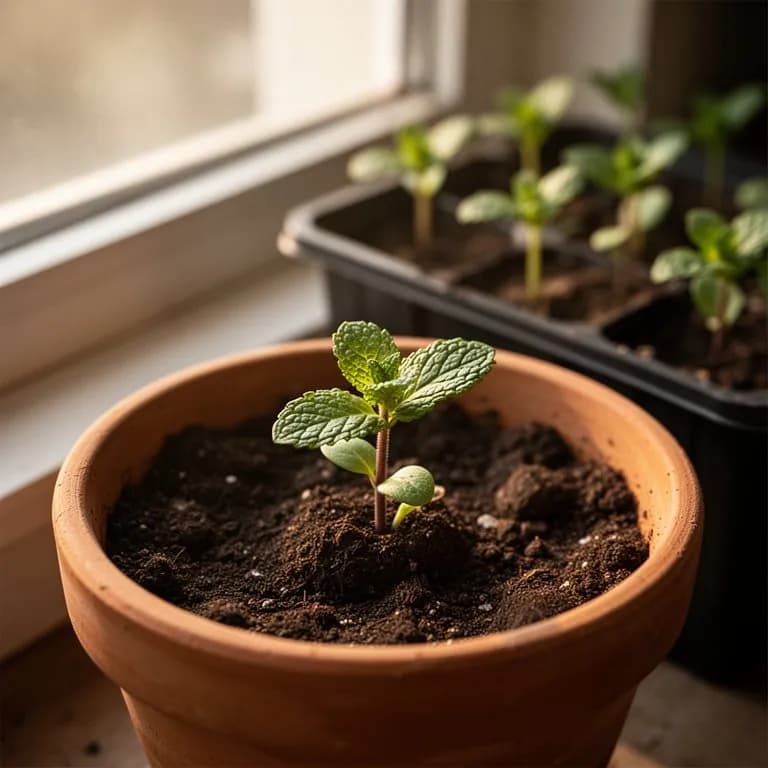
Pineapple mint must be propagated vegetatively to maintain its variegation—seed-grown plants revert to plain green. Take 10cm stem cuttings in late spring, remove lower leaves, and root in water (roots appear in 7-10 days) or in moist perlite mix. Divide established clumps in early spring or fall. Layer stems by pinning a node to moist soil while still attached to the parent plant. New plants establish in 3-4 weeks.
Your Pineapple Mint Year
Composed for Zone 7 · typical seasons · frost passes Apr 2, returns Nov 1
Plant Pineapple Mint Mar – May, pick May – Oct. Check the planting methods below and set your climate to personalize these windows.
How to grow Pineapple Mint
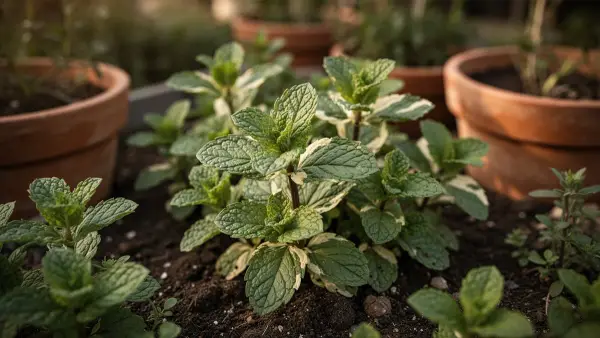
Pineapple mint is one of the most ornamental mint varieties, prized for its cream-and-green variegated foliage and fruity aroma. Plant divisions or rooted cuttings in spring after the last frost, spacing 45cm apart in partial shade with consistently moist soil. Like all mints, it spreads aggressively through underground runners, so always contain it with buried barriers or grow in pots.
This variety prefers slightly more shade than green mints, as the variegated leaves are prone to sunburn in hot afternoon sun. Provide rich, moisture-retentive soil and water regularly—pineapple mint is less drought-tolerant than other varieties due to reduced chlorophyll in its variegated leaves. Mulch to maintain cool, moist root conditions.
Pinch back growing tips regularly to maintain bushy, compact growth and prevent flowering. If solid green shoots appear (reversion), remove them immediately at the base, as they will outcompete the variegated growth. This variety is somewhat less vigorous than green mints, making it slightly easier to manage in mixed plantings.
10 plants fit a 4 × 8 ft bed
Each Pineapple Mint wants 45 cm of elbow room. The planner keeps that spacing for you — every plant, every bed.
Pineapple Mint's best neighbours
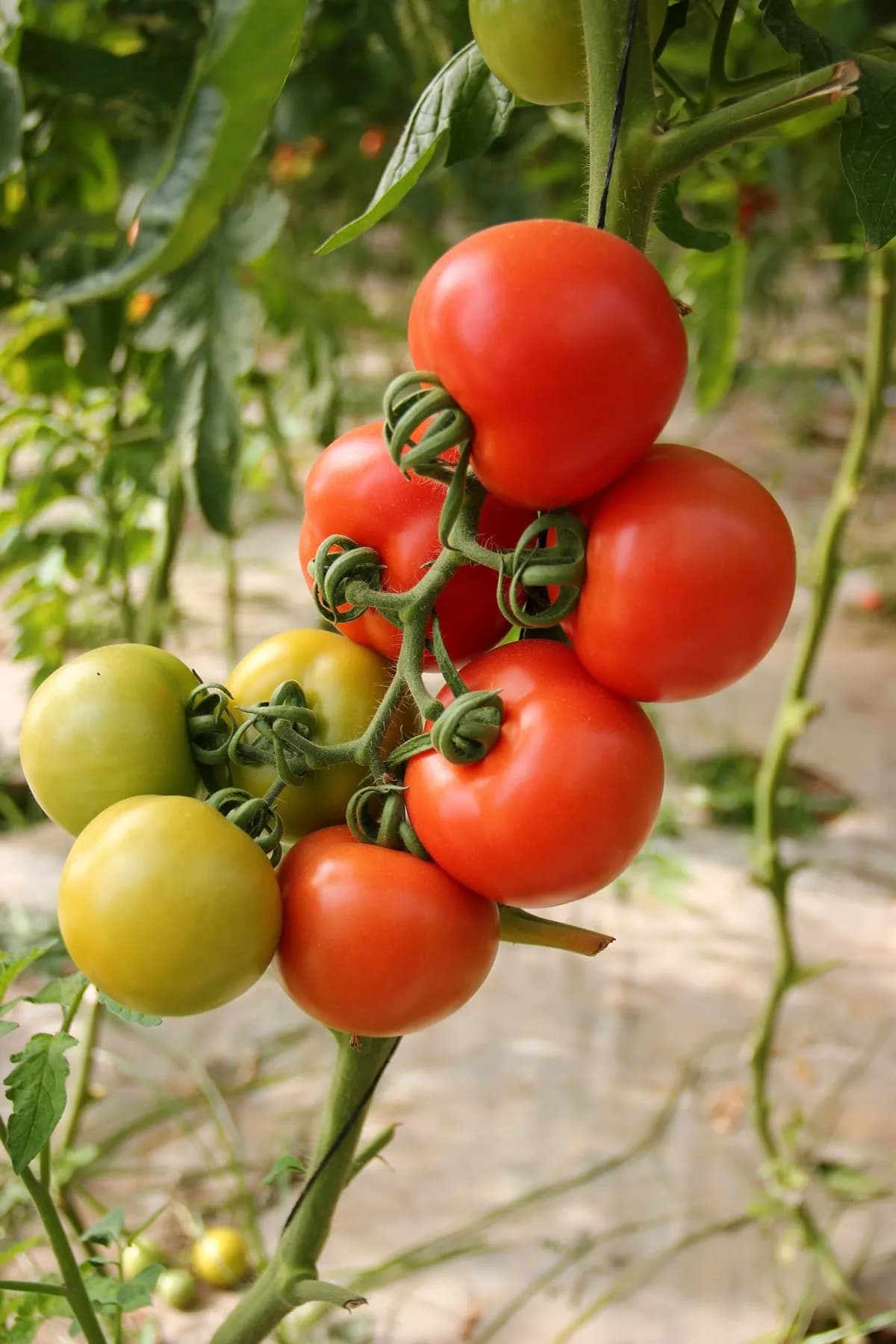
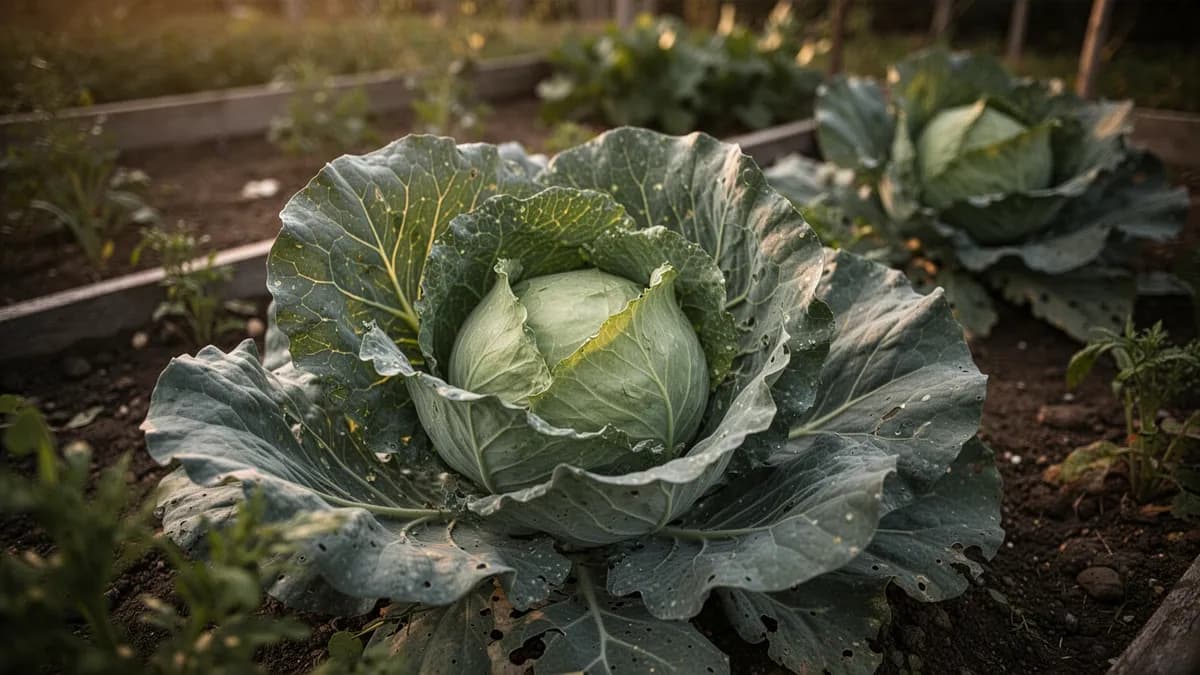
Like all mints, pineapple mint repels aphids and flea beetles while attracting pollinators when allowed to bloom. Its less aggressive nature makes it somewhat easier to manage near companion plants than other mints. Plant in containers near cabbage-family crops to help deter cabbage moths. The ornamental foliage adds visual interest to herb garden borders while providing pest-deterrent benefits.
Tomato belongs beside it. Parsley doesn't.
Old growers' knowledge, checked against Pineapple Mint's real companion table below — test any plant you're growing.
Try Pineapple Mint in a bed — right here
A real planner bed with Pineapple Mint already in it. Tap a companion to place it and watch the pairing checks answer — green for good neighbours, red for a clash.


Related growing guides
Feed it well
Plant in rich, well-draining soil with plenty of organic matter to retain moisture. Ideal pH is 6.0-7.0. Feed monthly with half-strength liquid fertilizer during the growing season—over-fertilizing can reduce variegation. Top-dress with compost in spring. Variegated plants photosynthesize less efficiently than green ones, so provide optimal soil nutrition to compensate.
Ideal Temperature
Hardiness Zone Compatibility
From seed to harvest, stage by stage
Propagation
Pineapple mint is most reliably started from stem cuttings or root divisions rather than seed, as seed-grown plants may not retain the variegated trait. Place cuttings in water or moist potting mix until roots develop.
Establishment
Rooted cuttings or divisions begin producing new leaves and establishing a root system. Growth is initially slow as the plant channels energy into root development.
Vegetative Growth
The plant enters a rapid growth phase, sending out runners and producing abundant variegated foliage. Stems become more robust and the characteristic fruity aroma intensifies.
Mature Harvest
Plants are fully established with dense foliage ready for regular harvesting. The strongest flavor and aroma occur just before flowering. Runners spread aggressively during this phase.
Flowering
White to pale pink flower spikes emerge from stem terminals in mid to late summer. Flowers attract bees, butterflies, and other beneficial pollinators to the garden.
Dormancy
As temperatures drop in autumn, the above-ground growth dies back. The root system remains alive underground through winter, ready to send up fresh growth in spring.
Take 10-15 cm stem cuttings just below a leaf node and remove the lower leaves before rooting.
Caring for Pineapple Mint month by month
What to do each month for your Pineapple Mint
October
You are hereOctober: Plants begin to slow down as day length shortens. Clear away spent stems and fallen leaves. Apply mulch around the root zone before the first frost.
Know exactly what to do in your garden — every month
One email at the start of each month: what to sow, plant, and tackle right now — for your Pineapple Mint and everything growing around it. Plus a short starter course that helps you dodge the classic mistakes.
- What to do, right now
- Matched to your season
- Starter course included
Harvesting Pineapple Mint
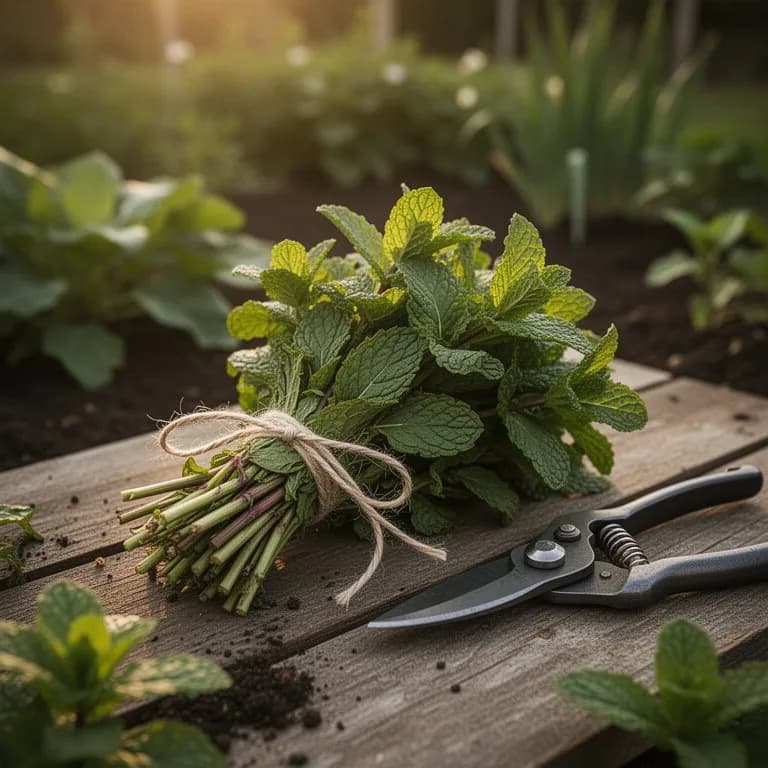
Harvest pineapple mint leaves once stems are at least 15cm tall, cutting just above a leaf pair to encourage branching. Select the most vibrantly variegated shoots for the best ornamental and culinary impact. Morning harvest captures the highest essential oil content. The leaves are best used fresh, as the delicate pineapple-mint fragrance fades significantly with drying. Harvest regularly to prevent the plant from becoming woody and leggy.
assuming you plant when the window opens — set your real date
Pick Pineapple Mint promptly and the plant keeps producing.
Storage & Preservation
Fresh pineapple mint stores for 5-7 days with stems in a glass of water at room temperature or wrapped in damp paper towels in the refrigerator. Freeze whole leaves in ice cube trays with water for fruit punch and cocktail additions. The variegated leaves make attractive frozen garnishes. Infuse in simple syrup for a unique fruity-mint flavoring that keeps refrigerated for three weeks. Drying is not recommended as the pineapple scent is lost.
What goes wrong — and the fix
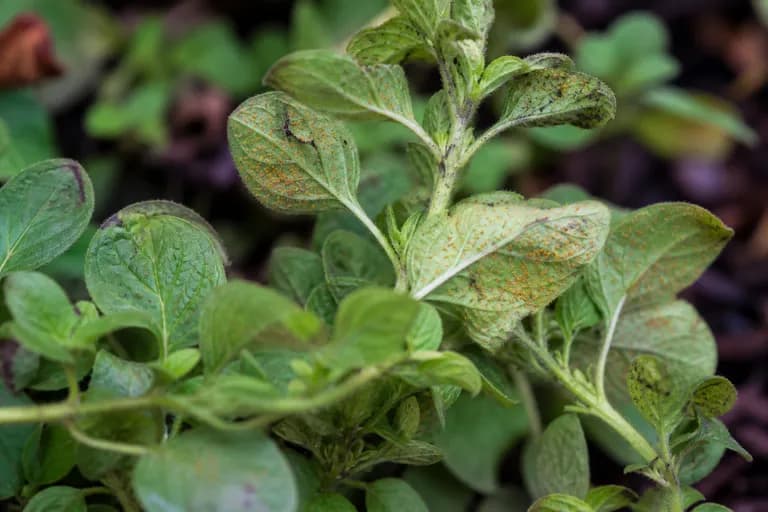
Mint Rust
DiseaseOrange-brown pustules on leaf undersides, progressive yellowing and leaf drop.
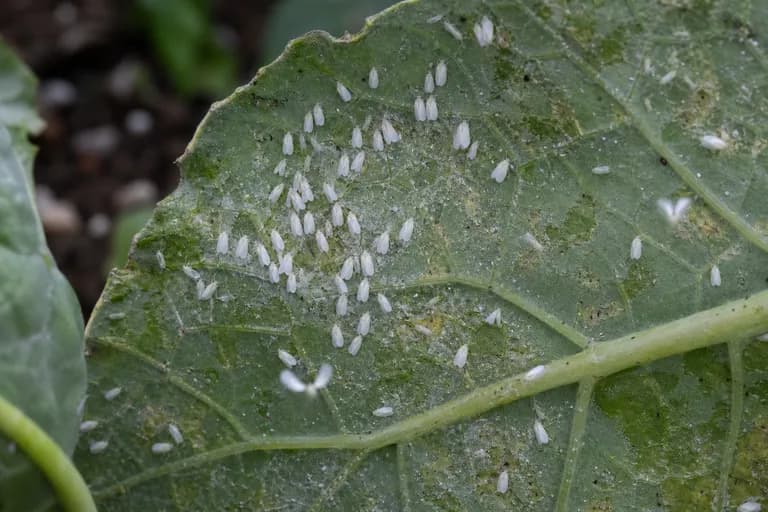
Whiteflies
PestTiny white flying insects that rise in clouds when foliage is disturbed. Sticky honeydew on leaves, eventual sooty mold growth.
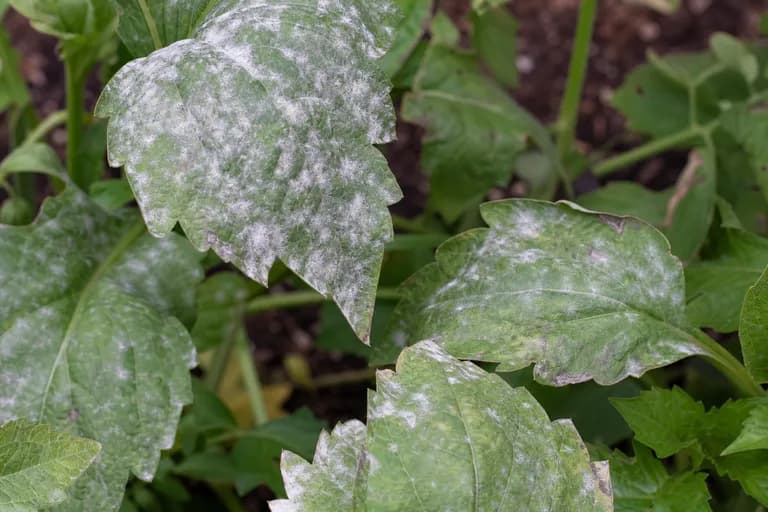
Powdery Mildew
DiseaseWhite powdery coating on leaves and stems, especially in humid conditions with poor air circulation.
Troubleshooting Common Problems
Reversion to solid green leaves is the most common issue—remove any all-green stems promptly at the base before they overtake variegated growth. Leaf scorch on white-edged portions occurs in too much direct sun; provide afternoon shade. Less vigorous than green mints, so avoid planting alongside aggressive mint varieties that will crowd it out. Prone to drying out faster than green mints in containers.
Growing Tips
- Always grow pineapple mint in a container or use buried barriers (at least 30 cm deep) in garden beds to prevent the spreading runners from taking over adjacent plantings.
- Provide morning sun with afternoon shade in hot climates, as the white-variegated leaf margins are prone to sunburn under intense direct sunlight.
- Promptly remove any stems that revert to solid green leaves, as these are more vigorous than the variegated growth and will eventually dominate the plant if left unchecked.
- Water consistently to keep the soil evenly moist — mint detests drying out. In containers, this may mean daily watering during summer heat.
- Divide established clumps every 2-3 years in early spring to maintain plant vigor and prevent the center from becoming woody and unproductive.
- Feed container-grown plants with a half-strength balanced liquid fertilizer every two to three weeks during the growing season. Avoid heavy nitrogen, which reduces essential oil concentration and aroma.
- Harvest by cutting stems just above a pair of leaves rather than picking individual leaves. This encourages branching and produces a bushier, more productive plant.
- Improve air circulation around plants by thinning dense growth, which helps prevent fungal diseases such as mint rust and powdery mildew.
- For a continuous indoor supply through winter, pot up a small root division in autumn and place it on a bright windowsill, harvesting sparingly until spring growth resumes.
- Companion plant with tomatoes, brassicas, or roses — the aromatic oils deter aphids, flea beetles, and cabbage moths while attracting beneficial pollinators.
Grow your best Pineapple Mint yet — and everything around it.
Start a free plan today. Lay out your beds, drop in your Pineapple Mint, and let PlotMyGarden handle the timing, spacing, companions and reminders from seed to harvest basket.
Pick your Pineapple Mint
Variegated Pineapple Mint
The standard variety with cream-splashed green leaves and strong fruity aroma. Most commonly available at garden centers.
Apple Mint (parent species)
The non-variegated parent with rounded, woolly green leaves and a mild apple-mint scent. More vigorous than the variegated form.
Wooly Mint
Another apple mint cultivar with densely fuzzy leaves and a more subtle fragrance. Extremely ornamental with soft, silvery foliage.
A single pineapple mint plant costs around $3-5 and will spread to fill a container or garden bed within one growing season. Since fresh specialty mint sprigs sell for $3-4 per small bunch at supermarkets, a home-grown plant can save $50-80 per year for regular users. The plant is perennial in zones 5-9, returning each spring without replanting, and is easily propagated by division, making it essentially a one-time investment that provides years of harvests.
Quick recipes
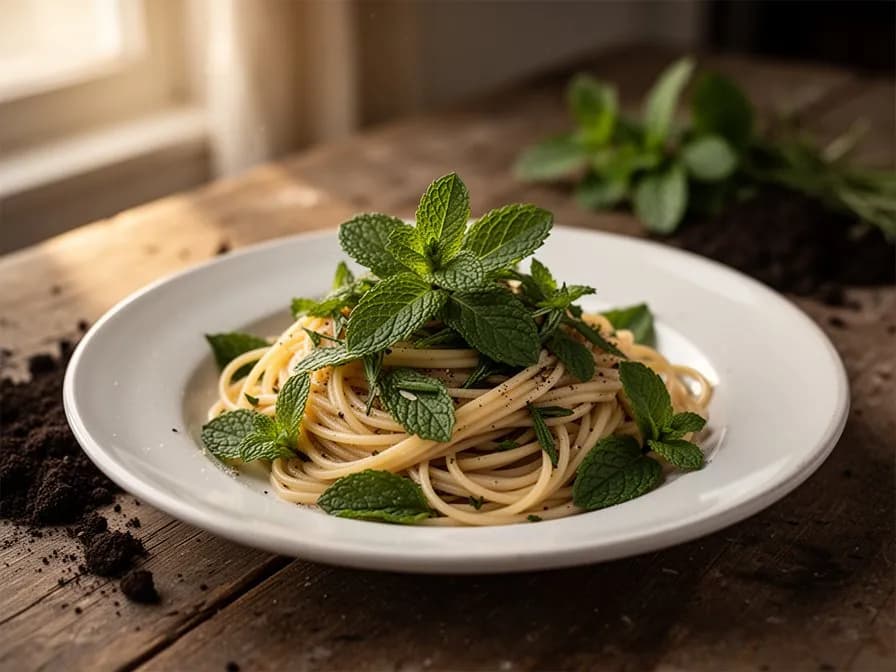
Pineapple Mint Iced Tea
10 minutesA refreshing summer iced tea combining the fruity sweetness of pineapple mint with honey and lemon. Steep a generous handful of fresh pineapple mint leaves in boiling water for five minutes, strain, sweeten with honey to taste, add fresh lemon juice, and chill over ice. Garnish each glass with a sprig of variegated mint.
6 ingredientsTropical Fruit Salad with Pineapple Mint
15 minutesA vibrant fruit salad elevated by the aromatic addition of finely shredded pineapple mint leaves. Combine diced mango, fresh pineapple chunks, kiwi slices, and halved strawberries in a bowl. Toss with a light dressing of lime juice and a drizzle of honey, then fold in a generous amount of chiffonade-cut pineapple mint leaves just before serving.
7 ingredientsPineapple Mint Pesto
10 minutesAn unconventional twist on classic basil pesto, using pineapple mint for a milder, fruity flavor that pairs beautifully with grilled fish, chicken, or pasta. Blend fresh pineapple mint leaves with toasted pine nuts, grated Parmesan, garlic, a squeeze of lemon juice, and olive oil until smooth. Season with salt and pepper to taste.
7 ingredientsCulinary Uses
The fruity pineapple-mint flavor pairs beautifully with fresh fruit salads, tropical smoothies, and summer beverages. Muddle leaves into lemonade, punch, or mojitos for a unique twist. Use as a garnish for desserts, especially fruit tarts and sorbets. Chop into yogurt or cream cheese for sweet spreads. The decorative variegated leaves make stunning edible garnishes for cocktails and plated desserts.
What's inside
Health Benefits
- Contains rosmarinic acid and other polyphenols that provide antioxidant protection against oxidative stress and cellular damage.
- The menthol content supports digestive health by relaxing smooth muscle in the gastrointestinal tract, easing bloating, gas, and indigestion.
- Mint aromatherapy has been shown to reduce feelings of nausea and may help alleviate symptoms of motion sickness when inhaled.
- Anti-inflammatory compounds in the leaves may help soothe sore throats and reduce nasal congestion when consumed as a warm tea.
- The mild sedative properties of mint tea can promote relaxation and support better sleep quality when consumed in the evening.
- Topical application of crushed leaves may provide temporary relief from minor skin irritations and insect bites due to the cooling menthol effect.
Where Pineapple Mint comes from
Pineapple mint (Mentha suaveolens 'Variegata') is a cultivated variety of apple mint, itself native to southern and western Europe, including the Mediterranean basin and parts of western Asia. Apple mint has grown wild across Portugal, Spain, France, Italy, and the British Isles for millennia, thriving along stream banks, damp meadows, and woodland edges where moisture is reliable. The variegated form that we know as pineapple mint arose as a natural genetic sport — a spontaneous mutation producing cream-white leaf margins instead of the uniform green of the parent species. It was first documented and deliberately propagated in European herb gardens during the 18th century, though variegated mints were likely noticed and collected by observant gardeners well before that. The cultivar name 'Variegata' simply refers to the irregular white-and-green patterning of the foliage. Its common name, pineapple mint, was coined because the crushed leaves release a sweet, fruity fragrance distinctly reminiscent of pineapple, quite different from the sharp menthol punch of peppermint. Throughout the 19th century, ornamental herb gardens in England and continental Europe featured pineapple mint as both a culinary ingredient and a decorative edging plant. Victorian-era gardeners particularly valued it for potpourri, scented sachets, and as a strewing herb placed on floors to perfume rooms. When European settlers brought their favourite garden herbs to North America and Australasia, pineapple mint travelled with them, establishing itself readily in temperate climates across the United States, Canada, Australia, and New Zealand. Today it remains a favourite among herb enthusiasts for its dual-purpose appeal: an attractive ornamental that also provides mild, fruity leaves for teas, salads, cocktails, and desserts. Unlike many ornamental cultivars, pineapple mint has retained its culinary utility and continues to be grown commercially on a small scale for the fresh-herb market.
Pineapple Mint: did you know?
Fascinating facts about Pineapple Mint
Pineapple mint is a natural sport (mutation) of apple mint (Mentha suaveolens), prized for its striking cream-and-green variegated leaves that no two plants display in exactly the same pattern.
Pineapple Mint questions, answered
When should I plant Pineapple Mint?
What are good companion plants for Pineapple Mint?
What hardiness zones can Pineapple Mint grow in?
How much sun does Pineapple Mint need?
How far apart should I space Pineapple Mint?
What pests and diseases affect Pineapple Mint?
How do I store Pineapple Mint after harvest?
What are the best Pineapple Mint varieties to grow?
What soil does Pineapple Mint need?
Why are some leaves on my pineapple mint turning solid green?
Can I grow pineapple mint from seed?
Is pineapple mint safe for pets?
How do I prevent pineapple mint from spreading too aggressively?
Why does my pineapple mint have a weak fragrance?
Can I use pineapple mint as a substitute for regular mint in recipes?
You just read the theory. Now grow it on autopilot.
Everything that makes Pineapple Mint fiddly — the timing, the spacing, the companions, the harvest window — is exactly what PlotMyGarden handles for you, for every plant in your garden.
A plan that knows your weather
Set your location once. Get sow, feed and harvest dates built around your real last-frost date and live forecast — no more guessing from a generic seed packet.
From the “When to plant” sectionDrag-and-drop bed planner
Design beds on a grid. Every plant snaps to its proper spacing, and you can see your whole season laid out before you spend a cent on seed.
From the “Growing guide” sectionCompanion conflicts, caught early
200+ good-and-bad pairings checked live as you plant — so a season-wrecking mistake never makes it into the ground.
From the “Companions” sectionReminders you'll actually act on
“Water the beans.” “Pick today before it turns.” Timely, specific, and tied to the plants you're really growing.
From the “Harvest” sectionSuccession, scheduled
Want a harvest for six weeks, not six days? It spaces your sowings automatically and reminds you when each new block is due.
From the “When to plant” sectionA record that gets smarter
Every harvest you log teaches it your garden. Next year's plan starts from what actually worked in your soil, not a textbook's.
From the “Overview” sectionPlant these alongside Pineapple Mint
More Culinary Herbs
Keep Pineapple Mint away from these
Grow your best Pineapple Mint yet — and everything around it.
Start a free plan today. Lay out your beds, drop in your Pineapple Mint, and let PlotMyGarden handle the timing, spacing, companions and reminders from seed to harvest basket.