Lilyturf
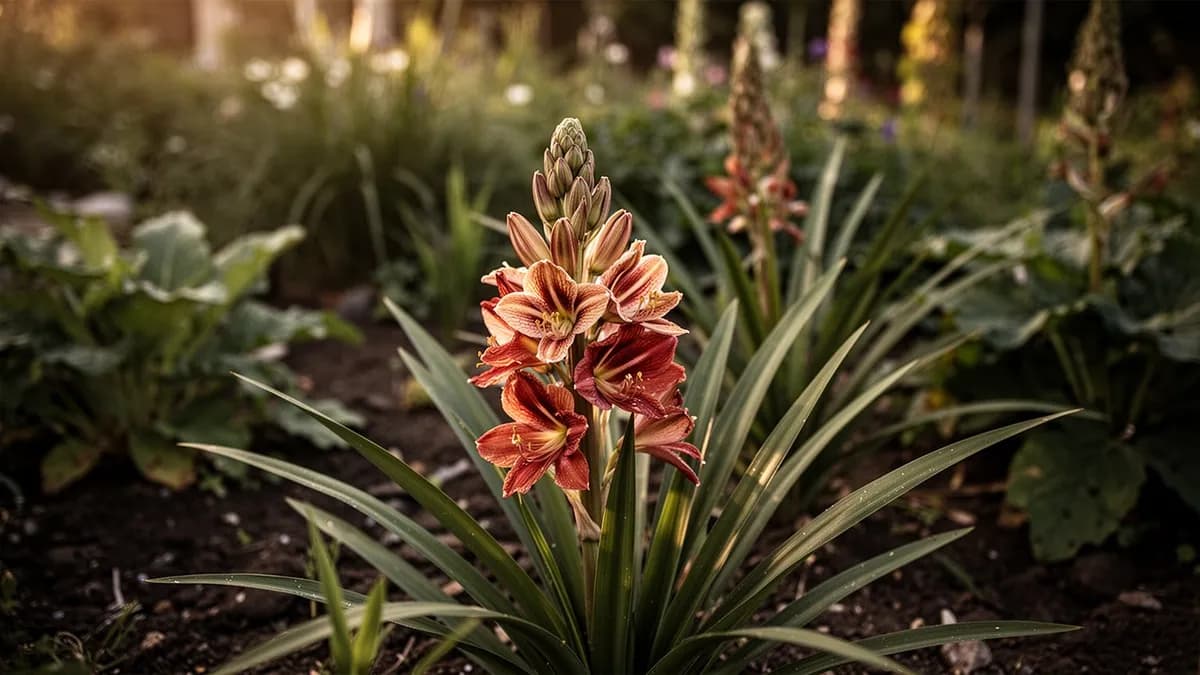
A tough, grass-like evergreen perennial with spikes of violet-purple flowers followed by shiny black berries in autumn.





On this pageOverview
Meet Lilyturf
A tough, grass-like evergreen perennial with spikes of violet-purple flowers followed by shiny black berries in autumn. Lilyturf is virtually indestructible, tolerating drought, shade, poor soil, and foot traffic with minimal care. It makes an excellent edging plant, groundcover, or border accent and requires only an annual trim in late winter.
When to plant Lilyturf
Division in spring or early fall is by far the easiest propagation method. Seeds from the berries can be sown in autumn, but germination is slow and erratic. Most gardeners propagate by division exclusively.
Your Lilyturf Year
Composed for Zone 7 · typical seasons · frost passes Apr 2, returns Nov 1
Plant Lilyturf Mar – May, pick Aug – Oct. Check the planting methods below and set your climate to personalize these windows.
How to grow Lilyturf
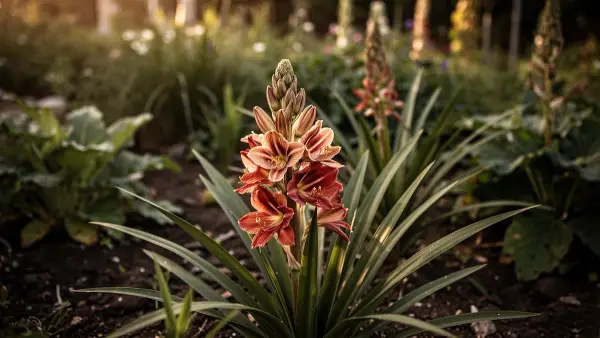
Lilyturf is one of the toughest, most adaptable perennials available, thriving where other plants fail. Plant in spring or fall, spacing 12-18 inches apart for groundcover or as single clumps for edging. It tolerates full sun to full shade, drought to regular moisture, and poor to rich soil.
The grass-like evergreen foliage forms dense, arching clumps 12-18 inches tall. Violet-purple flower spikes appear in late summer, followed by ornamental blue-black berries that persist through winter. The only maintenance required is an annual trim in late winter—mow or shear the foliage to 3-4 inches before new growth emerges to refresh the planting.
Liriope spreads slowly by underground rhizomes to form dense colonies, making it an excellent groundcover, path edging, or border accent. It tolerates heat, humidity, drought, pollution, and even light foot traffic.
32 plants fit a 4 × 8 ft bed
Each Lilyturf wants 30 cm of elbow room. The planner keeps that spacing for you — every plant, every bed.
Lilyturf's best neighbours
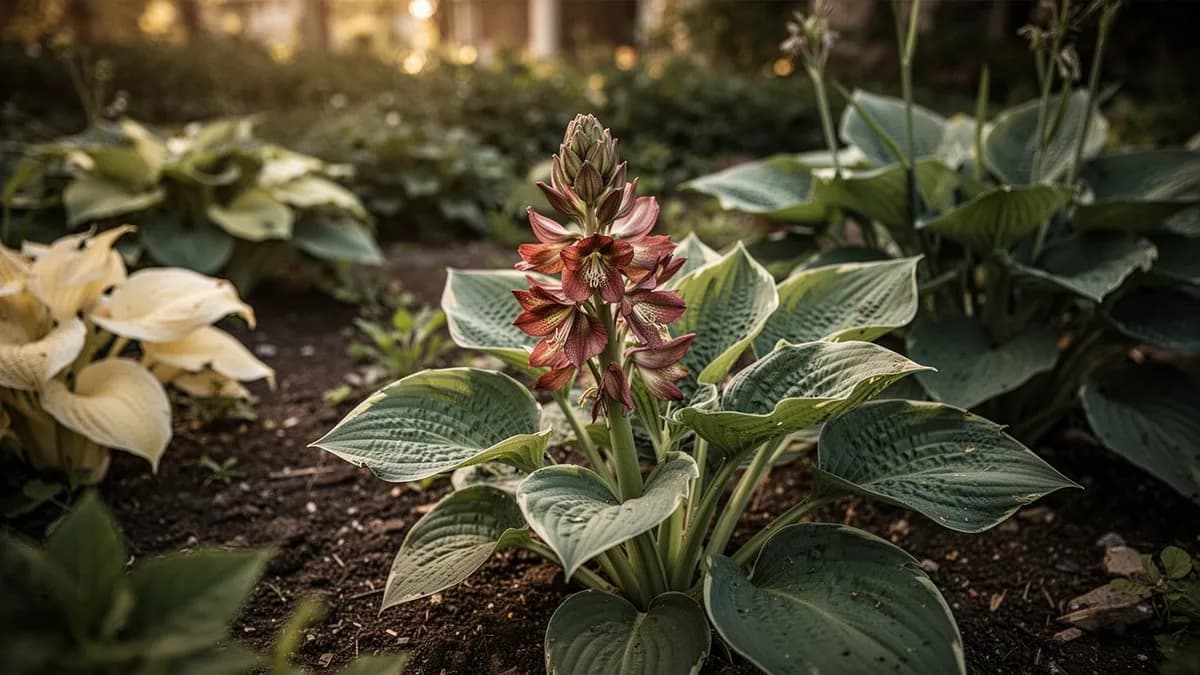
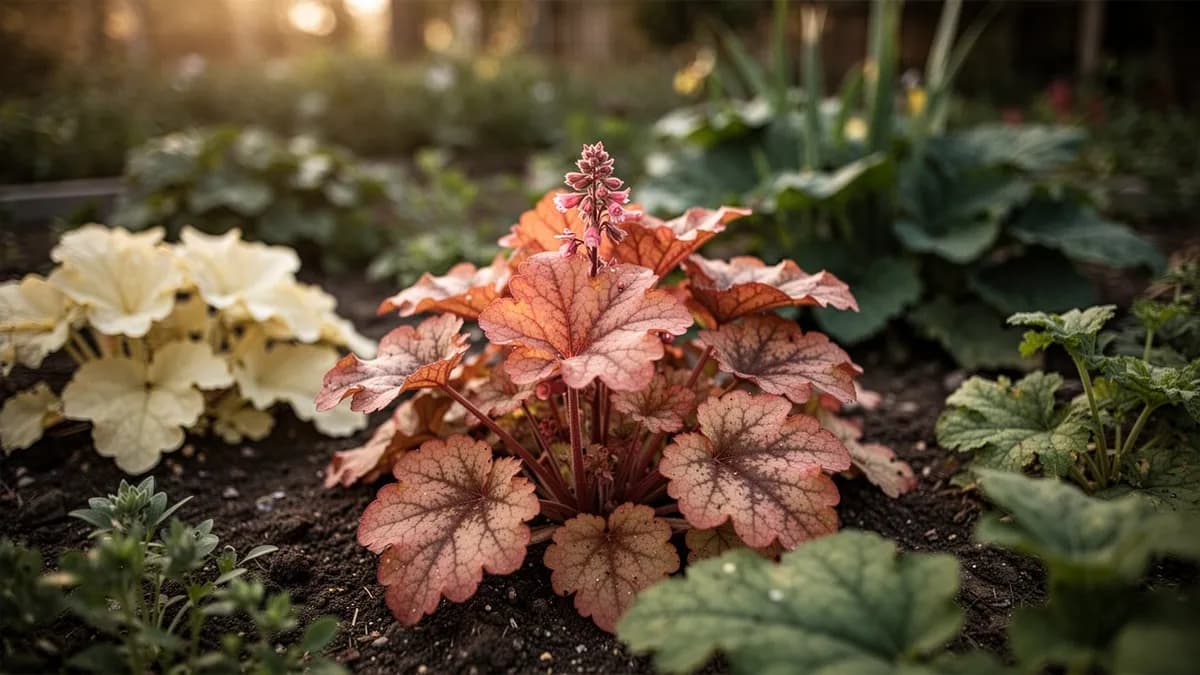
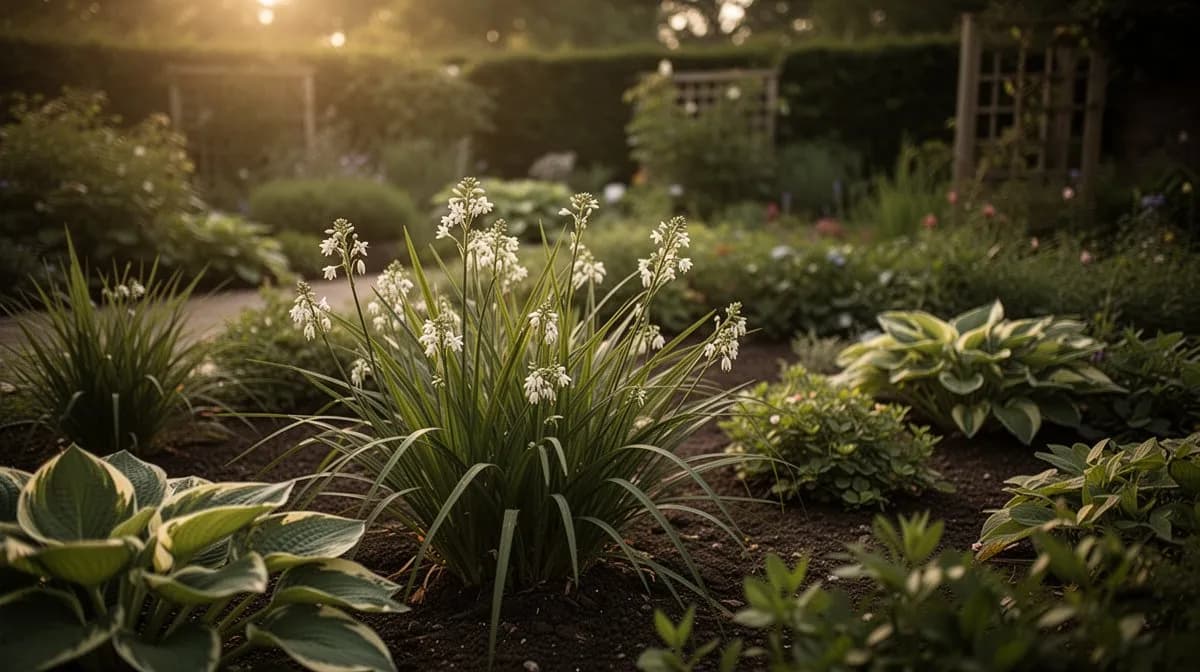
Liriope is the ultimate edging companion, creating neat borders along paths and around beds. Pair with hostas, heucheras, and ferns in shade gardens. Use as a groundcover under trees where grass won't grow. The purple flower spikes complement autumn-blooming asters and chrysanthemums.
Hosta belongs beside it.
Old growers' knowledge, checked against Lilyturf's real companion table below — test any plant you're growing.
Try Lilyturf in a bed — right here
A real planner bed with Lilyturf already in it. Tap a companion to place it and watch the pairing checks answer — green for good neighbours, red for a clash.


Related growing guides

Feed it well
Liriope tolerates almost any soil from sandy to heavy clay with a pH of 5.0-7.5. It performs best in moderately fertile, well-drained soil but adapts to less-than-ideal conditions. A light application of balanced fertilizer in spring promotes the best flowering.
Ideal Temperature
Hardiness Zone Compatibility
From seed to harvest, stage by stage
Planting & Establishment
Liriope is almost always started from nursery transplants or divisions rather than seed. Plant divisions or container-grown plants 30 cm apart in well-prepared soil. Water thoroughly at planting to settle the roots. The plant focuses on establishing its fibrous root system during this period.
Root Development
The fibrous root system expands steadily underground. Some liriope species produce small tuberous swellings along the roots that store water and nutrients. Above ground, new leaf blades begin to appear from the crown of the plant. Growth may appear slow but the plant is investing energy below the soil surface.
Foliage Expansion
Arching, strap-shaped leaves grow to their full length of 30-45 cm, forming a dense, fountain-like clump. The evergreen foliage is dark green to deep blue-green depending on the cultivar. By the end of this stage the plant has filled out considerably and begins to function effectively as a groundcover.
Flower Spike Formation
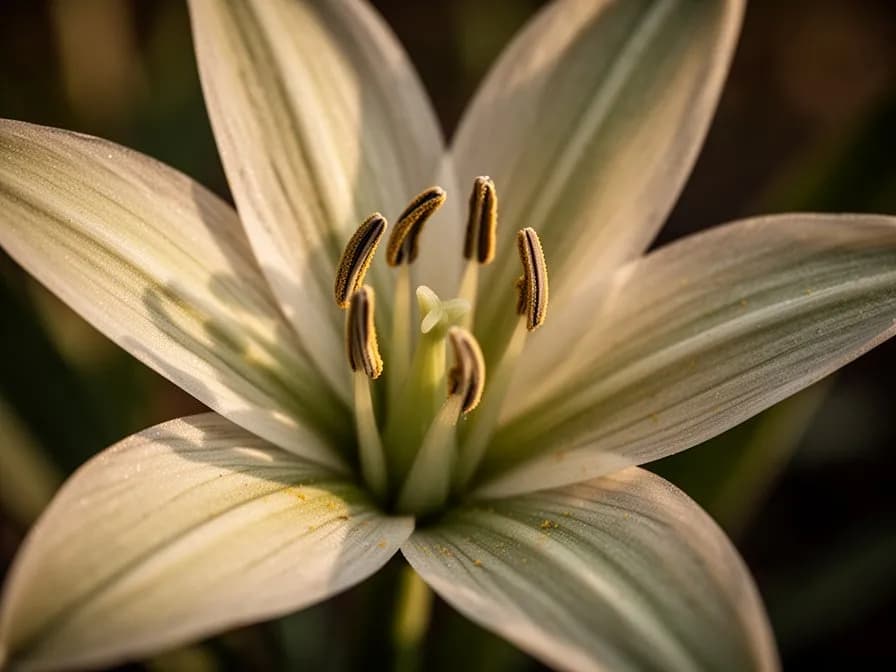
Dense flower spikes emerge from among the foliage in late summer, typically from August through September in the Northern Hemisphere. Each spike is 10-20 cm long and closely studded with small, violet-purple or white flowers that resemble grape hyacinth (Muscari). The flowers are rich in nectar and attract a variety of pollinators.
Berry Development
Fertilised flowers develop into pea-sized, glossy blue-black berries that ripen through autumn and persist into winter. The berries are ornamental and provide food for birds. Seeds inside the berries can self-sow in favourable conditions, though most garden cultivars spread primarily by rhizomes.
Winter Dormancy & Renewal
In mild climates (USDA zones 6-10), liriope remains evergreen through winter, though foliage may become tattered or brown at the tips after hard frosts. In late winter or very early spring, the previous year's foliage is typically cut back to 5-7 cm above ground level to make way for fresh new growth. The plant's energy is stored in the roots and tuberous structures underground.
Keep the soil consistently moist but not waterlogged for the first month. Mulch around new plantings with 5-7 cm of organic mulch to retain moisture and suppress weeds.
Caring for Lilyturf month by month
What to do each month for your Lilyturf
October
You are hereReduce watering as temperatures cool; remove any severely damaged or yellowed leaves; leave berry clusters for birds.
Know exactly what to do in your garden — every month
One email at the start of each month: what to sow, plant, and tackle right now — for your Lilyturf and everything growing around it. Plus a short starter course that helps you dodge the classic mistakes.
- What to do, right now
- Matched to your season
- Starter course included
Harvesting Lilyturf
The flower spikes and berry clusters can be cut for small autumn arrangements. The grass-like foliage serves as interesting textural filler in bouquets. Individual leaves are too small for significant floral use, but the overall plant provides excellent garden interest.
assuming you plant when the window opens — set your real date
Pick Lilyturf promptly and the plant keeps producing.
Storage & Preservation
Liriope is evergreen and requires no storage. Trim to the ground in late winter for a fresh start. Divide overcrowded clumps in spring. Divisions establish quickly.
What goes wrong — and the fix
Anthracnose
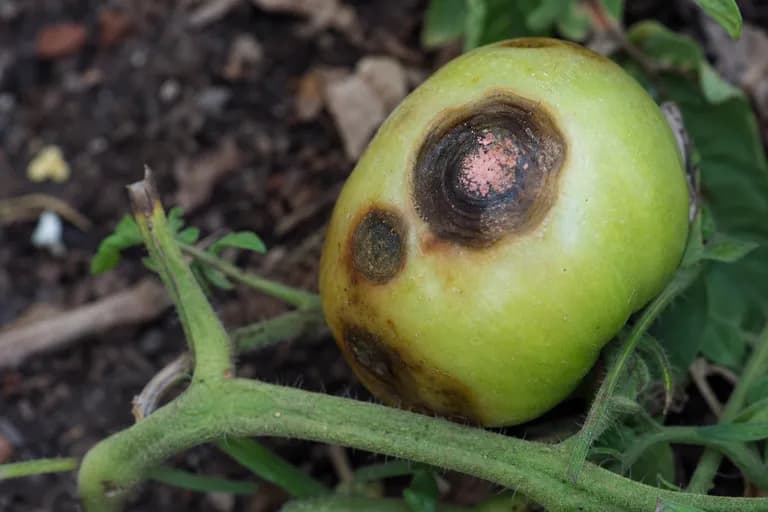
DiseaseReddish-brown leaf spots that may coalesce. Tattered, discolored foliage.
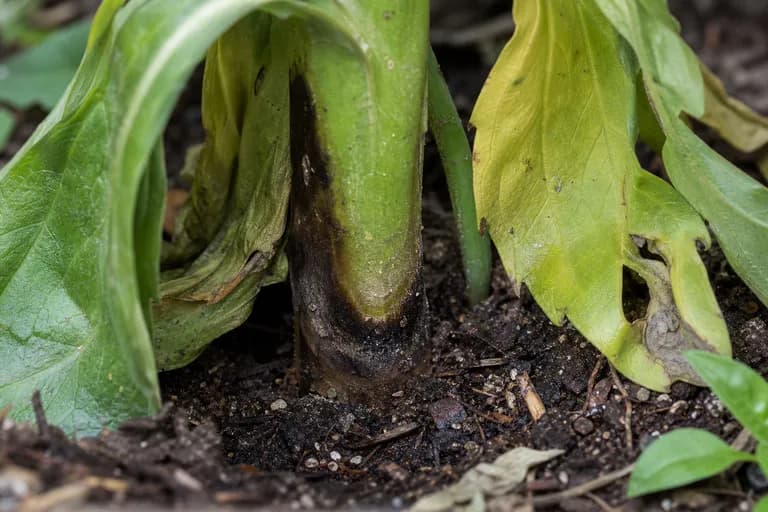
Crown Rot
DiseaseCrowns rot in waterlogged, poorly drained soil. Plants collapse.
Troubleshooting Common Problems
Anthracnose leaf spot is the main issue—solved by the annual late-winter trim that removes all old foliage. Liriope spicata can spread aggressively and may need containment barriers. Variegated forms occasionally revert to solid green—remove any green-leaved divisions promptly.
Growing Tips
- Plant liriope in partial to full shade for best foliage colour; it tolerates full sun in cooler climates but may develop bleached or yellowed leaves in hot, exposed locations in the South.
- Space plants 25-30 cm apart for a solid groundcover effect within two growing seasons, or 45 cm apart for a more budget-friendly planting that fills in within three to four years.
- Cut back all foliage to 5-7 cm in late February or early March using hedge shears or a string trimmer before new growth begins — this is the single most important maintenance task for keeping liriope looking its best.
- Ensure excellent soil drainage; liriope tolerates a wide range of soil types including clay, but it will develop root rot in consistently waterlogged conditions, especially in heavy clay soils.
- Divide overgrown clumps in early spring by lifting the entire clump with a garden fork, separating it into sections with a sharp spade, and replanting divisions immediately at the same depth they were growing.
- Apply a 5-7 cm layer of organic mulch (shredded bark, pine straw, or leaf mould) around plants but keep mulch 2-3 cm away from the crowns to prevent moisture-related crown rot.
- Water newly planted liriope deeply once or twice per week for the first growing season; established plants are remarkably drought-tolerant and rarely need supplemental irrigation except during prolonged dry spells.
- Monitor for crown rot (caused by Phytophthora) in poorly drained sites — symptoms include yellowing foliage and mushy brown roots. Improve drainage or relocate plants if this occurs.
- Choose the right cultivar for your space: 'Big Blue' for reliable purple flowers, 'Variegata' for cream-edged foliage in shade gardens, 'Monroe White' for white blooms, or 'Royal Purple' for deeper violet flower colour.
- Use liriope as a living edge along walkways, driveways, or garden beds — it stays under 40 cm tall, maintains a neat form, and its dense root system helps stabilise soil on gentle slopes.
Grow your best Lilyturf yet — and everything around it.
Start a free plan today. Lay out your beds, drop in your Lilyturf, and let PlotMyGarden handle the timing, spacing, companions and reminders from seed to harvest basket.
Pick your Lilyturf
Liriope muscari 'Big Blue'
Deep violet-blue flower spikes on robust 15-inch clumps. The most popular and widely available variety.
Liriope muscari 'Variegata'
Green and cream-striped foliage that brightens shady areas. Lavender flowers. Slightly less vigorous.
Liriope spicata (Creeping Lilyturf)
A more aggressive spreader ideal for groundcover. Pale violet flowers. Fills in quickly.
Liriope is one of the most cost-effective groundcovers available. A single plant purchased for $5-8 can be divided into 5-10 new divisions every 3-4 years, rapidly covering large areas at minimal cost. Once established, liriope requires virtually no irrigation, little to no fertiliser, and no mowing — saving significant time and money compared to maintaining a traditional lawn. Its longevity of 20+ years and freedom from serious pest or disease problems further reduce lifetime landscape costs.
Quick recipes
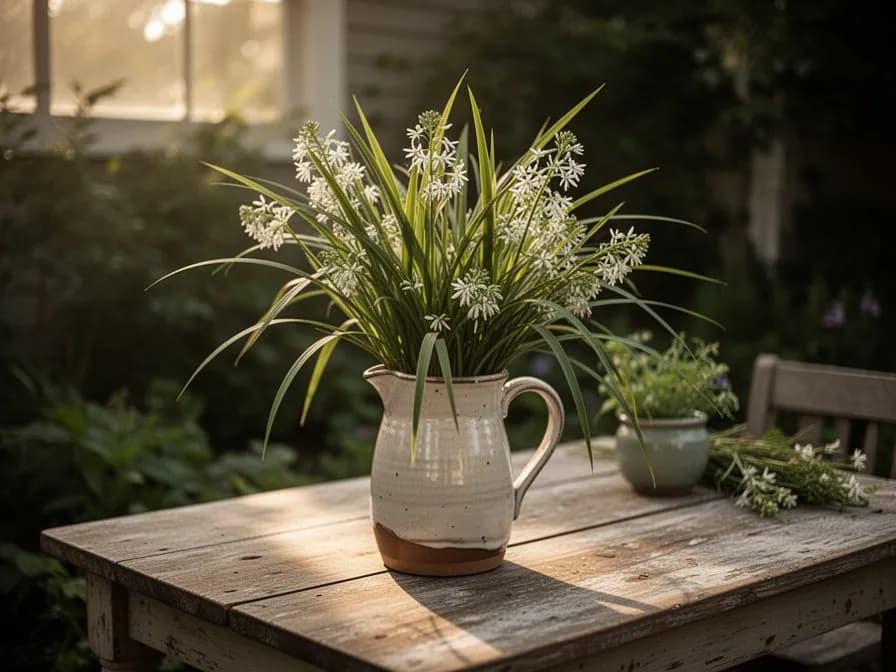
Mai Dong Herbal Tea (Traditional Root Decoction)
30 minutesA soothing traditional Chinese herbal tea made from dried liriope root tubers, traditionally used to moisten the lungs and relieve dry throat. The tea has a mild, slightly sweet flavour. Use only properly identified and sourced dried mai dong roots from a reputable herbal supplier.
4 ingredientsMai Dong and Goji Berry Soup
45 minutesA nourishing Chinese herbal soup combining dried liriope root tubers with goji berries and jujubes. This tonic soup is traditionally served in autumn and winter to support respiratory health. Consult a qualified herbalist before consuming liriope root preparations.
5 ingredientsLiriope Root and Chrysanthemum Cooling Drink
20 minutesA refreshing traditional herbal drink that blends dried liriope root with chrysanthemum flowers and American ginseng slices. Served chilled in summer as a cooling tonic. Use only food-grade dried herbs from a trusted supplier.
5 ingredientsWhat's inside
Health Benefits
- Liriope root (mai dong) has been used in traditional Chinese medicine for over 2,000 years as a yin-nourishing tonic believed to moisten the lungs, relieve dry coughs, and soothe irritated throats.
- Research has identified steroidal saponins called liriopesides in liriope roots that demonstrate anti-inflammatory activity in laboratory studies, though clinical trials in humans are limited.
- Polysaccharides extracted from Liriope muscari roots have shown immunomodulatory effects in preclinical studies, potentially supporting the body's natural immune responses.
- Traditional Chinese and Kampo medicine practitioners prescribe mai dong preparations to promote healthy digestion and relieve symptoms of dry mouth and thirst associated with febrile conditions.
- Homoisoflavonoid compounds isolated from liriope roots have demonstrated antioxidant properties in vitro, suggesting potential protective effects against oxidative stress at the cellular level.
- As an ornamental groundcover, liriope provides indirect health benefits by reducing soil erosion, filtering stormwater runoff, improving air quality through carbon sequestration, and creating calming green spaces that support mental wellbeing.
Where Lilyturf comes from
Liriope muscari is native to the warm-temperate and subtropical forests of East Asia, with its natural range spanning China, Japan, Taiwan, and the Korean Peninsula. In its native habitat, it grows as an understory plant on the shaded forest floor, thriving in the filtered light beneath deciduous and evergreen canopies. The genus name Liriope was coined by the French botanist John Lindley in 1821, who named it after the nymph Liriope from Greek mythology. The species name muscari refers to the resemblance of its flower spikes to those of grape hyacinth (Muscari). Liriope was introduced to Western horticulture in the mid-nineteenth century, arriving in Europe and North America as a botanical curiosity. However, it was not until the early to mid-twentieth century that the plant gained widespread popularity as a landscape groundcover. American nurseries in the southeastern United States recognised its extraordinary tolerance of heat, humidity, drought, shade, and poor soil — conditions that challenged many traditional European garden plants. By the 1950s and 1960s, cultivars such as 'Big Blue,' 'Variegata,' and 'Monroe White' were being widely propagated and planted across the region. Today, liriope is one of the most commonly used groundcovers in temperate and subtropical landscapes worldwide. In its native East Asia, particularly in China and Japan, liriope has a long history of medicinal use. The swollen tuberous roots, known as 'mai dong' in traditional Chinese medicine and 'jabaran' in Japanese Kampo medicine, have been prescribed for over two thousand years as a remedy for dry coughs, thirst, and digestive complaints. Modern pharmacological research has confirmed the presence of bioactive steroidal saponins, polysaccharides, and homoisoflavonoids in the roots, lending scientific support to some of these traditional uses.
Lilyturf: did you know?
Fascinating facts about Lilyturf
Despite its common name 'lilyturf,' Liriope is not a true grass or a lily — it belongs to the asparagus family (Asparagaceae), making it a distant relative of asparagus and agave.
Lilyturf questions, answered
When should I plant Lilyturf?
What are good companion plants for Lilyturf?
What hardiness zones can Lilyturf grow in?
How much sun does Lilyturf need?
How far apart should I space Lilyturf?
What pests and diseases affect Lilyturf?
How do I store Lilyturf after harvest?
What are the best Lilyturf varieties to grow?
What soil does Lilyturf need?
Is liriope invasive?
When should I cut back liriope?
Can liriope grow in full sun?
Why is my liriope turning yellow?
Does liriope attract pollinators?
How do I propagate liriope?
You just read the theory. Now grow it on autopilot.
Everything that makes Lilyturf fiddly — the timing, the spacing, the companions, the harvest window — is exactly what PlotMyGarden handles for you, for every plant in your garden.
A plan that knows your weather
Set your location once. Get sow, feed and harvest dates built around your real last-frost date and live forecast — no more guessing from a generic seed packet.
From the “When to plant” sectionDrag-and-drop bed planner
Design beds on a grid. Every plant snaps to its proper spacing, and you can see your whole season laid out before you spend a cent on seed.
From the “Growing guide” sectionCompanion conflicts, caught early
200+ good-and-bad pairings checked live as you plant — so a season-wrecking mistake never makes it into the ground.
From the “Companions” sectionReminders you'll actually act on
“Water the beans.” “Pick today before it turns.” Timely, specific, and tied to the plants you're really growing.
From the “Harvest” sectionSuccession, scheduled
Want a harvest for six weeks, not six days? It spaces your sowings automatically and reminds you when each new block is due.
From the “When to plant” sectionA record that gets smarter
Every harvest you log teaches it your garden. Next year's plan starts from what actually worked in your soil, not a textbook's.
From the “Overview” sectionPlant these alongside Lilyturf
More Perennials



Grow your best Lilyturf yet — and everything around it.
Start a free plan today. Lay out your beds, drop in your Lilyturf, and let PlotMyGarden handle the timing, spacing, companions and reminders from seed to harvest basket.