Eléboro
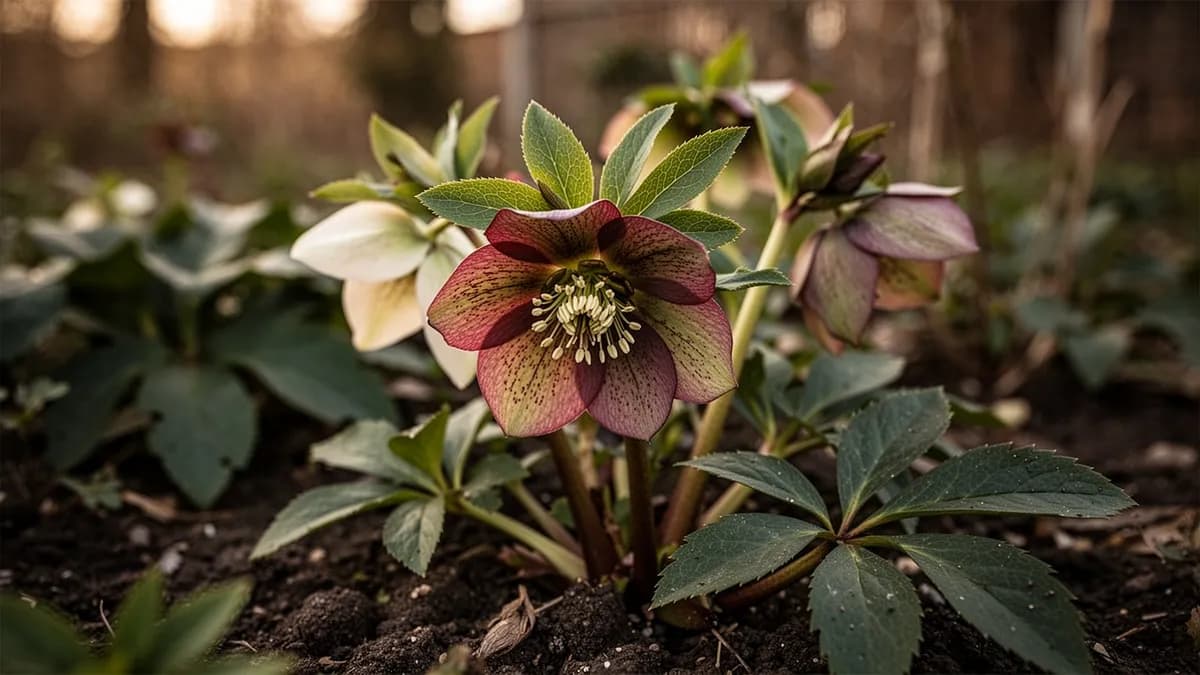
Una perenne de sombra muy apreciada que florece a finales del invierno, cuando casi nada más está en flor, con flores colgantes en forma de copa de color blanco, rosa, púrpura y verde.





En esta páginaResumen
Conoce Eléboro
Una perenne de sombra muy apreciada que florece a finales del invierno, cuando casi nada más está en flor, con flores colgantes en forma de copa de color blanco, rosa, púrpura y verde. Los eléboros resisten a los ciervos, toleran la sequía una vez establecidos y requieren un mantenimiento prácticamente nulo. Retire el follaje viejo a finales del invierno para lucir las flores que van apareciendo y evitar enfermedades de manchas foliares.
Cuándo plantar Eléboro
La semilla de eléboro debe sembrarse fresca para obtener la mejor germinación: recójala de vainas maduras a finales de la primavera y siémbrala de inmediato en macetas con compost, cubriéndola apenas. Deje las macetas al aire libre durante el verano, el otoño y el invierno para una estratificación natural. La germinación ocurre la primavera siguiente, por lo general entre febrero y marzo. Las plántulas crecen despacio y tardan de 3 a 4 años en alcanzar tamaño de floración, pero el resultado puede ser fascinante porque no hay dos plántulas iguales. Para las variedades nombradas, la única opción es dividir las matas maduras a comienzos del otoño, aunque a los eléboros no les gusta que los manipulen y pueden tardar un año en recuperarse.
Tu año de Eléboro
Ajustado a Zona 7 · temporada típica · la helada se va hacia el 2 abr y vuelve hacia el 1 nov
Planta Eléboro Mar, Sep – Oct y cosecha Ene – Abr. Consulta los métodos de plantación y elige tu clima para adaptar los periodos.
Cómo cultivar Eléboro
Los eléboros se encuentran entre las vivaces de floración invernal y de principios de primavera más queridas, ya que florecen cuando el resto del jardín permanece dormido. Estas plantas de hoja perenne o semiperenne producen flores colgantes en forma de copa en una gama extraordinaria de colores que incluye blanco, crema, rosa, ciruela, verde, casi negro y patrones picotee. Una vez establecidos, viven muchísimos años, requieren muy poco mantenimiento y embellecen más con cada temporada.
Plántelos en sombra parcial o total bajo árboles caducifolios o en el lado norte de los edificios, en un suelo rico en humus, que retenga la humedad pero drene bien. Los eléboros son plantas de bosque que prosperan en la luz moteada y en el suelo cubierto de hojas del sotobosque. Incorpore abundante compost o mantillo de hojas antes de plantar y sitúe la corona al nivel del suelo: si queda demasiado profunda, la planta puede no florecer.
Retire todo el follaje viejo a finales del invierno (enero-febrero), justo antes de que aparezcan los nuevos tallos florales. Esta sencilla tarea anual evita la propagación de la mancha foliar del eléboro y muestra las flores emergentes sobre un suelo limpio y desnudo. En primavera aparecerán nuevas hojas después de las flores. Acolche cada año con mantillo de hojas o astillas de corteza. Los eléboros no toleran bien las perturbaciones y es mejor dejarlos sin dividir durante muchos años, donde formarán matas impresionantes con varias coronas.
10 plantas caben en un bancal de 120 × 240 cm
Cada Eléboro pide 45 cm de margen. El planificador guarda ese marco por ti — cada planta, cada bancal.
Los mejores vecinos de Eléboro
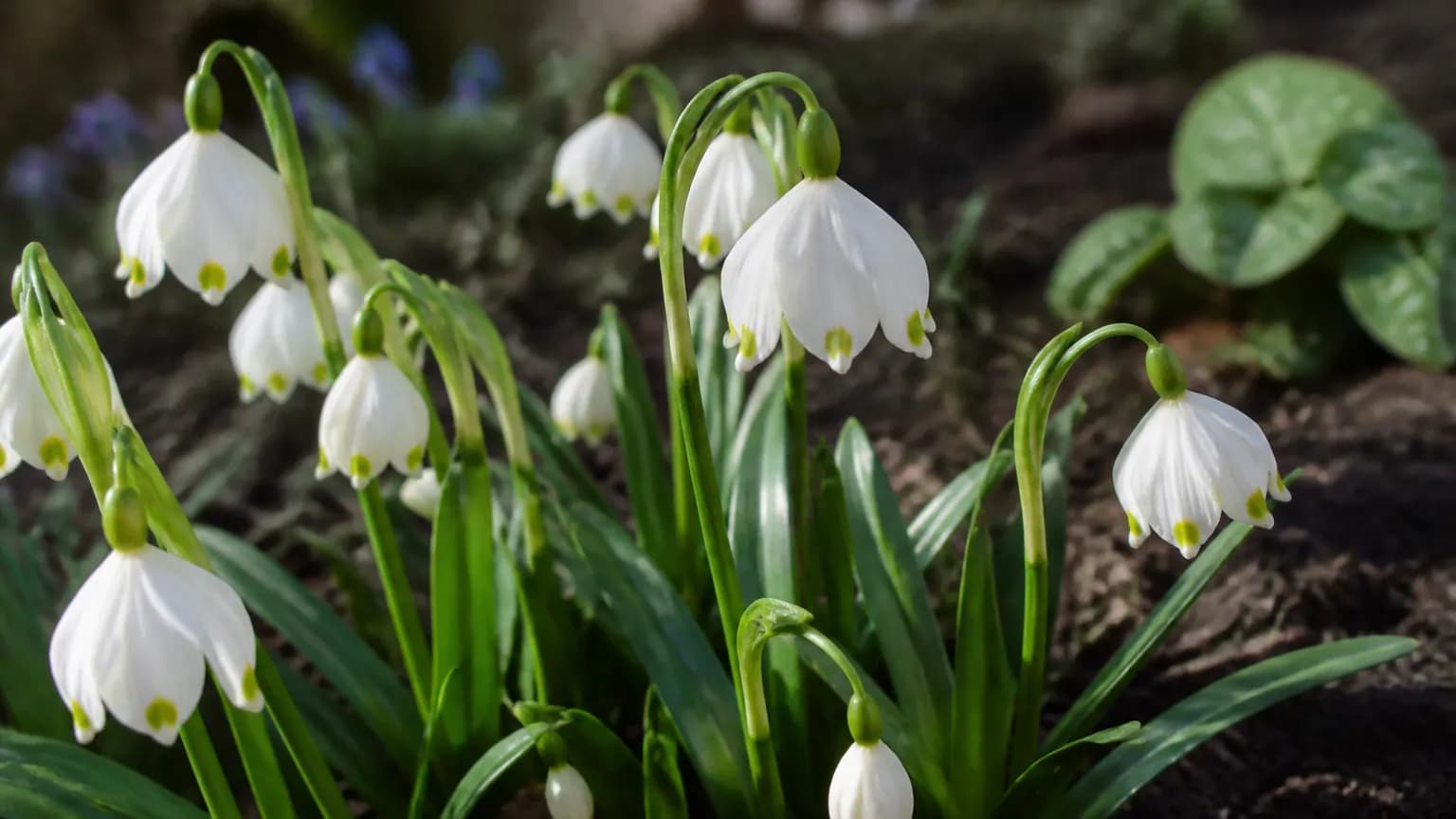
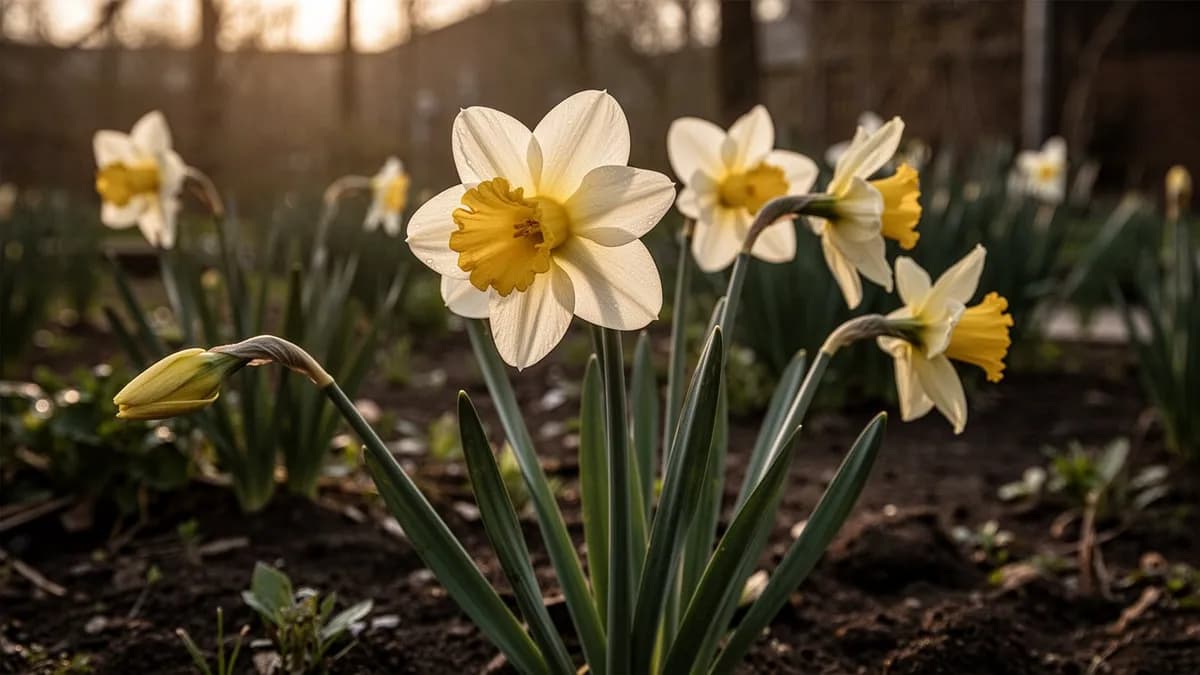
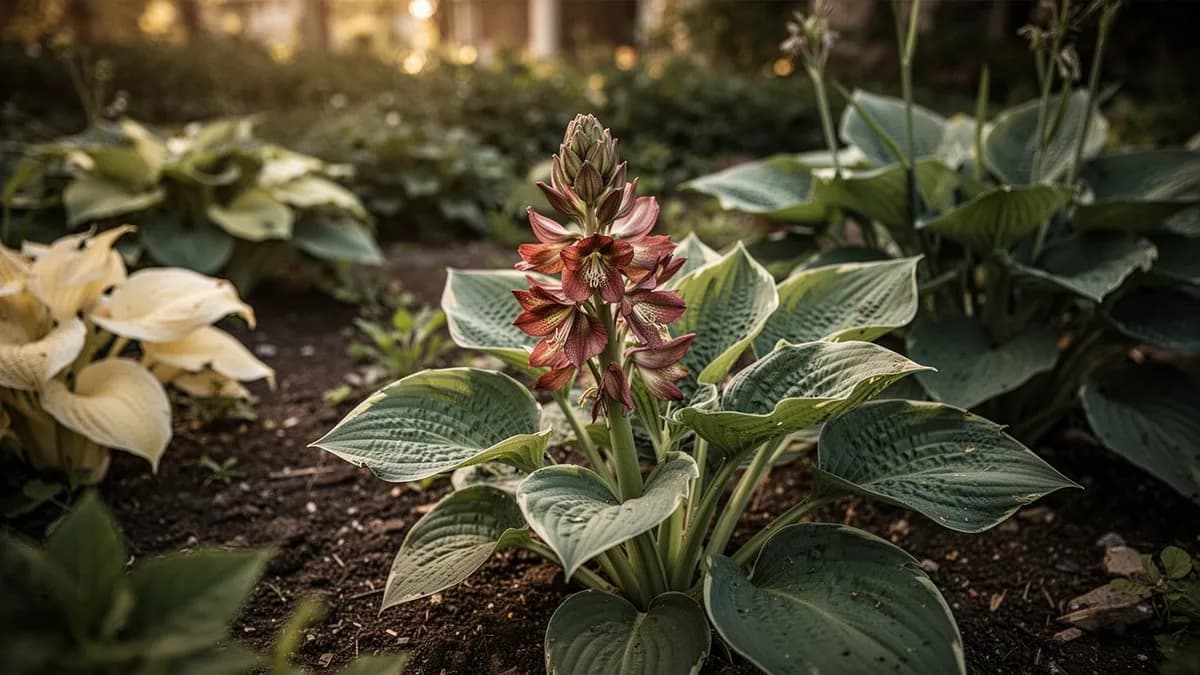
Los eléboros son compañeros clásicos de los narcisos de invierno, los acónitos de invierno y los narcisos tempranos en el jardín de finales de invierno. Plántelos con alfombras de ciclamen y escila para prolongar el interés estacional. En primavera, hostas, helechos y brunnera emergen para complementar el follaje del eléboro. Las plantas forman una excelente cobertura del suelo bajo arbustos y árboles caducifolios. Los eléboros blancos brillan en la sombra profunda, mientras que las variedades oscuras aportan un contraste elegante a las flores doradas de primavera.
Campanilla de Nieve Gigante va a su lado.
Saber de huerto de siempre, cotejado con la tabla real de Eléboro — prueba cualquier planta que cultives.
Prueba Eléboro en un bancal, aquí mismo
Un bancal real del planificador con Eléboro ya plantado. Toca una planta compañera para colocarla y mira cómo responde la comprobación de vecinos: verde para buenos vecinos, rojo si hay conflicto.


Guías de cultivo relacionadas
Abónalo bien
Los eléboros prosperan en un suelo rico en humus, que retenga la humedad pero drene bien, con un pH neutro a ligeramente alcalino de 6.5-7.5. Son una de las pocas vivaces de sombra que prefieren condiciones algo calizas. Mejore las zonas de plantación con mantillo de hojas, estiércol bien descompuesto o compost. Aplique cada otoño una capa generosa de compost o mantillo de hojas para imitar la hojarasca natural en la que crecen. Una aplicación ligera de fertilizante equilibrado de liberación lenta a comienzos de la primavera, cuando aparecen las flores, es beneficiosa pero no imprescindible.
Temperatura ideal
Compatibilidad de zonas de rusticidad
De la semilla a la cosecha, etapa por etapa
Estratificación y germinación de la semilla
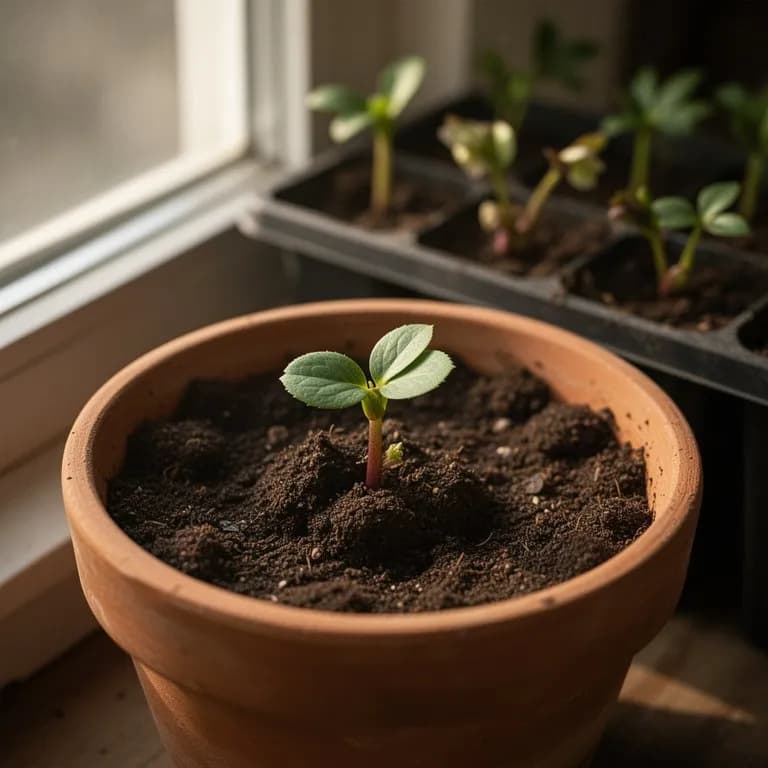
Las semillas de eléboro requieren un periodo de estratificación cálida seguido de fría para romper la dormancia. Las semillas frescas sembradas a finales de primavera o comienzos del verano experimentan ciclos naturales de temperatura al aire libre. La germinación es lenta e irregular y suele producirse a finales del invierno o a comienzos de la primavera siguiente, después de que la semilla haya pasado varias semanas de frío por debajo de 4 °C.
Desarrollo de la plántula
Después de germinar, las plántulas producen una o dos hojas pequeñas y simples que difieren del follaje palmeado maduro. El crecimiento es lento durante el primer año, mientras la planta se concentra en establecer un sistema radicular profundo y carnoso. Las plántulas son delicadas y requieren humedad constante y protección frente al sol directo y los vientos fuertes.
Crecimiento vegetativo juvenil
Durante los años dos y tres, los eléboros desarrollan sus características hojas palmeadas, coriáceas y profundamente divididas. La planta forma una mata en expansión con un sistema radicular cada vez más robusto. El follaje se vuelve perenne en climas suaves y semiperenne en zonas más frías. La planta está acumulando reservas de energía para su primera floración.
Primera floración
Los eléboros suelen producir sus primeras flores en el tercer o cuarto año desde semilla. Los tallos florales emergen de la corona a finales del invierno o comienzos de la primavera, con flores colgantes en forma de copa y sépalos parecidos a pétalos en tonos blanco, verde, rosa, púrpura o con patrones moteados. Cada flor dura de 6 a 8 semanas, ya que los sépalos persisten mucho después de la polinización.
Mata madura y formación de semillas
Los eléboros ya establecidos forman matas densas y longevas que aumentan su número de flores cada año. Una planta madura puede producir de 30 a 50 flores o más por temporada. Tras la floración, las vainas de semillas se desarrollan y maduran a finales de la primavera, abriéndose para liberar semillas negras y brillantes. Las plantas pueden vivir y prosperar durante 20 años o más con cuidados mínimos.
Autosiembra y establecimiento de colonia
Si se dejan madurar y liberar las vainas, los eléboros se autosiembran con facilidad alrededor de la mata madre. Las plántulas aparecen a finales del invierno y en primavera cerca de la planta madre y se convertirán en ejemplares en flor durante los dos o tres años siguientes. Con el tiempo, un solo eléboro puede establecer una colonia naturalizada que crea una impresionante alfombra de flores invernales en el bosque.
Siembre las semillas frescas inmediatamente después de cosecharlas a comienzos del verano para obtener las mejores tasas de germinación. Use un sustrato para semillas arenoso y de drenaje libre, y deje las macetas al aire libre en un marco frío sombreado para que experimenten fluctuaciones naturales de temperatura. No deseche las macetas demasiado pronto, ya que la germinación puede tardar de 6 a 18 meses.
Cuidar Eléboro mes a mes
Qué hacer cada mes para tu Eléboro
Octubre
Mes actualDivida las matas establecidas que se hayan apretado demasiado o necesiten rejuvenecimiento. Asegúrese de que cada división tenga al menos tres puntos de crecimiento sanos. Replante las divisiones de inmediato a la misma profundidad a la que crecían y riegue bien. Aplique una capa gruesa de mantillo de hojas.
Ten claro qué hacer en tu huerto, cada mes
Un correo al empezar cada mes: qué sembrar, plantar y hacer ahora mismo — para tu Eléboro y todo lo que crece alrededor. Más un breve curso inicial para esquivar los errores clásicos.
- Qué hacer ahora mismo
- Ajustado a tu temporada
- Curso inicial incluido
Cosechar Eléboro
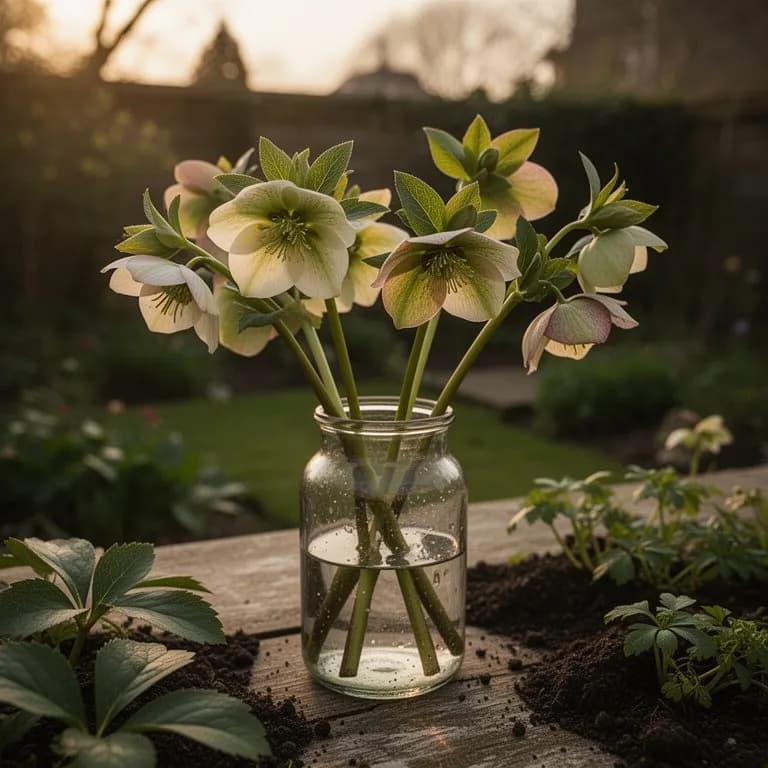
Las flores de eléboro pueden flotar en cuencos poco profundos con agua para crear preciosas exhibiciones de interior, ya que su porte colgante dificulta los arreglos tradicionales en jarrón. Corte los tallos cuando las flores estén totalmente abiertas y las vainas de semillas hayan empezado a desarrollarse; esta fase dura más. Cauterice los extremos cortados en agua hirviendo durante 20-30 segundos y luego acondiciónelos en agua fría durante la noche para lograr la mayor vida en jarrón, de 5 a 7 días. Las flores quedan especialmente bien en arreglos pequeños y bajos.
se supone que plantas al comenzar el periodo — indica tu fecha real
Cosecha Eléboro a tiempo y la planta sigue produciendo.
Almacenamiento y conservación
Las flores de eléboro pueden conservarse prensándolas entre libros pesados: se aplanan de forma preciosa y retienen muy bien su color, por lo que son populares para arte botánico. Las flores individuales también pueden conservarse en gel de sílice para composiciones secas tridimensionales. Las semillas pueden recogerse cuando las vainas se abran a finales de la primavera; siémbralas de inmediato para obtener la mejor germinación, ya que las semillas de eléboro pierden viabilidad rápidamente al secarse. Todas las partes de la planta son tóxicas si se ingieren.
Qué falla — y cómo solucionarlo
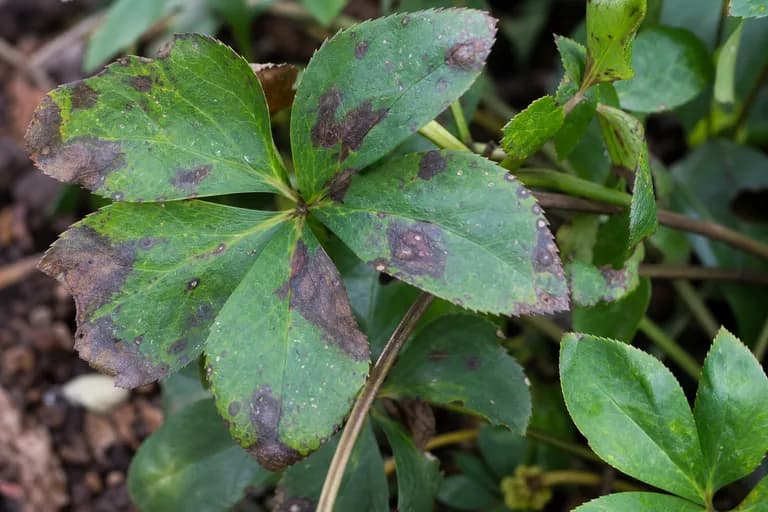
Mancha foliar del eléboro
EnfermedadManchas marrones oscuras o negras en las hojas más viejas, que a veces se fusionan en grandes zonas muertas. Pueden afear el follaje, pero rara vez matan a las plantas ya establecidas.
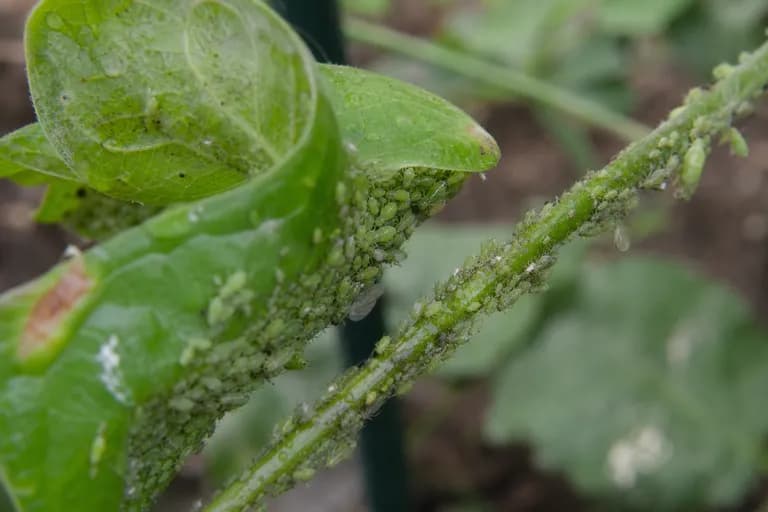
Pulgones
PlagaPulgones verdes o negros en los tallos florales y en los capullos en desarrollo a finales del invierno y comienzos de la primavera. Pueden deformar las flores y reducir la calidad del espectáculo.
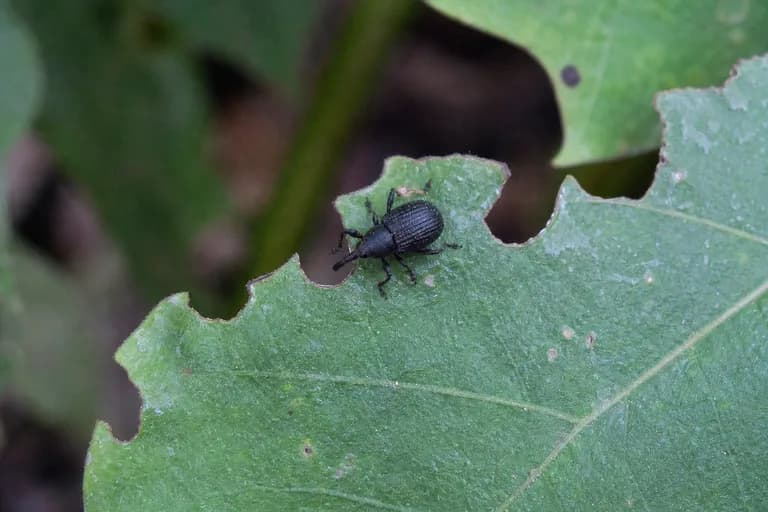
Gorgojo de la vid
PlagaBordes de las hojas mordisqueados y, más grave aún, larvas que se alimentan de las raíces y pueden matar incluso plantas grandes y establecidas. Los eléboros cultivados en contenedor son especialmente vulnerables.
Solución de problemas comunes
La mancha foliar del eléboro es el problema más común: prevéngala retirando todo el follaje viejo a finales del invierno. Si no florece, suele indicar demasiada sombra, una plantación demasiado profunda o plantas trasplantadas recientemente que todavía se están asentando. Las plantas cultivadas a partir de semilla tardan de 3 a 4 años en alcanzar la edad de floración. Las babosas pueden dañar los tallos florales emergentes en inviernos suaves. Todas las partes son tóxicas para humanos y animales si se ingieren. En suelos pesados y encharcados, los eléboros pueden desarrollar podredumbre de raíz: asegure un buen drenaje.
Consejos de cultivo
- Plante eléboros en sombra parcial o total bajo árboles caducifolios o en el lado norte de edificios. Prosperan con la luz moteada del borde de un bosque y toleran la sombra profunda, aunque la floración puede reducirse en lugares muy oscuros.
- Mejore generosamente la zona de plantación con mantillo de hojas bien descompuesto, compost de jardín o estiércol envejecido. Los eléboros son plantas muy consumidoras de nutrientes que prefieren un suelo rico en humus, que retenga la humedad pero drene bien, con un pH neutro a ligeramente alcalino de 6.5-7.5.
- Plante las coronas de eléboro exactamente a la misma profundidad a la que crecían en su maceta. Plantar demasiado profundo es la causa más común de fracaso, ya que las coronas enterradas tienden a pudrirse. Los puntos de crecimiento deben quedar a ras o apenas por debajo de la superficie del suelo.
- Riegue con regularidad los eléboros recién plantados durante toda la primera temporada de crecimiento hasta que se establezca su sistema radicular profundo. Una vez maduros, toleran moderadamente la sequía, pero rinden mejor con humedad constante durante la temporada de crecimiento de otoño a primavera.
- Aplique cada otoño una capa gruesa de mantillo de hojas o corteza compostada, procurando mantenerlo alejado de la corona de la planta. Así imita la hojarasca natural de su hábitat de bosque y aporta nutrientes de liberación lenta.
- Retire todo el follaje viejo a finales de enero o comienzos de febrero, cortando las hojas a ras de base justo antes de que aparezcan los tallos florales. Este paso crítico evita la propagación de la mancha foliar del eléboro y mejora enormemente la visibilidad de las flores.
- Use siempre guantes al manipular, dividir o podar eléboros, ya que todas las partes de la planta contienen compuestos irritantes que pueden provocar dermatitis de contacto. Lávese bien las manos después de trabajar en el jardín con estas plantas.
- Proteja las flores de salpicaduras de tierra durante lluvias intensas acolchando alrededor de las plantas o usando soportes bajos. Las flores manchadas de barro son difíciles de limpiar y el contacto con el suelo puede favorecer botrytis y otras infecciones fúngicas en las flores.
- Abone los eléboros cada año a comienzos de la primavera, después de la floración, con una capa superficial de fertilizante granular equilibrado o una capa gruesa de compost bien descompuesto. La harina de huesos aplicada en otoño también favorece un desarrollo radicular fuerte y la formación de yemas para la siguiente temporada.
- Tenga paciencia con los eléboros recién plantados; a menudo pasan su primer año algo mustios mientras establecen las raíces y pueden no florecer hasta su segunda temporada en el jardín. Una vez asentados, se vuelven cada vez más vigorosos y floríferos con cada año que pasa.
Cultiva tu mejor Eléboro — y todo lo que la rodea.
Empieza un plan gratis hoy. Diseña tus bancales, coloca tu Eléboro y deja que PlotMyGarden gestione el momento, el espaciado, las asociaciones y los recordatorios de la semilla a la cesta.
Elige tu Eléboro
Helleborus orientalis (rosa de Cuaresma)
El grupo más popular y con la gama de colores más amplia, que florece de febrero a abril. Disponible en cientos de selecciones nombradas y líneas de semilla.
Helleborus niger (rosa de Navidad)
La floración más temprana, con flores blancas puras que aparecen desde diciembre. Necesita condiciones algo distintas: más humedad y menos competencia.
Serie Helleborus x hybridus 'Double Ellen'
Flores totalmente dobles en una gama de colores que incluye blanco, rosa, púrpura y picotee. Cada flor está llena de pétalos extra para lograr un efecto lujoso.
Helleborus foetidus (eléboro fétido)
Una especie perenne con racimos de pequeñas flores verdes en forma de campana y un follaje palmeado espectacular. Tolera mejor la sombra seca que otras.
Los eléboros son una inversión perenne de primera calidad que rinde dividendos durante décadas. Los cultivares híbridos con nombre de viveros especializados suelen costar entre 15 y 40 dólares por planta, pero cada ejemplar es esencialmente permanente: vive más de 20 años y aumenta su tamaño y número de flores cada año. Una sola mata madura puede dividirse en 3-5 plantas nuevas cada pocos años, y las plántulas nacidas espontáneamente aportan más stock gratuito. Frente a replantar cada invierno macizos anuales por 30-50 dólares por metro cuadrado, una plantación única de eléboros que cubra el mismo espacio en 3-4 años representa un ahorro sustancial a largo plazo. Su resistencia a ciervos y conejos elimina además la necesidad de costosos repelentes o de reponer plantas perdidas por ramoneo.
Recetas rápidas
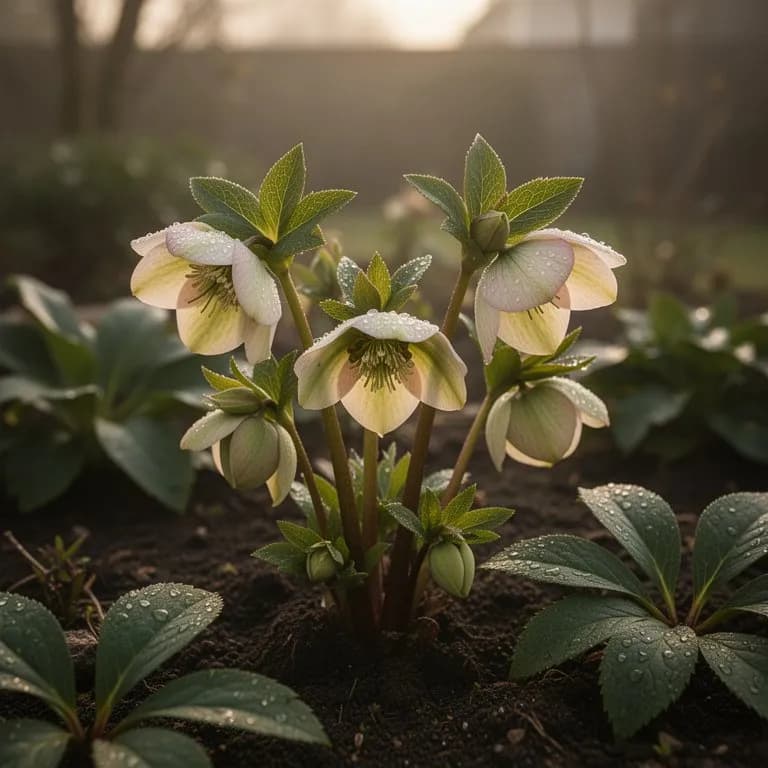
Arte floral con eléboro prensado
15 minutos activos, 3-4 semanas de prensadoConserve la belleza impresionante de las flores de eléboro prensándolas para usarlas en arte botánico, tarjetas hechas a mano o composiciones enmarcadas. Como las flores de eléboro son gruesas y cerosas, se benefician de una técnica de prensado específica que evita que se oscurezcan. IMPORTANTE: use guantes al manipular flores frescas de eléboro, ya que la savia puede irritar la piel.
5 ingredientes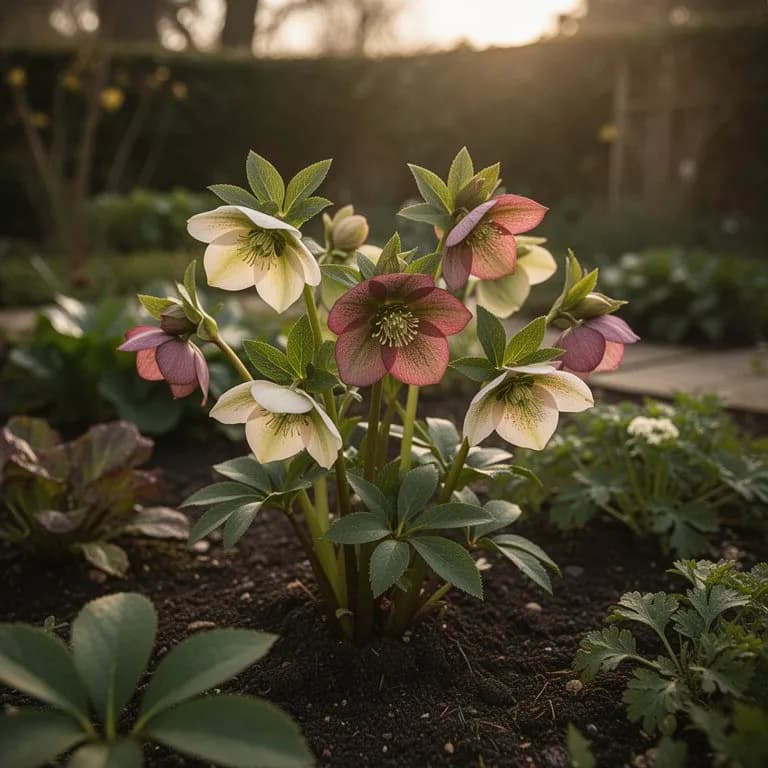
Ramo invernal de eléboro
20 minutosCree un arreglo floral de larga duración con tallos cortados de eléboro. Las flores de eléboro son famosas por marchitarse con rapidez cuando se cortan, pero cauterizar los extremos de los tallos en agua hirviendo prolonga mucho su vida en jarrón, hasta más de una semana. Esta técnica es esencial para lograr buenos arreglos con eléboro. Manipule siempre con guantes debido a la toxicidad de la planta.
5 ingredientes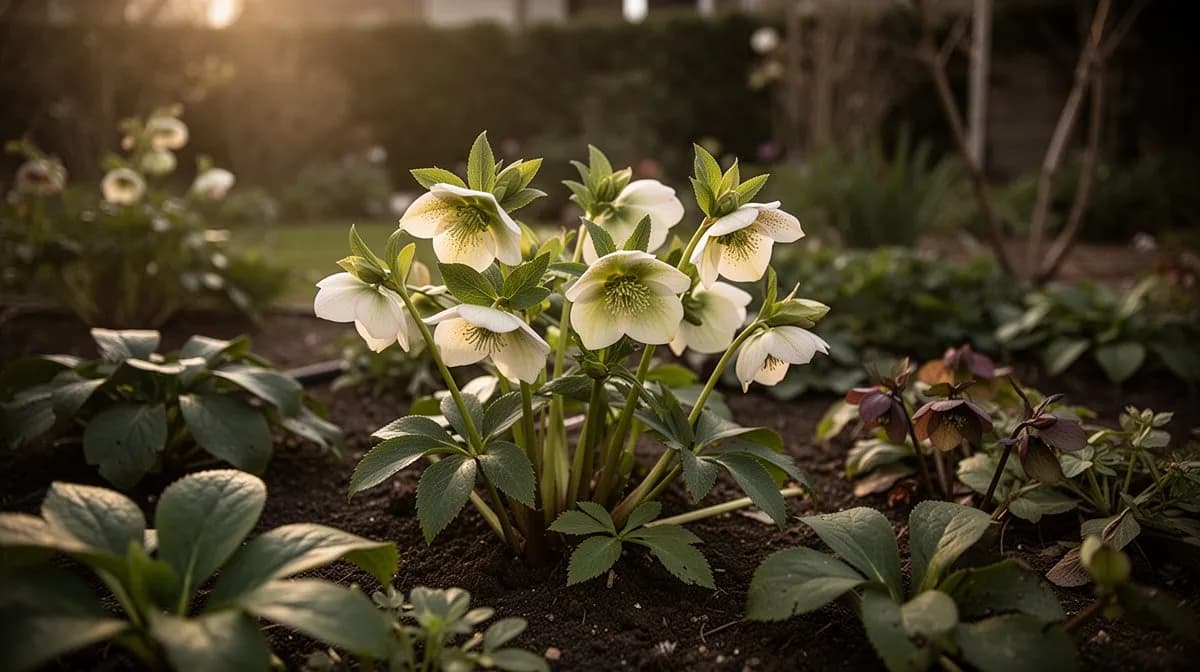
Baño tintóreo natural de eléboro para tejidos
30 minutos activos, 2 horas de cocción lentaLas flores marchitas y el follaje del eléboro pueden usarse para crear tintes naturales verdes suaves y verde amarillentos para tejidos y labores de fibra. Es una forma excelente de aprovechar las hojas viejas podadas a finales del invierno. Trabaje en una zona bien ventilada, use guantes en todo momento y reserve ollas específicas para teñir que no se emplearán para preparar alimentos, ya que el material vegetal del eléboro es tóxico.
5 ingredientesQué contiene
Beneficios para la salud
- ADVERTENCIA: El eléboro es una planta tóxica y no debe ingerirse por ningún motivo de salud. Todos los usos medicinales históricos son peligrosos y ya no se practican en la medicina moderna basada en la evidencia.
- Históricamente, la raíz de eléboro se usó en la medicina griega y romana antigua como un potente purgante y tratamiento para la locura, pero estas aplicaciones a menudo acababan en envenenamiento y se consideran obsoletas y peligrosas.
- Los glucósidos cardíacos presentes en el eléboro, aunque tóxicos, han sido estudiados por investigadores farmacéuticos por su posible utilidad como punto de partida para desarrollar medicamentos relacionados con el corazón, aunque actualmente no existen fármacos aprobados derivados del eléboro.
- Cultivar eléboros en el jardín aporta beneficios importantes para la salud mental gracias a sus flores de finales de invierno, que ayudan a combatir el trastorno afectivo estacional al ofrecer belleza y un motivo para pasar tiempo al aire libre durante los meses más oscuros.
- Las flores de eléboro sirven como una fuente crítica de néctar temprano para los polinizadores que emergen, apoyando la salud del ecosistema del jardín y la biodiversidad durante un periodo en el que casi no hay otras fuentes de alimento para las abejas.
- Cuidar eléboros como parte de una práctica de jardín de sombra fomenta una actividad física suave al aire libre durante los meses de invierno, incluyendo agacharse, arrodillarse y podar ligeramente, lo que favorece la movilidad articular y el bienestar general.
De dónde viene Eléboro
Los eléboros (Helleborus) son un género de unas 20 especies de plantas perennes herbáceas o de hoja perenne, originarias de gran parte de Europa y el oeste de Asia, con la mayor diversidad de especies concentrada en los Balcanes, Grecia y Turquía. Prosperan en hábitats boscosos de montaña, creciendo en suelos ricos en caliza bajo el dosel de bosques caducifolios y mixtos. El género es conocido por los humanos desde la antigüedad y ocupó un lugar destacado en la medicina, la mitología y la guerra griegas y romanas. Hipócrates documentó el uso del eléboro como purgante, y la planta se administraba en el famoso santuario curativo de Anticira, donde llegó a asociarse tanto con la curación de la locura que la frase 'navegar a Anticira' se convirtió en un modismo griego que significaba 'necesitas que te miren la cabeza'. El lado más oscuro de la historia del eléboro incluye su supuesto uso como arma biológica durante el asedio de Kirra alrededor del 585 a. C., cuando al parecer las fuerzas griegas envenenaron el suministro de agua de la ciudad con raíces de eléboro. Durante toda la Edad Media, los eléboros se cultivaron en los huertos medicinales monásticos de Europa, valorados por sus potentes propiedades medicinales a pesar de su notable toxicidad. El nombre común 'rosa de Cuaresma' para Helleborus x hybridus hace referencia a su época de floración, que coincide con la Cuaresma cristiana a finales del invierno y comienzos de la primavera. La mejora moderna del eléboro comenzó de verdad a mediados del siglo XX, impulsada por el horticultor británico Eric Smith y más tarde transformada por obtentores como Gisela Schmiemann en Alemania y el equipo de Ashwood Nurseries en Inglaterra. Los híbridos de jardín actuales muestran una gama asombrosa de colores, desde blanco puro y albaricoque suave hasta burdeos intenso, azul pizarra casi negro y formas con abundantes manchas o bordes picotee. Los eléboros han experimentado un auge de popularidad desde comienzos de los años 2000 y se han convertido en una de las vivaces más buscadas para jardines de sombra, borduras de bosque y macetas en todo el mundo.
Eléboro: ¿sabías que?
Datos fascinantes sobre Eléboro
Aunque se les llame rosa de Cuaresma, los eléboros no están emparentados en absoluto con las rosas. Pertenecen a la familia de las ranunculáceas, por lo que son parientes de las clemátides, los anémonas y los delfinios.
Eléboro: preguntas frecuentes
¿Cuándo debo plantar Eléboro?
¿Cuáles son buenas plantas acompañantes para Eléboro?
¿En qué zonas de rusticidad puede crecer Eléboro?
¿Cuánto sol necesita Eléboro?
¿A qué distancia debo espaciar Eléboro?
¿Qué plagas y enfermedades afectan a Eléboro?
¿Cómo almaceno Eléboro después de la cosecha?
¿Cuáles son las mejores variedades de Eléboro para cultivar?
¿Qué suelo necesita Eléboro?
¿Los eléboros son venenosos para mascotas y niños?
¿Por qué mis flores de eléboro miran hacia abajo y cómo puedo disfrutarlas mejor?
¿Qué causa las manchas oscuras en las hojas de mi eléboro?
¿Cuál es el mejor momento para plantar o dividir eléboros?
¿Pueden crecer los eléboros a pleno sol o necesitan sombra?
¿Cuánto tardan los eléboros en florecer a partir de semilla?
Acabas de leer la teoría. Ahora cultívala en piloto automático.
Todo lo que hace que Eléboro sea delicado — el momento, el espaciado, las asociaciones, la ventana de cosecha — es justo lo que PlotMyGarden resuelve por ti, para cada planta de tu huerto.
Un plan que conoce tu clima
Indica tu ubicación una vez. Recibe fechas de siembra, abonado y cosecha basadas en tu última helada real y el pronóstico en vivo — sin adivinar con un sobre genérico.
De la sección “Cuándo plantar”Planificador de bancales de arrastrar y soltar
Diseña bancales sobre una cuadrícula. Cada planta encaja con su espaciado correcto y ves toda la temporada antes de gastar un céntimo en semillas.
De la sección “Cultivo”Conflictos de asociación, detectados a tiempo
Más de 200 buenas y malas combinaciones comprobadas en vivo mientras plantas — para que un error que arruine la temporada nunca llegue a la tierra.
De la sección “Asociaciones”Recordatorios que sí vas a seguir
“Riega las judías.” “Recoge hoy antes de que se pase.” Oportunos, concretos y ligados a las plantas que de verdad cultivas.
De la sección “Cosecha”Escalonado, programado
¿Quieres cosechar seis semanas en vez de seis días? Reparte tus siembras automáticamente y te avisa cuando toca el siguiente lote.
De la sección “Cuándo plantar”Un registro que se vuelve más listo
Cada cosecha que registras le enseña tu huerto. El plan del año que viene parte de lo que de verdad funcionó en tu suelo, no en un manual.
De la sección “Resumen”Planta estos junto a Eléboro
Más Perennes
Cultiva tu mejor Eléboro — y todo lo que la rodea.
Empieza un plan gratis hoy. Diseña tus bancales, coloca tu Eléboro y deja que PlotMyGarden gestione el momento, el espaciado, las asociaciones y los recordatorios de la semilla a la cesta.