Estrella de Primavera
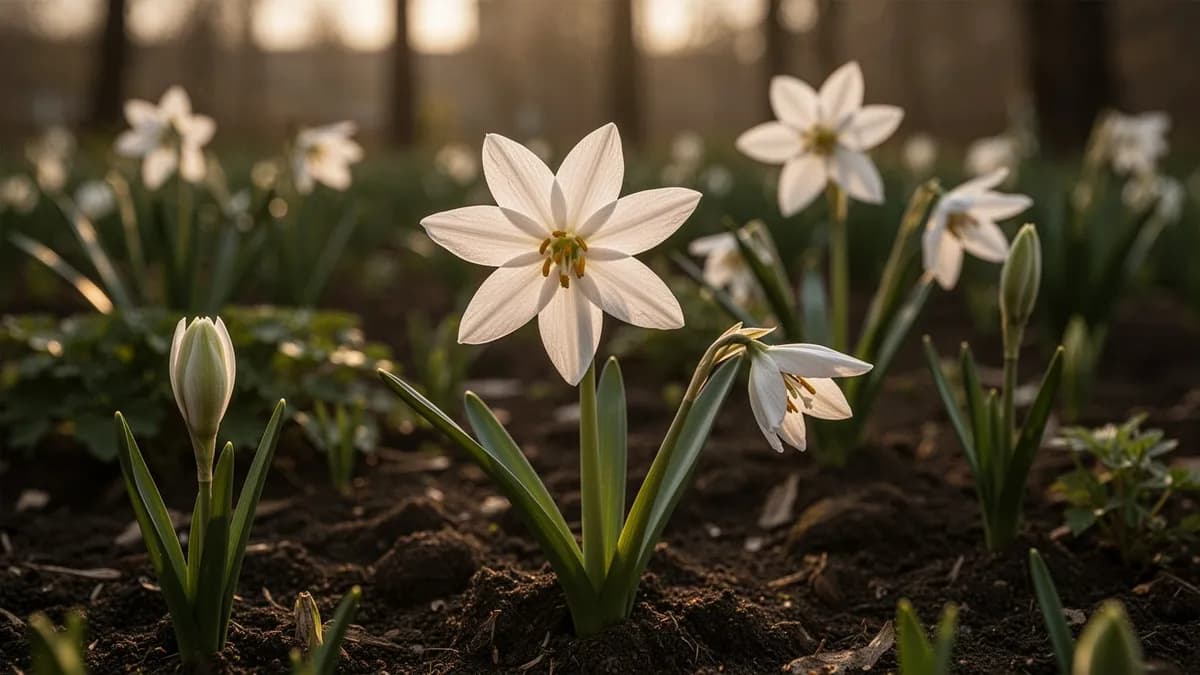
Un delicado bulbo que produce flores estrelladas de color azul pálido y suave fragancia sobre un follaje herboso con olor a ajo en primavera.





En esta páginaResumen
Conoce Estrella de Primavera
Un delicado bulbo que produce flores estrelladas de color azul pálido y suave fragancia sobre un follaje herboso con olor a ajo en primavera. La estrella de primavera se multiplica con rapidez y es perfecta para naturalizar en bordes soleados, jardines de rocas y bajo arbustos caducifolios. Requiere un suelo bien drenado y un período de reposo estival seco.
Cuándo plantar Estrella de Primavera
El ipheion se autosemilla con abundancia en condiciones favorables, lo que hace que la siembra deliberada sea en gran medida innecesaria. Para propagarlo, recoja semillas de las cápsulas maduras a finales de primavera y espárzalas donde desee nuevas colonias, o siémbrelas en macetas con sustrato granuloso. Las semillas germinan en otoño sin ningún tratamiento previo. Las plántulas producen follaje herboso el primer año y generalmente florecen en su segunda o tercera primavera. Dividir los grupos establecidos a principios del verano es más rápido y ofrece resultados inmediatos.
Tu año de Estrella de Primavera
Ajustado a Zona 7 · temporada típica · la helada se va hacia el 2 abr y vuelve hacia el 1 nov
Planta Estrella de Primavera Sep – Oct y cosecha Mar – May. Consulta los métodos de plantación y elige tu clima para adaptar los periodos.
Cómo cultivar Estrella de Primavera
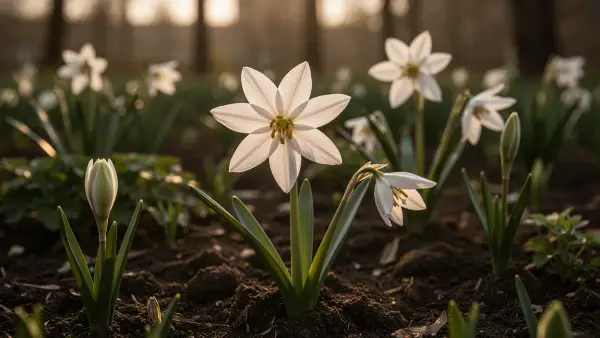
Plante los bulbos de ipheion en otoño, a unos ocho centímetros de profundidad y a unos diez centímetros de distancia entre sí, en suelo bien drenado a pleno sol o semisombra. Estos encantadores bulbitos son extraordinariamente fáciles de cultivar y se naturalizan con entusiasmo en climas templados, formando densas alfombras de follaje herboso coronado de flores estrelladas. Prosperan al pie de paredes soleadas, en jardines de rocas y en el frente de los arriates.
La estrella de primavera necesita humedad regular durante su período de crecimiento, de otoño a primavera, pero prefiere estar seca durante la dormancia estival. En zonas con veranos húmedos, asegure un buen drenaje para evitar la podredumbre del bulbo. El follaje con aroma a ajo aparece en otoño y persiste durante el invierno, mientras que las flores emergen a principios o mediados de primavera.
Una vez establecido, el ipheion no requiere ningún mantenimiento. Deje que el follaje se seque de forma natural tras la floración. Los bulbos se multiplican con rapidez por bulbillos laterales y autosiembra, y una plantación de veinte bulbos puede convertirse en cientos en pocos años. En zonas frías en el límite de su rusticidad, un ligero acolchado invernal ofrece protección adicional.
450 plantas caben en un bancal de 120 × 240 cm
Cada Estrella de Primavera pide 8 cm de margen. El planificador guarda ese marco por ti — cada planta, cada bancal.
Los mejores vecinos de Estrella de Primavera
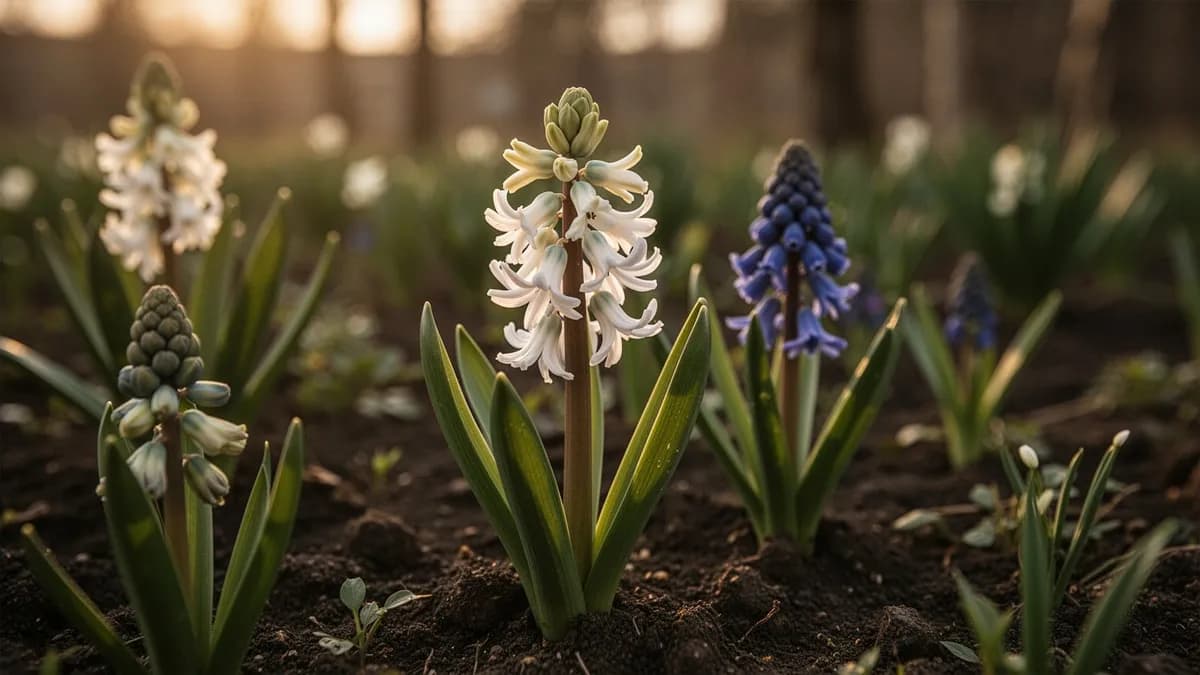
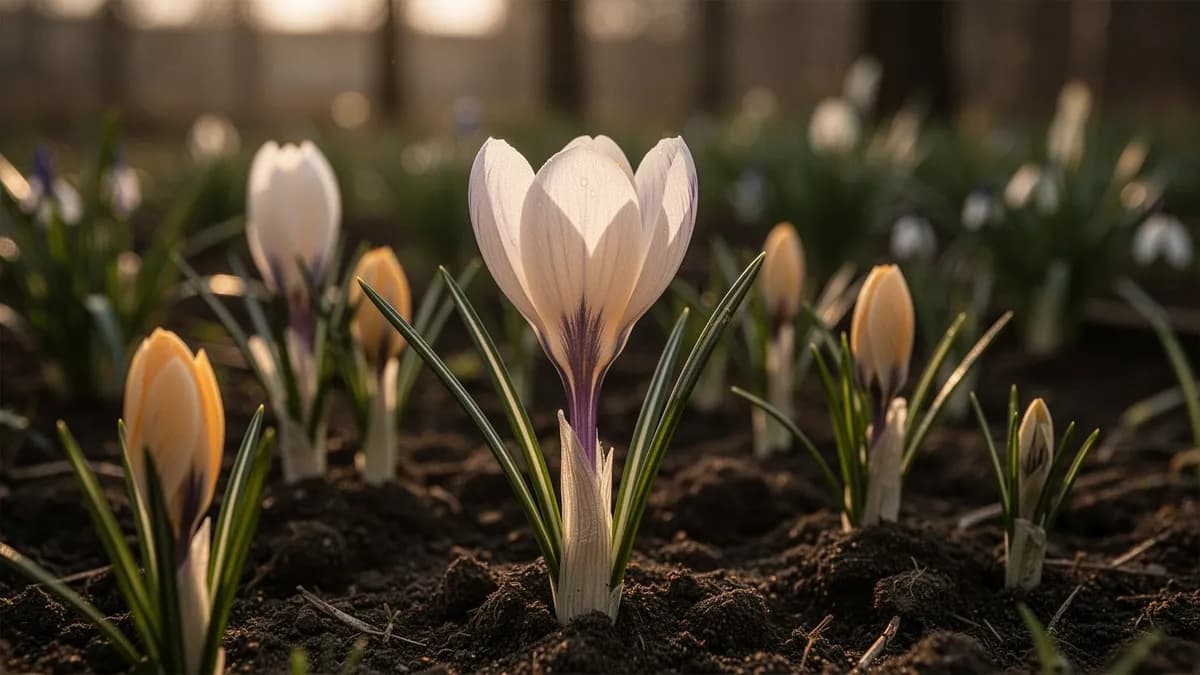
La estrella de primavera crea preciosas composiciones naturalizadas junto al muscari, los narcisos en miniatura y los crocus tempranos. Plántela bajo arbustos caducifolios como la forsythia y el membrillero ornamental, donde las flores de primavera pueden disfrutarse bajo las ramas desnudas. Su porte rastrero la hace ideal para bordear caminos y arriates elevados. Combínela con tapizantes bajos como el tomillo rastrero, que comparte la preferencia por suelos bien drenados.
Jacinto de uva va a su lado.
Saber de huerto de siempre, cotejado con la tabla real de Estrella de Primavera — prueba cualquier planta que cultives.
Prueba Estrella de Primavera en un bancal, aquí mismo
Un bancal real del planificador con Estrella de Primavera ya plantado. Toca una planta compañera para colocarla y mira cómo responde la comprobación de vecinos: verde para buenos vecinos, rojo si hay conflicto.


Guías de cultivo relacionadas
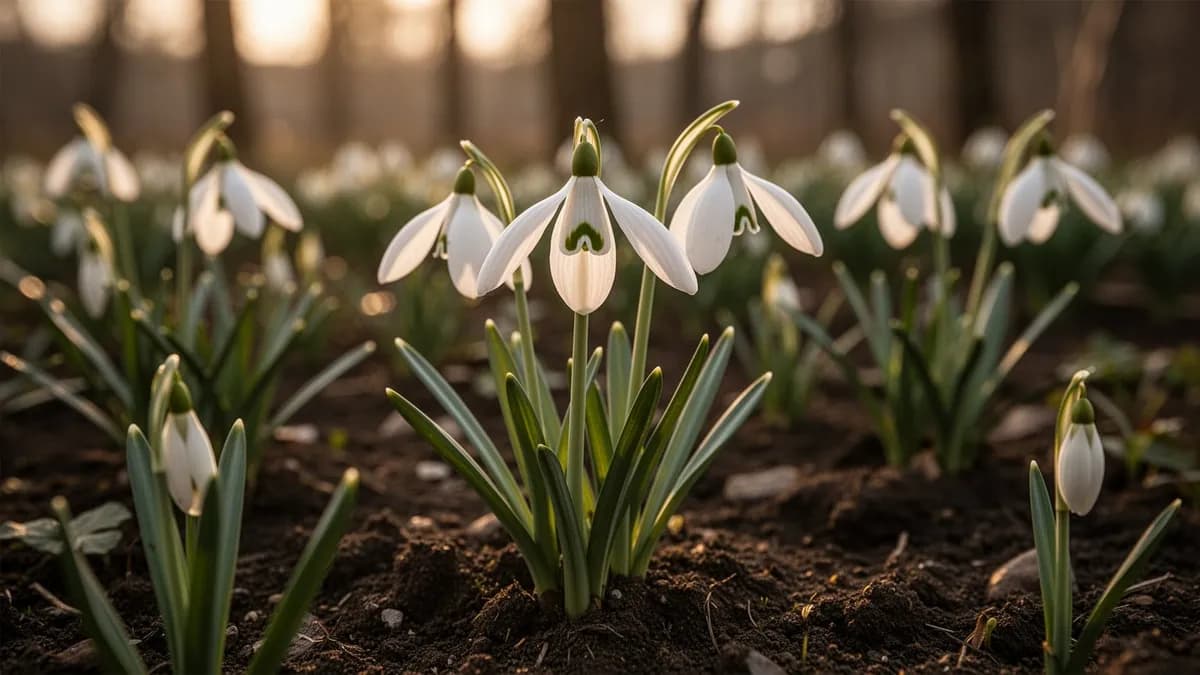
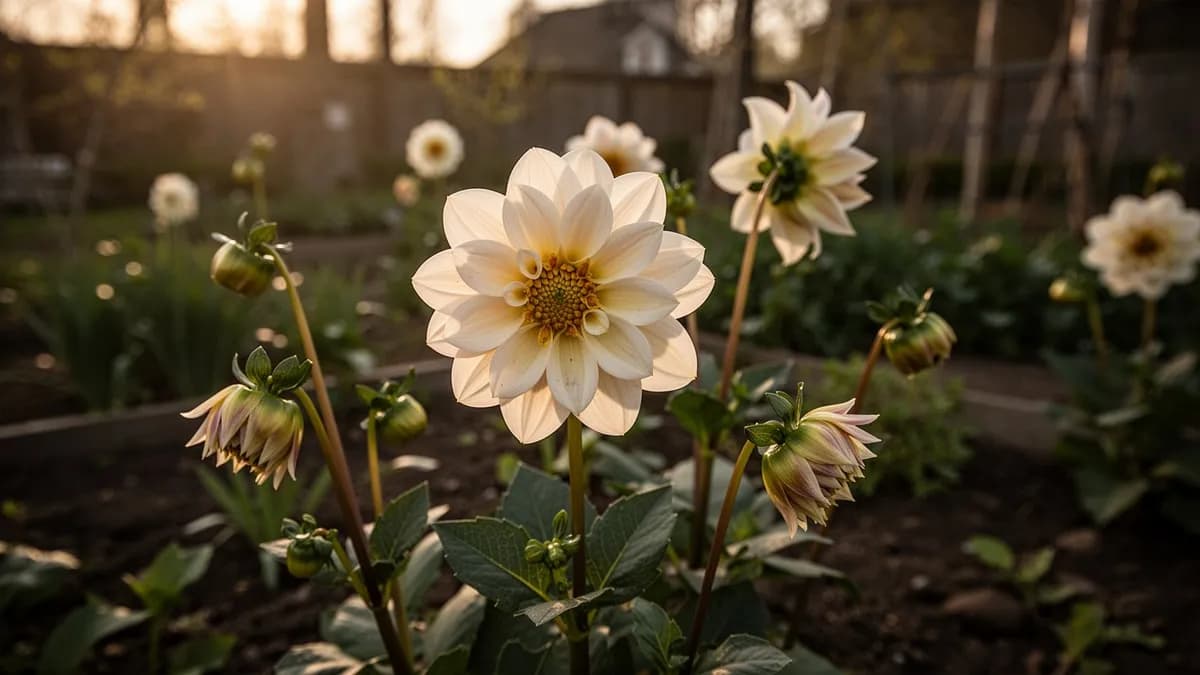
Abónalo bien
El ipheion prospera en cualquier suelo de jardín corriente, bien drenado, con un pH de 6.0 a 7.5. Tolera suelos pobres y arenosos e incluso cierta competencia con las raíces de los árboles. No es necesaria una fertilización regular en plantaciones establecidas. Un ligero abonado superficial con compost en otoño aporta nutrientes suficientes. Evite suelos ricos y muy enmendados, que favorecen el exceso de follaje a expensas de las flores. El buen drenaje es más importante que la fertilidad del suelo para este bulbo poco exigente.
Temperatura ideal
Compatibilidad de zonas de rusticidad
De la semilla a la cosecha, etapa por etapa
Plantación del Bulbo
Plante los pequeños bulbos con forma de lágrima en otoño, idealmente de septiembre a noviembre. Colóquelos a unos 5 cm de profundidad y a 8 cm de separación en suelo bien drenado. Los bulbos son modestos de tamaño, con un diámetro típico de 1-2 cm, y presentan una túnica marrón papirácea.
Establecimiento de Raíces
Tras la plantación, los bulbos comienzan a desarrollar su sistema radicular durante los frescos meses otoñales. Durante esta fase no se aprecia ningún crecimiento sobre el suelo, pero las raíces se anclan activamente en el suelo circundante y se preparan para la temporada de crecimiento invernal.
Emergencia del Follaje
Hojas estrechas, planas y herbosas emergen a finales del otoño o principios del invierno, formando pequeñas matas de unos 15-20 cm de altura. El follaje desprende un característico olor a cebolla al aplastarlo, rasgo distintivo del género Ipheion. Las hojas persisten durante los meses más fríos y ayudan al bulbo a realizar la fotosíntesis y acumular energía.
Formación de Botones y Floración
Esbeltos tallos florales emergen sobre el follaje desde finales del invierno hasta mediados de la primavera, cada uno portando una sola flor estrellada. Las flores son típicamente de color azul plateado pálido a violeta, de unos 3 cm de diámetro, con seis tépalos puntiagudos. La floración se prolonga varias semanas a medida que van surgiendo nuevos tallos de forma sucesiva.
Formación de Semillas
Tras la polinización, se forman pequeñas cápsulas en los extremos de los tallos florales. Las semillas maduran dentro de las cápsulas a lo largo de varias semanas. En condiciones favorables, el Ipheion se autosemilla de forma moderada, añadiendo plantas a la colonia con el tiempo sin llegar a ser agresivamente invasor.
Marchitamiento del Follaje y Dormancia
A medida que las temperaturas suben a finales de primavera y principios del verano, el follaje amarillea y se seca de forma natural. El bulbo entra en un período de dormancia estival, descansando bajo tierra durante los meses cálidos. Durante la dormancia, el bulbo produce silenciosamente bulbillos laterales que surgirán como nuevas plantas en la siguiente temporada.
Dormancia Estival y División del Bulbo
Los bulbos descansan bajo tierra durante el verano, completamente invisibles en la superficie del suelo. Con los años, cada bulbo original produce numerosos bulbillos, formando gradualmente grupos densos. Cada tres o cuatro años, los grupos congestionados se benefician de ser levantados, divididos y replantados para mantener el vigor y el rendimiento floral.
Plante en grupos de 15-25 bulbos para lograr el mayor impacto visual. El Ipheion queda escaso cuando se planta de forma individual, por lo que agruparlos crea los naturales y atractivos manchones que hacen tan encantador este bulbo.
Cuidar Estrella de Primavera mes a mes
Qué hacer cada mes para tu Estrella de Primavera
Octubre
Mes actualContinúe plantando hasta mediados del otoño. Los bulbos existentes comienzan a producir nuevas raíces bajo tierra. Asegúrese de que las zonas de plantación tengan un drenaje adecuado antes de las lluvias invernales.
Ten claro qué hacer en tu huerto, cada mes
Un correo al empezar cada mes: qué sembrar, plantar y hacer ahora mismo — para tu Estrella de Primavera y todo lo que crece alrededor. Más un breve curso inicial para esquivar los errores clásicos.
- Qué hacer ahora mismo
- Ajustado a tu temporada
- Curso inicial incluido
Cosechar Estrella de Primavera
Las estrellas de primavera son lo bastante delicadas para cortarse en pequeños ramilletes y arreglos en miniatura. Corte los tallos cuando las flores acaben de abrirse y colóquelos en un jarroncito con agua fresca. Las flores tienen una suave fragancia a miel y duran entre tres y cinco días cortadas. Lucen de forma especialmente encantadora en cazuelitas de huevo, vasitos de chupito o pequeños tarros floreros. Deje la mayoría de las flores para que formen semillas y permita que la colonia se expanda de forma natural por el jardín.
se supone que plantas al comenzar el periodo — indica tu fecha real
A partir de bulbos, tubérculos o dientes
Cosecha Estrella de Primavera a tiempo y la planta sigue produciendo.
Almacenamiento y conservación
Los bulbos de ipheion se conservan mejor dejándolos en el suelo todo el año, donde se naturalizarán y multiplicarán. Si es necesario levantarlos para rediseñar el jardín, desentierre los grupos tras que el follaje se seque a finales de primavera y replante de inmediato o guárdelos brevemente en bolsas de malla en un lugar fresco y seco. Los pequeños bulbos se deshidratan con rapidez, por lo que no deben permanecer fuera del suelo durante períodos prolongados. Las semillas se dispersan de forma natural y germinan fácilmente al otoño siguiente.
Qué falla — y cómo solucionarlo
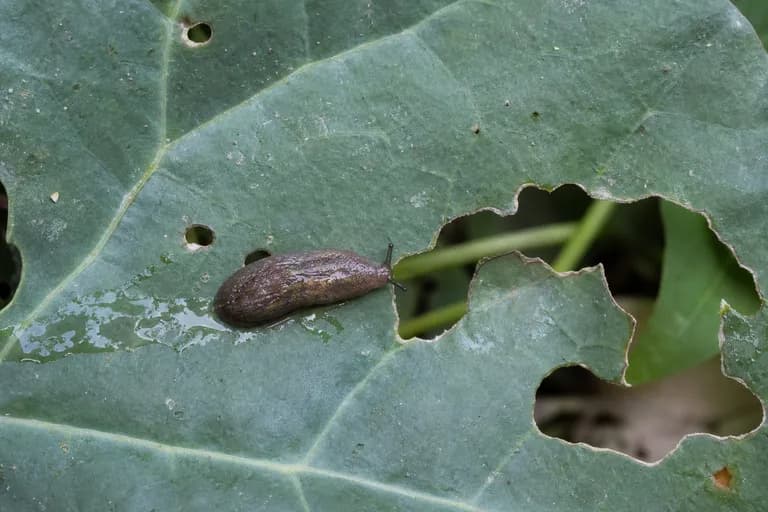
Babosas
PlagaOrificios mordidos en los botones florales emergentes y en los pétalos, especialmente durante la primavera húmeda y templada. Se aprecian rastros de baba en las flores dañadas.

Roya
EnfermedadPequeñas pústulas de color marrón anaranjado en el envés de las hojas, que provocan el amarillamiento del follaje y un marchitamiento prematuro.
Solución de problemas comunes
La queja más habitual es el olor a ajo que desprende el follaje al aplastarlo, que puede sorprender en una planta de flor. Algunos jardineros encuentran abrumadora la autosiembra agresiva, ya que el ipheion puede aparecer por todo el jardín si las condiciones le son favorables. En zonas muy frías, los bulbos pueden perderse sin la protección de un acolchado invernal. El follaje herboso puede presentar un aspecto descuidado durante el invierno y los inicios de la primavera, pero es un precio justo por las encantadoras flores primaverales.
Consejos de cultivo
- Plante los bulbos de Ipheion a pleno sol o en semisombra. En climas cálidos, la sombra de tarde ayuda a prolongar el período de floración y evita que las flores se desvanezcan demasiado rápido bajo la luz solar intensa.
- El excelente drenaje es el requisito más importante. Los bulbos de Ipheion se pudren en suelos arcillosos pesados que permanecen húmedos durante la dormancia estival. Enmiende los suelos arcillosos con gravilla gruesa o arena de sílice antes de plantar.
- Espacie los bulbos a unos 8 cm de distancia y plántelos a 5 cm de profundidad, con la punta apuntando hacia arriba. Plantar demasiado profundo puede retrasar la emergencia y reducir la floración en la primera temporada.
- Una vez establecido, el Ipheion es extraordinariamente tolerante a la sequía durante su dormancia estival y no requiere riego suplementario. Riegue ligeramente durante la temporada de crecimiento activo solo si las lluvias escasean.
- Evite los fertilizantes ricos en nitrógeno, que fomentan el follaje a expensas de las flores. Una única aplicación de fertilizante equilibrado de liberación lenta a finales del invierno es más que suficiente para un crecimiento saludable.
- El Ipheion se naturaliza de forma espléndida en céspedes que no se sieguen hasta finales de primavera. Si planta en césped, retrase la siega de la zona hasta que el follaje de Ipheion haya amarilleado por completo para permitir que los bulbos se recarguen.
- Interplante el Ipheion con vivaces de emergencia más tardía como hostas, hemerocallis o geranios resistentes. El follaje de las vivaces se expandirá y cubrirá las hojas amarillentas del Ipheion a medida que se marchitan a finales de primavera.
- Proteja el follaje joven emergente de las babosas y caracoles, que pueden causar daños significativos en las húmedas condiciones de otoño e invierno. Los pellets ecológicos anti-babosas o las barreras de cinta de cobre alrededor de los contenedores funcionan bien.
- En regiones más frías que la zona 6 del USDA, plante los bulbos en una posición resguardada orientada al sur junto a una pared o los cimientos de un edificio, y aplique un acolchado grueso de paja o hojas trituradas para una protección invernal adicional.
- El Ipheion es prácticamente libre de plagas y enfermedades una vez establecido. El follaje con olor a cebolla es naturalmente poco apetecible para ciervos y conejos, lo que lo convierte en una excelente opción para jardines con presión de fauna silvestre ramonadora.
Cultiva tu mejor Estrella de Primavera — y todo lo que la rodea.
Empieza un plan gratis hoy. Diseña tus bancales, coloca tu Estrella de Primavera y deja que PlotMyGarden gestione el momento, el espaciado, las asociaciones y los recordatorios de la semilla a la cesta.
Elige tu Estrella de Primavera
Rolf Fiedler
La selección más destacada, con flores estrelladas de un azul vivo y claro, más grandes que las de la especie tipo; una planta de jardín excepcional.
Froyle Mill
Flores de un violeta-púrpura intenso y saturado que ofrecen un contraste llamativo con los bulbos primaverales de tonos más claros.
Alberto Castillo
Flores grandes de un blanco puro sobre tallos robustos, que brillan en zonas sombreadas y en jardines bañados por la luz de la luna.
Charlotte Bishop
Flores de un suave lila rosado, un color delicado que se combina a la perfección con el muscari azul y los narcisos blancos.
Los bulbos de Ipheion uniflorum se encuentran entre los bulbos de floración primaveral más asequibles del mercado, con un coste de apenas unos céntimos por bulbo cuando se adquieren en paquetes a granel de 50 o 100 unidades. Dado que cada bulbo se multiplica fácilmente produciendo bulbillos laterales, una inversión inicial de 50 bulbos puede expandirse hasta una colonia de varios cientos en tres o cuatro años sin ningún coste adicional. Dividir los grupos establecidos y replantar los bulbillos permite rellenar nuevas zonas del jardín de forma completamente gratuita. En comparación con el replante de plantas de temporada anuales cada año, una única plantación de Ipheion proporciona décadas de fiable color primaveral con un gasto continuado prácticamente nulo.
Recetas rápidas
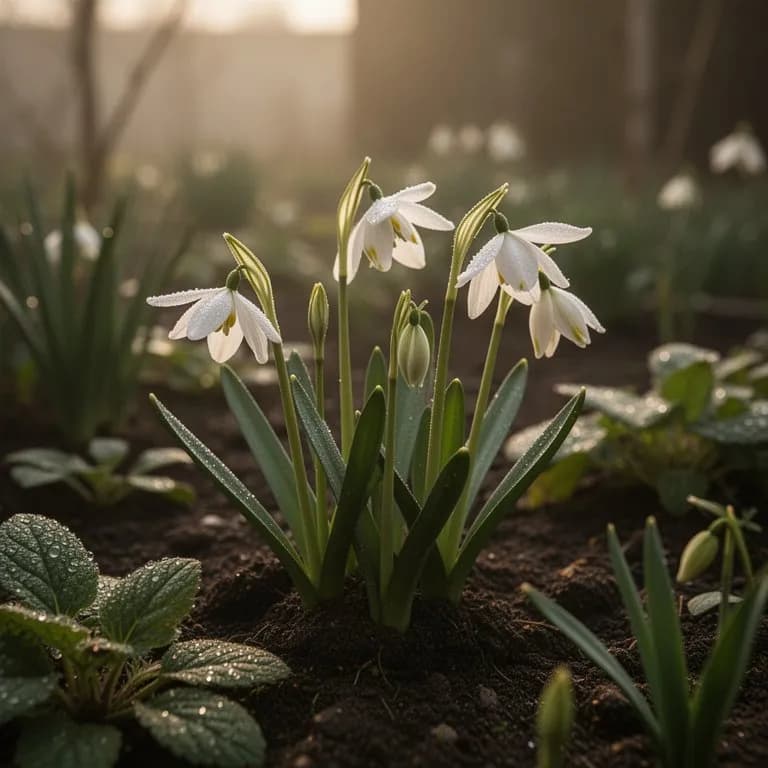
Marcapáginas de Flores Prensadas de Estrella de Primavera
15 minutos activos, 2 semanas de prensadoConserve las delicadas flores estrelladas del Ipheion prensándolas entre hojas de papel de horno. Las flores prensadas mantienen su forma a la perfección y quedan preciosas como marcapáginas botánicos o como decoración para tarjetas de felicitación.
5 ingredientesComposición de Bulbos de Ipheion Forzados en Interior
20 minutos de preparación, 8-10 semanas hasta la floraciónFuerce bulbos de Ipheion en interior en una bandeja poco profunda con piedrecitas y agua para obtener un encantador adorno de alféizar en invierno. El follaje herboso y las flores estrelladas traen un toque de primavera al hogar semanas antes de que aparezcan las flores en el exterior.
5 ingredientesPequeño Ramillete de Estrellas de Primavera
10 minutosReúna un pequeño manojo de tallos de Ipheion junto con otras flores de primavera temprana para crear un diminuto ramillete para la mesita de noche o el escritorio. Las flores con fragancia a miel aguantan bien en agua entre tres y cinco días.
5 ingredientesQué contiene
Beneficios para la salud
- El Ipheion se cultiva únicamente como bulbo ornamental y no tiene beneficios nutricionales ni medicinales establecidos para el consumo humano.
- Las alegres flores primaverales ofrecen importantes beneficios para la salud mental al elevar el ánimo y señalar la llegada de la temporada de crecimiento tras la dormancia invernal.
- Pasar tiempo en el jardín cuidando bulbos que se naturalizan como el Ipheion ha demostrado en investigaciones de horticultura terapéutica reducir el estrés y mejorar el bienestar general.
- Las flores con fragancia a miel atraen a los polinizadores de primera temporada, entre ellos las abejas solitarias y las sírfidas, contribuyendo a la salud de los polinizadores locales y a la biodiversidad del jardín.
- Las plantas de bajo mantenimiento como el Ipheion reducen el esfuerzo físico asociado a la jardinería, lo que las convierte en una excelente opción para jardineros con movilidad reducida o dolencias crónicas.
- Los bulbos primaverales que se naturalizan establecen una conexión con los ritmos estacionales y el paso del tiempo, lo que la investigación sugiere que favorece la resiliencia emocional y las prácticas de atención plena.
De dónde viene Estrella de Primavera
Ipheion uniflorum, conocido comúnmente como estrella de primavera, es una pequeña vivaz bulbosa originaria de las praderas templadas de América del Sur. Su área de distribución natural abarca Argentina, Uruguay y el extremo sur de Brasil, especialmente en las provincias que rodean el estuario del Río de la Plata. En su tierra natal, crece en prados abiertos, a orillas de caminos y en los márgenes de bosques claros, favoreciendo suelos bien drenados que se secan durante el verano. La especie fue descrita científicamente por primera vez por el botánico inglés John Lindley en 1836, a partir de especímenes llevados a Inglaterra por coleccionistas de plantas que exploraban el cono sur de Sudamérica durante los primeros años del siglo XIX. La historia taxonómica del Ipheion es notablemente compleja. La planta ha pasado por múltiples géneros a lo largo de las décadas, entre ellos Tristagma, Brodiaea, Milla y Triteleia, lo que refleja la dificultad que tuvieron los botánicos para clasificar las diversas plantas bulbosas de las Américas. El nombre Ipheion uniflorum, que significa Ipheion de una sola flor, es hoy la denominación aceptada, y el género se ubica dentro de la familia Amaryllidaceae. Los jardineros europeos acogieron la planta desde mediados del siglo XIX, seducidos por su naturaleza poco exigente y su pródiga exhibición primaveral. A principios del siglo XX ya se había convertido en una especie básica de los jardines de estilo cottage en Gran Bretaña, y fue llevada por los emigrantes a jardines de Australia, Nueva Zelanda y la costa oeste de América del Norte. Con los años se han seleccionado varios cultivares, entre ellos el blanco puro White Star, el azul intenso Rolf Fiedler y el Charlotte Bishop de tonos rosados. La especie obtuvo el Premio de Mérito Garden Merit de la Royal Horticultural Society, consolidando su estatus como uno de los bulbos primaverales pequeños más fiables y gratificantes disponibles para los jardineros de climas templados de todo el mundo.
Estrella de Primavera: ¿sabías que?
Datos fascinantes sobre Estrella de Primavera
Ipheion uniflorum es originario de Argentina, Uruguay y el sur de Brasil, donde crece en estado silvestre en praderas y a orillas de arroyos en la región templada del Río de la Plata.
Estrella de Primavera: preguntas frecuentes
¿Cuándo debo plantar Estrella de Primavera?
¿Cuáles son buenas plantas acompañantes para Estrella de Primavera?
¿En qué zonas de rusticidad puede crecer Estrella de Primavera?
¿Cuánto sol necesita Estrella de Primavera?
¿A qué distancia debo espaciar Estrella de Primavera?
¿Qué plagas y enfermedades afectan a Estrella de Primavera?
¿Cómo almaceno Estrella de Primavera después de la cosecha?
¿Cuáles son las mejores variedades de Estrella de Primavera para cultivar?
¿Qué suelo necesita Estrella de Primavera?
¿Es comestible Ipheion uniflorum dado que sus hojas huelen a cebolla?
¿Se volverá invasivo el Ipheion en mi jardín?
¿Cuál es el mejor momento para plantar bulbos de Ipheion?
¿Puedo cultivar Ipheion en contenedores?
¿Por qué mi Ipheion produce muchas hojas pero pocas flores?
¿Es el Ipheion resistente a ciervos y conejos?
Acabas de leer la teoría. Ahora cultívala en piloto automático.
Todo lo que hace que Estrella de Primavera sea delicado — el momento, el espaciado, las asociaciones, la ventana de cosecha — es justo lo que PlotMyGarden resuelve por ti, para cada planta de tu huerto.
Un plan que conoce tu clima
Indica tu ubicación una vez. Recibe fechas de siembra, abonado y cosecha basadas en tu última helada real y el pronóstico en vivo — sin adivinar con un sobre genérico.
De la sección “Cuándo plantar”Planificador de bancales de arrastrar y soltar
Diseña bancales sobre una cuadrícula. Cada planta encaja con su espaciado correcto y ves toda la temporada antes de gastar un céntimo en semillas.
De la sección “Cultivo”Conflictos de asociación, detectados a tiempo
Más de 200 buenas y malas combinaciones comprobadas en vivo mientras plantas — para que un error que arruine la temporada nunca llegue a la tierra.
De la sección “Asociaciones”Recordatorios que sí vas a seguir
“Riega las judías.” “Recoge hoy antes de que se pase.” Oportunos, concretos y ligados a las plantas que de verdad cultivas.
De la sección “Cosecha”Escalonado, programado
¿Quieres cosechar seis semanas en vez de seis días? Reparte tus siembras automáticamente y te avisa cuando toca el siguiente lote.
De la sección “Cuándo plantar”Un registro que se vuelve más listo
Cada cosecha que registras le enseña tu huerto. El plan del año que viene parte de lo que de verdad funcionó en tu suelo, no en un manual.
De la sección “Resumen”Planta estos junto a Estrella de Primavera
Más Bulbosas
Cultiva tu mejor Estrella de Primavera — y todo lo que la rodea.
Empieza un plan gratis hoy. Diseña tus bancales, coloca tu Estrella de Primavera y deja que PlotMyGarden gestione el momento, el espaciado, las asociaciones y los recordatorios de la semilla a la cesta.