Pompon Dahlia
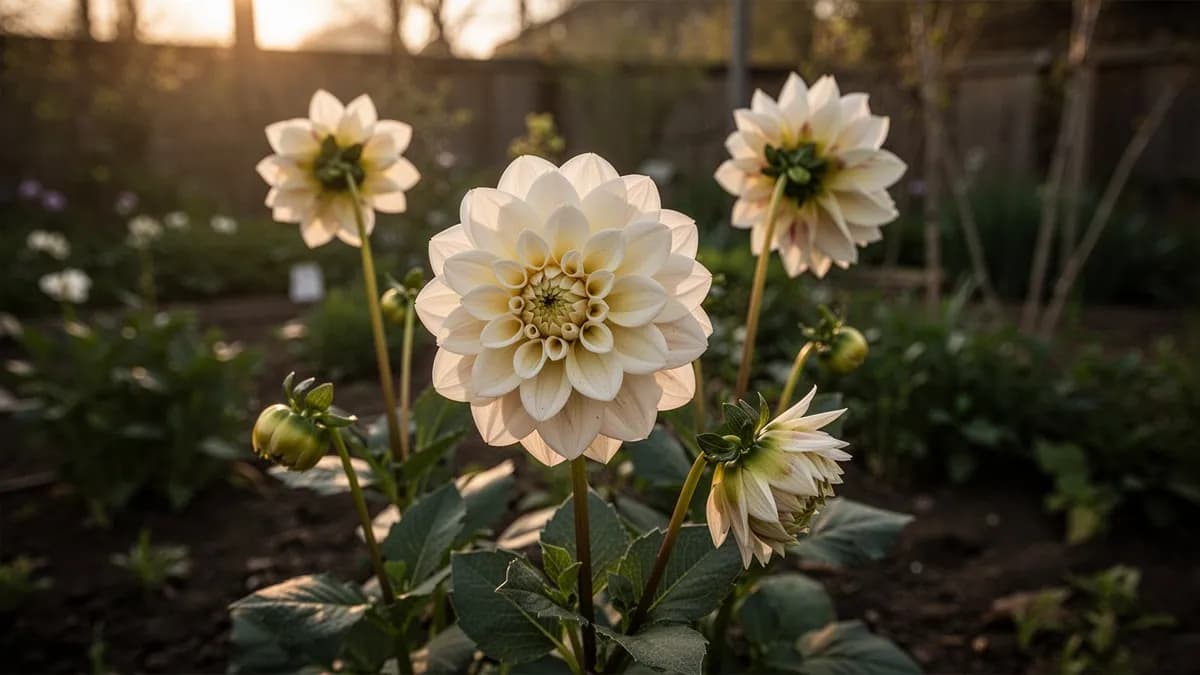
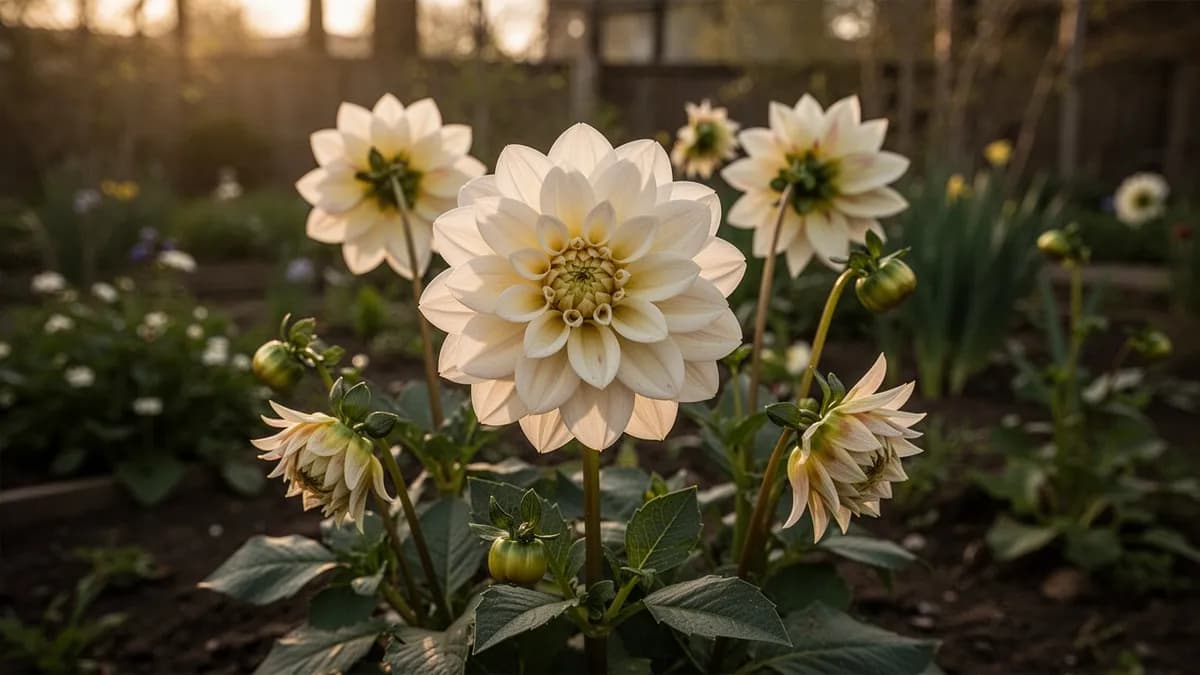
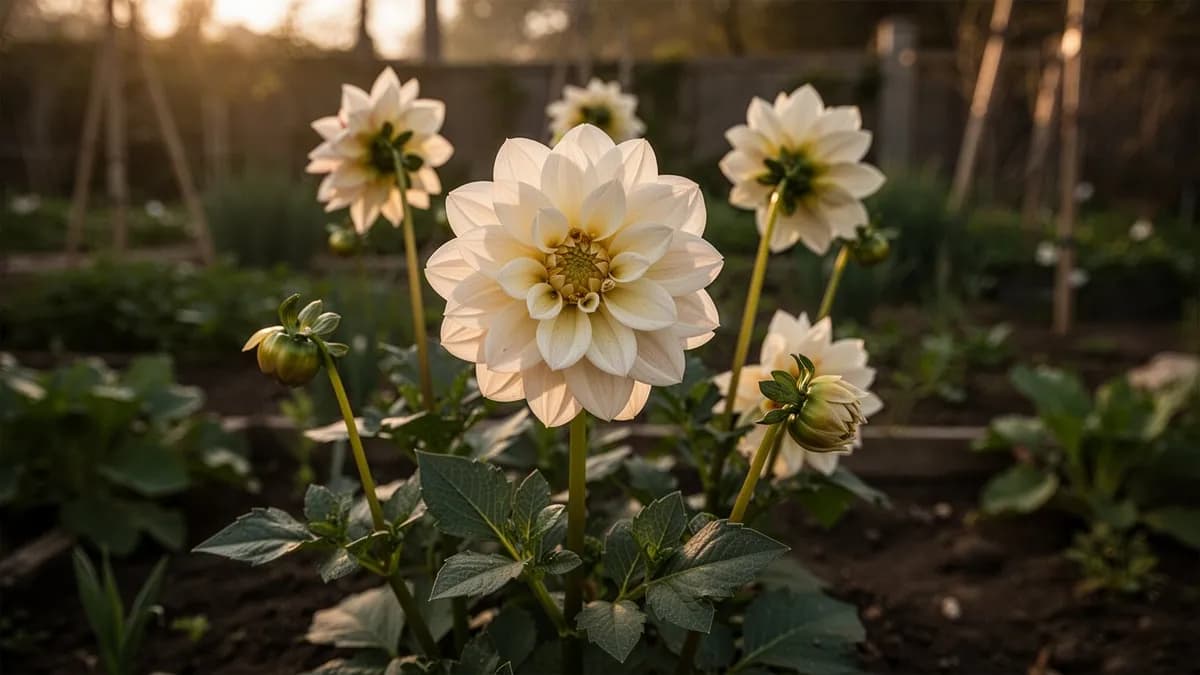
A delightful dahlia form with perfectly round, fully double flowers under two inches across resembling tiny pompoms.





On this pageOverview
Meet Pompon Dahlia
A delightful dahlia form with perfectly round, fully double flowers under two inches across resembling tiny pompoms. Pompon dahlias produce abundant blooms on compact plants ideal for borders and cutting gardens. They are among the longest-lasting dahlias in a vase, holding their tight ball shape for over a week.
When to plant Pompon Dahlia
Propagate pompon dahlias by tuber division in spring—each piece must include a portion of crown with at least one eye. Softwood cuttings from sprouting tubers in early spring are also reliable: cut 8cm shoots, dip in rooting hormone, and root in perlite with bottom heat. Seed-grown dahlias will not produce true pompon form.
Your Pompon Dahlia Year
Composed for Zone 7 · typical seasons · frost passes Apr 2, returns Nov 1
Plant Pompon Dahlia Apr – May, pick Jul – Oct. Check the planting methods below and set your climate to personalize these windows.
How to grow Pompon Dahlia
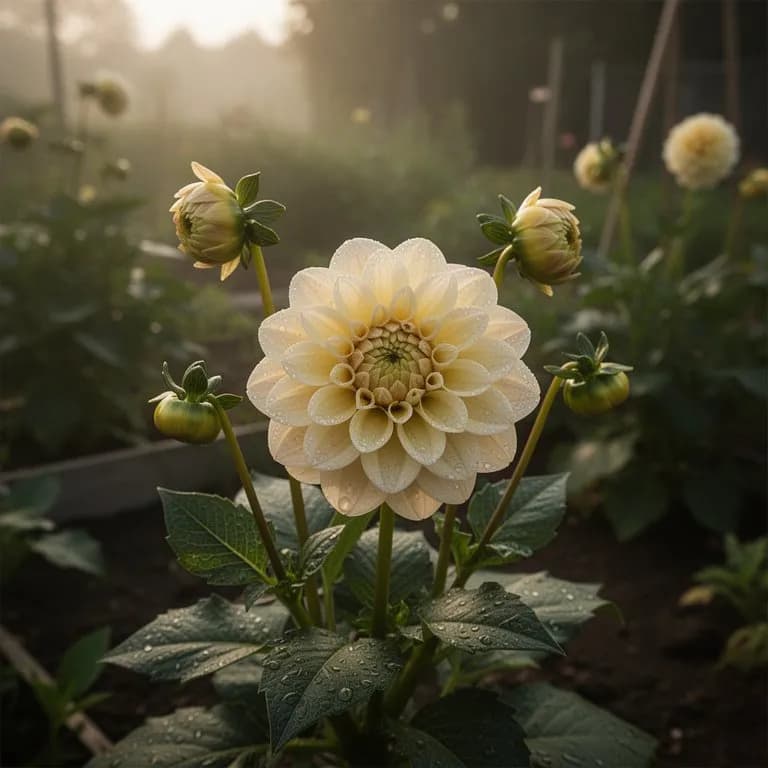
Pompon dahlias produce perfectly spherical, fully double flowers that look like colorful little balls, each under 5cm in diameter. The tightly packed petals are quilled and arranged with mathematical precision. Growing 60-90cm tall, pompon dahlias are more compact and manageable than dinner plate types, making them ideal for borders, cutting gardens, and exhibition.
Plant tubers in spring after the last frost in rich, well-drained soil in full sun. Pinch the center tip at 30cm to encourage bushy, multi-branched growth with dozens of blooms rather than a few large ones. Unlike dinner plate dahlias, pompon types do not need disbudding—let them flower freely for the most abundant display.
Feed and water regularly throughout the growing season for continuous blooming. Deadhead spent flowers to encourage new buds. In cold climates, lift tubers after the first frost and store over winter. Pompon dahlias are prolific producers, often yielding 50+ flowers per plant over a season.
8 plants fit a 4 × 8 ft bed
Each Pompon Dahlia wants 50 cm of elbow room. The planner keeps that spacing for you — every plant, every bed.
Pompon Dahlia's best neighbours
Pompon dahlias combine beautifully with other dahlias of different forms for a varied display. They pair well with zinnias, cosmos, and ornamental grasses. The compact ball-shaped flowers contrast effectively with spike-shaped blooms like salvias and liatris. Use as an edging for taller dahlia varieties or as a feature in cutting gardens.
Dahlia belongs beside it.
Old growers' knowledge, checked against Pompon Dahlia's real companion table below — test any plant you're growing.
Try Pompon Dahlia in a bed — right here
A real planner bed with Pompon Dahlia already in it. Tap a companion to place it and watch the pairing checks answer — green for good neighbours, red for a clash.


Related growing guides
Feed it well
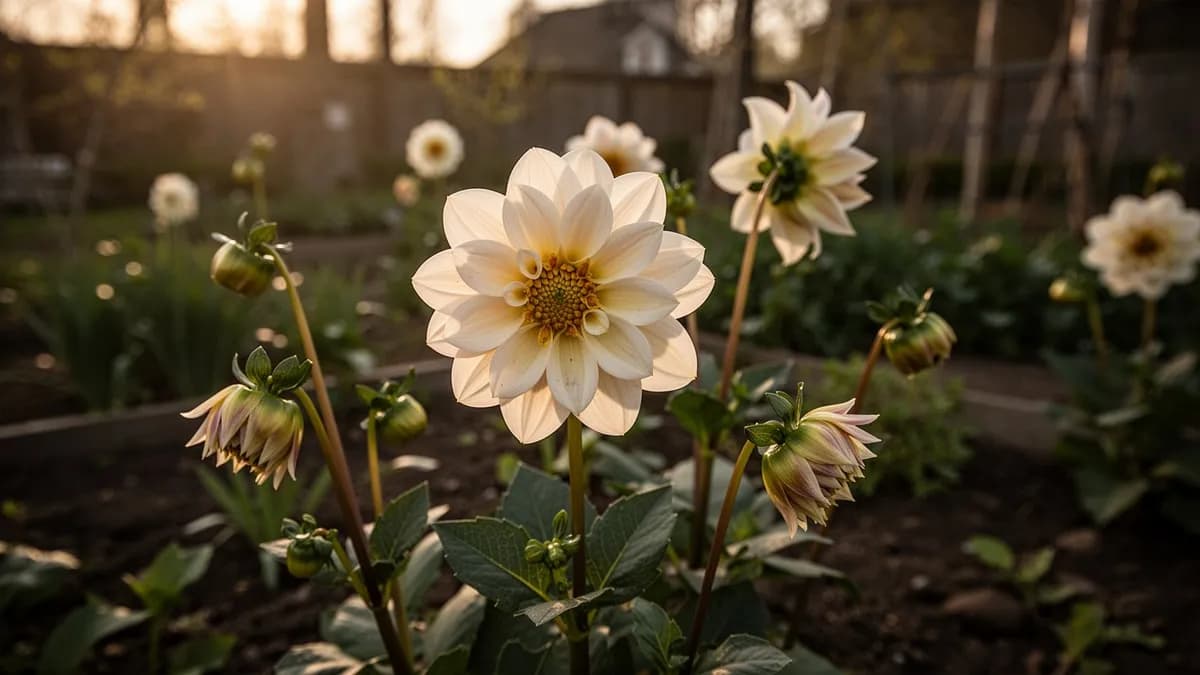
Pompon dahlias need rich, well-drained soil with a pH of 6.0-7.5. Incorporate compost before planting and feed fortnightly with high-potassium liquid fertilizer during the flowering season. Consistent moisture is important but avoid waterlogging. Mulch to conserve moisture and keep roots cool during hot weather.
Ideal Temperature
Hardiness Zone Compatibility
From seed to harvest, stage by stage
Tuber Sprouting
After planting, the tuber breaks dormancy and sends up its first shoots. Initial growth occurs underground as feeder roots establish. Sprouts emerge above the soil surface within two to three weeks depending on soil temperature.
Vegetative Growth
Stems elongate rapidly and the plant develops its main branching structure. Leaves expand to capture sunlight and the root system deepens. Plants can grow 5-8 cm per week during this stage in favorable conditions.
Bud Formation
Flower buds begin forming at the tips of branches. Small, round buds appear in clusters of three at each stem terminus. The plant shifts energy from leaf production to reproductive growth as day length begins to shorten.
First Bloom
The first flowers open, revealing the characteristic tightly rolled petals forming perfect spheres. Blooms typically measure 2.5-5 cm in diameter. The initial flush of flowers signals the beginning of continuous blooming that lasts until frost.
Peak Flowering
The plant reaches maximum flower production, often carrying dozens of open blooms simultaneously. Pompon dahlias are particularly prolific during this stage, which typically spans from late summer into mid-autumn. Cooler night temperatures intensify flower colors.
Late Season and Senescence
As temperatures drop and day length shortens further, flower production gradually slows. The first light frosts will blacken foliage. The plant channels remaining energy back into the tubers, which have been growing underground all season and can be two to three times their original size.
Keep soil evenly moist but not waterlogged during sprouting. Do not fertilize until shoots are visible above the soil surface to avoid burning new roots.
Caring for Pompon Dahlia month by month
What to do each month for your Pompon Dahlia
October
You are hereContinue harvesting blooms until frost threatens. In cold climates, prepare for tuber lifting by reducing watering. After the first hard frost blackens foliage, cut stems back to 10-15 cm above ground.
Know exactly what to do in your garden — every month
One email at the start of each month: what to sow, plant, and tackle right now — for your Pompon Dahlia and everything growing around it. Plus a short starter course that helps you dodge the classic mistakes.
- What to do, right now
- Matched to your season
- Starter course included
Harvesting Pompon Dahlia
Pompon dahlias are exceptional cut flowers, prized by florists for their perfect form and excellent vase life of 7-10 days. Cut when flowers are fully open and tight. Use the hot water treatment—30 seconds in 60°C water, then into cool water for conditioning. The compact blooms hold their shape perfectly in arrangements and dry reasonably well for crafts.
assuming you plant when the window opens — set your real date
From bulbs, tubers or cloves
Pick Pompon Dahlia promptly and the plant keeps producing.
Storage & Preservation
Lift tubers after the first frost kills the foliage. Cut stems to 15cm, dry tubers for a day, then store in slightly damp vermiculite in a cool (5-8°C), frost-free place. Check monthly and discard any rotting tubers. Pompon dahlia blooms can be dried in silica gel to preserve their perfect spherical shape for arrangements.
What goes wrong — and the fix
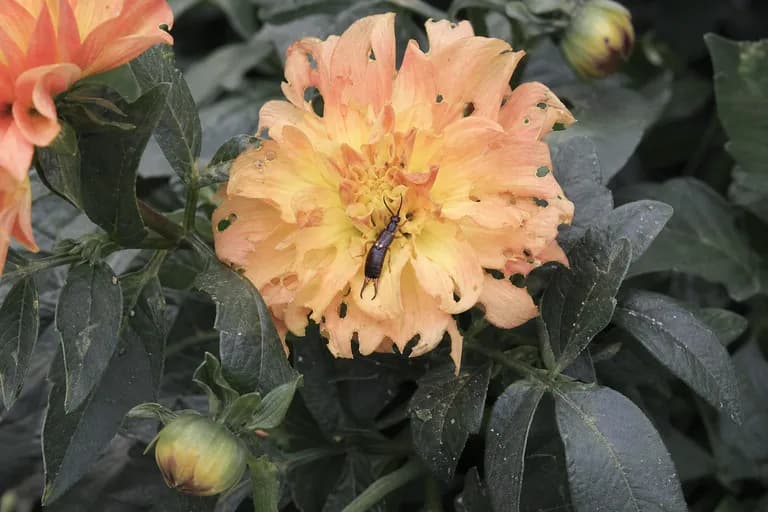
Earwigs
PestHoles in petals, especially noticeable on these perfectly formed blooms. Insects hide in the tight center of flowers.
Aphids
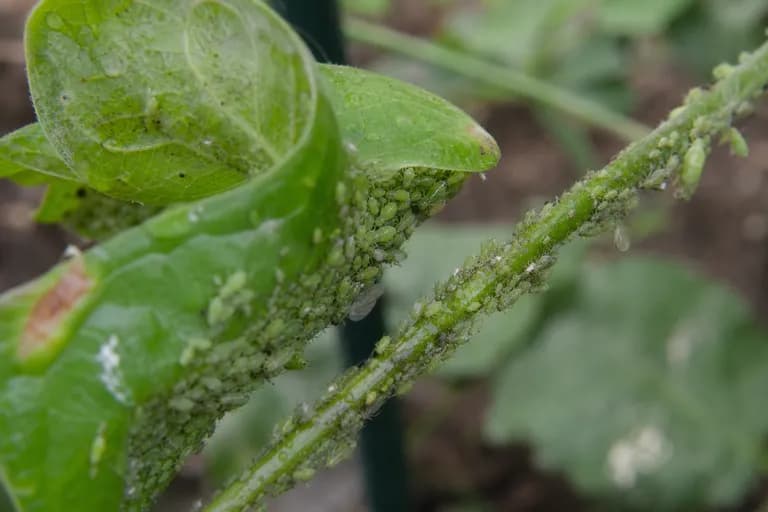
PestClusters on new growth and flower buds, causing distorted growth and sticky honeydew.
Botrytis (Grey Mold)
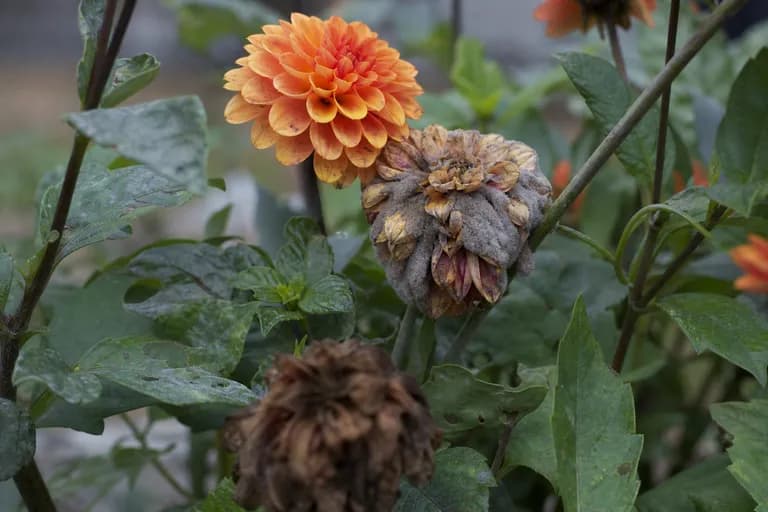
DiseaseFuzzy grey mold on flowers and stems in cool, damp weather. Tightly packed pompon blooms trap moisture.
Troubleshooting Common Problems
The tight flower form can trap moisture, promoting botrytis in wet weather—deadhead promptly and ensure air circulation. Earwigs are particularly attracted to these tightly packed flowers. Tuber storage requires careful attention to prevent rot. Staking may be needed in exposed positions, though pompon dahlias are sturdier than dinner plate types.
Growing Tips
- Plant tubers horizontally with the eye facing upward, 10-15 cm deep and 45-60 cm apart, after the last frost when soil temperatures reach at least 15 degrees Celsius.
- Pinch the central growing tip when plants reach 30 cm tall to encourage bushier growth with more flowering side shoots, which can double or triple bloom production.
- Install support stakes at planting time rather than after growth begins to avoid accidentally piercing tubers with stakes driven in later in the season.
- Water deeply once or twice per week rather than shallowly every day, aiming for 2.5-5 cm of water per week to encourage deep root development and drought resilience.
- Apply a high-phosphorus fertilizer such as a 5-10-10 formula every two weeks once buds begin forming to promote abundant flowering rather than excessive foliage growth.
- Deadhead spent blooms by cutting the stem back to the next strong side shoot or leaf node, as this stimulates the plant to produce replacement flowers within one to two weeks.
- Mulch around plants with 5-8 cm of organic material like shredded bark or straw to maintain soil moisture, moderate soil temperature, and suppress competing weeds.
- Monitor plants regularly for earwigs, aphids, and slugs, which are the most common pests. Earwig traps made from rolled newspaper placed near plants overnight are an effective organic control method.
- For the longest vase life, harvest pompon dahlia blooms in the early morning when flowers are fully open, cutting stems at an angle and placing them immediately into lukewarm water.
- In regions with cold winters, lift tubers after the first killing frost, allow them to dry for two to three days, then store in slightly damp peat moss or vermiculite at 4-10 degrees Celsius.
Grow your best Pompon Dahlia yet — and everything around it.
Start a free plan today. Lay out your beds, drop in your Pompon Dahlia, and let PlotMyGarden handle the timing, spacing, companions and reminders from seed to harvest basket.
Pick your Pompon Dahlia
Dahlia 'Franz Kafka'
Deep lavender-pink pompons with perfect form, a popular exhibition and garden variety.
Dahlia 'Willo's Violet'
Rich violet-purple pompons, stunning in combination with yellow and orange varieties.
Dahlia 'Hallmark'
Bright lavender-pink with outstanding uniform form, a top exhibition and cutting variety.
A single pompon dahlia tuber costing $5-$10 will multiply into six to twelve tubers per season, providing years of free plants through division. Each plant produces dozens of cut-worthy stems from midsummer to frost, easily replacing $15-$25 worth of purchased cut flowers per week during peak bloom. Over a three-year period, one initial tuber investment can yield over 50 plants and hundreds of bouquets, representing savings of several hundred dollars compared to buying cut flowers from florists.
Quick recipes
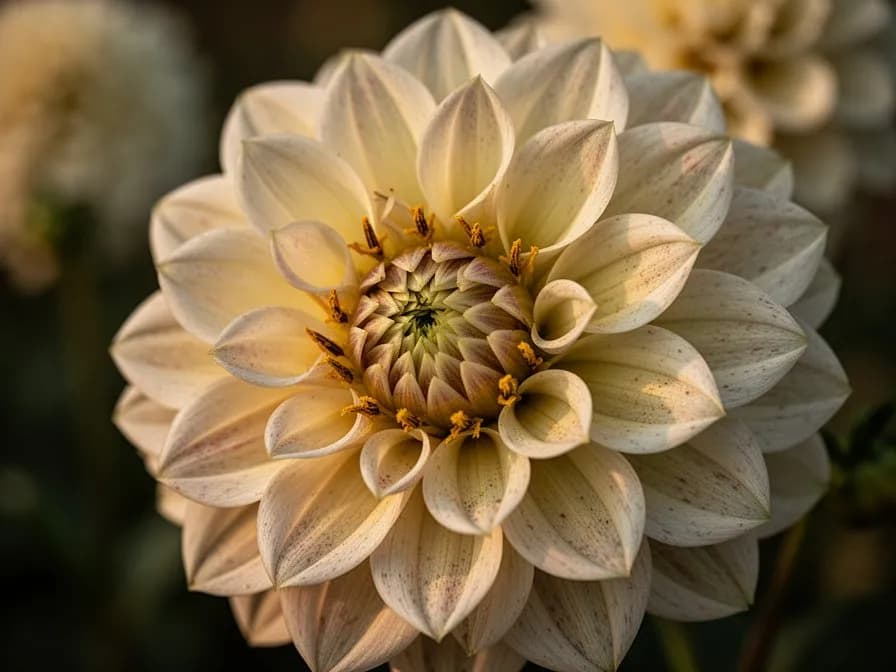
Roasted Dahlia Tuber Chips
30 minutesThinly sliced dahlia tubers roasted until crispy make a unique and nutritious snack with a mildly sweet, earthy flavor reminiscent of jicama or water chestnuts.
5 ingredientsDahlia Petal Salad with Citrus Vinaigrette
15 minutesA vibrant salad featuring fresh dahlia petals tossed with mixed greens, toasted nuts, and a bright citrus dressing that showcases the mildly peppery flavor of the blooms.
6 ingredientsDahlia Tuber and Potato Gratin
55 minutesLayers of thinly sliced dahlia tubers and potatoes baked in a creamy sauce with melted cheese create a comforting side dish that introduces the subtle sweetness of dahlia tubers.
7 ingredientsWhat's inside
Health Benefits
- Dahlia tubers are rich in inulin, a prebiotic fiber that promotes the growth of beneficial gut bacteria and supports overall digestive health.
- The flowers contain flavonoids and carotenoid pigments with antioxidant properties that may help protect cells from oxidative stress.
- Tubers provide a low-glycemic source of carbohydrates, making them a suitable dietary option for individuals managing blood sugar levels.
- In traditional Mexican herbal medicine, dahlia flower infusions have been used to support skin health and soothe minor inflammation.
- The petals contain small amounts of vitamin C, which supports immune function and collagen synthesis when consumed as part of a varied diet.
- Growing and tending dahlias provides physical activity, exposure to natural light, and stress reduction benefits associated with horticultural therapy.
Where Pompon Dahlia comes from
The dahlia genus is native to the mountainous regions of Mexico and Central America, where wild species have grown for thousands of years at elevations between 1,500 and 3,700 meters. The Aztecs cultivated dahlias extensively, using the hollow stems as water conduits and the tubers as a food source. Spanish conquistadors first documented dahlias in the sixteenth century, and in 1789 Vicente Cervantes sent seeds from the Royal Botanical Gardens of Mexico City to Antonio Jose Cavanilles at the Royal Gardens of Madrid, marking the beginning of European dahlia cultivation. Cavanilles named the genus in honor of Swedish botanist Anders Dahl. Early European interest focused on dahlias as a food crop, but the tubers proved unappealing to European palates. By the early nineteenth century, attention shifted entirely to the ornamental qualities of the flowers. The pompon form emerged through intensive selective breeding during the Victorian era, when perfectly symmetrical, globe-shaped blooms became highly prized among competitive flower exhibitors. German and Dutch breeders were instrumental in refining the pompon type throughout the late 1800s, developing the characteristic tightly quilled petals that roll inward to create the distinctive honeycomb pattern. By the early twentieth century, pompon dahlias had become a mainstay of exhibition shows throughout Europe and North America. Today, pompon dahlias remain one of the most popular forms for both garden display and competitive exhibition, judged on symmetry, color clarity, and the uniformity of their petal arrangement. Major dahlia societies worldwide, including the American Dahlia Society and the National Dahlia Society of the United Kingdom, maintain classification systems and host annual shows where pompon varieties consistently rank among the most entered categories.
Pompon Dahlia: did you know?
Fascinating facts about Pompon Dahlia
Pompon dahlias are named after the French word 'pompon,' referring to the small, round decorative balls on sailors' hats, which the tightly rolled blooms closely resemble.
Pompon Dahlia questions, answered
When should I plant Pompon Dahlia?
What are good companion plants for Pompon Dahlia?
What hardiness zones can Pompon Dahlia grow in?
How much sun does Pompon Dahlia need?
How far apart should I space Pompon Dahlia?
What pests and diseases affect Pompon Dahlia?
How do I store Pompon Dahlia after harvest?
What are the best Pompon Dahlia varieties to grow?
What soil does Pompon Dahlia need?
What is the difference between pompon dahlias and ball dahlias?
Can I leave pompon dahlia tubers in the ground over winter?
Why are my pompon dahlia flowers not perfectly round?
How do I divide dahlia tubers for propagation?
Are pompon dahlias suitable for container growing?
How do I prevent powdery mildew on my pompon dahlias?
You just read the theory. Now grow it on autopilot.
Everything that makes Pompon Dahlia fiddly — the timing, the spacing, the companions, the harvest window — is exactly what PlotMyGarden handles for you, for every plant in your garden.
A plan that knows your weather
Set your location once. Get sow, feed and harvest dates built around your real last-frost date and live forecast — no more guessing from a generic seed packet.
From the “When to plant” sectionDrag-and-drop bed planner
Design beds on a grid. Every plant snaps to its proper spacing, and you can see your whole season laid out before you spend a cent on seed.
From the “Growing guide” sectionCompanion conflicts, caught early
200+ good-and-bad pairings checked live as you plant — so a season-wrecking mistake never makes it into the ground.
From the “Companions” sectionReminders you'll actually act on
“Water the beans.” “Pick today before it turns.” Timely, specific, and tied to the plants you're really growing.
From the “Harvest” sectionSuccession, scheduled
Want a harvest for six weeks, not six days? It spaces your sowings automatically and reminds you when each new block is due.
From the “When to plant” sectionA record that gets smarter
Every harvest you log teaches it your garden. Next year's plan starts from what actually worked in your soil, not a textbook's.
From the “Overview” sectionPlant these alongside Pompon Dahlia
More Bulbs
Grow your best Pompon Dahlia yet — and everything around it.
Start a free plan today. Lay out your beds, drop in your Pompon Dahlia, and let PlotMyGarden handle the timing, spacing, companions and reminders from seed to harvest basket.