Cactus Dahlia
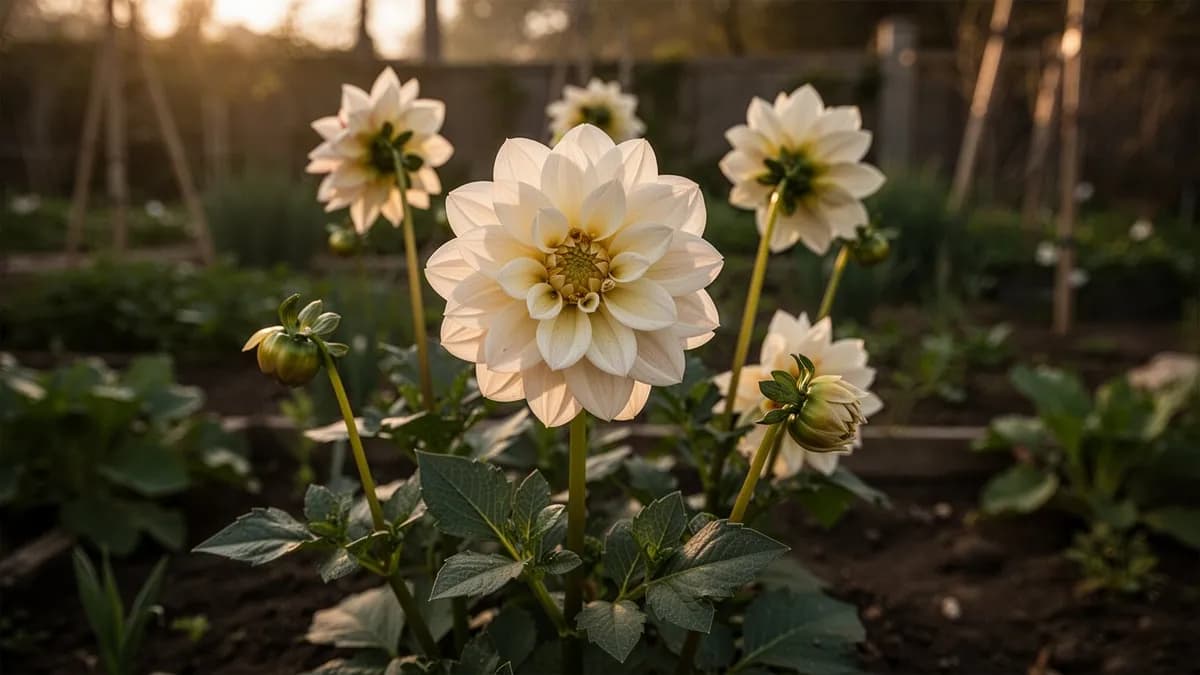
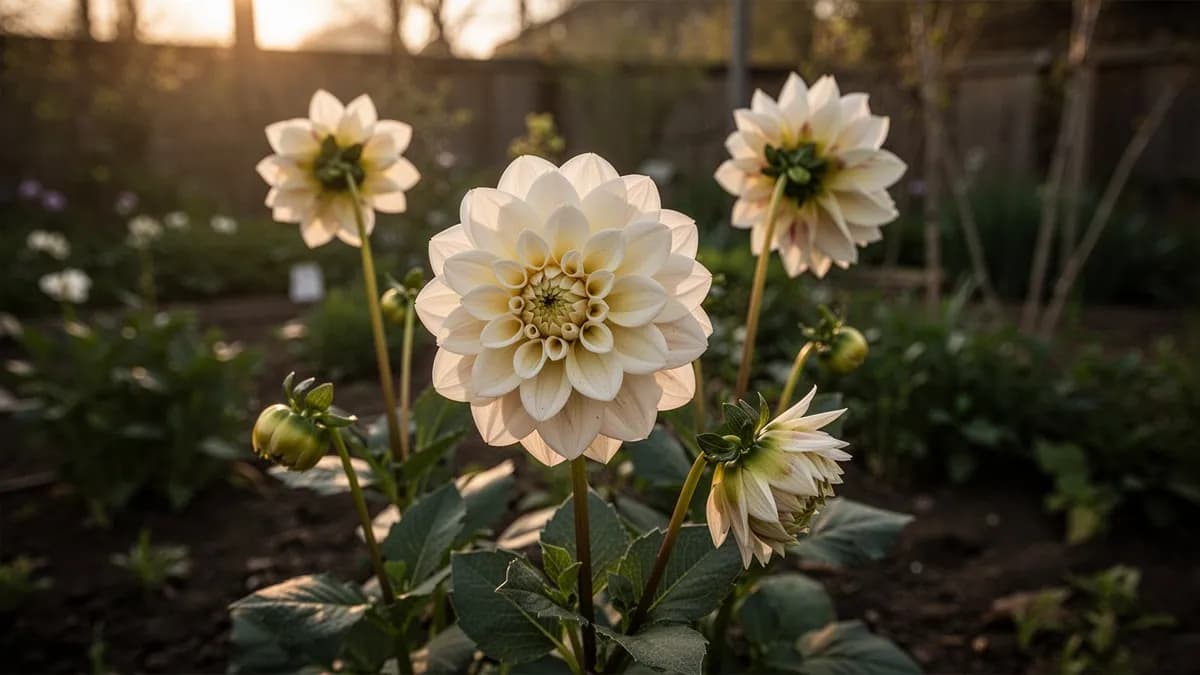
A dramatic dahlia with long, narrow, pointed petals that roll backward giving flowers a spiky, cactus-like appearance.





On this pageOverview
Meet Cactus Dahlia
A dramatic dahlia with long, narrow, pointed petals that roll backward giving flowers a spiky, cactus-like appearance. Cactus dahlias come in vivid colors and make striking cut flowers with their unusual architectural form. Stake plants early and provide rich soil with consistent moisture for the most impressive blooms.
When to plant Cactus Dahlia
Propagate by tuber division in spring or softwood cuttings from sprouting tubers. Each tuber division needs at least one eye. For cuttings, take 8cm shoots from sprouting tubers, dip in rooting hormone, and root in warm, moist perlite. Named cactus dahlia cultivars do not come true from seed.
Your Cactus Dahlia Year
Composed for Zone 7 · typical seasons · frost passes Apr 2, returns Nov 1
Plant Cactus Dahlia Apr – May, pick Jul – Oct. Check the planting methods below and set your climate to personalize these windows.
How to grow Cactus Dahlia
Cactus dahlias are among the most dramatic dahlia forms, featuring long, narrow, pointed petals that roll backward along their length, creating a spiky, star-like appearance. Flowers range from 10-25cm across depending on variety, and come in every dahlia color from deep crimson to soft pastels. Growing 90-120cm tall, they make striking focal points in borders and exceptional cut flowers.
Plant tubers after the last frost in rich, well-drained soil in full sun. Stake at planting time—the large flowers on long stems need support, especially in exposed positions. Pinch the center tip at 30cm to encourage branching. For larger individual flowers, disbud side shoots. Feed fortnightly with high-potassium fertilizer from bud formation.
The pointed petal form makes cactus dahlias particularly susceptible to wind damage and rain spotting. In exposed gardens, provide a sheltered position. Deadhead regularly to maintain continuous flowering from midsummer through to the first frost.
8 plants fit a 4 × 8 ft bed
Each Cactus Dahlia wants 60 cm of elbow room. The planner keeps that spacing for you — every plant, every bed.
Cactus Dahlia's best neighbours
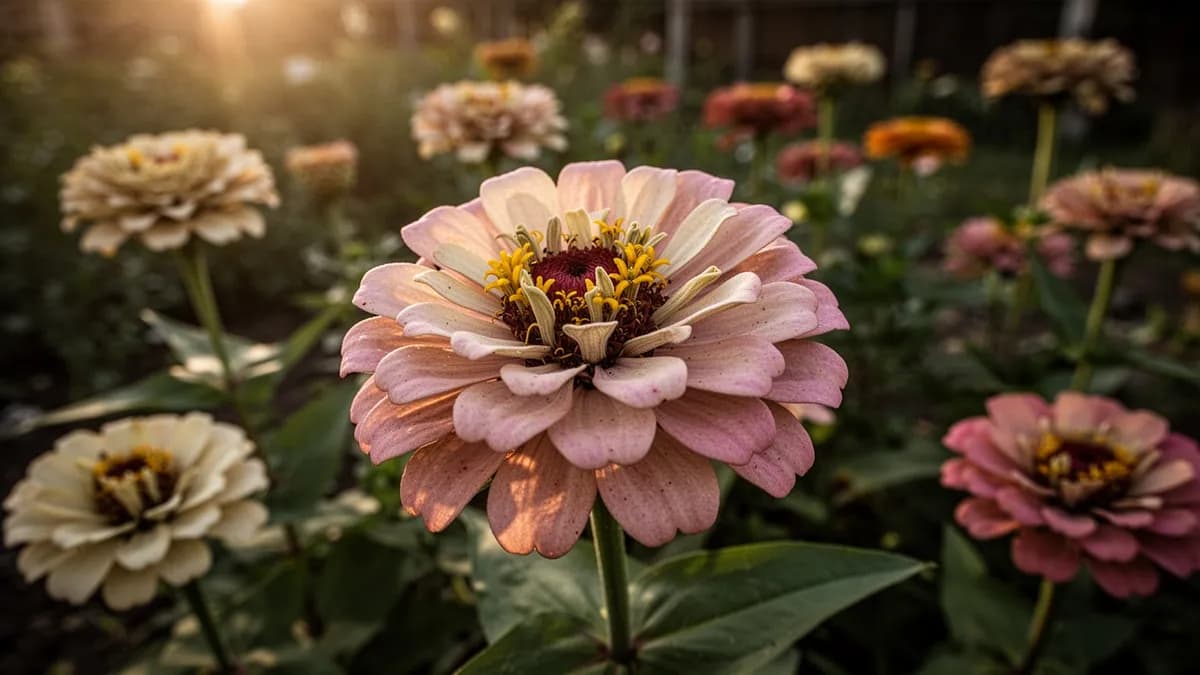
Cactus dahlias provide dramatic textural contrast when planted alongside round-flowered dahlias, zinnias, and sunflowers. The spiky form pairs effectively with soft ornamental grasses and airy cosmos. Dark-colored cactus varieties look stunning against silver foliage plants like artemisia and lamb's ear.
Dahlia belongs beside it.
Old growers' knowledge, checked against Cactus Dahlia's real companion table below — test any plant you're growing.
Try Cactus Dahlia in a bed — right here
A real planner bed with Cactus Dahlia already in it. Tap a companion to place it and watch the pairing checks answer — green for good neighbours, red for a clash.


Related growing guides
Feed it well
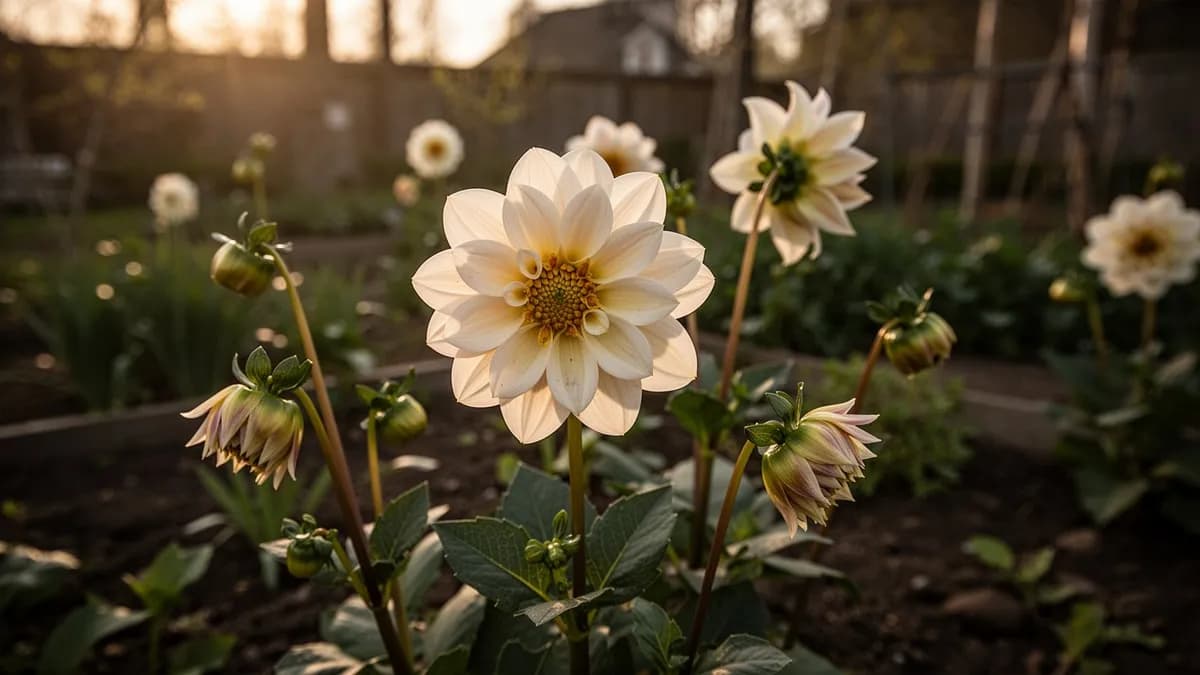
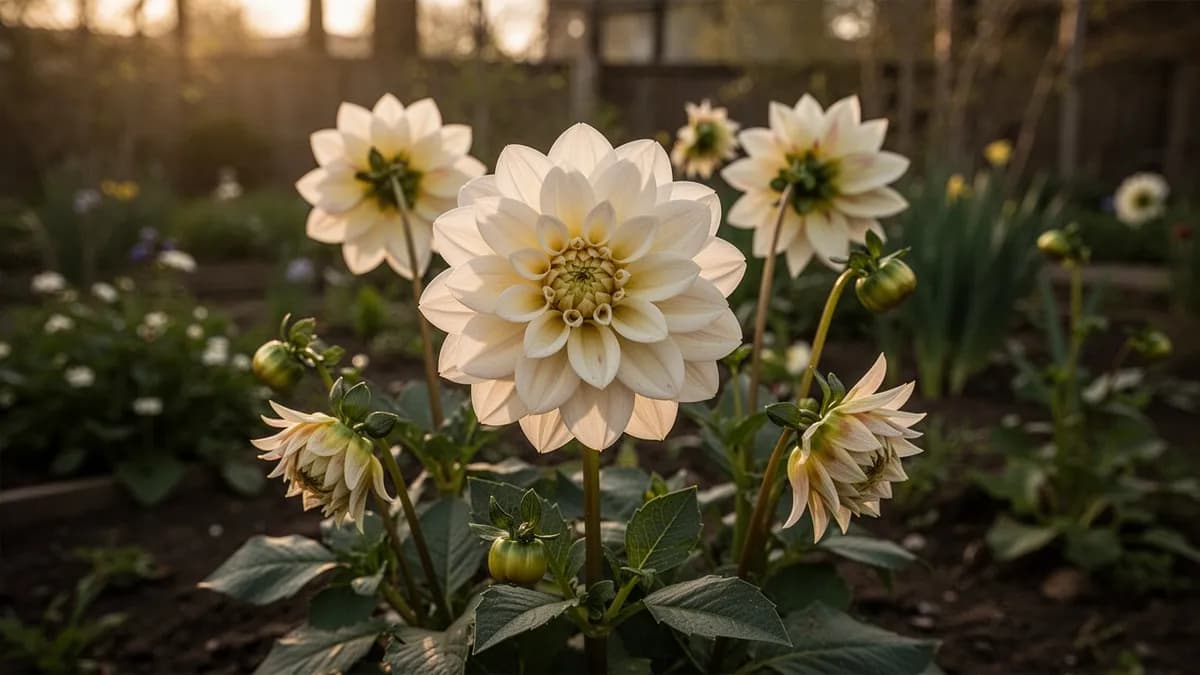
Cactus dahlias need rich, well-drained soil with a pH of 6.0-7.5. Amend planting areas with compost and balanced fertilizer. Feed fortnightly with high-potassium liquid feed during the growing season. Consistent moisture is important but drainage must be excellent to prevent tuber rot. Mulch to conserve moisture.
Ideal Temperature
Hardiness Zone Compatibility
From seed to harvest, stage by stage
Tuber Planting
Cactus dahlia tubers are planted 10-15 cm deep in warm, well-drained soil after all danger of frost has passed. The tuber should be positioned horizontally with the eye (growth point) facing upward. No watering is needed until shoots emerge, as dormant tubers are susceptible to rot in cold, wet soil.
Shoot Emergence
Reddish-purple or green shoots break through the soil surface and rapidly elongate. The first true leaves unfold as compound pinnate foliage with serrated leaflets. The stem begins to thicken and develop its characteristic hollow structure. Root development accelerates beneath the soil.
Vegetative Growth
The plant grows vigorously, producing strong lateral branches and abundant dark green foliage. Stems become woody at the base and can reach 90-150 cm in height depending on the cultivar. This is the critical period for establishing the plant's overall structure and branching pattern through pinching.
Bud Formation
Round flower buds appear at the tips of branches, initially green and tightly closed. The distinctive quilled petal structure of the cactus form begins to develop within the bud. Side buds (often in clusters of three) form alongside the terminal bud. The plant's energy shifts from vegetative growth to reproductive development.
Flowering
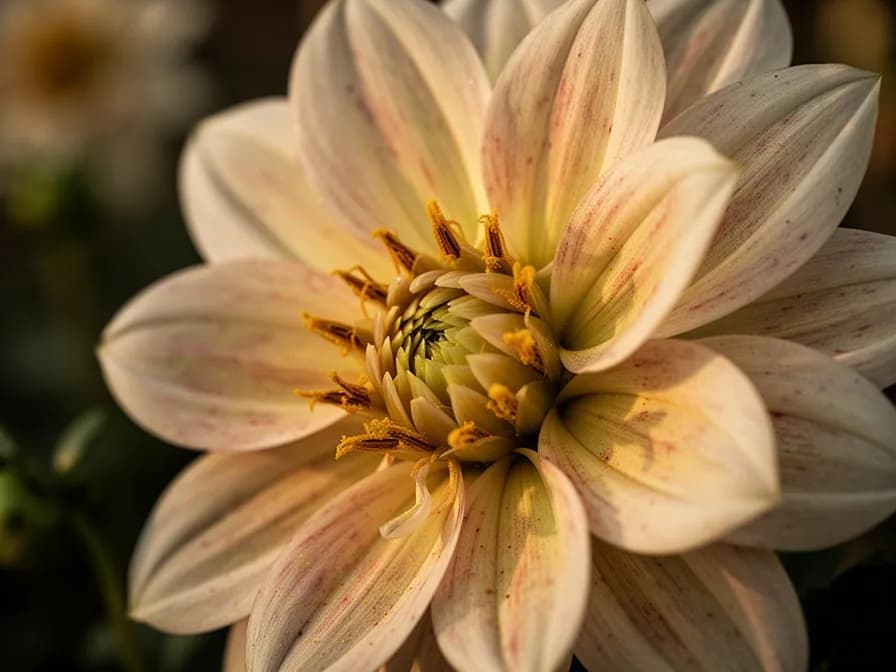
Buds open to reveal the spectacular spiky blooms characteristic of cactus dahlias, with narrow petals that roll back along their length into pointed quills. Individual flowers can span 10-25 cm depending on the cultivar. Peak flowering occurs in late summer and early autumn when day length shortens and night temperatures cool.
Late Season and Tuber Storage
Flowering continues until the first hard frost blackens the foliage. After frost kills the top growth, the underground tubers have developed and multiplied throughout the season and must be lifted for winter storage in regions colder than USDA zone 8. Each original tuber will have produced a cluster of 5-15 new tubers.
Do not water at planting time. Wait until green shoots appear above the soil surface before beginning a regular watering schedule. Install a sturdy stake at planting time to avoid damaging the tuber later when the plant is established.
Caring for Cactus Dahlia month by month
What to do each month for your Cactus Dahlia
October
You are hereContinue harvesting blooms until frost arrives. After the first hard frost blackens foliage, cut stems to 10-15 cm. In zones 8-10, tubers may be left in the ground with a heavy mulch layer. In colder zones, dig tubers carefully after a light cure period of 1-2 days.
Know exactly what to do in your garden — every month
One email at the start of each month: what to sow, plant, and tackle right now — for your Cactus Dahlia and everything growing around it. Plus a short starter course that helps you dodge the classic mistakes.
- What to do, right now
- Matched to your season
- Starter course included
Harvesting Cactus Dahlia
Cactus dahlias are prized cut flowers. Cut when blooms are three-quarters to fully open, in the morning. Apply the hot water treatment (30 seconds in 60°C water, then cool water) for optimal vase life of 5-7 days. The dramatic spiky form creates stunning architectural arrangements, particularly effective in modern and minimalist designs.
assuming you plant when the window opens — set your real date
From bulbs, tubers or cloves
Pick Cactus Dahlia promptly and the plant keeps producing.
Storage & Preservation
Lift tubers after the first frost kills foliage. Dry for a day, then store in damp vermiculite at 5-8°C. Check monthly. Cactus dahlia flowers preserve well in silica gel, maintaining their dramatic spiky shape. For exhibition, cut blooms at peak and transport in water tubes to prevent wilting.
What goes wrong — and the fix
Earwigs
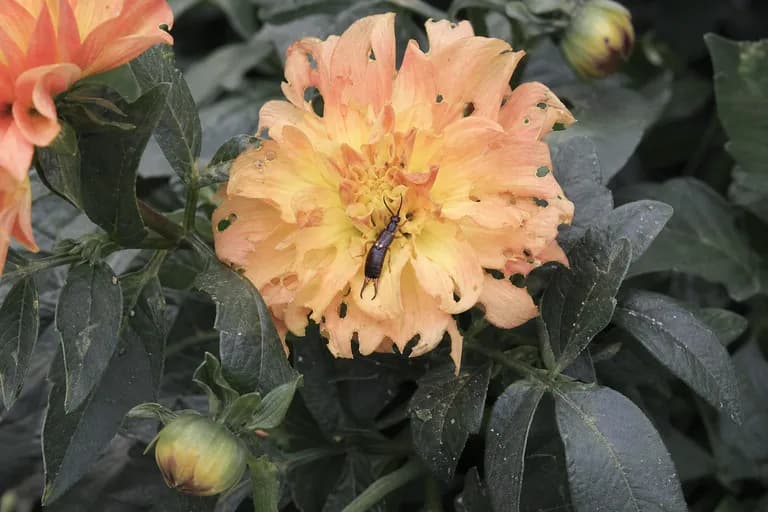
PestPetal damage and holes, especially in the center where earwigs hide among the spiky petals.
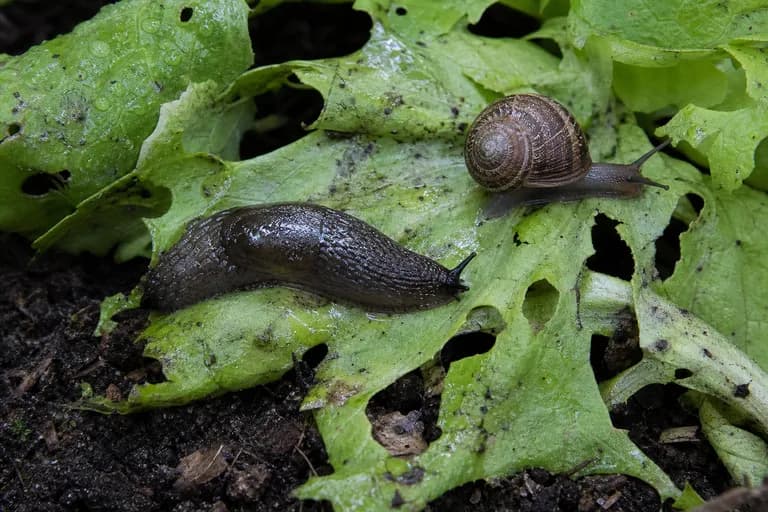
Slugs and Snails
PestDamage to emerging shoots in spring and lower leaves throughout the growing season.

Dahlia Smut
DiseaseRound, pale spots on leaves that eventually form fungal pustules. Can disfigure foliage but rarely kills plants.
Troubleshooting Common Problems
The elongated petals are more prone to rain and wind damage than other dahlia forms—provide a sheltered position. Staking is essential; install supports before plants reach full height. Earwigs particularly favor the hiding spots within spiky flowers. Winter tuber storage requires careful attention to prevent desiccation or rot.
Growing Tips
- Plant tubers horizontally 10-15 cm deep with the eye (growing point) facing upward. Do not water until shoots emerge above the soil, as dormant tubers sitting in cold, wet soil are highly prone to rotting before they establish roots.
- Install a sturdy 1.5-meter stake at planting time, positioned 5 cm from the tuber. Attempting to stake after the plant is established risks driving the stake through the tuber cluster and damaging the root system.
- Pinch out the central growing tip when the main stem has developed 4-5 pairs of leaves. This single action promotes branching and can double or triple the number of flowering stems each plant produces throughout the season.
- Water deeply 2-3 times per week rather than lightly every day. Cactus dahlias develop extensive root systems that benefit from deep irrigation, and the top few centimeters of soil should dry slightly between waterings to prevent crown rot.
- Feed every two weeks with a low-nitrogen, high-phosphorus and high-potassium fertilizer (such as 5-10-10 or tomato feed) once buds begin forming. Excess nitrogen produces lush foliage at the expense of blooms and creates weak, floppy stems.
- For exhibition-sized blooms, practice disbudding by removing the two side buds that form alongside each terminal bud. This channels all the plant's energy into producing one spectacular flower per stem rather than three smaller ones.
- Cut spent blooms regularly, snipping the stem back to a strong lateral bud or leaf node. Deadheading prevents seed formation and signals the plant to continue producing new flower buds throughout the season.
- Apply 5-8 cm of organic mulch such as straw or shredded bark around the base of plants to conserve soil moisture, regulate root temperature, and suppress weed competition. Keep mulch 5 cm away from the main stem to prevent crown rot.
- Monitor for earwigs, which are the most common pest of cactus dahlias and chew ragged holes in petals overnight. Set traps using upturned pots stuffed with damp newspaper placed near plants, and check them each morning.
- In zones 7 and colder, lift tubers after the first killing frost. Cut stems to 10-15 cm, dig carefully with a fork 30 cm from the base, cure for 1-2 days, then store in barely damp vermiculite at 4-7°C in a dark, frost-free location over winter.
Grow your best Cactus Dahlia yet — and everything around it.
Start a free plan today. Lay out your beds, drop in your Cactus Dahlia, and let PlotMyGarden handle the timing, spacing, companions and reminders from seed to harvest basket.
Pick your Cactus Dahlia
Dahlia 'Nuit d'Ete'
Stunning near-black deep red cactus flowers with a velvety texture. A dramatic garden and cutting variety.
Dahlia 'Chat Noir'
Dark maroon-black with a slight hint of crimson, one of the darkest cactus dahlias available.
Dahlia 'Preference'
Soft salmon-pink with slightly incurved petals, a popular variety for wedding and event flowers.
A single cactus dahlia tuber typically costs $5-15 depending on the variety, and will multiply into 5-15 tubers per season. After one year, you can divide and replant your stock, effectively producing $50-200 worth of new tubers for free. Cut cactus dahlia stems sell for $3-8 per stem at farmers' markets and florists, meaning a small garden bed of 10 plants producing 8-12 stems each per season can yield the equivalent of $240-960 in cut flowers. Growing your own also eliminates the premium markup on these striking architectural blooms that are increasingly popular in wedding and event floristry.
Quick recipes
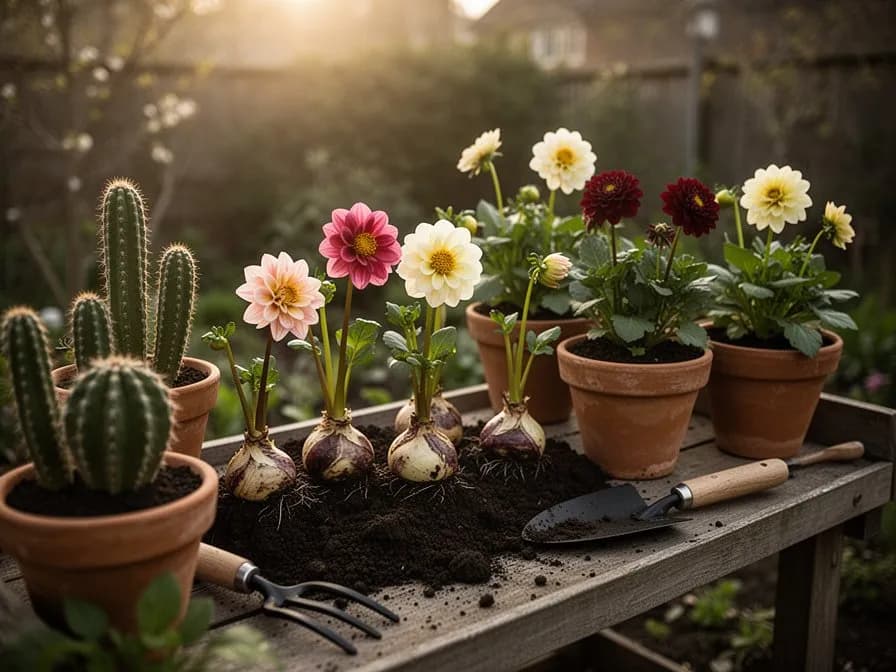
Dahlia Petal Salad with Citrus Vinaigrette
10 minutesA stunning edible flower salad that showcases the mild, slightly peppery flavor of fresh cactus dahlia petals. The vibrant colors of the petals create a visually spectacular dish that doubles as a table centerpiece. Use only petals from organically grown dahlias that have not been treated with pesticides.
9 ingredientsRoasted Dahlia Tuber Chips
35 minutesCrispy oven-roasted chips made from thinly sliced dahlia tubers, offering a slightly sweet and nutty flavor reminiscent of a cross between a potato and a Jerusalem artichoke. Dahlia tubers contain inulin rather than starch, giving them a distinctive taste and a lower glycemic impact than traditional potato chips.
6 ingredients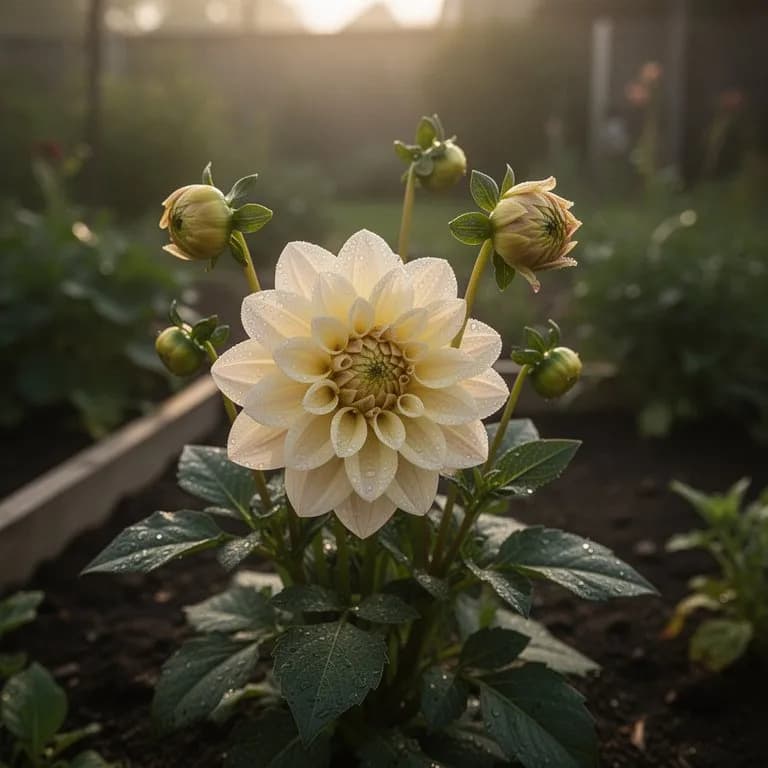
Candied Dahlia Petal Cake Decorations
20 minutes plus drying timeDelicate sugar-crystallized cactus dahlia petals that create breathtaking edible cake and dessert decorations. The petals maintain their vibrant colors and architectural quilled shape through the candying process, producing elegant garnishes that will keep for several weeks when stored properly in an airtight container.
5 ingredientsWhat's inside
Health Benefits
- Dahlia tubers are rich in inulin, a prebiotic soluble fiber that promotes the growth of beneficial Bifidobacterium and Lactobacillus bacteria in the gut, supporting digestive health and improved nutrient absorption
- The high potassium content in dahlia tubers (480 mg per 100g) helps regulate blood pressure by counteracting the effects of sodium, supporting cardiovascular health and reducing the risk of stroke
- Edible dahlia petals contain flavonoid antioxidants, particularly anthocyanins in red, purple, and burgundy varieties, which help combat oxidative stress and may reduce inflammation throughout the body
- The inulin fiber in dahlia tubers has a low glycemic index, making them a suitable root vegetable alternative for people managing blood sugar levels or following diabetic-friendly dietary plans
- Dahlia tubers provide a moderate source of vitamin C, an essential antioxidant that supports immune function, collagen production for healthy skin, and enhances the absorption of iron from plant-based foods
- Growing and tending dahlia gardens provides significant mental health benefits including stress reduction, mindfulness practice, and a sense of accomplishment, with studies linking regular gardening activities to lower cortisol levels and improved emotional wellbeing
Where Cactus Dahlia comes from
The cactus dahlia traces its roots to the wild Dahlia species native to the mountainous regions of Mexico and Central America, where they grow at elevations between 1,500 and 3,500 meters. Archaeological evidence suggests that the Aztecs cultivated dahlias as early as the 14th century, primarily for their edible tubers and hollow stems, which were used to carry water. The first dahlia tubers arrived in Europe in 1789 when Vicente Cervantes of the Royal Botanic Gardens of Mexico City sent seeds to Antonio Jose Cavanilles at the Royal Gardens of Madrid, Spain. Initially grown as a food crop, European gardeners quickly recognized the ornamental potential of the flowers and began breeding for larger, more colorful blooms. The cactus dahlia form specifically emerged in the 1870s when a shipment of tubers from Mexico to the Netherlands included a variety with distinctively narrow, quilled petals. Dutch and German breeders seized upon this novel flower form, developing and refining the cactus classification through careful selection and hybridization over subsequent decades. By the early 1900s, cactus dahlias had become one of the most sought-after flower forms in European and American exhibition shows. The American Dahlia Society, founded in 1915, and the National Dahlia Society of the United Kingdom helped standardize classification systems that distinguished between straight cactus, semi-cactus, incurved cactus, and laciniated forms. Throughout the 20th century, breeders worldwide expanded the color palette from the original red and orange hues to include every color except true blue, producing thousands of named cactus cultivars. Today, cactus dahlias remain among the most popular and widely exhibited dahlia forms, celebrated for their dramatic spiky silhouettes that add architectural interest to gardens and floral arrangements from midsummer through the first autumn frosts.
Cactus Dahlia: did you know?
Fascinating facts about Cactus Dahlia
Cactus dahlias get their name from their distinctive petal shape, which features narrow, pointed petals that roll backward (revolute) along their length, resembling the spines of a cactus. This unique form was first developed in the Netherlands in the late 19th century.
Cactus Dahlia questions, answered
When should I plant Cactus Dahlia?
What are good companion plants for Cactus Dahlia?
What hardiness zones can Cactus Dahlia grow in?
How much sun does Cactus Dahlia need?
How far apart should I space Cactus Dahlia?
What pests and diseases affect Cactus Dahlia?
How do I store Cactus Dahlia after harvest?
What are the best Cactus Dahlia varieties to grow?
What soil does Cactus Dahlia need?
When should I plant cactus dahlia tubers outdoors?
How do I overwinter cactus dahlia tubers?
Why are my cactus dahlia blooms small or sparse?
Are cactus dahlia petals and tubers safe to eat?
How do I prevent powdery mildew on my cactus dahlias?
Can I grow cactus dahlias in containers?
You just read the theory. Now grow it on autopilot.
Everything that makes Cactus Dahlia fiddly — the timing, the spacing, the companions, the harvest window — is exactly what PlotMyGarden handles for you, for every plant in your garden.
A plan that knows your weather
Set your location once. Get sow, feed and harvest dates built around your real last-frost date and live forecast — no more guessing from a generic seed packet.
From the “When to plant” sectionDrag-and-drop bed planner
Design beds on a grid. Every plant snaps to its proper spacing, and you can see your whole season laid out before you spend a cent on seed.
From the “Growing guide” sectionCompanion conflicts, caught early
200+ good-and-bad pairings checked live as you plant — so a season-wrecking mistake never makes it into the ground.
From the “Companions” sectionReminders you'll actually act on
“Water the beans.” “Pick today before it turns.” Timely, specific, and tied to the plants you're really growing.
From the “Harvest” sectionSuccession, scheduled
Want a harvest for six weeks, not six days? It spaces your sowings automatically and reminds you when each new block is due.
From the “When to plant” sectionA record that gets smarter
Every harvest you log teaches it your garden. Next year's plan starts from what actually worked in your soil, not a textbook's.
From the “Overview” sectionPlant these alongside Cactus Dahlia
More Bulbs
Grow your best Cactus Dahlia yet — and everything around it.
Start a free plan today. Lay out your beds, drop in your Cactus Dahlia, and let PlotMyGarden handle the timing, spacing, companions and reminders from seed to harvest basket.