Lily
An elegant bulb with large, often fragrant flowers on tall stems, preferring its roots in cool shade and blooms in sun.





On this pageOverview
Meet Lily
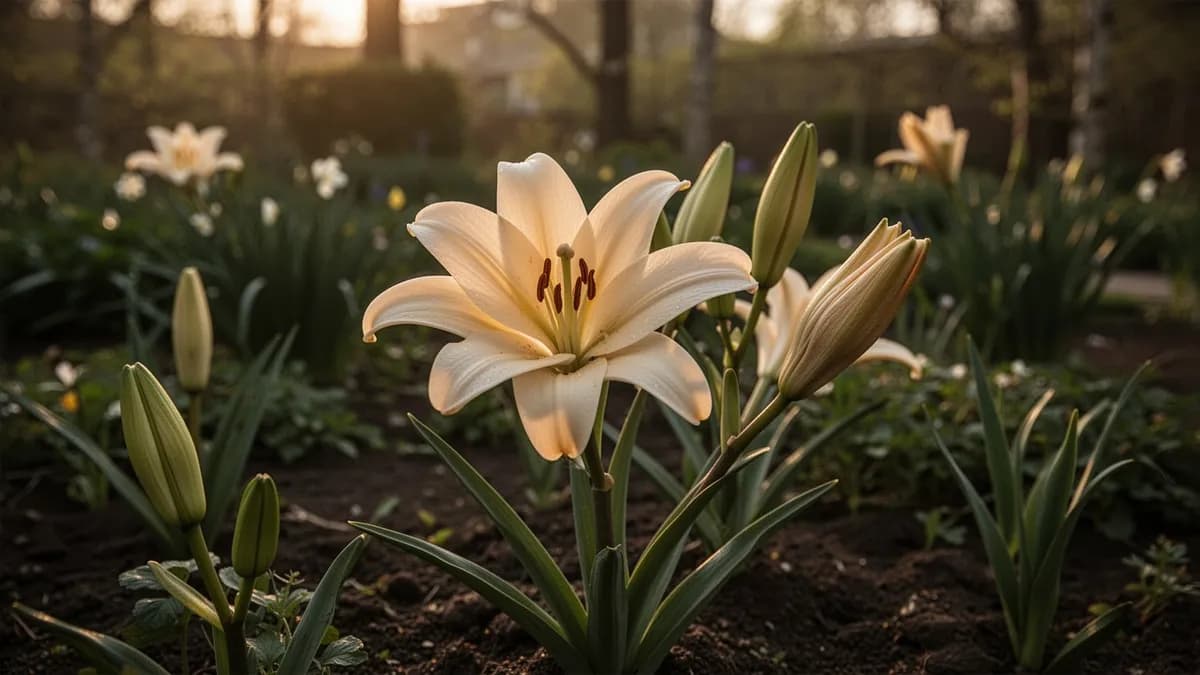
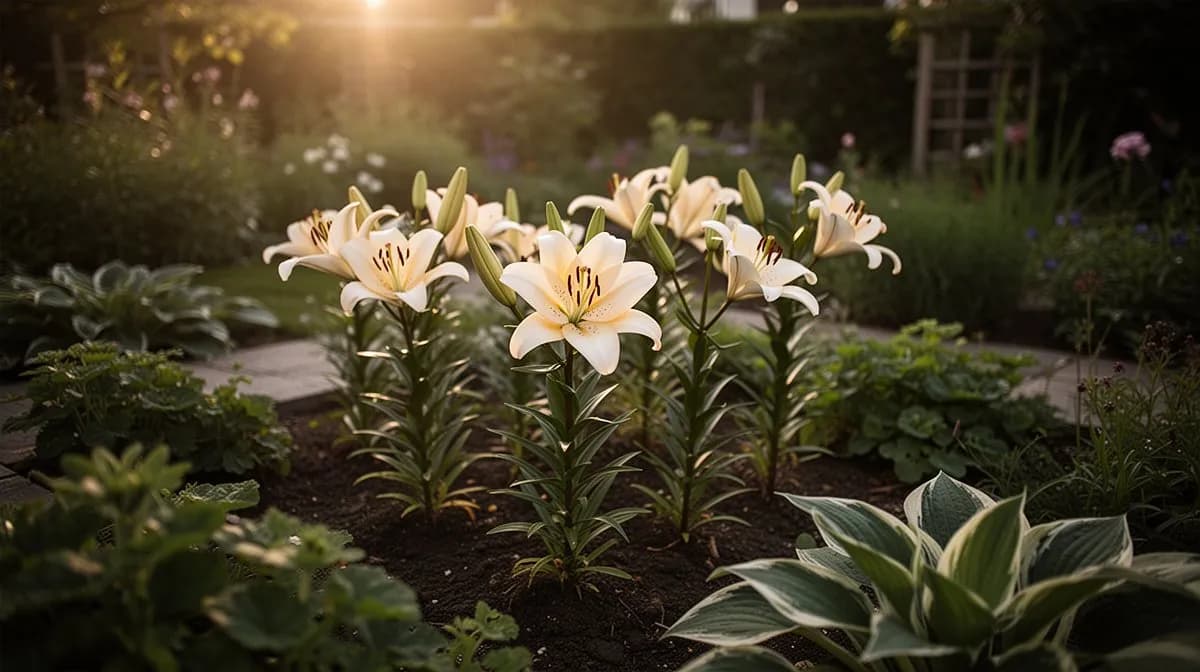
An elegant bulb with large, often fragrant flowers on tall stems, preferring its roots in cool shade and blooms in sun. Plant bulbs in autumn or early spring at a depth of three times the bulb diameter in rich, well-drained soil. Asiatic lilies bloom first in early summer and are unscented, while Oriental varieties follow later with intensely fragrant, larger flowers. Stake tall varieties to prevent wind damage and remove spent flowers promptly, but leave the stem and foliage to nourish the bulb for next year.
When to plant Lily
Lily bulbs are planted in autumn or early spring at a depth of six to eight inches with the pointed end facing up. Place a handful of coarse sand or gravel beneath each bulb to ensure drainage. For container planting, set bulbs four to five inches deep in a tall, well-drained pot. Lilies can also be propagated by separating offset bulbs from the parent clump in fall, or by scaling: gently breaking individual scales from the mother bulb, dusting with fungicide, and placing in a bag of moist vermiculite at room temperature. Small bulblets form at the scale base in six to eight weeks and can be potted up.
Your Lily Year
Composed for Zone 7 · typical seasons · frost passes Apr 2, returns Nov 1
Plant Lily Mar – Apr, Oct – Nov, pick Jun – Aug. Check the planting methods below and set your climate to personalize these windows.
How to grow Lily
Plant lily bulbs in autumn or early spring in a site that receives at least six hours of direct sun with shade at the base. Lilies prefer their heads in the sun and their roots in cool shade, making them ideal for planting among low-growing perennials or ground covers. Dig holes six to eight inches deep for large bulbs and set them on a handful of coarse sand to ensure drainage beneath the bulb. Space bulbs eight to twelve inches apart.
Lilies are stem-rooting plants, meaning they produce roots along the buried portion of the stem above the bulb. This makes deep planting important and also means that mulching around lily stems helps support the additional root system. Apply three to four inches of organic mulch to keep roots cool and soil evenly moist. Water regularly during the growing season, providing about one inch per week.
Stake tall varieties such as Oriental and trumpet lilies early in the season, using individual stakes or grow-through supports. Remove spent flowers by snapping off the seed pod while leaving as much stem and foliage as possible. The remaining leaves continue to photosynthesize and feed the bulb for next year. Cut stems back only after they have turned brown in fall. Apply a balanced bulb fertilizer in spring as growth begins.
32 plants fit a 4 × 8 ft bed
Each Lily wants 30 cm of elbow room. The planner keeps that spacing for you — every plant, every bed.
Lily's best neighbours
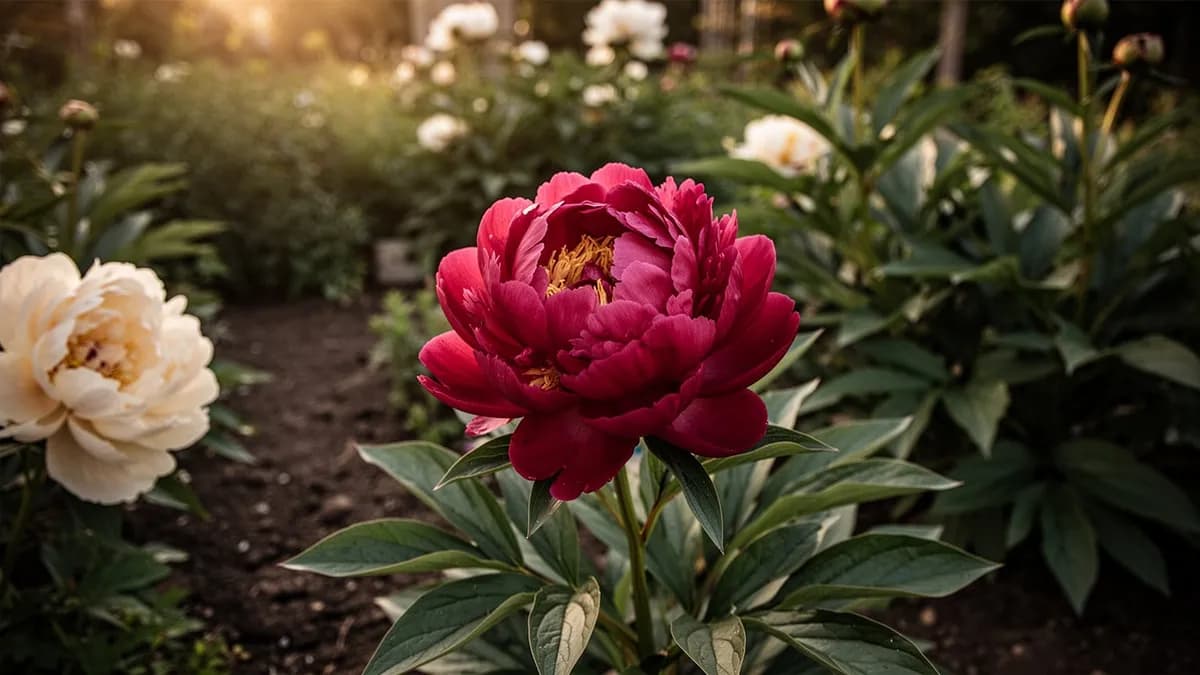
Plant low-growing perennials like hostas, heuchera, and ferns around lily bases to shade the root zone and provide ground-level interest when lilies are not in bloom. Daylilies, phlox, and astilbe make excellent mid-border companions with complementary bloom times. Planting garlic nearby may help deter lily beetles. Avoid planting lilies near strong-growing shrubs whose roots compete for moisture and nutrients. The tall vertical form of lilies contrasts beautifully with rounded shapes like peonies and hydrangeas.
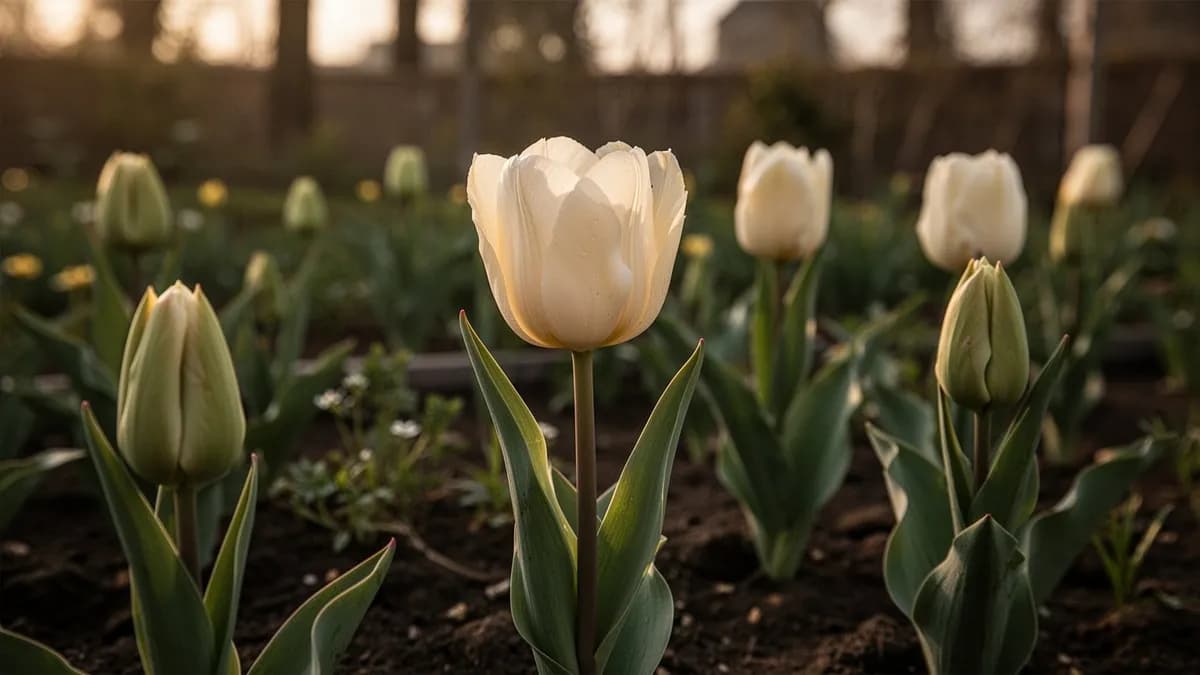
Tulip belongs beside it. Fennel doesn't.
Old growers' knowledge, checked against Lily's real companion table below — test any plant you're growing.
Try Lily in a bed — right here
A real planner bed with Lily already in it. Tap a companion to place it and watch the pairing checks answer — green for good neighbours, red for a clash.


Related growing guides
Feed it well
Lilies require well-drained, fertile soil with a pH of 6.0 to 6.5 for most types, though Asiatic lilies tolerate a slightly wider range. Amend the planting area deeply with compost and incorporate coarse sand in heavy clay soils. Apply a balanced bulb fertilizer as shoots emerge in spring and again just as buds begin to form. Top-dress with compost annually. Oriental lilies prefer slightly acidic soil and benefit from an application of sulfur if soil pH is above 6.5.
Ideal Temperature
Hardiness Zone Compatibility
From seed to harvest, stage by stage
Bulb Dormancy and Root Establishment
After planting in autumn, the lily bulb begins developing a network of basal roots from the base plate while the bulb remains dormant above ground. The overlapping fleshy scales store carbohydrates and nutrients that will fuel spring growth. Root establishment during this cool period is critical for the plant's long-term health and anchoring.
Spring Shoot Emergence
As soil temperatures rise above 10°C in spring, the central growing point pushes upward through the soil. The tightly rolled leaves unfurl as the stem elongates rapidly, sometimes growing several centimeters per day. Stem roots also develop above the bulb along the buried portion of the stem, providing additional nutrient uptake capacity.
Vegetative Growth and Bud Formation
The stem reaches its full height of 60 to 180 centimeters depending on variety. Lance-shaped leaves arranged in whorls or spirals along the stem photosynthesize vigorously, sending energy both upward to developing flower buds and downward to replenish the bulb. Flower buds become visible at the top of the stem, initially small and green.
Flowering Period
Buds swell and open into spectacular blooms that can measure 8 to 25 centimeters across. Depending on the division, flowers may face upward (Asiatic types), outward (trumpet types), or downward (Martagon types). Each stem can carry 5 to 20 individual flowers that open sequentially over one to three weeks. The prominent anthers produce abundant orange or brown pollen.
Post-Bloom Energy Storage
After flowering, the plant redirects all photosynthetic energy into rebuilding the bulb for next year's growth. The foliage remains green and active for six to eight weeks after the last flower fades. During this critical period the bulb increases in size, forms new scales, and may produce daughter bulblets around the base plate or along the underground stem.
Dormancy and Overwintering
Once the foliage has completely died back, the bulb enters dormancy. The old stem can be gently pulled or cut at ground level. Underground, the bulb is fully recharged and may have produced offset bulblets that can be separated for propagation. The bulb remains alive but metabolically inactive through winter, requiring a chilling period to break dormancy the following spring.
Plant bulbs as soon as possible after purchase since they lack a protective tunic and dry out quickly. Set them at a depth of three times the bulb's height in well-drained soil. Apply a thick layer of mulch after planting to insulate against freeze-thaw cycles and maintain consistent soil moisture.
Caring for Lily month by month
What to do each month for your Lily
October
You are herePrime planting month for lily bulbs. Plant new bulbs and divisions at the correct depth in well-drained soil. Remove dead stems at ground level. Apply a generous layer of mulch after the ground begins to cool.
Know exactly what to do in your garden — every month
One email at the start of each month: what to sow, plant, and tackle right now — for your Lily and everything growing around it. Plus a short starter course that helps you dodge the classic mistakes.
- What to do, right now
- Matched to your season
- Starter course included
Harvesting Lily
Cut lily stems for arrangements when the first bud on the stem begins to open and show color. Cut stems in the early morning with a sharp knife, leaving at least one-third of the stem and foliage on the plant to nourish the bulb. Remove the orange anthers from open flowers before they shed pollen, which stains fabric and skin. Deadhead spent flowers in the garden by snapping off the seed pod while leaving the green stem intact until it browns naturally in fall.
assuming you plant when the window opens — set your real date
From bulbs, tubers or cloves
Pick Lily promptly and the plant keeps producing.
Storage & Preservation
Fresh lilies last seven to fourteen days in a vase, making them outstanding cut flowers. Remove anthers as flowers open to prevent pollen stains. Change water every two to three days and recut stems. Lily pollen stains can be removed from fabric by lifting with sticky tape rather than rubbing. To dry lilies, press individual flowers between parchment sheets under heavy books. Unlike most bulbs, lily bulbs never go fully dormant and should not be stored dry. If lifting is necessary, replant immediately or store briefly in barely damp peat moss.
What goes wrong — and the fix
Red Lily Beetle
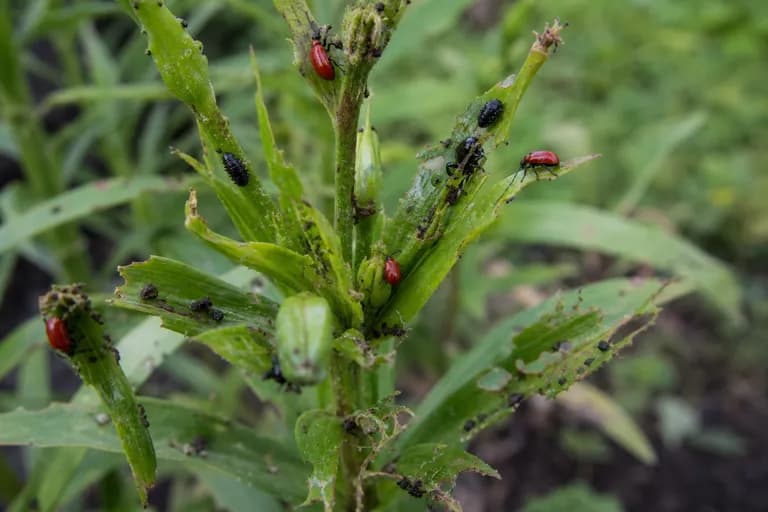
PestBright red adult beetles and their larvae (covered in dark, slimy excrement) devour leaves, buds, and flowers. Heavy infestations can completely defoliate plants.
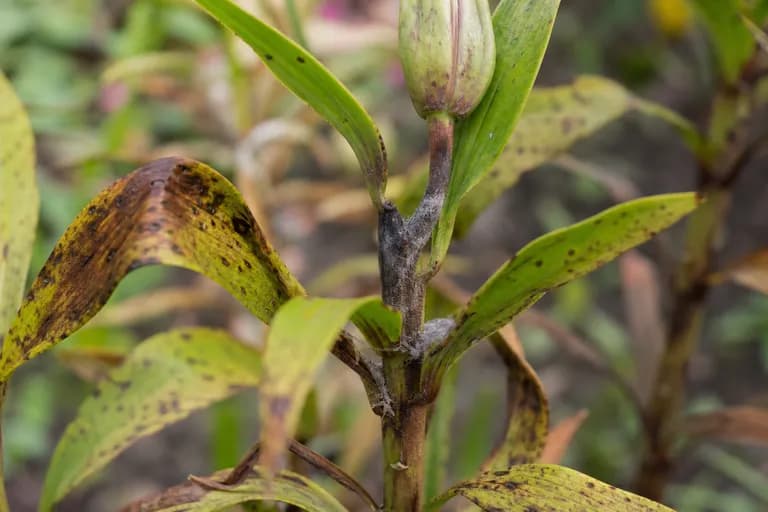
Botrytis Blight
DiseaseOval brown spots on leaves that enlarge and merge, progressing from the bottom of the plant upward. In severe cases, buds may rot before opening. Gray mold develops in wet conditions.
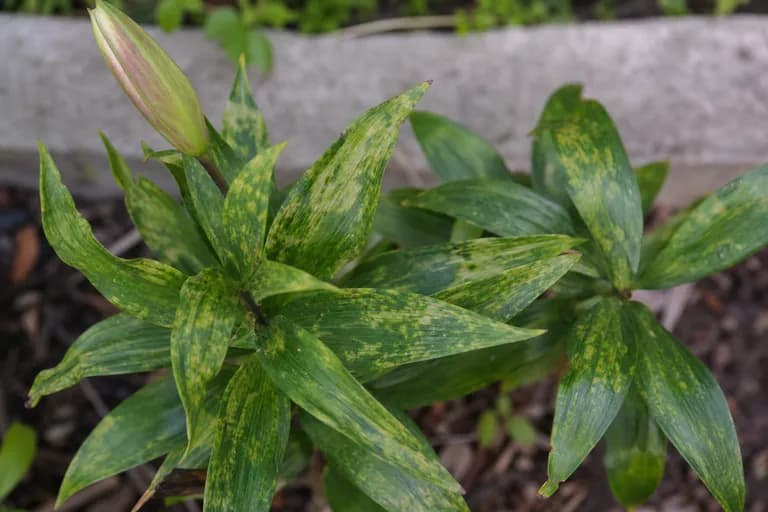
Lily Mosaic Virus
DiseaseLight and dark green mottling on leaves, sometimes with distorted or stunted growth. Flowers may be streaked or smaller than normal. Plants gradually decline over successive years.
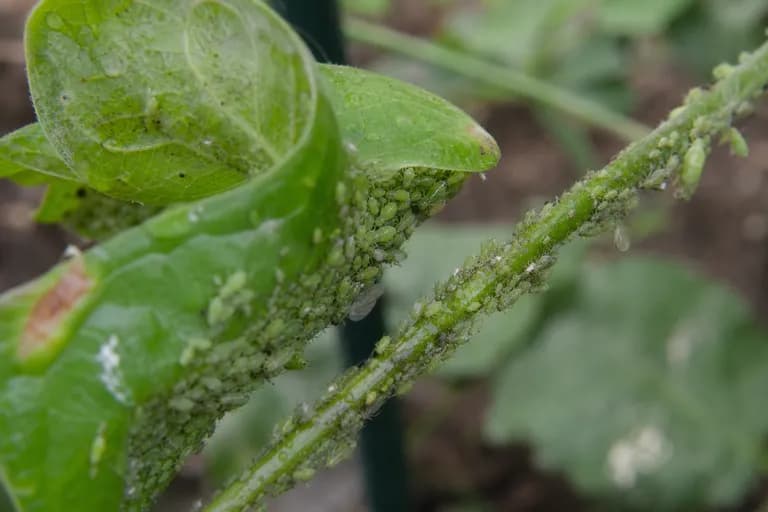
Aphids
PestClusters of small insects on buds, shoot tips, and undersides of leaves. Sticky honeydew and sooty mold. Important as vectors for lily mosaic virus.
Troubleshooting Common Problems
Lily bulbs rotting in heavy, wet soil is the most common problem and is prevented by ensuring excellent drainage. Red lily beetles can be devastating if not caught early. Lilies are extremely toxic to cats, and even small amounts of pollen or leaf material can cause fatal kidney failure, so cat owners should exercise extreme caution. Short-stemmed flowers and declining performance usually indicate overcrowding. Deer find lilies highly palatable and may require fencing or repellent.
Growing Tips
- Plant lily bulbs at a depth equal to three times their height, measured from the base of the bulb to the soil surface, to provide insulation and stability for the tall stems.
- Choose a planting site where the flowers will receive at least six hours of direct sunlight but the root zone is shaded by low-growing companion plants or a layer of organic mulch.
- Ensure excellent drainage by amending heavy clay soil with coarse sand, perlite, or planting in raised beds, as waterlogged conditions will quickly rot lily bulbs.
- Apply a balanced slow-release fertilizer in early spring as shoots emerge and a phosphorus-rich feed when buds begin forming to support robust flowering.
- Stake tall varieties when stems reach 30 centimeters rather than waiting until they are top-heavy with buds, using bamboo canes or metal plant supports with soft ties.
- Remove spent flowers immediately after petals drop but leave the entire stem and foliage in place until it yellows naturally in autumn, as premature cutting starves the bulb.
- Watch for the bright red lily beetle (Lilioceris lilii) and its larvae from spring onward. Hand-pick adults and check the undersides of leaves for larvae hidden in their own dark excrement.
- Avoid planting lilies in areas where other lilies or tulips grew in the past three years to reduce the risk of soilborne fungal diseases such as fusarium basal rot.
- Divide overcrowded clumps in early autumn by carefully lifting the entire cluster, separating individual bulbs and bulblets, and replanting immediately at the correct depth and spacing.
- In containers, use deep pots of at least 30 centimeters and a fast-draining potting mix. Plant three bulbs per 30-centimeter pot for a full display and refresh the soil annually.
Grow your best Lily yet — and everything around it.
Start a free plan today. Lay out your beds, drop in your Lily, and let PlotMyGarden handle the timing, spacing, companions and reminders from seed to harvest basket.
Pick your Lily
Stargazer
The most popular Oriental lily, with upward-facing deep pink flowers spotted with darker pink and edged in white. Intensely fragrant and stunning in arrangements.
Casa Blanca
A pure white Oriental lily with large, outward-facing fragrant flowers. Grows three to four feet tall and is prized for elegant wedding flowers.
Asiatic Mix
Upward-facing unscented lilies in a rainbow of colors, blooming in early summer. The easiest lilies to grow and the most reliable perennializers.
Regale (Regal Lily)
A trumpet lily with white flowers flushed purple on the outside and golden throats. Powerfully fragrant and grows to six feet tall.
Tiny Bee
A dwarf Asiatic lily standing just sixteen inches tall, ideal for containers and the front of borders. Bright yellow flowers with dark spots.
A single lily bulb costing between $4 and $10 will multiply naturally over three to five years, producing daughter bulblets and stem bulbils that can yield six to twelve additional flowering plants. Once established, a well-maintained lily clump can provide dozens of premium cut flowers per season that would cost $5 to $15 per stem at a florist. By dividing clumps every three to four years and replanting the offsets, gardeners can build an extensive lily collection from a modest initial investment while also sharing or trading surplus bulbs with fellow gardeners.
Quick recipes
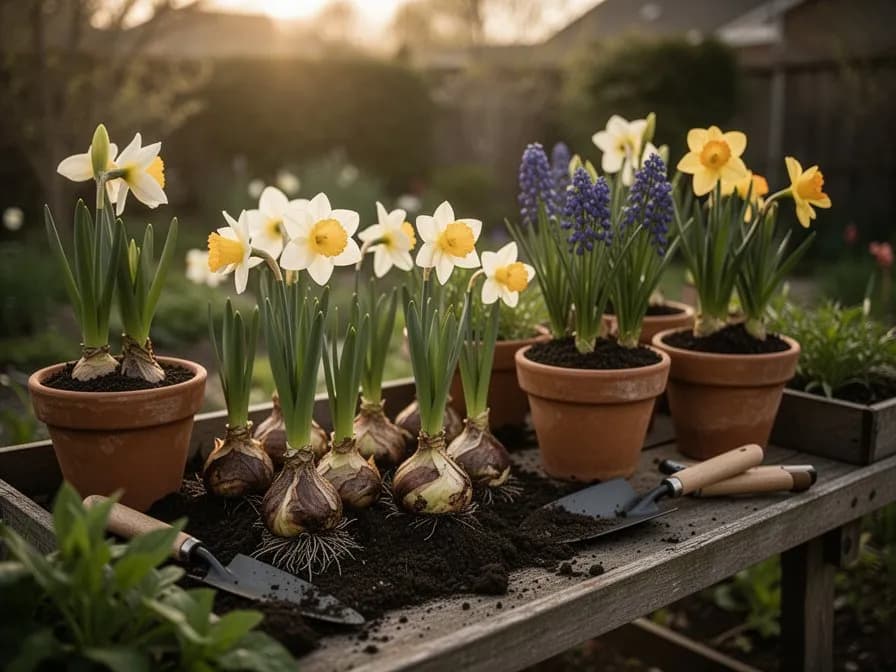
Lily Bulb and Snow Fungus Sweet Soup
45 minutesA classic Chinese dessert soup featuring tender lily bulb petals simmered with rehydrated snow fungus, lotus seeds, and rock sugar. This nourishing sweet soup is traditionally served warm in autumn and winter to moisten the lungs and promote restful sleep according to Chinese dietary therapy.
7 ingredientsStir-Fried Lily Bulb with Celery and Goji Berries
15 minutesA light and elegant Chinese stir-fry that highlights the delicate, slightly sweet crunch of fresh lily bulb petals paired with crisp celery and plump goji berries. This quick dish retains the natural sweetness and texture of the lily bulb through brief high-heat cooking.
7 ingredientsLily Bulb and Red Date Congee
90 minutesA soothing and restorative rice porridge enriched with edible lily bulb petals and sweet red dates. This gentle congee is a staple comfort food in Chinese home cooking, often prepared during convalescence or cold weather for its warming and nourishing properties.
7 ingredientsWhat's inside
Health Benefits
- Edible lily bulb (Lilium brownii) has been used in traditional Chinese medicine for over 2,000 years to moisten the lungs, alleviate dry coughs, and soothe irritated respiratory passages.
- Lily bulb contains steroidal saponins and phenolic compounds that exhibit antioxidant activity, helping to neutralize free radicals and reduce oxidative stress in laboratory studies.
- Traditional Chinese dietary therapy prescribes lily bulb to calm the heart and promote restful sleep, and modern research has identified sedative alkaloids that may support this traditional use.
- The high dietary fiber content of edible lily bulbs supports healthy digestion and helps maintain stable blood sugar levels after meals.
- Lily bulb preparations are traditionally used in Chinese medicine to clear residual heat after fever and to nourish yin, helping the body recover from periods of illness or exhaustion.
- Polysaccharides extracted from edible lily bulbs have demonstrated immune-modulating properties in preclinical research, potentially supporting the body's natural defense mechanisms.
Where Lily comes from
The genus Lilium encompasses roughly 100 species native to temperate regions across the Northern Hemisphere, spanning Europe, Asia, and North America. The greatest species diversity is found in the mountainous regions of western China, the Himalayas, and the mountains of Myanmar and Vietnam, suggesting this area as the likely center of origin for the genus. Wild lilies typically inhabit woodland margins, alpine meadows, and well-drained slopes where they receive dappled light and benefit from cool, moist root conditions. The earliest documented cultivation of lilies dates to ancient Sumer and Egypt around 3,000 years ago, where the Madonna lily (Lilium candidum) was grown for both ornamental and medicinal purposes. The ancient Greeks associated the lily with the goddess Hera, and Roman naturalist Pliny the Elder described its cultivation in the first century CE. During the Middle Ages, monasteries throughout Europe maintained Madonna lilies in their physic gardens for use in healing salves and poultices. The age of exploration brought new species to European gardens, with Lilium martagon and Lilium chalcedonicum arriving by the sixteenth century. The nineteenth century saw a flood of Asian species reaching Western horticulture, including the spectacular Lilium auratum from Japan in 1862, which caused a sensation in Victorian England. Modern lily breeding was revolutionized in the mid-twentieth century by Jan de Graaff at Oregon Bulb Farms in the United States, who developed the first widely successful hybrid strains. His work led to the creation of the Asiatic and trumpet hybrid divisions that dominate gardens today. The International Lily Register, maintained by the Royal Horticultural Society, now records over 10,000 named cultivars organized into nine horticultural divisions based on parentage and flower form.
Lily: did you know?
Fascinating facts about Lily
Lilies have been cultivated for over 3,000 years and appear in artwork from ancient Minoan civilization on the island of Crete, dating to approximately 1580 BCE.
Lily questions, answered
When should I plant Lily?
What are good companion plants for Lily?
What hardiness zones can Lily grow in?
How much sun does Lily need?
How far apart should I space Lily?
What pests and diseases affect Lily?
How do I store Lily after harvest?
What are the best Lily varieties to grow?
What soil does Lily need?
Why did my lily bulbs not come up in spring?
Are lilies toxic to pets?
When is the best time to plant lily bulbs?
How do I prevent botrytis blight on my lilies?
Can I grow lilies in containers?
How do I propagate lilies from scales?
You just read the theory. Now grow it on autopilot.
Everything that makes Lily fiddly — the timing, the spacing, the companions, the harvest window — is exactly what PlotMyGarden handles for you, for every plant in your garden.
A plan that knows your weather
Set your location once. Get sow, feed and harvest dates built around your real last-frost date and live forecast — no more guessing from a generic seed packet.
From the “When to plant” sectionDrag-and-drop bed planner
Design beds on a grid. Every plant snaps to its proper spacing, and you can see your whole season laid out before you spend a cent on seed.
From the “Growing guide” sectionCompanion conflicts, caught early
200+ good-and-bad pairings checked live as you plant — so a season-wrecking mistake never makes it into the ground.
From the “Companions” sectionReminders you'll actually act on
“Water the beans.” “Pick today before it turns.” Timely, specific, and tied to the plants you're really growing.
From the “Harvest” sectionSuccession, scheduled
Want a harvest for six weeks, not six days? It spaces your sowings automatically and reminds you when each new block is due.
From the “When to plant” sectionA record that gets smarter
Every harvest you log teaches it your garden. Next year's plan starts from what actually worked in your soil, not a textbook's.
From the “Overview” sectionPlant these alongside Lily
More Bulbs
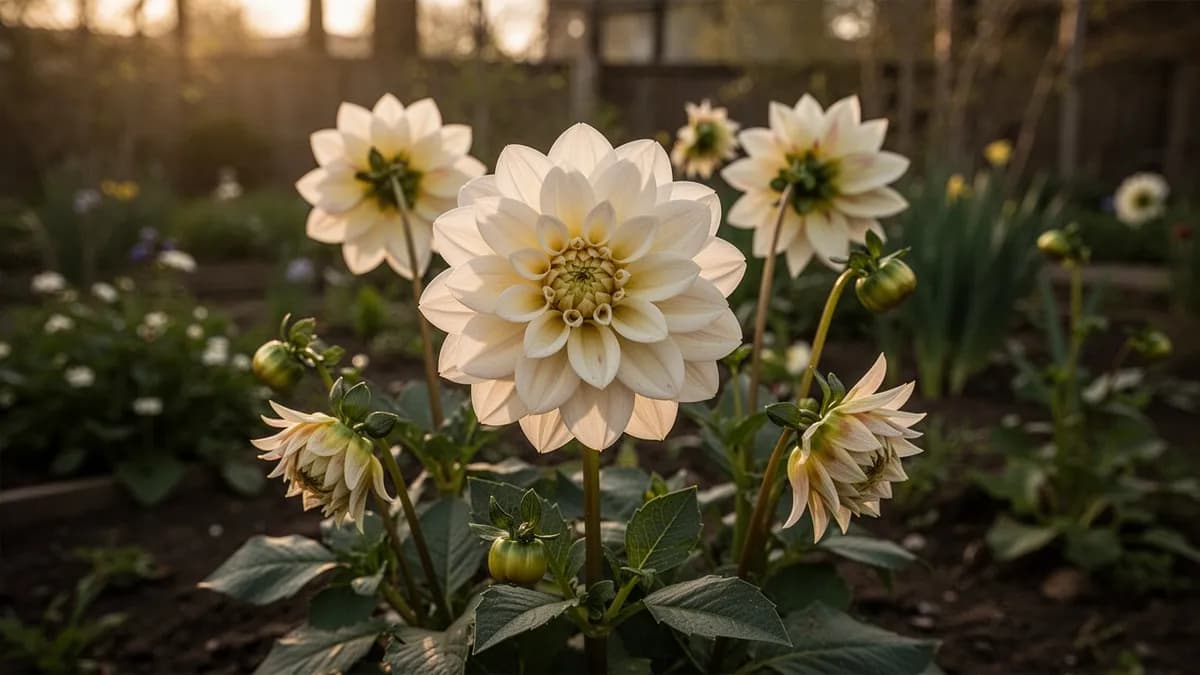
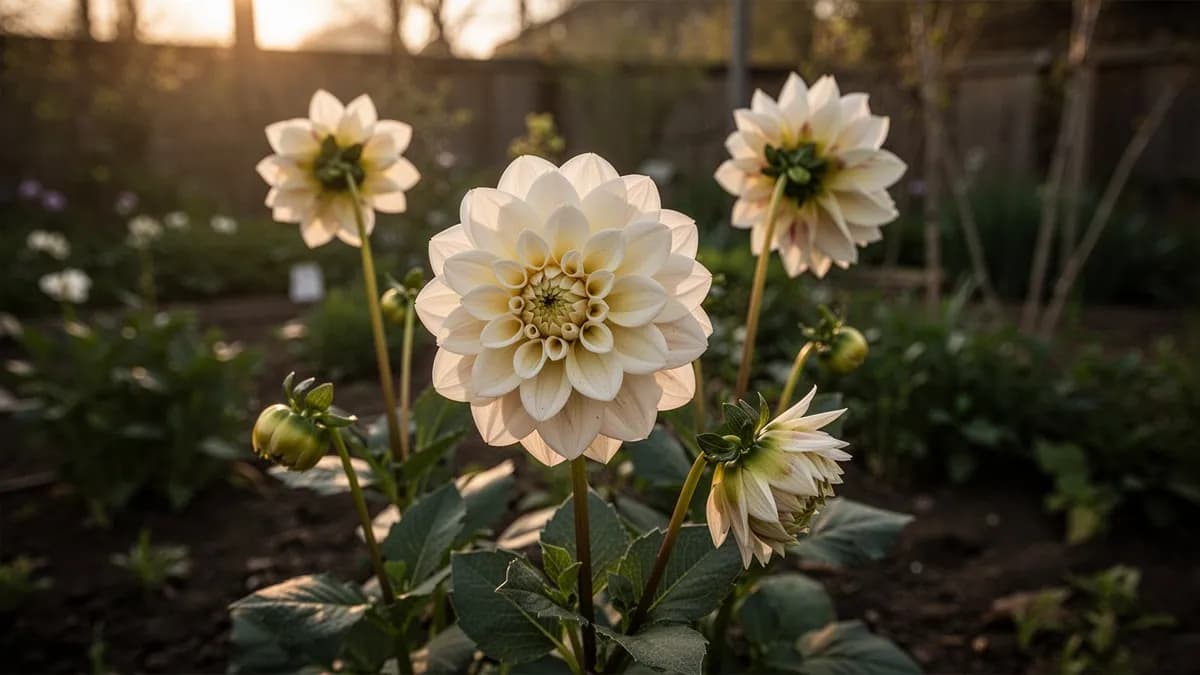
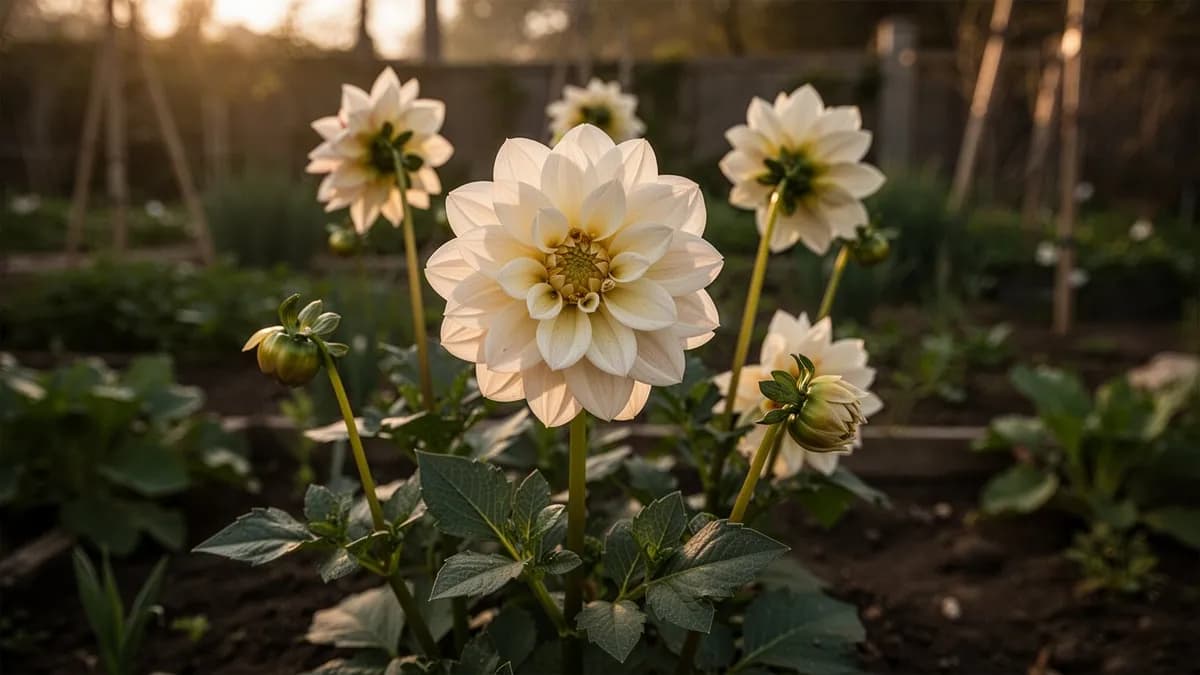
Keep Lily away from these
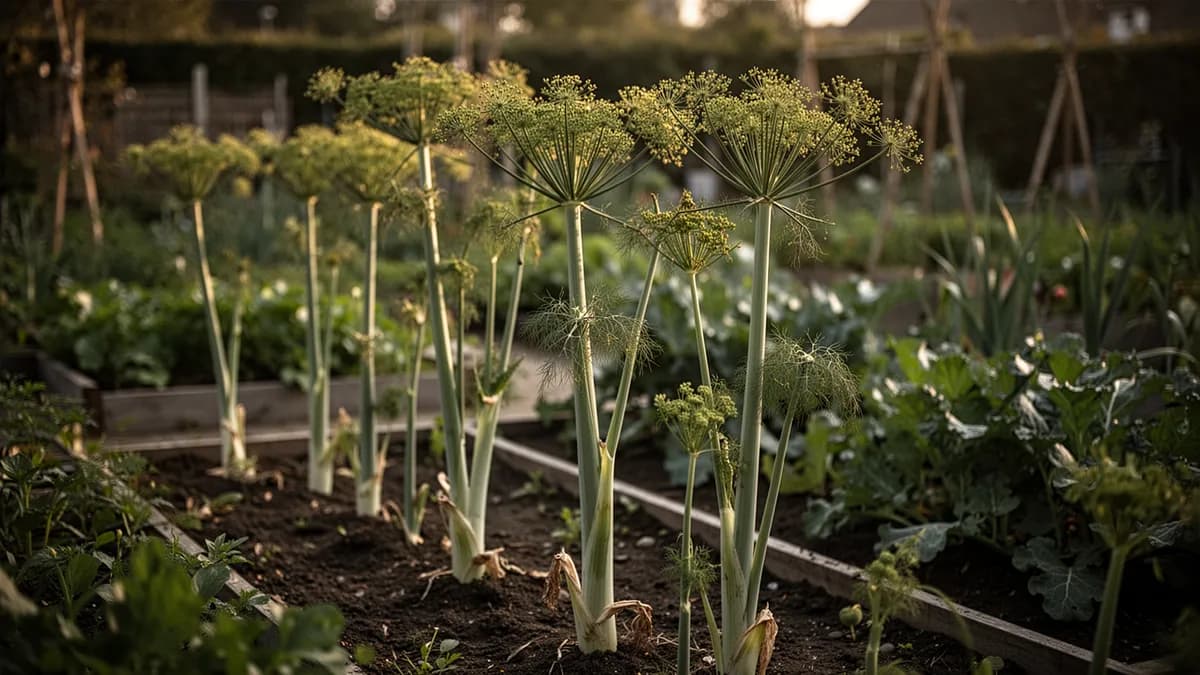
Grow your best Lily yet — and everything around it.
Start a free plan today. Lay out your beds, drop in your Lily, and let PlotMyGarden handle the timing, spacing, companions and reminders from seed to harvest basket.