Crocus
One of the earliest spring bulbs with chalice-shaped flowers in purple, yellow, white, and striped varieties that herald the end of winter.





On this pageOverview
Meet Crocus
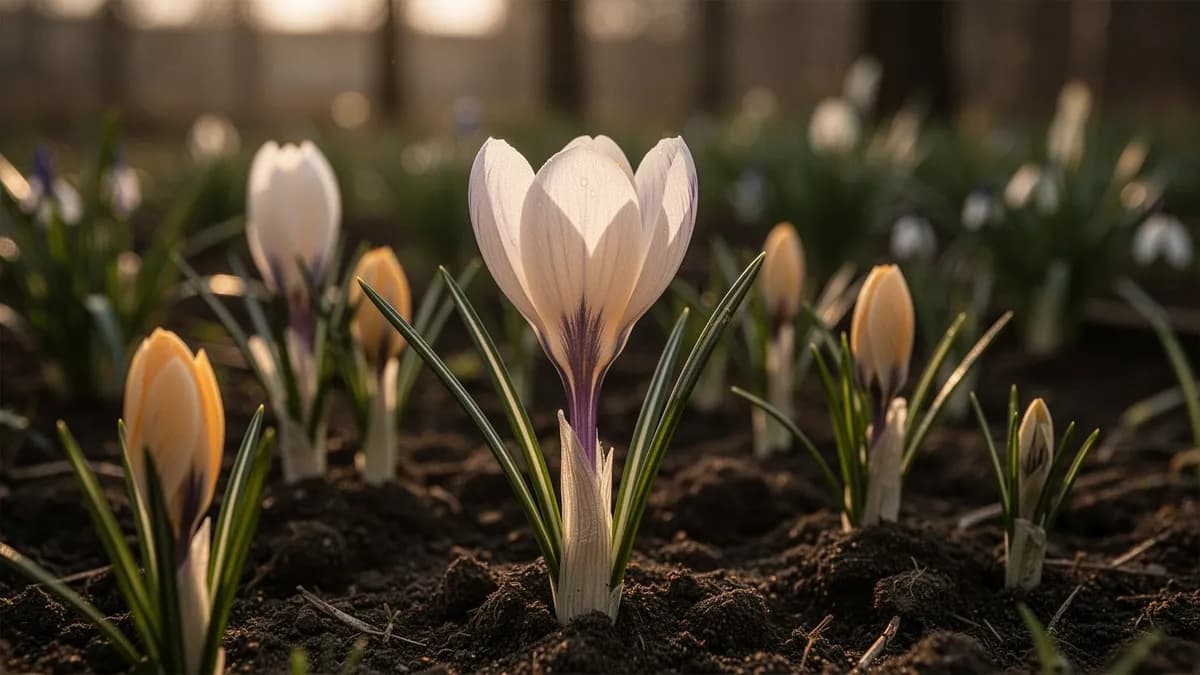
One of the earliest spring bulbs with chalice-shaped flowers in purple, yellow, white, and striped varieties that herald the end of winter. Crocuses naturalize beautifully in lawns and under deciduous trees, multiplying into impressive drifts over time. Plant corms just three inches deep in autumn and protect from squirrels with wire mesh if needed.
When to plant Crocus
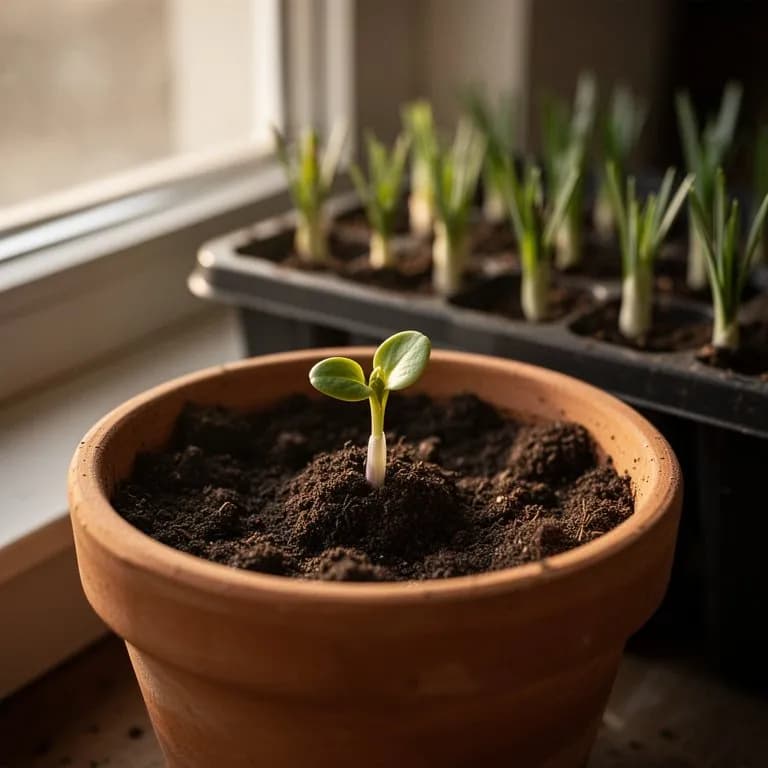
Crocus species can be grown from seed, though they typically take 3-4 years to reach flowering size. Collect seed pods as they ripen and turn brown in early summer. Sow immediately in pots of gritty compost, cover lightly, and leave outdoors exposed to winter cold for natural stratification. Seedlings will emerge the following spring as thin, grass-like leaves. Keep pots watered but not soggy, and do not disturb until corms are large enough to transplant after the second year.
Your Crocus Year
Composed for Zone 7 · typical seasons · frost passes Apr 2, returns Nov 1
Plant Crocus Sep – Oct, pick Feb – Apr. Check the planting methods below and set your climate to personalize these windows.
How to grow Crocus
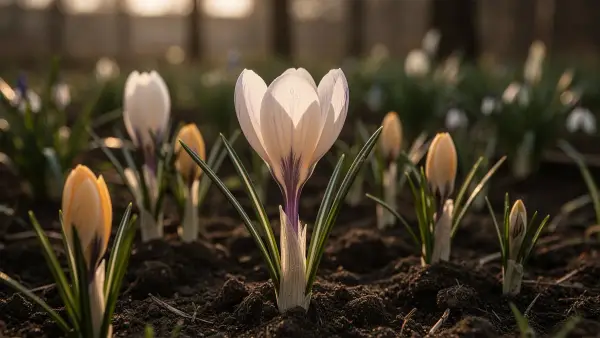
Crocuses are among the easiest and most rewarding spring bulbs to grow. Plant corms in autumn, ideally September through November, before the ground freezes. Choose a spot with full sun to light shade—under deciduous trees is perfect as the bulbs bloom before trees leaf out. Plant corms 3-4 inches deep and 3-4 inches apart with the pointed end up.
For naturalizing in lawns, scatter corms randomly and plant where they fall for a natural look. Delay mowing naturalized areas until crocus foliage has yellowed and died back completely, typically six weeks after flowering. The leaves must photosynthesize to replenish the corm for next year's bloom.
Crocuses require minimal care once established. They prefer well-drained soil and actually perform poorly in constantly moist conditions. Divide congested clumps every 3-4 years in late summer when dormant. Squirrels and chipmunks are notorious for digging up corms—protect new plantings with chicken wire laid over the soil until shoots emerge.
450 plants fit a 4 × 8 ft bed
Each Crocus wants 8 cm of elbow room. The planner keeps that spacing for you — every plant, every bed.
Crocus's best neighbours
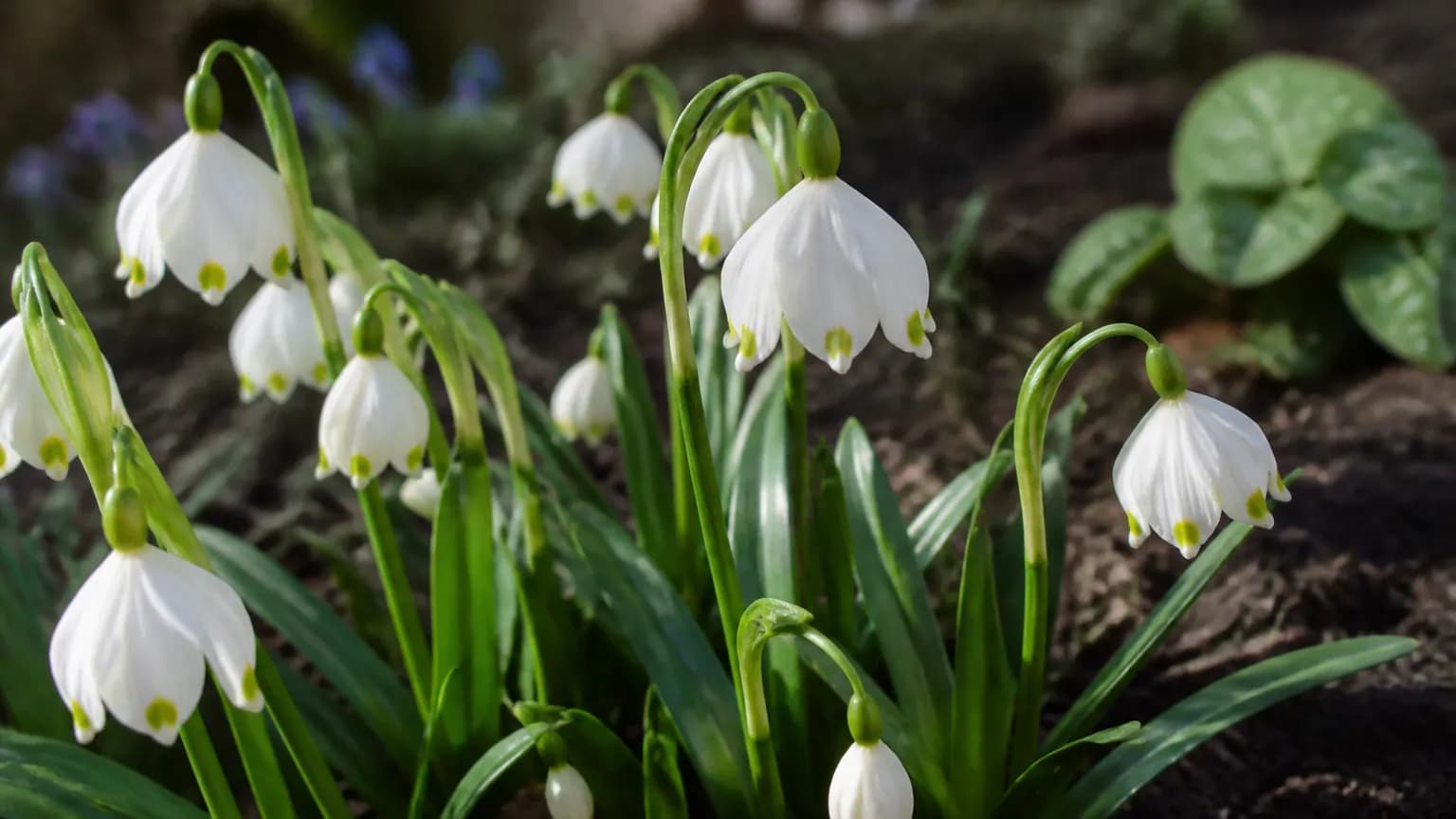
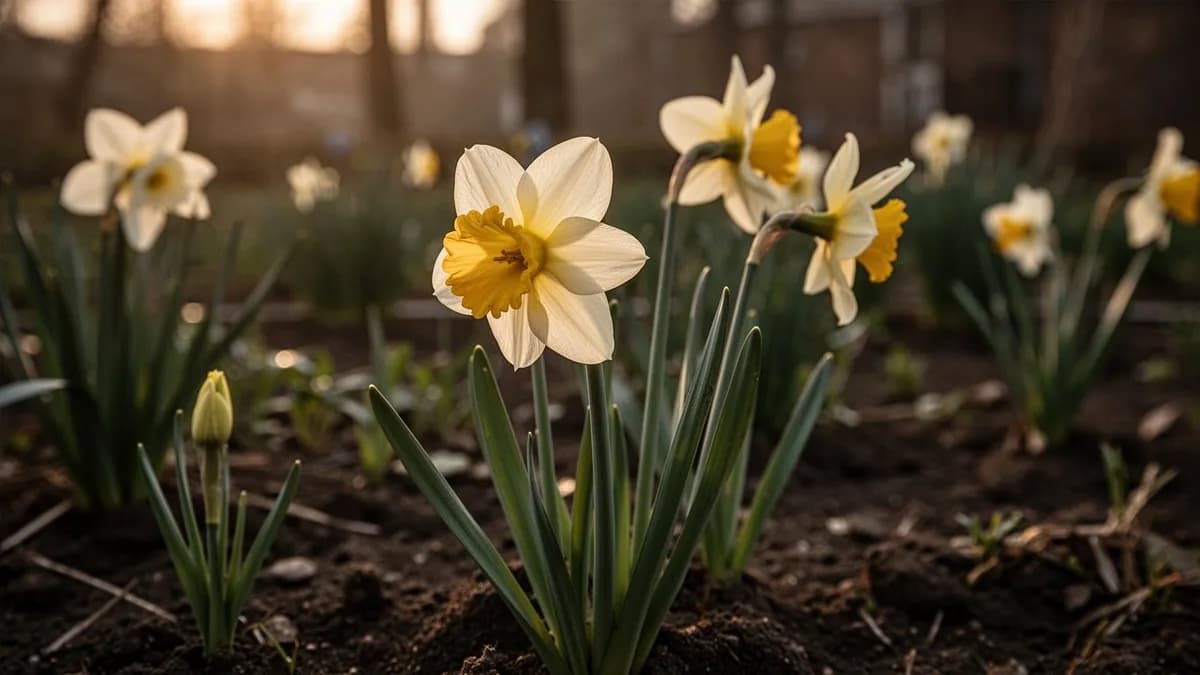
Crocuses are perfect companions for other early spring bulbs like snowdrops, winter aconites, and miniature daffodils, creating layers of early-season color. Plant among groundcover perennials like creeping thyme or ajuga, which fill in as crocus foliage fades. In lawns, they combine beautifully with grape hyacinths for a blue-and-purple spring carpet. Avoid planting near aggressive spreaders that might smother the small corms.
Giant Snowdrop belongs beside it.
Old growers' knowledge, checked against Crocus's real companion table below — test any plant you're growing.
Try Crocus in a bed — right here
A real planner bed with Crocus already in it. Tap a companion to place it and watch the pairing checks answer — green for good neighbours, red for a clash.


Related growing guides
Feed it well
Crocuses demand well-drained soil above all else—waterlogged conditions cause corm rot. Sandy or gritty loam with a pH of 6.0-7.0 is ideal. In heavy clay, add generous amounts of coarse grit or sharp sand to improve drainage. Crocuses rarely need fertilizer in good garden soil. If desired, apply a light top-dressing of bone meal in autumn when planting, which provides slow-release phosphorus to support root development.
Ideal Temperature
Hardiness Zone Compatibility
From seed to harvest, stage by stage
Corm Planting
Crocus corms are planted in autumn, 3-4 inches deep and 3 inches apart in well-drained soil. The corms begin establishing root systems before the ground freezes.
Winter Dormancy
The corms remain dormant underground through winter. Cold temperatures are essential for vernalization, the chilling period that triggers spring flowering. Roots continue to develop slowly beneath the frozen soil surface.
Shoot Emergence
As soil temperatures rise above 35-40°F (2-4°C) in late winter to early spring, green shoots push through the soil and sometimes through remaining snow cover. Grass-like foliage appears first, followed by flower buds.
Flowering
Cup-shaped flowers open in full sun and close during cloudy weather or at night. Blooms last 2-3 weeks depending on temperature. Each corm produces 1-5 flowers in shades of purple, yellow, white, or striped patterns.
Foliage Growth and Energy Storage
After flowers fade, the narrow grass-like leaves continue photosynthesizing for 4-6 weeks. This period is critical as the foliage produces energy that is stored in the corm for next year's bloom cycle.
Summer Dormancy and Corm Division
The foliage dies back and the plant enters summer dormancy. Underground, the original corm shrivels as daughter corms (cormels) develop around it. Over several years, a single corm multiplies into a dense cluster.
Choose a planting site with full sun to partial shade. Ensure the soil drains well to prevent corm rot during winter dormancy.
Caring for Crocus month by month
What to do each month for your Crocus
October
You are hereContinue planting corms through mid-autumn. Plant in groups of 10-25 for the best visual impact. This is also the time to replant any divided corms.
Know exactly what to do in your garden — every month
One email at the start of each month: what to sow, plant, and tackle right now — for your Crocus and everything growing around it. Plus a short starter course that helps you dodge the classic mistakes.
- What to do, right now
- Matched to your season
- Starter course included
Harvesting Crocus
Crocuses are primarily ornamental and rarely cut for arrangements due to their short stems. For saffron production (Crocus sativus, the autumn-blooming species), harvest the three red stigmas from each flower on the day it opens, using tweezers in dry weather. Dry stigmas on paper towels in a warm room for several days. It takes roughly 150 flowers to produce one gram of saffron, making it the world's most expensive spice by weight.
assuming you plant when the window opens — set your real date
From bulbs, tubers or cloves
Pick Crocus promptly and the plant keeps producing.
Storage & Preservation
Crocus corms can be left in the ground year-round in zones 3-8, where they need no lifting or storage. If dividing, lift corms after foliage dies back in late spring, clean off soil, and store in mesh bags in a cool, dry place at 60-70°F (15-21°C) until replanting in autumn. For saffron crocus stigmas, store dried threads in an airtight glass jar away from light. Properly dried saffron keeps its potency for up to three years.
What goes wrong — and the fix
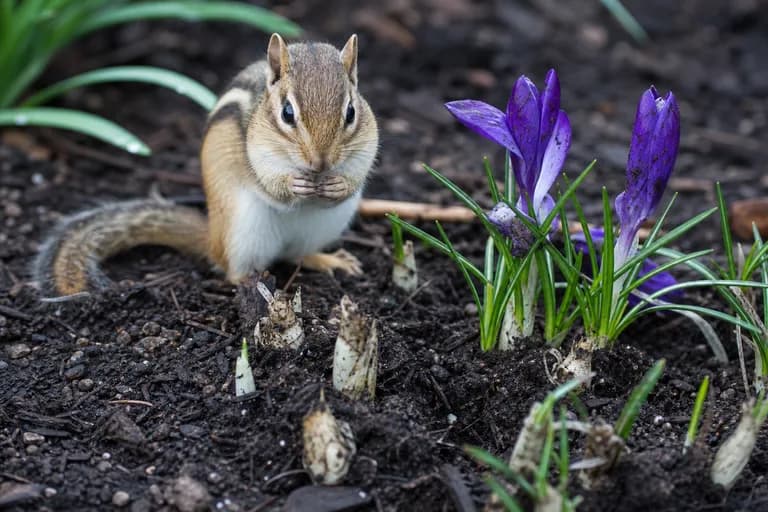
Squirrels and Chipmunks
PestFreshly planted corms dug up and scattered or eaten, missing plants in spring.
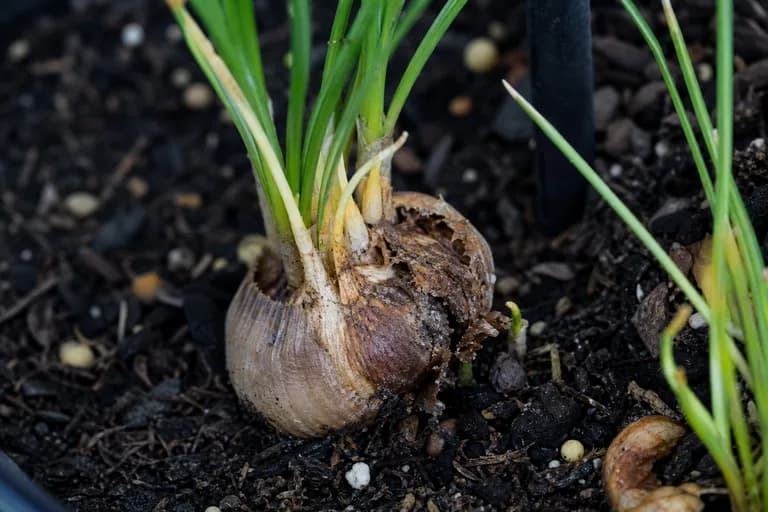
Crocus Rot (Fusarium)
DiseaseCorms develop soft, brown, mushy areas. Plants fail to emerge or produce stunted, yellowed growth.
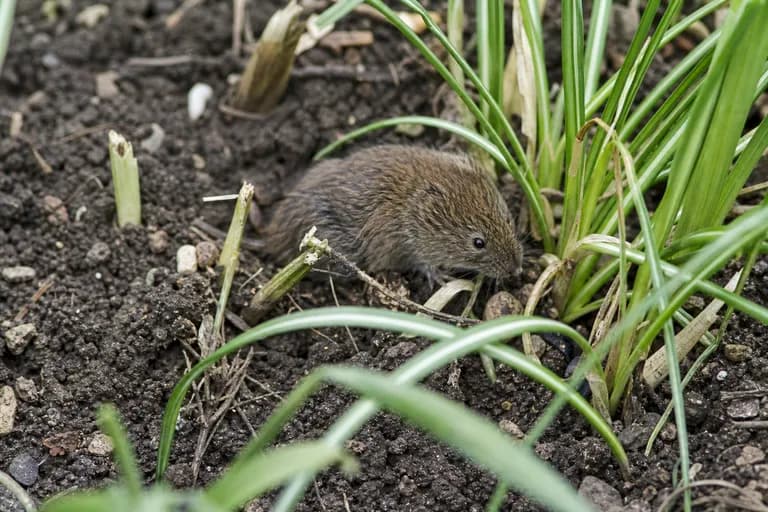
Mice and Voles
PestCorms eaten underground with no sign above ground. Tunnels visible near planting sites.
Troubleshooting Common Problems
The most common complaint is failure to flower in subsequent years, usually caused by mowing foliage too early after blooming or excessive shade from expanding tree canopies. Blind (all leaf, no flower) crocuses have exhausted their reserves—allow foliage to die naturally and top-dress with bone meal. Corms planted too shallowly may be pushed out of the ground by frost heaving—mulch lightly after planting.
Growing Tips
- Plant crocus corms in autumn at a depth of 3-4 inches and spaced 3 inches apart with the pointed end facing upward. Planting too shallow increases the risk of squirrel predation and frost heaving.
- Choose a site with full sun to light dappled shade. Crocuses planted under deciduous trees perform well because they bloom before the tree canopy leafs out and blocks sunlight.
- Ensure excellent soil drainage by amending heavy clay soils with coarse sand or fine gravel. Crocus corms are highly susceptible to rot in waterlogged conditions during winter and spring.
- Plant corms in informal clusters of 10-25 rather than straight rows for a natural, meadow-like appearance. Scatter them by hand and plant where they fall for the most organic look.
- To naturalize crocuses in a lawn, use a bulb planter or narrow trowel to create individual holes. After blooming, delay mowing the area until the crocus foliage has fully yellowed and died back, typically by mid to late May.
- Protect corms from squirrels and chipmunks by laying chicken wire or hardware cloth just below the soil surface over newly planted areas. Remove it in spring once shoots are established and rodent pressure decreases.
- Avoid fertilizing crocus plantings heavily. A light application of balanced slow-release bulb fertilizer (such as 10-10-10) in early autumn is sufficient. Excessive nitrogen promotes leaf growth at the expense of flowering.
- If growing crocuses in containers, use a well-drained potting mix and store the containers in an unheated garage or cold frame for 12-16 weeks of chilling before bringing them into warmth to force early indoor blooms.
- Interplant spring crocuses with later-emerging perennials such as hostas, daylilies, or ferns. The perennial foliage will expand to fill the space and hide the dying crocus leaves as they go dormant.
- Avoid planting crocus corms in areas with automatic irrigation systems that water during summer, as consistent moisture during dormancy promotes fungal disease and corm rot.
Grow your best Crocus yet — and everything around it.
Start a free plan today. Lay out your beds, drop in your Crocus, and let PlotMyGarden handle the timing, spacing, companions and reminders from seed to harvest basket.
Pick your Crocus
Crocus 'Pickwick'
Striking pale lilac flowers with dramatic dark purple stripes, one of the most popular and recognizable Dutch crocus cultivars.
Crocus 'Jeanne d'Arc'
Pure white large-flowered crocus with a slight purple base, reliable and vigorous for naturalizing.
Crocus chrysanthus 'Cream Beauty'
An early-blooming species crocus with soft buttercream flowers and a honey scent, appearing weeks before Dutch varieties.
Crocus tommasinianus 'Ruby Giant'
Deep purple-violet flowers that naturalize prolifically. One of the best species for creating large drifts in grass.
Crocus sativus
The saffron crocus, blooming in autumn with lilac flowers bearing precious red stigmas used as the world's most expensive spice.
Crocus corms are among the most cost-effective ornamental bulbs, typically priced at $3-8 for a bag of 25-50 corms. Because each corm naturally multiplies by producing 3-5 daughter corms annually, an initial planting of 50 corms can expand to over 500 blooming plants within five years with zero additional cost. Naturalizing crocuses in lawns and borders eliminates the need for replanting each year, providing decades of reliable spring color for a one-time investment. Compared to purchasing cut flowers or annual bedding plants each spring, a naturalized crocus planting can save $50-100 or more per year in landscaping costs while requiring virtually no maintenance beyond the initial planting.
Quick recipes
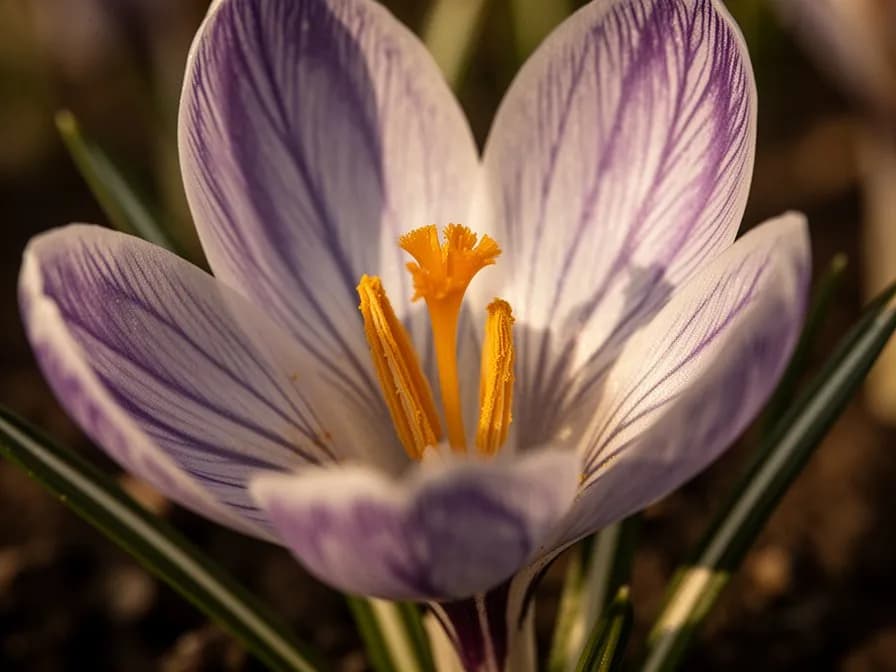
Saffron-Infused Honey (using Crocus sativus saffron)
5 minutes plus 48 hours infusionA luxurious infused honey that captures the warm, earthy flavor and golden color of saffron. Drizzle over yogurt, fresh ricotta, or warm flatbread. Note: this recipe uses commercially harvested saffron from Crocus sativus, not from spring crocus.
3 ingredientsSaffron Rice Pilaf
35 minutesA fragrant side dish where saffron imparts its signature golden hue and delicate flavor to basmati rice. This classic preparation pairs beautifully with roasted vegetables, grilled meats, or stewed legumes.
6 ingredients
Saffron and Cardamom Tea
10 minutesA warming, aromatic tea traditionally enjoyed in Persian and South Asian cultures. The combination of saffron and cardamom creates a soothing beverage believed to support digestion and relaxation.
5 ingredientsWhat's inside
Health Benefits
- Crocus flowers are among the earliest pollen and nectar sources available to pollinators, supporting the health of local bee populations critical to garden and agricultural ecosystems.
- Gardening with crocuses encourages outdoor activity during late winter and early spring, which can help alleviate seasonal affective disorder and improve mood through exposure to natural light.
- Saffron derived from Crocus sativus contains crocin and safranal, compounds that have been studied for their potential antidepressant and anxiolytic effects in clinical research.
- The act of planting and tending crocus corms provides gentle low-impact physical exercise including bending, kneeling, and fine motor work that supports joint flexibility and hand dexterity.
- Observing the emergence of crocus blooms through snow has been associated with psychological well-being benefits, as seasonal botanical markers help regulate circadian rhythms and reinforce connection to natural cycles.
- Saffron has been used in traditional medicine systems including Ayurveda and Persian medicine for centuries to support digestion, reduce inflammation, and promote restful sleep.
Where Crocus comes from
The spring crocus (Crocus vernus) is native to the alpine meadows and subalpine grasslands of central and southern Europe, with its natural range spanning from the Pyrenees through the Alps and into the Carpathian Mountains and the Balkans. Wild populations thrive at elevations between 3,000 and 8,000 feet, where they have adapted to harsh winters, rocky soils, and intense ultraviolet light. The genus Crocus belongs to the Iridaceae family and contains roughly 90 recognized species distributed across Europe, North Africa, the Middle East, and Central Asia.
Crocuses hold deep cultural significance stretching back thousands of years. Ancient Minoan frescoes discovered at the palace of Knossos on Crete, dating to approximately 1600 BCE, depict young women harvesting crocus stigmas, suggesting that crocus cultivation predates recorded European history. The ancient Greeks and Romans valued crocuses both ornamentally and medicinally, using crocus-derived preparations as perfumes, dyes, and therapeutic remedies.
During the Ottoman Empire, crocus cultivation flourished as the Turks developed hundreds of cultivated varieties. The flower reached Western Europe in significant numbers during the sixteenth century, when the Flemish botanist Carolus Clusius introduced numerous bulb species to the Netherlands and established the foundations of the Dutch bulb trade. By the seventeenth century, crocuses had become staples of European gardens alongside tulips and hyacinths.
Today, the most widely grown spring crocus cultivars include 'Remembrance' (deep purple), 'Jeanne d'Arc' (pure white), 'Pickwick' (lilac-striped), and 'Yellow Mammoth' (golden yellow). Modern breeding continues to expand the palette of available colors and improve traits such as vigor, flower size, and resistance to squirrel predation. Crocus vernus remains one of the most beloved early-season garden plants worldwide, celebrated for its ability to bring vivid color to landscapes still emerging from winter dormancy.
Crocus: did you know?
Fascinating facts about Crocus
Crocus vernus is one of the earliest spring-blooming flowers and can push through a light layer of snow, earning it the nickname 'herald of spring' in many European cultures.
Crocus questions, answered
When should I plant Crocus?
What are good companion plants for Crocus?
What hardiness zones can Crocus grow in?
How much sun does Crocus need?
How far apart should I space Crocus?
What pests and diseases affect Crocus?
How do I store Crocus after harvest?
What are the best Crocus varieties to grow?
What soil does Crocus need?
Why did my crocus corms fail to bloom this spring?
How do I prevent squirrels from digging up my crocus corms?
Can I grow spring crocus indoors in pots?
When should I divide overcrowded crocus clumps?
Are crocus flowers safe around pets and children?
How long do crocus corms last in the ground?
You just read the theory. Now grow it on autopilot.
Everything that makes Crocus fiddly — the timing, the spacing, the companions, the harvest window — is exactly what PlotMyGarden handles for you, for every plant in your garden.
A plan that knows your weather
Set your location once. Get sow, feed and harvest dates built around your real last-frost date and live forecast — no more guessing from a generic seed packet.
From the “When to plant” sectionDrag-and-drop bed planner
Design beds on a grid. Every plant snaps to its proper spacing, and you can see your whole season laid out before you spend a cent on seed.
From the “Growing guide” sectionCompanion conflicts, caught early
200+ good-and-bad pairings checked live as you plant — so a season-wrecking mistake never makes it into the ground.
From the “Companions” sectionReminders you'll actually act on
“Water the beans.” “Pick today before it turns.” Timely, specific, and tied to the plants you're really growing.
From the “Harvest” sectionSuccession, scheduled
Want a harvest for six weeks, not six days? It spaces your sowings automatically and reminds you when each new block is due.
From the “When to plant” sectionA record that gets smarter
Every harvest you log teaches it your garden. Next year's plan starts from what actually worked in your soil, not a textbook's.
From the “Overview” sectionPlant these alongside Crocus
More Bulbs
Grow your best Crocus yet — and everything around it.
Start a free plan today. Lay out your beds, drop in your Crocus, and let PlotMyGarden handle the timing, spacing, companions and reminders from seed to harvest basket.