Schneestolz
Eine kleine, früh blühende Zwiebel mit sternförmigen blauen Blüten mit weißen Zentren, die kurz nach dem Schmelzen des Schnees erscheinen.






Auf dieser SeiteÜberblick
Schneestolz im Überblick
Eine kleine, früh blühende Zwiebel mit sternförmigen blauen Blüten mit weißen Zentren, die kurz nach dem Schmelzen des Schnees erscheinen. Schneestolz verwildert wunderschön unter sommergrünen Bäumen und in Steingärten und schafft im frühen Frühling Teppiche aus Blau. Pflanzen Sie großzügig, da die einzelnen Zwiebeln klein sind, sich aber im Laufe der Jahre rasch vermehren.
Wann Schneestolz pflanzen
Chionodoxa sät sich frei selbst aus, und dies ist der wichtigste Weg der natürlichen Verbreitung. Für eine gezielte Vermehrung sammeln Sie Samenkapseln, wenn sie braun werden, und säen Sie sofort in Töpfe mit grittigem, gut durchlässigem Kompost. Samen keimen im folgenden Frühling nach der Kältestratifikation im Winter. Sämlinge sind winzig und sollten zwei Jahre in ihren Töpfen verbleiben, bevor sie ausgepflanzt werden. Die Blüte beginnt im zweiten oder dritten Jahr nach der Aussaat. Tochterzwiebeln können nach dem Absterben des Laubs im Sommer ebenfalls getrennt werden.
Dein Schneestolz-Jahr
Abgestimmt auf Zone 7 · typische Saison · Frost geht um den 2. Apr. und kehrt um den 1. Nov. zurück
Schneestolz Sep – Okt pflanzen, Mär – Apr ernten. Beachte die Pflanzmethoden unten und wähle dein Klima für passende Zeiträume.

So baust du Schneestolz an
Pflanzen Sie Chionodoxa-Zwiebeln im Herbst etwa acht Zentimeter tief und fünf bis acht Zentimeter voneinander entfernt in gut durchlässigen Boden in voller Sonne bis Halbschatten. Diese kleinen Zwiebeln entfalten ihre Wirkung am besten, wenn sie in großen Mengen von fünfzig oder mehr gepflanzt werden und so blaue Seen unter sommergrünen Bäumen und entlang von Waldrändern bilden. Sie gedeihen in den hellen Bedingungen unter kahlen Winterästen und schließen ihren Wachstumszyklus ab, bevor das Blätterdach der Bäume austreibt.
Chionodoxa benötigt nach der Etablierung so gut wie keine Pflege. Die Zwiebeln erhalten ausreichend Feuchtigkeit durch normalen Herbst- und Winterregen sowie Frühlingsschauer. Vermeiden Sie das Gießen während der Sommerruhe. Entfernen Sie das Laub nach der Blüte nicht, sondern lassen Sie es über vier bis sechs Wochen auf natürliche Weise absterben, um die Zwiebeln für das folgende Jahr zu stärken.
Diese Zwiebeln verwildern begeistert durch Selbstaussaat und Tochterzwiebeln und breiten sich im Laufe mehrerer Jahre aus, um ausgedehnte blaue Teppiche zu bilden. Sie können sogar Rasenflächen besiedeln, wenn das Mähen verzögert wird, bis das Laub im späten Frühling vollständig abgereift ist. Für die beste optische Wirkung streuen Sie die Zwiebeln zufällig aus und pflanzen Sie sie dort, wo sie hinfallen, um natürlich wirkende Drifts zu erzeugen.
450 Pflanzen passen in ein Beet von 120 × 240 cm
Schneestolz braucht 8 cm Platz pro Pflanze. Der Planer hält diesen Abstand für dich ein — jede Pflanze, jedes Beet.
Die besten Nachbarn für Schneestolz
Chionodoxa erzeugt atemberaubende Displays, wenn er mit anderen Frühlingszwiebeln wie Krokussen, Schneeglöckchen und Winterlingen kombiniert wird. Die blauen Blüten sind ein klassischer Begleiter für gelbe Narzissen und erzeugen einen fröhlichen Farbkontrast. Pflanzen Sie unter sommergrünen Bäumen und Sträuchern, wo sie im Winter Sonne, aber im Sommer Schatten erhalten. Sie eignen sich gut in Steingärten zusammen mit frühen Primeln und Kriechthymian.
Krokus gehört daneben.
Altes Gärtnerwissen, geprüft an der echten Nachbartabelle von Schneestolz — teste jede Pflanze, die du anbaust.
Probiere Schneestolz direkt hier im Beet
Ein echtes Planer-Beet, Schneestolz steht schon drin. Tippe einen Begleiter an, platziere ihn und sieh, wie die Nachbarschaftsprüfung antwortet — grün für gute Nachbarn, rot bei Streit.


Passende Anbau-Ratgeber
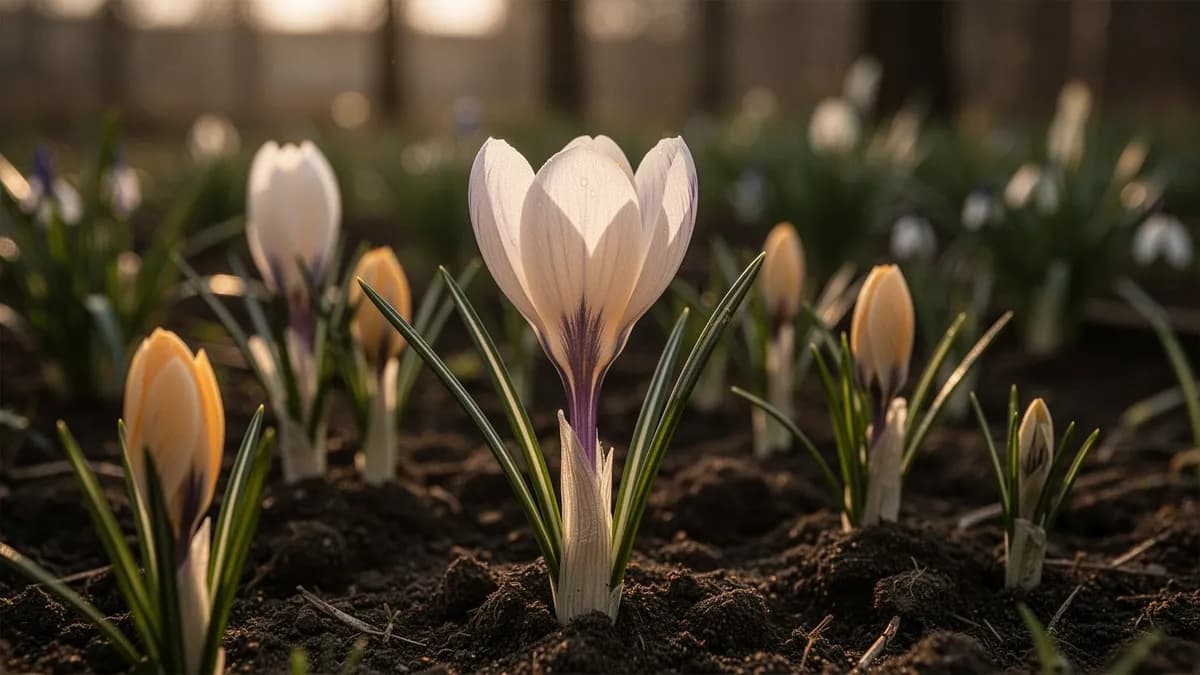
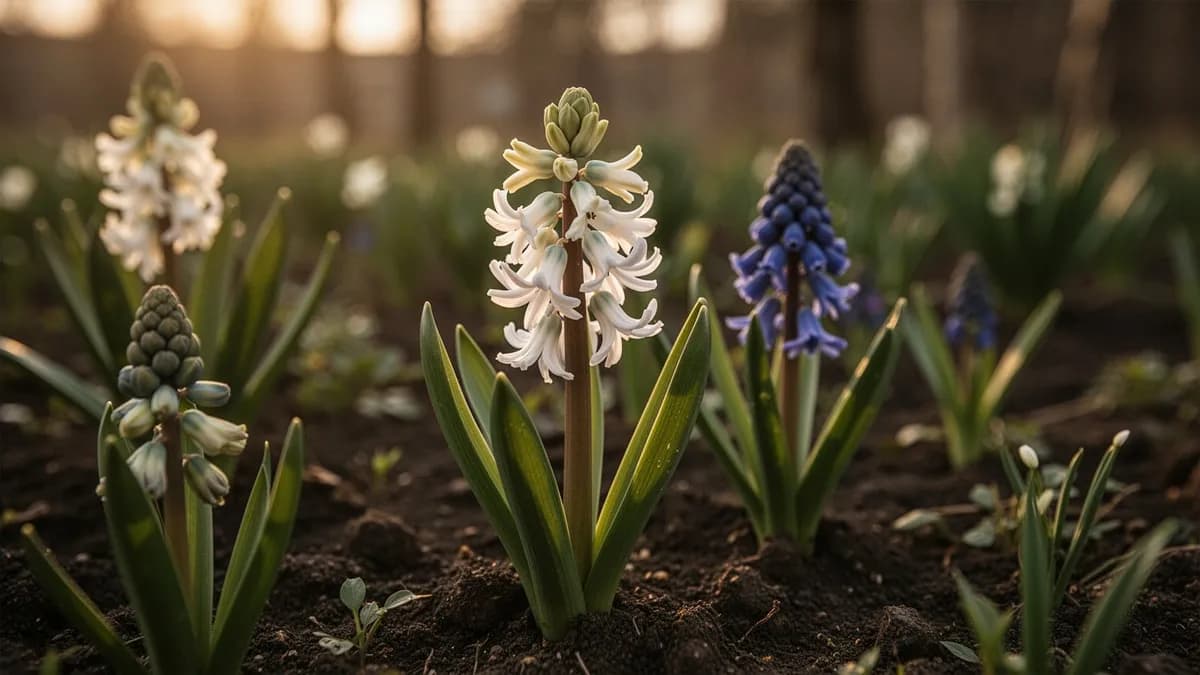
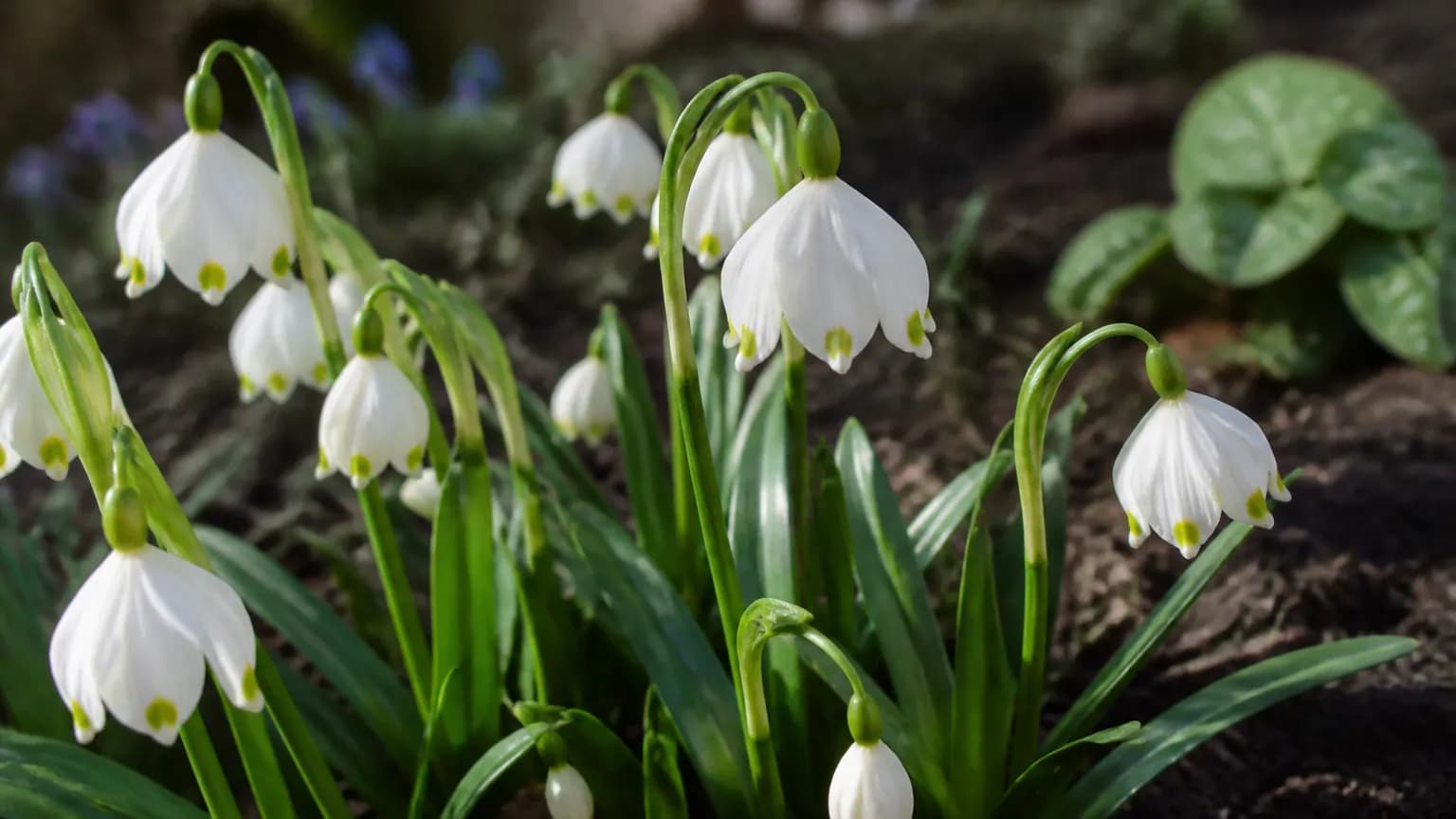
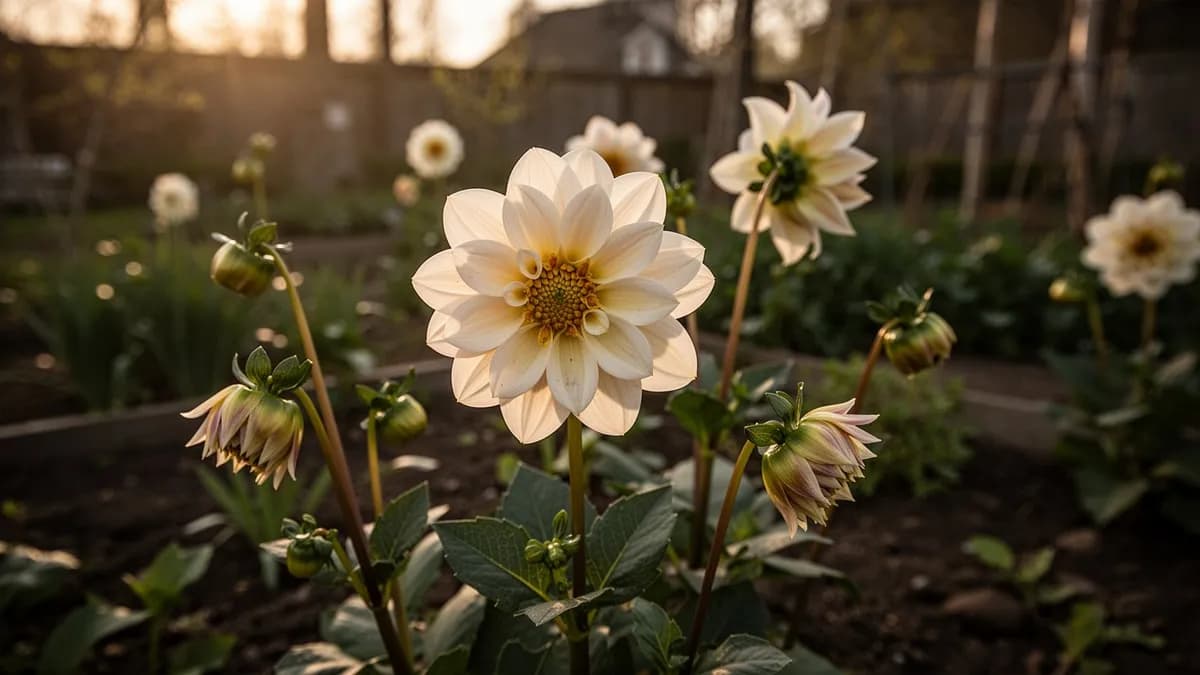
Richtig düngen
Chionodoxa gedeiht in jedem durchschnittlichen, gut durchlässigen Gartenboden mit einem pH-Wert von 6,0 bis 7,5. Er verträgt sowohl sandige als auch lehmige Böden, sofern die Drainage ausreichend ist. Für etablierte Bestände ist keine regelmäßige Düngung erforderlich. Eine leichte Abdeckung mit Laubkompost oder feinem Kompost im Herbst liefert ausreichend Nährstoffe. Vermeiden Sie starke Mulchschichten über der Pflanzfläche, da die kleinen Zwiebeln nahe der Oberfläche sein müssen und aufkeimende Triebe erstickt werden können.
Ideale Temperatur
Winterhärtezone-Kompatibilität
Von der Saat zur Ernte, Schritt für Schritt
Zwiebelpflanzung
Pflanzen Sie Chionodoxa-Zwiebeln im Herbst, idealerweise von September bis November, bevor der Boden gefriert. Legen Sie die Zwiebeln mit der Spitze nach oben in einer Tiefe von etwa 8 cm in gut durchlässigen, mit etwas Kompost angereicherten Boden. Zwiebeln 5 bis 8 cm voneinander entfernt in informellen Gruppen setzen für einen natürlichen Anblick. Gießen Sie die Pflanzfläche nach dem Einsetzen der Zwiebeln gründlich, um die Wurzelbildung vor der Winterruhe anzuregen.
Winterruhe und Wurzelentwicklung
Im Laufe des Winters bleiben die Zwiebeln unterirdisch ruhend, während sie langsam ein gesundes Wurzelsystem entwickeln. Die Kälteperiode ist für die Vernalisation unerlässlich, die die biochemischen Prozesse auslöst, die für die Frühjahrsblüte benötigt werden. Die Zwiebeln benötigen eine anhaltende Periode mit Temperaturen unter 7 Grad Celsius für mindestens 12 bis 14 Wochen, um die Dormanz richtig zu brechen und kräftige Blüten zu produzieren.
Triebaustrieb
Wenn die Bodentemperaturen im Spätwinter bis sehr frühen Frühling über den Gefrierpunkt steigen, schieben sich schlanke grüne Triebe durch die Bodenoberfläche. Chionodoxa ist in dieser Phase bemerkenswert frosthart, und das aufgehende Laub kann späte Fröste, leichten Schnee und Temperaturen nahe dem Gefrierpunkt über Nacht ohne Schäden überstehen. Zuerst erscheinen zwei bis drei schmale, riemenförmige Grundblätter, gefolgt vom sich entwickelnden Blütenstiel.
Blüte
Jede Zwiebel treibt ein oder zwei Blütenstiele mit Trauben von 4 bis 12 aufwärts gerichteten, sternförmigen Blüten aus. Die Blüten sind typischerweise lebhaft enzianblau mit einem auffälligen weißen Mittelauge, obwohl auch rosa und weiße Sorten existieren. Die Blütezeit dauert zwei bis vier Wochen je nach Temperatur, wobei kühleres Frühlingswetter die Schau verlängert. Die Blüten sind leicht duftend und für frühsaisonale Bestäuber wie Bienen und Schwebfliegen sehr attraktiv.
Samenansatz und Laubreifung
Nach dem Blütenfall entwickeln sich an der Spitze jedes Stiels kleine grüne Samenkapseln. Die Samen reifen über mehrere Wochen und werden lokal durch Ameisen verbreitet, ein Prozess namens Myrmekochorie, der dem Bestand hilft, sich natürlich auszubreiten. Inzwischen betreibt das Laub weiterhin Photosynthese und leitet Energie zurück in die Zwiebel für das nächste Jahr. Die Blätter vergilben und welken allmählich, wenn die Zwiebel in die Sommerruhe eintritt.
Sommerruhe
Sobald das Laub vollständig abgestorben ist, tritt die Zwiebel in eine Phase der Sommerruhe unter der Bodenoberfläche ein. Während dieser Phase ist die Zwiebel metabolisch ruhig, produziert aber langsam weiterhin Tochterzwiebeln an ihrer Basis. Diese Abkömmlinge werden im Laufe von ein bis zwei Wachstumsperioden zu blütefähigen Zwiebeln heranwachsen und die Größe des Bestands ohne jedes Eingreifen des Gärtners allmählich vergrößern.
Wählen Sie einen Standort mit voller Sonne bis Halbschatten. Chionodoxa gedeiht besonders gut unter sommergrünen Bäumen, wo er im Frühling volle Sonne erhält, bevor das Blätterdach austreibt.

Schneestolz Monat für Monat pflegen
Was du jeden Monat für deine Schneestolz tun solltest
Oktober
Aktueller MonatAlle Zwiebeln pflanzen, bevor der Boden gefriert. In großzügigen Driften von 25 oder mehr Zwiebeln pflanzen für die wirkungsvollste Frühlingsschau. Neu gepflanzte Zwiebeln gut wässern.
Immer wissen, was jetzt im Garten zu tun ist
Eine E-Mail zum Monatsanfang: was du jetzt säen, pflanzen und anpacken solltest — für deine Schneestolz und alles, was drumherum wächst. Dazu ein kurzer Startkurs, der dich vor den klassischen Fehlern bewahrt.
- Was jetzt zu tun ist
- Passend zu deiner Saison
- Startkurs inklusive
Schneestolz ernten
Chionodoxa genießt man am besten im Garten und nicht als Schnittblume, da die kurzen Stiele sie für Gestecke unpraktisch machen. Kleine Büschel können jedoch gepflückt und in flachen Schalen für charmante Frühlingstischdekore schwimmend angeordnet werden. Lassen Sie alles Laub nach der Blüte natürlich vergilben und absterben, um die Zwiebeln zu stärken. Samenkapseln können zum Reifen und zur Selbstaussaat stehen gelassen oder für eine kontrollierte Vermehrung gesammelt werden.
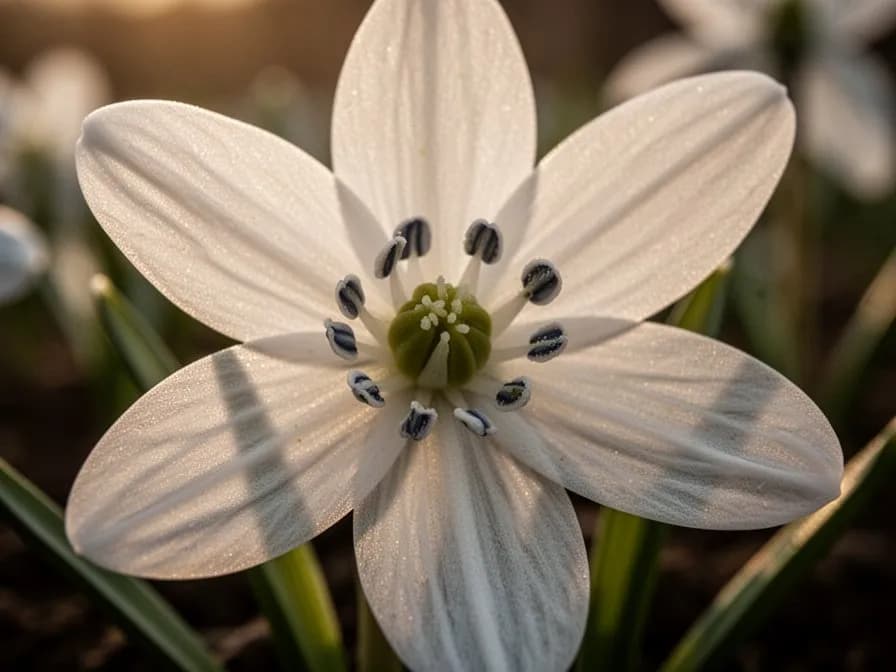
angenommen, du pflanzt zu Beginn des Zeitraums — trage dein tatsächliches Datum ein
Aus Zwiebeln, Knollen oder Zehen
Ernte Schneestolz zügig, dann trägt die Pflanze weiter.
Lagerung & Konservierung
Chionodoxa-Zwiebeln sollten das ganze Jahr über im Boden verbleiben, da sie vollständig winterhart sind und sich am besten ungestört verwildern. Wenn Sie Zwiebeln versetzen müssen, heben Sie sie direkt nach der Blüte noch im Laub aus und pflanzen Sie sie sofort wieder ein, da sie sich in trockenem Zustand nicht gut lagern lassen. Samen können im späten Frühling aus reifen Kapseln gesammelt und sofort ausgesät oder kurz an einem kühlen, trockenen Ort für die Herbstaussaat gelagert werden.
Was schiefgeht — und die Lösung
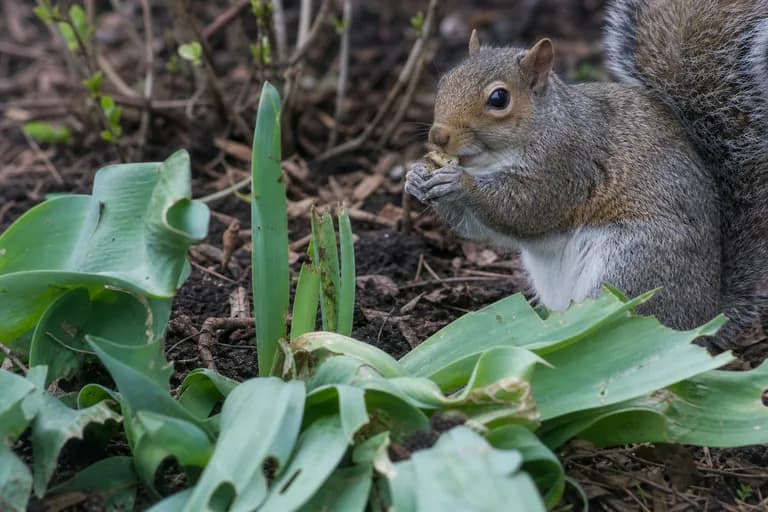
Eichhörnchen
SchädlingFrisch gepflanzte Zwiebeln werden ausgegraben und verstreut oder gefressen. Kurz nach der Herbstpflanzung erscheinen kleine Löcher in den Pflanzflächen.
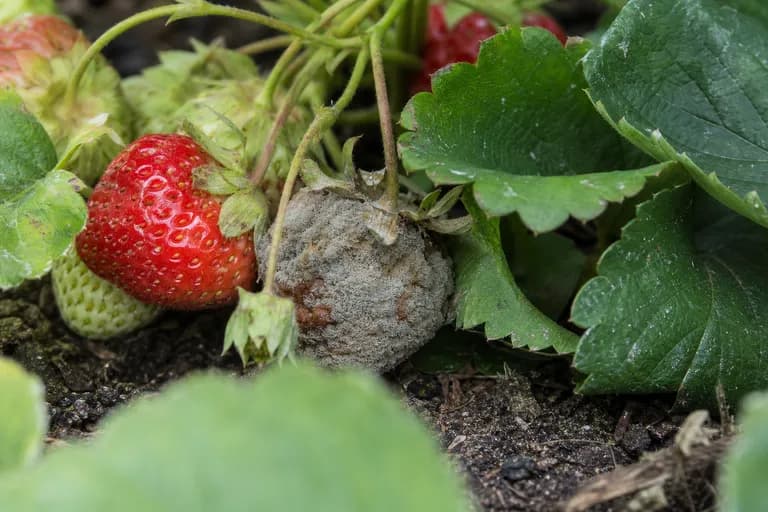
Botrytis
KrankheitGraugrüner Schimmel an Blättern und Blüten bei anhaltend feuchten, kühlen Bedingungen. Geflecktes oder zusammenbrechendes Laub.
Fehlerbehebung bei häufigen Problemen
Die größte Herausforderung bei Chionodoxa ist, zu wenige Zwiebeln zu pflanzen, was zu einer spärlichen Schau führt. Pflanzen Sie mindestens fünfzig bis hundert Zwiebeln für eine wirkungsvolle Wirkung. Eichhörnchen können frisch gepflanzte Zwiebeln ausgraben, lassen etablierte Pflanzungen jedoch in der Regel in Ruhe. In extrem nassem, schwerem Lehm ohne Drainage können Zwiebeln während der Sommerruhe verfaulen. Zu frühes Mähen des Rasens, bevor das Laub abgereift ist, schwächt den Bestand langfristig.
Anbautipps
- Pflanzen Sie Chionodoxa-Zwiebeln in einer Tiefe von etwa dem Dreifachen der Zwiebelgröße, typischerweise 7 bis 10 cm tief, in jedem gut drainierten Boden. Schwere Lehmböden sollten mit grobem Kies oder scharfem Sand verbessert werden, um Staunässe und Zwiebelfäule im Winter zu verhindern.
- Für den natürlichsten Effekt streuen Sie Zwiebeln von Hand über die Pflanzfläche und pflanzen jede genau dort, wo sie liegt. Diese zufällige Verteilung ahmt die unregelmäßigen Muster in wilden Beständen nach und vermeidet den künstlichen Anblick gleichmäßig beabstandeter Reihen.
- Chionodoxa gedeiht in voller Sonne bis leichtem gefiltertem Schatten. Der ideale Standort ist unter sommergrünen Bäumen oder Sträuchern, die im frühen Frühling kahl sind und während der Blütezeit volle Sonneneinstrahlung bieten und während der Sommerruhe willkommenen Schatten spenden.
- Chionodoxa-Zwiebeln nur anheben und teilen, wenn die Horste stark überfüllt sind und die Blüte merklich nachgelassen hat. Diese Zwiebeln gedeihen am besten, wenn sie viele Jahre lang völlig ungestört bleiben und große verwilderte Kolonien bilden.
- Chionodoxa mit später austreibenden Stauden wie Funkien, Taglilien oder Storchschnabel überpflanzen, deren ausdehnendes Laub das vergilbende Chionodoxa-Laub beim Reifen im Spätherbst verdeckt, ohne um das Licht der frühen Saison zu konkurrieren.
- Bei der Einbürgerung in Rasen den ersten Schnitt der Saison um mindestens sechs Wochen nach dem Ende der Chionodoxa-Blüte verzögern, bis das Laub vollständig vergilbt ist. Dies ermöglicht es den Zwiebeln, sich für das folgende Jahr vollständig aufzuladen.
- Chionodoxa kann auch sehr erfolgreich in Behältern, Alpentrögen und Hochbeeten angebaut werden. Verwenden Sie eine grobe, frei drainierende Pflanzerde und stellen Sie sicher, dass der Behälter frostfest ist, da die Zwiebeln für ihre Kältebehandlung den Winter draußen verbringen müssen.
- Um eine Abfolge früher Frühlingsfarben zu erzeugen, kombinieren Sie Chionodoxa mit anderen Kleinzwiebeln, die zu leicht unterschiedlichen Zeiten blühen: Schneeglöckchen blühen zuerst, gefolgt von Chionodoxa und frühen Krokussen, dann Blausternchen und Traubenhyazinthen.
- Eichhörnchen und Nagetiere belästigen Chionodoxa-Zwiebeln selten, was sie zu einer ausgezeichneten Alternative zu Tulpen und Krokussen in Gärten macht, in denen Zwiebelprädation durch Wildtiere ein hartnäckiges Problem ist.
- Tragen Sie jeden Herbst eine dünne Abdeckschicht aus gut verrottetem Kompost oder Laubhumus über etablierte Chionodoxa-Bestände auf. Diese sanfte Düngung ahmt die natürliche Ansammlung organischer Substanz auf dem Waldboden nach und unterstützt eine gesunde Zwiebelentwicklung.
Bau deine beste Schneestolz an — und alles drumherum.
Starte heute kostenlos. Lege deine Beete an, setze deine Schneestolz ein und lass PlotMyGarden Timing, Abstände, Begleiter und Erinnerungen von der Saat bis zum Erntekorb übernehmen.
Finde deine Schneestolz
Violet Beauty
Sattviolettblaue Blüten mit kleineren weißen Zentren, die eine intensiver gefärbte Schau als die Ursprungsart erzeugen.
Pink Giant
Sanft lila-rosa Blüten mit weißen Zentren auf etwas höheren Stielen, ein hübscher Begleiter der blauen Formen in gemischten Pflanzungen.
Alba
Reinweiße Blüten, die in beschatteten Gartenecken leuchten, atemberaubend wenn sie neben der blauen Stammform als Kontrast gepflanzt werden.
Chionodoxa-Zwiebeln gehören zu den preiswertesten erhältlichen Frühlingszwiebeln und kosten beim Kauf in Großmengen von 100 oder mehr typischerweise zwischen 5 und 15 Cent pro Zwiebel. Da jede Zwiebel sich auf natürliche Weise durch Tochterzwiebeln und Selbstaussaat vermehrt, kann eine anfängliche Investition von etwa 10 bis 20 Euro für 100 Zwiebeln innerhalb von sechs bis acht Jahren einen selbsterhaltenden Bestand von über 1.000 blühenden Zwiebeln ergeben. Diese exponentielle Vermehrung bedeutet, dass Chionodoxa eine der höchsten langfristigen Renditen jeder ornamentalen Garteninvestition liefert und Jahrzehnte an Frühlingsfarbe aus einem einzigen bescheidenen Kauf ohne laufende Kosten für Ersatzzwiebeln bietet.
Schnelle Rezepte
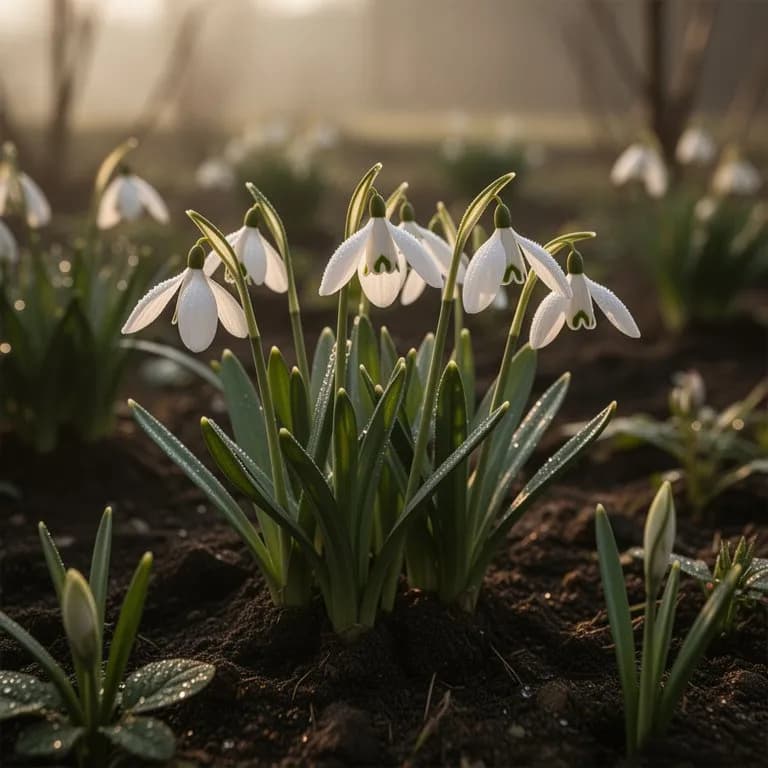
Frühlingsherrlichkeit-Zwiebelarrangement
15 Min.Erstellen Sie ein charmantes lebendes Centerpiece, indem Sie vorgekühlte Chionodoxa-Zwiebeln in einer dekorativen flachen Schale mit Moos und Kieselsteinen einpflanzen. Diese Indoor-Treiberanordnung bringt die Schönheit des Frühlingsgartens Wochen vor den Freilandblüten auf Ihren Tisch. Die Zwiebeln werden zwei bis drei Wochen in einem kühlen, hellen Raum drinnen blühen.
5 ZutatenVerwilderte Wiesenzwiebelmischung
45 Min. PflanzzeitGestalten Sie eine selbsterhaltende Frühlingswiese, indem Sie Chionodoxa-Zwiebeln mit anderen frühen Kleinzwiebeln für eine Farbabfolge von Spätwinter bis Mitte Frühling mischen. Streuen Sie die gemischten Zwiebeln zufällig über eine Grasfläche und pflanzen Sie sie dort, wo sie fallen, für den natürlichsten Effekt. Innerhalb von drei bis vier Jahren wird die Pflanzung sich in einen atemberaubenden Farbteppich eingebürgert haben.
5 ZutatenGepresste Blumen – Botanische Frühlingskunst
20 Min. aktiv plus 2 TW pressenBewahren Sie die zarte Schönheit von Chionodoxa-Blüten, indem Sie sie zu botanischer Kunst pressen. Die sternförmigen Blüten behalten beim Pressen und Trocknen ihre blaue Farbe bemerkenswert gut. Befestigen Sie die gepressten Blüten auf säurefreiem Karton für gerahmte Kunstwerke, Lesezeichen oder handgefertigte Grußkarten, die den flüchtigen Zauber des frühen Frühlings festhalten.
5 ZutatenWas drinsteckt
Gesundheitsvorteile
- Chionodoxa bietet erhebliche Vorteile für die psychische Gesundheit als eine der frühest blühenden Frühlingsblumen und hilft, saisonale affektive Störungen und Wintermüdigkeit zu lindern, indem er die Rückkehr der Wachstumsperiode signalisiert.
- Forschungen zur Gartentherapie haben gezeigt, dass Zeit im Garten mit Frühlingszwiebeln wie Chionodoxa den Cortisolspiegel senkt und den Blutdruck reduziert, was zu verbesserter Herz-Kreislauf-Gesundheit beiträgt.
- Die lebhafte blaue Farbe der Chionodoxa-Blüten hat eine dokumentierte beruhigende Wirkung auf das menschliche Nervensystem, und die Exposition gegenüber blaugefärbten natürlichen Umgebungen ist mit reduzierter Angst und verbesserter Stimmung verbunden.
- Das Pflanzen und Pflegen von Chionodoxa-Zwiebeln im Herbst bietet sanfte, gelenkschonende körperliche Bewegung einschließlich Bücken, Knien und Graben, was die Gelenkflexibilität und den Muskeltonus unterstützt.
- Verwilderte Chionodoxa-Driften unterstützen frühsaisonale Bestäuberpopulationen und tragen zur breiteren Ökosystemgesundheit und der Bestäubung von Nahrungspflanzen bei, die auf gesunde Bienenkolonien angewiesen sind.
- Die Einbindung in den saisonalen Rhythmus des Zwiebelgärtnerns, vom Herbstpflanzen bis zur Frühlingsblüte, fördert Achtsamkeit und eine tiefere Verbindung zu natürlichen Zyklen, die Forschung mit verbessertem allgemeinem psychologischen Wohlbefinden in Verbindung bringt.
Woher Schneestolz stammt
Chionodoxa, allgemein als Schneestolz bekannt, ist eine kleine Gattung frühlingblühender knolliger Stauden in der Familie Asparagaceae, Unterfamilie Scilloideae. Die Gattung ist im östlichen Mittelmeerraum beheimatet, mit der größten Artenvielfalt in den Bergen der westlichen Türkei, besonders im Boz-Dag-Gebirge nahe der antiken Stadt Smyrna, dem heutigen Izmir. Die Pflanzen wachsen natürlich in subalpinen Wiesen, felsigen Schutthängen und offenen Waldlichtungen in Höhenlagen zwischen 1.000 und 2.500 Metern, wo sie ganz an der Grenze der zurückweichenden Schneelinie im frühen Frühling blühen.
Die Gattung wurde erstmals 1844 vom Schweizer Botaniker Pierre Edmond Boissier wissenschaftlich beschrieben, basierend auf Exemplaren, die er während botanischer Expeditionen in die Berge Anatoliens gesammelt hatte. Boissier wählte den ausdrucksstarken Namen aus den griechischen Wörtern chion für Schnee und doxa für Herrlichkeit oder Pracht, um den bemerkenswerten Anblick dieser intensiv blauen Blüten einzufangen, die durch schmelzende Frühlingsschneeflecken hervorbrechen. Die Typart Chionodoxa luciliae wurde zu Ehren von Lucile Boissier benannt, seiner Frau, die ihn auf mehreren seiner Sammelreisen begleitete.
Chionodoxa wurde in den 1870er Jahren in europäischen Gärten eingeführt und wurde schnell ein Liebling der viktorianischen Steingartenbewegung. Seine Kombination aus extremer Frostbeständigkeit, zuverlässiger Einbürgerung, Anbaufreundlichkeit und lebhafter Frühlingsfärbe machte ihn unverzichtbar für Waldgärten, Steingärten und die Einbürgerung in Rasen. Die Zwiebeln wurden im späten 19. und frühen 20. Jahrhundert in enormen Mengen aus der Türkei und den Niederlanden exportiert. Heute ist Chionodoxa eine der am weitesten verbreiteten und geschätzten kleinen Frühlingszwiebeln in Gärten Nordeuropas, Nordamerikas und gemäßigter Regionen Asiens, geschätzt sowohl für seine ornamentale Schönheit als auch für seine ökologische Bedeutung als frühe Nahrungsquelle für Bestäuber.
Schneestolz: Schon gewusst?
Faszinierende Fakten über Schneestolz
Der Name Chionodoxa stammt aus den griechischen Wörtern chion für Schnee und doxa für Herrlichkeit, weil diese Blumen in ihren nativen Berghabitaten oft blühen, während noch Schnee auf dem Boden liegt.
Schneestolz: Fragen & Antworten
Wann sollte ich Schneestolz pflanzen?
Was sind gute Begleitpflanzen für Schneestolz?
In welchen Winterhärtezonen kann Schneestolz wachsen?
Wie viel Sonne braucht Schneestolz?
Welchen Abstand sollte ich zwischen Schneestolz lassen?
Welche Schädlinge und Krankheiten befallen Schneestolz?
Wie lagere ich Schneestolz nach der Ernte?
Was sind die besten Schneestolz-Sorten zum Anbauen?
Welchen Boden braucht Schneestolz?
Sind Chionodoxa und Scilla dieselbe Pflanze?
Kommt Chionodoxa jedes Jahr wieder?
Wann ist die beste Zeit, Chionodoxa-Zwiebeln zu pflanzen?
Kann ich Chionodoxa drinnen anbauen oder in Töpfen treiben?
Sind Chionodoxa giftig für Haustiere oder Kinder?
Warum hat mein Chionodoxa nach einigen Jahren aufgehört zu blühen?
Du hast die Theorie gelesen. Jetzt baue sie auf Autopilot an.
Alles, was Schneestolz knifflig macht — das Timing, die Abstände, die Begleiter, das Erntefenster — genau das übernimmt PlotMyGarden für dich, für jede Pflanze im Garten.
Ein Plan, der dein Wetter kennt
Standort einmal festlegen. Aussaat-, Dünge- und Erntedaten rund um deinen echten letzten Frosttermin und die Live-Vorhersage — kein Raten mehr nach Saattüte.
Aus dem Abschnitt „Pflanzzeit“Beetplaner per Drag & Drop
Beete auf einem Raster gestalten. Jede Pflanze rastet im richtigen Abstand ein, und du siehst die ganze Saison, bevor du einen Cent für Saatgut ausgibst.
Aus dem Abschnitt „Anbau“Begleiter-Konflikte früh erkannt
Über 200 gute und schlechte Kombinationen werden beim Pflanzen live geprüft — so landet ein saisonruinierender Fehler nie in der Erde.
Aus dem Abschnitt „Begleiter“Erinnerungen, nach denen du wirklich handelst
„Gieß die Bohnen.“ „Heute ernten, bevor's umschlägt.“ Pünktlich, konkret und auf deine echten Pflanzen bezogen.
Aus dem Abschnitt „Ernte“Staffel-Aussaat, geplant
Sechs Wochen ernten statt sechs Tage? Die App verteilt deine Aussaaten automatisch und erinnert dich, wenn der nächste Satz fällig ist.
Aus dem Abschnitt „Pflanzzeit“Ein Verlauf, der schlauer wird
Jede protokollierte Ernte bringt der App deinen Garten bei. Der Plan fürs nächste Jahr startet bei dem, was in deinem Boden wirklich funktioniert hat.
Aus dem Abschnitt „Überblick“Pflanze diese neben Schneestolz
Weitere Zwiebelpflanzen

Bau deine beste Schneestolz an — und alles drumherum.
Starte heute kostenlos. Lege deine Beete an, setze deine Schneestolz ein und lass PlotMyGarden Timing, Abstände, Begleiter und Erinnerungen von der Saat bis zum Erntekorb übernehmen.