Winterharte Passionsfrucht
Eine in Nordamerika heimische Passionsblumenrebe, auch als Maypop bekannt, die im Winter bis zum Boden abstirbt und aus winterharten Wurzeln neu austreibt.





Auf dieser SeiteÜberblick
Winterharte Passionsfrucht im Überblick
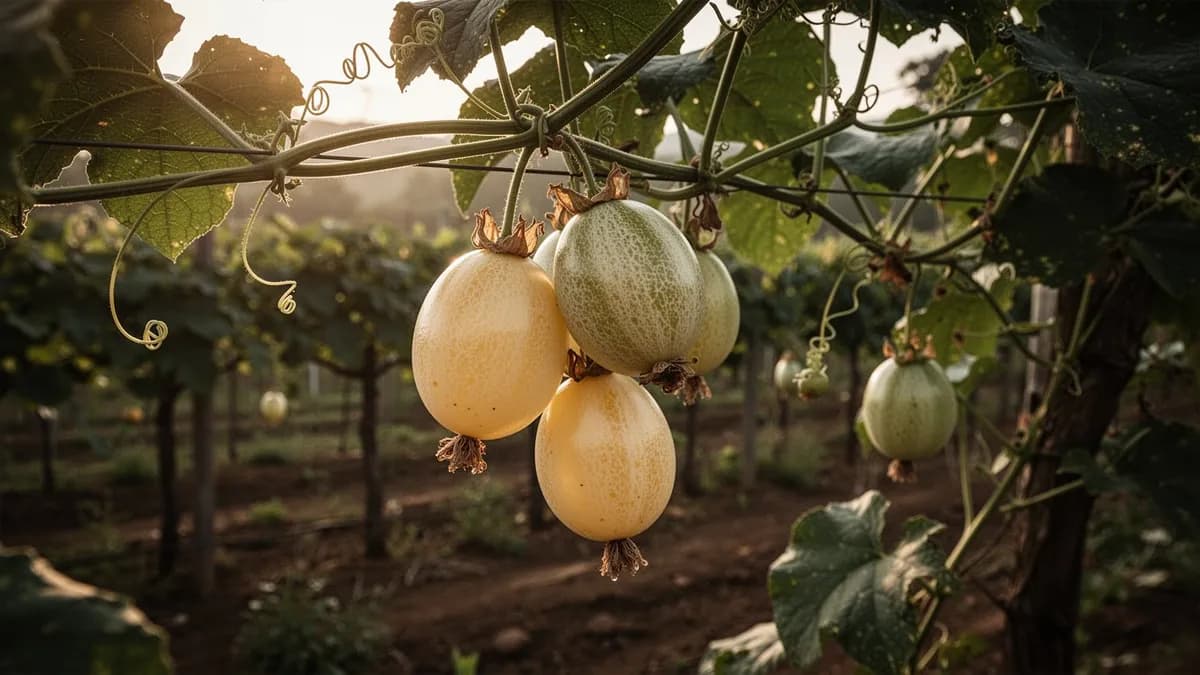
Eine in Nordamerika heimische Passionsblumenrebe, auch als Maypop bekannt, die im Winter bis zum Boden abstirbt und aus winterharten Wurzeln neu austreibt. Die winterharte Passionsfrucht verträgt Temperaturen bis minus 23 Grad Celsius und produziert kleine, gelbgrüne Früchte mit süßem, tropisch aromatischem Fruchtfleisch. Die wunderschönen lila-weißen Blüten sind eine wichtige Attraktion für Bestäuber, insbesondere Holzbienen.
Wann Winterharte Passionsfrucht pflanzen
Die winterharte Passionsfrucht lässt sich aus frischen Samen mit Kältestratifikation vermehren. Reinigen Sie die Samen aus reifen Früchten und stratifizieren Sie sie 60 bis 90 Tage in feuchtem Sand bei 4 Grad Celsius. Säen Sie in warmes, feuchtes Substrat bei 24 Grad Celsius. Die Keimung ist unregelmäßig und dauert zwei bis zwölf Wochen. Einfachere Vermehrung durch Wurzelteilung im zeitigen Frühjahr vor dem Neuaustrieb oder durch Umpflanzen von Wurzelausläufern. Etablierte Pflanzen bilden reichlich Ausläufer, die sich leicht verpflanzen lassen.
Dein Winterharte Passionsfrucht-Jahr
Abgestimmt auf Zone 7 · typische Saison · Frost geht um den 2. Apr. und kehrt um den 1. Nov. zurück
Winterharte Passionsfrucht Apr – Mai pflanzen, Aug – Okt ernten. Beachte die Pflanzmethoden unten und wähle dein Klima für passende Zeiträume.
So baust du Winterharte Passionsfrucht an
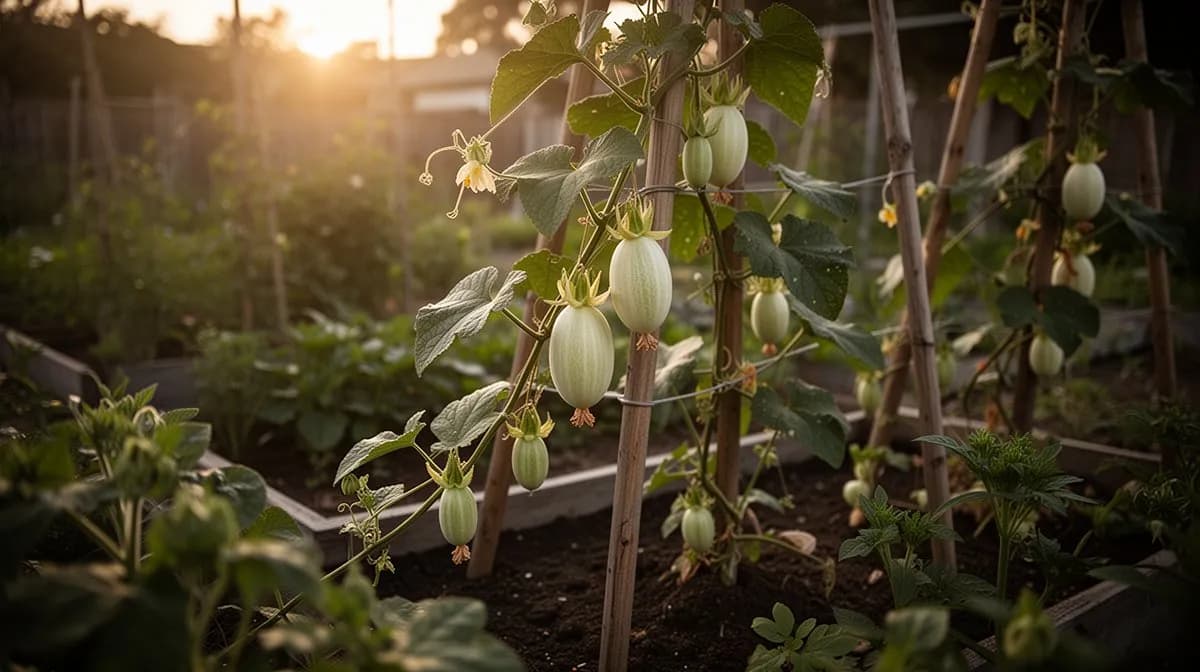
Die winterharte Passionsfrucht, oder Maypop, ist eine in Nordamerika heimische mehrjährige Kletterpflanze, die jeden Winter bis zum Boden abstirbt und im Frühjahr kräftig aus tiefen Wurzeln neu austreibt. Pflanzen Sie sie in voller Sonne in gut durchlässigem Boden. Setzen Sie die Pflanzen in einem Abstand von 1,8 bis 3 Metern entlang eines Spaliers oder Zauns. Maypop verträgt ein breiteres Spektrum an Bedingungen als tropische Passionsfrüchte, einschließlich Lehmböden und gelegentlicher Trockenheit.
Die Rebe breitet sich aggressiv durch unterirdische Wurzelausläufer aus und kann unter günstigen Bedingungen invasiv werden. Installieren Sie Wurzelbarrieren oder pflanzen Sie in Bereichen, in denen eine Ausbreitung akzeptabel ist. Maypop bildet seine spektakulären lila-weißen Blüten am diesjährigen Wachstum von Hochsommer bis Herbst und zieht Holzbienen und Schmetterlinge an.
In kälteren Zonen mulchen Sie die Wurzelzone im Herbst großzügig mit 15 cm Stroh oder Laub, um die überwinternden Wurzeln zu schützen. Neue Triebe erscheinen spät im Frühjahr, oft erst im Juni. Gießen Sie während der Etablierung regelmäßig, aber ausgewachsene Pflanzen sind mäßig trockenheitstolerant. Düngen Sie einmal im Frühjahr mit einem ausgewogenen Dünger, wenn das neue Wachstum erscheint. Die Fruchtproduktion steigt im zweiten und dritten Jahr erheblich an.
Für Winterharte Passionsfrucht ist ein Beet von 120 × 240 cm zu klein
Winterharte Passionsfrucht braucht 240 cm Platz pro Pflanze. Der Planer hält diesen Abstand für dich ein — jede Pflanze, jedes Beet.
Die besten Nachbarn für Winterharte Passionsfrucht
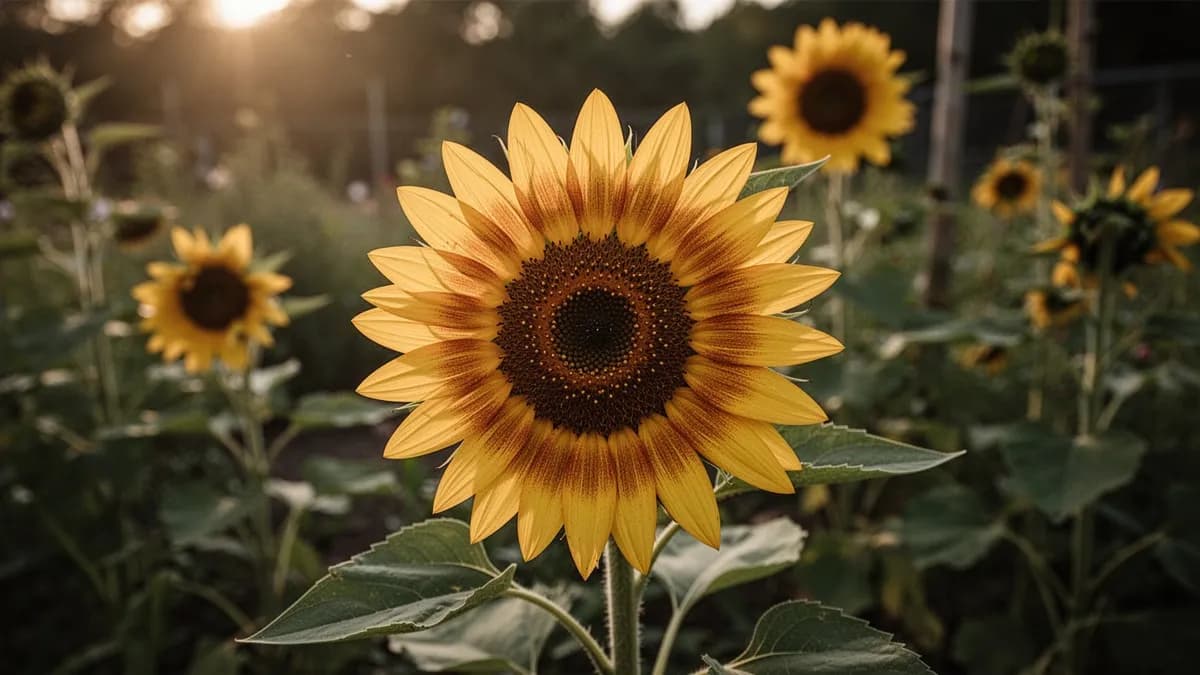
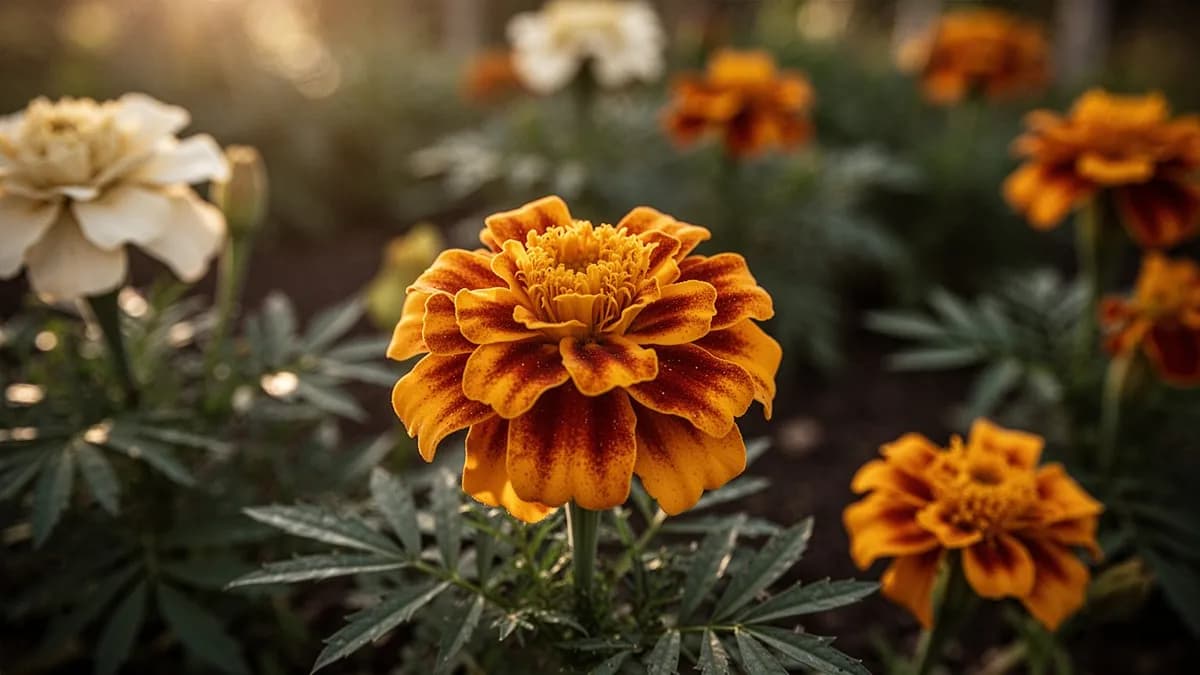
Pflanzen Sie Sonnenblumen und Indianernessel in der Nähe, um Holzbienen zur Bestäubung anzulocken. Tagetes halten Nematoden fern. Kombinieren Sie mit einheimischen Wildblumen, um einen bestäuberfreundlichen Lebensraum zu schaffen. Pflanzen Sie abseits formaler Beete, da Ausläufer eindringen werden. Eignet sich hervorragend als Begleiter für Schmetterlingsgärten, da Passionsblumenfalter auf Passiflora-Arten als Larvenfutterpflanzen angewiesen sind.
Sonnenblume gehört daneben.
Altes Gärtnerwissen, geprüft an der echten Nachbartabelle von Winterharte Passionsfrucht — teste jede Pflanze, die du anbaust.
Probiere Winterharte Passionsfrucht direkt hier im Beet
Ein echtes Planer-Beet, Winterharte Passionsfrucht steht schon drin. Tippe einen Begleiter an, platziere ihn und sieh, wie die Nachbarschaftsprüfung antwortet — grün für gute Nachbarn, rot bei Streit.


Passende Anbau-Ratgeber
Richtig düngen
Die winterharte Passionsfrucht ist anpassungsfähig an viele Bodenarten, einschließlich Lehm-, Sand- und Lehmböden mit einem pH-Wert von 6,0 bis 7,5. Sie gedeiht in normalem Gartenboden und benötigt keine reichen Bedingungen. Düngen Sie einmal im Frühjahr mit einem ausgewogenen Dünger, wenn das neue Wachstum erscheint. Übermäßige Düngung fördert vegetatives Wachstum und Ausläuferbildung auf Kosten der Fruchtproduktion. Kompostmulch im Frühjahr liefert in den meisten Situationen eine ausreichende Nährstoffversorgung.
Ideale Temperatur
Winterhärtezone-Kompatibilität
Von der Saat zur Ernte, Schritt für Schritt
Ruhephase & Wurzeletablierung
Im zeitigen Frühjahr zeigt die winterharte Passionsfrucht kein oberirdisches Wachstum, während ihr Wurzelsystem aus der Winterruhe erwacht. Neue Rhizome und Feinwurzeln werden unter der Bodenoberfläche aktiv, sobald die Temperaturen steigen. Pflanzen im ersten Jahr aus Samen oder Setzlingen nutzen diese Phase ausschließlich zur Wurzeletablierung, bevor sie Energie nach oben lenken.
Triebaustrieb
Schlanke rötlich-grüne Triebe schieben sich aus dem Boden, oft mehrere Wochen später als die meisten Gartenpflanzen — manchmal erst im späten Frühjahr oder frühen Sommer. Sobald sie über der Erde sind, beschleunigt sich das Wachstum rapide. Die tief gelappten, drei- bis fünflappigen Blätter und die sich windenden Ranken werden innerhalb weniger Tage nach dem Austrieb sichtbar.
Schnelles Rebenwachstum
Die Rebe wächst im Frühsommer explosionsartig und legt in wenigen Wochen leicht 3–5 Meter zu. Dichtes, attraktives Laub bedeckt die Kletterhilfe. Ranken greifen aggressiv und die Rebe beginnt, sich seitlich zu verzweigen, um den verfügbaren Platz zu füllen. Diese Phase baut das Gerüst auf, das Blüten und Früchte tragen wird.
Blütezeit
Spektakuläre 6–8 cm große Blüten erscheinen ab Hochsommer am neuen Wachstum und blühen bis zum Frost weiter. Jede Blüte zeigt lavendel- bis purpurfarbene Filamente, weiße Blütenblätter und eine markante zentrale Säule — geöffnet nur einen Tag, bevor sie sich schließt. Die Blüten werden eifrig von Hummeln besucht, den wichtigsten und effektivsten Bestäubern der Pflanze, und dienen als einzige Larvenfutterpflanze für Passionsblumenfalter, Perlmuttfalter und Zebrafalter.
Fruchtentwicklung
Nach erfolgreicher Bestäubung schwellen grüne, eiförmige Früchte über 60–70 Tage rasch an. Die Frucht wächst auf 5–7 cm Länge und bleibt grün, bevor sie bei Reife in ein blasses Gelbgrün übergeht. Fruchtfleisch und Samen füllen die Höhlung und entwickeln eine milde tropische Süße. Früchte können natürlich von der Rebe fallen oder bis zum Frost hängen bleiben.
Ernte & Saisonende
Früchte sind erntereif, wenn sie blassgelb-grün werden, bei sanftem Druck leicht nachgeben und das Aroma intensiver wird. Viele Früchte fallen bei voller Reife natürlich ab. Nach dem ersten starken Frost stirbt das oberirdische Wachstum vollständig ab — aber das Wurzelsystem geht völlig intakt in die Winterruhe und ist bereit, im folgenden Frühjahr erneut auszutreiben.
Winterruhe
Die gesamte oberirdische Rebe stirbt nach dem Frost bis auf Bodenniveau ab, und die Pflanze überwintert als ruhendes Wurzelsystem aus dicken Rhizomen und knolligen Wurzeln. Diese vollständige Ruheperiode verleiht Passiflora incarnata ihre bemerkenswerte Winterhärte und ermöglicht es ihr, Bodentemperaturen weit unter dem Gefrierpunkt in den USDA-Zonen 5–9 zu überstehen. Das Wurzelsystem kann sich sogar seitlich unterirdisch ausbreiten, sodass im folgenden Frühjahr neue Triebe einige Meter vom ursprünglichen Pflanzort entfernt erscheinen können.
Stören Sie die Wurzelzone nicht durch tiefes Graben oder Bearbeiten — neue Triebe wachsen direkt aus Rhizomen, die knapp unter der Bodenoberfläche verlaufen. Markieren Sie den Pflanzort, um versehentliches Entfernen von scheinbar kahlem Boden zu vermeiden.
Winterharte Passionsfrucht Monat für Monat pflegen
Was du jeden Monat für deine Winterharte Passionsfrucht tun solltest
Oktober
Aktueller MonatErnten Sie die verbleibenden Früchte vor dem ersten tödlichen Frost. Das Laub der Rebe beginnt sich zu verfärben und abzusterben. Lassen Sie die Rebe natürlich absterben, anstatt sie vorzeitig zurückzuschneiden — die absterbenden Stängel zeigen an, wo sich die Wurzelzone befindet. Tragen Sie Mulch um die Basis auf, sobald die oberirdischen Teile abgestorben sind.
Immer wissen, was jetzt im Garten zu tun ist
Eine E-Mail zum Monatsanfang: was du jetzt säen, pflanzen und anpacken solltest — für deine Winterharte Passionsfrucht und alles, was drumherum wächst. Dazu ein kurzer Startkurs, der dich vor den klassischen Fehlern bewahrt.
- Was jetzt zu tun ist
- Passend zu deiner Saison
- Startkurs inklusive
Winterharte Passionsfrucht ernten
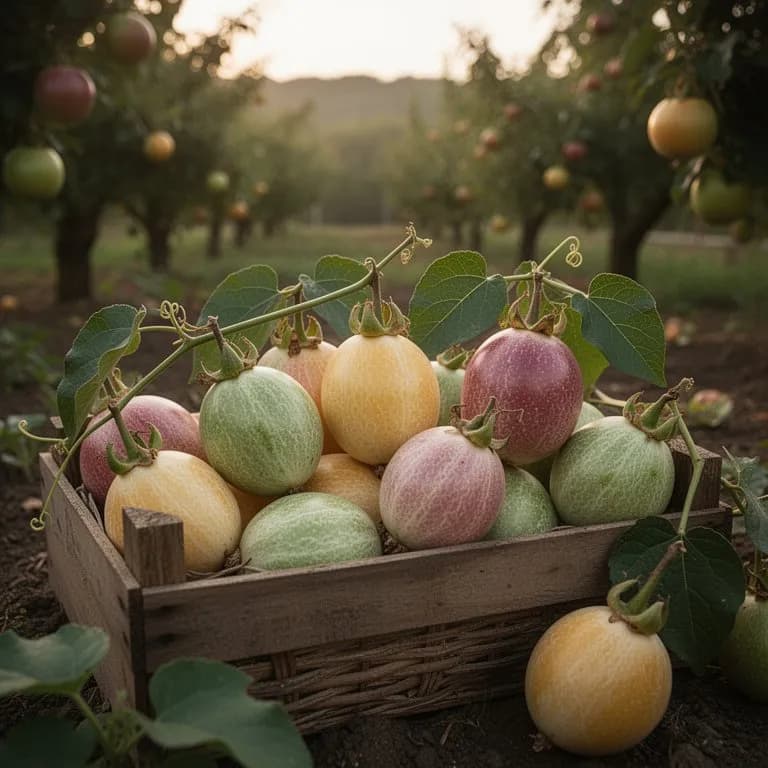
Maypop-Früchte reifen im Spätsommer bis Herbst und verfärben sich bei Reife von grün zu gelbgrün. Reife Früchte fallen zu Boden oder lösen sich leicht mit einem sanften Zug. Die Schale kann bei voller Reife leicht schrumpelig werden. Aufschneiden, um das süße, aromatische Fruchtfleisch rund um die Samen freizulegen. Der Geschmack ist tropisch und süß mit weniger Säure als bei kommerziellen Passionsfrüchten. Sammeln Sie während der Erntezeit täglich heruntergefallene Früchte.
angenommen, du pflanzt zu Beginn des Zeitraums — trage dein tatsächliches Datum ein
Ernte Winterharte Passionsfrucht zügig, dann trägt die Pflanze weiter.
Lagerung & Konservierung
Frische Maypop-Früchte halten etwa eine Woche bei Raumtemperatur und zwei Wochen im Kühlschrank. Das Fruchtfleisch lässt sich leicht aus der Schale lösen und eignet sich hervorragend zum Einfrieren in kleinen Behältern oder Eiswürfelformen für bis zu ein Jahr. Ergibt eine besondere Marmelade, Gelee und Fruchtsirup mit einzigartigem tropischem Aroma. Das Fruchtfleisch kann für Saft abgeseiht oder ganz mit Kernen verwendet werden. Traditionell in Getränken und Konserven im amerikanischen Süden verwendet.
Was schiefgeht — und die Lösung
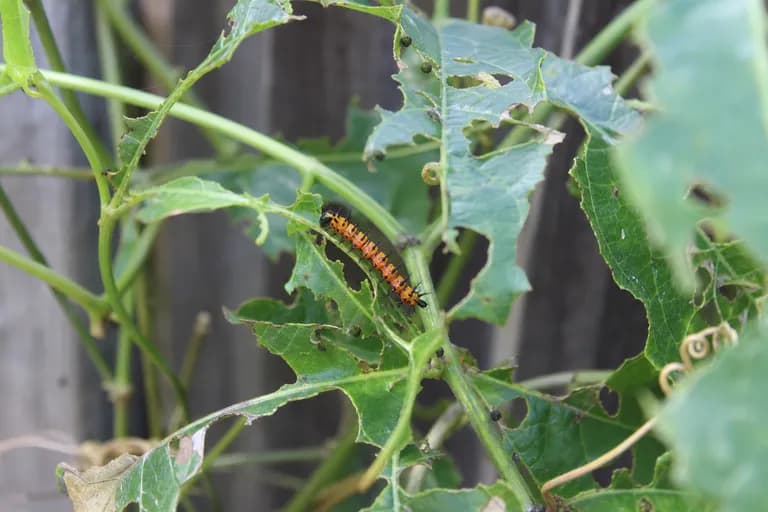
Passionsblumenfalter-Raupe
SchädlingOrange-schwarze Raupen, die die Rebe entlauben und bei starkem Befall manchmal alle Blätter abfressen.
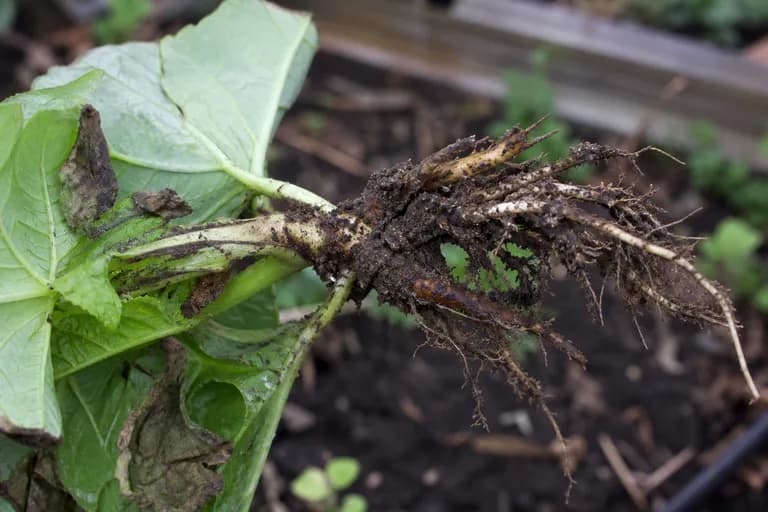
Wurzelfäule
KrankheitVergilbendes Laub, schlechter Austrieb im Frühjahr und weiche, verfaulte Wurzeln, besonders in schweren, nassen Böden über den Winter.
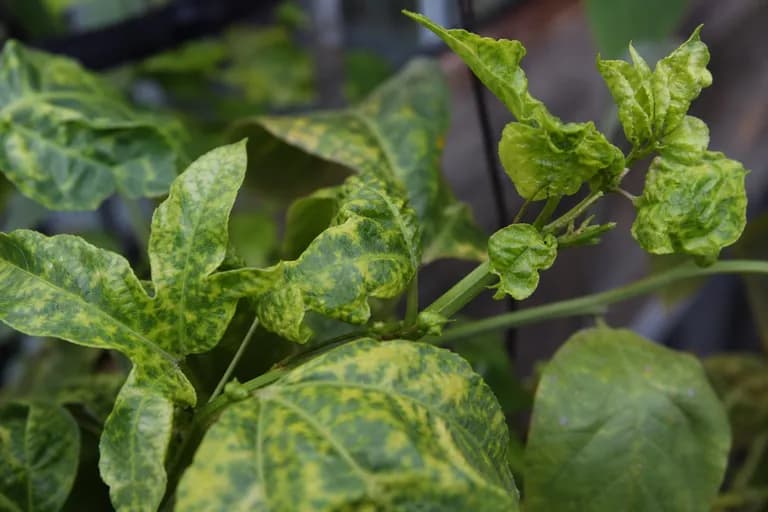
Gurkenmosaikvirus
KrankheitFleckige Vergilbung der Blätter, verzerrtes Wachstum und verringerte Fruchtproduktion. Wird durch Blattläuse übertragen.
Fehlerbehebung bei häufigen Problemen
Die häufigste Beschwerde ist die aggressive Ausbreitung durch unterirdische Ausläufer, die Rasenflächen und Blumenbeete erobern können. Wurzelbarrieren helfen, die Ausbreitung zu kontrollieren. Der späte Austrieb im Frühjahr veranlasst Gärtner oft zu der Annahme, die Pflanze sei abgestorben. Passionsblumenfalter-Raupen können Reben entlauben, werden aber allgemein als Schmetterlingsgartenpflanzen begrüßt. Die Fruchtproduktion kann in nördlichen Zonen aufgrund kurzer Vegetationsperioden gering sein. Selbstfruchtbar, profitiert aber von der Aktivität der Holzbienen.
Anbautipps
- Pflanzen Sie Maypop an den heißesten, sonnigsten Platz, der verfügbar ist — volle Sonne (mindestens 6–8 Stunden direkte Sonne täglich) ist entscheidend für produktive Blüten- und Fruchtbildung. Reben, die im Halbschatten wachsen, bilden attraktives Laub und Blüten, aber der Fruchtertrag sinkt bei weniger als sechs Stunden direkter Sonne stark ab.
- Geraten Sie nicht in Panik, wenn Ihre Maypop-Rebe im Frühjahr erst Ende Mai oder sogar Anfang Juni austreibt. Diese Art ist berüchtigt für ihren späten Austrieb und überrascht regelmäßig neue Gärtner, die annehmen, die Pflanze sei über den Winter eingegangen. Markieren Sie die Wurzelzone deutlich im Herbst, um sie nicht versehentlich beim Frühjahrsgraben zu stören.
- Pflanzen Sie mindestens zwei Reben aus verschiedenen Saatgutquellen oder Mutterpflanzen innerhalb von 10 Metern Entfernung, um die Fremdbestäubung zu maximieren. Reben mit unterschiedlichem genetischem Hintergrund setzen Früchte weit zuverlässiger und ergiebiger an als eine einzelne selbstbestäubende Rebe, selbst wenn die Hummelpopulationen gesund sind.
- Installieren Sie ein robustes, dauerhaftes Spalier, das eine ausgewachsene Rebe tragen kann — bis zum Hochsommer kann eine etablierte Maypop 6 Meter oder mehr wachsen und wird ziemlich schwer. Geschweißte Drahtgitter an Holzpfosten oder ein Maschendrahtzaun-Abschnitt bieten ideale Langzeitunterstützung, die Jahrzehnte des Wachstums überdauert.
- Begrenzen Sie die seitliche Wurzelausbreitung, wenn Sie auf begrenztem Raum gärtnern. Die winterharte Passionsfrucht breitet sich durch unterirdische Rhizome aus und kann neue Triebe einige Meter vom ursprünglichen Pflanzort entfernt hervorbringen. Das Einsetzen einer Wurzelbarriere aus vergrabener Kunststoffrandeinfassung (30 cm tief) rund um den Pflanzbereich hält die Pflanze davon ab, Nachbarbeete zu besiedeln.
- Vermeiden Sie übermäßige Stickstoffdüngung, sobald die Rebe etabliert ist. Hoher Stickstoffgehalt fördert üppiges Blattwachstum auf Kosten von Blüten und Früchten. Verwenden Sie im Frühjahr sparsam einen ausgewogenen Dünger, um das frühe Wachstum zu unterstützen, und wechseln Sie dann zu einer stickstoffarmen, kaliumreichen Formulierung, sobald sich Blütenknospen bilden, um die Fruchtproduktion zu maximieren.
- Lassen Sie Schmetterlingsraupen in Ruhe. Passionsblumenfalter- und Perlmuttfalterlarven fressen ausschließlich an Passiflora-incarnata-Laub und können Abschnitte der Rebe entlauben. Die Rebe erholt sich schnell von diesem Fraß, und die daraus hervorgehenden Schmetterlinge sind Bestäuber und Gartenhighlights. Maypop zu pflanzen bedeutet im Grunde, eine Schmetterlingsaufzucht zu unterstützen.
- Ernten Sie Früchte, sobald sie reif sind, anstatt sie an der Rebe zu lassen. Reife Früchte, die zu Boden fallen, ziehen schnell Wespen, Wildtiere und Pilzprobleme an. Tägliche Kontrollen während der Fruchtsaison von August bis Oktober und das prompte Einsammeln reifer oder heruntergefallener Früchte halten die Ernte sauber und den Schädlingsdruck gering.
- Maypop-Wurzeln sind allelopathisch — sie setzen Chemikalien frei, die die Keimung und das Wachstum einiger Nachbarpflanzen hemmen können. Geben Sie der Rebe eine eigene Anbauzone und vermeiden Sie das Unterpflanzen mit empfindlichen Einjährigen oder kleinen Stauden direkt neben der Wurzelzone, obwohl robuste Begleitpflanzen wie Beinwell oder Schafgarbe weitgehend unbeeinflusst bleiben.
- Die getrockneten Blätter und oberirdischen Teile von Passiflora incarnata ergeben einen hervorragenden Kräutertee mit mild entspannenden Eigenschaften. Ernten Sie belaubte Triebspitzen im Hochsommer, trocknen Sie sie in einer einzigen Schicht bei Raumtemperatur ein bis zwei Wochen und lagern Sie sie in einem luftdichten Glas. Dies verleiht der Pflanze eine sekundäre Nutzung über ihre Früchte hinaus und macht jeden Teil der Ernte wertvoll.
Bau deine beste Winterharte Passionsfrucht an — und alles drumherum.
Starte heute kostenlos. Lege deine Beete an, setze deine Winterharte Passionsfrucht ein und lass PlotMyGarden Timing, Abstände, Begleiter und Erinnerungen von der Saat bis zum Erntekorb übernehmen.
Finde deine Winterharte Passionsfrucht
Incense
Eine Auslese mit größeren Früchten und intensiverem Geschmack als Wildformen. Gute Wüchsigkeit und Blütenbildung in den Zonen 6 bis 9.
Maypop
Die wilde Naturform, verbreitet im Südosten der Vereinigten Staaten. Äußerst wüchsig mit guter Winterhärte.
Alba
Eine weißblütige Form, die etwas weniger winterhart ist, aber ebenso geschmackvolle Früchte hervorbringt.
Maypop-Früchte werden selten kommerziell verkauft und sind in herkömmlichen Lebensmittelgeschäften praktisch nicht erhältlich, was jede Ernte von einer selbst gezogenen Rebe zu einer einzigartigen kulinarischen Belohnung macht, die durch Einkaufen einfach nicht repliziert werden kann. Passiflora-incarnata-Pflanzen werden als wurzelnackte Jungpflanzen oder getopfte Setzlinge für 10–25 € pro Stück verkauft. Eine einzelne etablierte Rebe erfordert keine jährlichen Nachpflanzkosten und produziert zuverlässig 10–20 Jahre lang aus einer einzigen Investition. Der Wert der Pflanze als doppelt nutzbare Zier- und Fruchtrebe, Schmetterlingsgarten-Ankerpflanze und mehrjähriger Bodendeckerersatz liefert auch nicht-monetären Gartenwert, der mit separaten Pflanzungen deutlich teurer zu replizieren wäre. Passionsblumen-Kräuterextrakt-Nahrungsergänzungsmittel — gewonnen aus derselben Art — kosten im Handel 15–40 € pro Flasche, was den Eigenanbau von Passiflora incarnata zu einer Quelle sowohl für Nahrungs- als auch Gesundheitswert aus einer einzigen, pflegeleichten Pflanzung macht.
Schnelle Rezepte
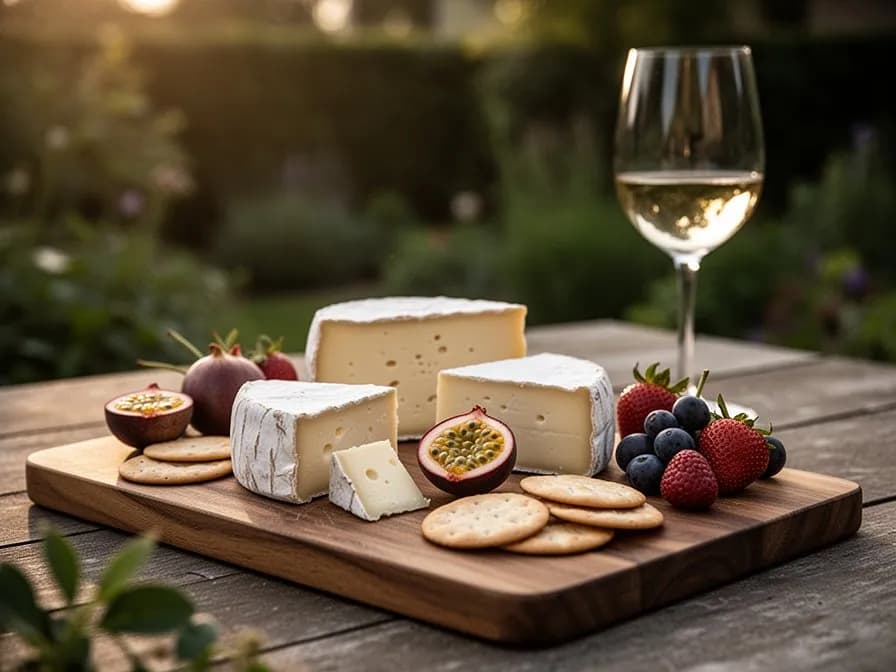
Maypop-Marmelade
45 Min.Eine wunderschöne, blassgelbe Marmelade mit einer einzigartigen, mild-tropischen Süße, die das zarte Aroma selbst angebauter Maypop-Früchte perfekt konserviert. Das natürliche Pektin in Fruchtfleisch und Kernen hilft, eine leichte Gelierung ohne übermäßig zugesetztes Pektin zu erreichen. Auf Sauerteigbrot gestrichen oder in Naturjoghurt eingerührt ein herausragendes Frühstück.
5 Zutaten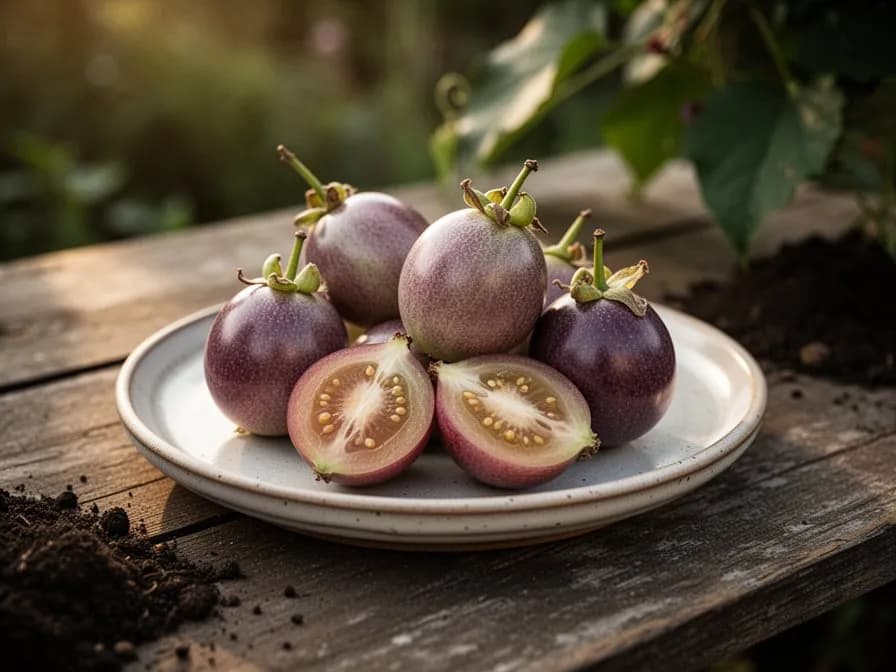
Winterharte-Passionsfrucht-Limonade
15 Min.Ein erfrischendes und wunderbar aromatisches Sommergetränk, das das Beste aus der frischen Maypop-Ernte herausholt. Das Fruchtfleisch wird abgeseiht, um einen duftenden Saft zu gewinnen, der sich natürlich mit Zitrone zu einer komplexeren und aromatischeren Limonade verbindet, als es jede gekaufte Version je erreichen könnte. Perfekt für Gartenfeste, wenn die Rebe voll trägt.
5 ZutatenMaypop-Fruchtcurd
25 Min.Ein seidiger, sanft tropischer Curd, der die subtilen Passionsfrucht-Noten frisch geernteter Maypop einfängt. Milder und weniger säuerlich als Curd aus tropischen Passionsfrüchten, hat diese Version eine zarte, blumige Süße, die wunderbar zu Scones, Buttergebäck oder als Füllung für einen Victoria Sponge Cake passt. Der Curd hält sich gekühlt bis zu zehn Tage.
5 ZutatenKulinarische Verwendung
Maypop-Fruchtfleisch hat einen süßen tropischen Geschmack, der sich hervorragend zum Frischverzehr eignet, direkt aus der Schale gelöffelt. Ergibt einzigartige Marmelade, Gelee und Fruchtsirup mit authentischem Passionsfruchtcharakter. Der Saft lässt sich gut in Smoothies und Cocktails einsetzen. Traditionell im Süden für Getränke und Desserts verwendet. Die Kerne sind essbar und knackig. Das Fruchtfleisch verfeinert Eiscreme, Sorbet und Joghurt.
Was drinsteckt
Gesundheitsvorteile
- Die Blätter, Wurzeln und Früchte von Passiflora incarnata enthalten Chrysin, Isovitexin und andere Flavonoide, die an GABA-A-Rezeptoren im Gehirn binden und dokumentierte milde anxiolytische und sedierende Wirkungen erzeugen, die Entspannung fördern und die Schlafqualität verbessern, ohne Abhängigkeit zu verursachen.
- In der Pflanze vorhandene Harman- und Harmin-Alkaloide zeigen in Forschungsmodellen krampflösende Aktivität, was auf potenzielle Vorteile bei der Reduzierung von Muskelverspannungen, Krämpfen und Symptomen einer Überaktivität des Nervensystems hindeutet.
- Der Ballaststoffgehalt der Maypop-Frucht unterstützt ein gesundes Darmmikrobiom, indem er als präbiotisches Substrat für nützliche Bakterien dient und zu einer verbesserten Verdauungsregelmäßigkeit und reduzierten systemischen Entzündungen beiträgt.
- Der Vitamin-C-Gehalt unterstützt die Funktion des Immunsystems, fördert die Kollagensynthese für Haut- und Gelenkgesundheit und bietet antioxidativen Schutz, der freie Radikale neutralisiert, die mit chronischen Erkrankungen und vorzeitiger Alterung in Verbindung stehen.
- Traditionelle und neuere Forschung deutet darauf hin, dass Passionsblumenverbindungen zur Senkung des Blutdrucks beitragen können, indem sie die glatte Muskulatur der Blutgefäßwände entspannen und so bei regelmäßigem Verzehr die Herz-Kreislauf-Gesundheit unterstützen.
- Der natürlich niedrige Kaloriengehalt der Frucht in Kombination mit bedeutsamen Ballaststoffen, Vitaminen und bioaktiven Flavonoidverbindungen macht Maypop zu einem außergewöhnlich nährstoffdichten Lebensmittel für seinen Energiegehalt — mit echtem Gesundheitswert bei minimaler Kalorienaufnahme.
Woher Winterharte Passionsfrucht stammt
Die winterharte Passionsfrucht (Passiflora incarnata), umgangssprachlich als Maypop bekannt, ist im Südosten der Vereinigten Staaten beheimatet und reicht natürlich von Virginia und Kansas südwärts bis Florida und Texas. Im Gegensatz zu ihren tropischen Verwandten hat sich diese außergewöhnliche Art darauf entwickelt, den vollen Zyklus gemäßigter Jahreszeiten zu überstehen, indem sie jeden Winter bis zu einem widerstandsfähigen Rhizom-Wurzelsystem abstirbt und im folgenden Frühjahr zuverlässig wieder austreibt. Jahrtausendelang vor der europäischen Kolonisierung nutzten die indigenen Völker in ihrem gesamten natürlichen Verbreitungsgebiet die Pflanze ausgiebig. Die Cherokee, Irokesen, Houma und zahlreiche andere Völker aßen die süß-säuerlichen Früchte frisch und trockneten sie als Wintervorrat. Die Wurzeln und Blätter wurden als medizinische Aufgüsse zur Behandlung von Angstzuständen, Schlaflosigkeit, Kopfschmerzen, Wunden und Entzündungen zubereitet — Anwendungen, die die moderne pharmakologische Forschung durch die Identifizierung aktiver Flavonoide, Harman-Alkaloide und Chrysin-Verbindungen mit dokumentierten sedierenden und anxiolytischen Eigenschaften bestätigt hat.
Europäische Botaniker dokumentierten Passiflora incarnata erstmals im frühen 17. Jahrhundert. Die Pflanze erreichte England um 1629, wo sie in botanischen Gärten und aristokratischen Wintergärten begeistert aufgenommen wurde — als erstaunliche Kuriosität, eine Rebe aus der nordamerikanischen Wildnis mit Blüten tropischer Komplexität. Spanische Missionare, die Passionsblumen überall in Amerika angetroffen hatten, hatten zu diesem Zeitpunkt bereits die theologische Namenstradition begründet, da sie in der Blütenstruktur eine Allegorie der Passion Christi sahen — eine Symbolik, die für das europäische Publikum, das bereits von der Neuen Welt fasziniert war, unwiderstehlich war.
Im 18. und 19. Jahrhundert wurde Passiflora incarnata hauptsächlich als Zier- und Heilpflanze geschätzt und nicht als Nahrungspflanze. Passionsblumenextrakt wurde ab den 1860er Jahren zu einem kommerziell bedeutenden pflanzlichen Heilmittel in europäischen und amerikanischen Pharmakopöen, das weithin als mildes Beruhigungsmittel und zur Behandlung von Neuralgien eingesetzt wurde. Zu Beginn des 20. Jahrhunderts erschien Passionsblume als offizielle medizinische Zubereitung in der Pharmakopöe der Vereinigten Staaten. Heute bleibt der Extrakt von Passiflora incarnata eines der meistverkauften pflanzlichen Nahrungsergänzungsmittel in Europa und Nordamerika. Seine Rehabilitierung als Gartenobstpflanze ist eine neuere Entwicklung, angetrieben durch das wachsende Interesse an einheimischen Pflanzen, essbarer Gartengestaltung und winterharten Obstsorten, die ohne den besonderen Schutz gedeihen, den tropische Passionsfrüchte erfordern. Für Gärtner in den USDA-Zonen 5–9 bietet die Maypop die seltene Kombination aus erstklassigen Zierblüten, Wildtierwert als Schmetterlingswirtspflanze und wirklich köstlichen Früchten — alles von einer Pflanze, die unterirdisch überwintert, ohne besondere Pflege.
Winterharte Passionsfrucht: Schon gewusst?
Faszinierende Fakten über Winterharte Passionsfrucht
Passiflora incarnata ist die einzige Passionsblumenart, die auf dem nordamerikanischen Festland östlich der Rocky Mountains heimisch ist, und wurde seit Jahrhunderten von zahlreichen indigenen Völkern medizinisch als beruhigendes und schmerzlinderndes Heilmittel verwendet.
Winterharte Passionsfrucht: Fragen & Antworten
Wann sollte ich Winterharte Passionsfrucht pflanzen?
Was sind gute Begleitpflanzen für Winterharte Passionsfrucht?
In welchen Winterhärtezonen kann Winterharte Passionsfrucht wachsen?
Wie viel Sonne braucht Winterharte Passionsfrucht?
Welchen Abstand sollte ich zwischen Winterharte Passionsfrucht lassen?
Welche Schädlinge und Krankheiten befallen Winterharte Passionsfrucht?
Wie lagere ich Winterharte Passionsfrucht nach der Ernte?
Was sind die besten Winterharte Passionsfrucht-Sorten zum Anbauen?
Welchen Boden braucht Winterharte Passionsfrucht?
Überlebt die winterharte Passionsfrucht wirklich meine Winter in Zone 5 oder 6?
Ist die Frucht von Passiflora incarnata wirklich essbar und lohnt sich der Verzehr?
Warum blüht meine Maypop üppig, bringt aber nur sehr wenige Früchte hervor?
Woran erkenne ich, dass Maypop-Früchte reif und erntereif sind?
Kann ich die winterharte Passionsfrucht aus Samen ziehen und wie lange dauert es bis zur Frucht?
Wird Maypop meinen Garten mit invasiver Ausbreitung übernehmen?
Du hast die Theorie gelesen. Jetzt baue sie auf Autopilot an.
Alles, was Winterharte Passionsfrucht knifflig macht — das Timing, die Abstände, die Begleiter, das Erntefenster — genau das übernimmt PlotMyGarden für dich, für jede Pflanze im Garten.
Ein Plan, der dein Wetter kennt
Standort einmal festlegen. Aussaat-, Dünge- und Erntedaten rund um deinen echten letzten Frosttermin und die Live-Vorhersage — kein Raten mehr nach Saattüte.
Aus dem Abschnitt „Pflanzzeit“Beetplaner per Drag & Drop
Beete auf einem Raster gestalten. Jede Pflanze rastet im richtigen Abstand ein, und du siehst die ganze Saison, bevor du einen Cent für Saatgut ausgibst.
Aus dem Abschnitt „Anbau“Begleiter-Konflikte früh erkannt
Über 200 gute und schlechte Kombinationen werden beim Pflanzen live geprüft — so landet ein saisonruinierender Fehler nie in der Erde.
Aus dem Abschnitt „Begleiter“Erinnerungen, nach denen du wirklich handelst
„Gieß die Bohnen.“ „Heute ernten, bevor's umschlägt.“ Pünktlich, konkret und auf deine echten Pflanzen bezogen.
Aus dem Abschnitt „Ernte“Staffel-Aussaat, geplant
Sechs Wochen ernten statt sechs Tage? Die App verteilt deine Aussaaten automatisch und erinnert dich, wenn der nächste Satz fällig ist.
Aus dem Abschnitt „Pflanzzeit“Ein Verlauf, der schlauer wird
Jede protokollierte Ernte bringt der App deinen Garten bei. Der Plan fürs nächste Jahr startet bei dem, was in deinem Boden wirklich funktioniert hat.
Aus dem Abschnitt „Überblick“Pflanze diese neben Winterharte Passionsfrucht
Weitere Rankfrüchte
Bau deine beste Winterharte Passionsfrucht an — und alles drumherum.
Starte heute kostenlos. Lege deine Beete an, setze deine Winterharte Passionsfrucht ein und lass PlotMyGarden Timing, Abstände, Begleiter und Erinnerungen von der Saat bis zum Erntekorb übernehmen.