Amerikanische Stachelbeere
Eine in Nordamerika heimische Stachelbeerart mit kleineren, aber krankheitsresistenteren Früchten als die europäischen Sorten.





Auf dieser SeiteÜberblick
Amerikanische Stachelbeere im Überblick
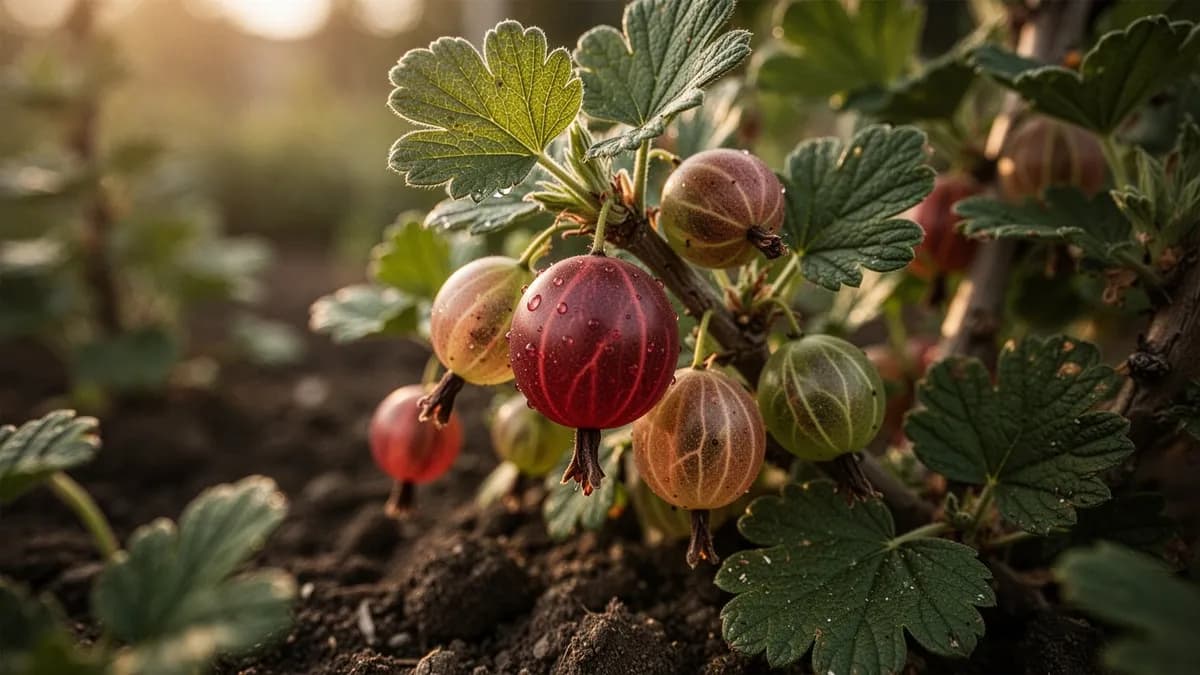
Eine in Nordamerika heimische Stachelbeerart mit kleineren, aber krankheitsresistenteren Früchten als die europäischen Sorten. Amerikanische Stachelbeeren sind besonders widerstandsfähig gegen Mehltau, der europäische Kultursorten befällt. Die Beeren sind süßer und können frisch vom Strauch gegessen werden, eignen sich aber auch hervorragend für Kuchen und Konfitüren.
Wann Amerikanische Stachelbeere pflanzen
Amerikanische Stachelbeeren lassen sich leicht durch Steckholz vermehren, das im Spätherbst nach dem Laubfall geschnitten wird. Wählen Sie gerade, gesunde Triebe von etwa 30 Zentimetern Länge vom diesjährigen Zuwachs und stecken Sie sie zu zwei Dritteln in feuchte Erde oder ein Stecklingsbeet. Bewurzelungshormon ist nicht erforderlich, da Stachelbeeren leicht wurzeln. Stecklinge entwickeln sich bis zum folgenden Herbst zu verpflanzbaren Sträuchern. Anhäufeln ist sehr wirksam: Häufeln Sie im Frühling Erde um die Basis eines etablierten Strauchs, und vergrabene Triebe werden bis zum Herbst bewurzelt sein. Auch einfaches Absenken niedrig hängender Zweige, die am Boden befestigt werden, funktioniert gut.
Dein Amerikanische Stachelbeere-Jahr
Abgestimmt auf Zone 7 · typische Saison · Frost geht um den 2. Apr. und kehrt um den 1. Nov. zurück
Amerikanische Stachelbeere Mär – Apr pflanzen, Jun – Jul ernten. Beachte die Pflanzmethoden unten und wähle dein Klima für passende Zeiträume.
So baust du Amerikanische Stachelbeere an
Amerikanische Stachelbeeren sind die beste Wahl für feuchte Klimazonen und Regionen, in denen Mehltau den Anbau europäischer Sorten erschwert. Ursprünglich im Nordosten Nordamerikas beheimatet, vertragen diese robusten, anpassungsfähigen Sträucher ein breiteres Spektrum an Bedingungen als ihre europäischen Verwandten und produzieren süßere, wenn auch kleinere Beeren, die sich hervorragend zum Frischverzehr direkt vom Strauch eignen. Pflanzen Sie wurzelnackte Sträucher im zeitigen Frühjahr oder Spätherbst an einem halbschattigen Standort mit gut durchlässigem, fruchtbarem Boden.
Setzen Sie die Pflanzen in einem Abstand von 90 bis 120 Zentimetern und schneiden Sie sie in eine offene Kelchform mit sechs bis acht Haupttrieben unterschiedlichen Alters. Entfernen Sie jeden Winter Triebe, die älter als drei Jahre sind, bodennah, da das produktivste Holz zwei Jahre alt ist. Amerikanische Stachelbeeren haben weniger Dornen als europäische Sorten, was den Schnitt und die Ernte angenehmer macht. Ihr natürlich kompakter Wuchs macht sie für kleine Gärten, Hecken und sogar große Kübel geeignet.
Gießen Sie während der Fruchtentwicklung regelmäßig und mulchen Sie im Spätwinter mit Kompost oder gut verrottetem Mist, um das flache Wurzelsystem zu versorgen. Amerikanische Stachelbeeren sind äußerst winterhart und überstehen Temperaturen weit unter minus 34 Grad Celsius problemlos, ohne Winterschutz zu benötigen. Sie blühen früh und benötigen in Gebieten mit Spätfrösten möglicherweise Frostschutzvlies für die Blüten. Netzen Sie die Sträucher ein, bevor die Beeren weich werden und ihre Farbe ändern, um Vogelschäden zu verhindern.
2 Pflanzen passen in ein Beet von 120 × 240 cm
Amerikanische Stachelbeere braucht 120 cm Platz pro Pflanze. Der Planer hält diesen Abstand für dich ein — jede Pflanze, jedes Beet.
Die besten Nachbarn für Amerikanische Stachelbeere
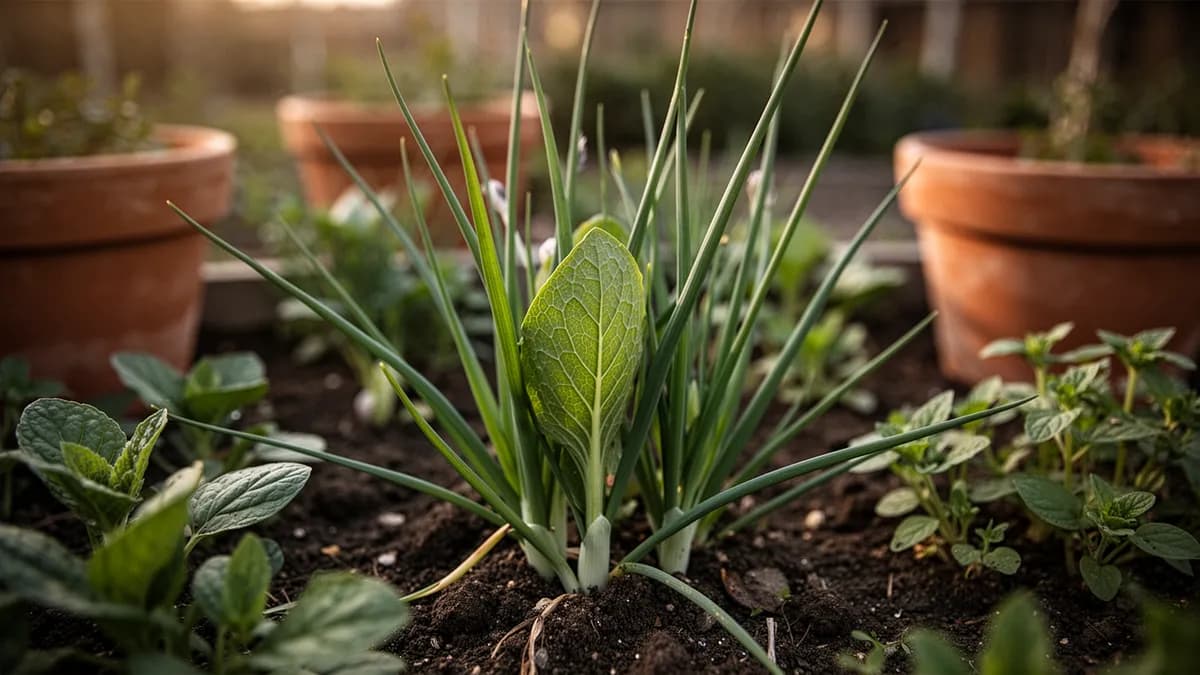
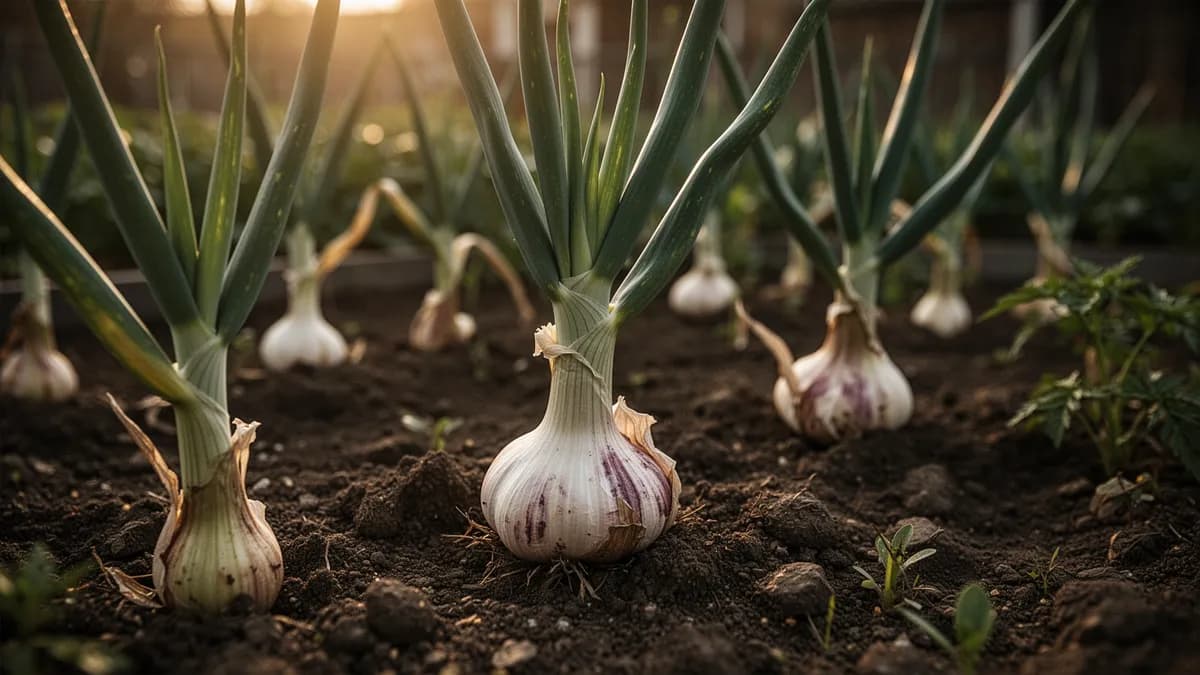
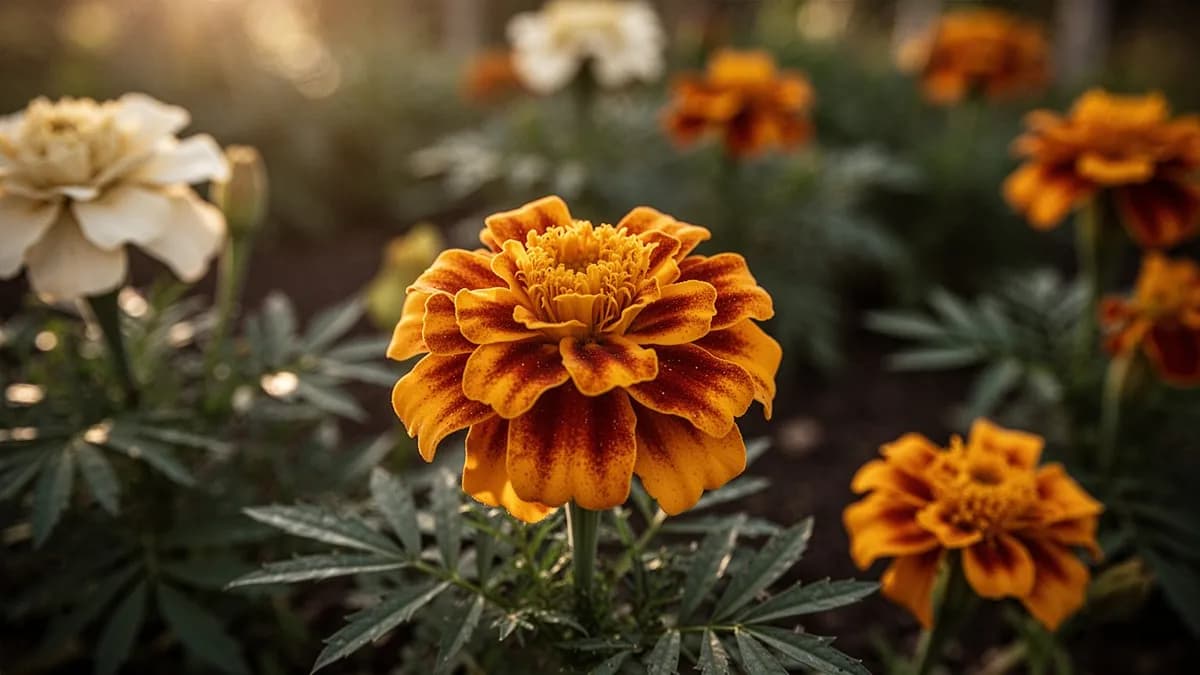
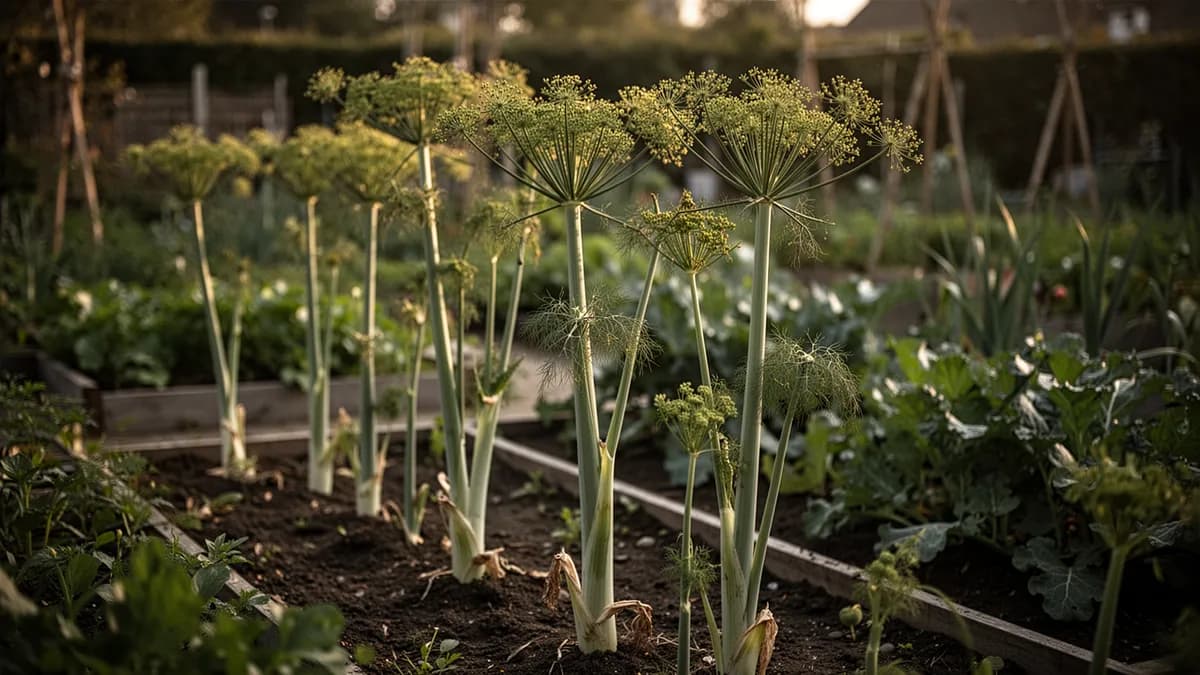
Schnittlauch, Knoblauch und Lauchgewächse, die in der Nähe amerikanischer Stachelbeersträucher gepflanzt werden, helfen Blattläuse abzuwehren und können durch ihre Schwefelverbindungen Mehltau hemmen. Rainfarn und Wermut sind traditionelle Begleitpflanzen, die Blattwespenmotten abschrecken sollen, deren Larven die verheerenden Stachelbeerblattwespenraupen hervorbringen. Beinwell dient als nährstoffsammelnde Mulchpflanze, wenn er in der Nähe angebaut wird. Vermeiden Sie Fenchel, der das Wachstum benachbarter Pflanzen hemmt. In regulierten Gebieten halten Sie die vorgeschriebenen Abstände zu fünfnadeligen Kiefernarten ein.
Schnittlauch gehört daneben. Fenchel nicht.
Altes Gärtnerwissen, geprüft an der echten Nachbartabelle von Amerikanische Stachelbeere — teste jede Pflanze, die du anbaust.
Probiere Amerikanische Stachelbeere direkt hier im Beet
Ein echtes Planer-Beet, Amerikanische Stachelbeere steht schon drin. Tippe einen Begleiter an, platziere ihn und sieh, wie die Nachbarschaftsprüfung antwortet — grün für gute Nachbarn, rot bei Streit.


Passende Anbau-Ratgeber
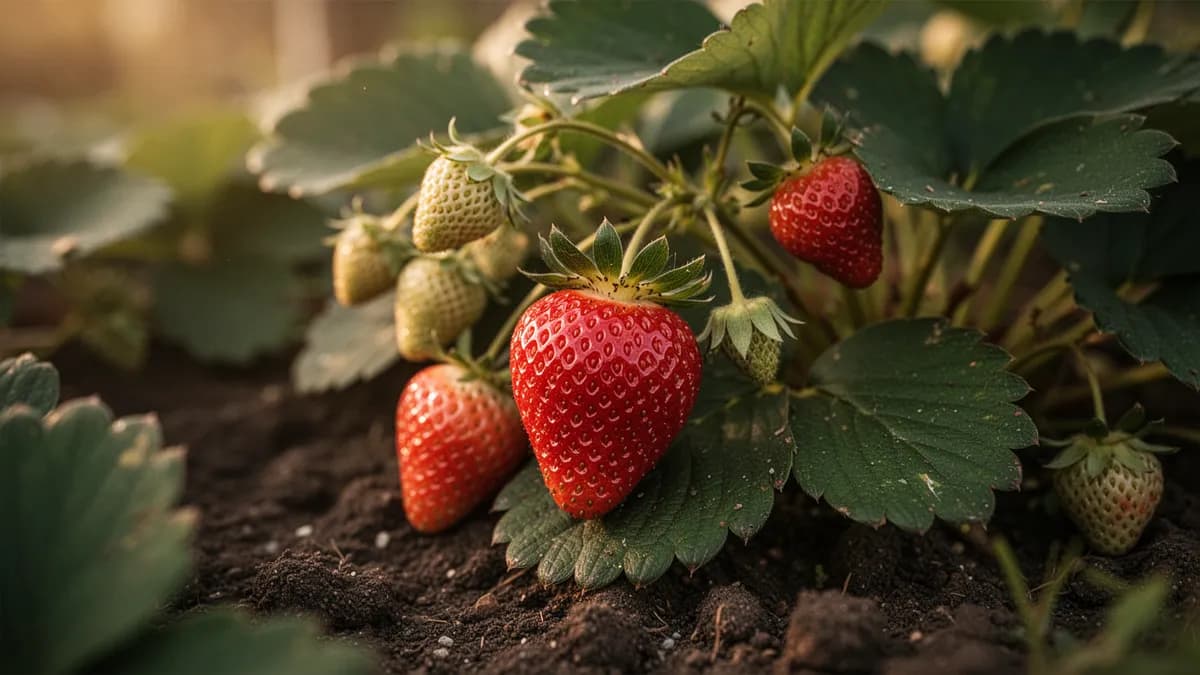
Richtig düngen
Amerikanische Stachelbeeren sind weniger anspruchsvoll an den Boden als europäische Sorten und passen sich einem Spektrum von sandigem Lehm bis Tonlehm mit einem pH-Wert von 6,0 bis 6,8 an. Sie bevorzugen kühlen, feuchtigkeitsspeichernden Boden und profitieren von großzügigen organischen Bodenverbesserungen. Bringen Sie gut verrotteten Kompost oder Mist als Mulch im Spätwinter auf und ergänzen Sie im zeitigen Frühjahr mit einem ausgewogenen Dünger. Eine Kaliumergänzung mit Kaliumsulfat fördert die Fruchtqualität. Vermeiden Sie übermäßigen Stickstoff, der üppiges Wachstum hervorruft, das Blattläuse anziehen kann.
Ideale Temperatur
Winterhärtezone-Kompatibilität
Von der Saat zur Ernte, Schritt für Schritt
Winterruhe und Ruhephase
Die amerikanische Stachelbeere ist vollständig laubabwerfend und tritt im Winter in eine tiefe Ruhephase ein, wobei sie ihr gesamtes Laub verliert und als kahle, dornige Triebe dasteht. Diese Kälteruhephase ist für die Gesundheit und Produktivität der Pflanze unerlässlich – sie benötigt 800–1.500 Stunden mit Temperaturen unter 7 °C, um die Ruhephase ordnungsgemäß zu durchbrechen und im folgenden Frühjahr gute Ernten zu erzielen. Die Ruhephase ist die ideale Zeit für Schnitt, Pflanzung und Düngung.
Austrieb und frühes Frühlingswachstum
Die amerikanische Stachelbeere bricht früh aus der Ruhephase aus – oft einer der ersten Fruchtsträucher, der im Spätwinter oder sehr zeitigen Frühjahr Blattknospen zeigt. Kleine, dicht gepackte Knospen schwellen an und öffnen sich zu hellgrünen Blattbüscheln. Diese frühe Aktivität macht die Pflanzen anfällig für Spätfröste, obwohl etablierte Pflanzen sich oft gut von leichten Frostschäden beim Austrieb erholen.
Blüte
Kleine, hängende, grünlich-weiße bis blassrosa Blüten erscheinen entlang der Triebe, während sich das Laub entwickelt. Die Blüten sind selbstfruchtbar und benötigen keine zweite Pflanze zur Bestäubung, obwohl Kreuzbestäubung zwischen Pflanzen den Fruchtansatz und die Beerengröße oft verbessert. Bienen sind die Hauptbestäuber, aber auch der Wind trägt bei. Jede befruchtete Blüte entwickelt sich zu einer einzelnen Stachelbeere.
Fruchtschwellung und Entwicklung
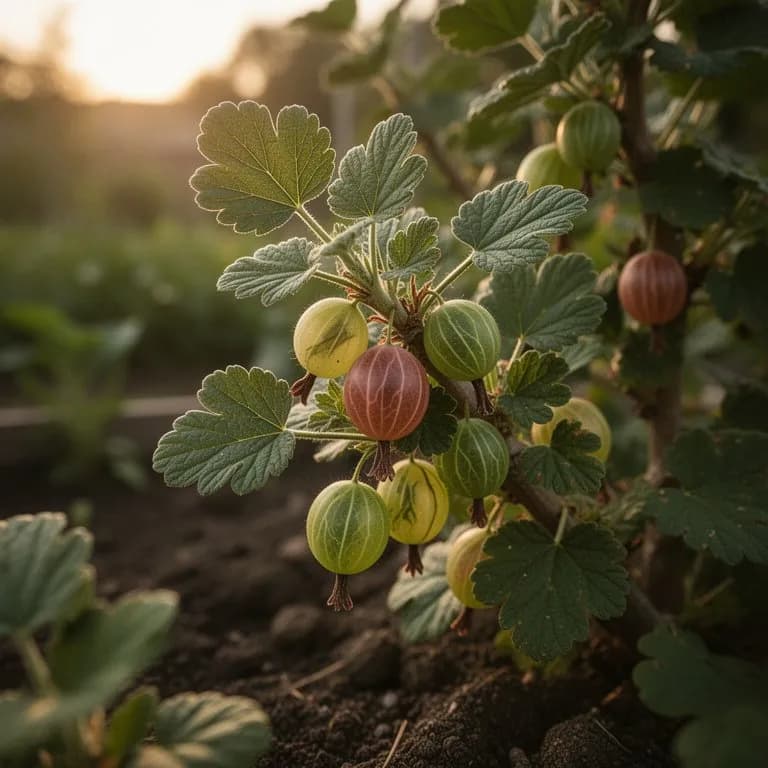
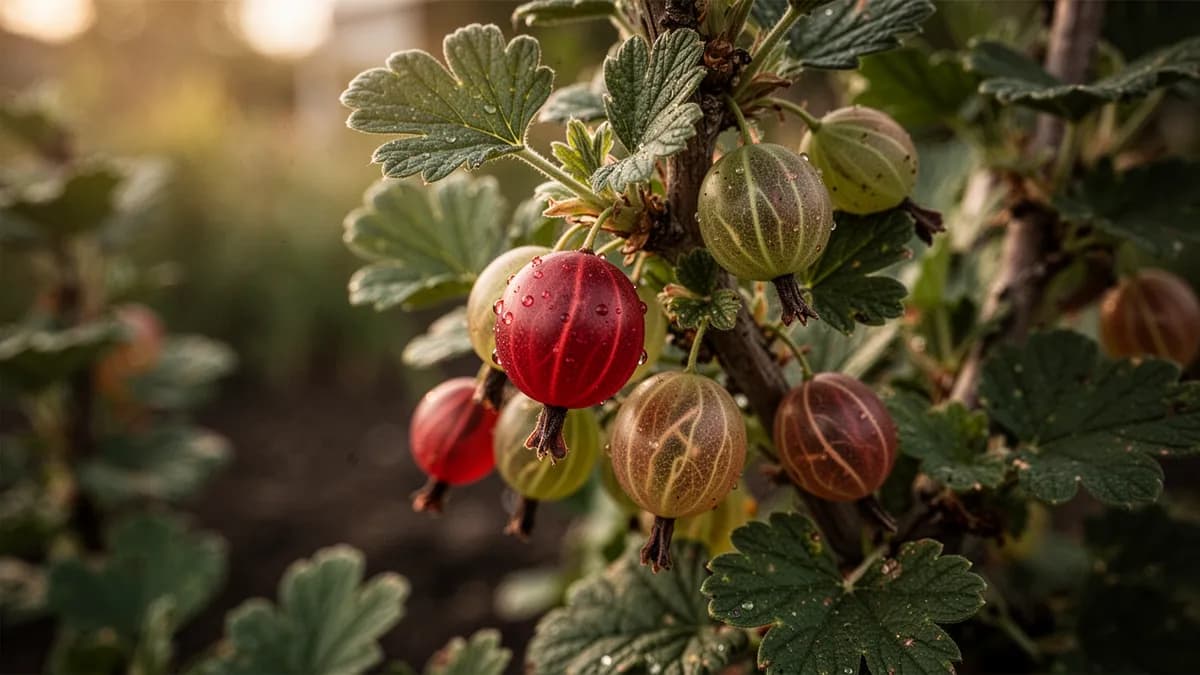
Befruchtete Blüten werfen ihre Blütenblätter ab und die sich entwickelnden Beeren schwellen rasch entlang der Triebe an, wobei jede Frucht an einem kurzen Stiel hängt. In diesem Stadium sind Stachelbeeren klein, hart und intensiv herb – dies ist das bevorzugte Stadium zum Kochen in Kuchen, Crumbles und Marmeladen aufgrund des hohen Pektin- und Säuregehalts. Die Früchte sind mit feinen Linien geädert, die vom Blütenende zum Stielende verlaufen – ein charakteristisches Merkmal der Art.
Reife und Ernte
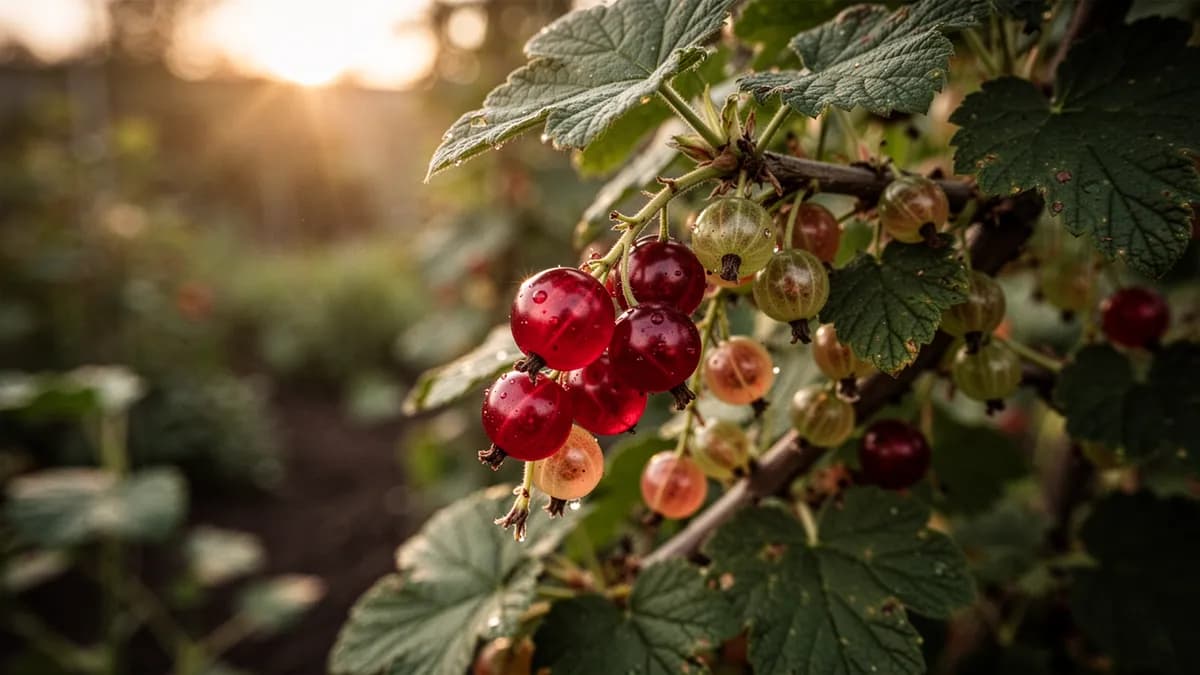
Die Früchte werden weicher und ändern ihre Farbe von leuchtendem Grün zu ihrer Reifefarbe – je nach Sorte und individueller Pflanze reicht diese von blassem Gelbgrün oder Weiß über Goldgelb und Rosa bis zu tiefem Weinrot oder Violett. Reife Beeren sind deutlich weicher und süßer als die scharfen, harten unreifen Früchte. Ein einzelner Strauch in voller Produktion kann Hunderte von Beeren in verschiedenen Reifestadien gleichzeitig tragen.
Nachernte und Spätsaison
Nach der Ernte wächst der Strauch weiterhin kräftig und baut Energiereserven in Wurzeln und Trieben für das folgende Jahr auf. Das Laub kann gegen Spätsommer etwas Mehltau zeigen, besonders in feuchten Klimazonen. Neue Triebe, die in dieser Saison gebildet werden, werden im folgenden Jahr das produktivste Fruchtholz sein. Der Strauch verlangsamt sein Wachstum allmählich, wenn die Temperaturen im Herbst sinken, und geht wieder in die Ruhephase über.
Pflanzen Sie wurzelnackte Pflanzen im Spätherbst oder zeitigen Frühjahr während der vollständigen Ruhephase. Entfernen Sie alte, unproduktive Triebe (älter als 3 Jahre), beschädigtes Holz und sich kreuzende Äste während der Vollruhe. Bringen Sie einen ausgewogenen organischen Dünger oder gut verrotteten Kompost im Wurzelbereich aus, bevor das Wachstum wieder einsetzt. Kontrollieren Sie die Triebe auf Schildläuse und bürsten Sie diese mit einer steifen Bürste ab.
Amerikanische Stachelbeere Monat für Monat pflegen
Was du jeden Monat für deine Amerikanische Stachelbeere tun solltest
Oktober
Aktueller MonatPflanzen Sie neue Stachelbeersträucher in vorbereitete Beete – Herbstpflanzung gibt wurzelnackten Pflanzen die beste Etablierung vor dem Winter. Bereiten Sie Pflanzlöcher vor, indem Sie Kompost und eine Handvoll ausgewogenen Dünger einarbeiten. Stützen Sie neu gepflanzte Sträucher gegen Herbststürme ab. Lassen Sie etablierte Sträucher ihren natürlichen Laubfall ohne Eingriff fortsetzen.
Immer wissen, was jetzt im Garten zu tun ist
Eine E-Mail zum Monatsanfang: was du jetzt säen, pflanzen und anpacken solltest — für deine Amerikanische Stachelbeere und alles, was drumherum wächst. Dazu ein kurzer Startkurs, der dich vor den klassischen Fehlern bewahrt.
- Was jetzt zu tun ist
- Passend zu deiner Saison
- Startkurs inklusive
Amerikanische Stachelbeere ernten
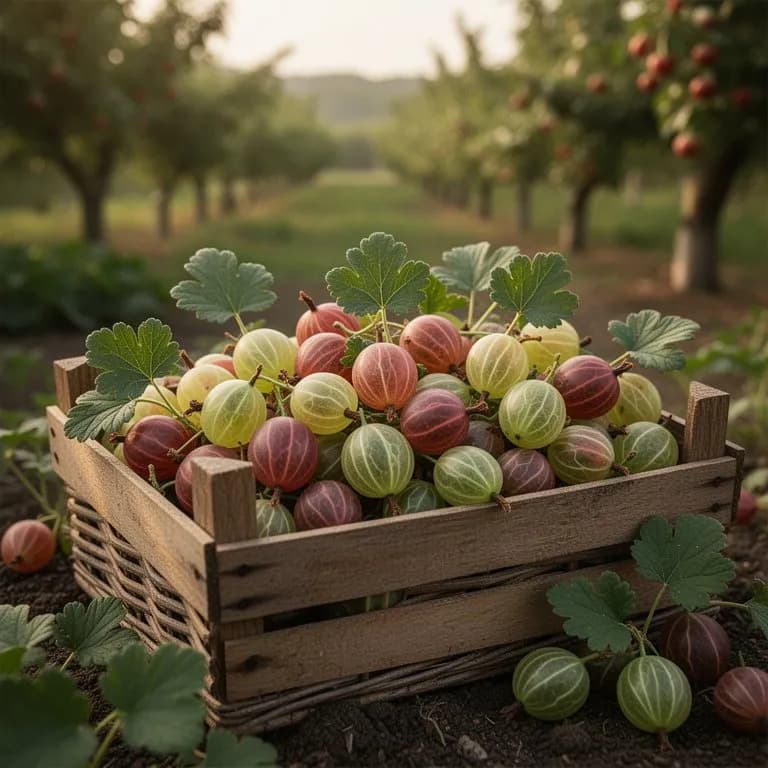
Amerikanische Stachelbeeren reifen je nach Sorte zu einem weichen Rosa, Rot oder Violett und sind süßer zum Frischverzehr als europäische Sorten. Ernten Sie zum Frischverzehr, wenn die Beeren voll ausgefärbt und leicht weich sind. Zum Kochen und für Marmelade pflücken Sie etwas früher, wenn die Beeren noch fest sind und einen höheren Pektingehalt haben. Die kleinere Beerengröße im Vergleich zu europäischen Sorten bedeutet, dass die Ernte mehr Zeit in Anspruch nimmt, aber die überlegene Süße und Krankheitsresistenz sind den Aufwand wert. Tragen Sie leichte Handschuhe, auch wenn amerikanische Sorten weniger Dornen haben.
angenommen, du pflanzt zu Beginn des Zeitraums — trage dein tatsächliches Datum ein
Ernte Amerikanische Stachelbeere zügig, dann trägt die Pflanze weiter.
Lagerung & Konservierung
Frische amerikanische Stachelbeeren halten sich im Kühlschrank ein bis zwei Wochen. Zum Einfrieren auf einem Tablett ausbreiten und nach dem Durchfrieren in Beutel füllen – so halten sie bis zu zwölf Monate. Der süßere Geschmack amerikanischer Stachelbeeren im Vergleich zu europäischen Sorten bedeutet, dass für Marmeladen, Kuchen und Konfitüren weniger Zucker benötigt wird. Sie eignen sich hervorragend für Fruchtbutter, Chutney und Kompott. Wein aus amerikanischen Stachelbeeren hat einen angenehmen, milden Charakter. Getrocknete Stachelbeeren sind ein nährstoffreicher Snack mit viel Vitamin C.
Was schiefgeht — und die Lösung
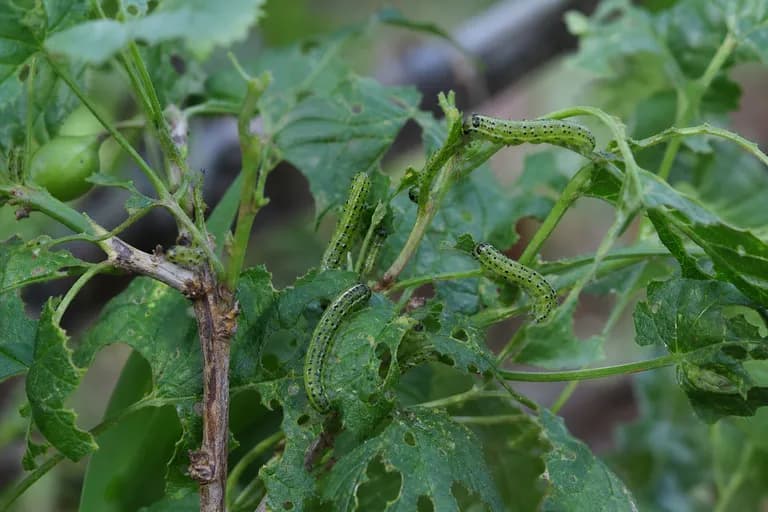
Importierte Stachelbeerblattwespe
SchädlingGrüne, raupenartige Larven mit schwarzen Flecken entlauben Sträucher von der Mitte nach außen schnell und können Pflanzen manchmal vollständig kahl fressen.
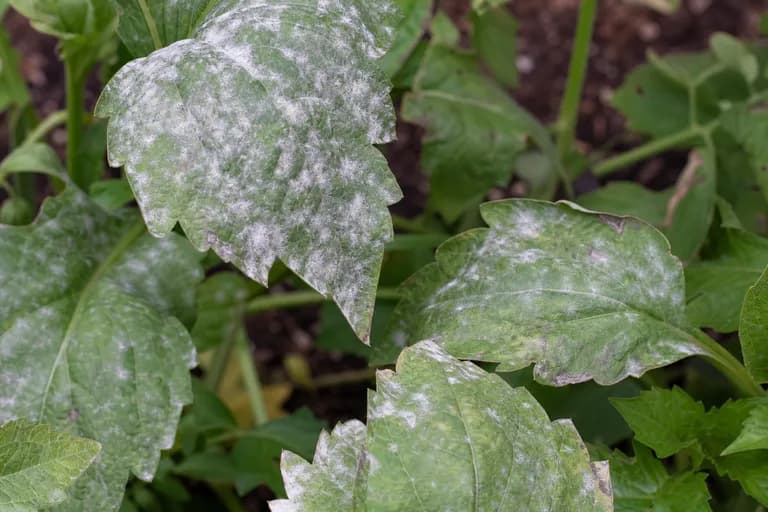
Mehltau
KrankheitWeißer, pudriger Belag auf Blättern und sich entwickelnden Früchten; amerikanische Sorten zeigen eine deutlich höhere Resistenz als europäische Sorten.
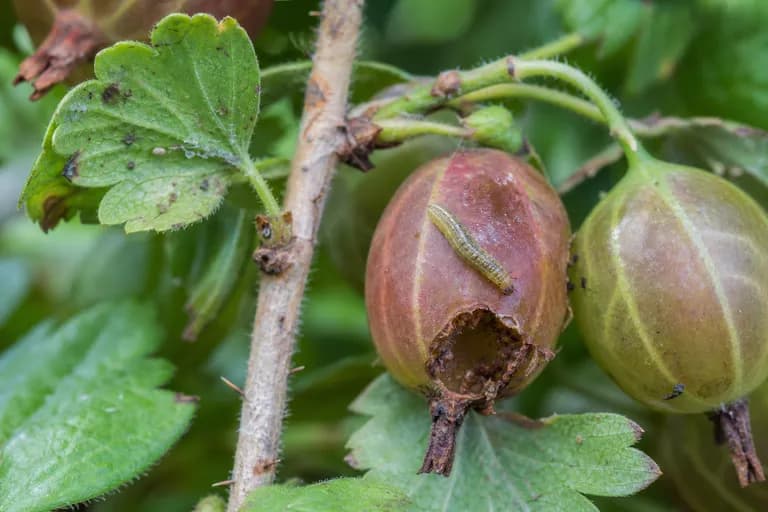
Stachelbeerzünsler
SchädlingBeeren verfärben sich vorzeitig und können Seidengespinste oder kleine Einbohrlöcher aufweisen; Larven fressen im Inneren der Frucht und verursachen Fäulnis und Fruchtfall.
Fehlerbehebung bei häufigen Problemen
Während die Mehltauresistenz der entscheidende Vorteil amerikanischer Stachelbeeren ist, sind sie nicht vollständig immun, und gelegentliche leichte Infektionen können bei sehr feuchten Bedingungen auftreten. Die importierte Stachelbeerblattwespe kann Sträucher vollständig entlauben, wenn sie nicht frühzeitig entdeckt wird – regelmäßige Kontrollen im Frühling sind daher unerlässlich. Die kleinere Fruchtgröße im Vergleich zu europäischen Sorten wird manchmal als Nachteil für Kochzwecke angesehen. In einigen Regionen können noch Beschränkungen wegen des Weymouthskiefern-Blasenrosts gelten; prüfen Sie die örtlichen Vorschriften vor der Pflanzung.
Anbautipps
- Pflanzen Sie wurzelnackte Pflanzen im Spätherbst oder zeitigen Frühjahr während der vollständigen Ruhephase. Herbstpflanzung wird bevorzugt, da sie den Wurzeln Zeit zur Etablierung vor dem Winter gibt und im folgenden Frühjahr zu früherem, kräftigerem Wachstum führt. Graben Sie ein großzügiges Pflanzloch und arbeiten Sie reichlich Kompost ein – Stachelbeeren gedeihen in nährstoffreichem, gut durchlässigem, aber feuchtigkeitsspeicherndem Boden.
- Schneiden Sie jeden Winter ohne Ausnahme. Stachelbeeren fruchten an kurzen Sporen von 2–3 Jahre altem Holz und an der Basis des diesjährigen Neuaustriebs. Das Ziel ist ein offener, kelchförmiger Strauch mit 6–8 gut verteilten Haupttrieben unterschiedlichen Alters – ein Drittel jung, ein Drittel mittleren Alters, ein Drittel alt. Entfernen Sie jeden Winter Triebe, die älter als 4 Jahre sind, an der Basis.
- Pflanzen Sie in voller Sonne bis leichtem Halbschatten. Anders als die meisten Fruchtsträucher tolerieren Stachelbeeren mäßigen Schatten und können an Nordwänden oder zwischen größeren Bäumen gepflanzt werden – sie gehören zu den sehr wenigen Obstarten, die im Halbschatten tragen, obwohl die Erträge geringer sind als in voller Sonne.
- Tragen Sie beim Schneiden und Ernten dicke Handschuhe. Amerikanische Stachelbeertriebe tragen an jedem Knoten und an den Verzweigungsstellen scharfe Dornen, und ungeschützte Haut wird bei jeder Arbeit mit den Pflanzen unweigerlich zerkratzt. Manche Gärtner tragen ein langärmeliges Hemd und verwenden eine Zange, um Äste bei der Ernte zurückzubiegen.
- Kontrollieren Sie ab Mitte Frühling wöchentlich die Blattunterseiten auf Stachelbeerblattwespenlarven (Nematus ribesii) – blassgrüne, raupenartige Larven, die einen Strauch in 3–4 Tagen vollständig entlauben können. Prüfen Sie von der Strauchmitte nach außen, da der Befall typischerweise im Inneren der Krone beginnt, wo er unbemerkt bleibt. Entfernen Sie Larven von Hand oder verwenden Sie Bt-Spray bei erster Entdeckung.
- Mulchen Sie jährlich mit einer dicken Schicht Holzhäcksel, Stroh oder kompostierter Rinde, um Unkraut zu unterdrücken und Feuchtigkeit zu speichern. Halten Sie den Mulch einige Zentimeter von den Haupttrieben fern, um Stammfäule zu verhindern. Ein gut gemulchter Wurzelbereich reduziert den Bedarf an zusätzlicher Bewässerung während trockener Sommermonate erheblich.
- Die Amerikanische Stachelbeere ist sehr kältetolerant, aber anfällig für Mehltau in heißen, feuchten Sommern. Erhalten Sie eine offene Strauchform mit guter Luftzirkulation durch jährlichen Schnitt. Vermeiden Sie Überkopfbewässerung. Wenn Mehltau ein wiederkehrendes Problem ist, wählen Sie resistente Sorten wie 'Pixwell', 'Poorman' oder 'Welcome' für zukünftige Pflanzungen.
- Vermehren Sie durch Steckholz im Spätherbst oder Frühwinter. Schneiden Sie 20 cm lange Abschnitte vom ausgereiften Holz der laufenden Saison, lassen Sie die oberen zwei Knospen frei und vergraben Sie den Rest in einer vorbereiteten Furche oder einem Topf mit grobem Substrat. Stecklinge bewurzeln sich leicht über den Winter und können im Frühling eingetopft werden. Dies ist eine kostenfreie Methode, Ihren Bestand zu vermehren oder Pflanzen mit anderen Gärtnern zu teilen.
- Vermeiden Sie die Pflanzung in der Nähe von Weymouthskiefern (Pinus strobus) oder Östlichen Weymouthskiefern, wenn der Weymouthskiefern-Blasenrost in Ihrer Region vorkommt. Obwohl die Amerikanische Stachelbeere im Vergleich zu europäischen Kultursorten eine teilweise Resistenz aufweist, kann sie dennoch als Zwischenwirt für den Pilz dienen. Prüfen Sie die örtlichen Vorschriften, da einige US-Bundesstaaten den Anbau von Ribes in Gebieten mit bedeutenden Weymouthskiefernbeständen noch einschränken.
- Bringen Sie im Spätwinter vor Wachstumsbeginn Kaliumsulfat oder Holzasche als Kopfdüngung auf. Stachelbeeren sind kaliumhungrig, und ausreichend Kalium ist für guten Fruchtgeschmack, Farbentwicklung und Krankheitsresistenz unerlässlich. Vermeiden Sie übermäßigen Stickstoff, der blattreiches, krankheitsanfälliges Wachstum auf Kosten der Fruchtproduktion fördert.
Bau deine beste Amerikanische Stachelbeere an — und alles drumherum.
Starte heute kostenlos. Lege deine Beete an, setze deine Amerikanische Stachelbeere ein und lass PlotMyGarden Timing, Abstände, Begleiter und Erinnerungen von der Saat bis zum Erntekorb übernehmen.
Finde deine Amerikanische Stachelbeere
Pixwell
Die beliebteste amerikanische Stachelbeere mit nahezu dornenlosen Zweigen und Beeren, die unter den Trieben hängen und so leicht zu pflücken sind; sie reifen zu Rosa-Violett.
Poorman
Eine wüchsige amerikanische Sorte mit überdurchschnittlich großen roten Beeren, die wegen ihrer außergewöhnlichen Süße als eine der besten für den Frischverzehr gilt.
Oregon Champion
Eine ertragreiche, grünfrüchtige amerikanische Sorte mit gutem Geschmack sowohl zum Kochen als auch zum Frischverzehr, breit angepasst an westliche Klimazonen.
Captivator
Eine nahezu dornenlose amerikanisch-europäische Hybride, die Mehltauresistenz mit guter Fruchtgröße und süß-säuerlichem Geschmack verbindet.
Frische Stachelbeeren werden von den gängigen Supermärkten in Nordamerika selten geführt und erzielen auf Bauernmärkten und bei Feinkosthändlern Premiumpreise von 5–10 $ pro Schale, wenn sie überhaupt erhältlich sind. Ein ausgewachsener amerikanischer Stachelbeerstrauch, der 4–7 kg Früchte produziert, entspricht 50–150 $ an Erzeugnissen zu Bauernmarktpreisen. Wurzelnackte Pflanzen kosten 8–15 $ pro Stück, und ein einzelner etablierter Strauch amortisiert sich in seiner ersten vollen Ertragssaison vielfach. Selbstgemachte Stachelbeermarmelade aus eigener Ernte wird auf Handwerkermärkten für 8–15 $ pro Glas verkauft, und die Kombination aus langer Lebensdauer (30+ Jahre) und jährlicher Produktivität macht dies zu einer der besten langfristigen Rendite-Fruchtpflanzen für jeden gemäßigten Garten.
Schnelle Rezepte
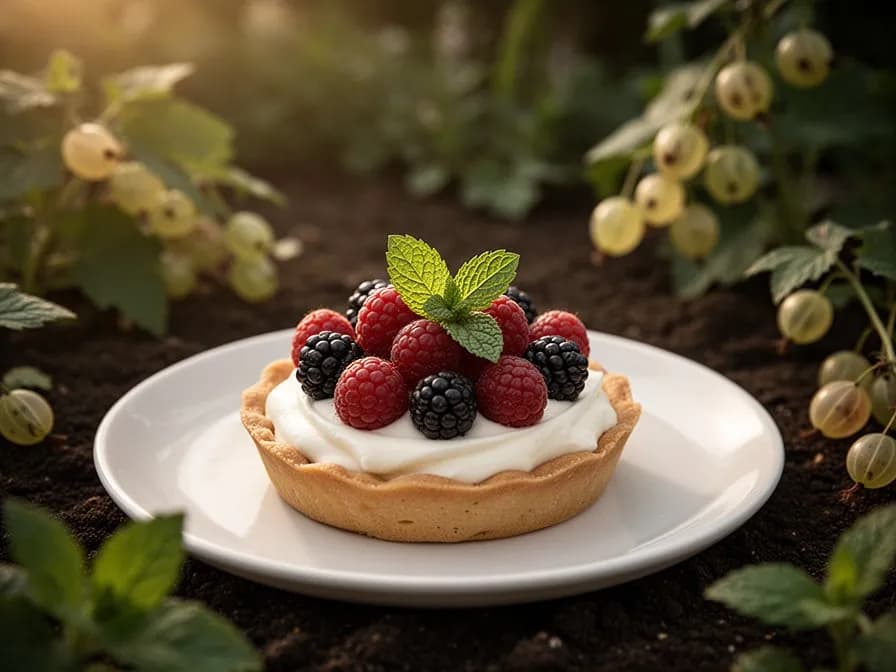
Klassische Stachelbeermarmelade
45 Min.Die ultimative Verwendung für amerikanische Stachelbeeren – eine fest gelierende, juwelenhaft leuchtende Marmelade mit lebendigem süß-saurem Geschmack, den kein kommerzielles Produkt erreichen kann. Der natürlich hohe Pektingehalt der Frucht sorgt jedes Mal für zuverlässiges Gelieren ohne Pektinzusatz. Verwenden Sie leicht unreife grüne Früchte für die lebendigste Farbe und das beste Gelierergebnis.
4 ZutatenStachelbeer-Mandel-Crumble
50 Min.Die Säure der Stachelbeeren ist die perfekte Ergänzung zu einem süßen, buttrigen Mandel-Crumble-Belag. Dieses einfache Sommerdessert wird am besten warm mit Vanilleeis oder kalter Sahne serviert. Verwenden Sie herbe grüne oder gerade umfärbende Früchte für maximalen Kontrast zum süßen Belag.
8 Zutaten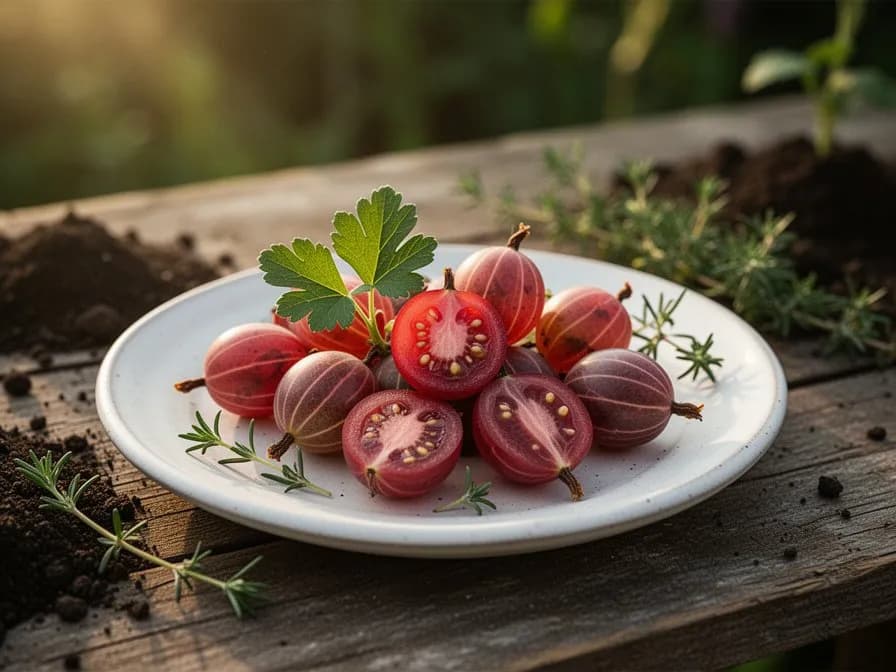
Stachelbeer-Fool
20 Min.Ein traditionelles britisches Dessert, das den einzigartigen Stachelbeergeschmack mit minimalem Aufwand zur Geltung bringt. Kochen Sie die Früchte kurz, süßen Sie nach Geschmack, heben Sie die Masse unter leicht geschlagene Sahne und servieren Sie gekühlt. Die blassgrüne Farbe der Frucht verwandelt sich in ein zartes Blassrosa, wenn sie durch die Sahne gezogen wird – schön und mühelos.
6 ZutatenKulinarische Verwendung
Amerikanische Stachelbeeren sind süßer als europäische Sorten und eignen sich hervorragend als Frischobst, was für Stachelbeeren ungewöhnlich ist. Sie bewähren sich auch in traditionellen Stachelbeerrezepten wie Kuchen, Crumbles, Fools und Marmeladen. Ihre ausgewogene Süße erfordert weniger Zuckerzugabe in Konfitüren im Vergleich zu den säuerlicheren europäischen Sorten. Verwenden Sie sie in Chutneys und Soßen zu Fleischgerichten. Wein aus amerikanischen Stachelbeeren ist milder und zugänglicher als Wein aus europäischen Sorten.
Was drinsteckt
Gesundheitsvorteile
- Liefert etwa 30 % der empfohlenen Tagesdosis an Vitamin C pro 100 g, stärkt die Immunabwehr, fördert die Wundheilung und verbessert die Aufnahme von pflanzlichem Eisen aus anderen Lebensmitteln, die in derselben Mahlzeit verzehrt werden.
- Gehört zu den ballaststoffreichsten frischen Früchten mit 4,3 g Ballaststoffen pro 100 g – sowohl lösliches Pektin (das nützliche Darmbakterien ernährt und hilft, LDL-Cholesterin zu senken) als auch unlösliche Ballaststoffe (die den regelmäßigen Stuhlgang fördern und die Transitzeit verkürzen).
- Reich an Flavonoid-Polyphenolen wie Quercetin und Myricetin, die in klinischen Studien entzündungshemmende Wirkungen gezeigt haben und potenziell das Risiko von Herz-Kreislauf-Erkrankungen, Typ-2-Diabetes und bestimmten entzündlichen Erkrankungen reduzieren.
- Enthält Anthocyane in rot- und violettfruchtigen Sorten – dieselbe Klasse von Antioxidantien, die in Heidelbeeren und schwarzen Johannisbeeren vorkommt – die mit verbessertem Gedächtnis, gesenktem Blutdruck und Schutz der Blutgefäße vor oxidativem Schaden in Verbindung gebracht werden.
- Niedriger glykämischer Index und relativ geringer natürlicher Zuckergehalt (6–8 g pro 100 g) im Vergleich zu den meisten süßen Früchten, was Stachelbeeren zu einer geeigneten Obstwahl für Menschen macht, die ihren Blutzucker überwachen oder Typ-2-Diabetes managen.
- Liefert Kupfer und Mangan, Spurenelemente, die als Cofaktoren für Superoxiddismutase dienen – eines der wichtigsten antioxidativen Enzyme des Körpers – und den zellulären Schutz vor Schäden durch freie Radikale im gesamten Körper unterstützen.
Woher Amerikanische Stachelbeere stammt
Die Amerikanische Stachelbeere (Ribes hirtellum) ist im Nordosten Nordamerikas beheimatet und wächst natürlich von Neufundland und Labrador südwärts durch Neuengland, die Region der Großen Seen und die Appalachen, westwärts bis nach Manitoba und Minnesota. Sie bevorzugt feuchte, felsige Waldränder, Uferböschungen und kühle Nordhänge – Lebensräume, in denen ihre Winterhärte und Schattentoleranz einen Wettbewerbsvorteil bieten. Wildpopulationen finden sich noch über dieses natürliche Verbreitungsgebiet hinweg, oft erkennbar an ihren charakteristischen Dornen an den Triebknoten und kleinen, durchscheinenden, geäderten Beeren.
Indigene Völker im gesamten natürlichen Verbreitungsgebiet der Pflanze ernteten wilde amerikanische Stachelbeeren als wichtiges saisonales Nahrungsmittel, verzehrten sie frisch, trockneten sie für Wintervorräte und verarbeiteten sie zu Pemmikan – der kalorienreichen Mischung aus ausgelassenem Fett, getrocknetem Fleisch und Beeren, die Jäger und Reisende durch harte Winter versorgte. Die Cree, Ojibwe, Algonquin und andere Nationen verwendeten verschiedene Teile der Pflanze auch medizinisch, nutzten Wurzelabsude bei Nierenbeschwerden und Rindenaufbereitungen als Tonikum.
Europäische Siedler erkannten schnell den kulinarischen Wert der Stachelbeere und die außergewöhnliche Winterhärte der amerikanischen Art – ein entscheidender Vorteil in den strengen Wintern Neuenglands, Québecs und der Region der Großen Seen, wo europäische Stachelbeersorten (Ribes uva-crispa) nur schwer überlebten. Die Amerikanische Stachelbeere wurde im 17. und 18. Jahrhundert weitverbreitet in kolonialen Küchengärten gepflanzt, und die gezielte Selektion und Kultivierung überlegener Formen begann früh. Bis zur Mitte des 19. Jahrhunderts wurden zahlreiche benannte amerikanische Sorten von Baumschulen angeboten, und die Kreuzung mit der europäischen Stachelbeere schuf eine Reihe von Kultursorten, die die Winterhärte der amerikanischen Art mit der größeren Frucht der europäischen kombinierten.
Das frühe 20. Jahrhundert brachte einen dramatischen Rückschlag für den Anbau amerikanischer Stachelbeeren, als der Federal Plant Quarantine Act von 1911 den Anbau aller Ribes-Arten in einem fehlgeleiteten Versuch verbot, den Weymouthskiefern-Blasenrost zu kontrollieren. Jahrzehnte dieses Verbots verwüsteten den kommerziellen und privaten Anbau, und das weit verbreitete Wissen über den Stachelbeeranbau ging in den Vereinigten Staaten weitgehend verloren. Seit der Aufhebung des Bundesverbots im Jahr 1966 gibt es eine langsame, aber stetige Wiederbelebung des Interesses, angetrieben von Liebhabern historischer Lebensmittel, Sammlern und Hobbygärtnern, die produktive, pflegeleichte Früchte für kühle Klimazonen suchen.
Amerikanische Stachelbeere: Schon gewusst?
Faszinierende Fakten über Amerikanische Stachelbeere
Die Amerikanische Stachelbeere (Ribes hirtellum) ist einer der winterhärtesten Fruchtsträucher in gemäßigten Gärten und übersteht zuverlässig Winter bis -40 °C – kälter als fast jede andere Obstkultur. Diese außergewöhnliche Winterhärte machte sie zu einer wichtigen Nahrungsquelle für indigene Völker und frühe Siedler im Norden der Vereinigten Staaten und Kanadas.
Amerikanische Stachelbeere: Fragen & Antworten
Wann sollte ich Amerikanische Stachelbeere pflanzen?
Was sind gute Begleitpflanzen für Amerikanische Stachelbeere?
In welchen Winterhärtezonen kann Amerikanische Stachelbeere wachsen?
Wie viel Sonne braucht Amerikanische Stachelbeere?
Welchen Abstand sollte ich zwischen Amerikanische Stachelbeere lassen?
Welche Schädlinge und Krankheiten befallen Amerikanische Stachelbeere?
Wie lagere ich Amerikanische Stachelbeere nach der Ernte?
Was sind die besten Amerikanische Stachelbeere-Sorten zum Anbauen?
Welchen Boden braucht Amerikanische Stachelbeere?
Brauche ich mehr als einen amerikanischen Stachelbeerstrauch zur Bestäubung?
Wann ist der richtige Zeitpunkt für die Ernte – grün oder reif?
Warum hat mein Stachelbeerstrauch weißen Belag auf den Blättern?
Kann die Amerikanische Stachelbeere in warmen südlichen Klimazonen wachsen?
Wie gehe ich beim Ernten mit den Dornen um?
Wie lange dauert es, bis ein neu gepflanzter Stachelbeerstrauch Früchte trägt?
Du hast die Theorie gelesen. Jetzt baue sie auf Autopilot an.
Alles, was Amerikanische Stachelbeere knifflig macht — das Timing, die Abstände, die Begleiter, das Erntefenster — genau das übernimmt PlotMyGarden für dich, für jede Pflanze im Garten.
Ein Plan, der dein Wetter kennt
Standort einmal festlegen. Aussaat-, Dünge- und Erntedaten rund um deinen echten letzten Frosttermin und die Live-Vorhersage — kein Raten mehr nach Saattüte.
Aus dem Abschnitt „Pflanzzeit“Beetplaner per Drag & Drop
Beete auf einem Raster gestalten. Jede Pflanze rastet im richtigen Abstand ein, und du siehst die ganze Saison, bevor du einen Cent für Saatgut ausgibst.
Aus dem Abschnitt „Anbau“Begleiter-Konflikte früh erkannt
Über 200 gute und schlechte Kombinationen werden beim Pflanzen live geprüft — so landet ein saisonruinierender Fehler nie in der Erde.
Aus dem Abschnitt „Begleiter“Erinnerungen, nach denen du wirklich handelst
„Gieß die Bohnen.“ „Heute ernten, bevor's umschlägt.“ Pünktlich, konkret und auf deine echten Pflanzen bezogen.
Aus dem Abschnitt „Ernte“Staffel-Aussaat, geplant
Sechs Wochen ernten statt sechs Tage? Die App verteilt deine Aussaaten automatisch und erinnert dich, wenn der nächste Satz fällig ist.
Aus dem Abschnitt „Pflanzzeit“Ein Verlauf, der schlauer wird
Jede protokollierte Ernte bringt der App deinen Garten bei. Der Plan fürs nächste Jahr startet bei dem, was in deinem Boden wirklich funktioniert hat.
Aus dem Abschnitt „Überblick“Pflanze diese neben Amerikanische Stachelbeere
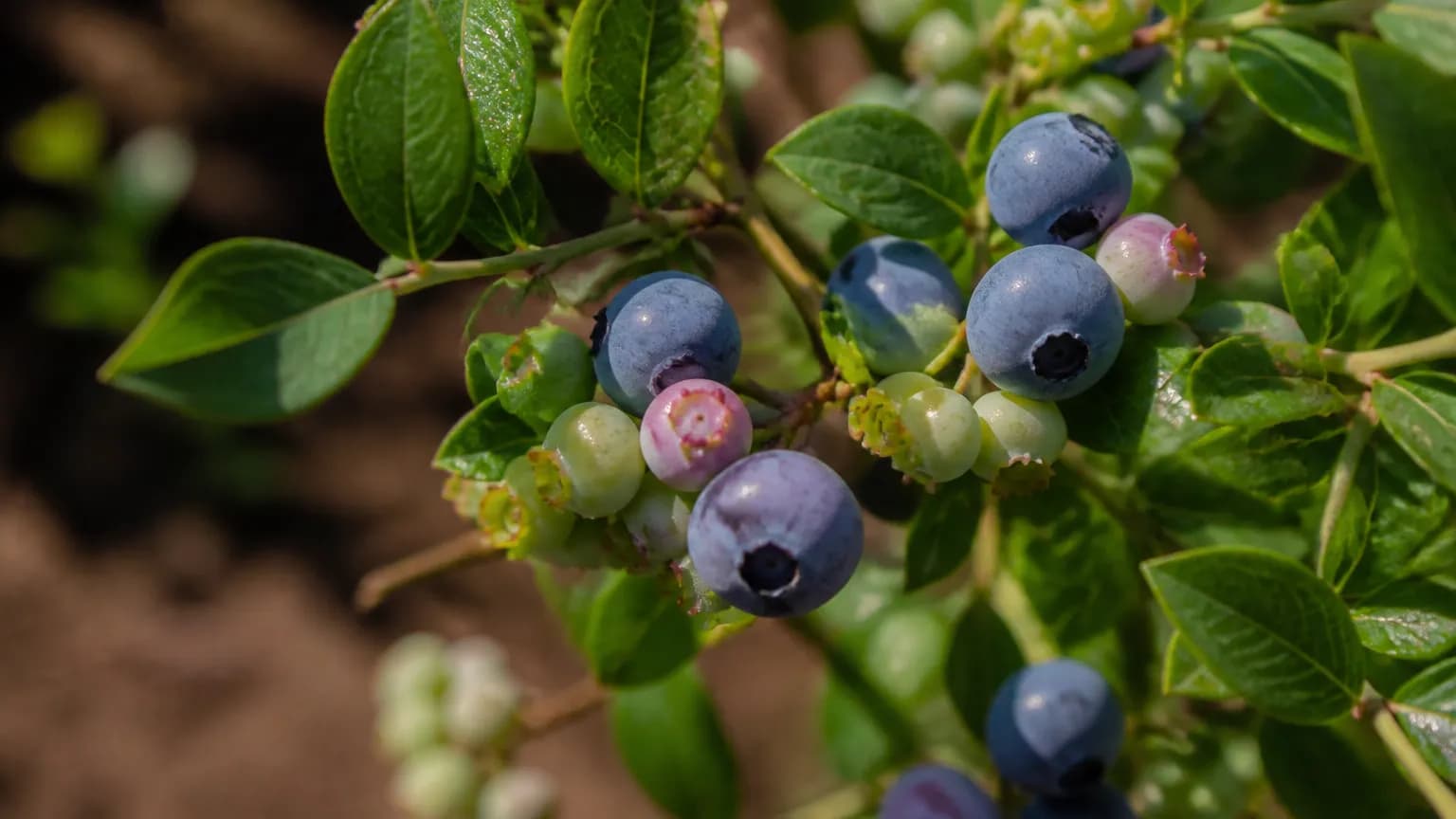
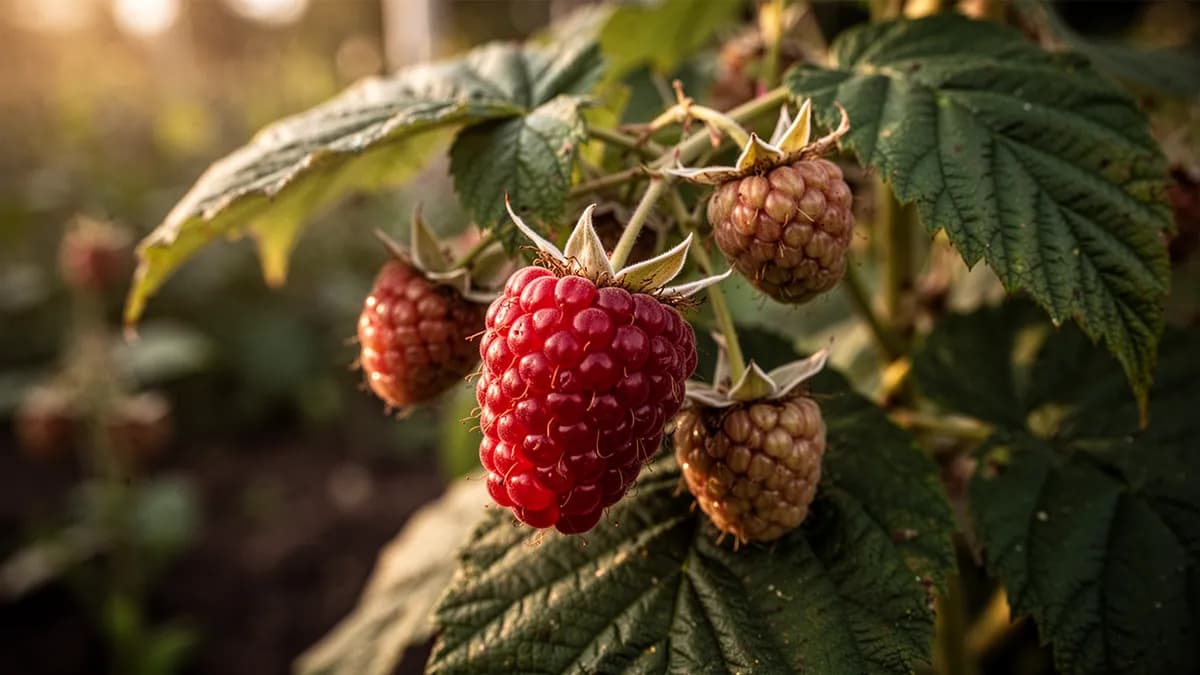
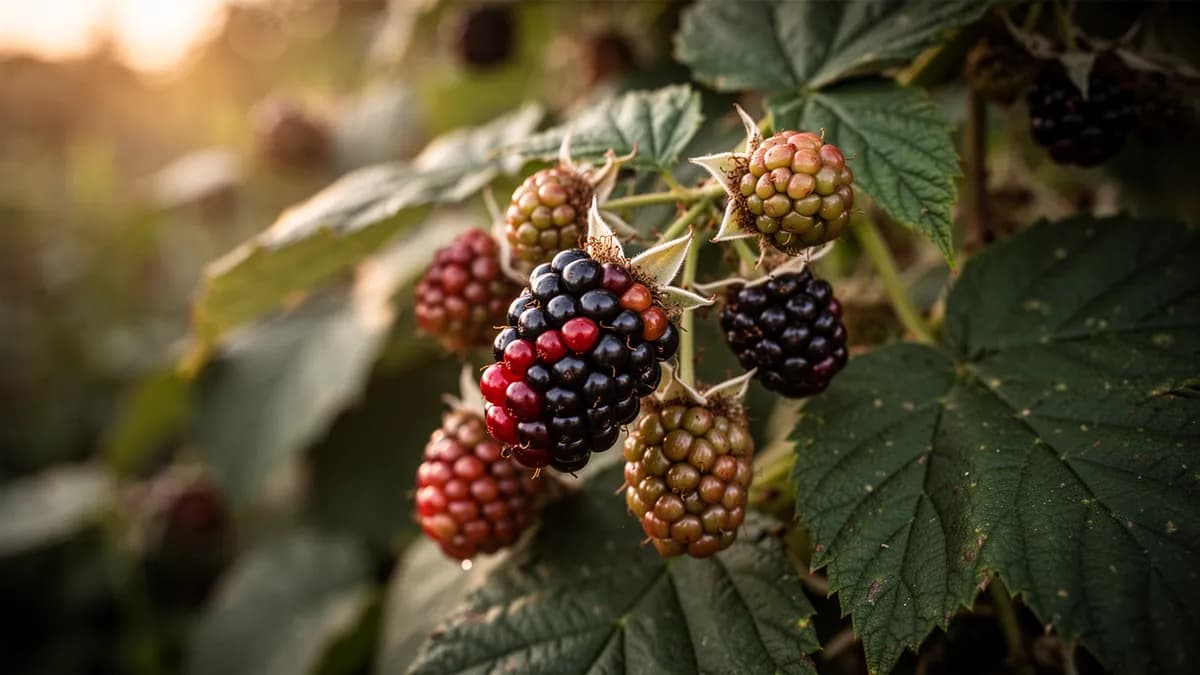
Weitere Beeren
Halte Amerikanische Stachelbeere von diesen fern
Bau deine beste Amerikanische Stachelbeere an — und alles drumherum.
Starte heute kostenlos. Lege deine Beete an, setze deine Amerikanische Stachelbeere ein und lass PlotMyGarden Timing, Abstände, Begleiter und Erinnerungen von der Saat bis zum Erntekorb übernehmen.