Bronze Fennel
An ornamental fennel with stunning copper-bronze feathery foliage that adds dramatic color to herb borders.





On this pageOverview
Meet Bronze Fennel
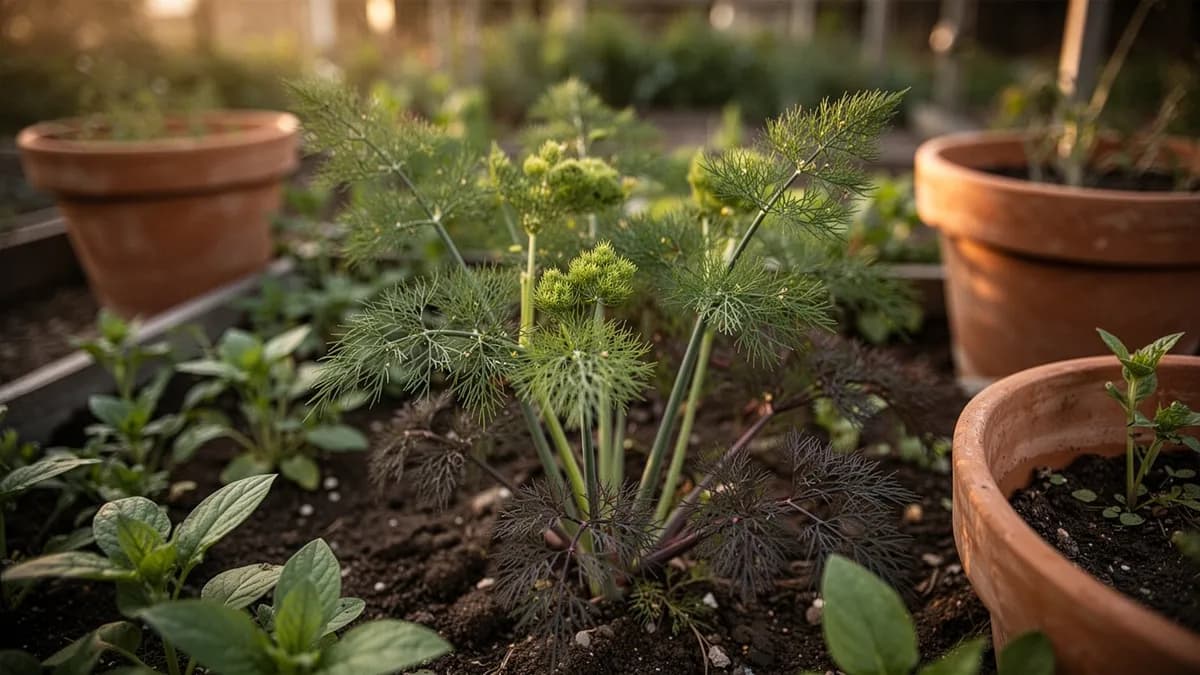
An ornamental fennel with stunning copper-bronze feathery foliage that adds dramatic color to herb borders. The fronds have the same anise flavor as green fennel and can be used identically in cooking. Bronze fennel attracts swallowtail butterflies as a larval host plant and self-seeds freely in the garden.
When to plant Bronze Fennel
Sow bronze fennel seeds directly outdoors after the last frost, a quarter inch deep in prepared soil. Seeds germinate in 7 to 14 days. Thin to 18 to 24 inches apart. Can also be started indoors 4 to 6 weeks before the last frost. Transplant carefully, as fennel has a taproot that dislikes disturbance. Seedlings should be bronze-tinted from the start; green seedlings may be hybrid crosses and should be removed.
Your Bronze Fennel Year
Composed for Zone 7 · typical seasons · frost passes Apr 2, returns Nov 1
Plant Bronze Fennel Mar – May, pick Jun – Sep. Check the planting methods below and set your climate to personalize these windows.
How to grow Bronze Fennel
Bronze fennel is a striking ornamental herb that combines dramatic copper-purple feathery foliage with the same culinary utility as green fennel. Growing 4 to 6 feet tall, it creates a stunning vertical accent in herb gardens and perennial borders. Plant in full sun with well-drained soil with a pH of 5.5 to 7.0. Space 18 to 24 inches apart.
Direct sow seeds outdoors after the last frost or start indoors 4 to 6 weeks earlier. Seeds germinate in 7 to 14 days at 65 to 70 degrees. Bronze fennel grows quickly and may reach full height by midsummer. The feathery foliage emerges bronzy-purple in spring and deepens through the season.
Bronze fennel is a short-lived perennial in zones 6 and above, dying to the ground in winter and returning from the roots in spring. In colder zones, grow as an annual. It self-sows prolifically; deadhead to prevent unwanted spread or allow volunteer seedlings for a naturalized effect. The plant is an important larval food source for black swallowtail butterflies; expect colorful caterpillars on the foliage in summer.
10 plants fit a 4 × 8 ft bed
Each Bronze Fennel wants 45 cm of elbow room. The planner keeps that spacing for you — every plant, every bed.
Bronze Fennel's best neighbours
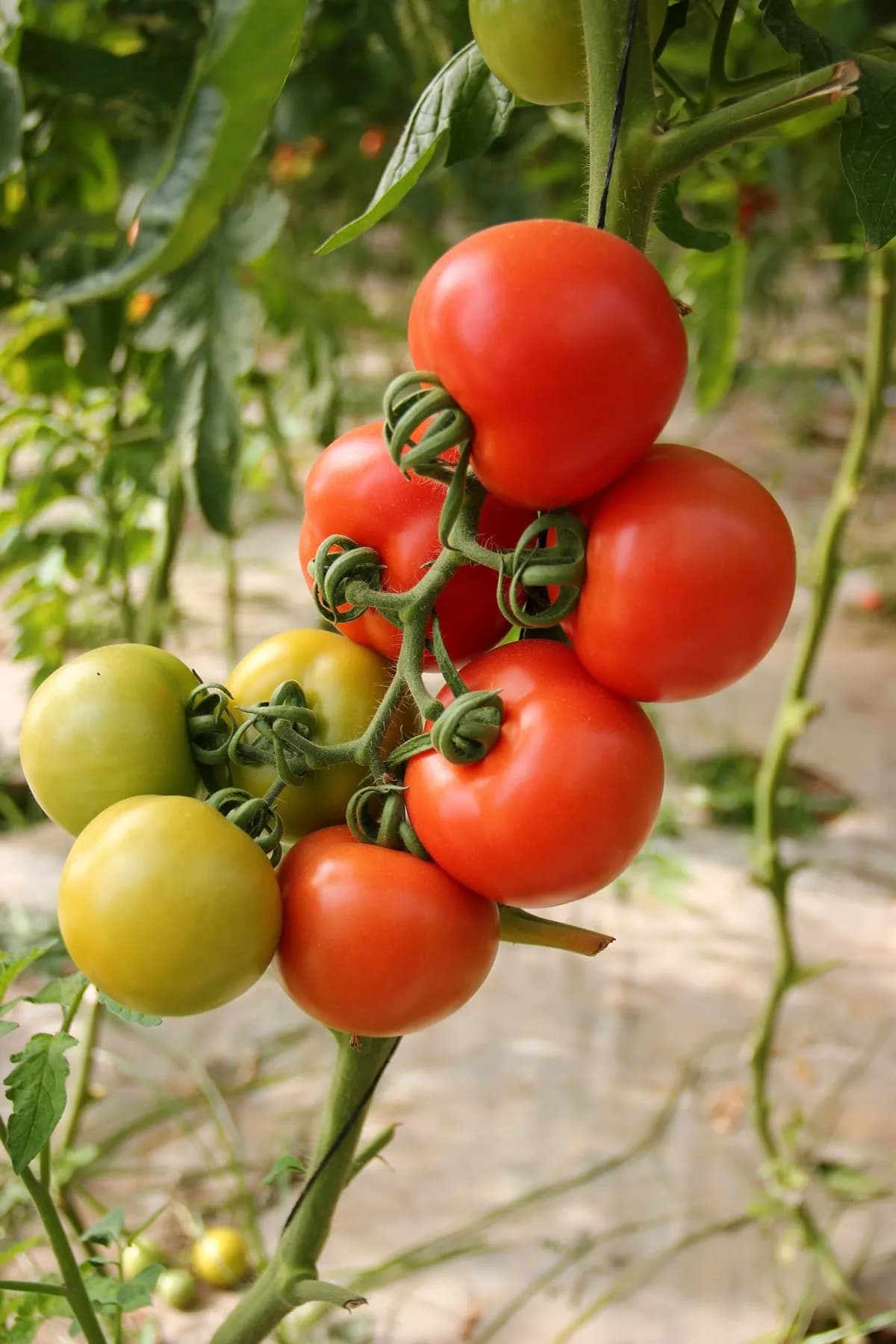
Bronze fennel attracts a wide array of beneficial insects including parasitic wasps, hover flies, and ladybugs. It is one of the best plants for a pollinator garden. However, fennel is allelopathic and should be planted away from most vegetables and herbs, especially tomatoes, beans, and cilantro. Give it its own dedicated space. It is a valuable larval host plant for black swallowtail butterflies.
Dill belongs beside it. Tomato doesn't.
Old growers' knowledge, checked against Bronze Fennel's real companion table below — test any plant you're growing.
Try Bronze Fennel in a bed — right here
A real planner bed with Bronze Fennel already in it. Tap a companion to place it and watch the pairing checks answer — green for good neighbours, red for a clash.


Related growing guides
Feed it well
Bronze fennel grows well in average to poor, well-drained soil with a pH of 5.5 to 7.0. Rich, fertile soil produces lush but less intensely colored foliage. The plant is drought-tolerant once established and performs well in lean conditions. Minimal fertilization is needed. A light compost top-dressing in spring is sufficient. Avoid excessive nitrogen that dilutes the bronze foliage color.
Ideal Temperature
Hardiness Zone Compatibility
From seed to harvest, stage by stage
Germination
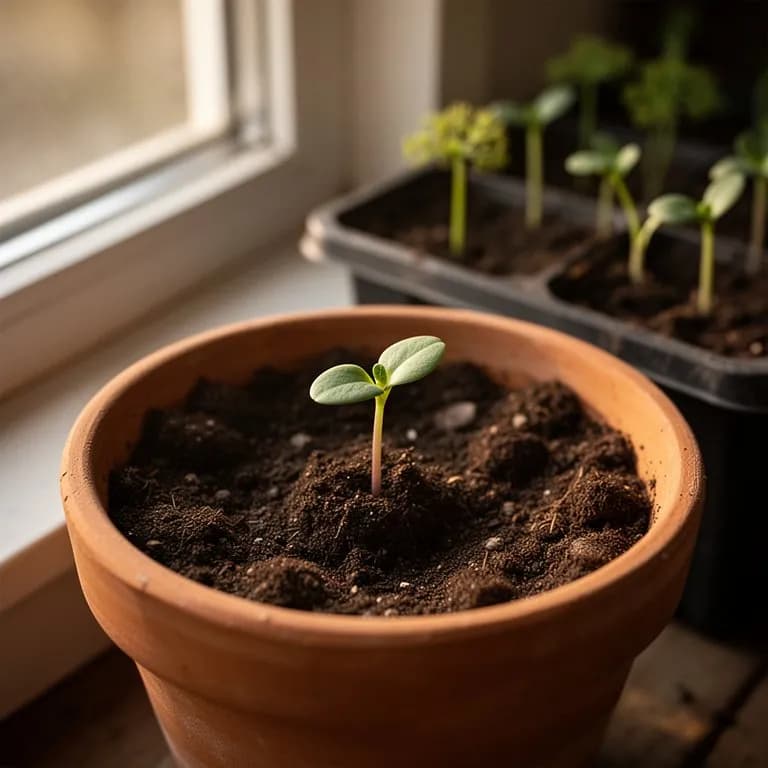
Seeds germinate slowly compared to many herbs, requiring 7-14 days in warm soil. The initial seedlings produce narrow, strap-like cotyledons that look nothing like the mature feathery foliage. Bronze coloring is barely visible at this stage, with seedlings appearing mostly green with faint coppery undertones.
Seedling Establishment
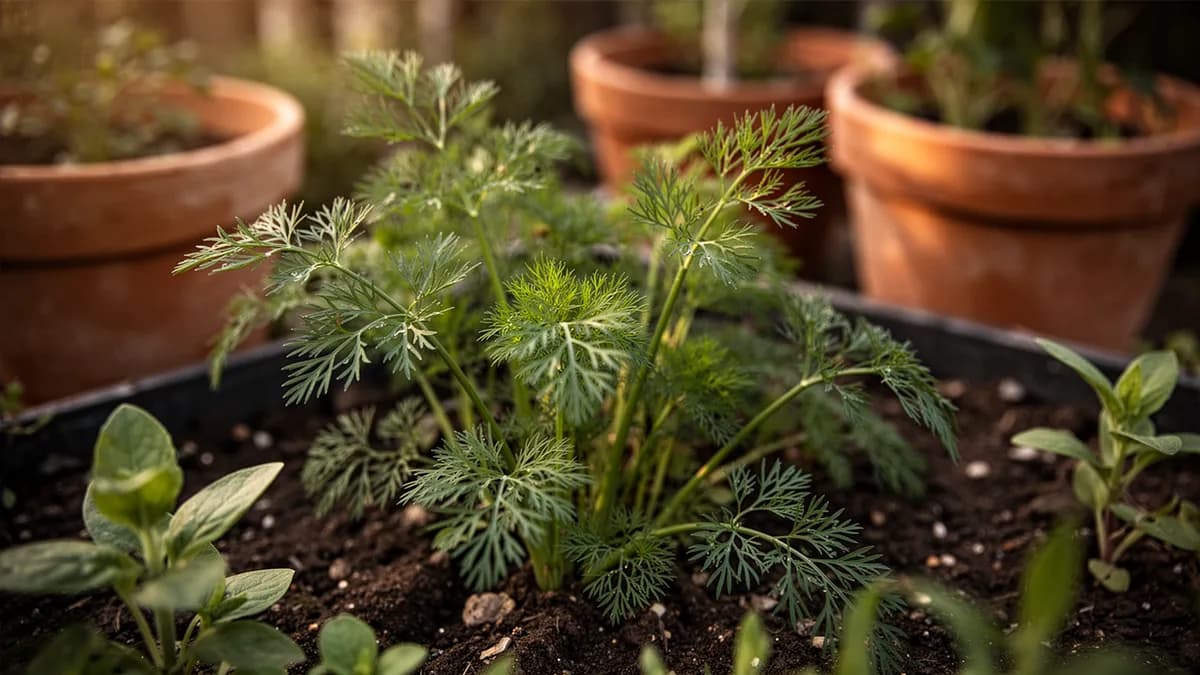
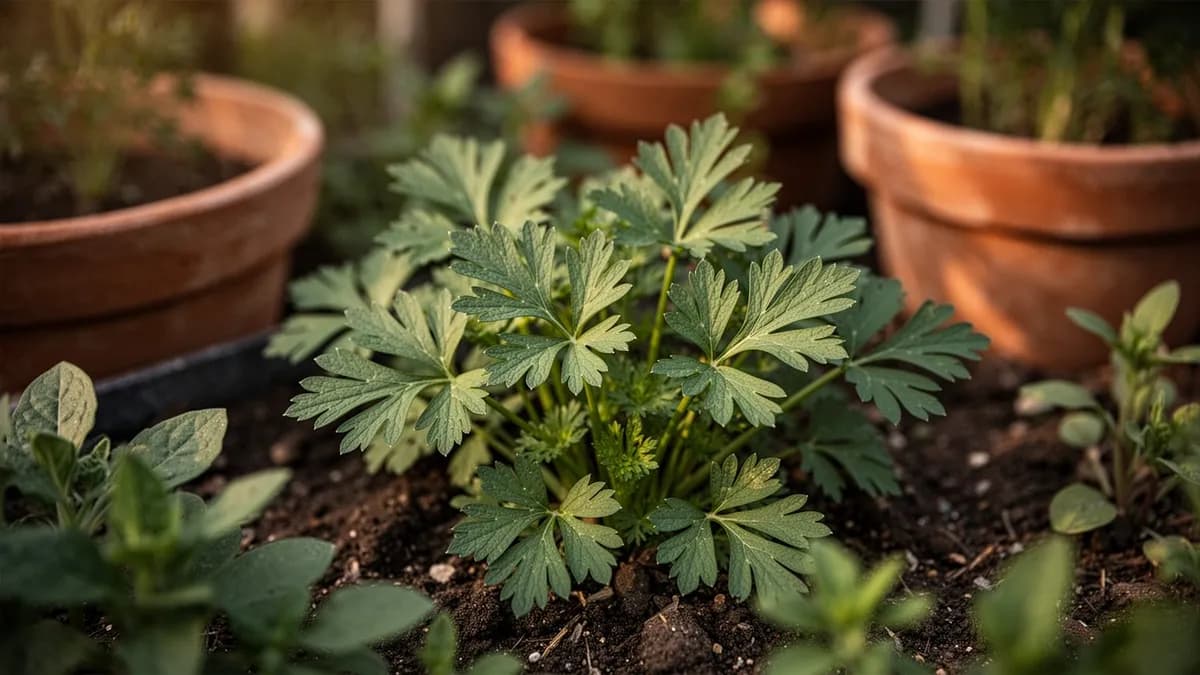
True leaves emerge with the characteristic finely divided, thread-like segments that define fennel foliage. Bronze-purple pigmentation becomes increasingly apparent as each new set of leaves unfurls. The taproot extends rapidly downward during this phase, anchoring the plant and accessing deeper moisture.
Vegetative Growth
Plants enter a vigorous growth phase, rapidly building their characteristic airy mound of smoky bronze-purple foliage. Stems thicken and develop a green base with purple-bronze striping. This is the prime harvest window for culinary fronds — the foliage is at its most tender, aromatic, and intensely flavored.
Flowering
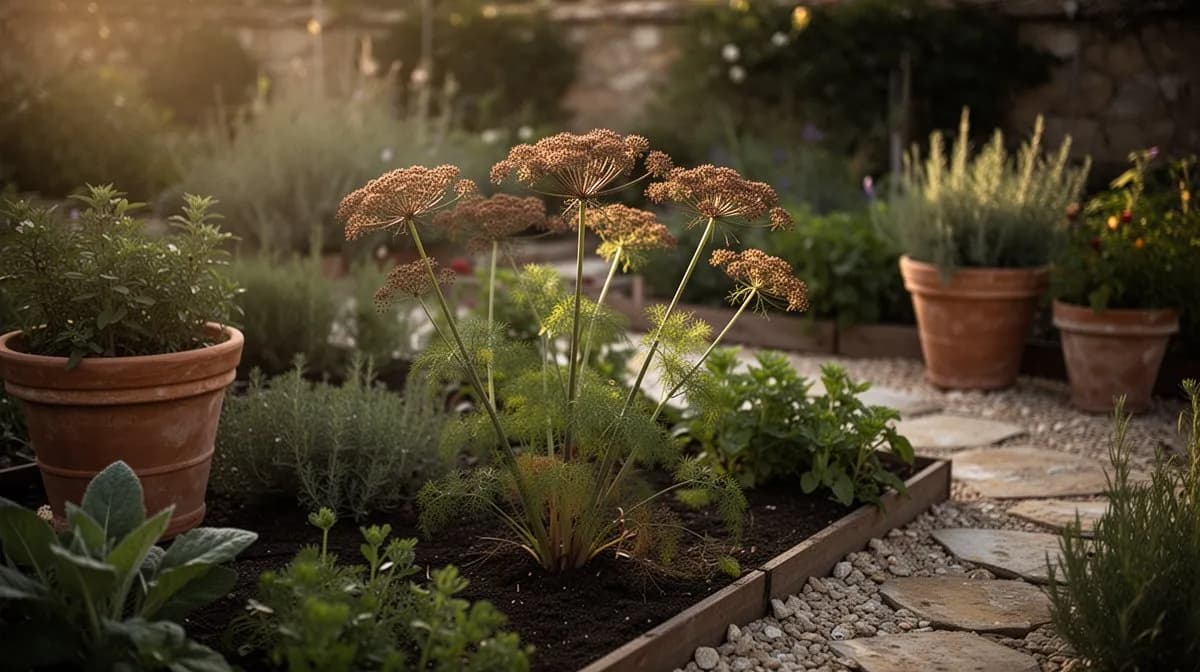
Tall flower stalks rise above the foliage, bearing broad compound umbels of tiny golden-yellow flowers. Each umbel consists of 15-30 smaller umbellets and is exceptionally attractive to beneficial insects. The plant may reach 150-200 cm during flowering. Frond flavor becomes slightly less refined as the plant directs energy to reproduction.
Seed Development and Maturation
Flower umbels gradually develop into clusters of aromatic seeds that turn from green to olive-tan as they ripen. The seeds are slightly smaller than common fennel seeds but carry the same warm, sweet anise fragrance. As seeds mature, the plant's lower foliage yellows and the overall appearance becomes less ornamental.
Dormancy and Overwintering
In zones 6-10, bronze fennel is a short-lived perennial that dies back to the crown in late autumn. The above-ground foliage withers after hard frost, but the deep taproot survives winter in milder regions and sends up fresh bronze shoots the following spring, often earlier than many other perennial herbs.
Sow seeds 6mm deep in moist, well-drained soil. Fennel has a long taproot and resents transplanting, so direct sowing or using deep modules is strongly recommended. Keep soil consistently moist but not waterlogged during germination. Soil temperature of 15-21°C (60-70°F) is ideal.
Caring for Bronze Fennel month by month
What to do each month for your Bronze Fennel
October
You are hereComplete seed harvest and store seeds in airtight glass jars. Make a final large harvest of fronds for drying or freezing before frost. In zones 4-7, cut plants back to 10 cm and apply 8-10 cm of mulch over the crown for winter insulation.
Know exactly what to do in your garden — every month
One email at the start of each month: what to sow, plant, and tackle right now — for your Bronze Fennel and everything growing around it. Plus a short starter course that helps you dodge the classic mistakes.
- What to do, right now
- Matched to your season
- Starter course included
Harvesting Bronze Fennel
Harvest bronze fennel fronds throughout the growing season by snipping stems as needed. The feathery leaves have the same sweet anise flavor as green fennel. For cut flower arrangements, the dramatic bronze foliage adds stunning color and texture. Harvest seeds when they turn from green to brown on the plant. Cut entire seed heads and dry in paper bags. The flowers attract beneficial insects and make excellent cut fillers in bouquets.
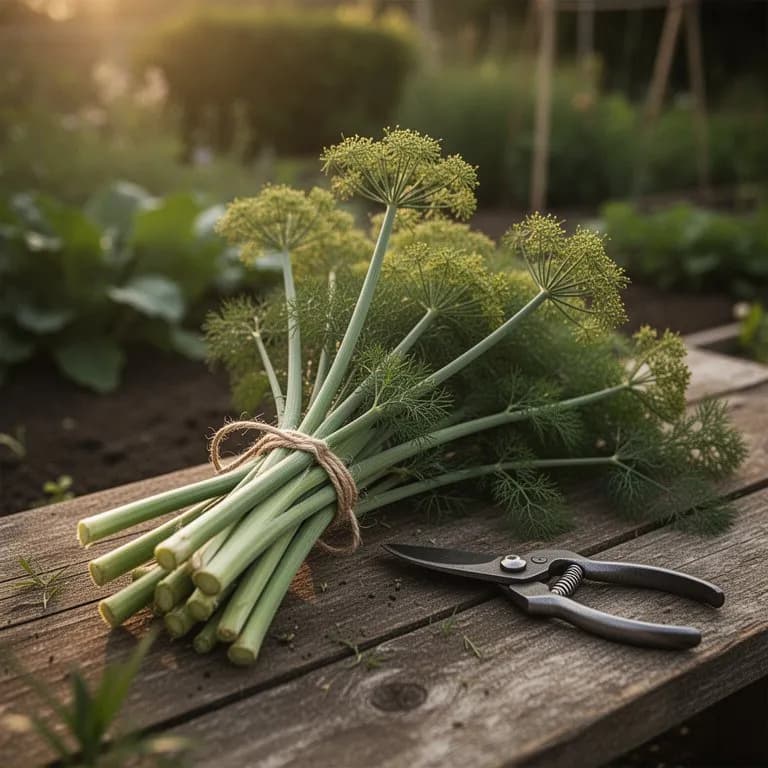
assuming you plant when the window opens — set your real date
Pick Bronze Fennel promptly and the plant keeps producing.
Storage & Preservation
Fresh bronze fennel fronds store in the refrigerator in a plastic bag for 3 to 5 days. The feathery foliage does not dry well for culinary use, as the delicate flavor diminishes significantly. Freeze chopped fronds in ice cube trays with olive oil for the best preserved flavor. Fennel seeds dry well and store for 2 to 3 years in airtight containers. The bronze color of the foliage fades when dried but remains attractive in dried arrangements.
What goes wrong — and the fix
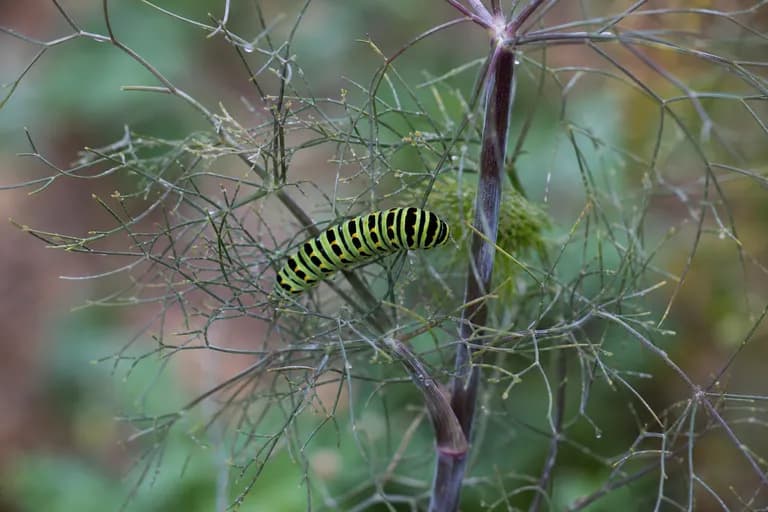
Parsleyworm (Swallowtail Caterpillar)
PestLarge green, black, and yellow striped caterpillars feeding on foliage. Can strip small plants but rarely kill established bronze fennel. They become beautiful black swallowtail butterflies.
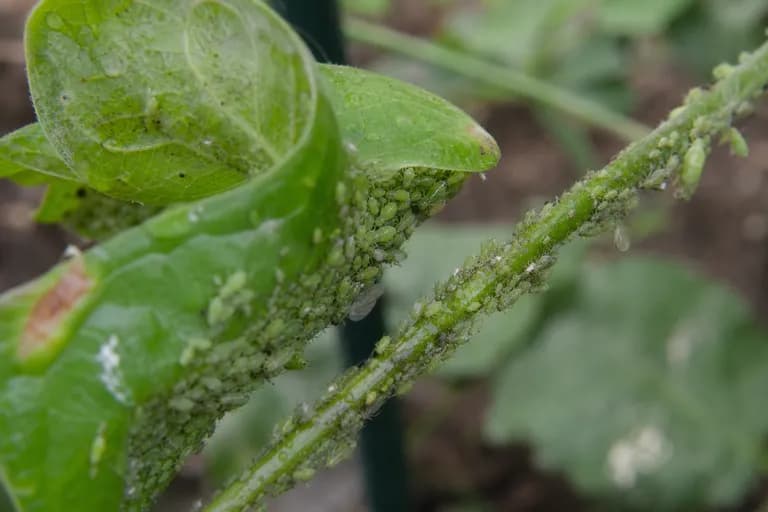
Aphids
PestClusters on stems and flower heads. Honeydew and sooty mold. Usually a minor problem on healthy plants.
Troubleshooting Common Problems
Aggressive self-sowing is the primary concern; bronze fennel can become weedy if seeds are not removed before ripening. Deadhead promptly to control spread. Fennel is allelopathic to many plants, inhibiting the growth of tomatoes, beans, and many other vegetables. Give it adequate space away from the vegetable garden. Do not plant near dill, as the two can cross-pollinate and produce inferior hybrid offspring. Tall stems may flop without support.
Growing Tips
- Direct sow rather than transplant whenever possible. Bronze fennel develops a deep, carrot-like taproot that resents disturbance — transplanted seedlings often sulk or bolt prematurely. If starting indoors, use deep modules at least 7 cm and transplant before roots begin to circle.
- Keep bronze fennel away from dill, coriander, and caraway. These related umbellifers cross-pollinate readily with fennel, producing seeds with muddled, off-flavors. Maintain at least 100 meters of separation if saving seeds for replanting or culinary use.
- Do not plant bronze fennel directly adjacent to tomatoes, peppers, or beans. Fennel roots exude compounds that can inhibit the growth of many vegetable crops — give it at least 60-90 cm of distance or plant it in a dedicated herb bed or ornamental border.
- Harvest fronds by snipping individual stems at the base rather than shearing the whole plant. This selective harvesting encourages the plant to produce fresh side shoots and maintains an attractive shape throughout the season.
- Deadhead spent flower umbels promptly if you want to prevent self-sowing. Bronze fennel is a prolific seeder, and even a single plant allowed to scatter seeds can produce dozens of volunteer seedlings the following spring — delightful if intended, a nuisance if not.
- Grow bronze fennel in lean, well-drained soil for the most intense aroma and flavor. Over-fertilizing, especially with nitrogen, produces lush but less fragrant foliage. A single compost application at planting time is typically all this undemanding herb needs.
- Allow swallowtail butterfly caterpillars to feed rather than treating them as pests. A healthy bronze fennel plant easily tolerates caterpillar grazing and regrows quickly, while the butterflies provide valuable pollination services and garden biodiversity.
- Freeze surplus fronds in ice cube trays with a little water or olive oil for year-round use. Dried fennel fronds lose most of their flavor quickly, but frozen fronds retain their anise aroma and bright color for 6-12 months.
- In zones 5-6, site bronze fennel against a south-facing wall or fence for maximum winter protection. The reflected heat and shelter from cold winds can make the difference between the plant surviving winter as a perennial or being killed outright.
- Cut back flower stalks to 15 cm after seed harvest to encourage a late flush of fresh basal foliage in autumn. This second growth is often particularly tender and intensely bronze-colored, providing a final harvest before the first hard frost.
Grow your best Bronze Fennel yet — and everything around it.
Start a free plan today. Lay out your beds, drop in your Bronze Fennel, and let PlotMyGarden handle the timing, spacing, companions and reminders from seed to harvest basket.
Pick your Bronze Fennel
Purpureum (Bronze Fennel)
The standard bronze fennel with deep copper-purple feathery foliage. Self-sows readily. Both ornamental and culinary. Grows 4 to 6 feet tall.
Smokey
A selected form with particularly dark, smoky bronze coloring. More compact than the standard at 3 to 4 feet. Excellent in containers and small gardens.
A single packet of bronze fennel seeds costs $2-4 and provides enough plants for years, since the herb readily self-sows and perennial clumps return annually. Fresh fennel fronds and pollen are specialty items at farmers markets, selling for $3-6 per small bunch, while fennel pollen — a gourmet ingredient — retails for $15-30 per ounce. Growing 3-4 plants provides a continuous supply of fresh fronds worth $40-80 per season, unlimited fennel seed for cooking and tea, and the extraordinary beneficial insect habitat value that no purchased product can replicate.
Quick recipes
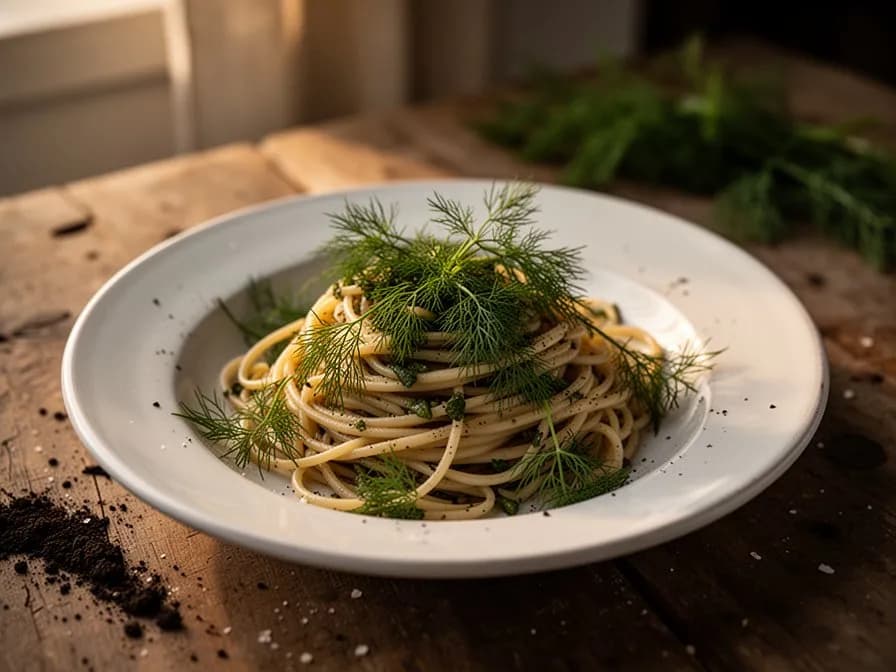
Bronze Fennel and Citrus Salad with Shaved Parmesan
15 minA stunning composed salad that showcases bronze fennel fronds as both ingredient and garnish. The sweet anise notes of the fronds pair beautifully with bright citrus segments and salty aged parmesan, creating a refreshing starter that looks like it came from a fine restaurant.
7 ingredientsFennel Seed and Honey Tea
10 minA soothing digestive tea made from freshly harvested bronze fennel seeds, traditionally used across Mediterranean and South Asian cultures to ease bloating, calm the stomach, and promote restful sleep. The warm, sweet anise aroma is deeply comforting after a heavy meal.
5 ingredientsGrilled Fish with Bronze Fennel Butter
20 minA compound butter infused with finely chopped bronze fennel fronds melts over hot grilled fish, creating a fragrant, anise-scented sauce that elevates simple fillets into an elegant main course. The bronze fronds add a subtle smokiness that pairs especially well with white fish and salmon.
8 ingredientsCulinary Uses
Bronze fennel fronds have the same sweet anise flavor as green fennel and can be used interchangeably. The copper color adds visual interest to dishes. Use fresh fronds as a garnish for fish, seafood, and salads. Chop and add to compound butters, cream sauces, and vinaigrettes. The seeds have a warm, concentrated anise flavor for breads, sausages, and spice blends. Young stems can be grilled or sauteed. Fennel pollen, collected from the flowers, is a prized gourmet ingredient with intense sweet anise flavor.
What's inside
Health Benefits
- Fennel seeds and fronds contain anethole, a compound with well-documented anti-inflammatory and antispasmodic effects that has been shown in clinical studies to reduce bloating, gas, and intestinal cramping — the basis for fennel's centuries-old reputation as a digestive remedy.
- Rich in antioxidant compounds including rosmarinic acid, chlorogenic acid, and quercetin, which work synergistically to neutralize free radicals and may help reduce oxidative stress associated with chronic inflammation and cellular aging.
- The volatile oils in fennel have demonstrated antimicrobial activity against a range of bacteria and fungi in laboratory studies, supporting the traditional practice of chewing fennel seeds for oral hygiene and breath freshening.
- Fennel tea is widely used in traditional European and Ayurvedic medicine as a gentle remedy for infant colic, and modern research has confirmed that fennel preparations can significantly reduce crying time in colicky infants when used appropriately.
- Contains phytoestrogens, particularly anethole and its derivatives, which may help alleviate mild menopausal symptoms such as hot flashes — fennel seed extracts have shown promise in randomized controlled trials as a complementary therapy.
- Provides a natural source of potassium and manganese while being very low in sodium and calories, supporting cardiovascular health and making it an ideal flavor enhancer for people following low-sodium or calorie-conscious diets.
Where Bronze Fennel comes from
Bronze fennel (Foeniculum vulgare 'Purpureum') is an ornamental cultivar of common fennel, a species native to the shores of the Mediterranean Sea. Wild fennel has grown along the sun-baked coastal cliffs and dry hillsides of southern Europe, North Africa, and western Asia since antiquity, and archaeological evidence suggests humans have gathered and used fennel for at least 5,000 years. The ancient Egyptians cultivated fennel for both culinary and medicinal use, and it appears in the Ebers Papyrus (circa 1550 BC), one of the oldest surviving medical documents, as a remedy for digestive complaints.
The Greeks and Romans elevated fennel to near-mythical status. Greek athletes consumed fennel seeds to build stamina without gaining weight, and Roman legionnaires carried fennel on long marches, chewing the seeds to suppress hunger and maintain energy. Pliny the Elder documented over 20 medicinal uses for fennel in his Natural History, from improving eyesight to relieving coughs. The herb's Greek name 'marathon' became permanently embedded in Western culture through the Battle of Marathon, fought in 490 BC on a fennel-covered plain northeast of Athens.
The specific bronze-leaved form emerged as a naturally occurring mutation that was selected and stabilized by gardeners, likely in the herb gardens of medieval European monasteries where fennel was grown as one of Charlemagne's mandated imperial garden plants. The striking purple-bronze foliage made it a favorite in ornamental herb gardens from the Renaissance onward, combining beauty with full culinary utility. Today bronze fennel is widely grown across temperate and Mediterranean climates worldwide, valued equally by chefs for its intensely aromatic fronds and seeds, by gardeners for its dramatic color and graceful texture, and by ecologists for its extraordinary ability to attract and sustain beneficial insect populations.
Bronze Fennel: did you know?
Fascinating facts about Bronze Fennel
Bronze fennel is the single most important host plant for the Eastern black swallowtail butterfly (Papilio polyxenes) in ornamental gardens. Female butterflies seek it out specifically to lay eggs, and the striking black, green, and yellow caterpillars feed on the foliage before forming their chrysalis — making bronze fennel a must-plant for butterfly gardens.
Bronze Fennel questions, answered
When should I plant Bronze Fennel?
What are good companion plants for Bronze Fennel?
What hardiness zones can Bronze Fennel grow in?
How much sun does Bronze Fennel need?
How far apart should I space Bronze Fennel?
What pests and diseases affect Bronze Fennel?
How do I store Bronze Fennel after harvest?
What are the best Bronze Fennel varieties to grow?
What soil does Bronze Fennel need?
Does bronze fennel produce an edible bulb like Florence fennel?
Is bronze fennel a perennial or an annual?
Will bronze fennel attract swallowtail butterflies to my garden?
How do I keep bronze fennel from self-sowing everywhere?
Can I grow bronze fennel in a container?
What is the difference between bronze fennel fronds and fennel pollen, and how do I harvest the pollen?
You just read the theory. Now grow it on autopilot.
Everything that makes Bronze Fennel fiddly — the timing, the spacing, the companions, the harvest window — is exactly what PlotMyGarden handles for you, for every plant in your garden.
A plan that knows your weather
Set your location once. Get sow, feed and harvest dates built around your real last-frost date and live forecast — no more guessing from a generic seed packet.
From the “When to plant” sectionDrag-and-drop bed planner
Design beds on a grid. Every plant snaps to its proper spacing, and you can see your whole season laid out before you spend a cent on seed.
From the “Growing guide” sectionCompanion conflicts, caught early
200+ good-and-bad pairings checked live as you plant — so a season-wrecking mistake never makes it into the ground.
From the “Companions” sectionReminders you'll actually act on
“Water the beans.” “Pick today before it turns.” Timely, specific, and tied to the plants you're really growing.
From the “Harvest” sectionSuccession, scheduled
Want a harvest for six weeks, not six days? It spaces your sowings automatically and reminds you when each new block is due.
From the “When to plant” sectionA record that gets smarter
Every harvest you log teaches it your garden. Next year's plan starts from what actually worked in your soil, not a textbook's.
From the “Overview” sectionPlant these alongside Bronze Fennel
More Culinary Herbs
Keep Bronze Fennel away from these
Grow your best Bronze Fennel yet — and everything around it.
Start a free plan today. Lay out your beds, drop in your Bronze Fennel, and let PlotMyGarden handle the timing, spacing, companions and reminders from seed to harvest basket.