Alcaravea
Una hierba bienal que se cultiva sobre todo por sus aromáticas semillas en forma de media luna, usadas en pan de centeno, chucrut y quesos europeos.





En esta páginaResumen
Conoce Alcaravea
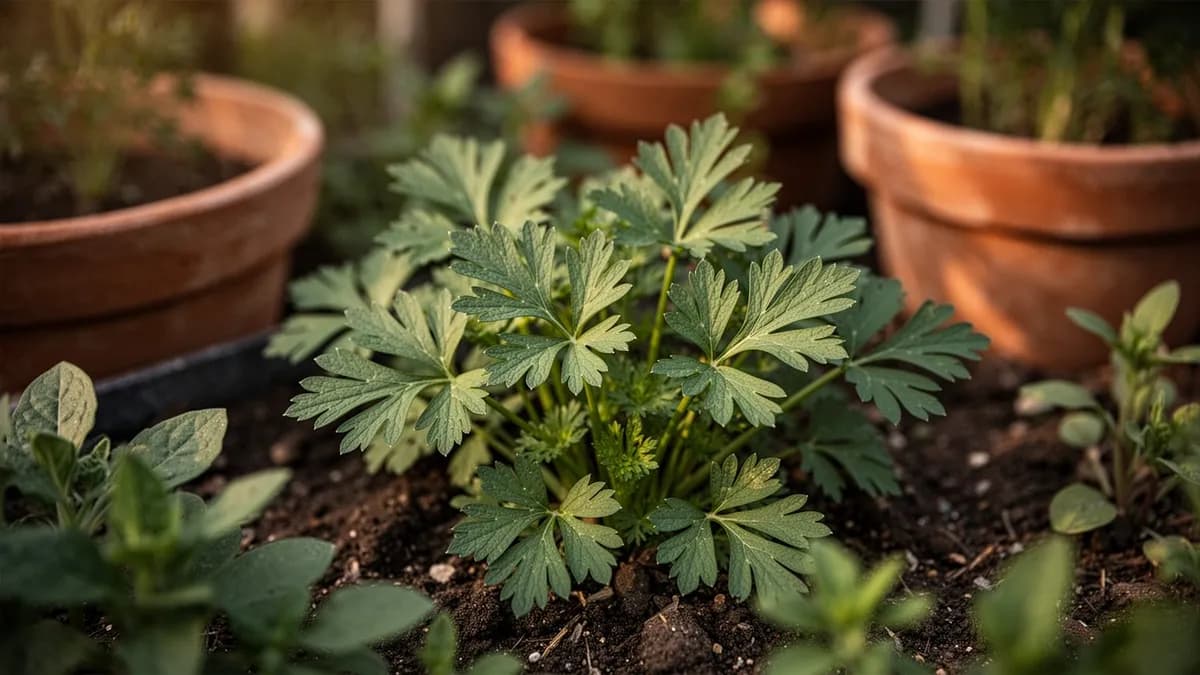
Una hierba bienal que se cultiva sobre todo por sus aromáticas semillas en forma de media luna, usadas en pan de centeno, chucrut y quesos europeos. Las hojas plumosas son comestibles y saben a eneldo suave, mientras que la raíz pivotante puede cocinarse como una chirivía. Las semillas se cosechan en el segundo año, cuando se vuelven marrones, cortando las cabezas de semillas y secándolas boca abajo.
Cuándo plantar Alcaravea
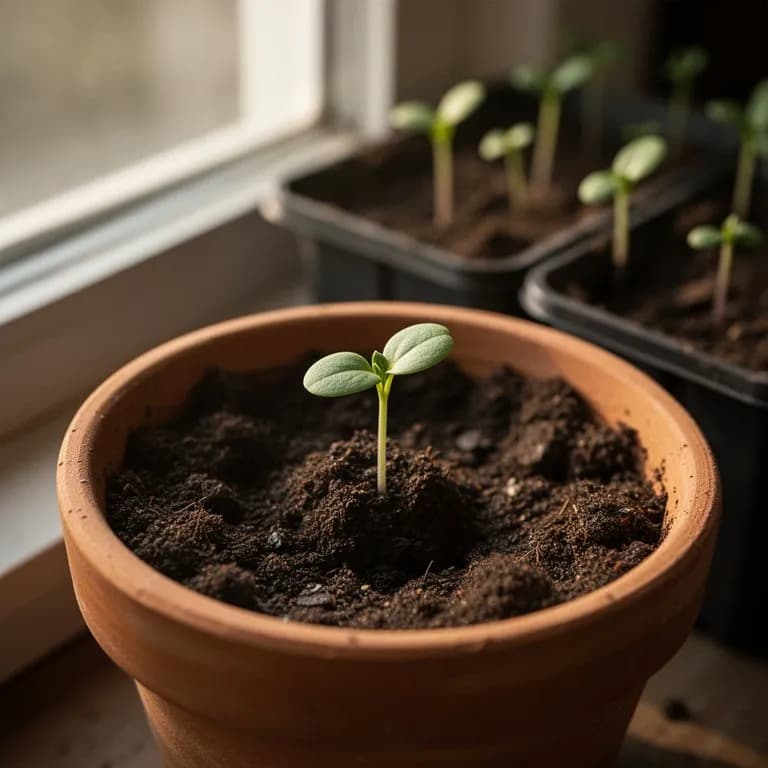
Siembre directamente las semillas de alcaravea al aire libre a comienzos de la primavera, en cuanto se pueda trabajar el suelo, o a finales del verano para cosechar al año siguiente. Plántelas a 6 mm de profundidad en hileras separadas 30 cm. Mantenga el suelo uniformemente húmedo hasta la germinación, que tarda 10-14 días a 15-21 °C. Aclare las plántulas a 15-20 cm. La alcaravea tiene una raíz pivotante larga y no tolera el trasplante, por lo que debe evitarse la siembra en macetas salvo que se usen macetas profundas para raíces. Si se inicia en interior, use macetas altas y estrechas y trasplante con cuidado antes de que la raíz pivotante se enrede en la maceta.
Tu año de Alcaravea
Ajustado a Zona 7 · temporada típica · la helada se va hacia el 2 abr y vuelve hacia el 1 nov
Planta Alcaravea Mar – Abr, Sep y cosecha Jul – Ago. Consulta los métodos de plantación y elige tu clima para adaptar los periodos.
Cómo cultivar Alcaravea
La alcaravea es una bienal que produce solo una roseta de hojas plumosas durante el primer año y florece con cabezas de semillas en el segundo. Siembre las semillas directamente al aire libre a comienzos de la primavera o a finales del verano, a 6 mm de profundidad en un suelo bien preparado. Las semillas germinan en 10-14 días con temperaturas del suelo de 15-21 °C. Aclare las plántulas a 20-30 cm de distancia.
Elija una ubicación soleada con suelo bien drenado y de fertilidad moderada. La alcaravea desarrolla una larga raíz pivotante y no se trasplanta bien, por lo que se recomienda encarecidamente la siembra directa en el lugar definitivo. Riegue con regularidad durante el establecimiento, pero reduzca el riego una vez que las plantas crezcan con vigor. La alcaravea tolera una gama de tipos de suelo, aunque rinde mejor en condiciones francas y ligeramente alcalinas.
En el segundo año, las plantas emiten tallos florales que alcanzan entre 60 y 90 cm de alto y terminan en delicadas umbelas blancas. Deje que las flores maduren y formen semillas, que son la principal cosecha. Mantenga la zona libre de malas hierbas, ya que la alcaravea crece despacio en su primer año y puede verse superada por malas hierbas agresivas. En climas muy fríos, acolche ligeramente las coronas en invierno para proteger las rosetas que pasan la estación fría.
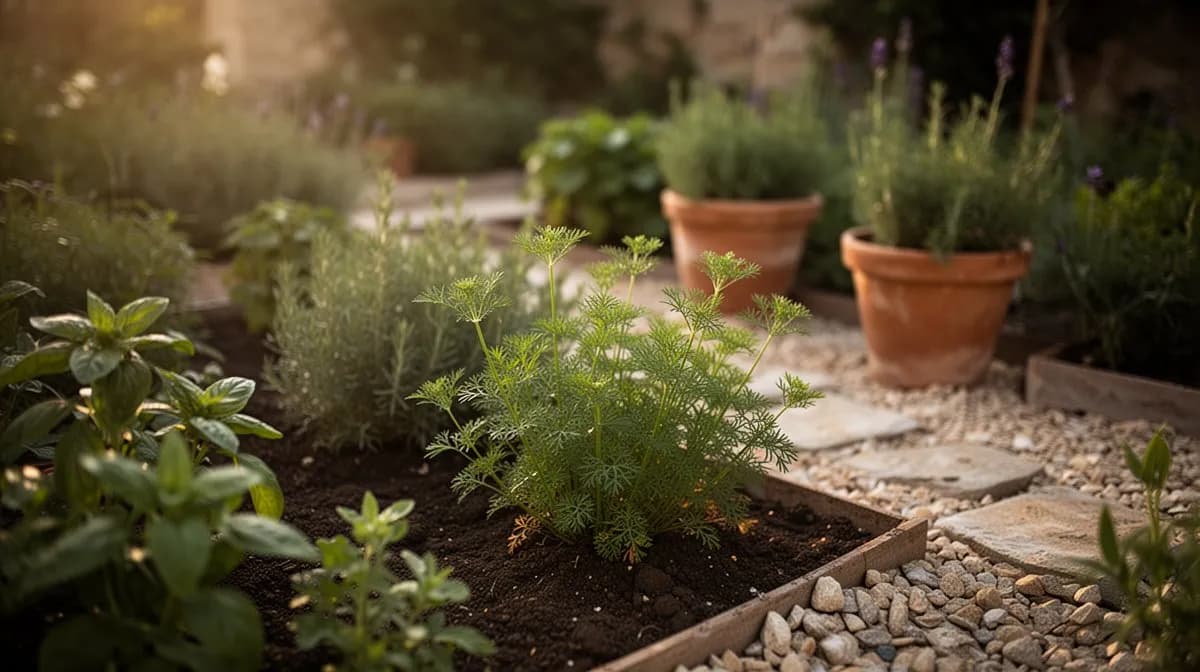
72 plantas caben en un bancal de 120 × 240 cm
Cada Alcaravea pide 20 cm de margen. El planificador guarda ese marco por ti — cada planta, cada bancal.
Los mejores vecinos de Alcaravea
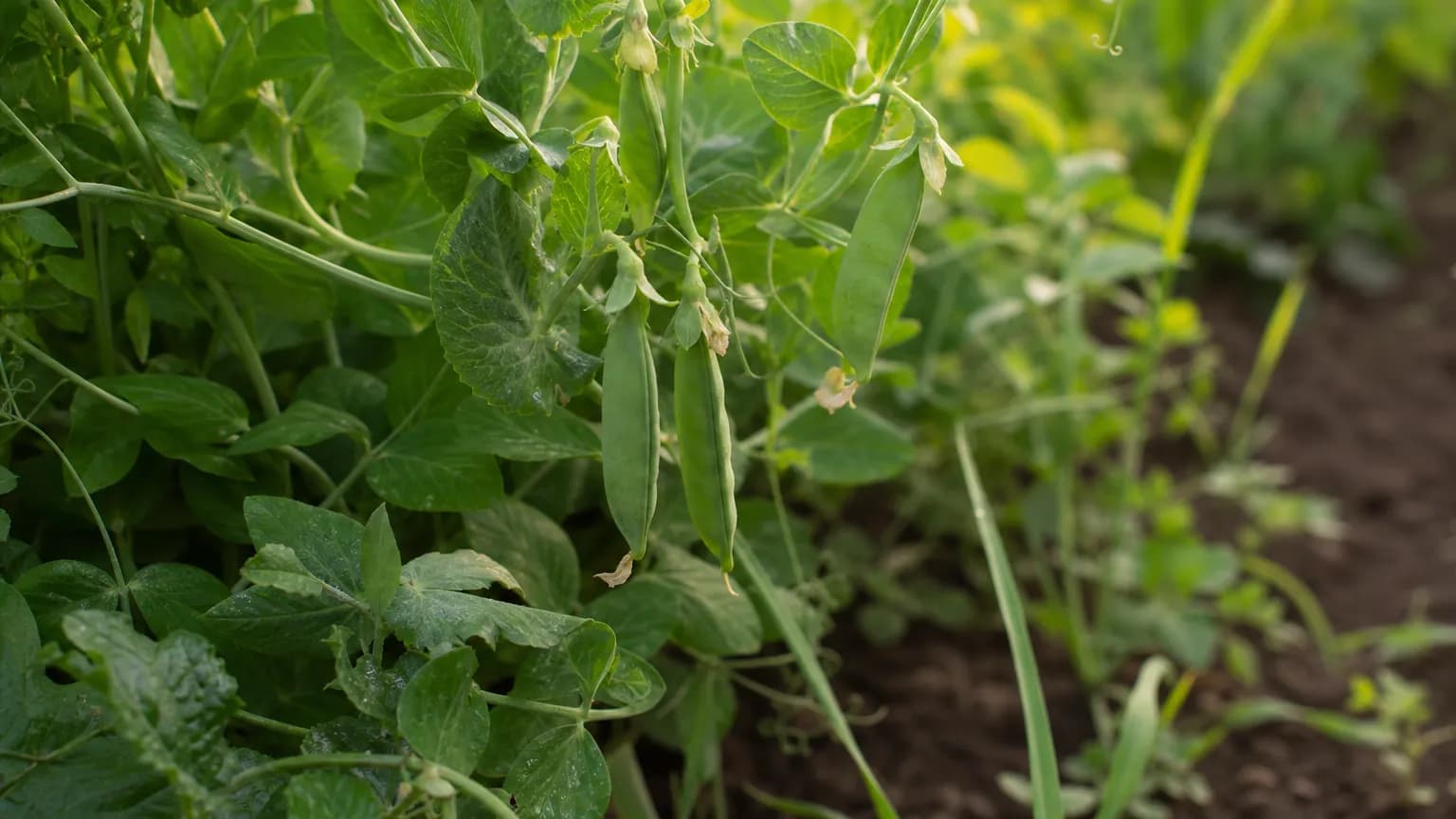
La alcaravea beneficia al jardín porque atrae insectos útiles, especialmente avispas parásitas y sírfidos, con sus flores en umbela. Su raíz pivotante profunda ayuda a descompactar el subsuelo, mejorando las condiciones para las plantas vecinas de raíz superficial. Plántela junto a guisantes, que fijan nitrógeno y que la alcaravea puede aprovechar. Evite plantarla cerca del hinojo, ya que la polinización cruzada entre umbelíferas puede producir semillas con sabor extraño. La alcaravea también es buena compañera de las fresas, ya que puede ayudar a aflojar el suelo alrededor de sus raíces.
Eneldo va a su lado. Hinojo no.
Saber de huerto de siempre, cotejado con la tabla real de Alcaravea — prueba cualquier planta que cultives.
Prueba Alcaravea en un bancal, aquí mismo
Un bancal real del planificador con Alcaravea ya plantado. Toca una planta compañera para colocarla y mira cómo responde la comprobación de vecinos: verde para buenos vecinos, rojo si hay conflicto.


Guías de cultivo relacionadas
Abónalo bien
La alcaravea crece mejor en un franco bien drenado y de fertilidad moderada, con un pH de 6.5 a 7.5. Evite suelos muy ricos, que fomentan un exceso de crecimiento foliar a costa de la producción de semillas. Incorpore una cantidad moderada de compost antes de plantar. Una aplicación ligera de fertilizante equilibrado a comienzos de la primavera del segundo año favorece el buen desarrollo de los tallos florales. Evite los abonos altos en nitrógeno durante la floración. La raíz pivotante profunda de la alcaravea puede acceder a nutrientes y humedad de las capas inferiores del suelo, lo que la hace bastante autosuficiente una vez establecida.
Temperatura ideal
Compatibilidad de zonas de rusticidad
De la semilla a la cosecha, etapa por etapa
Germinación de semillas
Las semillas de alcaravea germinan lentamente en 10-14 días cuando las temperaturas del suelo alcanzan 10-20 °C. Las semillas pequeñas y acanaladas requieren humedad constante y deben sembrarse apenas a 6 mm de profundidad. La germinación puede ser irregular si la superficie del suelo se seca, ya que las semillas necesitan un contacto sostenido con suelo húmedo para ablandar su dura cubierta y empezar a emitir la raíz.
Desarrollo de plántulas y roseta
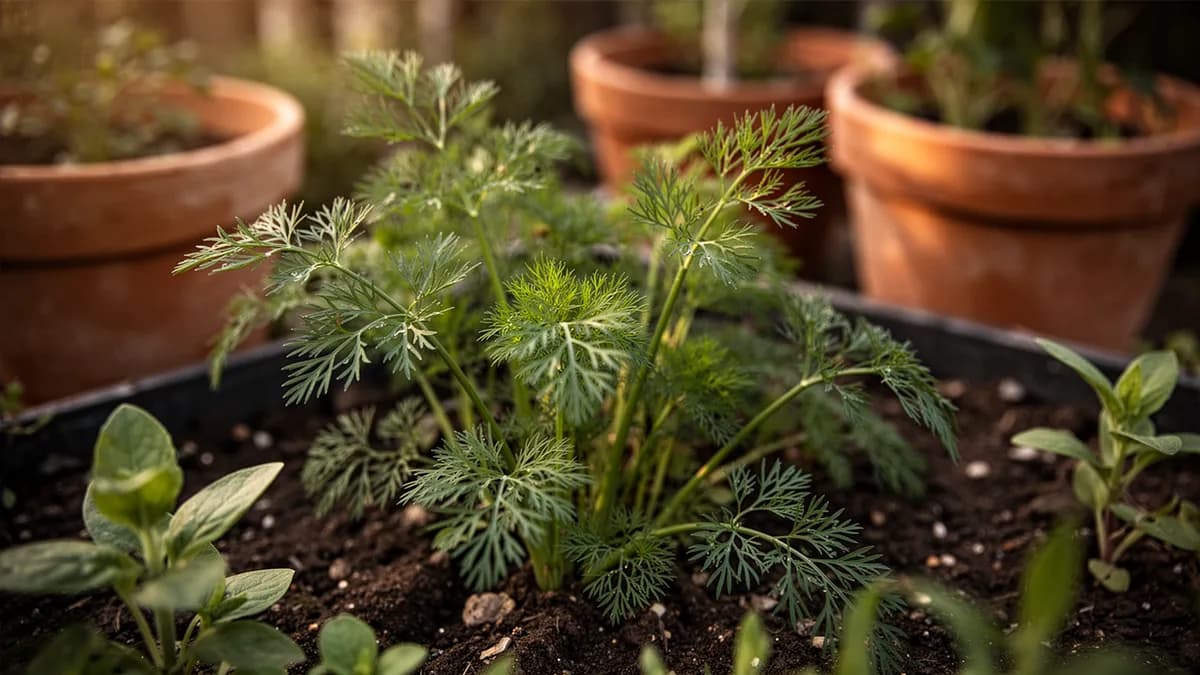
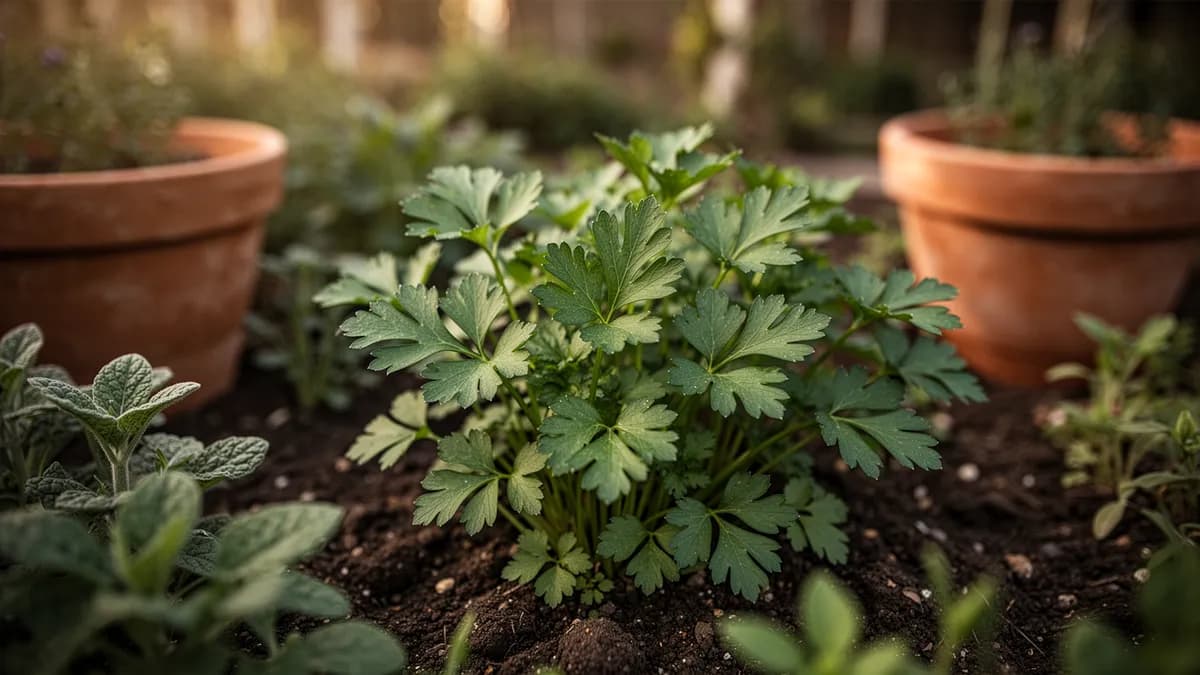
Las plántulas desarrollan sus primeras hojas verdaderas, finamente divididas y plumosas, que recuerdan mucho al follaje de la zanahoria o del eneldo. Durante las semanas siguientes la planta forma una roseta baja de hojas cada vez más complejas mientras establece bajo tierra una delgada raíz pivotante blanca. El crecimiento en esta fase es constante, aunque no rápido.
Desarrollo radicular del primer año
Como bienal, la alcaravea dedica toda su primera temporada de crecimiento al crecimiento vegetativo y al almacenamiento de energía. La roseta de hojas plumosas se expande hasta 25-35 cm de ancho, mientras la raíz pivotante se engrosa hasta parecer una pequeña chirivía pálida, acumulando carbohidratos que alimentarán la floración y la producción de semillas del año siguiente. Las hojas pueden cosecharse con moderación para uso culinario durante esta fase.
Latencia de invierno
Las plantas de alcaravea entran en latencia cuando las temperaturas bajan a finales de otoño. El follaje aéreo puede morir parcial o totalmente según la dureza del clima, pero la raíz pivotante resistente sobrevive bajo tierra durante el invierno. La exposición al frío en este periodo es esencial: la alcaravea requiere vernalización (un periodo prolongado de frío) para desencadenar la transición del crecimiento vegetativo a la floración en el segundo año.
Espigado y floración del segundo año
En la primavera del segundo año, la alcaravea sale de la latencia con un crecimiento nuevo y vigoroso. Un tallo floral alto y ramificado surge de 60 a 90 cm desde el centro de la roseta, rematado por umbelas compuestas de diminutas flores blancas o con un ligero tono rosado. Las flores resultan muy atractivas para insectos beneficiosos como avispas parásitas, sírfidos y crisopas, lo que convierte a la alcaravea en una valiosa planta compañera para el manejo integrado de plagas.
Maduración y cosecha de semillas
Tras la polinización, las pequeñas semillas en forma de media luna (técnicamente frutos llamados esquizocarpos) se desarrollan durante 4-6 semanas. Pasan de verde a marrón conforme maduran, y el característico aroma cálido y ligeramente dulce se intensifica. Las semillas maduran de forma desigual en la planta, y la umbela principal es la primera en madurar. La planta empieza a secarse y a tomar un tono marrón dorado cuando las semillas alcanzan plena madurez.
Remoje las semillas en agua tibia durante 12-24 horas antes de sembrarlas para acelerar la germinación varios días. Mantenga el semillero uniformemente húmedo con una ligera pulverización una o dos veces al día. Una fina capa de vermiculita sobre las semillas ayuda a retener la humedad superficial sin formar una costra dura.
Cuidar Alcaravea mes a mes
Qué hacer cada mes para tu Alcaravea
Octubre
Mes actualLas rosetas del primer año comienzan a endurecerse para el invierno. Aplique una capa de compost alrededor de la base de las plantas y luego mantillo. Si lo desea, desentierre algunas raíces del primer año para uso culinario: saben a chirivías suaves con una nota anisada y son excelentes asadas.
Ten claro qué hacer en tu huerto, cada mes
Un correo al empezar cada mes: qué sembrar, plantar y hacer ahora mismo — para tu Alcaravea y todo lo que crece alrededor. Más un breve curso inicial para esquivar los errores clásicos.
- Qué hacer ahora mismo
- Ajustado a tu temporada
- Curso inicial incluido
Cosechar Alcaravea
Las semillas de alcaravea se cosechan en el segundo año, cuando se vuelven marrones y empiezan a desprenderse de las cabezas de semillas, normalmente a mediados del verano. Corte las cabezas enteras por la mañana, cuando estén ligeramente húmedas, para evitar que las semillas salten y se dispersen. Coloque las cabezas boca abajo en bolsas de papel y cuélguelas en una zona cálida y bien ventilada durante 1-2 semanas para terminar de secarlas. Desgrane frotando las cabezas secas entre las manos sobre un paño limpio. Las hojas del primer año pueden cortarse y usarse frescas como el eneldo durante toda la temporada de crecimiento. La raíz pivotante puede desenterrarse en otoño del primer año y usarse como hortaliza de raíz.
se supone que plantas al comenzar el periodo — indica tu fecha real
Cosecha Alcaravea a tiempo y la planta sigue produciendo.
Almacenamiento y conservación
Guarde las semillas secas de alcaravea en frascos de vidrio herméticos, en un lugar fresco y oscuro, donde conservarán su sabor hasta 3 años. Para obtener el aroma más intenso, deje las semillas enteras y muélalas justo antes de usarlas. Las semillas también pueden congelarse en recipientes sellados para prolongar su vida útil indefinidamente. Las hojas frescas de alcaravea deben usarse en pocos días y no se secan bien. La raíz puede limpiarse, cortarse en rodajas y deshidratarse, o guardarse en arena húmeda en una bodega fresca durante varios meses, como las zanahorias o las chirivías.
Qué falla — y cómo solucionarlo
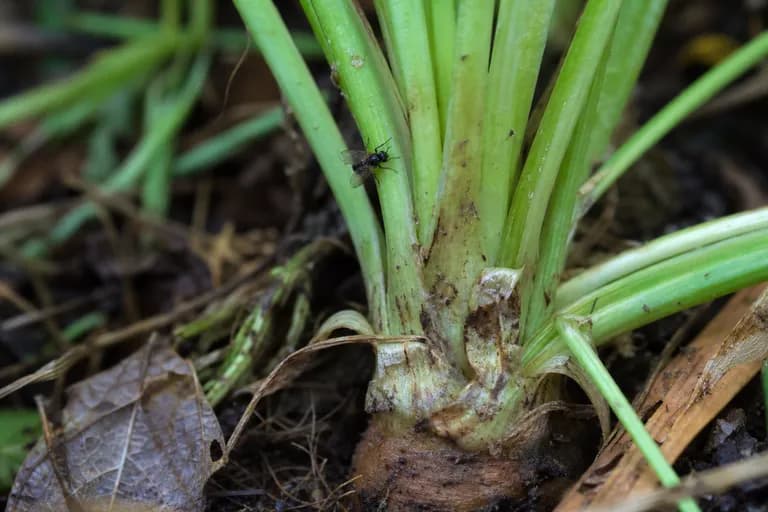
Mosca de la zanahoria
PlagaCrecimiento raquítico, marchitez pese a contar con agua suficiente, túneles marrón rojizo en las raíces al arrancarlas.
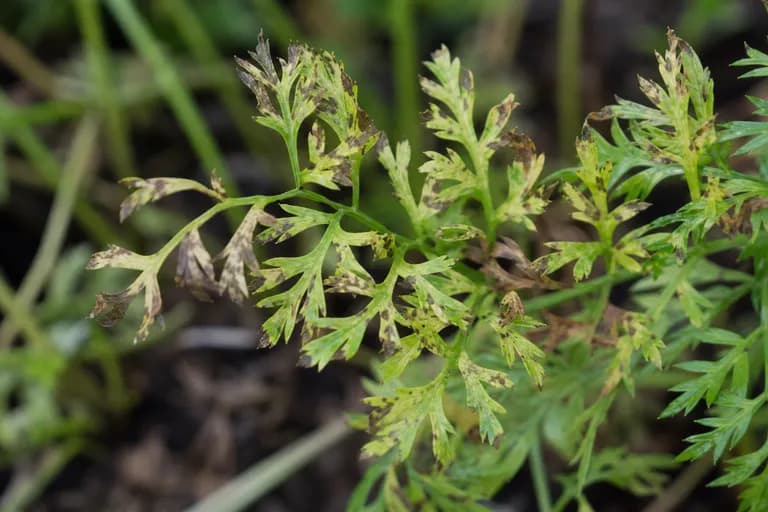
Tizón foliar de Alternaria
EnfermedadManchas de color marrón oscuro a negro con anillos concéntricos en las hojas, amarilleo prematuro y caída de hojas.
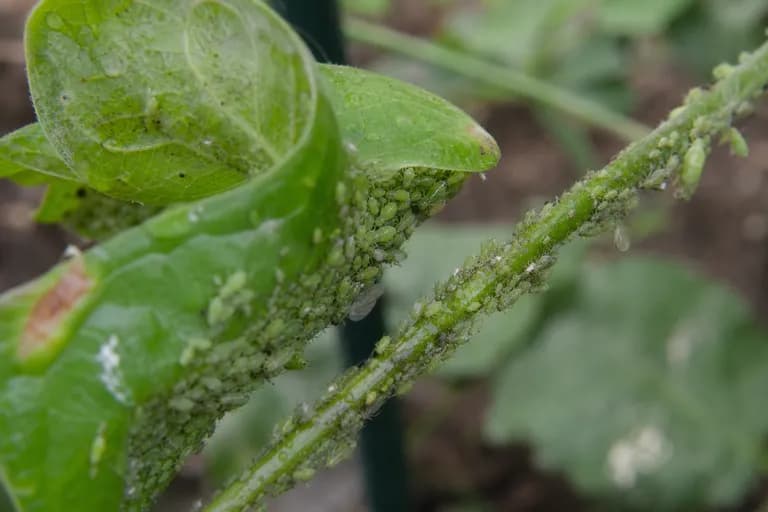
Pulgones
PlagaGrupos de pequeños insectos verdes o negros en los tallos florales y en las cabezas de semillas en desarrollo, residuos pegajosos de melaza, crecimiento deformado.
Solución de problemas comunes
El hábito de crecimiento bienal es el mayor desafío, ya que exige paciencia durante un año completo de crecimiento foliar antes de la cosecha de semillas. Las variedades anuales como Arterner resuelven esto para los jardineros impacientes. La raíz pivotante de la alcaravea dificulta el trasplante, así que siembre siempre directamente. La dispersión de semillas es frecuente si la cosecha se retrasa más allá del punto óptimo de madurez. En veranos húmedos, las enfermedades fúngicas pueden dañar las cabezas de semillas. La alcaravea puede auto-sembrarse con agresividad si las cabezas no se recogen a tiempo. La competencia de las malas hierbas es un problema importante durante el primer año, cuando el crecimiento es lento.
Consejos de cultivo
- Elija un lugar permanente con pleno sol y suelo bien drenado para su bancal de alcaravea. Como bienal, la alcaravea ocupa su sitio durante dos temporadas completas, así que plántela donde no vaya a ser molestada por rotaciones anuales de bancal o por la preparación estacional del suelo.
- Siembre las semillas directamente en el jardín en lugar de empezar en interior: la alcaravea desarrolla pronto una raíz pivotante larga y resiste mal el trasplante. Las plantas sembradas directamente establecen sistemas radiculares más fuertes y pasan el invierno con más fiabilidad que las plántulas trasplantadas.
- Remoje las semillas en agua tibia durante 12-24 horas antes de sembrarlas para ablandar la cubierta y mejorar la velocidad y uniformidad de la germinación. Sin este remojo previo, la germinación puede ser lenta y desigual, prolongándose 2-3 semanas.
- Aclare las plántulas a 15-20 cm y mantenga una humedad constante durante la primera temporada de crecimiento, mientras se desarrolla la raíz pivotante. Una vez establecida, la alcaravea es bastante tolerante a la sequía, pero las plantas del primer año necesitan riego regular para construir reservas radiculares adecuadas para pasar el invierno.
- Aplique un fertilizante orgánico equilibrado a comienzos del verano del primer año para apoyar el desarrollo de la raíz. Evite los fertilizantes altos en nitrógeno, que fomentan un exceso de follaje a costa de la raíz pivotante y pueden reducir la concentración de aceites esenciales en las semillas finales.
- Cubra los bancales de alcaravea con un mantillo abundante antes del invierno en las zonas 5 y más frías para proteger la raíz pivotante de los daños por congelación y deshielo. Retire el mantillo gradualmente a comienzos de la primavera conforme aparezca el nuevo crecimiento para evitar la pudrición por exceso de humedad retenida contra la corona.
- Entute los tallos florales del segundo año en lugares expuestos o ventosos, ya que los tallos cargados de semillas pueden alcanzar 90 cm y son propensos a caer con las tormentas. Un simple tutor de bambú y una atadura suave por planta evitan roturas y pérdida de semillas.
- Coseche las cabezas de semillas por la mañana, después de que el rocío se haya secado pero antes del calor de la tarde, cuando es menos probable que las semillas se desprendan al manipularlas. Corte los tallos completos y séquelos boca abajo dentro de bolsas de papel para recoger las semillas que caigan durante el proceso de secado.
- Deje que algunas plantas se auto-siembren cada año para mantener una colonia continua. La alcaravea se resiembra con facilidad cuando se dejan caer naturalmente las semillas maduras, y las plántulas voluntarias aparecerán la primavera siguiente, asegurando que siempre haya plantas del primer y del segundo año produciendo al mismo tiempo.
- Cultive la alcaravea cerca de brásicas, judías y árboles frutales como planta compañera. Sus flores del segundo año son excepcionalmente eficaces para atraer avispas parásitas, sírfidos y otros insectos depredadores beneficiosos que ayudan a controlar pulgones, orugas de la col y polillas de la manzana en el jardín cercano.
Cultiva tu mejor Alcaravea — y todo lo que la rodea.
Empieza un plan gratis hoy. Diseña tus bancales, coloca tu Alcaravea y deja que PlotMyGarden gestione el momento, el espaciado, las asociaciones y los recordatorios de la semilla a la cesta.
Elige tu Alcaravea
Alcaravea común
La especie bienal estándar que produce aromáticas semillas en forma de media luna sobre tallos de 60 cm. La variedad más cultivada para producción de semillas.
Arterner
Un cultivar alemán anual que produce semillas en el primer año sin pasar el invierno. Ideal para huertos de temporada corta y explotaciones comerciales.
Sprinter
Una variedad anual de maduración temprana desarrollada para una producción rápida de semillas. Produce con fiabilidad en una sola temporada de crecimiento y con buenos rendimientos.
Un solo sobre de semillas de alcaravea cuesta 2-4 dólares y basta para establecer un parche que se auto-siembra y produce durante años con un esfuerzo mínimo. Las semillas de calidad culinaria se venden a 4-8 dólares por 100 g en tiendas de especias y supermercados, y una hilera bien cuidada de 10-15 plantas de segundo año puede dar 200-400 g de semillas por temporada, una provisión para un año o más para la mayoría de los hogares. Como la alcaravea es bienal y se auto-siembra con facilidad, una sola plantación puede convertirse en una colonia autosostenible que proporciona cosechas gratuitas de semillas indefinidamente, junto con el valor añadido de hojas y raíces comestibles que simplemente no están disponibles en las tiendas.
Recetas rápidas
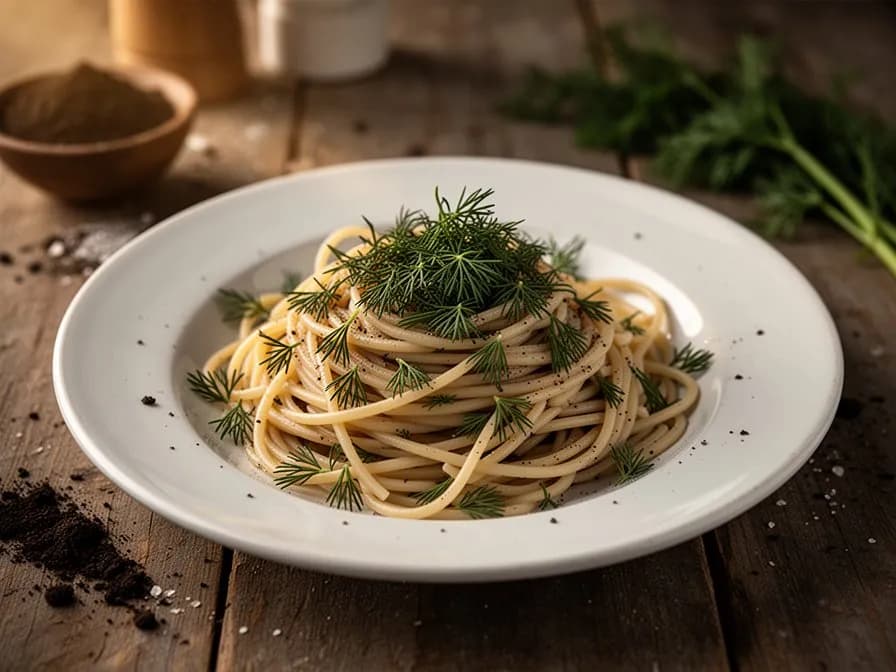
Pan de soda de centeno con alcaravea
45 minUn pan sin levadura que se prepara en minutos y llena la cocina con el inconfundible aroma cálido de la alcaravea tostada. La combinación de harina de centeno, suero de leche y abundantes semillas de alcaravea produce un pan denso y sabroso, con una corteza crujiente perfecta para acompañar sopas y guisos.
8 ingredientesZanahorias y chirivías asadas con alcaravea
40 minLas hortalizas de raíz y la alcaravea forman una combinación clásica en las cocinas del norte de Europa. Trozos de zanahoria y chirivía se mezclan con aceite de oliva, semillas enteras de alcaravea y un toque de miel, y luego se asan a alta temperatura hasta quedar caramelizados y tiernos, con bolsitas de semillas tostadas y fragantes por todo el plato.
8 ingredientesEnsalada simple de col con alcaravea
15 minUna ensalada crujiente y refrescante que muestra la afinidad natural de la alcaravea con la col. Col verde finamente cortada y una manzana ácida se aliñan con una vinagreta brillante de vinagre de sidra cargada de semillas de alcaravea tostadas. La ensalada mejora al reposar, por lo que es un plato ideal para preparar con antelación en reuniones.
8 ingredientesUsos culinarios
Las semillas de alcaravea son esenciales en el pan de centeno, el chucrut y muchos quesos europeos, incluidos el Havarti y el Münster. Aromatizan platos de col, asados de cerdo y sopas de patata en tradiciones alemanas y escandinavas. Toste las semillas brevemente en una sartén seca para intensificar su sabor cálido, parecido al anís. Las hojas jóvenes pueden sustituir al eneldo en ensaladas y platos de pescado. La raíz tiene un sabor suave, parecido a la chirivía, cuando se hierve o se asa.
Qué contiene
Beneficios para la salud
- La alcaravea se ha usado como ayuda digestiva durante siglos, y la investigación moderna confirma su eficacia: el compuesto de aceite esencial carvona relaja el músculo liso del tracto gastrointestinal, reduciendo la hinchazón, los gases y los cólicos intestinales después de las comidas.
- Las propiedades antimicrobianas del aceite esencial de alcaravea se han demostrado frente a una amplia gama de bacterias y hongos en estudios de laboratorio, incluidas cepas de E. coli y Candida, lo que apoya su uso tradicional en la conservación de alimentos y la salud digestiva.
- Las semillas de alcaravea son una excelente fuente de hierro dietético (16.2 mg por 100 g), por lo que su uso culinario regular supone una contribución significativa a la ingesta diaria de hierro, especialmente importante para personas en riesgo de anemia ferropénica.
- Aporta cantidades importantes de calcio y magnesio, dos minerales esenciales para la densidad ósea, la función muscular y la señalización nerviosa; una cucharada de semillas de alcaravea contribuye de forma apreciable a los requerimientos minerales diarios.
- Los compuestos antioxidantes de la alcaravea, incluidos flavonoides y monoterpenos, ayudan a neutralizar radicales libres asociados con la inflamación crónica, el envejecimiento celular y el desarrollo de enfermedades cardiovasculares.
- La herboristería europea tradicional usaba agua de alcaravea para aliviar los cólicos en bebés, y la investigación contemporánea respalda su acción antiespasmódica sobre el intestino: el té de alcaravea sigue siendo un remedio suave y probado para las molestias digestivas en niños y adultos.
De dónde viene Alcaravea
La alcaravea (Carum carvi) es una de las plantas de especias cultivadas más antiguas del mundo, con pruebas arqueológicas de su uso que se remontan a más de cinco milenios. Las semillas recuperadas de viviendas lacustres neolíticas en Suiza y de yacimientos mesolíticos de Europa central sugieren que los pueblos prehistóricos ya recolectaban alcaravea silvestre mucho antes del nacimiento de la agricultura. La planta es originaria de Asia occidental, Europa y el norte de África, y crece de manera natural en praderas, pastizales y a lo largo de caminos desde Escandinavia hasta el Mediterráneo.
Los antiguos egipcios valoraban la alcaravea tanto como especia culinaria como hierba medicinal, y colocaban semillas en las tumbas como provisiones para la otra vida. Los libros de cocina romanos, incluida la famosa recopilación atribuida a Apicio en el siglo I d. C., enumeran la alcaravea como ingrediente de salsas, panes y platos de verduras. La especia viajó hacia el este por la Ruta de la Seda, donde fue adoptada con entusiasmo en las cocinas de Persia, India y más allá.
La alcaravea alcanzó su apogeo cultural en la Europa medieval y de la Edad Moderna, donde se integró profundamente en las tradiciones alimentarias de Alemania, Austria, los Países Bajos y Escandinavia. Se convirtió en el sabor definitorio del pan de centeno, en un ingrediente esencial del chucrut y en la base del licor de Kümmel y del aquavit escandinavo. En la tradición inglesa, el bizcocho de semillas de alcaravea fue un dulce muy querido en celebraciones desde la época de Shakespeare hasta la era victoriana, una tradición que en gran medida se ha desvanecido hoy.
La medicina tradicional de muchas culturas valoraba la alcaravea como carminativo y digestivo. Los herbolarios europeos prescribían agua infusionada con alcaravea para los cólicos en bebés, los gases y los retortijones de estómago. La investigación moderna ha validado algunos de estos usos tradicionales, confirmando que la carvona y otros compuestos del aceite esencial de las semillas tienen auténticas propiedades antiespasmódicas y antimicrobianas. Hoy la alcaravea sigue teniendo importancia comercial, con grandes producciones en Finlandia, Egipto, los Países Bajos y Europa oriental, y continúa siendo indispensable en las tradiciones culinarias del norte y el centro de Europa.
Alcaravea: ¿sabías que?
Datos fascinantes sobre Alcaravea
La alcaravea se cultiva desde hace al menos 5.000 años, lo que la convierte en una de las especias más antiguas conocidas en Europa. Se han encontrado semillas en asentamientos lacustres neolíticos de Suiza y en tumbas del antiguo Egipto, anteriores a la historia escrita en la región.
Alcaravea: preguntas frecuentes
¿Cuándo debo plantar Alcaravea?
¿Cuáles son buenas plantas acompañantes para Alcaravea?
¿En qué zonas de rusticidad puede crecer Alcaravea?
¿Cuánto sol necesita Alcaravea?
¿A qué distancia debo espaciar Alcaravea?
¿Qué plagas y enfermedades afectan a Alcaravea?
¿Cómo almaceno Alcaravea después de la cosecha?
¿Cuáles son las mejores variedades de Alcaravea para cultivar?
¿Qué suelo necesita Alcaravea?
¿Por qué mis plantas de alcaravea no florecieron ni produjeron semillas en el primer año?
¿Puedo comer las hojas y raíces de alcaravea, o solo las semillas?
¿Cómo evito que mis semillas de alcaravea se dispersen antes de poder cosecharlas?
¿La alcaravea es lo mismo que el comino? Se parecen mucho.
¿La alcaravea crece en contenedores o necesita un bancal de jardín?
¿Cuánto tiempo se mantienen frescas y sabrosas las semillas de alcaravea cosechadas?
Acabas de leer la teoría. Ahora cultívala en piloto automático.
Todo lo que hace que Alcaravea sea delicado — el momento, el espaciado, las asociaciones, la ventana de cosecha — es justo lo que PlotMyGarden resuelve por ti, para cada planta de tu huerto.
Un plan que conoce tu clima
Indica tu ubicación una vez. Recibe fechas de siembra, abonado y cosecha basadas en tu última helada real y el pronóstico en vivo — sin adivinar con un sobre genérico.
De la sección “Cuándo plantar”Planificador de bancales de arrastrar y soltar
Diseña bancales sobre una cuadrícula. Cada planta encaja con su espaciado correcto y ves toda la temporada antes de gastar un céntimo en semillas.
De la sección “Cultivo”Conflictos de asociación, detectados a tiempo
Más de 200 buenas y malas combinaciones comprobadas en vivo mientras plantas — para que un error que arruine la temporada nunca llegue a la tierra.
De la sección “Asociaciones”Recordatorios que sí vas a seguir
“Riega las judías.” “Recoge hoy antes de que se pase.” Oportunos, concretos y ligados a las plantas que de verdad cultivas.
De la sección “Cosecha”Escalonado, programado
¿Quieres cosechar seis semanas en vez de seis días? Reparte tus siembras automáticamente y te avisa cuando toca el siguiente lote.
De la sección “Cuándo plantar”Un registro que se vuelve más listo
Cada cosecha que registras le enseña tu huerto. El plan del año que viene parte de lo que de verdad funcionó en tu suelo, no en un manual.
De la sección “Resumen”Planta estos junto a Alcaravea
Más Hierbas culinarias
Mantén Alcaravea lejos de estos
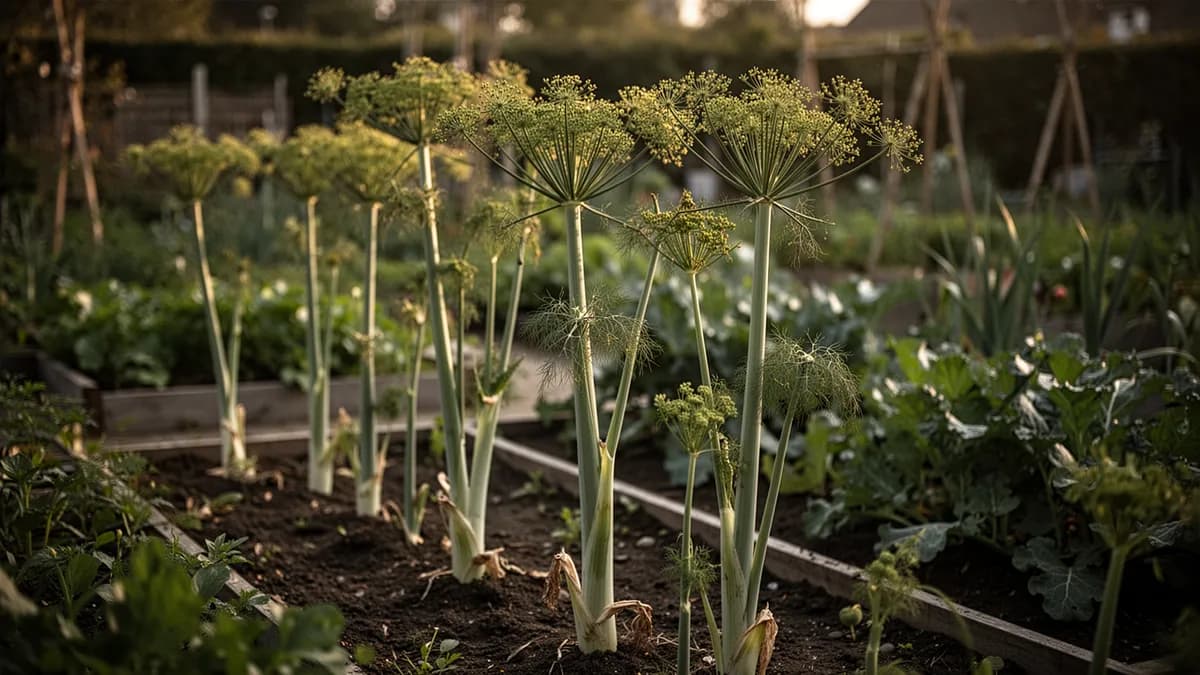
Cultiva tu mejor Alcaravea — y todo lo que la rodea.
Empieza un plan gratis hoy. Diseña tus bancales, coloca tu Alcaravea y deja que PlotMyGarden gestione el momento, el espaciado, las asociaciones y los recordatorios de la semilla a la cesta.