Chinese Forget-Me-Not
typical season: start indoors Mar – Aug · blooms May – Aug · set your climate
A true-blue cottage-garden annual smothered in airy sprays of forget-me-not-like flowers from late spring through summer.
On this pageOverview
Meet Chinese Forget-Me-Not
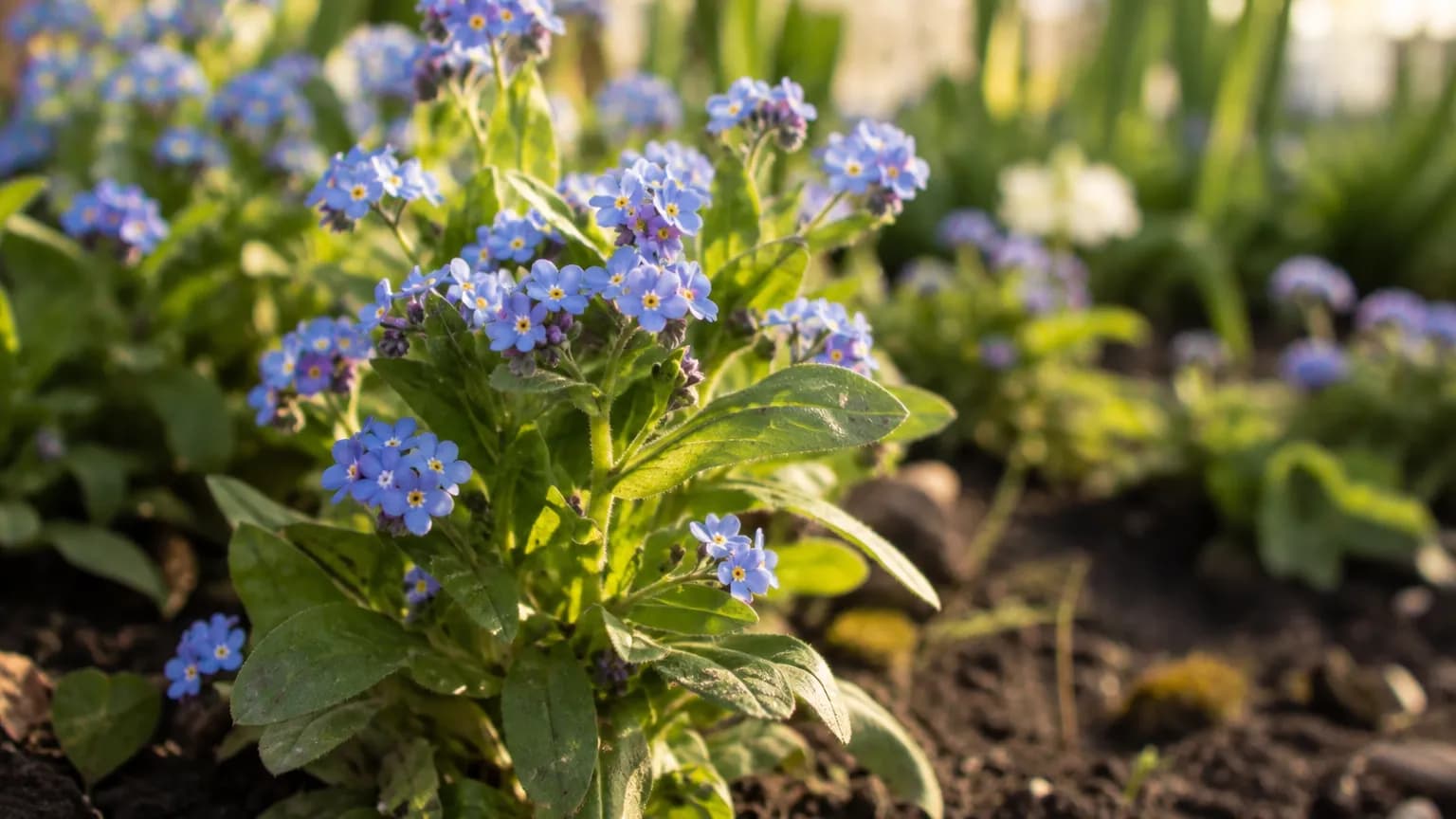
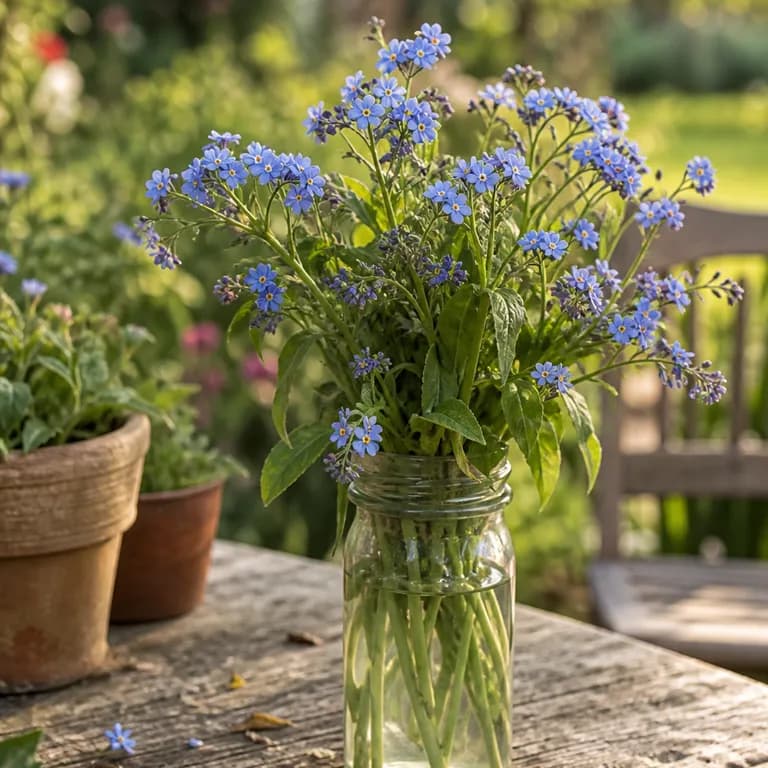
A true-blue cottage-garden annual smothered in airy sprays of forget-me-not-like flowers from late spring through summer. Larger, sturdier, and longer-blooming than its woodland namesake (Myosotis), Chinese forget-me-not flowers the first year from seed and produces excellent cutting stems 45 to 60 cm tall. It prefers cool weather, partial shade in hot climates, and evenly moist soil. Plants self-sow moderately, so an established patch returns for years, and the nectar-rich flowers are a favorite of bees.
When to plant Chinese Forget-Me-Not
Sow seeds on the surface of moist seed compost and cover with about 3 mm of soil or vermiculite, as the seeds require darkness to germinate. Maintain 18 to 21 °C; germination takes five to ten days, occasionally up to two weeks. For indoor starts, sow four to six weeks before the last frost in cell trays or small pots, and harden seedlings off for a week before planting out once the danger of hard frost has passed. Direct sowing two to four weeks before the last frost works equally well, since the half-hardy seedlings tolerate light frost. Keep the seedbed consistently moist during establishment and thin to 25 cm apart once seedlings carry two or three true leaves. In mild-winter climates (zone 7 and warmer), a late-summer sowing in August overwinters as sturdy rosettes and produces the earliest, tallest flowering stems the following spring.
Your Chinese Forget-Me-Not Year
Composed for Zone 7 · typical seasons · frost passes Apr 2, returns Nov 1
Plant Chinese Forget-Me-Not Mar – Apr, Aug, in bloom May – Aug. Check the planting methods below and set your climate to personalize these windows.
Chinese Forget-Me-Not in bloom this season? Its next window opens Aug 1
One email a few days before it opens where you garden and one two weeks before it closes — then one when it's safe to plant out, and one when the first blooms are due.
One email per milestone, never more than one a week. Unsubscribe with one tap. No account needed.
How to grow Chinese Forget-Me-Not
Chinese forget-me-not is one of the easiest half-hardy annuals to grow from seed. Direct sow outdoors two to four weeks before the last expected frost, as soon as the soil can be worked, or start seeds indoors four to six weeks earlier if you want transplants. The seeds need darkness to germinate, so cover them with about 3 mm of soil and keep the bed evenly moist; seedlings emerge in five to ten days at 18 to 21 °C. Thin or transplant to 25 cm apart. In zones 7 and warmer, sow again in late summer for overwintered plants that flower weeks earlier the following spring.
Choose a site with morning sun and light afternoon shade; in cool-summer regions full sun is fine. The plants prefer fertile, humus-rich, well-drained soil that stays evenly moist but never waterlogged. Water at the base during dry spells and mulch lightly to keep the roots cool. Chinese forget-me-not is a light feeder: a layer of compost worked into the bed at planting time is usually enough, and excess nitrogen produces lush foliage at the expense of flowers. Taller stems can lean after heavy rain; twiggy branches pushed in among the plants make an invisible support.
Regular deadheading is the single most important maintenance task. Snip off spent flower sprays just above a leaf node every few days to trigger fresh side shoots and extend the display for six weeks or more. For cut-flower production, harvest stems when about half the florets on a spray have opened, cutting deep into the plant to encourage long new shoots. Toward the end of the season, leave a few sprays to ripen seed so the patch can self-sow. Pull out exhausted plants once they turn brown and leggy in late summer, shaking the ripe seed heads over the bed before composting them.
36 plants fit a 4 × 8 ft bed
Each Chinese Forget-Me-Not wants 25 cm of elbow room. The planner keeps that spacing for you — every plant, every bed.
Chinese Forget-Me-Not's best neighbours
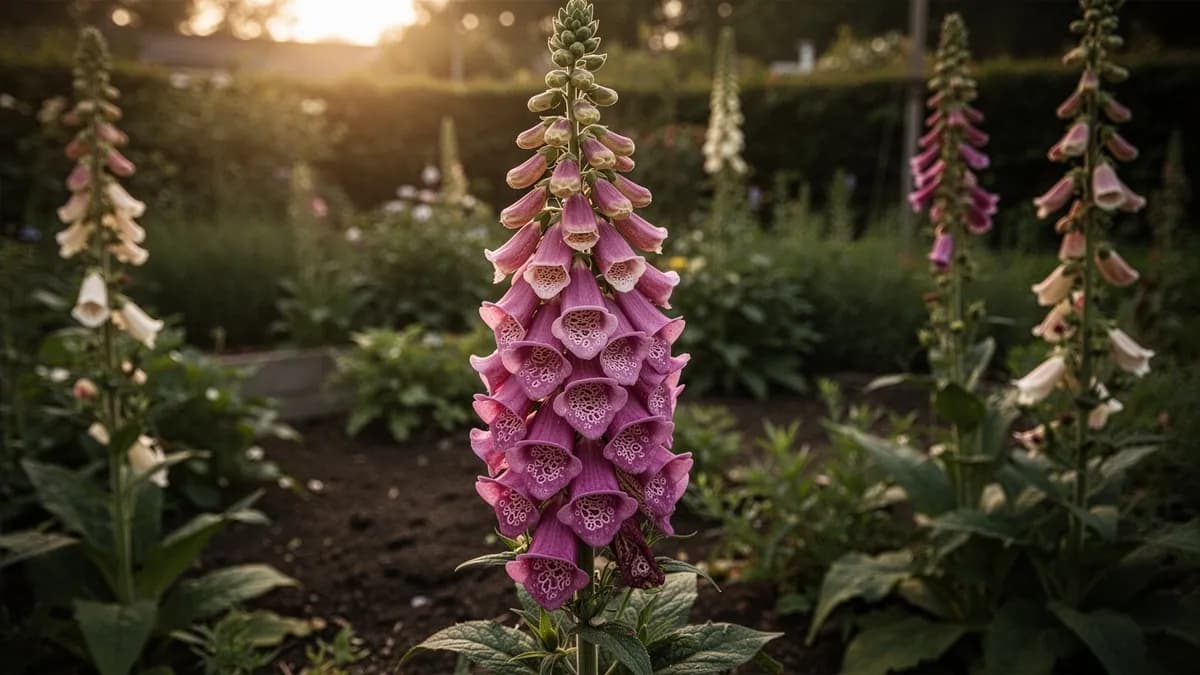
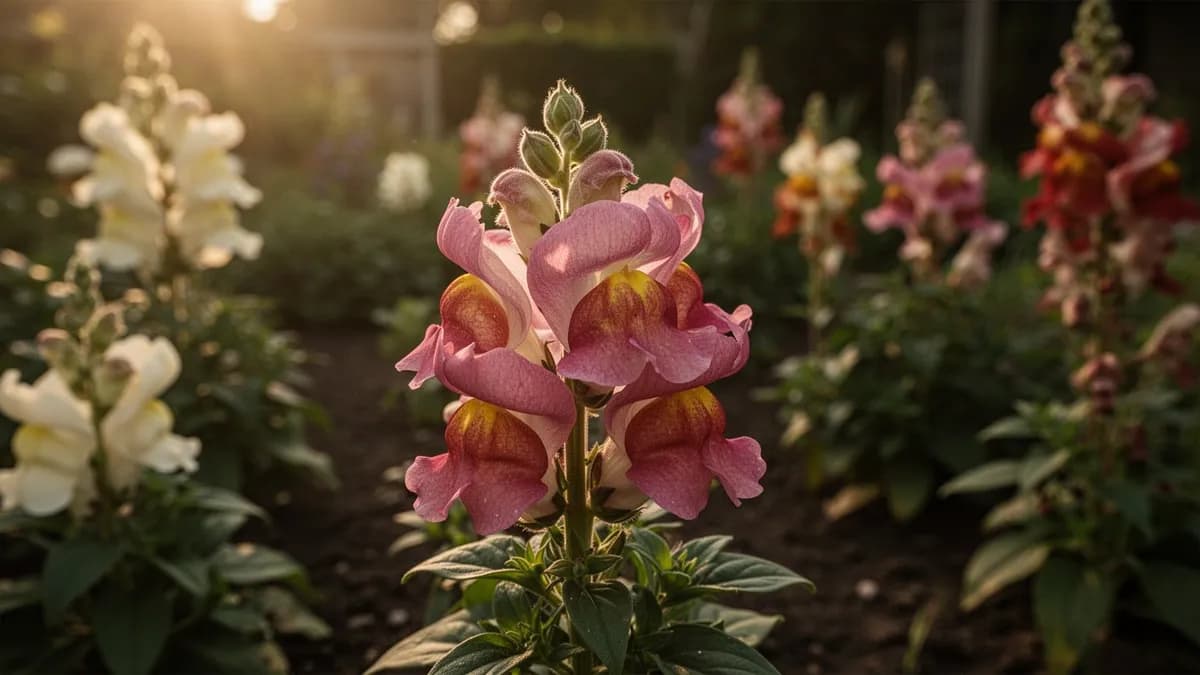
Chinese forget-me-not is a natural partner for other cool-season cottage flowers such as foxglove, snapdragon, and larkspur, whose vertical spikes contrast beautifully with its airy blue clouds. It knits spring bulbs into the border, flowering just as daffodil and tulip foliage begins to yellow and disguising the dying leaves. The nectar-rich sprays draw bees, hoverflies, and butterflies, making it a useful pollinator strip near early vegetables and fruit. Because it prefers similar cool, moist conditions, it also combines well with columbines, hardy geraniums, and hostas at the front of a part-shaded border.
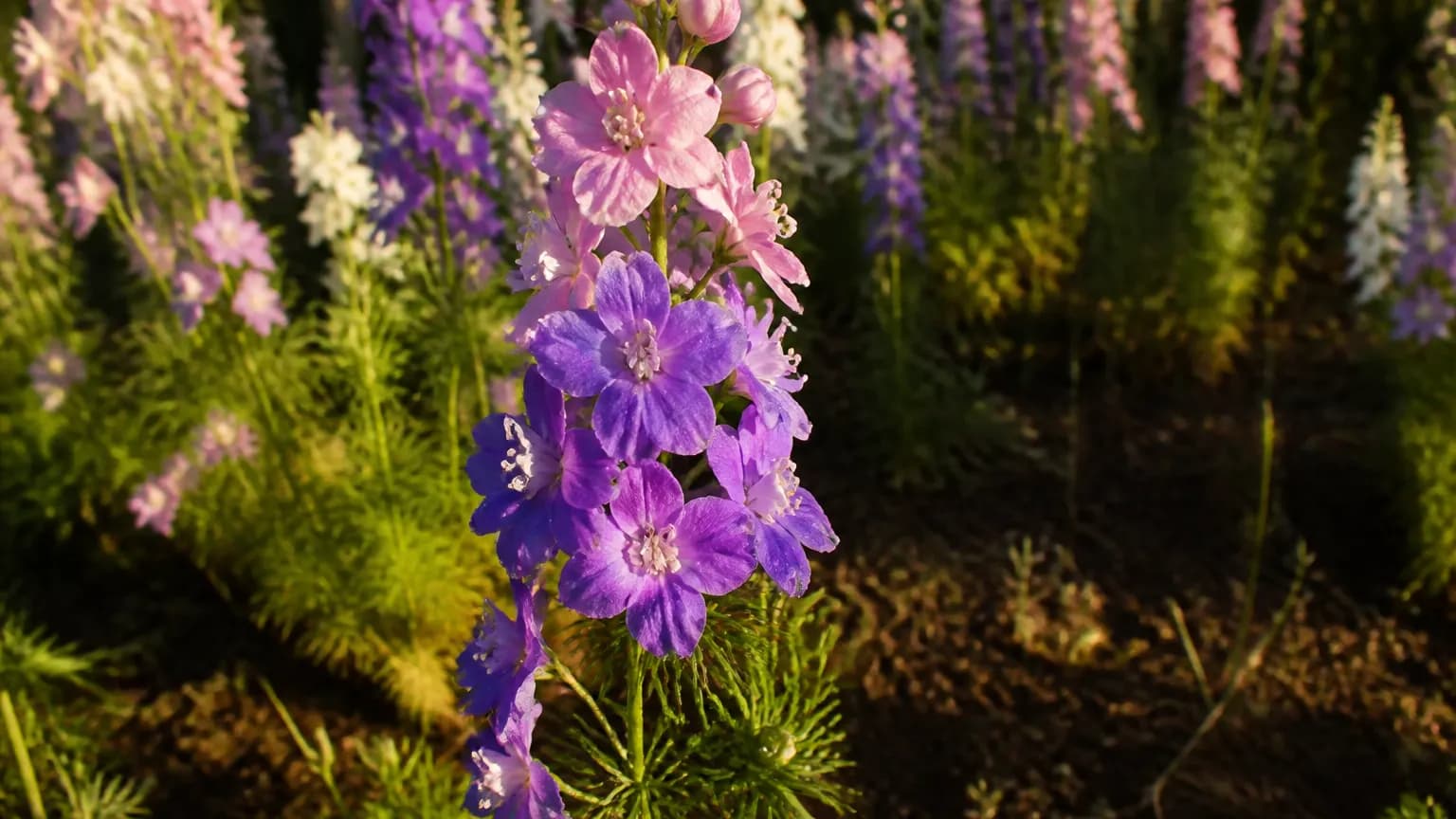
Foxglove belongs beside it.
Old growers' knowledge, checked against Chinese Forget-Me-Not's real companion table below — test any plant you're growing.
Related growing guides

Feed it well
Chinese forget-me-not grows best in fertile, humus-rich loam with a pH between 6.0 and 7.5, though it tolerates average garden soil provided drainage is good. Work 3 to 5 cm of compost into the top layer before sowing. The plant is a modest feeder: the compost at planting time is usually sufficient for the whole season. If growth looks pale on poor soils, give one light feed with a balanced liquid fertilizer when buds first appear, but avoid high-nitrogen products, which push soft leafy growth and invite mildew and flopping. Consistent moisture at the root zone matters more than feeding; mulch with fine compost or leaf mold to hold even soil moisture.
Ideal Temperature
Hardiness Zone Compatibility
From seed to harvest, stage by stage
Germination
Seeds germinate in five to ten days at 18-21 °C and need darkness, so cover them with about 3 mm of soil. Sow directly outdoors two to four weeks before the last frost, or in cell trays indoors four to six weeks earlier.
Seedling Development
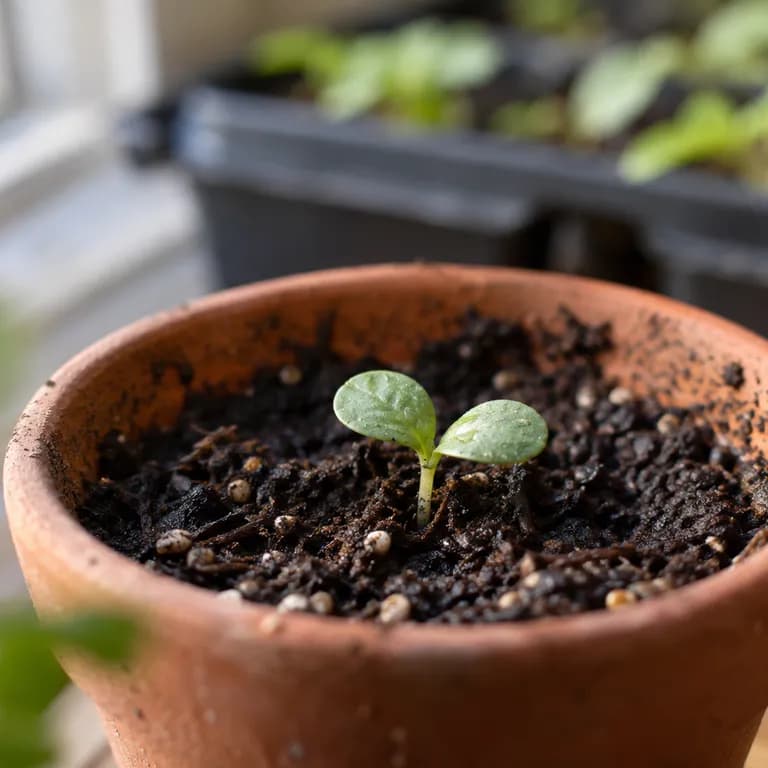
Seedlings form rounded cotyledons, then hairy, lance-shaped true leaves in a low rosette. Thin direct-sown rows to 25 cm apart once two or three true leaves have formed, and harden off indoor-started plants before transplanting.
Vegetative Growth
Plants build sturdy rosettes of soft, grey-green, tongue-shaped leaves and begin to send up branching flower stems toward 45-60 cm. Growth is fastest in cool, bright weather with even moisture.
Bud Formation
Loose clusters of buds form at the stem tips, each bud tinged pink before the florets open blue. Steady moisture now directly determines how many flowering sprays each plant carries.
Flowering
Sprays of true-blue, five-petaled florets open from late spring into summer, each spray blooming over two to three weeks. Regular deadheading or cutting keeps new sprays coming for six weeks or more.
Seed Setting
Pollinated florets form small, bristly nutlets that ripen brown and cling readily to fur and clothing. As seed matures the plants tire, foliage yellows, and growth slows; overwintered late-summer-sown plants complete their cycle by early summer.
Keep the seedbed or trays consistently moist but never waterlogged. Do not let the surface dry out during germination.
Caring for Chinese Forget-Me-Not month by month
What to do each month for your Chinese Forget-Me-Not
November
You are hereCheck that overwintering rosettes have good drainage; standing water in winter causes more losses than cold. Remove rotted plants and top up mulch.
Harvesting Chinese Forget-Me-Not
Cut Chinese forget-me-not stems in the cool of early morning, when roughly half of the florets on each spray are open; stems cut too late drop their petals quickly in the vase. Use a sharp knife or snips and cut deeply, just above a pair of leaves, so the plant responds with strong new shoots. Strip any foliage that would sit below the waterline and stand the stems in deep, cool water immediately, then condition them for a few hours in a cool, dark place before arranging. Expect a vase life of five to seven days, longer with floral preservative and fresh water every other day. Regular cutting doubles as deadheading and keeps new sprays coming. For seed saving, leave a few sprays uncut until the small bristly nutlets turn brown, then snip the heads into a paper bag to dry.
assuming you plant when the window opens — set your real date
Deadhead Chinese Forget-Me-Not regularly and it keeps flowering.
What goes wrong — and the fix
Aphids
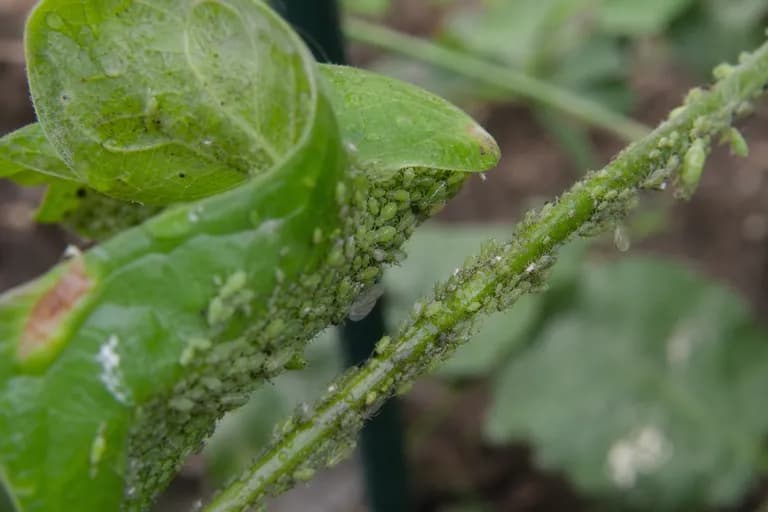
PestClusters of small green, grey, or black insects on buds and young shoot tips, sticky honeydew on leaves, and distorted or curled new growth.
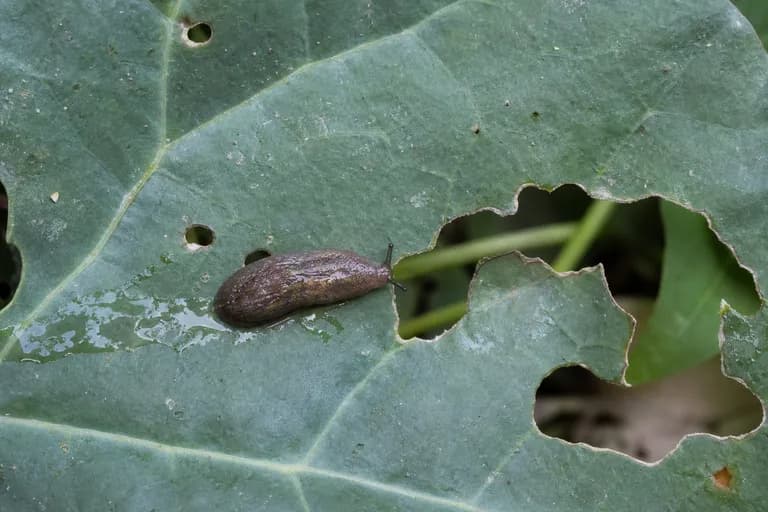
Slugs and Snails
PestRagged holes in young leaves and seedlings chewed down to stubs overnight, with silvery slime trails on soil and foliage, worst in damp spring weather.
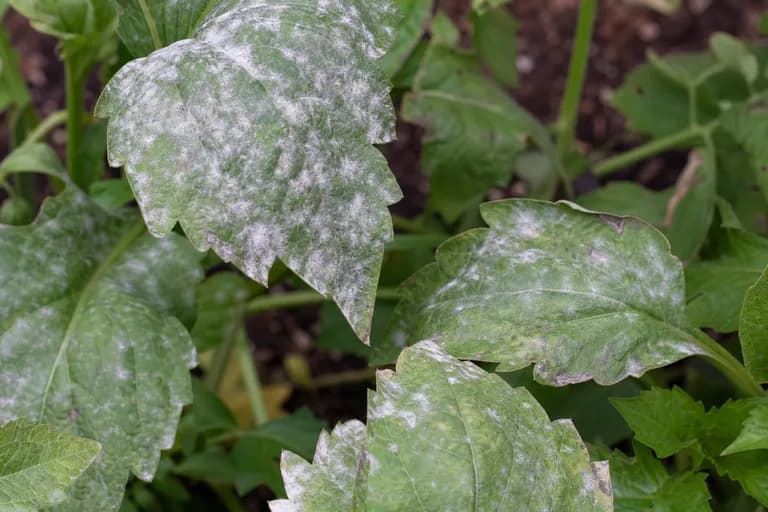
Powdery Mildew
DiseaseWhite, flour-like patches on leaves and stems, beginning on older foliage and spreading upward during warm, humid spells; affected leaves yellow and distort.
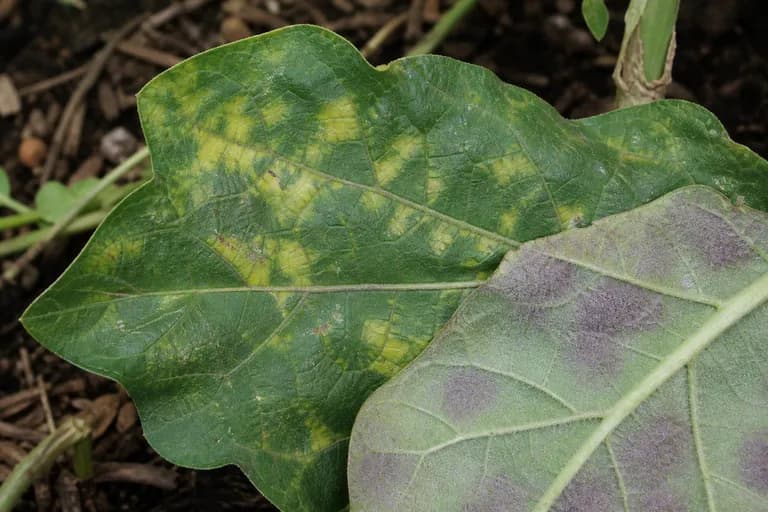
Downy Mildew
DiseasePale yellow blotches on the upper leaf surface with a grey-violet, downy fuzz on the underside, appearing in cool, damp conditions; leaves may curl and die back early.
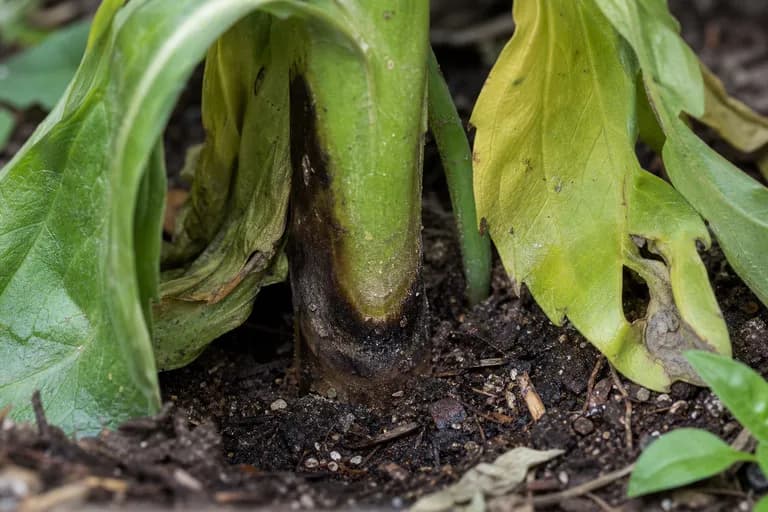
Crown and Root Rot
DiseasePlants wilt despite moist soil, lower leaves yellow, and the crown at the soil line turns brown and soft; roots are dark and mushy when dug up.
Troubleshooting Common Problems
The most common disappointment is a short bloom season in hot climates: above about 28 °C flowering stalls and plants rush to seed, so provide afternoon shade and keep the roots cool and moist. Crowded, overfed plants develop powdery or downy mildew in humid spells; thin to 25 cm, water at the base, and remove affected foliage early. Young seedlings are vulnerable to slugs and snails in damp spring weather. Leggy, sparse plants usually mean too much shade or too much nitrogen. Self-sown volunteers can pop up beyond their allotted patch; they pull out easily, but deadhead them if you do not want seedlings spreading into paths and lawns.
Growing Tips
- Direct sow two to four weeks before the last frost; the half-hardy seedlings tolerate light frost and establish better than late-sown plants in warming soil.
- Cover seeds with about 3 mm of soil, because they need darkness to germinate, and keep the seedbed evenly moist for the five to ten days germination takes.
- In zones 7 and warmer, sow again in late summer: the plants overwinter as low rosettes and give you the earliest and tallest cutting stems the following spring.
- In hot-summer regions, plant where the bed gets morning sun and light afternoon shade, and mulch the roots to stretch the flowering season through early summer.
- Deadhead or cut spent sprays every few days down to a leaf node; this single habit can double the length of the bloom display.
- For the longest vase life, harvest in the cool morning when about half the florets on a spray are open, strip the lower leaves, and condition stems in deep cool water.
- Space plants the full 25 cm apart and water at the base; crowded, overhead-watered clumps are the first to show powdery or downy mildew.
- Go easy on fertilizer. Compost at planting is usually enough, and high-nitrogen feeding produces soft, floppy growth with few flowers.
- Let a few late-season sprays ripen seed before you pull the plants, and shake the dry heads over the bed for a self-sown patch next year.
- Succession sow every two to three weeks until late spring for a continuous supply of cutting stems rather than one big flush.
Pick your Chinese Forget-Me-Not
Firmament
The classic compact selection from the German breeding house Ernst Benary, honored with an All-America Selections award in 1939; bushy plants 35 to 45 cm tall are smothered in rich indigo-blue flowers.
Blue Showers
A taller, free-flowering strain reaching 45 to 60 cm with generous sprays of bright sky-blue blooms; the standard choice for cutting gardens.
Blue Bird
An heirloom variety with vivid bright-blue flowers on strong 45 to 60 cm stems, listed in seed catalogs since the early twentieth century as cut-flower material.
Mystery Rose
A charming rose-pink break from the species' typical blue on compact 25 to 30 cm plants; lovely for edging paths and for pastel bouquets.
Where Chinese Forget-Me-Not comes from
Cynoglossum amabile is native to the mountains and open slopes of East Asia, with its range centered in China and the eastern Himalaya. Western plant hunters encountered it in the nineteenth century, and by the early twentieth century it had entered European and American seed catalogs, charming gardeners with flowers that looked like oversized forget-me-nots yet bloomed the same year they were sown.
Because the true woodland forget-me-not (Myosotis sylvatica) is a slower, biennial plant, seed merchants promoted Cynoglossum as the summer-flowering forget-me-not: an inexpensive annual substitute that delivered the same beloved blue. The German breeding house Ernst Benary selected the compact, dark-blue strain Firmament, which received an All-America Selections award in 1939 and secured the plant a permanent place in bedding schemes and cutting gardens on both sides of the Atlantic.
Through the mid-twentieth century, Chinese forget-me-not was a staple of cottage gardens and municipal bedding, valued for reliability and vase life. It fell out of fashion as hybrid bedding plants took over, but the revival of cottage gardening, pollinator planting, and seasonal cut-flower farming has brought it back: specialist seed houses now list it as a cool-season filler crop, and home gardeners rediscover it as an easy, self-sowing companion for spring bulbs and roses.
Chinese Forget-Me-Not: did you know?
Fascinating facts about Chinese Forget-Me-Not
Despite the common name, Chinese forget-me-not is not a true forget-me-not: it belongs to the genus Cynoglossum, while the familiar woodland forget-me-not is Myosotis, though both sit in the borage family, Boraginaceae.
Chinese Forget-Me-Not questions, answered
When should I plant Chinese Forget-Me-Not?
What are good companion plants for Chinese Forget-Me-Not?
What hardiness zones can Chinese Forget-Me-Not grow in?
How much sun does Chinese Forget-Me-Not need?
How far apart should I space Chinese Forget-Me-Not?
What pests and diseases affect Chinese Forget-Me-Not?
What are the best Chinese Forget-Me-Not varieties to grow?
What soil does Chinese Forget-Me-Not need?
Is Chinese forget-me-not the same plant as ordinary forget-me-not?
Does Chinese forget-me-not come back every year?
Why did my plants stop blooming in midsummer?
Is Chinese forget-me-not a good cut flower?
Can I grow Chinese forget-me-not in containers?
Is Chinese forget-me-not edible or safe around pets?
Plant these alongside Chinese Forget-Me-Not
More Annuals
Grow your best Chinese Forget-Me-Not yet — and everything around it.
Start a free plan today. Lay out your beds, drop in your Chinese Forget-Me-Not, and let PlotMyGarden handle the timing, spacing, companions and reminders from seed to harvest basket.
