Rittersporn (einjährig)
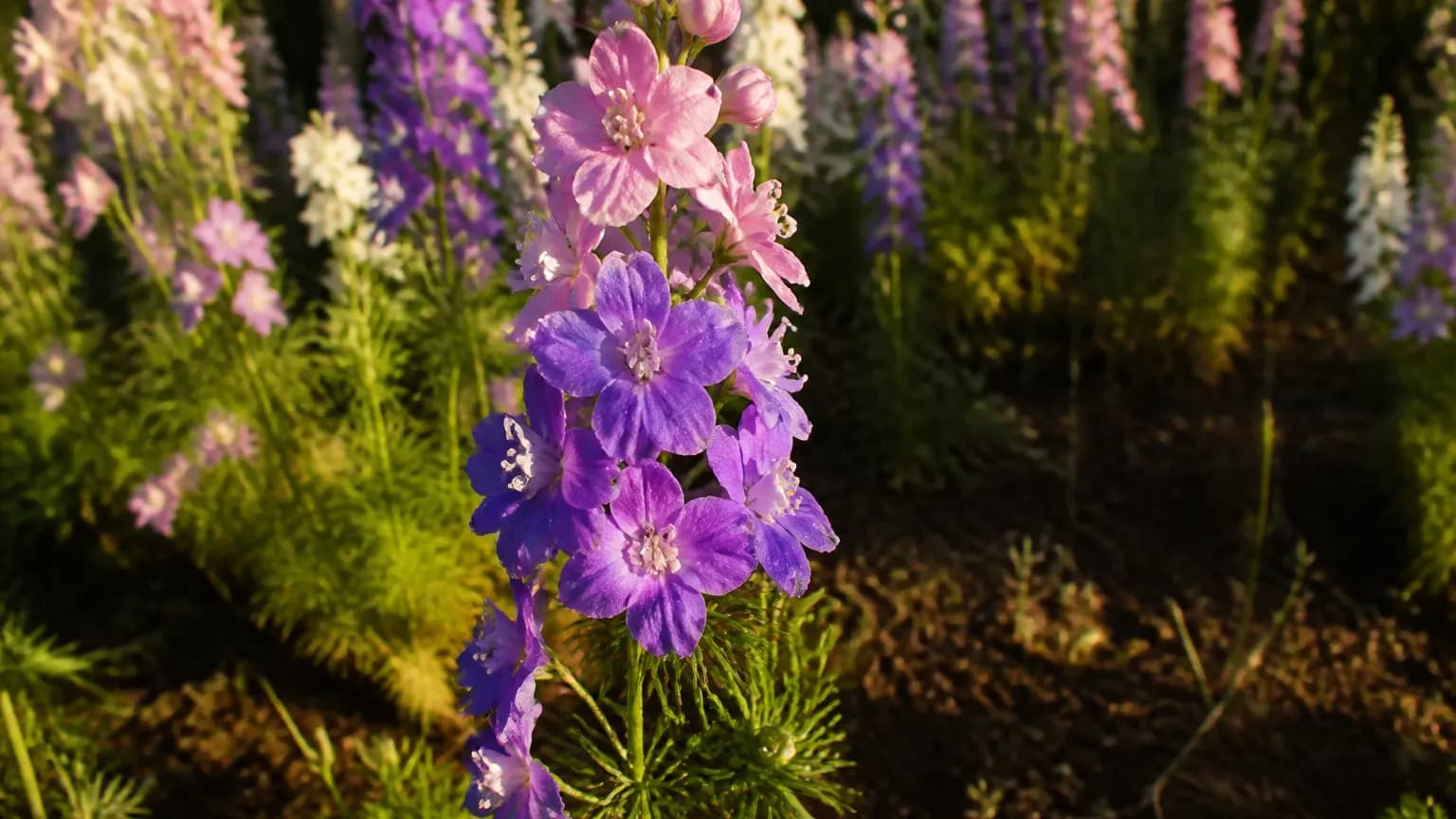
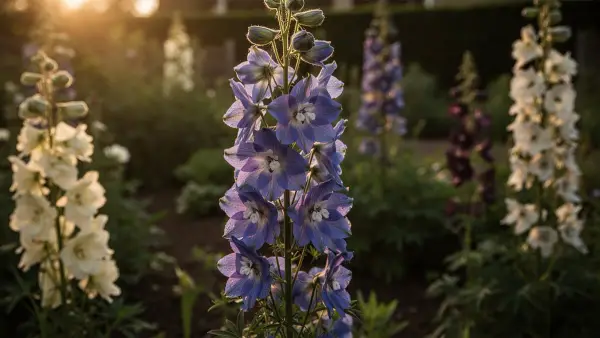
Eine hohe, elegante einjährige Pflanze, die dem Delphinium ähnelt, mit aufrechten Blütenähren aus gespornten Blüten in Blau, Rosa, Violett und Weiß.





Auf dieser SeiteÜberblick
Rittersporn (einjährig) im Überblick
Eine hohe, elegante einjährige Pflanze, die dem Delphinium ähnelt, mit aufrechten Blütenähren aus gespornten Blüten in Blau, Rosa, Violett und Weiß. Rittersporn bevorzugt kühles Wetter und sollte im Herbst oder sehr früh im Frühling direkt ausgesät werden, da er sich schlecht umpflanzen lässt. Die Blüten eignen sich hervorragend zum Schneiden und Trocknen und setzen vertikale Akzente in Bauerngärten.
Wann Rittersporn (einjährig) pflanzen
Säen Sie Rittersporn-Samen im Herbst oder Spätwinter für beste Ergebnisse direkt aus. Streuen Sie die Samen auf vorbereiteten Boden und drücken Sie sie leicht an, ohne sie zu bedecken, da sie Dunkelheit zum Keimen benötigen – harken Sie daher eine dünne Schicht Erde leicht über die Samen. Kühlen Sie die Samen vor der Frühjahrsaussaat zwei Wochen im Kühlschrank, um die Winterkälte zu simulieren. Die Keimung dauert vierzehn bis einundzwanzig Tage bei 13 bis 18 Grad Celsius. Vereinzeln Sie die Sämlinge auf 20 bis 30 Zentimeter Abstand. Vermeiden Sie die Vorkultur im Haus, da Sämlinge aufgrund der empfindlichen Pfahlwurzel sehr schlecht umgepflanzt werden können.
Dein Rittersporn (einjährig)-Jahr
Abgestimmt auf Zone 7 · typische Saison · Frost geht um den 2. Apr. und kehrt um den 1. Nov. zurück
Rittersporn (einjährig) Feb – Mär, Okt – Nov pflanzen, Mai – Jul ernten. Beachte die Pflanzmethoden unten und wähle dein Klima für passende Zeiträume.
So baust du Rittersporn (einjährig) an
Rittersporn ist eine einjährige Kühlewetterpflanze, die stark die Direktsaat bevorzugt, da seine empfindliche Pfahlwurzel das Umpflanzen nicht verträgt. In milden Klimazonen säen Sie die Samen im Herbst für Frühlingsblüten. In kälteren Zonen streuen Sie die Samen im Spätwinter oder sehr frühen Frühling auf die Bodenoberfläche, solange die Temperaturen noch kühl sind. Die Samen benötigen eine Kälteperiode für eine gute Keimung, daher kühlen Sie sie in warmen Regionen vor der Frühjahrsaussaat zwei Wochen im Kühlschrank vor.
Wählen Sie einen sonnigen Standort mit nährstoffreichem, gut durchlässigem Boden und einem leicht alkalischen pH-Wert. Säen Sie die Samen oder vereinzeln Sie die Sämlinge im Abstand von 20 bis 30 Zentimetern. Rittersporn wächst am besten, wenn die Temperaturen unter 27 Grad Celsius bleiben, und wird bei Sommerhitze schnell nachlassen. Gießen Sie regelmäßig, um den Boden während der aktiven Wachstumsphase gleichmäßig feucht zu halten.
Stützen Sie hohe Sorten, indem Sie Durchgangsgitter installieren oder einzelne Stiele ab einer Höhe von 30 Zentimetern aufbinden. Schneiden Sie verblühte Ähren ab, um Seitentriebe zu fördern, obwohl die Blütezeit natürlicherweise auf kühles Wetter begrenzt ist. Lassen Sie einige Stängel aussamen, damit sich selbstaussäende Bestände bilden, die jedes Jahr wiederkehren. Alle Teile des Rittersporns sind bei Verschlucken giftig, pflanzen Sie ihn daher abseits von Bereichen, die Kindern und Haustieren zugänglich sind.
36 Pflanzen passen in ein Beet von 120 × 240 cm
Rittersporn (einjährig) braucht 25 cm Platz pro Pflanze. Der Planer hält diesen Abstand für dich ein — jede Pflanze, jedes Beet.
Die besten Nachbarn für Rittersporn (einjährig)
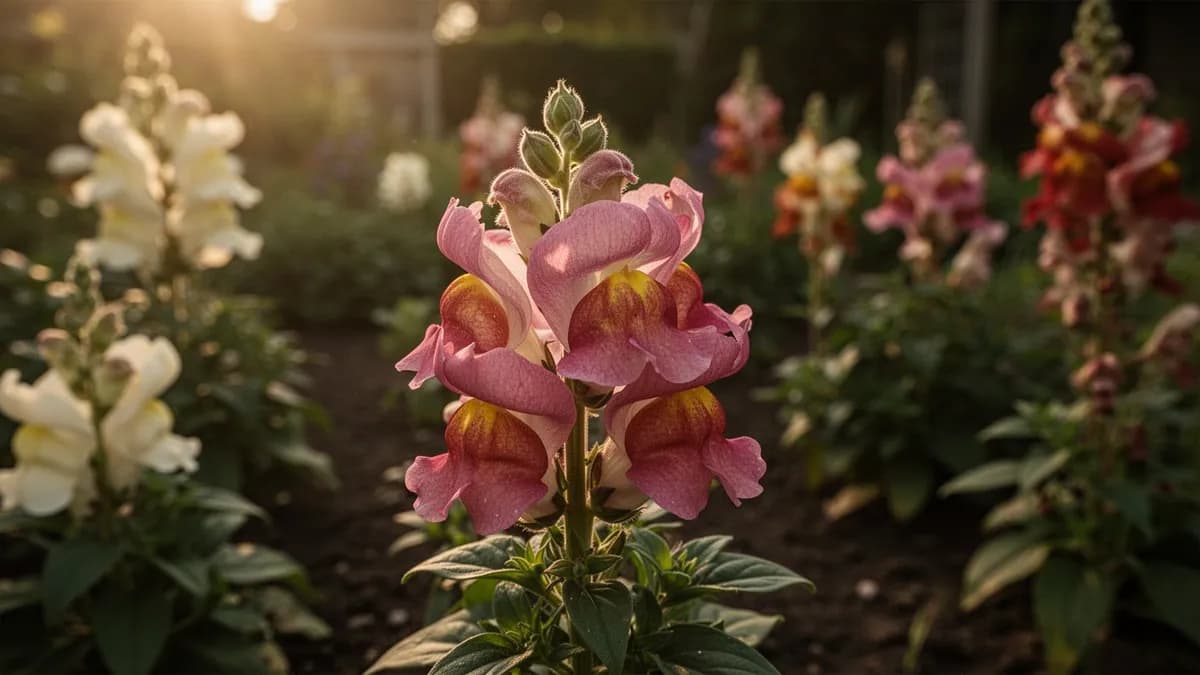
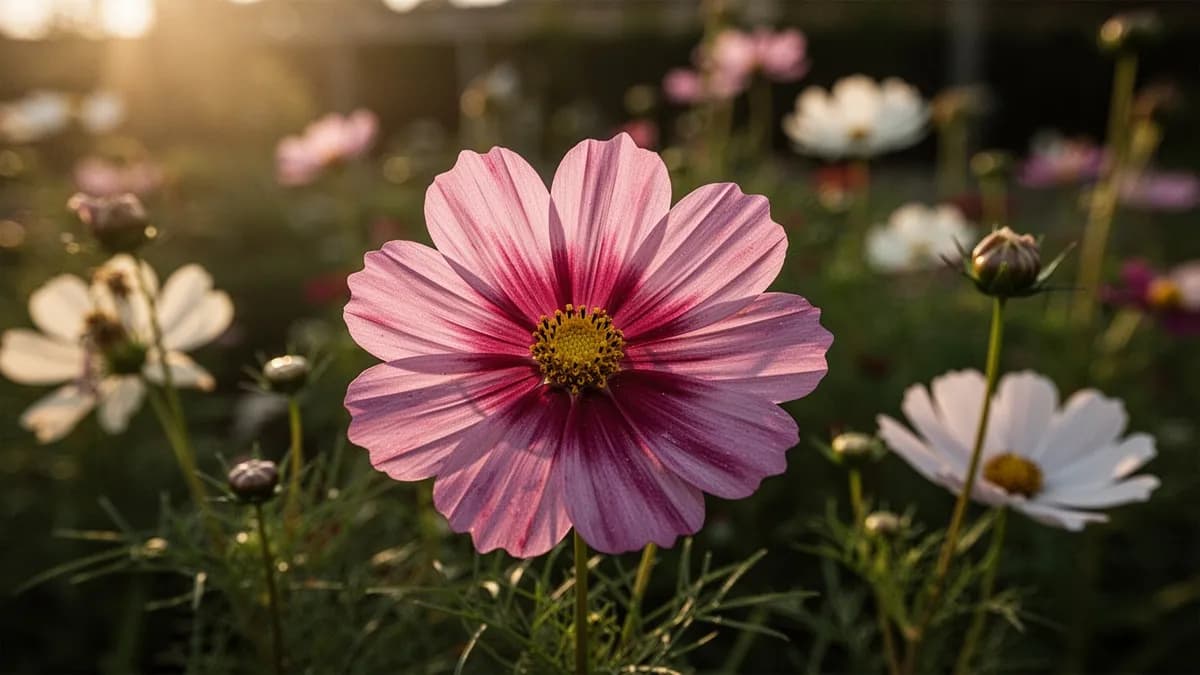
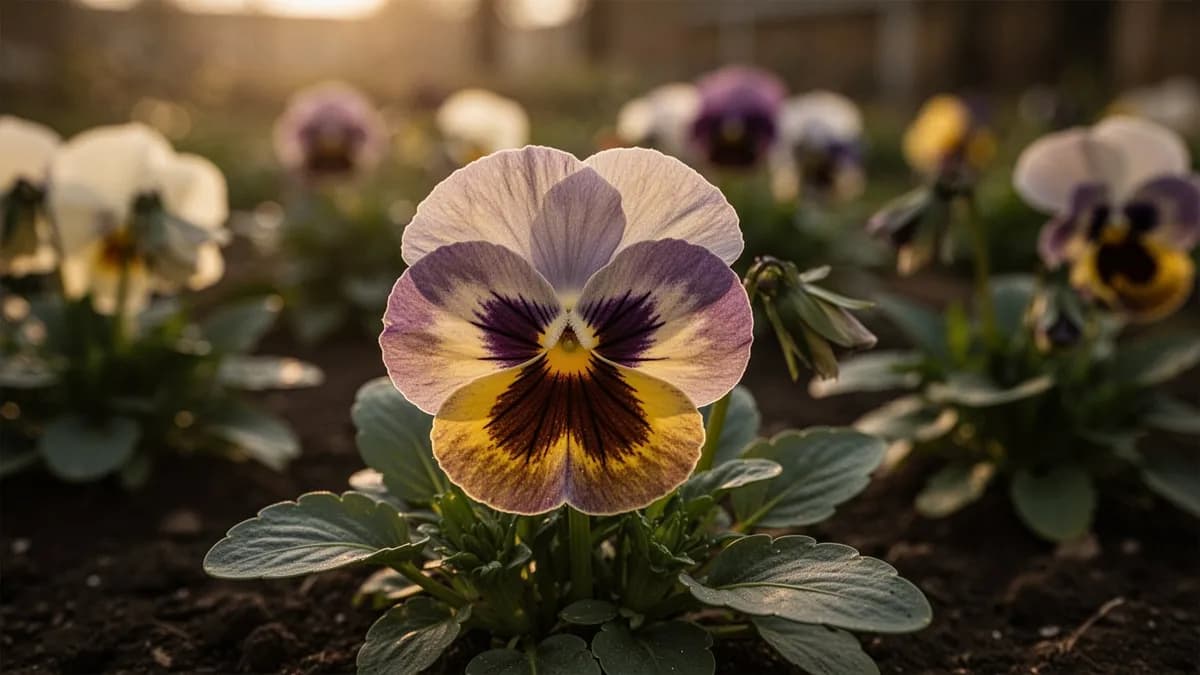
Rittersporn setzt beeindruckende vertikale Akzente hinter niedrig wachsenden Begleitern wie Stiefmütterchen, Hornveilchen und Duftsteinrich in Kühlewetter-Gärten. Er passt wunderbar zu anderen Bauerngarten-Favoriten wie Kornblumen, Mohn und Wicken. Die hohen Ähren locken nützliche Bestäuber an, darunter Hummeln. Pflanzen Sie ihn zusammen mit Fingerhut und Löwenmäulchen für einen klassischen englischen Bauerngarten-Rabatteneffekt.
Löwenmäulchen gehört daneben.
Altes Gärtnerwissen, geprüft an der echten Nachbartabelle von Rittersporn (einjährig) — teste jede Pflanze, die du anbaust.
Probiere Rittersporn (einjährig) direkt hier im Beet
Ein echtes Planer-Beet, Rittersporn (einjährig) steht schon drin. Tippe einen Begleiter an, platziere ihn und sieh, wie die Nachbarschaftsprüfung antwortet — grün für gute Nachbarn, rot bei Streit.


Passende Anbau-Ratgeber

Richtig düngen
Rittersporn gedeiht in nährstoffreichem, feuchtem, gut durchlässigem Boden mit einem pH-Wert von 7,0 bis 7,5 und bevorzugt leicht alkalische Bedingungen. Arbeiten Sie Kompost und eine Handvoll Kalk vor der Aussaat in den Pflanzbereich ein. Düngen Sie mit einem ausgewogenen Granulatdünger bei der Pflanzung und erneut, wenn sich Blütenknospen bilden. Vermeiden Sie stickstoffreiche Dünger, die schwaches, schlaffes Wachstum fördern. Gleichmäßige Feuchtigkeit ist während der Wachstumsperiode entscheidend, aber vermeiden Sie staunasse Bedingungen, die Wurzel- und Wurzelhalsfäule begünstigen.
Ideale Temperatur
Winterhärtezone-Kompatibilität
Von der Saat zur Ernte, Schritt für Schritt
Samenkeimung
Rittersporn-Samen benötigen Dunkelheit und kühle Temperaturen (13–18 °C) zum Keimen. Die Samen sollten leicht mit Erde bedeckt und gleichmäßig feucht gehalten werden. Eine Vorkühlung der Samen im Kühlschrank für zwei Wochen vor der Aussaat kann die Keimrate, die typischerweise bei 50–70 % liegt, deutlich verbessern.
Sämlingsentwicklung
Die Sämlinge entwickeln ihre ersten echten Blätter, die fein geteilt und farnartig sind. In diesem Stadium bilden die Pflanzen eine niedrige Rosette nahe am Boden. Sämlinge sind empfindlich und vertragen kein Umpflanzen, weshalb die Direktsaat bei Rittersporn dringend empfohlen wird.
Vegetatives Wachstum
Die Pflanzen beginnen mit raschem Höhenwachstum und entwickeln ihre charakteristischen hohen, verzweigten Stängel. Das fein geschnittene Laub verdichtet sich. In dieser Phase streckt sich der Hauptstängel schnell und Seitentriebe beginnen sich zu bilden, wodurch die Gesamtarchitektur der Pflanze entsteht.
Knospenbildung
Blütenknospen erscheinen an den Stängelspitzen in dicht gepackten Trauben. Die charakteristische gespornte Knospenform wird sichtbar. Jeder Stängel kann 20–40 einzelne Blütchen tragen, die entlang des oberen Teils der Ähre angeordnet sind. Dies ist das Stadium, in dem ausreichend Wasser und Nährstoffe die Blütenqualität am direktesten beeinflussen.
Volle Blüte
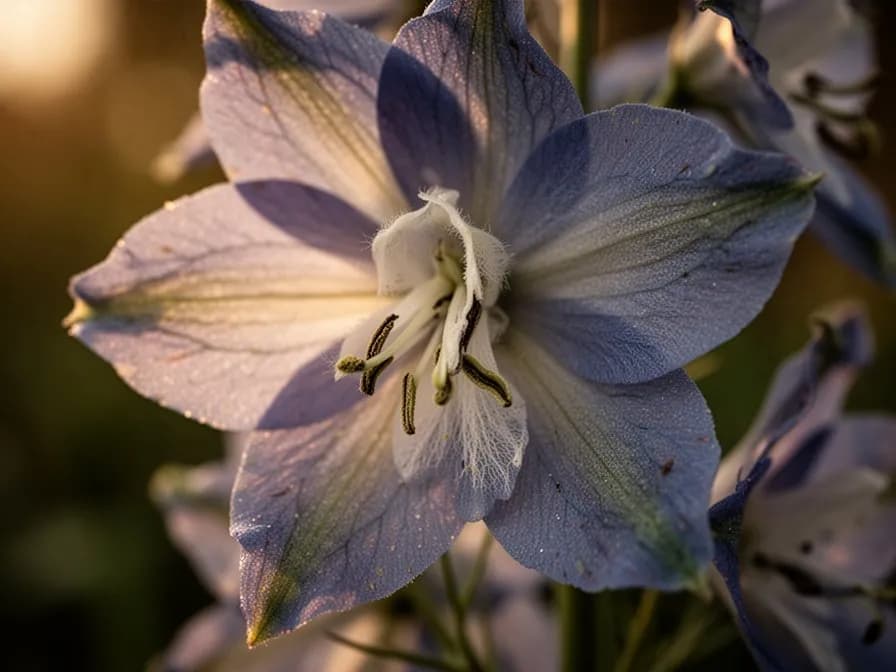
Die Blütenähren öffnen sich über einen Zeitraum von 2–3 Wochen von unten nach oben. Einzelne Blütchen zeigen zarte gespornte Blütenblätter in Blau-, Violett-, Rosa-, Weiß- oder Lavendeltönen. Die Blütezeit dauert mehrere Wochen und lockt zahlreiche Bestäuber an, darunter Hummeln und Schmetterlinge.
Samenansatz und Reifung
Nach der Bestäubung entwickeln sich papierartige Samenkapseln entlang der verblühten Blütenähren. Jede Kapsel enthält mehrere kleine, dunkelbraune bis schwarze Samen. Die Kapseln trocknen allmählich und springen bei Reife auf. Rittersporn sät sich unter günstigen Bedingungen bereitwillig selbst aus und bildet oft dauerhafte Bestände im Garten.
Lassen Sie die Bodenoberfläche während der Keimung nicht austrocknen. Bedecken Sie Aussaatschalen mit Pappe oder Zeitungspapier, um das Licht zu blockieren, bis Keimlinge erscheinen.
Rittersporn (einjährig) Monat für Monat pflegen
Was du jeden Monat für deine Rittersporn (einjährig) tun solltest
Oktober
Aktueller MonatIn den Zonen 8–10 entwickeln im Herbst gesäte Rittersporn-Sämlinge ihr Wurzelsystem vor dem Winter. Leichter Frost schadet jungen Pflanzen nicht. Sorgen Sie für gute Drainage, um Wurzelfäule bei nassem Herbstwetter zu vermeiden.
Immer wissen, was jetzt im Garten zu tun ist
Eine E-Mail zum Monatsanfang: was du jetzt säen, pflanzen und anpacken solltest — für deine Rittersporn (einjährig) und alles, was drumherum wächst. Dazu ein kurzer Startkurs, der dich vor den klassischen Fehlern bewahrt.
- Was jetzt zu tun ist
- Passend zu deiner Saison
- Startkurs inklusive
Rittersporn (einjährig) ernten
Schneiden Sie Rittersporn-Stiele für frische Arrangements, wenn etwa ein Drittel der Einzelblüten an der Ähre geöffnet ist. Ernten Sie am kühlen Morgen und stellen Sie sie sofort in Wasser. Zum Trocknen schneiden Sie, wenn die meisten Blüten geöffnet sind, und hängen Bündel kopfüber an einem dunklen, warmen, gut belüfteten Ort für zwei bis drei Wochen auf. Rittersporn gehört zu den besten Blumen zum Lufttrocknen und behält monatelang lebhafte Farben. Zum Samensammeln lassen Sie die Stängel vollständig an der Pflanze trocknen, bevor Sie sie einsammeln.
angenommen, du pflanzt zu Beginn des Zeitraums — trage dein tatsächliches Datum ein
Ernte Rittersporn (einjährig) zügig, dann trägt die Pflanze weiter.
Lagerung & Konservierung
Frisch geschnittener Rittersporn hält fünf bis sieben Tage in einer Vase mit sauberem Wasser und Blumenfrischhaltemittel. Schneiden Sie die Stiele alle zwei Tage schräg nach. Getrockneter Rittersporn behält seine Farbe außergewöhnlich gut und hält bis zu einem Jahr in Arrangements, wenn er vor direktem Sonnenlicht geschützt wird. Lagern Sie getrocknete Stiele aufrecht an einem trockenen Ort, geschützt vor Feuchtigkeit. Samen bleiben ein bis zwei Jahre keimfähig, wenn sie kühl und trocken in verschlossenen Umschlägen gelagert werden.
Was schiefgeht — und die Lösung
Wurzelhalsfäule
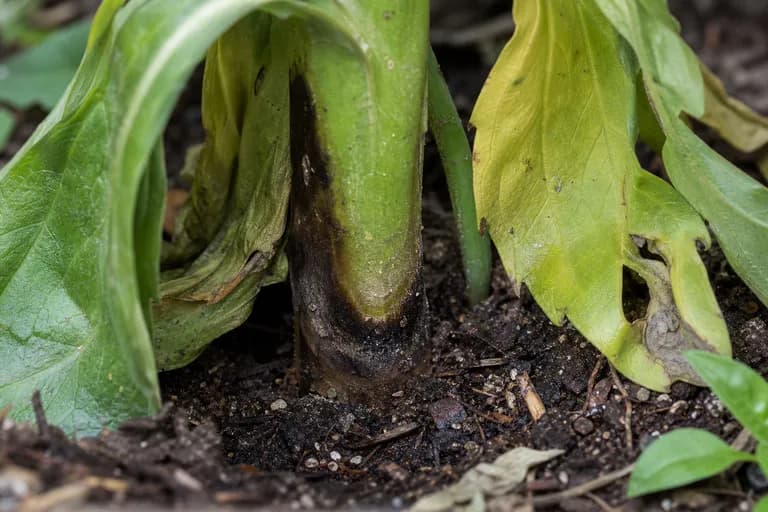
KrankheitPflanzen kollabieren plötzlich an der Basis, Stängel werden am Boden braun und matschig, weißer Pilzbewuchs kann sichtbar sein.
Echter Mehltau
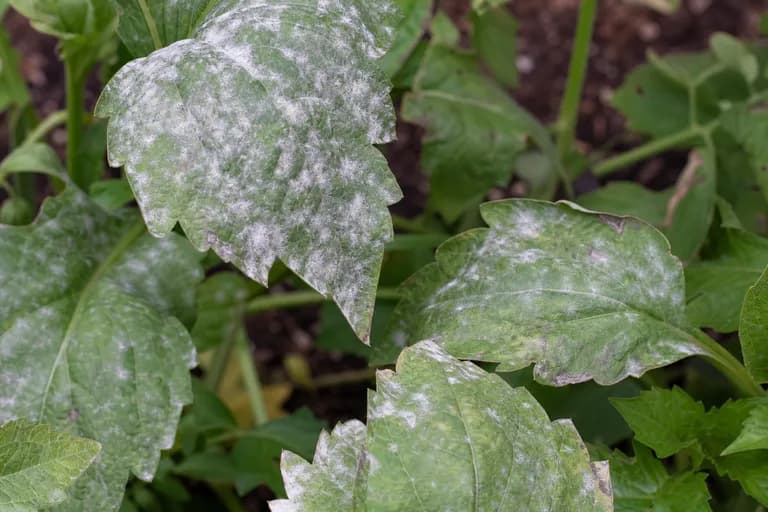
KrankheitWeiße, pudrige Flecken auf Blättern und Stängeln, die typischerweise auftreten, wenn die Temperaturen im späten Frühling steigen.
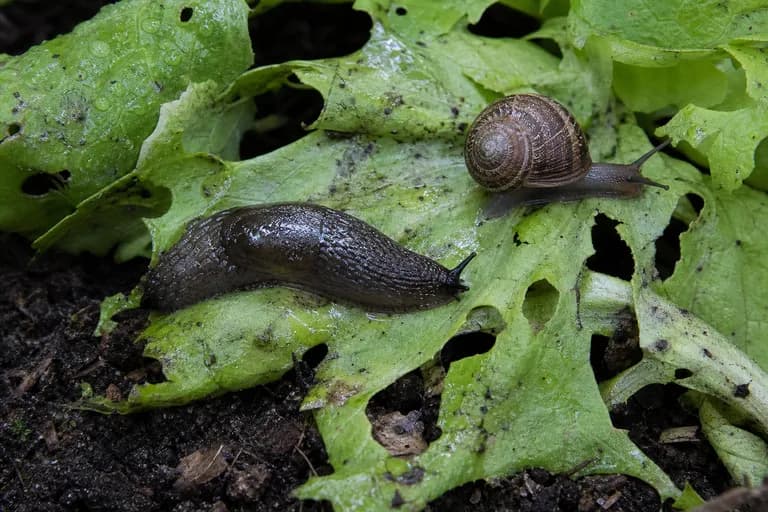
Schnecken und Nacktschnecken
SchädlingUnregelmäßige Löcher in Blättern und Stängeln, schleimige Spuren auf dem Laub, junge Sämlinge über Nacht abgefressen.
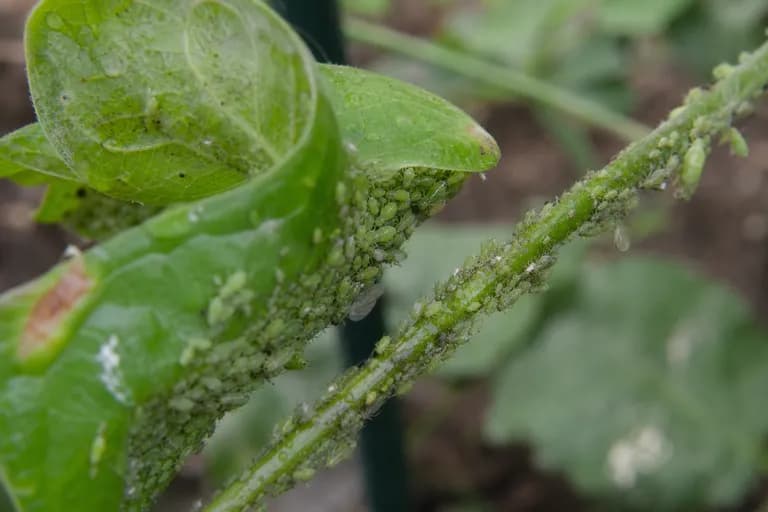
Blattläuse
SchädlingGrüne oder schwarze Ansammlungen an Stängeln und Knospen, verkrüppelter Wuchs, klebriger Rückstand und verminderte Blüte.
Fehlerbehebung bei häufigen Problemen
Die größte Einschränkung des Rittersporns ist seine Hitzeempfindlichkeit. Pflanzen verfallen schnell, sobald die Tagestemperaturen dauerhaft 27 Grad Celsius überschreiten. Keimungsversagen ist häufig bei altem Saatgut oder Frühjahrsaussaat in warmem Boden. Hohe Sorten kippen bei Wind und Regen ohne Stützung häufig um. Wurzelhalsfäule durch schlechte Drainage ist das häufigste Krankheitsproblem. Bedenken Sie, dass alle Teile der Pflanze giftig sind – tragen Sie daher Handschuhe und halten Sie Kinder und Haustiere fern.
Anbautipps
- Säen Sie Rittersporn-Samen direkt an den vorgesehenen Standort — die empfindliche Pfahlwurzel macht das Umpflanzen unzuverlässig und führt oft zu verkümmerten oder gescheiterten Pflanzen.
- Kühlen Sie die Samen vor der Aussaat 14 Tage im Kühlschrank vor, um die Keimrate drastisch zu verbessern, besonders bei Frühjahrsaussaat in kühleren Klimazonen.
- Herbstaussaat (September–November) in den Zonen 7–10 bringt die kräftigsten Pflanzen und frühesten Blüten hervor, da die Sämlinge über den Winter robuste Wurzelsysteme entwickeln.
- Bedecken Sie Samen leicht mit maximal 3 mm feiner Erde, da Rittersporn Dunkelheit zum Keimen benötigt, aber nicht tief eingegraben werden sollte.
- Halten Sie einen Abstand von 20–30 cm zwischen den Pflanzen, um ausreichende Luftzirkulation zu gewährleisten, was den Echten Mehltau verhindert, für den Rittersporn bei feuchten Bedingungen anfällig ist.
- Stützen Sie hohe Sorten (über 90 cm) frühzeitig mit Durchgangsgittern oder einzelnen Bambusstäben — sobald Stängel sich neigen oder brechen, gewinnen sie selten ihre aufrechte Form zurück.
- Gießen Sie an der Pflanzenbasis statt von oben, um den Pilzbefall an den dichten Blütenähren und dem zarten Laub zu reduzieren.
- Schneiden Sie verblühte Blütenähren umgehend bis zu einem Seitentrieb zurück, um einen zweiten Blütenflor aus Seitentrieben zu fördern.
- Lassen Sie am Ende der Saison einige Pflanzen aussamen für natürliche Selbstaussaat — markieren Sie den Bereich und vermeiden Sie es, den Boden im Herbst und Winter zu stören.
- Tragen Sie stets Handschuhe beim Schneiden, Handhaben oder Arrangieren von Rittersporn-Stielen, da der Pflanzensaft Hautreizungen verursachen kann und alle Teile bei versehentlicher Einnahme giftig sind.
Bau deine beste Rittersporn (einjährig) an — und alles drumherum.
Starte heute kostenlos. Lege deine Beete an, setze deine Rittersporn (einjährig) ein und lass PlotMyGarden Timing, Abstände, Begleiter und Erinnerungen von der Saat bis zum Erntekorb übernehmen.
Finde deine Rittersporn (einjährig)
Giant Imperial Mix
Klassische gefüllte Sorte, die 90 bis 120 Zentimeter erreicht, mit dichten Ähren in Blau, Rosa, Flieder und Weiß.
Sublime Mix
Eine veredelte Serie mit hohen, gut verzweigten Stielen, ideal für Schnittblumen in einer vollen Palette von Pastell- und satten Farben.
Earl Grey
Eine ungewöhnliche Sorte mit rauchig blaugrauen gefüllten Blüten an stabilen 90-Zentimeter-Stielen, geschätzt von Floristik-Designern.
Galilee Mix
Speziell für die Schnittblumenproduktion gezüchtet, mit langen, kräftigen Stielen und dicht gepackten Einzelblüten in gemischten Farben.
Ein einzelnes Päckchen Rittersporn-Samen (typischerweise 2–4 €) kann 50–100 Pflanzen hervorbringen. Einmal etabliert, sät sich Rittersporn frei selbst aus und liefert Jahr für Jahr kostenlose Pflanzen. Ein Dutzend Stiele frisch geschnittenen Rittersporns beim Floristen kostet 8–15 €, während ein Hobbygärtner Hunderte von Stielen pro Saison ernten kann. Für Trockenblumen-Bastelprojekte entfallen beim selbst angebauten Rittersporn die Kosten von 5–12 € pro Bund für kommerziell getrocknete Stiele, und die überlegene Frische sorgt für bessere Farberhaltung.
Schnelle Rezepte
Gepresste Rittersporn-Botanik-Kunst
20 Min. aktiv + 2–3 Wochen TrocknungErstellen Sie beeindruckende gerahmte botanische Kunstwerke, indem Sie frische Rittersporn-Blütchen zwischen Pergamentpapierbögen pressen. Die lebhaften Blau-, Violett- und Rosatöne behalten ihre Farbe beim Trocknen wunderbar, sodass jedes Stück ein dauerhaftes Kunstwerk wird. Arrangieren Sie gepresste Blüten auf säurefreiem Karton und rahmen Sie sie hinter Glas zur Ausstellung ein.
6 Zutaten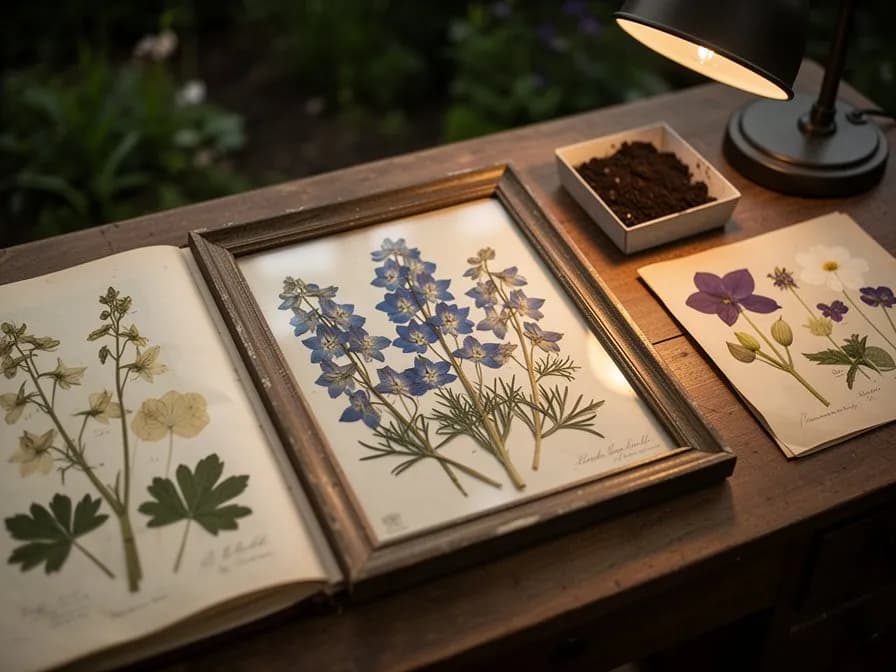
Getrockneter Rittersporn-Kranz
45 Min.Gestalten Sie einen wunderschönen dekorativen Kranz aus getrockneten Rittersporn-Stielen in Kombination mit anderen Trockenblumen und Blattwerk. Die hohen Ähren des Rittersporns verleihen Kränzen eine wunderbare vertikale Textur und lebhafte Farbe. Dieses Projekt funktioniert am besten mit Stielen, die zuvor 1–2 Wochen kopfüber in einem dunklen, trockenen Raum luftgetrocknet wurden.
7 ZutatenRittersporn-Naturfarbstoff für Textilien
3–4 StundenGewinnen Sie wunderschöne blau-violette Farbe aus frischen Rittersporn-Blütenblättern, um Naturstoffe zu färben. Diese traditionelle Färbetechnik erzeugt sanfte Immergrün- bis Lavendeltöne auf Baumwolle und Leinen. Die Farbe variiert je nach verwendeter Blütenfarbe und aufgetragenem Beizmittel. Tragen Sie während des gesamten Prozesses Handschuhe, da Rittersporn giftig ist.
7 ZutatenWas drinsteckt
Gesundheitsvorteile
- GIFTIGE PFLANZE — Rittersporn bietet keine gesundheitlichen Vorteile durch Verzehr und ist bei Einnahme gefährlich. Alle Teile enthalten schädliche Alkaloide.
- Der Anbau von Rittersporn bietet erhebliche Vorteile für die psychische Gesundheit durch die meditative Praxis des Gärtnerns und das ästhetische Vergnügen seiner schönen Blüten.
- Die hohen Blütenähren locken Hummeln, Schmetterlinge und Kolibris an, unterstützen lokale Bestäuberpopulationen und tragen zur breiteren Ökosystemgesundheit bei.
- Geschnittene Rittersporn-Sträuße können das Raumambiente und die Stimmung verbessern. Studien zeigen, dass frische Blumen in Wohn- und Arbeitsräumen Stress reduzieren und das Wohlbefinden fördern.
- Der Prozess des Anbauens, Erntens und Trocknens von Rittersporn für Bastelprojekte bietet ein kreatives Ventil, das Angst reduzieren und Achtsamkeit fördern kann.
- Die Einbeziehung von Rittersporn in Gartenpflanzungen fördert die Biodiversität, indem er Nektarressourcen während der Kühlewetter-Lücke bereitstellt, wenn weniger blühende Pflanzen für Bestäuber verfügbar sind.
Woher Rittersporn (einjährig) stammt
Rittersporn (Consolida ajacis) stammt aus dem Mittelmeerraum, wobei sein natürliches Verbreitungsgebiet von Südeuropa über Teile Westasiens bis nach Nordafrika reicht. Die Pflanze wird seit mindestens dem 16. Jahrhundert als Gartenzierpflanze kultiviert, als sie zu einem beliebten Element europäischer Bauerngärten und Klostergärten wurde. Ihre auffälligen vertikalen Blütenähren und brillanten Blautöne machten sie sofort zum Favoriten unter den Gärtnern der Renaissance.
Die Art wurde ursprünglich der Gattung Delphinium zugeordnet, und eine beträchtliche botanische Debatte begleitete ihre Umklassifizierung in die separate Gattung Consolida im 20. Jahrhundert. Die beiden Gattungen sind innerhalb der Hahnenfußfamilie (Ranunculaceae) eng verwandt, aber Consolida-Arten sind einjährig mit einem einzelnen gespornten Blütenblatt, das aus zwei verwachsenen Blättern entstanden ist, während echte Delphinien typischerweise mehrjährig sind und separate gespornte Blütenblätter besitzen.
Rittersporn gelangte mit den frühen europäischen Kolonisten in nordamerikanische Gärten und verwilderte schnell über weite Teile des Kontinents. Besonders gut etablierte er sich im Südosten der Vereinigten Staaten, wo milde Winter es im Herbst gesäten Samen ermöglichen, erfolgreich zu überwintern. Die Pflanze entkam der Kultur und wächst heute wild an Straßenrändern, auf Wiesen und auf gestörten Flächen in vielen gemäßigten Regionen.
Im Laufe der Geschichte hatte Rittersporn eine kulturelle und symbolische Bedeutung über den Garten hinaus. In der griechischen Mythologie soll die Blume aus dem Blut des Ajax während des Trojanischen Krieges entsprungen sein. Während der viktorianischen Ära spielte Rittersporn eine herausragende Rolle in der Blumensprache und wurde in Sträußchen und formellen Bouquets verwendet, um bestimmte emotionale Botschaften zu übermitteln. Heute bleibt er eine der beliebtesten einjährigen Blumen für Schnittblumengärten, Bauerngarten-Pflanzungen und Trockenblumen-Kunsthandwerk weltweit.
Rittersporn (einjährig): Schon gewusst?
Faszinierende Fakten über Rittersporn (einjährig)
Der deutsche Name Rittersporn bezieht sich auf die Form der Blüten, die dem Sporn eines Ritters ähneln. Der englische Name Larkspur leitet sich von der Ähnlichkeit mit der Kralle einer Feldlerche ab. Der Sporn an der Rückseite jeder Blüte ist ein markantes Merkmal, das er mit seinem mehrjährigen Verwandten, dem Delphinium, teilt.
Rittersporn (einjährig): Fragen & Antworten
Wann sollte ich Rittersporn (einjährig) pflanzen?
Was sind gute Begleitpflanzen für Rittersporn (einjährig)?
In welchen Winterhärtezonen kann Rittersporn (einjährig) wachsen?
Wie viel Sonne braucht Rittersporn (einjährig)?
Welchen Abstand sollte ich zwischen Rittersporn (einjährig) lassen?
Welche Schädlinge und Krankheiten befallen Rittersporn (einjährig)?
Wie lagere ich Rittersporn (einjährig) nach der Ernte?
Was sind die besten Rittersporn (einjährig)-Sorten zum Anbauen?
Welchen Boden braucht Rittersporn (einjährig)?
Ist Rittersporn sicher in einem Garten mit Kindern oder Haustieren?
Warum haben meine Rittersporn-Samen nicht gekeimt?
Kann ich Rittersporn-Sämlinge aus Töpfen in den Garten umpflanzen?
Wie trockne ich Rittersporn-Blüten für langlebige Arrangements?
Was ist der Unterschied zwischen Rittersporn (Consolida) und Delphinium?
Wann ist die beste Zeit, Rittersporn-Samen in meiner Region zu säen?
Du hast die Theorie gelesen. Jetzt baue sie auf Autopilot an.
Alles, was Rittersporn (einjährig) knifflig macht — das Timing, die Abstände, die Begleiter, das Erntefenster — genau das übernimmt PlotMyGarden für dich, für jede Pflanze im Garten.
Ein Plan, der dein Wetter kennt
Standort einmal festlegen. Aussaat-, Dünge- und Erntedaten rund um deinen echten letzten Frosttermin und die Live-Vorhersage — kein Raten mehr nach Saattüte.
Aus dem Abschnitt „Pflanzzeit“Beetplaner per Drag & Drop
Beete auf einem Raster gestalten. Jede Pflanze rastet im richtigen Abstand ein, und du siehst die ganze Saison, bevor du einen Cent für Saatgut ausgibst.
Aus dem Abschnitt „Anbau“Begleiter-Konflikte früh erkannt
Über 200 gute und schlechte Kombinationen werden beim Pflanzen live geprüft — so landet ein saisonruinierender Fehler nie in der Erde.
Aus dem Abschnitt „Begleiter“Erinnerungen, nach denen du wirklich handelst
„Gieß die Bohnen.“ „Heute ernten, bevor's umschlägt.“ Pünktlich, konkret und auf deine echten Pflanzen bezogen.
Aus dem Abschnitt „Ernte“Staffel-Aussaat, geplant
Sechs Wochen ernten statt sechs Tage? Die App verteilt deine Aussaaten automatisch und erinnert dich, wenn der nächste Satz fällig ist.
Aus dem Abschnitt „Pflanzzeit“Ein Verlauf, der schlauer wird
Jede protokollierte Ernte bringt der App deinen Garten bei. Der Plan fürs nächste Jahr startet bei dem, was in deinem Boden wirklich funktioniert hat.
Aus dem Abschnitt „Überblick“Pflanze diese neben Rittersporn (einjährig)
Weitere Einjährige
Gartenpläne mit Rittersporn (einjährig)
Bau deine beste Rittersporn (einjährig) an — und alles drumherum.
Starte heute kostenlos. Lege deine Beete an, setze deine Rittersporn (einjährig) ein und lass PlotMyGarden Timing, Abstände, Begleiter und Erinnerungen von der Saat bis zum Erntekorb übernehmen.