Maiglöckchen
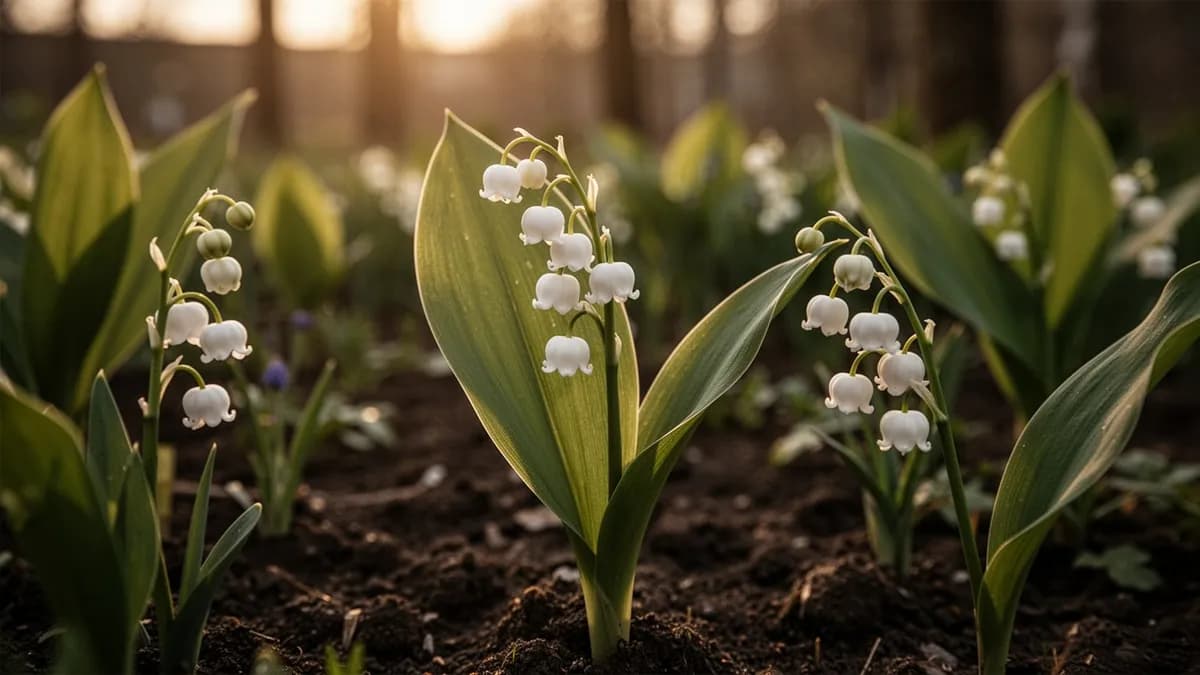
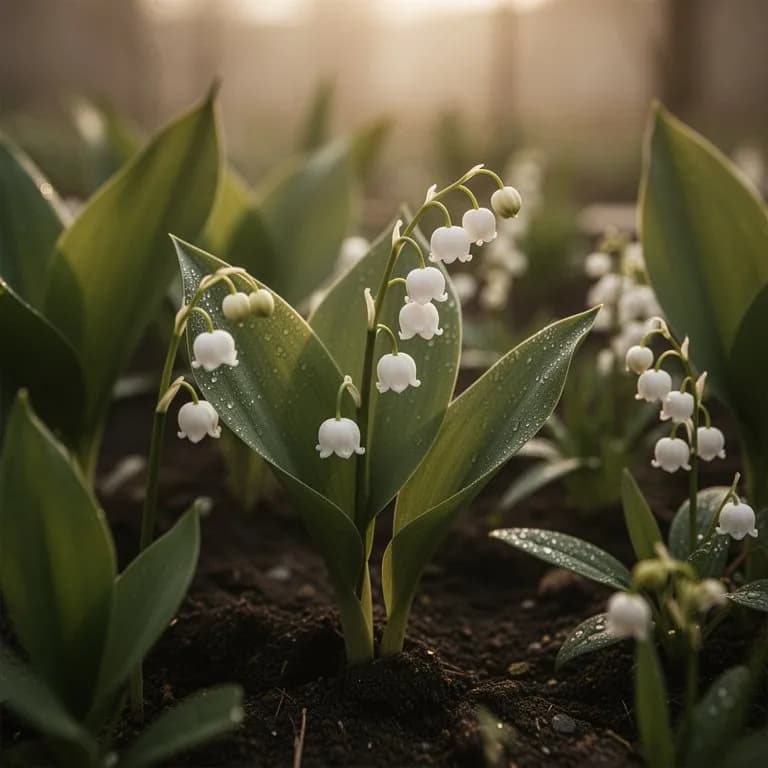
Eine beliebte Waldbodenpflanze mit bogenförmigen Stielen, an denen intensiv duftende, kleine weiße Glockenblüten über je zwei glatten grünen Blättern hängen.





Auf dieser SeiteÜberblick
Maiglöckchen im Überblick
Eine beliebte Waldbodenpflanze mit bogenförmigen Stielen, an denen intensiv duftende, kleine weiße Glockenblüten über je zwei glatten grünen Blättern hängen. Maiglöckchen breiten sich durch Rhizome aggressiv aus und werden am besten dort gepflanzt, wo sie sich im Schatten frei naturalisieren können. Alle Pflanzenteile sind giftig, doch der himmlische Frühlingsduft macht es zu einem zeitlosen Gartenklassiker.
Wann Maiglöckchen pflanzen
Obwohl Maiglöckchen rote Beeren mit Samen produzieren, wird die Anzucht aus Samen selten praktiziert, da sie extrem langsam und unvorhersehbar ist. Die Samen benötigen eine längere Kältestratifikation und können ein Jahr oder länger zur Keimung brauchen. Die Standardmethode zur Vermehrung ist die Teilung der Rhizom-Pips im Herbst oder sehr frühen Frühling. Einfach Teile der sich ausbreitenden Kolonie ausgraben und sofort in vorbereiteten Boden einpflanzen. Jeder Pip mit einem gesunden Wurzelsystem etabliert sich und beginnt sich innerhalb einer Saison auszubreiten.
Dein Maiglöckchen-Jahr
Abgestimmt auf Zone 7 · typische Saison · Frost geht um den 2. Apr. und kehrt um den 1. Nov. zurück
Maiglöckchen Mär, Okt – Nov pflanzen, Apr – Mai ernten. Beachte die Pflanzmethoden unten und wähle dein Klima für passende Zeiträume.
So baust du Maiglöckchen an
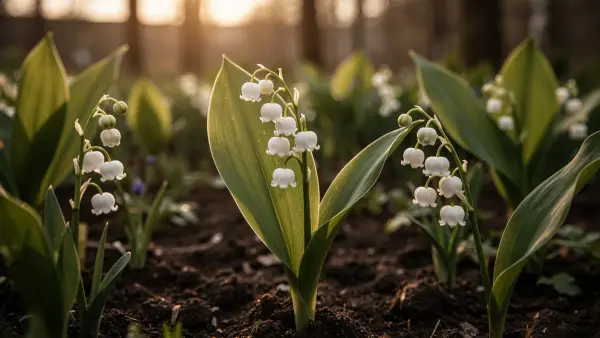
Pflanzen Sie Maiglöckchen-Pips (Rhizomteilungen mit Wachstumsknospen) im Herbst oder frühen Frühling, setzen Sie sie knapp unterhalb der Bodenoberfläche mit den spitzen Enden nach oben, im Abstand von zehn bis fünfzehn Zentimetern. Wählen Sie einen halbschattigen bis vollschattigen Standort unter Laubbäumen, entlang nach Norden ausgerichteter Mauern oder in Waldgartenbereichen, wo der Boden kühl und feucht bleibt. Convallaria verträgt tiefen Schatten besser als nahezu jede andere blühende Pflanze.
Bewässern Sie in der ersten Wachstumssaison regelmäßig, damit sich das sich ausbreitende Rhizomnetzwerk etablieren kann. Ist das Maiglöckchen einmal eingewurzelt, ist es nahezu wartungsfrei und breitet sich durch unterirdische Ausläufer kräftig aus, um dichte, unkrautunterdrückende Teppiche zu bilden. Seine aggressive Natur bedeutet, dass Sie es dort pflanzen sollten, wo Ausbreitung willkommen ist, oder es durch mindestens dreißig Zentimeter tief eingegrabene physische Wurzelbarrieren einzäunen.
Die zarten, intensiv duftenden weißen Glocken erscheinen im Frühling und halten etwa drei Wochen. Nach der Blüte bleibt das Laub als attraktive Bodenpflanze bis zum Herbst bestehen, bevor es einzieht. Alle Pflanzenteile sind hochgiftig, einschließlich der roten Beeren, die im Spätsommer erscheinen. Von Bereichen fernhalten, wo Kinder oder Haustiere spielen.
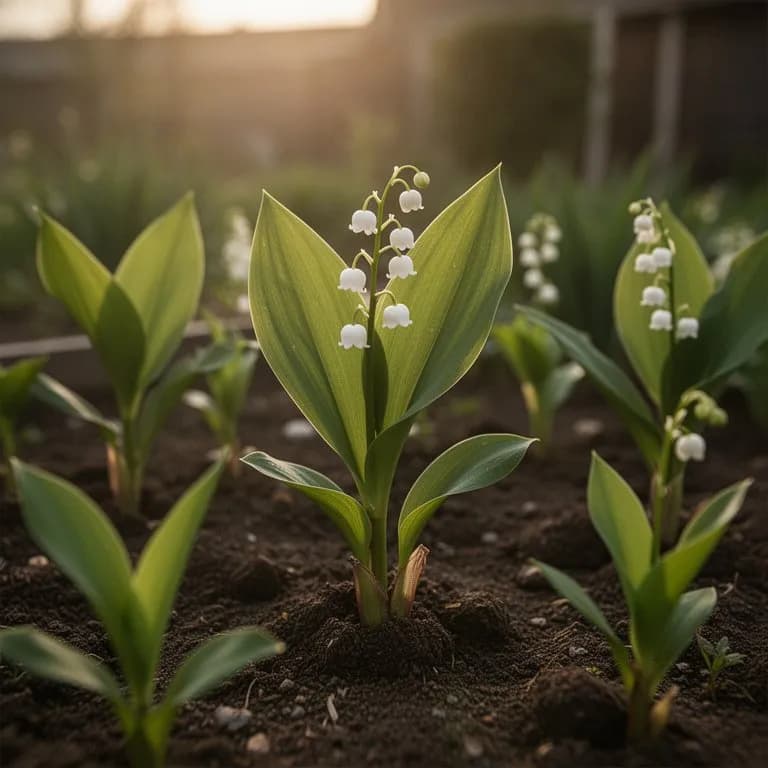
128 Pflanzen passen in ein Beet von 120 × 240 cm
Maiglöckchen braucht 15 cm Platz pro Pflanze. Der Planer hält diesen Abstand für dich ein — jede Pflanze, jedes Beet.
Die besten Nachbarn für Maiglöckchen
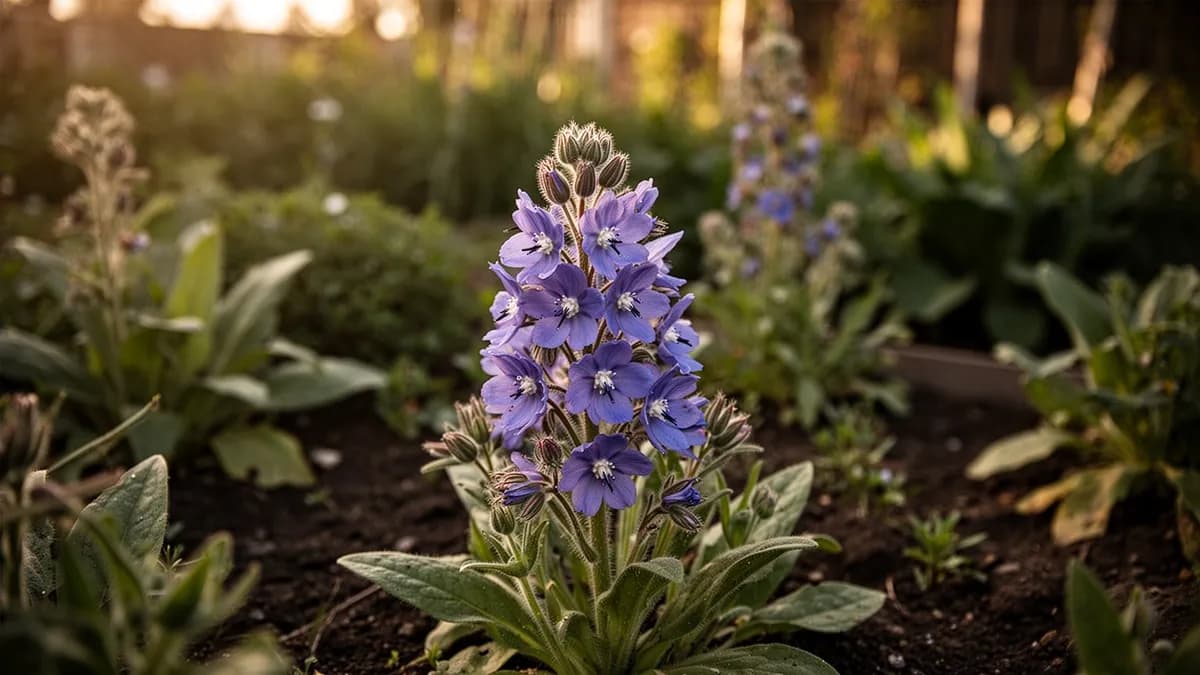
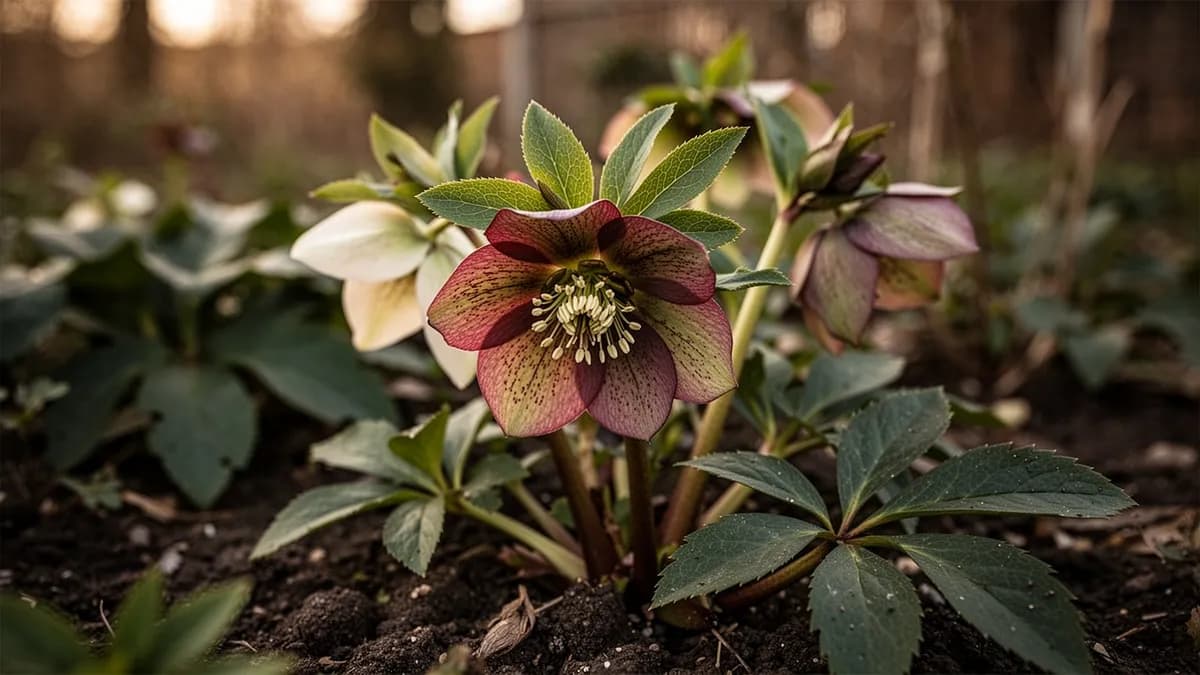
Maiglöckchen eignen sich hervorragend als Bodendecker unter Schattenbäumen und hohen Sträuchern, wo kaum andere Pflanzen wachsen. In Waldgartenbereichen harmonieren sie wunderschön mit Farnen, Funkien, Brunnera und Tränendem Herz. Entlang beschatteter Wege in der Nähe von Sitzplätzen pflanzen, damit der Frühlingsduft genossen werden kann. Von kleinen, zarten Pflanzen fernhalten, die mit der kräftigen Ausbreitungsgewohnheit nicht konkurrieren können.
Funkie gehört daneben.
Altes Gärtnerwissen, geprüft an der echten Nachbartabelle von Maiglöckchen — teste jede Pflanze, die du anbaust.
Probiere Maiglöckchen direkt hier im Beet
Ein echtes Planer-Beet, Maiglöckchen steht schon drin. Tippe einen Begleiter an, platziere ihn und sieh, wie die Nachbarschaftsprüfung antwortet — grün für gute Nachbarn, rot bei Streit.


Passende Anbau-Ratgeber
Richtig düngen
Maiglöckchen gedeihen in feuchtem, humusreichem, leicht saurem Boden mit einem pH-Wert von 5,0 bis 7,0. Pflanzflächen mit reichlich Laubhumus, Kompost oder gut verrottetem Mist anreichern. Im frühen Frühling, wenn das Wachstum einsetzt, einen ausgewogenen Langzeitdünger ausbringen und im Herbst jährlich mit Kompost oder Laubhumus abdecken. Das flache Wurzelsystem profitiert von einer leichten organischen Mulchschicht, die die Feuchtigkeit hält. Alkalische Bedingungen vermeiden, die Vergilbungen verursachen können.
Ideale Temperatur
Winterhärtezone-Kompatibilität
Von der Saat zur Ernte, Schritt für Schritt
Ruhender Pip
Rhizom-Pips ruhen den Winter über unter der Erde und benötigen eine Kältestratifikationsphase von mindestens 8–10 Wochen unter 5 °C (41 °F), um die Dormanz zu brechen. Die Kälteanforderung ist für die ordnungsgemäße Blüteninduktion in der folgenden Frühlingssaison unerlässlich.
Triebaustrieb
Wenn die Bodentemperaturen im frühen bis mittleren Frühling etwa 7–10 °C (45–50 °F) erreichen, stoßen eng gerollte Blattspitzen durch die Bodenoberfläche. Jeder Pip bildet ein bis drei Triebe, wobei blütentragende Pips typischerweise eine etwas dickere, rundlichere Knospe zeigen als rein laubblatttreibende Pips.
Blattentfaltung
Die eng gerollten Triebe entfalten sich zu zwei oder drei breiten, elliptischen Blättern mit ausgeprägter paralleler Nervatur. Blätter erreichen 10–25 cm Länge und 3–8 cm Breite. Der Blütenschaft beginnt zwischen den Blattbasen auszutreiben und erscheint zunächst als schlanker grüner Stiel.
Blüte
Der bogenförmige Blütenschaft erreicht 15–30 cm Höhe und trägt eine einseitige Traube aus 5–15 hängenden, weißen, glockenförmigen Blüten. Jede einzelne Blüte ist 5–8 mm breit, hat sechs verwachsene Tepalen und verströmt den charakteristischen intensiven süßen Duft. Die Blüte erfolgt in gemäßigten Klimazonen typischerweise von Ende April bis Mai und dauert zwei bis drei Wochen.
Beerenbildung
Nach der Bestäubung entwickeln sich kleine grüne Beeren dort, wo die Blüten saßen. Im Verlauf mehrerer Wochen reifen diese zu leuchtend orange-rot, jede Beere 5–7 mm im Durchmesser und ein bis mehrere Samen enthaltend. Die Beeren sind extrem giftig und dürfen niemals verzehrt werden. Jede Beere enthält gefährliche Konzentrationen von Herzglykosiden.
Laubrückgang
Ab Mitte bis Ende Sommer vergilbt das Laub allmählich und beginnt zu seneszieren, da die Pflanze Energie in das Rhizomsystem für das Wachstum im nächsten Jahr umleitet. Das Laub bräunt und kollabiert bis zum frühen Herbst auf natürliche Weise. Dieses Einziehen ist ein normaler Teil des Lebenszyklus der Pflanze und kein Grund zur Besorgnis.
Rhizomausdehnung
Während der Ruheperiode dehnt sich das unterirdische Rhizomnetzwerk weiter horizontal aus und bildet neue Pips, die im nächsten Jahr Triebe erzeugen. Ein einzelner etablierter Pip kann sich innerhalb weniger Jahre zu einer Kolonie ausbreiten, die mehrere Quadratmeter bedeckt. Neue Tochterpips bilden sich an den Wachstumsspitzen der seitlichen Rhizomäste.
Sicherstellen, dass die Pips während der Dormanz in feuchtem, aber nicht staunassem Boden bleiben. Eine 5–8 cm dicke Schicht organischen Mulchs, wie zerkleinerte Blätter, auftragen, um die Rhizome zu isolieren und die gleichmäßige Bodenfeuchtigkeit während der kalten Monate aufrechtzuerhalten.
Maiglöckchen Monat für Monat pflegen
Was du jeden Monat für deine Maiglöckchen tun solltest
Oktober
Aktueller MonatAlles tote Laub entfernen und in versiegeltem Abfall entsorgen, nicht in Kompostbehältern. Eine frische 5–8 cm Mulchschicht aus zerkleinerten Blättern oder Rinde über ruhenden Beeten auftragen. Wurzelbarrieren einbauen oder kontrollieren, wenn sich Convallaria über den vorgesehenen Bereich hinaus ausbreitet
Immer wissen, was jetzt im Garten zu tun ist
Eine E-Mail zum Monatsanfang: was du jetzt säen, pflanzen und anpacken solltest — für deine Maiglöckchen und alles, was drumherum wächst. Dazu ein kurzer Startkurs, der dich vor den klassischen Fehlern bewahrt.
- Was jetzt zu tun ist
- Passend zu deiner Saison
- Startkurs inklusive
Maiglöckchen ernten
Schneiden Sie Maiglöckchenstängel für duftende Innenraumbouquets, wenn die untersten Glocken am Stängel geöffnet sind und die oberen Knospen noch geschlossen sind. Ziehen Sie die Stängel eher sanft von der Basis ab, als sie zu schneiden, um den längstmöglichen Stängel zu erhalten. Sofort in kühles Wasser stellen. Der himmlische Duft ist so intensiv, dass ein kleines Sträußchen einen ganzen Raum parfümiert. Blumen halten etwa eine Woche im Wasser. Denken Sie daran, nach dem Umgang die Hände zu waschen, da alle Teile giftig sind.
angenommen, du pflanzt zu Beginn des Zeitraums — trage dein tatsächliches Datum ein
Aus Zwiebeln, Knollen oder Zehen
Ernte Maiglöckchen zügig, dann trägt die Pflanze weiter.
Lagerung & Konservierung
Maiglöckchen lassen sich am besten als getrocknete oder getriebene Pips aufbewahren. Für die Wintertreiberei graben Sie reife Pips im Spätherbst aus, schneiden die Wurzeln auf zehn Zentimeter zurück und lagern sie drei bis vier Wochen in feuchtem Torfmoos im Kühlschrank. Eintopfen und in die Wärme bringen – nach etwa drei Wochen erscheinen die Blüten. Für Trockenarrangements die Blütenstängel kopfüber an einem dunklen, gut belüfteten Ort aufhängen. Der Duft bleibt bei getrockneten Blüten nicht erhalten. Pips zum Pflanzen können kurzzeitig in feuchtem Torf im Kühlschrank gelagert werden.
Was schiefgeht — und die Lösung
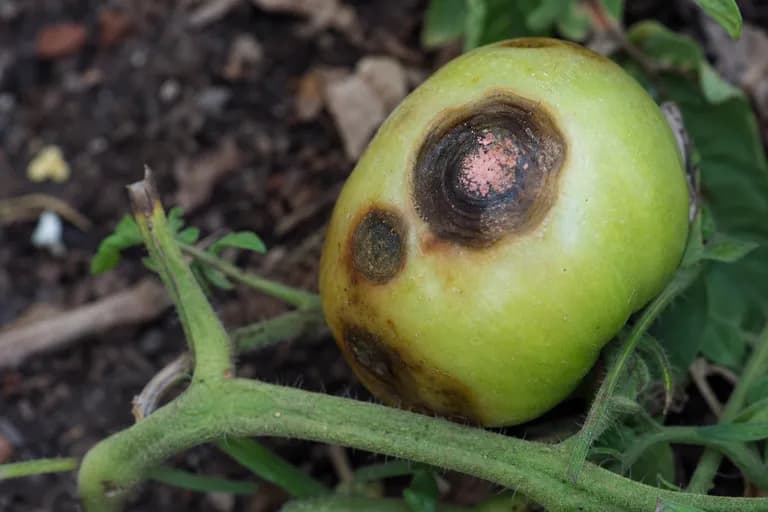
Anthraknose
KrankheitGroße, ovale hellbraune Flecken mit dunklen Rändern auf den Blättern, die das Laub bis zum Hochsommer zerfetzt und unansehnlich aussehen lassen.
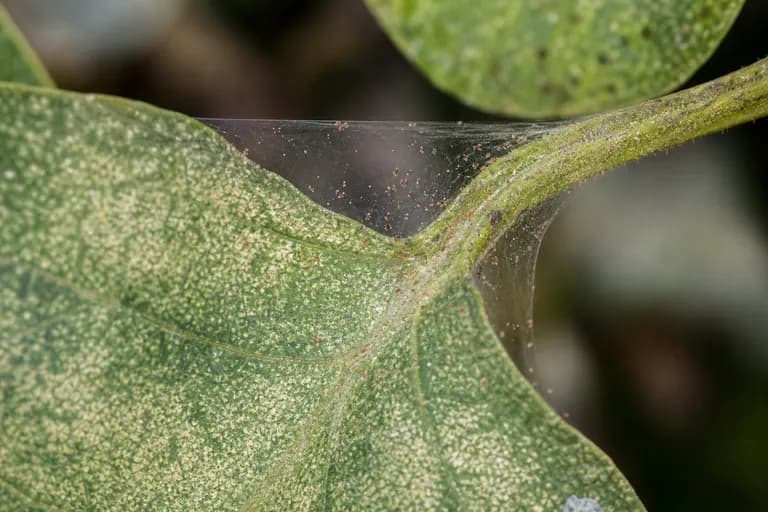
Spinnmilben
SchädlingFeine Tüpfelungen auf den Blättern, bronzefarbenes oder vergilbtes Laub, feine Gespinste auf der Blattunterseite bei heißen, trockenen Perioden.
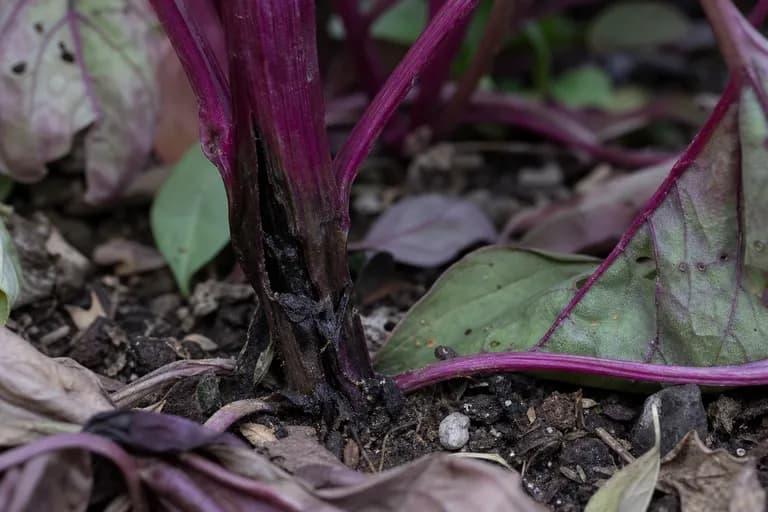
Stängelfäule
KrankheitWeiche, matschige Stängel an der Basis, welkendes Laub, übelriechende Fäulnis bei staunassen Bedingungen.
Fehlerbehebung bei häufigen Problemen
Die größte Herausforderung besteht darin, die aggressive Ausbreitung zu kontrollieren, da Maiglöckchen durch ihre kräftigen unterirdischen Rhizome in Rasenflächen, Rabatten und benachbarte Gärten eindringen können. Bereits beim Pflanzen Wurzelbarrieren einsetzen. Ausbleibendes Blühen ist meist auf zu viel Schatten, Überfüllung oder noch nicht etablierte, frisch gepflanzte Pips zurückzuführen. Das Laub kann im Spätsommer, besonders in heißen Klimazonen, ungepflegt aussehen; daher mit spät austreibenden Stauden kombinieren.
Anbautipps
- Rhizom-Pips waagerecht in nur 2–3 cm Tiefe mit dem Wachstumspunkt (Knospe) nach oben einpflanzen, im Abstand von 10–15 cm in humusreichem, gleichmäßig feuchtem, aber gut drainiertem Boden für optimale Etablierung
- Einen Standort in Halb- bis Vollschatten wählen; Maiglöckchen gedeihen unter Laubbäumen, wo sie gefiltertes Frühlingssonnenlicht erhalten, aber vor intensiver Nachmittagssonne geschützt sind, die Blattverbrennungen verursacht
- Schwere Lehmböden mit reichlich Laubhumus, kompostierter Rinde oder gut verrottetem Gartenkompost anreichern, um die Drainage zu verbessern und das lockere, organisch reiche Substrat zu schaffen, das Convallaria bevorzugt
- Eine physische Wurzelbarriere aus dickem Kunststoff oder Metallrandsteinen, mindestens 30 cm tief eingegraben, rund um die Convallaria-Beete installieren, um zu verhindern, dass die kräftigen Rhizome in benachbarte Gartenbereiche oder den Rasen eindringen
- Etablierte Kolonien bei anhaltenden Trockenperioden im Sommer tief bewässern und dabei ca. 2,5 cm Wasser pro TW auftragen, um vorzeitigen Laubrückgang zu verhindern und eine starke Rhizomenentwicklung für das nächste Jahr sicherzustellen
- Keine stickstoffreichen Produkte düngen, die übermäßiges Blattwachstum auf Kosten der Blüte fördern; stattdessen im Herbst eine Abdeckung aus kompostiertem Laubhumus auftragen, um den Boden auf natürliche Weise anzureichern
- Beim Pflanzen, Teilen, Jäten oder beim Umgang mit beliebigen Pflanzenteilen einschließlich des toten Laubs stets Schutzhandschuhe tragen, da die Herzglykoside über Hautabschürfungen aufgenommen werden können und Reizungen verursachen
- Überfüllte Kolonien alle 3–4 Jahre im frühen Herbst nach dem Einziehen des Laubs teilen, um kräftiges Blühen aufrechtzuerhalten und zu verhindern, dass das Zentrum der Kolonie lückenhaft und unproduktiv wird
- Alle Pflanzenteile, einschließlich Schnittblumen und Vasenwasser, vollständig von Kindern, Haustieren und Lebensmittelzubereitungsbereichen fernhalten und alle Haushaltsmitglieder über die extreme Giftigkeit der Pflanze aufklären
- Mit schattentoleranten Arten wie Funkien, Farnen, Astilben und Nieswurz kombinieren, die ähnliche Kulturbedingungen teilen und visuell ansprechende strukturelle Kontraste im Waldgarten erzeugen
Bau deine beste Maiglöckchen an — und alles drumherum.
Starte heute kostenlos. Lege deine Beete an, setze deine Maiglöckchen ein und lass PlotMyGarden Timing, Abstände, Begleiter und Erinnerungen von der Saat bis zum Erntekorb übernehmen.
Finde deine Maiglöckchen
Rosea
Eine zarte Form mit blassrosa-mauvefarben Glocken, die schattigen Bereichen einen subtilen warmen Ton verleihen; weniger kräftig als die weiße Art.
Flore Pleno
Eine gefüllt blühende Form mit zusätzlichen Blütenblättern, die vollere Glocken ergeben; etwas aufrechter und dekorativer als die Wildart.
Albostriata
Grüne Blätter mit eleganten cremefarbenen Längsstreifen, die auch außerhalb der Blütezeit ornamentalen Reiz bieten.
Fortin's Giant
Eine großwüchsige Auslese, die dreißig Zentimeter erreicht, mit größeren Blüten und kräftigerem Laub – ideal, wo maximale Wirkung gewünscht wird.
Convallaria majalis ist einer der kostengünstigsten Zierbodendecker, sobald er etabliert ist. Ein einmaliger Kauf von 20–25 Rhizom-Pips (typischerweise 15–25 USD) kann durch natürliche Rhizomausbreitung innerhalb von 3–4 Jahren eine Fläche von mehreren Quadratmetern besiedeln, wodurch weitere Pflanzenkäufe entfallen. Die aggressive Ausbreitungsgewohnheit der Pflanze bedeutet, dass die Teilung bestehender Kolonien im Wesentlichen eine unbegrenzte Versorgung mit neuen Pflanzen ohne Kosten bietet. Im Vergleich zu einjährigen Beetpflanzen, die in schattigen Bereichen jährlich ersetzt werden müssen, sind etablierte Maiglöckchenkolonien nahezu wartungsfreie Stauden, die jahrzehntelang zuverlässig wiederkehren und erhebliche langfristige Einsparungen bei Gartenpflanzungskosten bieten. Zu beachten ist, dass es sich um eine rein dekorative Pflanze ohne Speisewert handelt, da sie extrem giftig ist.
Schnelle Rezepte
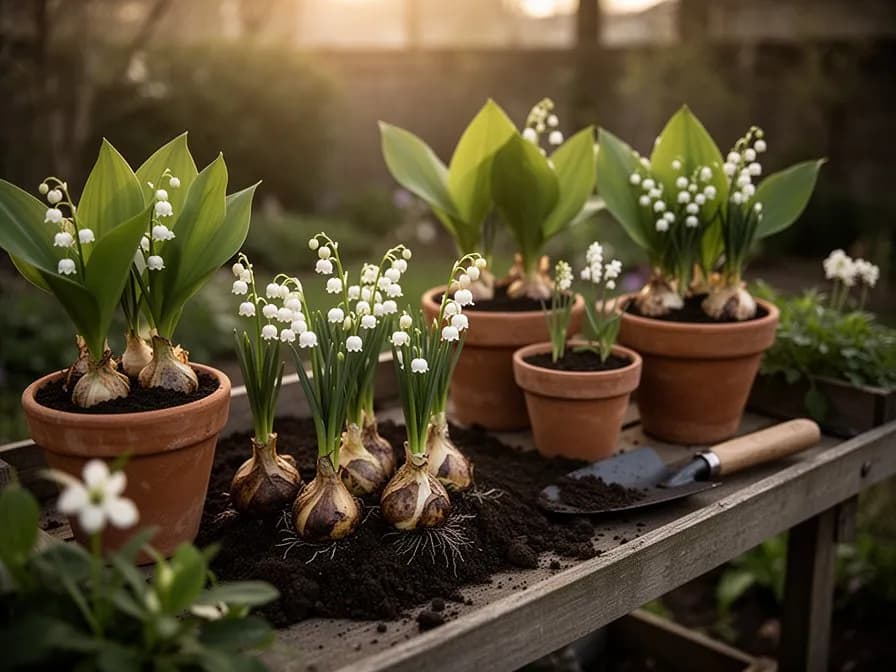
Maiglöckchen-Duftsachet (Nicht essbares Bastelprojekt)
20 Min. plus 2–3 Wochen TrocknungszeitEin Trockenblumenbastelprojekt zum Erhalten des Dufts der Maiglöckchenblüten. Dies ist KEIN Lebensmittelrezept. Beim Umgang mit Pflanzenmaterial stets Handschuhe tragen und das fertige Duftsachet gut von Kindern, Haustieren und Lebensmittelzubereitungsbereichen fernhalten. Nach dem Basteln die Hände gründlich waschen.
5 ZutatenGepresstes Maiglöckchen-Botanik-Kunst (Nicht essbares Bastelprojekt)
15 Min. plus 3–4 Wochen PresszeitEin botanisches Pressprojekt zur Erstellung von Rahmenkunstwerken aus Maiglöckchenblüten und -blättern. Dies ist nur ein dekoratives Bastelprojekt, KEIN Lebensmittelrezept. Beim Umgang mit allen Pflanzenteilen Handschuhe tragen. Die gepressten Exemplare behalten ihre toxischen Eigenschaften dauerhaft und sollten hinter Glas versiegelt werden.
5 ZutatenMaiglöckchen-Treib-Arrangement (Winterblüten drinnen)
30 Min. plus 3–4 Wochen TreibzeitVorgekühlte Maiglöckchen-Pips zum Blühen drinnen während der Wintermonate treiben, für duftende Arrangements. Dies ist eine gartenbauliche Technik, KEIN Lebensmittelrezept. Beim Umgang mit Rhizomen Handschuhe tragen und Arrangements von Kindern, Haustieren und Lebensmitteloberflächen fernhalten. Das Wasser aus dem Behälter sicher entsorgen.
5 ZutatenWas drinsteckt
Gesundheitsvorteile
- KRITISCHE WARNUNG: Convallaria majalis ist EXTREM GIFTIG und darf unter keinen Umständen eingenommen, als Tee aufgebrüht oder in irgendeiner selbst hergestellten Kräuterzubereitung verwendet werden
- Pharmazeutisch gewonnene Herzglykoside aus der Pflanze wurden für den Einsatz bei der Behandlung von Herzinsuffizienz und bestimmten Herzrhythmusstörungen untersucht, jedoch nur unter strenger medizinischer Aufsicht mit präzise kontrollierten Dosierungen
- Der Duft des Maiglöckchens in Außengartenbereichen wird allgemein als beruhigend und stimmungsaufhellend beschrieben und trägt während der Frühlingsblütezeit positiv zum psychischen Wohlbefinden bei
- Der Anbau von Convallaria als Zierbodendecker in schattigen Bereichen unterstützt die Gartenbiodiversität, indem er in der frühen Saison Unterschlupf für nützliche bodenbewohnende Insekten und Wirbellose bietet
- Etablierte Maiglöckchenkolonien sorgen für wirksame Erosionskontrolle an schattigen Hängen und Böschungen, wo kaum andere Zierbodendecker gedeihen
- Das dichte Blätterdach von Convallaria-Kolonien unterdrückt die Keimung und das Wachstum von Unkraut und reduziert den Bedarf an Herbiziden oder arbeitsintensivem Handjäten in schattigen Gartenbereichen
Woher Maiglöckchen stammt
Convallaria majalis, allgemein bekannt als Maiglöckchen, ist in den kühlen gemäßigten Regionen der Nordhalbkugel beheimatet, mit einem natürlichen Verbreitungsgebiet, das sich quer durch Europa erstreckt – von den Britischen Inseln und Skandinavien über Mittel- und Osteuropa bis in Teile Nordasiens und Nordostamerikas. Die Pflanze gedeiht im Unterwuchs von Laubwäldern, wo sie sich darauf eingestellt hat, das kurze Fenster des Frühlingslichts zu nutzen, bevor das Blätterdach des Baumes sich vollständig schließt. Archäologische und historische Aufzeichnungen legen nahe, dass Menschen diese Pflanze seit über tausend Jahren kultivieren und verehren. Alte Kräuterkundige, darunter jene der angelsächsischen Tradition, erwähnten die Pflanze wegen ihrer angeblichen Heilwirkungen, insbesondere bei Herzleiden – eine Verwendung, die die moderne Pharmakologie durch den Nachweis potenter Herzglykoside wie Convallatoxin und Convallamarin in ihren Geweben bestätigt hat. Im Mittelalter wurde das Maiglöckchen tief in die christliche Symbolik eingebettet, mit der Jungfrau Maria assoziiert und häufig in religiöser Kunst als Symbol für Reinheit, Demut und die Rückkehr des Glücks dargestellt. Die kulturelle Bedeutung der Pflanze erreichte die höfische Gesellschaft, als König Karl IX. von Frankreich 1561 den Brauch einführte, am ersten Mai Maiglöckchenzweige zu verschenken – ein Brauch, der bis heute als La Fête du Muguet fortbesteht. Im viktorianischen Zeitalter wurde die Blume ein fester Bestandteil von Brautsträußen und formellen Gärten in ganz Europa, geschätzt für ihren berauschenden Duft und ihre elegante Form. Sie wurde von europäischen Siedlern in ganz Nordamerika eingeführt und hat sich seitdem in vielen Regionen naturalisiert, wo sie unter günstigen Bedingungen manchmal invasiv wird. Im Laufe ihrer langen Kulturgeschichte ist die extreme Giftigkeit der Pflanze gut dokumentiert und dient sowohl als warnendes Beispiel als auch als pharmazeutisches Forschungsobjekt.
Maiglöckchen: Schon gewusst?
Faszinierende Fakten über Maiglöckchen
Convallaria majalis ist seit 1967 die Nationalblume Finnlands und symbolisiert Reinheit und die Rückkehr des Glücks mit dem Frühling – obwohl es zu den giftigsten Gartenpflanzen der Nordhalbkugel gehört.
Maiglöckchen: Fragen & Antworten
Wann sollte ich Maiglöckchen pflanzen?
Was sind gute Begleitpflanzen für Maiglöckchen?
In welchen Winterhärtezonen kann Maiglöckchen wachsen?
Wie viel Sonne braucht Maiglöckchen?
Welchen Abstand sollte ich zwischen Maiglöckchen lassen?
Welche Schädlinge und Krankheiten befallen Maiglöckchen?
Wie lagere ich Maiglöckchen nach der Ernte?
Was sind die besten Maiglöckchen-Sorten zum Anbauen?
Welchen Boden braucht Maiglöckchen?
Wie giftig ist das Maiglöckchen, und was sollte ich tun, wenn jemand es verschluckt?
Warum bildet mein Maiglöckchen Blätter, aber keine Blüten?
Wie verhindere ich, dass sich das Maiglöckchen in andere Teile meines Gartens ausbreitet?
Kann ich Maiglöckchen in Behältern oder drinnen anbauen?
Ist es sicher, Maiglöckchen-Pflanzenmaterial zu kompostieren?
Welche Schädlinge und Krankheiten befallen Convallaria majalis häufig?
Du hast die Theorie gelesen. Jetzt baue sie auf Autopilot an.
Alles, was Maiglöckchen knifflig macht — das Timing, die Abstände, die Begleiter, das Erntefenster — genau das übernimmt PlotMyGarden für dich, für jede Pflanze im Garten.
Ein Plan, der dein Wetter kennt
Standort einmal festlegen. Aussaat-, Dünge- und Erntedaten rund um deinen echten letzten Frosttermin und die Live-Vorhersage — kein Raten mehr nach Saattüte.
Aus dem Abschnitt „Pflanzzeit“Beetplaner per Drag & Drop
Beete auf einem Raster gestalten. Jede Pflanze rastet im richtigen Abstand ein, und du siehst die ganze Saison, bevor du einen Cent für Saatgut ausgibst.
Aus dem Abschnitt „Anbau“Begleiter-Konflikte früh erkannt
Über 200 gute und schlechte Kombinationen werden beim Pflanzen live geprüft — so landet ein saisonruinierender Fehler nie in der Erde.
Aus dem Abschnitt „Begleiter“Erinnerungen, nach denen du wirklich handelst
„Gieß die Bohnen.“ „Heute ernten, bevor's umschlägt.“ Pünktlich, konkret und auf deine echten Pflanzen bezogen.
Aus dem Abschnitt „Ernte“Staffel-Aussaat, geplant
Sechs Wochen ernten statt sechs Tage? Die App verteilt deine Aussaaten automatisch und erinnert dich, wenn der nächste Satz fällig ist.
Aus dem Abschnitt „Pflanzzeit“Ein Verlauf, der schlauer wird
Jede protokollierte Ernte bringt der App deinen Garten bei. Der Plan fürs nächste Jahr startet bei dem, was in deinem Boden wirklich funktioniert hat.
Aus dem Abschnitt „Überblick“Pflanze diese neben Maiglöckchen
Weitere Zwiebelpflanzen
Bau deine beste Maiglöckchen an — und alles drumherum.
Starte heute kostenlos. Lege deine Beete an, setze deine Maiglöckchen ein und lass PlotMyGarden Timing, Abstände, Begleiter und Erinnerungen von der Saat bis zum Erntekorb übernehmen.