Kaukasisches Vergissmeinnicht
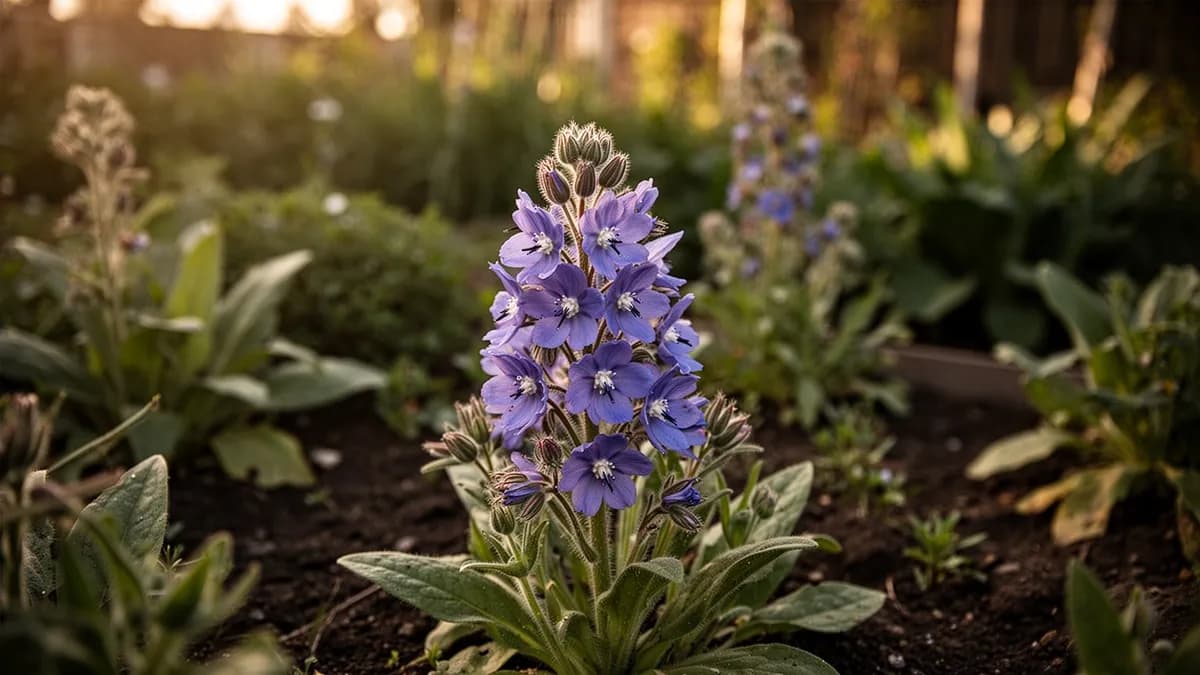
Eine schattenliebende Staude mit zarten Rispen aus winzigen blauen Vergissmeinnicht-Blüten über großen, herzförmigen, silbrig-bunten Blättern.





Auf dieser SeiteÜberblick
Kaukasisches Vergissmeinnicht im Überblick
Eine schattenliebende Staude mit zarten Rispen aus winzigen blauen Vergissmeinnicht-Blüten über großen, herzförmigen, silbrig-bunten Blättern. Brunnera ist unverzichtbar, um schattige Ecken aufzuhellen, wo das Laub die gesamte Saison über attraktiv bleibt. Sie bevorzugt gleichmäßig feuchten, humusreichen Boden und Schutz vor heißer Nachmittagssonne.
Wann Kaukasisches Vergissmeinnicht pflanzen
Die Art kann aus im Frühjahr gesätem Samen gezogen werden, aber benannte Silbersorten müssen vegetativ vermehrt werden. Artensamen auf feuchter Kompostoberfläche aussäen, leicht abdecken und bei 15 °C halten. Die Keimung dauert 2–4 Wochen. Sämlinge wachsen langsam. Für Kultivare im Spätherbst Wurzelstecklinge nehmen oder etablierte Horste im Frühjahr teilen.
Dein Kaukasisches Vergissmeinnicht-Jahr
Abgestimmt auf Zone 7 · typische Saison · Frost geht um den 2. Apr. und kehrt um den 1. Nov. zurück
Kaukasisches Vergissmeinnicht Mär – Apr pflanzen, Apr – Mai ernten. Beachte die Pflanzmethoden unten und wähle dein Klima für passende Zeiträume.
So baust du Kaukasisches Vergissmeinnicht an
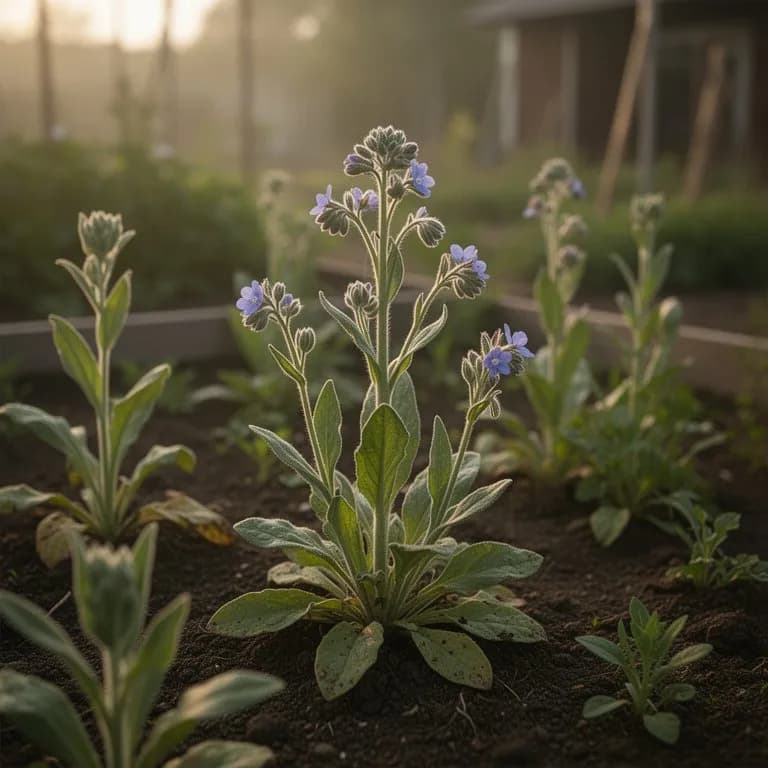
Das Kaukasische Vergissmeinnicht ist eine unverzichtbare Schattenstaude, die gleichermaßen für ihre Frühlingsblüten und das ganzjährig silbrig-bunte Laub geschätzt wird. Im Frühjahr oder frühen Herbst pflanzen, mit einem Abstand von 45–60 cm in Halb- bis Vollschatten. Morgensonne mit Nachmittagsschatten ist ideal – zu viel Sonne verbrennt die großen, herzförmigen Blätter.
Brunnera benötigt gleichmäßig feuchten, humusreichen Boden. Pflanzflächen großzügig mit Kompost und Lauberde verbessern. Großzügig mulchen, um die Feuchtigkeit zu erhalten. Diese Pflanzen vertragen keine Trockenheit, insbesondere die silberblättrigen Sorten, die in trockenen Verhältnissen schnell Stress zeigen.
Die luftigen Rispen aus winzigen blauen Vergissmeinnicht-Blüten erscheinen im Frühling und halten sich wochenlang. Nach der Blüte wird das kräftige Laub zur Hauptattraktion – silbergesprenkelte oder silbergemusterte Blätter erhellen dunkle Ecken den ganzen Sommer und bis in den Herbst hinein. Etablierte Horste sind pflegeleicht und benötigen nur das Entfernen zerzausten Laubes am Saisonende.
10 Pflanzen passen in ein Beet von 120 × 240 cm
Kaukasisches Vergissmeinnicht braucht 45 cm Platz pro Pflanze. Der Planer hält diesen Abstand für dich ein — jede Pflanze, jedes Beet.
Die besten Nachbarn für Kaukasisches Vergissmeinnicht
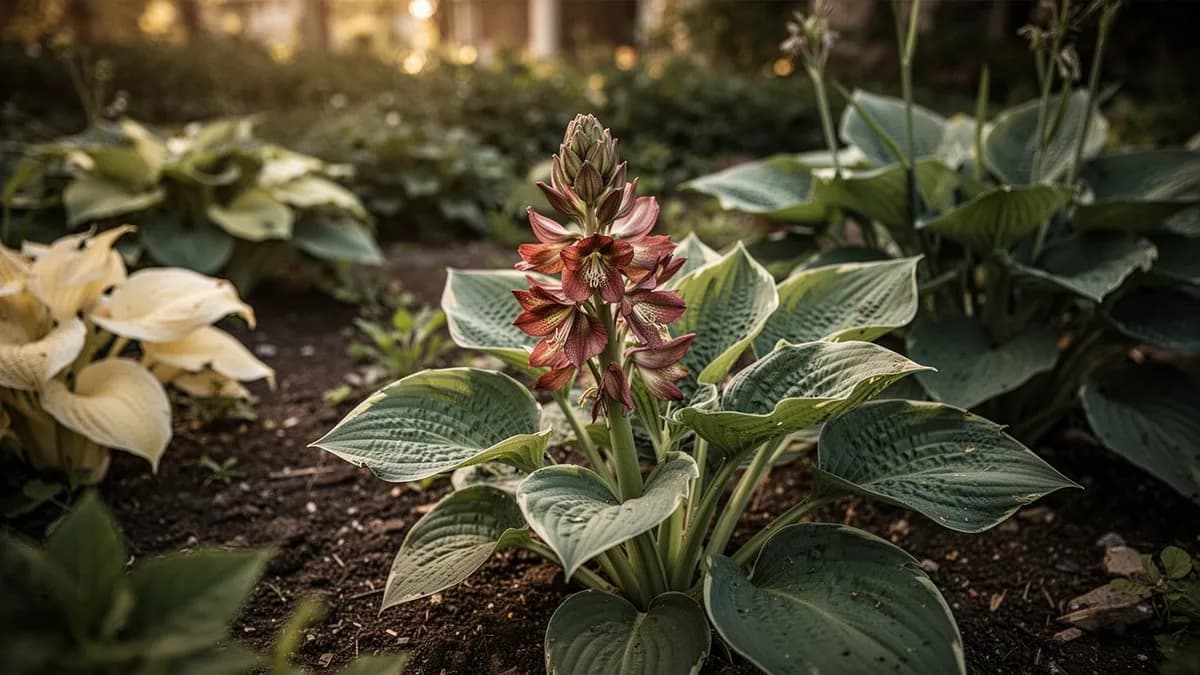
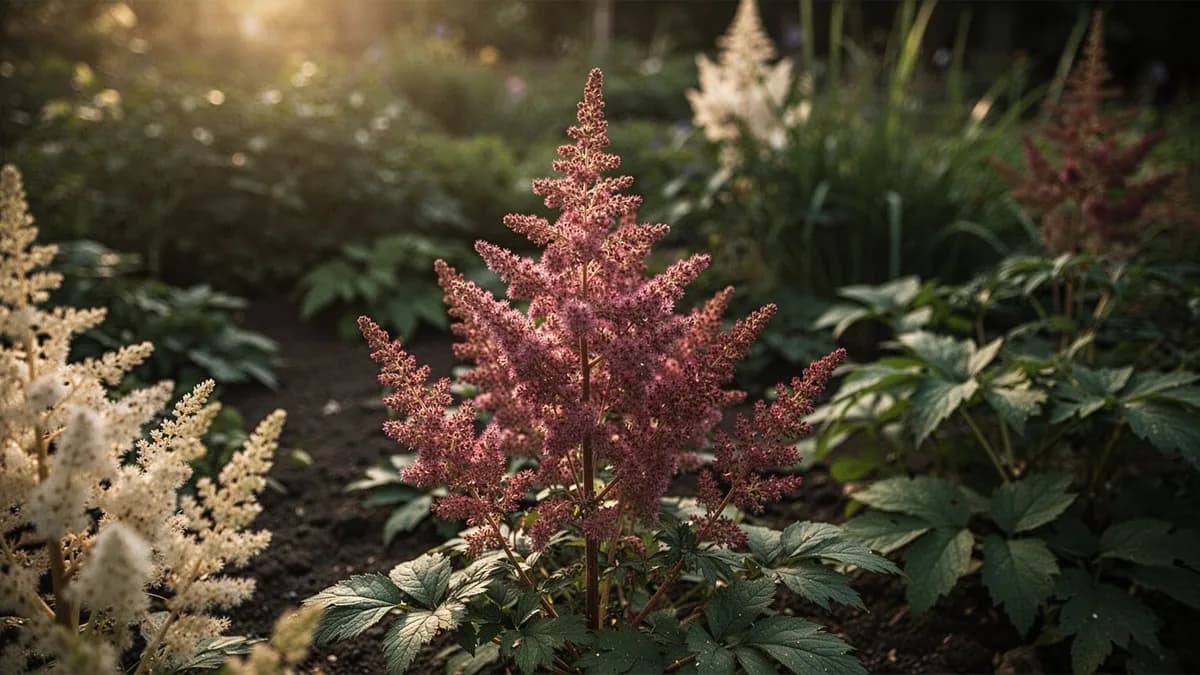
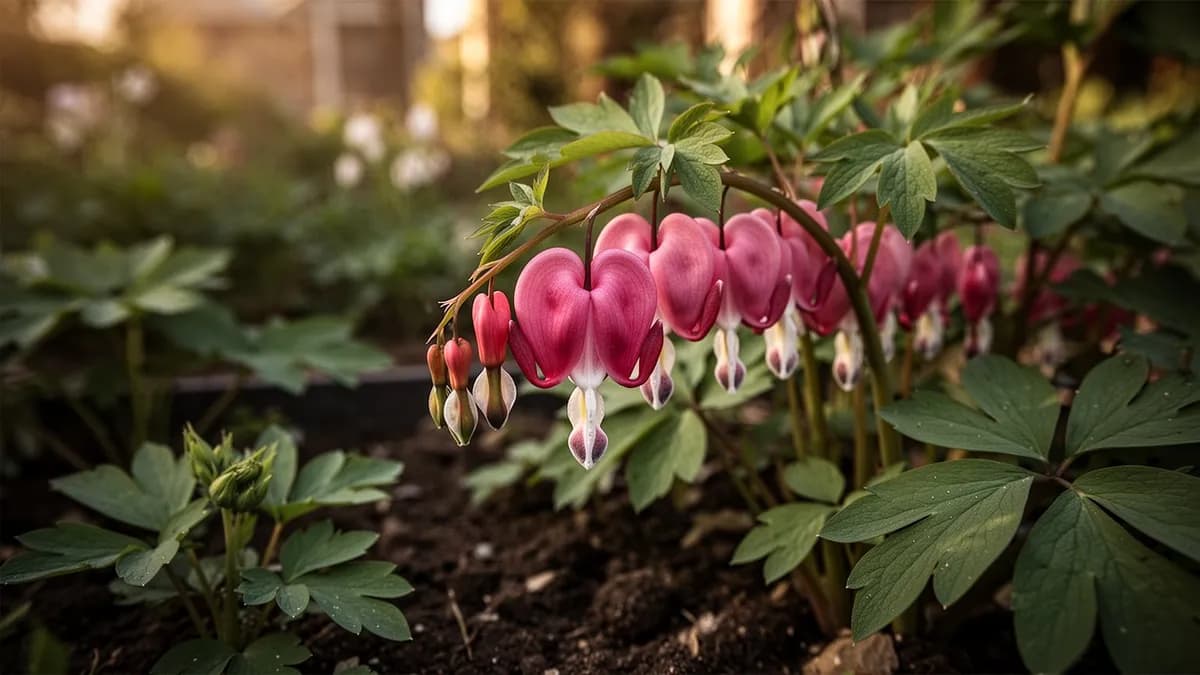
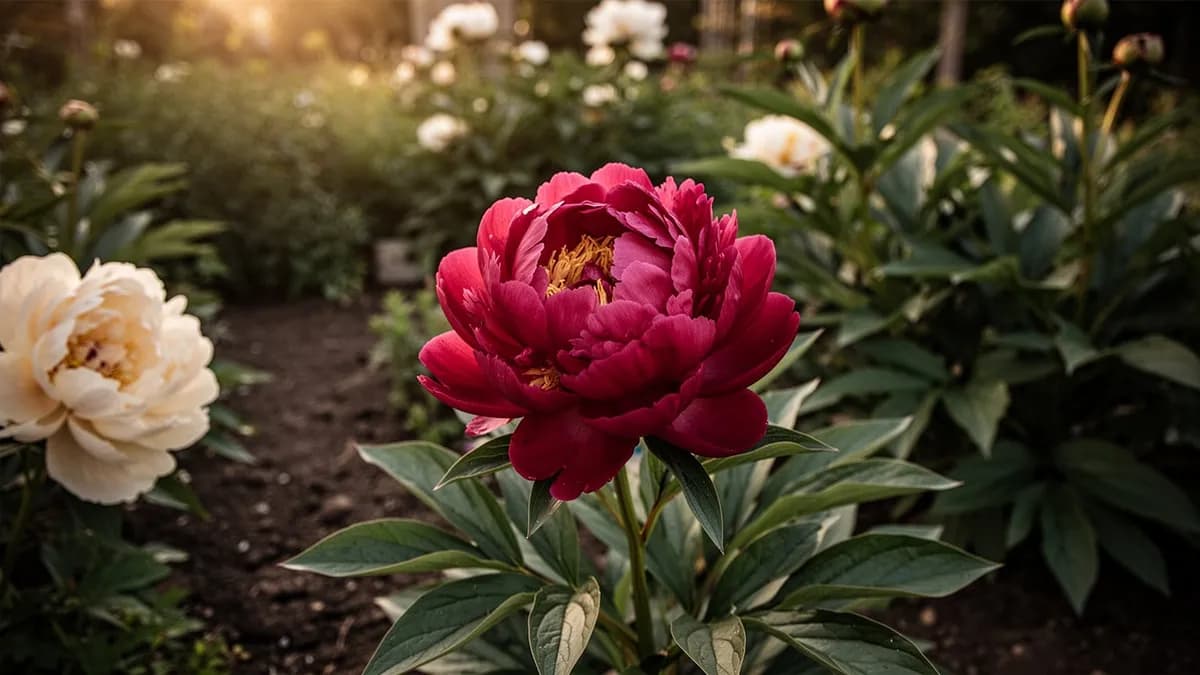
Brunnera ist die ultimative Schattenbegleitpflanze und harmoniert wunderschön mit Funkien, Farnen, Astilben und Tränendem Herz. Das silberne Laub bietet einen atemberaubenden Kontrast zu dunkelblättrigen Heucheren und blauen Funkien. Entlang schattiger Wege pflanzen, wo die leuchtenden Blätter das vorhandene Licht einfangen.
Funkie gehört daneben.
Altes Gärtnerwissen, geprüft an der echten Nachbartabelle von Kaukasisches Vergissmeinnicht — teste jede Pflanze, die du anbaust.
Probiere Kaukasisches Vergissmeinnicht direkt hier im Beet
Ein echtes Planer-Beet, Kaukasisches Vergissmeinnicht steht schon drin. Tippe einen Begleiter an, platziere ihn und sieh, wie die Nachbarschaftsprüfung antwortet — grün für gute Nachbarn, rot bei Streit.


Passende Anbau-Ratgeber
Richtig düngen
Brunnera benötigt feuchten, humusreichen Boden mit einem pH-Wert von 6,0–7,0. Großzügig mit Kompost und Lauberde verbessern. Im Frühjahr einen ausgewogenen Langzeitdünger ausbringen. Das ganze Jahr über eine 5–8 cm dicke Mulchschicht aufrechterhalten. Silberbuntblättrige Sorten sind anspruchsvoller in Bezug auf gleichmäßige Feuchtigkeit als grünblättrige Formen.
Ideale Temperatur
Winterhärtezone-Kompatibilität
Von der Saat zur Ernte, Schritt für Schritt
Winterruhe & Triebkronenruhe
Die Pflanze überwintert als ruhende Triebkrone an oder knapp unter der Bodenoberfläche. Die Wurzeln bleiben unterirdisch lebendig und speichern die in der vorangegangenen Vegetationsperiode angesammelten Energiereserven für den Frühjahrsaustrieb.
Frühjahrsaustrieb
Sobald die Bodentemperaturen etwa 7–10 °C erreichen, schieben sich fest eingerollte Blätter durch den Boden. Kleine Grundrosetten bilden sich rasch, und drahtartige Blütenstängel beginnen sich über das austreibende Laub zu strecken.
Blütezeit
Lockere Rispen aus kleinen fünfblättrigen blauen Blüten öffnen sich über einen Zeitraum von drei bis fünf Wochen. Jede Blüte ist etwa 6–8 mm groß und zieht frühe Bestäuber wie Bienen und Schwebfliegen an.
Laubentfaltung
Nach dem Ende der Blüte entfalten sich die herzförmigen Grundblätter dramatisch und bilden einen dichten Horst von 30–45 cm Höhe und bis zu 60 cm Breite. Das Laub dient den ganzen Sommer und bis in den Herbst als attraktive Bodenbedeckung.
Samenreife & Vorbereitung auf die frühe Winterruhe
Kleine Klausenfrüchte reifen und fallen in der Nähe der Mutterpflanze ab. Das Laub beginnt zu vergilben und abzusterben, wenn die Temperaturen sinken. Die Pflanze verlagert Nährstoffe zurück in das Wurzelsystem zur Vorbereitung auf die Winterruhe.
Spätherbstliche Seneszenz
Verbleibende Blätter welken und kollabieren. Die Triebkrone konsolidiert unterirdisch ihre Energiespeicher. Im Spätherbst verbleibt kaum oberirdisches Gewebe, und die Pflanze ist vollständig für den Winter vorbereitet.
Nach dem Gefrieren des Bodens eine 5–8 cm dicke Schicht aus gehäckseltem Laubmulch über die Triebkrone auftragen, um Wurzeln zu isolieren und Frostaufbrüche in den Zonen 3–4 zu verhindern.
Kaukasisches Vergissmeinnicht Monat für Monat pflegen
Was du jeden Monat für deine Kaukasisches Vergissmeinnicht tun solltest
Oktober
Aktueller MonatLaub natürlich absterben lassen; nicht vorzeitig zurückschneiden. Gefallene Baumblätter entfernen, die die Brunnera-Triebkrone ersticken könnten
Immer wissen, was jetzt im Garten zu tun ist
Eine E-Mail zum Monatsanfang: was du jetzt säen, pflanzen und anpacken solltest — für deine Kaukasisches Vergissmeinnicht und alles, was drumherum wächst. Dazu ein kurzer Startkurs, der dich vor den klassischen Fehlern bewahrt.
- Was jetzt zu tun ist
- Passend zu deiner Saison
- Startkurs inklusive
Kaukasisches Vergissmeinnicht ernten
Die zarten Blütenrispen können für Frühlingsarrangements geschnitten werden, obwohl sie klein sind und sich am besten in Miniatursträußen eignen. Die großen, silbergemusterten Blätter sind für das Floristikdesign beliebter – einzelne Blätter sind beeindruckende Ergänzungen für Schattengarten-Sträuße neben Funkien, Farnen und Astilben.
angenommen, du pflanzt zu Beginn des Zeitraums — trage dein tatsächliches Datum ein
Ernte Kaukasisches Vergissmeinnicht zügig, dann trägt die Pflanze weiter.
Lagerung & Konservierung
Brunnera ist eine vollkommen winterharte Staude, die keine besondere Winterpflege benötigt. Zerzaustes Laub im Spätherbst oder frühen Frühjahr vor dem neuen Austrieb zurückschneiden. Alle 4–5 Jahre im Frühjahr teilen, um die Vitalität zu erhalten. Silberbunten Sorten müssen durch Teilung oder Wurzelstecklinge vermehrt werden, da samenvermehrte Pflanzen zum einfachen grünen Laub zurückkehren.
Was schiefgeht — und die Lösung
Schnecken
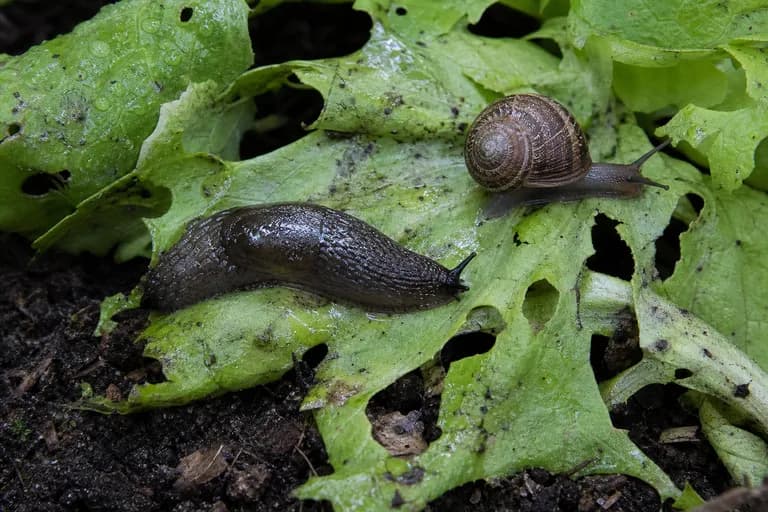
SchädlingUnregelmäßige Löcher in den Blättern, schleimige Spuren. Schäden am stärksten bei feuchten Bedingungen.
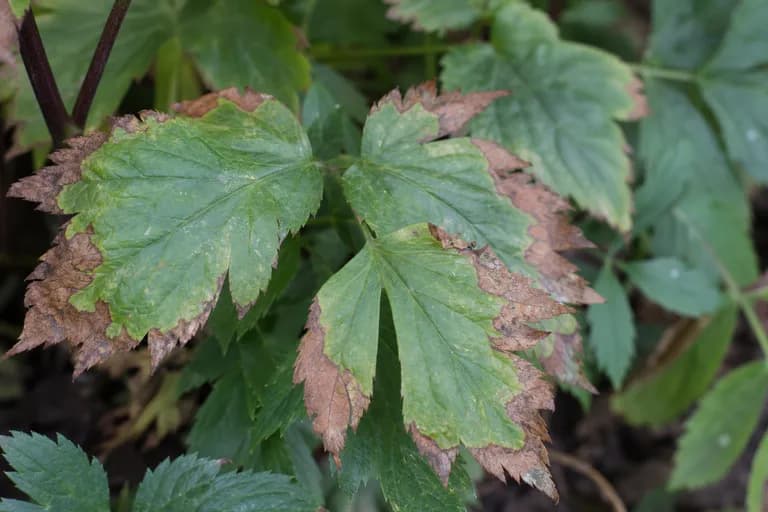
Blattverbrennung
KrankheitBraune, knusprige Blattränder durch zu viel Sonne oder unzureichende Feuchtigkeit. Keine echte Krankheit.
Fehlerbehebung bei häufigen Problemen
Blattverbrennung durch zu viel Sonne ist das häufigste Problem – Silbersorten sind besonders anfällig. Für ausreichenden Schatten und Feuchtigkeit sorgen. Schnecken lieben das üppige Laub in feuchten, schattigen Bedingungen. Pflanzen, die bei Silbersorten zum einfachen Grün zurückkehren, wachsen aus samenvermehrten Ablegern – diese entfernen, um den Silbercharakter zu erhalten.
Anbautipps
- Brunnera in Halb- bis Vollschatten mit Morgensonne oder gefiltertem Licht pflanzen; heiße Nachmittagssonne vermeiden, die die Blätter verbrennt, besonders bei silberblättrigen Kultivaren.
- Humusreichen, gleichmäßig feuchten, aber gut durchlässigen Boden mit einem leicht sauren bis neutralen pH-Wert von 5,5 bis 7,0 für beste Blattqualität bereitstellen.
- Bei Trockenperioden gründlich wässern statt häufig oberflächlich; Brunnera-Wurzeln dringen 15–20 cm tief ein und profitieren von einer gründlichen Durchfeuchtung ein- bis zweimal pro Woche.
- Mit 5–8 cm gehäckselten Blättern, Rinde oder Kompost mulchen, um die Bodenfeuchte zu erhalten und die Laubstreuschicht des natürlichen Waldlebensraums von Brunnera nachzuahmen.
- Horste im frühen Frühjahr teilen, wenn neues Wachstum beginnt, oder im frühen Herbst, wenn die Temperaturen sinken; Teilungen etablieren sich schneller, wenn die Wurzeln wachsen können, bevor extreme Hitze oder Kälte einsetzt.
- Verblühte Blütenstängel nach der Blüte entfernen, um ein aggressives Selbstaussäen der Artform zu verhindern; benannte Kultivare wie 'Jack Frost' kommen aus Samen selten sortenecht.
- In feuchten Klimazonen Bewässerung von oben vermeiden, um das Risiko von Blattschimmel zu reduzieren; stattdessen am Pflanzengrund wässern.
- Im Frühjahr auf Schnecken achten, wenn das neue Laub noch zart ist; Eisenphosphat-Köder oder Bierfallen anstelle chemischer Schneckenkörner verwenden, um nützliche Insekten zu schützen.
- Das Laub im Herbst nicht zurückschneiden, bis es vollständig gebräunt ist; das absterbende Laub leitet Nährstoffe zurück in das Wurzelsystem für kräftigeres Frühjahrsaustreiben.
- Bei der Kultivierung in Gefäßen einen mindestens 30 cm breiten Topf mit Drainagelöchern verwenden und an einem geschützten, schattigen Standort aufstellen; Gefäßpflanzen trocknen schneller aus und benötigen im Sommer möglicherweise tägliche Bewässerung.
Bau deine beste Kaukasisches Vergissmeinnicht an — und alles drumherum.
Starte heute kostenlos. Lege deine Beete an, setze deine Kaukasisches Vergissmeinnicht ein und lass PlotMyGarden Timing, Abstände, Begleiter und Erinnerungen von der Saat bis zum Erntekorb übernehmen.
Finde deine Kaukasisches Vergissmeinnicht
Brunnera 'Jack Frost'
Die beliebteste Sorte mit dramatisch silbernen Blättern, die mit grünen Adern durchzogen sind. Die charakteristische Schattenpflanze moderner Gärten.
Brunnera 'Looking Glass'
Nahezu vollständig silberne Blätter mit minimaler grüner Aderung. Die leuchtendste Sorte für tiefen Schatten.
Brunnera 'Alexander's Great'
Besonders große silberne Blätter auf kräftigeren Pflanzen. Bessere Hitzetoleranz als andere Silbersorten.
Eine einzelne Brunnera-Pflanze, die für etwa 8–15 € gekauft wird, kann alle drei bis vier Jahre in vier bis sechs neue Teilstücke geteilt werden, von denen jedes innerhalb von zwei Saisons zu einem ausgewachsenen Horst heranwächst. Über ein Jahrzehnt kann eine ursprüngliche Pflanze 20 oder mehr Teilungen liefern und so eine weitläufige Schattenbodenbedeckung ermöglichen, die andernfalls 150–300 € kosten würde, wenn sie als einzelne Baumschulpflanzen gekauft würden. Da Brunnera langlebig ist und weder jährliches Neupflanzen, Dünger noch Schädlingsbekämpfungsmittel benötigt, summieren sich die kumulativen Unterhaltsersparnisse erheblich im Vergleich zu Schattenannuellen wie Fleißigen Lieschen, die jedes Jahr ersetzt werden müssen.
Schnelle Rezepte
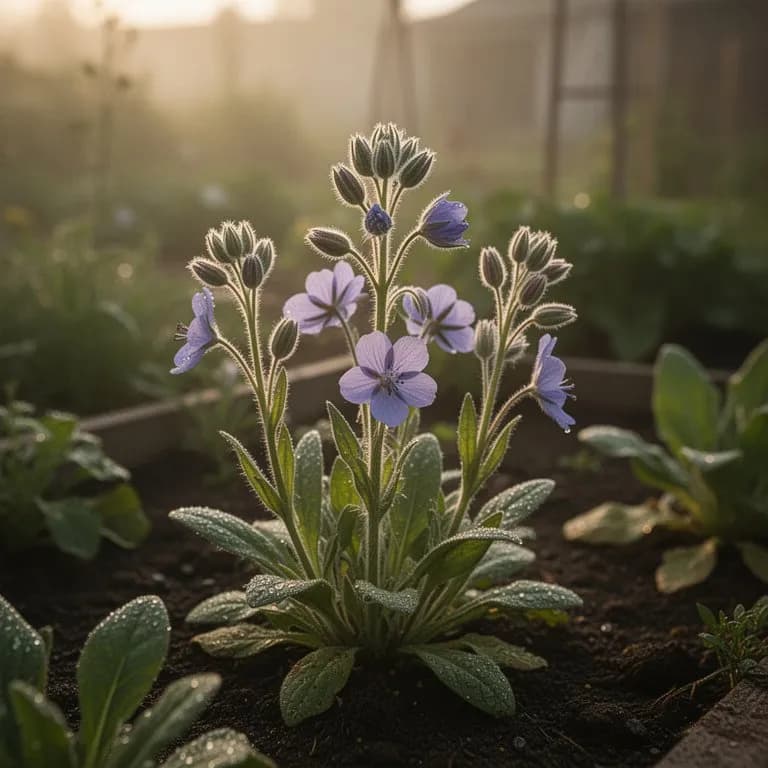
Gepresste Brunnera-Blüten Botanikkarte
10 Min. aktiv, 2 TW pressenDie zarten blauen Blüten durch Pressen zwischen Löschpapier unter schweren Büchern konservieren, dann auf Karton anordnen und mit klarer Klebefolie befestigen, um wunderschöne botanische Grußkarten oder Rahmenkunstwerke zu gestalten.
6 Zutaten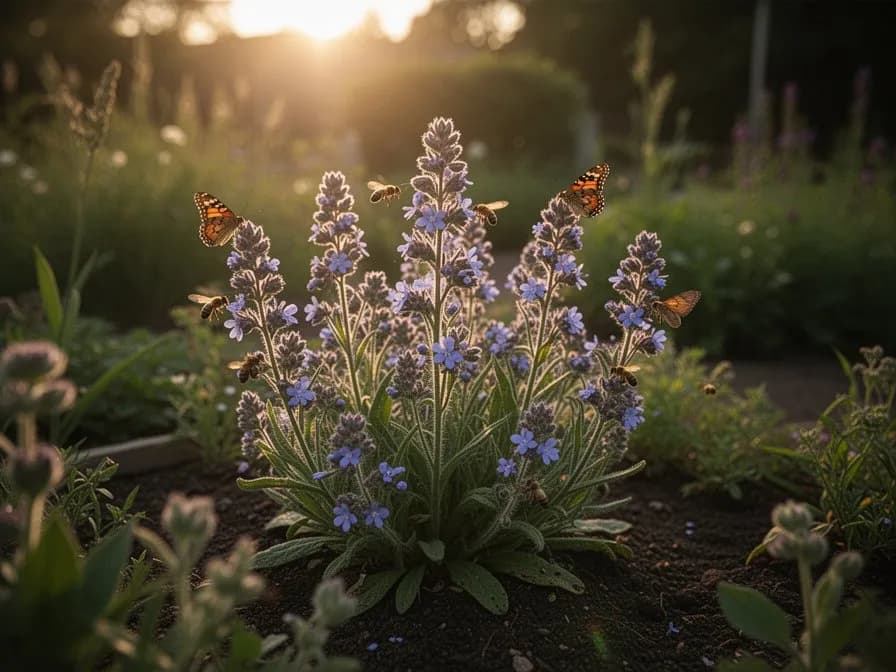
Brunnera-Blattdruck-Gartenschilder
30 Min. plus TrocknungszeitDie schön geaderten herzförmigen Blätter als natürliche Stempel mit Acrylfarbe auf hölzernen Pflanzenschildern oder Tonkacheln verwenden und so einzigartige und dekorative Gartenetiketten gestalten.
5 Zutaten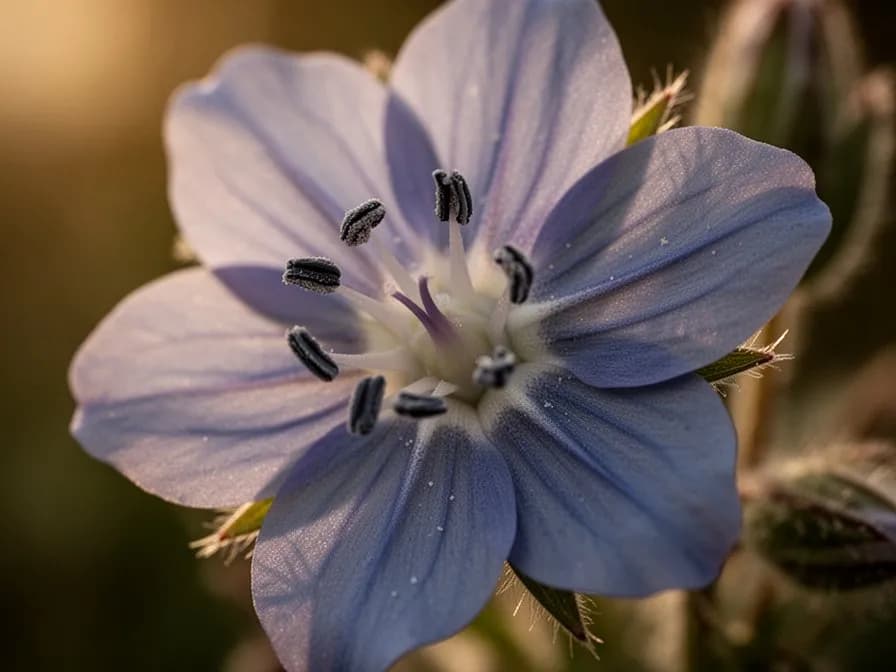
Brunnera und Schattenstauden-Schnittarrangement
15 Min.Frisch geschnittene Brunnera-Blütenstängel mit ergänzendem Schattengarten-Laub kombinieren, um ein charmantes Frühlingsvasarrangement zu schaffen, das bei regelmäßigem Wasserwechsel fünf bis sieben Tage hält.
6 ZutatenWas drinsteckt
Gesundheitsvorteile
- Brunneras dichtes Bodendecker-Laub unterdrückt auf natürliche Weise das Unkrautwachstum, reduziert den Bedarf an chemischen Herbiziden in Schattengärten und trägt zu einem gesünderen Garten-Ökosystem bei.
- Die Frühjahrsblüten bieten eine lebenswichtige Nektar- und Pollenquelle für aufkommende Bienen, Schwebfliegen und andere nützliche Bestäuber zu einer Zeit, wenn kaum andere Pflanzen blühen.
- Die Kultivierung von Brunnera in Schattenbereichen hilft, den Boden an Hängen und unter Bäumen zu stabilisieren, Erosion zu reduzieren und die Bodenstruktur durch das faserige Wurzelsystem zu verbessern.
- Als pflegeleichte Staude reduziert Brunnera die körperliche Anstrengung und Überlastung durch wiederholtes Neupflanzen einjähriger Pflanzen und schont so die Gelenke von Gärtnern.
- Die beruhigenden blauen Blüten und das üppige grüne oder silberne Laub tragen zu therapeutischen Gartenumgebungen bei; Studien belegen, dass Zeit in Grünanlagen Cortisol senkt und das psychische Wohlbefinden verbessert.
- Brunneras Hirsch- und Kaninchenresistenz bedeutet weniger Anwendungen chemischer Abwehrmittel im Garten und reduziert die Exposition gegenüber potenziell reizenden Substanzen im Haushalt.
Woher Kaukasisches Vergissmeinnicht stammt
Brunnera macrophylla ist eine krautige Staude aus der Familie der Boraginaceae (Borretschgewächse), die in den feuchten Laub- und Mischwäldern der westlichen Kaukasusregion beheimatet ist und sich von Georgien und der nordöstlichen Türkei bis in Teile Südrusslands erstreckt. In ihrem natürlichen Lebensraum besiedelt die Art humusreiche Hänge unter Buchen-, Hainbuchen- und Kastanienschirm und gedeiht in den kühlen, gleichmäßig feuchten Bedingungen in Höhen zwischen 500 und 2.000 Metern. Die Pflanze wurde erstmals wissenschaftlich vom deutsch-russischen Botaniker Friedrich August Marschall von Bieberstein im frühen 19. Jahrhundert beschrieben, zunächst der Gattung Anchusa zugeordnet, bevor sie 1975 von der englischen Botanikerin Isabella James in die Gattung Brunnera umgestellt wurde. Die Gattung ehrt Samuel Brunner, einen Schweizer Botaniker, der bedeutende botanische Expeditionen durch Europa und zu den Kapverdischen Inseln unternahm. Brunnera macrophylla wurde Mitte des 19. Jahrhunderts hauptsächlich durch botanische Gartentausche in die europäische Gartenkultur eingeführt, blieb aber über ein Jahrhundert lang eine relativ unbekannte Pflanze. Ihr Schicksal änderte sich dramatisch in den frühen 2000er Jahren, als Gewebekulturtechniken die Massenproduktion auffälliger buntlaubiger Kultivare ermöglichten. Die wegweisende Einführung war 'Jack Frost' im Jahr 2003, als Sport entdeckt in Walters Gardens in Michigan, USA. Ihre silbrig-bereiften Blätter mit kontrastierenden grünen Adern machten sie sofort zum Publikumsliebling im Gartenhandel. Nachfolgende Kultivare wie 'Looking Glass', 'Silver Heart', 'Alexander's Great' und 'Sea Heart' erweiterten die Palette weiter. Heute gilt Brunnera als eine der feinsten Stauden für Schattengärten in den USDA-Härtezonen 3 bis 8, gleichwertig geschätzt für ihre Frühlingsblüten und ihr ganzjährig dekoratives Laub.
Kaukasisches Vergissmeinnicht: Schon gewusst?
Faszinierende Fakten über Kaukasisches Vergissmeinnicht
Brunnera macrophylla ist in den Wäldern des Kaukasusgebirges und der östlichen Türkei beheimatet, wo sie auf feuchten, beschatteten Hängen in Höhen bis zu 2.000 Metern wächst.
Kaukasisches Vergissmeinnicht: Fragen & Antworten
Wann sollte ich Kaukasisches Vergissmeinnicht pflanzen?
Was sind gute Begleitpflanzen für Kaukasisches Vergissmeinnicht?
In welchen Winterhärtezonen kann Kaukasisches Vergissmeinnicht wachsen?
Wie viel Sonne braucht Kaukasisches Vergissmeinnicht?
Welchen Abstand sollte ich zwischen Kaukasisches Vergissmeinnicht lassen?
Welche Schädlinge und Krankheiten befallen Kaukasisches Vergissmeinnicht?
Wie lagere ich Kaukasisches Vergissmeinnicht nach der Ernte?
Was sind die besten Kaukasisches Vergissmeinnicht-Sorten zum Anbauen?
Welchen Boden braucht Kaukasisches Vergissmeinnicht?
Warum werden die Ränder meiner Brunnera-Blätter braun und knusprig?
Kann ich Brunnera in der vollen Sonne anbauen?
Wie vermehre ich Brunnera-Kultivare wie 'Jack Frost'?
Ist Brunnera giftig für Haustiere oder Kinder?
Wie lange lebt Brunnera und wann sollte ich sie teilen?
Was sind die besten Begleitpflanzen für Brunnera?
Du hast die Theorie gelesen. Jetzt baue sie auf Autopilot an.
Alles, was Kaukasisches Vergissmeinnicht knifflig macht — das Timing, die Abstände, die Begleiter, das Erntefenster — genau das übernimmt PlotMyGarden für dich, für jede Pflanze im Garten.
Ein Plan, der dein Wetter kennt
Standort einmal festlegen. Aussaat-, Dünge- und Erntedaten rund um deinen echten letzten Frosttermin und die Live-Vorhersage — kein Raten mehr nach Saattüte.
Aus dem Abschnitt „Pflanzzeit“Beetplaner per Drag & Drop
Beete auf einem Raster gestalten. Jede Pflanze rastet im richtigen Abstand ein, und du siehst die ganze Saison, bevor du einen Cent für Saatgut ausgibst.
Aus dem Abschnitt „Anbau“Begleiter-Konflikte früh erkannt
Über 200 gute und schlechte Kombinationen werden beim Pflanzen live geprüft — so landet ein saisonruinierender Fehler nie in der Erde.
Aus dem Abschnitt „Begleiter“Erinnerungen, nach denen du wirklich handelst
„Gieß die Bohnen.“ „Heute ernten, bevor's umschlägt.“ Pünktlich, konkret und auf deine echten Pflanzen bezogen.
Aus dem Abschnitt „Ernte“Staffel-Aussaat, geplant
Sechs Wochen ernten statt sechs Tage? Die App verteilt deine Aussaaten automatisch und erinnert dich, wenn der nächste Satz fällig ist.
Aus dem Abschnitt „Pflanzzeit“Ein Verlauf, der schlauer wird
Jede protokollierte Ernte bringt der App deinen Garten bei. Der Plan fürs nächste Jahr startet bei dem, was in deinem Boden wirklich funktioniert hat.
Aus dem Abschnitt „Überblick“Pflanze diese neben Kaukasisches Vergissmeinnicht
Weitere Stauden
Bau deine beste Kaukasisches Vergissmeinnicht an — und alles drumherum.
Starte heute kostenlos. Lege deine Beete an, setze deine Kaukasisches Vergissmeinnicht ein und lass PlotMyGarden Timing, Abstände, Begleiter und Erinnerungen von der Saat bis zum Erntekorb übernehmen.