Cinnamon
The tropical tree whose aromatic inner bark is one of the world's most beloved spices, essential in chai tea and baked goods.





On this pageOverview
Meet Cinnamon
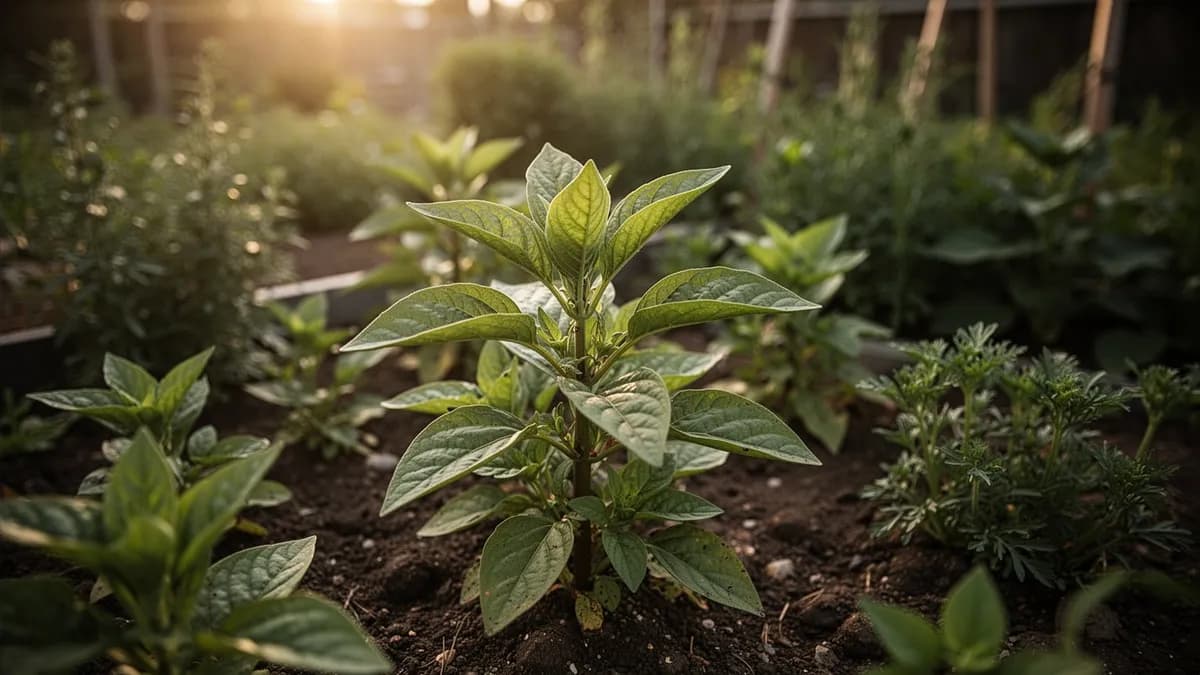
The tropical tree whose aromatic inner bark is one of the world's most beloved spices, essential in chai tea and baked goods. True Ceylon cinnamon is milder and more complex than cassia cinnamon sold in most supermarkets. Grow in tropical climates or heated conservatories with rich, moist soil and harvest bark from coppiced two-year-old stems.
When to plant Cinnamon
Cinnamon seeds are rarely available commercially and lose viability quickly. If obtained, sow fresh seeds immediately in moist, warm seed-starting mix at 25-30 degrees Celsius. Seeds germinate erratically over four to eight weeks. Most growers propagate from semi-hardwood cuttings taken in summer, rooted in a humid environment with bottom heat. Air layering of established branches is also effective. Seedling trees take three to four years to reach harvestable size.
Your Cinnamon Year
Composed for Zone 7 · typical seasons · frost passes Apr 2, returns Nov 1
Plant Cinnamon Apr – Jun, pick Jan – Dec. Check the planting methods below and set your climate to personalize these windows.
How to grow Cinnamon
True cinnamon (Cinnamomum verum) is a tropical evergreen tree that requires consistent warmth, humidity, and protection from frost. In zones 10-12, plant in a sheltered location with dappled shade or morning sun and afternoon protection. In cooler climates, grow in large containers that can be moved indoors during winter, maintaining temperatures above 15 degrees Celsius year-round.
Plant in rich, well-drained soil amended with plenty of organic matter. Cinnamon trees prefer slightly acidic to neutral soil with a pH of 5.5 to 7.0. Water regularly to keep soil consistently moist but not waterlogged. High humidity is essential, so mist container plants frequently or use a humidity tray.
Cinnamon is harvested by coppicing, cutting stems back to ground level and allowing regrowth. New shoots grow rapidly in optimal conditions. After two years of growth, stems are cut and the outer bark is scraped away to reveal the fragrant inner bark, which curls into the familiar cinnamon quills as it dries. Maintain multiple stems at different stages to ensure continuous harvest cycles.
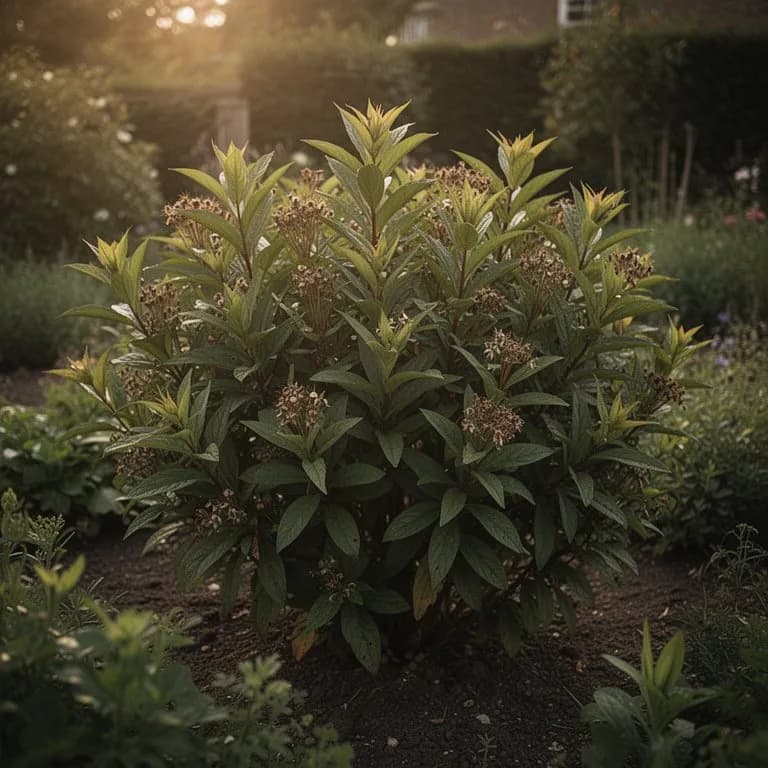
Cinnamon needs more room than a 4 × 8 ft bed gives
Each Cinnamon wants 180 cm of elbow room. The planner keeps that spacing for you — every plant, every bed.
Cinnamon's best neighbours
Cinnamon grows well alongside other tropical spice plants such as cardamom and ginger, which share similar requirements for warmth and humidity. Its aromatic oils may help deter some insects from nearby plantings. In container groupings, pair with turmeric and lemongrass for a tropical tea and spice collection. Avoid planting near plants that prefer dry, cool conditions.
Cardamom belongs beside it.
Old growers' knowledge, checked against Cinnamon's real companion table below — test any plant you're growing.
Try Cinnamon in a bed — right here
A real planner bed with Cinnamon already in it. Tap a companion to place it and watch the pairing checks answer — green for good neighbours, red for a clash.


Related growing guides
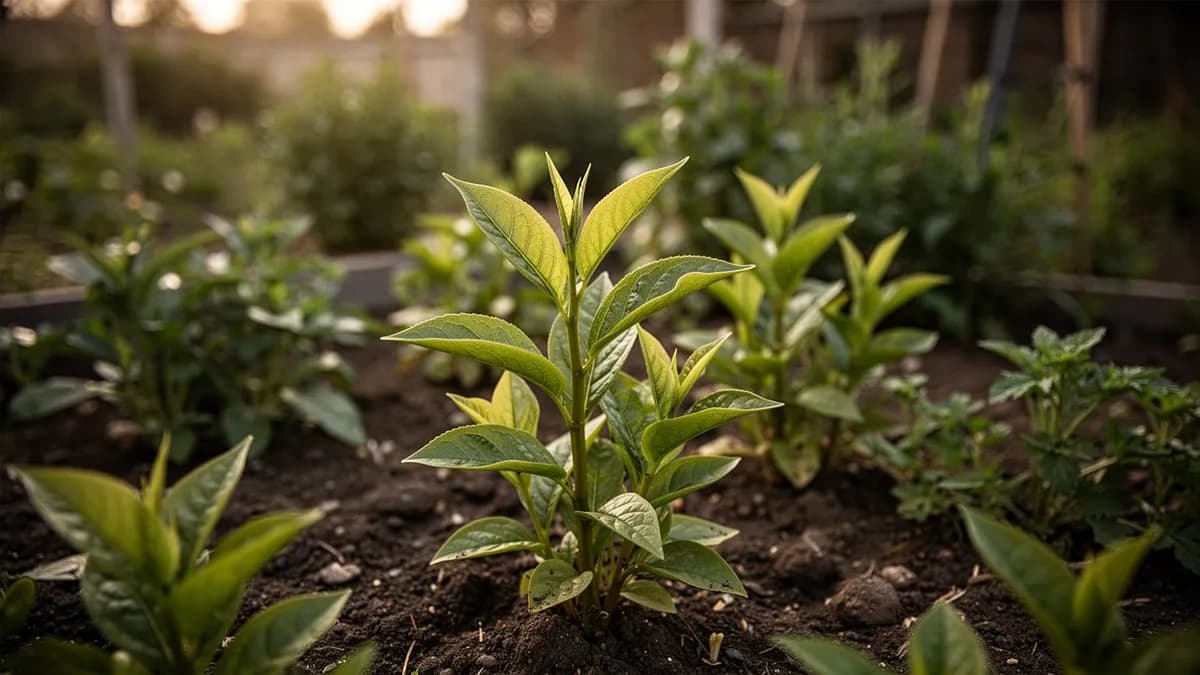
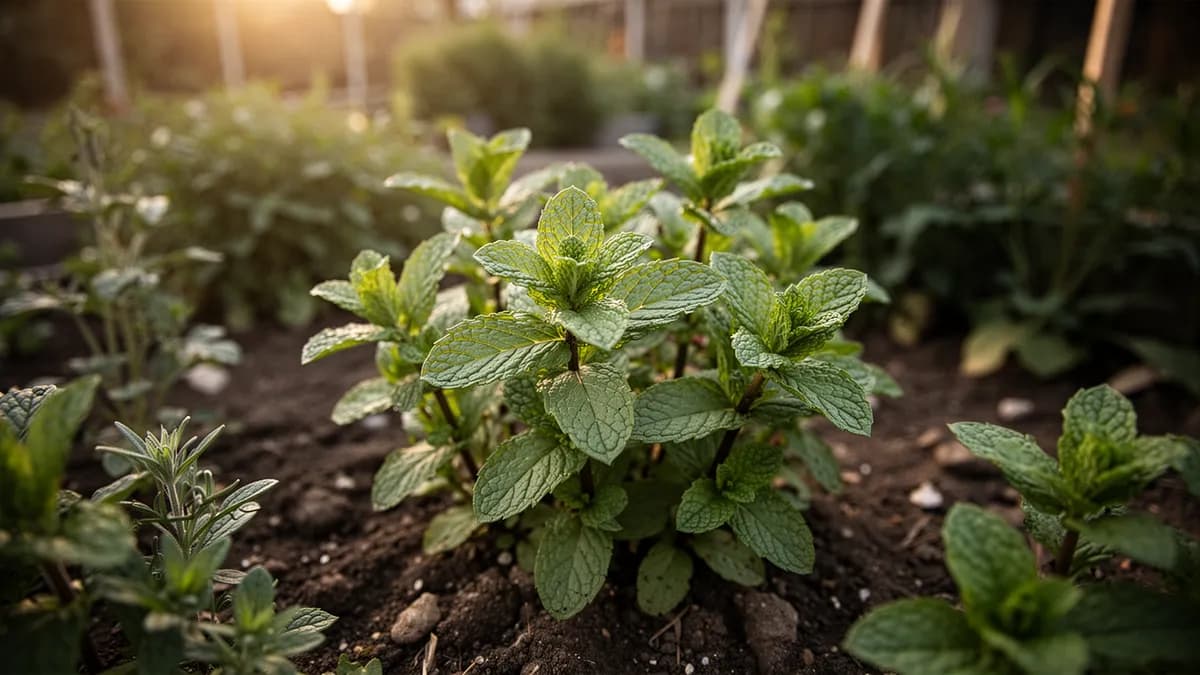
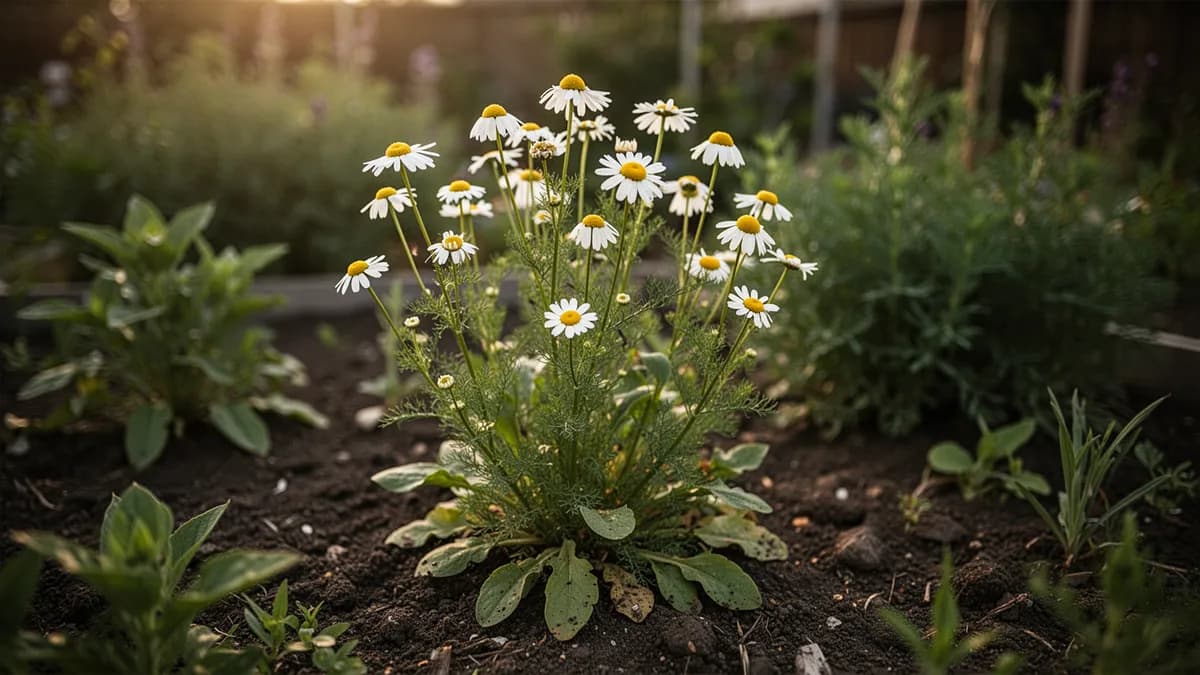
Feed it well
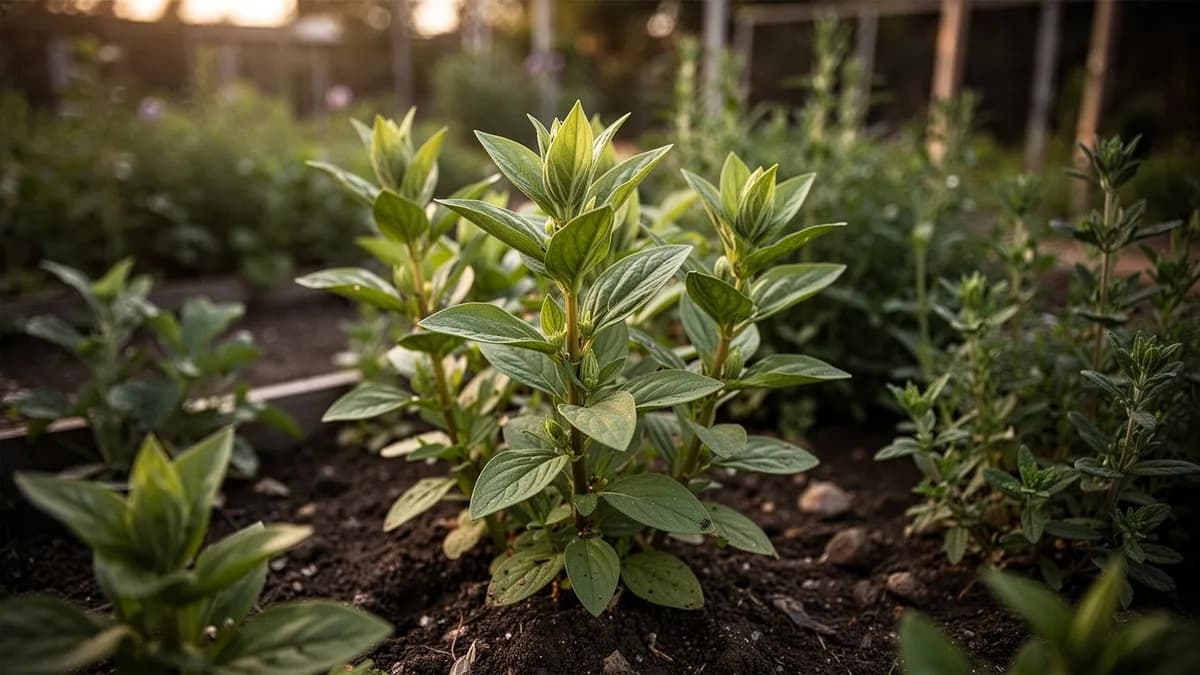
Cinnamon requires rich, well-drained soil with high organic matter content and a pH of 5.5 to 7.0. Sandy loam is ideal. Amend heavy soils with coarse sand and compost. Feed established trees monthly with a balanced organic fertilizer during the growing season. Apply a thick layer of compost mulch annually to enrich soil and retain moisture. Container-grown trees benefit from slow-release fertilizer applied in spring.
Ideal Temperature
Hardiness Zone Compatibility
From seed to harvest, stage by stage
Seed Germination
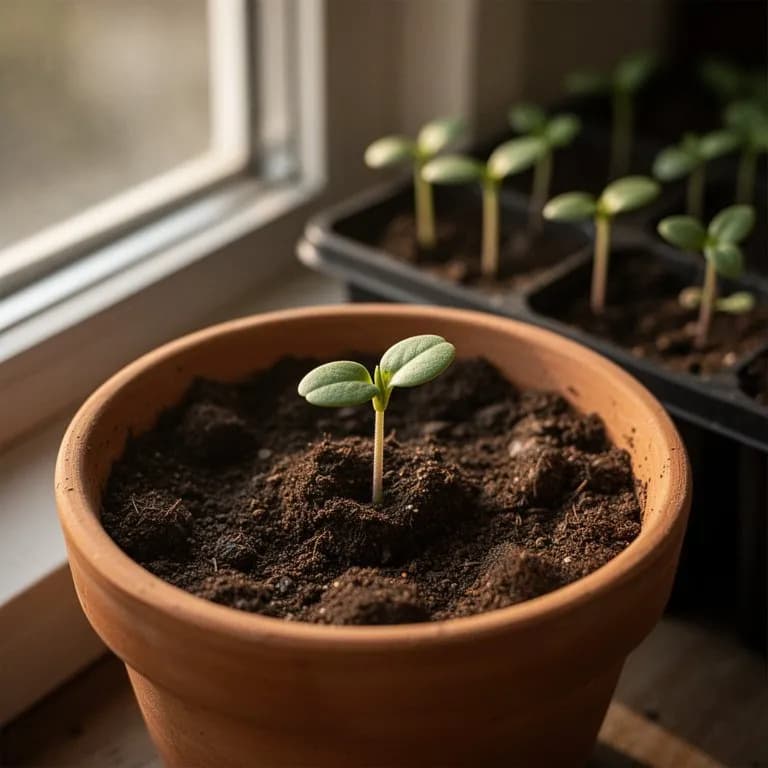
Cinnamon seeds are fleshy, dark purple drupes about 1 cm long that must be sown fresh, as they lose viability within weeks of harvest. Seeds are planted 1-2 cm deep in moist, well-drained propagation mix and kept warm at 25-30°C (77-86°F). Germination is slow and irregular, typically occurring between 14-21 days, though some seeds may take up to 6 weeks. The emerging seedling pushes up a pale shoot with two small cotyledon leaves.
Seedling Development
The young cinnamon seedling develops its first pairs of true leaves, which emerge a striking pinkish-bronze or reddish color before maturing to glossy dark green. Each leaf displays the characteristic three prominent parallel veins that identify Cinnamomum species. Growth is slow during this stage, with the seedling reaching 15-30 cm tall over several months. The stem remains green and herbaceous, not yet developing woody bark.
Juvenile Growth
Over the first two years the cinnamon plant transitions from a herbaceous seedling to a woody sapling, reaching 60-150 cm in height. The stem develops smooth, pale gray-brown bark with a spicy fragrance when scratched. Multiple branches form, creating a bushy shape. New leaf flushes continue to emerge in the distinctive bronze-red color. The root system expands substantially, anchoring the plant firmly.
Establishing and Bark Development
Between years two and five the cinnamon tree matures significantly, reaching 2-4 meters in ideal conditions. The bark thickens and develops the aromatic inner layer (phloem) that contains the highest concentration of cinnamaldehyde — the compound responsible for cinnamon's flavor and scent. Leaves become larger (10-18 cm long) and the canopy fills out. In tropical conditions, small clusters of pale yellow-green flowers may appear for the first time.
First Harvest Maturity
After five to seven years of growth, the cinnamon tree is mature enough for its first bark harvest. Branches that are 3-5 cm in diameter are ideal for harvesting. The outer bark is scraped away and the inner bark is carefully peeled in long strips that curl into the familiar cinnamon quills as they dry. The tree responds to coppicing by sending out vigorous new shoots from the cut stumps, which can be harvested again in two to three years.
Ongoing Production
A well-managed cinnamon tree enters a long productive phase, regrowing harvestable branches every two to three years after coppicing. Mature trees maintained as coppiced shrubs produce multiple shoots from their established root systems, yielding increasing quantities of bark with each cycle. The tree can remain productive for 40-50 years or more. Leaves, twigs, and root bark also contain aromatic oils and can be harvested for secondary products like cinnamon leaf oil.
Use only fresh seeds — dried or stored cinnamon seeds rarely germinate. Remove the fleshy fruit pulp before planting, as it contains germination inhibitors. Maintain consistent moisture and warmth using a heat mat and humidity dome. Bottom watering prevents disturbing the seeds.
Caring for Cinnamon month by month
What to do each month for your Cinnamon
October
You are hereMove all container cinnamon trees indoors before any risk of temperatures below 10°C (50°F). Position in the brightest available location — a south-facing window or under full-spectrum grow lights. Reduce watering frequency as the plant's growth slows in lower light. Maintain humidity around the plant.
Know exactly what to do in your garden — every month
One email at the start of each month: what to sow, plant, and tackle right now — for your Cinnamon and everything growing around it. Plus a short starter course that helps you dodge the classic mistakes.
- What to do, right now
- Matched to your season
- Starter course included
Harvesting Cinnamon
Cinnamon bark is harvested from coppiced stems that are at least two years old and about 3-5 cm in diameter. Cut stems at the base during the rainy season when bark peels most easily. Score the bark lengthwise and carefully peel it away from the wood. Scrape off the rough outer bark to expose the pale inner bark. The inner bark curls naturally into quills as it dries over several days in a warm, shaded area. Thinner bark produces finer quality cinnamon.
assuming you plant when the window opens — set your real date
Pick Cinnamon promptly and the plant keeps producing.
Storage & Preservation
Store dried cinnamon quills whole in airtight glass containers away from heat, light, and moisture. Whole quills retain their flavor and aroma for two to three years. Grind small quantities as needed using a spice grinder or microplane for the freshest flavor. Ground cinnamon loses potency within six months. Store in a cool, dark pantry. Vacuum sealing extends shelf life significantly.
What goes wrong — and the fix
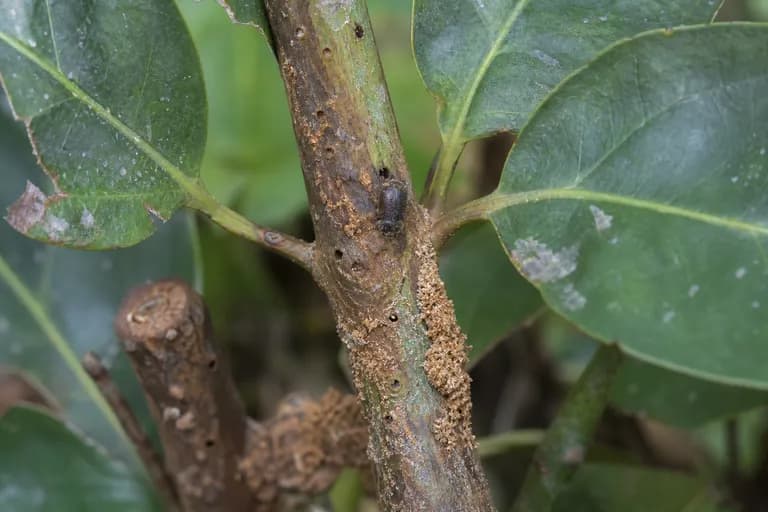
Cinnamon Bark Beetle
PestSmall round entry holes in bark, fine sawdust frass at base of stems, weakened or dying branches, tunneling visible under bark
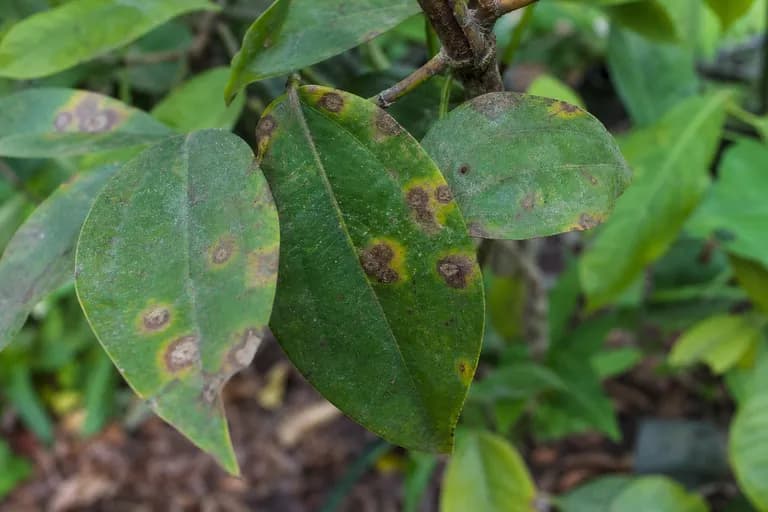
Leaf Spot Disease
DiseaseBrown or black circular spots on leaves, often with yellow halos, premature leaf drop in severe cases
Troubleshooting Common Problems
Cold damage is the most common problem outside tropical zones, causing leaf drop and dieback when temperatures fall below 10 degrees Celsius. Overwatering leads to root rot, especially in poorly drained soils or containers without drainage holes. Low humidity causes brown leaf tips and edges. Slow growth is normal for the first year as the root system establishes. Scale insects may cluster on stems and leaves.
Growing Tips
- Start with a young nursery plant rather than seeds unless you have access to fresh fruits from a cinnamon tree. Cinnamon seeds lose viability within one to two weeks after harvest, making them extremely difficult to source in viable condition outside tropical growing regions.
- Provide bright, indirect light for the best growth. While mature cinnamon trees tolerate full tropical sun, young plants and container-grown specimens prefer filtered light or morning sun with afternoon shade. Direct midday sun through a window can scorch tender new leaves.
- Maintain high humidity around your cinnamon tree, especially indoors during winter. Mist the foliage several times a week, use a pebble tray, or group it with other tropical plants. Dry indoor air is the most common cause of brown leaf tips and edges on container-grown cinnamon.
- Use an acidic, well-drained potting mix with a pH of 5.5-6.5. A blend of peat moss, perlite, and pine bark works well. Cinnamon trees are sensitive to alkaline soils and will develop iron chlorosis (yellowing leaves with green veins) if the pH is too high.
- Water consistently to keep soil evenly moist but never soggy. Cinnamon trees are native to tropical rainforest margins and dislike both drought and waterlogging. Allow the top 2-3 cm of soil to dry slightly between waterings, then water thoroughly until it drains from the bottom.
- Feed regularly during the growing season with a balanced liquid fertilizer every two to three weeks from spring through early fall. Supplement with an iron-containing fertilizer if leaves show signs of chlorosis. Reduce feeding to once monthly in winter when growth slows.
- Prune young trees to encourage a bushy, multi-stemmed growth habit rather than a single tall trunk. This mimics the coppicing technique used on commercial plantations and produces more harvestable bark from a compact plant. Save all pruned woody stems — the bark is usable as a spice.
- Protect your cinnamon tree from any cold exposure below 10 degrees Celsius. Bring container plants indoors well before the first frost, and position them away from cold drafts and single-pane windows. A minimum nighttime temperature of 15 degrees Celsius is ideal for continued health.
- Watch for scale insects, mealybugs, and spider mites, which are the most common pests on indoor cinnamon trees. Inspect leaf undersides and stem joints regularly. Treat infestations early with insecticidal soap or neem oil spray, covering all leaf surfaces thoroughly.
- Be patient with growth — cinnamon trees grow slowly, especially in containers, and may take three to five years before producing bark thick enough to harvest. Enjoy the tree's ornamental beauty, aromatic foliage, and stunning bronze-red new growth flushes while waiting for bark maturity.
Grow your best Cinnamon yet — and everything around it.
Start a free plan today. Lay out your beds, drop in your Cinnamon, and let PlotMyGarden handle the timing, spacing, companions and reminders from seed to harvest basket.
Pick your Cinnamon
Ceylon Cinnamon (True Cinnamon)
The original and finest cinnamon species from Sri Lanka, producing thin, delicate quills with a complex, sweet, citrusy flavor and low coumarin content, preferred for tea and desserts.
Saigon Cinnamon (Cinnamomum loureiroi)
Vietnamese variety with the strongest, most intense cinnamon flavor and highest essential oil content, excellent for bold cinnamon teas though higher in coumarin than Ceylon.
Indonesian Cassia (Cinnamomum burmannii)
The most commonly sold cinnamon worldwide, producing thick, hard bark with a straightforward spicy flavor, widely used in commercial tea blends and baking.
True Ceylon cinnamon (Cinnamomum verum) is a premium spice that costs $15-40 per pound at specialty retailers, compared to $3-8 per pound for common cassia cinnamon sold in most supermarkets. A single mature garden tree producing 2-5 kg of bark per harvest cycle yields $65-440 worth of high-quality cinnamon every few years. Even a small container-grown tree producing 100g of dried bark annually provides $10-20 worth of the finest cinnamon — fresher and more aromatic than anything commercially available. Additionally, cinnamon leaves (worth $5-10 per ounce as dried tea) and cinnamon leaf essential oil ($15-30 per ounce) are valuable secondary products from the same tree.
Quick recipes

Homegrown Cinnamon Bark Tea
10 minA warming, aromatic tea brewed from freshly dried homegrown cinnamon bark quills. The flavor is noticeably more complex and delicate than store-bought cinnamon, with floral and citrus undertones unique to true Ceylon cinnamon. Naturally caffeine-free and gently sweet without any added sugar.
5 ingredientsCinnamon-Spiced Honey Butter
5 minA simple compound butter infused with freshly ground homegrown cinnamon that elevates morning toast, pancakes, or roasted sweet potatoes. The warmth and complexity of home-dried Ceylon cinnamon makes this spread far more aromatic than any store-bought alternative.
5 ingredientsCinnamon Bark Infused Simple Syrup
15 min + coolingA versatile cinnamon syrup made by simmering homegrown bark quills in sugar water. Use it to sweeten coffee, cocktails, lemonade, or drizzle over fresh fruit and ice cream. The delicate floral notes of true Ceylon cinnamon create a syrup far superior to those made with commercial cassia.
4 ingredientsCulinary Uses
Simmer a cinnamon quill in water for ten to fifteen minutes to make a warming, aromatic cinnamon tea. Add to chai blends with cardamom, cloves, and black pepper. Combine with apple slices and honey for spiced cider tea. Use ground bark in baking, curries, and rice dishes. Steep a quill in warm milk for cinnamon-flavored hot chocolate or lattes.
What's inside
Health Benefits
- Cinnamaldehyde, the primary active compound in cinnamon bark, has demonstrated significant anti-inflammatory effects in multiple studies, potentially helping to reduce chronic inflammation associated with metabolic and cardiovascular conditions.
- True Ceylon cinnamon has been studied for its potential to support healthy blood sugar levels by improving insulin sensitivity, with several clinical trials showing modest improvements in fasting blood glucose among regular cinnamon consumers.
- Cinnamon bark contains exceptionally high concentrations of polyphenol antioxidants — ranking among the top spices on the ORAC scale — which help neutralize free radicals and may reduce oxidative stress throughout the body.
- The essential oils in cinnamon bark, particularly cinnamaldehyde and eugenol, have demonstrated antimicrobial activity against a wide range of bacteria and fungi in laboratory studies, supporting its long history of use as a natural food preservative.
- Ceylon cinnamon contains only trace amounts of coumarin (0.004% vs. up to 1% in cassia cinnamon), making it the recommended variety for regular consumption, as high coumarin intake has been linked to liver sensitivity in some individuals.
- Traditional Ayurvedic and Chinese medicine systems have used cinnamon bark for thousands of years to support digestive health, improve circulation, and relieve respiratory congestion, and modern research is beginning to validate some of these traditional applications.
Where Cinnamon comes from
Cinnamomum verum, commonly known as true cinnamon or Ceylon cinnamon, is native to the island of Sri Lanka (formerly Ceylon) and the southwestern coastal regions of India. The tree belongs to the Lauraceae family, which also includes bay laurel, avocado, and sassafras. Wild cinnamon trees still grow in the lowland tropical forests of Sri Lanka's wet zone, where warm temperatures, high humidity, and abundant rainfall create ideal growing conditions.
Cinnamon is one of the oldest known spices, with references dating back to 2000 BCE in Chinese writings and ancient Egyptian records. It was imported into Egypt from distant lands at great expense and used in embalming, religious ceremonies, and as a flavoring. Greek and Roman writers described cinnamon as enormously valuable — Pliny the Elder recorded that a pound of cinnamon cost the equivalent of fifty months' wages for a laborer. Arab traders deliberately obscured the true origin of cinnamon, inventing fantastical stories about giant birds guarding cinnamon nests on inaccessible cliffs to protect their monopoly.
The Portuguese arrived in Sri Lanka in 1505 and quickly recognized the enormous commercial potential of its cinnamon forests. They established control over the coastal cinnamon-producing regions, beginning centuries of colonial competition. The Dutch seized control in 1658, and the British took over in 1796, each power profiting handsomely from the spice trade. During this era, the craft of cinnamon peeling became a specialized hereditary occupation among the Salagama caste of Sri Lanka, whose descendants still practice these skills today.
Today, Sri Lanka remains the dominant producer of true Ceylon cinnamon, cultivating it on over 30,000 hectares of plantation land. The Seychelles, Madagascar, and parts of South and Central America also grow Cinnamomum verum commercially. Home gardeners in tropical and subtropical climates can successfully grow cinnamon trees, while those in temperate regions enjoy it as a striking container plant that brings the tropics indoors.
Cinnamon: did you know?
Fascinating facts about Cinnamon
True cinnamon (Cinnamomum verum) was so highly valued in the ancient world that it was considered a gift fit for monarchs and gods. Egyptian pharaohs used it in embalming mixtures, and Roman Emperor Nero reportedly burned a year's supply of cinnamon at his wife's funeral as a grand gesture of devotion.
Cinnamon questions, answered
When should I plant Cinnamon?
What are good companion plants for Cinnamon?
What hardiness zones can Cinnamon grow in?
How much sun does Cinnamon need?
How far apart should I space Cinnamon?
What pests and diseases affect Cinnamon?
How do I store Cinnamon after harvest?
What are the best Cinnamon varieties to grow?
What soil does Cinnamon need?
What is the difference between true cinnamon (Ceylon) and cassia cinnamon?
Can I grow a cinnamon tree indoors in a cold climate?
How do I harvest and process cinnamon bark at home?
How long does it take for a cinnamon tree to produce usable bark?
Are cinnamon leaves edible and how can I use them?
Why are the leaves on my cinnamon tree turning yellow or dropping?
You just read the theory. Now grow it on autopilot.
Everything that makes Cinnamon fiddly — the timing, the spacing, the companions, the harvest window — is exactly what PlotMyGarden handles for you, for every plant in your garden.
A plan that knows your weather
Set your location once. Get sow, feed and harvest dates built around your real last-frost date and live forecast — no more guessing from a generic seed packet.
From the “When to plant” sectionDrag-and-drop bed planner
Design beds on a grid. Every plant snaps to its proper spacing, and you can see your whole season laid out before you spend a cent on seed.
From the “Growing guide” sectionCompanion conflicts, caught early
200+ good-and-bad pairings checked live as you plant — so a season-wrecking mistake never makes it into the ground.
From the “Companions” sectionReminders you'll actually act on
“Water the beans.” “Pick today before it turns.” Timely, specific, and tied to the plants you're really growing.
From the “Harvest” sectionSuccession, scheduled
Want a harvest for six weeks, not six days? It spaces your sowings automatically and reminds you when each new block is due.
From the “When to plant” sectionA record that gets smarter
Every harvest you log teaches it your garden. Next year's plan starts from what actually worked in your soil, not a textbook's.
From the “Overview” sectionPlant these alongside Cinnamon
More Tea Herbs
Grow your best Cinnamon yet — and everything around it.
Start a free plan today. Lay out your beds, drop in your Cinnamon, and let PlotMyGarden handle the timing, spacing, companions and reminders from seed to harvest basket.