Ginger (Tea)
The warming tropical rhizome used fresh or dried in teas for digestive comfort and cold relief around the world.





On this pageOverview
Meet Ginger (Tea)
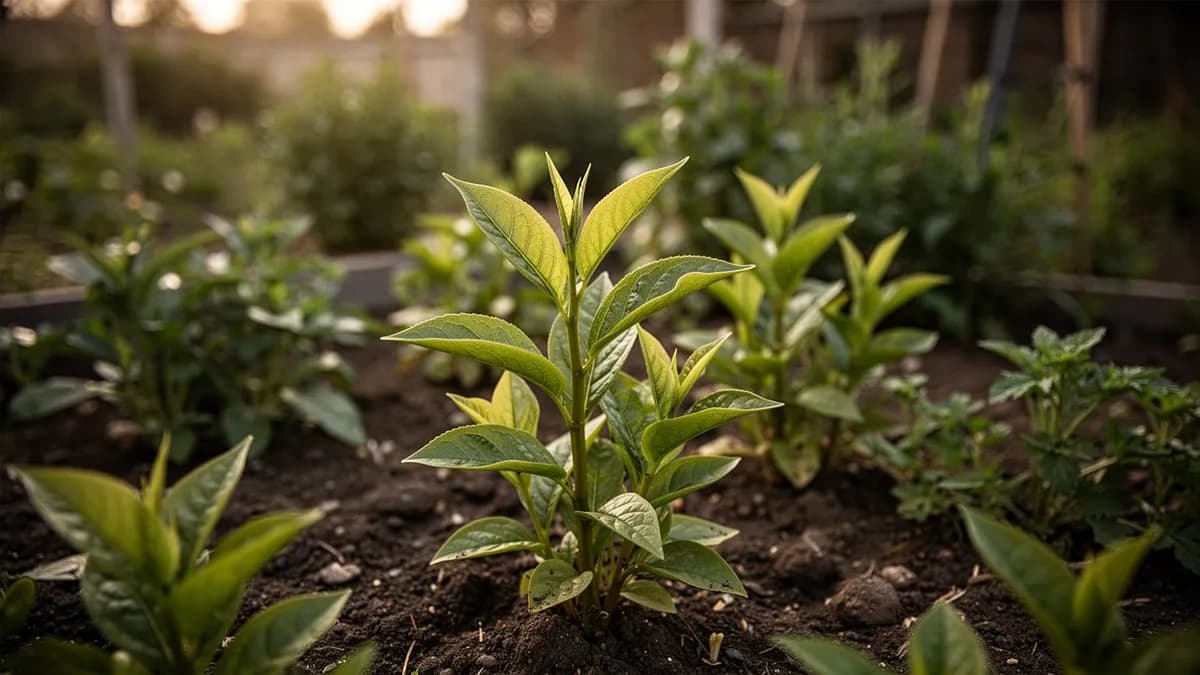
The warming tropical rhizome used fresh or dried in teas for digestive comfort and cold relief around the world. Fresh ginger tea is made by simmering sliced rhizome in water and sweetening with honey and lemon. Plant rhizome pieces in spring in rich, moist soil with partial shade and harvest when leaves begin to yellow in autumn.
When to plant Ginger (Tea)
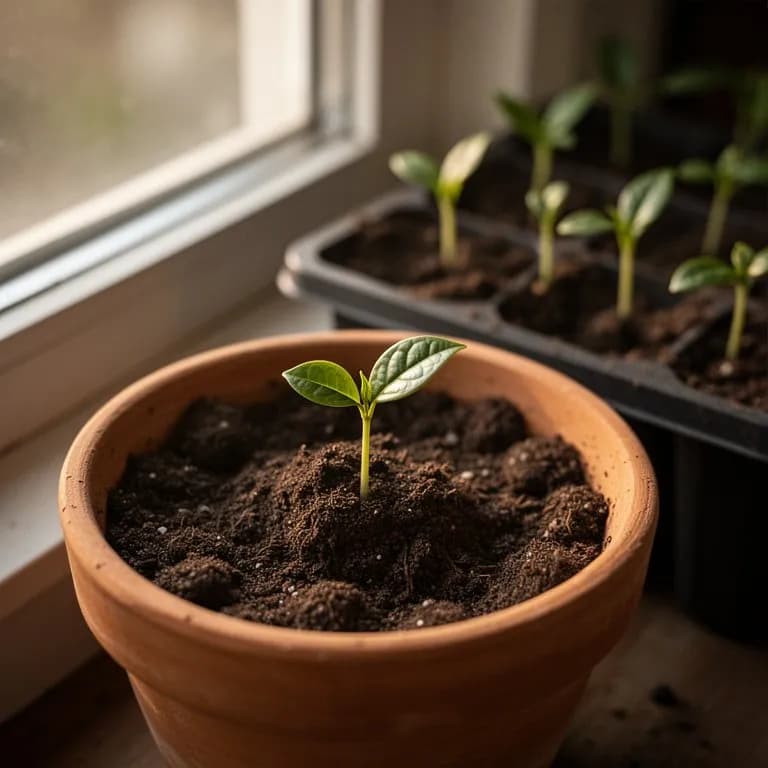
Ginger is not grown from seed but from rhizome divisions. Purchase organic seed ginger from garden suppliers in late winter. Soak rhizome pieces in warm water overnight to break dormancy and encourage budding. Pre-sprout pieces on a tray of moist peat moss in a warm location at 25-30 degrees Celsius for two to three weeks until green shoots appear. Transplant sprouted pieces into pots or garden beds once shoots are 2-3 cm tall. In cool climates, start indoors six to eight weeks before outdoor planting time.
Your Ginger (Tea) Year
Composed for Zone 7 · typical seasons · frost passes Apr 2, returns Nov 1
Plant Ginger (Tea) Mar – May, pick Oct – Dec. Check the planting methods below and set your climate to personalize these windows.
How to grow Ginger (Tea)
Ginger is grown from rhizome pieces, not seeds. In early spring, select fresh, plump ginger rhizomes with visible growth buds or eyes from a garden supplier or organic grocery store. Cut rhizomes into 5 cm pieces, each with at least one or two buds, and allow cut surfaces to callus overnight before planting. Plant pieces 5 cm deep with buds facing upward in rich, well-drained soil.
Ginger prefers warm, humid conditions with dappled shade or filtered light. In cooler climates (below zone 9), grow in large containers indoors or in a greenhouse, moving plants outdoors only when nighttime temperatures consistently exceed 15 degrees Celsius. Keep soil consistently moist throughout the growing season with regular watering but ensure pots drain freely.
Apply a thick organic mulch to retain moisture, suppress weeds, and keep soil temperatures warm. As rhizomes grow, they push toward the soil surface, so mound additional mulch or compost around the base. The growing season is long at eight to ten months, so patience is essential. Leaves yellowing and stems dying back in autumn signal that rhizomes are ready for harvest.
32 plants fit a 4 × 8 ft bed
Each Ginger (Tea) wants 30 cm of elbow room. The planner keeps that spacing for you — every plant, every bed.
Ginger (Tea)'s best neighbours
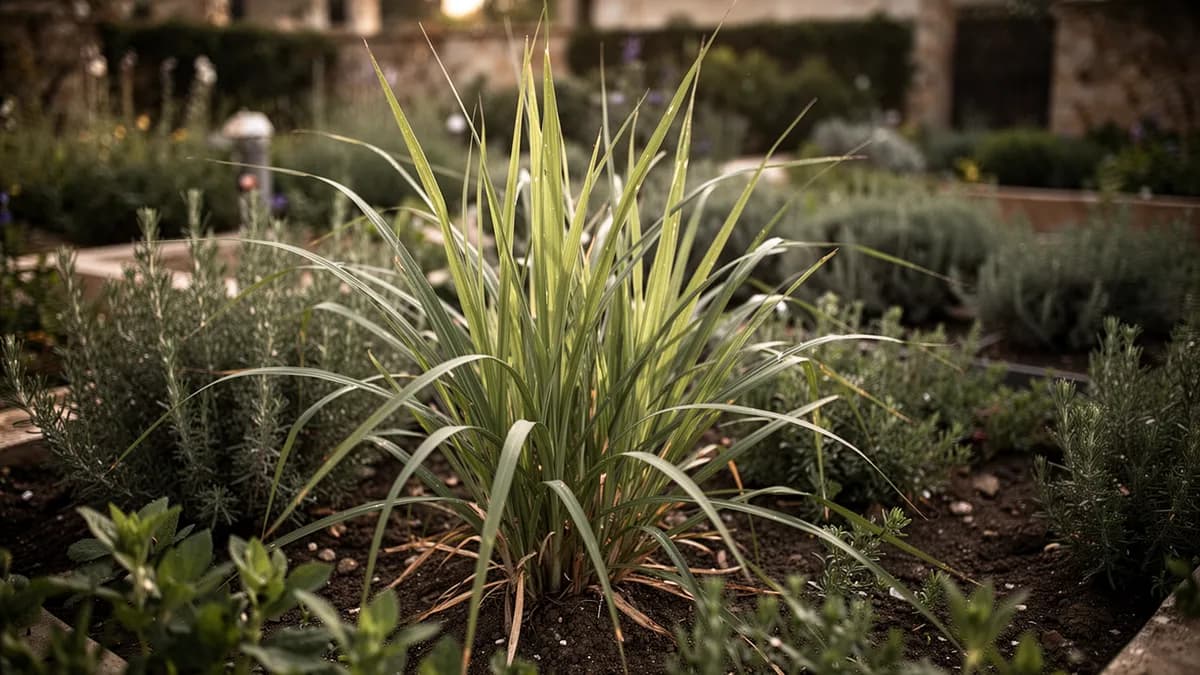
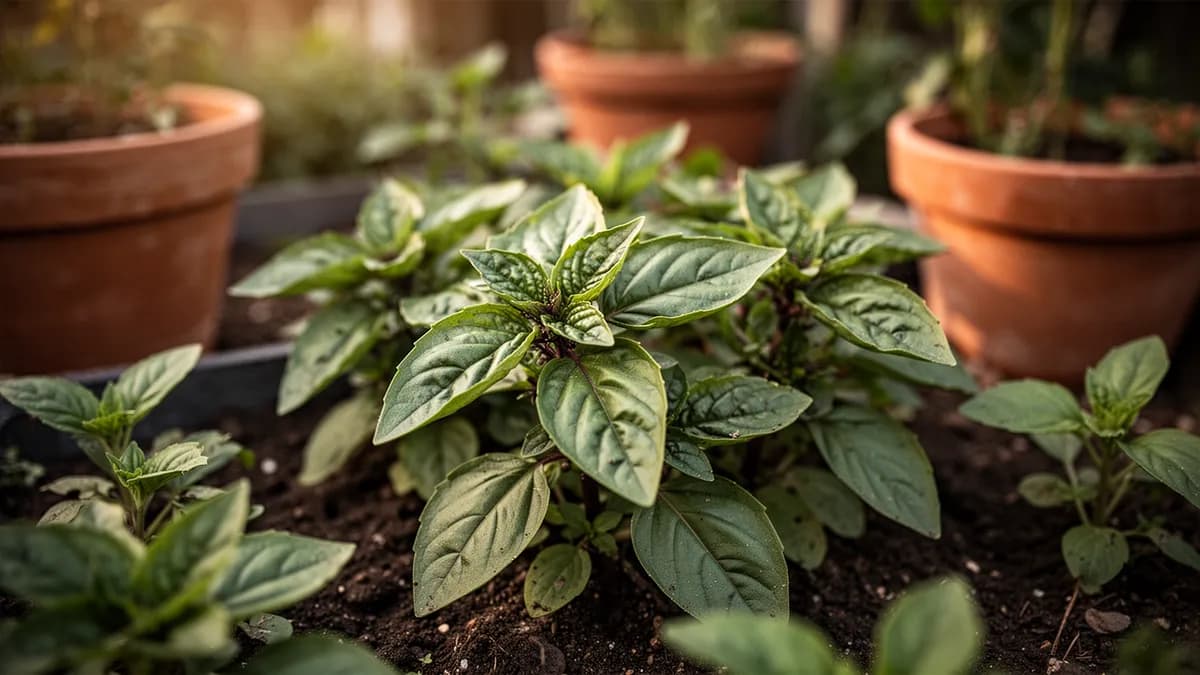
Ginger grows well under the canopy of taller plants that provide dappled shade, such as fruit trees and tall legumes. It is an excellent companion for turmeric, galangal, and lemongrass, which share similar growing requirements. Plant alongside basil and cilantro in partially shaded herb gardens. Avoid planting near walnut trees, whose juglone toxin inhibits ginger growth. Legumes planted nearby can fix nitrogen to benefit ginger.
Lemongrass belongs beside it.
Old growers' knowledge, checked against Ginger (Tea)'s real companion table below — test any plant you're growing.
Try Ginger (Tea) in a bed — right here
A real planner bed with Ginger (Tea) already in it. Tap a companion to place it and watch the pairing checks answer — green for good neighbours, red for a clash.


Related growing guides
Feed it well
Ginger thrives in rich, loose, well-drained soil with a pH of 5.5 to 6.5. Heavy clay soils produce stunted, misshapen rhizomes. Amend with generous amounts of aged compost, coconut coir, and coarse sand. Feed monthly with a balanced organic fertilizer or compost tea during the growing season. Side-dress with additional compost every six weeks. Potassium-rich fertilizers encourage rhizome development in the latter half of the growing season.
Ideal Temperature
Hardiness Zone Compatibility
From seed to harvest, stage by stage
Rhizome Sprouting
Ginger is propagated vegetatively from rhizome pieces, each containing at least one or two growth buds (eyes). When placed in warm, moist conditions, these eyes swell and begin sending up pointed green shoots. Root development occurs simultaneously beneath the soil surface.
Shoot Emergence
Tightly rolled leaf blades push through the soil surface and begin to unfurl, resembling bamboo shoots. Each stem grows from a single growing point on the rhizome. The first roots are establishing and the plant begins drawing energy from the parent rhizome piece while building its own photosynthetic capacity.
Vegetative Growth
The plant enters its most vigorous phase, producing multiple tall stems with alternating lance-shaped leaves that can reach 30-60 cm in length. The foliage forms a dense, grass-like clump. Below the surface, new rhizome fingers begin branching out from the original planting piece, forming the underground network that will become the harvest.
Rhizome Bulking
The underground rhizomes expand significantly during this phase, storing starches, essential oils, and the pungent compounds (gingerols and shogaols) that give ginger its characteristic spicy warmth. The skin of the rhizomes transitions from thin and pink to a firmer tan color. Foliage remains green and photosynthetically active, fueling rhizome growth.
Maturity and Dormancy
As temperatures cool or day length shortens, the foliage begins to yellow and die back naturally. This signals that the rhizomes have reached full maturity with maximum flavor intensity and a thicker, more fibrous skin suitable for long-term storage. The plant enters dormancy, and all above-ground growth withers completely.
Pre-sprout rhizomes by placing them on a tray of damp sphagnum moss in a warm spot (25-28°C) for 2-3 weeks before planting. Plant pieces 5 cm deep with the eyes facing upward. Keep the soil consistently moist but never waterlogged to prevent rot.
Caring for Ginger (Tea) month by month
What to do each month for your Ginger (Tea)
October
You are hereWatch for foliage yellowing, which signals approaching dormancy and harvest readiness. Harvest young ginger (thin-skinned, mild) at any time, or wait for full maturity. In frost-prone areas, harvest all ginger before the first frost or move containers indoors.
Know exactly what to do in your garden — every month
One email at the start of each month: what to sow, plant, and tackle right now — for your Ginger (Tea) and everything growing around it. Plus a short starter course that helps you dodge the classic mistakes.
- What to do, right now
- Matched to your season
- Starter course included
Harvesting Ginger (Tea)
Harvest young ginger for tea after four to six months when rhizomes are tender and mildly flavored, or wait eight to ten months for mature ginger with stronger, spicier flavor. Carefully dig around the base of the plant with a garden fork, loosening soil without damaging rhizomes. For partial harvest, uncover the edge of the clump and snap off what you need, re-covering the rest. Save a few healthy pieces with buds for replanting next season.
assuming you plant when the window opens — set your real date
From bulbs, tubers or cloves
Pick Ginger (Tea) promptly and the plant keeps producing.
Storage & Preservation
Fresh ginger keeps for two to three weeks in the refrigerator wrapped loosely in a paper towel inside a zip-lock bag. For longer storage, peel and freeze whole rhizomes for up to six months, grating as needed from frozen. Slice thinly and dehydrate at 60 degrees Celsius for eight to ten hours to make dried ginger for tea. Store dried slices in airtight jars for up to one year. Ginger can also be preserved in honey, vinegar, or spirits.
What goes wrong — and the fix
Rhizome Rot (Pythium)
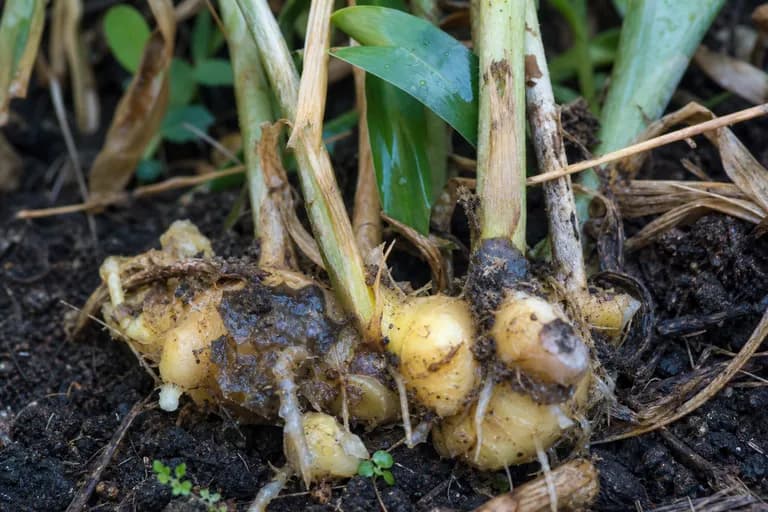
DiseaseSoft, mushy, water-soaked areas on rhizomes, foul smell, yellowing and wilting of above-ground foliage, stunted growth
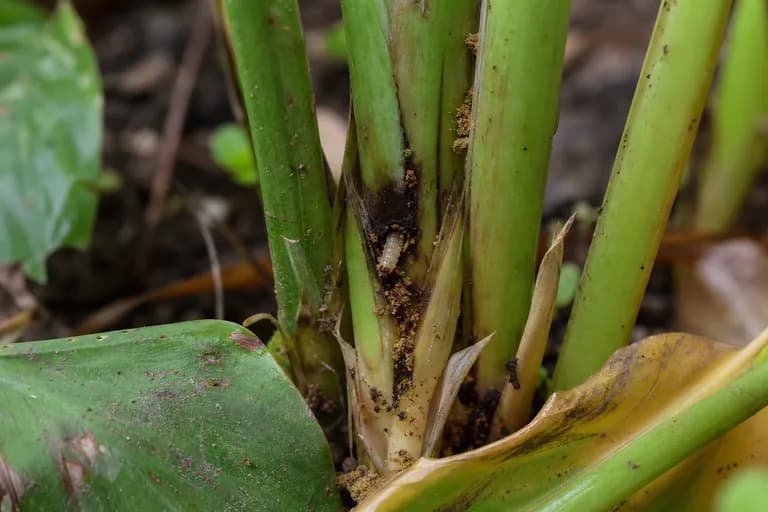
Shoot Borer
PestWilting and yellowing of central leaf shoots, bore holes in pseudostems, frass visible at entry points, dead heart symptom in young plants
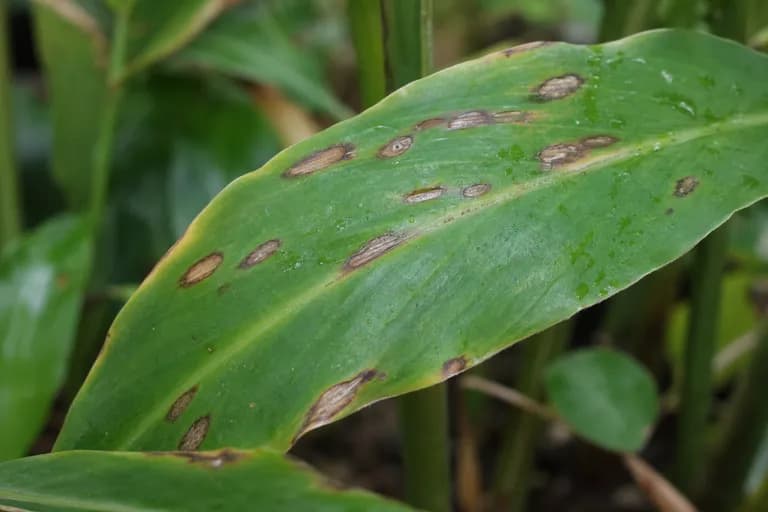
Leaf Spot (Phyllosticta)
DiseaseSmall oval or elongated water-soaked spots on leaves that enlarge and turn brown with pale centers, spots may merge in wet conditions
Troubleshooting Common Problems
The most common problem is rot from overwatering or poorly drained soil, causing mushy rhizomes and wilting foliage. Insufficient warmth slows growth dramatically and may prevent rhizome development entirely. Dry air and low humidity cause brown leaf tips and edges. Sunburn occurs in direct afternoon sun, causing bleached or scorched leaves. Container-grown ginger may become rootbound, requiring repotting into larger containers mid-season.
Growing Tips
- Select plump, firm ginger rhizomes with well-developed growth buds (eyes) from an organic source. Conventional supermarket ginger is often treated with growth inhibitors that prevent sprouting, so organic or seed-stock ginger is essential for successful cultivation.
- Pre-sprout rhizomes indoors by placing them on damp sphagnum moss or paper towels in a warm location (25-28°C) for two to three weeks before planting. This gives shoots a head start and improves establishment rates significantly.
- Plant ginger in rich, loose, well-draining soil amended with generous amounts of aged compost. Heavy clay soils cause rhizome rot, so raised beds or containers filled with a mix of compost, coco coir, and perlite work best in non-tropical climates.
- Choose a location with filtered light or dappled shade. Ginger naturally grows as an understory plant in tropical forests and prefers protection from intense midday sun, which can scorch the leaves and stunt growth.
- Maintain consistent soil moisture throughout the growing season without allowing the soil to become waterlogged. Ginger's shallow root system is sensitive to both drought and standing water, so regular light watering is preferable to infrequent deep soaking.
- Apply a thick layer of organic mulch such as straw, shredded leaves, or sugarcane mulch around the plants to conserve moisture, regulate soil temperature, and gradually add nutrients as it decomposes over the season.
- Feed ginger every two to three weeks during active growth with a liquid fertilizer high in potassium and phosphorus to promote robust rhizome development. Reduce feeding in late summer to encourage maturation and flavor concentration.
- In cooler climates, grow ginger in large containers that can be moved indoors when temperatures drop below 15°C. A 40-liter pot with drainage holes provides ample space for a productive single plant to develop a sizeable rhizome network.
- Harvest young ginger at any point after four months for a milder, less fibrous product perfect for fresh use in teas and cooking. Wait eight to ten months for fully mature ginger with a more intense flavor and tougher skin suitable for drying and long-term storage.
- After harvesting, cure rhizomes in a warm, well-ventilated area for three to five days to toughen the skin for storage. Store cured ginger in a cool spot at 12-14°C with moderate humidity, or freeze unpeeled pieces for up to six months of convenient use.
Grow your best Ginger (Tea) yet — and everything around it.
Start a free plan today. Lay out your beds, drop in your Ginger (Tea), and let PlotMyGarden handle the timing, spacing, companions and reminders from seed to harvest basket.
Pick your Ginger (Tea)
Common Culinary Ginger
The standard Zingiber officinale found worldwide, producing large, knobby rhizomes with a sharp, warm flavor ideal for fresh ginger tea and cooking, widely available as seed rhizome.
Baby Ginger (Spring Ginger)
Harvested young before the skin toughens, with a milder, juicier flavor and no need to peel, excellent for fresh tea slices and pickling.
Blue Ring Ginger
A Hawaiian variety with a distinctive blue-grey ring visible when sliced, offering a particularly spicy, pungent flavor prized for strong ginger tea.
Chinese Ginger
Larger rhizomes with a slightly milder heat than common ginger, widely used in Chinese cuisine and traditional medicine teas, high-yielding in warm climates.
A single organic ginger rhizome costing $3-5 at a grocery store can be planted to yield 500-700g of fresh ginger worth $15-25 at retail prices, representing a four to five times return on investment in a single growing season. By saving the best rhizome pieces for replanting each year, gardeners can establish a self-sustaining supply that eliminates the need to purchase ginger entirely. Organic fresh ginger retails for $8-15 per pound in many markets, making home-grown ginger one of the highest-value crops a home gardener can produce per square foot of growing space.
Quick recipes
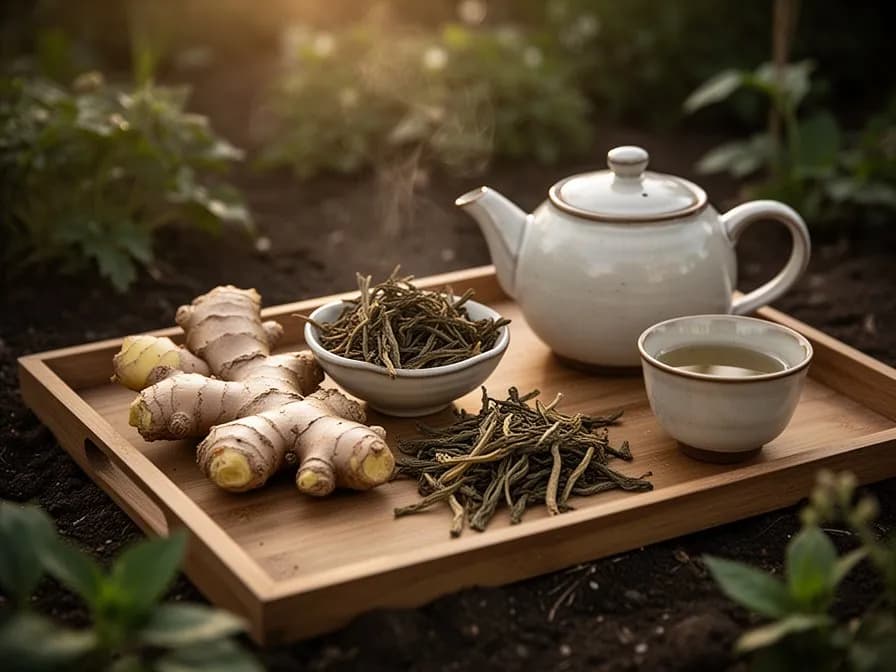
Classic Fresh Ginger Tea
10 minutesA soothing and aromatic ginger tea brewed from freshly sliced rhizomes. This warming beverage is renowned for its ability to aid digestion, soothe sore throats, and provide a gentle energy lift. The addition of honey and lemon rounds out the sharp ginger heat with natural sweetness and brightness.
6 ingredients
Quick Pickled Ginger (Gari)
15 minutes plus 1 hour restingA delicate Japanese-style pickled ginger that turns naturally pink when made with young, freshly harvested ginger. This crisp, tangy condiment is traditionally served alongside sushi as a palate cleanser, but it also brightens salads, grain bowls, and grilled fish dishes beautifully.
5 ingredientsGinger Stir-Fry Paste
10 minutesA versatile aromatic paste that forms the flavor foundation for countless Asian stir-fries, soups, and marinades. This batch can be portioned and frozen in ice cube trays for months of instant flavor. Simply drop a cube into a hot wok with oil to start any weeknight stir-fry.
6 ingredientsCulinary Uses
Slice fresh ginger thinly and simmer in water for ten to fifteen minutes for classic ginger tea. Add honey, lemon, and turmeric for a soothing wellness drink. Combine with green tea leaves for a warming blend. Use fresh ginger in stir-fries, curries, soups, and marinades. Candy crystallized ginger slices for snacking. Make ginger syrup for cocktails and sodas.
What's inside
Health Benefits
- Contains potent anti-nausea compounds that have been clinically validated for reducing morning sickness during pregnancy, motion sickness, and post-operative nausea in multiple peer-reviewed studies
- Rich in gingerols with powerful anti-inflammatory properties comparable to non-steroidal anti-inflammatory drugs, potentially helping to reduce muscle pain and joint stiffness associated with osteoarthritis
- May support cardiovascular health by helping to reduce blood cholesterol levels and improving circulation, with studies showing ginger can inhibit platelet aggregation similar to aspirin
- Supports healthy digestion by stimulating saliva production, bile secretion, and gastric motility, helping to relieve bloating, indigestion, and discomfort after meals
- Demonstrates promising antimicrobial activity against a range of bacteria and fungi, including oral pathogens responsible for gingivitis and periodontal disease
- Contains compounds that may help regulate blood sugar levels by improving insulin sensitivity and enhancing glucose uptake by muscle cells, supporting metabolic health
Where Ginger (Tea) comes from
Ginger (Zingiber officinale) originated in the tropical rainforests of Maritime Southeast Asia, most likely on the islands of modern-day Indonesia or Malaysia, where the greatest genetic diversity of the Zingiber genus is found. Archaeological evidence from pottery residues suggests ginger was among the earliest spices used by humans, with cultivation dating back at least 5,000 years in the Indo-Malayan region. Ancient Austronesian peoples carried ginger rhizomes aboard their outrigger canoes as they colonized the Pacific Islands, spreading the plant across Oceania long before recorded history. Indian traders brought ginger westward along maritime spice routes, and it became one of the first Asian spices to reach the Mediterranean world. Ancient Sanskrit, Chinese, and Greek texts all reference ginger prominently as both a culinary spice and a medicinal remedy. Confucius reportedly never ate a meal without ginger, and the Greek physician Dioscorides prescribed it for digestive ailments in the first century CE. During the medieval period, ginger was one of the most commonly traded spices in Europe, second only to black pepper. Arab merchants carefully guarded the origins of their ginger supply, telling European buyers fantastical stories about the plant growing in the land of the Troglodytes to maintain their trade monopoly. Spanish conquistadors introduced ginger to the Caribbean and Central America in the 16th century, where it flourished in the tropical climate. Jamaica quickly became a major ginger exporter, and Jamaican ginger remains prized for its refined aroma to this day. The plant's journey continued to West Africa, Brazil, and eventually Queensland, Australia. Today, India produces nearly a third of the world's ginger supply, followed by Nigeria, China, and Indonesia. Ginger remains one of the most economically important spice crops globally, with annual production exceeding four million tonnes and uses spanning fresh culinary applications, dried spice production, essential oil extraction, and pharmaceutical preparations.
Ginger (Tea): did you know?
Fascinating facts about Ginger (Tea)
Ginger has been cultivated for so long that it no longer exists as a truly wild plant. Every ginger plant alive today is descended from rhizomes selected and propagated by human growers over thousands of years of cultivation across tropical Asia.
Ginger (Tea) questions, answered
When should I plant Ginger (Tea)?
What are good companion plants for Ginger (Tea)?
What hardiness zones can Ginger (Tea) grow in?
How much sun does Ginger (Tea) need?
How far apart should I space Ginger (Tea)?
What pests and diseases affect Ginger (Tea)?
How do I store Ginger (Tea) after harvest?
What are the best Ginger (Tea) varieties to grow?
What soil does Ginger (Tea) need?
Can I grow ginger from a piece bought at the supermarket?
How long does ginger take to grow from planting to harvest?
Why are the leaves on my ginger plant turning brown at the tips?
Can I grow ginger indoors year-round?
What is the difference between fresh ginger and dried ground ginger?
How do I store fresh ginger to keep it from going bad?
You just read the theory. Now grow it on autopilot.
Everything that makes Ginger (Tea) fiddly — the timing, the spacing, the companions, the harvest window — is exactly what PlotMyGarden handles for you, for every plant in your garden.
A plan that knows your weather
Set your location once. Get sow, feed and harvest dates built around your real last-frost date and live forecast — no more guessing from a generic seed packet.
From the “When to plant” sectionDrag-and-drop bed planner
Design beds on a grid. Every plant snaps to its proper spacing, and you can see your whole season laid out before you spend a cent on seed.
From the “Growing guide” sectionCompanion conflicts, caught early
200+ good-and-bad pairings checked live as you plant — so a season-wrecking mistake never makes it into the ground.
From the “Companions” sectionReminders you'll actually act on
“Water the beans.” “Pick today before it turns.” Timely, specific, and tied to the plants you're really growing.
From the “Harvest” sectionSuccession, scheduled
Want a harvest for six weeks, not six days? It spaces your sowings automatically and reminds you when each new block is due.
From the “When to plant” sectionA record that gets smarter
Every harvest you log teaches it your garden. Next year's plan starts from what actually worked in your soil, not a textbook's.
From the “Overview” sectionPlant these alongside Ginger (Tea)
More Tea Herbs
Grow your best Ginger (Tea) yet — and everything around it.
Start a free plan today. Lay out your beds, drop in your Ginger (Tea), and let PlotMyGarden handle the timing, spacing, companions and reminders from seed to harvest basket.