Black Walnut Tree
A valuable native timber and nut tree whose dark, richly flavored nuts and stunning chocolate-brown wood make it one of the most prized hardwoods in North America.





On this pageOverview
Meet Black Walnut Tree
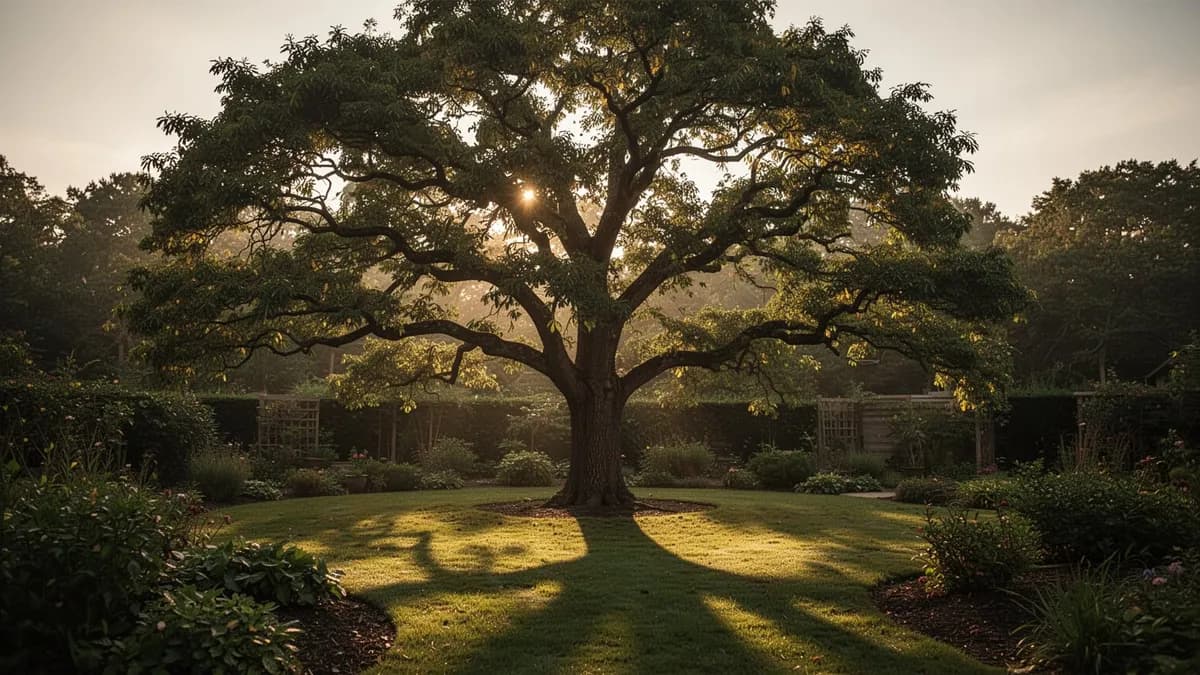
A valuable native timber and nut tree whose dark, richly flavored nuts and stunning chocolate-brown wood make it one of the most prized hardwoods in North America. Black walnuts produce high concentrations of juglone that suppress or kill many nearby plants in a wide radius around the trunk. The nuts are difficult to crack and stain everything they contact, but the intense flavor is unmatched for baking and ice cream. Plant in deep, fertile soil with ample space, away from gardens and sensitive landscape plants.
When to plant Black Walnut Tree
Black walnut seeds require 90 to 120 days of cold stratification to break dormancy. Collect nuts in fall, remove husks, and plant immediately outdoors at a depth of two to three inches, or stratify in moist sand in the refrigerator over winter. Protect outdoor-planted seeds from squirrels with wire mesh. Seedlings emerge in spring and grow vigorously, often reaching two to three feet in the first year. Transplant to permanent locations while trees are young and dormant, as the deep taproot makes transplanting difficult after the second year.
Your Black Walnut Tree Year
Composed for Zone 7 · typical seasons · frost passes Apr 2, returns Nov 1
Plant Black Walnut Tree Mar – Apr, Oct – Nov, pick Sep – Oct. Check the planting methods below and set your climate to personalize these windows.
How to grow Black Walnut Tree
Black walnut trees thrive in deep, well-drained, fertile loam with a pH between 6.0 and 7.0. Select a planting site far from vegetable gardens, flower beds, and other sensitive landscape plants because the tree produces juglone, a chemical toxic to many species within a 50- to 80-foot radius. Plant bare-root seedlings in early spring or container-grown trees in spring or fall, digging a hole twice the width of the root ball and setting the tree at the same depth it grew in the nursery.
Water newly planted trees deeply once a week during the first two growing seasons. After establishment, black walnuts are moderately drought-tolerant but produce the best nut crops with consistent moisture during summer. Apply a 3- to 4-inch layer of organic mulch in a wide ring around the tree, keeping it several inches from the trunk.
Black walnuts begin producing nuts around 10 to 12 years of age and reach peak production between 30 and 60 years. Annual pruning during dormancy shapes the tree for either timber production with a straight central leader or nut production with a more open canopy that allows sunlight to reach fruiting branches.
Black Walnut Tree needs more room than a 4 × 8 ft bed gives
Each Black Walnut Tree wants 1200 cm of elbow room. The planner keeps that spacing for you — every plant, every bed.
Black Walnut Tree's best neighbours
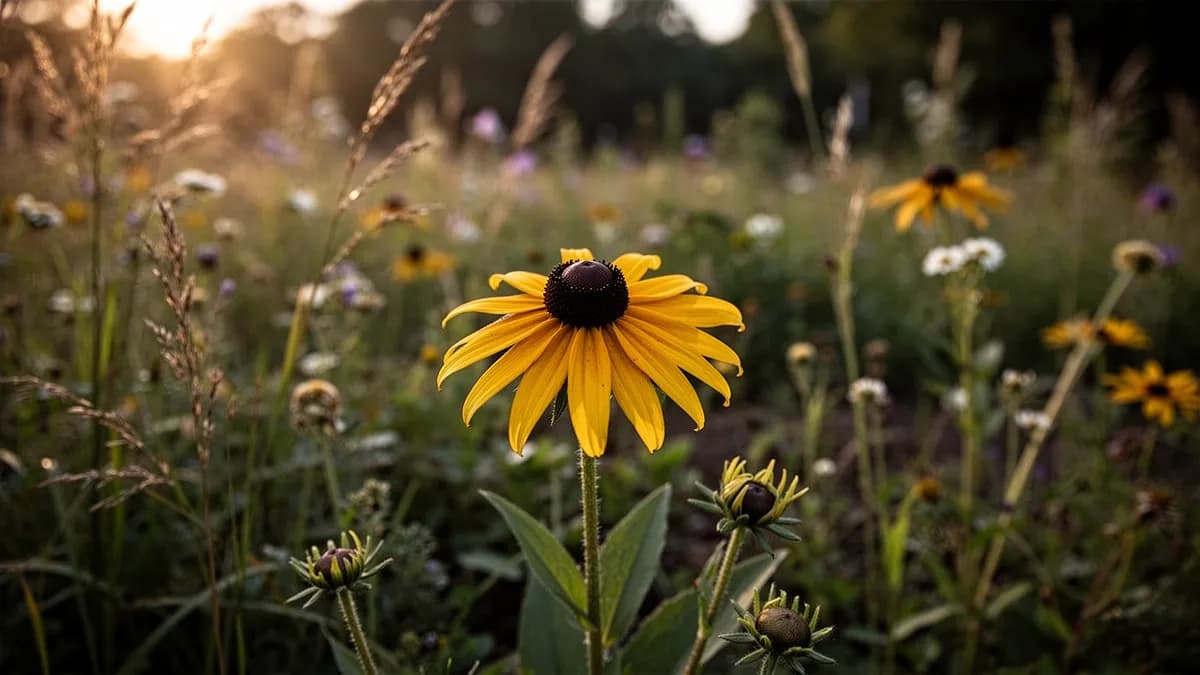
Black walnut is one of the most allelopathic trees in North America, producing juglone from roots, leaves, and husks. Tolerant companions include black-eyed Susans, daylilies, hostas, fescue grasses, and many native woodland wildflowers. Avoid planting tomatoes, peppers, eggplant, potatoes, blueberries, azaleas, and rhododendrons within the drip line. Juglone persists in soil for several years after a tree is removed. Kentucky bluegrass and white clover tolerate juglone well and make good ground covers beneath the canopy.
Black-eyed Susan belongs beside it. Tomato doesn't.
Old growers' knowledge, checked against Black Walnut Tree's real companion table below — test any plant you're growing.
Try Black Walnut Tree in a bed — right here
A real planner bed with Black Walnut Tree already in it. Tap a companion to place it and watch the pairing checks answer — green for good neighbours, red for a clash.


Related growing guides
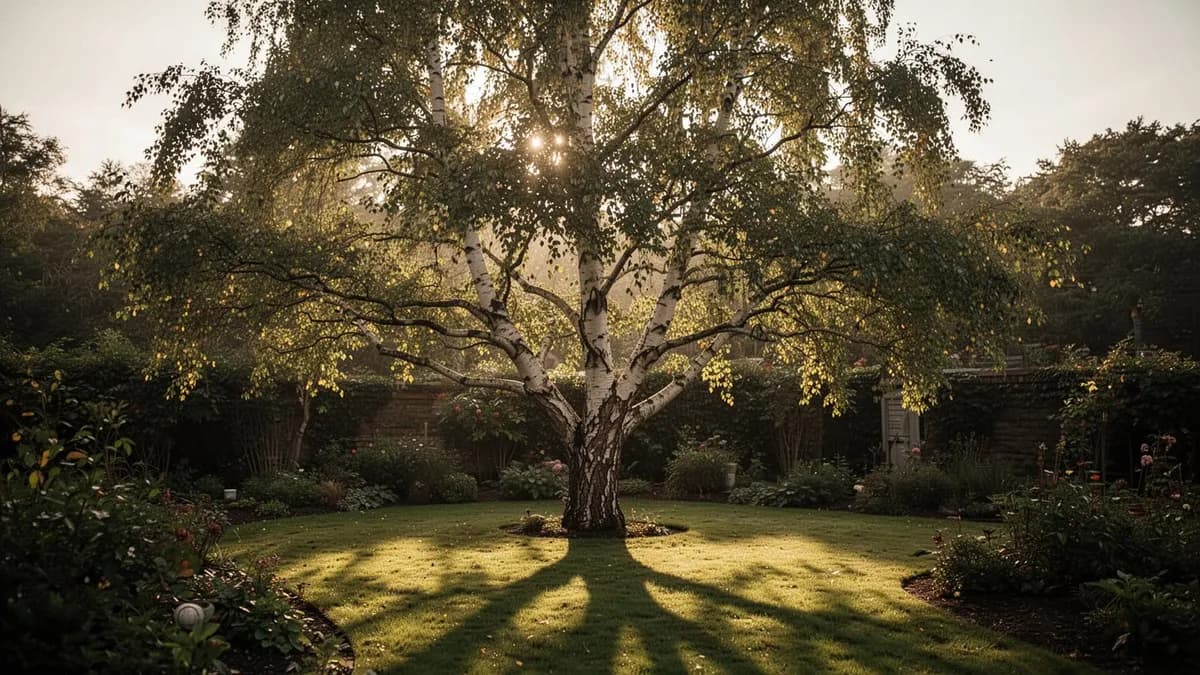
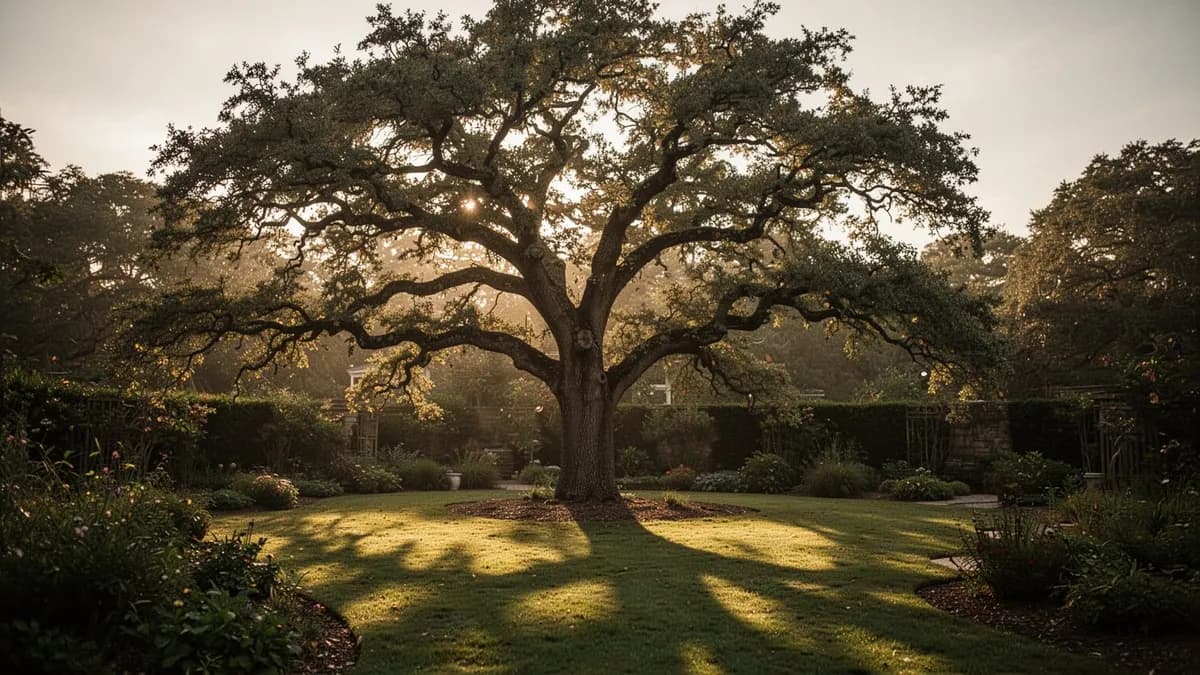
Feed it well
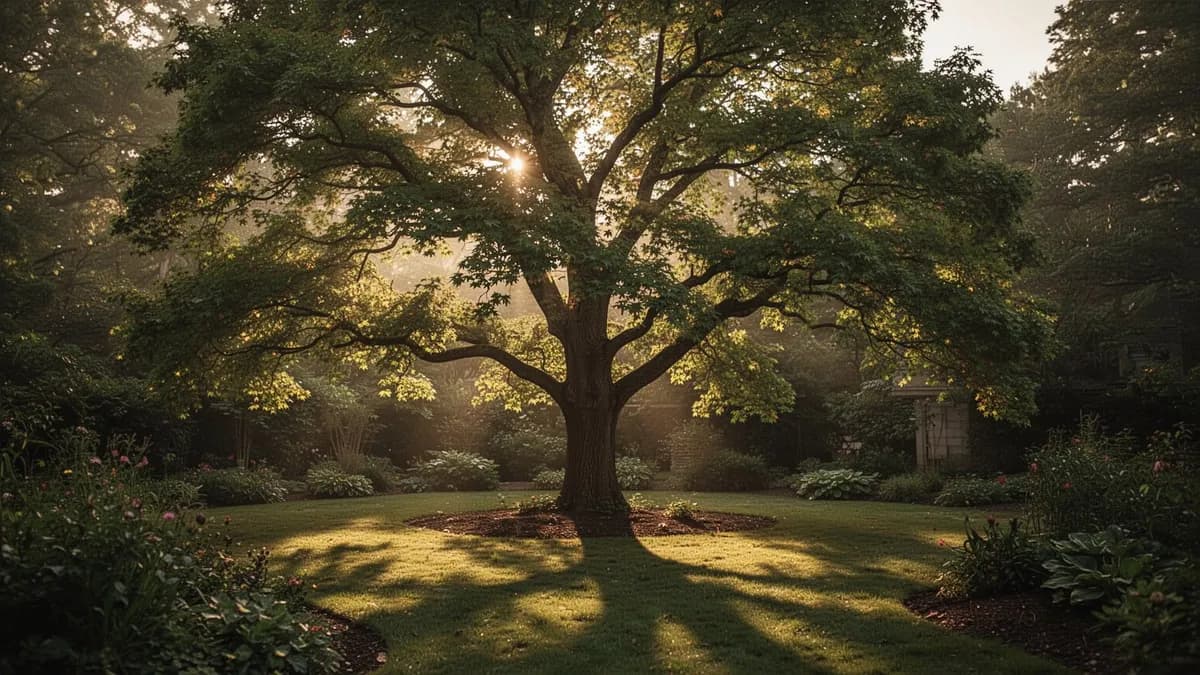
Black walnuts perform best in deep, fertile, well-drained loam with a pH of 6.0 to 7.0. They are heavy feeders that benefit from annual applications of balanced fertilizer in early spring at a rate of one pound of 10-10-10 per inch of trunk diameter. Supplemental zinc is often beneficial, as deficiency is common in walnut trees and manifests as small, yellowed leaves and rosette formation at branch tips. Avoid excessive nitrogen, which promotes vegetative growth at the expense of nut production. Maintain a 4-inch organic mulch layer to build soil organic matter and support the beneficial mycorrhizal fungi that walnut roots depend upon.
Ideal Temperature
Hardiness Zone Compatibility
From seed to harvest, stage by stage
Seed Stratification and Germination
Black walnut seeds require 90 to 120 days of cold, moist stratification at 1 to 5 degrees Celsius to break dormancy. Seeds are typically planted in autumn and germinate the following spring when soil temperatures reach about 15 degrees Celsius. The thick shell softens gradually during winter exposure, allowing the radicle to emerge.
Seedling Establishment
Young seedlings develop a strong taproot that can reach 45 cm in the first growing season. The first true compound leaves appear within weeks of emergence. Seedlings grow 30 to 60 cm in their first year and begin developing the characteristic aromatic foliage. The taproot makes transplanting difficult after the first year.
Juvenile Growth Phase
During years two through ten, the tree grows vigorously at a rate of 60 to 90 cm per year under good conditions. The trunk begins to develop characteristic furrowed bark and the crown starts to spread. The root system expands substantially and begins producing significant levels of juglone, the allelopathic compound that inhibits the growth of many nearby plants including tomatoes, peppers, blueberries, and azaleas.
Early Bearing and Maturation
Black walnuts typically begin producing nuts between 10 and 15 years of age, though grafted cultivars may bear as early as 4 to 6 years. Initial yields are modest at 1 to 2 bushels per tree. The canopy broadens significantly and the tree can reach 12 to 18 meters in height. The juglone zone extends well beyond the drip line through the expanding root system.
Full Production Maturity
Mature trees aged 20 to 50 years reach peak nut production, yielding 2 to 6 bushels of hulled nuts annually. The tree can stand 20 to 30 meters tall with a crown spread of 15 to 20 meters. Mast years with heavy production tend to alternate with lighter years. The trunk diameter can exceed 60 cm and the timber value increases substantially with age.
Legacy and Old Growth
Black walnut trees can live 200 years or more and continue producing nuts well past 100 years of age. Older trees become increasingly valuable for their timber, with large straight-trunked specimens commanding premium prices. The deep root system and broad canopy provide significant ecosystem services including carbon sequestration, wildlife habitat, and soil stabilization.
Plant seeds 5 to 8 cm deep in well-drained soil in autumn. Protect from squirrels with wire mesh. Alternatively, stratify in damp sand inside a refrigerator for 3 to 4 months before spring sowing.
Caring for Black Walnut Tree month by month
What to do each month for your Black Walnut Tree
October
You are hereComplete nut harvest and process remaining fruits for drying and storage. Rake fallen leaves and husks to reduce overwintering disease inoculum. Plant fresh seeds directly in the ground for natural cold stratification over winter
Know exactly what to do in your garden — every month
One email at the start of each month: what to sow, plant, and tackle right now — for your Black Walnut Tree and everything growing around it. Plus a short starter course that helps you dodge the classic mistakes.
- What to do, right now
- Matched to your season
- Starter course included
Harvesting Black Walnut Tree
Harvest black walnuts in early to mid-fall when the green husks begin to soften and show dark spots. Collect fallen nuts promptly before squirrels claim them. Remove husks immediately wearing heavy gloves, as the juice permanently stains skin and fabric. Wash dehusked nuts and float-test them, discarding any that float. Cure the nuts by spreading them in a single layer in a dry, well-ventilated area for two to four weeks until the shells are fully dry. Crack with a heavy-duty nutcracker designed for black walnuts, as standard nutcrackers cannot handle the extremely hard shells.
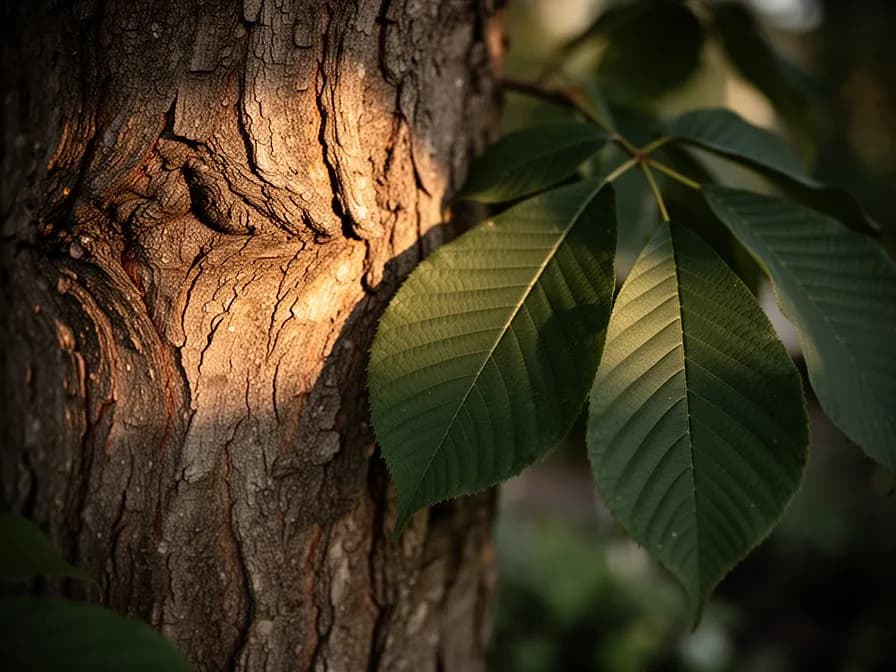
assuming you plant when the window opens — set your real date
Pick Black Walnut Tree promptly and the plant keeps producing.
Storage & Preservation
Store unshelled black walnuts in a cool, dry location where they will keep for up to two years. Once cracked, the nutmeats are highly perishable due to their high oil content and should be refrigerated in airtight containers for up to six months or frozen for up to two years. Vacuum-sealing extends freezer life further. Nutmeats can also be dehydrated at low temperature and stored in sealed jars. Always taste-test before using stored nuts, as rancidity develops gradually and the off-flavor is unmistakable.
What goes wrong — and the fix
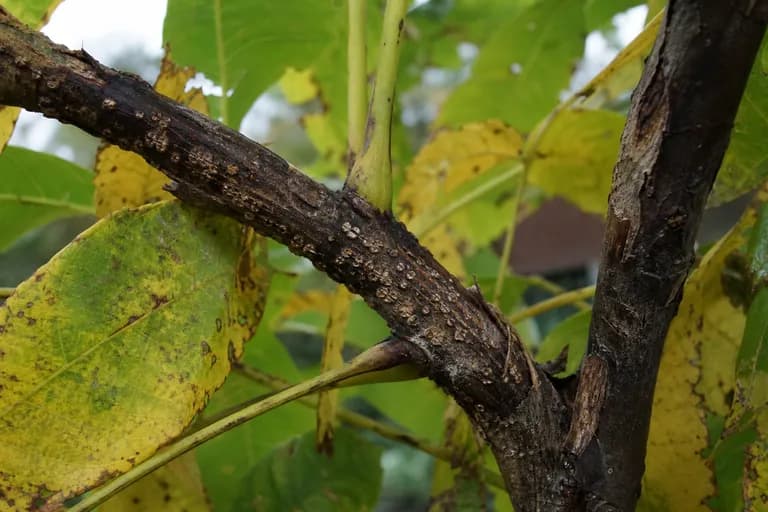
Thousand Cankers Disease
DiseaseSmall cankers form under bark around walnut twig beetle galleries, causing branch dieback from the crown downward, yellowing foliage, and eventual tree death.
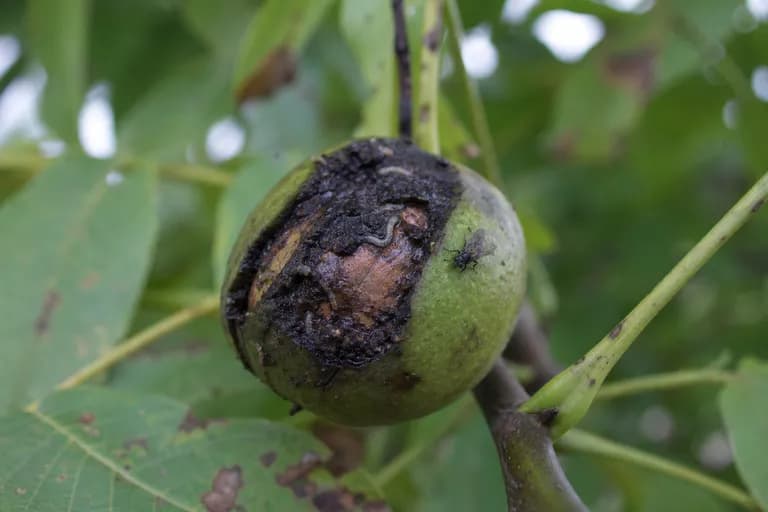
Walnut Husk Fly
PestMaggots tunnel through developing husks, causing black, mushy husks that stick to the shell and stain the nuts, making them difficult to process.
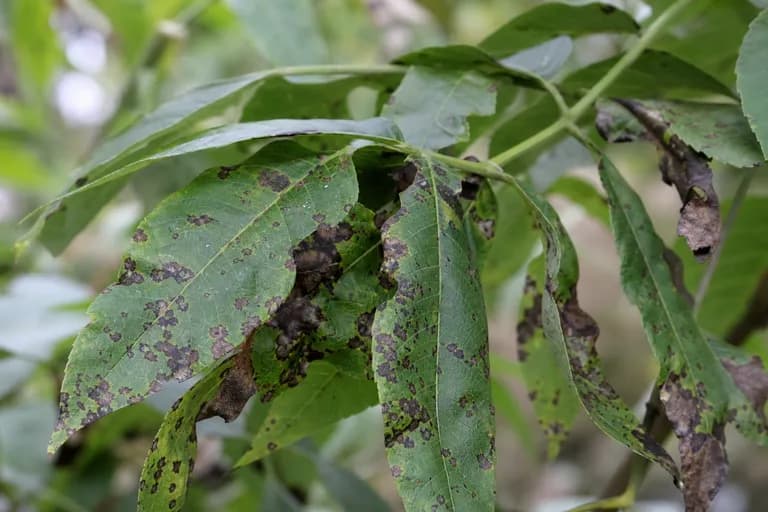
Walnut Anthracnose
DiseaseIrregular brown spots appear on leaves in spring, expanding during wet weather and causing premature leaf drop that reduces nut production and tree vigor.
Troubleshooting Common Problems
The most significant challenge with black walnuts is juglone toxicity, which kills or damages tomatoes, peppers, blueberries, azaleas, and many other common garden plants. Squirrel predation can claim the entire nut crop if trees are not harvested promptly. Husk staining makes processing messy and labor-intensive. Young trees may suffer frost damage to emerging foliage in late spring. Crown dieback from thousand cankers disease is an increasing concern in western populations. Leaf drop from anthracnose during wet seasons can reduce tree vigor and nut production over time.
Growing Tips
- Plant black walnut trees at least 15 meters from vegetable gardens, berry patches, and ornamental beds to minimize the allelopathic effects of juglone on sensitive plants like tomatoes, peppers, eggplant, blueberries, azaleas, and rhododendrons.
- Select a planting site with deep, well-drained loamy soil and a pH between 6.0 and 7.5 for optimal growth; avoid heavy clay soils or sites with a high water table where taproot development will be restricted.
- Grow juglone-tolerant companion crops near black walnut trees, including beans, beets, carrots, corn, melons, onions, parsnips, squash, and certain pasture grasses like Kentucky bluegrass and orchardgrass.
- Establish a strong central leader through corrective pruning during the first 10 to 15 years, removing competing leaders and lower branches to produce a straight, clear trunk of 5 to 6 meters for maximum timber value.
- Harvest nuts promptly as they fall in September and October; remove the green husks within one week using a corn sheller, vehicle tire method, or manual peeling, and wear heavy rubber gloves to avoid juglone staining.
- Cure freshly hulled nuts by spreading them in a single layer in a well-ventilated area away from direct sunlight for 10 to 14 days, then store in mesh bags at cool temperatures of 0 to 4 degrees Celsius for up to two years.
- Protect young trees from deer browsing and buck rub damage by installing tree shelters or wire cages around trunks for the first five to eight years until the bark thickens sufficiently.
- Monitor for thousand cankers disease by looking for small entry holes from walnut twig beetles, yellowing and wilting branch tips, and dark cankers beneath the bark; report suspected cases to your state forestry department.
- Interplant black walnut with nitrogen-fixing species such as black locust, autumn olive, or white clover ground cover to improve soil nitrogen availability and boost growth rates by up to 30 percent.
- Avoid disturbing the soil within the drip line of established trees with heavy equipment or tilling, as root damage stresses the tree and severed roots release concentrated juglone into the surrounding soil.
Grow your best Black Walnut Tree yet — and everything around it.
Start a free plan today. Lay out your beds, drop in your Black Walnut Tree, and let PlotMyGarden handle the timing, spacing, companions and reminders from seed to harvest basket.
Pick your Black Walnut Tree
Thomas
A heritage cultivar valued for large, well-filled nuts that crack out in bigger pieces than most black walnut varieties, making it a top choice for backyard nut production.
Kwik Krop
Bears nuts as early as three to four years from grafting, much sooner than seedling trees. Produces thin-shelled nuts with good flavor and moderate yields.
Emma K
Highly productive cultivar with large, round nuts that are easier to crack than average. Known for consistent annual bearing and excellent kernel quality.
Sparrow
A newer release with outstanding crack-out percentage and large, plump kernels. Moderately vigorous tree with good disease resistance and reliable annual production.
A single mature black walnut tree can produce 2 to 6 bushels of hulled nuts per year, worth 30 to 80 dollars at current market rates for in-shell nuts. Shelled black walnut kernels retail for 25 to 40 dollars per kilogram, making a productive tree worth 150 to 400 dollars annually in nut value alone. Beyond the harvest, the timber value of a well-managed black walnut tree increases steadily, with veneer-quality logs from trees aged 60 years or older selling for 2,000 to 10,000 dollars per log. Foraging from wild trees on your own property or with permission is essentially free, requiring only the labor of collection and hulling. Growing your own trees from seed costs virtually nothing and provides a legacy asset that appreciates in value for generations.
Quick recipes
Black Walnut and Brown Butter Pasta
20 minutesToasted black walnut pieces tossed with browned butter, fresh sage, and Parmesan over linguine create a nutty, savory dish that highlights the bold flavor of Juglans nigra. The distinctive earthy and slightly tannic taste of black walnuts pairs exceptionally well with the caramelized milk solids in brown butter.
7 ingredientsClassic Black Walnut Cake
75 minutesA traditional Appalachian layer cake featuring finely chopped black walnuts folded into a moist butter cake and topped with cream cheese frosting. This recipe showcases the intense, almost wine-like flavor of black walnuts that cannot be replicated with any other nut variety.
9 ingredients
Black Walnut Pesto
10 minutesA bold twist on traditional basil pesto, substituting black walnuts for pine nuts to create a deeply flavored sauce ideal for grilled meats, roasted vegetables, or rustic bread. The robust, slightly bitter character of black walnuts adds complexity that balances well with peppery arugula.
8 ingredientsCulinary Uses
Black walnuts have a bolder, more complex flavor than English walnuts, with earthy, tannic notes prized in baking. They are essential in traditional Appalachian black walnut cake, fudge, and ice cream. The intense flavor pairs well with chocolate, maple, and brown sugar. Use them in cookies, brownies, banana bread, and candied nut recipes. Black walnut oil makes a distinctive salad dressing. The nuts can also be pickled green before the shell hardens, producing a tangy British-style pickled walnut condiment.
What's inside
Health Benefits
- Black walnuts are among the richest plant sources of alpha-linolenic acid, an omega-3 fatty acid that supports cardiovascular health by helping reduce inflammation and lower LDL cholesterol levels.
- The high concentration of ellagitannins and other polyphenolic compounds in black walnuts provides potent antioxidant activity that may help protect cells from oxidative stress and reduce the risk of chronic diseases.
- Black walnut hulls contain juglone and other naphthoquinones that have demonstrated antifungal and antibacterial properties in laboratory studies, and hull extracts are used in traditional herbal medicine as an antiparasitic remedy.
- The substantial manganese content in black walnuts supports bone health, blood sugar regulation, and the metabolism of amino acids, cholesterol, and carbohydrates.
- Regular consumption of tree nuts including black walnuts has been associated with improved gut microbiome diversity and increased populations of beneficial bacteria such as Roseburia and Faecalibacterium species.
- The combination of protein, healthy fats, and fiber in black walnuts promotes satiety and may support healthy weight management when consumed as part of a balanced diet.
Where Black Walnut Tree comes from
Juglans nigra, the eastern black walnut, is native to the deciduous forests of eastern North America, ranging from southern Ontario and the Great Lakes region south to Georgia and west to the Great Plains. It thrives in deep, fertile, well-drained bottomland soils along rivers and streams, where it often grows alongside oaks, hickories, and maples in mixed hardwood forests. Indigenous peoples across the continent relied on the nutritious nuts as a staple food source for thousands of years, grinding them into meal, pressing them for oil, and using the husks as dye and medicine. When European settlers arrived, they quickly recognized the tree's dual value for food and lumber. The dense, straight-grained heartwood became the premier choice for gunstocks during the American Revolution and Civil War, and demand for walnut lumber drove extensive harvesting throughout the 19th century. By the early 1900s, the finest old-growth walnut stands had been heavily logged, prompting the first formal planting programs. Today, black walnut is cultivated both in dedicated orchards for nut production and in managed timber plantations. The species has been planted commercially in parts of Europe, South America, and New Zealand, though it remains most productive in its native range. Hammons Products Company in Stockton, Missouri, has operated the largest wild-harvest black walnut buying operation since 1946, purchasing nuts from thousands of individual harvesters each autumn. Modern breeding programs have developed improved cultivars such as Thomas, Sparrow, and Kwik Krop that offer thinner shells, larger kernels, and earlier bearing ages compared to wild-type trees.
Black Walnut Tree: did you know?
Fascinating facts about Black Walnut Tree
Black walnut trees produce juglone, a powerful allelopathic chemical that can inhibit or kill susceptible plants like tomatoes, peppers, potatoes, blueberries, and azaleas growing within 15 to 25 meters of the trunk, making companion planting a careful science.
Black Walnut Tree questions, answered
When should I plant Black Walnut Tree?
What are good companion plants for Black Walnut Tree?
What hardiness zones can Black Walnut Tree grow in?
How much sun does Black Walnut Tree need?
How far apart should I space Black Walnut Tree?
What pests and diseases affect Black Walnut Tree?
How do I store Black Walnut Tree after harvest?
What are the best Black Walnut Tree varieties to grow?
What soil does Black Walnut Tree need?
What is juglone and why does it affect my garden?
How long does it take for a black walnut tree to produce nuts?
Can I grow vegetables near a black walnut tree?
How do I crack and extract black walnut kernels?
Is the black walnut tree valuable for timber?
What diseases and pests should I watch for on black walnut trees?
You just read the theory. Now grow it on autopilot.
Everything that makes Black Walnut Tree fiddly — the timing, the spacing, the companions, the harvest window — is exactly what PlotMyGarden handles for you, for every plant in your garden.
A plan that knows your weather
Set your location once. Get sow, feed and harvest dates built around your real last-frost date and live forecast — no more guessing from a generic seed packet.
From the “When to plant” sectionDrag-and-drop bed planner
Design beds on a grid. Every plant snaps to its proper spacing, and you can see your whole season laid out before you spend a cent on seed.
From the “Growing guide” sectionCompanion conflicts, caught early
200+ good-and-bad pairings checked live as you plant — so a season-wrecking mistake never makes it into the ground.
From the “Companions” sectionReminders you'll actually act on
“Water the beans.” “Pick today before it turns.” Timely, specific, and tied to the plants you're really growing.
From the “Harvest” sectionSuccession, scheduled
Want a harvest for six weeks, not six days? It spaces your sowings automatically and reminds you when each new block is due.
From the “When to plant” sectionA record that gets smarter
Every harvest you log teaches it your garden. Next year's plan starts from what actually worked in your soil, not a textbook's.
From the “Overview” sectionPlant these alongside Black Walnut Tree
More Shade Trees
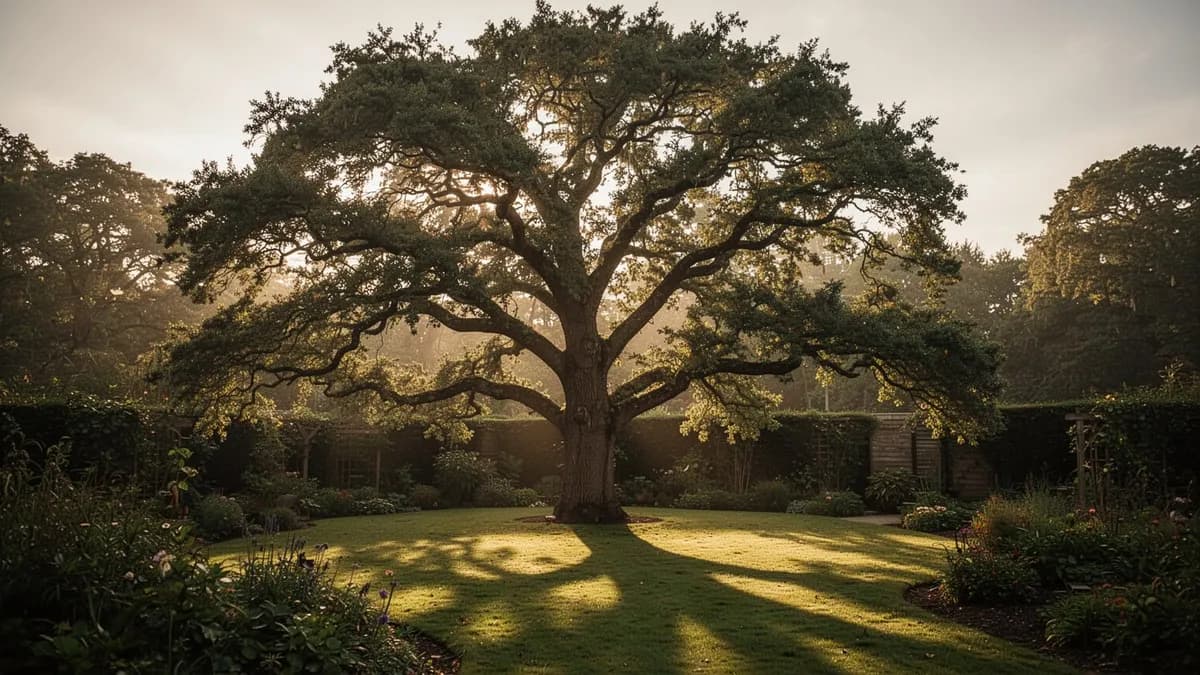
Keep Black Walnut Tree away from these
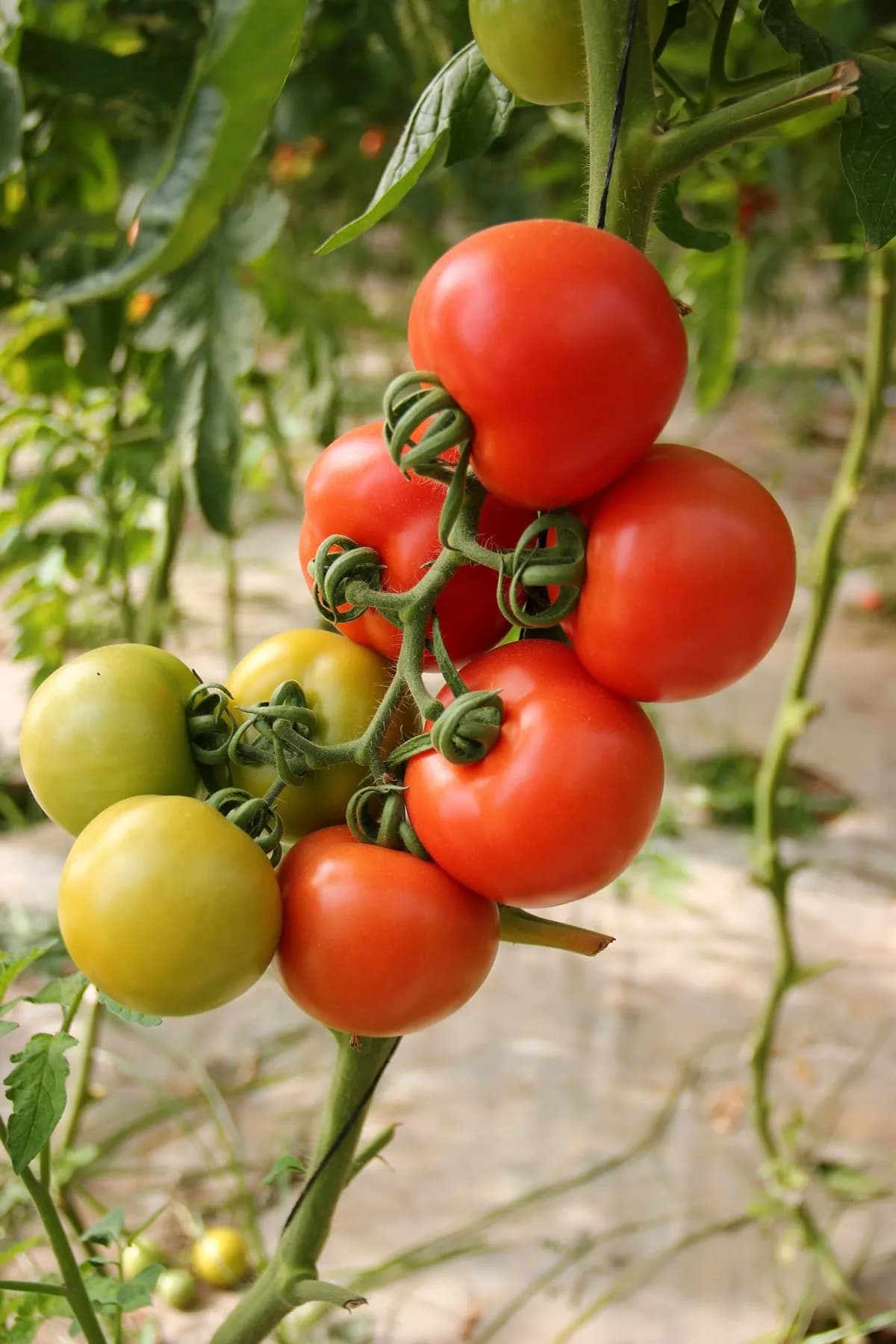
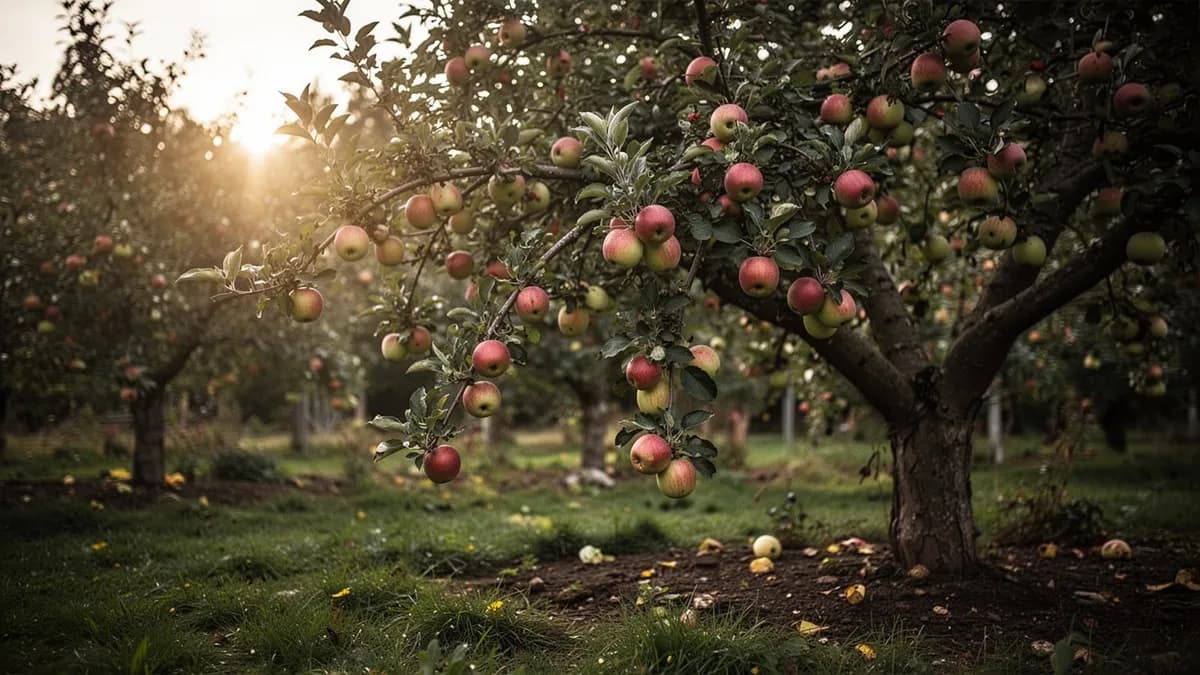
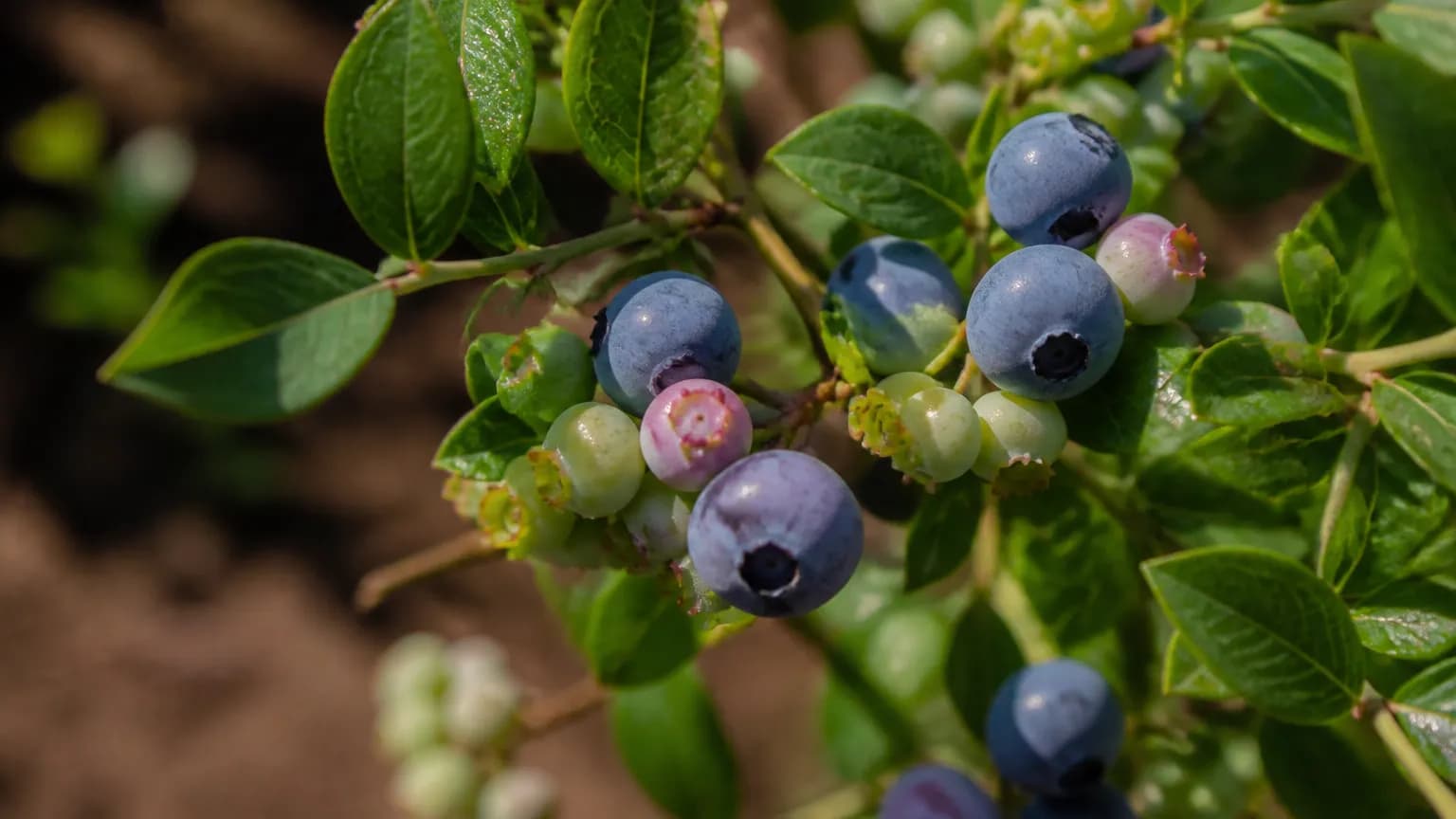
Grow your best Black Walnut Tree yet — and everything around it.
Start a free plan today. Lay out your beds, drop in your Black Walnut Tree, and let PlotMyGarden handle the timing, spacing, companions and reminders from seed to harvest basket.