Maple
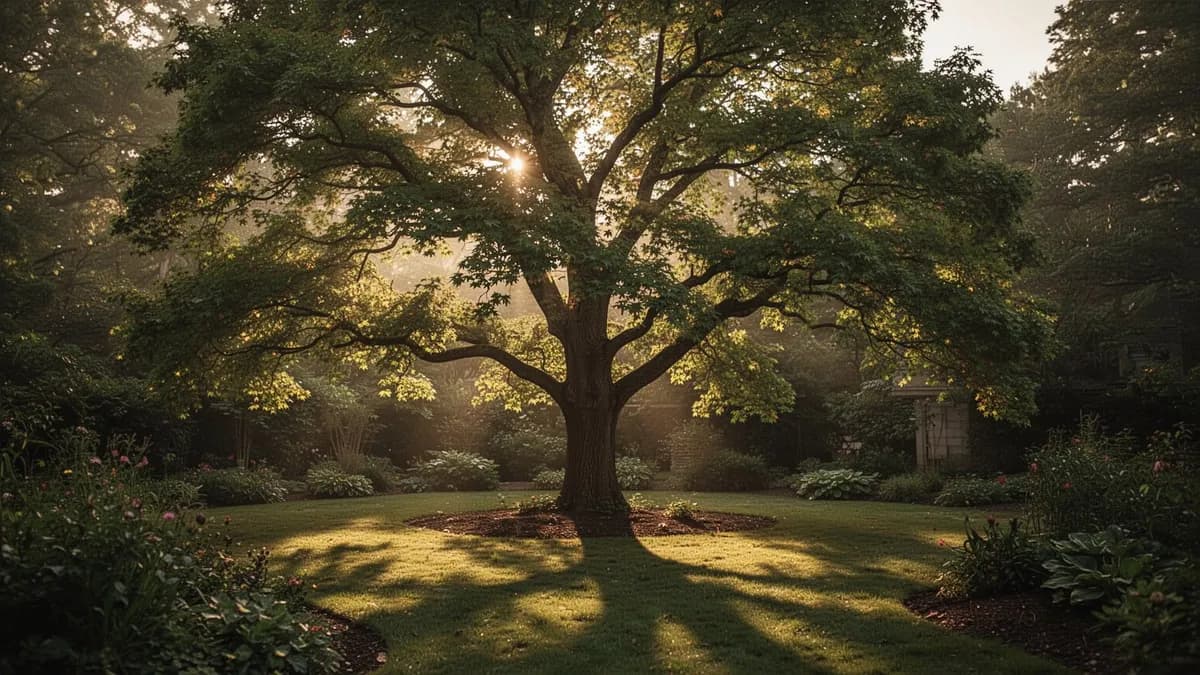
A stately shade tree renowned for spectacular autumn foliage and the ability to produce maple syrup from its sap.





On this pageOverview
Meet Maple
A stately shade tree renowned for spectacular autumn foliage and the ability to produce maple syrup from its sap. Sugar maples grow best in deep, well-drained soil with consistent moisture and prefer some protection from harsh winds and road salt. Tap trees for sap in late winter when daytime temperatures rise above freezing while nights remain cold, then boil the sap down to make syrup. Maples have shallow root systems that can make growing lawn grass difficult beneath their dense canopy, so consider shade-tolerant groundcovers instead.
When to plant Maple
Maple seeds, called samaras, ripen and fall in autumn for sugar maples. Collect seeds when they turn brown and begin spinning to the ground. Cold-stratify seeds for 60 to 90 days in moist peat in the refrigerator. Sow stratified seeds half an inch deep in flats of moist potting mix in late winter. Germination occurs in 2 to 4 weeks. Grow seedlings in containers for one year before transplanting. Named cultivars are propagated by budding or grafting onto seedling rootstock, as seedlings vary significantly in form and fall color.
Your Maple Year
Composed for Zone 7 · typical seasons · frost passes Apr 2, returns Nov 1
Plant Maple Mar – Apr, Oct – Nov, pick Feb – Mar. Check the planting methods below and set your climate to personalize these windows.
How to grow Maple
Plant sugar maples in deep, well-drained, slightly acidic soil with a pH of 5.5 to 7.0 in a location with full sun to light shade. Maples prefer consistent moisture but will not tolerate waterlogged conditions. Space trees 40 to 50 feet apart to allow full canopy development. Plant balled-and-burlapped or container-grown trees in spring or fall, ensuring the root flare sits at or slightly above grade.
Water newly planted maples deeply once a week during the first two growing seasons. Apply a 3 to 4 inch layer of organic mulch over the root zone, extending to the drip line but keeping mulch 6 inches from the trunk. Sugar maples have a shallow, fibrous root system that benefits greatly from mulching. Avoid planting in areas exposed to road salt, as maples are highly sensitive to salt damage.
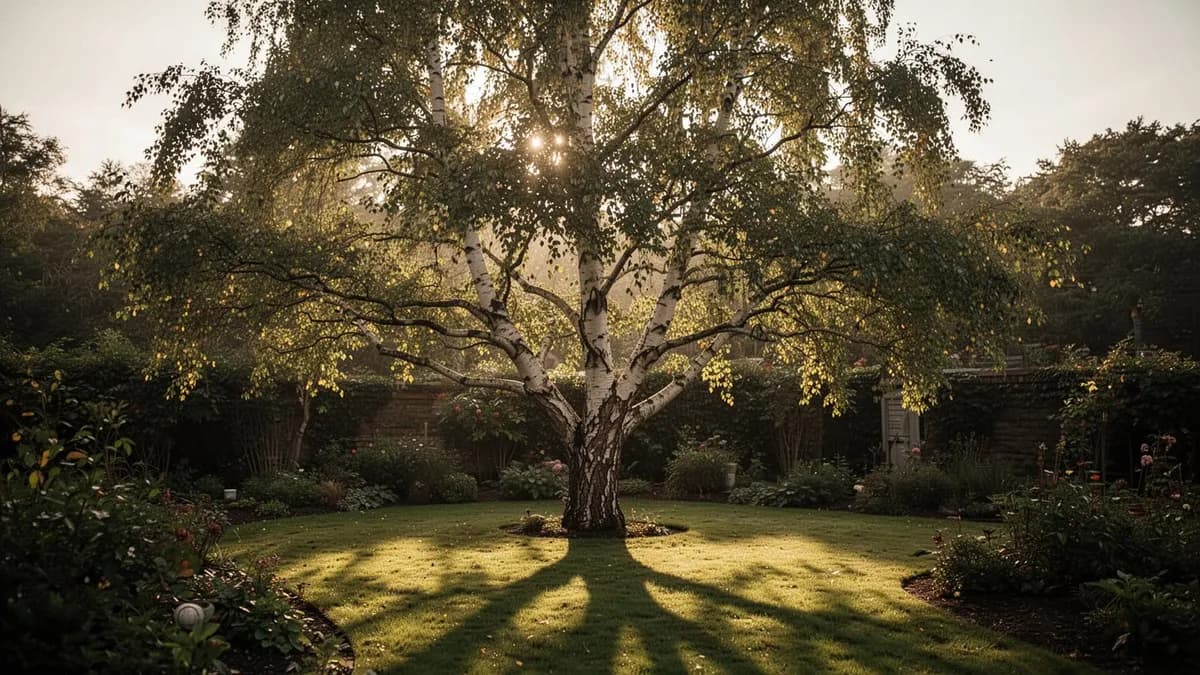
Prune in late summer or early fall rather than late winter or spring, when maples bleed sap heavily from cuts. Remove dead, crossing, or poorly placed branches to maintain good structure. Sugar maples grow moderately, adding 12 to 24 inches of height per year. For sap production, trees should be at least 10 to 12 inches in diameter before tapping, which typically takes 30 to 40 years from planting.
Maple needs more room than a 4 × 8 ft bed gives
Each Maple wants 900 cm of elbow room. The planner keeps that spacing for you — every plant, every bed.
Maple's best neighbours
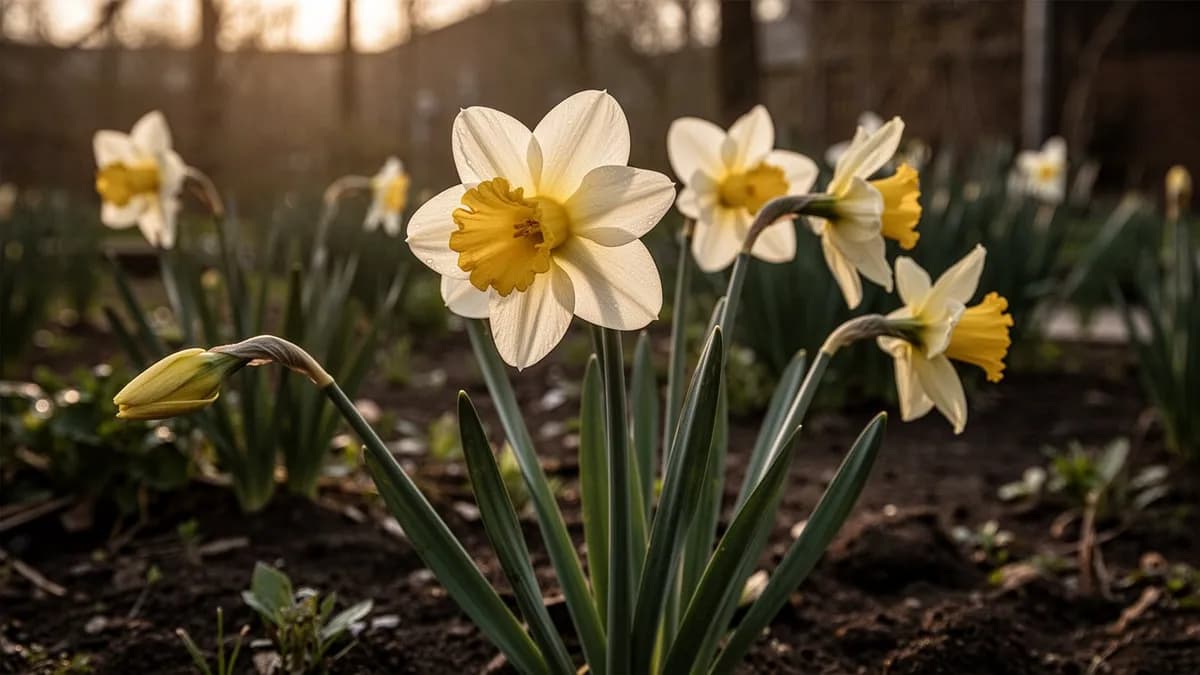
Plant shade-tolerant groundcovers beneath maples rather than lawn grass, which struggles under the dense canopy and shallow roots. Hostas, ferns, wild ginger, woodland phlox, and epimedium thrive in the dappled shade. Spring ephemeral bulbs like daffodils, snowdrops, and crocuses bloom before leaf-out and are excellent companions. Avoid planting black walnut within 50 feet due to juglone sensitivity. Understory shrubs like dogwood and serviceberry complement maples well.
Daffodil belongs beside it. Walnut Tree doesn't.
Old growers' knowledge, checked against Maple's real companion table below — test any plant you're growing.
Try Maple in a bed — right here
A real planner bed with Maple already in it. Tap a companion to place it and watch the pairing checks answer — green for good neighbours, red for a clash.


Related growing guides
Feed it well
Sugar maples prefer deep, well-drained, fertile loam with a pH of 5.5 to 7.0. They struggle in compacted, alkaline, or salt-contaminated soils. Amend clay soils with organic matter to improve drainage and structure. Apply a balanced slow-release fertilizer in early spring for young trees, spreading it beneath the drip line. Mature trees in good soil rarely need supplemental fertilization. Top-dress the root zone with compost annually to maintain organic matter and support the shallow root system.
Ideal Temperature
Hardiness Zone Compatibility
From seed to harvest, stage by stage
Seed Germination and Seedling Emergence
Sugar maple seeds (samaras) require 60 to 90 days of cold stratification at 1-5°C to break dormancy. In nature, seeds fall in autumn and overwinter on the forest floor beneath leaf litter. Germination occurs in early spring when soil temperatures reach 5-10°C, with the embryonic root emerging first, followed by the cotyledons pushing through the soil surface. Seedlings are shade-tolerant and can persist under the canopy of mature trees.
Seedling Establishment
During the first year, the sugar maple seedling develops its primary root system and produces its first set of true leaves with the characteristic five-lobed shape. Growth is relatively slow, typically reaching 15-30 cm in height. The seedling allocates most energy to root development, establishing a taproot and lateral root network that will support decades of future growth. First-year seedlings are highly sensitive to drought and direct sun exposure.
Juvenile Growth Phase
Over years two through five, the sugar maple transitions from a delicate seedling to a sturdy sapling. Annual height growth increases to 30-60 cm per year under favorable conditions. The trunk begins to develop its characteristic smooth gray bark, and the crown broadens into a rounded oval shape. The root system expands significantly, with lateral roots extending well beyond the canopy drip line. During this phase, the tree begins producing substantial fall color.
Adolescent Growth and Canopy Formation
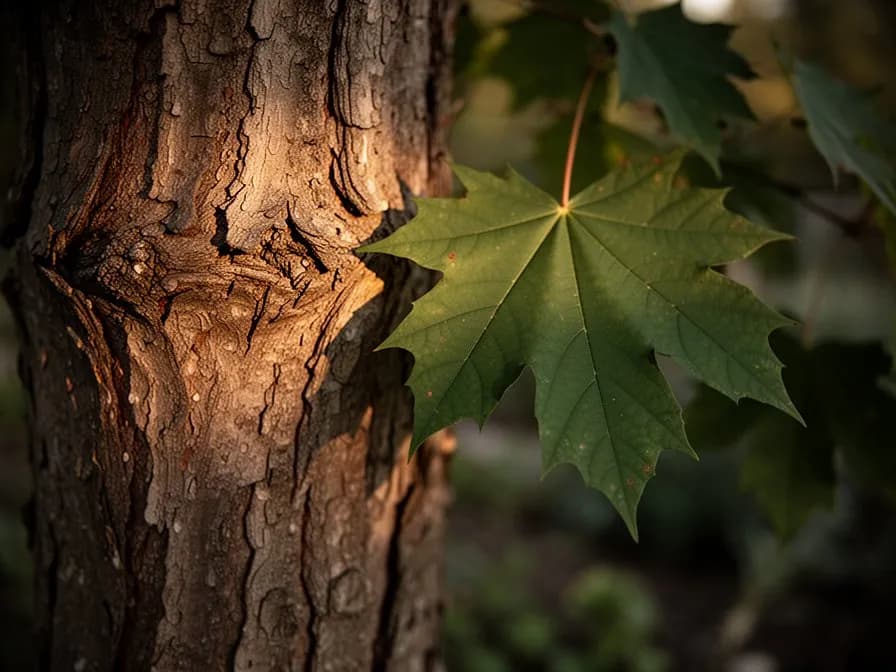
Between years five and twenty, sugar maples experience their most vigorous growth period, adding 30-60 cm of height annually and developing a dense, symmetrical oval crown. The bark begins transitioning from smooth gray to the furrowed plating characteristic of mature trees. The root system becomes fully established, and the tree develops increasing drought tolerance. Trees in open settings grow broader crowns than those in forested conditions.
Mature Sap-Producing Tree
Sugar maples reach tapping maturity at approximately 30-40 years of age, when the trunk diameter exceeds 25 cm (10 inches) at chest height. A mature sugar maple can produce 35-50 liters of sap per season, with sap flow driven by freeze-thaw cycles in late winter. The tree reaches its full height of 20-35 meters and develops the deeply furrowed bark and broad, dense crown that make it one of the most recognizable hardwood trees in eastern North America.
Old Growth and Legacy
Sugar maples are remarkably long-lived trees, commonly reaching 200-300 years and occasionally exceeding 400 years. Old-growth sugar maples develop massive trunks exceeding 1 meter in diameter, deeply furrowed bark plates, and sprawling canopies that shade large areas. These venerable trees continue producing sap and seeds well into old age, serving as ecological anchors in their forest communities by providing food and habitat for countless species.
Collect samaras in autumn when they turn brown and plant them 1-2 cm deep in moist, well-drained soil. If starting indoors, stratify seeds in damp peat moss in the refrigerator for 90 days before sowing. Keep seedbed consistently moist but not waterlogged during germination.
Caring for Maple month by month
What to do each month for your Maple
October
You are herePeak fall color display. Rake and compost fallen leaves or use them as mulch in garden beds. Leaves from sugar maples are excellent for composting due to their moderate decomposition rate. Begin planning next season's tapping strategy.
Know exactly what to do in your garden — every month
One email at the start of each month: what to sow, plant, and tackle right now — for your Maple and everything growing around it. Plus a short starter course that helps you dodge the classic mistakes.
- What to do, right now
- Matched to your season
- Starter course included
Harvesting Maple
Tap sugar maples for sap in late winter when daytime temperatures rise above 40 degrees Fahrenheit and nights remain below freezing. Drill a 5/16-inch hole 2 to 2.5 inches deep into the trunk on the south-facing side. Insert a spile and hang a collection bucket or attach tubing. Each tap yields 10 to 20 gallons of sap per season. It takes approximately 40 gallons of sap to make one gallon of maple syrup. The sap run typically lasts 4 to 6 weeks in late February through March.
assuming you plant when the window opens — set your real date
Pick Maple promptly and the plant keeps producing.
Storage & Preservation
Boil fresh maple sap to 219 degrees Fahrenheit (7 degrees above the boiling point of water at your elevation) to achieve proper syrup density. Hot-pack finished syrup into sterilized glass jars or bottles and seal while hot for shelf-stable storage lasting years. Opened syrup should be refrigerated and used within several months. Maple syrup can also be further processed into maple sugar, maple cream, and maple candy by continued boiling and controlled cooling.
What goes wrong — and the fix
Asian Longhorned Beetle
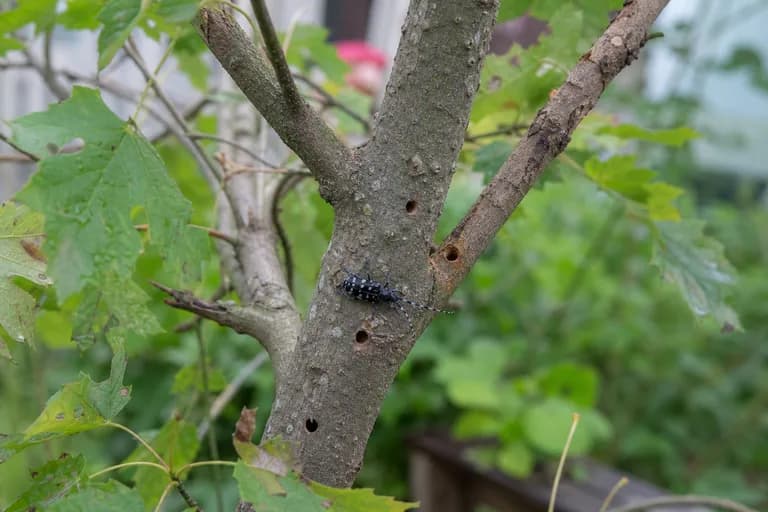
PestRound exit holes the diameter of a pencil in trunk and branches. Sawdust-like frass on the ground. Branch dieback in canopy.
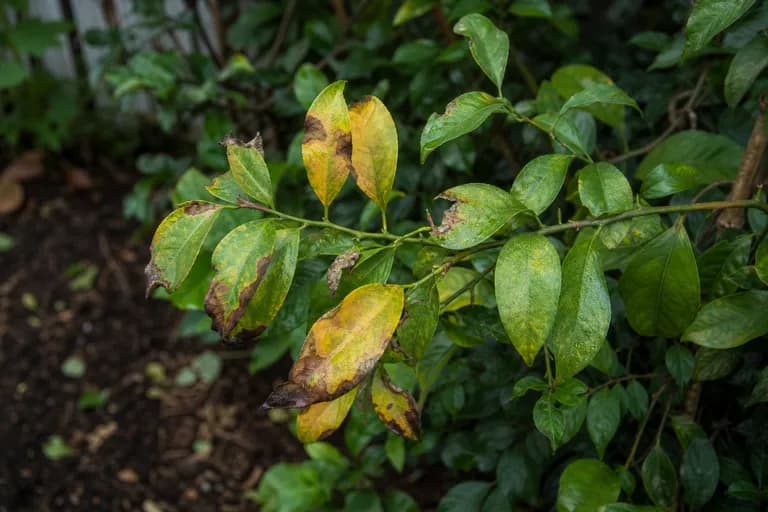
Verticillium Wilt
DiseaseLeaves on one side or branch wilt and turn brown. Green streaking visible in sapwood when bark is peeled from affected branches.
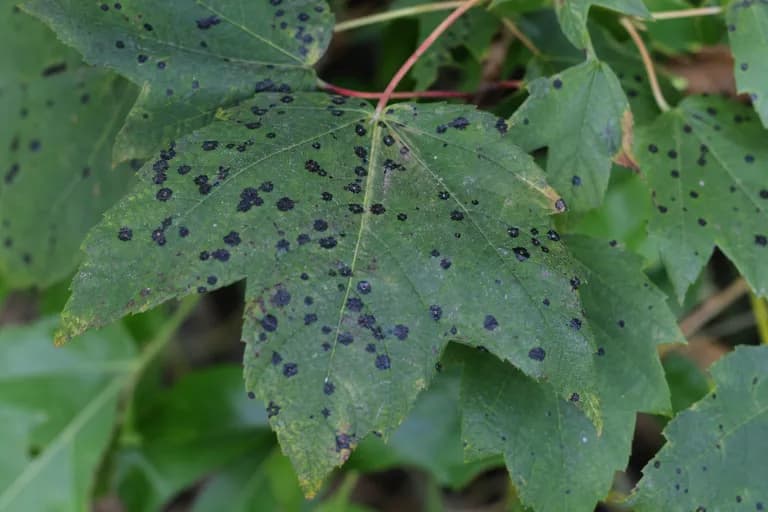
Tar Spot
DiseaseRaised black tar-like spots on upper leaf surfaces in late summer. Primarily cosmetic but heavy infections can cause early leaf drop.
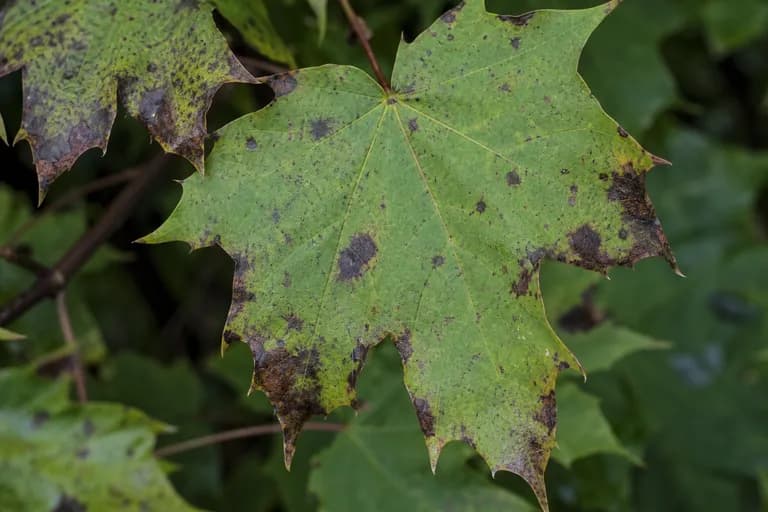
Maple Anthracnose
DiseaseIrregular brown spots along leaf veins and edges. Leaves may curl, brown, and drop prematurely in wet springs.
Troubleshooting Common Problems
Road salt damage causes leaf scorch and branch dieback on trees planted near streets and driveways. Shallow roots make growing lawn grass beneath maples difficult and can heave sidewalks. Tar spot fungus is unsightly but rarely harmful. Verticillium wilt can kill branches or entire trees. Heavy seed production in some years creates a messy cleanup. Sugar maples grow slowly compared to red or silver maples, requiring patience for shade and syrup production.
Growing Tips
- Plant sugar maples in deep, well-drained, slightly acidic to neutral soil (pH 5.5-7.3) with good moisture retention. Avoid compacted, poorly drained, or highly alkaline soils where sugar maples are prone to chlorosis and decline.
- Choose a planting site with full sun to partial shade. Sugar maples are shade-tolerant when young but produce the best fall color and sap yields when they receive at least 6 hours of direct sunlight on their crown.
- Space trees at least 10-15 meters apart to allow for the mature canopy spread of 12-20 meters. Planting too closely results in narrow crowns, reduced sap production, and poor fall color development.
- Water newly planted trees deeply once per week during the first three growing seasons, providing 2-3 cm of water per week. Established trees are moderately drought-tolerant but benefit from supplemental irrigation during extended dry periods.
- Avoid planting sugar maples near roads that are heavily salted in winter, as they are highly sensitive to salt damage. Road salt causes leaf scorch, branch dieback, and can ultimately kill the tree. Maintain at least 15 meters from salt-treated roads.
- Apply a 3-5 cm annual layer of composted leaf mulch from the trunk outward to the drip line, keeping mulch 10-15 cm away from the trunk. This mimics the natural forest floor and maintains the cool, moist root zone conditions sugar maples prefer.
- Prune sugar maples in late summer (August-September) or during full dormancy in winter to minimize sap bleeding. Avoid pruning in spring when sap pressure is high, as wounds will bleed profusely and weaken the tree.
- Protect young trees from sunscald (frost cracking) by wrapping the trunk with tree wrap or painting it with white latex paint in late fall, especially on the south and southwest sides. Remove wrap in spring.
- Monitor for maple decline syndrome, characterized by progressive crown dieback, which can be triggered by drought stress, soil compaction, road salt, or root damage. Maintaining soil health and avoiding root zone disturbance are the best preventive measures.
- For sap production, begin tapping only when the trunk reaches 25 cm in diameter. Use properly sized drill bits (7/16 inch for standard spiles or 5/16 inch for health spouts) and limit tap depth to 5-7 cm to avoid reaching the heartwood.
Grow your best Maple yet — and everything around it.
Start a free plan today. Lay out your beds, drop in your Maple, and let PlotMyGarden handle the timing, spacing, companions and reminders from seed to harvest basket.
Pick your Maple
Sugar Maple (Acer saccharum)
The premier syrup-producing species with the highest sap sugar content. Outstanding orange-red fall color and stately form.
Red Maple (Acer rubrum)
Brilliant scarlet fall color and faster growth than sugar maple. Tolerates wetter conditions but produces lower-sugar sap.
Norway Maple (Acer platanoides)
Dense shade tree with yellow fall color. Very urban-tolerant but considered invasive in some regions due to aggressive seeding.
Silver Maple (Acer saccharinum)
Fastest-growing maple with silvery leaf undersides. Weak-wooded and prone to storm damage but excellent for quick shade.
Japanese Maple (Acer palmatum)
Small ornamental tree with elegant dissected leaves and spectacular fall color. Best in partial shade with protection from harsh sun and wind.
A single mature sugar maple tree produces 35-50 liters of sap per season, yielding approximately 1-1.25 liters of pure maple syrup worth $15-$25 at retail prices. A small sugarbush of 10-20 tappable trees can produce 10-25 liters of syrup annually, representing $150-$625 in retail value. Since sugar maples can be sustainably tapped for over a century, a well-maintained tree represents a lifetime supply of premium sweetener. The initial investment in tapping equipment (spiles, buckets, evaporator) typically pays for itself within two to three seasons, and the trees simultaneously provide shade that can reduce summer cooling costs by 20-30 percent.
Quick recipes
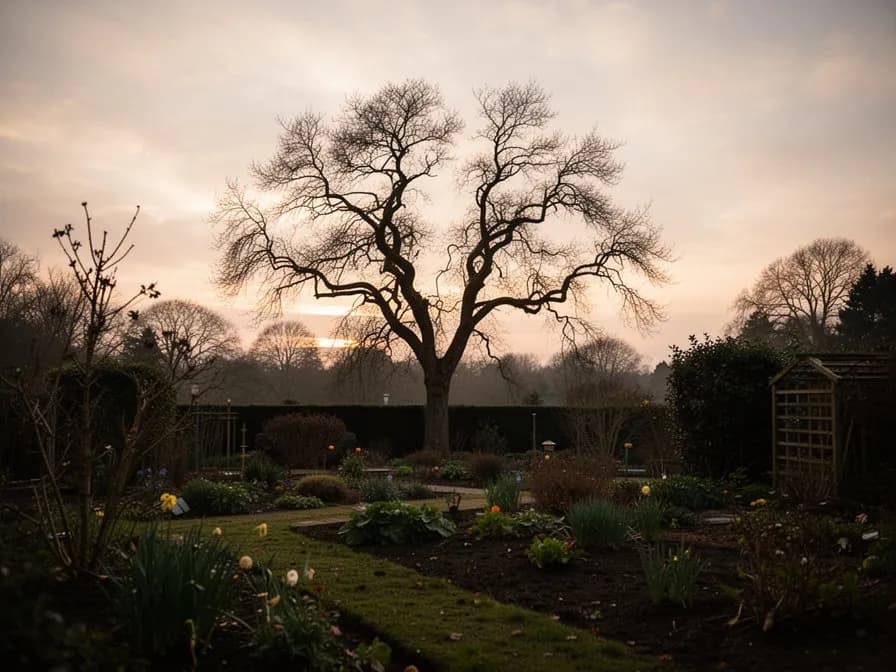
Classic Maple Syrup from Backyard Sap
4-6 hours (boiling time)Transform fresh sugar maple sap into pure, golden maple syrup using a simple outdoor boiling method. The process concentrates the subtle sweetness of raw sap into the rich, complex flavor of finished syrup. Boil 40 liters of sap down to approximately 1 liter of syrup, finishing on the stovetop for precise temperature control. Syrup is ready when it reaches 104°C (7.1°C above the boiling point of water at your altitude).
5 ingredientsMaple Glazed Roasted Root Vegetables
45 minutesSweet and savory roasted root vegetables coated in a caramelized maple glaze that highlights the natural earthiness of seasonal produce. The maple syrup creates a beautiful golden crust while complementing the sweetness of carrots and parsnips. A perfect side dish that celebrates the harvest from both your sugar bush and vegetable garden.
7 ingredientsMaple Cream (Maple Butter)
30 minutes plus coolingSilky smooth maple cream made by heating maple syrup to the soft ball stage and then stirring it continuously as it cools until it crystallizes into a creamy, spreadable consistency. This traditional confection requires no dairy despite its buttery name. Spread it on toast, pancakes, or use it as a filling for pastries. The key is patience during the stirring and cooling process.
5 ingredientsCulinary Uses
Maple syrup is the primary culinary product, used as a natural sweetener on pancakes, waffles, oatmeal, and yogurt. Maple sugar and maple cream are traditional confections. Syrup flavors baked goods, glazes for roasted meats, and salad dressings. Maple pairs beautifully with bacon, pecans, sweet potatoes, and apples. The sap itself can be consumed fresh as a mildly sweet spring tonic beverage.
What's inside
Health Benefits
- Maple syrup contains over 67 polyphenol antioxidant compounds, including quebecol, which is unique to maple syrup and has demonstrated anti-inflammatory properties in laboratory studies.
- The manganese content in maple syrup (165% DV per 100 ml) supports enzyme activation for energy metabolism, bone development, and connective tissue formation.
- Maple syrup provides a meaningful source of zinc (28% DV per 100 ml), which plays a critical role in immune system function, protein synthesis, and wound healing.
- With a glycemic index of 54, pure maple syrup causes a more gradual rise in blood sugar compared to refined sugar (GI 65), honey (GI 58), or corn syrup (GI 75), making it a moderately better sweetener option.
- Riboflavin (vitamin B2) content at 28% DV per 100 ml supports cellular energy production, red blood cell formation, and acts as an antioxidant against free radicals.
- Research from the University of Rhode Island has identified inulin-like compounds in maple syrup that may function as prebiotics, potentially supporting beneficial gut bacteria and digestive health.
Where Maple comes from
The sugar maple (Acer saccharum) is native to the hardwood forests of eastern North America, ranging from Nova Scotia and Quebec south to Georgia and west to Minnesota and Missouri. It thrives as a dominant canopy species in the northern hardwood forest biome alongside American beech, yellow birch, and eastern hemlock. Sugar maples are foundational trees in these ecosystems, shaping forest composition through their dense shade and prolific seed production. The species has been intertwined with human culture on the continent for centuries. Indigenous peoples of the Northeast, including the Anishinaabe, Haudenosaunee, and Abenaki nations, developed sophisticated maple sugaring practices long before European contact. They made incisions in the bark, collected the flowing sap in birch bark vessels, and concentrated it by repeatedly freezing it and removing the ice or by dropping heated stones into the sap. European settlers adopted and industrialized these techniques beginning in the 17th century, and maple sugaring became an important agricultural tradition across New England, Quebec, and the Great Lakes region. By the 19th century, maple sugar was a common sweetener in North America, and maple syrup production became a commercially significant industry. Today, Quebec produces approximately 70 percent of the global maple syrup supply, with Vermont being the leading producer in the United States. The sugar maple was designated the state tree of New York, Vermont, West Virginia, and Wisconsin, reflecting its cultural importance. Modern sugaring operations use networks of plastic tubing and vacuum pumps to collect sap efficiently, and reverse osmosis technology to partially concentrate sap before boiling, improving energy efficiency.
Maple: did you know?
Fascinating facts about Maple
It takes approximately 40 liters of sugar maple sap to produce just 1 liter of pure maple syrup, as the sap must be boiled to evaporate roughly 97.5 percent of its water content to reach the proper sugar concentration of 66 percent.
Maple questions, answered
When should I plant Maple?
What are good companion plants for Maple?
What hardiness zones can Maple grow in?
How much sun does Maple need?
How far apart should I space Maple?
What pests and diseases affect Maple?
How do I store Maple after harvest?
What are the best Maple varieties to grow?
What soil does Maple need?
When is the best time to tap sugar maple trees for sap?
How long does it take for a sugar maple to grow large enough to tap?
Can sugar maples grow in warm climates or are they strictly a northern tree?
Does tapping harm the maple tree?
What is the difference between maple syrup grades?
What are the best companion trees and plants to grow near sugar maples?
You just read the theory. Now grow it on autopilot.
Everything that makes Maple fiddly — the timing, the spacing, the companions, the harvest window — is exactly what PlotMyGarden handles for you, for every plant in your garden.
A plan that knows your weather
Set your location once. Get sow, feed and harvest dates built around your real last-frost date and live forecast — no more guessing from a generic seed packet.
From the “When to plant” sectionDrag-and-drop bed planner
Design beds on a grid. Every plant snaps to its proper spacing, and you can see your whole season laid out before you spend a cent on seed.
From the “Growing guide” sectionCompanion conflicts, caught early
200+ good-and-bad pairings checked live as you plant — so a season-wrecking mistake never makes it into the ground.
From the “Companions” sectionReminders you'll actually act on
“Water the beans.” “Pick today before it turns.” Timely, specific, and tied to the plants you're really growing.
From the “Harvest” sectionSuccession, scheduled
Want a harvest for six weeks, not six days? It spaces your sowings automatically and reminds you when each new block is due.
From the “When to plant” sectionA record that gets smarter
Every harvest you log teaches it your garden. Next year's plan starts from what actually worked in your soil, not a textbook's.
From the “Overview” sectionPlant these alongside Maple
More Shade Trees
Keep Maple away from these
Grow your best Maple yet — and everything around it.
Start a free plan today. Lay out your beds, drop in your Maple, and let PlotMyGarden handle the timing, spacing, companions and reminders from seed to harvest basket.