Oak
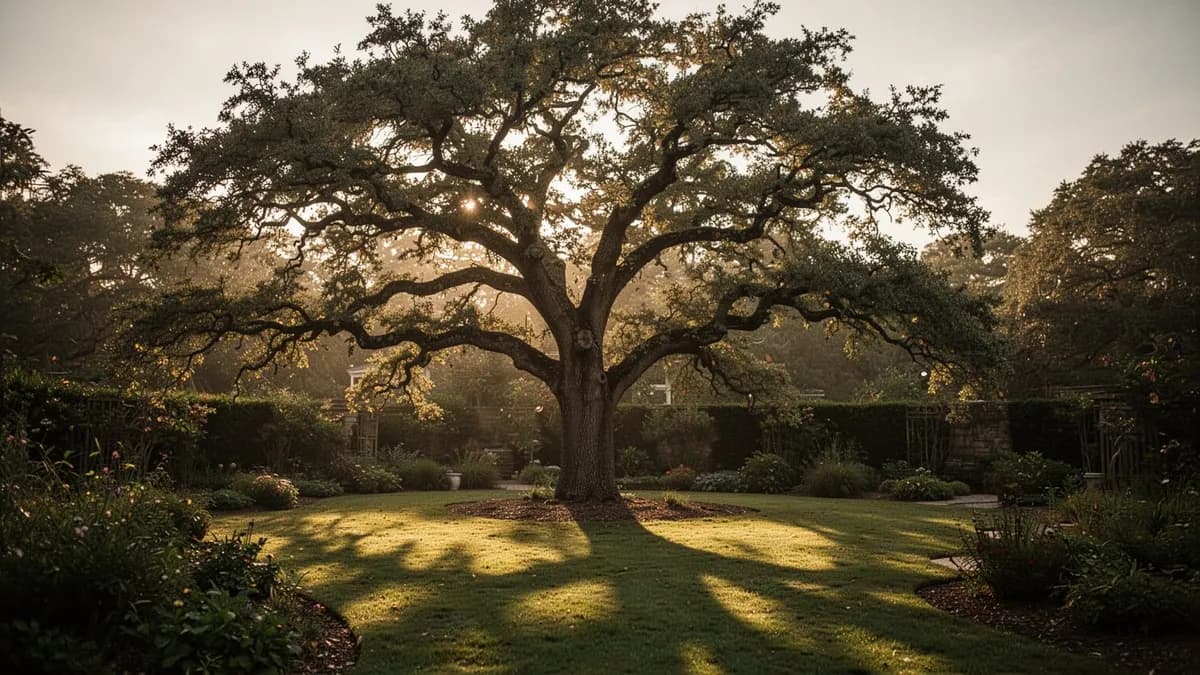
A majestic, long-lived hardwood tree that supports hundreds of wildlife species and can endure for many centuries.





On this pageOverview
Meet Oak
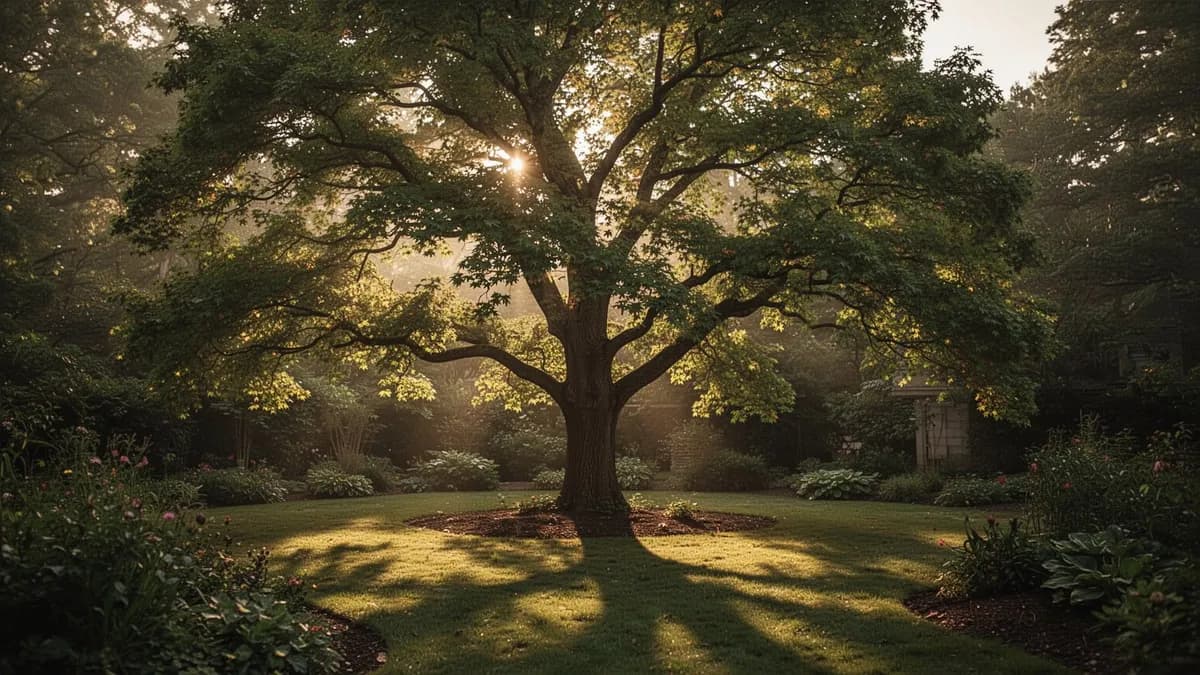
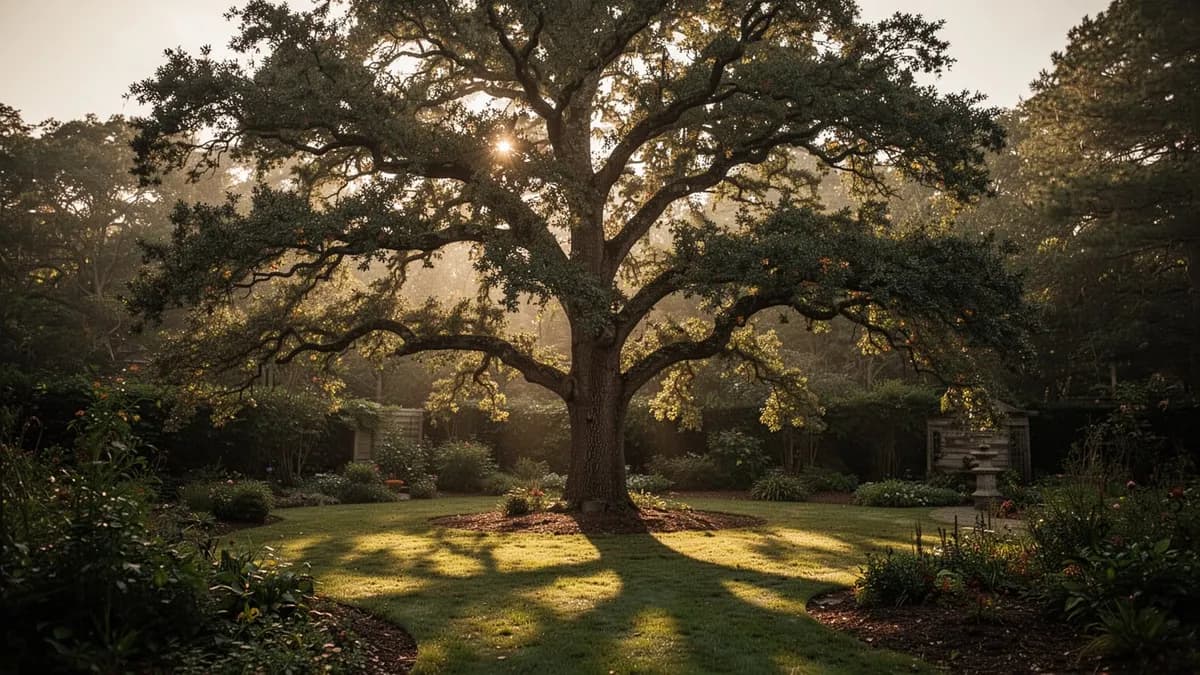
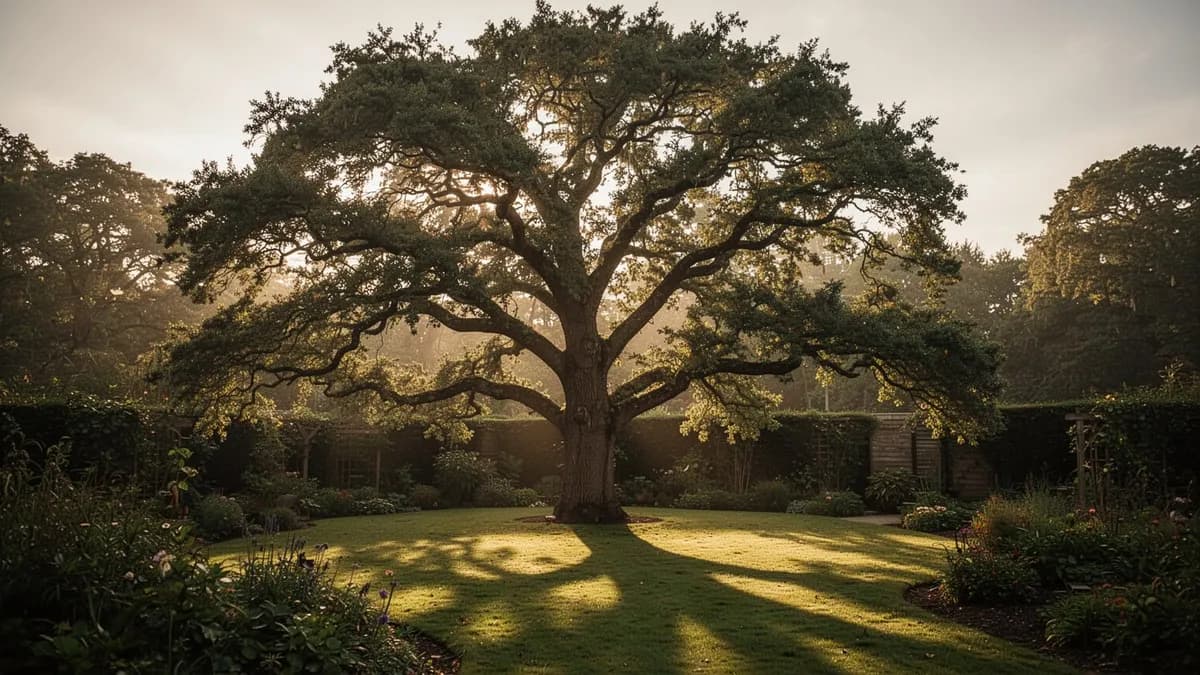
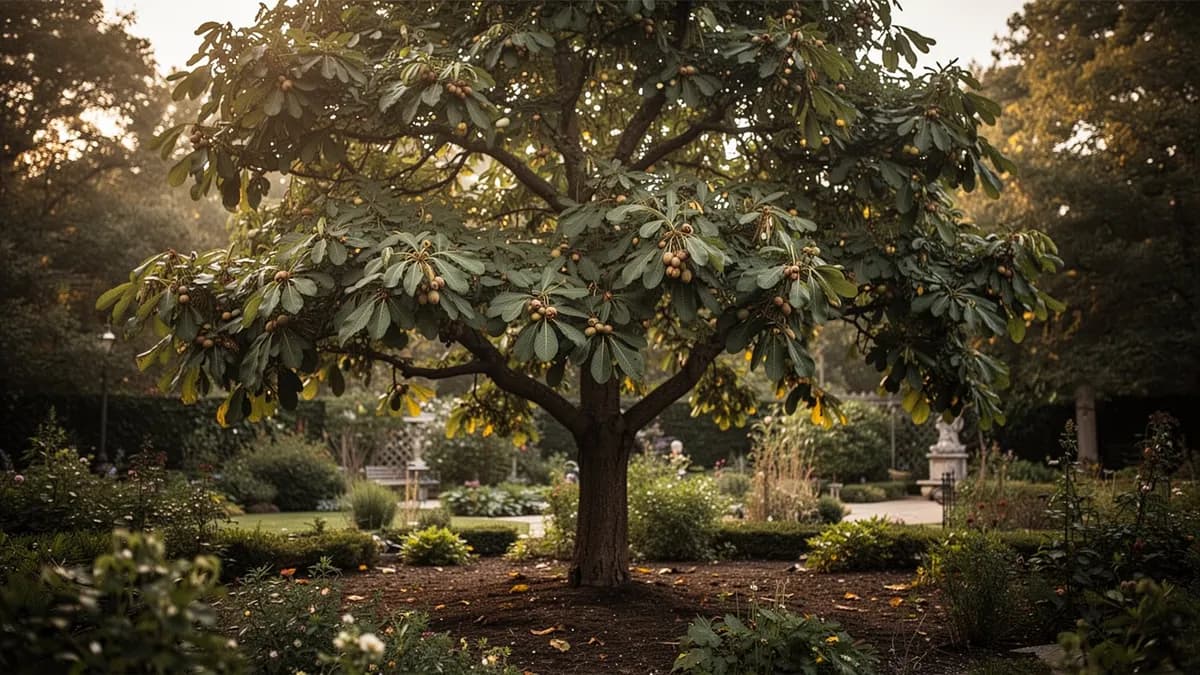
A majestic, long-lived hardwood tree that supports hundreds of wildlife species and can endure for many centuries. Oaks grow slowly but develop massive, spreading canopies that provide unmatched shade and habitat for birds, insects, and mammals. Plant in deep, well-drained soil with full sun and give the tree ample space to reach its impressive mature size without competition. Oaks produce acorns that feed squirrels, deer, and jays, and their dense wood is highly valued for furniture, flooring, and barrel-making.
When to plant Oak
Collect sound, heavy acorns in autumn after they fall. Float-test in water, discarding any that float. White oak group acorns have no dormancy and should be planted immediately in fall, 1 to 2 inches deep. Red oak group acorns require 60 to 90 days of cold stratification in moist sand in the refrigerator before spring planting. Protect outdoor-sown acorns from squirrels with wire mesh. Seedlings develop taproots quickly, so transplant to permanent sites during the first dormant season or use deep root-pruning containers.
Your Oak Year
Composed for Zone 7 · typical seasons · frost passes Apr 2, returns Nov 1
Plant Oak Mar – Apr, Oct – Nov, pick Sep – Oct. Check the planting methods below and set your climate to personalize these windows.
How to grow Oak
Plant oak trees in deep, well-drained soil with full sun exposure. Oaks are adaptable to a wide range of soil types, from sandy to clay, with white oaks preferring slightly alkaline conditions and red oaks favoring slightly acidic soil with a pH of 5.5 to 6.5. Select a permanent site with ample room for the tree to reach its massive mature size, often 60 to 80 feet tall and wide. Plant balled-and-burlapped or container-grown trees in fall or early spring.
Water newly planted oaks deeply once a week during the first two growing seasons. Apply 3 to 4 inches of organic mulch over the root zone, keeping it away from the trunk. Oaks develop deep taproots as well as broad lateral root systems, making them exceptionally stable once established. Avoid compacting soil or changing grade over the root zone of established trees.
Prune oaks in late winter while dormant, but avoid pruning from April through August when oak wilt fungus is actively spread by beetles. Remove dead, damaged, and crossing branches to maintain good structure. Oaks are slow-growing but extraordinarily long-lived, with many species capable of living 200 to 500 years or more. Patience in the early years is rewarded with centuries of majestic shade.
Oak needs more room than a 4 × 8 ft bed gives
Each Oak wants 1200 cm of elbow room. The planner keeps that spacing for you — every plant, every bed.
Oak's best neighbours
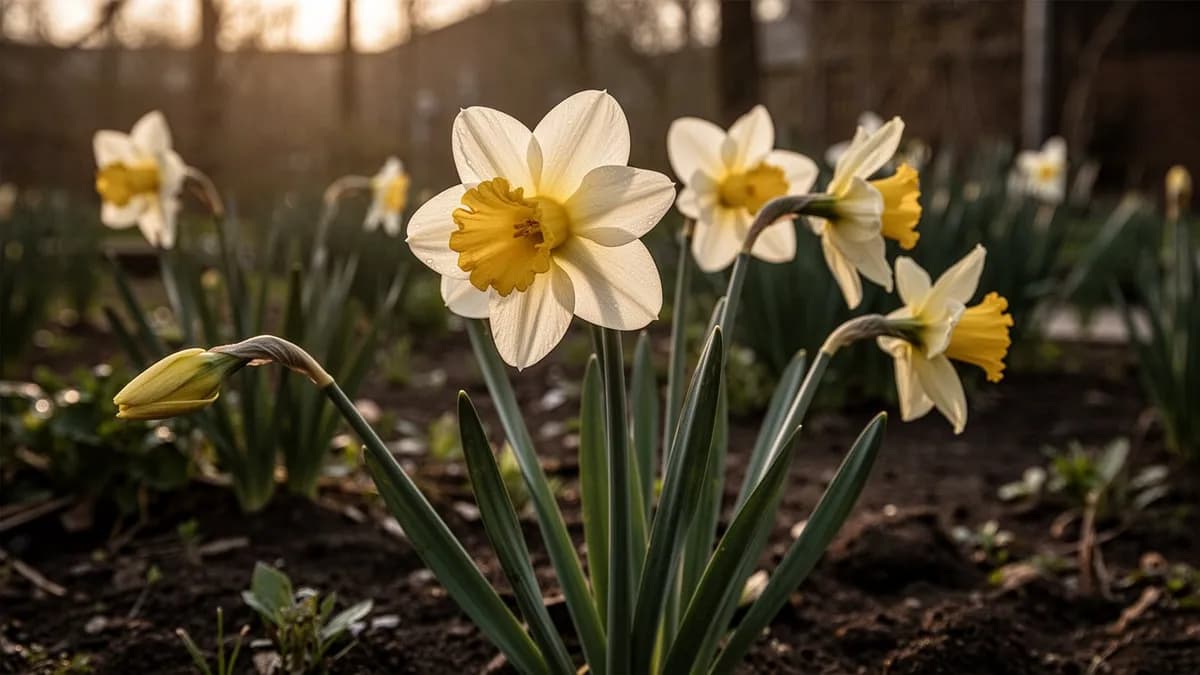
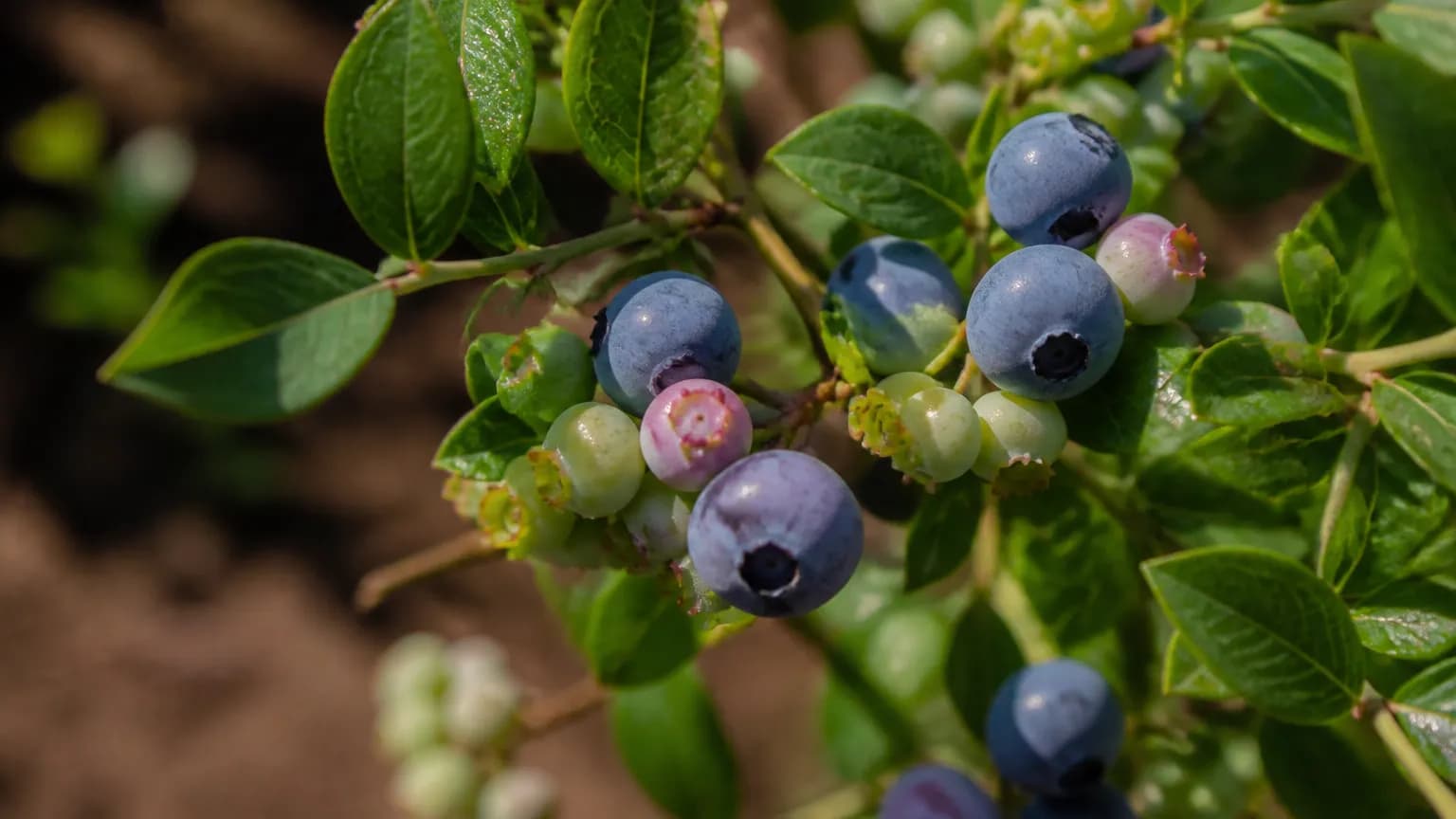
Oaks support more wildlife species than almost any other tree genus, so planting natives around them enhances the ecosystem. Good understory companions include blueberry, dogwood, serviceberry, and witch hazel. Shade-tolerant perennials like hostas, ferns, wild ginger, and Solomon seal thrive beneath oaks. Spring bulbs including daffodils, bluebells, and trilliums bloom before the canopy leafs out. Avoid disturbing the duff layer of decomposing oak leaves, which supports beneficial mycorrhizal fungi.
Daffodil belongs beside it. Walnut Tree doesn't.
Old growers' knowledge, checked against Oak's real companion table below — test any plant you're growing.
Try Oak in a bed — right here
A real planner bed with Oak already in it. Tap a companion to place it and watch the pairing checks answer — green for good neighbours, red for a clash.


Related growing guides
Feed it well
Oaks are generally adaptable to a wide range of soils but prefer deep, well-drained conditions. White oaks tolerate slightly alkaline clay soils, while red oaks and pin oaks prefer acidic conditions with a pH of 5.5 to 6.5. Pin oaks develop severe iron chlorosis in alkaline soil. Young trees benefit from annual applications of balanced slow-release fertilizer in early spring. Mature oaks in forest or lawn settings rarely need fertilization. Maintain the natural leaf litter beneath oaks as mulch when possible.
Ideal Temperature
Hardiness Zone Compatibility
From seed to harvest, stage by stage
Acorn Germination
Oak reproduction begins with the acorn, a single-seeded nut enclosed in a tough pericarp and seated in a scaly cupule. When planted in autumn or after cold stratification, the acorn sends out a thick radicle that grows rapidly downward to establish a taproot before the shoot emerges. The radicle can reach 15 to 25 centimeters in length before any above-ground growth appears. White oak group species (Quercus alba and relatives) germinate shortly after falling in autumn, while red oak group species (Quercus rubra and relatives) require a period of cold stratification over winter before germinating in spring.
Seedling Establishment
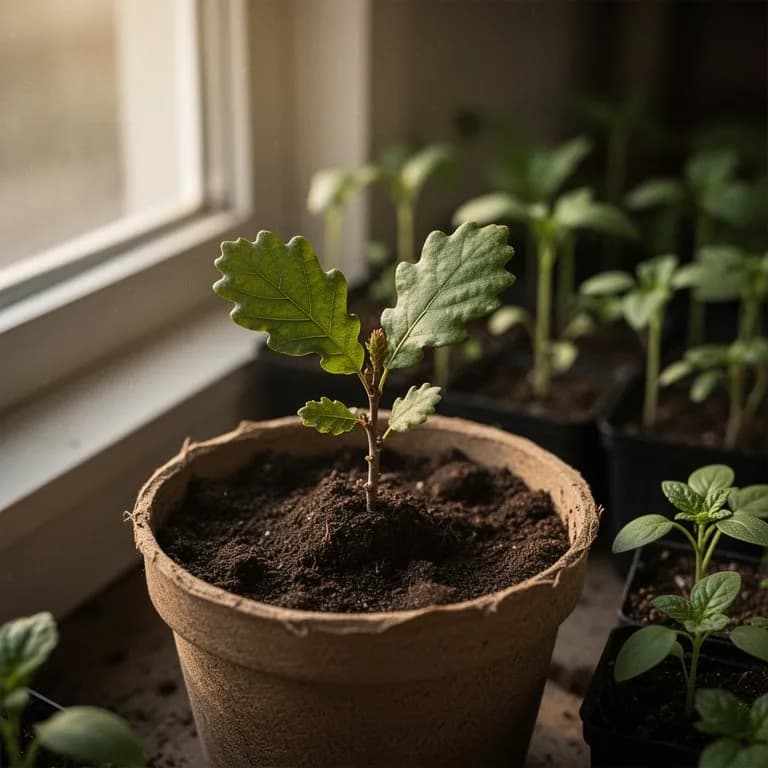
The first shoot emerges and produces a cluster of small, simple leaves that gradually develop the characteristic lobed shape of the species. During this critical first year, the seedling allocates most of its energy to root development, with the taproot growing to 30 centimeters or more while above-ground growth may only reach 15 to 30 centimeters. The seedling is vulnerable to browsing by deer and rabbits, drought stress, and competition from surrounding vegetation. A strong root system established in the first year dramatically improves long-term survival.
Sapling Growth
From year two through year seven, the oak enters a rapid vertical growth phase, adding 30 to 60 centimeters of height annually under favorable conditions. The trunk thickens and the branching structure becomes more defined. Bark transitions from smooth and greenish to the rougher, furrowed texture characteristic of the species. The root system expands laterally, with major structural roots extending well beyond the canopy drip line. Saplings become increasingly tolerant of full sun and begin to compete effectively with surrounding vegetation.
Juvenile Tree
Between years seven and twenty, the oak develops substantial trunk girth and a recognizable crown form. Annual height growth may reach 45 to 90 centimeters in vigorous specimens. The canopy broadens and begins providing meaningful shade. The bark develops deep fissures and the characteristic ridged pattern. While not yet producing acorns, the tree becomes an increasingly important component of the local ecosystem, supporting hundreds of insect species and providing nesting sites for birds.
First Flowering and Fruiting
Most oak species begin producing flowers and acorns between 20 and 50 years of age, though some precocious specimens may flower as early as year 15. Male catkins appear in spring as pendulous clusters that release enormous quantities of wind-borne pollen. Female flowers are tiny and inconspicuous, located at the tips of new shoots. After successful pollination, acorns develop over one season in white oaks or two seasons in red oaks. Initial acorn crops are small and irregular, but production increases steadily with tree maturity.
Mature Canopy Tree
A fully mature oak is one of the most ecologically valuable trees in temperate forests and landscapes. The broad, dense canopy can spread 20 to 30 meters and support over 2,300 species of insects, birds, mammals, and fungi. Mature oaks produce heavy acorn crops in cyclical mast years, typically every two to five years, with a single large tree capable of dropping over 70,000 acorns in a productive season. The deep root system stabilizes soil, prevents erosion, and draws water and minerals from deep underground layers. Many oak species can live 200 to 500 years, with some specimens exceeding 1,000 years.
Plant acorns 2 to 3 centimeters deep in well-drained soil or a deep pot immediately after collection for white oaks. For red oaks, store acorns in a sealed bag with damp peat moss in the refrigerator at 1 to 4 degrees Celsius for 60 to 90 days before planting. Protect from squirrels with wire mesh.
Caring for Oak month by month
What to do each month for your Oak
October
You are hereCollect red oak acorns for cold stratification and spring planting. Enjoy autumn foliage displays. Plant new oak trees — autumn planting allows root establishment before winter. Apply a final deep watering before the ground freezes.
Know exactly what to do in your garden — every month
One email at the start of each month: what to sow, plant, and tackle right now — for your Oak and everything growing around it. Plus a short starter course that helps you dodge the classic mistakes.
- What to do, right now
- Matched to your season
- Starter course included
Harvesting Oak
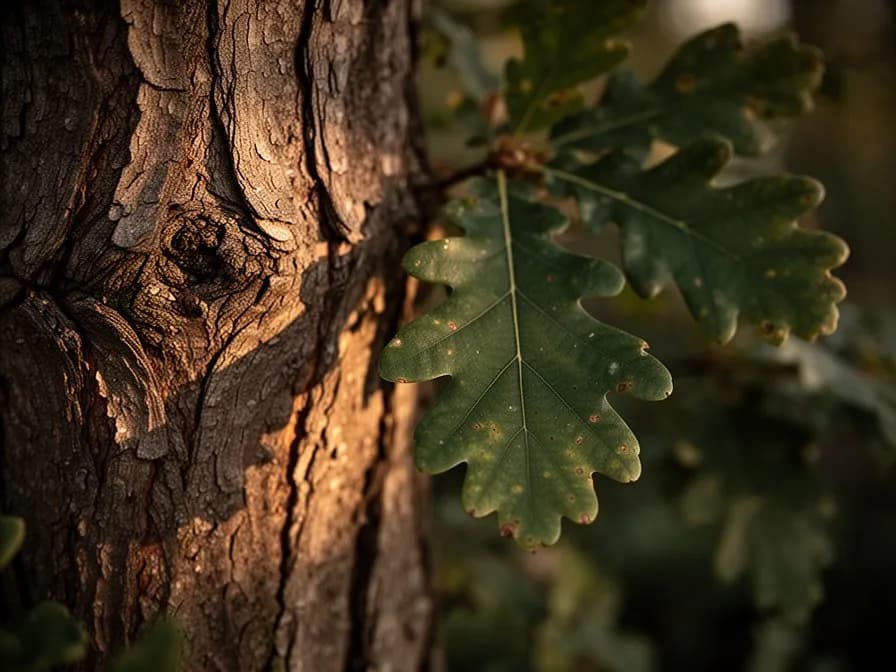
Acorns ripen and fall in September and October. White oak group acorns mature in one year and are lower in tannins, while red oak group acorns take two years and are more bitter. Gather acorns promptly after they fall, before wildlife consumes them. Float-test to discard damaged nuts; acorns that sink are viable. For eating, shell acorns and leach tannins by soaking in repeated changes of water for several days until bitterness is removed. Dry leached acorn meat and grind into flour for baking.
assuming you plant when the window opens — set your real date
Pick Oak promptly and the plant keeps producing.
Storage & Preservation
Fresh unshelled acorns are perishable and should be refrigerated in perforated bags for up to 3 months. For long-term storage, dry shelled and leached acorn meat thoroughly, then grind into flour and freeze in airtight bags for up to a year. Acorn flour can be used to make bread, muffins, and porridge. Whole leached acorns can also be roasted like chestnuts for a snack. Acorns are an important food source for wildlife, so leave plenty for squirrels, deer, and jays.
What goes wrong — and the fix
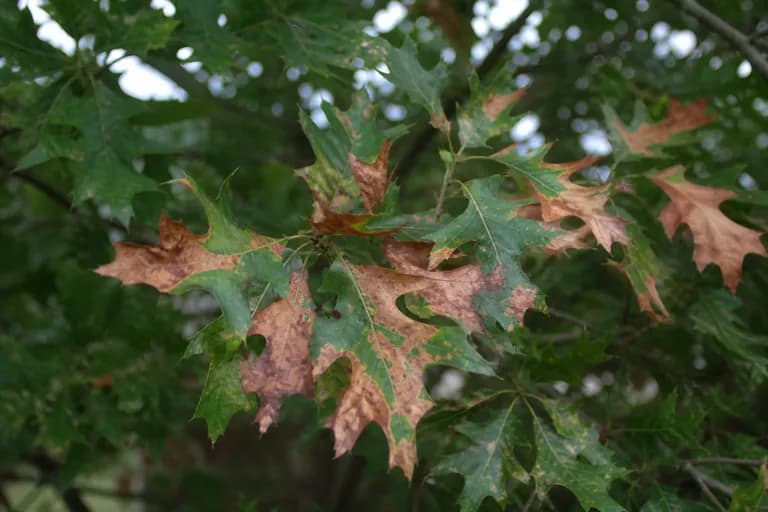
Oak Wilt
DiseaseRapid wilting and browning of leaves from the outer canopy inward. Red oaks can die within weeks of infection. White oaks decline more slowly.
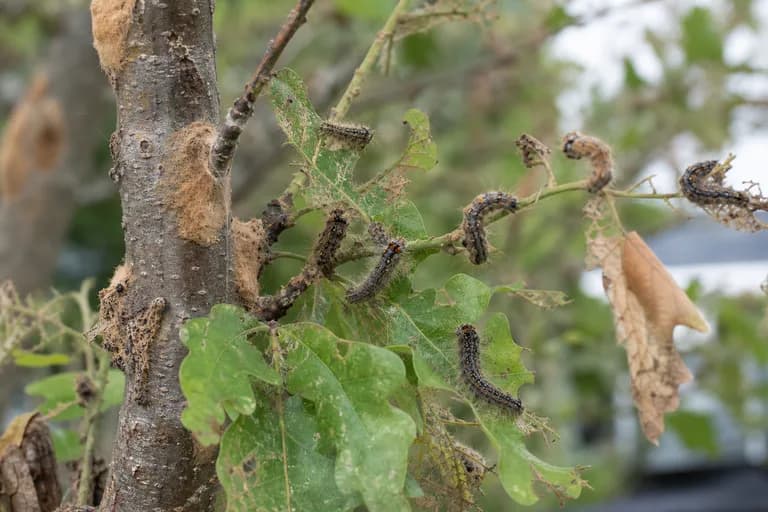
Gypsy Moth
PestMassive defoliation by large hairy caterpillars in late spring. Egg masses visible as tan fuzzy patches on trunks and branches.
Sudden Oak Death
DiseaseDark sap bleeding from bark cankers on the trunk. Leaves wilt and brown rapidly. Primarily affects coastal live oaks and tan oaks in California and Oregon.
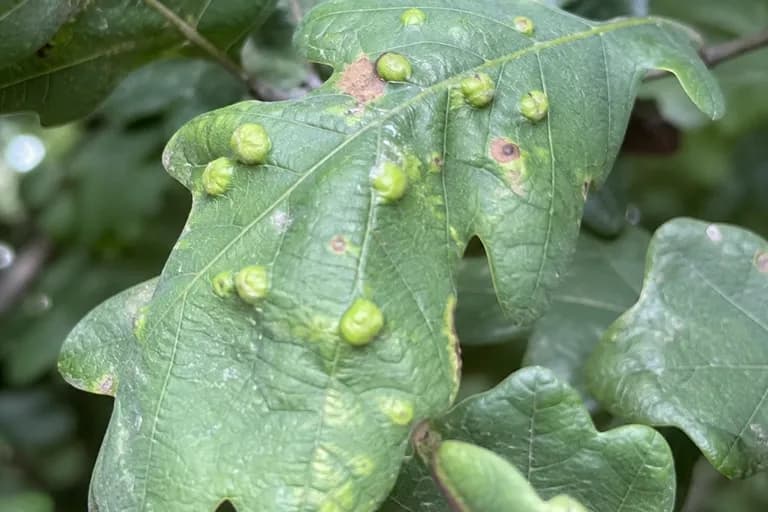
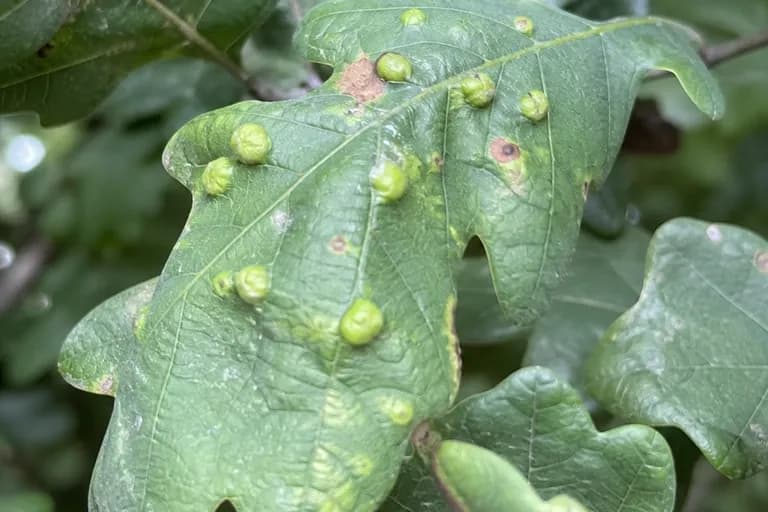
Oak Leaf Blister
DiseaseRaised circular blisters on leaves in spring, appearing as light green bumps on the upper surface with gray depressions beneath.
Troubleshooting Common Problems
Oak wilt is the most devastating disease and has killed millions of trees across the eastern United States. Never prune during beetle-active months of April through August. Slow growth means decades before trees provide significant shade. Acorns create a messy autumn cleanup and can be a slipping hazard on walkways. Surface roots on mature trees can heave sidewalks and interfere with mowing. Iron chlorosis affects pin oaks in alkaline soils, causing yellow leaves with green veins.
Growing Tips
- Choose an oak species well-suited to your USDA hardiness zone and local soil conditions. White oaks prefer well-drained slightly acidic to neutral soil, while red oaks tolerate a wider range of soil types including heavier clay.
- Plant oak trees in full sun for the best growth and acorn production. Oaks can tolerate partial shade when young but need at least six hours of direct sunlight daily to develop a healthy, productive canopy.
- Allow ample space for the mature canopy, which can spread 20 to 30 meters in open-grown specimens. Plant at least 12 to 15 meters from buildings, driveways, and utility lines to avoid future conflicts.
- Water newly planted oaks deeply once per week during the first two growing seasons, providing 25 to 50 liters per watering. Reduce frequency as the root system establishes, and stop supplemental watering entirely after three to five years in most climates.
- Apply a layer of organic mulch 8 to 10 centimeters deep extending from 15 centimeters away from the trunk to the drip line. Mulch conserves moisture, moderates soil temperature, and suppresses competing weeds without the need for cultivation that could damage surface roots.
- Avoid pruning oaks between April and August in regions where oak wilt disease is present, as the fungal spore-carrying beetles that transmit the disease are most active during warm months. Schedule all pruning for the dormant season between November and February.
- Never pile soil, mulch, or construction materials against the trunk or over the root flare. Oaks are extremely sensitive to changes in soil grade, and burying the root collar by even 10 to 15 centimeters can cause slow decline and eventual death.
- If growing oaks primarily for acorn harvest, plant at least two different individuals of the same species within 30 meters of each other to improve cross-pollination and acorn set, as many oaks are at least partially self-incompatible.
- Protect young trees from deer browsing with trunk wraps or wire cages until the bark has thickened and the tree has grown above the browse line, typically at a height of 1.5 to 2 meters.
- Monitor for common oak diseases including oak wilt, sudden oak death, anthracnose, and powdery mildew. Early detection and prompt action by a certified arborist can save an affected tree and prevent spread to neighboring oaks.
Grow your best Oak yet — and everything around it.
Start a free plan today. Lay out your beds, drop in your Oak, and let PlotMyGarden handle the timing, spacing, companions and reminders from seed to harvest basket.
Pick your Oak
White Oak (Quercus alba)
A majestic spreading tree with deeply lobed leaves and excellent purple-red fall color. The most valued timber oak in North America.
Red Oak (Quercus rubra)
Fast-growing for an oak with brilliant red fall foliage. Tolerates urban conditions better than most oaks and establishes relatively quickly.
English Oak (Quercus robur)
The classic European oak with a broad spreading crown. Long-lived and stately, with numerous columnar and weeping cultivar selections.
Pin Oak (Quercus palustris)
Pyramidal form with distinctive drooping lower branches. Excellent for wet sites but requires acidic soil to avoid iron chlorosis.
Live Oak (Quercus virginiana)
Iconic evergreen southern oak with massive spreading branches. Extremely wind-resistant and long-lived, the signature tree of the American Deep South.
Oak trees are extraordinarily long-lived landscape investments. A single well-placed shade oak can reduce summer cooling costs by 15 to 35 percent by shading a home's south and west walls. Mature oaks increase residential property values by an estimated 10 to 20 percent. Once established, oaks require no irrigation, no fertilizer, and minimal maintenance, delivering decades of free shade, wildlife habitat, and potential acorn harvests. Acorn flour from a productive backyard oak can supplement household flour usage at zero cost, with a mature tree producing 30 to 70 kilograms of raw acorns in a mast year.
Quick recipes
Basic Leached Acorn Flour
3 to 7 days (including leaching)The foundation of all acorn cooking is properly leached flour. Shell ripe acorns and grind them into a coarse meal. Place the meal in a jar of cold water and refrigerate, changing the water twice daily until the bitterness is completely gone, typically after five to seven days. Alternatively, pour boiling water through the meal repeatedly for faster hot-water leaching in a single day. Drain thoroughly and spread on baking sheets to dry in a low oven at 65 degrees Celsius until completely dry, then grind to a fine flour. Store in an airtight container in the freezer for up to six months.
3 ingredientsAcorn Flatbread
30 minutes (plus pre-made acorn flour)Combine acorn flour with a small amount of wheat or rice flour for binding, then mix with warm water, a pinch of salt, and a drizzle of olive oil to form a soft dough. Let the dough rest for ten minutes, then divide into small balls and roll each one thin on a floured surface. Cook on a dry cast-iron skillet over medium-high heat for two to three minutes per side until golden brown spots appear. The flatbread has a nutty, earthy flavor that pairs well with honey, soft cheese, or roasted vegetables.
5 ingredientsKorean Dotori-Muk (Acorn Jelly)
45 minutes plus chilling timeDotori-muk is a traditional Korean dish made from acorn starch. Mix acorn starch powder with water in a saucepan and bring to a gentle boil, stirring constantly to prevent lumps. Continue cooking and stirring for fifteen to twenty minutes until the mixture becomes thick and translucent. Pour into a mold and refrigerate for at least three hours until firmly set. Unmold and cut into cubes or slices. Serve dressed with soy sauce, sesame oil, chopped scallions, crushed red pepper flakes, and toasted sesame seeds for a refreshing savory side dish.
5 ingredientsWhat's inside
Health Benefits
- Leached acorn flour is rich in complex carbohydrates and healthy unsaturated fats, providing sustained energy without the blood sugar spikes associated with refined grain flours.
- The high manganese content in acorns supports bone health, wound healing, and the metabolism of carbohydrates, amino acids, and cholesterol.
- Acorns contain significant levels of potassium at 539 milligrams per 100 grams, which helps regulate blood pressure and supports proper muscle and nerve function.
- Oak bark has been used in traditional European herbal medicine for centuries as an astringent, with tannin-rich decoctions applied externally to soothe inflamed skin, minor wounds, and oral mucosa.
- The dietary fiber content of acorn meal at roughly 11.5 grams per 100 grams supports digestive health, promotes beneficial gut bacteria, and contributes to satiety.
- Acorns are a naturally gluten-free food source, making them a valuable carbohydrate alternative for individuals with celiac disease, wheat allergy, or non-celiac gluten sensitivity.
Where Oak comes from
The genus Quercus encompasses approximately 500 species of deciduous and evergreen trees and shrubs distributed across the temperate and subtropical regions of the Northern Hemisphere. Fossil evidence places the origin of oaks in what is now North America during the early Eocene epoch, roughly 55 million years ago, from where they spread across land bridges to Europe and Asia. By the Miocene, oaks had diversified into the two major subgenera recognized today: the white oak group (Quercus subgenus Quercus) and the red oak group (Quercus subgenus Lobatae). Oaks played a central role in human civilization for millennia. Archaeological evidence from the Jomon period in Japan, dating back over 5,000 years, reveals extensive acorn storage pits, confirming that processed acorns were a dietary staple long before the widespread adoption of grain agriculture. In Europe, Celtic and Germanic cultures considered the oak sacred, and druids reportedly held their most important ceremonies in oak groves. The English word druid itself may derive from the Celtic root dru, meaning oak. The Royal Navy built its warships from English oak for centuries, and the phrase Hearts of Oak became a patriotic symbol of British naval strength. In North America, indigenous peoples from the Miwok of California to the Algonquin of the eastern woodlands relied on acorns as a primary carbohydrate source, developing elaborate processing methods involving shelling, grinding, and extended water leaching to remove bitter tannins. Today oaks remain among the most widely planted landscape and timber trees globally, valued for their longevity, ecological significance, and the exceptional durability of their wood.
Oak: did you know?
Fascinating facts about Oak
A single mature oak tree can support over 2,300 different species of insects, lichens, birds, and mammals, making it one of the most ecologically important trees in temperate forests worldwide.
Oak questions, answered
When should I plant Oak?
What are good companion plants for Oak?
What hardiness zones can Oak grow in?
How much sun does Oak need?
How far apart should I space Oak?
What pests and diseases affect Oak?
How do I store Oak after harvest?
What are the best Oak varieties to grow?
What soil does Oak need?
Are acorns safe to eat, and how do I remove the bitterness?
How long does it take for an oak tree to produce acorns?
What is oak wilt, and how can I protect my trees from it?
Can I grow an oak tree in a container or small garden?
Why does my oak tree drop so many acorns some years and almost none in other years?
What wildlife does an oak tree support in a home garden?
You just read the theory. Now grow it on autopilot.
Everything that makes Oak fiddly — the timing, the spacing, the companions, the harvest window — is exactly what PlotMyGarden handles for you, for every plant in your garden.
A plan that knows your weather
Set your location once. Get sow, feed and harvest dates built around your real last-frost date and live forecast — no more guessing from a generic seed packet.
From the “When to plant” sectionDrag-and-drop bed planner
Design beds on a grid. Every plant snaps to its proper spacing, and you can see your whole season laid out before you spend a cent on seed.
From the “Growing guide” sectionCompanion conflicts, caught early
200+ good-and-bad pairings checked live as you plant — so a season-wrecking mistake never makes it into the ground.
From the “Companions” sectionReminders you'll actually act on
“Water the beans.” “Pick today before it turns.” Timely, specific, and tied to the plants you're really growing.
From the “Harvest” sectionSuccession, scheduled
Want a harvest for six weeks, not six days? It spaces your sowings automatically and reminds you when each new block is due.
From the “When to plant” sectionA record that gets smarter
Every harvest you log teaches it your garden. Next year's plan starts from what actually worked in your soil, not a textbook's.
From the “Overview” sectionPlant these alongside Oak
More Shade Trees

Keep Oak away from these
Grow your best Oak yet — and everything around it.
Start a free plan today. Lay out your beds, drop in your Oak, and let PlotMyGarden handle the timing, spacing, companions and reminders from seed to harvest basket.