Beech Tree
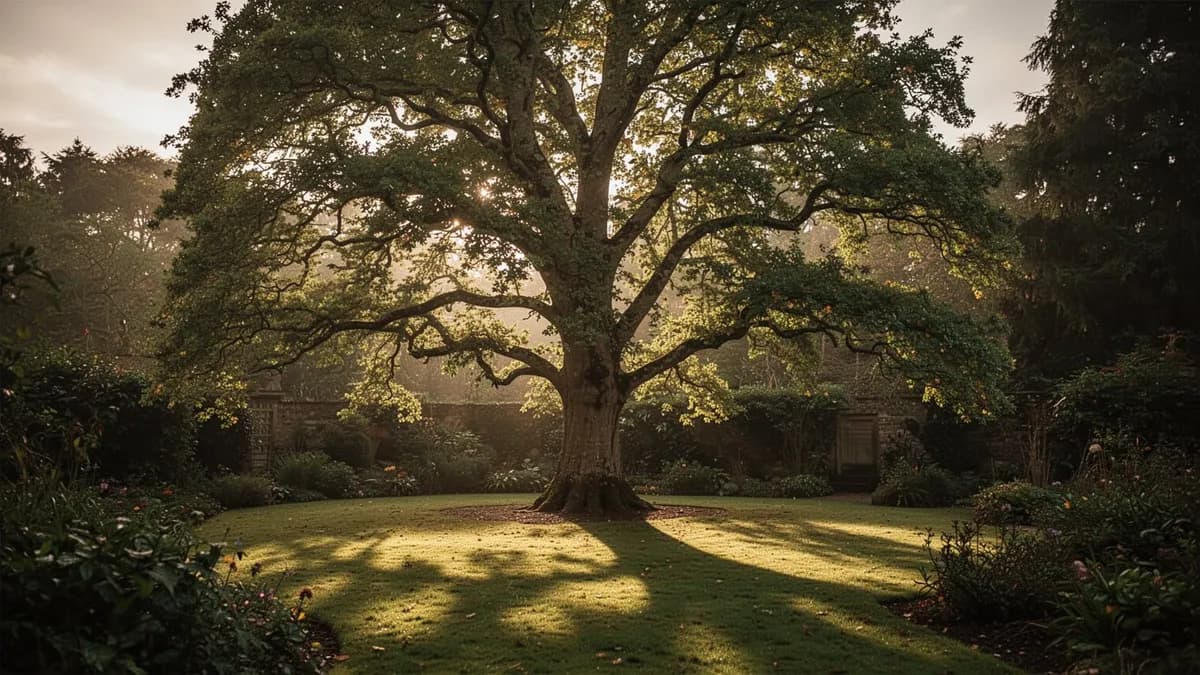
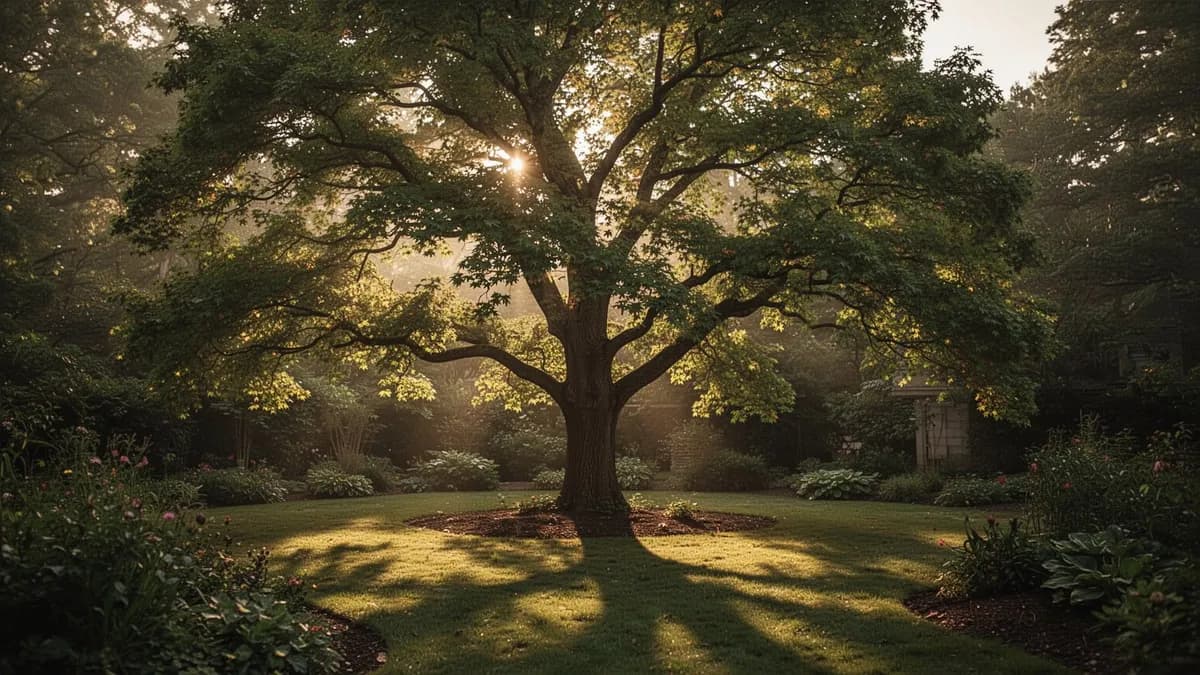
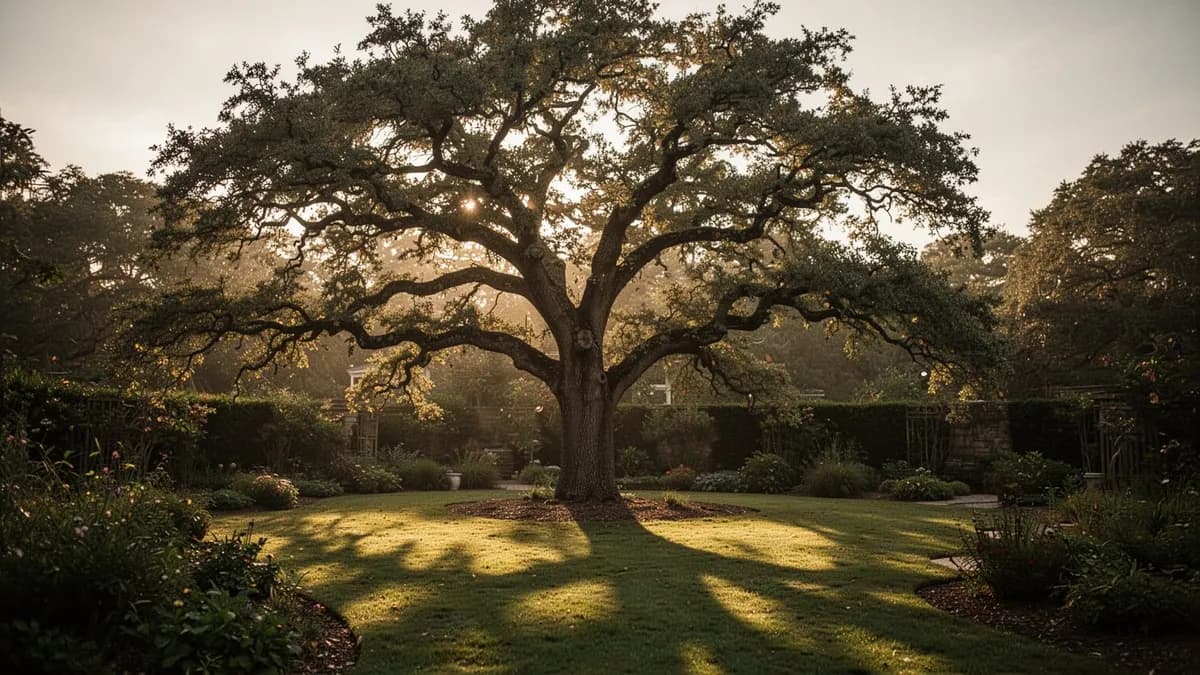
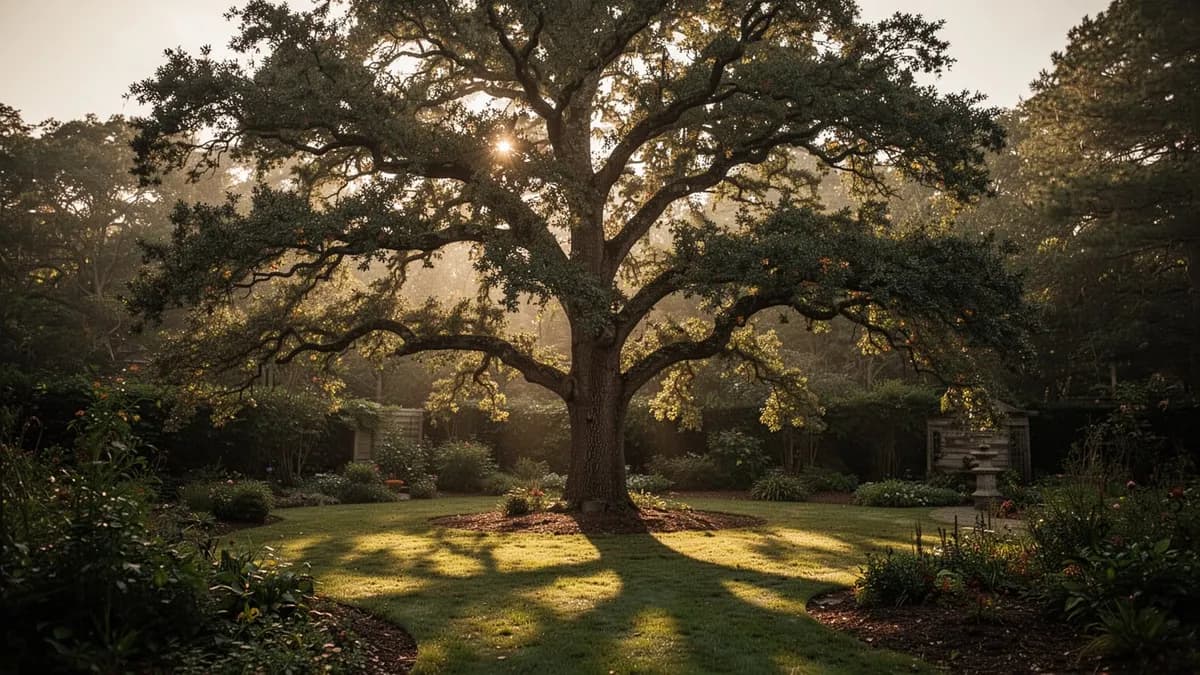
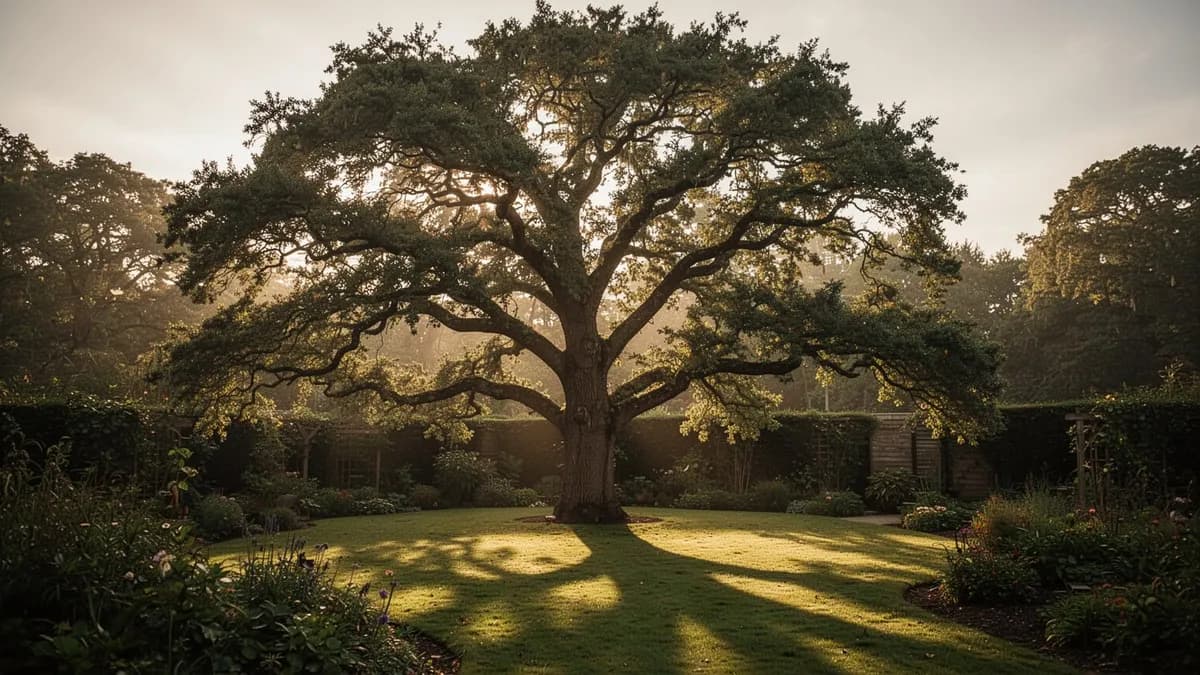
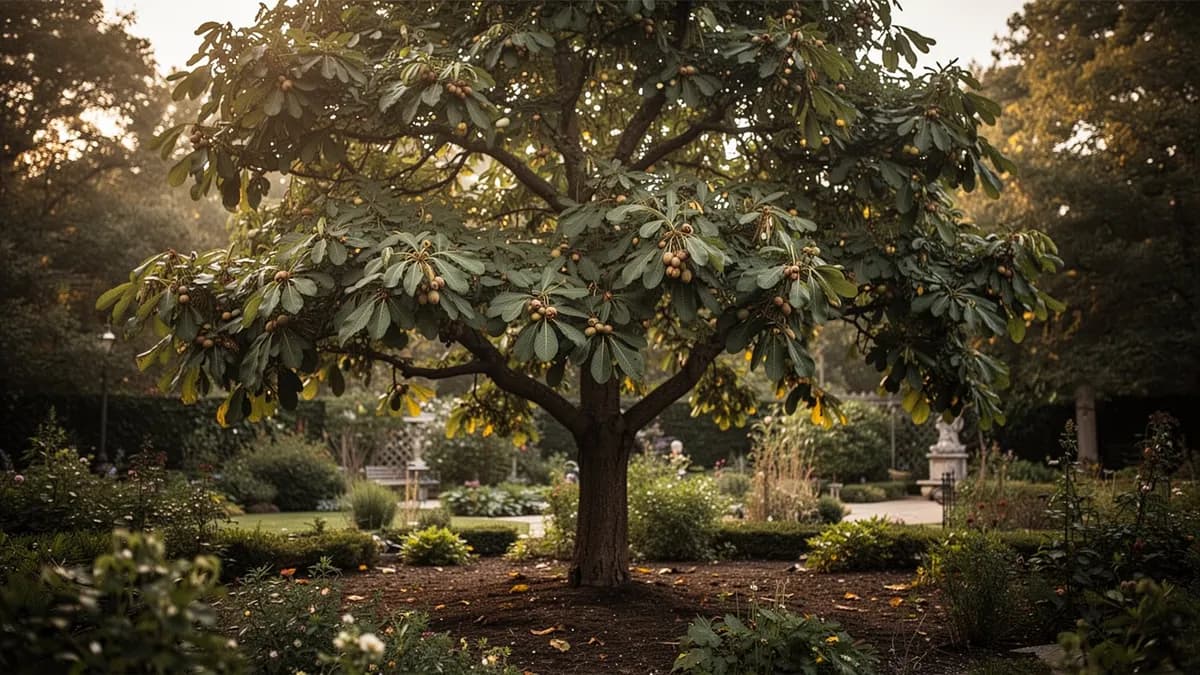
A magnificent specimen tree with smooth gray bark and dense, low-branching canopy that casts deep shade and retains coppery leaves through winter.





On this pageOverview
Meet Beech Tree
A magnificent specimen tree with smooth gray bark and dense, low-branching canopy that casts deep shade and retains coppery leaves through winter. Beech trees prefer moist, well-drained acidic soil and do not tolerate compaction or grade changes around their shallow root systems. They are slow-growing but extremely long-lived and produce small edible nuts in spiny husks that wildlife eagerly consumes. Copper and purple-leaved varieties provide dramatic year-round color in the landscape.
When to plant Beech Tree
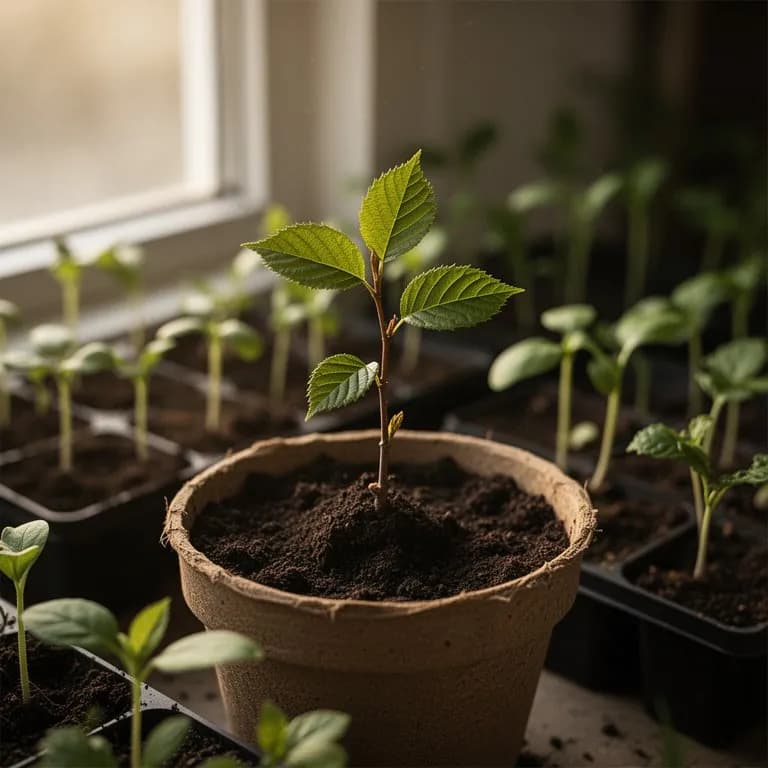
Collect beechnuts in October when husks split open. Float-test nuts and discard any that are hollow or insect-damaged. Cold-stratify seeds for 90 to 120 days in moist peat in the refrigerator. Sow stratified seeds half an inch deep in containers of acidic potting mix in late winter. Germination occurs in 4 to 6 weeks. Seedlings grow slowly and benefit from partial shade during their first summer. Transplant to permanent locations after one to two years in containers. Named cultivars must be grafted onto seedling rootstock.
Your Beech Tree Year
Composed for Zone 7 · typical seasons · frost passes Apr 2, returns Nov 1
Plant Beech Tree Mar – Apr, Oct – Nov, pick Sep – Oct. Check the planting methods below and set your climate to personalize these windows.
How to grow Beech Tree
Plant beech trees in moist, well-drained, acidic to neutral soil with a pH of 5.0 to 6.5 in a location with full sun to light shade. Beeches prefer sheltered sites protected from harsh winds and are sensitive to salt spray and soil compaction. Space trees 40 to 50 feet apart or use as a striking single specimen. Plant balled-and-burlapped trees in spring, taking care not to plant too deeply, as beeches have very shallow root systems.
Water consistently during the first several years of establishment, providing deep soakings weekly during dry periods. Apply a 3 to 4 inch layer of organic mulch over the wide-spreading root zone, which extends well beyond the canopy drip line. Never add fill soil over beech roots or compact the soil with heavy equipment, as even modest grade changes can kill these sensitive trees.
Beeches are slow-growing, adding only 6 to 12 inches per year, but are exceptionally long-lived, often reaching 200 to 300 years. The smooth gray bark is a signature feature and should never be carved, as wounds in beech bark are permanent and invite disease. Minimal pruning is needed; remove only dead or damaged wood in late winter. The low-branching habit and dense shade make beeches poor lawn trees but magnificent specimen trees.
Beech Tree needs more room than a 4 × 8 ft bed gives
Each Beech Tree wants 1000 cm of elbow room. The planner keeps that spacing for you — every plant, every bed.
Beech Tree's best neighbours
Very few plants thrive beneath mature beech trees due to dense shade and competitive shallow roots. Spring ephemerals including snowdrops, winter aconite, and bluebells can bloom before leaf-out. Shade-tolerant groundcovers like pachysandra, epimedium, and vinca may establish at the canopy edges. Plant companions beyond the drip line rather than beneath the dense canopy. Flowering dogwood and mountain laurel make attractive nearby plantings that complement the beech without competing directly.
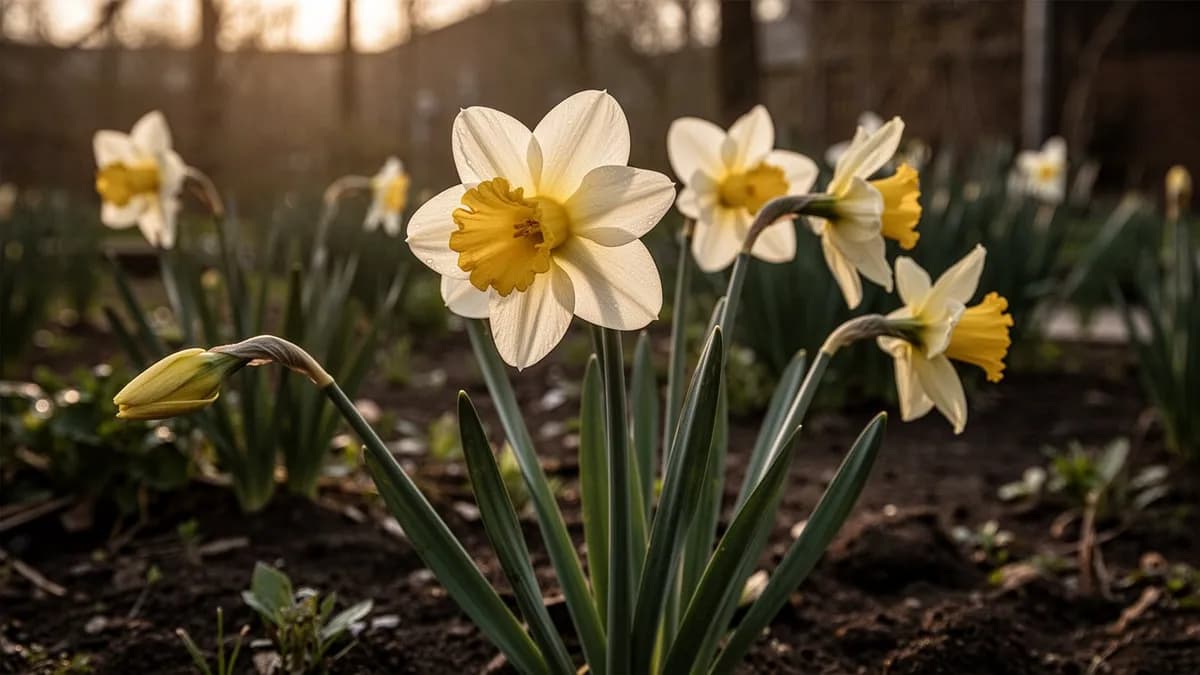
Daffodil belongs beside it. Walnut Tree doesn't.
Old growers' knowledge, checked against Beech Tree's real companion table below — test any plant you're growing.
Try Beech Tree in a bed — right here
A real planner bed with Beech Tree already in it. Tap a companion to place it and watch the pairing checks answer — green for good neighbours, red for a clash.


Related growing guides
Feed it well
Beeches require moist, well-drained, acidic to neutral soil with a pH of 5.0 to 6.5 and high organic matter content. They are highly sensitive to soil compaction and poorly drained conditions. Amend planting sites with compost and maintain thick organic mulch permanently. Young trees benefit from light applications of acidifying fertilizer in early spring. Avoid disturbing the shallow root zone with cultivation or grade changes. Mature beeches in good soil rarely need supplemental fertilization.
Ideal Temperature
Hardiness Zone Compatibility
From seed to harvest, stage by stage
Seed Germination
Beechnuts require cold stratification over winter before germinating in spring. Seeds should be sown in autumn or stratified in moist sand at 1-5°C for 90-120 days. Germination occurs when soil temperatures reach around 10°C.
Seedling Establishment
The seedling develops its first pair of distinctive rounded cotyledons followed by true oval leaves with wavy margins. Root development is vigorous during this stage, with the taproot growing quickly to anchor the young tree.
Sapling Growth
Over the next several years the sapling develops its characteristic smooth grey bark and begins forming a more defined branching structure. Growth rate averages 30-60 cm per year in favorable conditions. The root system transitions from a taproot to a wide-spreading lateral network.
Juvenile Tree
The tree reaches 5-10 meters in height and develops a denser canopy. Beech trees are shade-tolerant and can persist as understory trees for decades before accelerating growth when a gap opens in the canopy above. The trunk thickens and the crown begins to assume its characteristic dome shape.
Early Maturity
Beech trees typically begin producing beechnuts between 40 and 80 years of age, though some may start as early as 30 years in open-grown conditions. Mast years with heavy nut production occur every 2-5 years. The tree can reach 20-30 meters tall with a trunk diameter of 50-100 cm.
Full Maturity
A fully mature beech tree is a magnificent specimen reaching 25-40 meters in height with a broad spreading crown that can span 20 meters or more. The smooth silver-grey bark remains a defining feature throughout its life. Mature trees can live for 300-500 years and produce thousands of beechnuts in mast years.
Veteran and Ancient
Ancient beech trees develop hollow trunks, extensive cavities, and deadwood features that provide critical habitat for fungi, insects, bats, and nesting birds. Some European beeches have been documented at over 500 years old. These veteran trees are irreplaceable ecological assets.
Protect newly sown seeds from squirrels and mice using wire mesh covers, as beechnuts are a highly prized food source for woodland rodents.
Caring for Beech Tree month by month
What to do each month for your Beech Tree
October
You are herePlant container-grown beech trees and begin bare-root hedge planting from late October onward. Enjoy the spectacular bronze and copper autumn foliage display.
Know exactly what to do in your garden — every month
One email at the start of each month: what to sow, plant, and tackle right now — for your Beech Tree and everything growing around it. Plus a short starter course that helps you dodge the classic mistakes.
- What to do, right now
- Matched to your season
- Starter course included
Harvesting Beech Tree
Beech trees produce small triangular nuts in spiny husks that ripen in October. The husks split open to release two small nuts each. Gather nuts from the ground after they fall, competing with squirrels and birds that eagerly consume them. Beechnuts are edible with a pleasant mild flavor but are small and tedious to shell. Production is irregular, with heavy mast years occurring every 2 to 3 years. Remove the thin papery shell and eat raw or lightly roasted. The nuts are high in oil and protein.
assuming you plant when the window opens — set your real date
Pick Beech Tree promptly and the plant keeps producing.
Storage & Preservation
Fresh beechnuts are perishable due to their high oil content and should be consumed or processed within a few weeks of harvest. Shell and dry nuts thoroughly, then store in airtight containers in the refrigerator for up to 2 months or freeze for up to 6 months. Roasted beechnuts keep slightly longer. Historically, beechnuts were pressed for their fine cooking oil, which has a mild, delicate flavor. The wood is excellent for smoking meats and for furniture-making with its fine, even grain.
What goes wrong — and the fix
Beech Bark Disease
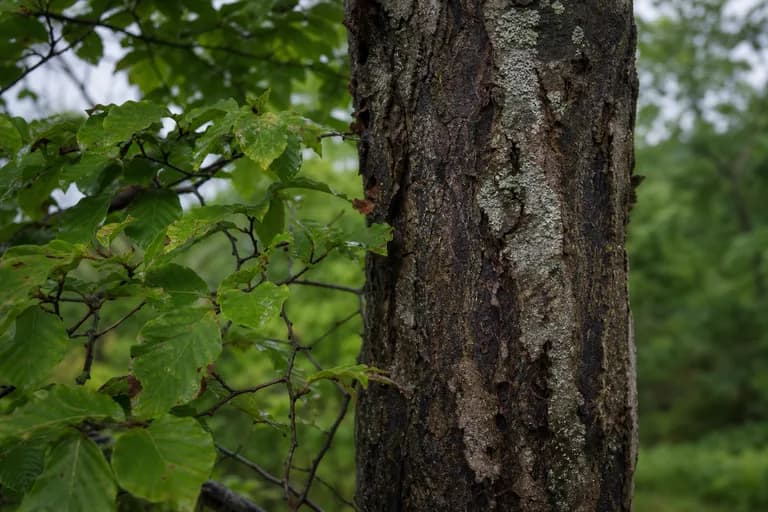
DiseaseRough, cracked, canker-covered bark replacing the normally smooth surface. Canopy thinning and branch dieback. Caused by the combination of beech scale insect and Neonectria fungus.
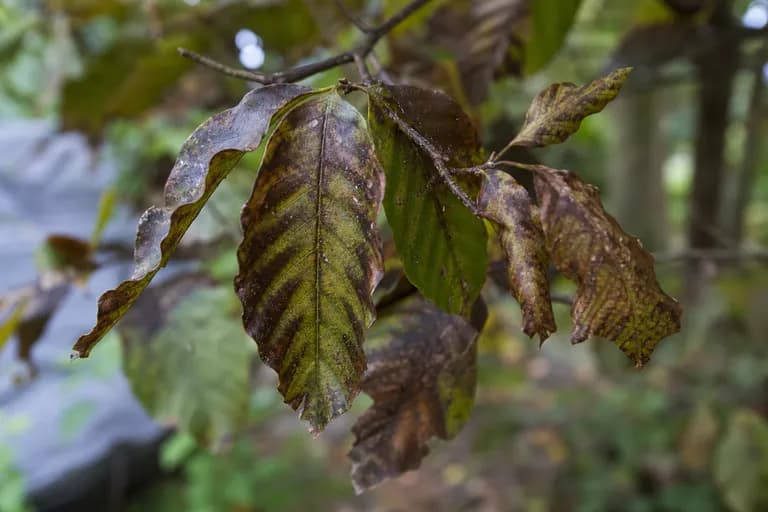
Beech Leaf Disease
DiseaseDark banding between leaf veins visible when held up to light. Leaves become leathery, curled, and shriveled. Progressive canopy thinning over several years.
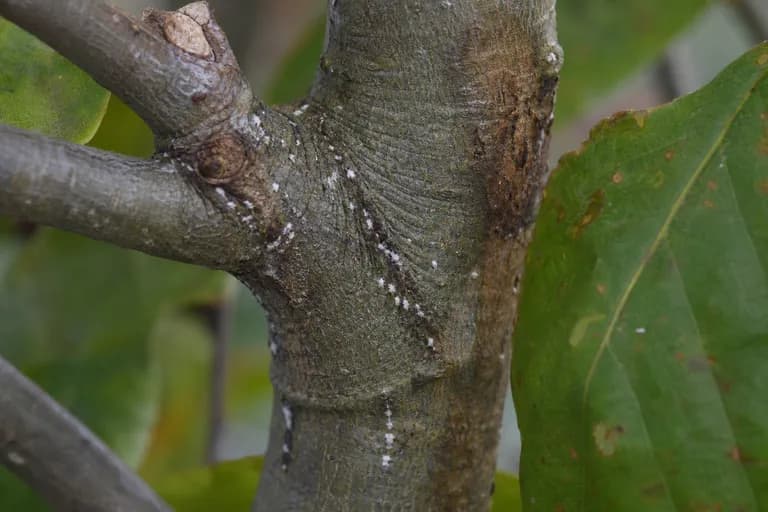
Beech Scale Insect
PestTiny white woolly masses on bark surface, especially in bark crevices and branch crotches. Feeding weakens bark and facilitates beech bark disease fungal infection.
Troubleshooting Common Problems
Beech bark disease is an increasingly serious threat across North America and Europe. The shallow root system makes beeches extremely sensitive to soil disturbance, compaction, and grade changes during construction. Beech leaf disease is a newer threat spreading rapidly through the Northeast. Dense shade and shallow roots make it nearly impossible to grow anything beneath mature beeches. Slow growth requires patience, and transplanting large specimens is risky due to root sensitivity.
Growing Tips
- Choose a planting site with deep, well-drained, slightly acidic to neutral soil (pH 5.5-7.5). Beech trees dislike waterlogged ground and heavy clay soils where drainage is poor.
- Beech trees are naturally shade-tolerant and establish best when given partial shade during the first few years. Avoid planting in fully exposed, wind-swept locations where young trees may suffer from leaf scorch.
- Mulch generously with leaf mold or composted bark to maintain cool, moist root conditions that mimic the woodland floor. Keep mulch at least 10 cm away from the trunk to prevent bark rot.
- Water young trees deeply during dry spells for the first three to five years after planting. Once established, beech trees are moderately drought-tolerant but may drop leaves prematurely in severe dry conditions.
- Never raise or lower the soil grade within the root zone of an established beech tree. Even 10-15 cm of added soil over the roots can cause slow decline and eventual death.
- Prune beech trees only during late summer through early autumn to minimize sap bleeding, which can attract diseases. Avoid heavy pruning of mature specimens, as beech trees compartmentalize wounds slowly.
- For beech hedging, plant bare-root whips 30-45 cm apart in a single row and cut back by one-third after planting to encourage bushy growth from the base upward.
- Beech trees have a symbiotic relationship with mycorrhizal fungi in the soil. Avoid using systemic fungicides near beech trees, and consider inoculating planting holes with ectomycorrhizal fungi to boost establishment.
- Protect young beech trees from deer and rabbit browsing with spiral guards or tree shelters. Bark damage in the first few years can permanently scar the smooth trunk and create entry points for disease.
- Be patient with growth in the first few years, as beech trees invest heavily in root development before accelerating above-ground growth. A well-established root system is the foundation of a healthy long-lived tree.
Grow your best Beech Tree yet — and everything around it.
Start a free plan today. Lay out your beds, drop in your Beech Tree, and let PlotMyGarden handle the timing, spacing, companions and reminders from seed to harvest basket.
Pick your Beech Tree
European Beech (Fagus sylvatica)
The classic species with smooth gray bark and dense canopy. Holds copper-bronze leaves through winter, providing year-round interest.
Copper Beech (Fagus sylvatica Purpurea)
Dramatic deep purple to copper foliage throughout the growing season. One of the most striking specimen trees available.
Tricolor Beech (Fagus sylvatica Roseomarginata)
Stunning variegated leaves with purple, pink, and cream margins. Smaller and slower than the species, ideal for focal points.
American Beech (Fagus grandifolia)
Native species with golden-bronze fall color and persistent winter leaves. More cold-hardy than European beech but less available in nurseries.
Weeping Beech (Fagus sylvatica Pendula)
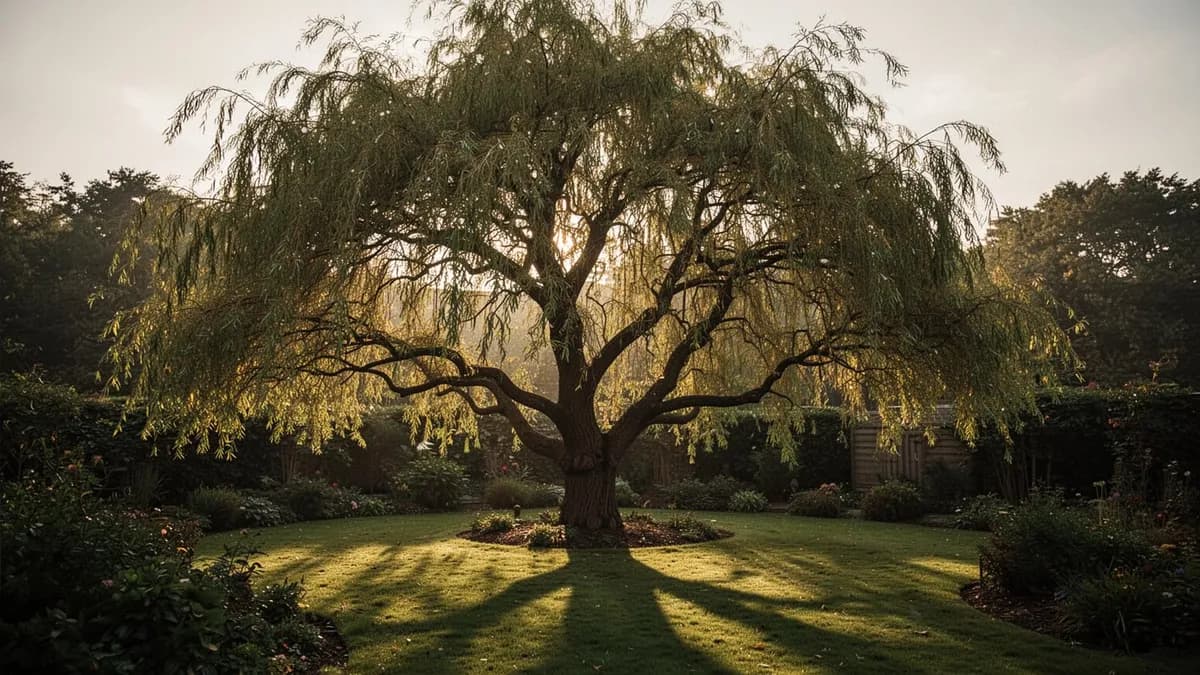
Dramatic cascading branches that sweep the ground creating a living curtain. Spectacular specimen tree for large properties.
While beech trees require decades to reach nut-bearing age, a mature tree on your property provides significant long-term value. A single specimen can yield 5-20 kg of edible beechnuts annually in mast years at no cost, equivalent to purchasing premium foraged nuts at $30-50 per kilogram. Beech hedging is one of the most cost-effective formal hedging options, with bare-root whips costing a fraction of evergreen alternatives while providing year-round screening thanks to marcescent leaf retention. The dense hardwood timber of a mature beech is valued at several hundred dollars per cubic meter, and the deep shade cast by a large beech tree can reduce summer cooling costs for nearby buildings by 15-25 percent.
Quick recipes
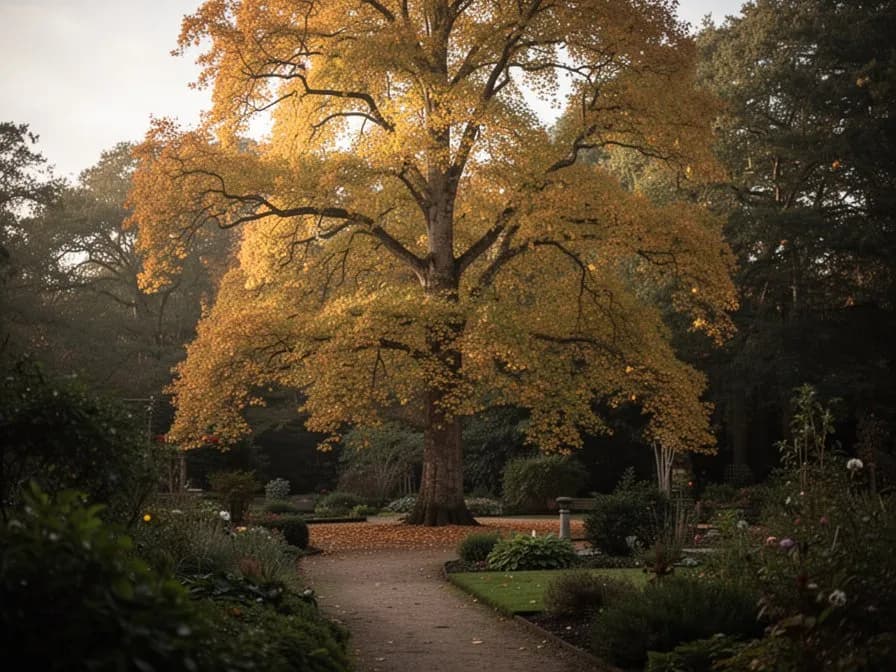
Roasted Beechnuts with Sea Salt
20 minutesSimple roasted beechnuts bring out a sweet, nutty flavor reminiscent of hazelnuts and chestnuts. Roasting also neutralizes the mild tannins present in raw beechnuts, making them safe and delicious for snacking. These make an excellent autumn trail mix ingredient or salad topping.
5 ingredientsBeechnut Pesto
15 minutesA woodland twist on classic pesto, substituting foraged beechnuts for the traditional pine nuts. The beechnuts provide a slightly sweeter, more delicate flavor that pairs beautifully with wild garlic or basil. Excellent tossed with fresh pasta or spread on crusty bread.
7 ingredients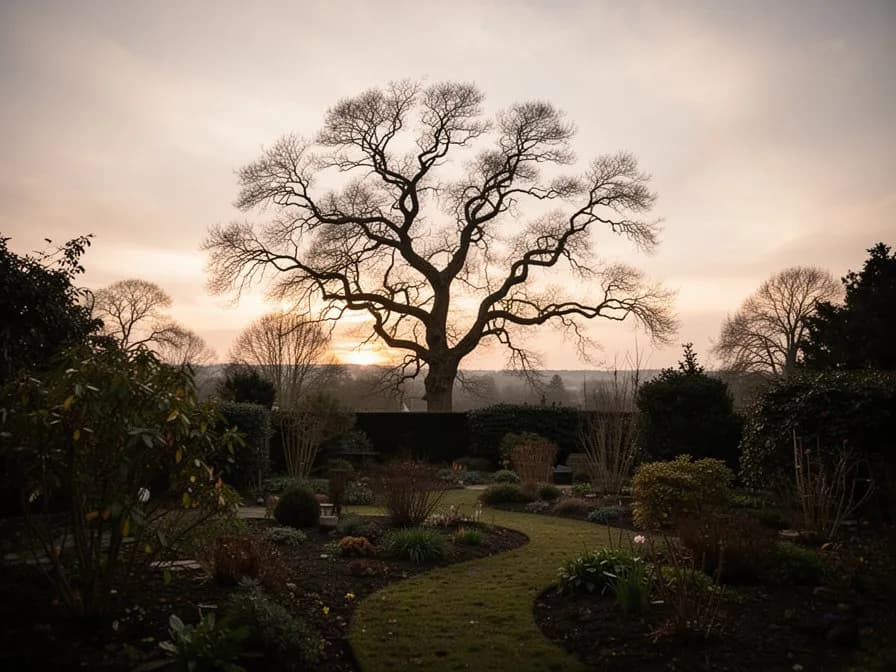
Beech Leaf Noyau Liqueur
10 minutes active, 3 weeks steepingA traditional English country liqueur made from young beech leaves gathered in spring when they are soft, bright green, and slightly sticky. The leaves impart a subtle, herbal flavor with hints of cucumber and green almond. This recipe dates back centuries in rural Britain.
5 ingredientsWhat's inside
Health Benefits
- Beechnuts are rich in unsaturated fatty acids, particularly oleic acid, which supports cardiovascular health by helping to maintain healthy cholesterol levels when consumed as part of a balanced diet.
- The high protein content of beechnuts at roughly 22 percent provides essential amino acids, making them a valuable supplementary protein source in plant-based and foraged diets.
- Beechnuts contain significant amounts of potassium and manganese, minerals that play important roles in regulating blood pressure, muscle function, and bone density.
- Beech leaf tea has been used in European folk medicine as a mild antiseptic and astringent, traditionally applied as a poultice for minor skin irritations and insect bites.
- Spending time in beech forests has been linked to measurable reductions in cortisol levels and blood pressure, a practice formalized in Japanese forest bathing (shinrin-yoku) and increasingly supported by clinical research.
- The antioxidant compounds in beechnuts, including tocopherols and phenolic acids, may help reduce oxidative stress and inflammation when included regularly in the diet.
Where Beech Tree comes from
The European beech (Fagus sylvatica) is native to western and central Europe, where it has been a dominant forest tree since the end of the last Ice Age roughly 10,000 years ago. As glaciers retreated, beech trees gradually recolonized from refugia in the Balkans, southern Alps, and Iberian Peninsula, eventually forming the vast beech forests that once covered much of the European lowlands and mountains up to about 1,500 meters elevation. The American beech (Fagus grandifolia) occupies a similar ecological niche across eastern North America, from Nova Scotia to Florida and west to Wisconsin.
Beech trees have held deep cultural significance throughout European history. The smooth bark served as a natural writing surface, and linguists believe the English word 'book' and the German 'Buch' both trace their origins to the Germanic word for beech. Ancient Greeks associated the beech with Zeus, and the oracle at Dodona was said to interpret the rustling of sacred beech leaves. In Celtic tradition, the beech was the queen of the forest and a symbol of wisdom and learning.
Beechnuts, also called beechmast, were an important food source for both humans and livestock throughout medieval Europe. Pigs were traditionally turned out into beech forests in autumn to fatten on the fallen nuts, a practice known as pannage that continues in parts of England's New Forest today. During times of scarcity, beechnuts were ground into flour for bread or pressed for their oil, which was used in cooking and lamp fuel. The timber has been valued for centuries in furniture making, tool handles, and flooring due to its fine, even grain, hardness, and excellent steam-bending properties.
Beech Tree: did you know?
Fascinating facts about Beech Tree
The English word 'book' is believed to derive from the Proto-Germanic word for beech, as early Germanic peoples carved runes into beech bark and beechwood tablets for written communication.
Beech Tree questions, answered
When should I plant Beech Tree?
What are good companion plants for Beech Tree?
What hardiness zones can Beech Tree grow in?
How much sun does Beech Tree need?
How far apart should I space Beech Tree?
What pests and diseases affect Beech Tree?
How do I store Beech Tree after harvest?
What are the best Beech Tree varieties to grow?
What soil does Beech Tree need?
Are beechnuts safe to eat, and how should they be prepared?
How long does it take for a beech tree to reach full size?
Why does my beech tree keep its brown leaves all winter?
Can beech trees grow in full sun or do they need shade?
What is the best time to plant a beech tree or beech hedge?
Why is nothing growing under my beech tree?
You just read the theory. Now grow it on autopilot.
Everything that makes Beech Tree fiddly — the timing, the spacing, the companions, the harvest window — is exactly what PlotMyGarden handles for you, for every plant in your garden.
A plan that knows your weather
Set your location once. Get sow, feed and harvest dates built around your real last-frost date and live forecast — no more guessing from a generic seed packet.
From the “When to plant” sectionDrag-and-drop bed planner
Design beds on a grid. Every plant snaps to its proper spacing, and you can see your whole season laid out before you spend a cent on seed.
From the “Growing guide” sectionCompanion conflicts, caught early
200+ good-and-bad pairings checked live as you plant — so a season-wrecking mistake never makes it into the ground.
From the “Companions” sectionReminders you'll actually act on
“Water the beans.” “Pick today before it turns.” Timely, specific, and tied to the plants you're really growing.
From the “Harvest” sectionSuccession, scheduled
Want a harvest for six weeks, not six days? It spaces your sowings automatically and reminds you when each new block is due.
From the “When to plant” sectionA record that gets smarter
Every harvest you log teaches it your garden. Next year's plan starts from what actually worked in your soil, not a textbook's.
From the “Overview” sectionPlant these alongside Beech Tree
More Shade Trees
Keep Beech Tree away from these
Grow your best Beech Tree yet — and everything around it.
Start a free plan today. Lay out your beds, drop in your Beech Tree, and let PlotMyGarden handle the timing, spacing, companions and reminders from seed to harvest basket.