Birch
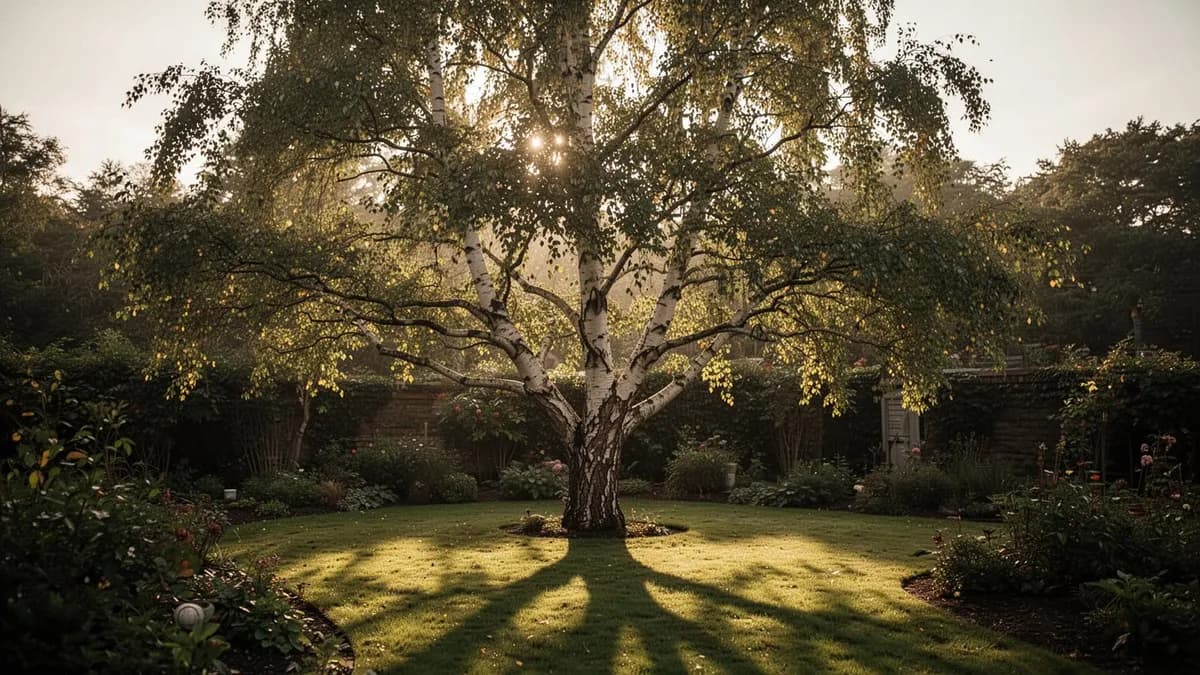
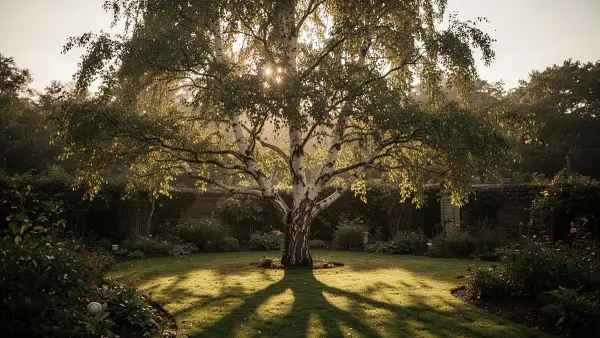
An elegant deciduous tree with distinctive white bark that peels in papery layers and a graceful weeping habit.





On this pageOverview
Meet Birch
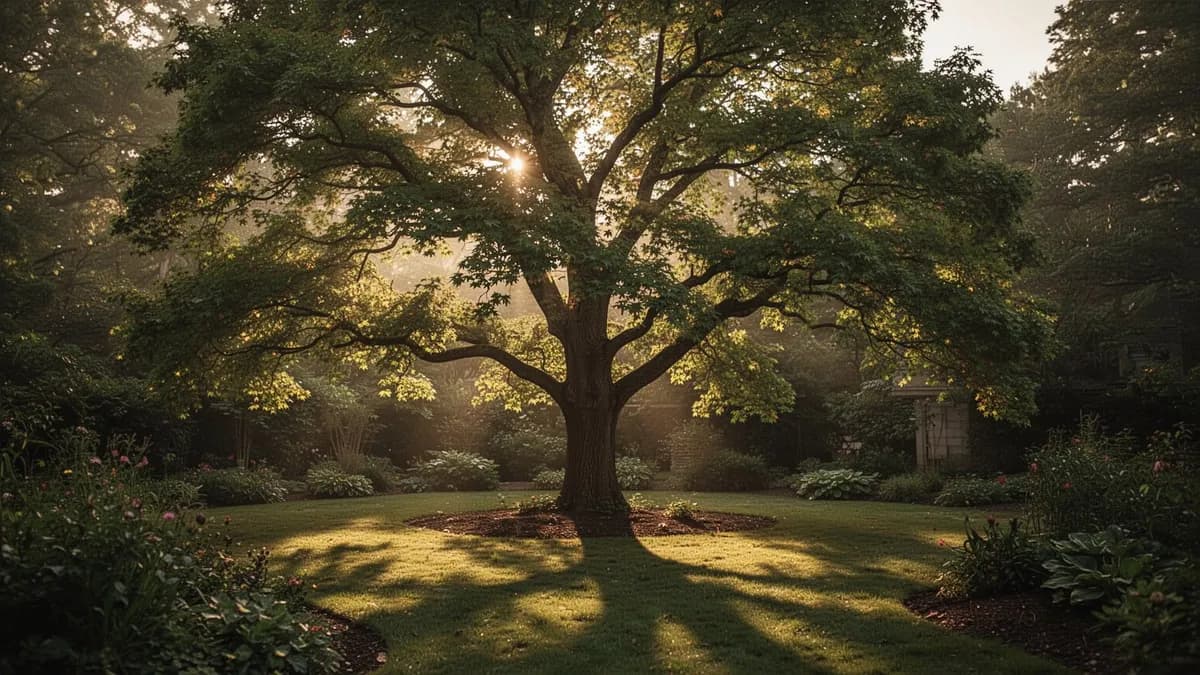
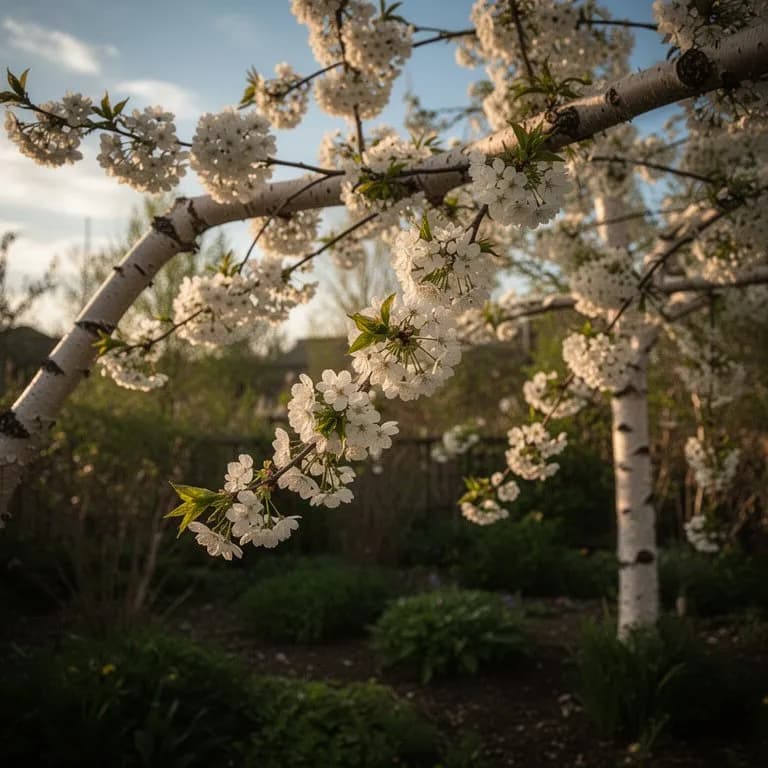
An elegant deciduous tree with distinctive white bark that peels in papery layers and a graceful weeping habit. Birch trees prefer moist, cool soil and benefit from a thick layer of mulch over their shallow root zone to retain moisture and moderate soil temperature. They are relatively short-lived compared to oaks and maples but grow quickly and provide beautiful dappled shade with their light, airy canopy. Watch for bronze birch borer, the most serious pest, which targets stressed trees, and keep birches well-watered during hot dry spells.
When to plant Birch
Birch seeds are tiny winged nutlets that ripen in catkins during late summer and fall. Collect catkins when they begin to break apart and dry them to release seeds. Most species require 30 to 60 days of cold stratification in moist sand in the refrigerator. Surface-sow seeds on moist seed-starting mix, as they need light for germination. Mist regularly to maintain moisture. Germination occurs in 2 to 4 weeks at 65 to 70 degrees Fahrenheit. Named cultivars are propagated by grafting onto seedling rootstock.
Your Birch Year
Composed for Zone 7 · typical seasons · frost passes Apr 2, returns Nov 1
Plant Birch Mar – Apr, Oct – Nov, pick —. Check the planting methods below and set your climate to personalize these windows.
How to grow Birch
Plant birch trees in moist, cool, well-drained, slightly acidic soil with a pH of 5.0 to 6.5. Birches prefer full sun but benefit from afternoon shade in hot climates, as heat stress weakens trees and invites bronze birch borer attack. Space trees 20 to 30 feet apart or plant in attractive clumps of three. Plant balled-and-burlapped or container-grown trees in spring or early fall.
Birch trees have shallow, fibrous root systems that require consistent moisture. Apply a 3 to 4 inch layer of organic mulch over the entire root zone to keep soil cool and moist. Water deeply during dry spells, especially in summer, as drought stress is the primary trigger for bronze birch borer infestation. Never allow the soil to dry out completely during the growing season.
Prune birches in late summer or early fall to avoid heavy sap bleeding that occurs with winter or spring pruning. Remove dead, diseased, or crossing branches. Birches are relatively fast-growing, adding 1 to 2 feet per year, but are shorter-lived than most large shade trees, typically reaching 40 to 70 years depending on species and conditions.
Birch needs more room than a 4 × 8 ft bed gives
Each Birch wants 600 cm of elbow room. The planner keeps that spacing for you — every plant, every bed.
Birch's best neighbours
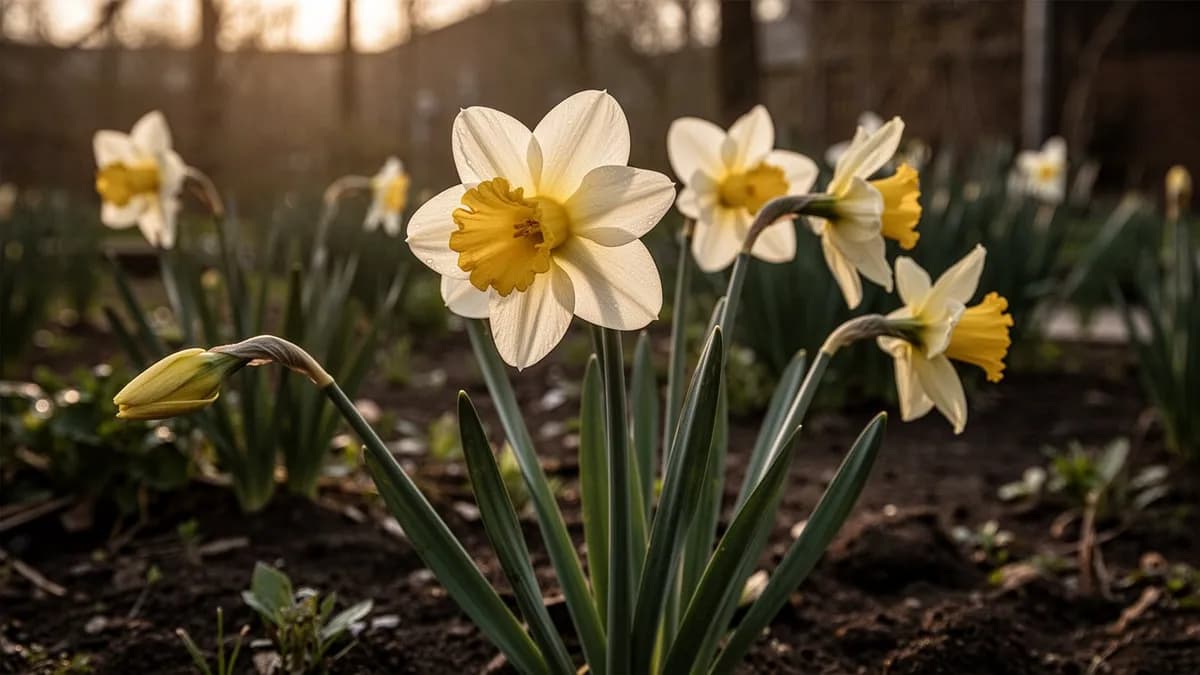
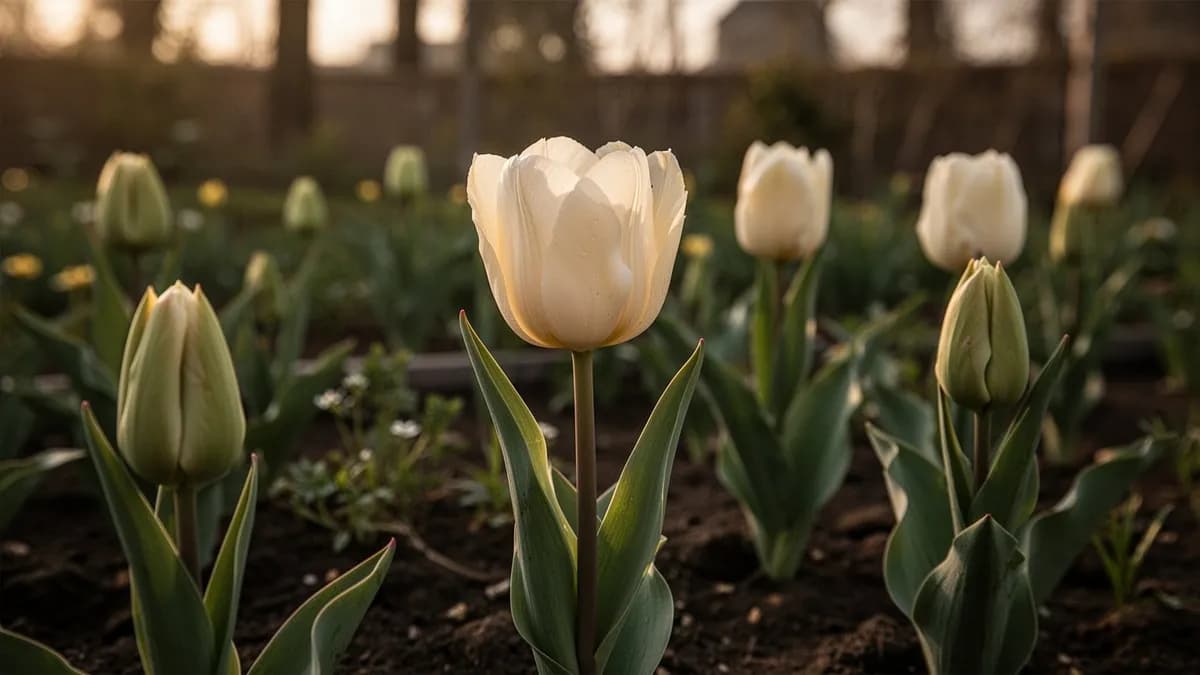
Plant shade-tolerant, moisture-loving perennials beneath birch trees including hostas, astilbe, ferns, and brunnera. Spring bulbs like daffodils, scilla, and grape hyacinths naturalize beautifully under the light, airy canopy. Azaleas and rhododendrons share the preference for acidic soil and make excellent understory companions. Groundcovers like vinca, pachysandra, and sweet woodruff suppress weeds and help retain soil moisture over the shallow roots.
Daffodil belongs beside it. Walnut Tree doesn't.
Old growers' knowledge, checked against Birch's real companion table below — test any plant you're growing.
Try Birch in a bed — right here
A real planner bed with Birch already in it. Tap a companion to place it and watch the pairing checks answer — green for good neighbours, red for a clash.


Related growing guides
Feed it well
Birches prefer moist, slightly acidic soil with a pH of 5.0 to 6.5 and high organic matter content. Amend planting sites with compost and peat moss to improve moisture retention. Apply a balanced acidifying fertilizer in early spring for young trees. Avoid alkaline soils, which cause iron chlorosis in birches. River birch is the most tolerant species for varying soil conditions. Maintain a thick layer of organic mulch year-round to keep the shallow root system cool and moist.
Ideal Temperature
Hardiness Zone Compatibility
From seed to harvest, stage by stage
Seed Germination & Seedling Emergence
Birch seeds are tiny winged nutlets that germinate on the soil surface when exposed to light and consistent moisture. Stratification at 1-4°C for 4-8 weeks breaks dormancy. Seedlings emerge with small cotyledon leaves and a delicate primary root that is sensitive to drying out.
Juvenile Sapling Growth
The seedling develops its first true serrated leaves and begins rapid vertical growth. Birch saplings can put on 30-60 cm of height in their first full growing season. The root system expands laterally near the soil surface, forming a wide but shallow network. Bark remains smooth and reddish-brown at this stage.
Establishment & Canopy Formation
Over years 2-5 the birch tree accelerates its growth rate, often adding 45-90 cm of height per year under favorable conditions. The canopy develops its characteristic open, airy structure with gracefully arching branches. Bark begins to transition from reddish-brown to the species-typical white or silver coloration as the trunk diameter increases.
Reproductive Maturity & First Sap Production
Between years 5-10 the tree reaches sexual maturity and begins producing both male catkins (pendulous, 3-6 cm long) and smaller upright female catkins. This marks the earliest stage at which sap tapping becomes viable, though yields increase substantially as the trunk diameter grows. The tree may reach 8-12 meters in height.
Full Maturity & Peak Production
A fully mature birch tree can reach 15-25 meters in height depending on species and conditions. At this stage the tree produces abundant seed crops, the bark displays its most striking white coloration, and sap yields are at their peak. A healthy mature birch can yield 4-8 liters of sap per day during the spring tapping season, which typically lasts 2-4 weeks.
Veteran Stage & Decline Management
Birch trees typically live 40-100 years depending on species and growing conditions. Veteran trees may show reduced canopy density, increased deadwood, and slower growth. These older specimens provide critical habitat for woodpeckers, fungi, lichens, and invertebrates. Sap production may decline but the tree retains ornamental and ecological value.
Sow seeds on the surface of a moist peat-sand mix and press lightly without covering. Keep under plastic or glass to maintain humidity and provide bright indirect light. Mist regularly to prevent the surface from drying.
Caring for Birch month by month
What to do each month for your Birch
October
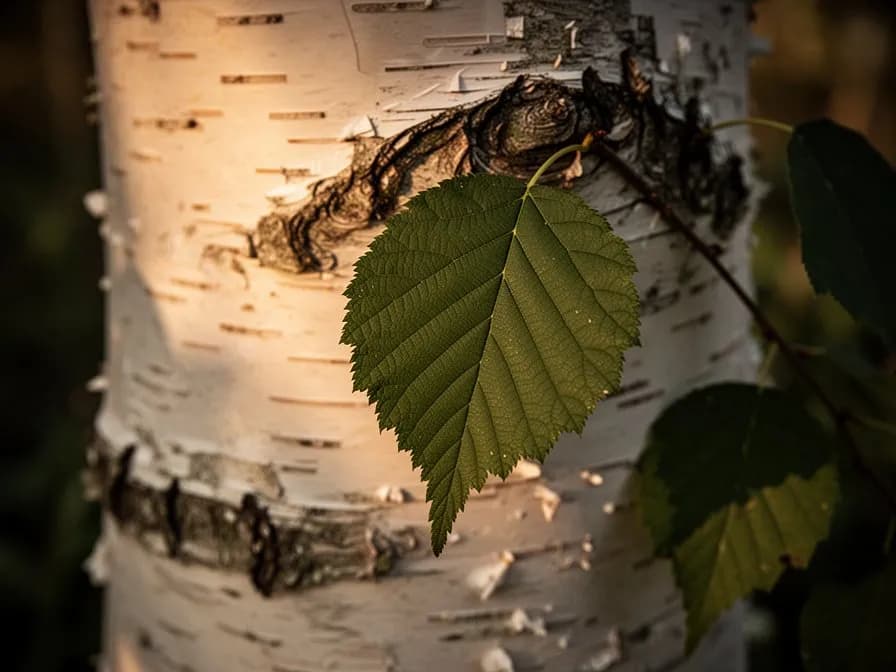
You are hereAllow fallen birch leaves to decompose naturally as mulch or collect for composting. They break down quickly and add valuable organic matter to the soil. Apply a final deep watering before the ground freezes.
Know exactly what to do in your garden — every month
One email at the start of each month: what to sow, plant, and tackle right now — for your Birch and everything growing around it. Plus a short starter course that helps you dodge the classic mistakes.
- What to do, right now
- Matched to your season
- Starter course included
Harvesting Birch
Birch trees are not typically grown for harvest. However, birch sap can be tapped in late winter similar to maple trees, yielding a mildly sweet liquid used for birch syrup or birch water beverages. Tap when daytime temperatures rise above freezing. Birch bark should never be stripped from living trees, as this damages and often kills them. Collect bark only from trees that have been felled or from naturally shed papery pieces. Birch twigs can be harvested for traditional broom-making and decorative use.
assuming you plant when the window opens — set your real date
Pick Birch promptly and the plant keeps producing.
Storage & Preservation
Birch sap is highly perishable and begins fermenting within days of collection. Refrigerate immediately and use within a week, or freeze for long-term storage. To make birch syrup, boil sap down at a ratio of approximately 100 to 1, far more than maple syrup, which makes commercial production expensive. Birch syrup has a distinctive savory-sweet, molasses-like flavor. Birch bark pieces collected from fallen wood can be dried and stored indefinitely for craft use.
What goes wrong — and the fix
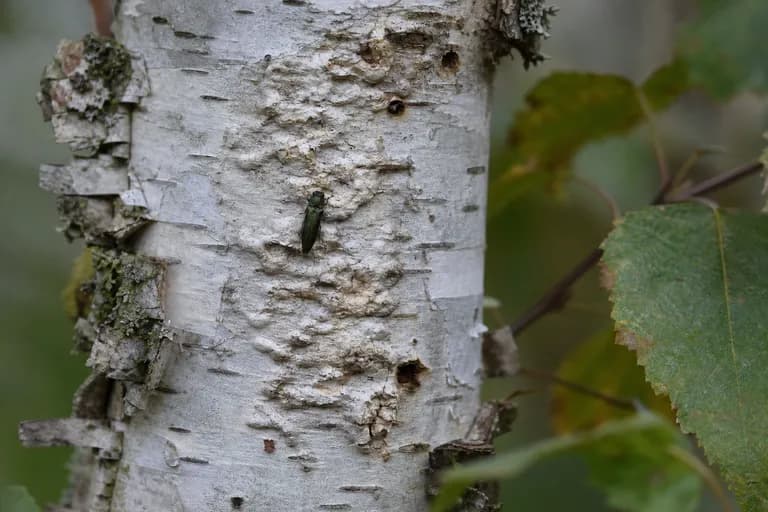
Bronze Birch Borer
PestD-shaped exit holes in bark. Canopy dieback starting from the top down. Ridged or bumpy bark where larvae have tunneled beneath.
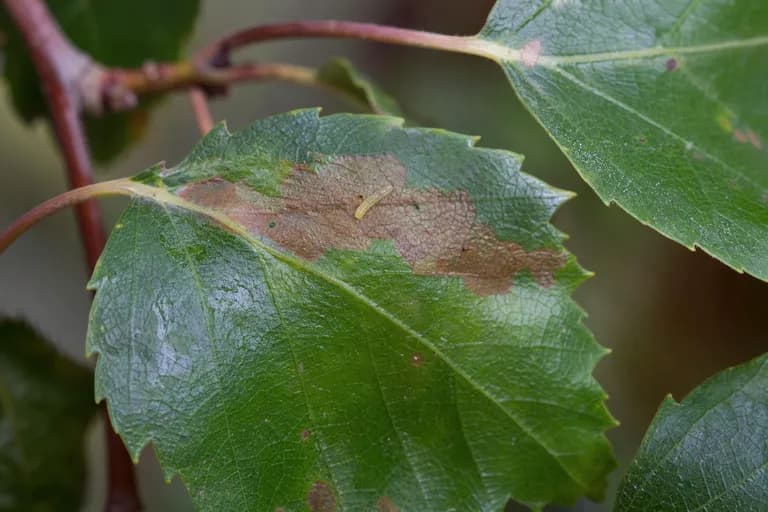
Birch Leafminer
PestBrown translucent blotches between leaf surfaces where larvae feed inside the leaf tissue. Heavy infestations cause premature defoliation.
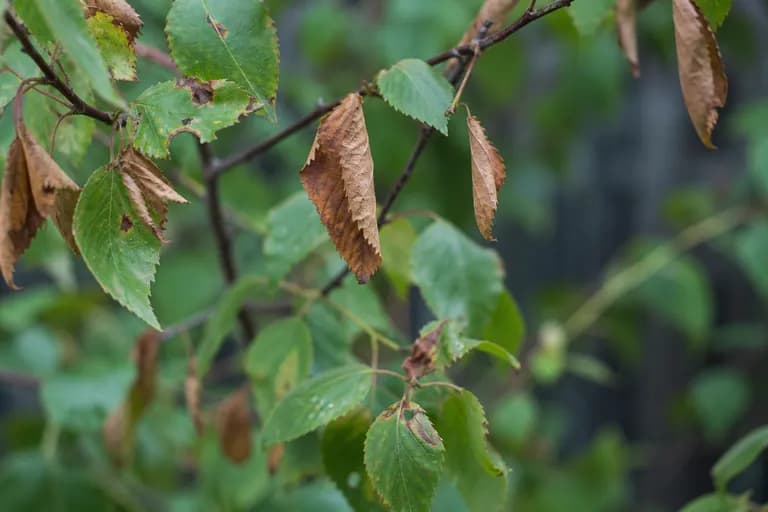
Birch Dieback
DiseaseProgressive branch death from the top of the canopy downward. Often follows drought stress or borer infestation.
Troubleshooting Common Problems
Bronze birch borer is the most devastating pest, killing stressed trees from the top down. Heat stress in southern climates makes white-barked species especially vulnerable. Birch leafminer causes unsightly brown blotches but is rarely fatal. The shallow root system makes birches sensitive to soil compaction and drought. Sap bleeding from pruning cuts in winter and spring is messy but not harmful. Short lifespan compared to oaks and maples means eventual replacement.
Growing Tips
- Plant birch trees in locations that receive full sun to partial shade with consistently moist, well-drained, slightly acidic soil with a pH between 5.0 and 6.5 for optimal growth and health.
- Mulch the entire root zone out to the drip line with 7-10 cm of organic material such as wood chips or shredded bark to keep the shallow root system cool and moist during summer.
- Water birch trees deeply during dry periods, providing at least 2.5 cm of water per week, as their shallow root systems make them highly susceptible to drought stress and subsequent borer attacks.
- Avoid pruning birch trees in late winter or early spring when sap is flowing, as cuts will bleed profusely. Schedule all pruning for late summer through early fall when sap pressure is lowest.
- Plant birch trees on the north or east side of buildings where they receive some afternoon shade in hot climates, or choose heat-tolerant species like river birch for USDA zones 7 and above.
- When tapping for sap, drill holes no deeper than 4 cm into the sapwood at a slight upward angle approximately one meter above ground level. Use a drill bit diameter of 7-12 mm matched to your spile size.
- Protect young birch trees from bronze birch borer by maintaining consistent irrigation and avoiding soil compaction over the root zone, as stressed trees are far more vulnerable to infestation.
- Apply a slow-release acidifying fertilizer such as cottonseed meal or a formulation designed for acid-loving plants in early spring if soil pH is above 6.5 or growth appears chlorotic.
- Space birch trees at least 6-8 meters apart when planting in groups to allow adequate canopy development and air circulation, which reduces the risk of fungal leaf diseases.
- Consider planting birch trees in clusters of three with trunks 30-60 cm apart to create the classic multi-stem clump form, which provides more visual interest and a naturalistic woodland appearance in the landscape.
Grow your best Birch yet — and everything around it.
Start a free plan today. Lay out your beds, drop in your Birch, and let PlotMyGarden handle the timing, spacing, companions and reminders from seed to harvest basket.
Pick your Birch
River Birch (Betula nigra)
The most heat and borer-resistant species with attractive peeling salmon-pink to cinnamon bark. Best choice for warm climates in zones 4 to 9.
Paper Birch (Betula papyrifera)
Classic white-barked birch native to northern North America. Best in cool climates zones 2 to 6 where bronze birch borer is less problematic.
Silver Birch (Betula pendula)
European species with elegant weeping habit and white bark. The cultivar Youngii forms a compact weeping dome ideal for small gardens.
Heritage River Birch
Superior cultivar of river birch with exceptional peeling bark in cream, salmon, and tan. Highly resistant to birch borer and leaf spot.
Himalayan Birch (Betula utilis var. jacquemontii)
The whitest bark of any birch species. Striking ornamental but requires cool, moist conditions similar to paper birch.
A single mature birch tree in your garden can produce 40-100 liters of fresh sap during the 2-4 week spring tapping season, with no harm to the tree when tapped responsibly. Commercial birch sap retails for $4-8 per liter, meaning a home-tapped tree can provide $160-800 worth of sap annually. Birch syrup, which requires approximately 100 liters of sap per liter of finished product, sells for $30-50 per 250ml bottle. Beyond sap, birch trees provide windbreak protection that can reduce home heating costs by 10-25%, natural shade that lowers summer cooling expenses, and a continuous supply of nutrient-rich leaf mulch each autumn that eliminates the need to purchase commercial mulch or compost for surrounding garden beds.
Quick recipes
Fresh Birch Sap Tonic with Lemon and Ginger
5 minutesA revitalizing spring drink that highlights the delicate, slightly sweet flavor of fresh birch sap. The lemon and ginger complement the subtle mineral character of the sap without overpowering it. Best enjoyed within 24 hours of tapping for maximum freshness and nutrient content.
5 ingredientsBirch Sap Syrup Glazed Root Vegetables
45 minutesBirch syrup has a complex, slightly savory-sweet flavor with notes of caramel and molasses that pairs beautifully with roasted root vegetables. This recipe uses the reduced syrup as a glaze that caramelizes during roasting, creating a deeply flavorful side dish that showcases this unique forest product.
6 ingredientsFermented Birch Sap Kvass
15 minutes active (plus 3-5 days fermentation)A traditional Eastern European lacto-fermented beverage made from fresh birch sap. The natural sugars in the sap provide food for beneficial bacteria, producing a lightly effervescent, probiotic-rich drink with a pleasantly tangy flavor. This method has been used in Russia and the Baltic states for centuries as a way to preserve the spring sap harvest.
5 ingredientsWhat's inside
Health Benefits
- Birch sap is a natural source of manganese, which supports bone health, blood sugar regulation, and the metabolism of carbohydrates and amino acids in the body.
- The anti-inflammatory compounds in birch bark and sap, particularly betulinic acid and betulin, have been shown in laboratory studies to reduce markers of inflammation and oxidative stress.
- Birch sap acts as a gentle natural diuretic, traditionally used across Northern Europe to support kidney function and help flush metabolic waste products from the body during spring detoxification.
- The natural xylitol content in birch sap contributes to oral health by inhibiting the growth of Streptococcus mutans bacteria, the primary cause of dental cavities.
- Fresh birch sap provides easily absorbed electrolytes including potassium, calcium, and magnesium, making it a natural isotonic beverage for rehydration after physical activity.
- Birch leaf tea has been used in traditional European herbal medicine for centuries to support joint health and ease symptoms associated with rheumatic conditions and urinary tract discomfort.
Where Birch comes from
Birch trees (genus Betula) are among the earliest tree species to have colonized the northern hemisphere following the retreat of glaciers at the end of the last Ice Age, approximately 10,000-12,000 years ago. Fossil pollen records show that birch forests were the dominant vegetation across much of Northern Europe, Scandinavia, Russia, and northern North America as the ice sheets receded, making them foundational species in the formation of modern temperate and boreal forests.
The genus comprises roughly 30-60 species distributed across the northern temperate and subarctic regions, with the greatest diversity found in East Asia. Key species include the European silver birch (Betula pendula), the North American paper birch (Betula papyrifera), the Himalayan birch (Betula utilis), and the yellow birch (Betula alleghaniensis). These trees have adapted to a wide range of conditions from lowland river valleys to mountainous terrain up to 4,500 meters elevation in the Himalayas.
Human use of birch stretches back to the earliest recorded civilizations of the north. Birch bark served as writing material in ancient Russia, India, and among Indigenous peoples of North America. Birch tar, produced by dry distillation of the bark, was used as an adhesive by Neanderthals over 80,000 years ago, representing one of the earliest known examples of synthetic material production. The sap tapping tradition is documented in Scandinavian and Slavic cultures dating back to at least the medieval period, and birch sap remains a commercially important seasonal product in Finland, Latvia, Ukraine, and South Korea today. In modern horticulture, birch trees are among the most widely planted ornamental deciduous trees worldwide, valued for their graceful form, brilliant fall color, and year-round bark interest.
Birch: did you know?
Fascinating facts about Birch
Birch sap has been consumed as a traditional spring tonic across Northern Europe, Russia, and parts of East Asia for thousands of years, valued as a natural source of minerals, vitamins, and electrolytes after long winters.
Birch questions, answered
When should I plant Birch?
What are good companion plants for Birch?
What hardiness zones can Birch grow in?
How much sun does Birch need?
How far apart should I space Birch?
What pests and diseases affect Birch?
How do I store Birch after harvest?
What are the best Birch varieties to grow?
What soil does Birch need?
When is the best time to tap birch trees for sap?
Is tapping birch sap harmful to the tree?
How do I prevent bronze birch borer from killing my tree?
Can birch trees grow in warm climates or are they strictly cold-climate trees?
What is birch syrup and how does it differ from maple syrup?
How long does it take for a birch tree to mature enough for sap tapping?
You just read the theory. Now grow it on autopilot.
Everything that makes Birch fiddly — the timing, the spacing, the companions, the harvest window — is exactly what PlotMyGarden handles for you, for every plant in your garden.
A plan that knows your weather
Set your location once. Get sow, feed and harvest dates built around your real last-frost date and live forecast — no more guessing from a generic seed packet.
From the “When to plant” sectionDrag-and-drop bed planner
Design beds on a grid. Every plant snaps to its proper spacing, and you can see your whole season laid out before you spend a cent on seed.
From the “Growing guide” sectionCompanion conflicts, caught early
200+ good-and-bad pairings checked live as you plant — so a season-wrecking mistake never makes it into the ground.
From the “Companions” sectionReminders you'll actually act on
“Water the beans.” “Pick today before it turns.” Timely, specific, and tied to the plants you're really growing.
From the “Harvest” sectionSuccession, scheduled
Want a harvest for six weeks, not six days? It spaces your sowings automatically and reminds you when each new block is due.
From the “When to plant” sectionA record that gets smarter
Every harvest you log teaches it your garden. Next year's plan starts from what actually worked in your soil, not a textbook's.
From the “Overview” sectionPlant these alongside Birch
More Shade Trees
Keep Birch away from these
Grow your best Birch yet — and everything around it.
Start a free plan today. Lay out your beds, drop in your Birch, and let PlotMyGarden handle the timing, spacing, companions and reminders from seed to harvest basket.