Ash Tree
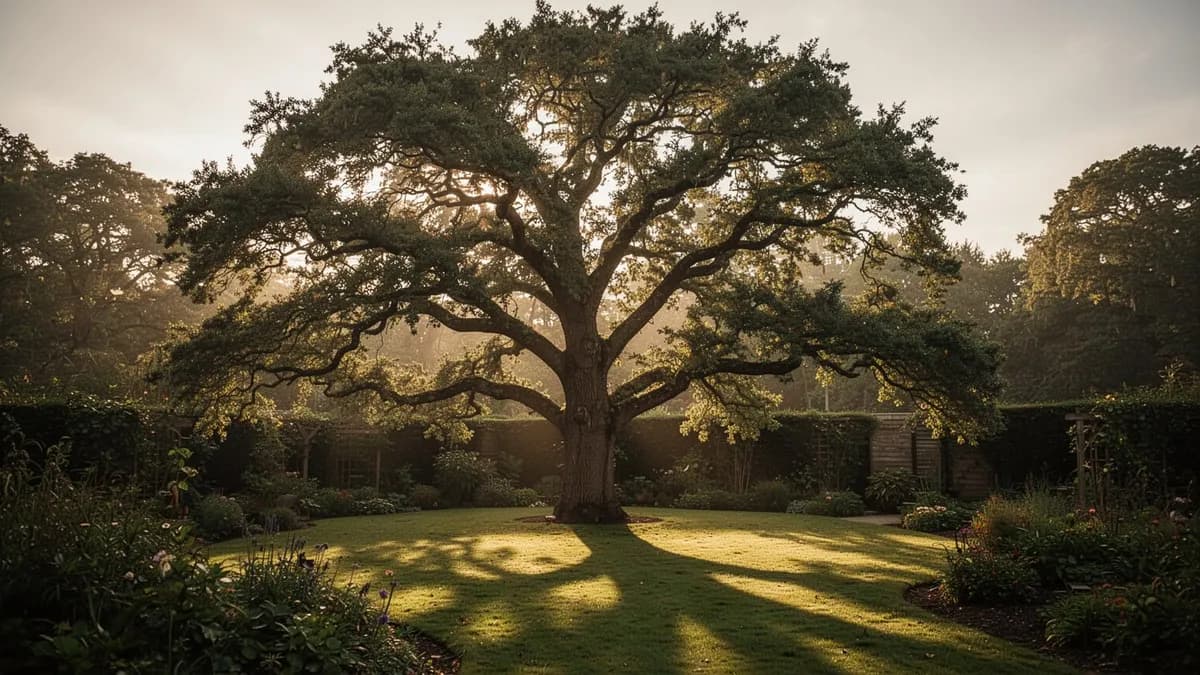
A fast-growing hardwood tree with compound leaves and a broad, rounded canopy providing excellent filtered shade.





On this pageOverview
Meet Ash Tree
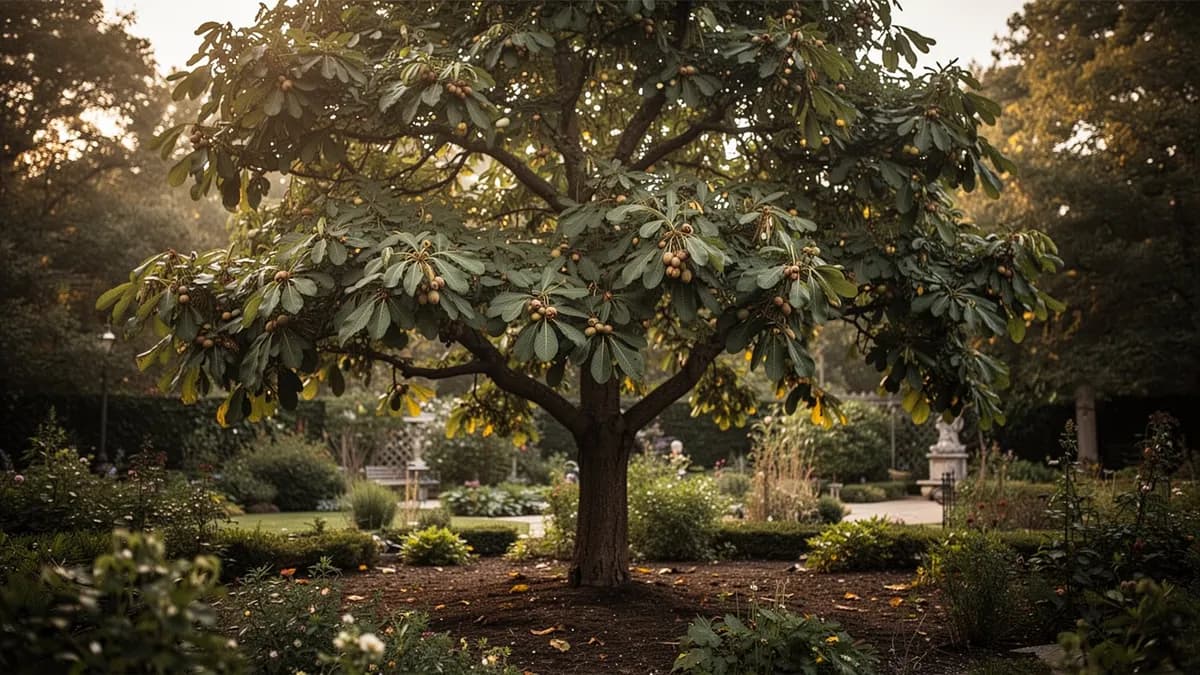
A fast-growing hardwood tree with compound leaves and a broad, rounded canopy providing excellent filtered shade. The emerald ash borer has devastated ash populations across North America, so new plantings should be carefully considered and monitored. Ash wood is prized for tool handles, baseball bats, and furniture due to its flexibility and shock resistance. The trees tolerate a wide range of soil conditions and produce winged seeds called samaras that spin as they fall.
When to plant Ash Tree
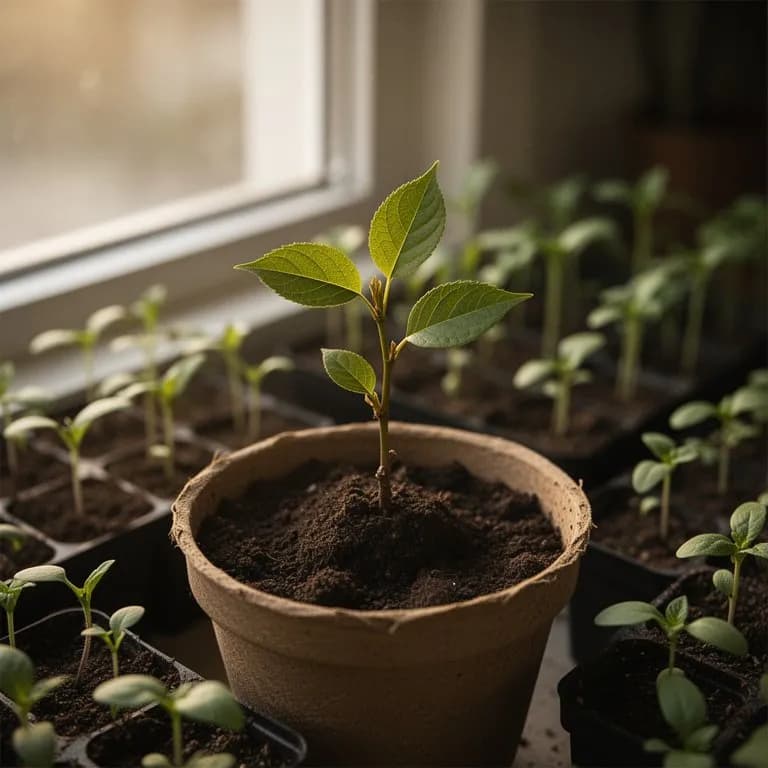
Ash samaras ripen in fall and can be collected when they turn brown. Seeds require 60 to 90 days of cold stratification in moist sand in the refrigerator. Sow stratified seeds half an inch deep in containers of moist potting mix in late winter. Germination occurs in 3 to 6 weeks. Ash seedlings grow quickly and can reach 1 to 2 feet in the first year. Named cultivars, especially disease-resistant and seedless selections, must be propagated by grafting or budding onto seedling rootstock.
Your Ash Tree Year
Composed for Zone 7 · typical seasons · frost passes Apr 2, returns Nov 1
Plant Ash Tree Mar – Apr, Oct – Nov, pick —. Check the planting methods below and set your climate to personalize these windows.
How to grow Ash Tree
Plant ash trees in deep, well-drained soil with full sun exposure. Ashes are adaptable to a broad range of soil conditions including clay, loam, and sandy soils with a pH of 6.0 to 7.5. They tolerate both moist and moderately dry conditions and are excellent urban trees due to their pollution tolerance. Space trees 40 to 50 feet apart for full canopy development.
Water newly planted ash trees deeply once a week during the first two growing seasons. Apply 3 inches of organic mulch over the root zone to conserve moisture and moderate soil temperature. Ash trees are fast-growing, adding 1 to 2 feet of height per year, and establish quickly in the landscape. They develop a strong central leader naturally, requiring minimal formative pruning.
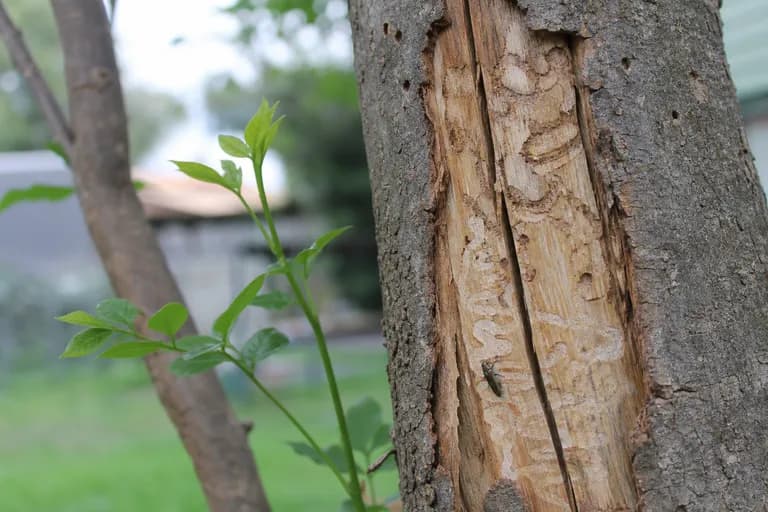
The most critical consideration for ash planting today is the emerald ash borer, an invasive beetle from Asia that has killed hundreds of millions of ash trees across North America. Before planting, assess whether EAB has reached your region and whether ongoing preventive insecticide treatments are feasible. In areas with active EAB populations, consider alternative tree species unless you commit to annual protective treatments for the life of the tree.
Ash Tree needs more room than a 4 × 8 ft bed gives
Each Ash Tree wants 900 cm of elbow room. The planner keeps that spacing for you — every plant, every bed.
Ash Tree's best neighbours
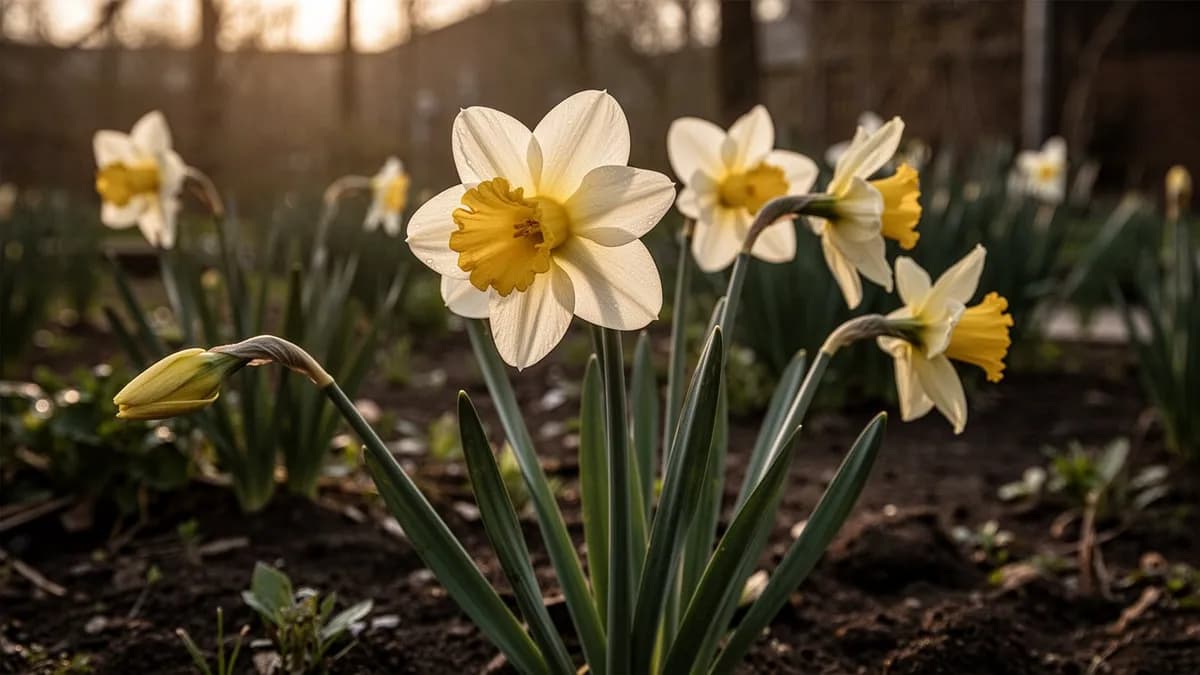
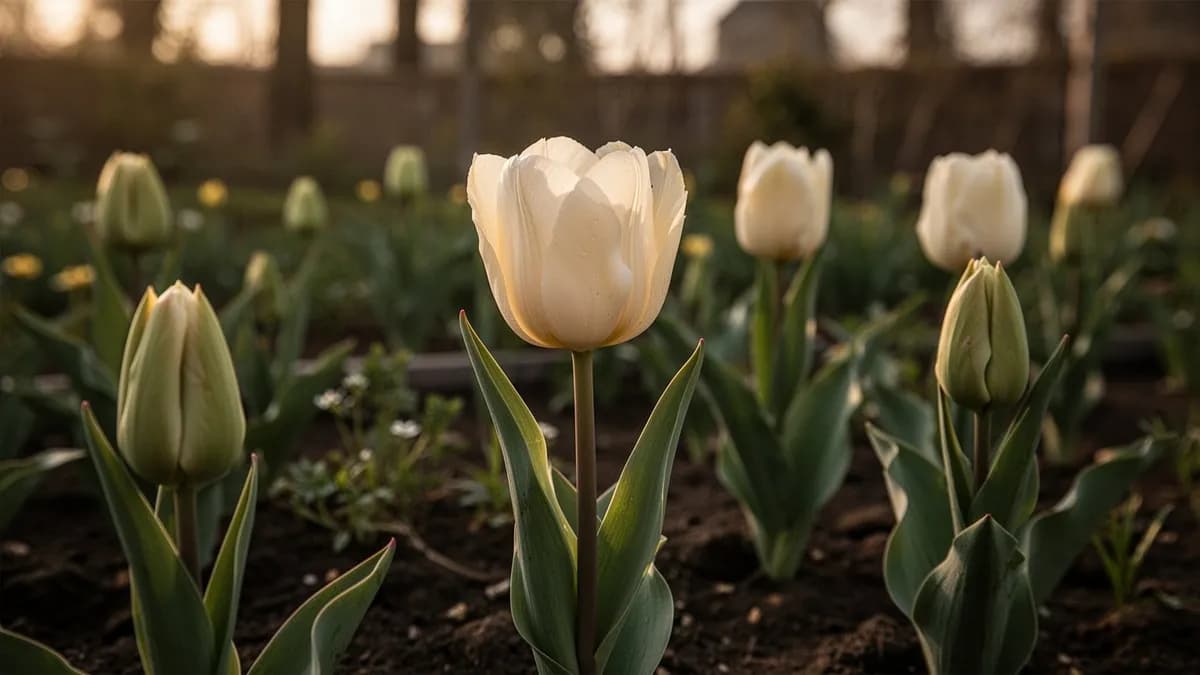
Ash trees cast moderate, filtered shade that allows a range of plants to grow beneath them. Good understory companions include hostas, daylilies, coral bells, and woodland phlox. Spring bulbs such as daffodils, crocuses, and tulips perform well under the deciduous canopy. Shade-tolerant shrubs like viburnum, hydrangea, and spicebush complement ash trees in mixed plantings. Nitrogen-fixing groundcovers like white clover can benefit soil health around young ash trees.
Daffodil belongs beside it. Walnut Tree doesn't.
Old growers' knowledge, checked against Ash Tree's real companion table below — test any plant you're growing.
Try Ash Tree in a bed — right here
A real planner bed with Ash Tree already in it. Tap a companion to place it and watch the pairing checks answer — green for good neighbours, red for a clash.


Related growing guides
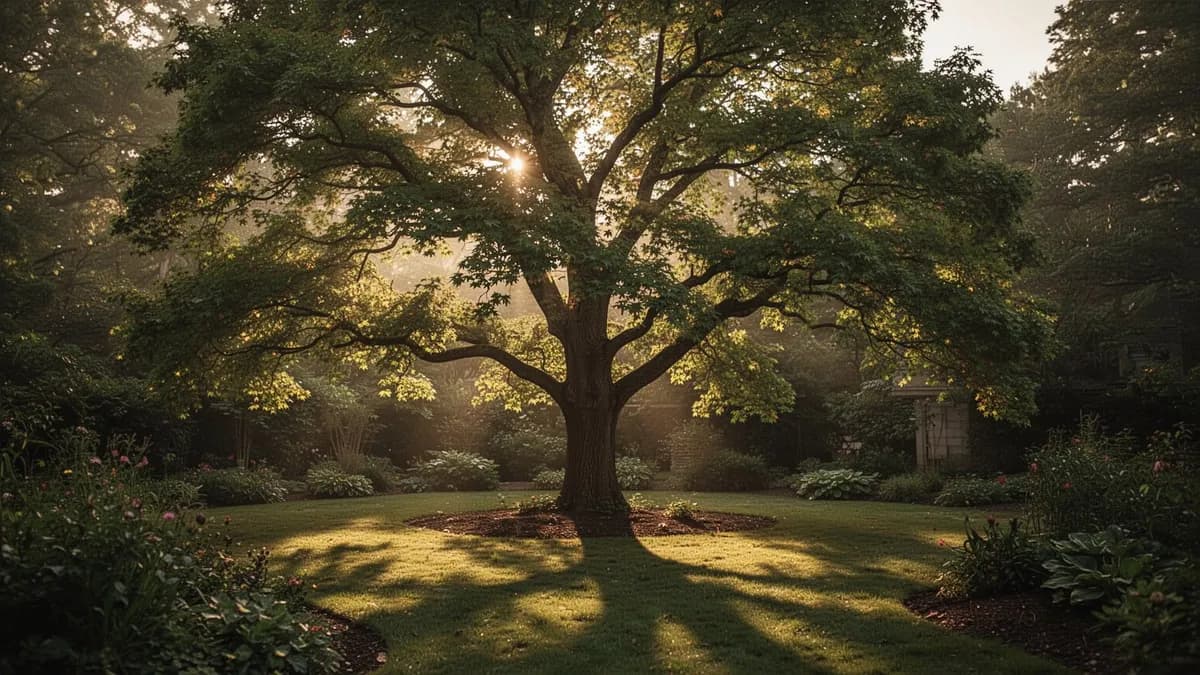
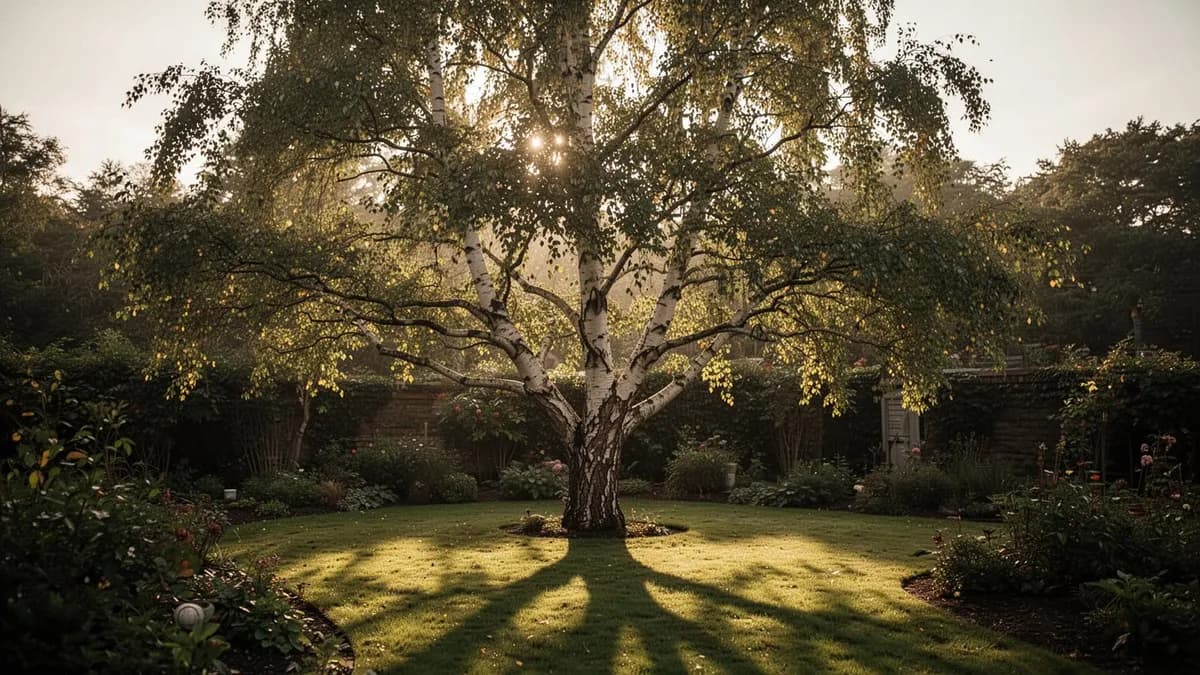
Feed it well
Ash trees are highly adaptable, growing well in a range of soils from moist bottomlands to upland clay and sandy loam. They prefer a pH of 6.0 to 7.5 but tolerate slightly alkaline conditions. Young trees benefit from balanced fertilizer applications in early spring. Avoid excessive nitrogen that promotes soft growth favored by borers. Mature ash trees in adequate soil rarely need supplemental nutrition. Maintain organic mulch over the root zone to support soil biology and moisture retention.
Ideal Temperature
Hardiness Zone Compatibility
From seed to harvest, stage by stage
Seed Germination
Ash seeds (samaras) require a period of cold stratification lasting 60 to 90 days before they will germinate. Once stratification requirements are met, the seed coat softens and the radicle emerges, anchoring the seedling into the soil.
Seedling Establishment
The young seedling develops its first set of true compound leaves and begins establishing a root system. During this stage the tree is most vulnerable to drought, browsing animals, and competition from surrounding vegetation.
Juvenile Growth
Over the next several years the ash tree grows rapidly, adding one to two feet of height per year under favorable conditions. The trunk begins to thicken and the crown starts to develop its characteristic rounded shape.
Young Mature Tree
The tree reaches a height of 20 to 40 feet and begins producing flowers and seeds. The bark transitions from smooth and pale gray to the distinctive diamond-ridged pattern associated with mature ash trees. Canopy spread increases significantly during this period.
Full Maturity
A fully mature ash tree stands 50 to 80 feet tall with a canopy spread of 40 to 60 feet. The tree produces abundant seed crops and provides significant ecological value as habitat for birds, insects, and lichens. Ash trees can live for 200 to 300 years under optimal conditions.
Veteran and Decline
In its later centuries the ash tree enters a veteran phase, developing hollow trunks and dead limbs that provide critical habitat for cavity-nesting birds, bats, and invertebrates. Growth slows considerably and the canopy may thin as branches die back naturally.
Sow seeds in late autumn and allow natural winter cold to stratify them, or cold-stratify in moist sand in a refrigerator for 60 to 90 days before spring planting.
Caring for Ash Tree month by month
What to do each month for your Ash Tree
October
You are hereRake and compost fallen ash leaves to reduce overwintering sites for fungal pathogens. Enjoy the autumn foliage display, which ranges from golden yellow to deep purple depending on species and variety.
Know exactly what to do in your garden — every month
One email at the start of each month: what to sow, plant, and tackle right now — for your Ash Tree and everything growing around it. Plus a short starter course that helps you dodge the classic mistakes.
- What to do, right now
- Matched to your season
- Starter course included
Harvesting Ash Tree
Ash trees are not grown for edible products in the home landscape. The trees produce abundant winged samaras that spin as they fall in autumn and can germinate prolifically in garden beds. Ash wood from removed trees is exceptionally valuable for its strength, flexibility, and shock resistance. It is the traditional wood for baseball bats, tool handles, oars, and furniture. Harvest ash lumber before wood-boring insects compromise the timber quality. Ash firewood burns cleanly and splits easily.
assuming you plant when the window opens — set your real date
Pick Ash Tree promptly and the plant keeps producing.
Storage & Preservation
Ash lumber should be sawn and properly stacked with stickers for air drying immediately after felling. The wood dries relatively quickly and evenly with minimal checking or warping. Firewood should be split and stacked in a covered area with good air circulation for at least 6 months before burning. In areas with emerald ash borer, follow local regulations about moving ash firewood, as transport is often restricted to prevent spreading the beetle to new areas.
What goes wrong — and the fix
Emerald Ash Borer
PestD-shaped exit holes in bark. Canopy dieback starting from the top. Bark splitting with S-shaped larval galleries visible beneath. Epicormic shoots sprouting from trunk.
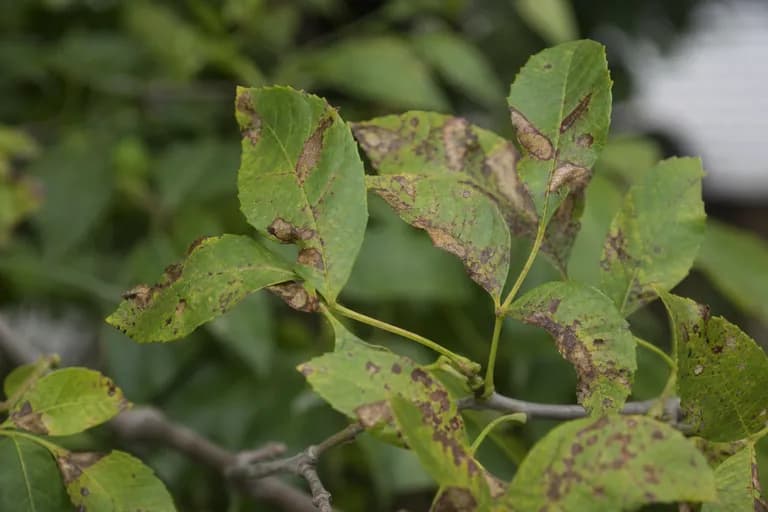
Ash Anthracnose
DiseaseTan to brown irregular blotches on leaves, often along midrib and veins. Distorted leaf growth and premature defoliation in wet springs.
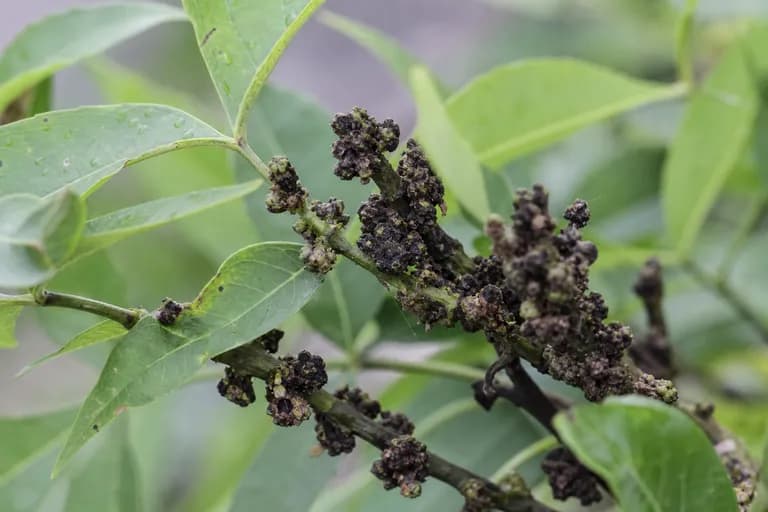
Ash Flower Gall Mite
PestClusters of abnormal, dark, cauliflower-like growths on male flowers that persist as conspicuous dark clumps on branches.
Troubleshooting Common Problems
Emerald ash borer is the overriding concern and has fundamentally changed the viability of ash as a landscape tree in much of North America. Annual insecticide treatment costs must be factored into planting decisions. Seedless cultivars are preferred to avoid the prolific self-sowing of seed-bearing trees. Ash yellows, a phytoplasma disease, causes slow decline in white ash. Some species produce aggressive surface roots that can heave pavements and interfere with lawn maintenance.
Growing Tips
- Select ash species appropriate for your USDA hardiness zone. Green ash tolerates zones 3 through 9, while white ash performs best in zones 4 through 8.
- Plant ash trees in full sun with at least six hours of direct sunlight per day for optimal growth and canopy development.
- Ash trees prefer moist, well-drained soils with a slightly acidic to neutral pH of 6.0 to 7.5, though green ash is notably tolerant of alkaline and compacted urban soils.
- Water newly planted ash trees deeply once per week during the first two growing seasons to establish a strong root system. Reduce supplemental watering once established.
- Apply a three-to-four-inch layer of organic mulch such as wood chips or shredded bark around the root zone, keeping mulch at least four inches away from the trunk to prevent moisture-related bark decay.
- Prune ash trees during the dormant season in late winter to maintain structural integrity. Remove branches with narrow crotch angles that are prone to splitting under ice or wind loading.
- In regions where the emerald ash borer is present, consult a certified arborist about preventive treatment with systemic insecticides such as emamectin benzoate, which is injected directly into the trunk every two to three years.
- Avoid planting ash trees near sewer lines or foundations, as their aggressive root systems can invade pipes and crack pavement. Allow at least 30 feet of clearance from structures.
- If growing ash for timber, maintain a single central leader and prune side branches to promote a straight, clear trunk during the first 15 to 20 years of growth.
- Consider planting cultivars that have shown some tolerance to emerald ash borer, such as selections of Manchurian ash (Fraxinus mandshurica), which coevolved with the beetle in its native range and exhibits greater resistance.
Grow your best Ash Tree yet — and everything around it.
Start a free plan today. Lay out your beds, drop in your Ash Tree, and let PlotMyGarden handle the timing, spacing, companions and reminders from seed to harvest basket.
Pick your Ash Tree
Autumn Purple (Fraxinus americana)
White ash cultivar with outstanding deep purple fall color. Fast-growing with a symmetrical oval canopy and strong branch structure.
Patmore (Fraxinus pennsylvanica)
Seedless green ash with a uniform oval crown. Extremely cold-hardy and adaptable, one of the most widely planted street trees.
Raywood Ash (Fraxinus oxycarpa)
Compact ash with claret-purple fall color. More drought-tolerant than American species and well-suited to western landscapes.
Urbanite (Fraxinus pennsylvanica)
Strong-wooded green ash selected for straight trunk and resistance to storm breakage. Bronze-gold fall color.
A well-placed mature ash tree can reduce residential cooling costs by 20 to 30 percent through shade and evapotranspiration. Ash timber is highly valued for furniture, flooring, and tool handles, and sustainably managed ash woodlots can produce harvestable timber within 30 to 50 years. However, prospective planters in North America should weigh these benefits against the significant cost of emerald ash borer prevention, which can range from 50 to 200 dollars per tree per year for systemic insecticide treatments.
Quick recipes
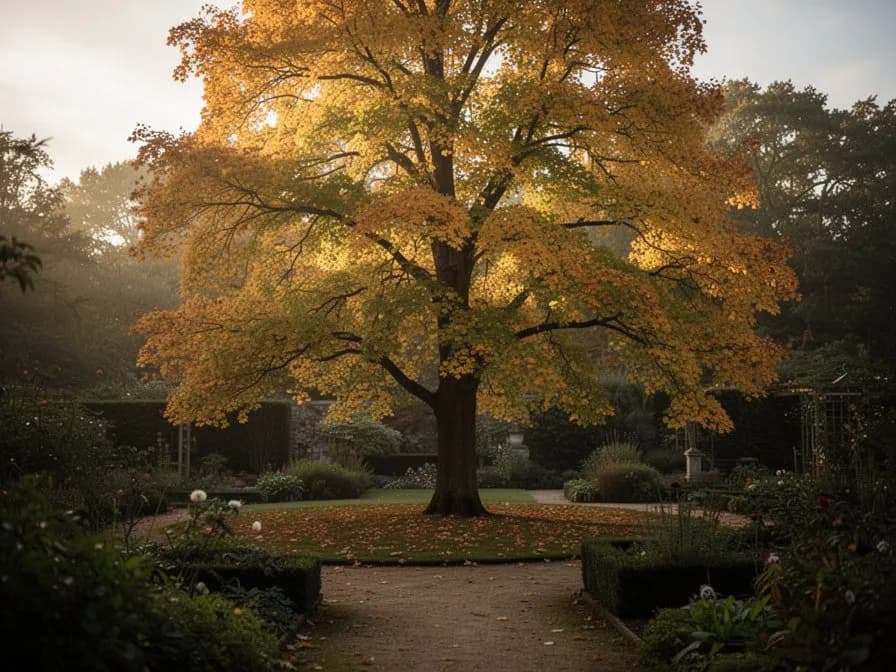
Pickled Ash Keys (Traditional English Condiment)
30 minutes plus 2 weeks picklingA traditional English preserve made from young, tender ash samaras harvested in late spring before they toughen. The pickled keys have a slightly bitter, tangy flavor and were historically served alongside cold meats and cheeses.
8 ingredientsAsh Leaf Tea (Herbal Infusion)
15 minutesA mild herbal tea made from dried ash leaves, traditionally consumed in parts of Europe as a gentle diuretic and anti-inflammatory. The flavor is subtle and slightly astringent, often blended with mint or lemon balm for a more pleasant taste.
4 ingredients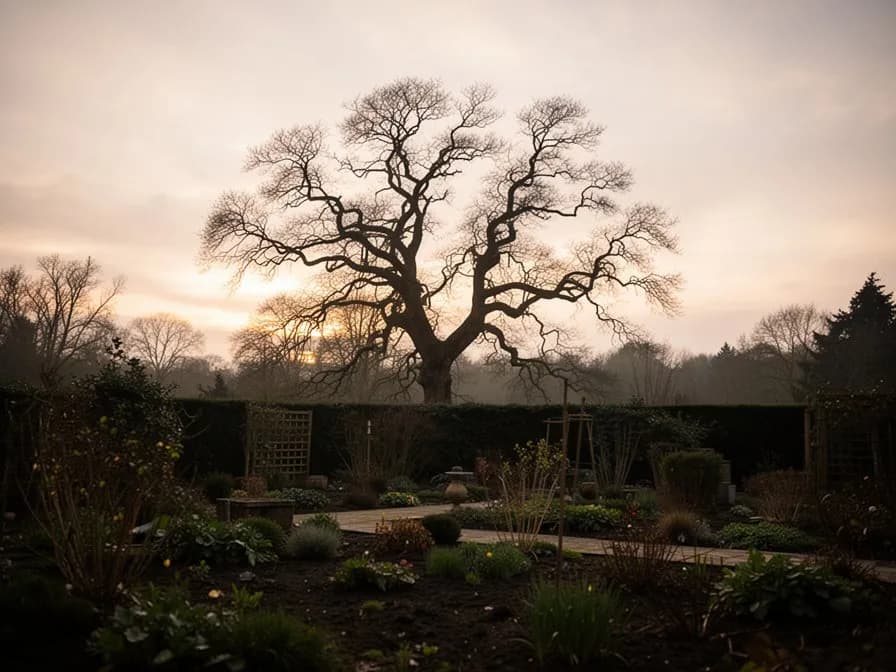
Manna Ash Syrup (Sicilian Tradition)
20 minutesA simple syrup made from manna, the dried sap of Fraxinus ornus, used in Sicilian cuisine as a natural sweetener with a delicate, slightly floral flavor. It is drizzled over ricotta, fresh fruit, or pastries.
4 ingredientsWhat's inside
Health Benefits
- Ash bark has been used in European folk medicine as an astringent and fever-reducing agent, with historical records of its use dating back to ancient Greek and Roman physicians.
- Leaf extracts from Fraxinus excelsior have shown anti-inflammatory properties in preliminary laboratory studies, potentially due to the presence of secoiridoid compounds and hydroxycoumarins.
- Manna from Fraxinus ornus has been used for centuries as a gentle, osmotic laxative suitable for children and the elderly, and remains available in Italian pharmacies today.
- Spending time around mature ash trees in parks and woodlands contributes to reduced stress levels, lower blood pressure, and improved mental well-being through the well-documented psychological benefits of exposure to green spaces.
- Ash trees improve urban air quality by filtering particulate matter, absorbing carbon dioxide, and releasing oxygen, with a single mature tree capable of absorbing approximately 20 kilograms of carbon dioxide per year.
- The dense canopy of mature ash trees provides significant cooling through shade and transpiration, reducing urban heat island effects and lowering the risk of heat-related health problems in surrounding neighborhoods.
Where Ash Tree comes from
The genus Fraxinus belongs to the olive family (Oleaceae) and comprises approximately 45 to 65 species of deciduous and, rarely, evergreen trees distributed across temperate and subtropical regions of the Northern Hemisphere. Ash trees have played a central role in human culture and industry for thousands of years. Archaeological evidence shows that ash wood was used for spear shafts and tool handles as far back as the Mesolithic period, and the ancient Greeks associated the tree with the god of war because of the strength and resilience of its timber. In Norse mythology, the cosmic world tree Yggdrasil was an ash, and the first man, Ask, was said to have been fashioned from ash wood by the gods. Throughout medieval and early modern Europe, ash was one of the most economically important hardwoods, valued for its straight grain, elasticity, and resistance to splitting. It was the primary material for cart wheels, agricultural implements, and ship components. In North America, native species such as the white ash (Fraxinus americana) and green ash (Fraxinus pennsylvanica) were similarly prized by Indigenous peoples and later by European settlers for tools, basket weaving, and firewood. The introduction of the emerald ash borer (Agrilus planipennis) from East Asia in the early 2000s has devastated ash populations across the continent, killing hundreds of millions of trees and threatening multiple species with functional extinction in the wild. Conservation efforts now include biological control programs using parasitoid wasps, selective breeding for resistance, and seed banking to preserve genetic diversity for future restoration.
Ash Tree: did you know?
Fascinating facts about Ash Tree
In Norse mythology, the great world tree Yggdrasil is commonly identified as an ash tree, connecting the nine realms of existence and serving as the axis of the cosmos.
Ash Tree questions, answered
When should I plant Ash Tree?
What are good companion plants for Ash Tree?
What hardiness zones can Ash Tree grow in?
How much sun does Ash Tree need?
How far apart should I space Ash Tree?
What pests and diseases affect Ash Tree?
How do I store Ash Tree after harvest?
What are the best Ash Tree varieties to grow?
What soil does Ash Tree need?
Is it still worth planting ash trees given the threat of the emerald ash borer?
How can I tell if my ash tree is infested with the emerald ash borer?
How fast do ash trees grow?
Are ash tree roots invasive?
Can I use ash wood for firewood?
What wildlife depends on ash trees?
You just read the theory. Now grow it on autopilot.
Everything that makes Ash Tree fiddly — the timing, the spacing, the companions, the harvest window — is exactly what PlotMyGarden handles for you, for every plant in your garden.
A plan that knows your weather
Set your location once. Get sow, feed and harvest dates built around your real last-frost date and live forecast — no more guessing from a generic seed packet.
From the “When to plant” sectionDrag-and-drop bed planner
Design beds on a grid. Every plant snaps to its proper spacing, and you can see your whole season laid out before you spend a cent on seed.
From the “Growing guide” sectionCompanion conflicts, caught early
200+ good-and-bad pairings checked live as you plant — so a season-wrecking mistake never makes it into the ground.
From the “Companions” sectionReminders you'll actually act on
“Water the beans.” “Pick today before it turns.” Timely, specific, and tied to the plants you're really growing.
From the “Harvest” sectionSuccession, scheduled
Want a harvest for six weeks, not six days? It spaces your sowings automatically and reminds you when each new block is due.
From the “When to plant” sectionA record that gets smarter
Every harvest you log teaches it your garden. Next year's plan starts from what actually worked in your soil, not a textbook's.
From the “Overview” sectionPlant these alongside Ash Tree
More Shade Trees
Keep Ash Tree away from these
Grow your best Ash Tree yet — and everything around it.
Start a free plan today. Lay out your beds, drop in your Ash Tree, and let PlotMyGarden handle the timing, spacing, companions and reminders from seed to harvest basket.