Cylindra-Rote Bete
Eine dänische Erbsorte der Roten Bete mit einer länglichen zylindrischen Form, die gleichmäßige Scheiben liefert und den Abfall in der Küche minimiert.





Auf dieser SeiteÜberblick
Cylindra-Rote Bete im Überblick
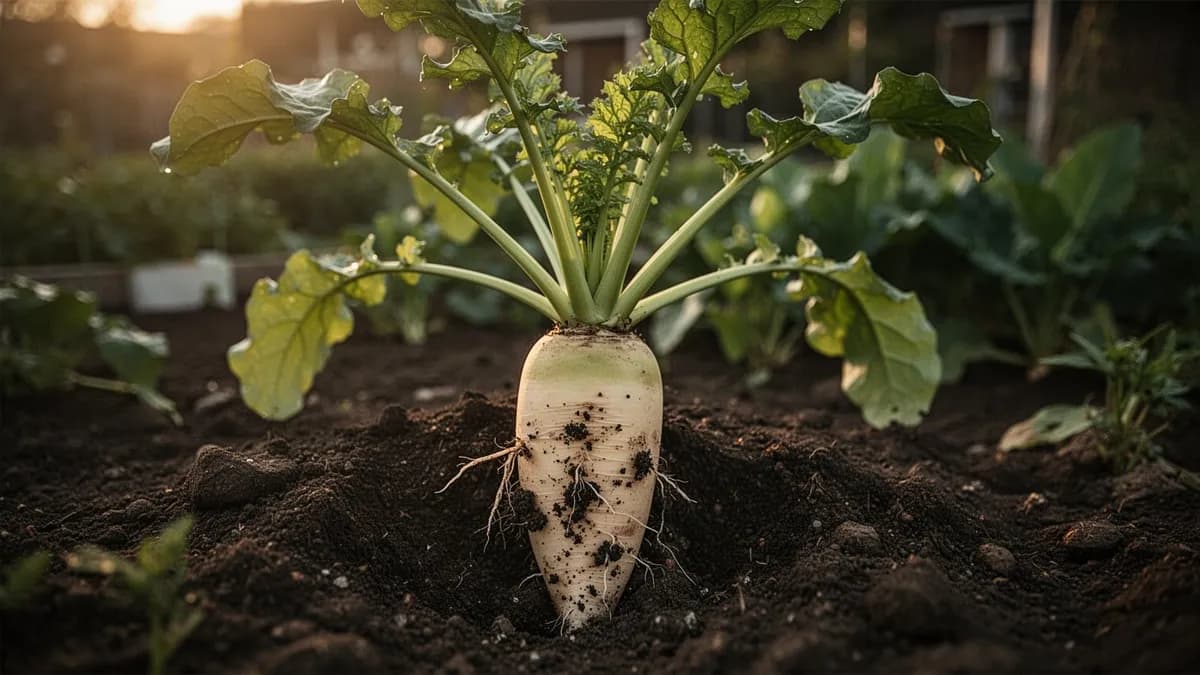
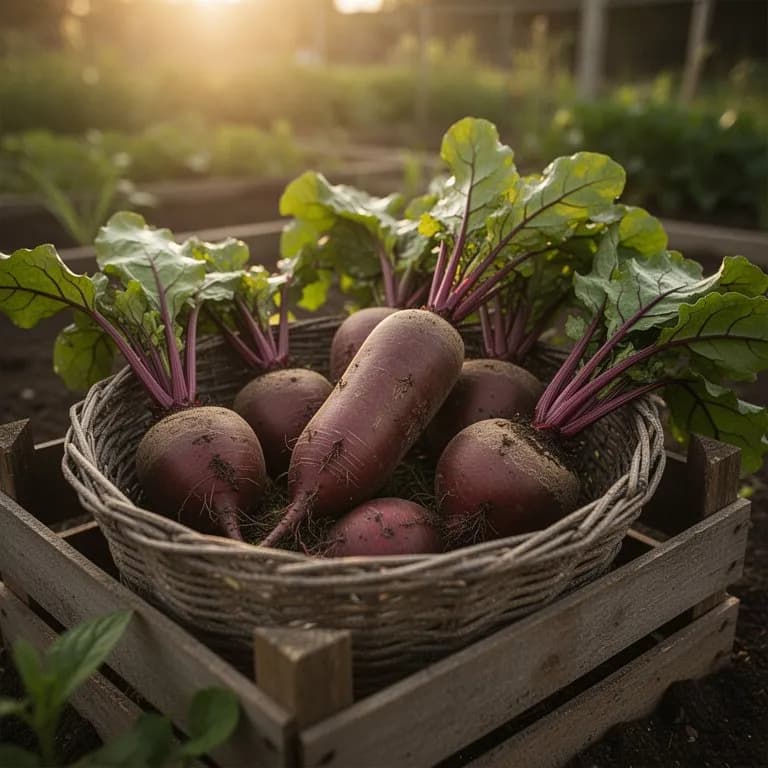
Eine dänische Erbsorte der Roten Bete mit einer länglichen zylindrischen Form, die gleichmäßige Scheiben liefert und den Abfall in der Küche minimiert. Die langen Wurzeln wachsen teilweise oberhalb der Erde und sind leichter zu ernten als runde Sorten. Das Fleisch ist dunkelrot mit einem süßen, erdigen Geschmack und einer glatten Textur, die sich hervorragend zum Einlegen und Rösten eignet. Liefert mehr verwertbare Rote Bete pro Reihenmeter als runde Sorten aufgrund der effizienten Form.
Wann Cylindra-Rote Bete pflanzen
Rote-Bete-Samen 2–4 Wochen vor dem letzten Frost direkt im Freien aussäen, da sie leichten Frost vertragen. Samen 1 cm tief und 2,5 cm auseinander pflanzen. Rote-Bete-Samen sind mehrkeimige Cluster, die jeweils 2–4 Sämlinge produzieren, daher ist Ausdünnen unerlässlich. Samen 12–24 Stunden vor dem Pflanzen einweichen, um die Keimung von 14 Tagen auf 5–7 Tage zu beschleunigen. Für den Start im Innenbereich tiefe Zellplatten (mindestens 8 cm) verwenden und nach 3–4 Wochen vorsichtig umpflanzen, um die Pfahlwurzel nicht zu stören. Herbstkulturen können 8–10 Wochen vor dem ersten Frost direkt ausgesät werden.
Dein Cylindra-Rote Bete-Jahr
Abgestimmt auf Zone 7 · typische Saison · Frost geht um den 2. Apr. und kehrt um den 1. Nov. zurück
Cylindra-Rote Bete Mär – Apr, Aug – Sep pflanzen, Jun – Jul, Okt – Nov ernten. Beachte die Pflanzmethoden unten und wähle dein Klima für passende Zeiträume.
So baust du Cylindra-Rote Bete an
Cylindra-Rote-Bete gedeiht in lockerem, tiefem Boden, der die Entwicklung der länglichen Wurzeln ermöglicht. Beete vorbereiten, indem der Boden auf mindestens 30 cm Tiefe bearbeitet und Steine sowie Ablagerungen entfernt werden, die gegabelte Wurzeln verursachen könnten. Samen direkt im Freien 2–4 Wochen vor dem letzten Frosttermin aussäen, 1 cm tief und 2,5 cm auseinander in Reihen mit 30 cm Abstand. Sämlinge auf 7–10 cm Abstand ausdünnen, wenn sie 5 cm groß sind.
Während der gesamten Wachstumszeit für gleichmäßige Feuchtigkeit sorgen, da unregelmäßige Bewässerung holzige Textur und weiße Zonierung in den Wurzeln verursacht. Pflanzen mulchen, um Feuchtigkeit zu speichern und den Boden kühl zu halten. Pflanzen nach dem Anwachsen mit einem ausgewogenen Dünger oder Komposttee düngen, jedoch übermäßigen Stickstoff vermeiden, der auf Kosten der Wurzelentwicklung üppiges Blattwerk fördert.
Cylindra-Rote-Bete eignet sich gut für Staffelaussaaten alle 2–3 Wochen vom frühen Frühling bis in den Spätsommer für eine kontinuierliche Ernte. In warmen Klimazonen auf Herbstaussaaten setzen, wenn kühlere Temperaturen süßere Wurzeln erzeugen. Die zylindrische Form macht diese Sorte besonders einfach in Hochbeeten und Behältern mit mindestens 30 cm Tiefe anzubauen.
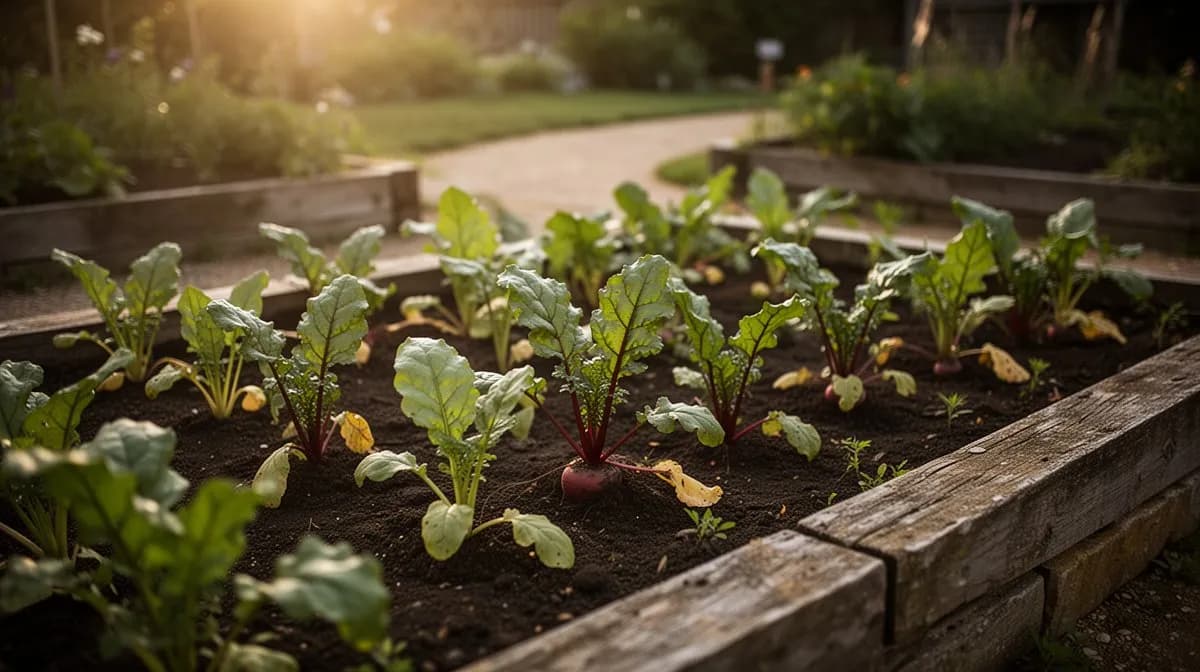
288 Pflanzen passen in ein Beet von 120 × 240 cm
Cylindra-Rote Bete braucht 10 cm Platz pro Pflanze. Der Planer hält diesen Abstand für dich ein — jede Pflanze, jedes Beet.
Die besten Nachbarn für Cylindra-Rote Bete
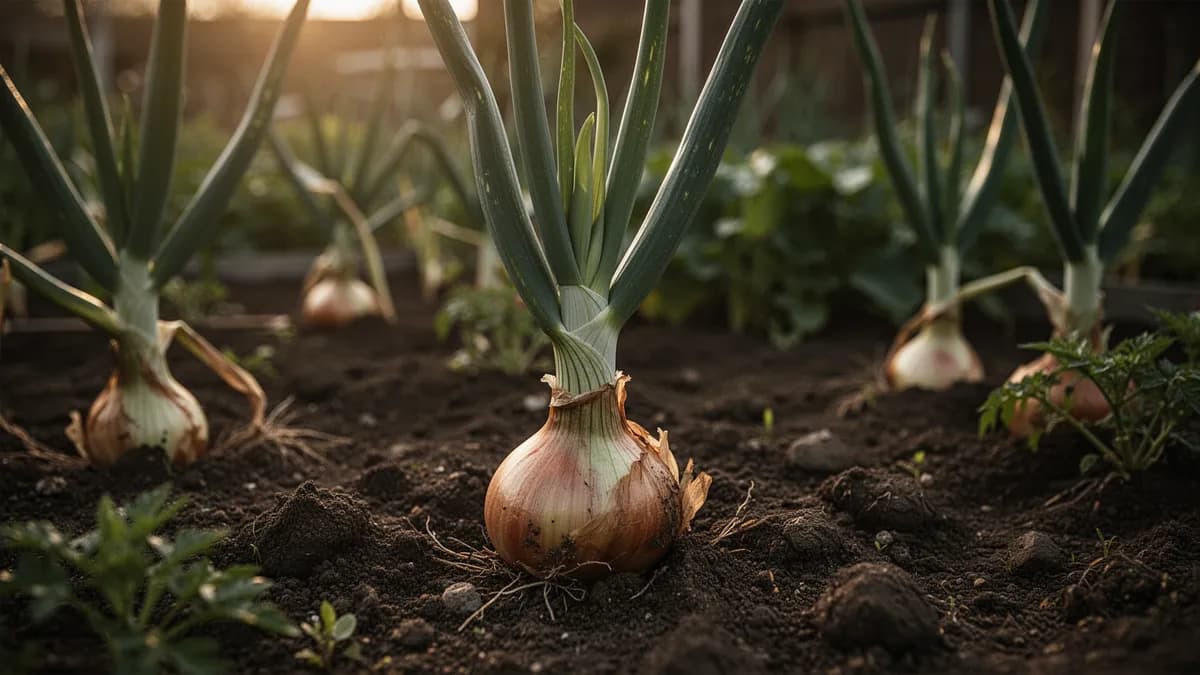
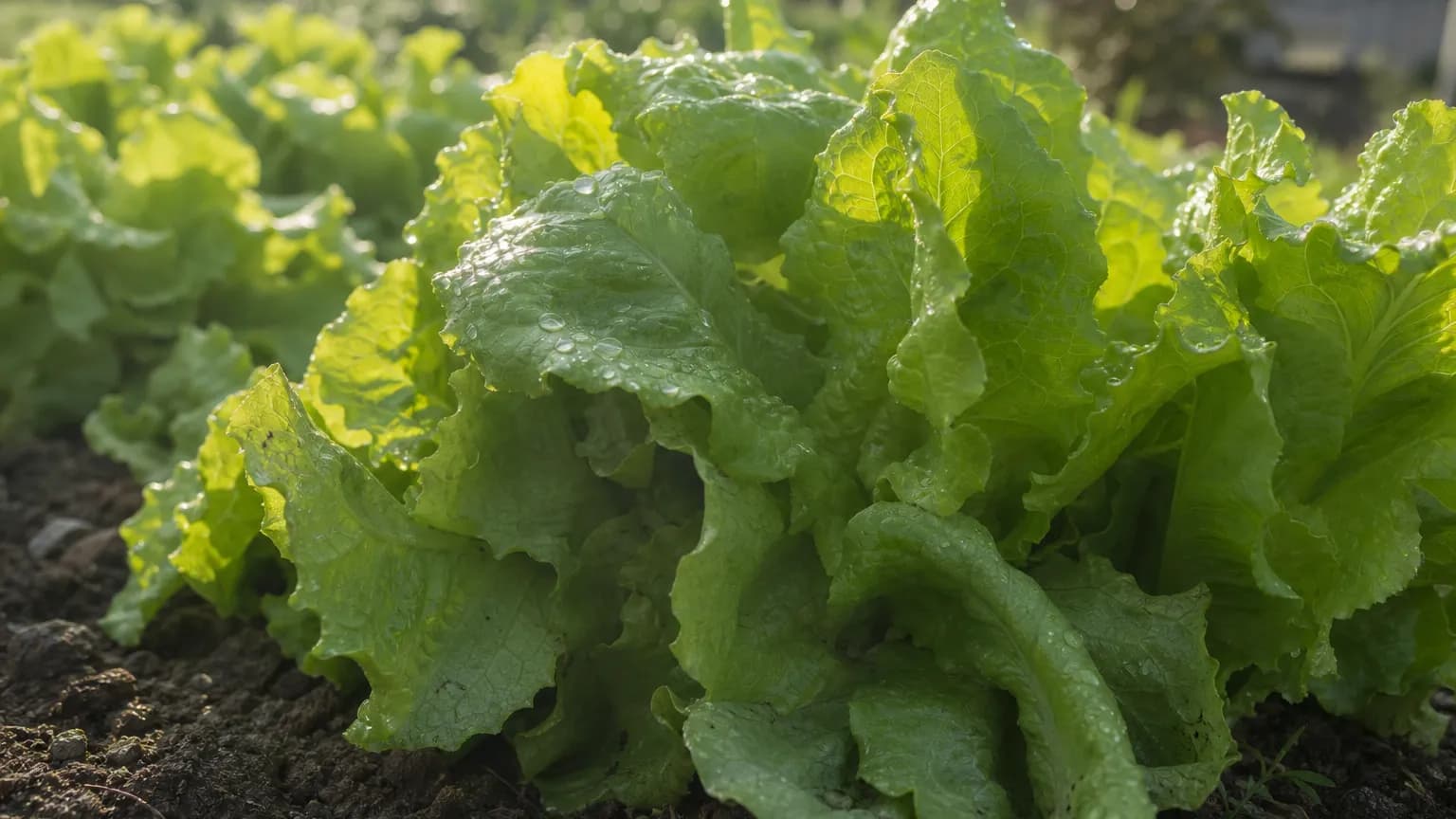
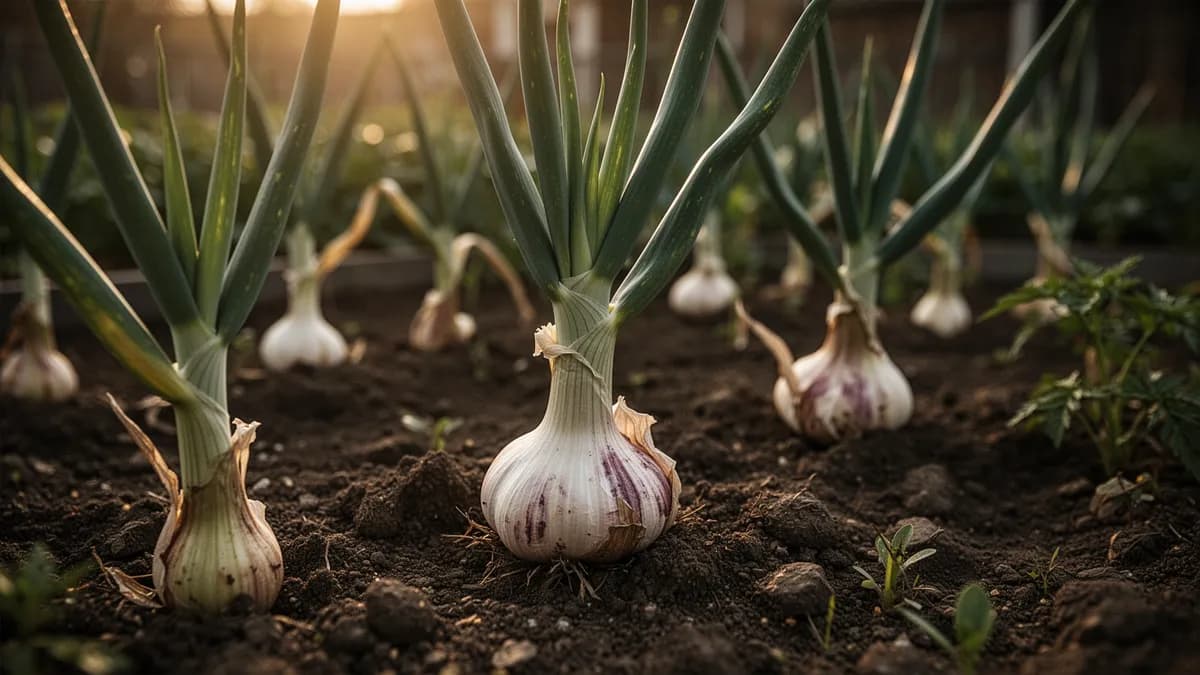
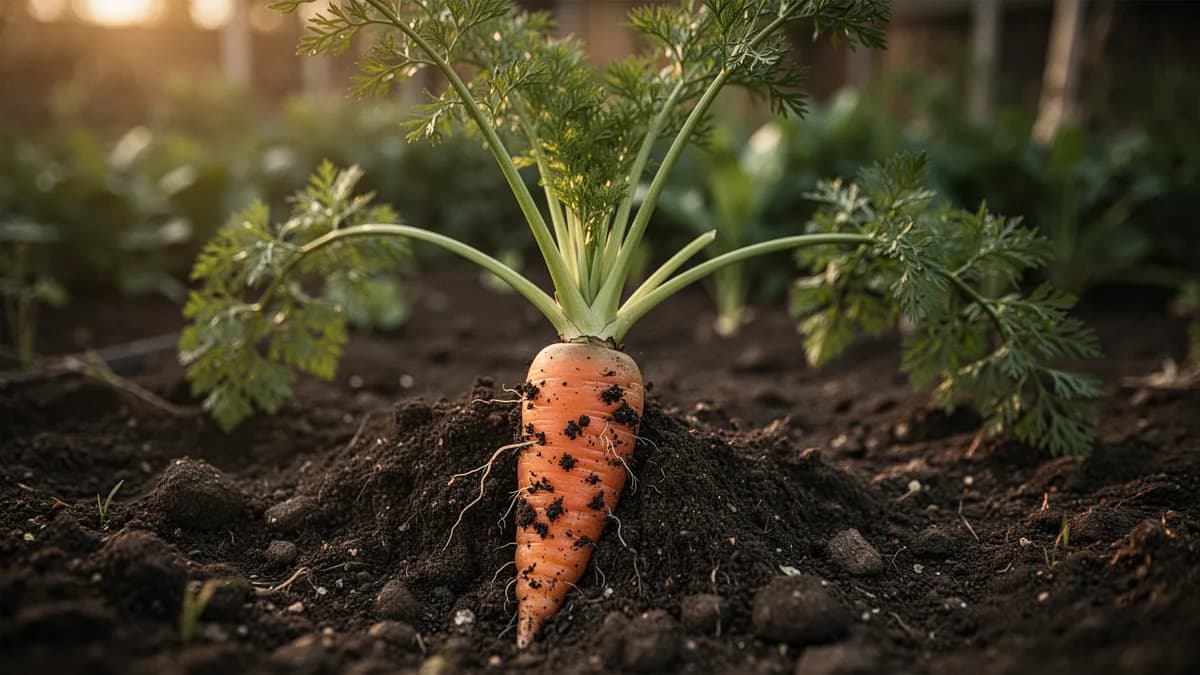
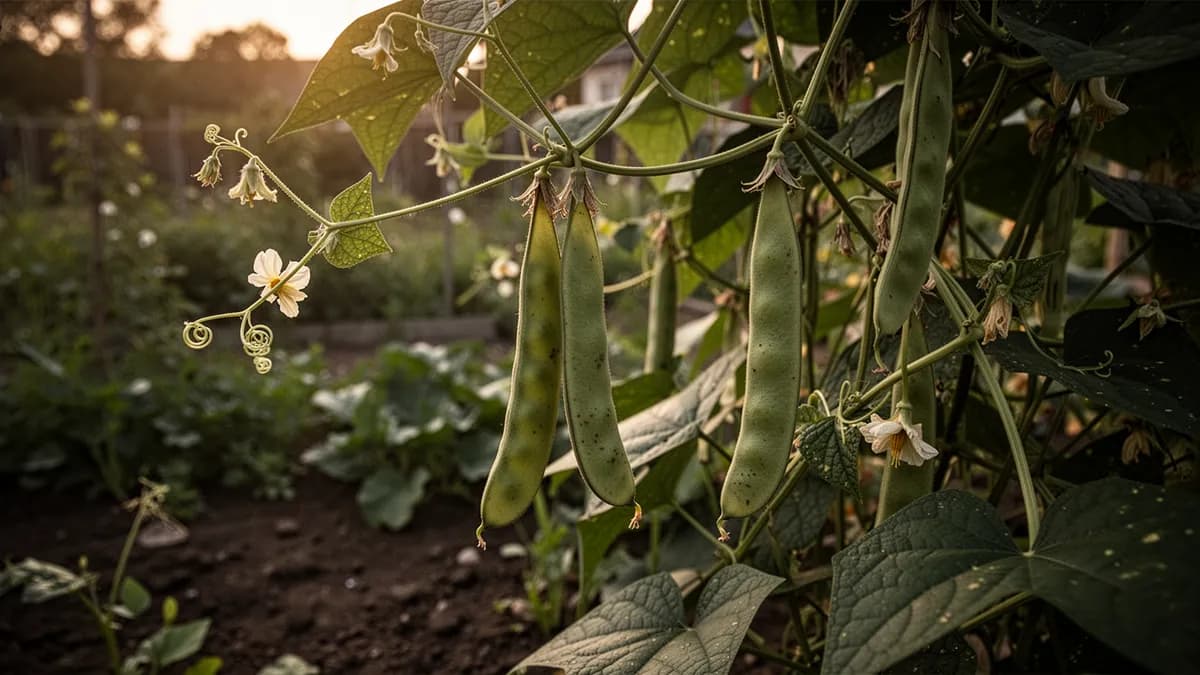
Cylindra-Rote-Bete wächst gut neben Zwiebeln, Knoblauch und Salat, die helfen, Schädlinge abzuwehren und den Platz effizient zu teilen. Buschbohnen fixieren Stickstoff, der der Wurzelentwicklung der Roten Bete zugute kommt. Kreuzblütler wie Brokkoli und Kohlrabi sind verträgliche Nachbarn. Vermeiden, in der Nähe von Stangenbohnen oder Feuerbohnen zu pflanzen, da diese das Wachstum der Roten Bete hemmen können. Rote Bete sind ausgezeichnete Randpflanzen in Gartenbeeten und lassen sich gut mit schnell reifenden Kulturen wie Radieschen kombinieren. Minze in der Nähe kann helfen, Erdflöhe abzuwehren.
Zwiebel gehört daneben. Feuerbohne nicht.
Altes Gärtnerwissen, geprüft an der echten Nachbartabelle von Cylindra-Rote Bete — teste jede Pflanze, die du anbaust.
Probiere Cylindra-Rote Bete direkt hier im Beet
Ein echtes Planer-Beet, Cylindra-Rote Bete steht schon drin. Tippe einen Begleiter an, platziere ihn und sieh, wie die Nachbarschaftsprüfung antwortet — grün für gute Nachbarn, rot bei Streit.


Passende Anbau-Ratgeber
Richtig düngen
Cylindra-Rote-Bete bevorzugt gut durchlässigen, lockeren Boden mit einem pH-Wert von 6,0–7,5. Schwere Lehmböden sollten mit Kompost und Sand verbessert werden, um Wurzelverformungen zu verhindern. Vor dem Pflanzen 5–8 cm Kompost einarbeiten. Rote Bete benötigt ausreichend Bor für eine gesunde Wurzelentwicklung; Mangel verursacht schwarze Flecken im Inneren der Wurzeln. Mit ausgewogenem 10-10-10-Dünger nach 4 Wochen düngen. Übermäßiger Stickstoff erzeugt üppiges Blattwerk, aber kleine, faserige Wurzeln. Kalium fördert die Wurzelentwicklung und Süße.
Ideale Temperatur
Winterhärtezone-Kompatibilität
Von der Saat zur Ernte, Schritt für Schritt
Samenaussaat
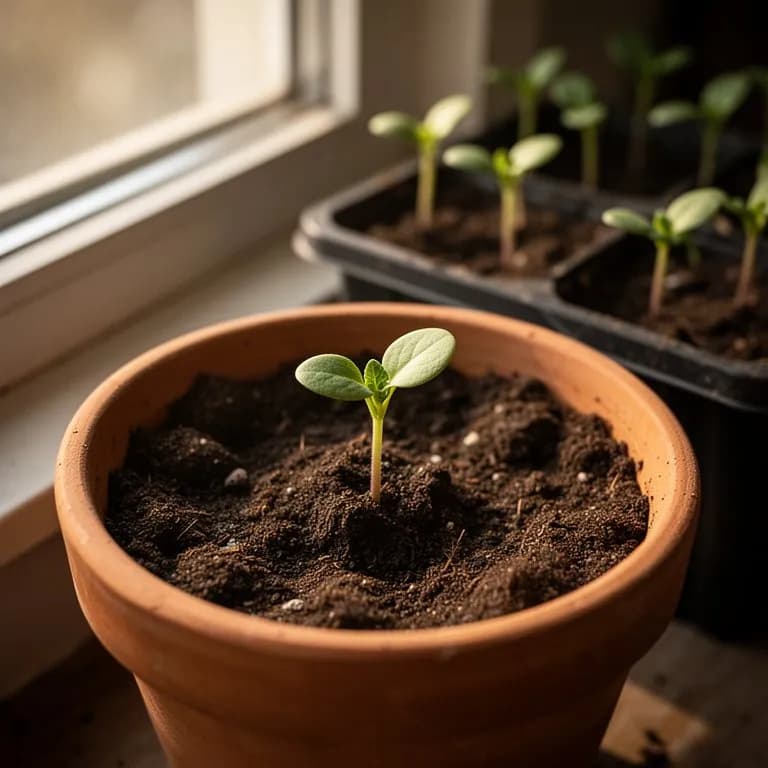
Rote-Bete-'Samen' sind eigentlich mehrkeimige Samenbüschel (technisch gesehen getrocknete Früchte), die jeweils 2–4 einzelne Samen enthalten. Die Keimung dauert 7–12 Tage bei Bodentemperaturen von 10–25 °C. Das erste Lebenszeichen ist ein Paar schmaler Keimblätter mit charakteristischen rotvioletten Stielen, die durch die Bodenoberfläche drücken.
Sämlings-Ausdünnung
Da jeder Samenbüschel mehrere Sämlinge produziert, entstehen Gruppen von 2–4 winzigen Pflanzen zusammen und müssen ausgedünnt werden. Echte Blätter erscheinen mit ihrer charakteristischen dunkelgrünen Farbe und tiefroten Äderung. Wurzeln sind in diesem Stadium noch dünn und faserig und beginnen gerade erst, Pigment zu entwickeln.
Blattentwicklung
Eine Rosette aus 8–12 aufrechten Blättern entwickelt sich, jedes mit glänzend dunkelgrünen Spreiten und auffälligen roten Mittelrippen und Stielen. Das Laub kann 30–40 cm hoch werden. Unterhalb der Oberfläche beginnt die Wurzel anzuschwellen und nimmt ihre charakteristische zylindrische Form an, wächst nach unten statt sich wie runde Rote-Bete-Sorten nach außen auszudehnen.
Wurzelausdehnung
Die zylindrische Wurzel verlängert sich schnell nach unten durch den Boden und erreicht 15–20 cm Länge bei gleichbleibendem 5–6 cm Durchmesser. Der obere Teil der Wurzel ragt oft leicht über die Bodenlinie heraus und zeigt seine dunkel rötlich-violette Haut. Die innere Farbe vertieft sich zu einem satten, gleichmäßigen Karmesinrot.
Reifung und Ernte
Wurzeln erreichen ihre volle zylindrische Größe von 15–20 cm Länge und 5–7 cm Durchmesser. Die Schale entwickelt ein glattes, dunkles Burgunderäußeres. Das Laub bleibt kräftig und aufrecht. Im Gegensatz zu runden Sorten behalten Cylindra-Wurzeln ihre Zartheit auch wenn sie etwas über ihre optimale Größe hinauswachsen, dank ihres feinkornigeren Fleisches.
Lagerernte
Für die langfristige Winterlagerung können Rüben bis zum ersten leichten Frost im Boden verbleiben, was den Zuckergehalt tatsächlich erhöht, da die Pflanze Stärke als natürlicher Frostschutz in Zucker umwandelt. Wurzeln sind bei 18–22 cm Länge mit festem, dichtem Fleisch vollständig ausgereift. Starkes Mulchen verlängert die In-Boden-Erntesaison in den Zonen 6–8.
Samenbüschel vor dem Pflanzen 2–4 Stunden in warmem Wasser einweichen, um die Keimung zu beschleunigen. 2 cm tief und 5 cm auseinander säen. Boden gleichmäßig feucht, aber nicht wasserdurchtränkt halten — eine trockene Kruste auf der Oberfläche ist die häufigste Ursache für lückige Keimung.
Cylindra-Rote Bete Monat für Monat pflegen
Was du jeden Monat für deine Cylindra-Rote Bete tun solltest
Oktober
Aktueller MonatPrimärer Lagererntemonate in den Zonen 3–7. Wurzeln vor einem starken Frost herausheben, Blätter mit 2–3 cm Stiel abdrehen und ungewaschen in feuchtem Sand bei 0–4 °C lagern. In den Zonen 8–9 kann Rote Bete unter dickem Mulch im Boden überwintern für frische Winterernte.
Immer wissen, was jetzt im Garten zu tun ist
Eine E-Mail zum Monatsanfang: was du jetzt säen, pflanzen und anpacken solltest — für deine Cylindra-Rote Bete und alles, was drumherum wächst. Dazu ein kurzer Startkurs, der dich vor den klassischen Fehlern bewahrt.
- Was jetzt zu tun ist
- Passend zu deiner Saison
- Startkurs inklusive
Cylindra-Rote Bete ernten
Cylindra-Rote-Bete ernten, wenn die Wurzeln 4–5 cm Durchmesser und 15–20 cm Länge erreicht haben, typischerweise 55–65 Tage nach der Aussaat. Die Oberseite der Wurzeln ragt über die Bodenlinie hinaus, was die Größeneinschätzung erleichtert. Den Boden neben der Wurzel mit einer Gabel vorsichtig lockern, bevor gezogen wird, um Bruch zu vermeiden. Morgens ernten, wenn die Wurzeln knackig und voller Feuchtigkeit sind. Blätter sofort auf 2–3 cm über der Wurzel kürzen, um Feuchtigkeitsverlust zu verhindern. Baby-Rote-Bete kann bereits nach 40 Tagen für zarte, mildere Wurzeln geerntet werden.
angenommen, du pflanzt zu Beginn des Zeitraums — trage dein tatsächliches Datum ein
Ernte Cylindra-Rote Bete zügig, dann trägt die Pflanze weiter.
Lagerung & Konservierung
Ungewaschene Cylindra-Rote-Bete in perforierten Plastikbeuteln im Kühlschrank bis zu 3 Monate lagern. Für die Kelleraufbewahrung in feuchtem Sand oder Torfmoos bei 0–4 °C mit 90–95 % Luftfeuchtigkeit einlagern, wo sie 4–5 Monate haltbar sind. Die gleichmäßige zylindrische Form macht sie ideal zum Einlegen in Gläser. Rote Bete können auch geröstet und bis zu 8 Monate eingefroren oder für haltbare Konserven eingekocht werden. Dünne Scheiben zu Rote-Bete-Chips trocknen für einen nahrhaften Snack.
Was schiefgeht — und die Lösung
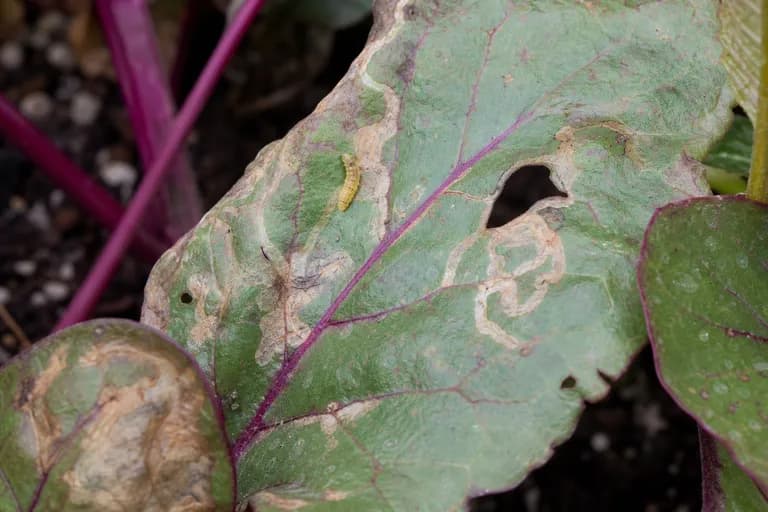
Minierfliege
SchädlingGewundene hellbraune Gänge und Flecken auf Blättern, wo Larven zwischen den Blattflächen tunneln.
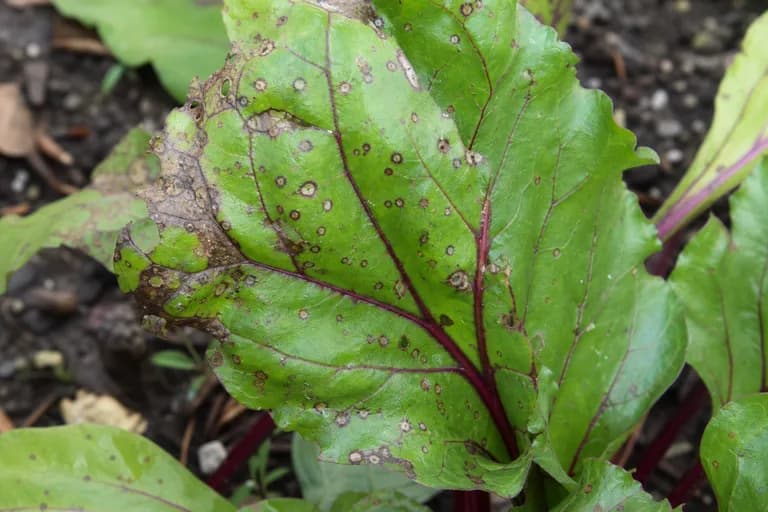
Cercospora-Blattfleckenkrankheit
KrankheitKleine kreisförmige Flecken mit grauen Zentren und purpurbraunen Rändern auf Blättern, die zusammenwachsen und zum Absterben der Blätter führen können.
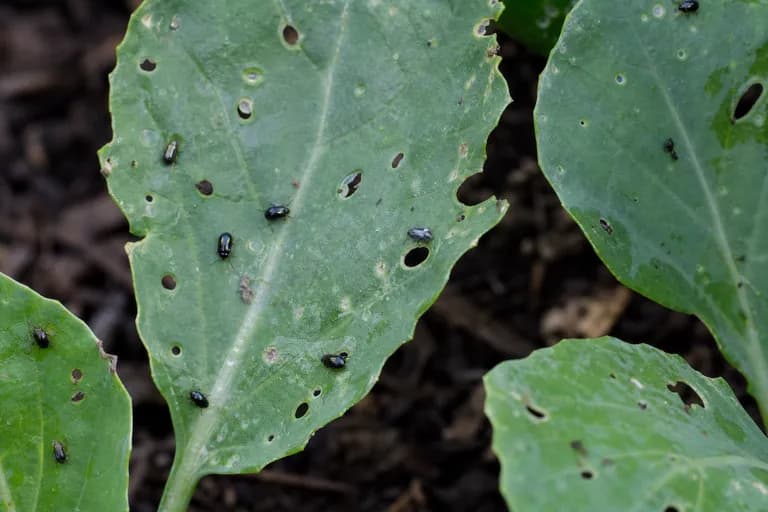
Erdflöhe
SchädlingWinzige runde Löcher in Blättern, die wie Schrotkugelbeschuss aussehen, am stärksten an jungen Sämlingen.
Fehlerbehebung bei häufigen Problemen
Weiße innere Zonierungs-Ringe deuten auf Hitzestress oder ungleichmäßige Bewässerung hin. Holzige, faserige Textur entsteht, wenn Wurzeln zu lange nach der Reife im Boden verbleiben. Schlechte Keimung tritt auf, weil Rote-Bete-Samen tatsächlich mehrkeimige Cluster sind; Samen über Nacht einweichen, um die Keimrate zu verbessern. Schossen tritt auf, wenn junge Pflanzen längere Kälte unter 10 °C gefolgt von warmem Wetter erleben. Gerissene Wurzeln deuten auf plötzliche starke Bewässerung nach Trockenperioden hin. Blasse Wurzeln deuten auf unzureichende Sonneneinstrahlung oder Überfüllung hin.
Anbautipps
- Samenbüschel 2–4 Stunden vor der Aussaat einweichen, um Keimgeschwindigkeit und Gleichmäßigkeit drastisch zu verbessern. Rote-Bete-Samen haben einen natürlichen Keimungshemmer in ihrer korkigen Samenschale, den warmes Wasser hilft aufzulösen. Manche Gärtner weichen über Nacht ein, aber 2–4 Stunden sind normalerweise ausreichend.
- Alle 3 Wochen von frühem Frühling bis Hochsommer in Staffeln säen für eine kontinuierliche Ernte statt einer einzigen überwältigenden Massenproduktion. Diese einfache Technik stellt sicher, dass immer zarte junge Rote Bete auf dem Höhepunkt ihrer Süße vorhanden ist, statt zu groß gewachsener Lagerrüben.
- Konsequent auf 10 cm ausdünnen — dies ist der einzeln wichtigste Schritt, den die meisten Neueinsteiger überspringen. Überfüllte Cylindra-Rote-Bete produziert dünne, verdrehte Wurzeln statt der dicken, geraden Zylinder, für die die Sorte bekannt ist. Ausdünnungen als Gourmet-Mikrogrün verwenden.
- Tiefen, lockeren, steinfreien Boden auf mindestens 25–30 cm Tiefe vor dem Pflanzen vorbereiten. Cylindra-Wurzeln wachsen 15–20 cm lang und werden sich gabeln, verdrehen oder stauen, wenn sie auf Steine, Lehmschichten oder verdichteten Boden treffen. Hochbeete mit verbessertem Boden produzieren die geradesten Wurzeln.
- Hochstickstoff-Dünger vermeiden, die das Blattwachstum auf Kosten der Wurzelentwicklung fördern. Ausgewogenen oder phosphor-kalium-betonten Dünger (wie 5-10-10) verwenden, sobald Wurzeln beginnen anzuschwellen. Alle 3 Wochen mit Kompost düngen für stetige, moderate Ernährung.
- Absolut gleichmäßige Feuchtigkeit aufrechterhalten — 2,5 cm pro Woche ist das Ziel. Abwechselnd feuchte und trockene Bedingungen verursachen innere weiße Wachstumsringe (Zonierung), die Textur und Aussehen des Fleisches ruinieren. Stark mulchen, um Bodenfeuchtigkeit zwischen Bewässerungen auszugleichen.
- Rote Bete bei 4–5 cm Durchmesser für die süßeste, zarteste Essqualität ernten. Cylindra behält seine Qualität bei größeren Größen besser als runde Sorten, aber die feinste Textur ist immer in jüngeren Wurzeln. Eine Grabgabel verwenden, um den Boden neben langen Wurzeln zu lockern, bevor gezogen wird, um sie nicht zu zerbrechen.
- Für die süßeste Rote Bete den Haupterntetermin nach den ersten leichten Herbstfrösten ansetzen. Kälte löst bei der Pflanze als natürlicher Frostschutzmechanismus die Umwandlung von Stärke in Zucker aus, was die Süße und Geschmackstiefe der Wurzeln messbar erhöht.
Bau deine beste Cylindra-Rote Bete an — und alles drumherum.
Starte heute kostenlos. Lege deine Beete an, setze deine Cylindra-Rote Bete ein und lass PlotMyGarden Timing, Abstände, Begleiter und Erinnerungen von der Saat bis zum Erntekorb übernehmen.
Finde deine Cylindra-Rote Bete
Cylindra (Formanova)
Die ursprüngliche dänische Erbsorte mit 15–20 cm langen zylindrischen Wurzeln und tiefrotem Fleisch. Hervorragend zum Schneiden und Einlegen.
Forono
Ähnliche zylindrische Form mit etwas kürzeren Wurzeln und intensiv süßem Geschmack. Gute Schossresistenz für warme Klimazonen.
Boro
Eine runde Hybridalternative mit ausgezeichneter Gleichmäßigkeit und Krankheitsresistenz. Dunkelrotes Inneres mit glatter Textur.
Taunus
Zylindrische F1-Hybride mit verbesserter Gleichmäßigkeit und glatterer Schale als offen bestäubte Typen. Sehr hoher Zuckergehalt.
Eine Packung Cylindra-Rote-Bete-Samen kostet 2–4 € und enthält 200–400 Samen — genug für mehrere Staffelaussaaten über 2–3 Saisons. Frische Rote Bete werden für 3–5 € pro Bund (3–4 Wurzeln) im Supermarkt und 4–7 € pro Bund auf dem Wochenmarkt verkauft. Ein 3-Meter-Beet kann über eine Saison 30–50 Wurzeln produzieren und 25–60 € bei frischer Rote Bete allein einsparen. Die Ersparnis multipliziert sich, wenn man Rote-Bete-Blätter (separat für 3–5 € pro Bund verkauft), eingelegte Rote Bete (5–8 € pro Glas) und vorgekochte vakuumverpackte Rote Bete (4–6 € pro Packung) berücksichtigt — alles leicht aus der Heimernte herstellbar. Lagerrote Bete, im Herbst geerntet, kann die Küche 3–5 Monate durch den Winter versorgen und die Lebensmittelkosten in der teuersten Saison für Produkte weiter reduzieren.
Schnelle Rezepte
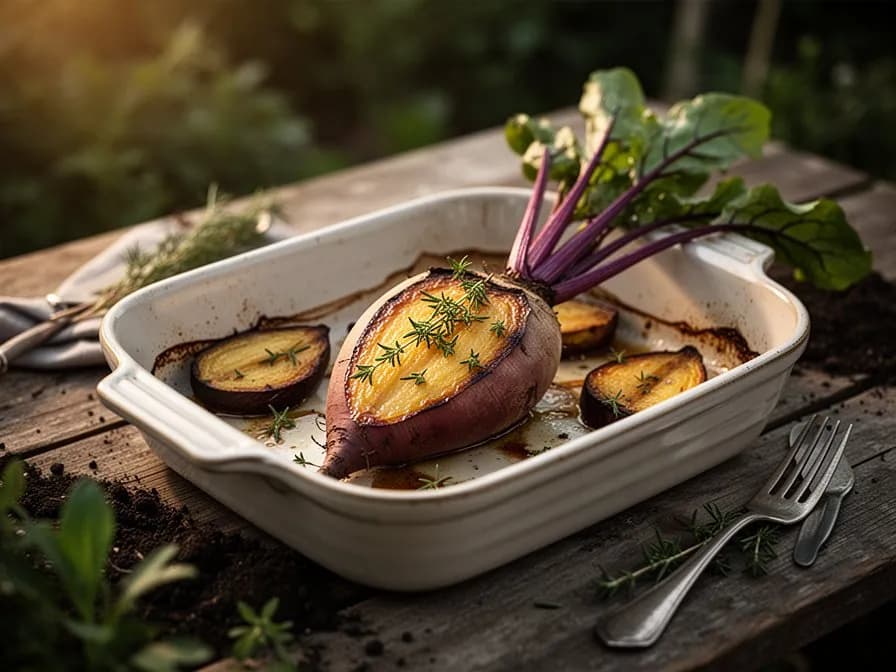
Honig-geröstete Cylindra-Rote-Bete-Scheiben
45 Min.Gleichmäßige Scheiben der Cylindra-Rote-Bete, mit Honig und Thymian geröstet bis sie karamellisiert und unwiderstehlich süß sind. Die zylindrische Form bedeutet, dass jedes Stück gleichmäßig gart — keine Mischung aus übergarten kleinen und untergarten großen Stücken mehr.
7 ZutatenSchnell eingelegte Cylindra-Rote-Bete
30 Min. plus über NachtAtemberaubend schöne eingelegte Rote-Bete-Scheiben, die sich dank Cylindras gleichmäßiger Form perfekt in Gläsern stapeln. Eine gewürzte süß-saure Lake verwandelt die Rote Bete in ein lebendiges Kondiment, das monatelang im Kühlschrank hält.
10 ZutatenCylindra-Rote-Bete- und Walnuss-Salat
20 Min.Ein klassischer erdiger, süßer Rote-Bete-Salat, aufgewertet durch Cylindras perfekt gleichmäßige Präsentation. Geröstete Rote-Bete-Scheiben geschichtet mit cremigem Ziegenkäse, knusprigen gerösteten Walnüssen und pfeffrigem Rucola in einem Zitronen-Vinaigrette.
9 ZutatenKulinarische Verwendung
Die gleichmäßige zylindrische Form liefert konsistente runde Scheiben, ideal zum Einlegen, Rösten und für Salate. Bei 200 °C rösten für konzentrierte Süße. Dünn für rohes Rote-Bete-Carpaccio schneiden. Die Blätter sind sehr nahrhaft und können wie Mangold angebraten werden. Cylindra-Rote-Bete ergibt wunderschöne eingelegte Rote Bete dank ihrer gleichmäßigen Form. Roh in Salate raspeln oder für einen Nährstoffschub reich an Betain und Folsäure entsaften.
Was drinsteckt
Gesundheitsvorteile
- Außergewöhnlich reich an Nahrungsnitraten, die der Körper in Stickstoffmonoxid umwandelt — ein Molekül, das Blutgefäße entspannt und erweitert. Klinische Studien zeigen, dass regelmäßiger Rote-Bete-Konsum den Blutdruck um 4–10 mmHg senken kann, vergleichbar mit einigen Medikamenten.
- Enthält Betalaine (Betacyanine und Betaxanthine), die einzigartigen rotvioletten Pigmente, die für Rote Betes lebhafte Farbe verantwortlich sind. Diese Verbindungen sind potente Antioxidantien und entzündungshemmende Mittel, die in menschlichen Studien vielversprechend bei der Reduzierung von oxidativem Stress gezeigt haben.
- Eine der besten pflanzlichen Quellen für Folsäure (B9), liefert 27 % des Tageswerts pro 100 g. Folsäure ist essentiell für die DNA-Synthese, die Bildung roter Blutkörperchen und während der Schwangerschaft besonders wichtig zur Prävention von Neuralrohrdefekten.
- Liefert Betain (Trimethylglycin), eine Verbindung, die eine gesunde Leberfunktion unterstützt, indem sie der Leber bei der Verarbeitung von Fetten hilft. Betain senkt auch den Homocysteingehalt im Blut und senkt möglicherweise das kardiovaskuläre Erkrankungsrisiko.
- Die Kombination aus Ballaststoffen (2,8 g pro 100 g), Wassergehalt und niedriger Kaloriendichte (43 Kalorien pro 100 g) unterstützt die Verdauungsgesundheit und das Sättigungsgefühl, wodurch Rote Bete ausgezeichnet für das Gewichtsmanagement ist und dabei nachhaltige Energie aus natürlichen Zuckern liefert.
- Rote-Bete-Blätter sind für sich ein ernährungsphysiologisches Kraftpaket — reich an Vitamin K (über 400 % TW pro 100 g), Vitamin A, Eisen und Kalzium. Das Essen sowohl der Wurzel als auch des Blattgrüns liefert ein bemerkenswert vollständiges Nährstoffprofil aus einer einzigen Pflanze.
Woher Cylindra-Rote Bete stammt
Die kultivierte Rote Bete (Beta vulgaris) stammt von der wilden Meeresrübe (Beta vulgaris subsp. maritima) ab, einer zerzausten Küstenpflanze, die noch entlang der Ufer des Mittelmeers, der Atlantikküste Europas und Teilen des Nahen Ostens und Indiens wächst. Alte Zivilisationen in Mesopotamien, Ägypten, Griechenland und Rom bauten Rote Bete hauptsächlich wegen ihrer Blattgrüns an — die geschwollene Wurzel, die wir heute kennen, entwickelte sich erst nach Jahrhunderten selektiver Züchtung.
Rundwurzelige Rote-Bete-Sorten begannen im 15. und 16. Jahrhundert in deutschen und italienischen Gärten aufzutauchen und verdrängten nach und nach die schlanken, pastinakähnlichen Wurzeln älterer Kultivare. Im 18. Jahrhundert hatten sich Rote Bete in zahlreiche Formen, Größen und Farben diversifiziert, darunter Rot, Gold, Weiß und der auffällige gestreifte Chioggia-Typ. Die zylindrische Rote-Bete-Form entstand als eigenständiger Typ in skandinavischen Züchtungsprogrammen in der ersten Hälfte des 20. Jahrhunderts, wobei Cylindra (auch als Formanova vermarktet) zum maßgeblichen Kultivar dieser Formklasse wurde.
Cylindra wurde von dänischen Züchtern entwickelt, die erkannten, dass eine lange, schmale Wurzel weit gleichmäßigere Scheiben liefern würde als traditionelle runde Rüben — ein entscheidender Vorteil für das Einlegen, die Konservierung und die gewerbliche Lebensmittelzubereitung. Die Sorte gewann schnell Popularität in Nordeuropa und schließlich weltweit und wurde zum Standard für alle, die maximale verwendbare Scheiben pro Wurzel wollten. Ihr feinkorniges, süßes Fleisch und seine Resistenz gegen Verhärtung auch bei größerer Größe zementierten weiter ihren Ruf als eine der besten Doppelzweck-Rüben für frisches Essen und Konservierung.
Heute ist Cylindra eine der beliebtesten Erbsorte-Rote-Bete-Sorten weltweit und ein Grundnahrungsmittel in europäischen Küchengärten. Sie wird besonders in skandinavischen Ländern geschätzt, wo eingelegte Rote Bete eine kulturelle Tradition ist, die neben Hering, Kartoffeln und gepökeltem Fleisch serviert wird. Moderne Samenkataloge weltweit listen Cylindra durchweg als Top-Empfehlung für Hobbygärtner auf, die die küchentauglichste Rote-Bete-Form suchen.
Cylindra-Rote Bete: Schon gewusst?
Faszinierende Fakten über Cylindra-Rote Bete
Cylindra ist auch als 'Formanova' oder 'Butter Slicer'-Rübe bekannt und wurde in Dänemark Mitte des 20. Jahrhunderts speziell entwickelt, um das Küchenproblem ungleichmäßiger Scheiben von runden Rüben zu lösen — jede Scheibe einer Cylindra-Wurzel hat nahezu den gleichen Durchmesser.
Cylindra-Rote Bete: Fragen & Antworten
Wann sollte ich Cylindra-Rote Bete pflanzen?
Was sind gute Begleitpflanzen für Cylindra-Rote Bete?
In welchen Winterhärtezonen kann Cylindra-Rote Bete wachsen?
Wie viel Sonne braucht Cylindra-Rote Bete?
Welchen Abstand sollte ich zwischen Cylindra-Rote Bete lassen?
Welche Schädlinge und Krankheiten befallen Cylindra-Rote Bete?
Wie lagere ich Cylindra-Rote Bete nach der Ernte?
Was sind die besten Cylindra-Rote Bete-Sorten zum Anbauen?
Welchen Boden braucht Cylindra-Rote Bete?
Warum werden meine Cylindra-Rote-Bete rund statt zylindrisch?
Warum haben meine Rüben weiße Ringe innen, wenn ich sie aufschneide?
Kann ich Cylindra-Rote-Bete-Blätter essen, und wie ernte ich sie, ohne die Wurzel zu schädigen?
Wie lagere ich Cylindra-Rote-Bete für den Wintergebrauch?
Warum schossen meine Rote-Bete-Sämlinge und blühen, statt Wurzeln zu bilden?
Du hast die Theorie gelesen. Jetzt baue sie auf Autopilot an.
Alles, was Cylindra-Rote Bete knifflig macht — das Timing, die Abstände, die Begleiter, das Erntefenster — genau das übernimmt PlotMyGarden für dich, für jede Pflanze im Garten.
Ein Plan, der dein Wetter kennt
Standort einmal festlegen. Aussaat-, Dünge- und Erntedaten rund um deinen echten letzten Frosttermin und die Live-Vorhersage — kein Raten mehr nach Saattüte.
Aus dem Abschnitt „Pflanzzeit“Beetplaner per Drag & Drop
Beete auf einem Raster gestalten. Jede Pflanze rastet im richtigen Abstand ein, und du siehst die ganze Saison, bevor du einen Cent für Saatgut ausgibst.
Aus dem Abschnitt „Anbau“Begleiter-Konflikte früh erkannt
Über 200 gute und schlechte Kombinationen werden beim Pflanzen live geprüft — so landet ein saisonruinierender Fehler nie in der Erde.
Aus dem Abschnitt „Begleiter“Erinnerungen, nach denen du wirklich handelst
„Gieß die Bohnen.“ „Heute ernten, bevor's umschlägt.“ Pünktlich, konkret und auf deine echten Pflanzen bezogen.
Aus dem Abschnitt „Ernte“Staffel-Aussaat, geplant
Sechs Wochen ernten statt sechs Tage? Die App verteilt deine Aussaaten automatisch und erinnert dich, wenn der nächste Satz fällig ist.
Aus dem Abschnitt „Pflanzzeit“Ein Verlauf, der schlauer wird
Jede protokollierte Ernte bringt der App deinen Garten bei. Der Plan fürs nächste Jahr startet bei dem, was in deinem Boden wirklich funktioniert hat.
Aus dem Abschnitt „Überblick“Pflanze diese neben Cylindra-Rote Bete
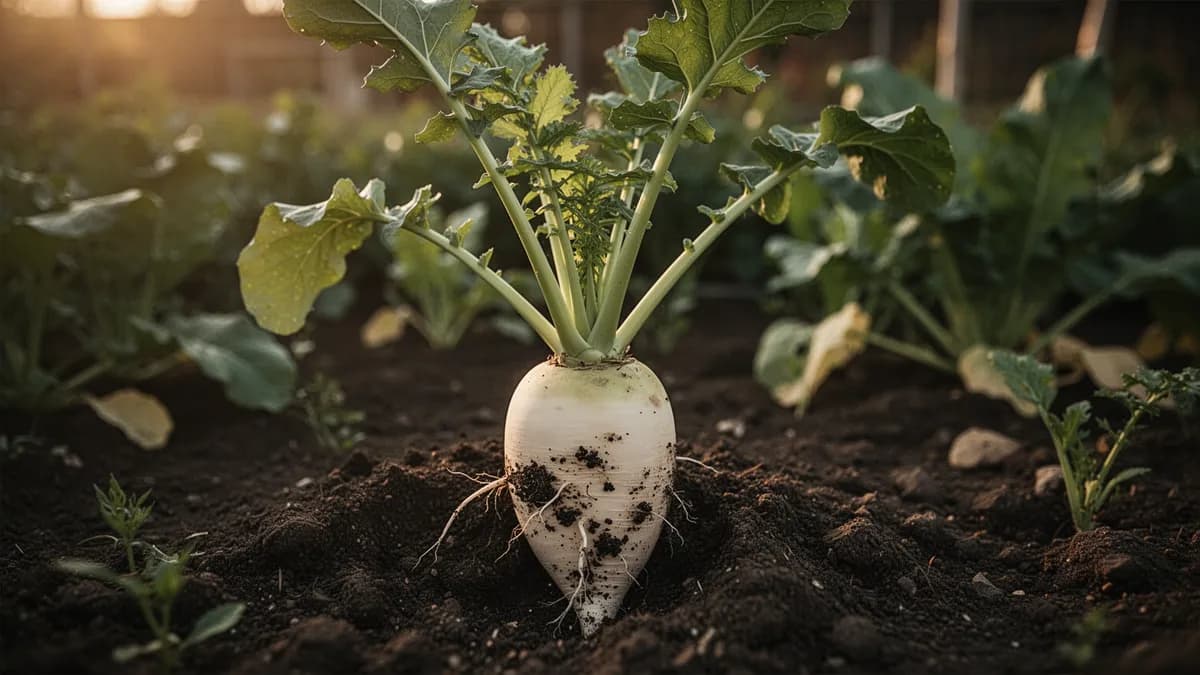
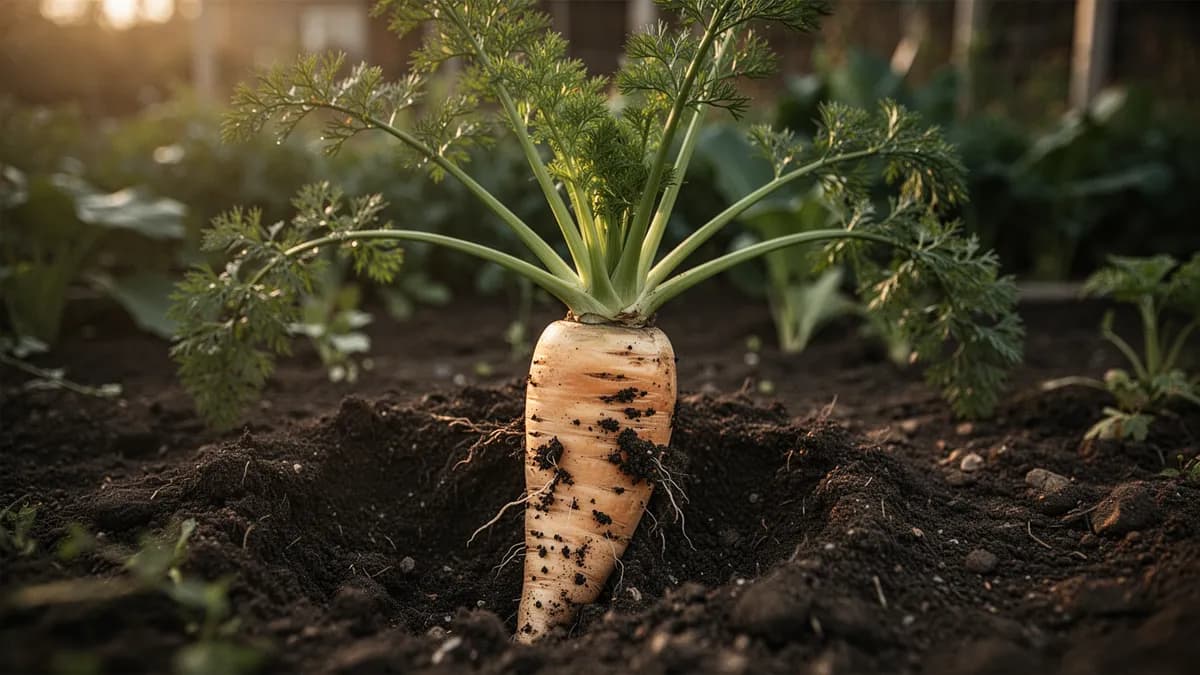
Weitere Wurzelgemüse
Halte Cylindra-Rote Bete von diesen fern
Bau deine beste Cylindra-Rote Bete an — und alles drumherum.
Starte heute kostenlos. Lege deine Beete an, setze deine Cylindra-Rote Bete ein und lass PlotMyGarden Timing, Abstände, Begleiter und Erinnerungen von der Saat bis zum Erntekorb übernehmen.