Manchurian Apricot
An extremely cold-hardy apricot species surviving temperatures to minus 40 degrees, making it the best choice for northern climates.





On this pageOverview
Meet Manchurian Apricot
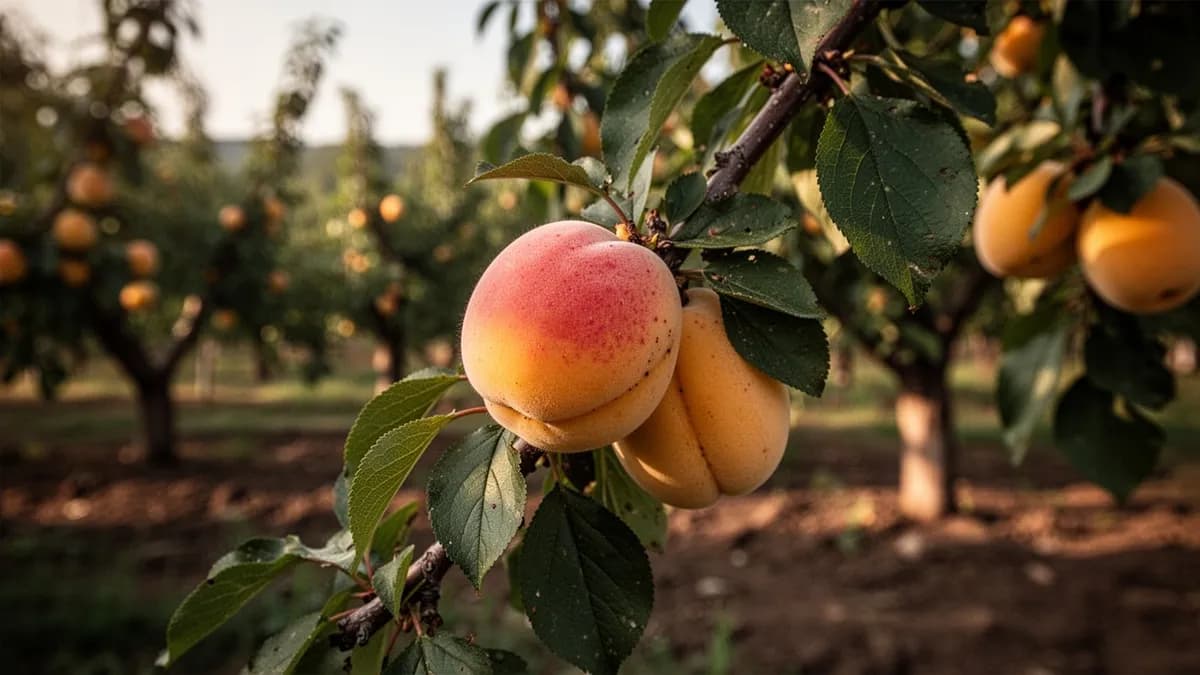
An extremely cold-hardy apricot species surviving temperatures to minus 40 degrees, making it the best choice for northern climates. The fruits are smaller and less sweet than standard apricots but excellent for jam and drying. Manchurian apricots also serve as rootstock for grafting tender apricot varieties in cold regions.
When to plant Manchurian Apricot
Manchurian apricot seeds germinate readily after 90 to 120 days of cold stratification and are commonly grown from seed since seedling variation is acceptable. Collect pits from ripe fruit, clean, and plant in fall for natural stratification or refrigerate in moist sand. Seedlings grow vigorously and can reach bearing age in three to five years. Widely used as cold-hardy rootstock for grafting tender apricot varieties.
Your Manchurian Apricot Year
Composed for Zone 7 · typical seasons · frost passes Apr 2, returns Nov 1
Plant Manchurian Apricot Mar – Apr, pick Jul – Aug. Check the planting methods below and set your climate to personalize these windows.
How to grow Manchurian Apricot
Manchurian apricots are the hardiest fruit trees in the Prunus genus, surviving winter temperatures to minus 40 degrees Fahrenheit and thriving where no other apricot can grow. Plant bare-root trees in early spring as soon as the ground can be worked, spacing 15 to 20 feet apart. Choose a site with full sun and good air drainage to minimize late frost damage to the early blooms.
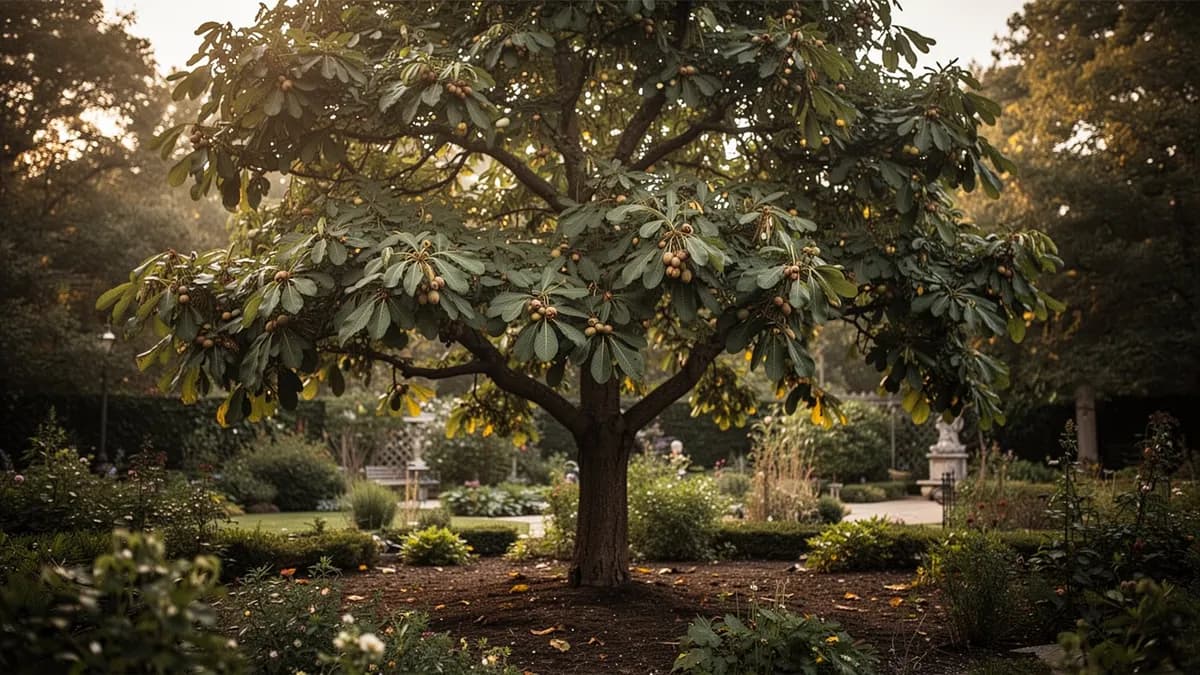
Despite their extreme cold hardiness, Manchurian apricots still bloom early and can lose crops to spring frosts in zones 3 and 4. Planting on a north-facing slope or near a large body of water helps delay bloom. The trees are vigorous growers reaching 20 to 30 feet tall with a spreading canopy. They are attractive ornamental trees with showy pink blossoms in early spring and golden fall foliage.
Prune to an open center form to allow light penetration and air movement. These trees are more resistant to bacterial canker than standard apricots but benefit from the same basic care. Water during dry spells in the first few years to establish a deep root system. Once established, Manchurian apricots are remarkably drought tolerant. Fruit is smaller than standard apricots, typically one to one and a half inches in diameter.
Manchurian Apricot needs more room than a 4 × 8 ft bed gives
Each Manchurian Apricot wants 300 cm of elbow room. The planner keeps that spacing for you — every plant, every bed.
Manchurian Apricot's best neighbours
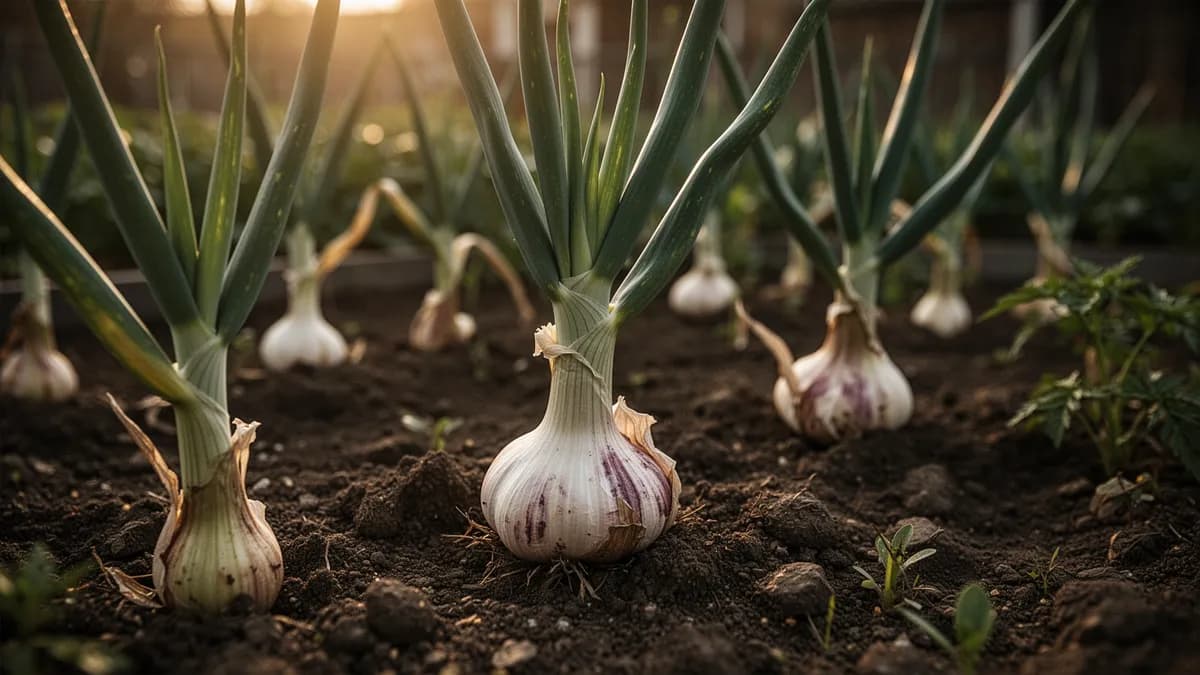
Plant two or more seedling trees for cross-pollination, or graft multiple varieties onto one tree. Underplant with garlic and chives to deter borers. White clover as ground cover fixes nitrogen and attracts pollinators during the critical early bloom period. Comfrey provides nutrient-rich mulch material. Avoid walnut trees due to juglone sensitivity.
Garlic belongs beside it. Walnut Tree doesn't.
Old growers' knowledge, checked against Manchurian Apricot's real companion table below — test any plant you're growing.
Try Manchurian Apricot in a bed — right here
A real planner bed with Manchurian Apricot already in it. Tap a companion to place it and watch the pairing checks answer — green for good neighbours, red for a clash.


Related growing guides
Feed it well
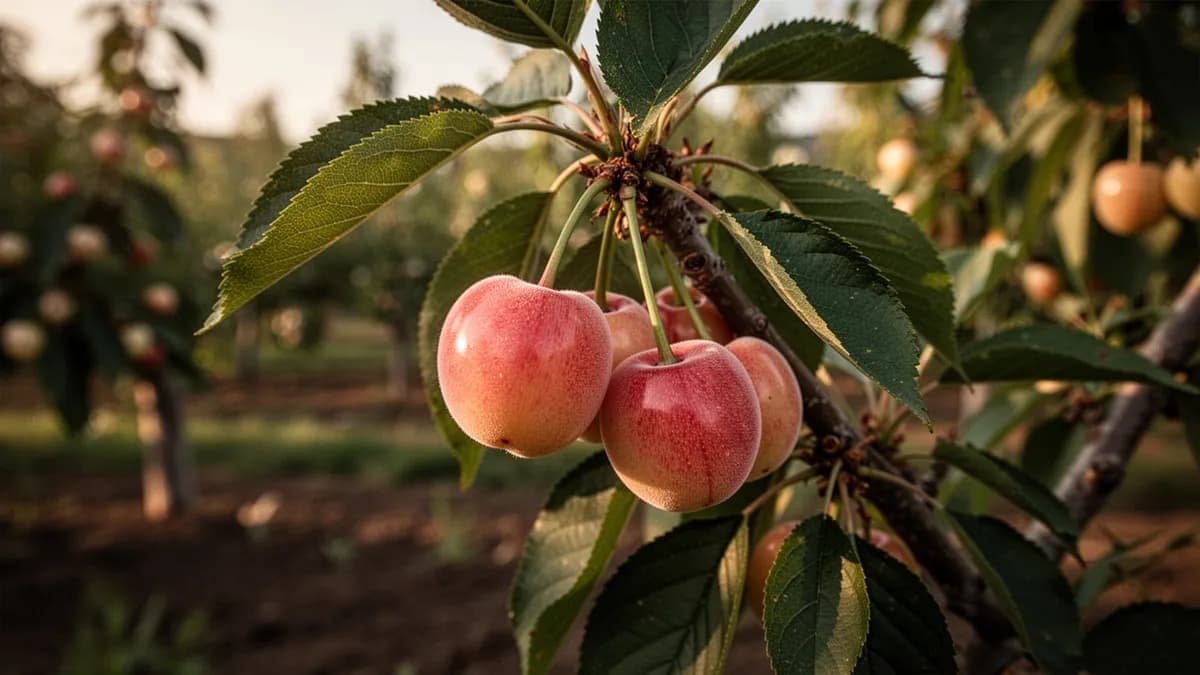
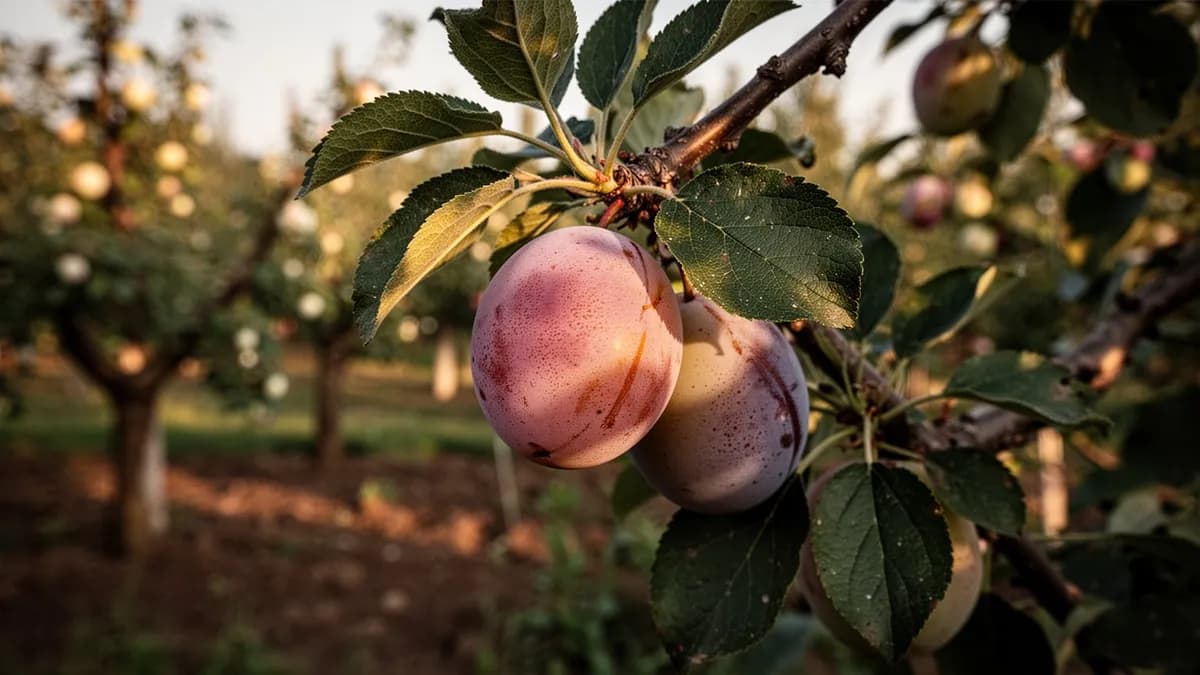
Manchurian apricots are adaptable to a wide range of soils including clay and alkaline conditions. They prefer well-drained loam with a pH of 6.0 to 7.5 but tolerate less than ideal conditions better than standard apricots. Light feeders that need only modest spring fertilization. Excessive nitrogen promotes soft growth susceptible to winter damage. Mulch with organic matter but keep it away from the trunk.
Ideal Temperature
Hardiness Zone Compatibility
From seed to harvest, stage by stage
Dormancy and Planting
Manchurian apricot is planted during winter dormancy as a bare-root or containerized tree. One of the most cold-hardy apricot species in cultivation, it tolerates temperatures down to -40°C when fully dormant, making it suitable for USDA zones 3-5 where standard apricots fail entirely. During dormancy the tree accumulates chill hours — typically 700-900 hours below 7°C — which are required to break bud uniformly in spring.
Bud Break and Early Flowering
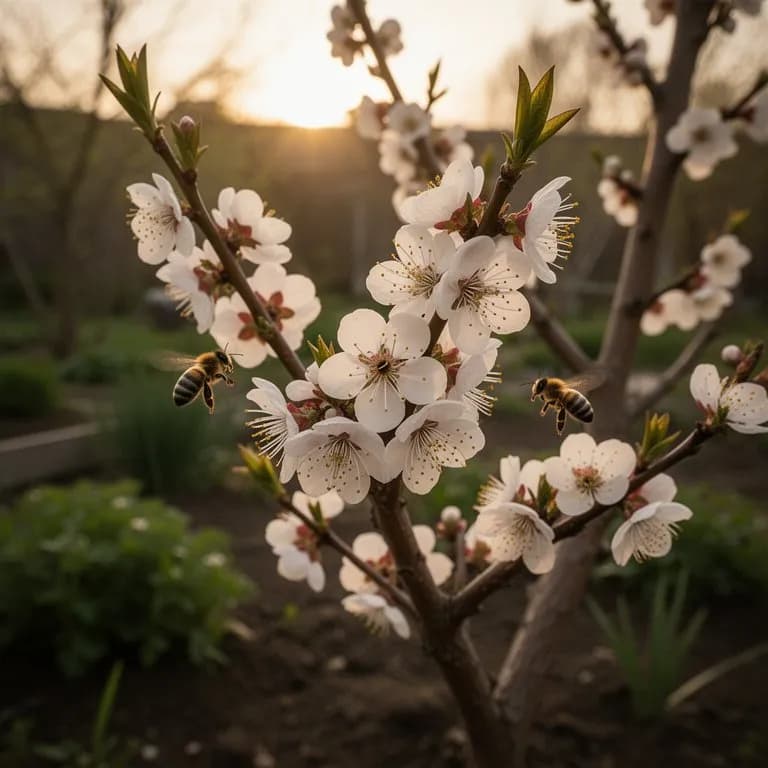
Manchurian apricot is among the earliest flowering fruit trees, with blossoms often opening before the last frost date — a trait shared with its parent species from the cold northeastern Chinese province of Manchuria. Pale to deep pink five-petaled flowers emerge directly from the bare wood before leaves appear, creating a spectacular ornamental display. Each flower is self-fertile to a degree but benefits greatly from cross-pollination by bees.
Leafing Out and Fruitlet Development
After pollination, fertilized flowers develop into small green fruitlets as the leaves unfurl. The tree channels energy rapidly into both vegetative growth and developing fruit simultaneously. The foliage is a glossy mid-green with finely serrated margins. At this stage the fruitlets are most vulnerable to late frosts, brown rot infection in wet conditions, and aphid colonies on soft new growth.
Rapid Fruit Sizing
Through late spring and early summer, Manchurian apricot fruit grows rapidly from marble-sized fruitlets to near full size. The skin transitions from pale green to yellow-green as the flesh develops its characteristic sweetness and slightly tart edge. This stage requires consistent soil moisture, as irregular watering causes fruit splitting and premature drop. The pit hardens fully during this phase.
Ripening and Harvest
Manchurian apricots ripen in midsummer, typically two to three weeks ahead of standard apricot varieties. The fruit shifts from yellow-green to rich golden-orange, often developing a red blush on the sun-exposed side. Ripe fruit is fragrant, gives slightly to gentle thumb pressure, and separates cleanly from the stem. Fruit does not continue ripening significantly after harvest, so timing the pick correctly is essential for best flavor.
Post-Harvest Recovery
After the harvest window closes in midsummer, the tree enters an active recovery and storage phase. Leaves remain on the tree through summer and autumn, photosynthesizing to rebuild carbohydrate reserves in the roots and woody tissue. Flower buds for the following year are initiated and develop during late summer and early autumn. Summer pruning immediately after harvest is the recommended timing for Manchurian apricot to minimize disease entry through pruning wounds.
Leaf Fall and Winter Dormancy
As day length shortens and temperatures drop, the tree shifts nutrients from leaves back into the woody structure before leaf fall. The foliage turns yellow to orange in autumn before dropping. With leaves gone, the tree's dense branching structure and attractive reddish bark are visible. Manchurian apricot enters dormancy earlier than most fruit trees and handles deep freezes with exceptional resilience, making it valuable for cold-climate orchardists.
Plant in a well-drained site with full sun, ideally on a slight slope or elevated position to allow cold air drainage away from the blossoms. Avoid frost pockets and low-lying areas where late spring frosts linger. Set the graft union 5 cm above the soil line and water thoroughly at planting. Apply a generous ring of organic mulch, keeping it clear of the trunk.
Caring for Manchurian Apricot month by month
What to do each month for your Manchurian Apricot
October
You are hereRake and remove fallen leaves to reduce overwintering fungal spores. Apply a final deep watering before the ground freezes if autumn has been dry. Inspect tree ties on young trees and loosen or replace ties that are too tight. Note any pest or disease issues observed during the season and plan management adjustments for next year.
Know exactly what to do in your garden — every month
One email at the start of each month: what to sow, plant, and tackle right now — for your Manchurian Apricot and everything growing around it. Plus a short starter course that helps you dodge the classic mistakes.
- What to do, right now
- Matched to your season
- Starter course included
Harvesting Manchurian Apricot
Manchurian apricots ripen in mid to late July, slightly later than standard apricots. Fruit is ripe when it turns golden-orange and yields to gentle pressure. The small fruits detach easily from the tree when mature. Harvest promptly as fruit drops quickly when ripe. The flavor is tart and aromatic, best suited for processing rather than fresh eating. Shake branches over a tarp for efficient harvesting of large crops.
assuming you plant when the window opens — set your real date
Pick Manchurian Apricot promptly and the plant keeps producing.
Storage & Preservation
Fresh Manchurian apricots keep two to four days refrigerated. Their high pectin content makes them outstanding for jam and preserves without added pectin. Dry halved fruit in a dehydrator for a tangy dried snack. The tart flavor concentrates beautifully when dried. Freeze on trays before bagging for year-round use in baking and cooking. The pits can be cracked to access edible kernels with a strong almond flavor.
What goes wrong — and the fix
Brown Rot
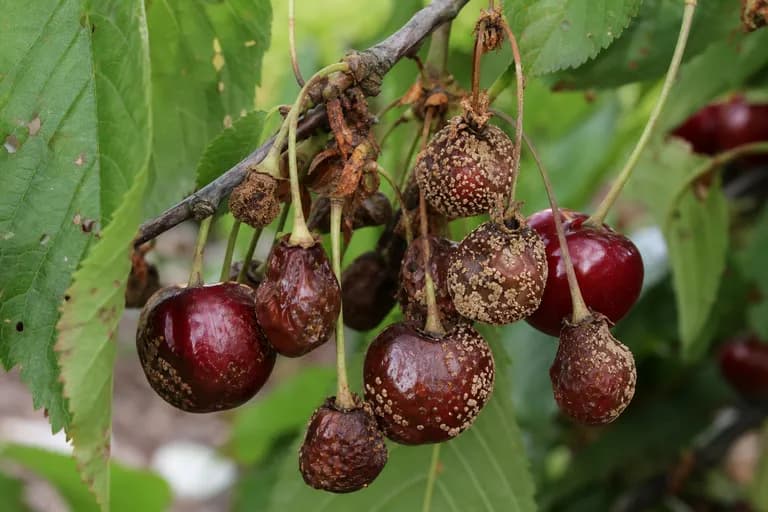
DiseaseFuzzy tan mold on fruit and blossom blight in wet springs. Less severe than on standard apricots due to natural resistance.
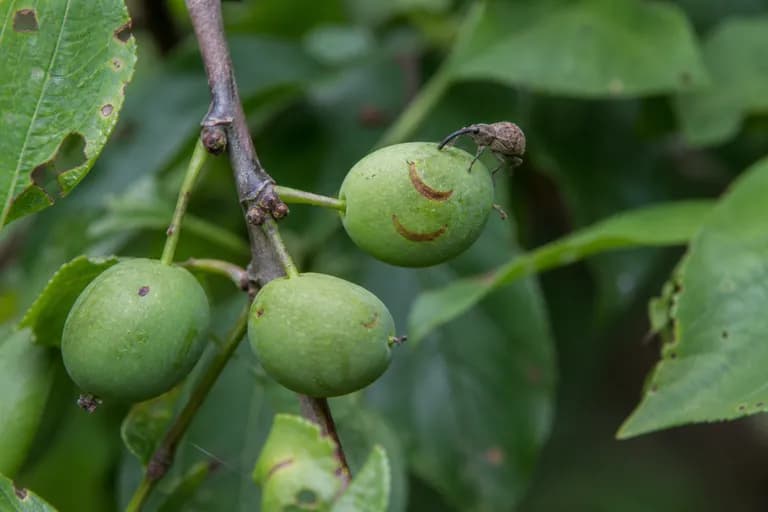
Plum Curculio
PestCrescent-shaped scars on small fruit from egg-laying. Larvae develop inside causing wormy fruit and premature drop.
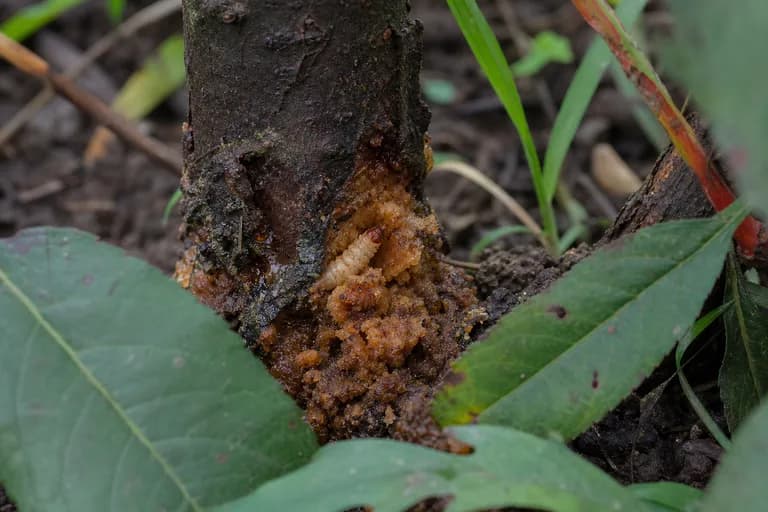
Peach Tree Borer
PestSawdust-like frass mixed with gum at the base of the trunk. Larvae tunnel under bark near the soil line.
Troubleshooting Common Problems
Spring frost damage to early blooms remains the biggest challenge even with these cold-hardy trees. Fruit is smaller and less sweet than standard apricots, disappointing gardeners expecting grocery store quality. Heavy crops in good years can break branches if not thinned. Suckers from the rootstock can be vigorous on own-root trees. Fruit drops rapidly when ripe, requiring frequent harvesting.
Growing Tips
- Site selection is the single most important decision for Manchurian apricot success in cold climates: choose the highest, best-drained ground available and avoid frost pockets, low-lying areas, and north-facing aspects where cold air pools on clear nights during the critical bloom period.
- Plant near a south- or west-facing wall, fence, or building in marginal climates to gain 2-3°C of overnight frost protection through radiative heat release from masonry — this can be the difference between a full crop and a failed bloom in years with late spring frosts.
- Prune Manchurian apricot after harvest in midsummer rather than in winter or spring, as the Prunus family is highly susceptible to silver leaf and other fungal diseases entering through pruning wounds made during wet weather. Summer pruning wounds seal rapidly in warm, dry conditions.
- Thin fruit to one apricot per 8-10 cm of shoot when fruitlets reach 1-2 cm diameter. Manchurian apricot tends to set heavy crops and thinning dramatically improves individual fruit size, sweetness, and reduces the strain on young branches that can snap under excessive fruit weight.
- While Manchurian apricot is partially self-fertile, planting two trees within 15 meters significantly improves pollination reliability and yields. Any two Manchurian apricots or other early-blooming Prunus species with overlapping bloom times will work as mutual pollinators.
- Maintain a generous organic mulch ring extending to the drip line and kept clear of the trunk. In cold climates, mulch serves the dual purpose of moderating soil temperature extremes and conserving moisture during the intense but brief summer growing period when fruit sizing demands consistent water.
- Apply a potassium-rich fertilizer such as sulfate of potash in early June, as the fruit approaches final sizing. Potassium strengthens cell walls, improves skin integrity to reduce splitting, enhances color development, and improves the fruit's natural sweetness and storage life.
- Avoid high-nitrogen fertilizers after midsummer, as late soft growth is highly susceptible to frost damage in autumn. In early spring, a balanced fertilizer is appropriate, but from July onward switch to low-nitrogen or potassium-only feeds to encourage hardening of the season's growth.
- Manchurian apricot is more tolerant of heavier clay soils than standard apricots but will still perform best in a well-drained loam. On poorly drained sites, plant on a mound of amended soil raised 30-40 cm above the surrounding grade to ensure the root crown stays dry.
- Protect young trees from rabbit and vole damage with spiral plastic trunk guards or wire mesh cylinders installed before the first snowfall. In snow-heavy climates, rodent pressure under the snow pack is a common cause of girdling damage on young fruit trees through winter.
Grow your best Manchurian Apricot yet — and everything around it.
Start a free plan today. Lay out your beds, drop in your Manchurian Apricot, and let PlotMyGarden handle the timing, spacing, companions and reminders from seed to harvest basket.
Pick your Manchurian Apricot
Manchurian
The straight species, extremely cold hardy to zone 3. Small golden fruit with tart, aromatic flavor. Excellent rootstock for grafting.
Scout
Canadian selection with improved fruit size and flavor. Hardy to minus 40 degrees. One of the best for fresh eating among cold-hardy types.
Westcot
Developed in Manitoba for extreme cold hardiness. Medium-sized fruit with good flavor for processing. Reliable bearer.
Debbs Gold
Northern selection with larger fruit than the species and somewhat sweeter flavor. Hardy to zone 3.
A mature Manchurian apricot tree typically produces 20-40 kg of fruit annually once fully established. At organic stone fruit prices of $6-$10 per kg, a single tree can yield the equivalent of $120-$400 worth of premium fresh fruit each summer. Beyond fresh eating, the harvest is well-suited to preserves, dried fruit, and frozen puree that extend the value across the whole year. As one of the few productive apricot trees capable of thriving in USDA zones 3-4 where no standard apricot survives, Manchurian apricot provides cold-climate gardeners access to stone fruit that would otherwise be entirely unavailable locally and commands premium prices at farmers' markets.
Quick recipes
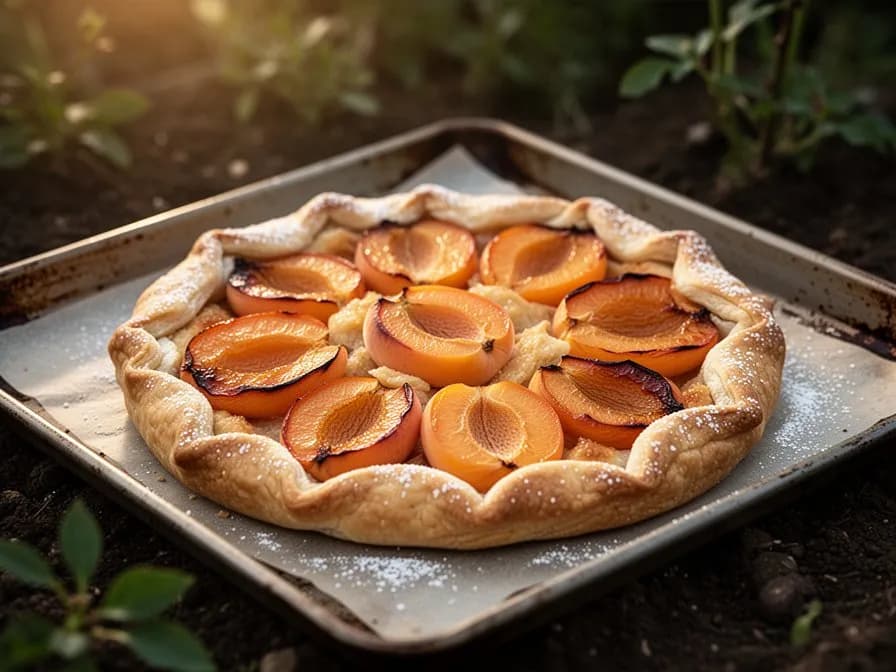
Manchurian Apricot Preserves
40 minutesA deeply flavored, jewel-bright preserve that captures the intense sweetness and slight tartness of fresh Manchurian apricots. The small size and firm flesh of Manchurian apricots give this jam an excellent natural set from their high pectin content, requiring no added commercial pectin. This recipe produces a preserve with complex flavor far superior to anything available commercially.
6 ingredients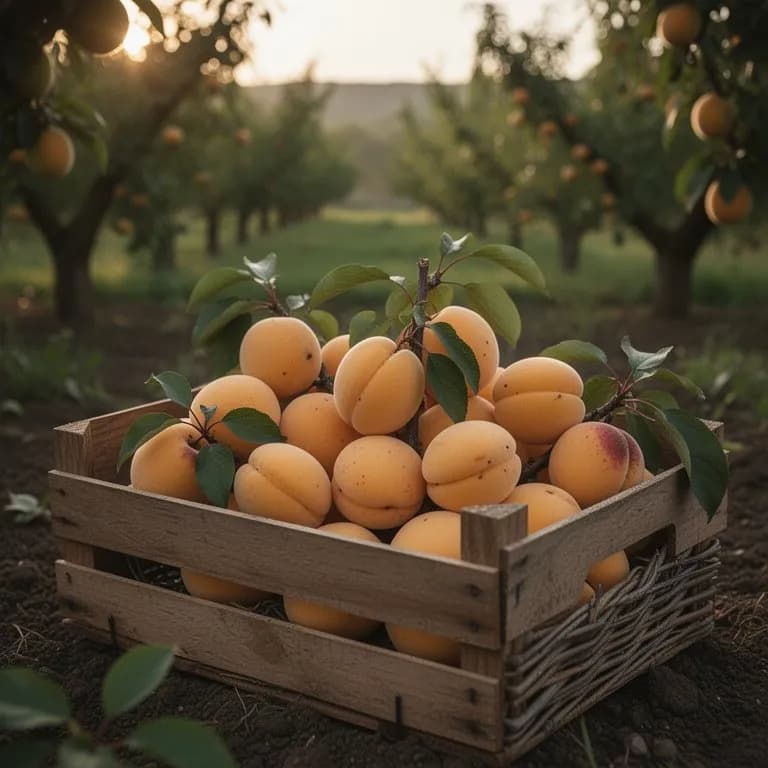
Honey-Roasted Apricot and Ricotta Crostini
20 minutesA simple, elegant appetizer or light dessert that showcases Manchurian apricots at their peak ripeness. Roasting concentrates their natural sugars and intensifies flavor while the creamy ricotta and fragrant honey create a perfect balance of sweet, tart, and rich. Best made at the height of the brief summer harvest window when the fruit is fully ripe.
7 ingredientsApricot and Almond Crumble
50 minutesA comforting, warmly spiced crumble that highlights the natural acidity of Manchurian apricots in contrast to a buttery, nut-studded topping. This recipe uses Manchurian apricots with minimal added sugar since their tartness balances the richness of the crumble topping beautifully. Serve warm with vanilla custard or thick cream for a simple but memorable dessert.
9 ingredientsCulinary Uses
Manchurian apricots excel in jam, preserves, and fruit leather where their tart, intense flavor is an asset. They make excellent apricot sauce for pork and poultry. Dried fruit has a concentrated tangy-sweet flavor. The kernels inside the pits have a strong almond flavor used in traditional baking. Wine and brandy made from these apricots have distinctive character.
What's inside
Health Benefits
- Exceptionally rich in beta-carotene, the precursor to vitamin A, which is essential for maintaining healthy vision particularly in low-light conditions, supporting immune cell function, and promoting healthy skin and mucous membrane integrity
- High in polyphenol antioxidants including chlorogenic acid and catechins that neutralize free radicals, reduce systemic inflammation, and have been associated in epidemiological studies with lower rates of cardiovascular disease and certain cancers
- Provides a meaningful dose of potassium, an electrolyte mineral that counterbalances dietary sodium to support healthy blood pressure, reduces the risk of stroke, and maintains proper muscle and nerve function
- Contains lutein and zeaxanthin, carotenoid pigments concentrated in the eye's macula that absorb harmful blue light and high-energy visible radiation, protecting against age-related macular degeneration and cataracts
- The combination of soluble fiber, natural organic acids, and a low glycemic index makes apricots a supportive food for blood sugar management, slowing glucose absorption after meals and promoting sustained energy without sharp insulin spikes
- Rich in iron and copper, two minerals that work together in the synthesis of hemoglobin and the transport of oxygen in red blood cells, supporting energy levels and reducing the risk of nutritional anemia particularly when consumed alongside vitamin C-rich foods
Where Manchurian Apricot comes from
Manchurian apricot (Prunus mandshurica) originates from the harsh continental landscapes of Manchuria — the vast northeastern region of China encompassing the modern provinces of Heilongjiang, Jilin, and Liaoning — as well as the adjacent Korean peninsula and the Primorsky Krai region of far eastern Russia. This territory experiences some of the most extreme temperature ranges on Earth, with winters plunging to -40°C and short summers reaching 35°C. Over millennia, Prunus mandshurica adapted to this climatic extreme, developing the deep cold hardiness and compressed growing season that distinguish it from other members of the apricot group. The tree has been cultivated and valued by the peoples of the region for centuries, prized for its edible fruit, oil-rich kernels, and striking ornamental qualities. The sweet-kerneled seeds were historically roasted and used in confections and pressed for an edible cooking oil, while the fruit was eaten fresh, dried, and fermented. During the late 19th century, Russian botanical expeditions systematically surveyed the plant diversity of Manchuria and the Russian Far East, and specimens of Prunus mandshurica were collected and described by botanist Komarov in the 1890s. The species attracted significant horticultural interest in North America during the early 20th century, when plant breeders recognized that standard European apricots (Prunus armeniaca) were completely unsuitable for cultivation across the northern Great Plains, Midwest, and Prairie Provinces of Canada where winters regularly killed them outright. Breeding programs at institutions such as the South Dakota State University and Agriculture Canada began crossing Manchurian apricot with European varieties to transfer cold hardiness while improving fruit quality, producing cultivars that now allow apricot cultivation in regions once considered entirely beyond the reach of the crop. Today, Manchurian apricot serves a dual role in cold-climate horticulture: as a productive fruiting tree in its own right bearing small but flavorful golden apricots, and as a vital rootstock and breeding parent for advanced cold-hardy apricot cultivars. Its ornamental value is increasingly recognized in landscape design, where its early spring bloom, attractive bark, and compact form make it a multi-season specimen tree for temperate gardens.
Manchurian Apricot: did you know?
Fascinating facts about Manchurian Apricot
Manchurian apricot (Prunus mandshurica) is one of the most cold-hardy apricot species in the world, surviving winters down to -40°C when dormant — a tolerance that allows it to be grown as a productive fruiting tree in USDA hardiness zones 3 and 4 where standard apricots cannot survive.
Manchurian Apricot questions, answered
When should I plant Manchurian Apricot?
What are good companion plants for Manchurian Apricot?
What hardiness zones can Manchurian Apricot grow in?
How much sun does Manchurian Apricot need?
How far apart should I space Manchurian Apricot?
What pests and diseases affect Manchurian Apricot?
How do I store Manchurian Apricot after harvest?
What are the best Manchurian Apricot varieties to grow?
What soil does Manchurian Apricot need?
How cold-hardy is Manchurian apricot compared to standard apricots?
How long does it take a Manchurian apricot to produce fruit?
Is Manchurian apricot self-fertile?
Why does my Manchurian apricot flower but never set fruit?
When and how should I prune Manchurian apricot?
Can I grow Manchurian apricot in a container?
You just read the theory. Now grow it on autopilot.
Everything that makes Manchurian Apricot fiddly — the timing, the spacing, the companions, the harvest window — is exactly what PlotMyGarden handles for you, for every plant in your garden.
A plan that knows your weather
Set your location once. Get sow, feed and harvest dates built around your real last-frost date and live forecast — no more guessing from a generic seed packet.
From the “When to plant” sectionDrag-and-drop bed planner
Design beds on a grid. Every plant snaps to its proper spacing, and you can see your whole season laid out before you spend a cent on seed.
From the “Growing guide” sectionCompanion conflicts, caught early
200+ good-and-bad pairings checked live as you plant — so a season-wrecking mistake never makes it into the ground.
From the “Companions” sectionReminders you'll actually act on
“Water the beans.” “Pick today before it turns.” Timely, specific, and tied to the plants you're really growing.
From the “Harvest” sectionSuccession, scheduled
Want a harvest for six weeks, not six days? It spaces your sowings automatically and reminds you when each new block is due.
From the “When to plant” sectionA record that gets smarter
Every harvest you log teaches it your garden. Next year's plan starts from what actually worked in your soil, not a textbook's.
From the “Overview” sectionPlant these alongside Manchurian Apricot
More Stone Fruits
Keep Manchurian Apricot away from these
Grow your best Manchurian Apricot yet — and everything around it.
Start a free plan today. Lay out your beds, drop in your Manchurian Apricot, and let PlotMyGarden handle the timing, spacing, companions and reminders from seed to harvest basket.