Frijol Cannellini
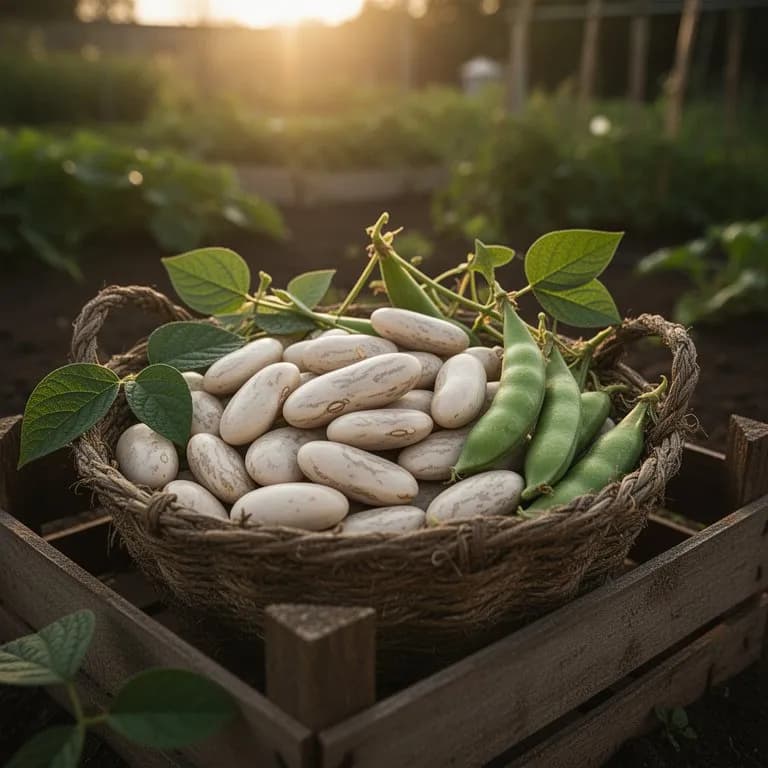
El frijol cannellini (Phaseolus vulgaris) es la alubia blanca más refinada de la cocina italiana, con granos grandes, ovalados y de piel fina que producen una textura cremosa y sedosa al cocinarse.





En esta páginaResumen
Conoce Frijol Cannellini
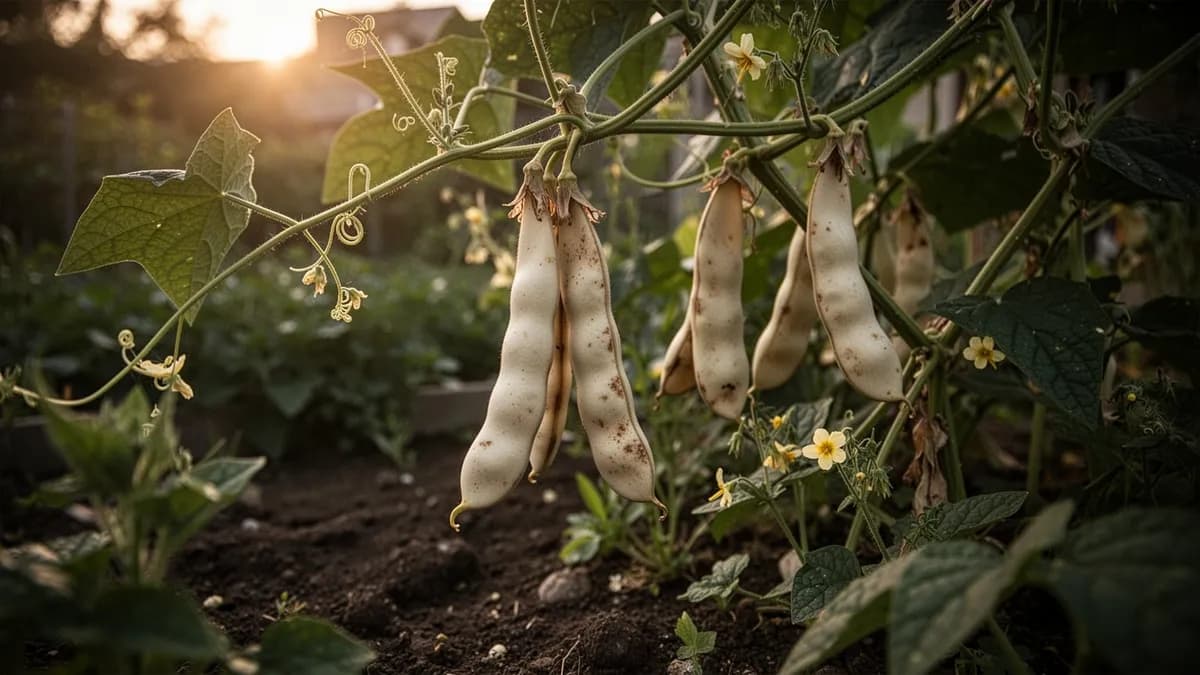
El frijol cannellini (Phaseolus vulgaris) es la alubia blanca más refinada de la cocina italiana, con granos grandes, ovalados y de piel fina que producen una textura cremosa y sedosa al cocinarse. Originario de Argentina pero adoptado por la Toscana como ingrediente emblemático, es la base de platos clásicos como la ribollita, la fagioli all'uccelletto y las sopas toscanas.
Cuándo plantar Frijol Cannellini
Siembre directamente cuando el suelo supere 16 °C. No trasplanta bien. Plante a 3-5 cm de profundidad. Inocule con Rhizobium. Germinación en 7-10 días.
Tu año de Frijol Cannellini
Ajustado a Zona 7 · temporada típica · la helada se va hacia el 2 abr y vuelve hacia el 1 nov
Planta Frijol Cannellini May – Jun y cosecha Ago – Oct. Consulta los métodos de plantación y elige tu clima para adaptar los periodos.
Cómo cultivar Frijol Cannellini
Siembre directamente cuando la temperatura del suelo supere 16 °C. Plante a 3-5 cm de profundidad, espaciando 10-15 cm en filas de 45-60 cm para variedades arbustivas. Las variedades trepadoras necesitan 15-20 cm y soporte de 2 m.
Riegue regularmente con 2,5 cm semanales, especialmente durante floración y formación de vainas. Evite mojar las hojas para prevenir enfermedades fúngicas. Aplique acolchado orgánico.
Como leguminosa, fija nitrógeno propio. No aplique fertilizante nitrogenado. Use abono rico en fósforo y potasio al inicio de la floración. Los cannellini necesitan una temporada más larga que muchos frijoles para producir granos secos de gran tamaño.
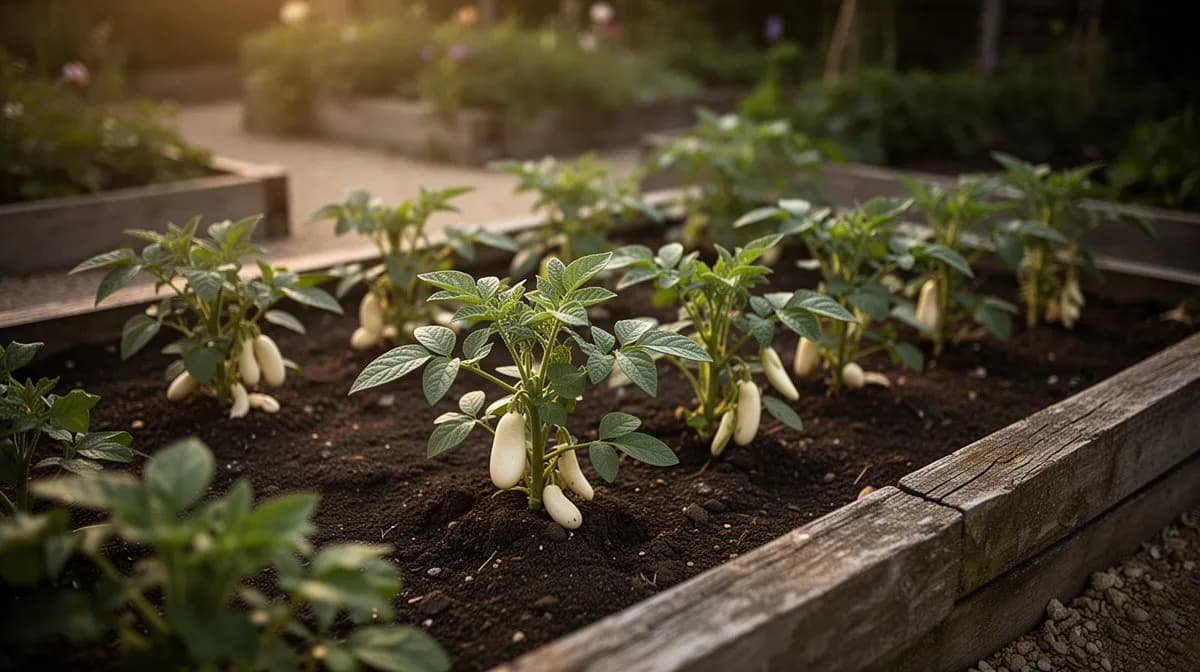
128 plantas caben en un bancal de 120 × 240 cm
Cada Frijol Cannellini pide 15 cm de margen. El planificador guarda ese marco por ti — cada planta, cada bancal.
Los mejores vecinos de Frijol Cannellini
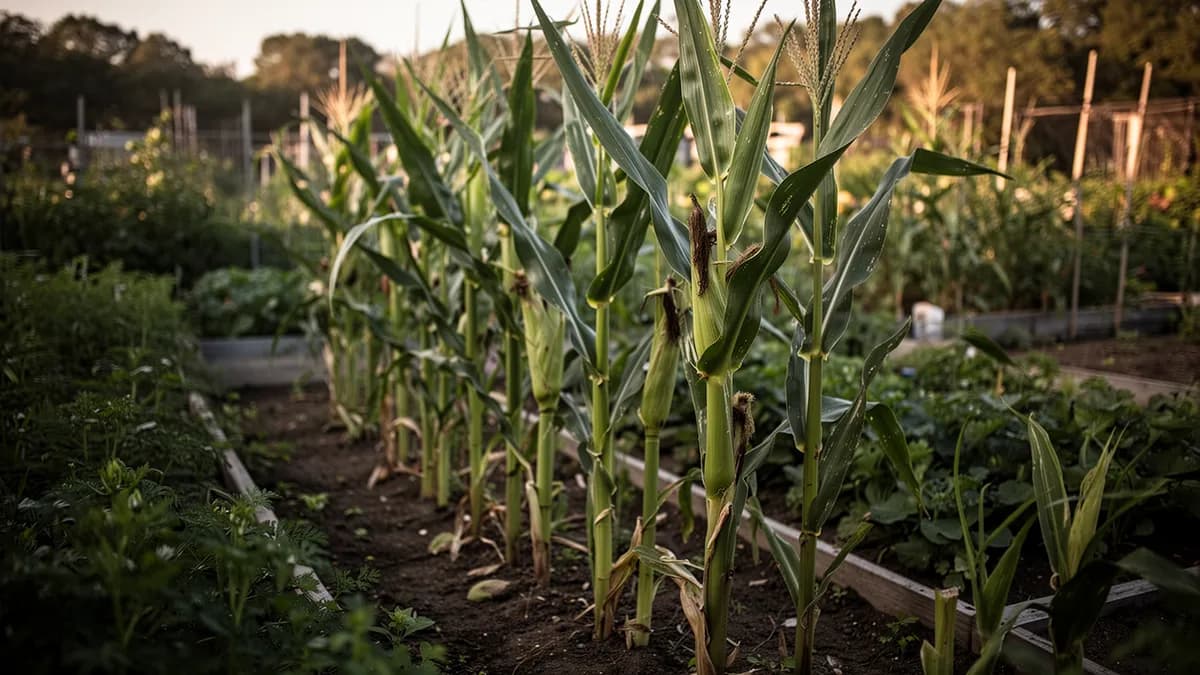
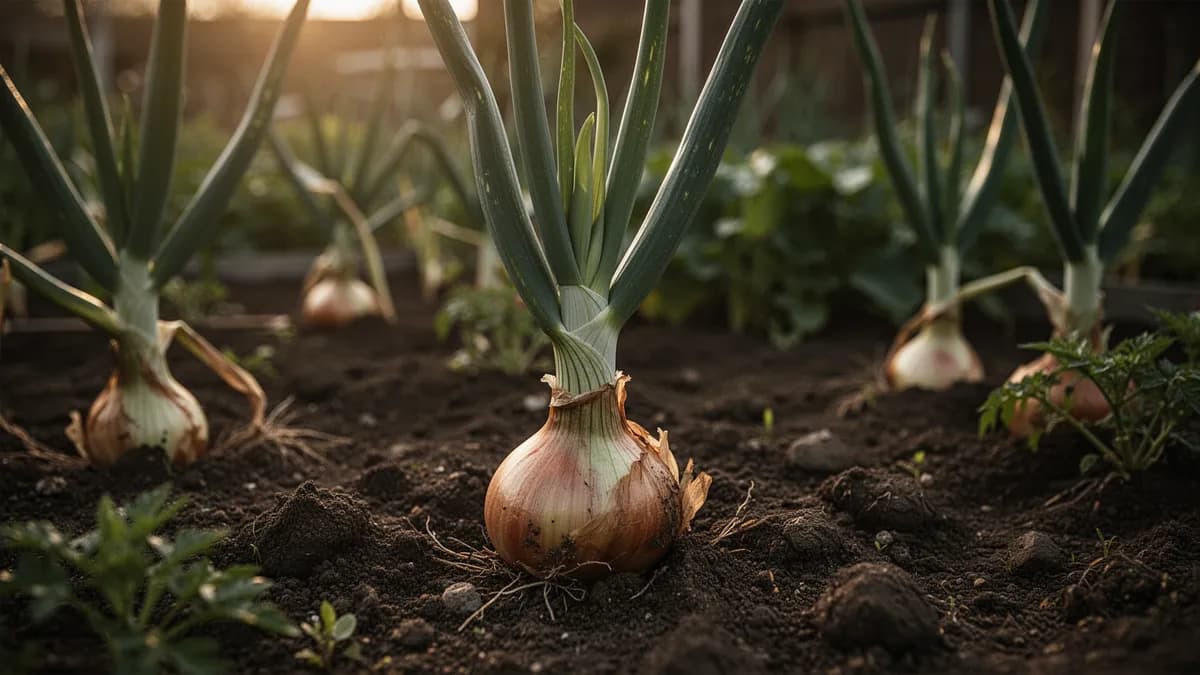
Crecen bien con maíz y calabazas en sistema de milpa. Las patatas y remolachas son buenos compañeros. Evite plantar junto a ajos, cebollas e hinojo.
Maíz va a su lado. Cebolla no.
Saber de huerto de siempre, cotejado con la tabla real de Frijol Cannellini — prueba cualquier planta que cultives.
Prueba Frijol Cannellini en un bancal, aquí mismo
Un bancal real del planificador con Frijol Cannellini ya plantado. Toca una planta compañera para colocarla y mira cómo responde la comprobación de vecinos: verde para buenos vecinos, rojo si hay conflicto.


Guías de cultivo relacionadas
Abónalo bien
Suelos bien drenados con pH 6,0-7,0. Como leguminosa fija nitrógeno. Use fósforo y potasio sin nitrógeno adicional. Inocule con Rhizobium si es la primera vez en ese suelo.
Temperatura ideal
Compatibilidad de zonas de rusticidad
De la semilla a la cosecha, etapa por etapa
Germinación de las semillas
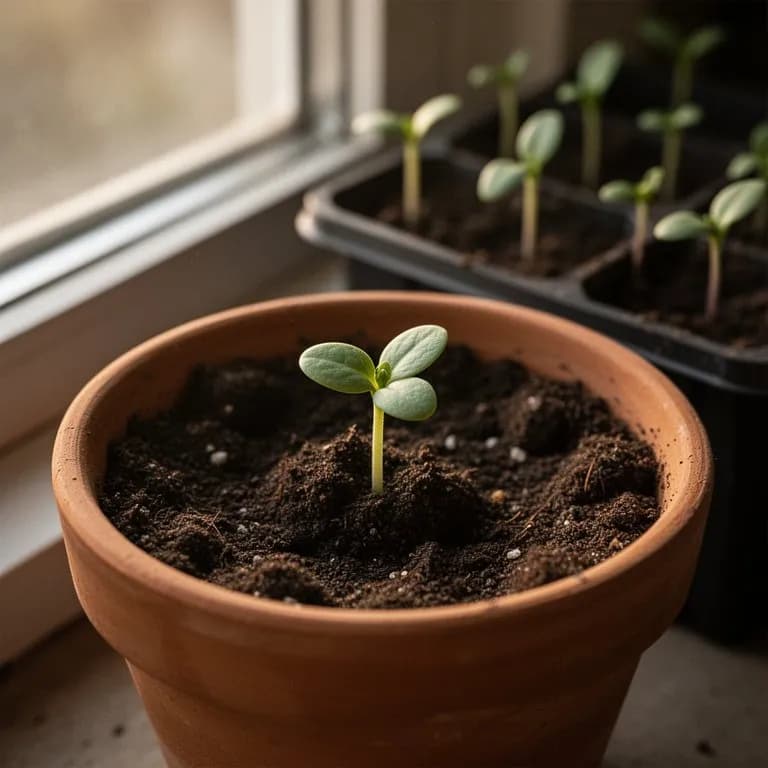
Las semillas absorben humedad rápidamente y se hinchan hasta casi duplicar su tamaño en 24 horas después de la siembra. La radícula emerge primero y ancla la semilla; después, el arco del hipocótilo empuja las grandes hojas cotiledonares por encima de la superficie del suelo. La germinación requiere temperaturas del suelo de al menos 16 °C y tarda de 7 a 10 días.
Desarrollo de plántulas
El primer par de hojas verdaderas trifoliadas se despliega sobre los cotiledones lisos. El sistema radicular se desarrolla rápidamente y comienzan a formarse nódulos fijadores de nitrógeno en las raíces a medida que las bacterias Rhizobium las colonizan. Las plántulas establecen el porte compacto y arbustivo típico de las variedades de judía de mata baja.
Crecimiento vegetativo
Las plantas desarrollan una estructura arbustiva y robusta de 40-60 cm de altura con un follaje denso de hojas trifoliadas. Los nódulos de las raíces ya fijan activamente el nitrógeno atmosférico, lo que reduce la necesidad de fertilizante nitrogenado adicional. Las plantas se ramifican libremente y comienzan a formar botones florales en los nudos del tallo.
Floración
A lo largo de los tallos se abren grupos de pequeñas y delicadas flores blancas. Las judías cannellini se autopolinizan y la fecundación ocurre antes de que las flores se abran por completo. Cada flor fecundada se convierte en una sola vaina. La floración continúa durante 2-3 semanas, produciendo vainas de manera sucesiva.
Llenado de vainas
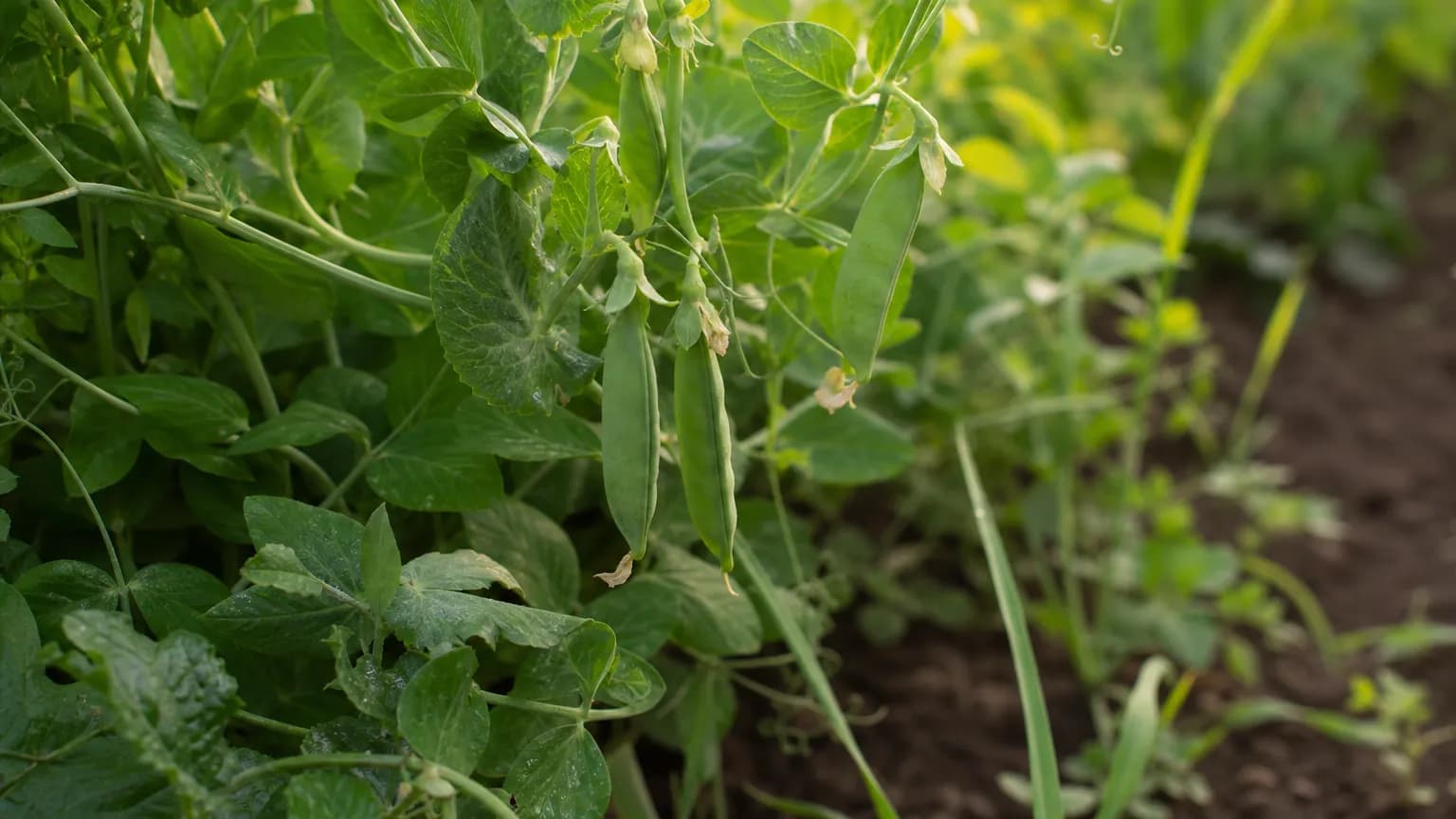
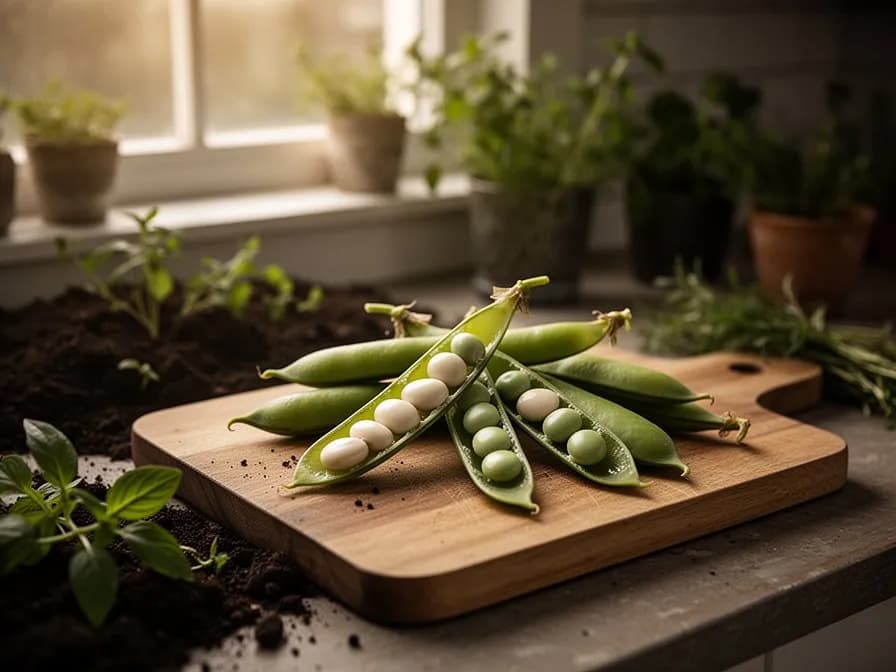
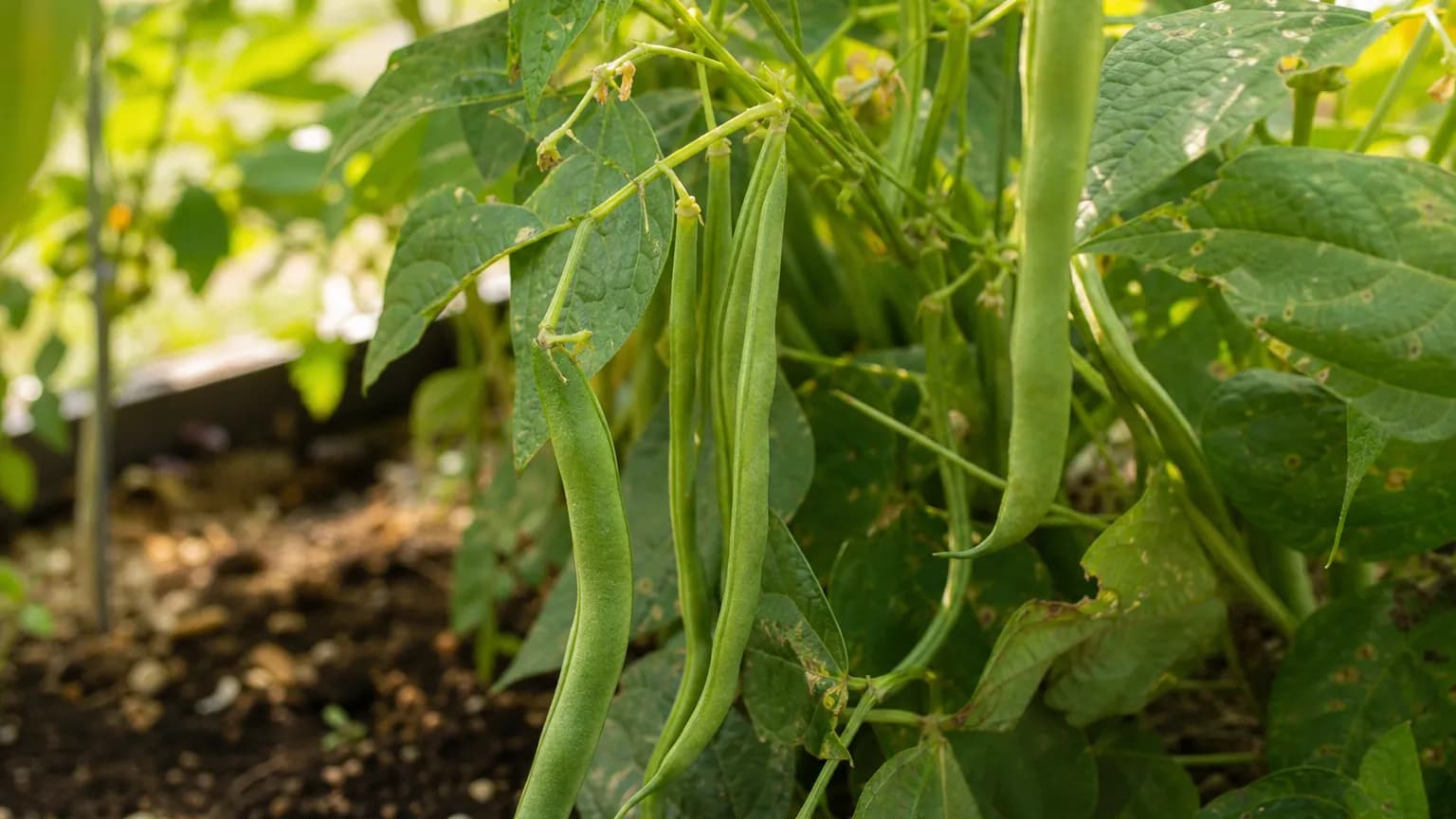
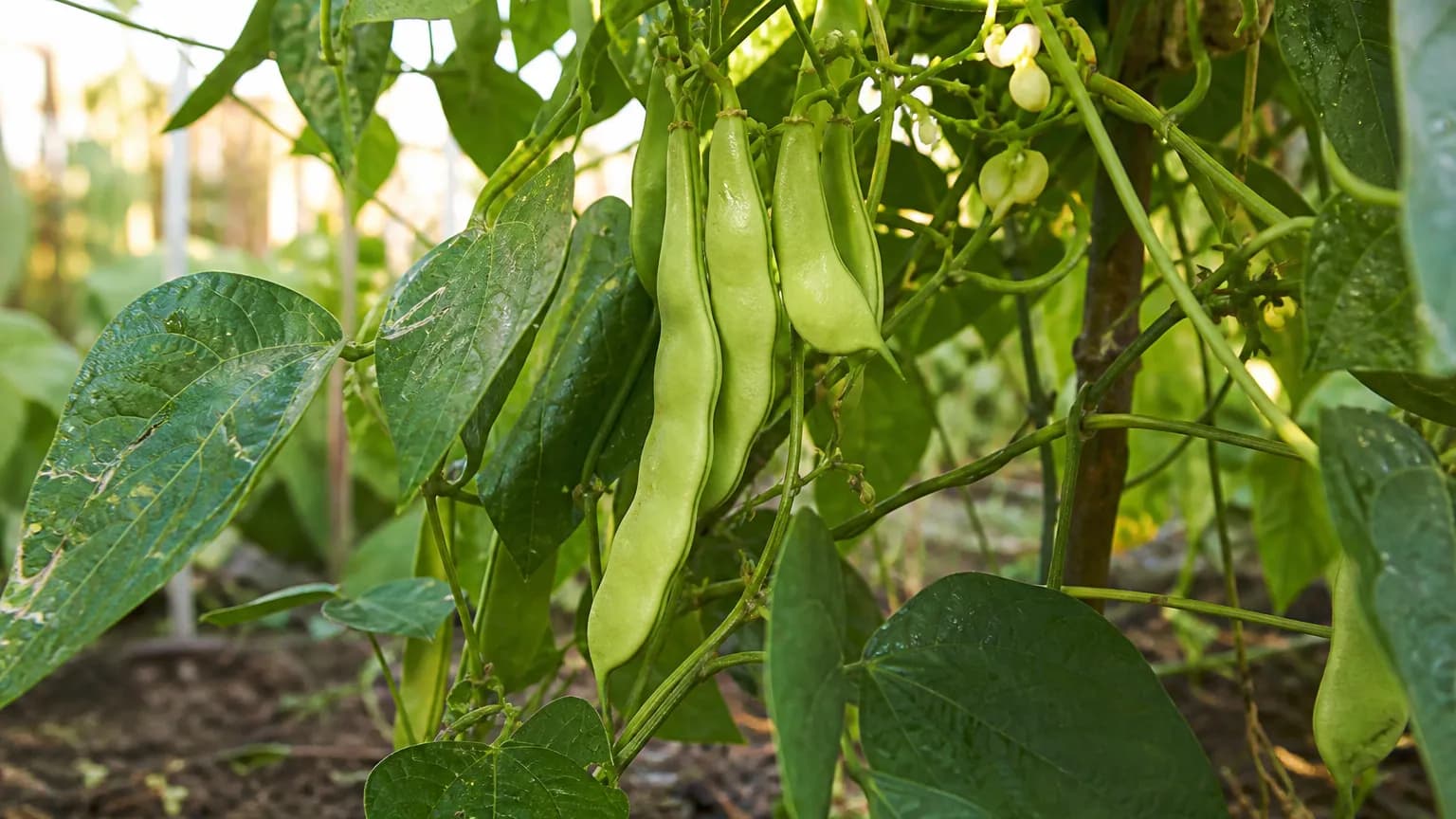
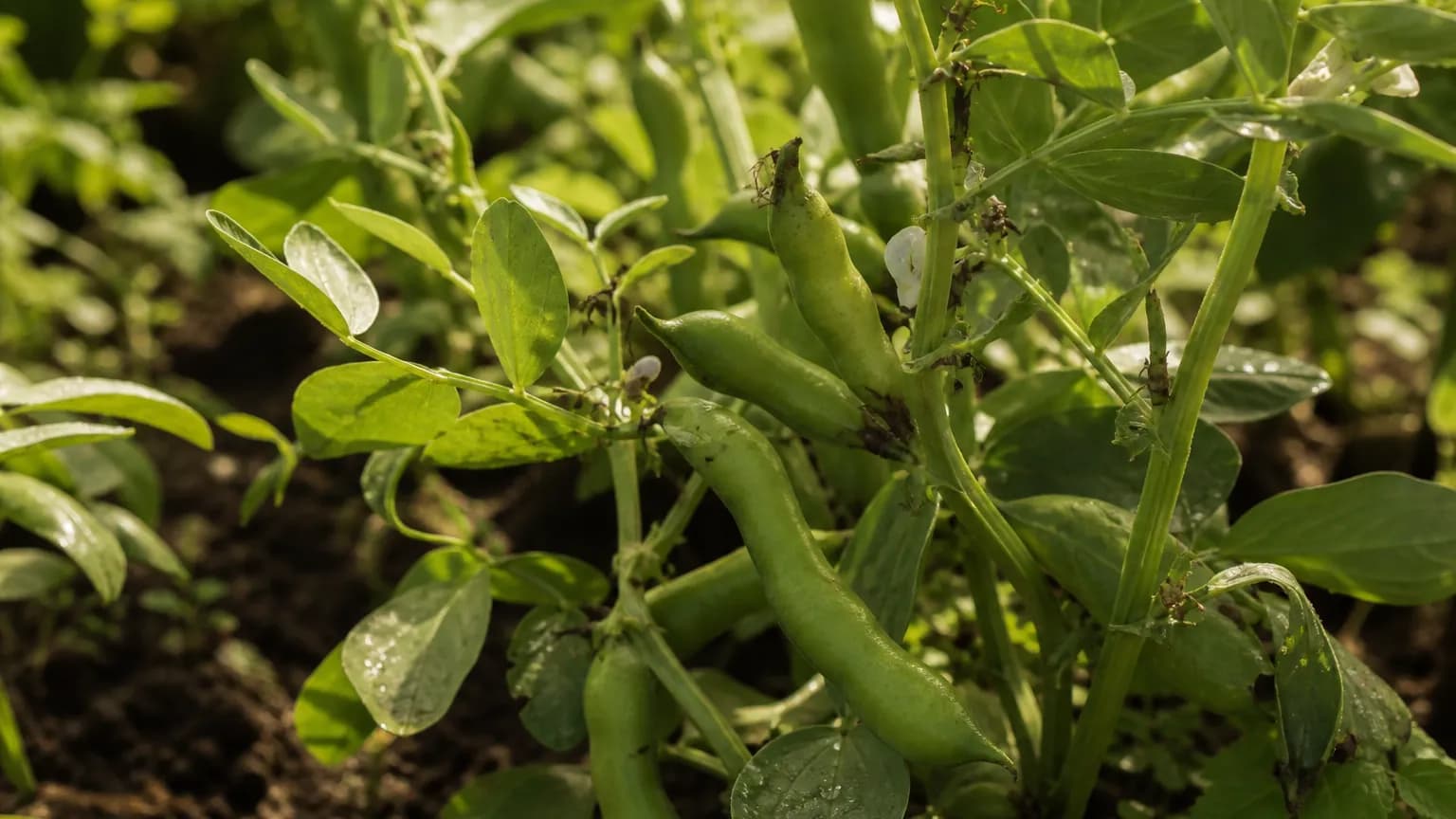
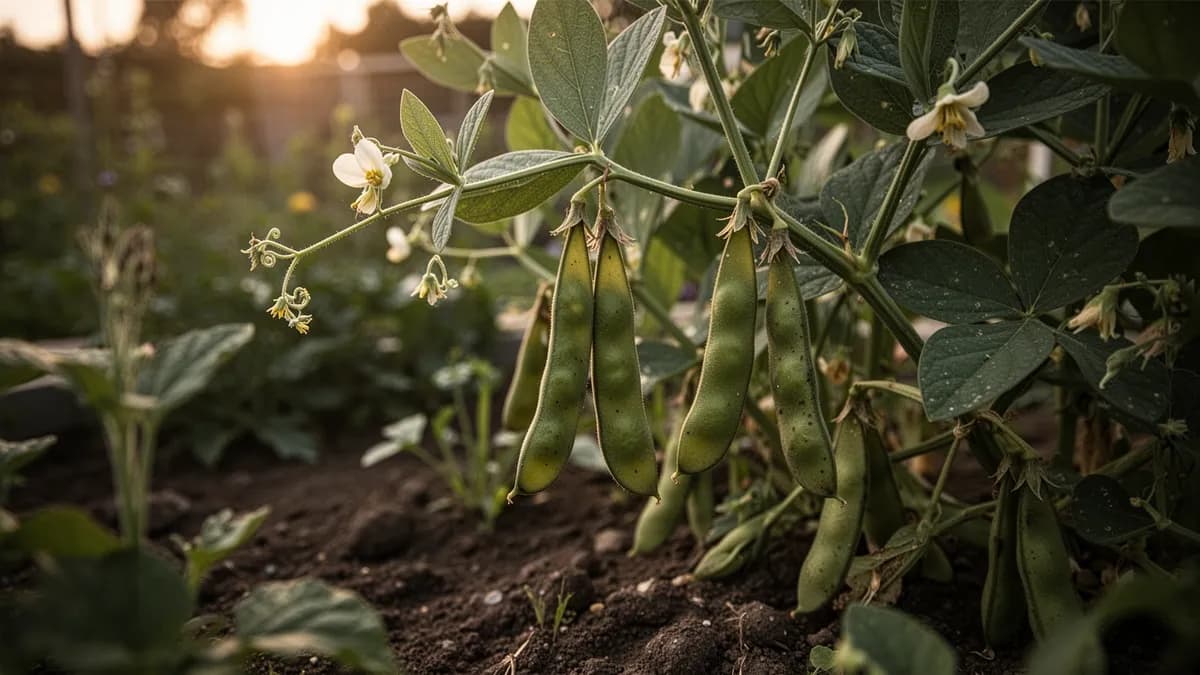
Las vainas verdes y planas se alargan hasta 12-15 cm y se hinchan a medida que las judías se desarrollan en su interior. Las vainas cuelgan en racimos y se van llenando gradualmente con 4-6 judías carnosas con forma de riñón cada una. Las semillas pasan de verde a blanco cremoso al madurar y acumular reservas de almidón y proteína.
Secado y cosecha
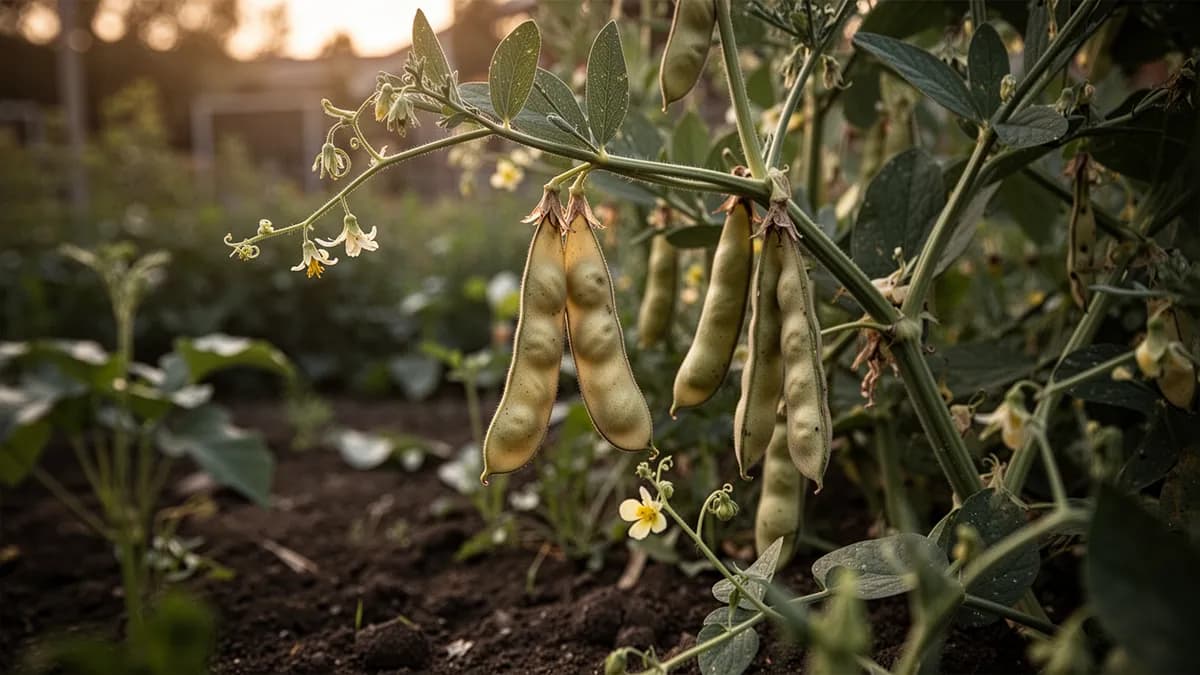
Las vainas pasan de verde a marrón dorado y se vuelven papiráceas y quebradizas. Las judías del interior se endurecen y se encogen ligeramente al perder humedad, alcanzando su color final marfil. Las plantas amarillean y comienzan a secarse de forma natural. Las vainas suenan al agitarlas, señal de que las judías están completamente secas.
Siembra las semillas a 4-5 cm de profundidad en suelo cálido y húmedo. No remojes las judías cannellini antes de plantar: a diferencia de otras leguminosas, su cubierta delgada absorbe agua con facilidad y el remojo previo puede agrietarlas. La temperatura ideal del suelo es de 18-24 °C.
Cuidar Frijol Cannellini mes a mes
Qué hacer cada mes para tu Frijol Cannellini
Octubre
Mes actualComplete all harvesting before hard frost. Clean and sort dried beans, discarding any that are discolored, shriveled, or damaged. Store fully dried beans in airtight glass jars in a cool, dark place. Pull spent plants and compost them — their nitrogen-rich root nodules benefit the compost pile.
Ten claro qué hacer en tu huerto, cada mes
Un correo al empezar cada mes: qué sembrar, plantar y hacer ahora mismo — para tu Frijol Cannellini y todo lo que crece alrededor. Más un breve curso inicial para esquivar los errores clásicos.
- Qué hacer ahora mismo
- Ajustado a tu temporada
- Curso inicial incluido
Cosechar Frijol Cannellini
Para frijoles secos, deje que las vainas maduren completamente en la planta hasta que estén secas y crujientes, 85-100 días tras la siembra. Coseche antes de que se abran. Para frijoles frescos (shelling beans), coseche cuando las vainas estén llenas pero aún flexibles, 70-80 días.
se supone que plantas al comenzar el periodo — indica tu fecha real
Para judías tiernas, cosecha cuando las vainas estén gordas y comiencen a pasar de verde a amarillo; las judías secas están listas más tarde, cuando las vainas estén completamente secas y marrones.
Almacenamiento y conservación
Los granos secos se conservan en recipientes herméticos 1-2 años en lugar fresco y seco. Seque hasta humedad < 12%. Los frijoles cocidos se congelan excelentemente en porciones. También se enlatan en su caldo de cocción.
Qué falla — y cómo solucionarlo
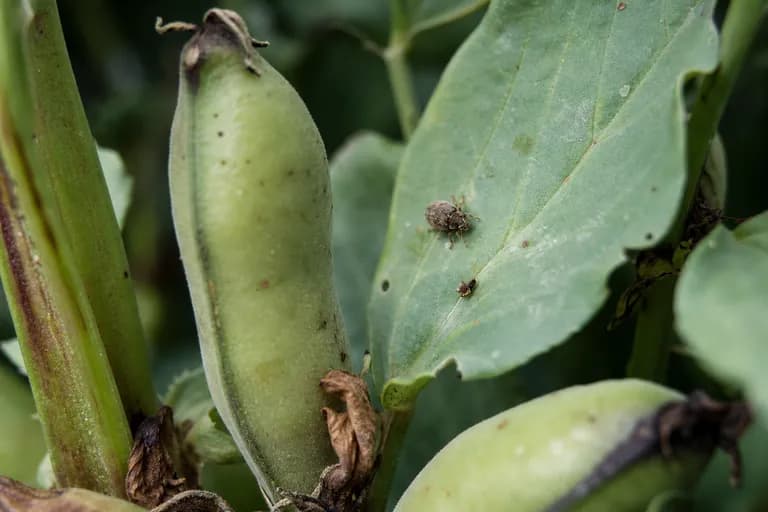
Gorgojo del frijol (Acanthoscelides obtectus)
PlagaAgujeros en granos almacenados, polvo fino.
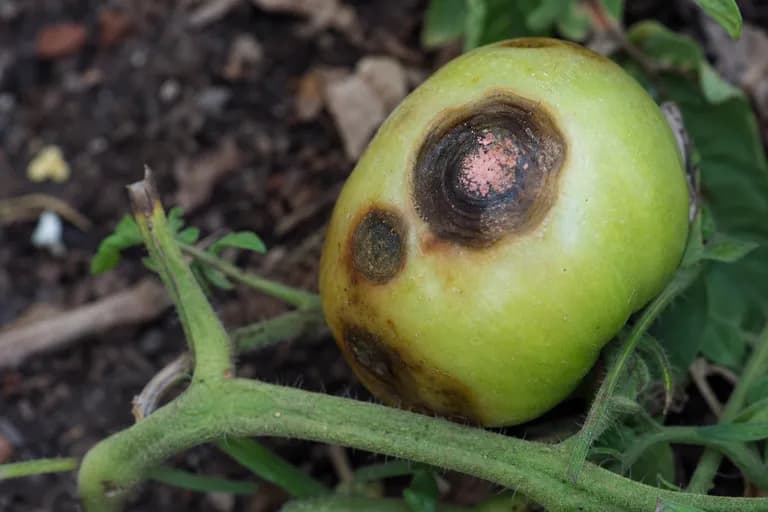
Antracnosis (Colletotrichum lindemuthianum)
EnfermedadManchas oscuras hundidas en vainas y hojas.
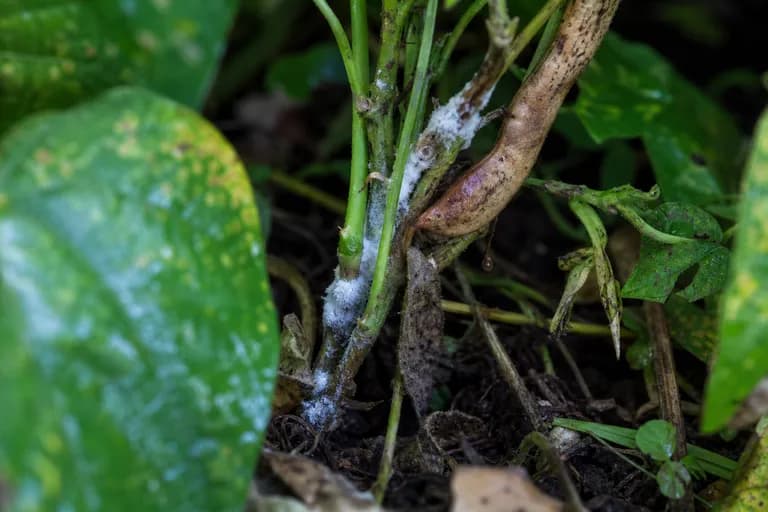
Roya (Uromyces appendiculatus)
EnfermedadPústulas marrones polvorientas en envés de hojas.
Solución de problemas comunes
Los cannellini necesitan temporada más larga que otros frijoles para producir granos grandes y maduros. La lluvia excesiva durante el secado puede pudrir las vainas en la planta. Los gorgojos de almacenamiento son problemáticos si no se toman precauciones.
Consejos de cultivo
- Do not start cannellini beans indoors. Beans have sensitive taproots that resent transplanting. Always direct-sow into warm garden soil after the last frost date. Seeds germinate quickly (7-10 days) in warm soil, making indoor starting unnecessary.
- Inoculate with Rhizobium bacteria for dramatically better results. While beans can grow without it, adding a bean-specific inoculant to the planting furrow boosts nitrogen fixation and can increase yields by 20-30%, especially in beds that have not grown legumes recently.
- Avoid overhead watering once flowering begins. Water droplets knock delicate flowers from the stems and create humid conditions that promote fungal diseases like white mold and rust. Use drip irrigation or water at the base of plants in the morning.
- Do not over-fertilize, especially with nitrogen. Cannellini beans fix their own nitrogen from the air through root nodule bacteria. Excess nitrogen causes lush, floppy foliage with few pods. A light application of phosphorus and potassium at planting is all they need.
- Time your planting for moderate heat, not peak summer. Unlike heat-loving crops, cannellini beans flower best when daytime temperatures are 21-27°C (70-80°F). In hot climates, plant early so flowering occurs before extreme heat arrives.
- For dry beans, stop watering entirely once pods begin to turn yellow. Continued irrigation at this stage invites mold and slows the drying process. Let the plants die back naturally in the field — this is exactly what they are supposed to do.
- Harvest dry beans on a sunny afternoon when humidity is lowest. Pods should be papery, brittle, and rattle when shaken. If rain threatens before pods are fully dry, pull entire plants and hang upside down in a covered, well-ventilated area to finish curing.
- Practice crop rotation strictly. Do not plant cannellini beans (or any beans, peas, or legumes) in the same spot more than once every 3 years. Rotation breaks disease cycles for common bean ailments including anthracnose, bacterial blight, and white mold.
Cultiva tu mejor Frijol Cannellini — y todo lo que la rodea.
Empieza un plan gratis hoy. Diseña tus bancales, coloca tu Frijol Cannellini y deja que PlotMyGarden gestione el momento, el espaciado, las asociaciones y los recordatorios de la semilla a la cesta.
Elige tu Frijol Cannellini
Cannellini (Classic)
La variedad italiana estándar con granos grandes, blancos y de piel fina. Textura cremosa excepcional. Arbustiva, madura en 90 días.
Fagiolo di Sorana
Variedad toscana DOP cultivada en Sorana. Granos extra cremosos y piel casi invisible. Gourmet. 95 días.
Lingot
Variedad francesa tipo cannellini con granos alargados y blancos. Ideal para cassoulet. 85 días.
Great Northern
Variedad americana similar al cannellini pero más pequeña. Muy adaptable y productiva. 75 días.
Dried cannellini beans sell for $4-8 per pound in grocery stores, with premium Italian imports costing $6-12 per pound. A single $3 seed packet produces 10-15 plants yielding 1-2 kg of dried beans — a retail value of $10-25 from minimal investment. Canned cannellini beans cost $2-4 per can (roughly 250g drained), so home-grown beans replacing 8-10 cans per season save $16-40. Beyond direct savings, home-dried beans have superior flavor and texture to any canned product, and the plants simultaneously improve your soil fertility through nitrogen fixation — a hidden bonus that reduces fertilizer costs for following crops.
Recetas rápidas
Tuscan White Bean Soup (Ribollita)
45 minA hearty Tuscan peasant soup where creamy cannellini beans are simmered with cavolo nero, root vegetables, and day-old bread until thick and soul-warming. Half the beans are mashed to create a velvety base while the rest remain whole for satisfying texture.
12 ingredientes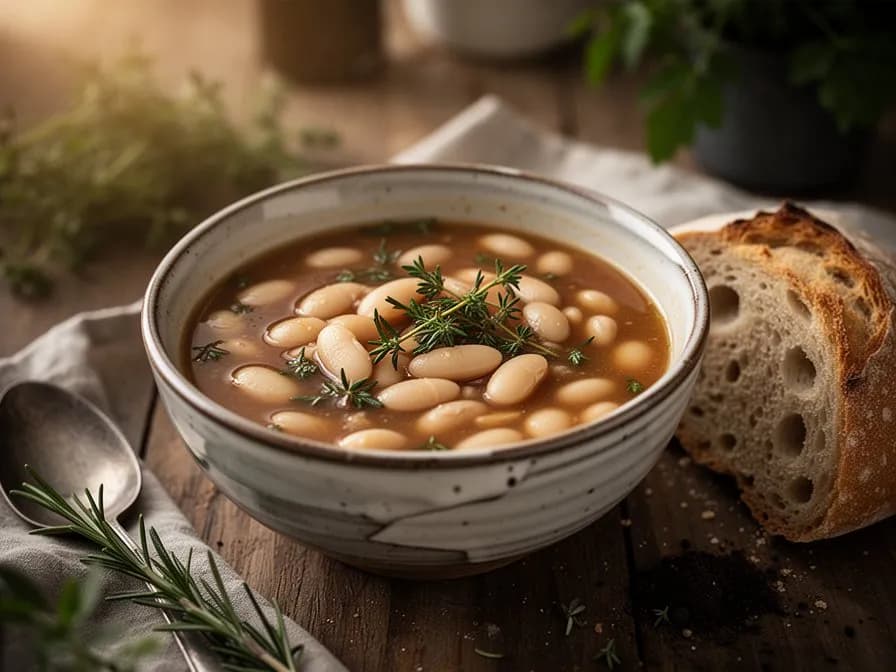
White Bean and Rosemary Bruschetta
15 minA quintessential Tuscan antipasto — creamy cannellini beans roughly mashed with garlic, fresh rosemary, and premium olive oil, spooned onto grilled rustic bread. Deceptively simple and utterly addictive as a starter or light lunch.
8 ingredientesCannellini Bean Salad with Tuna and Red Onion
10 minA refreshing Italian pantry salad that comes together in minutes — tender cannellini beans tossed with quality tuna, sharp red onion, and a bright lemon-herb vinaigrette. Perfect for a protein-packed lunch or a quick summer dinner.
8 ingredientesUsos culinarios
Los cannellini son la alubia premium italiana: estrellas de la ribollita toscana, la pasta e fagioli, la fagioli all'uccelletto con tomate y salvia. Se sirven tibios con aceite de oliva virgen extra como contorno, en ensaladas con atún, en purés cremosos y como acompañamiento de carnes y pescados.
Qué contiene
Beneficios para la salud
- Outstanding source of plant-based protein at 23g per 100g dried — combining cannellini beans with grains creates a complete protein with all essential amino acids, making them a cornerstone of healthy vegetarian and vegan diets.
- Exceptionally high in dietary fiber (12.7g per 100g), which lowers LDL cholesterol by binding bile acids in the digestive tract, supports blood sugar regulation, and promotes satiety for healthy weight management.
- Rich in folate (B9), providing over 100% of the daily value per cooked cup — essential for DNA synthesis, red blood cell formation, and especially critical during pregnancy for preventing neural tube defects.
- Excellent source of iron (5.5mg per 100g) and magnesium (190mg per 100g), supporting oxygen transport, energy metabolism, and muscle and nerve function. Pairing with vitamin C-rich foods enhances iron absorption.
- Contains significant resistant starch that resists digestion in the small intestine and ferments in the colon, acting as a prebiotic that feeds beneficial gut bacteria and produces short-chain fatty acids linked to reduced colon cancer risk.
- Low glycemic index food that releases glucose slowly into the bloodstream — regular consumption of cannellini beans is associated with improved glycemic control and reduced risk of type 2 diabetes in multiple population studies.
De dónde viene Frijol Cannellini
The cannellini bean (Phaseolus vulgaris) traces its ultimate ancestry to wild bean populations in Central America and the Andes of South America, where the common bean was independently domesticated at least twice — in Mesoamerica around 7,000 years ago and in the Peruvian Andes around 8,000 years ago. These early domesticated beans were small, dark-seeded varieties far removed from the large, creamy-white cannellini we know today.
Common beans arrived in Europe in the early 16th century following Spanish and Portuguese exploration of the Americas. Italy embraced the new crop with particular enthusiasm, and Tuscan farmers and gardeners began selecting for larger, white-seeded varieties with creamy texture and mild flavor. By the 17th and 18th centuries, the cannellini bean had become a defining ingredient of Tuscan cuisine — appearing in soups, salads, stews, and as a simple side dish dressed with olive oil and sage. The bean became so central to Tuscan identity that other Italian regions mockingly called Tuscans 'mangiafagioli' (bean eaters), a nickname that persists affectionately today.
Throughout the 19th and 20th centuries, Italian immigrants carried cannellini beans to communities worldwide — to Argentina, Australia, the United States, and beyond — spreading both the seed and the culinary traditions surrounding it. Today, cannellini beans are grown commercially in Italy, Argentina, the United States, and parts of East Africa. They remain the premium white bean of Italian cuisine and have gained global popularity as plant-based diets have highlighted their exceptional protein and fiber content. Modern gardeners prize cannellini beans not only for their culinary versatility but also for their ability to fix nitrogen and improve garden soil.
Frijol Cannellini: ¿sabías que?
Datos fascinantes sobre Frijol Cannellini
Cannellini beans get their name from the Italian word 'cannellino,' a diminutive of 'cannella' (tube or pipe), referring to the elongated kidney shape of the bean — they are the largest and most elegant of the white bean family.
Frijol Cannellini: preguntas frecuentes
¿Cuándo debo plantar Frijol Cannellini?
¿Cuáles son buenas plantas acompañantes para Frijol Cannellini?
¿En qué zonas de rusticidad puede crecer Frijol Cannellini?
¿Cuánto sol necesita Frijol Cannellini?
¿A qué distancia debo espaciar Frijol Cannellini?
¿Qué plagas y enfermedades afectan a Frijol Cannellini?
¿Cómo almaceno Frijol Cannellini después de la cosecha?
¿Cuáles son las mejores variedades de Frijol Cannellini para cultivar?
¿Qué suelo necesita Frijol Cannellini?
Do I need to soak cannellini beans before cooking them?
What is the difference between cannellini beans and other white beans?
Why are my cannellini bean plants flowering but not setting pods?
Can I eat cannellini beans fresh from the pod or must they be dried?
How do I store home-grown dried cannellini beans?
Do cannellini beans improve the soil for other plants?
Acabas de leer la teoría. Ahora cultívala en piloto automático.
Todo lo que hace que Frijol Cannellini sea delicado — el momento, el espaciado, las asociaciones, la ventana de cosecha — es justo lo que PlotMyGarden resuelve por ti, para cada planta de tu huerto.
Un plan que conoce tu clima
Indica tu ubicación una vez. Recibe fechas de siembra, abonado y cosecha basadas en tu última helada real y el pronóstico en vivo — sin adivinar con un sobre genérico.
De la sección “Cuándo plantar”Planificador de bancales de arrastrar y soltar
Diseña bancales sobre una cuadrícula. Cada planta encaja con su espaciado correcto y ves toda la temporada antes de gastar un céntimo en semillas.
De la sección “Cultivo”Conflictos de asociación, detectados a tiempo
Más de 200 buenas y malas combinaciones comprobadas en vivo mientras plantas — para que un error que arruine la temporada nunca llegue a la tierra.
De la sección “Asociaciones”Recordatorios que sí vas a seguir
“Riega las judías.” “Recoge hoy antes de que se pase.” Oportunos, concretos y ligados a las plantas que de verdad cultivas.
De la sección “Cosecha”Escalonado, programado
¿Quieres cosechar seis semanas en vez de seis días? Reparte tus siembras automáticamente y te avisa cuando toca el siguiente lote.
De la sección “Cuándo plantar”Un registro que se vuelve más listo
Cada cosecha que registras le enseña tu huerto. El plan del año que viene parte de lo que de verdad funcionó en tu suelo, no en un manual.
De la sección “Resumen”Planta estos junto a Frijol Cannellini
Más Legumbres
Mantén Frijol Cannellini lejos de estos
Cultiva tu mejor Frijol Cannellini — y todo lo que la rodea.
Empieza un plan gratis hoy. Diseña tus bancales, coloca tu Frijol Cannellini y deja que PlotMyGarden gestione el momento, el espaciado, las asociaciones y los recordatorios de la semilla a la cesta.