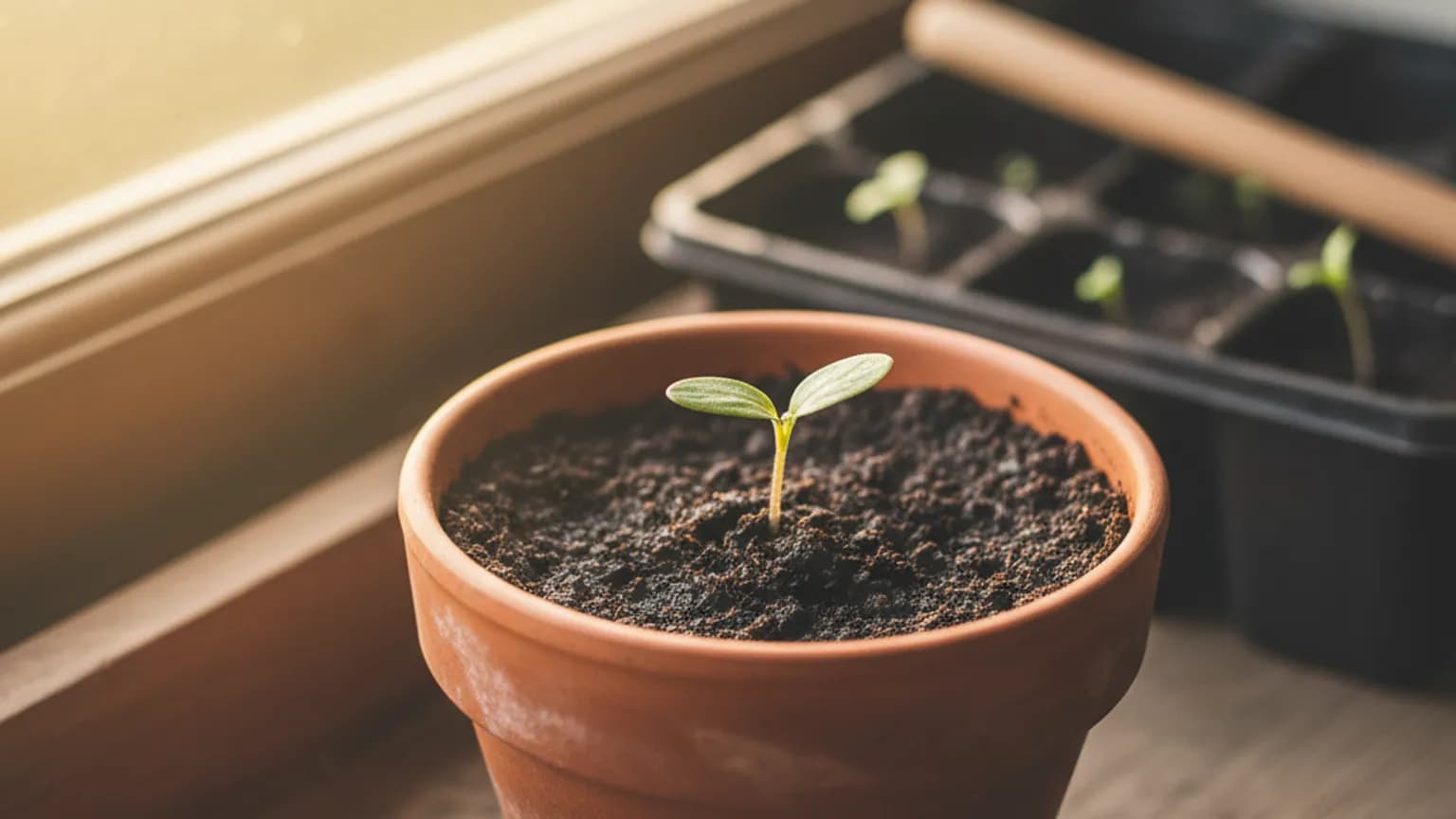
Cherokee Purple Tomato
Solanum lycopersicum
At a Glance
It's planting season for Cherokee Purple Tomato! Start planning your garden now.
One of the most beloved heirloom tomatoes in the world, producing large dusky rose-purple fruits with famously rich, sweet-savory flavor. Cherokee Purple is one of the benchmark varieties people mean when they talk about a tomato being worth growing for flavor alone. The fruits are broad, soft-shouldered, and rarely supermarket-neat, but that rough heirloom look is part of their authority. Once cut, they deliver the kind of dense, juicy, savory sweetness that makes gardeners forgive every cosmetic imperfection. It is grown first and foremost for unforgettable fresh eating. If you want a tomato that justifies all the effort of staking, mulching, watering, and watching the weather because the payoff is unmistakable at the table, Cherokee Purple belongs high on the list.
Planting & Harvest Calendar
Growth Stages
From Seed to Harvest
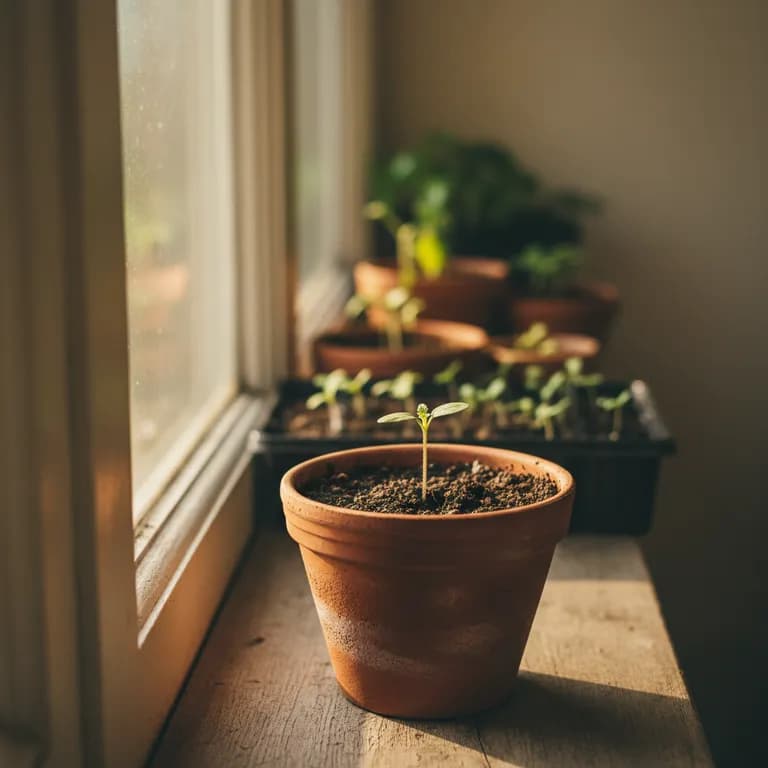
Seed Starting
Days 0–12
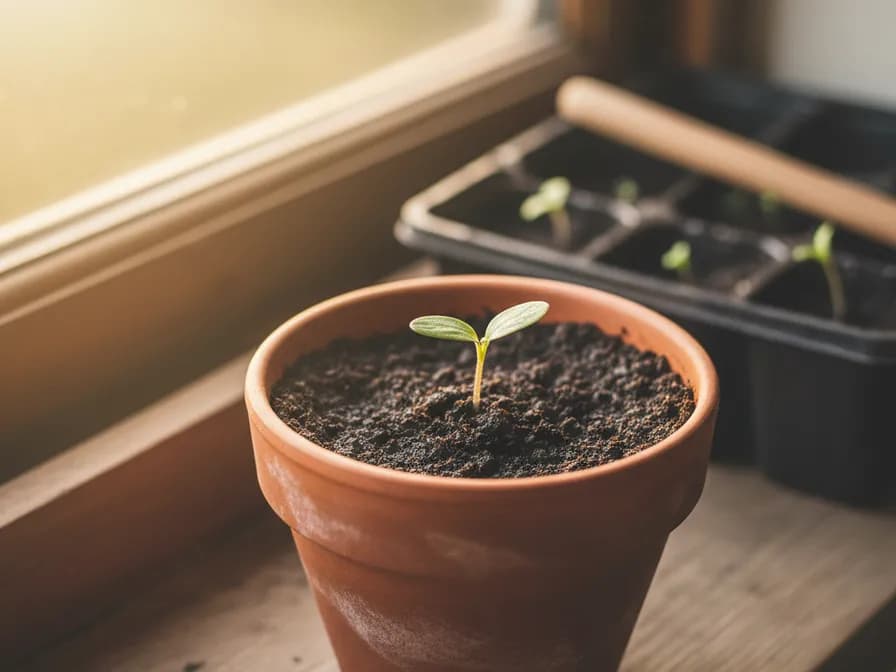
Seeds germinate quickly in warm mix and produce rounded cotyledons followed by the first serrated true leaves.
💡 Care Tip
Maintain 21-27°C (70-80°F) for fast germination and give bright light immediately to prevent weak, stretched seedlings.
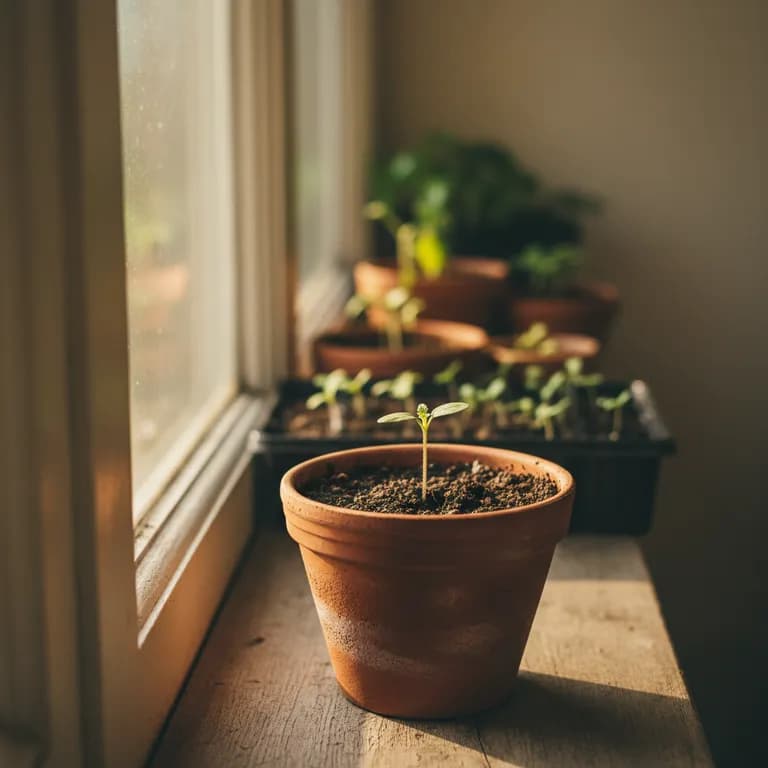
Cherokee Purple seedlings benefit from warmth, strong light, and early potting on.
Monthly Care Calendar
What to do each month for your Cherokee Purple Tomato
May
You are hereTransplant after frost danger passes and nights stay reliably above 10°C (50°F). Mulch, water deeply, and install support immediately.
Did You Know?
Fascinating facts about Cherokee Purple Tomato
Cherokee Purple appears on more 'best tasting tomato' lists than almost any other heirloom.
Start Cherokee Purple indoors 6-8 weeks before the last frost and transplant deeply into warm compost-rich soil after all danger of frost. The vines are indeterminate, substantial, and deserving of strong support plus good spacing for airflow.
This is a flavor-first tomato, so your management should protect fruit quality: mulch heavily, water evenly, and prune just enough to keep disease in check without exposing fruit too harshly. Fruits are often irregular, but when grown well they are among the most rewarding slicers in the entire garden.
Cherokee Purple should be grown with the understanding that beauty is secondary and flavor is the whole point. It is not a variety selected for perfect skin, supermarket shelf life, or easy transport. Instead, it excels when a gardener protects the plant from stress long enough for the fruit to build its dense, dusky, sweet-savory interior character.
Because the fruits are large and the skins are heirloom-delicate, small management errors show up fast. Hard swings between dry and wet split the shoulders, crowding traps humidity, and aggressive pruning exposes fruit to harsh sun. Managed calmly, though, Cherokee Purple remains one of the most convincing arguments for growing heirloom tomatoes at all.
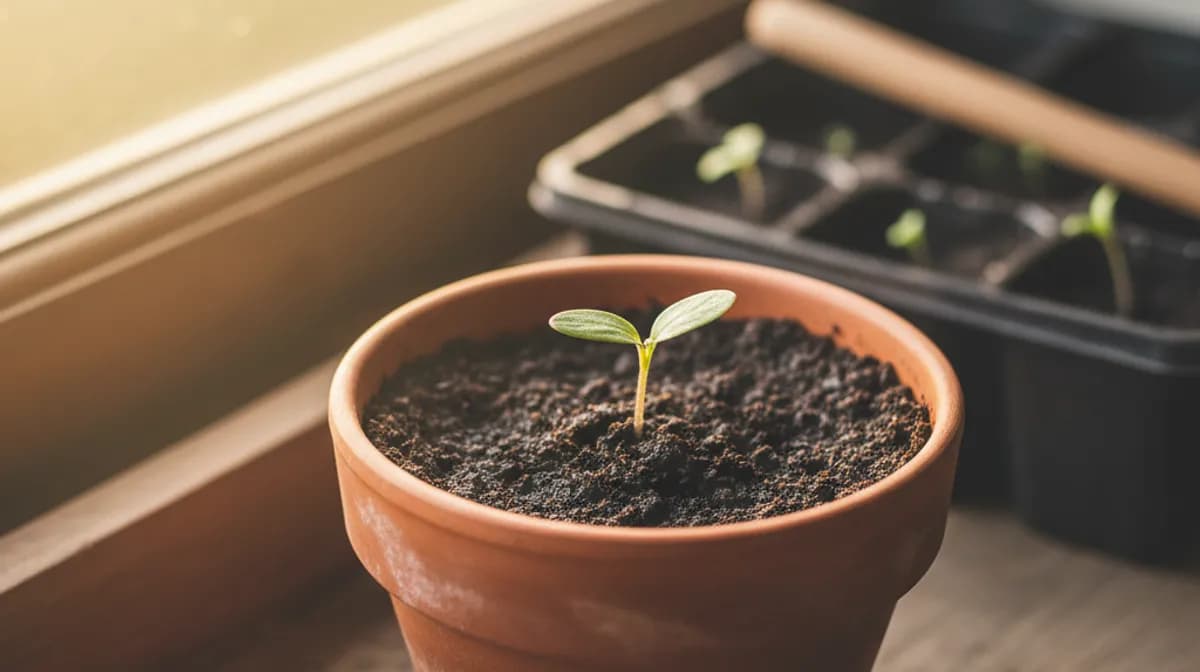
Cherokee Purple performs best with strong support, full sun, and an evenly mulched root zone.
Cherokee Purple gained wide recognition through seed-saving networks that preserved unusual and flavorful old tomatoes before heirloom diversity became mainstream. Its often-repeated oral history connects it to seed shared through Cherokee-associated lines, and whether every detail can be documented or not, the variety earned its enduring fame through taste. It remains one of the benchmark tomatoes in heirloom gardens worldwide.
Sow in warm sterile mix under strong light, pot up before roots bind, and harden off gradually. Cherokee Purple behaves best when the seedlings never suffer a major early setback.
Heirloom slicers like this resent cold shock, weak light, and overcrowded roots. Keep seedlings compact, move them up into larger pots before they stall, and bury part of the stem at pot-up to encourage a larger root system.
Do not transplant just because the calendar says it is time. Wait for genuinely warm soil and settled nights. A confident early establishment period pays back later in fruit size, disease resilience, and overall eating quality.
Use deep fertile soil with plenty of compost and a pH of 6.0-6.8. Cherokee Purple needs a bed that stays evenly moist and biologically active, because large heirloom slicers respond quickly to stress in both texture and flavor.
Moderate feeding is best. Too much nitrogen creates a broad leafy plant that can look impressive while delaying or diluting the fruit quality you actually care about. Compost, a modest pre-plant organic fertilizer, and careful mulching usually create a better long-season foundation than aggressive fertility.
Once fruit sets, shift to potassium-rich nutrition so flavor intensity stays high and the plant continues maturing fruit rather than just pushing more foliage. This variety rewards balanced discipline far more than force.
Check Your Zone
See if Cherokee Purple Tomato is suitable for your location.
18°C – 29°C
64°F – 84°F
Tomato plants thrive in warm conditions. Growth slows below 10°C (50°F), while pollen fertility drops in prolonged heat above 35°C (95°F). The ideal range is warm days and mild nights with consistently warm soil.
Common issues affecting Cherokee Purple Tomato and how to prevent and treat them organically.
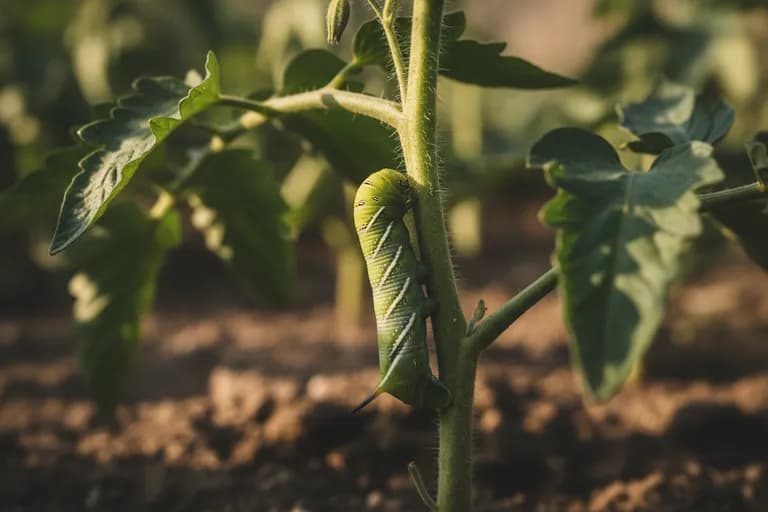
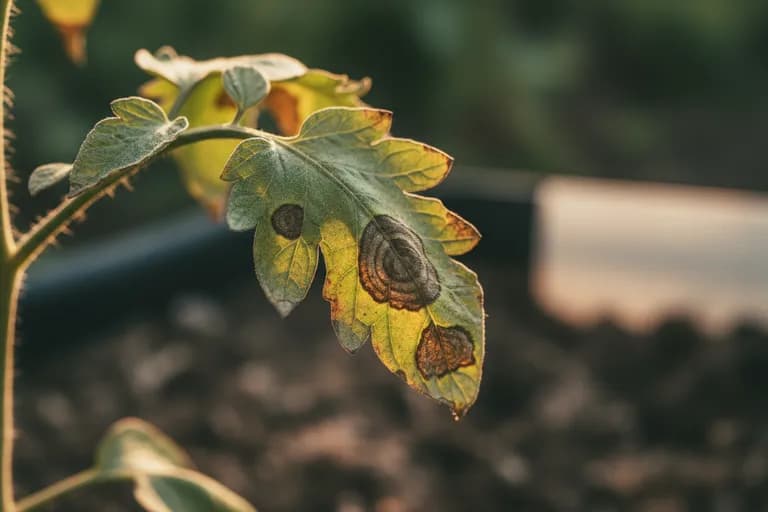
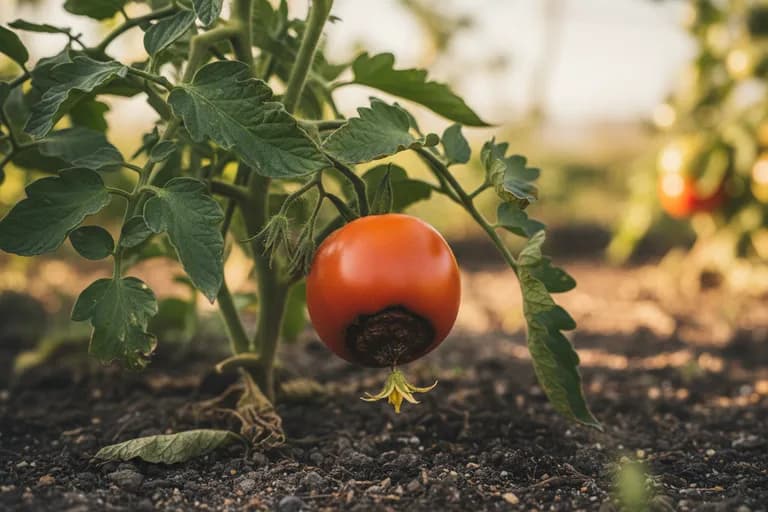
Cracking, cosmetic scars, and uneven ripening are normal for the variety and not signs of failure. Cherokee Purple is not a tidy hybrid, and judging it by polished supermarket standards will only make the plant seem worse than it is.
In humid climates the vine needs careful airflow management to stay productive until the main crop matures. Lower-leaf cleanup, generous spacing, and mulch matter because this variety is valuable enough that protecting the canopy from avoidable disease pressure is worth the effort.
The biggest practical issue is often grower expectation. People expect a famous tomato to look perfect, when the truth is that Cherokee Purple often wins with texture and taste long before it wins on appearance.
Grow with basil, parsley, and marigolds while leaving enough open space that humidity does not build inside the canopy. Companion plants should support biodiversity without turning the base of the plant into a damp traffic jam. Basil and parsley fit the rhythm especially well because they share warm-season needs and make the harvest area feel genuinely kitchen-ready. Marigolds add insect activity and visual separation while staying low enough not to interfere with support access. Avoid fennel and dense brassica competition nearby, and do not overpack the bed just because the tomato is a prize variety. Cherokee Purple needs room to breathe if you want the fruit to reach late-season quality cleanly.
- 1Wait until the soil is genuinely warm before transplanting. Tomatoes that sit in cold spring ground often lose weeks of momentum.
- 2Plant deeply so buried stem sections root along their length, giving better drought resilience and nutrient uptake.
- 3Use strong support from day one. Tomatoes are easier to manage when they are trained early rather than rescued later.
- 4Mulch heavily to stabilize soil moisture, reduce splash-borne disease, and protect flavor by preventing hard wet-dry swings.
- 5Water deeply rather than constantly sprinkling. Consistency matters far more than sheer volume.
- 6Do not overfeed with nitrogen once flowering begins, or you will get foliage at the expense of fruit.
- 7Harvest promptly in hot or wet weather, because quality can decline very quickly once fruit reaches peak ripeness.
- 8Do not judge success by symmetry. Cherokee Purple is a flavor tomato, not a supermarket-perfect tomato.
- 9If storms are coming, harvest nearly ripe fruit early because heirloom skins can split in one wet night.
Harvest when fruits are heavy, slightly soft, and richly dusky rather than waiting for perfectly even coloration. Cherokee Purple often looks finished before it feels finished, and sometimes feels ready before every shoulder looks fully settled, so ripeness needs to be judged with the whole fruit.
Use pruners and support the fruit because tender heirloom shoulders bruise easily. A ripe fruit should smell full and sweet at the stem end, feel dense in the hand, and give slightly without collapsing. Waiting too long usually does not improve flavor; it just increases the risk of splitting, bruising, or overly soft texture.
If rain is coming, harvest the nearly ripe fruits. Cherokee Purple is too valuable as a slicer to lose to one storm after weeks of waiting for peak color and texture.
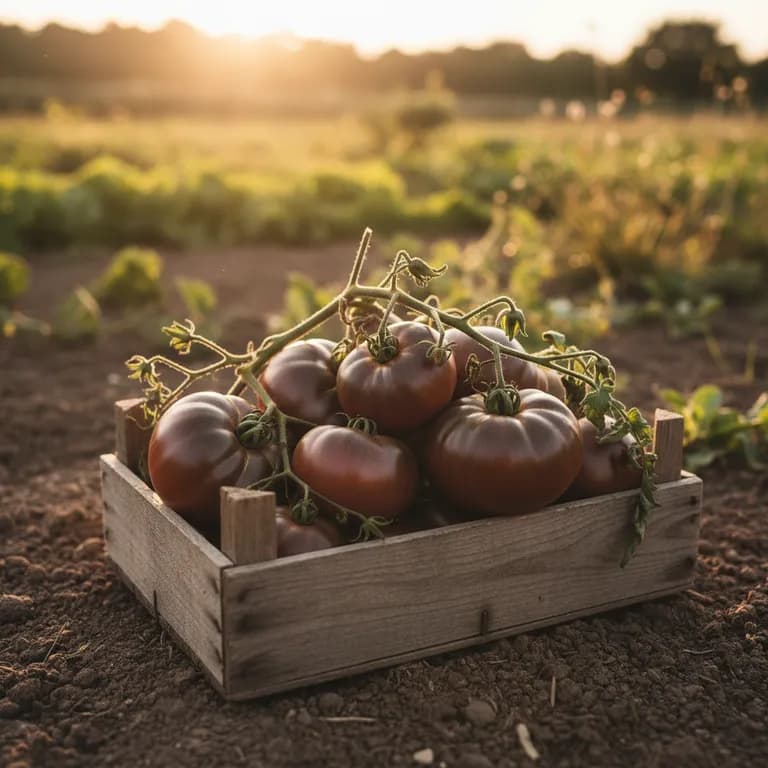
Cherokee Purple should be harvested at full flavor, before weather or over-softening reduces quality.
Best eaten within a few days at room temperature. Cherokee Purple is a peak-window tomato, and the very best fruits deserve to be used while the flesh is still lush, fragrant, and softly structured.
Extra fruits can be roasted, turned into luxurious gazpacho, or frozen after cooking, but this variety is at its peak in fresh slices. Refrigeration flattens too much of what makes it memorable, so cold storage should be a last resort rather than a standard habit.
If you do have fruit that is cracked, rough, or a little too ripe for neat sandwich slices, it still cooks beautifully. The flavor carries into gazpacho, roasted pans, and rich quick sauces with more depth than many standard red slicers.
Plan your garden with ease
Love growing Cherokee Purple Tomato? Use our free garden planner to design your beds, track planting dates, and get personalized care reminders.
Nutritional Info
Per 100g serving
18
Calories
Health Benefits
- Tomatoes are rich in antioxidants including lycopene and beta-carotene, compounds associated with cardiovascular and cellular protection.
- They provide vitamin C for immune support and collagen production while staying very low in calories.
- Tomatoes contribute potassium, helping support normal fluid balance and healthy muscle function.
- Colored specialty tomatoes also offer a wider mix of pigments such as anthocyanins or carotenoids depending on the variety.
- Cooking tomatoes can increase the availability of some beneficial compounds, especially when paired with olive oil.
- Fresh tomatoes add flavor density and nutrition without much energy load, making them one of the most useful vegetables for everyday healthy cooking.
💰 Why Grow Your Own?
Specialty heirloom slicers like Cherokee Purple are expensive when bought locally, so a single productive plant can easily return $30-60 worth of premium fresh tomatoes in a good season.
Cherokee Purple is at its best when the interior texture and color can really be appreciated fresh.
Quick Recipes
Simple recipes using fresh Cherokee Purple Tomato
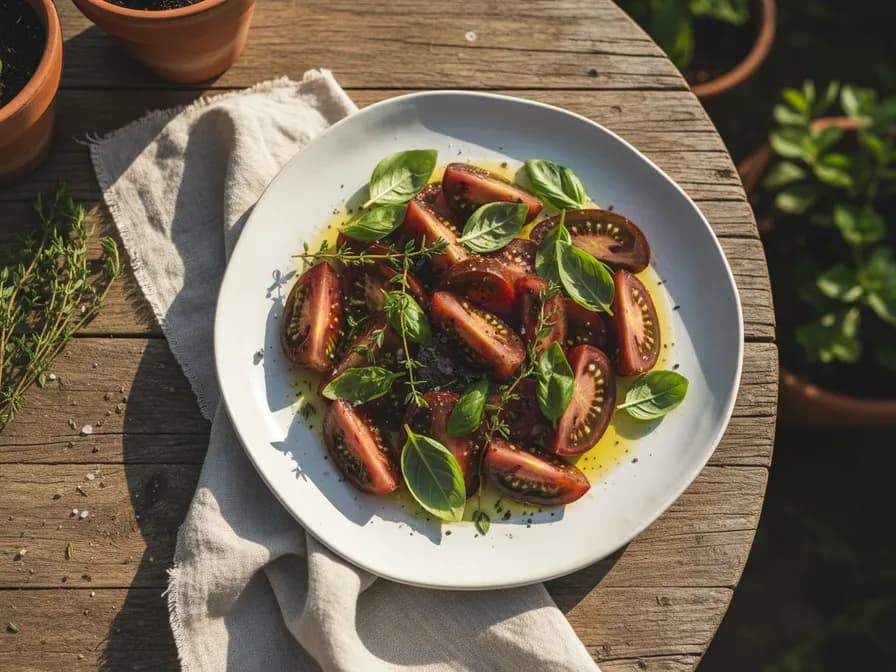
Cherokee Purple Tomato Sandwich
10 minThick juicy slices on toasted bread with mayo, salt, and pepper: the classic heirloom benchmark lunch.
Heirloom Burrata Plate
12 minA no-cook dish that lets the tomato’s complexity dominate with burrata, basil, and olive oil.
Savory Purple Gazpacho
20 minA chilled soup with more depth and body than standard red-garden gazpacho.
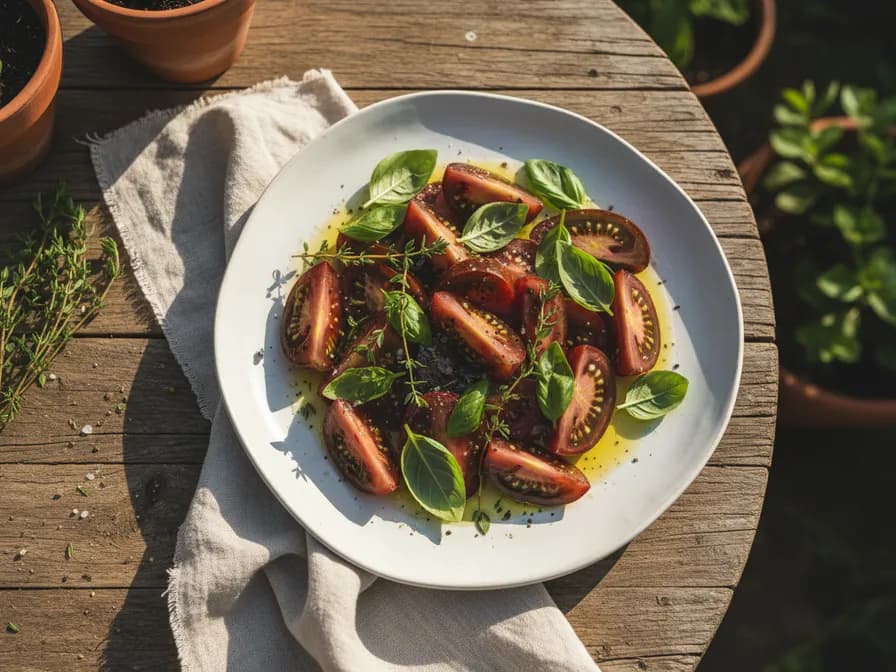
Cherokee Purple shines in straightforward recipes that let the variety’s natural character lead.
Yield & Spacing Calculator
See how many Cherokee Purple Tomato plants fit in your garden bed based on the recommended 60cm spacing.
4
Cherokee Purple Tomato plants in a 4×4 ft bed
2 columns × 2 rows at 60cm spacing
Popular Varieties
Some of the most popular cherokee purple tomato varieties for home gardeners, each with unique characteristics.
Cherokee Purple
The original famous dusky heirloom with profound sweet-savory flavor and broad flattened fruit.
Cherokee Carbon
A hybrid inspired by Cherokee Purple flavor with improved uniformity.
Pink Berkeley Tie Dye
Another specialty tomato grown for dramatic color and bold slicing quality.
Outstanding for tomato sandwiches, caprese, heirloom platters, burrata, fresh salads, and any plate where the tomato itself is the star ingredient.
Cherokee Purple is one of the clearest examples of a tomato that rewards restraint in the kitchen. Thick slices, salt, good bread, soft cheese, olive oil, and a few herbs are usually all it needs, because the fruit already brings enough sweetness, savoriness, and juice to carry the meal.
It is also superb in chilled soups and simple dressed platters where the dusky color and soft interior can be appreciated fully. Complex cooking is possible, but the real glory of the variety is almost always in fresh, direct eating.
When should I plant Cherokee Purple Tomato?
Plant Cherokee Purple Tomato in March, April, May. It takes approximately 85 days to reach maturity, with harvest typically in July, August, September.
What are good companion plants for Cherokee Purple Tomato?
Cherokee Purple Tomato grows well alongside Basil, Carrot, Marigold, Parsley. Companion planting can improve growth, flavor, and natural pest control.
What hardiness zones can Cherokee Purple Tomato grow in?
Cherokee Purple Tomato thrives in USDA hardiness zones 3 through 11. With greenhouse protection, it may be grown in zones 1 through 12.
How much sun does Cherokee Purple Tomato need?
Cherokee Purple Tomato requires Full Sun (6-8h+). This means at least 6-8 hours of direct sunlight daily.
How far apart should I space Cherokee Purple Tomato?
Space Cherokee Purple Tomato plants 60cm (24 inches) apart for optimal growth and air circulation.
What pests and diseases affect Cherokee Purple Tomato?
Common issues include Tomato Hornworm, Early Blight, Blossom End Rot. Prevention through good garden practices like crop rotation, proper spacing, and companion planting is the best approach. See the detailed pests and diseases section above for symptoms, prevention, and treatment for each.
How do I store Cherokee Purple Tomato after harvest?
Best eaten within a few days at room temperature. Cherokee Purple is a peak-window tomato, and the very best fruits deserve to be used while the flesh is still lush, fragrant, and softly structured. Extra fruits can be roasted, turned into luxurious gazpacho, or frozen after cooking, but this varie...
What are the best Cherokee Purple Tomato varieties to grow?
Popular varieties include Cherokee Purple, Cherokee Carbon, Pink Berkeley Tie Dye. Each has unique characteristics suited to different growing conditions and culinary preferences. See the varieties section above for detailed descriptions.
What soil does Cherokee Purple Tomato need?
Use deep fertile soil with plenty of compost and a pH of 6.0-6.8. Cherokee Purple needs a bed that stays evenly moist and biologically active, because large heirloom slicers respond quickly to stress in both texture and flavor. Moderate feeding is best. Too much nitrogen creates a broad leafy plant...
Why does Cherokee Purple often look rough or uneven?
Because it is an old heirloom selected for flavor rather than shipping perfection. Uneven shoulders, minor cracking, and irregular shape are common and usually cosmetic only.
Is Cherokee Purple really worth the extra effort?
For gardeners who care deeply about flavor, yes. It is one of the benchmark heirloom slicers and often outperforms more orderly-looking varieties in blind tastings.
Should Cherokee Purple be refrigerated after picking?
Only if absolutely necessary. Like most ripe tomatoes, it loses flavor quickly in the cold and is best held at room temperature for short-term use.
Ready to Grow Cherokee Purple Tomato?
Add Cherokee Purple Tomato to your garden plan and start designing your perfect layout.

Vladimir Kusnezow
Gardener and Software Developer
Zone 6b gardener. Growing vegetables and fruits in soil and hydroponics for 6 years. I built PlotMyGarden to plan my own gardens.
Jump to Section