Balloon Flower
Platycodon grandiflorus
At a Glance
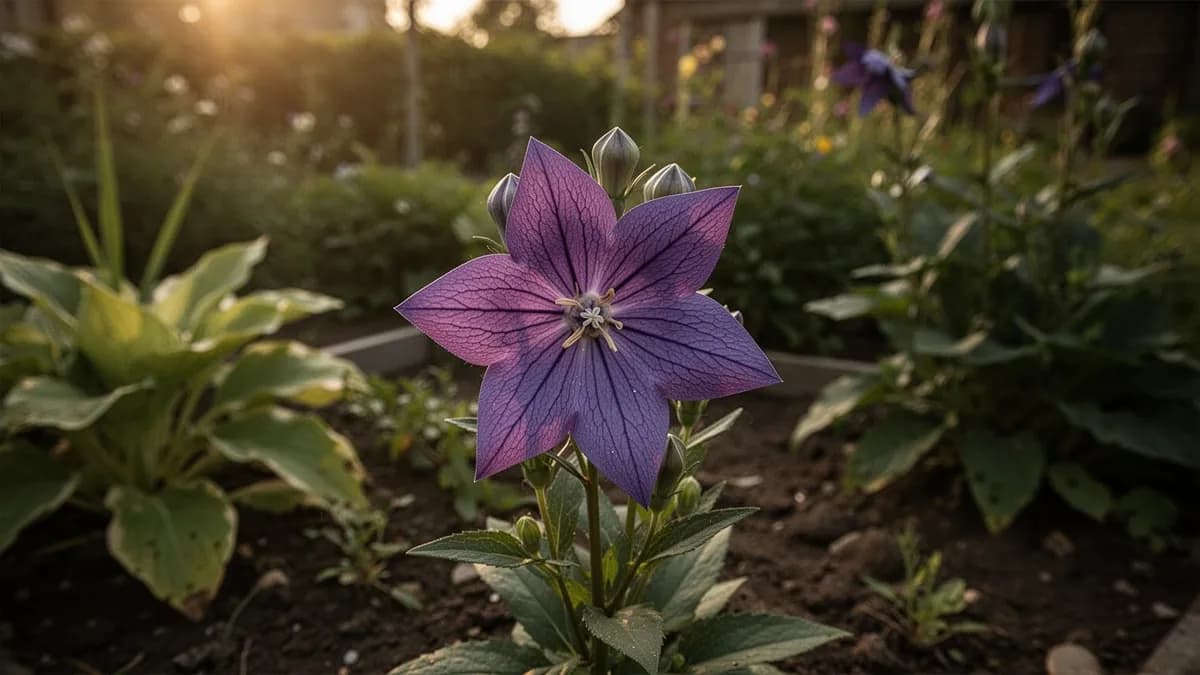
A charming perennial named for its inflated balloon-like buds that pop open into star-shaped blue, pink, or white bell flowers. Balloon flower is late to emerge in spring so mark its location carefully to avoid accidental digging. Once established, it is long-lived, deer resistant, and trouble-free in well-drained soil.
Planting & Harvest Calendar
Growth Stages
From Seed to Harvest
Seed Stratification and Sowing
Days 0–14
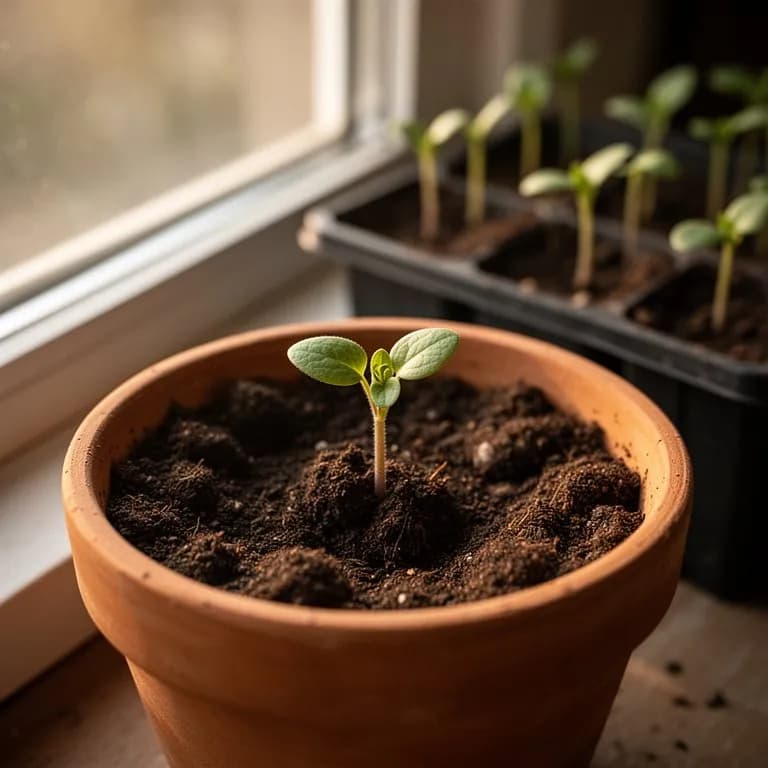
Platycodon seeds benefit from a brief cold stratification of one to two weeks in the refrigerator before sowing. Sow seeds on the surface of moist seed-starting mix and press gently without covering, as they require light for germination. Keep at 18-21°C with consistent moisture.
💡 Care Tip
Seeds are very small and germination can be erratic. Sow more than you need and thin later. A humidity dome helps maintain even moisture without disturbing the tiny seeds.
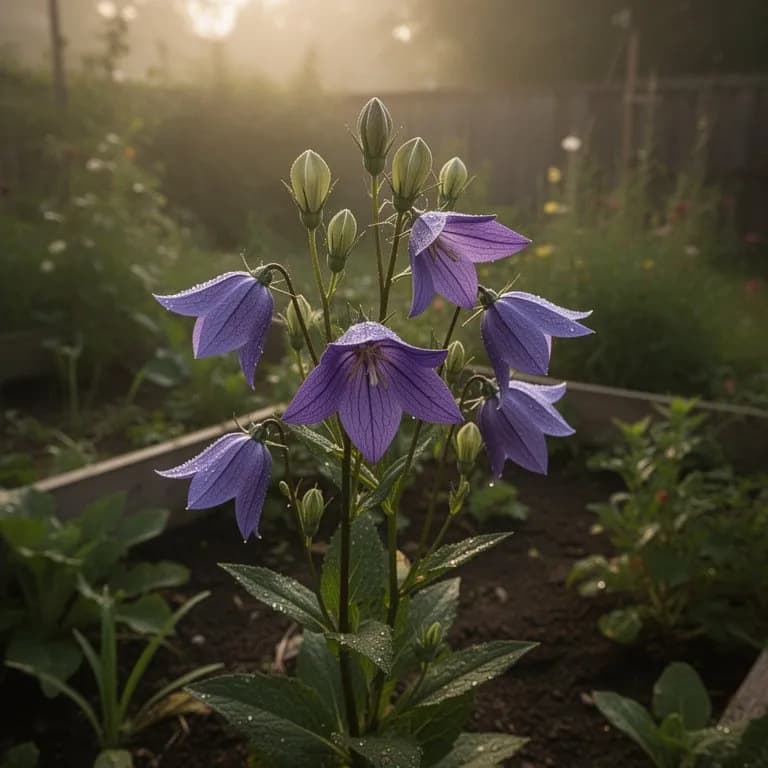
The distinctive puffy buds resemble small hot-air balloons and are irresistible to squeeze gently before they burst open
Monthly Care Calendar
What to do each month for your Balloon Flower
June
You are hereNo specific care tasks for this month.
Did You Know?
Fascinating facts about Balloon Flower
The balloon flower is one of the very last perennials to emerge in spring, often not showing any growth until late April or May, leading many gardeners to mistakenly think the plant has died over winter.
Balloon flower is a charming, long-lived perennial named for its distinctive inflated buds that resemble tiny hot-air balloons before popping open into star-shaped bell flowers. Plant in spring, spacing 12-18 inches apart in full sun to partial shade with well-drained soil.
The inflated buds are endlessly entertaining—children love squeezing them to watch them pop open. The star-shaped flowers appear in blue, pink, or white from early to midsummer, each lasting several days. Deadheading spent blooms encourages continued flowering.
Critical note: balloon flower is extremely late to emerge in spring, often not showing above ground until late May. Mark its location clearly with a plant label to avoid accidentally digging it up while gardening in early spring. Once established, it is remarkably long-lived (20+ years), deer resistant, and trouble-free.
Platycodon grandiflorus is native to the temperate grasslands and mountain meadows of East Asia, with its natural range spanning northeastern China, Manchuria, the Korean Peninsula, Japan, and parts of the Russian Far East. The plant thrives in well-drained, sandy or loamy soils on hillsides and forest margins at elevations up to 2000 meters. Archaeological and textual evidence suggests that humans have cultivated and harvested platycodon roots for at least two millennia. The earliest recorded medicinal use appears in the Shennong Bencao Jing, an ancient Chinese pharmacopoeia compiled around the first century CE, where the root (jiegeng in Chinese) was prescribed for respiratory ailments, throat inflammation, and as an expectorant. In Korea, doraji root became deeply embedded in culinary and folk traditions. Rural communities gathered wild roots from mountain slopes each autumn, a practice celebrated in the beloved folk song Doraji Taryeong. The root was prepared as a seasoned salad (namul), added to bibimbap, or dried and brewed as a tea believed to soothe coughs and clear phlegm. Korean traditional medicine (hanbang) classified doraji as a lung-tonifying herb and it remains a common ingredient in herbal formulations sold in pharmacies today. Japanese gardeners embraced the ornamental beauty of the balloon flower (kikyo) early in the country's horticultural history. The five-petaled blossom became one of the most popular motifs in Japanese heraldry, adopted as a family crest by the Akechi, Toki, and other prominent samurai clans. The flower also carries symbolic meaning in the Japanese language of flowers (hanakotoba), representing endless love and honesty. Western botanists first described the species in the eighteenth century, and it was introduced to European and North American gardens in the 1840s. Modern breeding programs have produced compact dwarf cultivars, double-flowered forms, and color variants in white, pink, and deep blue, greatly expanding its popularity as a border perennial in temperate gardens worldwide.
Sow seeds on the surface of moist seed compost in spring—they need light to germinate. Keep at 65-70°F (18-21°C). Germination takes 14-21 days. Plants may flower in their first year from early sowing. Once established, do not divide or transplant—the deep taproot makes this nearly impossible.
Balloon flower thrives in average, well-drained soil with a pH of 5.5-7.5. It tolerates a range of conditions but demands good drainage. Avoid heavy, wet clay. Apply a balanced fertilizer in spring. Lean conditions are fine—this plant doesn't need rich soil.
Check Your Zone
See if Balloon Flower is suitable for your location.
-30°C – 32°C
-22°F – 90°F
Platycodon grandiflorus is an exceptionally cold-hardy perennial, thriving in USDA zones 3 through 8. The fleshy taproot survives winter temperatures down to -30°C or below when established. Active growth occurs between 15-25°C, and the plant performs best in climates with warm summers and cold winters that provide a natural dormancy period. Prolonged heat above 32°C combined with high humidity can stress the plant and promote root rot, so afternoon shade and excellent drainage are important in warmer zones.
Common issues affecting Balloon Flower and how to prevent and treat them organically.
Accidental digging in spring is the number one cause of loss—mark the location clearly. The fleshy taproot resents transplanting, so choose the planting site carefully. Tall varieties may need staking in rich soil. Cut back by half in early June to promote bushier, shorter growth if flopping is an issue.
Balloon flower pairs beautifully with shasta daisies, veronica, and achillea for a classic perennial border. The blue flowers complement golden daylilies and yellow coreopsis. Plant alongside later-emerging companions that fill the space while balloon flower is still dormant in spring.
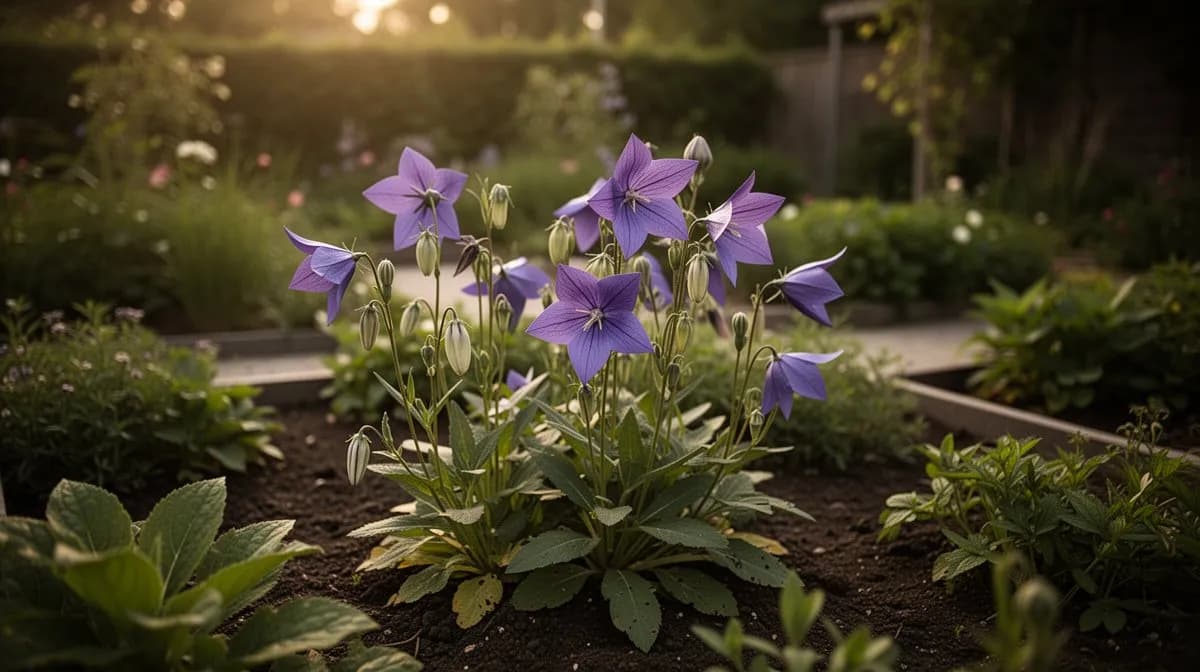
Balloon flowers combine beautifully with coneflowers, daylilies, and low ornamental grasses in sunny borders
- 1Mark your platycodon locations with stakes or labels in autumn because the plants emerge extremely late in spring, often weeks after other perennials, and are easily damaged by early-season digging or weeding.
- 2Never attempt to transplant or divide established platycodon plants. The deep, fleshy taproot resents disturbance and damaged roots rarely recover. Start new plants from seed or purchase nursery-grown specimens instead.
- 3Provide well-drained soil with a slightly acidic to neutral pH of 5.5 to 7.0. The thick taproot is highly susceptible to rot in heavy clay or waterlogged conditions, so amend dense soils with coarse sand or perlite before planting.
- 4Pinch stem tips once in early summer when plants reach about 15 cm tall to encourage bushier, more compact growth and reduce the need for staking. This is especially helpful for taller cultivars like Fuji Blue.
- 5Deadhead spent flowers by snipping just below the faded bloom rather than removing the entire stem. Each stem produces multiple buds, and cutting too low removes unopened flowers further down.
- 6If growing for root harvest (doraji), choose the species type rather than dwarf cultivars, as the species produces larger, more vigorous taproots. Plant in deeply prepared, loose soil to allow the taproot to develop without forking.
- 7Soak freshly harvested roots in several changes of cold water overnight to remove the natural bitterness from saponins before cooking. Splitting the roots lengthwise and rubbing with coarse salt accelerates this process.
- 8Balloon flowers are deer-resistant and rarely bothered by serious pest or disease problems. The most common issue is crown rot from excessive moisture, which is easily prevented by ensuring excellent drainage and avoiding overhead watering.
- 9Grow dwarf cultivars like Sentimental Blue or Astra Blue in containers using a gritty, fast-draining potting mix. Containers should be at least 30 cm deep to accommodate the taproot, and plants need winter protection in zones below 5.
- 10Collect seeds from dried capsules in autumn by cutting the brown seed heads and shaking them into a paper bag. Seeds germinate best when fresh and given a two-week cold stratification period before spring sowing.
Cut balloon flower stems when several buds are inflated and showing color. The buds will pop open in the vase—a delightful surprise in arrangements. Sear cut stem ends with a flame or dip in boiling water to stop the milky sap from clogging. Flowers last 5-7 days in water.
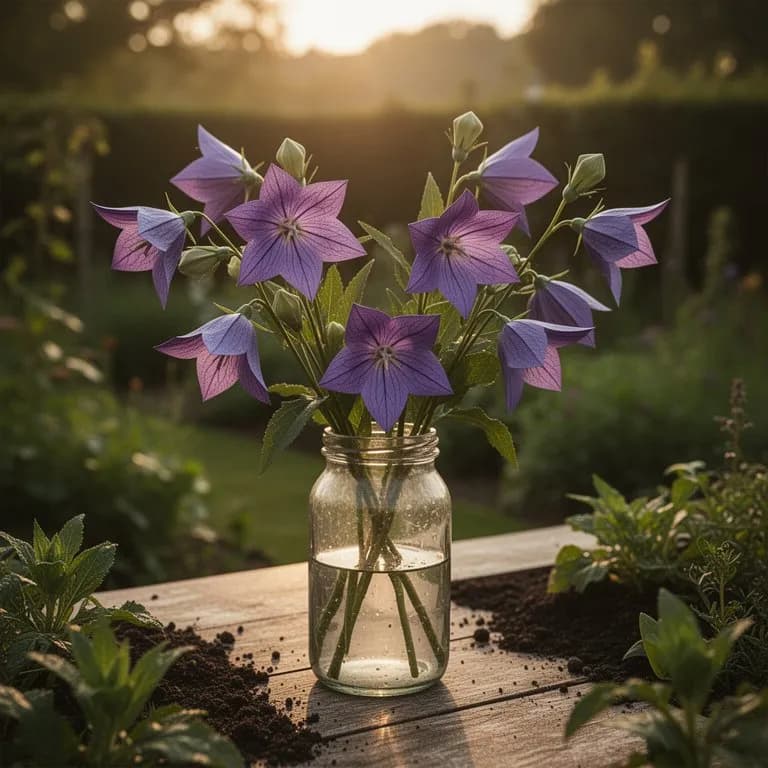
Roots are typically harvested from two- to three-year-old plants when they have developed enough starch and saponin content
Balloon flower is fully hardy and long-lived. Mark its location before it goes dormant. Do not divide—it resents disturbance and has a fleshy taproot that does not transplant well once established. Leave in place permanently.
Plan your garden with ease
Love growing Balloon Flower? Use our free garden planner to design your beds, track planting dates, and get personalized care reminders.
Nutritional Info
Per 100g serving
78
Calories
Health Benefits
- Rich in triterpenoid saponins (platycodin D) with documented anti-inflammatory and expectorant properties
- Contains inulin, a prebiotic dietary fiber that supports beneficial gut bacteria and digestive health
- Good source of plant-based calcium at approximately 60 mg per 100g of fresh root
- Provides betulinic acid and other pentacyclic triterpenes studied for antioxidant potential
- Low in fat and sodium, making it suitable for heart-healthy and reduced-sodium diets
- Traditional Korean medicine values the root for supporting lung health and soothing sore throats
💰 Why Grow Your Own?
A single platycodon plant costs $4-8 as a nursery perennial and returns reliably for 10-20 years or more without any replanting cost. Dried doraji root sells for $15-30 per pound at Korean grocery stores, so harvesting roots from a small home patch of 8-10 mature plants can provide a year's supply of this specialty ingredient worth $50-80. The plants also self-sow gently, providing free new plants each year that can be transplanted or shared with fellow gardeners.
Quick Recipes
Simple recipes using fresh Balloon Flower
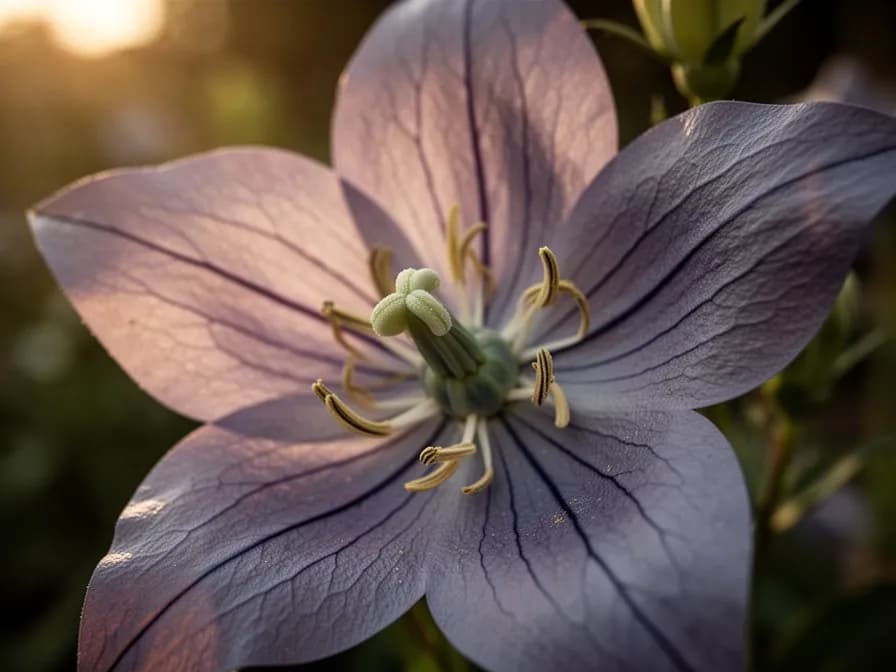
Doraji Namul (Korean Seasoned Bellflower Root Salad)
30 minutes plus overnight soakingA classic Korean side dish (banchan) where peeled and shredded platycodon roots are soaked overnight to remove bitterness, then blanched briefly and tossed with sesame oil, garlic, soy sauce, and toasted sesame seeds. The result is a mildly sweet, pleasantly chewy salad with earthy undertones that pairs beautifully with steamed rice and other banchan.
Doraji Cha (Bellflower Root Tea)
20 minutes plus drying timeA traditional Korean herbal tea brewed from dried and sliced platycodon root. The tea has a mildly bitter, earthy flavor often softened with honey or jujube dates. It has been consumed for centuries as a soothing remedy for sore throats and coughs, and is still commonly served in Korean traditional tea houses.
Doraji Japchae (Stir-Fried Bellflower Root with Vegetables)
40 minutesA savory stir-fry featuring soaked and blanched platycodon root strips cooked with colorful vegetables in a sesame-soy glaze. The bellflower root adds a unique crunchy-chewy texture that absorbs the savory sauce beautifully. This dish is often served at Korean holiday meals and celebrations as part of a festive spread.
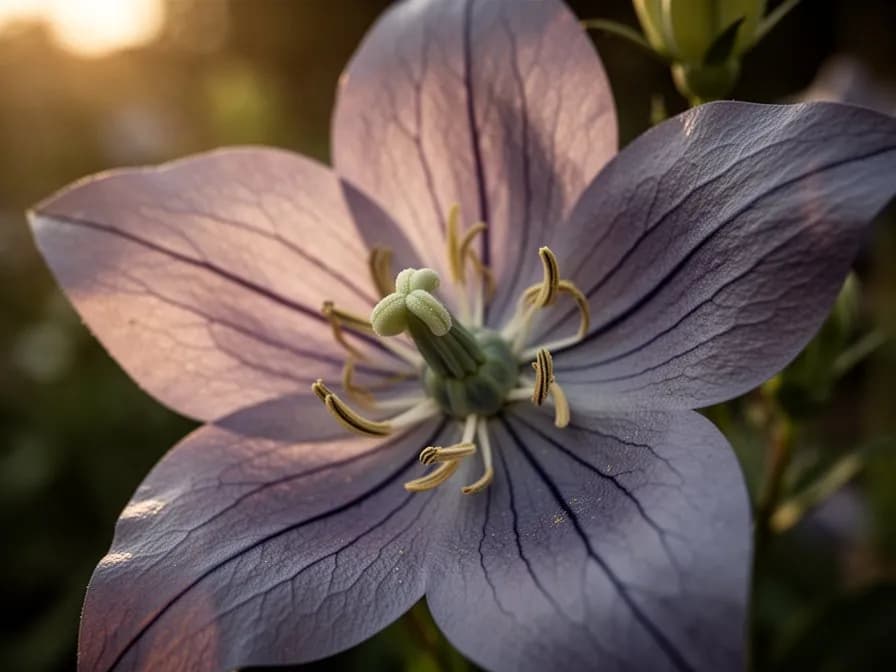
In Korean cuisine the fleshy taproot known as doraji is a prized ingredient in salads, stir-fries, and traditional medicine
Yield & Spacing Calculator
See how many Balloon Flower plants fit in your garden bed based on the recommended 30cm spacing.
16
Balloon Flower plants in a 4×4 ft bed
4 columns × 4 rows at 30cm spacing
Popular Varieties
Some of the most popular balloon flower varieties for home gardeners, each with unique characteristics.
Platycodon 'Sentimental Blue'
Compact 6-8 inch dwarf variety with large blue flowers. Perfect for rock gardens and containers.
Platycodon grandiflorus 'Fuji Blue'
The classic tall variety at 24 inches with large, deep blue flowers. The standard garden form.
Platycodon 'Astra' series
Semi-double flowers in blue, pink, and white on compact plants. More petals create a fuller look.
Platycodon grandiflorus 'Shell Pink'
Soft shell-pink flowers. A gentle alternative to the typical blue forms.
White cultivars such as Fuji White offer an elegant alternative to the classic blue-violet blooms
When should I plant Balloon Flower?
Plant Balloon Flower in March, April, May. It takes approximately 365 days to reach maturity, with harvest typically in June, July, August.
What are good companion plants for Balloon Flower?
Balloon Flower grows well alongside Shasta Daisy, Speedwell, Yarrow. Companion planting can improve growth, flavor, and natural pest control.
What hardiness zones can Balloon Flower grow in?
Balloon Flower thrives in USDA hardiness zones 3 through 9. With greenhouse protection, it may be grown in zones 1 through 10.
How much sun does Balloon Flower need?
Balloon Flower requires Full Sun (6-8h+). This means at least 6-8 hours of direct sunlight daily.
How far apart should I space Balloon Flower?
Space Balloon Flower plants 30cm (12 inches) apart for optimal growth and air circulation.
What pests and diseases affect Balloon Flower?
Common issues include Crown Rot, Slugs. Prevention through good garden practices like crop rotation, proper spacing, and companion planting is the best approach. See the detailed pests and diseases section above for symptoms, prevention, and treatment for each.
How do I store Balloon Flower after harvest?
Balloon flower is fully hardy and long-lived. Mark its location before it goes dormant. Do not divide—it resents disturbance and has a fleshy taproot that does not transplant well once established. Leave in place permanently.
What are the best Balloon Flower varieties to grow?
Popular varieties include Platycodon 'Sentimental Blue', Platycodon grandiflorus 'Fuji Blue', Platycodon 'Astra' series, Platycodon grandiflorus 'Shell Pink'. Each has unique characteristics suited to different growing conditions and culinary preferences. See the varieties section above for detailed descriptions.
What soil does Balloon Flower need?
Balloon flower thrives in average, well-drained soil with a pH of 5.5-7.5. It tolerates a range of conditions but demands good drainage. Avoid heavy, wet clay. Apply a balanced fertilizer in spring. Lean conditions are fine—this plant doesn't need rich soil.
Why hasn't my balloon flower come up yet in spring when everything else is growing?
Platycodon is famously one of the very last perennials to break dormancy in spring. It is completely normal for shoots not to appear until late April, May, or even early June depending on your climate zone. The plant is almost certainly alive underground. This is why marking the location in autumn is so important, as many gardeners accidentally dig up or damage dormant platycodon crowns while working in the garden in early spring.
Can I really eat balloon flower roots, and how do I prepare them?
Yes, Platycodon grandiflorus root (called doraji in Korean and jiegeng in Chinese) is a well-established edible and medicinal root that has been consumed in East Asia for over two thousand years. To prepare fresh roots for eating, peel off the outer skin, shred or slice the white interior, then soak in several changes of cold water overnight to remove the natural bitterness from saponins. The prepared root can then be seasoned as a salad (namul), stir-fried, or brewed as tea. Harvest roots from plants that are at least two to three years old for the best size and flavor.
Should I cut back my balloon flower in autumn or leave it standing over winter?
You can do either. Cutting stems back to 5 cm above ground level in late autumn after the foliage has fully browned gives the garden a tidy appearance. However, leaving the dried stems standing through winter serves as a useful marker for the plant's location and provides some additional insulation for the crown. In either case, apply a light layer of mulch over the root zone in colder climates (zones 3-5) for extra winter protection.
How do I stop my tall balloon flowers from flopping over?
Tall cultivars reaching 60-90 cm often need support, especially in partially shaded sites or rich soil. The best approach is to pinch the growing tips once in early summer when stems are about 15 cm tall, which encourages shorter, bushier growth. You can also use grow-through ring supports placed early in the season before stems get tall. Alternatively, choose naturally compact cultivars like Sentimental Blue (20 cm), Astra Blue (25 cm), or Pop Star (15 cm) that rarely need staking.
Can balloon flowers be grown in containers on a balcony or patio?
Yes, balloon flowers grow well in containers, but you need to accommodate their deep taproot. Choose a pot at least 30 cm deep and wide, and use a well-draining potting mix amended with perlite or pumice. Dwarf cultivars like Sentimental Blue and Astra series are ideal for containers. Water when the top few centimeters of soil are dry, and feed monthly with a dilute balanced fertilizer during the growing season. In zones below 5, protect containers over winter by moving them to an unheated garage or wrapping with insulation, as roots in pots are more exposed to cold than those in the ground.
Do balloon flowers spread aggressively or become invasive in the garden?
No, balloon flowers are well-behaved perennials that grow from a single deep taproot and do not spread by runners or rhizomes. They form tidy, upright clumps that slowly increase in size over the years. Plants may self-sow modestly if spent flowers are left to set seed, but the seedlings are easy to remove or transplant. Balloon flowers are not considered invasive in any region and are an excellent choice for gardeners who want a long-lived perennial that stays where you plant it.
Ready to Grow Balloon Flower?
Add Balloon Flower to your garden plan and start designing your perfect layout.

Vladimir Kusnezow
Gardener and Software Developer
Zone 6b gardener. Growing vegetables and fruits in soil and hydroponics for 6 years. I built PlotMyGarden to plan my own gardens.
Jump to Section