Margarita de Shasta
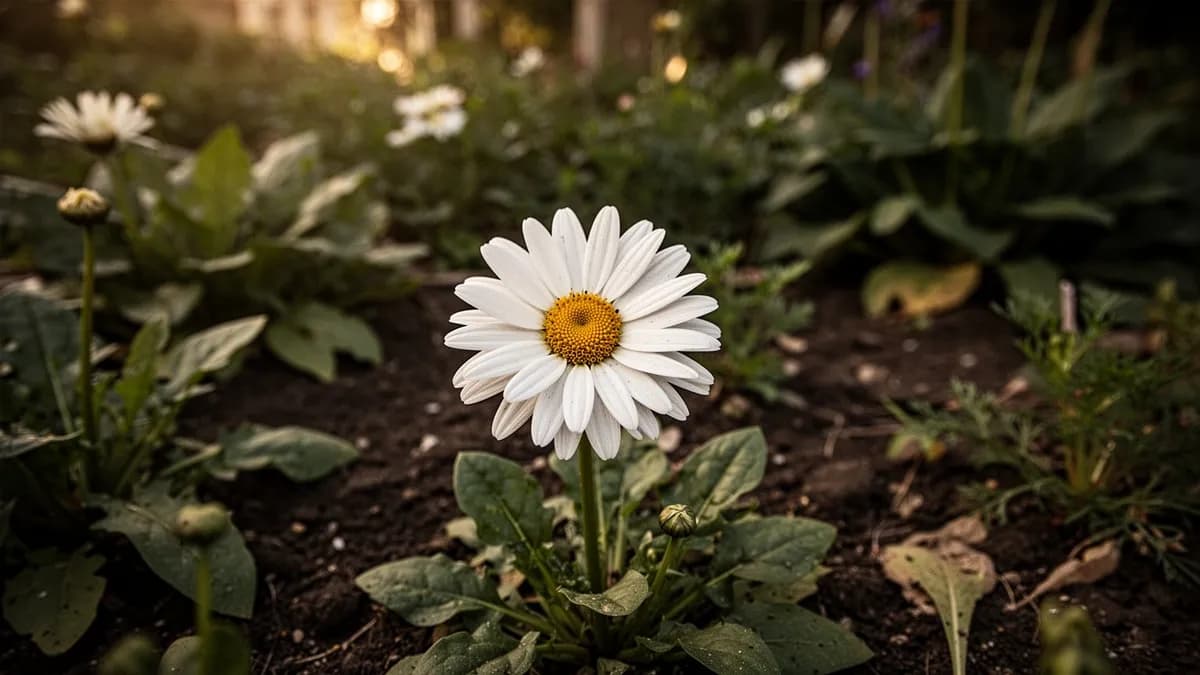
Una perenne clásica de flores blancas con centros amarillos soleados, que ofrece alegres floraciones estivales en borduras y jardines de pradera.





En esta páginaResumen
Conoce Margarita de Shasta
Una perenne clásica de flores blancas con centros amarillos soleados, que ofrece alegres floraciones estivales en borduras y jardines de pradera. Las margaritas de Shasta son fáciles de cultivar, florecen con fiabilidad y se benefician de quitar las flores marchitas y dividirlas cada pocos años. Son excelentes flores cortadas, de larga duración, y combinan bien con casi cualquier otra perenne del jardín.
Cuándo plantar Margarita de Shasta
Siembre semillas de margarita de Shasta en interior 8-10 semanas antes de la última helada, o directamente al aire libre en otoño. Presione las semillas sobre la superficie del compost húmedo sin cubrirlas, ya que la luz ayuda a la germinación. Espere plántulas en 14-21 días a 18-22°C. Los cultivares con nombre deben propagarse por división en primavera para obtener plantas idénticas. La división es sencilla: levante los macizos, descarte el centro leñoso y replante las secciones exteriores vigorosas con raíces sanas.
Tu año de Margarita de Shasta
Ajustado a Zona 7 · temporada típica · la helada se va hacia el 2 abr y vuelve hacia el 1 nov
Planta Margarita de Shasta Mar – Abr, Sep y cosecha Jun – Ago. Consulta los métodos de plantación y elige tu clima para adaptar los periodos.
Cómo cultivar Margarita de Shasta
Las margaritas de Shasta son la margarita estival por excelencia: grandes pétalos blancos y limpios que irradian desde un centro amarillo dorado sobre tallos firmes y por encima de un follaje verde oscuro. Criadas originalmente por Luther Burbank mediante el cruce de especies europeas y japonesas, estas robustas perennes alcanzan 60-90cm de altura y florecen con abundancia de junio a agosto. Son de las plantas más fáciles y gratificantes para principiantes.
Plántelas a pleno sol en un suelo medio, bien drenado. Las margaritas de Shasta son adaptables y nada exigentes, y se desarrollan bien en la mayoría de las condiciones de jardín siempre que el drenaje sea adecuado: en suelos invernales encharcados se pudren. Sepárelas 45cm y riegue con regularidad durante la primera temporada para establecer un sistema radicular profundo.
Quite las flores marchitas de forma constante para prolongar la temporada de floración y evitar la auto-siembra excesiva. Tras la principal oleada, corte los tallos florales hasta el follaje basal. En otoño, deje intacta durante el invierno la roseta de hojas basales perennes. Divida los macizos cada 2-3 años en primavera para mantener el vigor: el centro de los macizos viejos se va vaciando con el tiempo, dejando un anillo de crecimiento que necesita renovarse.
10 plantas caben en un bancal de 120 × 240 cm
Cada Margarita de Shasta pide 45 cm de margen. El planificador guarda ese marco por ti — cada planta, cada bancal.
Los mejores vecinos de Margarita de Shasta
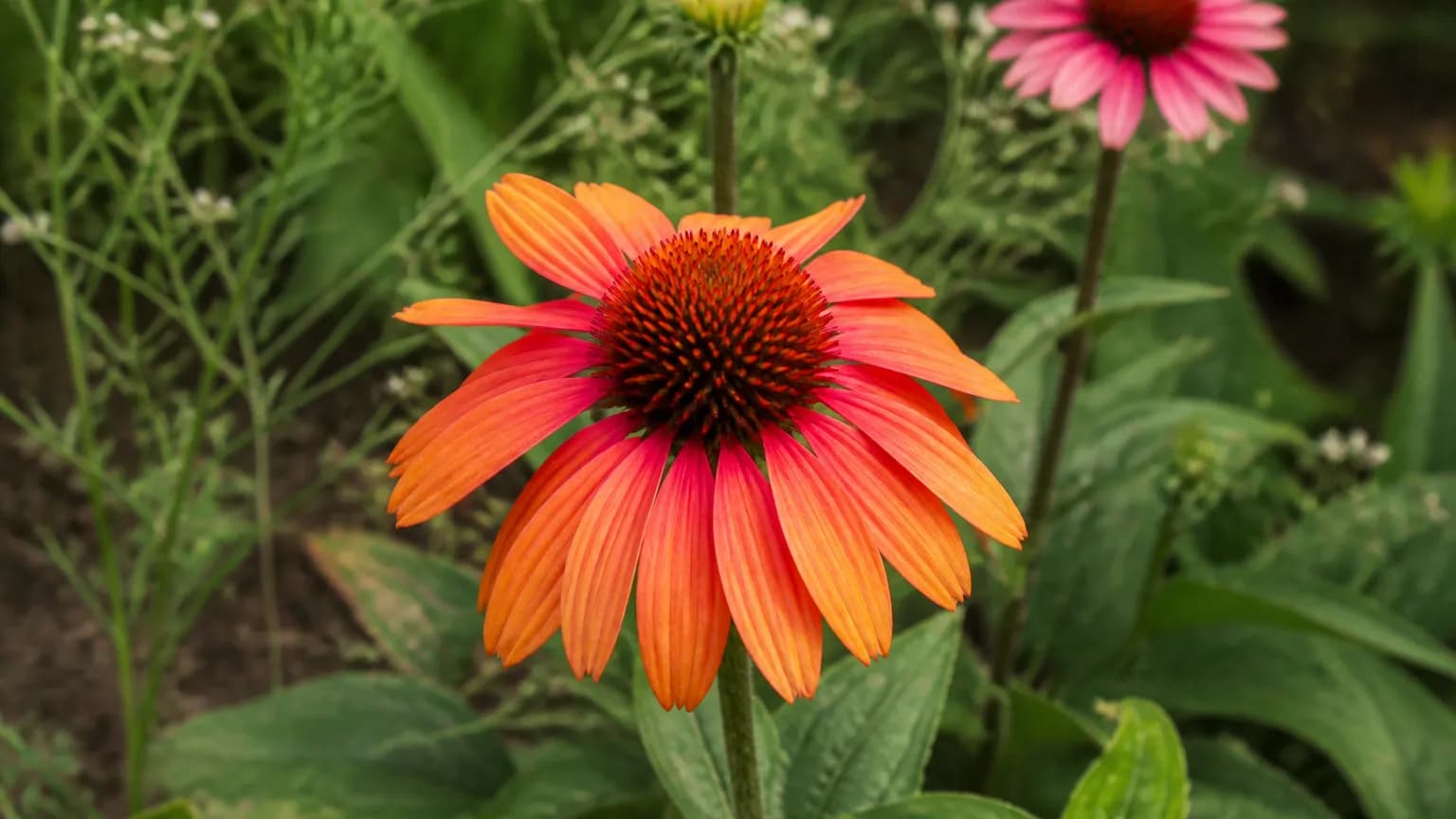
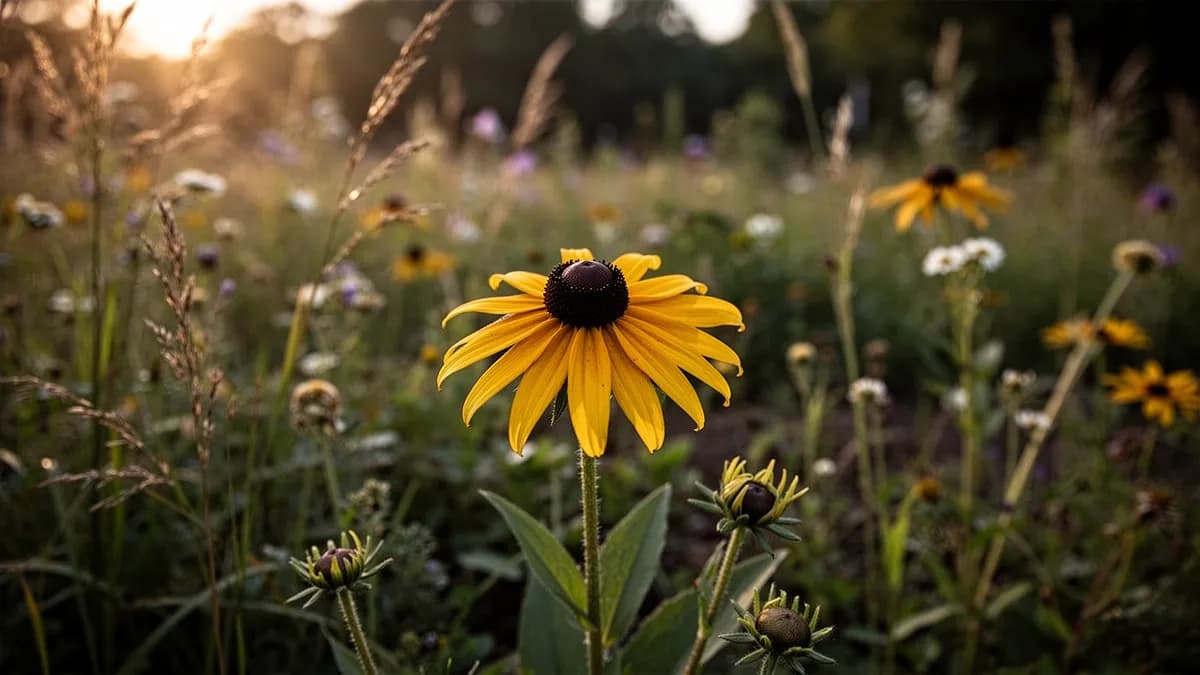
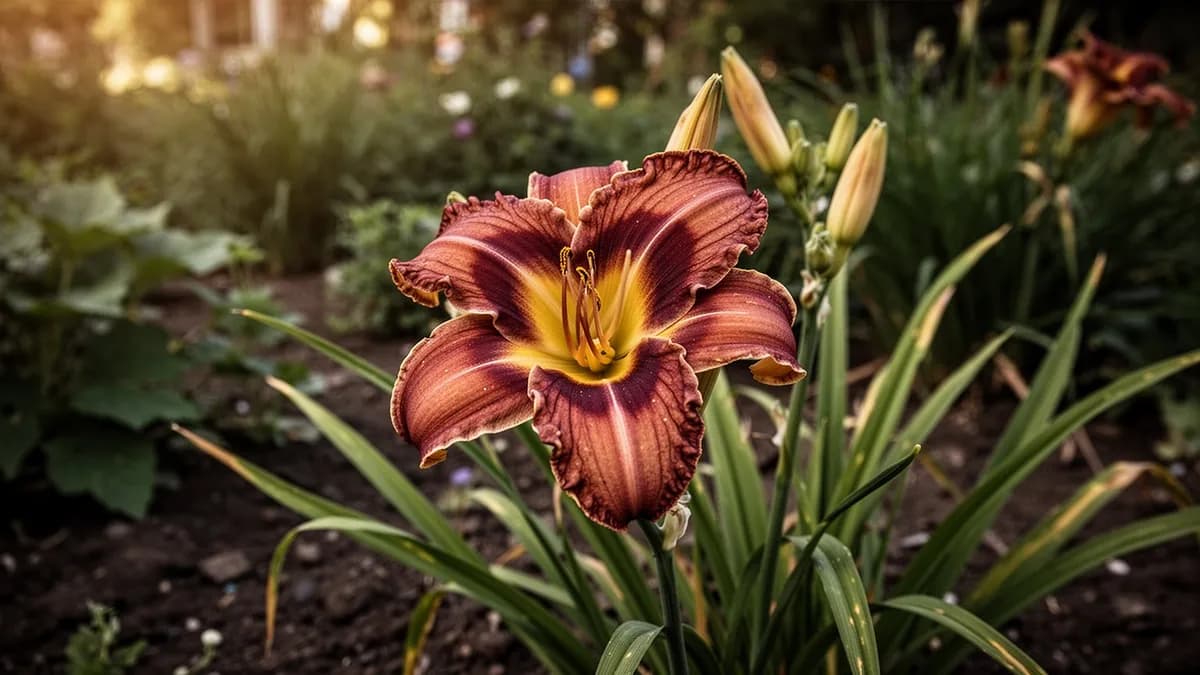
Las margaritas de Shasta combinan maravillosamente con prácticamente todas las demás perennes de verano. Compañeras clásicas incluyen equináceas, hemerocallis, rudbeckias, lavanda y salvia. El esquema limpio de blanco y amarillo actúa como puente neutro entre tonos más intensos. Plántelas en jardines campestres con rosas, flox y delphinium para lograr un aspecto de bordura inglesa por excelencia. Las flores atraen sírfidos y otros insectos beneficiosos que ayudan a controlar los pulgones en las plantas vecinas.
Equinácea va a su lado.
Saber de huerto de siempre, cotejado con la tabla real de Margarita de Shasta — prueba cualquier planta que cultives.
Prueba Margarita de Shasta en un bancal, aquí mismo
Un bancal real del planificador con Margarita de Shasta ya plantado. Toca una planta compañera para colocarla y mira cómo responde la comprobación de vecinos: verde para buenos vecinos, rojo si hay conflicto.


Guías de cultivo relacionadas
Abónalo bien
Las margaritas de Shasta crecen en suelos medios a fértiles, bien drenados, con un pH de 6.0-8.0. No son exigentes respecto al tipo de suelo siempre que el drenaje sea bueno: el encharcamiento invernal es la principal causa de muerte. Incorpore compost antes de plantar y añada compost en superficie en primavera. Fertilice a comienzos de la primavera con un abono equilibrado de liberación lenta. Evite el exceso de fertilización, que produce follaje exuberante a costa de las flores y genera tallos débiles y vencidos.
Temperatura ideal
Compatibilidad de zonas de rusticidad
De la semilla a la cosecha, etapa por etapa
Germinación
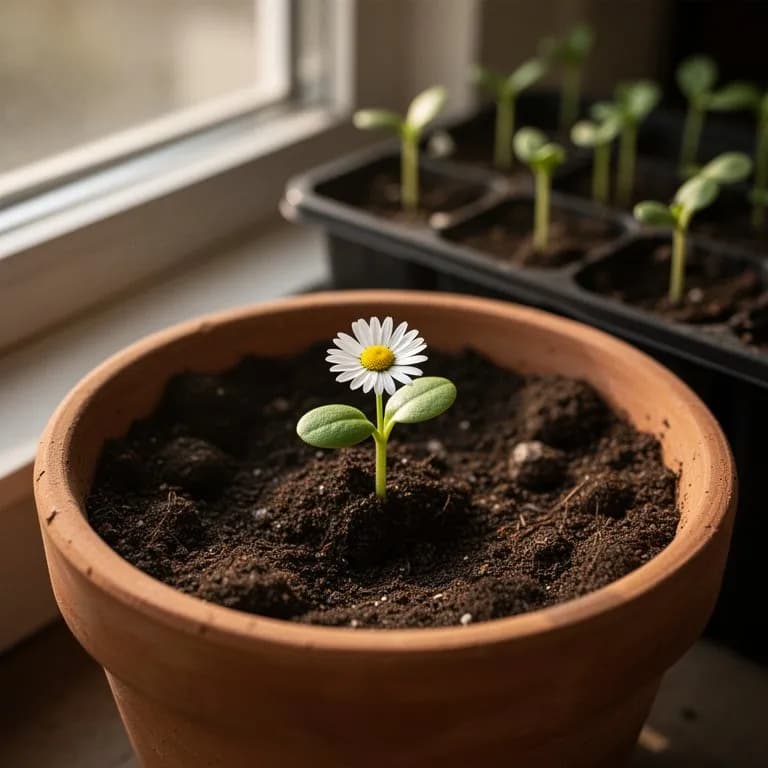
Las semillas de margarita Shasta son pequeñas y necesitan luz para germinar. Siémbralas sobre la superficie de un sustrato húmedo para semilleros y presiónalas suavemente sin cubrirlas. A temperaturas de 18-22°C, la germinación suele ocurrir en 10 a 18 días. Se pueden iniciar en interior 8 a 10 semanas antes de la última helada.
Plántula y formación de roseta
Las plántulas desarrollan sus primeras hojas verdaderas, estrechas, en forma de cuchara y con bordes ligeramente dentados. Durante las semanas siguientes, la planta forma una roseta basal compacta de hojas verdes oscuras y brillantes cerca del suelo. El desarrollo de las raíces es vigoroso en esta etapa, mientras la planta establece su corona perenne.
Crecimiento vegetativo
La roseta se expande y la planta empieza a producir tallos erectos. Las hojas se hacen más grandes y más toscamente dentadas. El sistema radicular se extiende hacia afuera y el grupo aumenta gradualmente de diámetro. En el primer año desde semilla, las plantas se concentran sobre todo en desarrollar un sistema de raíces fuerte y pueden producir solo unos pocos tallos.
Desarrollo de capullos
Se forman capullos florales en la parte superior de tallos fuertes y erectos que alcanzan de 60 a 90 cm de altura según el cultivar. Al principio los capullos son verdes y están cerrados, y poco a poco se hinchan a medida que los pétalos blancos se desarrollan en su interior. Los grupos más grandes y establecidos producen muchos más tallos florales que las plantas del primer año.
Plena floración
Las clásicas flores blancas de margarita se abren para mostrar centros amarillos dorados rodeados de lígulas blancas y puras. Las flores miden de 5 a 10 cm de ancho y se producen en abundancia desde principios hasta mediados del verano. Las flores atraen a una amplia gama de polinizadores, incluidas abejas, mariposas, sírfidos y avispas beneficiosas.
Después de la floración y formación de semillas
Después del pico principal de floración, las flores restantes se marchitan y comienzan a formar semillas. El disco central se vuelve marrón y desarrolla pequeñas semillas secas. El follaje permanece verde y la roseta basal sigue realizando la fotosíntesis, almacenando energía en el sistema radicular para el año siguiente. Puede comenzar un nuevo crecimiento basal en preparación para el otoño.
Latencia invernal
A medida que bajan las temperaturas, el crecimiento superior muere, pero la roseta basal perenne o semiperenne suele persistir durante el invierno en climas más suaves (zonas USDA 5 a 9). El sistema radicular permanece vivo bajo tierra y la corona puede producir pequeñas hojas invernantes. La planta necesita un periodo de frío invernal para iniciar una floración fuerte la siguiente temporada.
Mantén la superficie constantemente húmeda con un pulverizador fino. Una cúpula de humedad transparente o film plástico ayuda a conservar la humedad. Retira la cubierta cuando emerjan las plántulas para evitar la caída de plántulas.
Cuidar Margarita de Shasta mes a mes
Qué hacer cada mes para tu Margarita de Shasta
Octubre
Mes actualContinúe plantando divisiones y trasplantes para permitir que las raíces se establezcan antes del invierno. Reduzca el riego a medida que bajan las temperaturas y el crecimiento se ralentiza. Limpie las hojas caídas y los restos alrededor de las plantas para reducir los lugares de invernada de babosas y patógenos fúngicos.
Ten claro qué hacer en tu huerto, cada mes
Un correo al empezar cada mes: qué sembrar, plantar y hacer ahora mismo — para tu Margarita de Shasta y todo lo que crece alrededor. Más un breve curso inicial para esquivar los errores clásicos.
- Qué hacer ahora mismo
- Ajustado a tu temporada
- Curso inicial incluido
Cosechar Margarita de Shasta
Las margaritas de Shasta son flores cortadas magníficas. Corte los tallos cuando las flores estén casi totalmente abiertas, por la mañana después de que el rocío se haya secado. Retire las hojas inferiores que quedarían por debajo de la línea de agua. Las flores duran de forma impresionante entre 7 y 14 días en un jarrón con agua limpia, cambiada cada 2-3 días. Para la mayor duración, añada unas gotas de lejía y una pizca de azúcar al agua del jarrón. Corte con regularidad para fomentar que siga floreciendo en el jardín.
se supone que plantas al comenzar el periodo — indica tu fecha real
corta cuando las flores estén casi totalmente abiertas
Almacenamiento y conservación
Las flores de margarita de Shasta pueden secarse con gel de sílice para una conservación tridimensional: los pétalos blancos y los centros amarillos mantienen bien el color. Prense flores individuales entre libros pesados para manualidades. Las semillas pueden guardarse de variedades no híbridas recogiendo cabezuelas secas en otoño. Las flores no se secan bien al aire por sus pétalos carnosos, pero el secado con gel de sílice produce excelentes resultados en 3-5 días.
Qué falla — y cómo solucionarlo
Mancha foliar
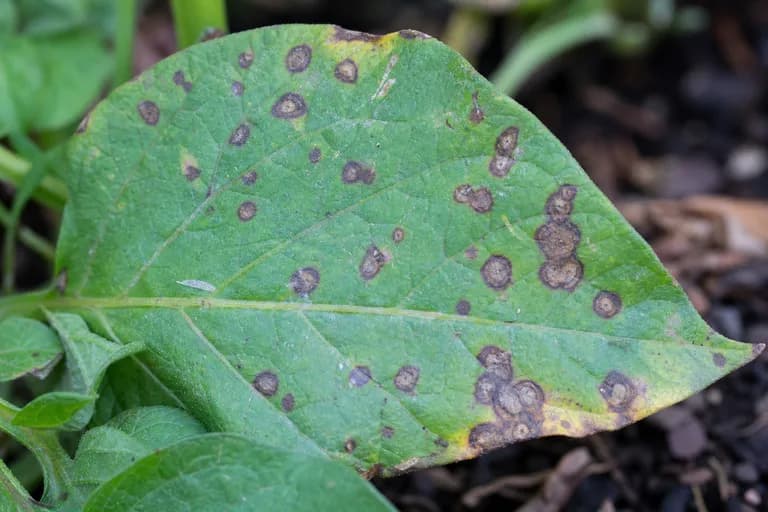
EnfermedadManchas marrón oscuro o negras en las hojas, a veces con halos amarillos. Puede causar una defoliación importante en veranos húmedos.
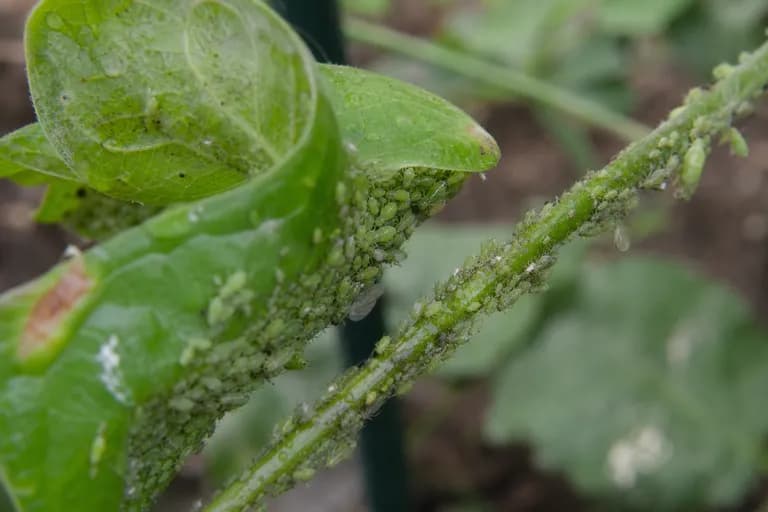
Pulgones
PlagaGrupos en capullos florales y puntas de los tallos que causan flores deformadas. Mielada pegajosa y posterior fumagina.
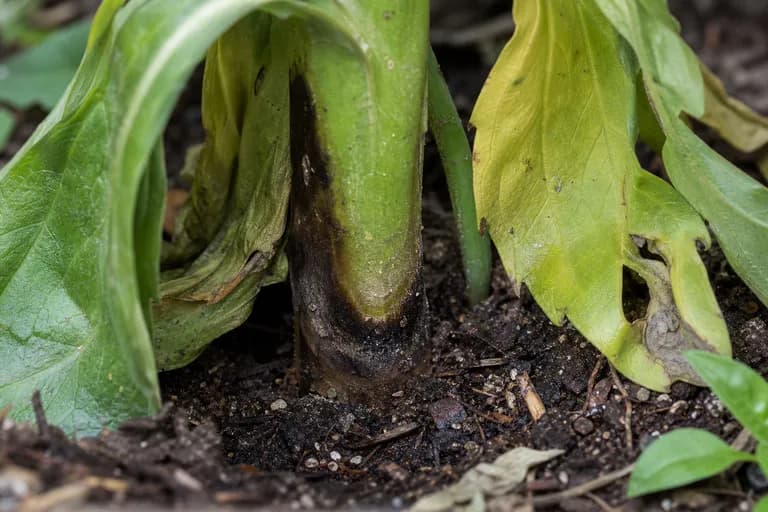
Podredumbre de la corona
EnfermedadLas plantas se derrumban y mueren durante el invierno, con coronas podridas y blandas al examinarlas. Es más común en suelos pesados y húmedos.
Solución de problemas comunes
La podredumbre invernal en suelos húmedos y pesados es la causa principal de pérdida de margaritas de Shasta. Mejore el drenaje antes de plantar y evite un mantillo invernal pesado contra la corona. Los tallos vencidos suelen deberse a demasiada sombra, suelo demasiado rico o macizos viejos y apretados: divida cada 2-3 años y cultive a pleno sol para obtener las plantas más firmes. No quitar las flores marchitas provoca auto-siembra excesiva y acorta la temporada de floración. En climas cálidos y húmedos son de vida corta; trate la planta como bienal en el sur profundo.
Consejos de cultivo
- Plante margaritas de Shasta a pleno sol para lograr la floración más abundante. Toleran algo de sombra por la tarde en climas cálidos, pero producen bastantes menos flores si reciben menos de 6 horas de luz directa al día.
- Asegure un drenaje excelente, especialmente en invierno. Las margaritas de Shasta tienen muchas más probabilidades de morir por suelo invernal húmedo y encharcado que les cause pudrición de corona que por las temperaturas frías. Enmiende los suelos arcillosos pesados con arena gruesa o grava fina antes de plantar.
- Quite las flores marchitas de forma constante durante toda la temporada de floración cortando los tallos hasta un brote lateral o al follaje basal. Esta sola práctica puede prolongar el periodo de floración de 4 semanas a 10 semanas o más.
- Divida los macizos cada 2 o 3 años a comienzos de la primavera o a comienzos del otoño. Los macizos viejos tienden a morir en el centro y producen flores más pequeñas y escasas. Replante solo las partes exteriores vigorosas y descarte el centro leñoso.
- Pellizque o corte los tallos en un tercio a finales de mayo o comienzos de junio para obtener plantas más cortas y robustas, menos propensas a vencerse. Esto retrasa la floración unas 2 semanas, pero elimina en la mayoría de los casos la necesidad de tutores.
- Aplique una capa de 2 a 3 cm de compost como cobertura en primavera, cuando aparezca el crecimiento nuevo. Evite los fertilizantes con mucho nitrógeno, que fomentan un follaje exuberante a costa de las flores y pueden provocar tallos débiles y vencidos.
- Riegue en profundidad una vez por semana durante la temporada de crecimiento en lugar de regar con frecuencia de forma superficial. El riego profundo anima a las raíces a crecer hacia abajo, produciendo con el tiempo plantas más tolerantes a la sequía y autosuficientes.
- Elija cultivares adecuados para las condiciones de su jardín. Las variedades compactas como 'Snow Lady' (30 cm) son ideales para contenedores y el frente de las borduras, mientras que las variedades altas como 'Alaska' (90 cm) funcionan mejor en la parte trasera de las borduras de perennes.
- Retire y destruya cualquier follaje que muestre signos de mancha foliar (manchas circulares marrones o negras) para evitar que se propaguen las esporas fúngicas. La mejor medida preventiva es una buena circulación de aire entre las plantas.
- Deje algunas cabezuelas de semilla en las plantas al final de la temporada si quiere plántulas de auto-siembra para la primavera siguiente. Tenga en cuenta que las plántulas de cultivares híbridos pueden no salir fieles a la planta madre y suelen volver a formas sencillas de flor única.
Cultiva tu mejor Margarita de Shasta — y todo lo que la rodea.
Empieza un plan gratis hoy. Diseña tus bancales, coloca tu Margarita de Shasta y deja que PlotMyGarden gestione el momento, el espaciado, las asociaciones y los recordatorios de la semilla a la cesta.
Elige tu Margarita de Shasta
Leucanthemum 'Becky'
La clásica margarita de Shasta alta (90cm), con grandes flores blancas sencillas sobre tallos firmes. Tolerante al calor y excepcionalmente duradera en floración.
Leucanthemum 'Banana Cream'
Abre en un amarillo mantecoso suave y se desvanece hacia el crema; esta variedad singular aporta un giro cálido al esquema tradicional de color de la margarita de Shasta.
Leucanthemum 'Crazy Daisy'
Alegres flores dobles con pétalos acanalados y retorcidos que dan un aire salvaje e informal. Compacta, de 60cm.
Leucanthemum 'Snow Lady'
Una variedad enana compacta de 25cm que florece desde semilla el primer año, perfecta para bordes y contenedores.
Las margaritas de Shasta ofrecen un valor excepcional para los jardineros. Un solo paquete de semillas de 2-4 $ puede producir 50 o más plantas que florecen año tras año como perennes resistentes. Los macizos establecidos pueden dividirse cada 2-3 años, dándole plantas gratis para ampliar el jardín o compartir con vecinos. En comparación con comprar margaritas blancas cortadas en una floristería por 8-15 $ por ramo, cultivarlas usted mismo proporciona un suministro prácticamente ilimitado de flores cortadas de junio a septiembre. Un macizo maduro puede dar más de 100 tallos por temporada, lo que representa cientos de dólares en valor equivalente de floristería a partir de una inversión única.
Recetas rápidas
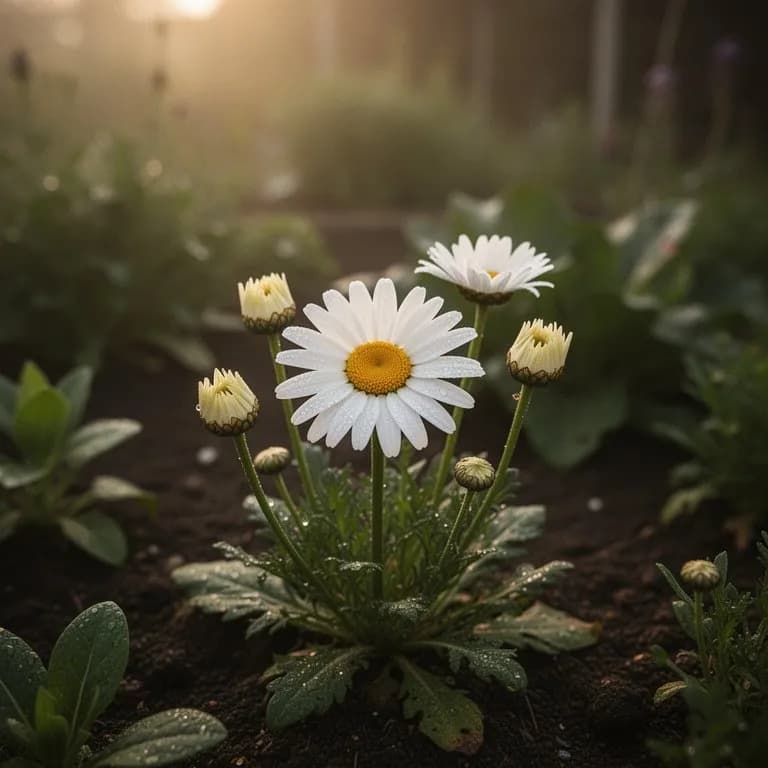
Ensalada con guarnición de pétalos de margarita de Shasta
10 minutosUna ensalada fresca de huerto que utiliza pétalos de margarita de Shasta como guarnición comestible. El sabor suave, ligeramente herbáceo, de los pétalos aporta atractivo visual y una nota herbal sutil a una ensalada verde mixta aliñada con vinagreta de limón.
7 ingredientesTé herbal infusionado con margarita de Shasta
15 minutosUn té de hierbas calmante hecho con pétalos frescos o secos de margarita de Shasta, similar en carácter al té de manzanilla. La infusión tiene un sabor suave, ligeramente floral, y se disfruta tradicionalmente como bebida nocturna relajante.
5 ingredientesGalletas de mantequilla con margaritas prensadas
45 minutosElegantes galletas de mantequilla decoradas con auténticas flores prensadas de margarita de Shasta. Las flores se prensan sobre la superficie antes de hornear para lograr una presentación botánica preciosa, perfecta para fiestas de jardín y meriendas.
7 ingredientesQué contiene
Beneficios para la salud
- Los pétalos de margarita de Shasta contienen flavonoides y compuestos antioxidantes suaves que pueden ayudar a reducir el estrés oxidativo cuando se consumen dentro de una dieta variada rica en flores comestibles.
- El uso tradicional de infusiones de margarita incluye aliviar pequeñas molestias digestivas, de forma similar a los beneficios bien documentados de la manzanilla estrechamente relacionada (Matricaria chamomilla).
- La tarea de jardinear con margaritas de Shasta proporciona ejercicio físico moderado, incluyendo agacharse, cavar y levantar peso, algo que estudios han vinculado con una mejor salud cardiovascular y menores niveles de estrés.
- Pasar tiempo cuidando y observando plantas en flor como las margaritas de Shasta se ha asociado con niveles reducidos de cortisol y mejor estado de ánimo en múltiples estudios de terapia hortícola.
- Las margaritas de Shasta atraen a una amplia gama de insectos beneficiosos al jardín, incluidos sírfidos depredadores y avispas parásitas, que ayudan a controlar las poblaciones de plagas y reducen la necesidad de pesticidas químicos en los cultivos cercanos.
- Cultivar margaritas de Shasta a partir de semilla o por división proporciona una gratificante sensación de logro y de conexión con la naturaleza, algo que los profesionales de la salud mental reconocen cada vez más como un componente importante del bienestar general.
De dónde viene Margarita de Shasta
La margarita de Shasta (Leucanthemum x superbum) es un híbrido de jardín sin rango silvestre nativo, creado por completo mediante mejora vegetal deliberada. Su historia de origen es inseparable del legendario horticultor estadounidense Luther Burbank, que dedicó más de 17 años a desarrollar esta flor icónica en sus granjas experimentales de Santa Rosa, California. A partir de la década de 1880, Burbank emprendió un ambicioso programa de cruzamientos con varias especies de margarita de distintos continentes. Comenzó cruzando la margarita común europea (Leucanthemum vulgare), ya naturalizada en Norteamérica, con la margarita portuguesa de campo (Leucanthemum lacustre), de flores más grandes. Luego introdujo material genético de la margarita japonesa (Nipponanthemum nipponicum) para mejorar el vigor y el tamaño de la flor, e incorporó finalmente la margarita inglesa de campo (Leucanthemum maximum) por su porte robusto. Tras años de selección cuidadosa, Burbank eligió solo las plantas más grandes, blancas y vigorosas de cada generación. Presentó el híbrido resultante alrededor de 1901 y lo llamó margarita de Shasta en honor al monte Shasta, cuyas laderas cubiertas de nieve consideró perfectamente reflejadas en los pétalos blancos puros de su creación. La flor fue una sensación inmediata en el mundo hortícola y se extendió rápidamente por jardines de Estados Unidos y Europa. Desde la introducción original de Burbank, los obtentores de todo el mundo han desarrollado docenas de cultivares con variaciones en la forma floral, la altura y la época de floración. Ahora se suman al original clásico de flor simple formas dobles, semidobles, de pétalos rizados y compactas enanas. La margarita de Shasta sigue siendo una de las perennes más cultivadas en jardines templados de todo el mundo, un testimonio duradero de la visión y persistencia de Burbank en la mejora vegetal.
Margarita de Shasta: ¿sabías que?
Datos fascinantes sobre Margarita de Shasta
La margarita de Shasta fue desarrollada por el célebre criador estadounidense Luther Burbank hacia 1901, quien la nombró por el nevado monte Shasta del norte de California porque los pétalos blancos le recordaban la cima nevada de la montaña.
Margarita de Shasta: preguntas frecuentes
¿Cuándo debo plantar Margarita de Shasta?
¿Cuáles son buenas plantas acompañantes para Margarita de Shasta?
¿En qué zonas de rusticidad puede crecer Margarita de Shasta?
¿Cuánto sol necesita Margarita de Shasta?
¿A qué distancia debo espaciar Margarita de Shasta?
¿Qué plagas y enfermedades afectan a Margarita de Shasta?
¿Cómo almaceno Margarita de Shasta después de la cosecha?
¿Cuáles son las mejores variedades de Margarita de Shasta para cultivar?
¿Qué suelo necesita Margarita de Shasta?
¿Cuánto viven las margaritas de Shasta como perennes?
¿Por qué mis margaritas de Shasta se vencen en vez de mantenerse erguidas?
¿Puedo cultivar margaritas de Shasta en contenedores?
¿Las margaritas de Shasta atraen polinizadores al jardín?
¿Cuál es el mejor momento para plantar margaritas de Shasta?
¿Las margaritas de Shasta son tóxicas para mascotas o niños?
Acabas de leer la teoría. Ahora cultívala en piloto automático.
Todo lo que hace que Margarita de Shasta sea delicado — el momento, el espaciado, las asociaciones, la ventana de cosecha — es justo lo que PlotMyGarden resuelve por ti, para cada planta de tu huerto.
Un plan que conoce tu clima
Indica tu ubicación una vez. Recibe fechas de siembra, abonado y cosecha basadas en tu última helada real y el pronóstico en vivo — sin adivinar con un sobre genérico.
De la sección “Cuándo plantar”Planificador de bancales de arrastrar y soltar
Diseña bancales sobre una cuadrícula. Cada planta encaja con su espaciado correcto y ves toda la temporada antes de gastar un céntimo en semillas.
De la sección “Cultivo”Conflictos de asociación, detectados a tiempo
Más de 200 buenas y malas combinaciones comprobadas en vivo mientras plantas — para que un error que arruine la temporada nunca llegue a la tierra.
De la sección “Asociaciones”Recordatorios que sí vas a seguir
“Riega las judías.” “Recoge hoy antes de que se pase.” Oportunos, concretos y ligados a las plantas que de verdad cultivas.
De la sección “Cosecha”Escalonado, programado
¿Quieres cosechar seis semanas en vez de seis días? Reparte tus siembras automáticamente y te avisa cuando toca el siguiente lote.
De la sección “Cuándo plantar”Un registro que se vuelve más listo
Cada cosecha que registras le enseña tu huerto. El plan del año que viene parte de lo que de verdad funcionó en tu suelo, no en un manual.
De la sección “Resumen”Planta estos junto a Margarita de Shasta
Más Perennes
Cultiva tu mejor Margarita de Shasta — y todo lo que la rodea.
Empieza un plan gratis hoy. Diseña tus bancales, coloca tu Margarita de Shasta y deja que PlotMyGarden gestione el momento, el espaciado, las asociaciones y los recordatorios de la semilla a la cesta.