Speedwell
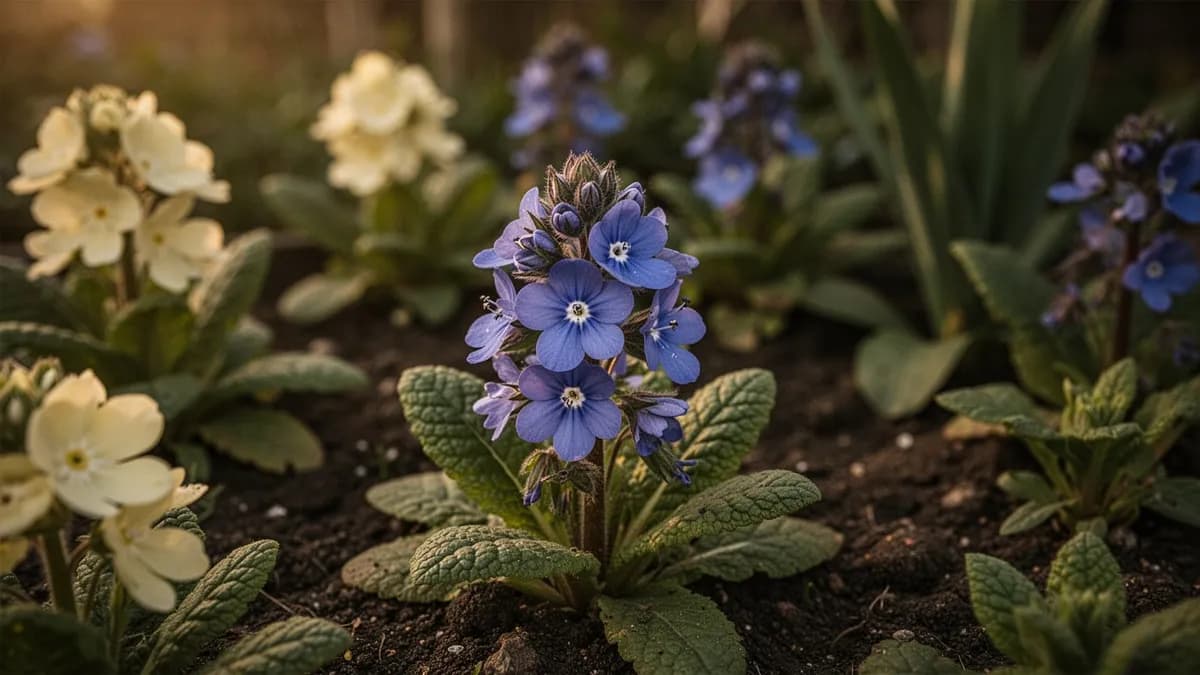
A reliable perennial with slender spikes of blue, pink, or white flowers that add vertical accent to borders and rock gardens.





On this pageOverview
Meet Speedwell
A reliable perennial with slender spikes of blue, pink, or white flowers that add vertical accent to borders and rock gardens. Speedwell is easy to grow in average, well-drained soil and blooms for several weeks in early to midsummer. Deadhead spent spikes to encourage reblooming and divide clumps every few years.
When to plant Speedwell
Speedwell can be grown from seed sown indoors 8-10 weeks before the last frost. Surface-sow on moist compost, as seeds need light. Germination takes 14-21 days at 18-20°C. Seed-grown plants usually flower in the second year. Named cultivars must be propagated by division in spring or by basal cuttings in late spring for identical plants. Division is straightforward—lift clumps, separate into sections with roots, and replant.
Your Speedwell Year
Composed for Zone 7 · typical seasons · frost passes Apr 2, returns Nov 1
Plant Speedwell Mar – Apr, Sep, pick Jun – Aug. Check the planting methods below and set your climate to personalize these windows.
How to grow Speedwell
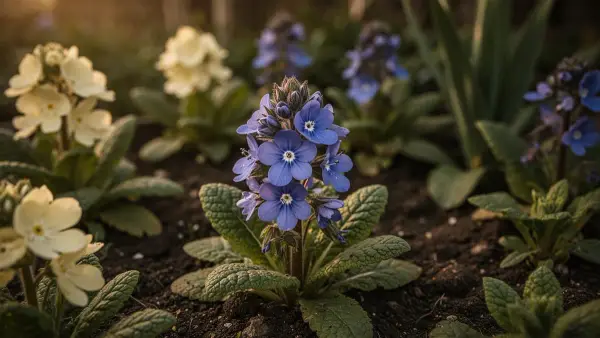
Speedwell is a dependable, easy-going perennial that produces slender tapering spikes of small flowers in shades of blue, violet, pink, and white. The spikes add valuable vertical accent to border plantings, rising 30-60cm above neat mounds of dark green foliage. Speedwell blooms from early to midsummer and, with diligent deadheading, often produces secondary flushes into early autumn.
Plant in full sun to partial shade in average, well-drained soil. Speedwell is adaptable and undemanding, tolerating a range of soil types from sandy to clay as long as drainage is reasonable. Space 35cm apart and water to establish. Once settled, speedwell is moderately drought-tolerant though it flowers best with regular moisture.
Deadhead individual spent spikes by cutting back to the nearest side shoot or set of leaves. This encourages secondary flower spikes and keeps the plant looking tidy. In autumn, cut all growth to ground level. Divide clumps every 3-4 years in spring to maintain vigor and prevent the center from dying out.
18 plants fit a 4 × 8 ft bed
Each Speedwell wants 35 cm of elbow room. The planner keeps that spacing for you — every plant, every bed.
Speedwell's best neighbours
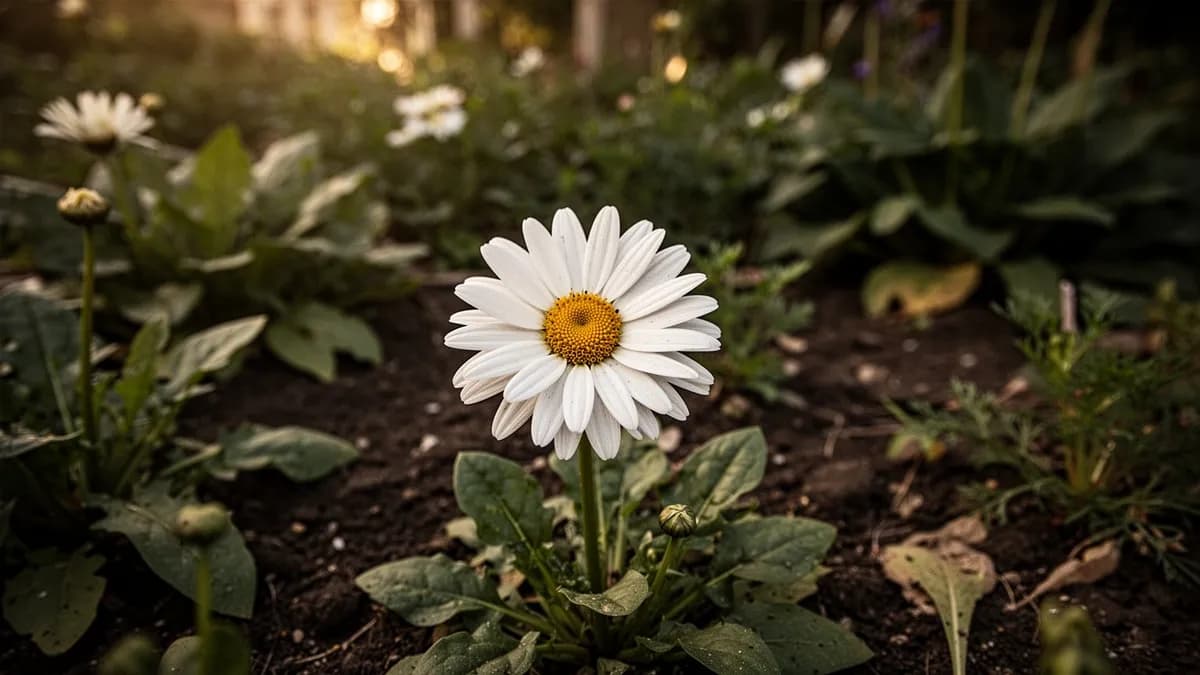
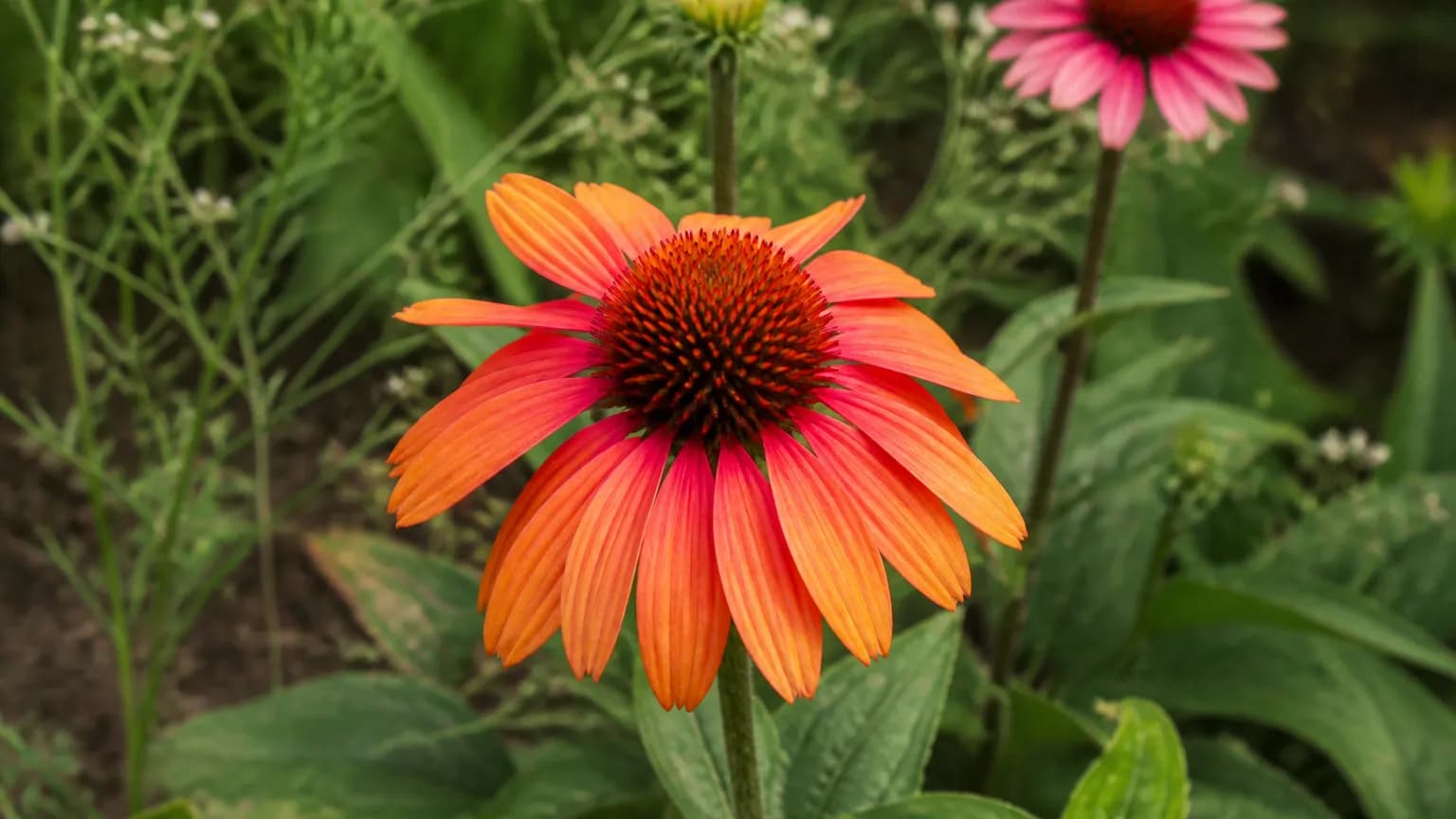
Speedwell's slender spikes provide excellent vertical contrast to rounded flowers like daisies, coneflowers, and geraniums. Plant alongside Shasta daisies, coreopsis, and daylilies for a classic cottage garden combination. Blue speedwell paired with yellow achillea and white Shasta daisies creates a fresh, cheerful color scheme. The compact mounding habit makes speedwell an excellent front-of-border plant.
Shasta Daisy belongs beside it.
Old growers' knowledge, checked against Speedwell's real companion table below — test any plant you're growing.
Try Speedwell in a bed — right here
A real planner bed with Speedwell already in it. Tap a companion to place it and watch the pairing checks answer — green for good neighbours, red for a clash.


Related growing guides
Feed it well
Speedwell grows in average, well-drained soil with a pH of 6.0-7.5. It is adaptable to sandy, loamy, or clay soils provided drainage is adequate. Incorporate a light amount of compost before planting. Feed in spring with a balanced slow-release fertilizer. Avoid rich, heavy feeding that can produce lax growth. Mulch lightly to conserve moisture and suppress weeds.
Ideal Temperature
Hardiness Zone Compatibility
From seed to harvest, stage by stage
Seed Germination
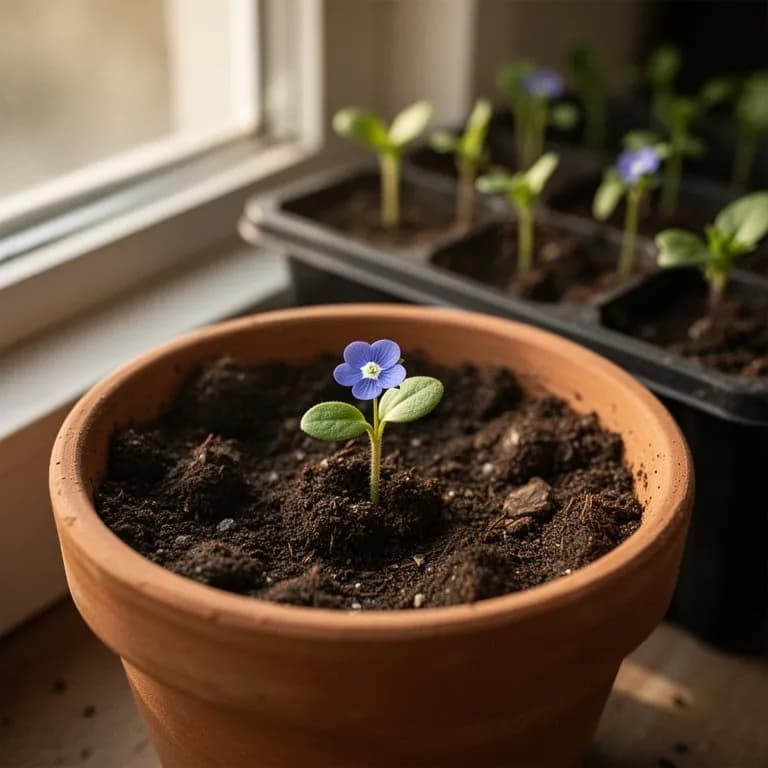
Veronica seeds are tiny and require light to germinate. Surface-sow on moist, well-draining seed-starting mix and keep at 18-21°C. Germination is often irregular, taking 14 to 21 days. Do not cover seeds with soil as they need light exposure to trigger sprouting.
Seedling Development
Seedlings develop their first true leaves and begin forming a small rosette. Growth is slow at this stage and plants are delicate. Thin seedlings to about 5 cm apart if sown directly, or transplant into individual pots once they have two sets of true leaves.
Vegetative Growth
Plants establish a dense basal mat of lance-shaped foliage. The root system expands and the plant begins to spread through short rhizomes. Leaves are opposite, finely toothed, and typically 5 to 8 cm long. By the end of this stage the plant forms a compact mound roughly 30 cm across.
Budding and Flowering
Upright flower spikes emerge from the center of the foliage mound, reaching 30 to 60 cm tall depending on the cultivar. Each spike is densely packed with small tubular flowers that open from the bottom upward. Bloom colors range from violet-blue and deep purple to pink and white. Peak flowering occurs from June through August in most temperate climates.
Seed Set and Late Season
After flowering, small capsules form along the spent spikes containing numerous tiny seeds. The foliage begins to yellow and die back as temperatures drop in autumn. In milder climates, some basal foliage may remain semi-evergreen through winter.
Winter Dormancy
Veronica spicata enters dormancy as winter sets in. The above-ground growth dies back to a low crown at soil level. The plant is hardy to USDA zones 3 through 8 and typically survives winter without protection in those regions. Root systems remain alive underground, storing energy for the following spring.
Spring Regrowth
As soil temperatures rise above 7°C in spring, fresh green shoots emerge from the dormant crown. Established plants grow vigorously and quickly reform their basal foliage mound. This is the ideal time to divide overcrowded clumps every three to four years to maintain plant vigor and improve airflow.
Mist the surface gently to maintain consistent moisture without disturbing the fine seeds. A humidity dome helps retain moisture during this stage.
Caring for Speedwell month by month
What to do each month for your Speedwell
October
You are hereCut back spent foliage to about 5 cm above the crown after the first hard frost. Apply a light mulch of shredded leaves or straw around the base for winter insulation.
Know exactly what to do in your garden — every month
One email at the start of each month: what to sow, plant, and tackle right now — for your Speedwell and everything growing around it. Plus a short starter course that helps you dodge the classic mistakes.
- What to do, right now
- Matched to your season
- Starter course included
Harvesting Speedwell
Speedwell spikes make attractive additions to mixed bouquets, adding a vertical element that complements round-faced flowers like daisies and roses. Cut when the lower half of the spike is in bloom. Stems last 5-7 days in fresh water. Deadheading spent spikes in the garden promotes additional flowering flushes.
assuming you plant when the window opens — set your real date
Pick Speedwell promptly and the plant keeps producing.
Storage & Preservation
Speedwell flowers can be pressed for botanical crafts, though the small flowers are delicate to work with. The spikes dry reasonably well if cut at peak bloom and hung upside down for 2 weeks. For garden propagation, divide established clumps in spring or take softwood cuttings from basal growth in late spring.
What goes wrong — and the fix

Downy Mildew
DiseaseYellow patches on upper leaf surfaces with corresponding grey-purple fuzz on undersides. Can cause significant defoliation.

Leaf Spot
DiseaseBrown or black spots on leaves, sometimes with yellow halos. More common in wet seasons.
Aphids
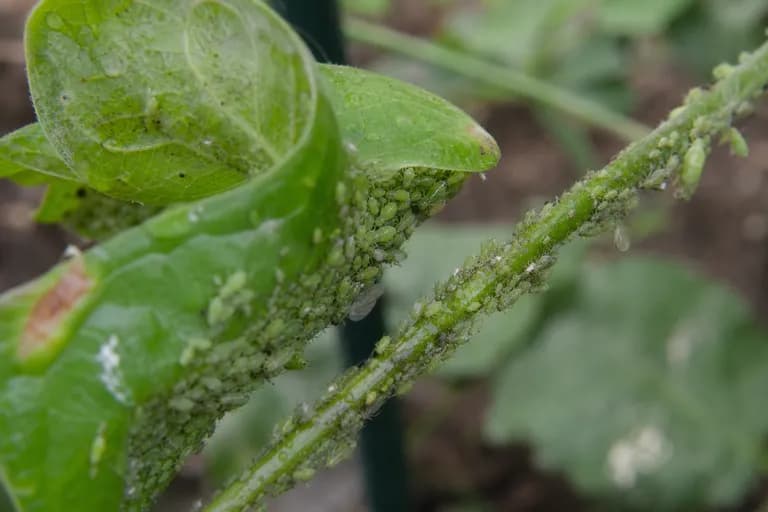
PestSmall green insects clustering on flower buds and new growth in spring. Distorted flower spikes.
Troubleshooting Common Problems
The most common issue is flopping in too much shade or overly rich soil—full sun and lean conditions produce the sturdiest plants. Center dieback in old clumps is normal; divide every 3-4 years to rejuvenate. Some varieties are more prone to downy mildew than others; choose resistant cultivars in humid climates. Speedwell is otherwise a remarkably trouble-free, reliable garden perennial.
Growing Tips
- Plant in full sun for the best flowering performance. Veronica tolerates light shade but produces significantly fewer flower spikes and may develop leggy, floppy growth in less than six hours of direct sunlight.
- Ensure excellent soil drainage as veronica is far more likely to die from wet winter roots than from cold temperatures. Amend heavy clay soils with coarse sand, perlite, or fine gravel before planting.
- Space plants 30 to 45 cm apart to allow adequate air circulation, which helps prevent powdery mildew and other fungal issues during humid summer weather.
- Water deeply but infrequently once plants are established, allowing the top few centimeters of soil to dry between waterings. Overwatering promotes root rot and weakens the plant.
- Deadhead spent flower spikes by cutting them back to the nearest set of leaves rather than just removing the tip. This promotes bushier regrowth and a stronger second bloom.
- Divide clumps every three to four years in early spring just as new growth emerges. This prevents the center of the clump from dying out and rejuvenates flowering vigor.
- Apply a 5 cm layer of organic mulch such as shredded bark around plants to conserve moisture and suppress weeds, but keep mulch a few centimeters away from the crown to prevent rot.
- Avoid high-nitrogen fertilizers which encourage leafy growth at the expense of flowers. A single spring application of a balanced or phosphorus-rich slow-release fertilizer is sufficient for the entire season.
- Combine veronica with companion plants like Echinacea, Salvia, ornamental grasses, and Nepeta for a naturalistic planting scheme that provides continuous color and diverse pollinator resources from late spring through autumn.
- In regions with heavy winter snow, resist the urge to cut back foliage in late autumn. The dried stems help trap insulating snow around the crown and protect the roots from extreme cold.
Grow your best Speedwell yet — and everything around it.
Start a free plan today. Lay out your beds, drop in your Speedwell, and let PlotMyGarden handle the timing, spacing, companions and reminders from seed to harvest basket.
Pick your Speedwell
Veronica 'Royal Candles'
Compact (35cm) with deep violet-blue spikes over a long season. One of the most popular and reliable garden speedwells.
Veronica spicata 'Red Fox'
Deep rose-pink flower spikes that add warmth to the typically blue-toned speedwell range. Compact habit at 35cm.
Veronica 'Sunny Border Blue'
Tall (50cm) with violet-blue spikes that bloom from midsummer to frost with deadheading. Outstanding long-season performer.
Veronica spicata 'Icicle'
Pure white spikes that brighten borders and combine elegantly with blue and pink companions.
Veronica spicata is one of the most cost-effective perennials for the home garden. A single plant purchased for a few dollars will spread steadily through its root system and can be divided every three to four years to produce multiple new plants at no additional cost. Self-sown seedlings also appear around established clumps, providing even more free plants. Because spike speedwell is drought-tolerant once established and requires minimal fertilizer or pest control, ongoing maintenance costs are negligible compared to many annual bedding plants that must be replaced each season.
Quick recipes
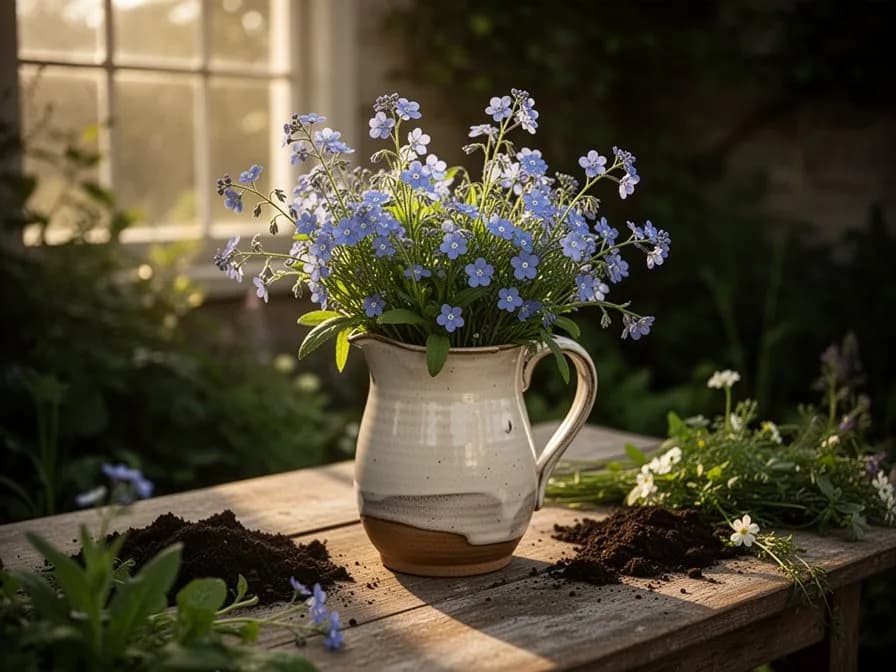
Speedwell Herbal Tea
10 minutesA traditional European herbal infusion made from fresh or dried veronica leaves and flowering tops. This mild, slightly bitter tea was historically consumed as a general health tonic and respiratory support. Honey and lemon complement the earthy flavor.
5 ingredients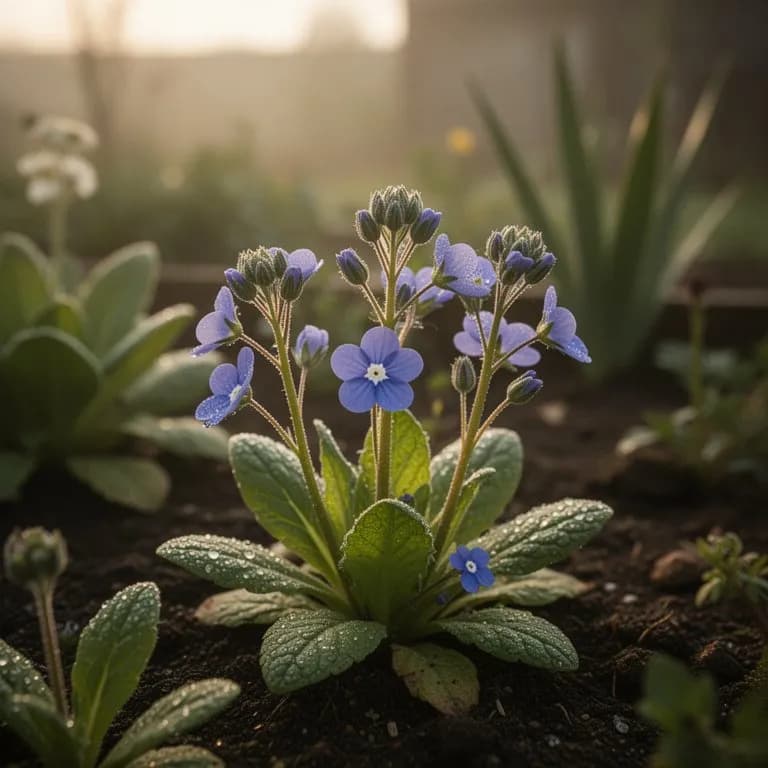
Veronica Flower Spike Garnish Butter
15 minutes plus chillingA decorative compound butter featuring the edible flower spikes of Veronica spicata. The tiny violet-blue blossoms add color and a mild herbaceous note to softened butter, perfect for finishing grilled fish, steamed vegetables, or spreading on fresh bread.
6 ingredients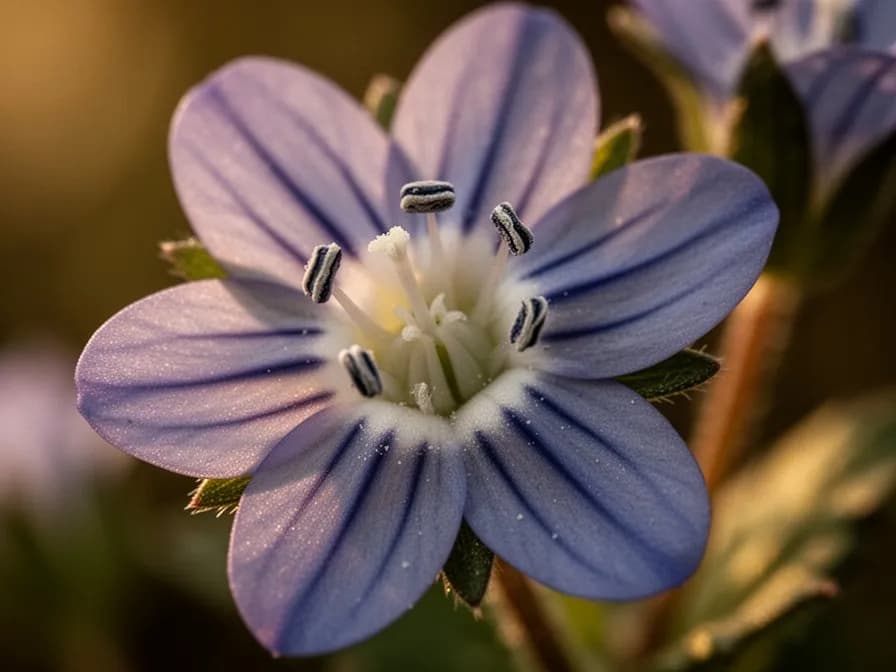
Pressed Veronica Floral Ice Cubes
20 minutes plus freezing timeDecorative ice cubes with suspended veronica flower spikes and individual blossoms. These elegant frozen garnishes add a stunning botanical touch to summer cocktails, sparkling water, and lemonade. The flowers are purely ornamental inside the ice and provide visual appeal rather than flavor.
5 ingredientsWhat's inside
Health Benefits
- Contains iridoid glycosides including aucubin and catalpol which have demonstrated anti-inflammatory and antioxidant effects in laboratory studies.
- Traditional European herbal medicine valued speedwell tea as a mild expectorant to help relieve coughs, bronchial congestion, and upper respiratory discomfort.
- Rich in flavonoids and phenolic compounds that may support cardiovascular health by helping to reduce oxidative stress on blood vessels.
- Historically used as a digestive tonic in folk medicine to soothe stomach upset, stimulate appetite, and ease mild gastrointestinal complaints.
- Topical preparations of veronica were traditionally applied as poultices for minor skin irritations, wounds, and itching, leveraging the plant's mild astringent properties.
- Growing veronica in the garden supports mental well-being indirectly by attracting pollinators and beneficial insects, contributing to a vibrant and calming outdoor environment.
Where Speedwell comes from
Veronica spicata, commonly known as spike speedwell, is a herbaceous perennial native to the grasslands, rocky meadows, and open woodlands of Europe and northern Asia. Its natural range extends from the British Isles and Scandinavia through central Europe, the Balkans, and across the vast steppes of Russia into Siberia. The plant thrives in well-drained, often calcareous soils and is frequently found growing wild on limestone outcrops, dry hillsides, and gravel-rich meadows where competition from taller vegetation is limited.
The genus Veronica was first formally described by Carl Linnaeus in 1753 in his landmark work Species Plantarum. The genus name is traditionally associated with Saint Veronica, though some botanists have suggested it may derive from the Latin 'vera unica,' meaning 'true unique,' in reference to its supposed medicinal virtues. The species name 'spicata' refers to the characteristic spike-like flower clusters that distinguish it from other members of the genus.
Throughout the Middle Ages, various Veronica species were highly valued in European herbal medicine. Herbalists prescribed preparations of speedwell for coughs, digestive troubles, and skin conditions. The common name 'speedwell' itself likely originates from the old English wish of 'speed well' or good health, reflecting the plant's association with healing and well-being. In Germanic folk traditions, the plant was carried by travelers as a protective charm believed to ensure a safe journey.
Spike speedwell entered formal horticultural cultivation in the seventeenth century and quickly became a mainstay of European cottage gardens and herbaceous borders. By the nineteenth century, plant breeders in England and Germany had begun selecting improved forms with larger flower spikes and a wider range of colors. Today, dozens of named cultivars are available commercially, ranging from compact dwarf selections suitable for rock gardens to tall border varieties reaching over 60 cm in height. The species received the Royal Horticultural Society Award of Garden Merit, cementing its status as one of the most reliable and rewarding perennials for temperate gardens worldwide.
Speedwell: did you know?
Fascinating facts about Speedwell
Veronica spicata is named after Saint Veronica, and the genus contains over 500 species distributed across temperate regions worldwide, making it one of the largest genera in the plantain family Plantaginaceae.
Speedwell questions, answered
When should I plant Speedwell?
What are good companion plants for Speedwell?
What hardiness zones can Speedwell grow in?
How much sun does Speedwell need?
How far apart should I space Speedwell?
What pests and diseases affect Speedwell?
How do I store Speedwell after harvest?
What are the best Speedwell varieties to grow?
What soil does Speedwell need?
Is Veronica spicata deer resistant?
How do I prevent powdery mildew on my veronica plants?
Can Veronica spicata be grown in containers?
When is the best time to plant Veronica spicata?
How do I propagate Veronica spicata?
Why are my veronica flower spikes flopping over?
You just read the theory. Now grow it on autopilot.
Everything that makes Speedwell fiddly — the timing, the spacing, the companions, the harvest window — is exactly what PlotMyGarden handles for you, for every plant in your garden.
A plan that knows your weather
Set your location once. Get sow, feed and harvest dates built around your real last-frost date and live forecast — no more guessing from a generic seed packet.
From the “When to plant” sectionDrag-and-drop bed planner
Design beds on a grid. Every plant snaps to its proper spacing, and you can see your whole season laid out before you spend a cent on seed.
From the “Growing guide” sectionCompanion conflicts, caught early
200+ good-and-bad pairings checked live as you plant — so a season-wrecking mistake never makes it into the ground.
From the “Companions” sectionReminders you'll actually act on
“Water the beans.” “Pick today before it turns.” Timely, specific, and tied to the plants you're really growing.
From the “Harvest” sectionSuccession, scheduled
Want a harvest for six weeks, not six days? It spaces your sowings automatically and reminds you when each new block is due.
From the “When to plant” sectionA record that gets smarter
Every harvest you log teaches it your garden. Next year's plan starts from what actually worked in your soil, not a textbook's.
From the “Overview” sectionPlant these alongside Speedwell
More Perennials
Grow your best Speedwell yet — and everything around it.
Start a free plan today. Lay out your beds, drop in your Speedwell, and let PlotMyGarden handle the timing, spacing, companions and reminders from seed to harvest basket.