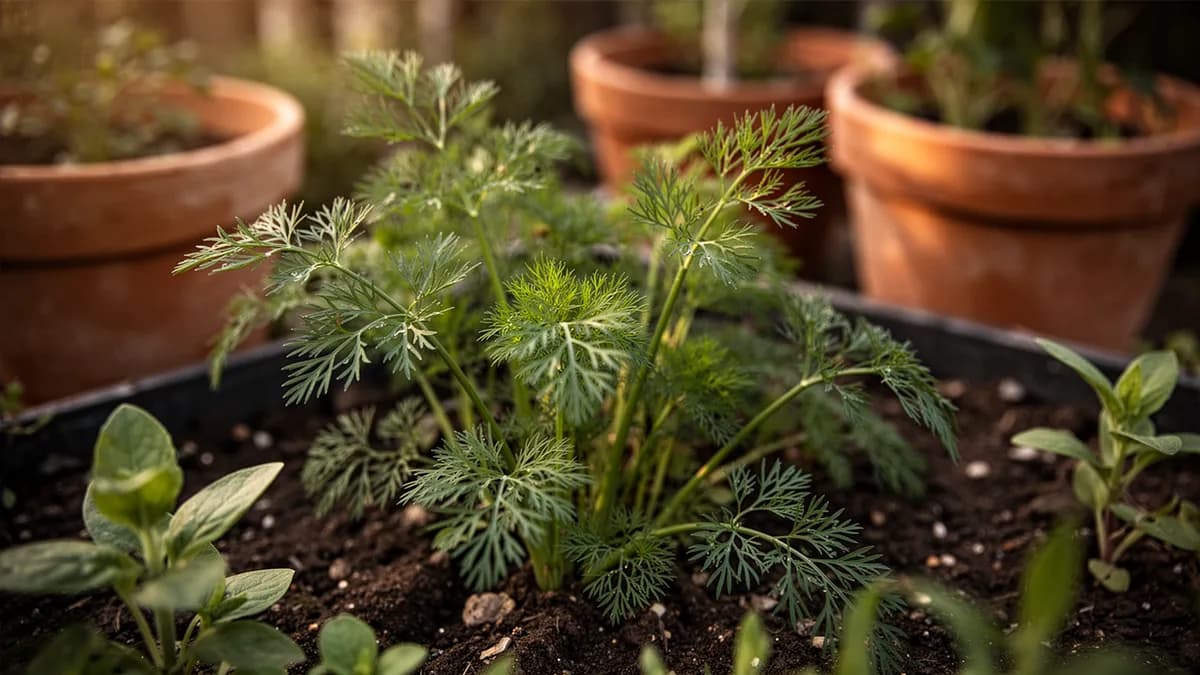
Dill
Anethum graveolens
At a Glance
It's planting season for Dill! Start planning your garden now.
A tall annual herb with feathery fronds and flavorful seeds, attracting beneficial insects like ladybugs and lacewings to the garden. Sow directly in the ground as dill develops a deep taproot and does not transplant well once established. The fresh fronds are classic with fish, potatoes, and yogurt sauces, while the dried seeds flavor pickles, breads, and spice blends. Allow some plants to flower and self-sow for volunteer dill seedlings that return each year with minimal effort.
Planting & Harvest Calendar
Growth Stages
From Seed to Harvest
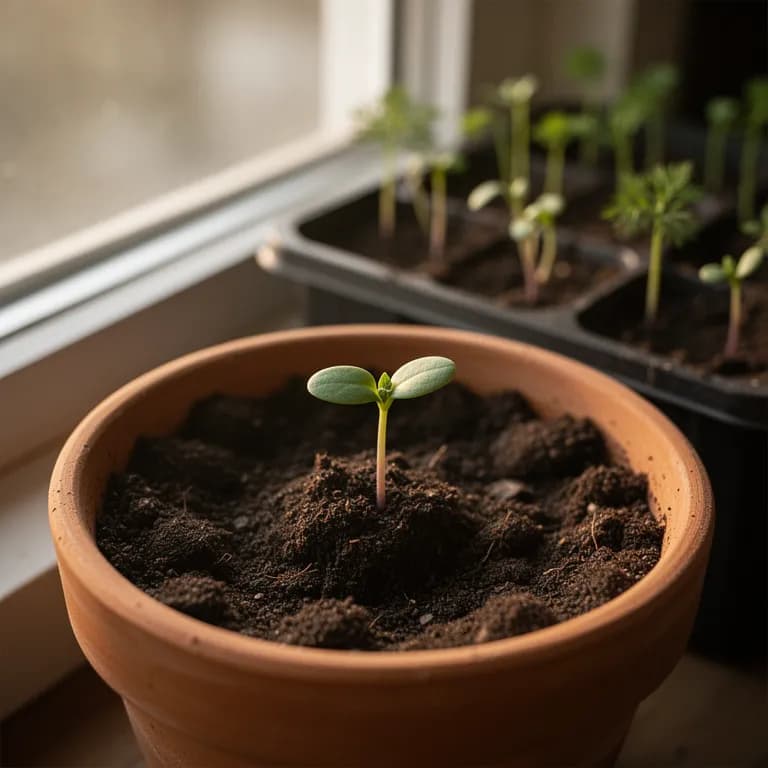
Germination
Days 0–10
Dill seeds germinate in 7 to 10 days when soil temperatures are between 15 and 20 degrees Celsius. The tiny seeds need light to germinate, so press them gently into the surface without covering deeply.
💡 Care Tip
Keep the soil consistently moist but not waterlogged. Misting the surface daily helps prevent the fine seeds from washing away.
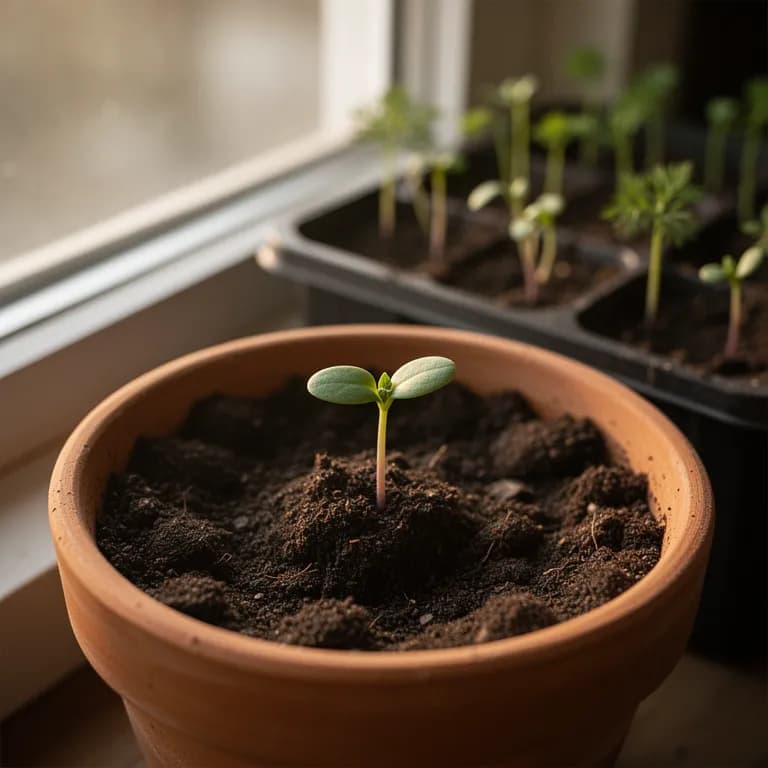
Dill seedlings showing their first delicate, thread-like leaves about one week after germination.
Monthly Care Calendar
What to do each month for your Dill
May
You are hereBegin harvesting outer fronds as needed. Water consistently, providing about 2.5 cm per week. Watch for aphids and swallowtail caterpillars on the foliage.
Did You Know?
Fascinating facts about Dill
Dill has been cultivated for over 5,000 years, with seeds found in the ruins of ancient Swiss lake dwellings dating to the Neolithic period.
Sow dill seeds directly in the garden after the last spring frost, as dill develops a sensitive taproot that makes transplanting difficult. Plant seeds 1/4 inch deep, 1-2 inches apart, in rows 12-18 inches apart. Seeds germinate in 10-14 days. For a continuous supply of fresh fronds, succession-sow every 3 weeks from mid-spring through midsummer.
Choose a sheltered spot in full sun with well-drained, moderately fertile soil with a pH of 5.5-6.5. Dill can grow 3-4 feet tall and may need staking or a sheltered position to prevent wind damage to its tall, hollow stems. Water consistently during establishment but reduce once plants are growing well, as dill is moderately drought-tolerant.
Thin seedlings to 8-12 inches apart once they reach 2 inches tall. Avoid heavy fertilization, which promotes lush foliage at the expense of flavor. Dill attracts beneficial insects including lacewings, ladybugs, and syrphid flies, making it an excellent addition to integrated pest management strategies. Allow some plants to flower and set seed for self-sowing, which provides effortless volunteer plants in subsequent years.
Dill (Anethum graveolens) is native to the eastern Mediterranean region and western Asia, where it has been cultivated as a culinary and medicinal herb for thousands of years. Archaeological evidence suggests that dill was already in use by 3000 BCE, with seeds discovered at ancient settlement sites in Switzerland and Egypt. The Ebers Papyrus, an Egyptian medical text dating to around 1550 BCE, references dill as a remedy for digestive ailments and headaches, making it one of the oldest documented medicinal herbs. Ancient Greeks and Romans valued dill highly, using it to flavor wines, season foods, and create soothing infusions. Roman soldiers carried dill seeds on long campaigns, and wreaths of dill were worn at banquets as a symbol of celebration. The herb spread throughout Europe during the Middle Ages, becoming a staple in monastic gardens where it was grown for both culinary and apothecary purposes. In Scandinavian countries, dill became deeply embedded in food culture, giving rise to iconic dishes like gravlax and pickled herring seasoned with dill fronds and seeds. The herb traveled to the Americas with early European colonists in the 17th century, where it quickly naturalized and became a kitchen garden essential. Thomas Jefferson grew dill at Monticello, and it became a key ingredient in American pickling traditions. Today, dill is cultivated on every inhabited continent, with major production centers in Russia, India, Egypt, and northern Europe. Its enduring popularity speaks to its remarkable versatility, offering both bright, herbaceous leaves for fresh dishes and warm, aromatic seeds for preserved foods and spice blends.
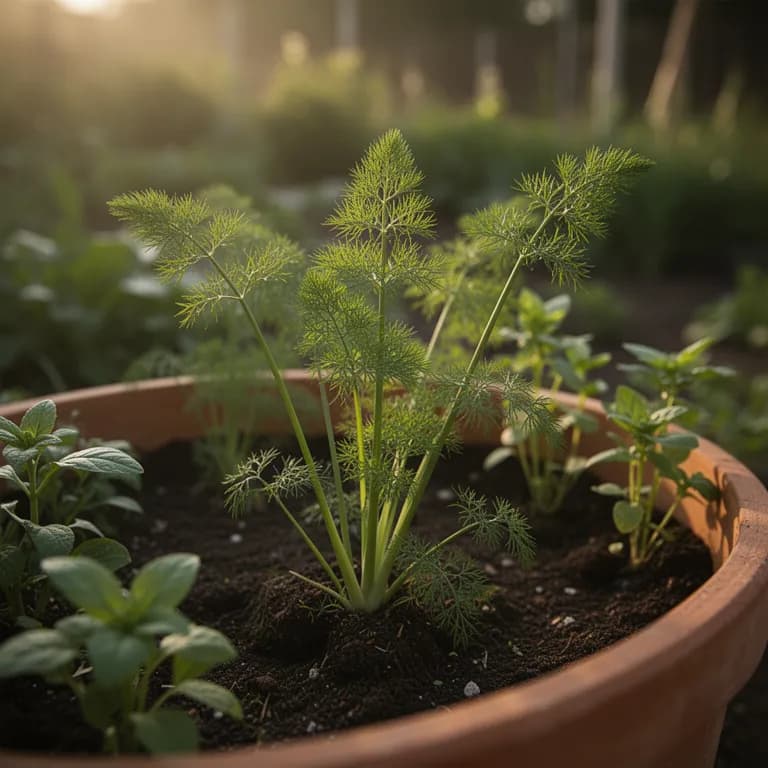
The aromatic, finely divided leaves of dill are prized in cuisines around the world.
Sow dill seeds directly in the garden after the last frost, as transplanting is unreliable due to the taproot. Plant seeds 1/4 inch deep in moist soil. Seeds germinate in 10-14 days at 60-70°F. If starting indoors, use biodegradable peat pots that can be planted without disturbing roots. Sow 2-3 seeds per pot and thin to the strongest seedling. Succession sow every 3 weeks for continuous harvest. Dill readily self-sows; allow some plants to go to seed and volunteer seedlings will appear the following spring.
Dill grows best in moderately fertile, well-drained soil with a slightly acidic to neutral pH of 5.5-6.5. Work in a modest amount of compost before planting, but avoid over-amending soil, as lean conditions produce more intensely flavored foliage. A single application of balanced fertilizer at planting is usually sufficient. Excessive nitrogen promotes rapid, leggy growth that is prone to falling over. In containers, use standard potting mix and feed lightly every 4 weeks. Ensure good drainage, as dill does not tolerate waterlogged roots.
Check Your Zone
See if Dill is suitable for your location.
10°C – 25°C
50°F – 77°F
Dill grows best in cool to mild temperatures between 10 and 25 degrees Celsius. It tolerates light frost and actually produces the most flavorful foliage in cooler weather. Temperatures above 30 degrees Celsius cause rapid bolting, reducing leaf quality. In hot climates, grow dill as a fall, winter, or early spring crop for best results.
Common issues affecting Dill and how to prevent and treat them organically.
Dill bolts quickly in hot weather, shifting from leaf to seed production. Succession planting every 3 weeks ensures a continuous supply. Tall varieties often topple in wind; plant in a sheltered location or provide stakes. Poor germination may result from old seed or planting too deep; dill seeds need shallow sowing and consistent moisture. Yellowing foliage is often a natural sign of the plant transitioning to seed production. Avoid planting near carrots, as they may cross-pollinate, and keep away from tomatoes, which can inhibit dill growth.
Dill is an outstanding insectary plant that attracts ladybugs, lacewings, hoverflies, and parasitic wasps when it flowers. These beneficial insects help control aphids, caterpillars, and other pests throughout the garden. Plant near cabbages, cucumbers, lettuce, and onions for mutual benefit. Dill may help repel spider mites and squash bugs. Avoid planting near carrots, as they are closely related and can cross-pollinate. Also avoid tomatoes, as mature dill may inhibit tomato growth through allelopathic compounds.
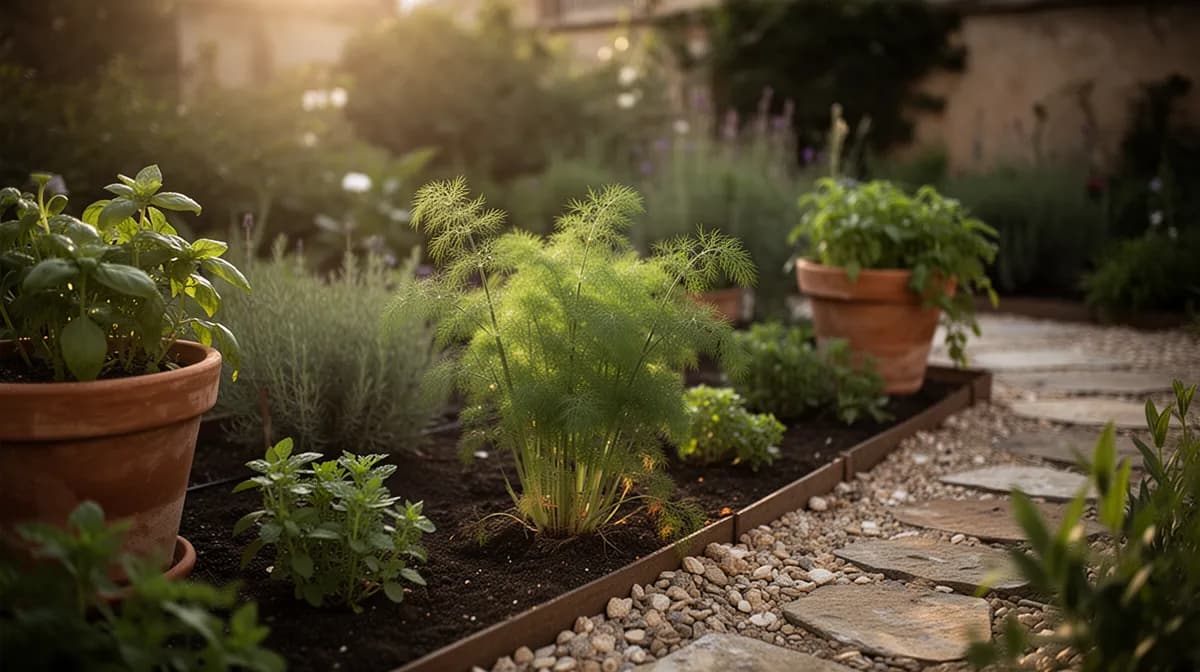
Dill is an excellent companion plant for cucumbers, lettuce, and brassicas.
- 1Sow dill seeds directly in the garden rather than starting indoors, as dill has a long taproot that resents disturbance during transplanting.
- 2Plant dill in full sun with at least 6 to 8 hours of direct sunlight daily for the most robust growth and strongest flavor in the leaves.
- 3Use well-drained soil with a pH between 5.5 and 6.5. Dill is not fussy about soil fertility and actually produces more aromatic foliage in moderately lean soil.
- 4Make succession sowings every 2 to 3 weeks from spring through midsummer to ensure a continuous harvest, since individual plants bolt quickly in warm weather.
- 5Water consistently but avoid overwatering, as dill is susceptible to root rot in soggy conditions. About 2.5 cm of water per week is ideal.
- 6Grow dill near cucumbers, cabbage, and lettuce where it attracts beneficial insects, but keep it away from fennel, as the two can cross-pollinate and produce off-flavored seeds.
- 7Harvest dill fronds in the morning after the dew has dried for the best flavor and longest shelf life. Cut whole stems rather than picking individual leaves.
- 8To preserve dill's delicate flavor, freeze chopped fronds in ice cube trays with a little water or olive oil. Drying works but diminishes the fresh, grassy taste significantly.
- 9Stake tall varieties like Mammoth and Bouquet in windy locations, as their hollow stems can snap easily once they reach 60 to 90 cm in height.
- 10Leave a few plants to flower and set seed each season. Dill self-sows reliably, and volunteer seedlings often appear the following spring with no effort required.
Harvest dill fronds once plants reach 8-10 inches tall, about 40-60 days after sowing. Snip individual fronds as needed or cut whole stems, leaving at least one-third of the plant for regrowth. For dill seed harvest, allow flower heads to develop and collect seeds when they turn brown and begin to dry on the plant. Cut entire seed heads into a paper bag and shake to release seeds. Dill weed has the best flavor before the plant begins to flower, so harvest fronds regularly to delay bolting.
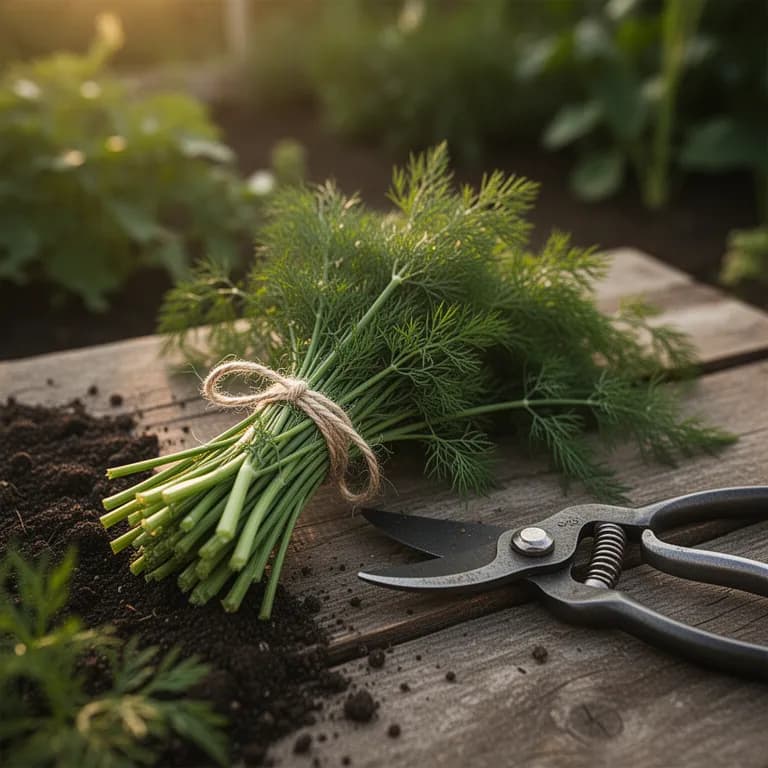
Harvest dill fronds regularly to encourage bushy growth and delay bolting.
Fresh dill is delicate and should be used within a few days. Store sprigs with stems in a jar of water in the refrigerator, covered loosely with a plastic bag. Dill freezes extremely well; chop fronds and freeze in ice cube trays with water or pack whole sprigs into freezer bags. Frozen dill retains its flavor far better than dried. If drying, use a dehydrator at 95°F for the best results, as air-drying can cause significant flavor loss. Dill seeds store well in airtight jars in a cool, dark place for up to 3 years.
Plan your garden with ease
Love growing Dill? Use our free garden planner to design your beds, track planting dates, and get personalized care reminders.
Nutritional Info
Per 100g serving
43
Calories
Health Benefits
- Exceptionally rich in vitamin A and vitamin C, providing powerful antioxidant protection.
- Contains significant amounts of manganese, iron, and folate, supporting bone health and red blood cell production.
- Provides flavonoids like vicenin and kaempferol, which have anti-inflammatory and antimicrobial properties.
- A good source of calcium for an herb, contributing to daily intake when used generously in cooking.
- Contains monoterpene compounds including limonene, carvone, and anethofuran, which support digestive health.
💰 Why Grow Your Own?
A single packet of dill seeds costs around 2 to 3 euros and can produce dozens of plants across multiple sowings. Fresh dill at the supermarket typically costs 1.50 to 2.50 euros for a small bunch of 20 to 30 grams. One healthy dill plant can yield 100 to 200 grams of fresh fronds over its lifetime, and because dill self-sows freely, a single planting can provide free dill for years. Growing your own easily saves 30 to 50 euros per season compared to buying fresh bunches weekly.
Quick Recipes
Simple recipes using fresh Dill
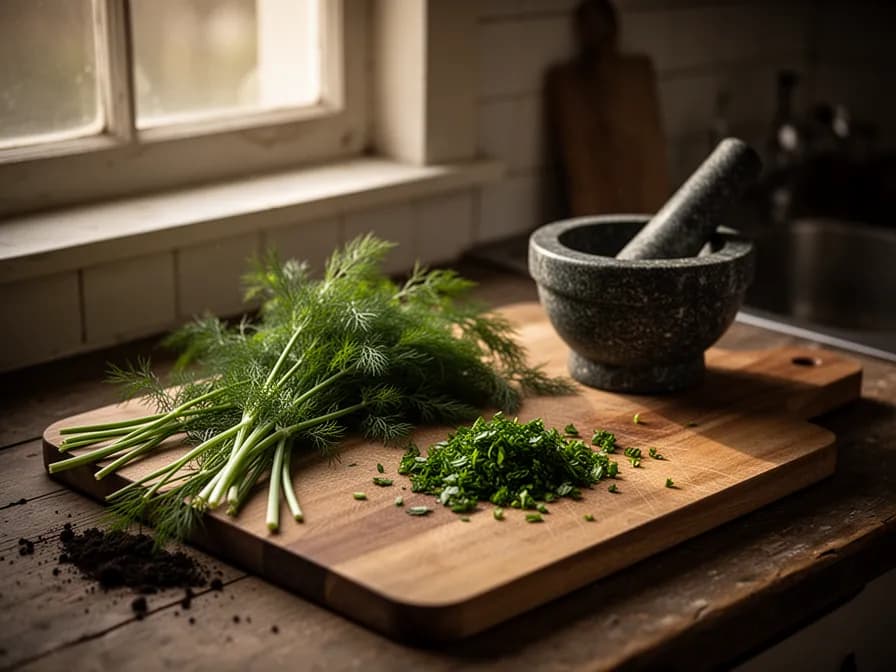
Classic Dill Yogurt Sauce (Tzatziki Style)
10 minutesA cool, creamy sauce perfect for grilled meats, pita bread, or roasted vegetables. The fresh dill provides a bright, herbaceous note that balances the tangy yogurt beautifully.
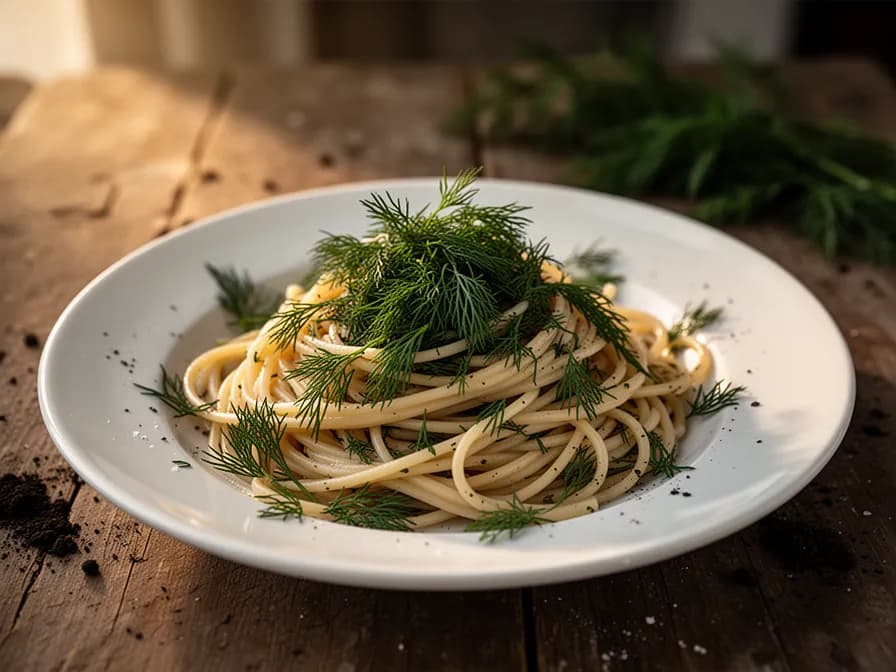
Lemon Dill Butter for Fish
5 minutesA compound butter that melts beautifully over grilled or baked salmon, trout, or cod. It can be prepared ahead of time and stored in the refrigerator or freezer for quick weeknight meals.
Quick Pickled Cucumbers with Dill
15 minutes plus 1 hour restingCrisp, tangy refrigerator pickles that capture the classic dill and cucumber combination. These quick pickles are ready to eat in just one hour and keep in the fridge for up to two weeks.
Air-drying or freezing are the best ways to preserve dill's delicate flavor.
Yield & Spacing Calculator
See how many Dill plants fit in your garden bed based on the recommended 25cm spacing.
16
Dill plants in a 4×4 ft bed
4 columns × 4 rows at 25cm spacing
Popular Varieties
Some of the most popular dill varieties for home gardeners, each with unique characteristics.
Bouquet
The most common garden variety, growing 2-3 feet tall with abundant foliage and large seed heads. Excellent all-purpose dill for both fronds and seeds.
Fernleaf
A compact dwarf variety reaching only 18 inches, ideal for containers and small gardens. Slow to bolt with dense, dark green foliage and strong flavor.
Mammoth (Long Island)
A tall variety growing 3-5 feet, prized for its large seed heads used in pickling. Produces abundant seeds and vigorous self-sowing.
Dukat
Selected for exceptionally high essential oil content in its foliage. Slow to bolt with extra-flavorful fronds, considered superior for fresh culinary use.
Hera
A compact, slow-bolting variety bred for extended leaf harvest. Dark blue-green fronds with strong aroma, ideal for commercial growers and home gardens.
Fresh dill fronds are classic with salmon, trout, and other fish dishes. They are essential in Scandinavian gravlax, German potato salad, and Eastern European borscht. Dill brightens cucumber salads, yogurt sauces, and tzatziki. Dill seeds are indispensable in pickle brines and rye breads. The feathery fronds pair beautifully with eggs, cream cheese, smoked fish, and new potatoes. Add fresh dill at the end of cooking, as heat quickly destroys its delicate flavor.
When should I plant Dill?
Plant Dill in April, May. It takes approximately 40 days to reach maturity, with harvest typically in June, July, August.
What are good companion plants for Dill?
Dill grows well alongside Cucumber, Cabbage, Lettuce, Onion. Companion planting can improve growth, flavor, and natural pest control.
What hardiness zones can Dill grow in?
Dill thrives in USDA hardiness zones 3 through 11. With greenhouse protection, it may be grown in zones 1 through 12.
How much sun does Dill need?
Dill requires Full Sun (6-8h+). This means at least 6-8 hours of direct sunlight daily.
How far apart should I space Dill?
Space Dill plants 25cm (10 inches) apart for optimal growth and air circulation.
What pests and diseases affect Dill?
Common issues include Parsley Worm (Black Swallowtail Caterpillar), Aphids, Cercospora Leaf Blight. Prevention through good garden practices like crop rotation, proper spacing, and companion planting is the best approach. See the detailed pests and diseases section above for symptoms, prevention, and treatment for each.
How do I store Dill after harvest?
Fresh dill is delicate and should be used within a few days. Store sprigs with stems in a jar of water in the refrigerator, covered loosely with a plastic bag. Dill freezes extremely well; chop fronds and freeze in ice cube trays with water or pack whole sprigs into freezer bags. Frozen dill retains...
What are the best Dill varieties to grow?
Popular varieties include Bouquet, Fernleaf, Mammoth (Long Island), Dukat, Hera. Each has unique characteristics suited to different growing conditions and culinary preferences. See the varieties section above for detailed descriptions.
What soil does Dill need?
Dill grows best in moderately fertile, well-drained soil with a slightly acidic to neutral pH of 5.5-6.5. Work in a modest amount of compost before planting, but avoid over-amending soil, as lean conditions produce more intensely flavored foliage. A single application of balanced fertilizer at plant...
Why does my dill bolt so quickly before I can harvest enough leaves?
Dill bolts rapidly in response to heat, long days, and transplant stress. To extend your leaf harvest, choose bolt-resistant varieties like Fernleaf or Herkules, sow directly in the garden to avoid root disturbance, and make succession plantings every 2 to 3 weeks. Growing dill in partial afternoon shade during hot summers can also slow bolting significantly.
Can I grow dill in a container or pot on my balcony?
Yes, dill grows well in containers as long as the pot is at least 30 cm deep to accommodate its long taproot. Use a well-draining potting mix, place the container in full sun, and water regularly since pots dry out faster than garden beds. Compact varieties like Fernleaf are especially well suited to container growing, reaching only 30 to 45 cm tall.
Is it safe to let swallowtail caterpillars eat my dill plants?
Absolutely. Black swallowtail caterpillars feed on dill foliage, but a healthy plant can tolerate moderate caterpillar damage without significant yield loss. Many gardeners plant extra dill specifically to support these beautiful butterflies. If caterpillar numbers are high, simply move a few to other host plants like parsley, fennel, or Queen Anne's lace.
What is the difference between dill weed and dill seed, and can I use them interchangeably?
Dill weed refers to the feathery green leaves, which have a mild, fresh, grassy flavor with hints of anise. Dill seed is the dried fruit of the plant, with a stronger, warmer, slightly bitter taste similar to caraway. They are not directly interchangeable, as seeds hold up well in cooked dishes and pickles, while fresh dill weed is best added at the end of cooking or used raw in salads and sauces.
How do I store fresh dill to keep it from wilting quickly?
Fresh dill stays vibrant for up to a week when stored upright in a jar of water in the refrigerator, loosely covered with a plastic bag. For longer storage, freeze chopped dill in ice cube trays with water or olive oil, which preserves its flavor for up to 6 months. Avoid drying dill if possible, as it loses much of its characteristic fresh flavor when dehydrated.
Can I grow dill indoors during winter?
Dill can be grown indoors, but it requires strong light, ideally 10 to 12 hours under a grow light or on a very sunny south-facing windowsill. Use a deep pot of at least 25 cm, keep the room cool (around 15 to 20 degrees Celsius), and choose the compact Fernleaf variety. Indoor dill will produce more modest yields than outdoor plants but can provide fresh sprigs for garnishing throughout the winter months.
Ready to Grow Dill?
Add Dill to your garden plan and start designing your perfect layout.

Vladimir Kusnezow
Gardener and Software Developer
Zone 6b gardener. Growing vegetables and fruits in soil and hydroponics for 6 years. I built PlotMyGarden to plan my own gardens.
Jump to Section