Espárrago Silvestre
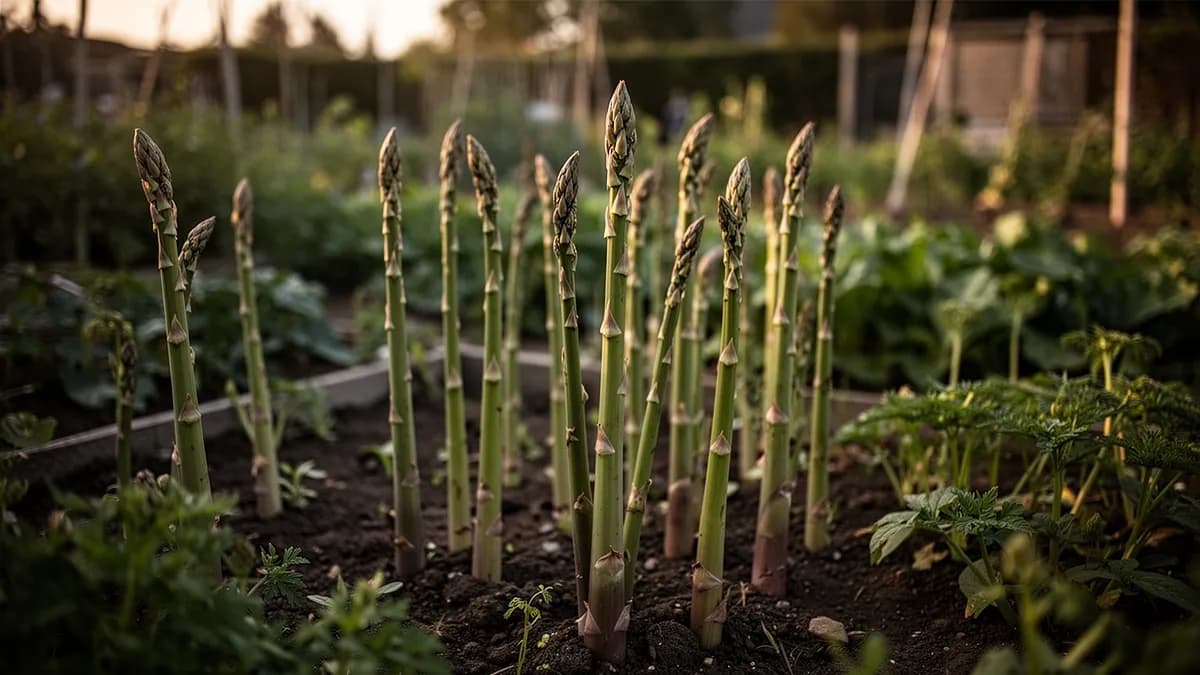
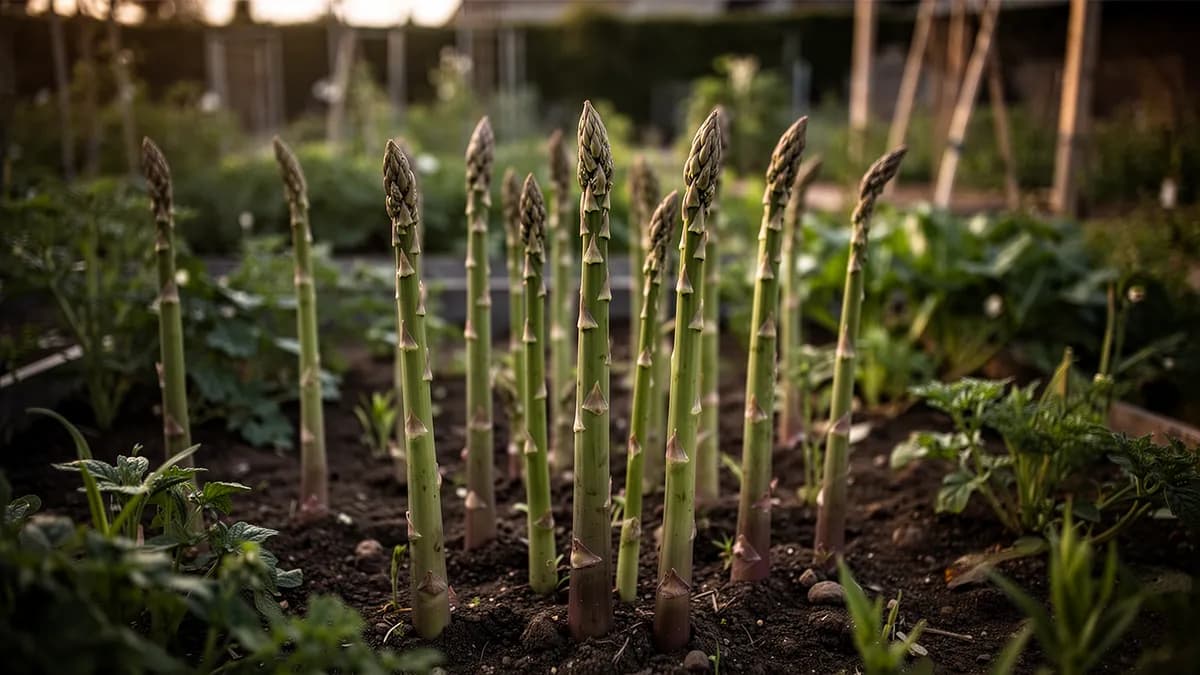
El espárrago silvestre (Asparagus acutifolius) es una planta perenne nativa de la cuenca mediterránea que produce brotes primaverales finos, verdes y de sabor intenso, mucho más concentrado que el del espárrago cultivado.





En esta páginaResumen
Conoce Espárrago Silvestre
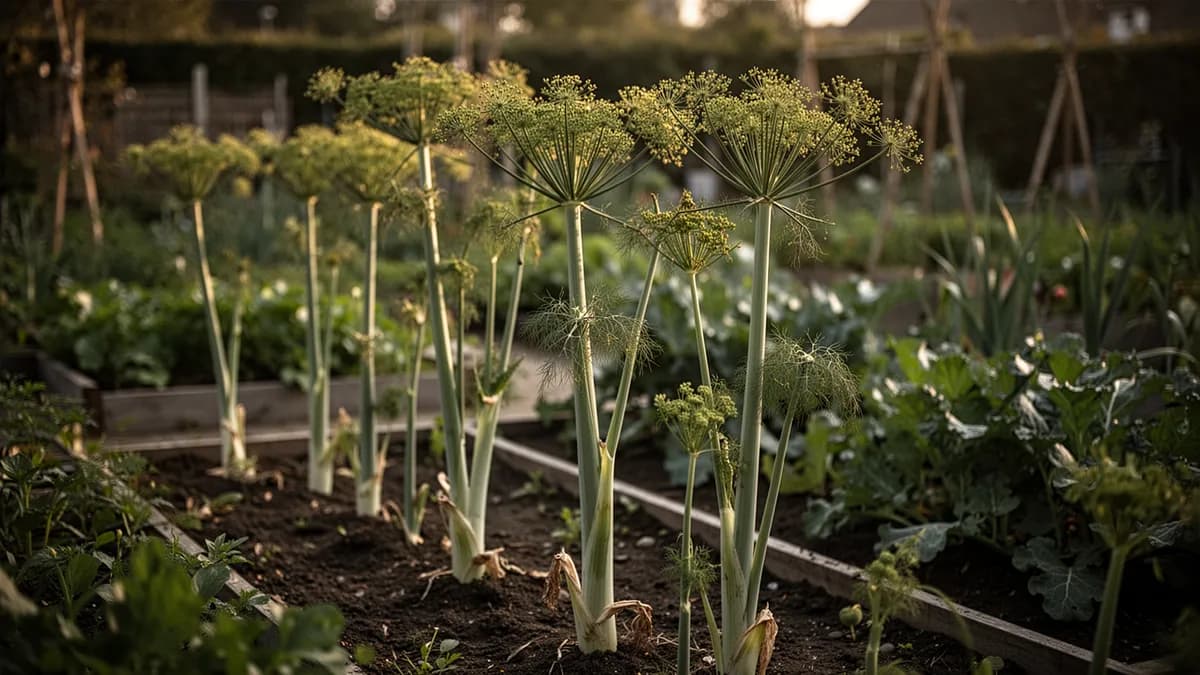
El espárrago silvestre (Asparagus acutifolius) es una planta perenne nativa de la cuenca mediterránea que produce brotes primaverales finos, verdes y de sabor intenso, mucho más concentrado que el del espárrago cultivado. Crece espontáneamente en matorrales, setos y bosques abiertos, y la recolección de espárragos trigueros silvestres es una tradición profundamente arraigada en España, Italia, Grecia y el norte de África.
Cuándo plantar Espárrago Silvestre
La propagación por semillas es posible pero lenta: siembre las semillas en otoño o primavera en macetas profundas tras un remojo de 24 horas. La germinación tarda 3-6 semanas. Las plántulas necesitan 2-3 años en maceta antes de trasplantar al lugar definitivo. La plantación de coronas compradas o divisiones de plantas establecidas es más rápida y fiable.
Tu año de Espárrago Silvestre
Ajustado a Zona 7 · temporada típica · la helada se va hacia el 2 abr y vuelve hacia el 1 nov
Planta Espárrago Silvestre Mar – Abr y cosecha Mar – May. Consulta los métodos de plantación y elige tu clima para adaptar los periodos.
Cómo cultivar Espárrago Silvestre
El espárrago silvestre es una planta perenne extremadamente resistente que prefiere un lugar soleado a semisombreado con suelo bien drenado, incluso pobre y pedregoso, con pH entre 6,5 y 7,5. A diferencia del espárrago cultivado, tolera suelos calcáreos y secos. Plante coronas o plantas jóvenes en otoño o primavera.
Prepare el terreno cavando a 30 cm de profundidad e incorporando algo de compost. Plante las coronas a 15-20 cm de profundidad con 40-60 cm de separación. Los espárragos silvestres tienen raíces menos profundas que los cultivados pero se extienden horizontalmente formando matas densas.
Durante los 2-3 primeros años, no coseche para permitir que la planta se establezca y acumule reservas en sus raíces. Riegue moderadamente solo durante sequías prolongadas; una vez establecido, el espárrago silvestre es muy resistente a la sequía. Aplique un acolchado de hojas secas o paja en otoño para proteger las coronas.
10 plantas caben en un bancal de 120 × 240 cm
Cada Espárrago Silvestre pide 45 cm de margen. El planificador guarda ese marco por ti — cada planta, cada bancal.
Los mejores vecinos de Espárrago Silvestre
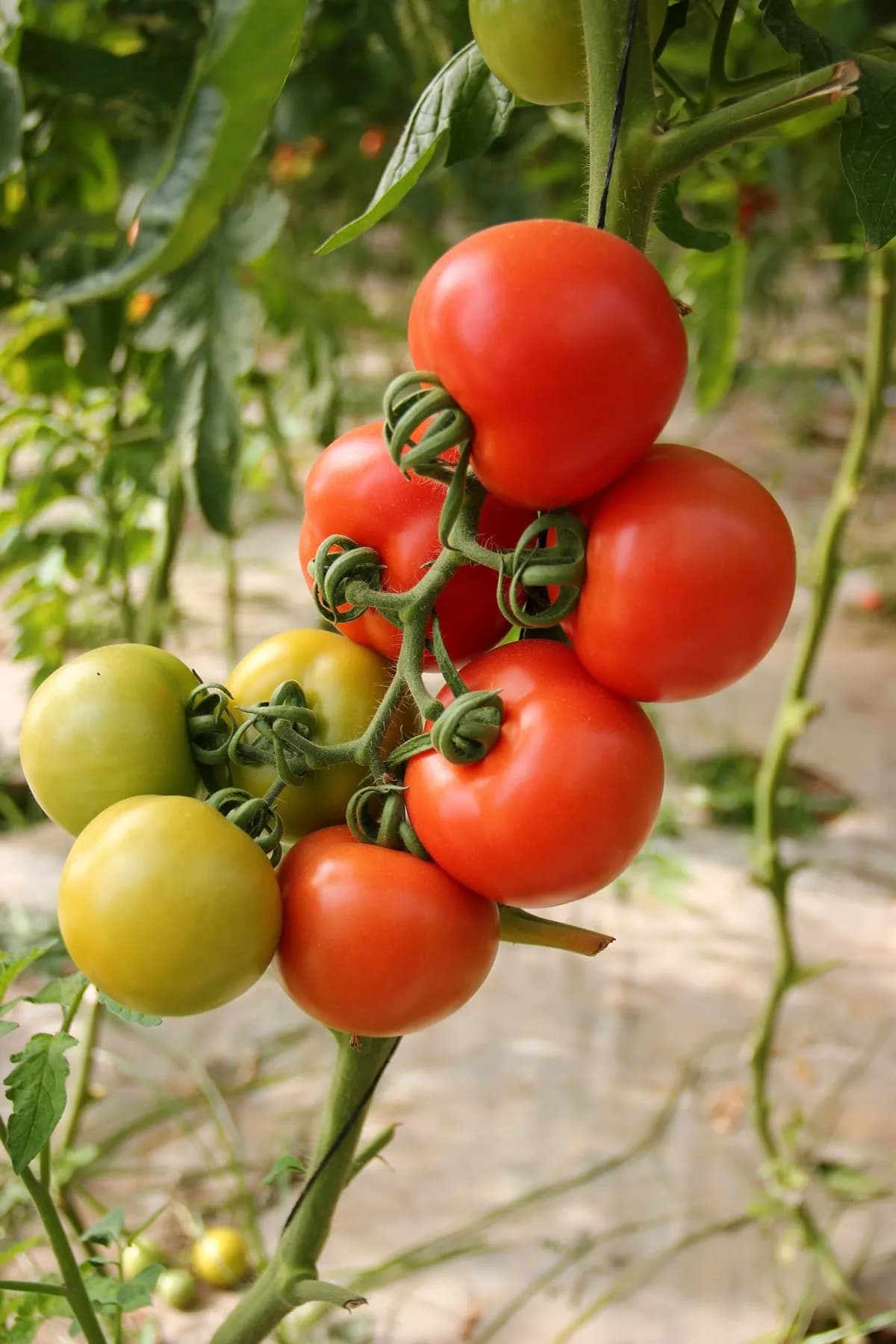
El espárrago silvestre se asocia bien con tomates, perejil y albahaca en el huerto mediterráneo. Su follaje plumoso proporciona sombra ligera beneficiosa para cultivos de verano. Evite plantarlo junto a cebollas y ajos, que pueden inhibir su crecimiento. Las hierbas aromáticas mediterráneas como romero y tomillo son buenos vecinos.
Tomate va a su lado.
Saber de huerto de siempre, cotejado con la tabla real de Espárrago Silvestre — prueba cualquier planta que cultives.
Prueba Espárrago Silvestre en un bancal, aquí mismo
Un bancal real del planificador con Espárrago Silvestre ya plantado. Toca una planta compañera para colocarla y mira cómo responde la comprobación de vecinos: verde para buenos vecinos, rojo si hay conflicto.


Guías de cultivo relacionadas
Abónalo bien
El espárrago silvestre es poco exigente en cuanto al suelo; prospera en terrenos bien drenados, incluso pobres, pedregosos y calcáreos, con pH entre 6,5 y 7,5. No necesita fertilización abundante; una capa de compost en otoño es suficiente. El exceso de nutrientes produce brotes blandos y de menor sabor. El buen drenaje es más importante que la fertilidad.
Temperatura ideal
Compatibilidad de zonas de rusticidad
De la semilla a la cosecha, etapa por etapa
Germinación de semillas
Las semillas de espárrago silvestre germinan lenta e irregularmente. Se benefician de la escarificación o del remojo antes de la siembra.
Establecimiento de la plántula
La planta joven está formando su primera corona y su sistema de raíces bajo tierra, mientras que el crecimiento aéreo sigue siendo escaso y delicado.
Desarrollo de la corona
La corona se expande bajo tierra mientras los brotes parecidos a helechos acumulan energía para la futura producción de turiones.
Emergencia de turiones
En primavera, los turiones emergen rápidamente de coronas establecidas y tienen una ventana de cosecha corta antes de que se vuelvan helechos.
Crecimiento del follaje y producción de bayas
Después de la cosecha, los turiones restantes se convierten en follaje parecido a un helecho y pueden producir flores y bayas rojas.
Dormancia y retorno perenne
En otoño e invierno el follaje se seca y la corona descansa bajo tierra hasta la primavera.
Remoja las semillas en agua tibia durante 48 horas antes de sembrar, cambiando el agua a diario. Empieza en macetas pequeñas en interiores con calor. Mantén el sustrato constantemente húmedo, pero nunca encharcado.
Cuidar Espárrago Silvestre mes a mes
Qué hacer cada mes para tu Espárrago Silvestre
Octubre
Mes actualFerns turn golden-yellow and begin dying back naturally. Allow them to stand until fully brown — they continue to feed the crown as long as any green tissue remains. Plant new crowns or transplant seedlings in mild-winter zones.
Ten claro qué hacer en tu huerto, cada mes
Un correo al empezar cada mes: qué sembrar, plantar y hacer ahora mismo — para tu Espárrago Silvestre y todo lo que crece alrededor. Más un breve curso inicial para esquivar los errores clásicos.
- Qué hacer ahora mismo
- Ajustado a tu temporada
- Curso inicial incluido
Cosechar Espárrago Silvestre
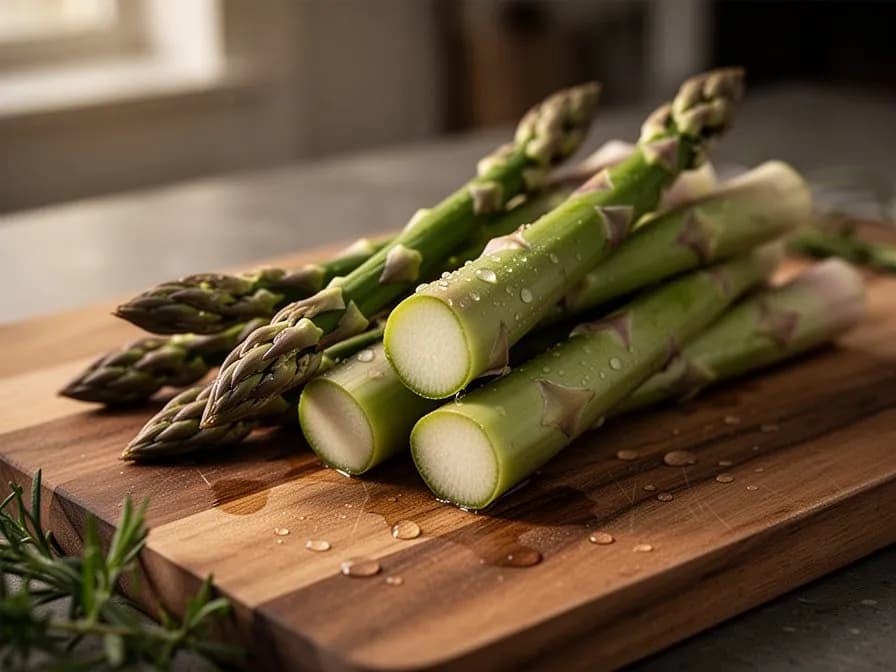
Coseche los brotes (turiones) del espárrago silvestre en primavera cuando tengan 15-25 cm y antes de que los extremos se abran, a partir del segundo o tercer año de plantación. Corte o rompa los brotes a nivel del suelo. Los turiones silvestres son más finos que los cultivados pero mucho más aromáticos. Limite la cosecha a 4-6 semanas para no debilitar la planta.
se supone que plantas al comenzar el periodo — indica tu fecha real
Empieza con una cosecha ligera en el año 2 o 3 y cosecha durante 4 a 6 semanas en primavera cuando las plantas estén bien establecidas.
Almacenamiento y conservación
Los espárragos silvestres son muy perecederos y deben consumirse lo más pronto posible tras la cosecha, idealmente en las primeras 24-48 horas. Consérvelos en el refrigerador con las bases en agua durante 2-3 días. Para conservación prolongada, blanquéelos 1-2 minutos y congélelos. También se conservan en aceite de oliva o en escabeche.
Qué falla — y cómo solucionarlo
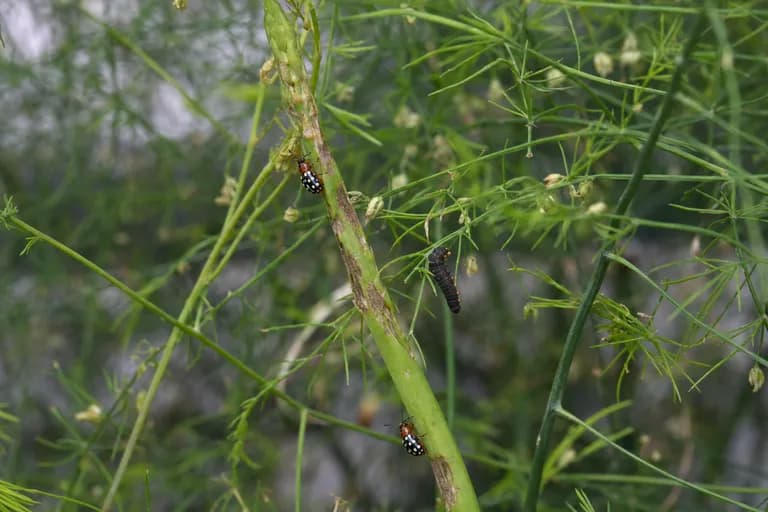
Escarabajo del espárrago (Crioceris asparagi)
PlagaEscarabajos alargados azul-negros con manchas rojas que devoran los tallos y el follaje plumoso. Las larvas causan más daño, esqueletizando los tallos jóvenes.
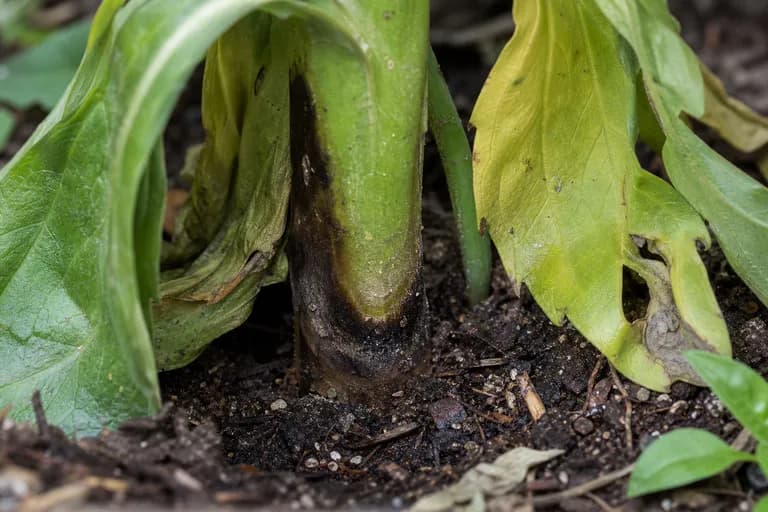
Roya del espárrago (Puccinia asparagi)
EnfermedadPústulas anaranjadas a marrones en los tallos y el follaje que liberan esporas pulverulentas. Los tallos afectados se debilitan y secan prematuramente.
Solución de problemas comunes
El establecimiento es lento y requiere paciencia de 2-3 años sin cosechar. Las plantas jóvenes son vulnerables a la competencia de malas hierbas hasta que se establecen. Una vez establecido, el espárrago silvestre es una planta extraordinariamente resistente y longeva que produce durante décadas con mínimo mantenimiento.
Consejos de cultivo
- Wild asparagus is a long-term investment — it takes 2-3 years from seed to first light harvest, but once established a patch will produce spears reliably for 15-30 years with minimal care. Plant it where it can remain undisturbed for decades.
- Choose the driest, sunniest spot in your garden with excellent drainage. Wild asparagus is native to rocky Mediterranean scrubland and actually performs poorly in rich, moist soil. Sandy, gravelly, or stony ground with a neutral to slightly alkaline pH (6.5-8.0) is ideal.
- Do not overwater established plants. Wild asparagus is one of the most drought-tolerant garden perennials, with deep roots reaching 2-3 meters. Excessive moisture, especially in winter, causes crown rot — the primary killer of cultivated wild asparagus plants.
- Never harvest spears in the first year and only lightly in years two and three — take just 2-3 spears per plant over a short 1-2 week window. By year four, a healthy crown can sustain a 4-6 week harvest. Overharvesting young plants permanently weakens or kills the crown.
- The post-harvest fern growth is absolutely critical. After you stop harvesting in spring, every remaining spear must be allowed to grow into its full fern-like bush. This foliage photosynthesizes all summer to recharge the crown's energy reserves for next year's crop.
- Propagate from fresh seed collected from ripe red berries in autumn. Remove the fleshy berry coating by soaking and rubbing, then sow immediately or cold-stratify for 4 weeks before spring sowing. Alternatively, divide established crowns in early spring, ensuring each division has several buds and healthy roots.
- Wild asparagus makes an excellent companion plant in permaculture systems. Its deep roots do not compete with shallow-rooted crops, its airy fern provides dappled shade for understory plants, and it thrives in the dry margins and edges where other crops struggle.
- Protect young spears from slugs and snails in spring, particularly in damp climates. Once the spears fern out, the plant has very few pest or disease problems — its natural toughness and chemical defenses make it one of the most trouble-free perennial crops.
Cultiva tu mejor Espárrago Silvestre — y todo lo que la rodea.
Empieza un plan gratis hoy. Diseña tus bancales, coloca tu Espárrago Silvestre y deja que PlotMyGarden gestione el momento, el espaciado, las asociaciones y los recordatorios de la semilla a la cesta.
Elige tu Espárrago Silvestre
Asparagus acutifolius (triguero)
La especie silvestre mediterránea con brotes finos, verdes y de sabor intenso. Extremadamente resistente a la sequía y al calor. Cosecha primaveral.
Asparagus maritimus
Especie costera con brotes ligeramente más gruesos que A. acutifolius. Sabor intenso con notas salinas. Nativa de dunas y marismas mediterráneas.
Asparagus officinalis silvestre
Poblaciones silvestres del espárrago común, con brotes más finos y sabor más concentrado que las variedades cultivadas. Se encuentra en bordes de caminos y riberas.
Wild asparagus is rarely sold commercially but when available at specialty markets and foraging vendors in Mediterranean countries, it commands premium prices of $15-30 per kg — significantly more than cultivated asparagus. Growing your own wild asparagus from seed costs virtually nothing after the initial $3-5 seed investment, and a well-maintained patch produces spears for 15-30 years without replanting. The true value lies in the unique flavor — wild asparagus has an intensity and complexity that cultivated varieties cannot match, giving you access to an ingredient that is essentially unavailable in grocery stores.
Recetas rápidas
Wild Asparagus Frittata
20 minA classic Italian spring frittata where the concentrated, slightly bitter flavor of wild asparagus shines against a backdrop of eggs and aged Parmigiano-Reggiano. The thin spears cook quickly and need only be cut into short lengths before adding to the egg mixture.
6 ingredientesWild Asparagus Risotto
35 minA delicate springtime risotto where wild asparagus tips are stirred in at the end to preserve their texture, while the stem pieces are simmered into the broth to infuse the rice with their earthy, herbaceous flavor. Finished with butter and Parmigiano for a creamy, elegant dish.
9 ingredientesGrilled Wild Asparagus with Romesco
15 minThe simplest and most traditional way to enjoy wild asparagus in Catalonia — the thin spears are grilled over high heat until lightly charred and tender, then served with a smoky romesco sauce for dipping. The intense flavor of wild asparagus needs almost nothing else.
9 ingredientesUsos culinarios
Los espárragos silvestres tienen un sabor mucho más intenso y concentrado que los cultivados. En España, se preparan en revueltos y tortillas de espárragos trigueros, uno de los platos primaverales más apreciados. También se cocinan a la parrilla con aceite de oliva y sal gruesa, se saltean con jamón ibérico y ajo, o se añaden a platos de pasta y risottos. Su sabor intenso requiere preparaciones sencillas que lo resalten.
Qué contiene
Beneficios para la salud
- Extremely low in calories at just 20 per 100g while providing a broad spectrum of vitamins, minerals, and bioactive compounds — wild asparagus is one of the most nutrient-dense spring vegetables available to foragers and gardeners.
- Rich in vitamin K, essential for proper blood coagulation and calcium metabolism, supporting both cardiovascular health and bone density maintenance.
- Contains high levels of the antioxidant glutathione, often called the body's master antioxidant, which plays a central role in detoxification, immune function, and cellular repair processes.
- Provides the flavonoids rutin and quercetin, which have demonstrated anti-inflammatory and vasoprotective properties in research studies, potentially supporting heart health and reducing chronic inflammation.
- Acts as a natural diuretic due to the amino acid asparagine and the compound asparagusic acid, traditionally used in folk medicine to support kidney function and urinary tract health.
- Contains inulin, a prebiotic fiber that passes undigested to the colon where it selectively feeds beneficial Bifidobacterium and Lactobacillus bacteria, supporting a healthy gut microbiome and improved mineral absorption.
De dónde viene Espárrago Silvestre
Wild asparagus (Asparagus acutifolius) is native to the Mediterranean basin, where it grows naturally across a vast range from Portugal and Morocco in the west to Turkey, Iran, and the Caucasus in the east. It thrives in the dry, rocky, calcareous soils of coastal scrubland, olive groves, pine forests, and roadside hedgerows — environments that receive intense summer heat and prolonged drought. The plant has been gathered as a wild food for millennia, with evidence of asparagus consumption dating back to ancient Egypt and Mesopotamia.
The ancient Greeks were among the first to document wild asparagus as both food and medicine. Hippocrates recommended it for urinary ailments, and Theophrastus described its growth habits in his botanical works. The Romans elevated asparagus to a cultivated crop — Cato the Elder wrote detailed planting instructions in De Agri Cultura around 160 BCE, and the Emperor Augustus reportedly coined the phrase 'faster than cooking asparagus' to describe something done with great speed. Roman cultivation efforts gradually selected for thicker spears, eventually giving rise to the cultivated species Asparagus officinalis, but wild asparagus continued to be gathered alongside its domesticated cousin.
Throughout the medieval period and into the modern era, wild asparagus foraging remained an important spring tradition across the entire Mediterranean region. In Italy, Spain, Greece, Croatia, Turkey, and North Africa, the first appearance of wild asparagus spears in late winter and early spring marks a celebrated seasonal event. Today, wild asparagus is increasingly cultivated in home gardens and small farms, particularly in southern Europe, as interest in wild foods, foraging culture, and heirloom flavors has surged. Its extreme drought tolerance, low maintenance requirements, and exceptional longevity make it a compelling perennial crop for sustainable gardens and permaculture systems.
Espárrago Silvestre: ¿sabías que?
Datos fascinantes sobre Espárrago Silvestre
Wild asparagus (Asparagus acutifolius) is the ancestor of all cultivated asparagus and has been foraged by humans for thousands of years. Ancient Greeks and Romans prized it as both food and medicine, and it appears in the writings of Pliny the Elder, Cato, and Dioscorides.
Espárrago Silvestre: preguntas frecuentes
¿Cuándo debo plantar Espárrago Silvestre?
¿Cuáles son buenas plantas acompañantes para Espárrago Silvestre?
¿En qué zonas de rusticidad puede crecer Espárrago Silvestre?
¿Cuánto sol necesita Espárrago Silvestre?
¿A qué distancia debo espaciar Espárrago Silvestre?
¿Qué plagas y enfermedades afectan a Espárrago Silvestre?
¿Cómo almaceno Espárrago Silvestre después de la cosecha?
¿Cuáles son las mejores variedades de Espárrago Silvestre para cultivar?
¿Qué suelo necesita Espárrago Silvestre?
What is the difference between wild asparagus and regular asparagus?
How long does wild asparagus take to produce a harvestable crop?
Can I grow wild asparagus in a cold climate?
Why are my wild asparagus spears so thin?
Is wild asparagus invasive?
How do I identify wild asparagus when foraging?
Acabas de leer la teoría. Ahora cultívala en piloto automático.
Todo lo que hace que Espárrago Silvestre sea delicado — el momento, el espaciado, las asociaciones, la ventana de cosecha — es justo lo que PlotMyGarden resuelve por ti, para cada planta de tu huerto.
Un plan que conoce tu clima
Indica tu ubicación una vez. Recibe fechas de siembra, abonado y cosecha basadas en tu última helada real y el pronóstico en vivo — sin adivinar con un sobre genérico.
De la sección “Cuándo plantar”Planificador de bancales de arrastrar y soltar
Diseña bancales sobre una cuadrícula. Cada planta encaja con su espaciado correcto y ves toda la temporada antes de gastar un céntimo en semillas.
De la sección “Cultivo”Conflictos de asociación, detectados a tiempo
Más de 200 buenas y malas combinaciones comprobadas en vivo mientras plantas — para que un error que arruine la temporada nunca llegue a la tierra.
De la sección “Asociaciones”Recordatorios que sí vas a seguir
“Riega las judías.” “Recoge hoy antes de que se pase.” Oportunos, concretos y ligados a las plantas que de verdad cultivas.
De la sección “Cosecha”Escalonado, programado
¿Quieres cosechar seis semanas en vez de seis días? Reparte tus siembras automáticamente y te avisa cuando toca el siguiente lote.
De la sección “Cuándo plantar”Un registro que se vuelve más listo
Cada cosecha que registras le enseña tu huerto. El plan del año que viene parte de lo que de verdad funcionó en tu suelo, no en un manual.
De la sección “Resumen”Planta estos junto a Espárrago Silvestre
Más Tallos y brotes
Cultiva tu mejor Espárrago Silvestre — y todo lo que la rodea.
Empieza un plan gratis hoy. Diseña tus bancales, coloca tu Espárrago Silvestre y deja que PlotMyGarden gestione el momento, el espaciado, las asociaciones y los recordatorios de la semilla a la cesta.