Stock
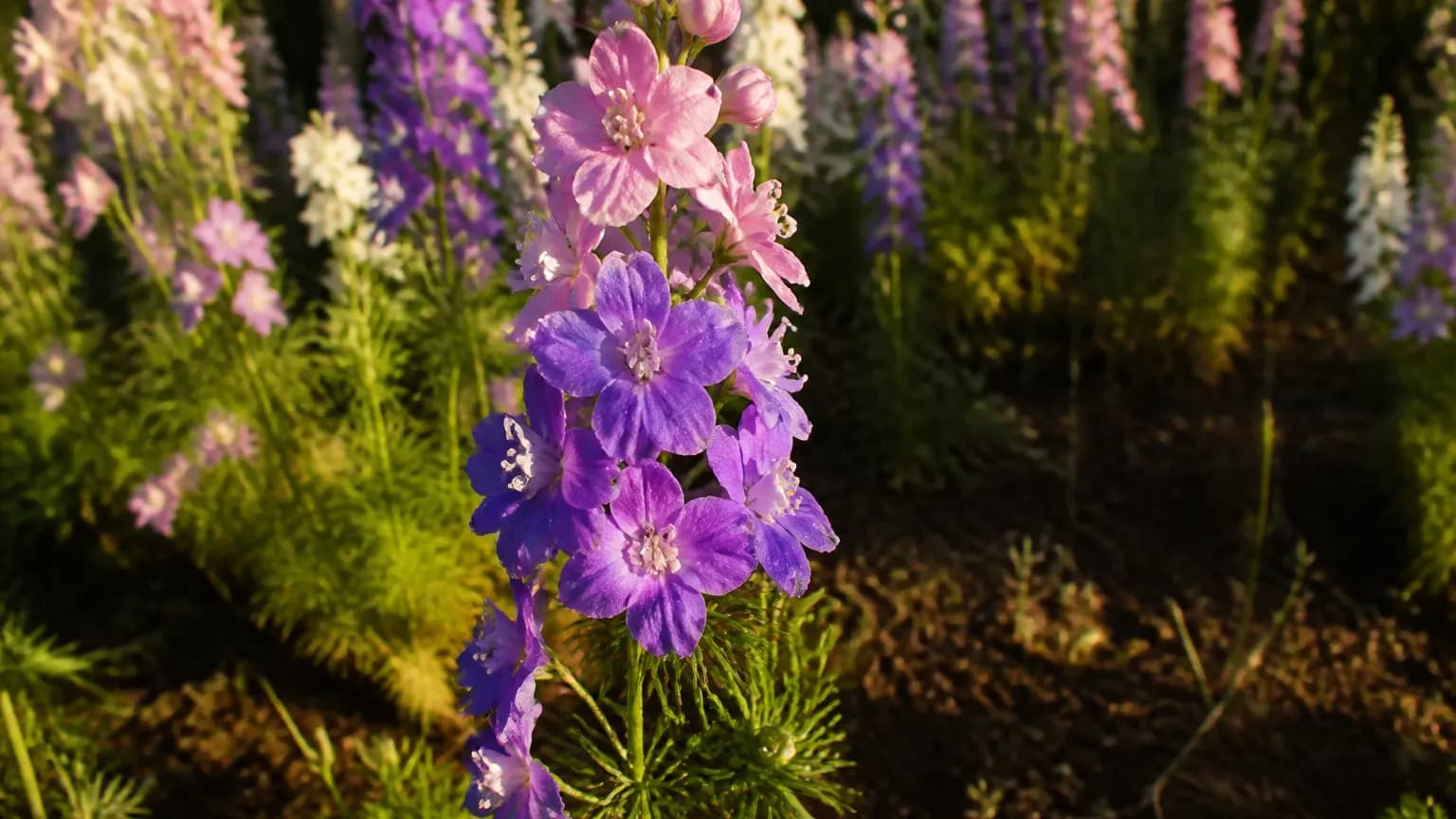
A fragrant cool-season annual with dense spikes of double flowers in pastel shades that perfume the spring garden.





On this pageOverview
Meet Stock
A fragrant cool-season annual with dense spikes of double flowers in pastel shades that perfume the spring garden. Stock is one of the most strongly scented garden flowers and is prized by cut-flower growers for its long vase life. Plant in autumn or early spring in mild climates for blooms before summer heat arrives.
When to plant Stock
Start stock seeds indoors eight to ten weeks before the last frost. Sow on the surface of moist seed-starting mix and press gently without covering, as seeds need light to germinate. Maintain temperatures of 60 to 65 degrees Fahrenheit. Seeds germinate in ten to fourteen days. After germination, grow seedlings at cool temperatures around 50 to 55 degrees for stocky growth. Harden off and transplant outdoors four to six weeks before the last frost. Direct sowing in fall works well in zones 8 and above.
Your Stock Year
Composed for Zone 7 · typical seasons · frost passes Apr 2, returns Nov 1
Plant Stock Feb – Mar, pick Apr – Jun. Check the planting methods below and set your climate to personalize these windows.
How to grow Stock
Stock is a cool-season annual that performs best when planted in autumn for late winter and spring blooms in mild climates, or started indoors in late winter for spring transplanting in colder zones. Start seeds eight to ten weeks before the last frost, sowing on the surface of moist seed-starting mix and pressing gently without covering, as seeds need light to germinate. Keep temperatures at 60 to 65 degrees Fahrenheit for best germination in ten to fourteen days.
Transplant outdoors four to six weeks before the last frost when seedlings have four to six true leaves. Space plants ten to twelve inches apart in rich, well-drained soil in full sun. Stock prefers cool temperatures between 50 and 65 degrees and will bolt and stop flowering when temperatures consistently exceed 75 degrees. Consistent moisture is essential, but avoid overhead watering which promotes fungal diseases.
Professional growers use a cold treatment technique to identify and select double-flowered seedlings, which are the most desirable for cutting. Seedlings with lighter green or yellowish leaves at cool temperatures are more likely to produce doubles. Stake tall column types to keep stems straight for cutting. Feed every two to three weeks with a balanced liquid fertilizer for continued bloom production.
36 plants fit a 4 × 8 ft bed
Each Stock wants 25 cm of elbow room. The planner keeps that spacing for you — every plant, every bed.
Stock's best neighbours
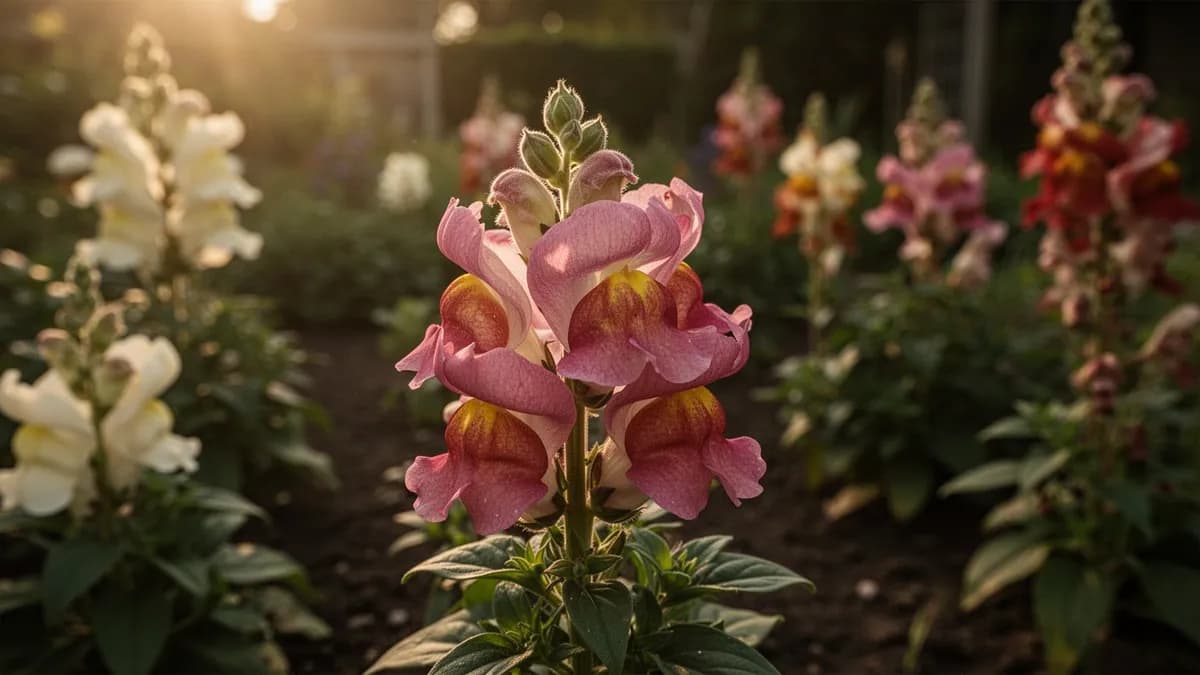
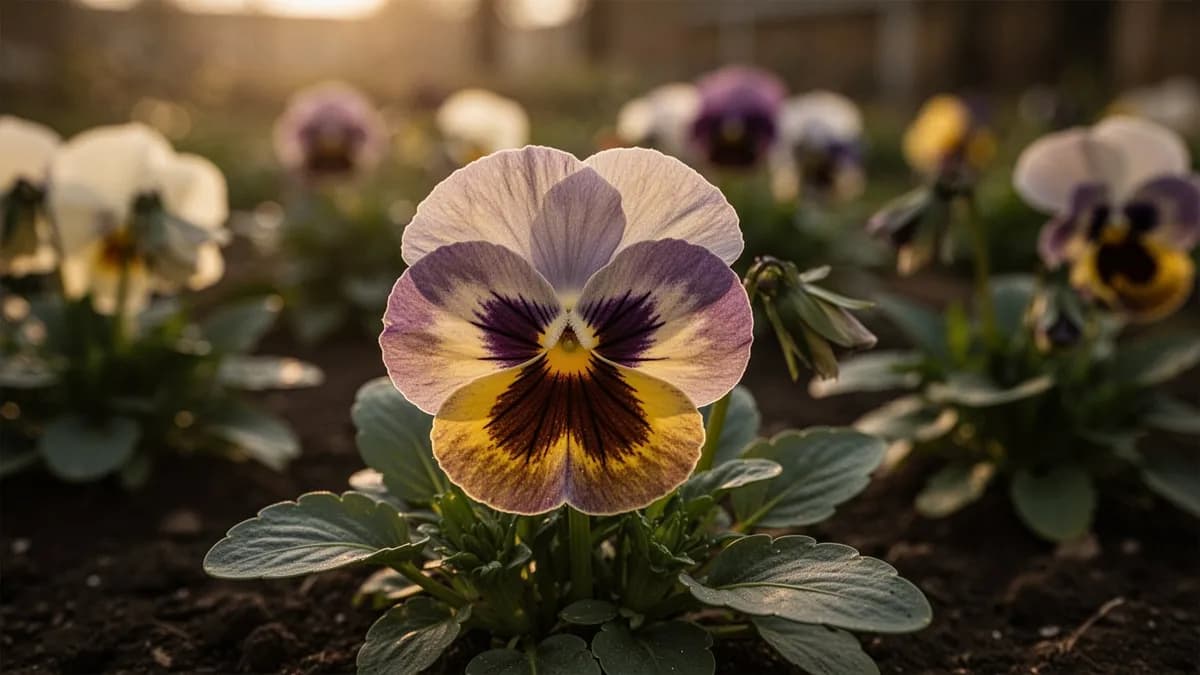
Stock pairs beautifully with other cool-season flowers like pansies, snapdragons, larkspur, and sweet peas for stunning spring borders. Its strong fragrance makes it ideal near walkways and entrances where the scent can be enjoyed. The dense flower spikes contrast nicely with the airy texture of baby's breath and gypsophila. Avoid planting near other brassica family members to reduce the risk of shared diseases like clubroot.
Snapdragon belongs beside it.
Old growers' knowledge, checked against Stock's real companion table below — test any plant you're growing.
Try Stock in a bed — right here
A real planner bed with Stock already in it. Tap a companion to place it and watch the pairing checks answer — green for good neighbours, red for a clash.


Related growing guides
Feed it well
Stock prefers rich, fertile, well-drained soil with a slightly alkaline pH of 7.0 to 7.5. As a member of the brassica family, stock benefits from lime amendments in acidic soil. Work generous amounts of compost into the planting area before setting out transplants. Feed every two to three weeks with a balanced liquid fertilizer during active growth. Avoid waterlogged conditions, which promote root diseases. Raised beds with amended soil provide ideal growing conditions.
Ideal Temperature
Hardiness Zone Compatibility
From seed to harvest, stage by stage
Seed Germination
Stock seeds are tiny and require light for germination. Sow on the surface of moist seed-starting mix and press gently without covering. Maintain consistent moisture and temperatures between 15-18°C (60-65°F) for optimal sprouting. Seeds typically germinate in 7-10 days under ideal conditions.
Seedling Development
Seedlings develop their first true leaves and begin establishing a root system. At this stage, stock seedlings are delicate and benefit from consistent watering and good air circulation. Thin seedlings to prevent overcrowding and damping off disease.
Vegetative Growth
Plants develop sturdy stems and lush grey-green foliage. Stock forms a compact rosette of lance-shaped leaves before sending up flower stalks. During this phase, the plant is actively building the energy reserves needed for prolific blooming.
Bud Formation
Flower stalks emerge from the center of the plant and tight buds begin forming along the spike. This is a critical period where temperature and nutrition directly influence the quality and number of blooms. Cool night temperatures encourage bud set.
Flowering
Flowers open from the bottom of the spike upward, creating a stunning display of densely packed blooms. Stock flowers release their strongest fragrance in the evening. Double-flowered varieties can produce spikes with 40-60 individual florets per stem.
Seed Setting
After pollination, single-flowered plants produce elongated seed pods that gradually turn brown as they mature. Each pod contains numerous small flat seeds. Double-flowered varieties are often sterile and will not produce viable seed.
End of Season
As temperatures rise above 25°C (77°F) or after hard frost, stock plants decline and cease flowering. Foliage yellows and the plant completes its life cycle. In mild climates, stock may persist as a short-lived perennial or biennial.
Do not cover seeds with soil as stock requires light to germinate. Mist gently to keep the surface moist without displacing the seeds.
Caring for Stock month by month
What to do each month for your Stock
October
You are hereIn mild climates, stock planted in August and September should be establishing well. Protect young plants from heavy rain and slugs. Apply a light mulch around plants but keep it away from stems to prevent crown rot.
Know exactly what to do in your garden — every month
One email at the start of each month: what to sow, plant, and tackle right now — for your Stock and everything growing around it. Plus a short starter course that helps you dodge the classic mistakes.
- What to do, right now
- Matched to your season
- Starter course included
Harvesting Stock
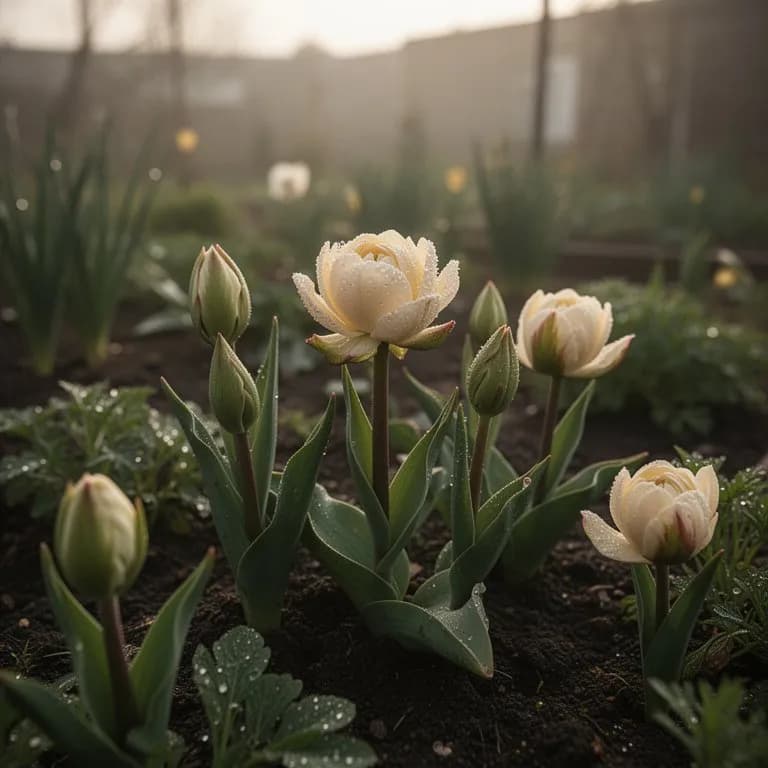
Cut stock stems for bouquets when about half the florets on the spike have opened and upper buds show color. Harvest in the cool morning, cutting stems at the base of the plant. Strip lower leaves that will be below the waterline. Stock is prized by florists for its incredible fragrance and long vase life of seven to fourteen days. For seed saving, allow a few stalks of single-flowered plants to mature and dry on the stem before collecting seed pods.
assuming you plant when the window opens — set your real date
Pick Stock promptly and the plant keeps producing.
Storage & Preservation
Fresh-cut stock lasts seven to fourteen days in clean water with floral preservative, making it one of the longest-lasting cut flowers. Change water every two to three days and recut stems. The strong, clove-like fragrance fills a room. Stock does not dry well but individual florets can be pressed for crafting. Seeds remain viable for three to four years when stored in a cool, dry place. Save seeds from single-flowered plants, as doubles are often sterile.
What goes wrong — and the fix
Clubroot
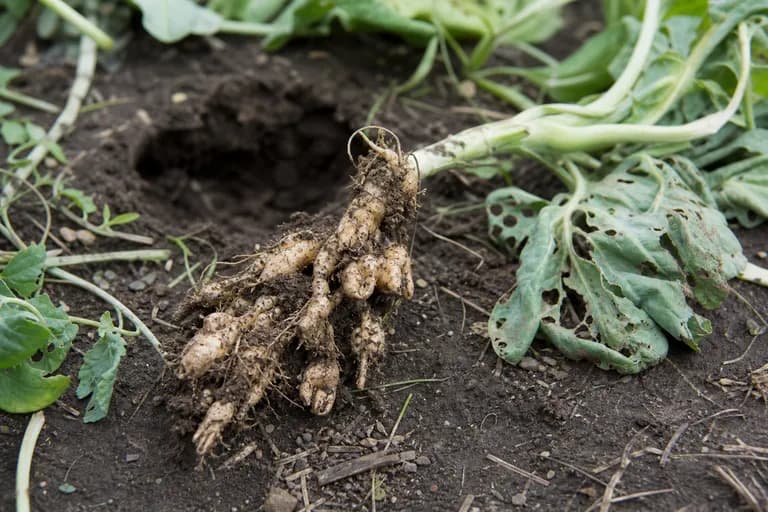
DiseaseStunted, wilting plants with swollen, distorted roots. Foliage may yellow and plants fail to thrive despite adequate watering.
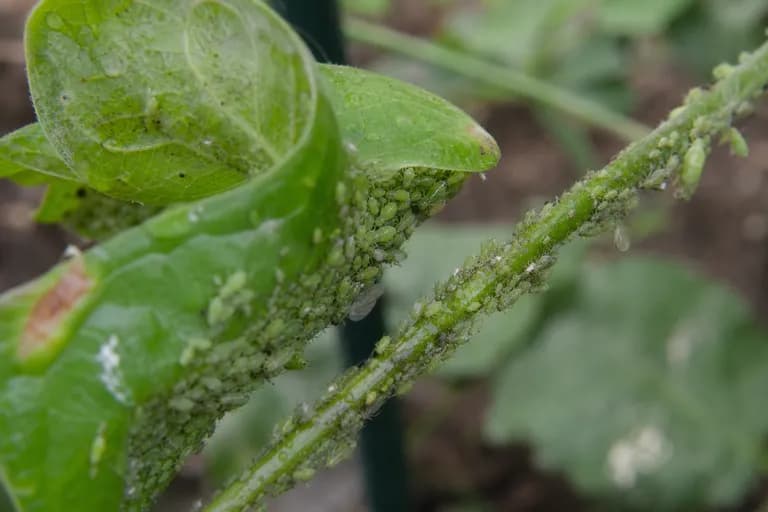
Aphids
PestClusters of soft-bodied insects on flower buds and tender growth, honeydew residue, distorted or stunted blooms.

Downy Mildew
DiseasePurple-brown patches on upper leaf surfaces with grayish mold underneath. Leaves curl and die, especially in cool, wet weather.
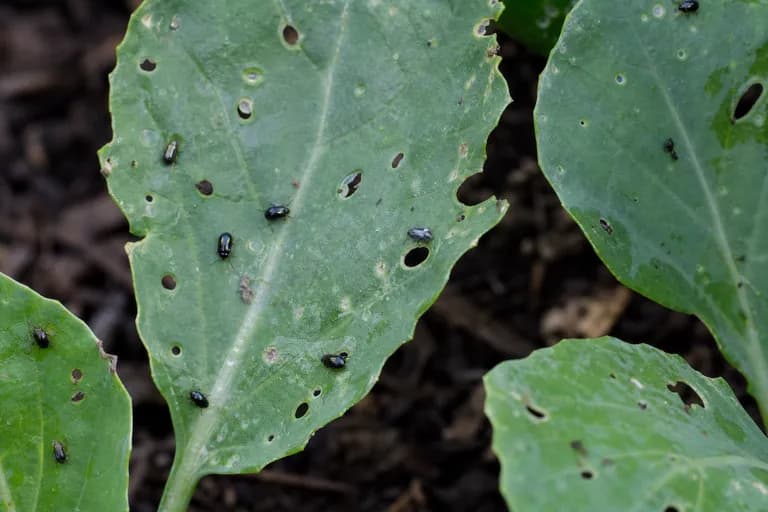
Flea Beetles
PestTiny round holes in leaves creating a shotgun pattern, small jumping beetles visible on foliage, especially on young seedlings.
Troubleshooting Common Problems
The biggest challenge with stock is heat intolerance. Plants bolt and stop flowering when temperatures exceed 75 degrees Fahrenheit for extended periods. Plan planting times carefully to bloom during cool weather. Many gardeners are disappointed when plants produce single rather than double flowers. Purchase seed from reputable sources with high double percentages. Clubroot, a soil-borne disease, can be devastating and persists in the soil for years, so rotate planting sites and maintain alkaline pH.
Growing Tips
- Sow stock seeds on the surface of moist seed-starting mix and press gently without covering, as the seeds require light exposure to trigger germination and covering them with soil will significantly reduce germination rates.
- Maintain soil pH between 6.0 and 7.5 for optimal growth, as stock prefers slightly alkaline conditions. Amend acidic soils with garden lime before planting to create favorable growing conditions.
- Space plants 25-30 cm (10-12 inches) apart to ensure adequate air circulation, which is critical for preventing fungal diseases such as downy mildew and botrytis that thrive in crowded, humid conditions.
- Water stock at the base of plants using drip irrigation or a soaker hose rather than overhead sprinklers, as wet foliage and flower spikes are highly susceptible to grey mold and other fungal infections.
- Apply a balanced liquid fertilizer (such as 10-10-10) every two weeks during the vegetative growth phase, then switch to a higher-phosphorus formula (such as 5-10-5) once buds begin forming to encourage prolific flowering.
- To identify double-flowered seedlings early, grow seedlings at cool temperatures around 10°C (50°F) for several days; seedlings with lighter, yellowish-green cotyledons will typically produce double flowers, while darker green seedlings will be singles.
- Stake tall column-type varieties when stems reach 30 cm (12 inches) to prevent them from toppling in wind or rain, using bamboo stakes and soft twine tied loosely to avoid damaging the stems.
- Practice succession sowing every 3-4 weeks from late winter through mid-spring to ensure a continuous supply of cut flowers over an extended season rather than a single flush of blooms.
- Remove spent flower spikes promptly by cutting back to just above a leaf node to encourage the plant to produce secondary side shoots with additional, though smaller, flower spikes.
- Rotate stock planting locations annually and avoid planting in beds where other Brassicaceae family members (including broccoli, cabbage, or wallflowers) have grown in the previous two years to reduce the risk of clubroot and other soil-borne diseases.
Grow your best Stock yet — and everything around it.
Start a free plan today. Lay out your beds, drop in your Stock, and let PlotMyGarden handle the timing, spacing, companions and reminders from seed to harvest basket.
Pick your Stock
Cinderella Series
Compact ten-inch plants with early double flowers in a wide range of pastel colors, excellent for containers and border edging.
Iron Series
Tall column-type stock growing thirty inches, bred for professional cut-flower production with strong stems and high double percentage.
Vintage Series
Heat-tolerant variety with dense spikes of fragrant double flowers in copper, rose, yellow, lavender, and white.
Katz Series
Early-flowering column stock with exceptional stem length and uniformity, a top choice for commercial flower farming.
Hot Cakes Mix
A bushy, branching type with multiple fragrant spikes in bright saturated colors including cherry, yellow, and deep rose.
A single packet of stock seeds (approximately 200-500 seeds) costs between $2-5 and can produce dozens of plants, each yielding 5-8 stems of premium cut flowers. Comparable stock stems sell for $4-8 per bunch at florists and farmers markets. A well-managed planting of 20-30 stock plants can easily produce 100-200 cut flower stems over the season, representing $200-400 or more in retail cut flower value from a minimal seed investment. Succession planting every 3-4 weeks extends the harvest window significantly.
Quick recipes
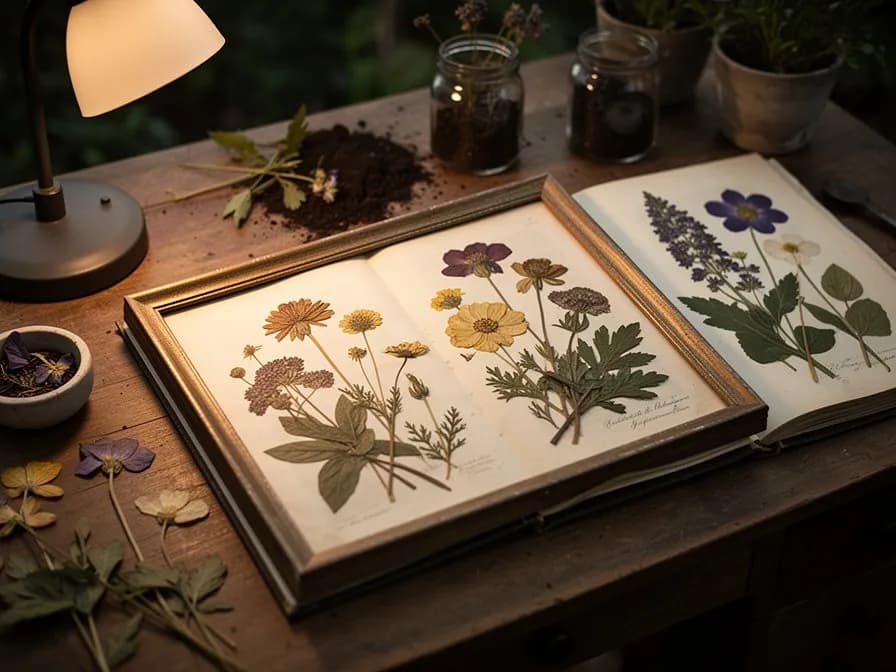
Stock Flower Fragrant Potpourri
15 minutes plus 2 weeks dryingPreserve the beautiful fragrance of stock flowers by creating a natural potpourri blend. Dried stock petals retain their clove-like scent for months and make wonderful sachets for drawers and closets or decorative bowls for living spaces.
6 ingredientsStock Flower Infused Simple Syrup
20 minutes plus overnight steepingCreate a delicately perfumed simple syrup using stock flower petals. This fragrant syrup adds a subtle floral note to cocktails, sparkling water, lemonade, and desserts. Use only flowers from pesticide-free gardens.
5 ingredients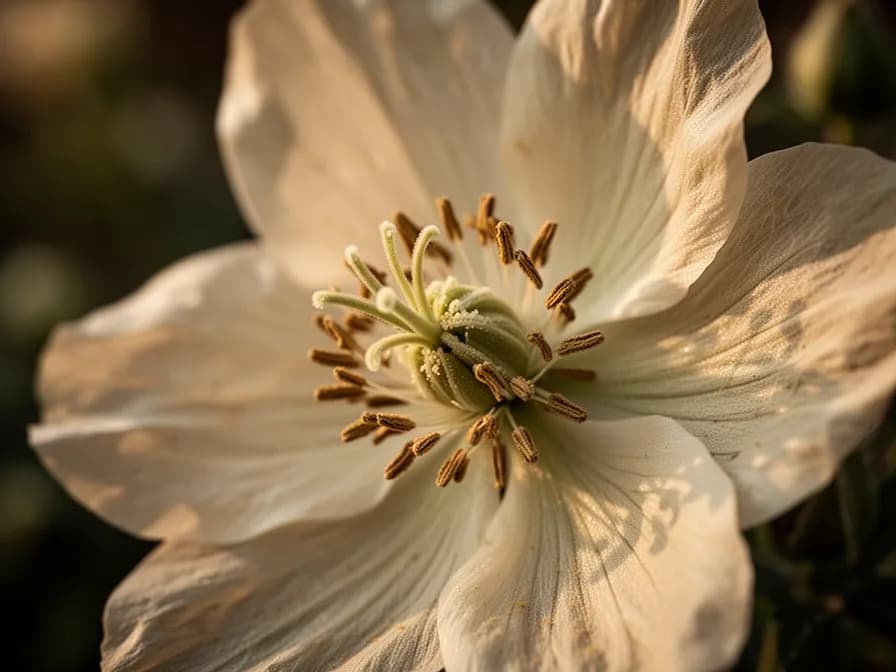
Pressed Stock Flower Botanical Cards
30 minutes plus 2-3 weeks pressingUse pressed stock flowers to create beautiful handmade botanical greeting cards and art prints. The dense florets press well and retain their color, making them ideal for crafting projects and personalized gifts.
6 ingredientsCulinary Uses
Stock flowers are edible and have a sweet, slightly spicy fragrance similar to cloves. The petals can be used to garnish salads, desserts, and cocktails for a delicate, perfumed touch. Infuse petals in sugar or honey for a fragrant sweetener. Candied stock petals make elegant cake decorations. The flavor is mild and floral, best used fresh as cooking diminishes the delicate taste. Use only organically grown, unsprayed flowers and remove the bitter calyx before eating.
What's inside
Health Benefits
- The strong fragrance of stock flowers has been used in aromatherapy to promote relaxation and reduce stress, with the clove-like scent known to have mild calming properties when enjoyed in garden settings or as cut flowers indoors.
- Growing and tending stock flowers provides gentle physical activity including bending, kneeling, and fine motor tasks, which contributes to overall fitness and joint flexibility for gardeners of all ages.
- The presence of fragrant stock flowers in gardens and indoor spaces has been linked to improved mood and emotional well-being, aligning with horticultural therapy research showing that exposure to flowers reduces anxiety and promotes positive feelings.
- Stock flowers attract beneficial pollinators including bees, butterflies, and hoverflies to the garden, supporting local biodiversity and contributing to the health of the broader ecosystem around your home.
- Engaging in the seasonal cycle of planting, tending, and harvesting stock flowers provides a structured mindfulness practice that encourages present-moment awareness and connection with natural rhythms.
- Creating floral arrangements with freshly cut stock stems serves as a creative outlet that can reduce cortisol levels and provide a sense of accomplishment, contributing to overall mental health and cognitive engagement.
Where Stock comes from
Matthiola incana, commonly known as stock or gillyflower, is native to the Mediterranean region, with its wild ancestors found growing along coastal cliffs and rocky hillsides from southern Europe through western Asia. The plant has been cultivated for ornamental purposes for over 500 years, with the earliest documented garden varieties appearing in southern European monastery and physic gardens during the late medieval period. The genus was formally named by Robert Brown in 1812 in honor of Pietro Andrea Mattioli, the renowned 16th-century Italian physician and botanist who extensively described the plant in his commentaries on Dioscorides. Stock quickly became a staple of European cottage gardens during the Renaissance, prized for its intense fragrance and long-lasting blooms. English gardeners of the Elizabethan era cultivated multiple varieties, referring to them as gillyflowers alongside carnations and wallflowers. By the 18th century, German and Dutch breeders had developed sophisticated selection techniques to increase the proportion of double-flowered plants, which cannot produce seed themselves and must be perpetuated through careful breeding of single-flowered parent lines. The Victorian era saw stock reach peak popularity in formal bedding schemes and cutting gardens, where its fragrance and upright form made it indispensable for parlor bouquets. Stock was among the first ornamental plants brought to colonial American gardens, appearing in seed lists from the early 1700s. Today, stock remains one of the most important commercial cut flowers worldwide, with major production centered in California, the Netherlands, and Japan, where advanced breeding programs continue to develop new colors, improved vase life, and higher doubling rates.
Stock: did you know?
Fascinating facts about Stock
Stock flowers have been cultivated in European gardens since at least the 16th century and were a favorite of the Italian Renaissance botanist Pietro Andrea Mattioli, after whom the genus Matthiola is named.
Stock questions, answered
When should I plant Stock?
What are good companion plants for Stock?
What hardiness zones can Stock grow in?
How much sun does Stock need?
How far apart should I space Stock?
What pests and diseases affect Stock?
How do I store Stock after harvest?
What are the best Stock varieties to grow?
What soil does Stock need?
Why are my stock seedlings producing single flowers instead of doubles?
When is the best time to plant stock flowers in my region?
How long do cut stock flowers last in a vase?
Are stock flowers toxic to pets or children?
Why are my stock plants wilting and developing yellow leaves?
Can I grow stock flowers in containers on a balcony or patio?
You just read the theory. Now grow it on autopilot.
Everything that makes Stock fiddly — the timing, the spacing, the companions, the harvest window — is exactly what PlotMyGarden handles for you, for every plant in your garden.
A plan that knows your weather
Set your location once. Get sow, feed and harvest dates built around your real last-frost date and live forecast — no more guessing from a generic seed packet.
From the “When to plant” sectionDrag-and-drop bed planner
Design beds on a grid. Every plant snaps to its proper spacing, and you can see your whole season laid out before you spend a cent on seed.
From the “Growing guide” sectionCompanion conflicts, caught early
200+ good-and-bad pairings checked live as you plant — so a season-wrecking mistake never makes it into the ground.
From the “Companions” sectionReminders you'll actually act on
“Water the beans.” “Pick today before it turns.” Timely, specific, and tied to the plants you're really growing.
From the “Harvest” sectionSuccession, scheduled
Want a harvest for six weeks, not six days? It spaces your sowings automatically and reminds you when each new block is due.
From the “When to plant” sectionA record that gets smarter
Every harvest you log teaches it your garden. Next year's plan starts from what actually worked in your soil, not a textbook's.
From the “Overview” sectionPlant these alongside Stock
More Annuals
Grow your best Stock yet — and everything around it.
Start a free plan today. Lay out your beds, drop in your Stock, and let PlotMyGarden handle the timing, spacing, companions and reminders from seed to harvest basket.