Slippery Elm
A native deciduous tree whose inner bark produces a mucilaginous gel used in herbal medicine for soothing digestive and throat irritation.





On this pageOverview
Meet Slippery Elm
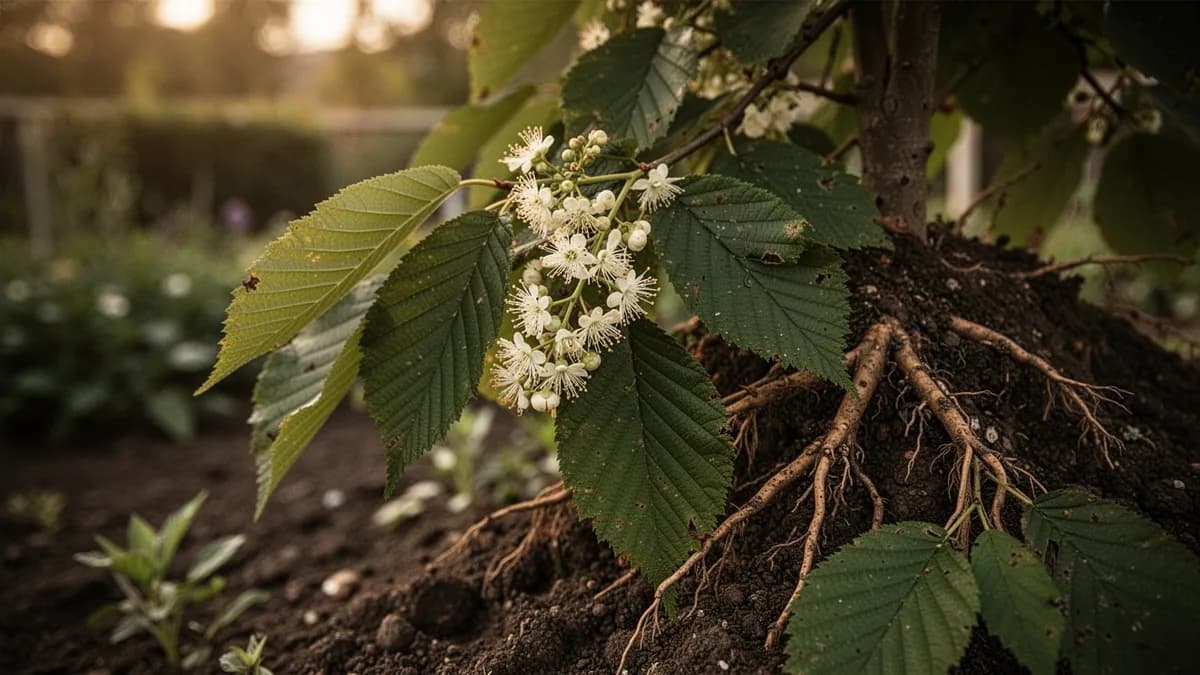
A native deciduous tree whose inner bark produces a mucilaginous gel used in herbal medicine for soothing digestive and throat irritation. Slippery elm bark is harvested sustainably from pruned branches in spring when the sap is flowing. The powdered bark is mixed with water to create a soothing gruel or added to lozenges and teas.
When to plant Slippery Elm
Slippery elm seeds ripen in spring and should be collected and sown immediately as they lose viability quickly. Fresh seeds germinate within 1-2 weeks without any pretreatment. If seeds have dried, soak in water for 24 hours before sowing. Sow 1cm deep in moist potting mix and keep at 18-22°C. Seedlings grow slowly the first year, reaching 15-30cm. Transplant to permanent positions after 1-2 years in nursery pots. Protect young trees from deer browsing with wire cages.
Your Slippery Elm Year
Composed for Zone 7 · typical seasons · frost passes Apr 2, returns Nov 1
Plant Slippery Elm Mar – Apr, Oct – Nov, pick Mar – Apr. Check the planting methods below and set your climate to personalize these windows.
How to grow Slippery Elm
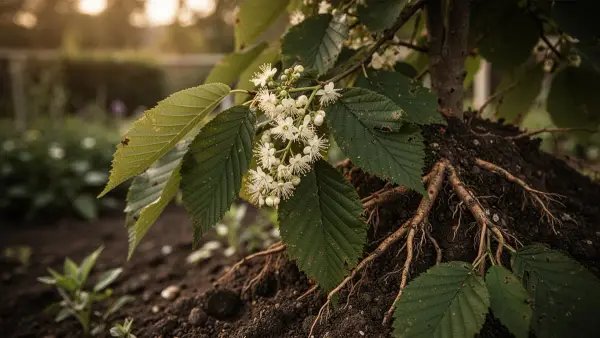
Slippery elm is a medium-sized deciduous tree native to eastern North America, growing 12-20 meters tall at maturity. For medicinal herb gardens, it is typically grown as a managed small tree or large shrub, kept pruned to 3-5 meters for easier bark harvesting. Plant in partial shade to full sun in deep, moist, well-drained soil. Young trees establish best when planted in spring.
Provide regular watering during the first 2-3 years while the root system develops. Once established, slippery elm is fairly drought-tolerant. Mulch around the base with wood chips or leaf litter to maintain soil moisture and replicate natural forest floor conditions. The tree tolerates a range of soil conditions including clay and limestone-based soils.
Prune in late winter while dormant, saving the pruned branches for bark harvest in early spring. Sustainable harvesting involves taking inner bark only from pruned branches, never girdling the trunk. A single well-managed tree can provide years of sustainable bark harvests when combined with regular formative pruning that benefits the tree's overall shape and health.
Slippery Elm needs more room than a 4 × 8 ft bed gives
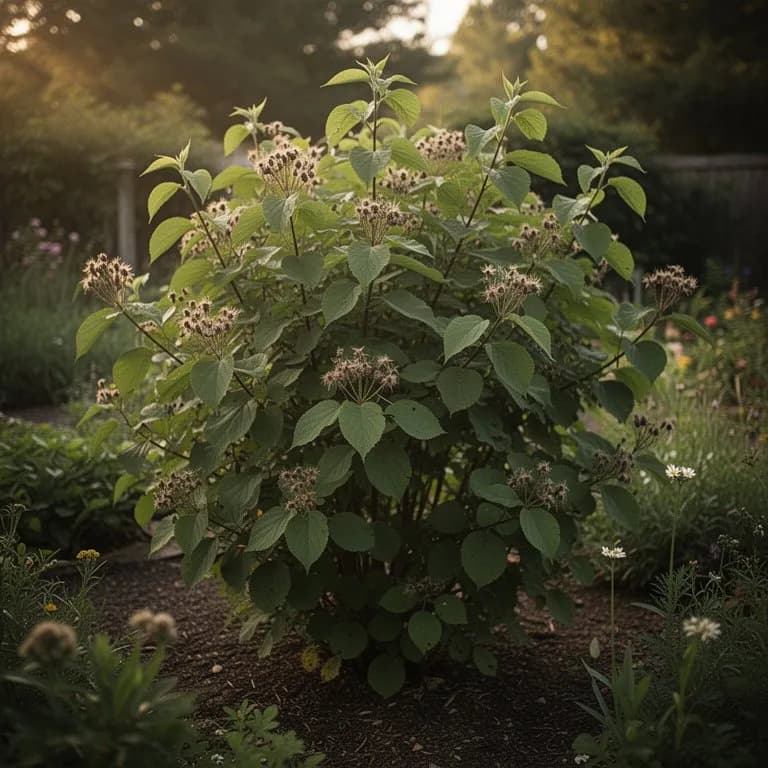
Each Slippery Elm wants 300 cm of elbow room. The planner keeps that spacing for you — every plant, every bed.
Related growing guides
Feed it well
Slippery elm prefers deep, moist, well-drained soil with a pH of 5.5-8.0. It tolerates clay, loam, and limestone soils. Amend planting holes with compost for young trees. An annual top-dressing of aged compost or well-rotted manure in spring supports healthy growth. Avoid synthetic fertilizers. Mulch with wood chips to a depth of 7-10cm, keeping mulch away from the trunk to prevent rot.
Ideal Temperature
Hardiness Zone Compatibility
From seed to harvest, stage by stage
Seed Germination
Slippery elm seeds ripen in late spring and germinate quickly, often within 1-2 weeks of landing on moist soil. Unlike many tree seeds, they require no cold stratification and are among the first elm seeds to mature each year. The flat, papery samaras are dispersed by wind and need consistent moisture during the brief germination window.
Seedling Establishment
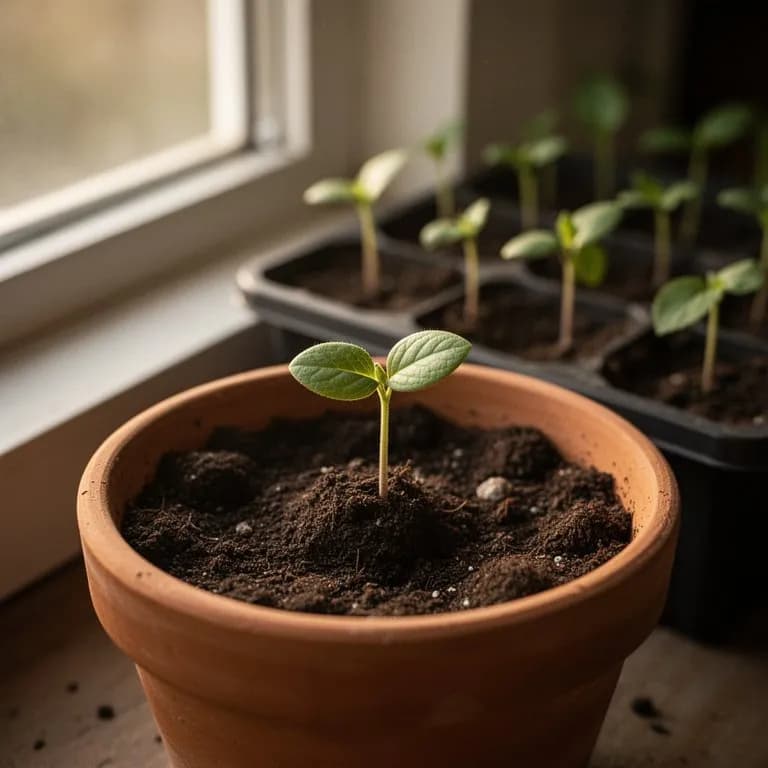
Seedlings develop their first true leaves, which already display the characteristic rough upper surface and doubly serrate margins. A strong taproot forms quickly during this stage, anchoring the young tree and seeking moisture in deeper soil layers. Seedlings grow 15-30 cm in their first season and tolerate partial shade well, reflecting their natural understory origins.
Sapling Growth
Over the first 3-5 years, slippery elm develops into a vigorous sapling 2-4 meters tall with a straight central leader and spreading lateral branches. The bark transitions from smooth greenish-grey to the furrowed reddish-brown characteristic of mature trees. Growth rates of 30-60 cm per year are typical in good conditions, making slippery elm one of the faster-growing native hardwoods.
Young Tree Maturation
Between years 5 and 15, the tree reaches 6-12 meters and begins developing the thick, deeply furrowed bark that contains the valuable mucilaginous inner layer. The canopy broadens into the classic vase shape. Trees typically begin producing flowers and seeds around age 15, though some may flower as early as age 10 in open-grown conditions.
Mature Bark Harvest Stage
From approximately year 15-20 onward, the tree is mature enough for sustainable bark harvest. The inner bark reaches its maximum mucilage content in spring when sap is flowing. Mature trees develop extensive root systems and can tolerate careful partial bark harvest without significant harm, provided no more than one-quarter of the bark circumference is removed.
Sow fresh seeds immediately after collection in late spring, pressing them lightly into moist soil and covering with no more than 6 mm of fine soil. Keep consistently moist but not waterlogged. Seeds lose viability rapidly — germination rates drop dramatically if seeds are stored for more than a few weeks without refrigeration.
Caring for Slippery Elm month by month
What to do each month for your Slippery Elm
October
You are hereLeaves drop as the tree enters dormancy. This is a suitable time to transplant balled-and-burlapped or container-grown slippery elm saplings — autumn planting allows root establishment before winter. Apply a generous layer of organic mulch around young trees for winter root protection.
Know exactly what to do in your garden — every month
One email at the start of each month: what to sow, plant, and tackle right now — for your Slippery Elm and everything growing around it. Plus a short starter course that helps you dodge the classic mistakes.
- What to do, right now
- Matched to your season
- Starter course included
Harvesting Slippery Elm
Harvest slippery elm inner bark in spring when sap begins flowing, typically March through April. Use pruned branches 5cm or more in diameter for the best bark yield. Score the outer bark lengthwise with a knife, then peel it away to reveal the mucilaginous inner bark beneath. Scrape or peel the inner bark in strips and dry immediately. Never harvest bark from the trunk of a living tree, as this can kill it. Sustainable practice involves harvesting only from pruned branches.
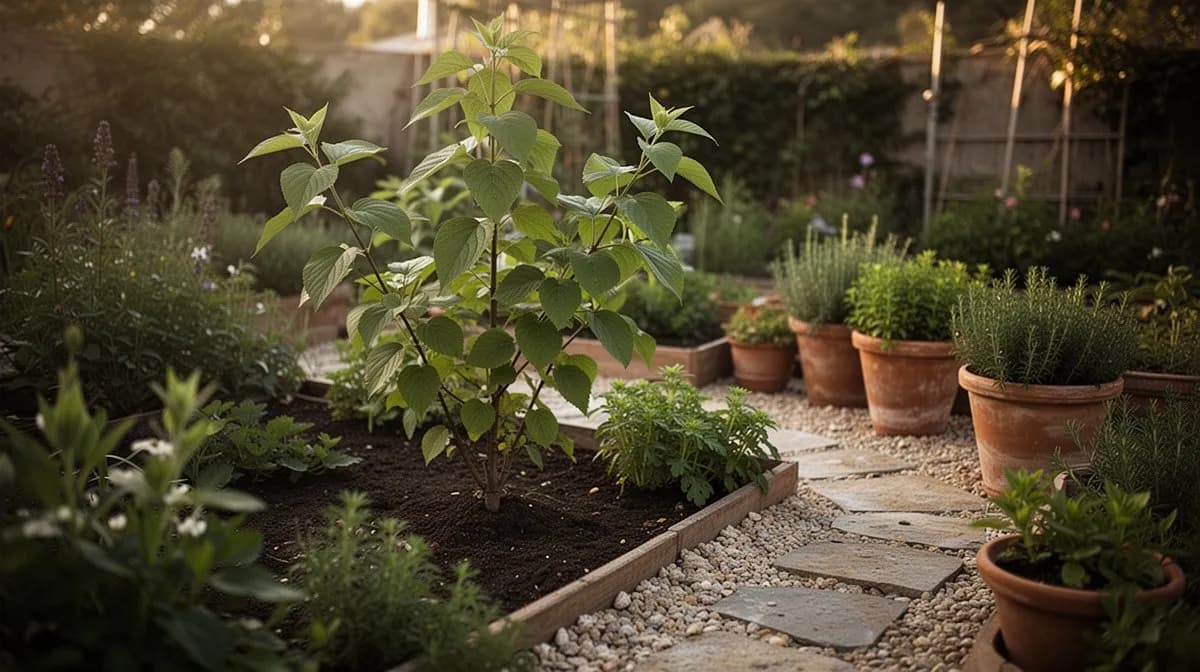
assuming you plant when the window opens — set your real date
Pick Slippery Elm promptly and the plant keeps producing.
Storage & Preservation
Dry freshly harvested inner bark strips on screens in a warm, well-ventilated area or in a dehydrator at 40°C. Once completely dry, grind into powder using a blender or herb grinder. Store powdered bark in airtight glass jars in a cool, dark place where it will keep for 2-3 years. Whole dried bark strips can be stored in paper bags in a dry location. The powder can be mixed with water as needed to create the characteristic mucilaginous preparation.
What goes wrong — and the fix
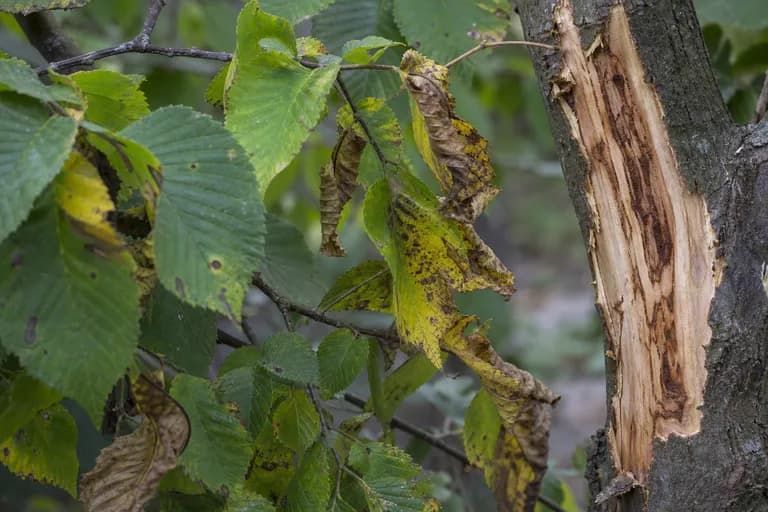
Dutch Elm Disease
DiseaseWilting and yellowing of leaves on individual branches, progressing through the canopy. Brown streaking visible in sapwood when bark is peeled back.
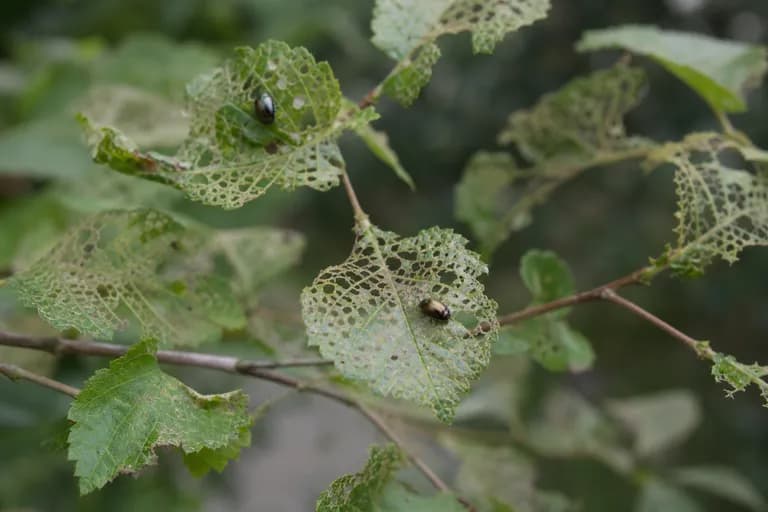
Elm Leaf Beetle
PestSkeletonized leaves with only veins remaining, caused by larvae feeding on leaf tissue. Defoliation in severe cases.
Troubleshooting Common Problems
The greatest threat to slippery elm is Dutch elm disease, which has devastated elm populations across North America. Purchase trees from reputable nurseries that screen for disease. Young trees may struggle if planted in full shade—provide at least partial sun. Over-harvesting bark from the trunk will kill the tree; always harvest only from pruned branches. Slippery elm has become conservation-listed in some regions due to overharvesting—grow your own rather than wild-harvesting.
Growing Tips
- Plant slippery elm in moist, well-drained soil with a slightly acidic to neutral pH (6.0-7.5). The tree naturally grows along stream banks and in rich bottomlands, so it appreciates consistent moisture. Avoid dry, sandy sites or heavy compacted clay where the root system cannot establish properly.
- Provide partial shade for seedlings and young saplings during their first 2-3 years, gradually transitioning to full sun as the tree matures. Slippery elm is naturally an understory to mid-canopy tree in its youth, and young plants can scorch in intense afternoon sun without some protection.
- Sow seeds immediately after collection in late spring — slippery elm seeds lose viability very quickly and cannot be stored like most tree seeds. Press fresh samaras lightly into moist soil and keep consistently damp. Germination typically occurs within 7-14 days under favorable conditions.
- Protect young trees from deer browsing with wire cages or tree tubes for the first 3-5 years. Deer find slippery elm foliage and bark highly palatable, and repeated browsing can kill young trees or permanently deform their growth habit.
- Water deeply and infrequently rather than with frequent shallow irrigation. Slippery elm develops a deep taproot and extensive lateral root system that performs best when encouraged to grow downward. Established trees (5+ years) rarely need supplemental watering except during severe drought.
- Monitor vigilantly for Dutch elm disease symptoms — sudden wilting and yellowing of leaves on individual branches, brown streaking visible in cut branch cross-sections. Remove affected branches immediately, cutting at least 3 meters below visible symptoms, and sterilize tools with 70% isopropyl alcohol between every cut.
- Apply a thick layer of organic mulch (wood chips, leaf litter, or shredded bark) in a wide ring extending to the drip line but kept 15 cm away from the trunk. This mimics the natural forest floor conditions slippery elm prefers, retaining moisture, regulating soil temperature, and building soil organic matter.
- Avoid heavy pruning during the growing season when bark beetles that vector Dutch elm disease are most active (April-August). Schedule major pruning for late autumn through late winter during full dormancy. Minor deadwood removal can be done at any time of year.
- Plan for the tree's mature size when selecting a planting location — slippery elm reaches 12-20 meters tall with a spread of 10-15 meters. Allow adequate space from buildings, power lines, and other trees. The vase-shaped canopy provides excellent shade and the deep root system rarely damages foundations or sidewalks.
- Practice sustainable bark harvesting by taking bark only from pruned branches rather than the main trunk whenever possible. If harvesting from the trunk, never remove bark from more than one-quarter of the circumference, and allow wounds to heal completely (3-5 years minimum) before reharvesting the same area.
Grow your best Slippery Elm yet — and everything around it.
Start a free plan today. Lay out your beds, drop in your Slippery Elm, and let PlotMyGarden handle the timing, spacing, companions and reminders from seed to harvest basket.
Pick your Slippery Elm
Ulmus rubra (Standard)
The standard species native to eastern North America. The primary source of commercial slippery elm bark used in herbal medicine.
Ulmus rubra selections
Some nurseries offer disease-resistant selections bred for better tolerance to Dutch elm disease while maintaining the medicinal bark properties.
Slippery elm bark products are among the most expensive herbal remedies — a 100-count bottle of slippery elm lozenges retails for $8-15, powdered bark sells for $25-50 per pound, and prepared tinctures cost $12-20 per ounce. A single mature tree producing 1-2 kg of dried bark per sustainable harvest yields material worth $55-110 at retail powder prices. Over decades of harvests, a single tree can provide thousands of dollars worth of bark medicine. Even young trees provide valuable bark from routine pruning. Growing your own also ensures ethical sourcing — wild slippery elm populations are declining due to overharvesting, making home cultivation both economically and ecologically responsible.
Quick recipes

Soothing Slippery Elm Throat Tea
10 minA thick, comforting tea made from powdered slippery elm bark that coats and soothes irritated throat tissues. The mucilage creates a gel-like consistency that provides immediate relief for sore throats, coughs, and hoarseness. A traditional remedy used for centuries by Native American and folk herbalists alike.
6 ingredientsSlippery Elm Digestive Porridge
15 minA nourishing, easily digestible porridge made from slippery elm bark powder and oats. This gentle preparation has been used for centuries to calm upset stomachs and support recovery from digestive illness. The mucilaginous texture is naturally soothing and the porridge can be flavored sweet or savory.
6 ingredientsSlippery Elm Honey Lozenges
25 min (plus setting time)Homemade throat lozenges combining slippery elm powder with honey and healing herbs. These shelf-stable lozenges dissolve slowly in the mouth, releasing a steady stream of soothing mucilage to coat irritated throat tissues. Perfect for cold and flu season or to carry for on-the-go throat relief.
6 ingredientsWhat's inside
Health Benefits
- The mucilage in slippery elm bark forms a protective, soothing coating over inflamed mucous membranes in the throat and digestive tract, providing direct physical relief from sore throats, acid reflux, gastritis, and irritable bowel symptoms by shielding irritated tissues from further contact with stomach acid and digestive enzymes.
- Contains prebiotic polysaccharides that support beneficial gut bacteria populations — the complex sugars in slippery elm mucilage serve as a food source for probiotic Lactobacillus and Bifidobacterium species, potentially improving digestive health and immune function through the gut-microbiome axis.
- Rich in antioxidant phenolic compounds including procyanidins and catechins that help reduce oxidative stress and systemic inflammation — laboratory studies show slippery elm bark extracts demonstrate significant free-radical scavenging activity comparable to other well-studied antioxidant herbs.
- Traditional and clinical use supports slippery elm as a gentle nutritive demulcent for people recovering from illness, surgery, or digestive disorders — the easily digestible mucilage provides calories, fiber, and minerals while soothing inflamed tissues, making it suitable when other foods are poorly tolerated.
- The tannins in slippery elm bark provide mild astringent and antimicrobial properties that may help tighten inflamed tissues, reduce excess mucus production, and inhibit the growth of certain pathogenic bacteria — supporting its traditional use as a wound poultice and gargle for mouth and throat infections.
- Emerging research suggests slippery elm bark may help support healthy inflammatory response in the gastrointestinal tract — a clinical pilot study found that a herbal formula containing slippery elm improved bowel regularity and reduced abdominal discomfort in patients with irritable bowel syndrome.
Where Slippery Elm comes from
Slippery elm (Ulmus rubra) is native to eastern North America, growing naturally from southern Quebec and Ontario through the eastern United States, west to the Great Plains, and south to northern Florida and eastern Texas. The tree thrives in the rich, moist soils of river bottomlands, stream banks, lower slopes, and mixed hardwood forests, where it grows alongside sugar maple, basswood, white ash, and other moisture-loving species. It favors the deep, well-drained alluvial soils of river floodplains but also colonizes rocky limestone outcrops and disturbed woodland edges, demonstrating remarkable adaptability across its extensive native range.
Slippery elm holds an extraordinary place in the history of North American herbal medicine. Indigenous peoples across the eastern half of the continent recognized the remarkable healing properties of its inner bark long before European contact. The Iroquois, Ojibwe, Cherokee, Menominee, and numerous other nations used the mucilaginous bark as a primary medicine for sore throats, coughs, digestive complaints, wounds, and skin irritations. The Menominee name for the tree translates roughly to 'the tree that heals,' reflecting its central importance in their pharmacopoeia. Beyond medicine, the bark served as a food source, fiber material, and even a building component — its versatility made it one of the most culturally significant trees in eastern North American Indigenous life.
European colonists quickly adopted slippery elm after learning of its properties from Native Americans. By the early 1800s, slippery elm bark had become one of the most widely used herbal remedies in American households and apothecaries. It earned official recognition in the United States Pharmacopeia in 1820 and remained listed as a standard drug for 140 years. Physicians of the Eclectic and Thomsonian medical movements prescribed it extensively throughout the 19th century for gastrointestinal inflammation, respiratory complaints, and as a nutritive food for invalids and convalescents.
Today, slippery elm faces conservation pressures from Dutch elm disease, habitat loss, and unsustainable commercial bark harvesting driven by continued strong demand in the herbal supplement industry. Wild populations have declined significantly in parts of its range, prompting conservation organizations to advocate for sustainable harvesting practices and cultivation programs. The tree remains widely available as a landscape specimen and can be grown successfully in home gardens and woodlots, offering both ecological value as a native hardwood and a renewable source of this ancient and effective herbal medicine.
Slippery Elm: did you know?
Fascinating facts about Slippery Elm
Native American peoples used slippery elm inner bark as a survival food during famines — the nutrient-dense mucilaginous bark could be dried, ground into flour, and baked into a sustaining bread that kept communities alive when other food sources failed during harsh winters.
Slippery Elm questions, answered
When should I plant Slippery Elm?
What hardiness zones can Slippery Elm grow in?
How much sun does Slippery Elm need?
How far apart should I space Slippery Elm?
What pests and diseases affect Slippery Elm?
How do I store Slippery Elm after harvest?
What are the best Slippery Elm varieties to grow?
What soil does Slippery Elm need?
How long does it take before I can harvest bark from my slippery elm tree?
Is slippery elm resistant to Dutch elm disease?
Can I grow slippery elm in a container or small urban garden?
How do I properly dry and store slippery elm bark for medicinal use?
Is slippery elm safe for children, pregnant women, and pets?
What is the difference between slippery elm and American elm?
You just read the theory. Now grow it on autopilot.
Everything that makes Slippery Elm fiddly — the timing, the spacing, the companions, the harvest window — is exactly what PlotMyGarden handles for you, for every plant in your garden.
A plan that knows your weather
Set your location once. Get sow, feed and harvest dates built around your real last-frost date and live forecast — no more guessing from a generic seed packet.
From the “When to plant” sectionDrag-and-drop bed planner
Design beds on a grid. Every plant snaps to its proper spacing, and you can see your whole season laid out before you spend a cent on seed.
From the “Growing guide” sectionCompanion conflicts, caught early
200+ good-and-bad pairings checked live as you plant — so a season-wrecking mistake never makes it into the ground.
From the “Companions” sectionReminders you'll actually act on
“Water the beans.” “Pick today before it turns.” Timely, specific, and tied to the plants you're really growing.
From the “Harvest” sectionSuccession, scheduled
Want a harvest for six weeks, not six days? It spaces your sowings automatically and reminds you when each new block is due.
From the “When to plant” sectionA record that gets smarter
Every harvest you log teaches it your garden. Next year's plan starts from what actually worked in your soil, not a textbook's.
From the “Overview” sectionMore Medicinal Herbs
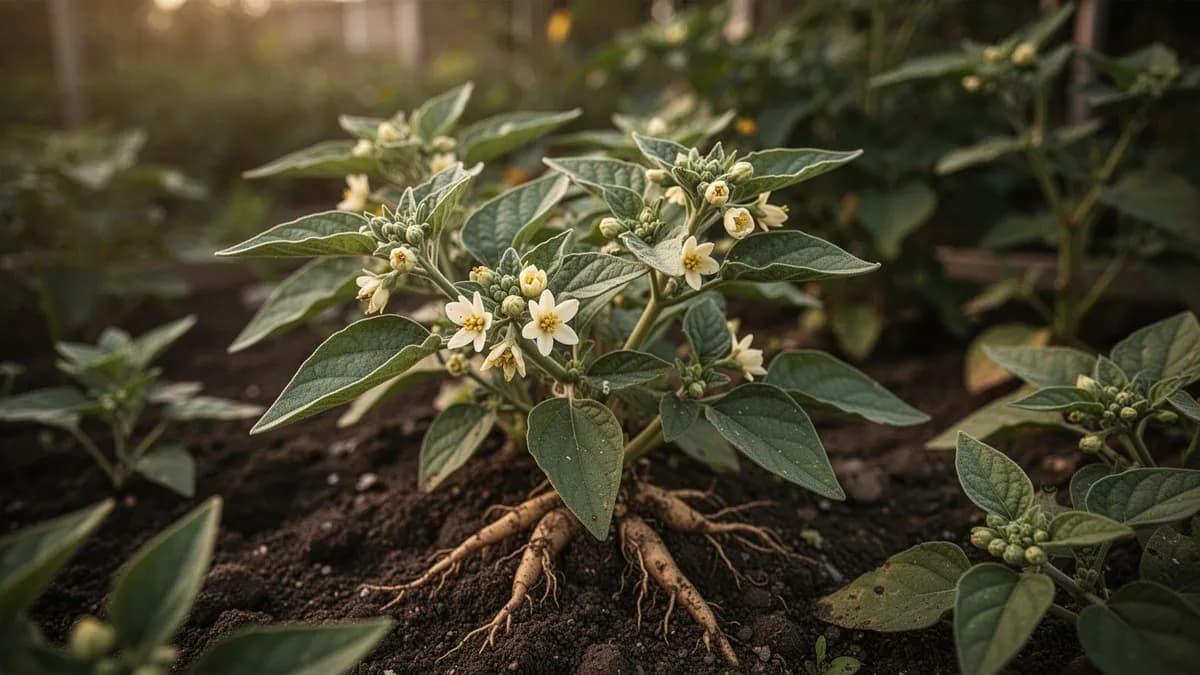
Grow your best Slippery Elm yet — and everything around it.
Start a free plan today. Lay out your beds, drop in your Slippery Elm, and let PlotMyGarden handle the timing, spacing, companions and reminders from seed to harvest basket.