Creeping Savory
A low-growing, mat-forming perennial savory that spreads to create a fragrant ground cover with white flowers.





On this pageOverview
Meet Creeping Savory
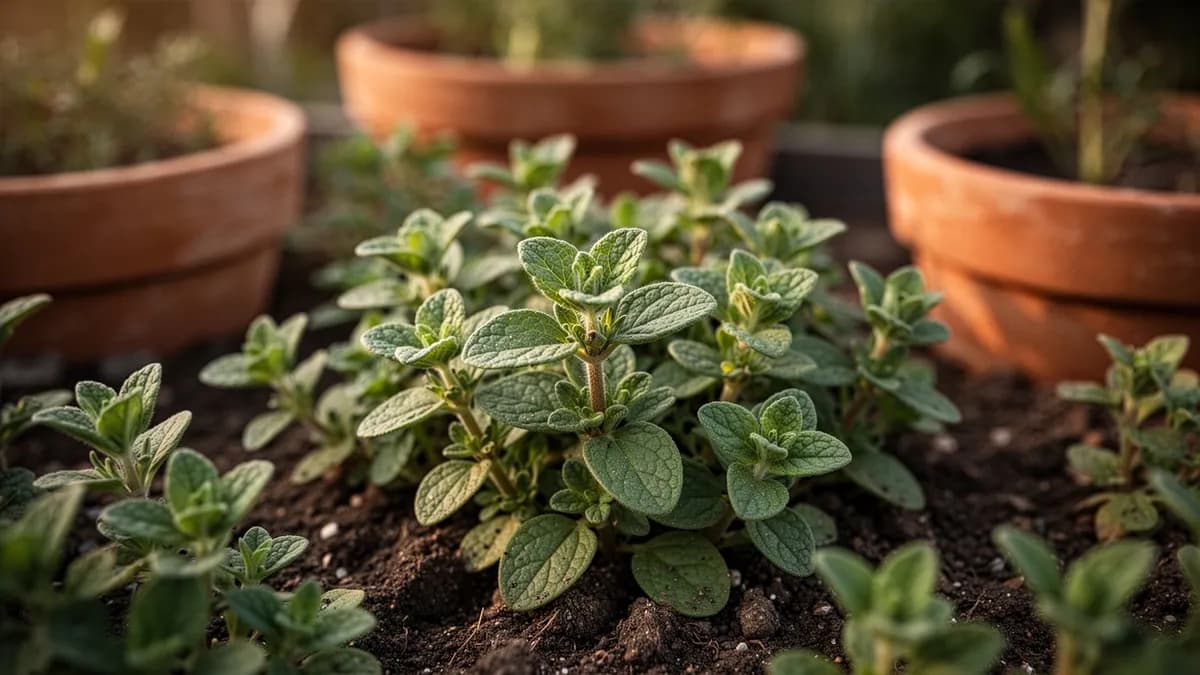
A low-growing, mat-forming perennial savory that spreads to create a fragrant ground cover with white flowers. Creeping savory has a flavor between summer and winter savory and works well planted along path edges where foot traffic releases its aroma. It is hardier than winter savory and makes an excellent rock garden or container plant.
When to plant Creeping Savory
Sow creeping savory seeds on the surface of moist seed-starting mix in spring—seeds need light to germinate. Maintain 18-22°C for germination in 10-21 days. Seedlings are very small and slow-growing initially; be patient and keep evenly moist. Transplant outdoors after hardening off once frost danger passes. Division of established mats in spring is the easiest and fastest propagation method. Semi-ripe cuttings in summer also root easily in a sandy mix.
Your Creeping Savory Year
Composed for Zone 7 · typical seasons · frost passes Apr 2, returns Nov 1
Plant Creeping Savory Mar – May, pick May – Oct. Check the planting methods below and set your climate to personalize these windows.
How to grow Creeping Savory
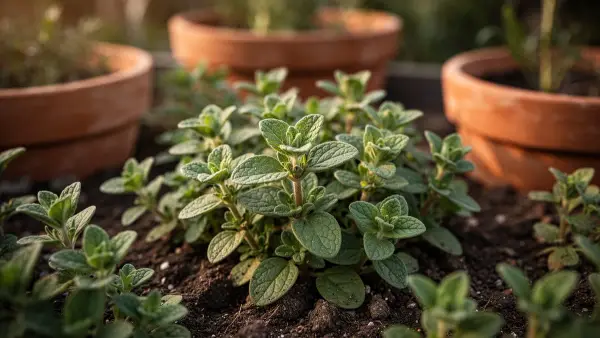
Creeping savory is a low-growing, mat-forming perennial that creates a fragrant ground cover reaching only 10-15cm tall but spreading to 45cm wide. Plant in spring in full sun with well-drained soil, spacing 30cm apart. This species is hardier than both summer and winter savory, surviving to zone 4 with good drainage, making it the most reliable perennial savory for cold climates.
Provide lean, well-drained soil—creeping savory evolved in rocky, nutrient-poor Mediterranean and Caucasus mountain conditions. Avoid rich soil or heavy feeding, which produce lush but weakly flavored growth prone to winterkill. A gravel mulch around plants helps maintain the dry crown conditions this species prefers and reflects heat to intensify aroma.
Creeping savory excels between stepping stones, along path edges, and in rock gardens where foot traffic releases its peppery-thyme fragrance. After flowering in late summer, shear plants back lightly to maintain dense, compact mats. Divide clumps every 3-4 years in spring when centers become woody and thin. This is one of the most underused culinary herbs, with a flavor that combines the best qualities of summer and winter savory.
32 plants fit a 4 × 8 ft bed
Each Creeping Savory wants 30 cm of elbow room. The planner keeps that spacing for you — every plant, every bed.
Creeping Savory's best neighbours
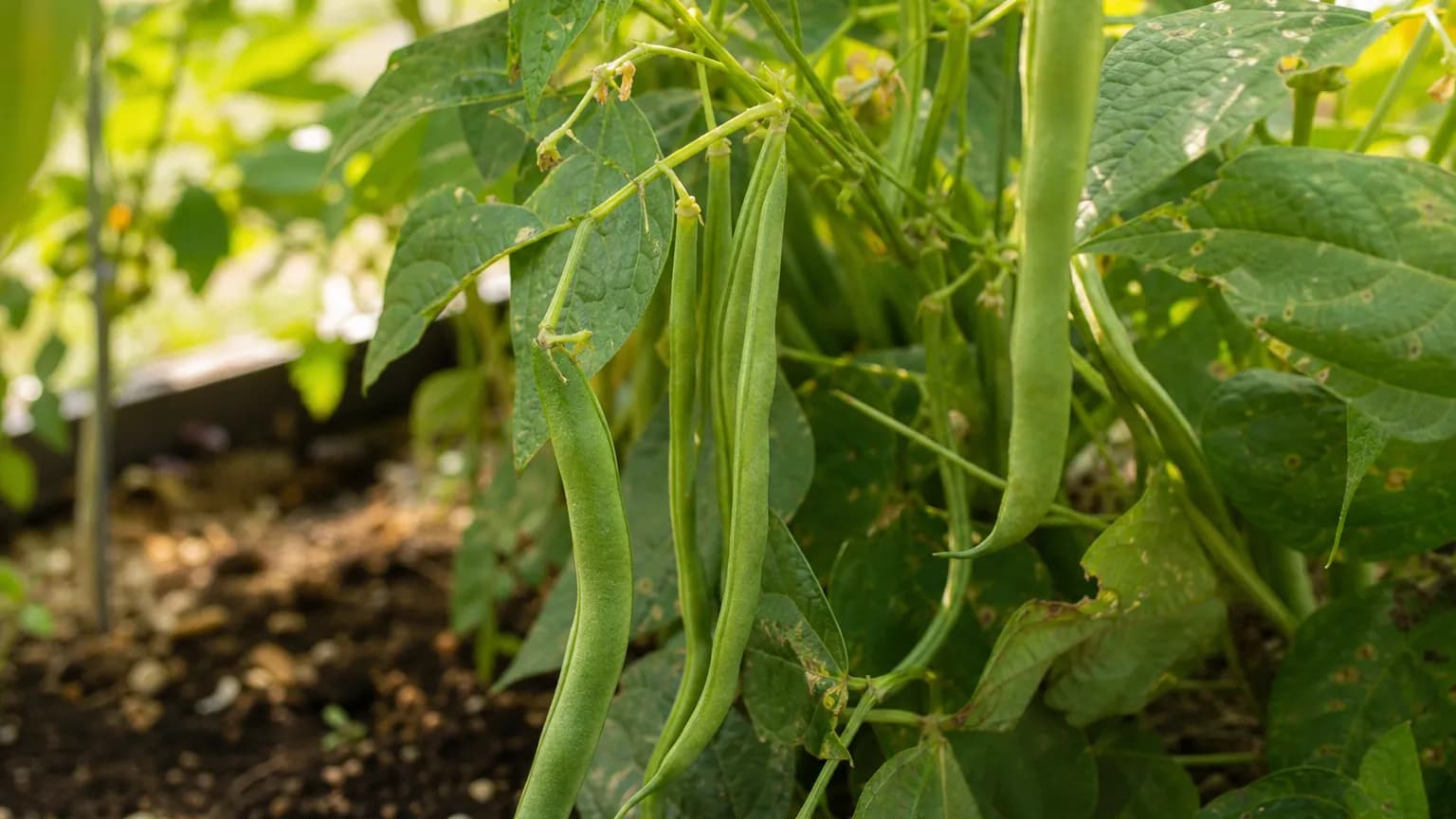
Creeping savory benefits bean crops specifically—traditionally planted alongside green beans and broad beans in German kitchen gardens. The aromatic oils may repel bean beetles and aphids. As a ground cover, it suppresses weeds while providing habitat for ground beetles and other beneficial predators. Plant along herb garden paths where foot traffic releases fragrance. Pairs well with other Mediterranean herbs like thyme, rosemary, and oregano.
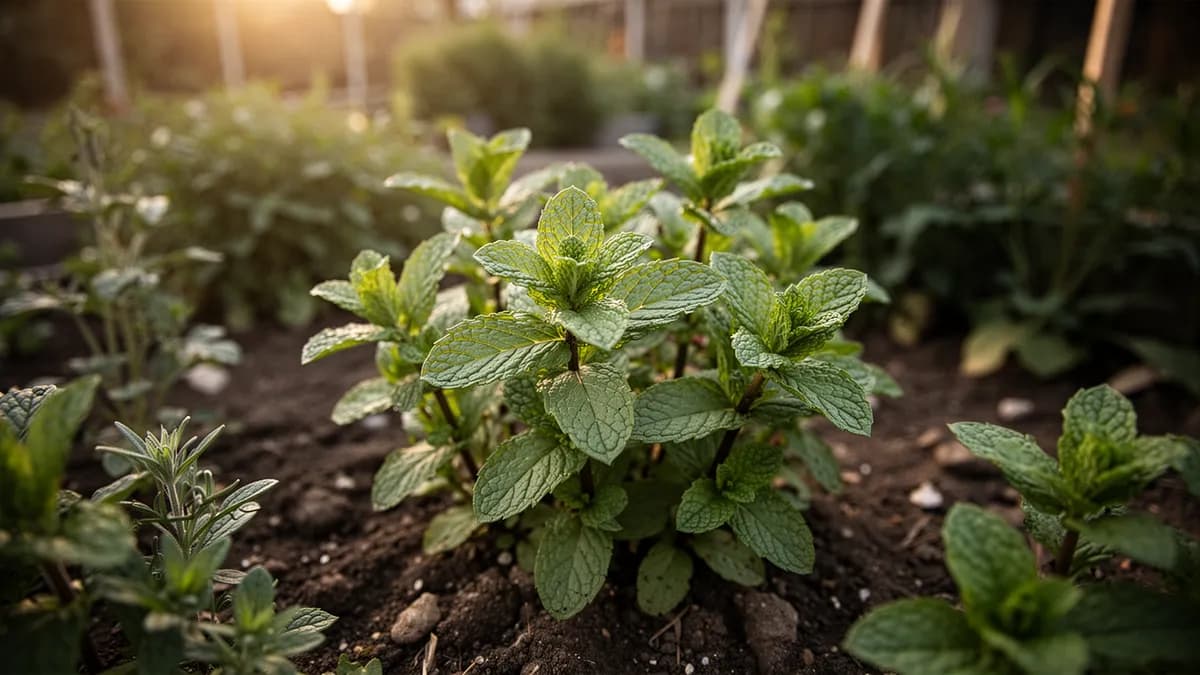
Green Beans belongs beside it. Mint doesn't.
Old growers' knowledge, checked against Creeping Savory's real companion table below — test any plant you're growing.
Try Creeping Savory in a bed — right here
A real planner bed with Creeping Savory already in it. Tap a companion to place it and watch the pairing checks answer — green for good neighbours, red for a clash.


Related growing guides
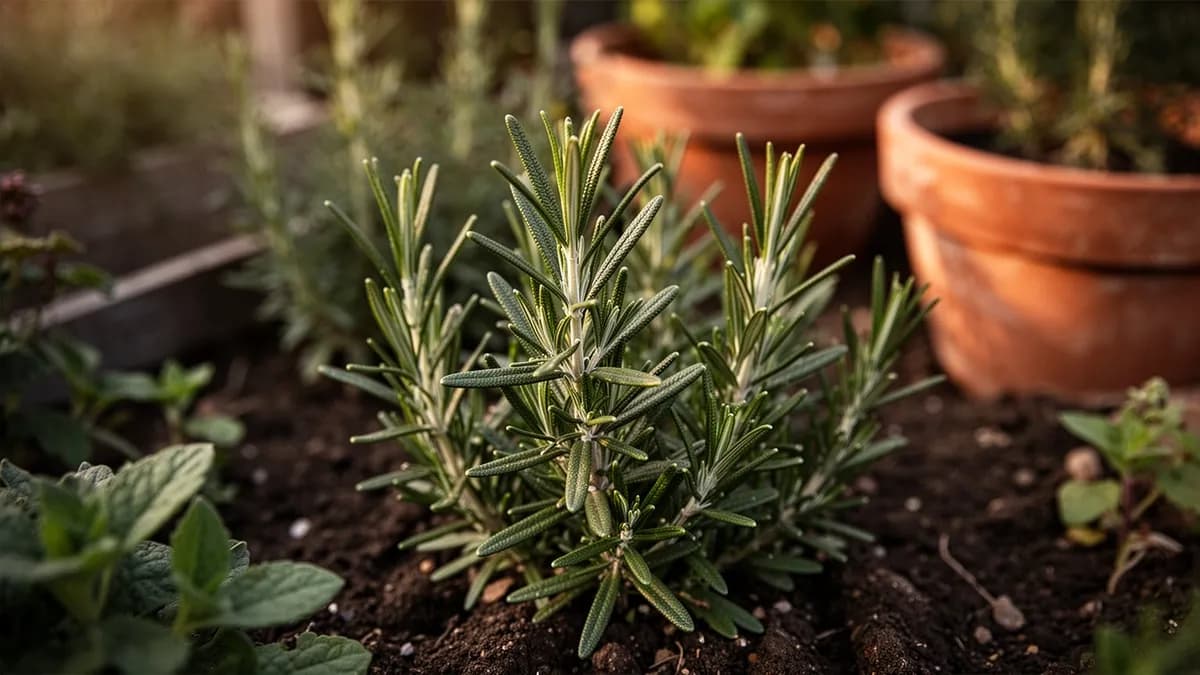
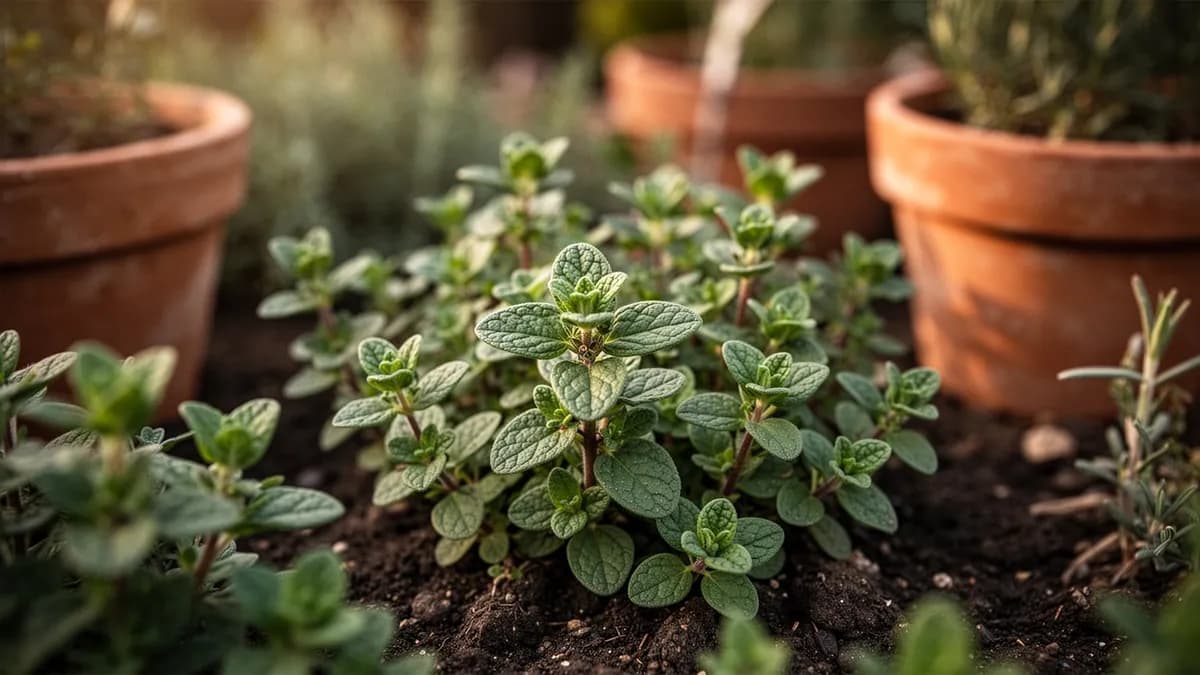
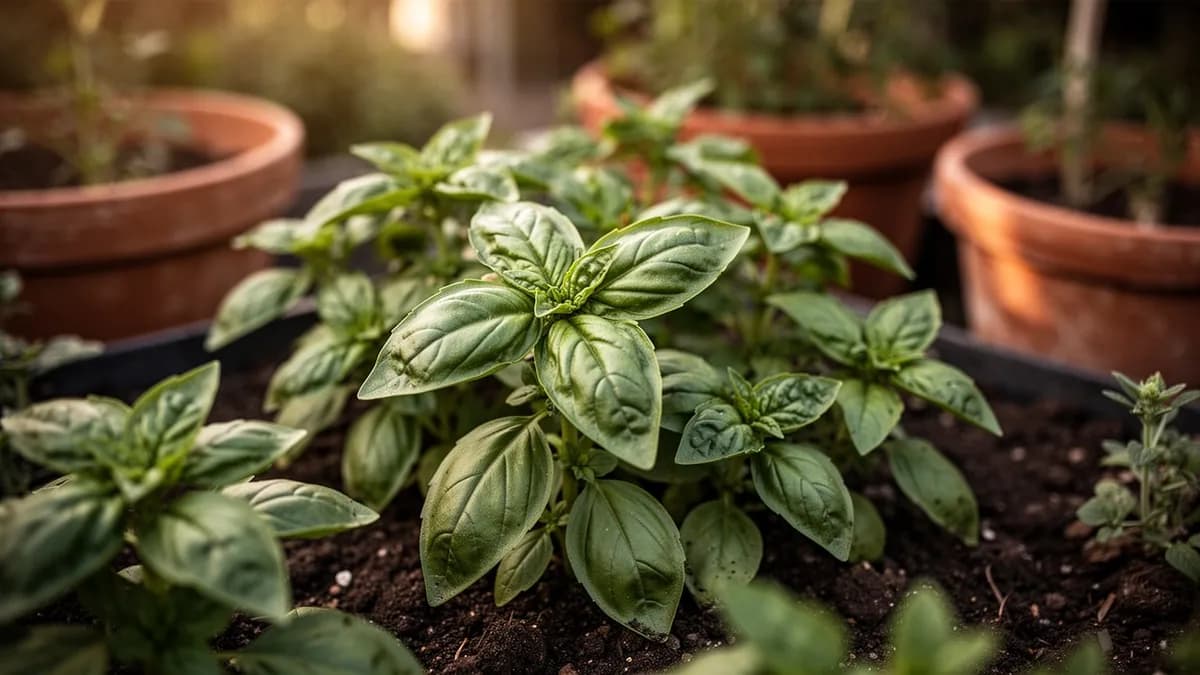
Feed it well
Grow in lean, well-drained, slightly alkaline soil with pH 6.5-8.0. Excellent drainage is essential—amend heavy soil with coarse sand and grit. Minimal fertilization; a light compost top-dressing in spring is more than sufficient. Rich soil reduces flavor intensity. In containers, use a free-draining mix with 30% perlite or gravel. Creeping savory is an excellent candidate for troughs, raised beds, and rock garden crevices.
Ideal Temperature
Hardiness Zone Compatibility
From seed to harvest, stage by stage
Seed Germination
Seeds are tiny and require light to germinate. Surface sow on moist, well-drained seed-starting mix and keep at 18-22°C. Germination can be slow and irregular.
Seedling Development
Tiny seedlings develop their first true leaves, which carry the characteristic savory aroma. Growth is slow at this stage and plants are delicate.
Vegetative Growth
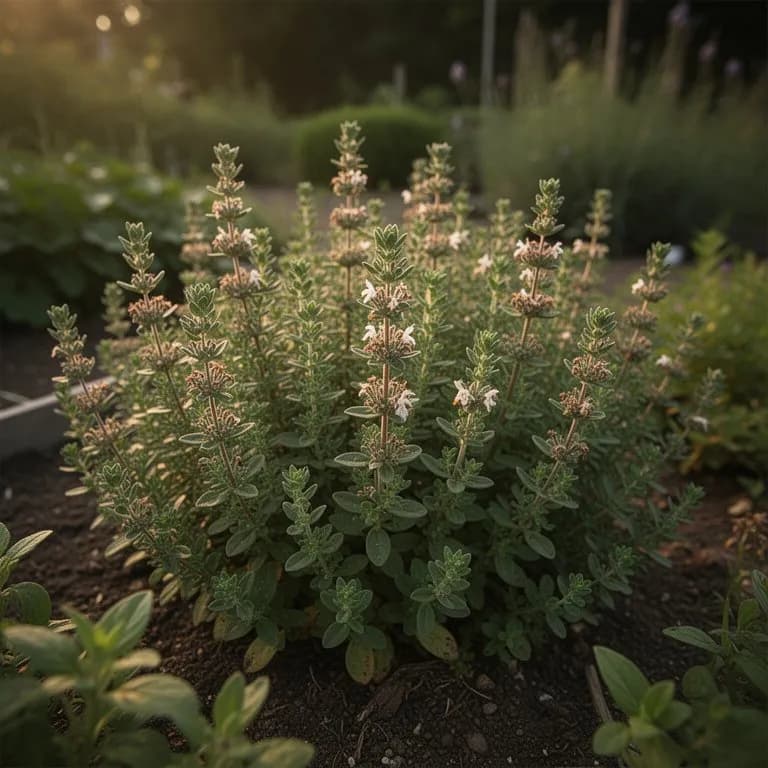
Plants begin to spread laterally, developing the characteristic creeping habit. Stems root at nodes where they contact soil, forming a dense aromatic mat.
Spreading and Establishment
The plant actively spreads, sending out runners that root at every node. A single plant can cover 30-45 cm in diameter. Foliage becomes dense and aromatic.
Flowering
Small tubular flowers appear in whorls along the stem tips, ranging from white to pale lilac. The plant is highly attractive to bees, butterflies, and other pollinators.
Seed Set and Dormancy Preparation
After flowering, small nutlet seeds develop. As temperatures cool in autumn, top growth slows and may die back in colder climates, though roots remain hardy.
Do not cover seeds with soil. Mist gently to keep the surface moist without dislodging seeds. A humidity dome helps maintain consistent moisture.
Caring for Creeping Savory month by month
What to do each month for your Creeping Savory
October
You are hereClean up spent flower stems. In cold climates, apply a 5-7 cm layer of straw or leaf mulch after the first hard frost to insulate the root zone.
Know exactly what to do in your garden — every month
One email at the start of each month: what to sow, plant, and tackle right now — for your Creeping Savory and everything growing around it. Plus a short starter course that helps you dodge the classic mistakes.
- What to do, right now
- Matched to your season
- Starter course included
Harvesting Creeping Savory
Harvest creeping savory by snipping stem tips throughout the growing season. The small, aromatic leaves have the best flavor just before and during flowering. For culinary use, strip tiny leaves from stems or use whole small sprigs. The flavor is intermediate between summer savory's sweetness and winter savory's pine-like pungency. Harvest in the morning for peak essential oil content. Regular light harvesting encourages dense, bushy regrowth.
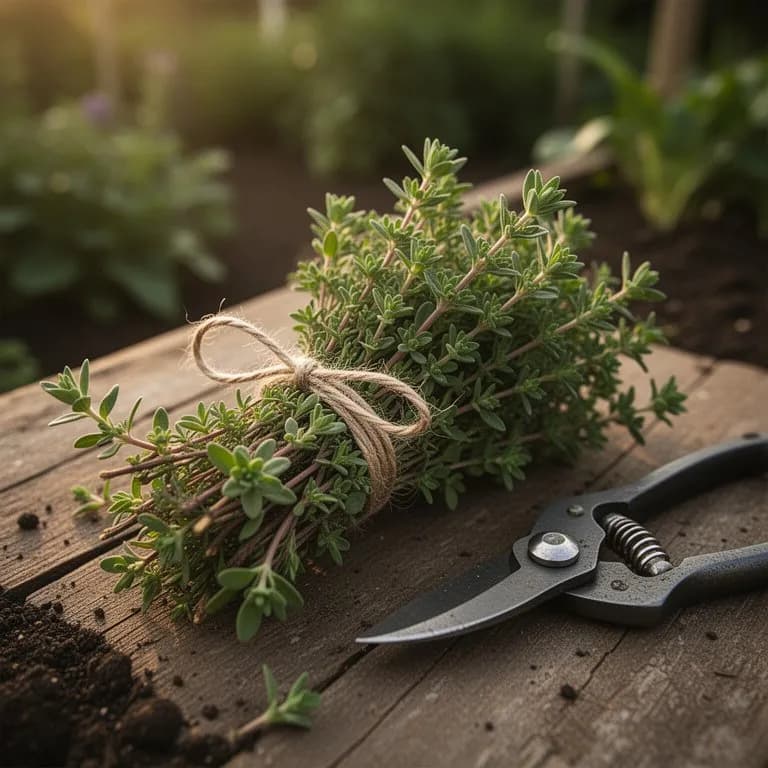
assuming you plant when the window opens — set your real date
Pick Creeping Savory promptly and the plant keeps producing.
Storage & Preservation
Fresh creeping savory keeps for about one week refrigerated in a sealed container with a damp paper towel. The small leaves dry quickly and retain flavor well—spread on screens or hang small bundles in a warm, dark area for 1 week. Store dried leaves in airtight jars for up to one year. The dried herb has a more concentrated, slightly different flavor than fresh. Freeze fresh sprigs in olive oil using ice cube trays for convenient cooking portions.
What goes wrong — and the fix
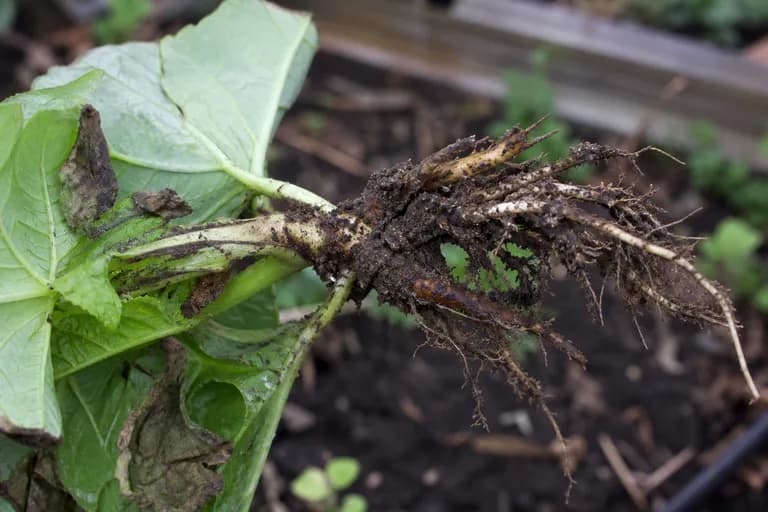
Root Rot
DiseaseBrown patches in the mat where stems die back, soft mushy tissue at the crown, general decline in wet conditions.
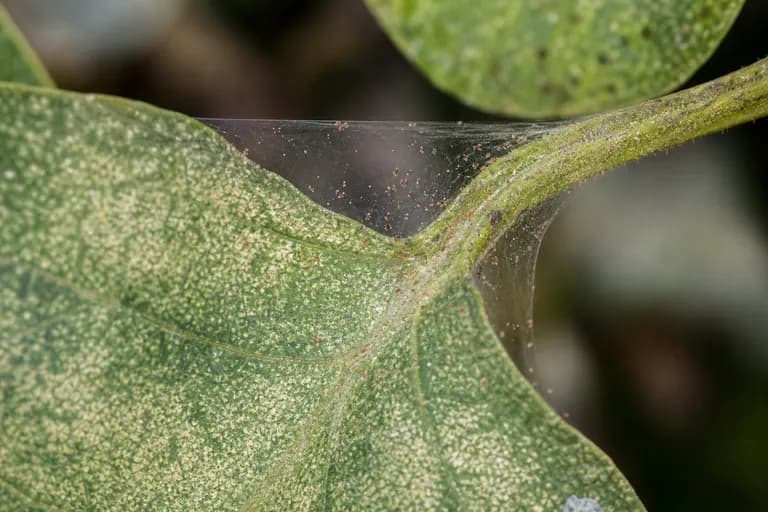
Spider Mites
PestFine stippling on leaves, bronze or dried-out patches in the mat, tiny webs visible in hot, dry weather.
Troubleshooting Common Problems
Woody, bare centers in older mats indicate the need for division—lift, divide, and replant vigorous outer portions in spring. Poor flavor is almost always from overfeeding or overwatering; grow lean and dry. Winter die-back in heavy soil is from wet roots; improve drainage or move to a raised position. Plants become scraggly without periodic shearing after flowering; cut back to maintain tight, dense mats.
Growing Tips
- Plant in full sun with at least 6-8 hours of direct light daily for the most intense flavor and essential oil production.
- Ensure excellent drainage by amending heavy clay soils with coarse sand, perlite, or fine gravel — creeping savory will not tolerate waterlogged roots.
- Space plants 25-30 cm apart and allow runners to fill in gaps naturally to create a dense, weed-suppressing groundcover.
- Water sparingly once established; creeping savory is drought-tolerant and overwatering leads to leggy growth with diminished flavor.
- Harvest stem tips frequently throughout the growing season to promote bushy, compact growth and prevent the center from becoming woody.
- Propagate easily by layering — simply pin a stem to the soil surface with a small stone or wire peg and roots will form at the nodes within 2-3 weeks.
- Avoid heavy nitrogen fertilization, which promotes lush but bland foliage. A light top-dressing of compost in early spring is sufficient.
- Plant alongside beans, as the traditional companion planting combination repels bean beetles and aphids while enhancing the beans' flavor.
- In regions colder than USDA zone 6, grow in a raised bed or container with excellent drainage, and mulch the crown with gravel rather than organic mulch to prevent rot.
- Prune back by one-third in early spring before new growth begins to rejuvenate the plant and prevent it from becoming sparse and woody in the center.
Grow your best Creeping Savory yet — and everything around it.
Start a free plan today. Lay out your beds, drop in your Creeping Savory, and let PlotMyGarden handle the timing, spacing, companions and reminders from seed to harvest basket.
Pick your Creeping Savory
Satureja spicigera (Creeping Savory)
The standard creeping species with white flowers and excellent ground-covering habit. Most cold-hardy of the savories.
Summer Savory (Satureja hortensis)
An annual with sweet, delicate peppery flavor. The classic 'bean herb' of German cuisine. Must be replanted each year.
Winter Savory (Satureja montana)
A woody perennial with stronger, more pine-like flavor. Upright growth to 40cm. Less cold-hardy than creeping savory.
A single creeping savory plant costs around $3-5 and, once established, spreads vigorously to provide abundant harvests for 5-8 years with minimal care. It replaces the need to buy dried savory ($4-6 per small jar) and can also substitute for thyme or oregano in many recipes. Its groundcover habit reduces the need for mulch in herb garden pathways, and its pollinator-attracting flowers can improve yields of nearby fruiting crops. Growing your own creeping savory can easily save $30-50 per year compared to purchasing dried herbs.
Quick recipes
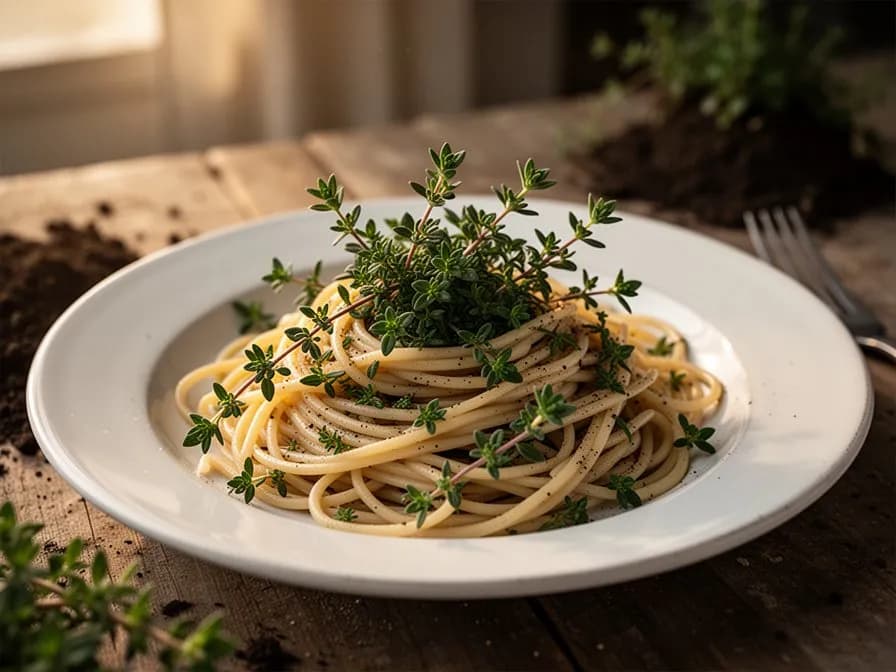
Georgian-Style Bean Salad with Creeping Savory
15 minutesA vibrant, protein-rich salad inspired by traditional Georgian lobio, featuring creamy kidney beans dressed with fresh creeping savory, walnuts, and a tangy pomegranate vinaigrette.
9 ingredientsCreeping Savory and Lemon Compound Butter
10 minutes plus chillingA fragrant compound butter that captures the peppery warmth of fresh creeping savory with bright lemon zest. Perfect melted over grilled fish, roasted vegetables, or warm crusty bread.
6 ingredientsSavory-Infused Roasted Root Vegetables
45 minutesA hearty side dish of caramelized root vegetables tossed with generous amounts of fresh creeping savory, garlic, and a drizzle of honey for a perfect balance of earthy, peppery, and sweet flavors.
7 ingredientsCulinary Uses
Creeping savory has a peppery-thyme flavor that complements beans, lentils, grilled meats, and sausages. Known as the 'bean herb' in German tradition, it reduces flatulence when cooked with legumes. Add to marinades, stuffings, and herb butters. The flavor pairs excellently with green beans, fava beans, and chickpeas. Use in bouquet garni and herbes de Provence blends. The small leaves work well as a fresh finishing herb on soups and stews.
What's inside
Health Benefits
- Contains carvacrol and thymol, natural antimicrobial compounds that have been shown to inhibit the growth of harmful bacteria and fungi in laboratory studies.
- Traditionally used as a digestive aid, creeping savory tea can help relieve bloating, gas, and mild stomach discomfort after heavy meals.
- Rich in antioxidant polyphenols that help neutralize free radicals and may reduce oxidative stress linked to chronic inflammation.
- The essential oils in savory have demonstrated mild expectorant properties, making herbal infusions useful for soothing coughs and clearing congestion.
- Provides meaningful amounts of iron and calcium per serving when used generously, contributing to bone health and healthy red blood cell production.
- Has been used in traditional Caucasian folk medicine as a mild analgesic, with poultices of crushed leaves applied to insect bites and minor skin irritations.
Where Creeping Savory comes from
Creeping savory (Satureja spicigera) traces its origins to the rocky limestone slopes and dry mountain meadows of the Caucasus region, spanning modern-day Georgia, Armenia, Azerbaijan, and northeastern Turkey. For millennia, it thrived in the wild as a hardy groundcover, clinging to sun-baked hillsides where few other plants could survive. The indigenous peoples of the Caucasus were among the first to recognize its culinary and medicinal potential, incorporating the intensely aromatic leaves into meat dishes, bean stews, and herbal remedies. In Georgian cuisine, it became an indispensable herb, featured prominently in the classic spice blend khmeli-suneli alongside fenugreek, coriander, and marigold petals. Ancient Greek and Roman herbalists were familiar with the broader Satureja genus, and references to savory appear in the writings of Pliny the Elder and Virgil, who noted its value as a bee plant and flavoring herb. Medieval European monks cultivated various savory species in monastery gardens, using them both as culinary seasonings and as treatments for digestive complaints, sore throats, and insect stings. Creeping savory specifically gained attention in Western horticulture during the 19th century, when botanical explorers brought specimens back from expeditions to the Caucasus. Its low-growing, spreading habit made it immediately appealing for rock gardens, herb borders, and as a fragrant groundcover between stepping stones. During the 20th century, research into the essential oil composition of Satureja spicigera revealed its high carvacrol content, sparking interest in its antimicrobial properties and potential applications in natural food preservation. Today, creeping savory is cultivated across temperate regions worldwide, valued equally by home gardeners for its ornamental charm, by cooks for its peppery flavor reminiscent of thyme and oregano, and by herbalists for its traditional medicinal uses.
Creeping Savory: did you know?
Fascinating facts about Creeping Savory
Creeping savory (Satureja spicigera) is native to the Caucasus region and parts of Turkey, where it has been used in traditional medicine and cooking for centuries.
Creeping Savory questions, answered
When should I plant Creeping Savory?
What are good companion plants for Creeping Savory?
What hardiness zones can Creeping Savory grow in?
How much sun does Creeping Savory need?
How far apart should I space Creeping Savory?
What pests and diseases affect Creeping Savory?
How do I store Creeping Savory after harvest?
What are the best Creeping Savory varieties to grow?
What soil does Creeping Savory need?
What is the difference between creeping savory and summer or winter savory?
Can creeping savory survive winter in cold climates?
How do I harvest and preserve creeping savory?
Is creeping savory invasive or difficult to control?
What pests and diseases affect creeping savory?
Can I grow creeping savory indoors?
You just read the theory. Now grow it on autopilot.
Everything that makes Creeping Savory fiddly — the timing, the spacing, the companions, the harvest window — is exactly what PlotMyGarden handles for you, for every plant in your garden.
A plan that knows your weather
Set your location once. Get sow, feed and harvest dates built around your real last-frost date and live forecast — no more guessing from a generic seed packet.
From the “When to plant” sectionDrag-and-drop bed planner
Design beds on a grid. Every plant snaps to its proper spacing, and you can see your whole season laid out before you spend a cent on seed.
From the “Growing guide” sectionCompanion conflicts, caught early
200+ good-and-bad pairings checked live as you plant — so a season-wrecking mistake never makes it into the ground.
From the “Companions” sectionReminders you'll actually act on
“Water the beans.” “Pick today before it turns.” Timely, specific, and tied to the plants you're really growing.
From the “Harvest” sectionSuccession, scheduled
Want a harvest for six weeks, not six days? It spaces your sowings automatically and reminds you when each new block is due.
From the “When to plant” sectionA record that gets smarter
Every harvest you log teaches it your garden. Next year's plan starts from what actually worked in your soil, not a textbook's.
From the “Overview” sectionPlant these alongside Creeping Savory
More Culinary Herbs
Keep Creeping Savory away from these
Grow your best Creeping Savory yet — and everything around it.
Start a free plan today. Lay out your beds, drop in your Creeping Savory, and let PlotMyGarden handle the timing, spacing, companions and reminders from seed to harvest basket.