Santolina
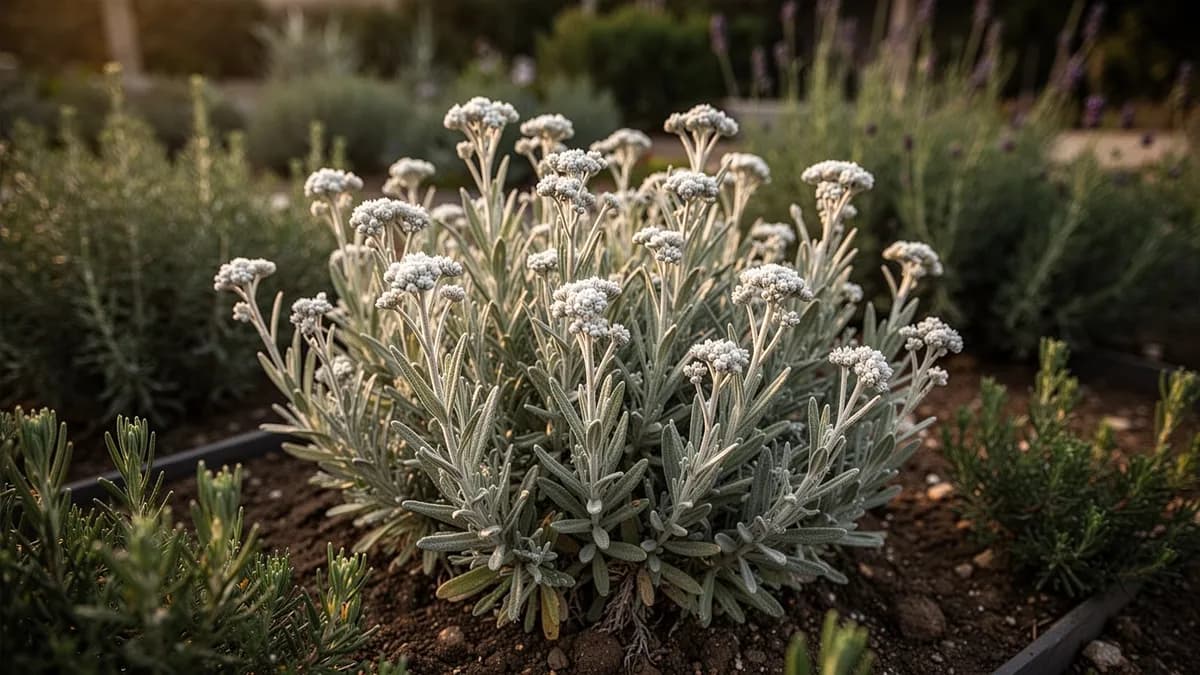
A compact Mediterranean sub-shrub with silvery, coral-like foliage and bright yellow button flowers, traditionally used as a moth repellent.





On this pageOverview
Meet Santolina
A compact Mediterranean sub-shrub with silvery, coral-like foliage and bright yellow button flowers, traditionally used as a moth repellent. Santolina is drought-tolerant and makes an excellent low hedge or edging plant in formal herb gardens. Clip hard in spring to maintain tight mounds of aromatic silver foliage and remove spent flowers promptly.
When to plant Santolina
Santolina is most reliably propagated from semi-ripe cuttings taken in late summer. Select 7-10cm non-flowering shoot tips, strip lower leaves, dip in rooting hormone, and insert into very gritty compost. Keep barely moist in a bright, frost-free location. Roots develop in 4-8 weeks. Can also be grown from seed sown in spring on gritty compost at 18-22°C, but germination is slow and erratic. Annual spring pruning provides abundant cutting material for propagation.
Your Santolina Year
Composed for Zone 7 · typical seasons · frost passes Apr 2, returns Nov 1
Plant Santolina Mar – May, pick Jun – Aug. Check the planting methods below and set your climate to personalize these windows.
How to grow Santolina
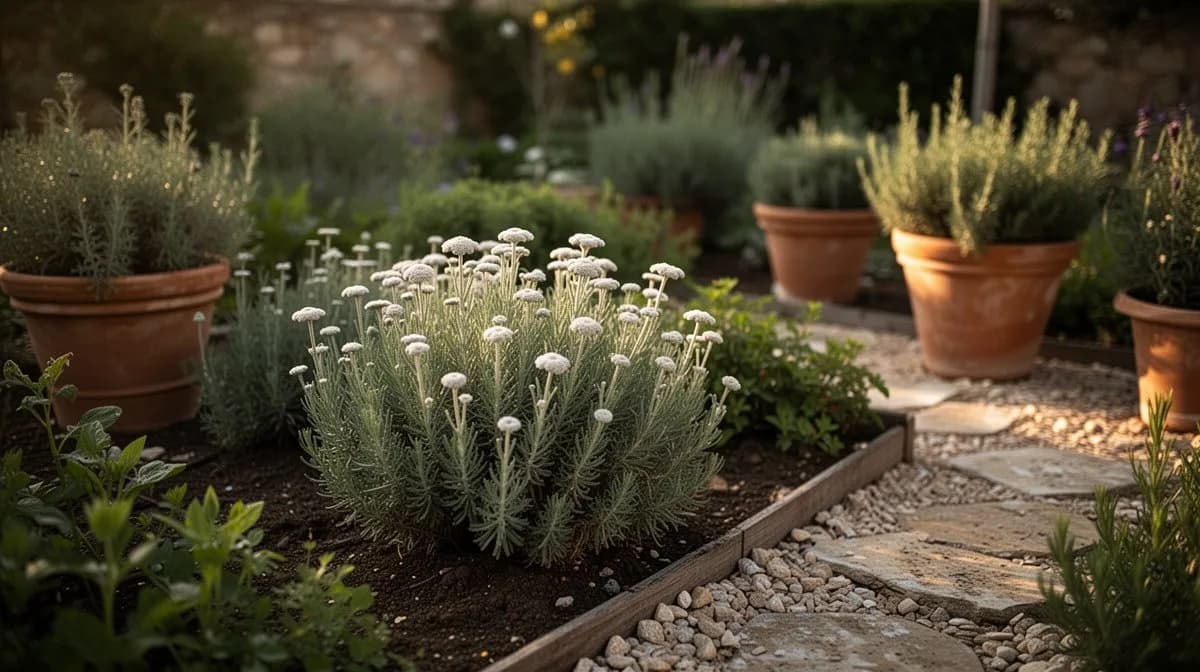
Santolina, also called cotton lavender, is a compact Mediterranean sub-shrub forming dense, aromatic mounds of finely divided silvery foliage 30-60cm tall. The coral-like leaf texture is unlike any other garden plant and creates stunning contrast with green-leaved herbs. Bright yellow button flowers appear on slender stems above the foliage in midsummer. Plant in full sun with lean, exceptionally well-drained soil.
This is a plant that thrives in hot, dry, poor conditions—the hotter and drier the better. Avoid rich soil, shade, and overwatering, all of which cause open, floppy growth and reduced aromatic oil concentration. Sandy, gravelly, and chalky soils are perfect. Santolina makes an outstanding low formal hedge in herb gardens, knot gardens, and parterre designs.
The key to maintaining tight, silvery mounds is annual hard pruning in mid to late spring (after the last frost but before new growth gets too far along). Cut back to within 10-15cm of the old wood, shaping into neat domes. If pruning is neglected, plants become open, woody, and bare in the center. Remove spent flower heads promptly unless you want the plant's energy going to seed rather than foliage.
10 plants fit a 4 × 8 ft bed
Each Santolina wants 45 cm of elbow room. The planner keeps that spacing for you — every plant, every bed.
Santolina's best neighbours
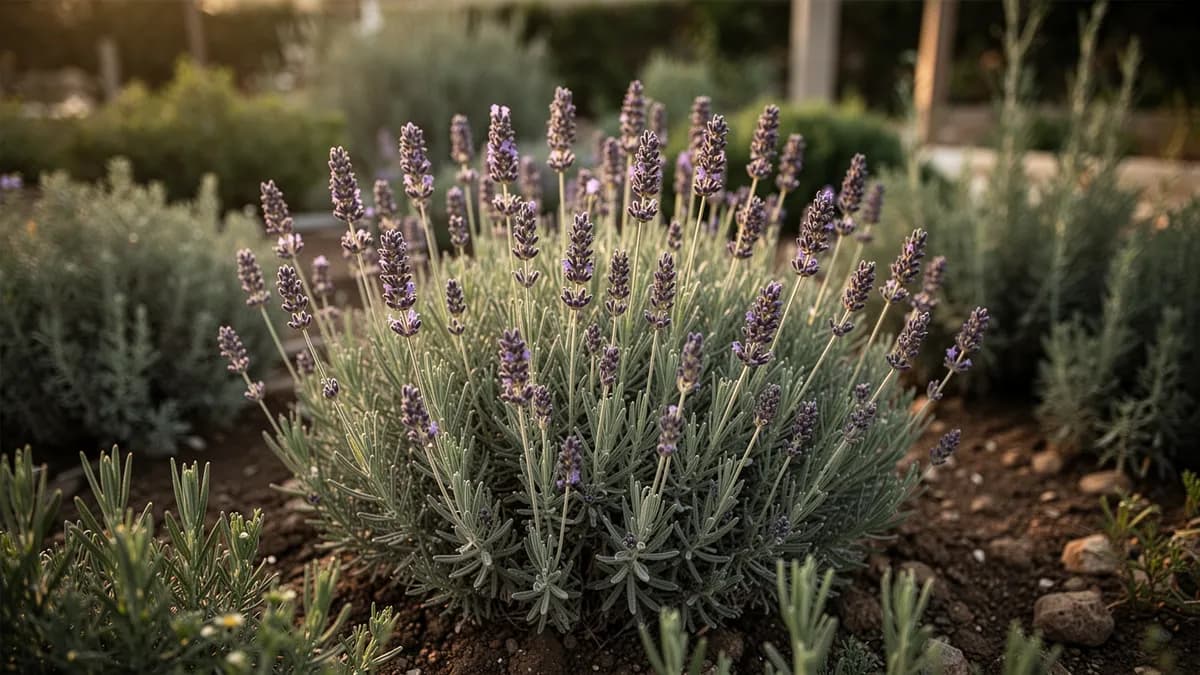
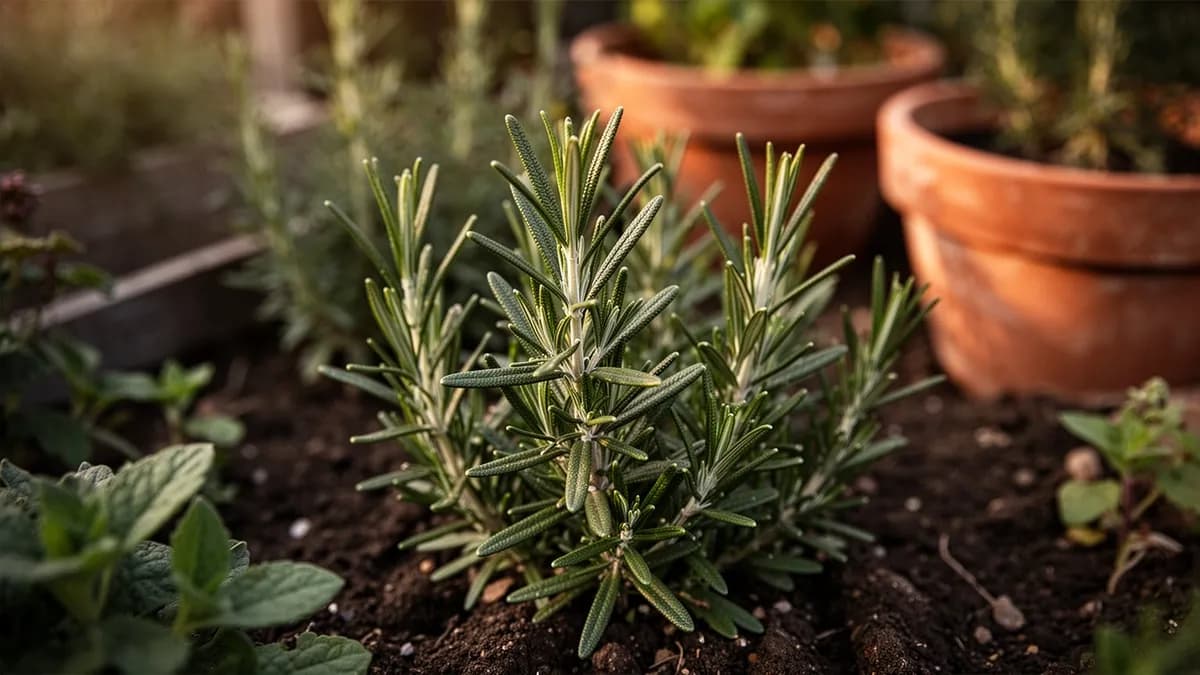
Santolina is the classic edging plant for formal herb gardens, knot gardens, and parterre designs. It pairs beautifully with lavender, rosemary, and other silver-leaved Mediterranean herbs in gravel gardens and hot, dry borders. The silvery foliage provides outstanding textural contrast with green-leaved herbs and purple-flowered plants. Traditionally planted near doorways and pathways as a moth and insect deterrent.
Lavender belongs beside it.
Old growers' knowledge, checked against Santolina's real companion table below — test any plant you're growing.
Try Santolina in a bed — right here
A real planner bed with Santolina already in it. Tap a companion to place it and watch the pairing checks answer — green for good neighbours, red for a clash.


Related growing guides
Feed it well
Santolina demands lean, sharply drained soil with a pH of 6.5-8.5. Poor, gravelly, sandy, or chalky soils are ideal. Never enrich the soil with compost or manure. Mix grit into planting holes in average garden soil. No fertilizer is needed or wanted—lean conditions produce the densest, most silvery, most aromatic foliage. A gravel mulch helps with drainage and sets off the silver foliage.
Ideal Temperature
Hardiness Zone Compatibility
From seed to harvest, stage by stage
Cutting or Seed Start
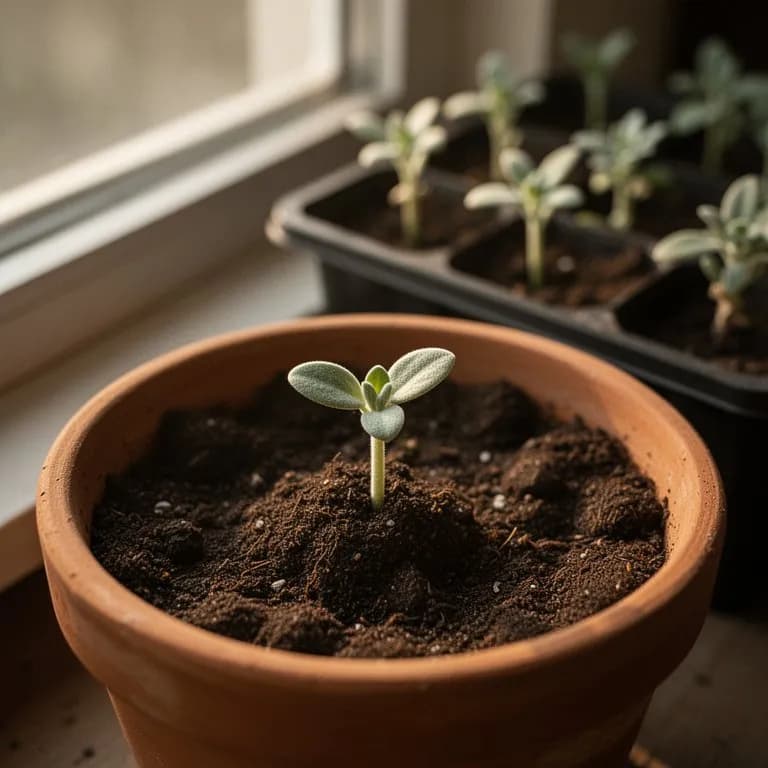
Santolina is most reliably started from semi-hardwood cuttings taken in late summer, as seed germination is slow and inconsistent. Take 8-10 cm cuttings from non-flowering shoots, strip the lower leaves, and insert into a gritty, well-drained propagation mix. If starting from seed, surface-sow on moist seed compost and provide gentle bottom heat of 18-21°C.
Root Establishment
Cuttings develop roots and begin producing new growth at the tips. Seedlings, if started from seed, develop their first pairs of finely divided silver-grey leaves. Growth is slow during this phase as the plant focuses on building a strong root system in the propagation medium.
Vegetative Growth
Young plants develop their characteristic dense, mounding habit with coral-like silver-grey foliage. The stems begin to become slightly woody at the base while the upper growth remains soft and pliable. The aromatic essential oils in the foliage become more pronounced as the plant matures.
Flower Bud Formation
Slender flower stalks begin to emerge from the silvery foliage, each topped with a rounded bud that resembles a small green button. The buds gradually enlarge and begin to show yellow coloration as they prepare to open. Some gardeners remove flower stalks at this stage to maintain a tighter foliage mound.
Full Bloom
Bright yellow, button-shaped flower heads open fully, creating a striking contrast against the silver foliage. Each flower head is composed of many tiny tubular disc florets. The flowers attract a wide range of pollinators and beneficial insects. Blooming typically occurs in June and July in most temperate climates.
Post-Bloom Pruning
After flowering finishes, the plant benefits from a thorough shaping prune. This is the most important maintenance task for santolina, as it prevents the plant from becoming open, woody, and leggy. The pruned plant quickly produces fresh, dense silver growth that will carry through autumn and winter.
Winter Rest
Growth slows significantly as temperatures drop. The evergreen foliage retains its silver-grey appearance throughout winter, providing valuable structure and colour in the dormant garden. Established santolina is hardy to approximately -15°C in well-drained soil, though prolonged cold and wet conditions can cause losses.
Keep cuttings in bright, indirect light and mist regularly to maintain humidity. Avoid waterlogging the propagation medium, as santolina cuttings are prone to rotting in overly wet conditions.
Caring for Santolina month by month
What to do each month for your Santolina
October
You are hereEnsure good drainage around plants before the wet season arrives. Apply fresh gravel mulch if needed. Move container-grown santolina to a sheltered position or against a south-facing wall for winter protection.
Know exactly what to do in your garden — every month
One email at the start of each month: what to sow, plant, and tackle right now — for your Santolina and everything growing around it. Plus a short starter course that helps you dodge the classic mistakes.
- What to do, right now
- Matched to your season
- Starter course included
Harvesting Santolina
Harvest santolina foliage anytime during the growing season by snipping stems for sachets and potpourri. The silver foliage is most aromatic in warm weather. For dried flower arrangements, cut flower stems when buds are fully colored but not yet fully open. The annual spring pruning provides a large quantity of aromatic clippings perfect for drying. Traditionally, branches were hung in wardrobes as a moth repellent.
assuming you plant when the window opens — set your real date
Pick Santolina promptly and the plant keeps producing.
Storage & Preservation
Dry santolina by bundling stems and hanging in a warm, well-ventilated area, or spread clippings on screens. The dried foliage retains its silver color and pungent, camphor-like fragrance for many months. Store in paper bags or loosely in containers for use in moth-repellent sachets and potpourri. The dried yellow button flowers retain their shape and color well for dried arrangements. Combine with lavender for an effective and pleasant moth-repelling blend.
What goes wrong — and the fix
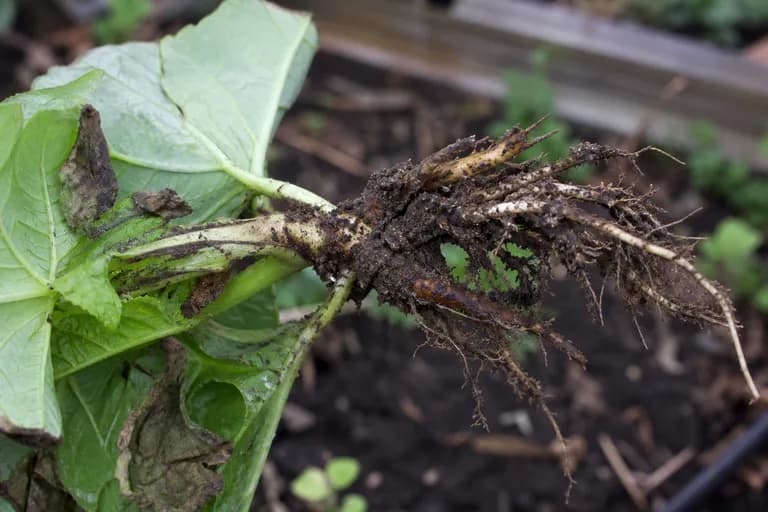
Root Rot
DiseaseBrowning foliage sections, soft stems, plant collapse. Caused by wet soil, especially in winter.
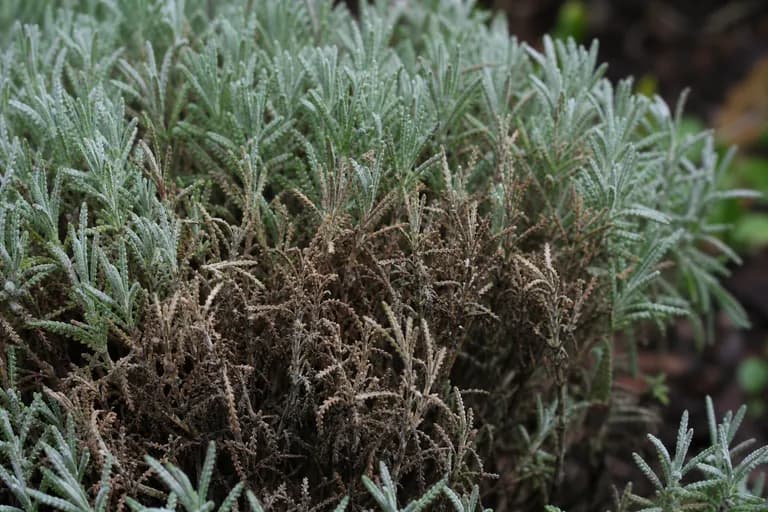
Die-back
DiseaseIndividual branches browning and dying, spreading through the plant. Often follows a wet winter or failure to prune.
Troubleshooting Common Problems
Open, leggy growth means insufficient sun or too-rich soil. Annual hard pruning is essential for maintaining compact form; without it, plants become bare and woody within 2-3 years. Never cut into completely bare old wood—it rarely regenerates. Winter death from wet soil is the primary cause of failure in temperate gardens. Plants typically live 5-8 years and should be replaced from cuttings when they decline.
Growing Tips
- Plant santolina in the poorest, grittiest soil available. Rich, fertile soil causes floppy, open growth that lacks the compact silver mounding habit that makes this plant so attractive. Amend clay soils heavily with coarse grit and sharp sand.
- Full sun is essential for santolina. A minimum of 6-8 hours of direct sunlight daily ensures tight, compact growth and the most intense silver colouration in the foliage. Shade produces leggy, green, weak plants.
- Water sparingly and only during prolonged dry spells once plants are established. Santolina is adapted to Mediterranean drought conditions and is far more likely to die from overwatering and root rot than from lack of water.
- Use gravel or stone mulch around the crown instead of organic bark or compost mulch. Organic mulches retain moisture against the stems and promote the crown rot that is the primary killer of santolina in cultivation.
- Prune hard after flowering in late summer, cutting back into green growth to maintain a tight dome shape. This single annual prune is the most critical care task and prevents the open, woody dieback that ruins older plants.
- Maintain a soil pH between 6.5 and 8.0. Santolina evolved on limestone soils and performs best in neutral to alkaline conditions. Add garden lime to acidic soils before planting.
- Space plants 45-60 cm apart for individual specimens or 30-40 cm apart for a continuous low hedge. Good air circulation between plants is critical for preventing fungal problems, especially in humid climates.
- Propagate from semi-hardwood cuttings in late summer rather than from seed. Cuttings root reliably in 4-6 weeks in a gritty mix and produce plants true to the parent, whereas seed-grown plants are variable.
- Avoid fertilising santolina. Nitrogen-rich feeds produce lush green growth that is susceptible to frost damage, pest attack, and the loss of the attractive silver colouration that defines the species.
- In regions with wet winters, consider growing santolina in raised beds or on sloped ground where water drains away quickly. Standing water around the roots during winter dormancy is the most common cause of plant death.
Grow your best Santolina yet — and everything around it.
Start a free plan today. Lay out your beds, drop in your Santolina, and let PlotMyGarden handle the timing, spacing, companions and reminders from seed to harvest basket.
Pick your Santolina
Santolina chamaecyparissus (standard)
Classic silver-leaved cotton lavender with bright yellow button flowers. The most widely grown species for hedging and aromatic gardens.
Santolina rosmarinifolia
Green-leaved species with narrow, rosemary-like foliage and lemon-yellow flowers. Less silver but more delicate in texture.
Santolina chamaecyparissus 'Lemon Queen'
Compact selection with pale lemon-yellow flowers rather than the typical bright yellow. Especially attractive in pastel-themed gardens.
Santolina chamaecyparissus 'Nana'
Dwarf form reaching just 20-25cm tall. Perfect for miniature knot gardens, containers, and rock garden edges.
A santolina plant costs $5-10 at a nursery and can live for 10-15 years with proper pruning and drainage. It produces abundant foliage for dried sachets that replace commercial moth repellent products costing $8-15 per pack. A single mature plant yields enough material for 10-15 sachets per season, saving $80-150 annually on commercial insect repellents alone. Propagation from cuttings is free and straightforward, allowing you to create an entire low hedge from one original plant. As a drought-tolerant evergreen, santolina also reduces water bills compared to thirsty ornamental alternatives.
Quick recipes
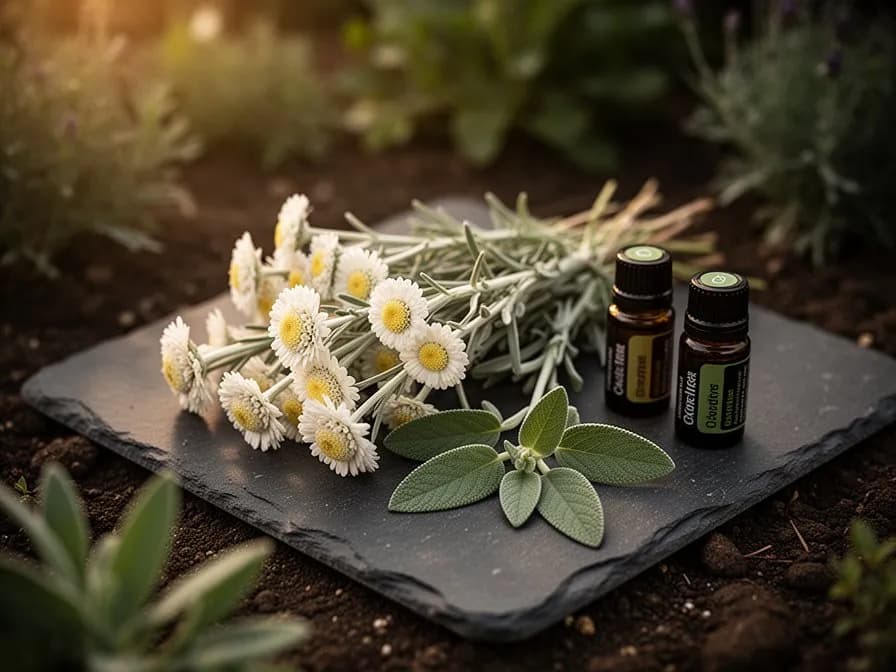
Santolina Moth-Repellent Sachets
20 minutes + drying timeThese fragrant sachets harness santolina's natural insect-repelling properties to protect clothing and linens from moths. The aromatic oils in the dried foliage and flowers provide a pleasant herbal scent while keeping pests at bay. A traditional craft that has been used in Mediterranean households for centuries.
6 ingredients
Santolina Herbal Foot Soak
15 minutesA soothing herbal foot soak that uses the anti-inflammatory and antifungal properties traditionally attributed to santolina. The aromatic steam provides a calming, spa-like experience while the herbal compounds help refresh tired feet. A simple way to enjoy santolina's therapeutic heritage at home.
6 ingredientsSantolina and Herb Garden Vinegar
10 minutes + 2 weeks infusionAn aromatic herbal vinegar infused with santolina and companion herbs from the Mediterranean garden. Use as a household surface cleaner, hair rinse, or garden insect spray when diluted. This versatile preparation captures santolina's antimicrobial properties in a practical, everyday form.
6 ingredientsWhat's inside
Health Benefits
- Santolina essential oil has demonstrated antimicrobial activity against several common bacteria and fungi in laboratory studies, supporting its traditional use as a natural disinfectant and wound wash.
- Traditional Mediterranean herbalism used santolina infusions as a digestive tonic to relieve bloating, indigestion, and stomach cramps, a practice that persists in rural communities today.
- The aromatic compounds in santolina foliage, particularly santolina alcohol and camphor derivatives, have documented insect-repelling properties effective against moths, fleas, and mosquitoes.
- Anti-inflammatory compounds in santolina have been investigated for their potential to reduce swelling and soothe minor skin irritations when applied as a poultice or infused oil.
- Inhaling the aromatic steam from santolina infusions has been traditionally used to relieve nasal congestion and support respiratory comfort during seasonal colds.
- Phytochemical research has identified flavonoids and phenolic acids in santolina with antioxidant capacity, suggesting potential benefits for reducing oxidative stress when used in herbal preparations.
Where Santolina comes from
Santolina chamaecyparissus, commonly known as lavender cotton or cotton lavender, is native to the rocky, sun-drenched hillsides and coastal garrigue of the western Mediterranean basin, spanning from southern France and the Iberian Peninsula through to parts of North Africa. In its natural habitat, it colonises poor, stony, limestone soils where few other plants can thrive, forming low, aromatic cushions that withstand intense summer heat, drought, and the drying effects of coastal winds. The genus name Santolina may derive from the Latin 'sanctum linum,' meaning 'holy flax,' reflecting an early association with medicinal and sacred uses, though this etymology is debated among botanical historians. The species name chamaecyparissus translates to 'ground cypress,' a reference to the finely divided foliage that resembles miniature cypress branches. Ancient Greek and Roman herbalists were familiar with santolina and its relatives, using preparations of the plant for digestive complaints, skin ailments, and as a vermifuge to expel parasites. However, it was during the Renaissance that santolina rose to horticultural prominence. Italian and French garden designers of the 15th and 16th centuries discovered that its dense, compact growth and tolerance for rigorous clipping made it an ideal candidate for the elaborate parterre and knot gardens that defined the formal garden style of the era. English garden enthusiasts adopted the plant eagerly during the Tudor and Elizabethan periods, and santolina became a fixture in the ornamental herb gardens of grand estates and modest cottage gardens alike. By the 17th century, the herbalist John Gerard described santolina in his famous Herball, noting its insect-repelling properties and ornamental merit. The plant crossed the Atlantic with European colonists and became naturalised in parts of the Americas with suitable Mediterranean-type climates. Today, santolina remains a beloved garden plant worldwide, prized for its drought tolerance, evergreen silver foliage, and cheerful yellow summer flowers, and it continues to find new appreciation in sustainable, low-water landscaping and pollinator-friendly garden designs.
Santolina: did you know?
Fascinating facts about Santolina
Santolina has been used as a natural moth repellent since at least the 16th century, when bundles of dried branches were placed in wardrobes and linen chests across southern Europe to protect fabrics from insect damage.
Santolina questions, answered
When should I plant Santolina?
What are good companion plants for Santolina?
What hardiness zones can Santolina grow in?
How much sun does Santolina need?
How far apart should I space Santolina?
What pests and diseases affect Santolina?
How do I store Santolina after harvest?
What are the best Santolina varieties to grow?
What soil does Santolina need?
Is santolina edible or safe to consume?
Why is my santolina becoming woody and bare in the centre?
Can santolina survive cold winters?
How do I use santolina as a natural moth and insect repellent?
What are the best companion plants for santolina?
How often should I replace santolina plants?
You just read the theory. Now grow it on autopilot.
Everything that makes Santolina fiddly — the timing, the spacing, the companions, the harvest window — is exactly what PlotMyGarden handles for you, for every plant in your garden.
A plan that knows your weather
Set your location once. Get sow, feed and harvest dates built around your real last-frost date and live forecast — no more guessing from a generic seed packet.
From the “When to plant” sectionDrag-and-drop bed planner
Design beds on a grid. Every plant snaps to its proper spacing, and you can see your whole season laid out before you spend a cent on seed.
From the “Growing guide” sectionCompanion conflicts, caught early
200+ good-and-bad pairings checked live as you plant — so a season-wrecking mistake never makes it into the ground.
From the “Companions” sectionReminders you'll actually act on
“Water the beans.” “Pick today before it turns.” Timely, specific, and tied to the plants you're really growing.
From the “Harvest” sectionSuccession, scheduled
Want a harvest for six weeks, not six days? It spaces your sowings automatically and reminds you when each new block is due.
From the “When to plant” sectionA record that gets smarter
Every harvest you log teaches it your garden. Next year's plan starts from what actually worked in your soil, not a textbook's.
From the “Overview” sectionPlant these alongside Santolina
More Aromatic Herbs
Grow your best Santolina yet — and everything around it.
Start a free plan today. Lay out your beds, drop in your Santolina, and let PlotMyGarden handle the timing, spacing, companions and reminders from seed to harvest basket.