Ananas-Salbei
Eine fruchtige Salbeisorte mit Blättern, die nach Ananas duften und schmecken, gekrönt von leuchtend roten Röhrenblüten im Spätsommer.





Auf dieser SeiteÜberblick
Ananas-Salbei im Überblick
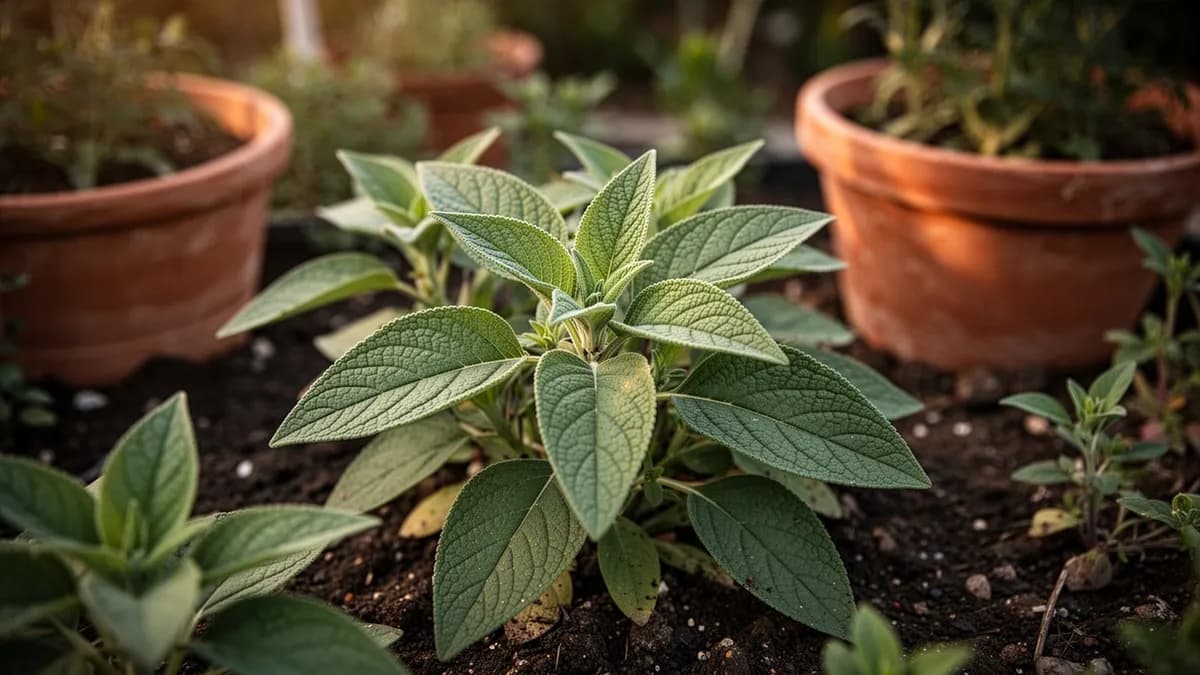
Eine fruchtige Salbeisorte mit Blättern, die nach Ananas duften und schmecken, gekrönt von leuchtend roten Röhrenblüten im Spätsommer. Die scharlachroten Blüten ziehen Kolibris und Schmetterlinge an und machen die Pflanze sowohl dekorativ als auch essbar. Verwenden Sie frische Blätter in Obstsalaten, Getränken und Desserts für eine tropische Variante des Salbeigeschmacks.
Wann Ananas-Salbei pflanzen
Ananas-Salbei wird fast ausschließlich durch Stecklinge vermehrt, da Samen selten gebildet werden und schwer zu keimen sind. Schneiden Sie im Spätsommer 10–15 cm lange Stängelstecklinge, entfernen Sie die unteren Blätter und bewurzeln Sie sie in feuchtem Perlit oder Wasser. Die Stecklinge bewurzeln sich innerhalb von 2–3 Wochen bei Raumtemperatur. Topfen Sie bewurzelte Stecklinge in hochwertiges Substrat und kultivieren Sie sie über den Winter drinnen. Pflanzen Sie nach den Eisheiligen ins Freiland um. Die Teilung etablierter Pflanzen im Frühjahr ist eine weitere zuverlässige Vermehrungsmethode.
Dein Ananas-Salbei-Jahr
Abgestimmt auf Zone 7 · typische Saison · Frost geht um den 2. Apr. und kehrt um den 1. Nov. zurück
Ananas-Salbei Apr – Mai pflanzen, Jun – Okt ernten. Beachte die Pflanzmethoden unten und wähle dein Klima für passende Zeiträume.
So baust du Ananas-Salbei an
Ananas-Salbei ist eine frostempfindliche Staude, die ursprünglich aus Mexiko und Guatemala stammt und in den meisten gemäßigten Klimazonen als einjährige Pflanze kultiviert wird. Im Gegensatz zum gewöhnlichen Salbei ist sie nicht trockenheitstolerant und benötigt gleichmäßige Feuchtigkeit und nährstoffreichen Boden. Beginnen Sie mit Jungpflanzen aus der Gärtnerei oder Stecklingen, da Samen nicht allgemein verfügbar sind. Pflanzen Sie erst nach den Eisheiligen an einem sonnigen Standort mit gut durchlässigem, fruchtbarem Boden.
Halten Sie einen Pflanzabstand von 60–90 cm ein, da Ananas-Salbei in einer einzigen Saison kräftig auf 90–150 cm Höhe heranwächst. Gießen Sie während der gesamten Vegetationsperiode regelmäßig, da dieser Salbei bei Trockenstress schnell welkt. Kneifen Sie im Frühsommer die Triebspitzen aus, um einen buschigeren Wuchs zu fördern und zu verhindern, dass die Pflanze sparrig wird.
Ananas-Salbei blüht vom Spätsommer bis zum Herbst und bildet leuchtend scharlachrote Röhrenblüten, die ein Magnet für Kolibris sind. Die Blüte wird durch kürzer werdende Tage ausgelöst, sodass Pflanzen in nördlichen Regionen später blühen. In den Zonen 8–11 überwintert die Pflanze als verholzende Staude. In kälteren Zonen sollten Sie vor dem ersten Frost Stecklinge nehmen, um sie drinnen zu bewurzeln und im folgenden Jahr weiterzukultivieren.
10 Pflanzen passen in ein Beet von 120 × 240 cm
Ananas-Salbei braucht 45 cm Platz pro Pflanze. Der Planer hält diesen Abstand für dich ein — jede Pflanze, jedes Beet.
Die besten Nachbarn für Ananas-Salbei
Ananas-Salbei ist ein hervorragender Kolibri- und Schmetterlingsmagnet und daher wertvoll in der Nähe von Gemüsegärten, die von Bestäuberaktivität profitieren. Pflanzen Sie ihn zusammen mit anderen spät blühenden Salvien und Herbstblühern, um einen Bestäuberkorridor zu schaffen. Sein kräftiger Wuchs macht ihn zu einer guten Hintergrundpflanze in gemischten Kräuterbeeten. Im Gegensatz zum gewöhnlichen Salbei verträgt sich Ananas-Salbei gut mit Basilikum, da beide feuchte, fruchtbare Bedingungen bevorzugen. Vermeiden Sie es, ihn dort zu pflanzen, wo er niedrigere Kräuter beschatten würde.
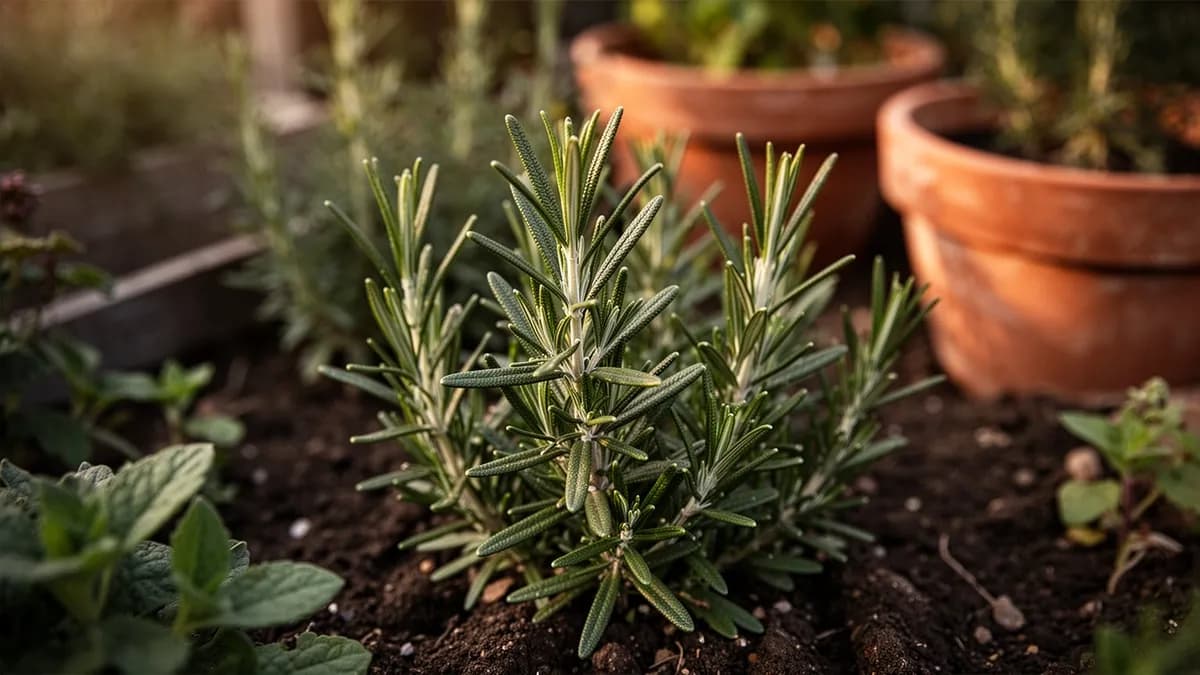
Rosmarin gehört daneben. Basilikum nicht.
Altes Gärtnerwissen, geprüft an der echten Nachbartabelle von Ananas-Salbei — teste jede Pflanze, die du anbaust.
Probiere Ananas-Salbei direkt hier im Beet
Ein echtes Planer-Beet, Ananas-Salbei steht schon drin. Tippe einen Begleiter an, platziere ihn und sieh, wie die Nachbarschaftsprüfung antwortet — grün für gute Nachbarn, rot bei Streit.


Passende Anbau-Ratgeber
Richtig düngen
Ananas-Salbei gedeiht in nährstoffreichem, gut durchlässigem Boden mit einem pH-Wert von 6,0–7,0. Im Gegensatz zu mediterranen Salbeiarten bevorzugt er fruchtbaren, mit Kompost angereicherten Boden bei gleichmäßiger Feuchtigkeit. Arbeiten Sie 8–10 cm Kompost in den Pflanzbereich ein. Düngen Sie während der Vegetationsperiode monatlich mit einem ausgewogenen Flüssigdünger. Reduzieren Sie die Düngung im Spätsommer, damit die Pflanze ihren natürlichen Blühzyklus beginnen kann. In Kübeln verwenden Sie ein nährstoffreiches Substrat und düngen Sie alle zwei Wochen. Lassen Sie den Boden nicht vollständig austrocknen.
Ideale Temperatur
Winterhärtezone-Kompatibilität
Von der Saat zur Ernte, Schritt für Schritt
Vermehrung und Etablierung
Ananas-Salbei wird am zuverlässigsten durch Stängelstecklinge statt durch Samen vermehrt, da Samen langsam und unberechenbar keimen können. Weichholzstecklinge von gesundem Wuchs bewurzeln sich innerhalb von 10–14 Tagen in feuchtem Substrat oder Wasser. Gekaufte Jungpflanzen wachsen nach dem Einpflanzen in warmen Boden nach dem letzten Frosttermin schnell an.
Frühes vegetatives Wachstum
Bewurzelte Stecklinge oder Jungpflanzen beginnen nach dem Anwachsen rasch neue Blattpaare zu bilden. Die Pflanze entwickelt eine verholzende Basis und weiches krautiges Oberwachstum. Der charakteristische Ananasduft wird spürbar, wenn die Blätter reifen und die Öldrüsen sich voll entwickeln. Pflanzen wachsen unter warmen Bedingungen 5–8 cm pro Woche.
Kräftige Buschentwicklung
Die Pflanzen treten in eine Phase kräftigen Wachstums ein und entwickeln sich zu großen, gerundeten Büschen von 60–120 cm Höhe und Breite. Das Laub ist dicht und sehr aromatisch. Dies ist die Hauptperiode für regelmäßige Blatternet. Die Pflanze ist in kühleren Klimazonen vollständig krautig, entwickelt aber in wärmeren Zonen halbverholzte Stängel an der Basis.
Blüte
Wenn die Tageslänge im Spätsommer und Herbst abnimmt, bildet Ananas-Salbei spektakuläre Ähren leuchtend scharlachroter Röhrenblüten an den Triebspitzen. Die Blüte wird durch kürzere Tage ausgelöst und beginnt auf der Nordhalbkugel typischerweise im September. Die Blüten sind äußerst attraktiv für Kolibris, Schmetterlinge und Bienen und bieten lebenswichtigen Spätsaisonnektar.
Spätsaison und Ruhephase
Nach dem Höhepunkt der Blüte verlangsamt sich das Wachstum mit sinkenden Temperaturen. In den USDA-Zonen 8–11 kann die Pflanze den Winter mit Rücksterben bis zur Wurzelkrone überleben und im Frühjahr wieder austreiben. In kälteren Zonen tötet der Frost die Pflanze bis zum Boden ab, und sie kehrt nicht zurück, es sei denn, die Wurzeln werden geschützt oder die Pflanze wird drinnen überwintert.
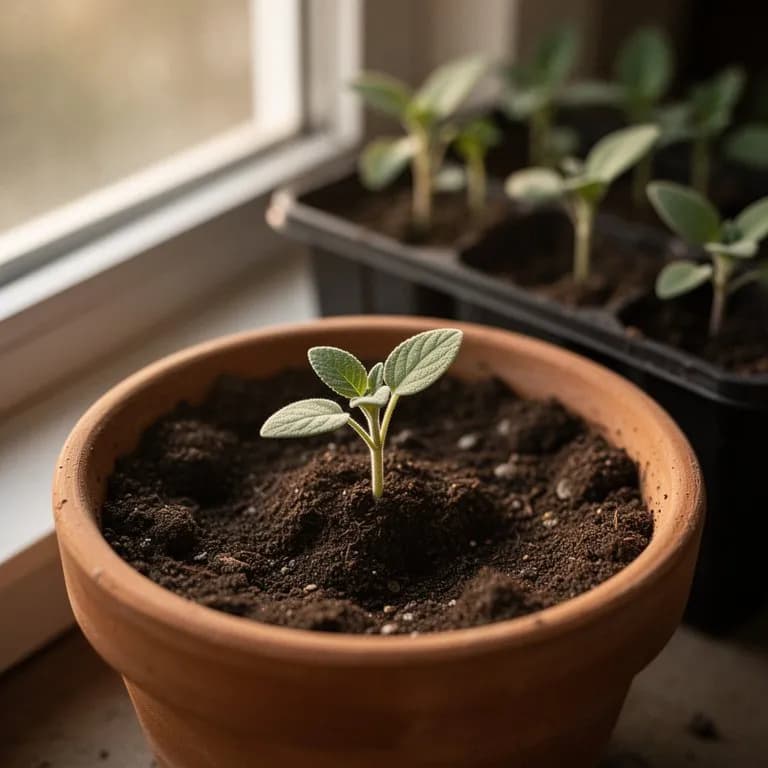
Schneiden Sie 10–15 cm lange Stängelstecklinge knapp unterhalb eines Knotens, entfernen Sie die unteren Blätter und stellen Sie sie in feuchtes Perlit oder Wasser. Halten Sie sie bei hellem, indirektem Licht und gleichmäßiger Feuchtigkeit. Bewurzelungshormon ist hilfreich, aber nicht unbedingt nötig – Ananas-Salbei bewurzelt sich auch ohne leicht.
Ananas-Salbei Monat für Monat pflegen
Was du jeden Monat für deine Ananas-Salbei tun solltest
Oktober
Aktueller MonatHauptblütemonat in den meisten Regionen. In Zone 7 und darunter bereiten Sie vor dem ersten Frost die Überwinterung vor – topfen Sie Gartenpflanzen um oder bringen Sie Kübelpflanzen ins Haus. Nehmen Sie letzte Stecklinge als Absicherung gegen Winterverluste. Ernten Sie verbliebene Blätter zum Trocknen oder Einfrieren.
Immer wissen, was jetzt im Garten zu tun ist
Eine E-Mail zum Monatsanfang: was du jetzt säen, pflanzen und anpacken solltest — für deine Ananas-Salbei und alles, was drumherum wächst. Dazu ein kurzer Startkurs, der dich vor den klassischen Fehlern bewahrt.
- Was jetzt zu tun ist
- Passend zu deiner Saison
- Startkurs inklusive
Ananas-Salbei ernten
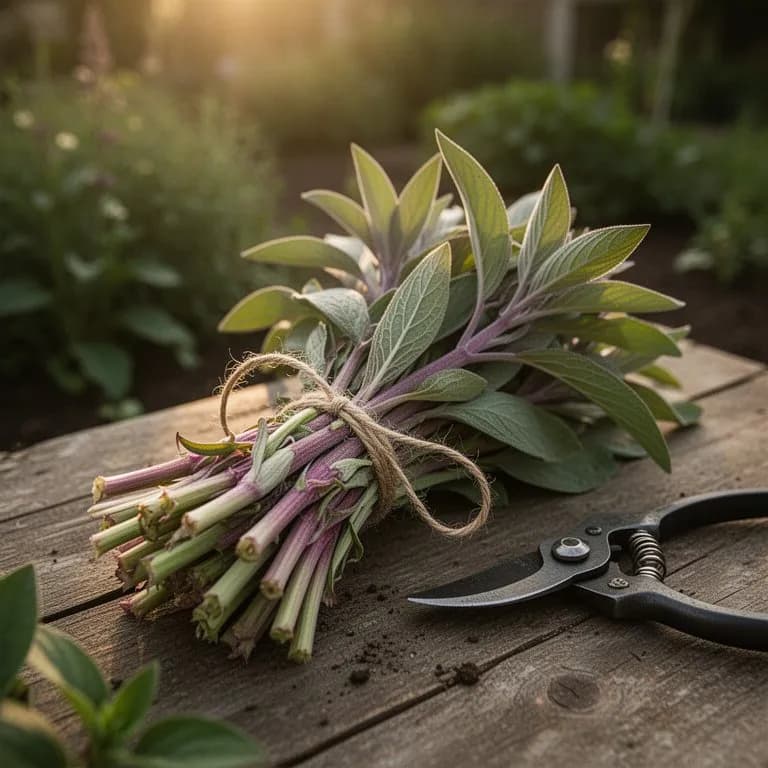
Ernten Sie Ananas-Salbei-Blätter jederzeit während der Vegetationsperiode, indem Sie einzelne Blätter abzupfen oder Triebspitzen schneiden. Das Ananasaroma ist in jungen, aktiv wachsenden Blättern am stärksten. Ernten Sie die leuchtend roten Blüten, sobald sie sich öffnen, als essbare Dekoration und für Tee. Die Blüten sind süßer als die Blätter und eignen sich hervorragend als Garnitur für Desserts und Getränke. Schneiden Sie lange Stiele für frische Arrangements oder zum Trocknen. Ernten Sie vor dem ersten Frost, da die Pflanze bei Frosteinwirkung sofort erfriert und schwarz wird.
angenommen, du pflanzt zu Beginn des Zeitraums — trage dein tatsächliches Datum ein
Ernte Ananas-Salbei zügig, dann trägt die Pflanze weiter.
Lagerung & Konservierung
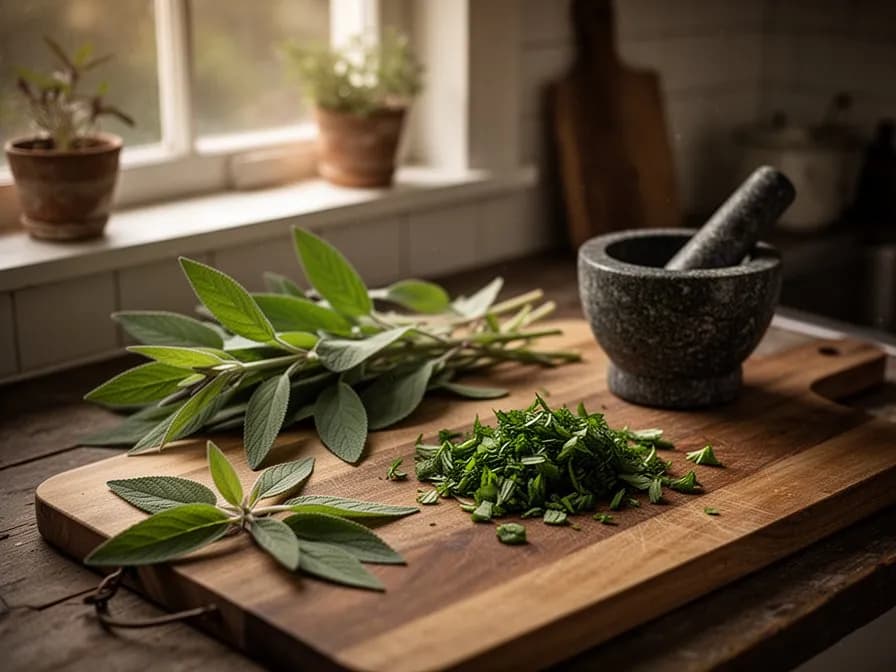
Verwenden Sie Ananas-Salbei-Blätter frisch für den besten Geschmack, da das zarte Ananasaroma beim Trocknen schnell verfliegt. Stellen Sie frische Stiele in ein Glas Wasser bei Raumtemperatur, wo sie 2–3 Tage haltbar sind. Die Blätter können in Eiswürfelformen mit Wasser eingefroren werden, um sie für Getränke zu verwenden. Legen Sie Blätter in Sirup, Honig oder Essig ein, um das Ananasaroma für die spätere Verwendung zu konservieren. Trocknen Sie Blüten schnell in einem Dörrgerät, um ihre rote Farbe für Teemischungen und Potpourri zu erhalten.
Was schiefgeht — und die Lösung
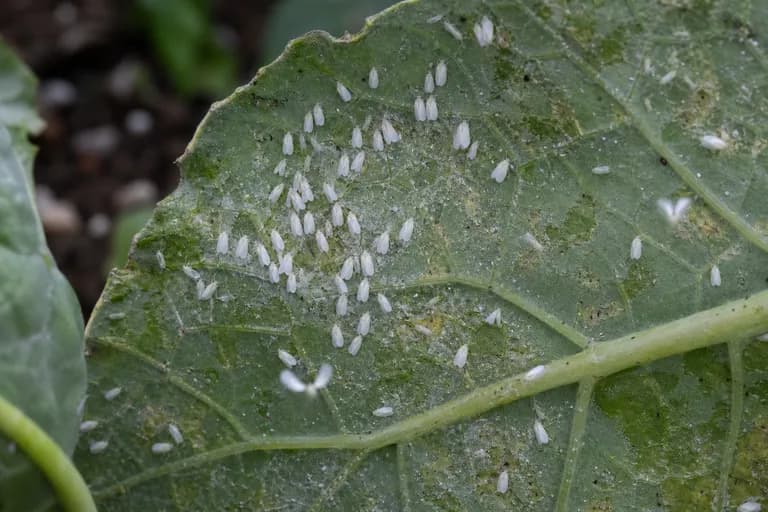
Weiße Fliegen
SchädlingKleine weiße fliegende Insekten auf den Blattunterseiten, vergilbendes Laub, klebriger Honigtau auf den unteren Blättern.
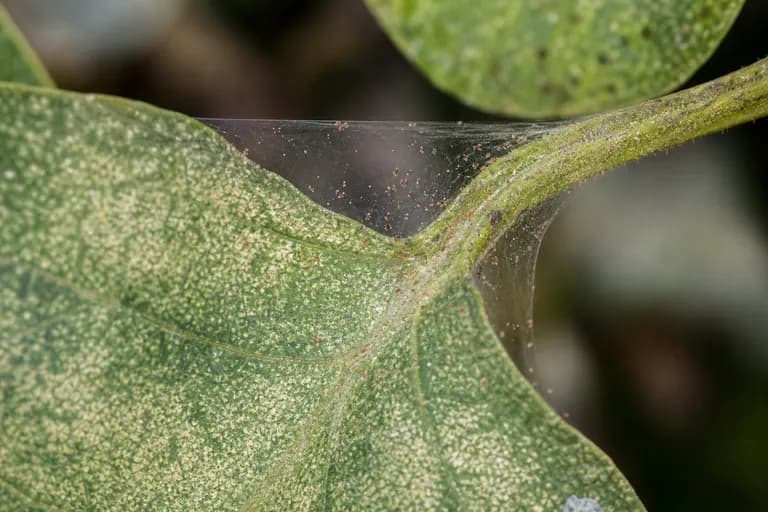
Spinnmilben
SchädlingFeine Gespinste an den Blattspitzen, gesprenkelte oder blasse Blätter, Blätter werden braun und fallen ab.
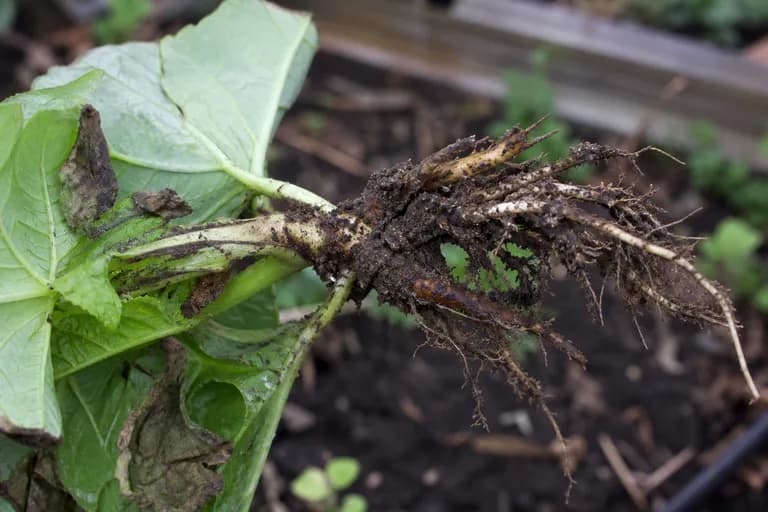
Wurzelfäule
KrankheitWelken trotz feuchtem Boden, vergilbende untere Blätter, matschige braune Wurzeln bei der Kontrolle.
Fehlerbehebung bei häufigen Problemen
Das häufigste Problem sind Frostschäden, da Ananas-Salbei beim ersten Frost abstirbt. Bringen Sie Kübelpflanzen rechtzeitig ins Haus oder nehmen Sie vor dem Frost Stecklinge. Sparriger, dünner Wuchs resultiert aus unzureichendem Licht oder fehlendem Entspitzen der Triebe zu Saisonbeginn. Welken bei heißem Wetter ist normal, wenn die Bodenfeuchtigkeit ausreichend ist; die Pflanze erholt sich, sobald die Temperaturen sinken. In nördlichen Regionen kann es vorkommen, dass die Pflanze nicht blüht, wenn der Frost vor der Kurztagsreaktion eintritt. Drinnen überwinternde Pflanzen können unter niedriger Luftfeuchtigkeit leiden.
Anbautipps
- Vermehren Sie durch Stängelstecklinge statt durch Samen für zuverlässige und schnelle Ergebnisse. Schneiden Sie 10–15 cm lange Stecklinge von gesunden, nicht blühenden Trieben, entfernen Sie die unteren Blätter und stellen Sie sie in Wasser oder feuchtes Perlit. Wurzeln erscheinen innerhalb von 10–14 Tagen, und die Stecklinge können innerhalb von 3–4 Wochen eingetopft oder ausgepflanzt werden.
- Kneifen Sie die Triebspitzen früh und regelmäßig aus, um eine buschige, gut verzweigte Pflanze zu erhalten. Ohne Entspitzen neigt Ananas-Salbei dazu, hoch und sparrig zu wachsen mit spärlichem Laub. Kneifen Sie jeden neuen Trieb, wenn er 3–4 Blattpaare hat, für die vollste Form.
- Pflanzen Sie in volle Sonne für den besten Duft, die höchste Blattproduktion und reichlichste Blüte. In heißen Klimazonen (Zonen 9–11) hilft leichter Nachmittagsschatten, Welken bei Hitzewellen zu verhindern, aber zu viel Schatten reduziert die Blüte und schwächt den Ananasduft.
- Sorgen Sie für gut durchlässigen Boden, angereichert mit Kompost. Ananas-Salbei verträgt verschiedene Bodentypen, überlebt aber keine Staunässe. Hochbeete und Kübel mit hochwertigem Substrat liefern ausgezeichnete Ergebnisse.
- Gießen Sie durchdringend, aber nicht zu häufig – lassen Sie die oberen Zentimeter des Bodens zwischen den Wassergaben abtrocknen. Ananas-Salbei welkt bei Trockenheit dramatisch, erholt sich aber nach dem Gießen schnell. Dauerhaftes Übergießen verursacht Wurzelfäule und ist schädlicher als gelegentlicher Trockenstress.
- Kultivieren Sie in kalten Klimazonen in einem großen Kübel (mindestens 30 cm Durchmesser), damit die Pflanze vor dem Frost ins Haus gebracht werden kann. Verwenden Sie einen Pflanzenroller für einfachen Transport. Überwintern Sie an der hellsten Fensterbank und reduzieren Sie die Bewässerung auf alle 10–14 Tage.
- Düngen Sie während der Vegetationsperiode monatlich mit einem ausgewogenen organischen Flüssigdünger. Vermeiden Sie stickstoffbetonte Dünger, die üppiges, aber schwaches Wachstum auf Kosten der Produktion ätherischer Öle und des Duftes fördern.
- Platzieren Sie Ananas-Salbei in der Nähe einer Tür, eines Weges oder eines Sitzbereichs, wo Sie regelmäßig daran vorbeistreifen – der Ananasduft wird durch Berührung freigesetzt und bietet jedes Mal ein wunderbares Sinneserlebnis.
- Lassen Sie die Pflanzen im Herbst blühen, anstatt ständig zu ernten – die scharlachroten Blüten sind wichtige Spätsaison-Nektarquellen für Kolibris und Bestäuber, und die Blüten selbst sind eine wunderschöne und köstliche essbare Garnitur.
- Nehmen Sie im Spätsommer mehrere Stecklinge als Absicherung gegen Winterverluste. Bewurzeln Sie sie in Wasser auf einer Küchenfersterbank – sie eignen sich wunderbar als Geschenk für Gartenfreunde und stellen sicher, dass Sie immer Reservepflanzen haben, falls die Mutterpflanze durch einen unerwarteten frühen Frost verloren geht.
Bau deine beste Ananas-Salbei an — und alles drumherum.
Starte heute kostenlos. Lege deine Beete an, setze deine Ananas-Salbei ein und lass PlotMyGarden Timing, Abstände, Begleiter und Erinnerungen von der Saat bis zum Erntekorb übernehmen.
Finde deine Ananas-Salbei
Ananas-Salbei (Standard)
Die am weitesten verbreitete Form mit hellgrünen Blättern und intensivem Ananasduft. Bildet im Herbst leuchtend scharlachrote Blüten.
Golden Delicious Ananas-Salbei
Eine gelbgrüne Sorte mit goldgrünem Laub und dem gleichen Ananasduft. Beeindruckende Zierpflanze mit roten Blüten vor goldenem Laub.
Honigmelonen-Salbei
Eine eng verwandte Art (Salvia elegans 'Honey Melon') mit einem süßeren, melonenartigen Duft und ähnlichen roten Blüten.
Frischer Ananas-Salbei ist in Supermärkten kaum erhältlich und kostet auf Wochenmärkten und in Kräuterfachgeschäften 3–6 € pro kleinem Bund. Eine einzelne Pflanze kostet als Jungpflanze aus der Gärtnerei 4–8 € und liefert über die Saison monatelang kontinuierliche Ernten im Wert von 40–80 € an frischen Kräutern. Da sich Ananas-Salbei mühelos durch Stecklinge vermehren lässt, kann eine Pflanze kostenlos zu Dutzenden vervielfacht werden – teilen Sie mit Gartenfreunden oder legen Sie eine Hecke an. Getrockneter Ananas-Salbei-Kräutertee kostet in Tee-Fachgeschäften 25–40 € pro 30 g, und eine einzelne Pflanze produziert genug Blattmaterial, um einen Haushalt das ganze Jahr über mit Kräutertee zu versorgen.
Schnelle Rezepte
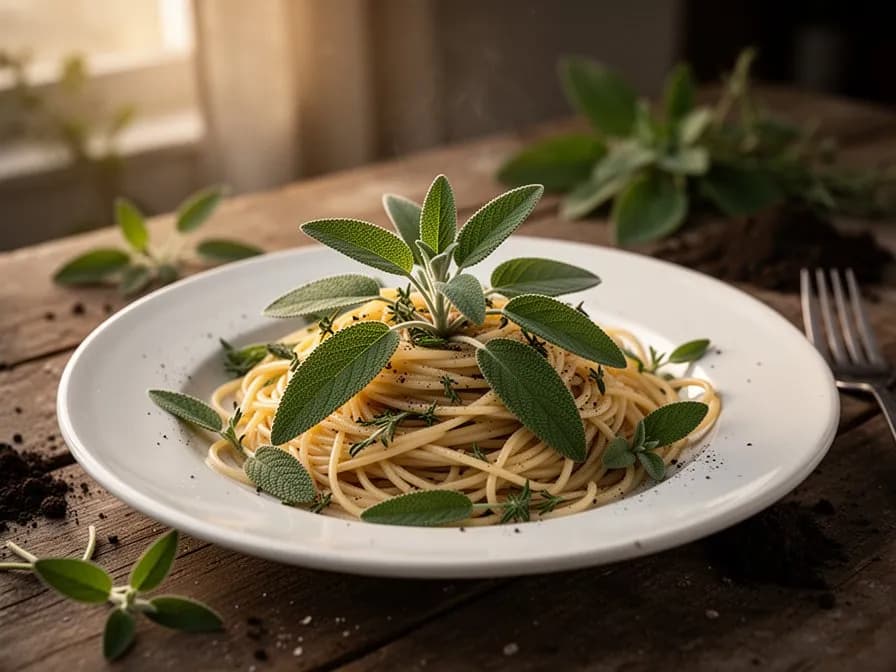
Ananas-Salbei-Eistee
10 Min. + KühlenEin erfrischender, natürlich süßer Kräuter-Eistee, der das tropische Ananasaroma der frischen Blätter einfängt. Servieren Sie ihn auf Eis mit einem Spritzer Limette als koffeinfreies Sommergetränk, das weitaus komplexer schmeckt, als seine einfache Zubereitung vermuten lässt.
7 ZutatenAnanas-Salbei-Obstsalat-Dressing
5 Min.Ein lebhaftes, kräuterinfundiertes Dressing, das einen gewöhnlichen Obstsalat in etwas Außergewöhnliches verwandelt. Die Ananas-Salbei-Blätter verleihen eine süße, tropische Kräuternote, die Zitrusfrüchte, Beeren und Steinobst wunderbar ergänzt.
7 ZutatenAnanas-Salbei-Butter
10 Min. + KühlenEine Kräuterbutter, die mit dem süßen Ananasduft frischer Salbeiblätter aromatisiert ist – perfekt geschmolzen über gegrilltem Hähnchen, Fisch oder warmen Scones. Die Kräuterbutter hält sich eine Woche im Kühlschrank oder monatelang im Gefrierfach und ist eine hervorragende Methode, die Ernte zu konservieren.
6 ZutatenKulinarische Verwendung
Ananas-Salbei-Blätter verleihen Obstsalaten, kalten Getränken und Cocktails eine frische, tropische Ananasnote. Muddeln Sie Blätter in Limonade, Mojitos und Sangria. Lassen Sie die essbaren scharlachroten Blüten auf Desserts, Suppen und Bowleschalen schwimmen, um einen dramatischen Farbakzent zu setzen. Ziehen Sie Blätter in Sahne für Panna Cotta oder Eiscreme. Verwenden Sie sie in Marmeladen, Gelees und Fruchtsoßen. Die Blüten sind süßer als die Blätter und können über Kuchen und Salate gestreut werden.
Was drinsteckt
Gesundheitsvorteile
- Enthält Rosmarinsäure, ein gut untersuchtes Polyphenol-Antioxidans aus der Gattung Salvia, das in zahlreichen Labor- und Tierstudien entzündungshemmende, antimikrobielle und neuroprotektive Eigenschaften gezeigt hat.
- Die traditionelle mexikanische Kräutermedizin verwendet seit Jahrhunderten Aufgüsse aus Salvia elegans als beruhigendes Mittel gegen Angstzustände und nervöse Anspannung – moderne pharmakologische Forschung hat eine messbare angstlösende Wirkung in den Extrakten der Pflanze bestätigt.
- Die aromatischen flüchtigen Verbindungen Linalool und Geraniol im Ananas-Salbei haben in Aromatherapiestudien beruhigende und stressreduzierende Wirkungen gezeigt, sodass bereits das Anbauen und Handhaben der Pflanze potenziell wohltuend für das seelische Wohlbefinden sein kann.
- Kräutertee aus Ananas-Salbei-Blättern ist von Natur aus koffeinfrei und sanft beruhigend für das Verdauungssystem. In der mexikanischen Volksmedizin wird er traditionell zur Linderung von Magenbeschwerden, Blähungen und leichter Übelkeit nach den Mahlzeiten eingesetzt.
- Vorläufige Forschungsergebnisse deuten darauf hin, dass Extrakte aus Salvia elegans zur Unterstützung eines gesunden Blutdrucks beitragen können, was mit der langen traditionellen Verwendung der Pflanze als blutdrucksenkendes Mittel in der mesoamerikanischen Medizin übereinstimmt.
- Die essbaren Blüten liefern Anthocyan-Antioxidantien, die freie Radikale neutralisieren helfen, während die Blätter Flavonoide und Phenolsäuren beisteuern, die die allgemeine antioxidative Abwehr des Körpers unterstützen.
Woher Ananas-Salbei stammt
Ananas-Salbei (Salvia elegans) stammt aus den Bergregionen Zentral- und Südmexikos sowie Guatemalas, wo er natürlich im Unterwuchs an Rändern und Lichtungen von Kiefern-Eichen- und Nebelwäldern in Höhenlagen zwischen 1.800 und 2.700 Metern wächst. In seinem natürlichen Lebensraum gedeiht er im gefleckten Licht der Waldränder entlang von Bächen und Schluchten, wo die Luftfeuchtigkeit hoch ist und die Temperaturen durch die Höhenlage gemildert werden. Die Pflanze war den indigenen Völkern Mesoamerikas schon lange vor dem europäischen Kontakt bekannt und wurde sowohl als Heilkraut als auch als Zierpflanze verwendet.
Die Mazateken und Nahua des mexikanischen Hochlands verwendeten Salvia elegans in traditionellen Heilpraktiken, hauptsächlich als Aufguss zur Beruhigung von Angstzuständen, zur Magenberuhigung und zur Fiebersenkung. Die aromatischen Blätter wurden auch bei Zeremonien als Räucherwerk verbrannt. Als spanische Botaniker und Naturforscher im 18. und 19. Jahrhundert begannen, die außergewöhnliche Pflanzenvielfalt Neuspaniens zu katalogisieren, erregte Salvia elegans die Aufmerksamkeit europäischer Sammler eher wegen ihrer Zierschönheit als wegen ihrer kulinarischen oder medizinischen Verwendung.
Carl Sigismund Kunth beschrieb die Art 1818 formell anhand von Exemplaren, die während Alexander von Humboldts berühmten botanischen Expeditionen durch Lateinamerika gesammelt wurden. Die Art fand über botanische Gärten schnell Eingang in die europäische Gartenkultur, geschätzt vor allem als Zierpflanze wegen ihrer späten scharlachroten Blüten und ihres ungewöhnlichen Duftes. Mitte des 19. Jahrhunderts wurde Ananas-Salbei in Gewächshäusern in ganz Großbritannien und Frankreich kultiviert. Erst während der Kräuter-Renaissance des späten 20. Jahrhunderts entdeckten westliche Gärtner sein kulinarisches Potenzial wieder – die süßen, nach Ananas duftenden Blätter und essbaren Blüten finden sich heute in Craft-Cocktails, handwerklich hergestellten Tees, Desserts und moderner Küche. Heute wird Ananas-Salbei weltweit in Kräutergärten und als Zierpflanze kultiviert, und die laufende pharmakologische Forschung bestätigt weiterhin seine traditionellen medizinischen Verwendungen.
Ananas-Salbei: Schon gewusst?
Faszinierende Fakten über Ananas-Salbei
Ananas-Salbei (Salvia elegans) stammt aus den Kiefern-Eichen-Wäldern des mexikanischen Hochlands in Höhenlagen von 1.800–2.700 Metern, wo er an Waldrändern und Bachufern wächst. Trotz seines tropischen Duftes ist er eigentlich eine Bergpflanze, die an kühle Nächte und gemäßigte Temperaturen angepasst ist.
Ananas-Salbei: Fragen & Antworten
Wann sollte ich Ananas-Salbei pflanzen?
Was sind gute Begleitpflanzen für Ananas-Salbei?
In welchen Winterhärtezonen kann Ananas-Salbei wachsen?
Wie viel Sonne braucht Ananas-Salbei?
Welchen Abstand sollte ich zwischen Ananas-Salbei lassen?
Welche Schädlinge und Krankheiten befallen Ananas-Salbei?
Wie lagere ich Ananas-Salbei nach der Ernte?
Was sind die besten Ananas-Salbei-Sorten zum Anbauen?
Welchen Boden braucht Ananas-Salbei?
Ist Ananas-Salbei dasselbe wie gewöhnlicher Küchensalbei?
Kann man die Blüten von Ananas-Salbei essen?
Warum blüht mein Ananas-Salbei nicht?
Wie überwintere ich Ananas-Salbei in kalten Klimazonen?
Wehrt Ananas-Salbei Schädlinge ab oder zieht er Nützlinge an?
Kann ich Ananas-Salbei-Blätter für Tee trocknen?
Du hast die Theorie gelesen. Jetzt baue sie auf Autopilot an.
Alles, was Ananas-Salbei knifflig macht — das Timing, die Abstände, die Begleiter, das Erntefenster — genau das übernimmt PlotMyGarden für dich, für jede Pflanze im Garten.
Ein Plan, der dein Wetter kennt
Standort einmal festlegen. Aussaat-, Dünge- und Erntedaten rund um deinen echten letzten Frosttermin und die Live-Vorhersage — kein Raten mehr nach Saattüte.
Aus dem Abschnitt „Pflanzzeit“Beetplaner per Drag & Drop
Beete auf einem Raster gestalten. Jede Pflanze rastet im richtigen Abstand ein, und du siehst die ganze Saison, bevor du einen Cent für Saatgut ausgibst.
Aus dem Abschnitt „Anbau“Begleiter-Konflikte früh erkannt
Über 200 gute und schlechte Kombinationen werden beim Pflanzen live geprüft — so landet ein saisonruinierender Fehler nie in der Erde.
Aus dem Abschnitt „Begleiter“Erinnerungen, nach denen du wirklich handelst
„Gieß die Bohnen.“ „Heute ernten, bevor's umschlägt.“ Pünktlich, konkret und auf deine echten Pflanzen bezogen.
Aus dem Abschnitt „Ernte“Staffel-Aussaat, geplant
Sechs Wochen ernten statt sechs Tage? Die App verteilt deine Aussaaten automatisch und erinnert dich, wenn der nächste Satz fällig ist.
Aus dem Abschnitt „Pflanzzeit“Ein Verlauf, der schlauer wird
Jede protokollierte Ernte bringt der App deinen Garten bei. Der Plan fürs nächste Jahr startet bei dem, was in deinem Boden wirklich funktioniert hat.
Aus dem Abschnitt „Überblick“Pflanze diese neben Ananas-Salbei
Weitere Küchenkräuter
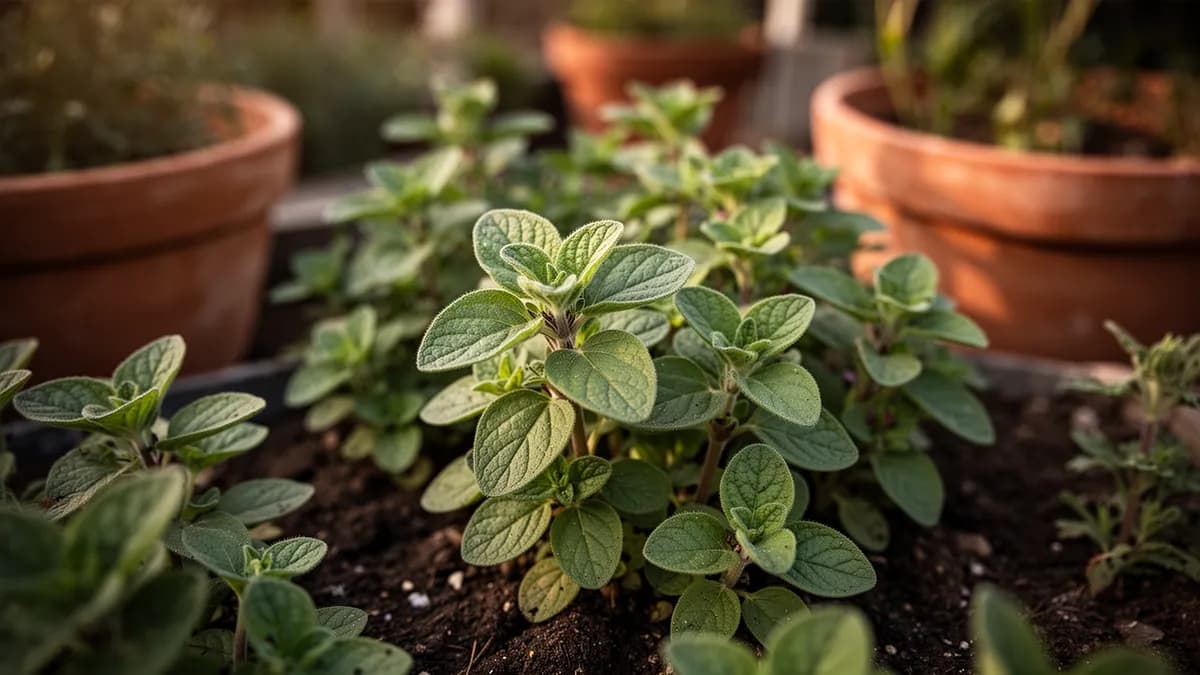
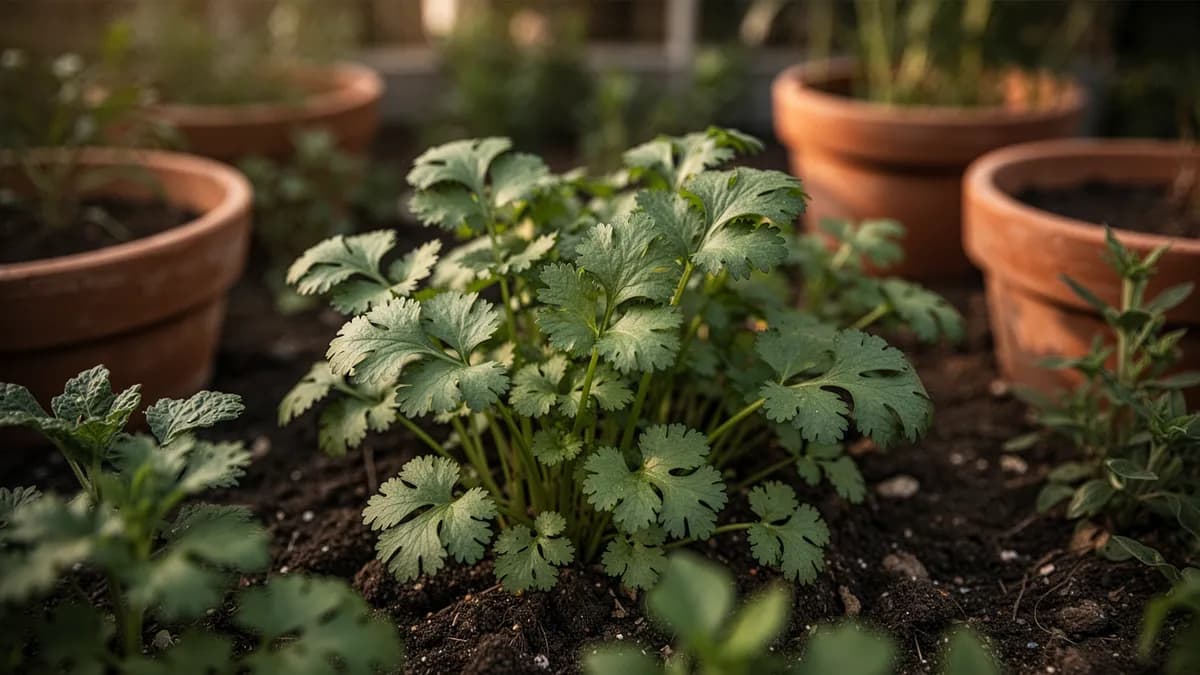
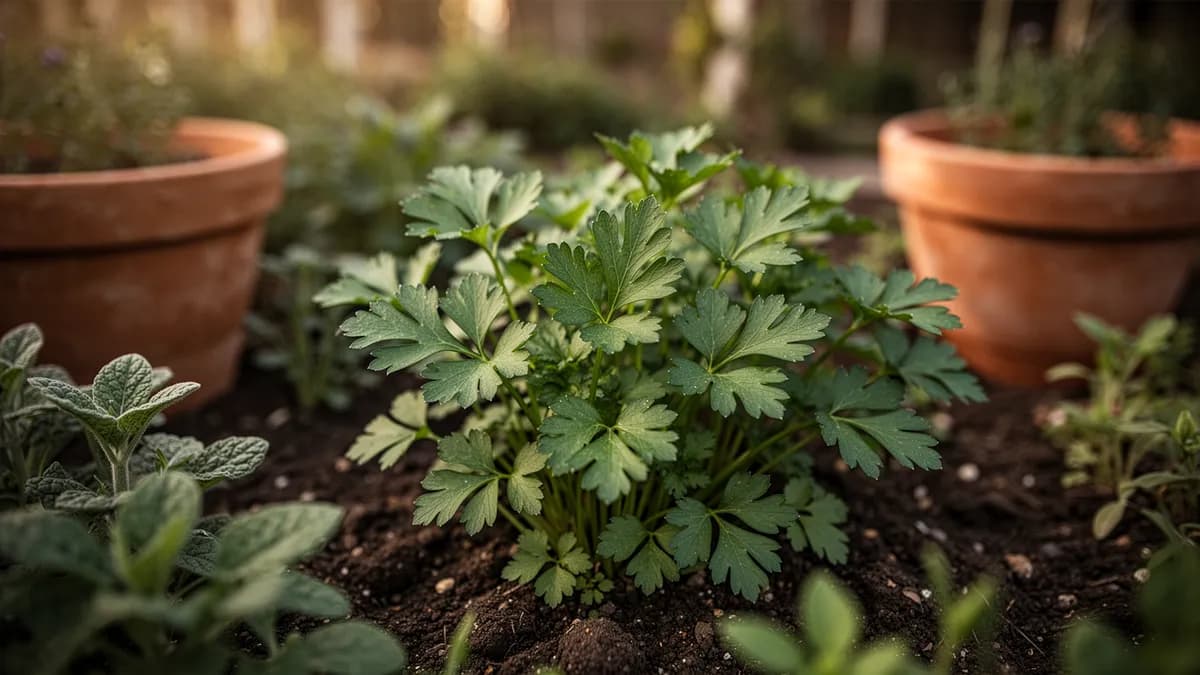
Halte Ananas-Salbei von diesen fern
Gartenpläne mit Ananas-Salbei
Bau deine beste Ananas-Salbei an — und alles drumherum.
Starte heute kostenlos. Lege deine Beete an, setze deine Ananas-Salbei ein und lass PlotMyGarden Timing, Abstände, Begleiter und Erinnerungen von der Saat bis zum Erntekorb übernehmen.