Ciruela Santa Rosa
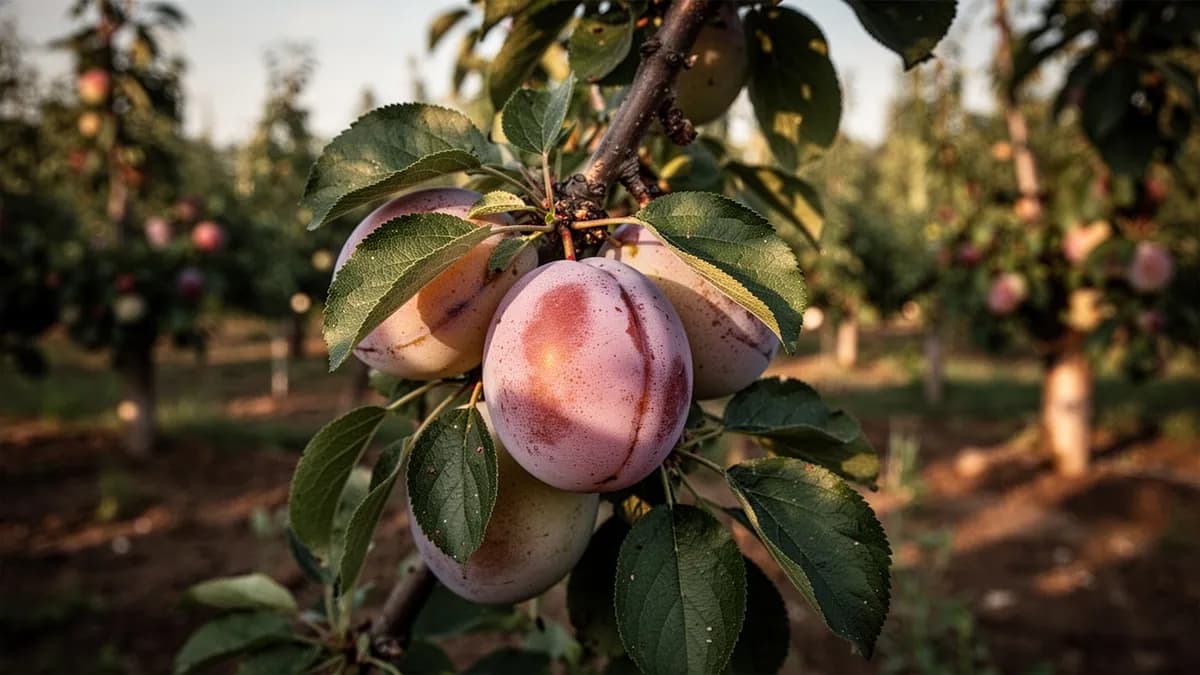
La obra maestra de Luther Burbank entre las ciruelas japonesas, que produce frutos medianos a grandes con piel carmesí, pulpa ámbar matizada de rojo y un sabor intenso, agridulce y lleno de matices.





En esta páginaResumen
Conoce Ciruela Santa Rosa
La obra maestra de Luther Burbank entre las ciruelas japonesas, que produce frutos medianos a grandes con piel carmesí, pulpa ámbar matizada de rojo y un sabor intenso, agridulce y lleno de matices. Santa Rosa es parcialmente autofértil, pero da cosechas mejores con un polinizador como Beauty o Satsuma cerca. Es una de las variedades de ciruela más plantadas del mundo.
Cuándo plantar Ciruela Santa Rosa
Los huesos de ciruela Santa Rosa requieren una estratificación en frío de 90 a 120 días en arena húmeda a entre 1 y 4 °C. Rompa con cuidado la cáscara dura o escarifíquela antes de estratificar. Siembre a 2.5 cm de profundidad en primavera. Las plántulas no serán fieles al tipo, ya que las ciruelas japonesas varían mucho a partir de semilla. Para obtener árboles idénticos a la variedad, injerte madera de Santa Rosa sobre portainjertos de Myrobalan, Citation o Marianna 2624 mediante injerto inglés mejorado a finales del invierno.
Tu año de Ciruela Santa Rosa
Ajustado a Zona 7 · temporada típica · la helada se va hacia el 2 abr y vuelve hacia el 1 nov
Planta Ciruela Santa Rosa Feb – Mar y cosecha Jun – Jul. Consulta los métodos de plantación y elige tu clima para adaptar los periodos.
Cómo cultivar Ciruela Santa Rosa
Las ciruelas Santa Rosa prosperan a pleno sol y en suelos bien drenados con pH entre 6.0 y 6.5. Plante árboles a raíz desnuda a finales del invierno, dejando 5.5 a 6.7 metros entre árboles estándar o 3 a 3.6 metros en portainjertos semienanos. Aunque es parcialmente autofértil, plantar un polinizador de ciruela japonesa como Beauty, Satsuma o Burgundy a menos de 15 metros aumenta de forma notable el cuajado y la producción.
Riegue en profundidad cada 7 a 10 días durante la temporada de crecimiento. Aclare el fruto a 10 a 15 cm de distancia cuando tenga tamaño de canica para mejorar el calibre y evitar roturas de ramas por cosechas muy pesadas. Santa Rosa requiere unas 400 horas de frío, lo que la hace apta para zonas de inviernos suaves. Conduzca el árbol en forma de vaso abierto con ramas principales bien distribuidas para que la luz penetre hasta el centro de la copa.
Pode con moderación a finales del invierno, eliminando alrededor del 20 % del crecimiento del año anterior. Las ciruelas japonesas fructifican en madera de un año y en dardos fructíferos, así que evite eliminar todo el crecimiento nuevo. Aplique un fertilizante equilibrado a comienzos de primavera, antes de la floración. Proteja de las heladas tardías en zonas marginales y vigile la podredumbre parda durante primaveras húmedas con aplicaciones preventivas de fungicida.
Para Ciruela Santa Rosa un bancal de 120 × 240 cm se queda corto
Cada Ciruela Santa Rosa pide 400 cm de margen. El planificador guarda ese marco por ti — cada planta, cada bancal.
Los mejores vecinos de Ciruela Santa Rosa
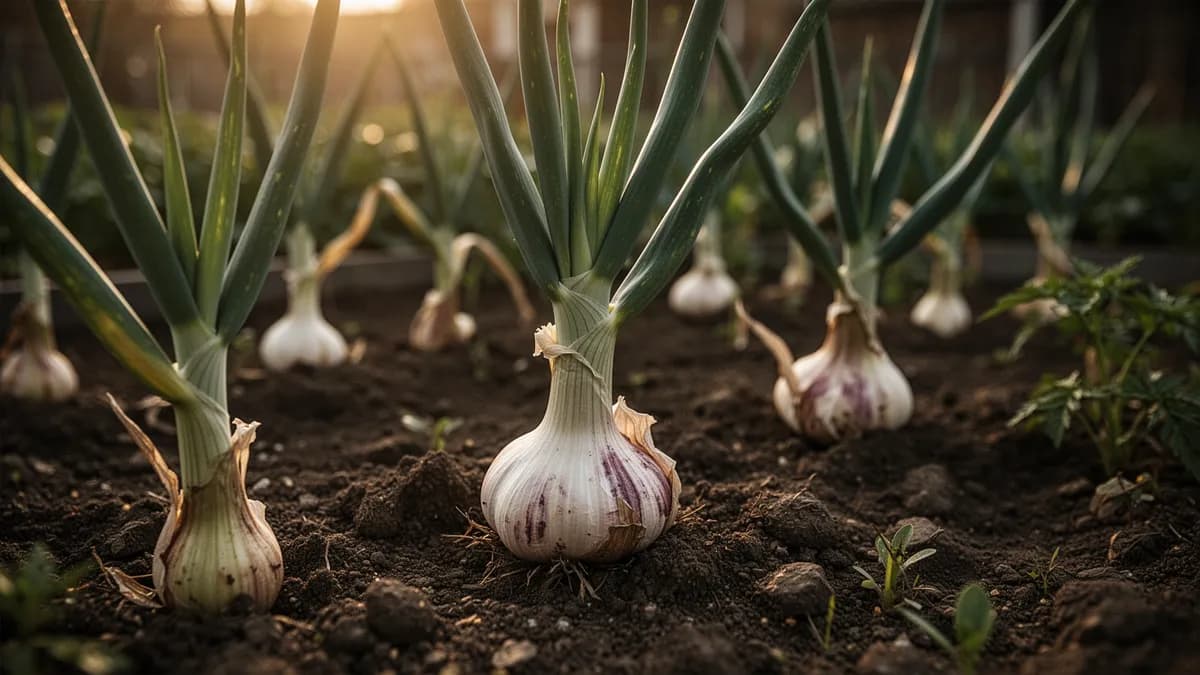
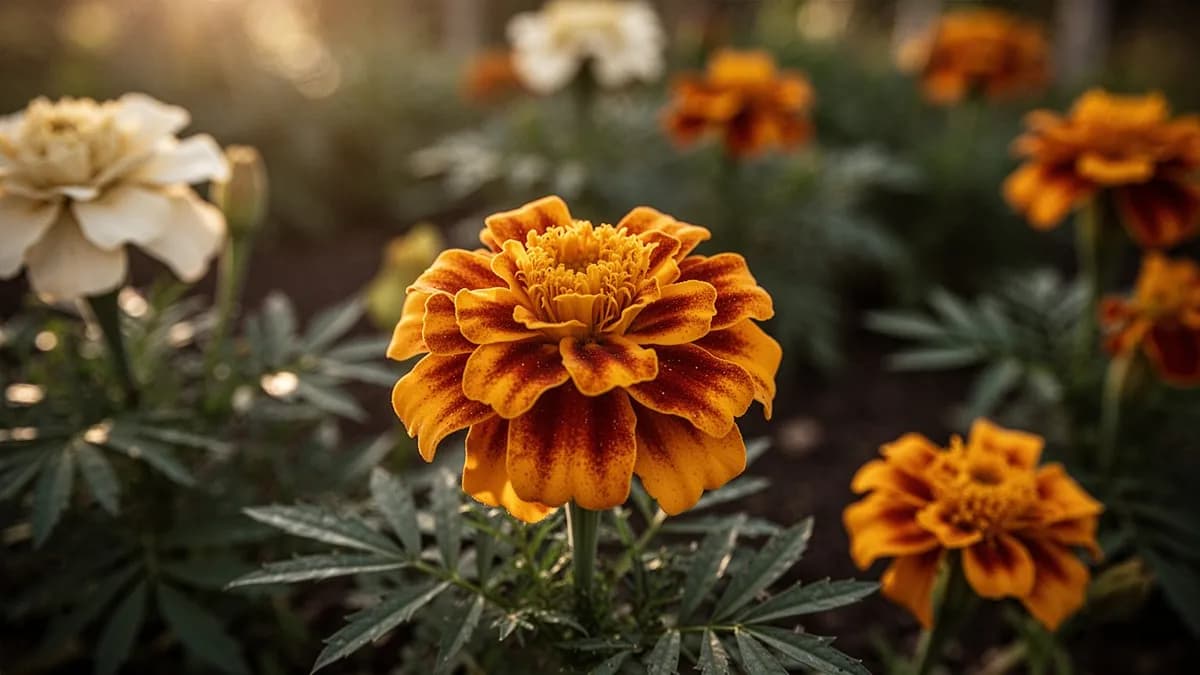
Plante ajo y cebollas cerca para disuadir pulgones y barrenadores de la ciruela. Las caléndulas atraen insectos beneficiosos y repelen nematodos. La consuelda en la línea de goteo acumula minerales y aporta un mantillo nutritivo. El tanaceto atrae avispas parasitoides que controlan las plagas de la ciruela. Evite la cercanía de nogales por la toxicidad de la juglona. El trébol blanco entre las filas fija nitrógeno y favorece a los polinizadores.
Ajo va a su lado. Nogal no.
Saber de huerto de siempre, cotejado con la tabla real de Ciruela Santa Rosa — prueba cualquier planta que cultives.
Prueba Ciruela Santa Rosa en un bancal, aquí mismo
Un bancal real del planificador con Ciruela Santa Rosa ya plantado. Toca una planta compañera para colocarla y mira cómo responde la comprobación de vecinos: verde para buenos vecinos, rojo si hay conflicto.


Guías de cultivo relacionadas
Abónalo bien
Santa Rosa prefiere suelos francos, bien drenados, con pH entre 6.0 y 6.5. Tolera suelos algo más pesados que los melocotoneros, aunque sigue sufriendo en condiciones encharcadas. Aplique en primavera un fertilizante equilibrado 10-10-10, a razón de una libra por pulgada de diámetro del tronco. Evite el exceso de nitrógeno, que favorece el crecimiento vegetativo a costa de la fructificación. Complete con potasio para mejorar color y calidad del fruto. Cubra con 8 a 10 cm de material orgánico, manteniéndolo alejado del tronco.
Temperatura ideal
Compatibilidad de zonas de rusticidad
De la semilla a la cosecha, etapa por etapa
Reposo y engrosamiento de yemas
La ciruela Santa Rosa permanece totalmente en reposo durante el invierno, con ramas desnudas y finas. A medida que las temperaturas empiezan a subir a finales del invierno, las yemas apretadas y parduzcas se hinchan visiblemente y adquieren un brillo plateado, señal de que el reposo termina. Santa Rosa tiene una necesidad de frío relativamente baja, de unas 400 a 500 horas por debajo de 7 °C, lo que la convierte en una de las mejores ciruelas para climas de inviernos suaves como la costa de California y el noroeste del Pacífico.
Floración y polinización
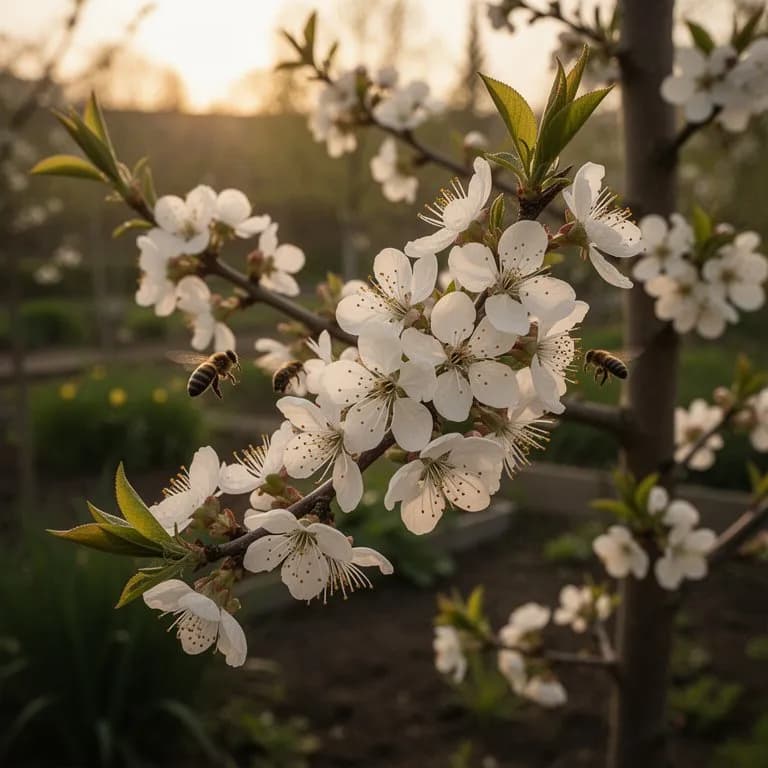
Santa Rosa estalla en flor a comienzos o mediados de la primavera, a menudo antes que otras variedades de ciruela, cubriendo las ramas desnudas con masas de flores fragantes blancas a rosa pálido. Es uno de los polinizadores más utilizados para otras ciruelas japonesas gracias a su polen abundante y temprano. Aunque se considera parcialmente autofértil, el cuajado mejora mucho cuando se planta cerca una variedad compatible como Burgundy, Beauty o Late Santa Rosa.
Cuajado y aclareo natural
Después de la caída de los pétalos, aparecen pequeños frutos verdes del tamaño de un guisante en los puntos donde hubo polinización. Santa Rosa suele cuajar muy abundantemente, y el árbol eliminará de forma natural parte del exceso a finales de la primavera. A pesar de ese autoaclareo, casi siempre hace falta aclarar a mano para evitar roturas de ramas y conseguir frutos de buen tamaño y sabor, en lugar de una masa de ciruelas pequeñas y poco desarrolladas.
Crecimiento rápido del fruto
Los frutos que quedan entran en una fase de rápida división y expansión celular a comienzos del verano. El fruto pasa de duro y verde a una ciruela que se hincha y se va endureciendo, mostrando ya las primeras trazas de pigmentación roja en el lado expuesto al sol. La humedad constante en este periodo es fundamental, ya que el estrés por sequía seguido de riego abundante puede agrietar la piel y abrir la puerta a enfermedades.
Desarrollo del color y maduración
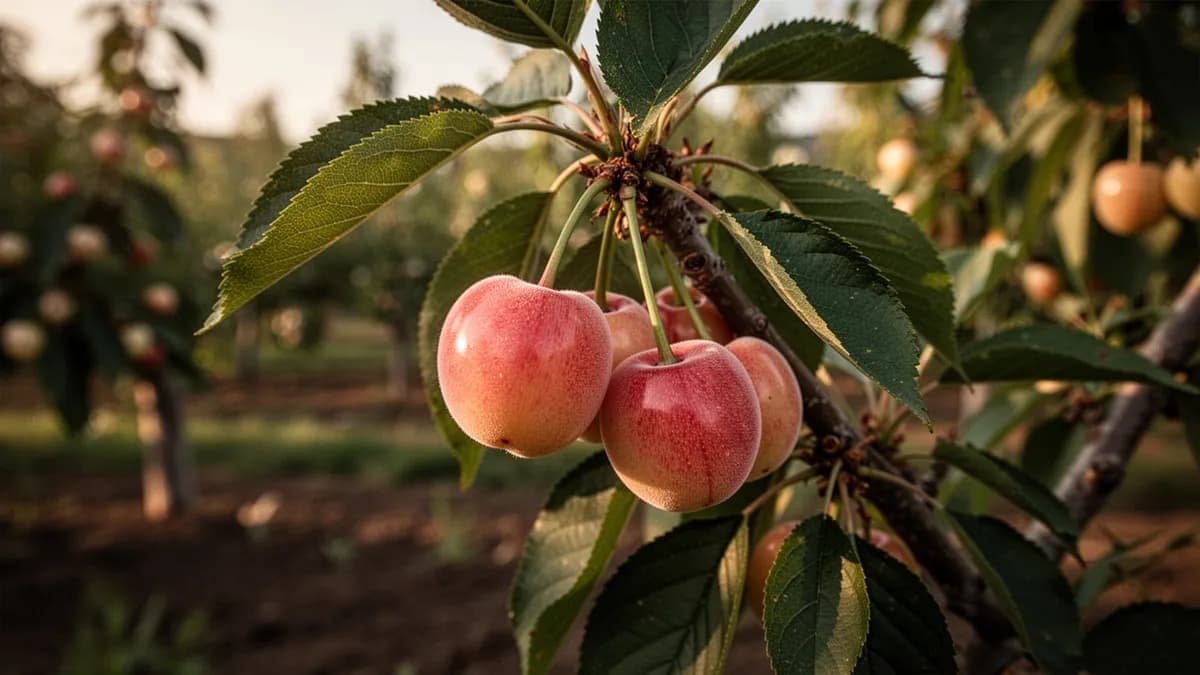
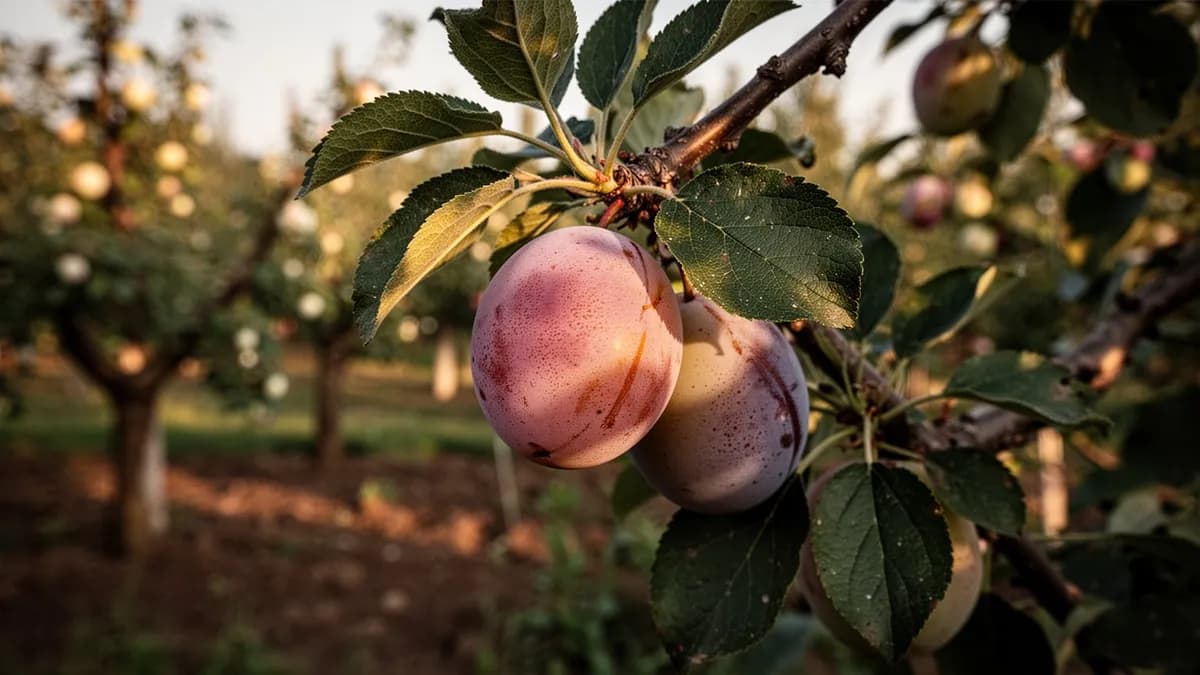
En las últimas tres o cuatro semanas antes de la cosecha, las ciruelas Santa Rosa experimentan una transformación espectacular. La piel pasa del rosa al carmesí y luego a un rojo burdeos intenso, mientras que la pulpa de debajo cambia de amarillo verdoso pálido a un cálido ámbar dorado. El contenido de azúcar sube con rapidez a medida que el almidón se convierte en glucosa y fructosa, y se desarrolla el aroma complejo característico. Es la ventana más crítica para vigilar el fruto de cerca.
Cosecha
Las ciruelas Santa Rosa suelen madurar entre finales de junio y julio en California y en climas de verano cálido. El fruto maduro es rojo carmesí a burdeos intenso con una ligera capa cerosa, cede suavemente a la presión y se separa de la rama con un giro suave hacia arriba. Su sabor es un equilibrio inconfundible y muy celebrado entre dulzura intensa y una acidez brillante, casi vínica, con un aroma rico que llena el aire en el momento de la cosecha. No toda la fruta madura al mismo tiempo, así que recoja en dos o tres pasadas.
Recuperación tras la cosecha
Después de fructificar, Santa Rosa redirige la energía de la copa hacia el sistema radicular y la estructura leñosa, reponiendo las reservas de carbohidratos que usará para impulsar la floración y la brotación de la primavera siguiente. Las hojas pueden adquirir un atractivo color otoñal ámbar y rojizo antes de caer. El árbol entra poco a poco en reposo a medida que acortan los días y bajan las temperaturas, cerrando su ciclo anual y preparándose para otro año de producción.
Aplique aceite hortícola de reposo durante la última fase de dormancia, después de que las yemas se hinchen pero antes de que se abran, para sofocar cochinillas, huevos de pulgón y poblaciones de ácaros. También es el mejor momento para completar la poda estructural mientras la copa está desnuda y resulta fácil evaluar la arquitectura de las ramas.
Cuidar Ciruela Santa Rosa mes a mes
Qué hacer cada mes para tu Ciruela Santa Rosa
Octubre
Mes actualPlante árboles nuevos a raíz desnuda a partir de mediados de otoño en climas suaves. Aplique una capa gruesa de compost muy descompuesto o estiércol alrededor de la línea de goteo, manteniéndolo a 15 cm del tronco. Instale protectores o jaulas de alambre en los árboles jóvenes para evitar daños de roedores en la corteza durante el invierno.
Ten claro qué hacer en tu huerto, cada mes
Un correo al empezar cada mes: qué sembrar, plantar y hacer ahora mismo — para tu Ciruela Santa Rosa y todo lo que crece alrededor. Más un breve curso inicial para esquivar los errores clásicos.
- Qué hacer ahora mismo
- Ajustado a tu temporada
- Curso inicial incluido
Cosechar Ciruela Santa Rosa
Las ciruelas Santa Rosa maduran desde finales de junio hasta principios de julio y desarrollan una piel rojo púrpura intensa con una ligera capa cerosa. Coseche cuando el fruto ceda a una presión suave y la pulpa ámbar cercana a la piel empiece a verse rojiza. No maduran bien fuera del árbol, así que recójalas casi en su punto. Gire suavemente para soltarlas con el pedúnculo. Un árbol maduro puede producir de 34 a 45 kg al año. La cosecha se extiende durante 2 a 3 semanas, porque los frutos no maduran todos a la vez.
se supone que plantas al comenzar el periodo — indica tu fecha real
Cosecha Ciruela Santa Rosa a tiempo y la planta sigue produciendo.
Almacenamiento y conservación
Las ciruelas Santa Rosa frescas se conservan de 3 a 5 días a temperatura ambiente o hasta 3 semanas en el frigorífico a entre -0.5 y 0 °C. Su sabor agridulce da lugar a mermeladas, confituras y chutneys excelentes. También son magníficas para enlatar en almíbar ligero y para deshidratarlas como bocados tipo ciruela pasa. Su color intenso produce un vino de ciruela precioso, salsa de ciruela para cocina asiática y mantequilla de ciruela. Pueden congelarse partidas por la mitad y sin hueso para usarlas todo el año en repostería.
Qué falla — y cómo solucionarlo
Podredumbre parda
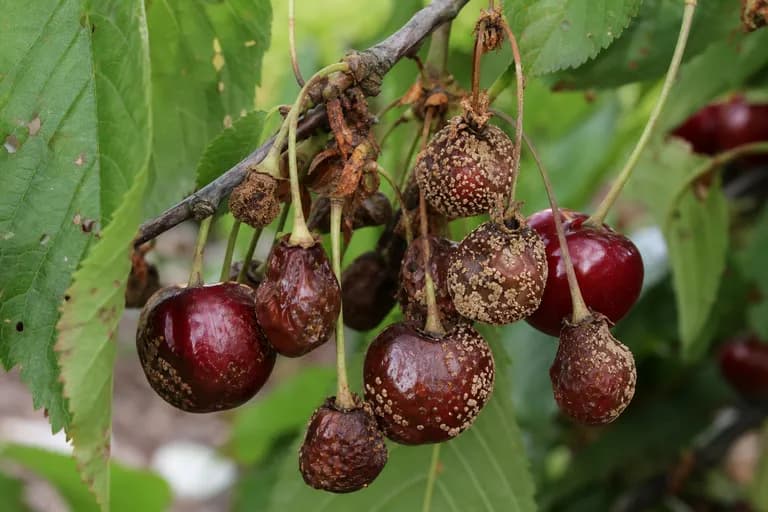
EnfermedadMoho beige y velloso en el fruto en maduración, tizón floral que provoca la muerte de brotes y chancros en las ramas.
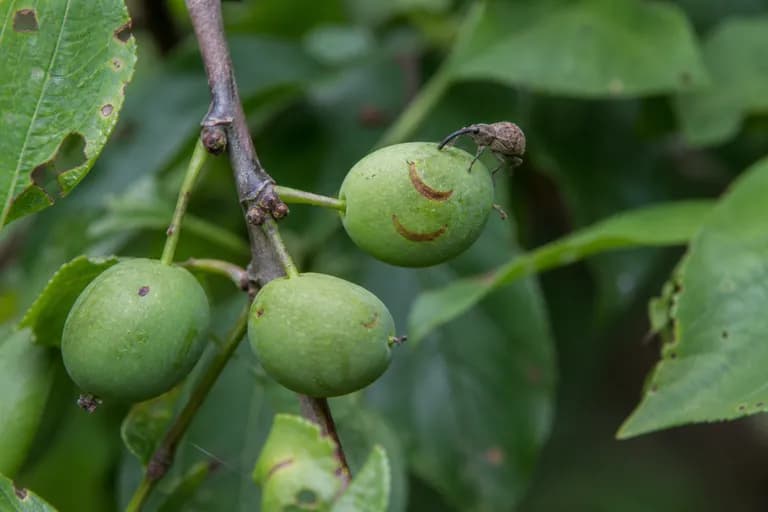
Gorgojo de la ciruela
PlagaCicatrices de puesta de huevos en forma de media luna sobre el fruto, larvas internas que causan caída prematura y frutos con gusanos.
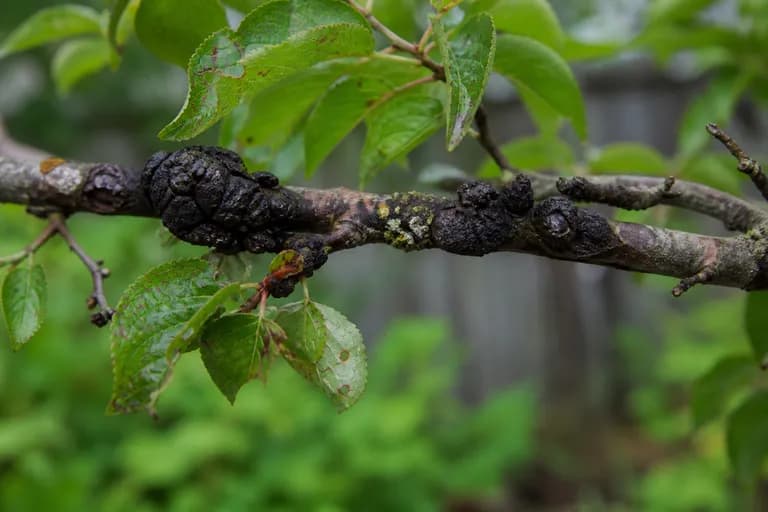
Nudo negro
EnfermedadHinchazones duras, negras y alargadas en ramas y ramillas que aumentan cada año y estrangulan la madera afectada.
Solución de problemas comunes
La sobrecarga de fruto es el problema más común en Santa Rosa, ya que el árbol cuaja de forma muy abundante si no se aclara, lo que da lugar a frutos pequeños y ramas rotas. La podredumbre parda puede arruinar cosechas en climas húmedos. El nudo negro es una enfermedad fúngica persistente en algunas regiones. El daño de aves sobre fruta en maduración obliga a usar mallas. Los topos y topillos pueden dañar las raíces, sobre todo en árboles jóvenes de zonas rurales.
Consejos de cultivo
- Plante Santa Rosa en el lugar más soleado posible, idealmente con al menos 8 horas de sol directo al día. La exposición a pleno sol está directamente relacionada con la dulzura y el color del fruto, y la falta de luz es una de las causas más habituales de mal sabor y baja productividad en huertos domésticos.
- Elija un portainjerto semienano como Myrobalan 29C o Citation para la mayoría de los jardines familiares. Estos mantienen el árbol en una altura manejable de 3.5 a 4.5 metros, lo que hace posible cubrirlo, podarlo y cosechar sin escalera, a la vez que sostienen producciones generosas.
- Mejore la polinización plantando una variedad japonesa compatible a menos de 15 metros. Aunque Santa Rosa es parcialmente autofértil, plantarla junto a Burgundy, Beauty, Laroda o Late Santa Rosa suele dar un cuajado más abundante y uniforme.
- Aclare con fuerza los frutos después de la caída natural, dejando 8 a 10 cm entre ciruelas en cada rama. Puede parecer drástico, pero es esencial: los árboles no aclarados producen masas de fruta pequeña, acuosa y mal coloreada, mientras que los árboles bien aclarados dan ciruelas grandes, muy sabrosas y de calidad comercial.
- Riegue de forma profunda y constante desde el cuajado hasta la cosecha mediante riego por goteo. Evite los riegos superficiales frecuentes, porque favorecen raíces superficiales y dejan el árbol más expuesto a la sequía. La humedad irregular durante las últimas cuatro semanas antes de la cosecha es la principal causa del rajado del fruto.
- Pode Santa Rosa a finales del verano, después de la cosecha, para dar forma a la copa y mejorar la entrada de luz para el año siguiente. Las ciruelas japonesas deben podarse con más frecuencia que las variedades europeas para controlar su vigor. Procure mantener una forma de vaso abierto o un líder central modificado que permita que la luz llegue a toda la copa.
- Abone con un fertilizante equilibrado (10-10-10 o similar) a principios de primavera, justo cuando se abren las yemas, seguido de un fertilizante bajo en nitrógeno y rico en potasio a comienzos del verano, cuando el fruto está aumentando de tamaño. Evite abonos ricos en nitrógeno en verano, porque empujan un crecimiento vegetativo blando y más propenso a enfermedades a costa de la calidad del fruto.
- Proteja los frutos en desarrollo y maduración de pájaros y ardillas cubriendo toda la copa con malla antipájaros. Empiece a colocarla cuando el fruto comience a colorear, normalmente 3 a 4 semanas antes de la cosecha prevista, porque los daños de la fauna pueden ser rápidos y extensos en cuanto el fruto se vuelve visible.
- Aplique cada primavera una capa de 7 a 10 cm de viruta de madera o paja sobre toda la zona radicular hasta la línea de goteo. El mantillo conserva la humedad, modera la temperatura del suelo, suprime las malas hierbas competidoras y alimenta gradualmente el suelo al descomponerse. Manténgalo siempre al menos a 15 cm del tronco para evitar la pudrición del cuello.
- Vigile la podredumbre parda desde el momento en que el fruto empieza a colorear. Retire de inmediato cualquier fruto con decoloración marrón, esporulación fúngica o grietas, y deséchelo lejos del jardín. Un solo fruto afectado que quede en el árbol o en el suelo puede contagiar a decenas de vecinos en pocos días con tiempo cálido y húmedo.
Cultiva tu mejor Ciruela Santa Rosa — y todo lo que la rodea.
Empieza un plan gratis hoy. Diseña tus bancales, coloca tu Ciruela Santa Rosa y deja que PlotMyGarden gestione el momento, el espaciado, las asociaciones y los recordatorios de la semilla a la cesta.
Elige tu Ciruela Santa Rosa
Santa Rosa (Estándar)
La ciruela japonesa original de Luther Burbank, con piel carmesí, pulpa ámbar rojiza y un sabor rico, agridulce.
Late Santa Rosa
Una mutación que madura 3 a 4 semanas más tarde que la original, prolongando la temporada de cosecha con un sabor similar.
Weeping Santa Rosa
Una forma ornamental con ramas colgantes que aun así produce frutos excelentes para jardines domésticos.
Mariposa
Una ciruela tipo Santa Rosa con frutos más grandes, pulpa roja intensa por completo y un sabor igualmente rico.
Un ciruelo Santa Rosa sobre portainjerto semienano cuesta aproximadamente entre 30 y 60 dólares en la mayoría de los viveros y empieza a dar cosechas relevantes a los 3 o 4 años de plantado. Una vez establecido, produce entre 23 y 45 kg de ciruelas ecológicas de primera calidad al año, lo que equivale a entre 90 y 300 dólares en ciruelas ecológicas certificadas a precios de mercado agrícola. A lo largo de una vida productiva de 25 a 40 años, un solo árbol puede generar fruta por un valor total de entre 2.500 y 12.000 dólares en venta minorista. El exceso de fruta da lugar a conservas de alto valor: una cosecha grande puede producir 30 a 50 tarros de mermelada artesanal valorados entre 8 y 15 dólares cada uno en tiendas gourmet, generando cientos de dólares en valor de despensa a partir de una sola temporada.
Recetas rápidas
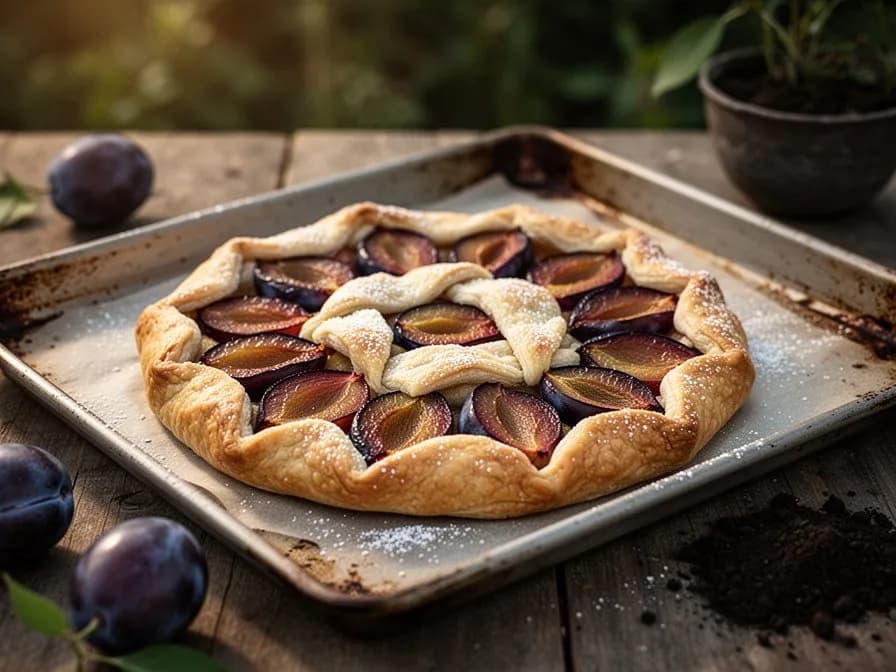
Mermelada de ciruela Santa Rosa con vainilla
15 minutos más cocciónUna mermelada brillante y aromática que aprovecha la acidez natural de la Santa Rosa. Su color rojo rubí queda precioso en tarros y su sabor combina de maravilla con tostadas, yogur o queso curado.
6 ingredientesCiruelas Santa Rosa a la parrilla con miel y ricotta
10 minutos más 8 minutos de parrillaUn postre de verano precioso y muy sencillo que muestra las Santa Rosa en su mejor momento. El calor intenso carameliza los azúcares naturales de la piel, intensificando el sabor complejo de la fruta mientras la pulpa se vuelve sedosa. Servidas sobre ricotta fresca con un hilo de miel, quedan listas en menos de 20 minutos.
8 ingredientesUsos culinarios
Las ciruelas Santa Rosa tienen un sabor complejo, agridulce, que funciona muy bien frescas, en ensaladas de fruta y como ciruela de postre. Dan lugar a tartas, galettes y clafoutis excelentes. Su sabor rico es perfecto para salsa de ciruela, chutney y salsa para mojar de estilo asiático. Úselas para mermelada, jalea y cuero de fruta. Su color intenso produce sorbete de ciruela y vino de ciruela muy llamativos.
Qué contiene
Beneficios para la salud
- La piel roja y púrpura de las ciruelas Santa Rosa contiene concentraciones muy altas de antocianinas antioxidantes, y estudios relacionan su consumo regular con menor riesgo cardiovascular, mejor memoria y menos inflamación sistémica
- Aporta fibra dietética y sorbitol natural que actúan de forma complementaria para apoyar una microbiota intestinal sana, favorecer el tránsito y quizá reducir el riesgo de enfermedad colorrectal dentro de una dieta rica en fibra
- Suministra vitamina C, que desempeña un papel esencial en la regulación del sistema inmunitario, actúa como antioxidante hidrosoluble en la sangre y es necesaria para la síntesis de colágeno que mantiene la piel, el cartílago articular y la integridad de los vasos sanguíneos
- Contiene ácido clorogénico y otros ácidos hidroxicinámicos que en estudios clínicos han mostrado modular la respuesta de glucosa en sangre después de las comidas, lo que convierte a las ciruelas en una de las frutas de árbol con índice glucémico más bajo y en una opción adecuada para el control glucémico
- Ofrece potasio y magnesio en un alimento naturalmente bajo en sodio, una combinación que ayuda a regular la presión arterial y reduce la carga cardiovascular asociada a un consumo elevado de sodio
- Es rica en vitamina K y boro, dos nutrientes con papeles complementarios en la mineralización ósea y el metabolismo del calcio, y la investigación emergente sugiere que el consumo regular de fruta de hueso se asocia con una mayor densidad ósea en adultos mayores
De dónde viene Ciruela Santa Rosa
La ciruela Santa Rosa es creación de Luther Burbank, probablemente el mejor obtentor vegetal de la historia de Estados Unidos. Burbank estableció su granja experimental en Sebastopol, California, en la década de 1880 y puso en marcha un ambicioso programa de hibridación de ciruelas japonesas usando variedades importadas directamente desde Japón por el horticultor John Kelsey. Cruzó decenas de especies de ciruela japonesa y seleccionó plántulas sin descanso durante muchas temporadas de crecimiento, evaluando miles de plantas individuales por sabor, productividad, resistencia a enfermedades y adaptación a las condiciones de California. El resultado de ese esfuerzo de décadas fue la ciruela Santa Rosa, llamada así por la ciudad del condado de Sonoma donde Burbank vivía y trabajaba, y presentada comercialmente en 1906. Fue una sensación inmediata en la industria frutícola californiana, que crecía con rapidez. La combinación de precocidad, producción abundante y fiable, color llamativo, excelente sabor y adaptabilidad al clima hizo de Santa Rosa un éxito en huertos familiares y en plantaciones comerciales por igual. Durante décadas siguió siendo la ciruela japonesa de referencia en Norteamérica y sigue estando entre las variedades más plantadas del mundo.
Ciruela Santa Rosa: ¿sabías que?
Datos fascinantes sobre Ciruela Santa Rosa
Santa Rosa es la ciruela japonesa más plantada del mundo, desarrollada por el legendario horticultor estadounidense Luther Burbank en Santa Rosa, California, e introducida en 1906 tras años de selección e hibridación cuidadosas.
Ciruela Santa Rosa: preguntas frecuentes
¿Cuándo debo plantar Ciruela Santa Rosa?
¿Cuáles son buenas plantas acompañantes para Ciruela Santa Rosa?
¿En qué zonas de rusticidad puede crecer Ciruela Santa Rosa?
¿Cuánto sol necesita Ciruela Santa Rosa?
¿A qué distancia debo espaciar Ciruela Santa Rosa?
¿Qué plagas y enfermedades afectan a Ciruela Santa Rosa?
¿Cómo almaceno Ciruela Santa Rosa después de la cosecha?
¿Cuáles son las mejores variedades de Ciruela Santa Rosa para cultivar?
¿Qué suelo necesita Ciruela Santa Rosa?
¿La ciruela Santa Rosa es autofértil y necesito otro árbol?
¿Cuándo maduran exactamente las ciruelas Santa Rosa y cómo sé cuándo recolectarlas?
¿Por qué mi ciruelo Santa Rosa da flores pero no frutos?
¿Cuáles son las enfermedades y plagas más comunes en las ciruelas Santa Rosa de jardín?
¿Puedo cultivar ciruela Santa Rosa en una maceta o en un pequeño jardín urbano?
¿Cómo almaceno y conservo una gran cosecha de ciruelas Santa Rosa?
Acabas de leer la teoría. Ahora cultívala en piloto automático.
Todo lo que hace que Ciruela Santa Rosa sea delicado — el momento, el espaciado, las asociaciones, la ventana de cosecha — es justo lo que PlotMyGarden resuelve por ti, para cada planta de tu huerto.
Un plan que conoce tu clima
Indica tu ubicación una vez. Recibe fechas de siembra, abonado y cosecha basadas en tu última helada real y el pronóstico en vivo — sin adivinar con un sobre genérico.
De la sección “Cuándo plantar”Planificador de bancales de arrastrar y soltar
Diseña bancales sobre una cuadrícula. Cada planta encaja con su espaciado correcto y ves toda la temporada antes de gastar un céntimo en semillas.
De la sección “Cultivo”Conflictos de asociación, detectados a tiempo
Más de 200 buenas y malas combinaciones comprobadas en vivo mientras plantas — para que un error que arruine la temporada nunca llegue a la tierra.
De la sección “Asociaciones”Recordatorios que sí vas a seguir
“Riega las judías.” “Recoge hoy antes de que se pase.” Oportunos, concretos y ligados a las plantas que de verdad cultivas.
De la sección “Cosecha”Escalonado, programado
¿Quieres cosechar seis semanas en vez de seis días? Reparte tus siembras automáticamente y te avisa cuando toca el siguiente lote.
De la sección “Cuándo plantar”Un registro que se vuelve más listo
Cada cosecha que registras le enseña tu huerto. El plan del año que viene parte de lo que de verdad funcionó en tu suelo, no en un manual.
De la sección “Resumen”Planta estos junto a Ciruela Santa Rosa
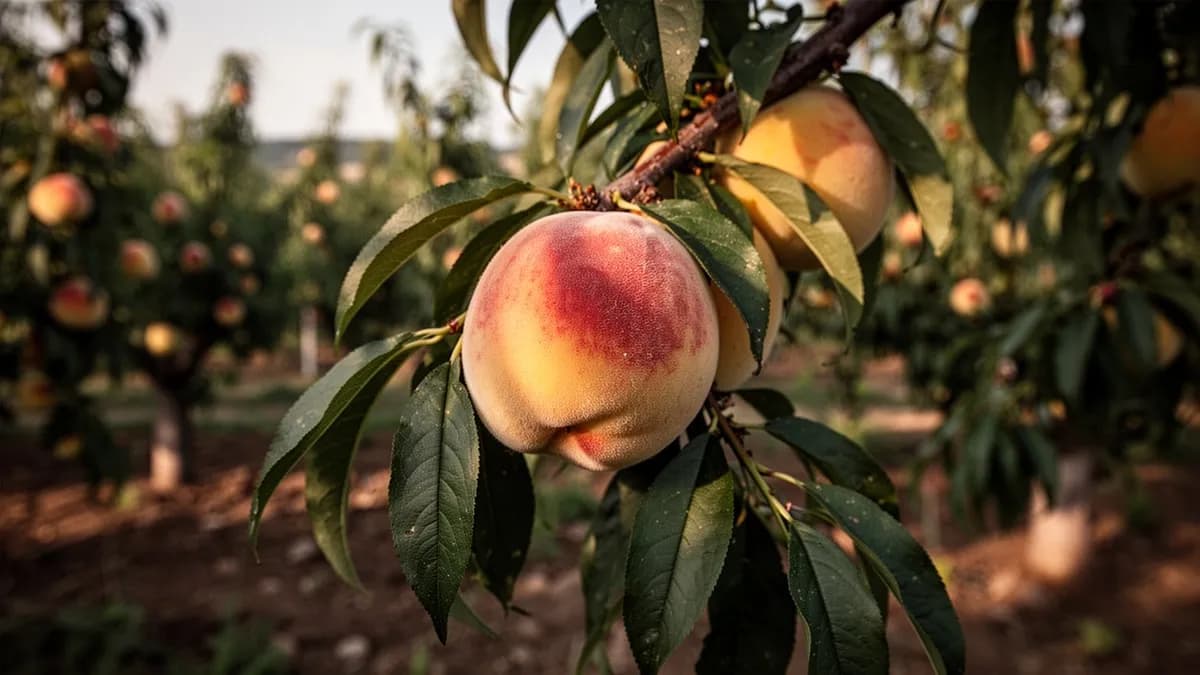
Más Frutas de hueso
Mantén Ciruela Santa Rosa lejos de estos
Cultiva tu mejor Ciruela Santa Rosa — y todo lo que la rodea.
Empieza un plan gratis hoy. Diseña tus bancales, coloca tu Ciruela Santa Rosa y deja que PlotMyGarden gestione el momento, el espaciado, las asociaciones y los recordatorios de la semilla a la cesta.