Rocoto-Paprika
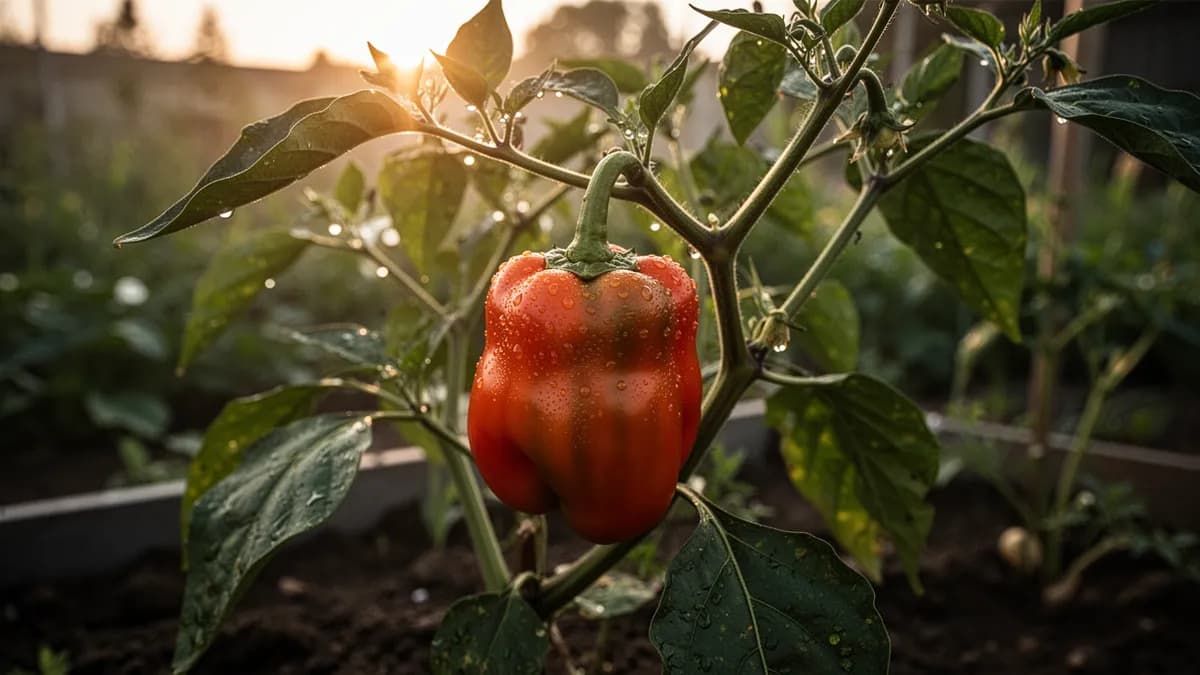
Eine dickwandige südamerikanische Paprika mit charakteristischen schwarzen Samen und Toleranz gegenüber kühleren Bergklimaten.





Auf dieser SeiteÜberblick
Rocoto-Paprika im Überblick
Eine dickwandige südamerikanische Paprika mit charakteristischen schwarzen Samen und Toleranz gegenüber kühleren Bergklimaten. Im Gegensatz zu den meisten Paprikasorten bevorzugen Rocoto-Pflanzen Temperaturen zwischen 15 und 21 Grad und können leichten Frost überstehen. Die Pflanzen wachsen zu großen Sträuchern heran und benötigen eine lange Vegetationsperiode, wobei sie in milden Klimazonen oft mehrjährig werden. Die apfelförmigen Früchte liefern intensive Schärfe und ein fruchtiges Aroma, das sich ideal zum Füllen und für frische Salsas eignet.
Wann Rocoto-Paprika pflanzen
Beginnen Sie mit der Rocoto-Aussaat sehr früh, 12–14 Wochen vor dem letzten Frost, da die Samen langsam keimen und in gemäßigtem Tempo wachsen. Säen Sie 0,5 cm tief bei 21–24 °C aus – kühler als die meisten Paprikasamen es bevorzugen. Die Keimung dauert 14–30 Tage und kann unregelmäßig sein. Verwenden Sie keine übermäßige Wärme, da Rocotos kühlere Bedingungen als tropische Paprikasorten bevorzugen. Bieten Sie 14–16 Stunden starkes Licht pro Tag. Topfen Sie schrittweise um, wenn die Wurzeln die Gefäße füllen. Rocotos können auch durch Stecklingsvermehrung von ausgereiften Pflanzen vermehrt werden, die in feuchter Blumenerde leicht bewurzeln.
Dein Rocoto-Paprika-Jahr
Abgestimmt auf Zone 7 · typische Saison · Frost geht um den 2. Apr. und kehrt um den 1. Nov. zurück
Rocoto-Paprika Jan – Mai pflanzen, Aug – Okt ernten. Beachte die Pflanzmethoden unten und wähle dein Klima für passende Zeiträume.
So baust du Rocoto-Paprika an
Rocoto-Paprika sind einzigartige südamerikanische Paprikasorten mit dicken, saftigen Wänden, charakteristischen schwarzen Samen und einer ungewöhnlichen Kältetoleranz. Sie erreichen 30.000–100.000 Scoville-Einheiten mit einer knackigen, apfelartigen Schärfe. Starten Sie die Aussaat 12–14 Wochen vor dem letzten Frost im Haus, da Rocoto-Keimlinge langsam wachsen. Pflanzen Sie nach draußen um, wenn die Nachttemperaturen über 10 °C liegen – früher als bei den meisten Paprikasorten.
Die Pflanzen werden 90–150 cm hoch mit großen, behaarten Blättern und können in ihrem heimischen Andenhabitat zu stattlichen Sträuchern werden. Setzen Sie die Pflanzen im Abstand von 60–90 cm und stellen Sie Stützen für hohe, fruchtbeladene Pflanzen bereit. Rocoto-Paprika bevorzugen kühle Nächte von 10–15 °C und moderate Tagestemperaturen von 18–27 °C, was sie ideal für Küsten-, Berg- und nördliche Klimazonen macht, in denen andere Paprikasorten Schwierigkeiten haben.
Im Gegensatz zu den meisten Paprikasorten sind Rocotos mehrjährige Pflanzen, die leichten Frost überstehen und in milden Klimazonen viele Jahre leben können. In den Zonen 7–11 können sie mit Mulchschutz im Freien überwintert werden. In kälteren Regionen sollten Sie in großen Töpfen anbauen und die Pflanzen für den Winter ins Haus holen. Sie bevorzugen Halbschatten in heißen Klimazonen und volle Sonne in kühleren Gebieten. Die dickwandigen, apfelförmigen Früchte reifen je nach Sorte von Grün zu Rot, Orange oder Gelb.
8 Pflanzen passen in ein Beet von 120 × 240 cm
Rocoto-Paprika braucht 60 cm Platz pro Pflanze. Der Planer hält diesen Abstand für dich ein — jede Pflanze, jedes Beet.
Die besten Nachbarn für Rocoto-Paprika
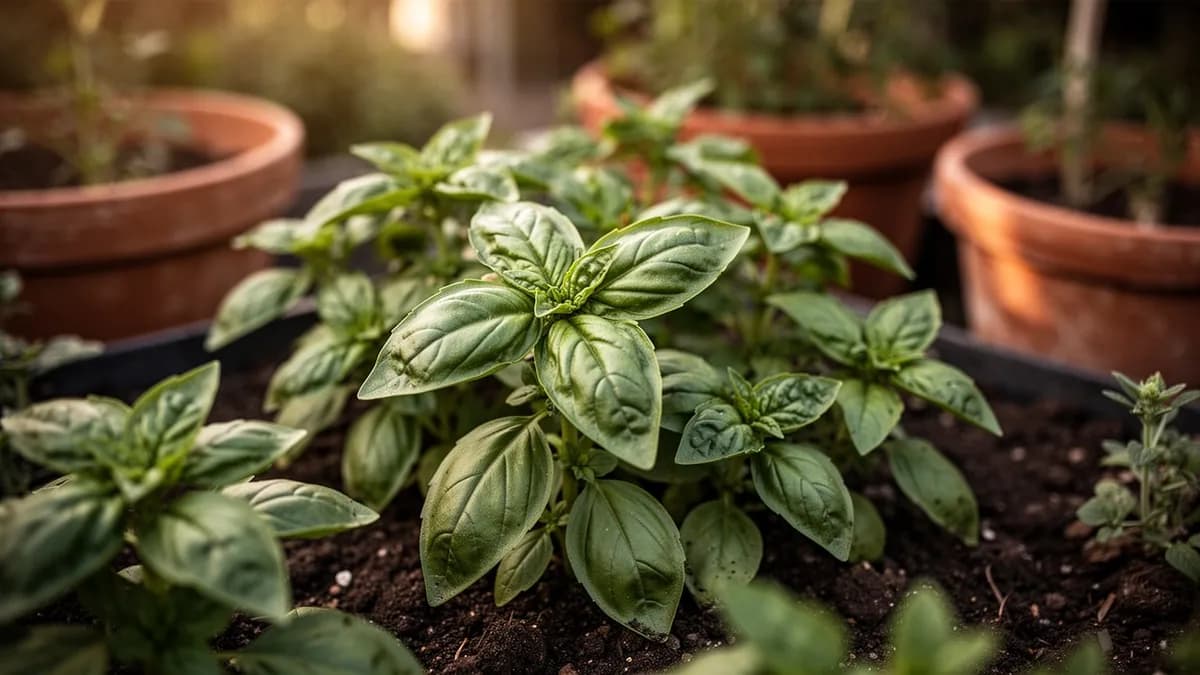
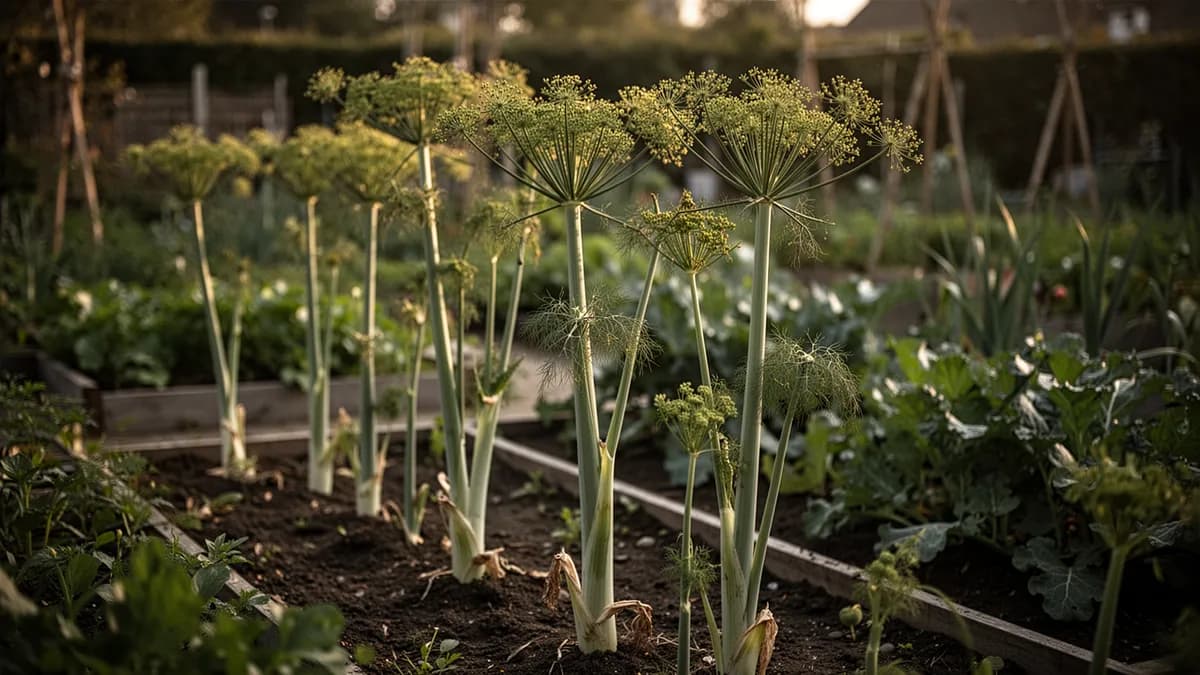
Rocoto-Paprika profitieren in heißen Klimazonen von Halbschatten und eignen sich daher gut als Unterpflanzung unter höheren Kulturen wie Mais oder Sonnenblumen. Ihre Vorliebe für kühle Bedingungen bedeutet, dass sie gut mit kühlsaisonalen Kulturen wie Salat und Spinat harmonieren, die ihren leichten Schatten schätzen. Basilikum und Koriander sind traditionelle südamerikanische Küchengartenbegleiter. Tagetes halten Blattläuse fern und locken Nützlinge an. Vermeiden Sie die Pflanzung neben Fenchel. In milden Klimazonen können sie als mehrjährige Ankerpflanzen in dauerhaften Gartenbeeten wachsen.
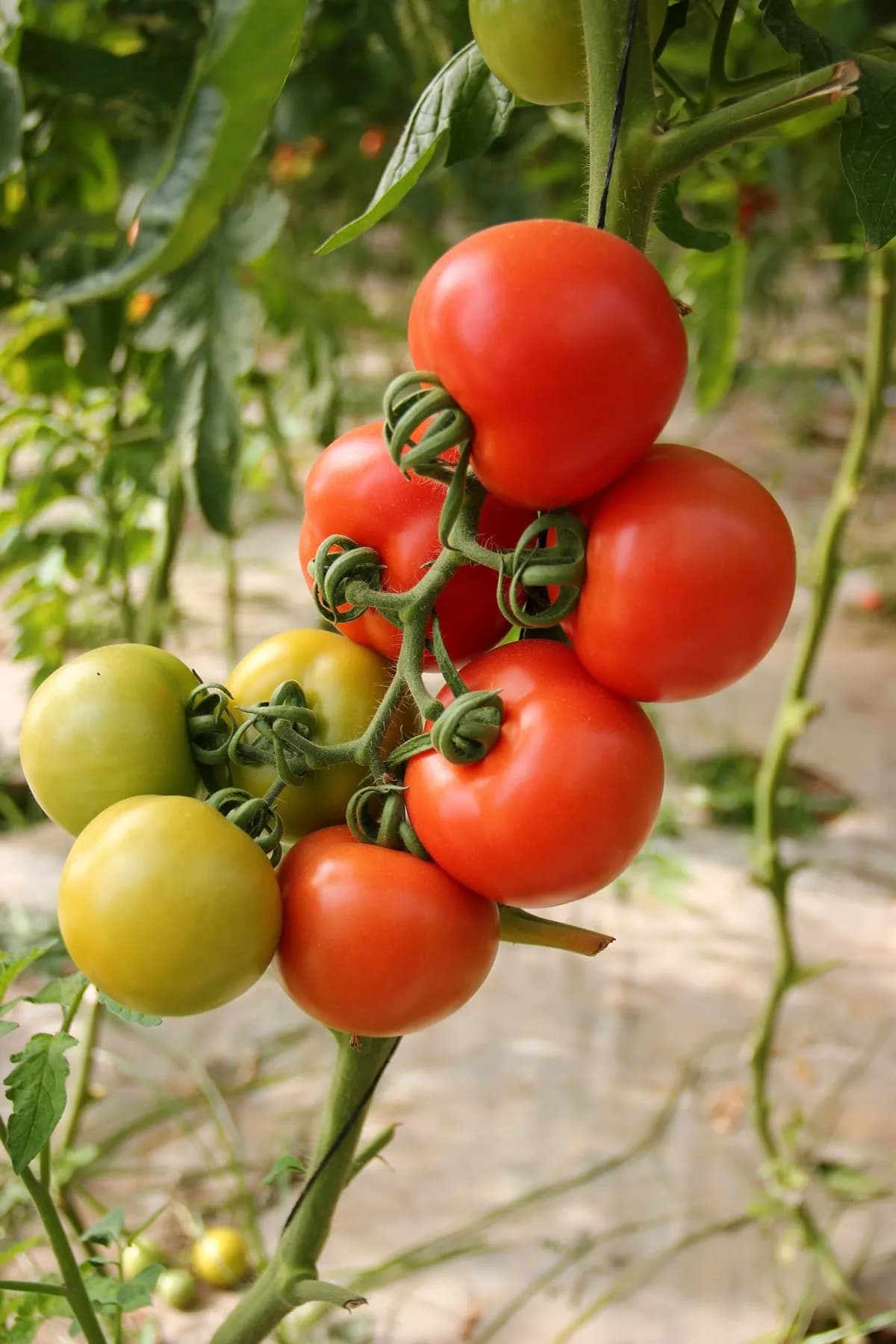
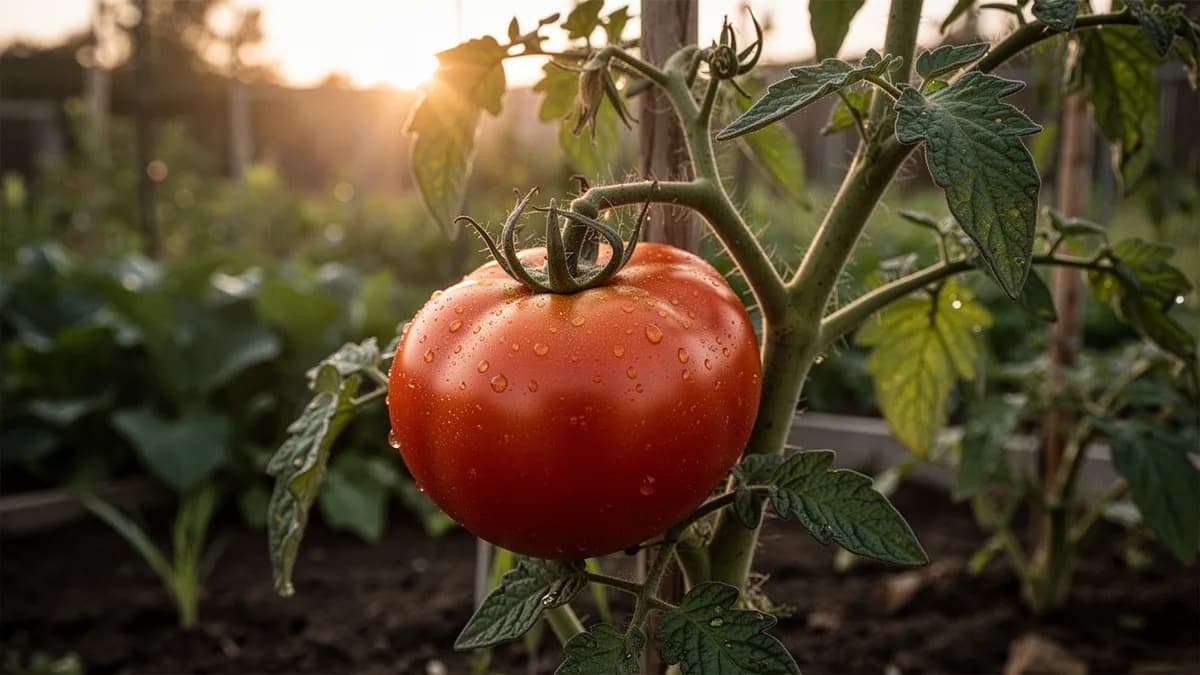
Tomate gehört daneben. Fenchel nicht.
Altes Gärtnerwissen, geprüft an der echten Nachbartabelle von Rocoto-Paprika — teste jede Pflanze, die du anbaust.
Probiere Rocoto-Paprika direkt hier im Beet
Ein echtes Planer-Beet, Rocoto-Paprika steht schon drin. Tippe einen Begleiter an, platziere ihn und sieh, wie die Nachbarschaftsprüfung antwortet — grün für gute Nachbarn, rot bei Streit.


Passende Anbau-Ratgeber
Richtig düngen
Rocoto-Paprika bevorzugen nährstoffreichen, gut durchlässigen, leicht sauren Boden mit einem pH-Wert von 5,5–6,5, entsprechend ihrer Herkunft aus den Anden. Arbeiten Sie reichlich Kompost ein und stellen Sie eine hervorragende Drainage sicher. Geben Sie bei der Pflanzung einen ausgewogenen Dünger und düngen Sie während der Vegetationsperiode monatlich nach. Als mehrjährige Pflanzen profitieren Rocotos von einer jährlichen Kompostgabe im Frühling. In Gefäßen verwenden Sie eine nährstoffreiche Blumenerde und düngen Sie während des aktiven Wachstums alle 2 Wochen mit Flüssigdünger. Vermeiden Sie Staunässe, die tödliche Wurzelfäule verursacht.
Winterhärtezone-Kompatibilität
Von der Saat zur Ernte, Schritt für Schritt
Samenkeimung
Rocoto-Samen sind notorisch langsame und unregelmäßige Keimer und benötigen selbst unter idealen Bedingungen oft 14–28 Tage. Die schwarzen Samen brauchen konstante Wärme und Feuchtigkeit, um die Keimruhe zu brechen. Im Gegensatz zu den meisten Paprikaarten profitieren Rocoto-Samen von etwas kühleren Keimtemperaturen von 20–25 °C, anstatt der höheren Wärme, die tropische Paprika bevorzugen.
Keimlingsentwicklung
Keimlinge entwickeln sich langsam mit deutlich behaarten (pubeszenten) Blättern, die sich leicht flaumig anfühlen – ein wichtiges Erkennungsmerkmal von Capsicum pubescens. Die Stiele beginnen, die charakteristische dunkel-violettschwarze Färbung zu zeigen. Das Wurzelsystem entwickelt sich umfangreich, bevor das oberirdische Wachstum beschleunigt.
Vegetatives Wachstum
Die Pflanzen entwickeln einen buschigen, halbverholzenden Wuchs, der sich von anderen Paprikaarten unterscheidet. Dunkelgrüne, stark behaarte Blätter bilden ein dichtes Blätterdach. Die Stiele werden dick, holzig und dunkel gefärbt. Die Pflanze wächst kräftig unter kühlen Bedingungen, die tropische Paprikasorten zum Stillstand bringen würden, und erreicht 90–150 cm Höhe.
Blüte
Markante violette Blüten mit violett getönten Staubbeuteln erscheinen im gesamten Blätterdach – dies ist der zuverlässigste Weg, einen echten Rocoto zu bestätigen. Die Blüten sind hauptsächlich selbstbestäubend, profitieren aber von sanftem Wind oder Handbestäubung. Blütenfall ist häufig, wenn die Temperaturen 30 °C überschreiten, da diese kühleklimatische Paprika am besten bei 15–20 °C Früchte ansetzt.
Fruchtentwicklung
Runde, apfelförmige Früchte entwickeln sich langsam über 4–6 Wochen, beginnen grün und reifen je nach Sorte allmählich zu Rot, Orange oder Gelb. Die dicken, saftigen Wände sind 4–6 mm stark – weit fleischiger als die meisten scharfen Paprika. Im Inneren entwickeln sich die einzigartigen schwarzen Samen neben extrem scharfem Plazentagegewebe.
Ernte und fortgesetzte Produktion
Die Früchte reifen über einen längeren Zeitraum, und in milden Klimazonen blüht und fruchtet die Pflanze monatelang weiter. Eine ausgewachsene Rocoto-Pflanze kann 30–60 Paprika pro Saison produzieren. In frostfreien Gebieten oder bei Überwinterung im Haus wird Rocoto zu einem halbmehrjährigen, verholzenden Busch, der über mehrere Jahre mit steigenden Erträgen Früchte trägt.
Beginnen Sie mit der Aussaat sehr früh – 10–12 Wochen vor dem Umpflanzen. Verwenden Sie sterile Aussaaterde und halten Sie die Bodenfeuchtigkeit ohne Staunässe. Eine Heizmatte auf 22 °C eingestellt liefert die besten Ergebnisse. Seien Sie geduldig und werfen Sie die Aussaatschalen nicht zu früh weg – manche Samen brauchen einen ganzen Monat zum Keimen.
Rocoto-Paprika Monat für Monat pflegen
Was du jeden Monat für deine Rocoto-Paprika tun solltest
Oktober
Aktueller MonatHaupterntemonat in den meisten Klimazonen. Pflücken Sie alle verbleibenden reifen Früchte vor dem ersten Frost. In milden Gebieten (Zonen 9–11) produziert die Pflanze weiter. In kälteren Zonen erwägen Sie, Gartenpflanzen zum Überwintern im Haus in Töpfe umzusetzen, nahe einem hellen, nach Süden ausgerichteten Fenster.
Immer wissen, was jetzt im Garten zu tun ist
Eine E-Mail zum Monatsanfang: was du jetzt säen, pflanzen und anpacken solltest — für deine Rocoto-Paprika und alles, was drumherum wächst. Dazu ein kurzer Startkurs, der dich vor den klassischen Fehlern bewahrt.
- Was jetzt zu tun ist
- Passend zu deiner Saison
- Startkurs inklusive
Rocoto-Paprika ernten
Ernten Sie Rocoto-Paprika, wenn die Früchte vollständig ausgefärbt und fest sind, mit dicken, saftigen Wänden. Reife Früchte lassen sich mit einer sanften Drehung von der Pflanze lösen. Die dicken Wände machen Rocotos hervorragend zum Füllen. Jede Pflanze produziert 15–30 Früchte pro Saison, bei überwinterten mehrjährigen Pflanzen mehr. Grüne Früchte sind essbar, haben aber kein vollständig entwickeltes Aroma. Die schwarzen Samen sind einzigartig für diese Paprikaart und sollten bei traditionellen Zubereitungen nicht vor dem Kochen entfernt werden. Tragen Sie Handschuhe, da die Schärfe beträchtlich ist.
angenommen, du pflanzt zu Beginn des Zeitraums — trage dein tatsächliches Datum ein
Ernte Rocoto-Paprika zügig, dann trägt die Pflanze weiter.
Lagerung & Konservierung
Frische Rocoto-Paprika halten sich dank ihrer dicken Wände 2–3 Wochen im Kühlschrank. Traditionell werden sie in der peruanischen Küche mit Fleisch und Käse gefüllt und als Rocoto Relleno gebacken. Frieren Sie ganze oder halbierte Paprika zur späteren Verwendung ein. Rocotos können getrocknet werden, wobei ihre dicken Wände einen Dörrautomaten oder ein sehr trockenes Klima erfordern. In Essig eingelegte Rocotos mit Zwiebeln ergeben ein scharfes Würzmittel. Rocoto-Paste aus pürierter Paprika mit Essig und Salz ist eine gängige Tischsauce in den Anden. Das dicke Fruchtfleisch eignet sich hervorragend als Basis für scharfe Soßen.
Was schiefgeht — und die Lösung
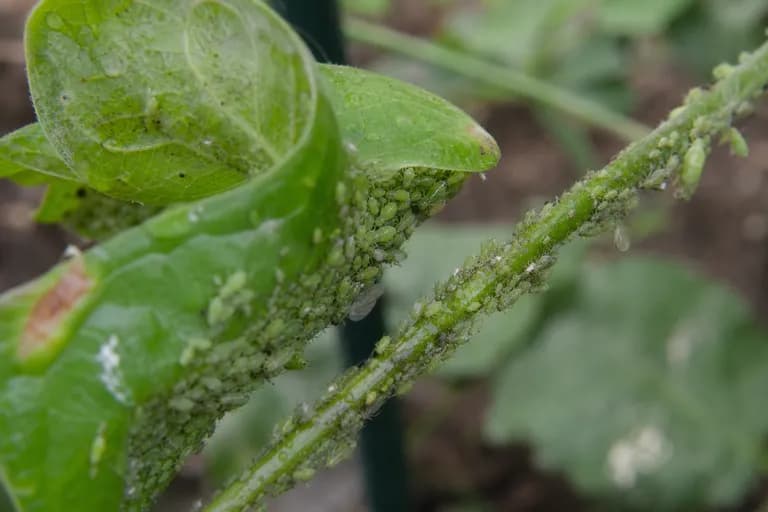
Blattläuse
SchädlingKolonien an neuen Trieben und Blütenknospen, die Blattverkrümmungen und verminderten Fruchtansatz verursachen.
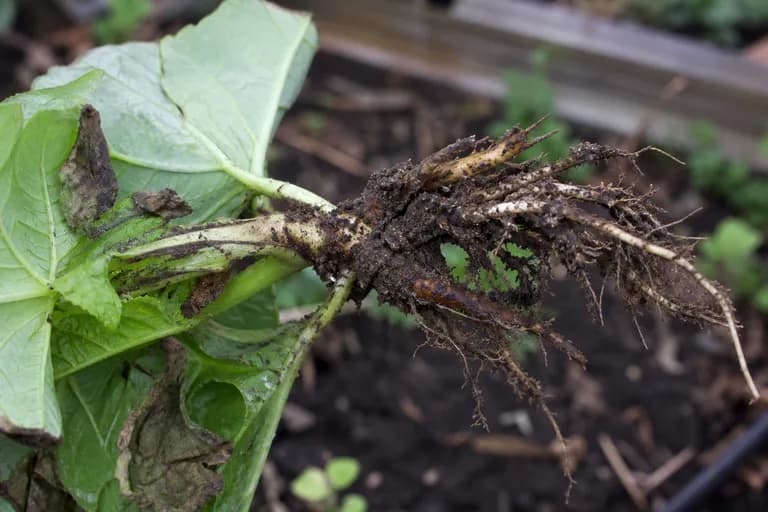
Wurzelfäule
KrankheitWelken trotz ausreichender Bewässerung, Vergilbung der unteren Blätter und matschige Wurzeln bei Staunässe.
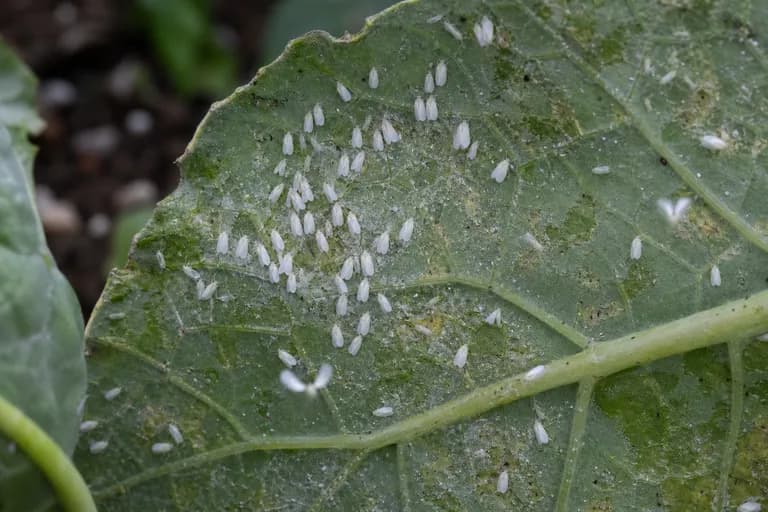
Weiße Fliegen
SchädlingWinzige weiße Fluginsekten auf Blattunterseiten, die bei Störung auffliegen und Vergilbung sowie klebrigen Honigtau verursachen.
Fehlerbehebung bei häufigen Problemen
Das langsame Keimlingswachstum erfordert Geduld – planen Sie 12–14 Wochen für pflanzfertige Keimlinge ein. In heißen Klimazonen können Rocotos bei Temperaturen über 30 °C Schwierigkeiten haben; bieten Sie Nachmittagsschatten und besprühen Sie das Laub. Überwässerung und schlechte Drainage führen schnell zu Wurzelfäule. Die ungewöhnliche Vorliebe für kühle Bedingungen bedeutet, dass traditionelle Anbautipps für scharfe Paprika möglicherweise nicht zutreffen. Die Samenbeschaffung kann schwierig sein; Spezialversender und Online-Tauschbörsen sind die besten Quellen. Mehrjährige Pflanzen können nach 3–4 Jahren an Kraft verlieren; ziehen Sie Ersatzpflanzen aus Stecklingen nach.
Anbautipps
- Beginnen Sie extrem früh mit der Aussaat – Rocoto hat die längste Zeit von der Aussaat bis zur Ernte aller gängigen Paprikasorten und benötigt oft 160–200 Tage. In den meisten Klimazonen müssen die Samen bis Januar im Haus ausgesät werden, um vor dem ersten Herbstfrost reife Früchte zu produzieren.
- Überhitzen Sie Ihre Keimlinge nicht. Im Gegensatz zu tropischen Paprikasorten keimt und wächst Rocoto am besten bei moderaten Temperaturen von 20–25 °C. Temperaturen über 30 °C hemmen tatsächlich die Keimung und verursachen langbeiniges, schwaches Keimlingswachstum.
- Bieten Sie ausreichend Platz. Rocoto entwickelt sich natürlich zu einem großen, verholzenden Busch von 120–200 cm Höhe und ebensolcher Breite. Verwenden Sie Gefäße von mindestens 30–40 Litern oder planen Sie eine Gartenfläche von 90 cm x 90 cm pro Pflanze ein. Zu kleine Gefäße begrenzen die Erträge erheblich.
- Überwintern Sie Ihre Pflanzen für dramatisch bessere Ernten im zweiten Jahr. Rocoto ist von Natur aus halbmehrjährig und überwintert gut im Haus bei 10–15 °C in der Nähe eines hellen Fensters. Pflanzen im zweiten Jahr blühen Wochen früher und produzieren deutlich mehr Früchte als Keimlinge im ersten Jahr.
- Bestäuben Sie von Hand für zuverlässigen Fruchtansatz, besonders beim Anbau im Haus oder an geschützten Standorten. Schütteln Sie täglich sanft die blühenden Äste oder verwenden Sie einen weichen Pinsel, um Pollen zwischen den Blüten zu übertragen. Pflanzen im Freien profitieren von Bienenaktivität, aber Windbestäubung allein ist oft unzureichend.
- Schützen Sie vor extremer Hitze, nicht vor Kälte. Rocoto ist die seltene Paprikaart, die bei Hitzewellen Schattenschutz braucht statt Kälteschutz. Wenn die Temperaturen regelmäßig 30 °C überschreiten, stellen Sie während der heißesten Nachmittagsstunden ein 30–40 % Schattierungsnetz auf, um Blütenfall zu verhindern.
- Mulchen Sie großzügig, um die Wurzeln kühl und feucht zu halten. Eine 10 cm dicke Schicht organischen Mulchs (Stroh, geschredderte Rinde oder Kompost) ahmt die kühlen, humusreichen Bergböden des natürlichen Andenhabitats nach und verbessert Wachstum und Ertrag erheblich.
- Ernten Sie nur vollreife, voll ausgefärbte Früchte für das beste Aroma. Im Gegensatz zu vielen scharfen Paprikasorten, die im grünen Stadium verwendbar sind, entwickelt Rocoto seine charakteristische fruchtige, apfelartige Süße und sein komplexes Aromaprofil erst bei voller Reife. Grüne Rocotos sind schlichtweg herb und bitter.
Bau deine beste Rocoto-Paprika an — und alles drumherum.
Starte heute kostenlos. Lege deine Beete an, setze deine Rocoto-Paprika ein und lass PlotMyGarden Timing, Abstände, Begleiter und Erinnerungen von der Saat bis zum Erntekorb übernehmen.
Finde deine Rocoto-Paprika
Rocoto Red
Standardmäßige rote Sorte mit dicken, saftigen Wänden und klassischer Andenschärfe. Apfelförmige Früchte mit charakteristischen schwarzen Samen.
Rocoto Yellow
Gelbfruchtige Sorte mit etwas milderer Schärfe und fruchtigem Aroma. Wunderschöne goldene Farbe bei Reife.
Manzano
Naher Verwandter mit ähnlichem Aussehen und Geschmack. Orangefarbene Früchte, die etwas kleiner sind und oft als milder gelten.
Canario
Gelb-orangefarbene peruanische Sorte mit intensiver fruchtiger Schärfe. Bevorzugt für Rocoto-Paste und traditionelle Soßen.
Rocoto-Paprika sind ein erstklassiges Spezialprodukt, das in normalen Lebensmittelgeschäften selten zu finden ist und auf lateinamerikanischen Märkten oder in Spezialgeschäften typischerweise 15–30 € pro Kilogramm kostet – wenn überhaupt verfügbar. Eine einzelne gesunde Pflanze, die 30–60 Paprika produziert, kann pro Saison einen Ertrag von 25–60 € an frischen Paprika liefern. Da Rocoto überwintert und als Staude angebaut werden kann, kann eine einzige Pflanze oder Samentüte für 3–5 € über mehrere Jahre produzieren, wodurch sich die Einsparungen erheblich summieren. Selbst angebauter Rocoto macht auch den Kauf teurer importierter Rocoto-Paste (6–12 € pro Glas) überflüssig, die aus der eigenen Ernte leicht hergestellt werden kann.
Schnelle Rezepte
Rocoto Relleno (Peruanische gefüllte Paprika)
60 Min.Perus berühmtestes Paprikagericht – ganze Rocotos werden entkernt, eingeweicht, um die Schärfe zu mildern, dann mit gewürztem Rinderhackfleisch, Oliven und hartgekochtem Ei gefüllt, mit Käse belegt und goldbraun gebacken. Die dickwandigen Paprika behalten ihre Form hervorragend und liefern ein komplexes süß-scharfes Aroma.
10 ZutatenSalsa de Rocoto
15 Min.Eine lebhafte, feurige frische Salsa, die in Peru, Bolivien und Ecuador ein Standardgewürz ist. Die fruchtige Schärfe des Rocoto kommt zur Geltung, wenn er roh mit Zwiebel, Kräutern und Limette püriert wird – servieren Sie sie zu gegrilltem Fleisch, Empanadas oder einfach mit Tortilla-Chips.
8 ZutatenRocoto-Sahnesoße für Pasta
25 Min.Eine moderne Anden-Fusionssoße, die Rocotos fruchtiges Feuer mit reichhaltiger Sahne zu einem luxuriösen Pasta-Topping verbindet. Das Rösten der Paprika mildert die Schärfe leicht und bringt tiefe karamellisierte Süße hervor, die wunderbar mit Knoblauch und Parmesan harmoniert.
8 ZutatenKulinarische Verwendung
Rocoto-Paprika sind zentral in der peruanischen und bolivianischen Küche. Das klassische Gericht ist Rocoto Relleno – dickwandige Paprika, gefüllt mit gewürztem Hackfleisch, Rosinen und Käse, dann gebacken. Rocoto-Paste (Crema de Rocoto) ist ein grundlegendes Andengewürz, das zu allem von gegrilltem Fleisch bis Kartoffeln verwendet wird. Die knackige, saftige Schärfe eignet sich hervorragend für Ceviches und Tiraditos. Würfeln Sie die Paprika für Salsas mit fruchtigem, apfelartigem Feuer. Mixen Sie sie zu cremigen Aji-Soßen, die traditionelle Andenmahlzeiten begleiten. Die dicken Wände halten beim Grillen hervorragend stand.
Was drinsteckt
Gesundheitsvorteile
- Extrem reich an Vitamin C – eine einzige Rocoto-Paprika kann über 100 % der empfohlenen Tagesdosis liefern und unterstützt die Immunabwehr, Eisenaufnahme und Kollagensynthese für gesunde Haut und Gelenke.
- Reich an Capsaicin mit 30.000–100.000 SHU, das nachweislich den Stoffwechsel ankurbelt, den Appetit reduziert und die Fettoxidation steigert – Studien legen nahe, dass Capsaicin-Konsum ein gesundes Gewichtsmanagement unterstützen kann.
- Enthält starke entzündungshemmende Verbindungen wie Capsaicin und Quercetin, die dazu beitragen können, chronische Entzündungen, Gelenkschmerzen und das Risiko entzündlicher Erkrankungen wie Arthritis zu reduzieren.
- Die hohe Konzentration an Carotinoiden (Beta-Carotin, Beta-Cryptoxanthin) in roten, reifen Früchten unterstützt die Augengesundheit und kann das Risiko einer altersbedingten Makuladegeneration verringern.
- Capsaicin löst die Freisetzung von Endorphinen und Dopamin im Gehirn aus und erzeugt eine natürliche Stimmungsaufhellung sowie eine milde schmerzlindernde Wirkung – dies ist die biologische Grundlage des bekannten Chili-Highs, das Chili-Liebhaber erleben.
- Neuere Forschungen deuten darauf hin, dass regelmäßiger Verzehr von capsaicinreichen Paprikasorten die Herz-Kreislauf-Gesundheit unterstützen kann, indem die Durchblutung verbessert, die LDL-Cholesterin-Oxidation reduziert und ein gesunder Blutdruck gefördert wird.
Woher Rocoto-Paprika stammt
Die Rocoto-Paprika (Capsicum pubescens) stammt aus den Hochtälern der zentralen Anden, im heutigen Peru und Bolivien, und ist damit eine der ältesten domestizierten Paprikaarten der Welt. Archäologische Funde aus der Guitarrero-Höhle in Peru legen nahe, dass wilde Vorfahren von C. pubescens bereits um 6.000 v. Chr. gesammelt und möglicherweise angebaut wurden. Die Art wurde von den Andenvölkern vor mindestens 5.000 Jahren vollständig domestiziert, lange vor dem Aufstieg der Inka-Zivilisation, und wurde speziell an die kühlen, nebligen Bergregionen zwischen 1.500 und 3.000 Metern Höhe angepasst, wo andere Paprikaarten nicht überleben können.
Das Inkareich (1438–1533 n. Chr.) erhob den Rocoto zu einer Position von großer kultureller und kulinarischer Bedeutung. Er war eine von mehreren Paprikaarten, die in den terrassierten Landwirtschaftssystemen der Anden angebaut wurden, wo er neben Kartoffeln, Quinoa und Mais wuchs. Die Inka entwickelten verschiedene Sorten für unterschiedliche Höhenlagen und kulinarische Zwecke – eine Tradition, die andine Bauern bis heute fortführen. Spanische Konquistadoren begegneten dem Rocoto im 16. Jahrhundert, ignorierten ihn aber weitgehend zugunsten der leichter zu transportierenden und zu trocknenden Capsicum-annuum-Sorten.
Heute bleibt Rocoto fest mit der andinen Esskultur in Peru, Bolivien, Ecuador und Kolumbien verbunden, wo er frisch auf Hochlandmärkten verkauft wird und für Gerichte wie Rocoto Relleno, Salsa de Rocoto und Aji de Rocoto unverzichtbar ist. Er hat sich auch in Hochlandregionen Mexikos (wo er als Manzano oder Chile de Cera bekannt ist), Guatemalas und Teile Südostasiens verbreitet. Im Gegensatz zu anderen Paprikasorten hat sich Rocoto dem großflächigen kommerziellen Anbau widersetzt, da seine Vorliebe für kühle Bergbedingungen und seine lange Vegetationsperiode ihn für die industrielle Tieflandlandwirtschaft ungeeignet machen – er bleibt damit fest in der Domäne von Kleinbauern, Hobbygärtnern und handwerklichen Lebensmittelproduzenten, die seine einzigartigen Qualitäten schätzen.
Rocoto-Paprika: Schon gewusst?
Faszinierende Fakten über Rocoto-Paprika
Rocoto (Capsicum pubescens) ist die einzige domestizierte Paprikaart mit schwarzen Samen – alle anderen kultivierten Paprikasorten haben weiße oder cremefarbene Samen. Dieses Merkmal ist so markant, dass eine einzige aufgeschnittene Paprika sofort auf Artebene identifiziert werden kann.
Rocoto-Paprika: Fragen & Antworten
Wann sollte ich Rocoto-Paprika pflanzen?
Was sind gute Begleitpflanzen für Rocoto-Paprika?
In welchen Winterhärtezonen kann Rocoto-Paprika wachsen?
Wie viel Sonne braucht Rocoto-Paprika?
Welchen Abstand sollte ich zwischen Rocoto-Paprika lassen?
Welche Schädlinge und Krankheiten befallen Rocoto-Paprika?
Wie lagere ich Rocoto-Paprika nach der Ernte?
Was sind die besten Rocoto-Paprika-Sorten zum Anbauen?
Welchen Boden braucht Rocoto-Paprika?
Warum sind Rocoto-Samen schwarz, wenn alle meine anderen Paprikasamen weiß sind?
Kann Rocoto Frost überstehen und als Staude wachsen?
Warum fallen meine Rocoto-Blüten ab, ohne Früchte anzusetzen?
Wie kann ich die extreme Schärfe von Rocoto-Paprika zum Kochen reduzieren?
Ist Rocoto dasselbe wie Manzano-Paprika?
Warum wächst meine Rocoto-Pflanze so langsam im Vergleich zu meinen anderen Paprikasorten?
Du hast die Theorie gelesen. Jetzt baue sie auf Autopilot an.
Alles, was Rocoto-Paprika knifflig macht — das Timing, die Abstände, die Begleiter, das Erntefenster — genau das übernimmt PlotMyGarden für dich, für jede Pflanze im Garten.
Ein Plan, der dein Wetter kennt
Standort einmal festlegen. Aussaat-, Dünge- und Erntedaten rund um deinen echten letzten Frosttermin und die Live-Vorhersage — kein Raten mehr nach Saattüte.
Aus dem Abschnitt „Pflanzzeit“Beetplaner per Drag & Drop
Beete auf einem Raster gestalten. Jede Pflanze rastet im richtigen Abstand ein, und du siehst die ganze Saison, bevor du einen Cent für Saatgut ausgibst.
Aus dem Abschnitt „Anbau“Begleiter-Konflikte früh erkannt
Über 200 gute und schlechte Kombinationen werden beim Pflanzen live geprüft — so landet ein saisonruinierender Fehler nie in der Erde.
Aus dem Abschnitt „Begleiter“Erinnerungen, nach denen du wirklich handelst
„Gieß die Bohnen.“ „Heute ernten, bevor's umschlägt.“ Pünktlich, konkret und auf deine echten Pflanzen bezogen.
Aus dem Abschnitt „Ernte“Staffel-Aussaat, geplant
Sechs Wochen ernten statt sechs Tage? Die App verteilt deine Aussaaten automatisch und erinnert dich, wenn der nächste Satz fällig ist.
Aus dem Abschnitt „Pflanzzeit“Ein Verlauf, der schlauer wird
Jede protokollierte Ernte bringt der App deinen Garten bei. Der Plan fürs nächste Jahr startet bei dem, was in deinem Boden wirklich funktioniert hat.
Aus dem Abschnitt „Überblick“Pflanze diese neben Rocoto-Paprika
Weitere Nachtschattengewächse
Halte Rocoto-Paprika von diesen fern
Bau deine beste Rocoto-Paprika an — und alles drumherum.
Starte heute kostenlos. Lege deine Beete an, setze deine Rocoto-Paprika ein und lass PlotMyGarden Timing, Abstände, Begleiter und Erinnerungen von der Saat bis zum Erntekorb übernehmen.