Sweet Marjoram
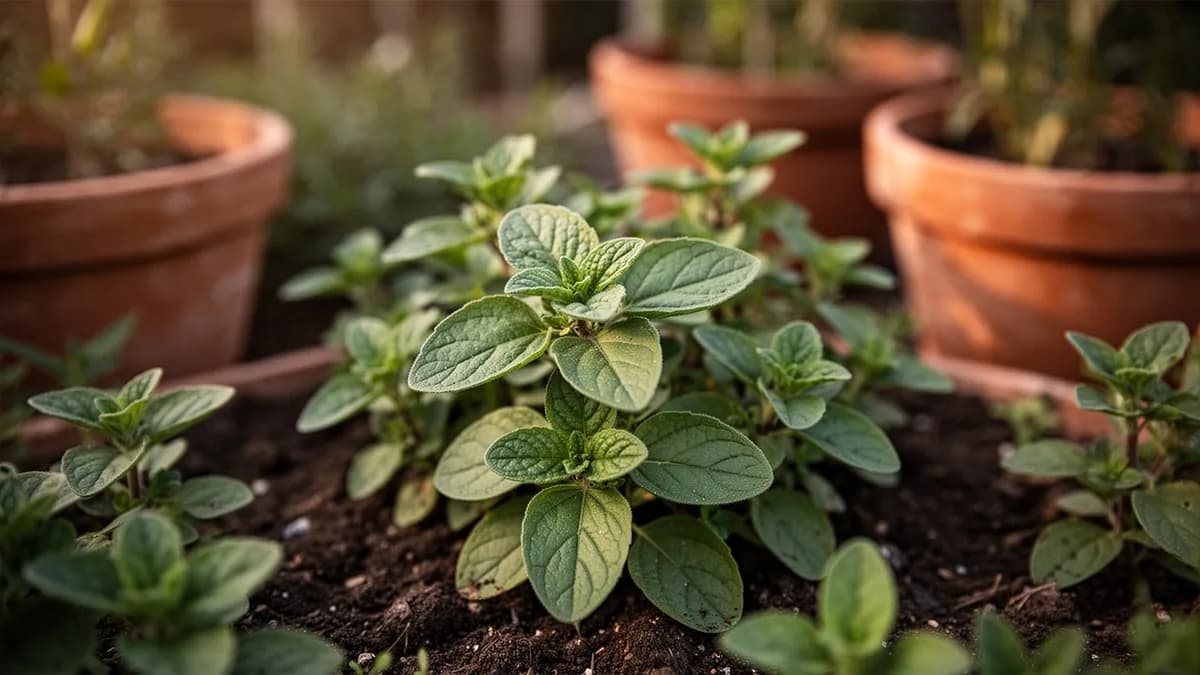
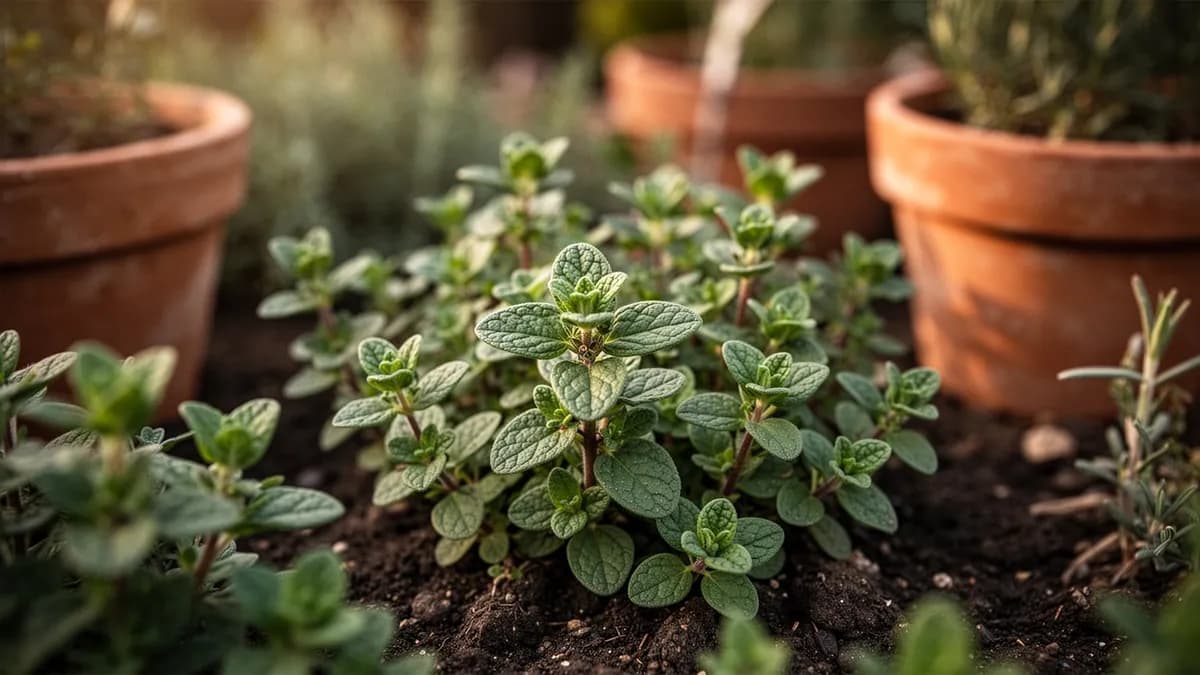
The sweetest and most delicately flavored marjoram, with small rounded leaves and tiny knot-like flower buds.





On this pageOverview
Meet Sweet Marjoram
The sweetest and most delicately flavored marjoram, with small rounded leaves and tiny knot-like flower buds. Sweet marjoram is less pungent than oregano and best added at the end of cooking to preserve its gentle warmth. Grow as an annual in cold climates and harvest just before the small white flowers open.
When to plant Sweet Marjoram
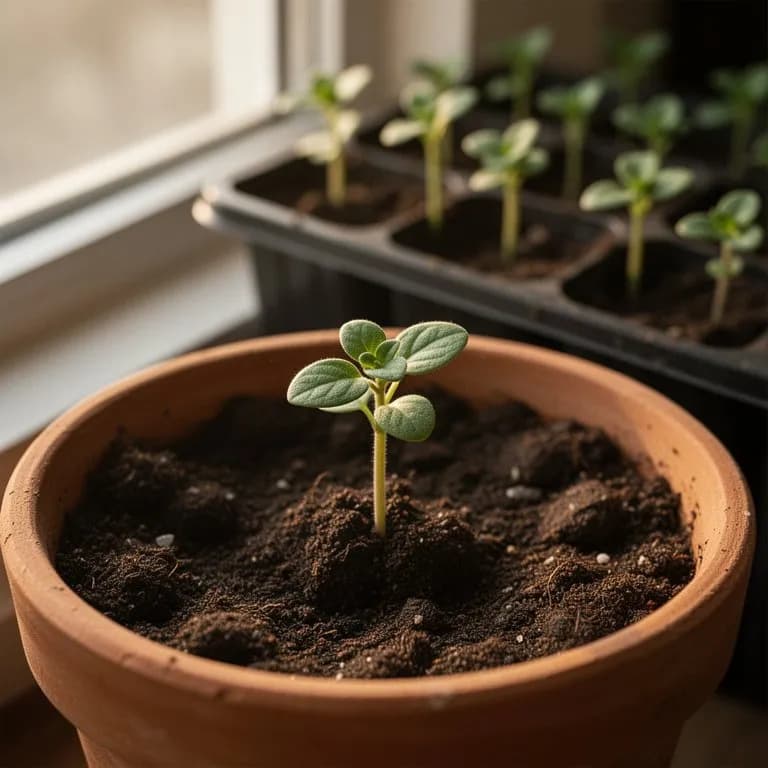
Sweet marjoram seeds are tiny and slow to germinate. Sow indoors 6 to 8 weeks before the last frost by pressing seeds onto the surface of moist seed-starting mix. Do not cover; seeds need light. Maintain soil temperature of 70 degrees. Germination takes 7 to 14 days and can be erratic. Keep seedlings under strong light to prevent legginess. Thin to 3 inches apart and transplant outdoors after all frost danger. Sweet marjoram also propagates easily from stem cuttings or division.
Your Sweet Marjoram Year
Composed for Zone 7 · typical seasons · frost passes Apr 2, returns Nov 1
Plant Sweet Marjoram Apr – May, pick Jun – Sep. Check the planting methods below and set your climate to personalize these windows.
How to grow Sweet Marjoram
Sweet marjoram is the most delicately flavored member of the oregano family, with a warm, sweet, slightly floral aroma that lacks oregano's sharpness. It is a staple in French and Italian cooking, especially in dishes where oregano would be too assertive. Grow in full sun with lean, well-drained soil with a pH of 6.5 to 7.5. Space plants 8 to 12 inches apart.
Start seeds indoors 6 to 8 weeks before the last frost, as sweet marjoram grows slowly from seed. Press tiny seeds onto moist seed-starting mix; they need light to germinate. Germination takes 7 to 14 days at 70 degrees. Transplant outdoors after all frost danger has passed. Sweet marjoram is perennial only in zones 9 and above; in colder climates, grow as an annual or overwinter in pots indoors.
Pinch growing tips regularly to encourage bushy growth and delay flowering. Harvest just before the distinctive knot-like flower buds open, when essential oil content is highest. Sweet marjoram reaches 12 to 18 inches tall with small, rounded, gray-green leaves. It is an excellent container herb and grows well on sunny windowsills year-round.
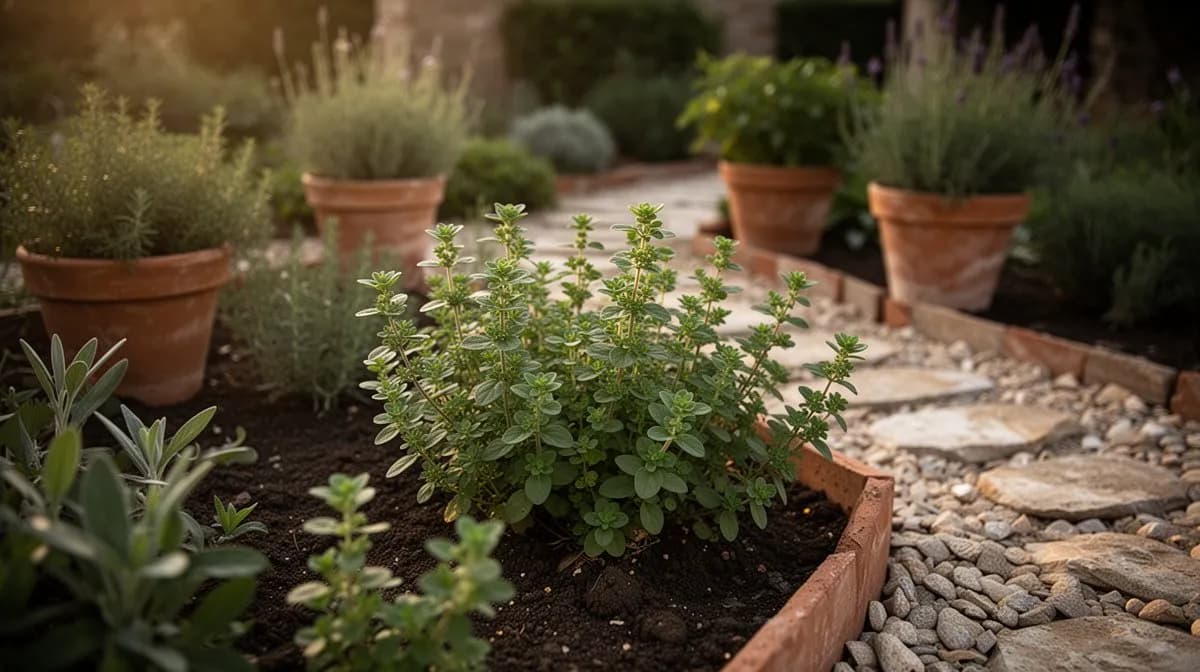
36 plants fit a 4 × 8 ft bed
Each Sweet Marjoram wants 25 cm of elbow room. The planner keeps that spacing for you — every plant, every bed.
Sweet Marjoram's best neighbours
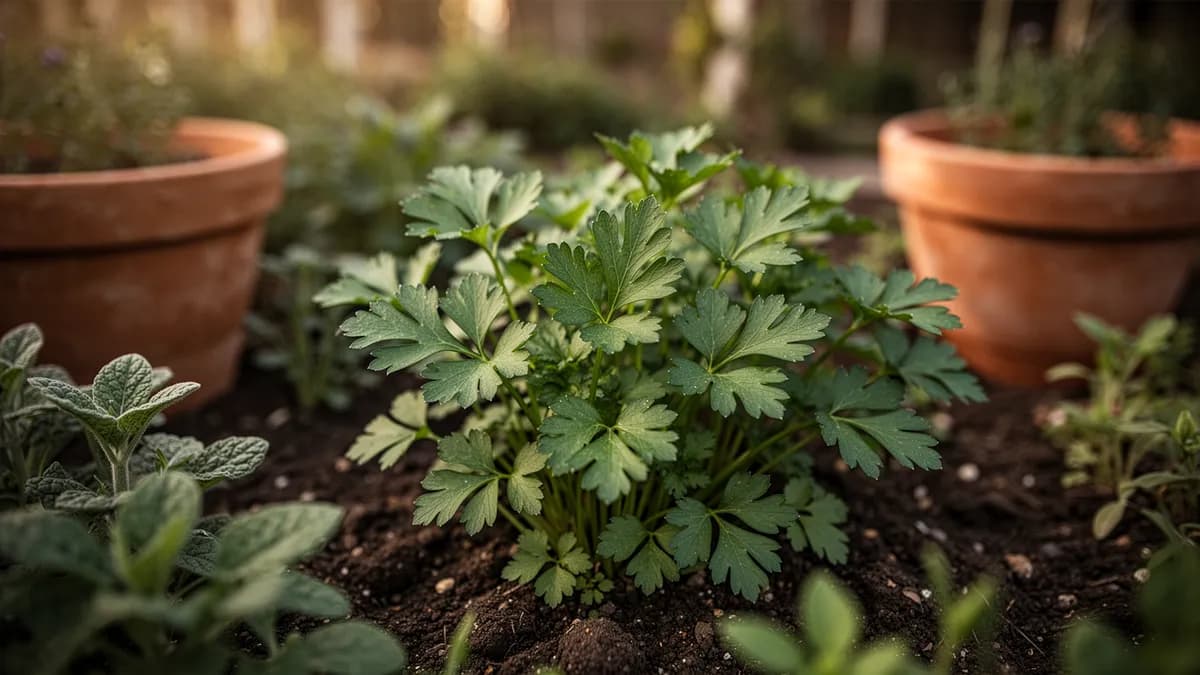
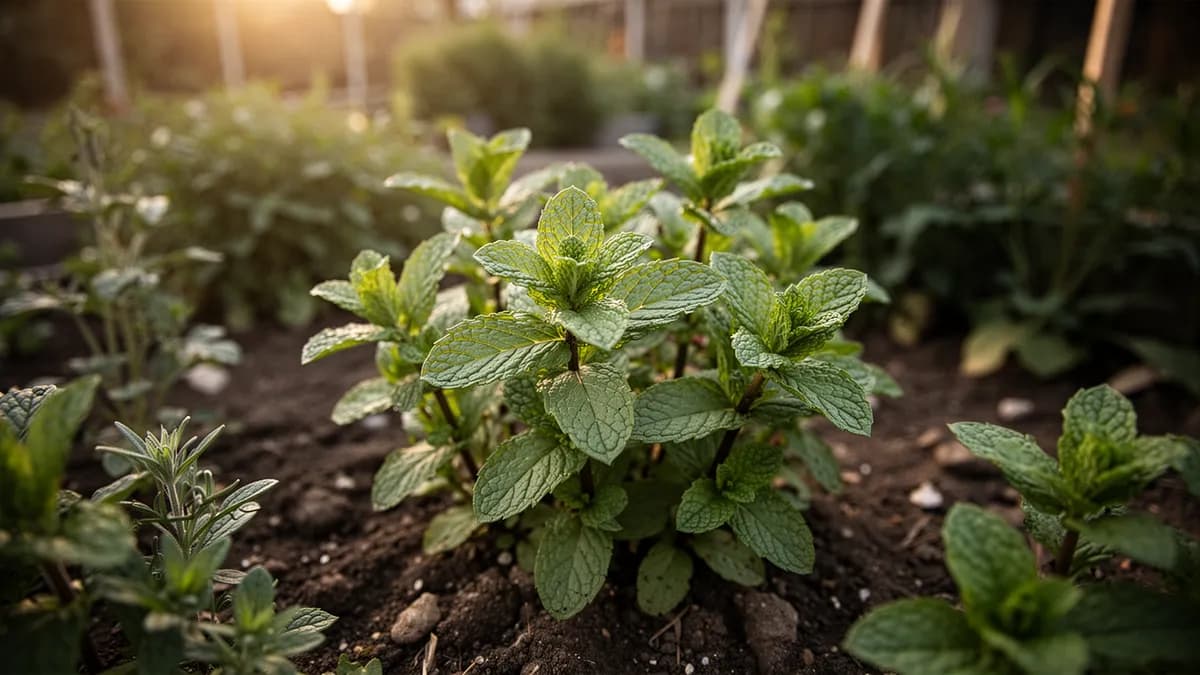
Sweet marjoram grows well alongside other Mediterranean herbs including oregano, thyme, and basil. Its small flowers attract beneficial insects including parasitic wasps and hover flies. Plant in sunny herb garden borders or along pathways where the fragrance can be appreciated. Avoid planting near mint, which will overwhelm and crowd out the smaller marjoram plants.
Oregano belongs beside it. Mint doesn't.
Old growers' knowledge, checked against Sweet Marjoram's real companion table below — test any plant you're growing.
Try Sweet Marjoram in a bed — right here
A real planner bed with Sweet Marjoram already in it. Tap a companion to place it and watch the pairing checks answer — green for good neighbours, red for a clash.


Related growing guides
Feed it well
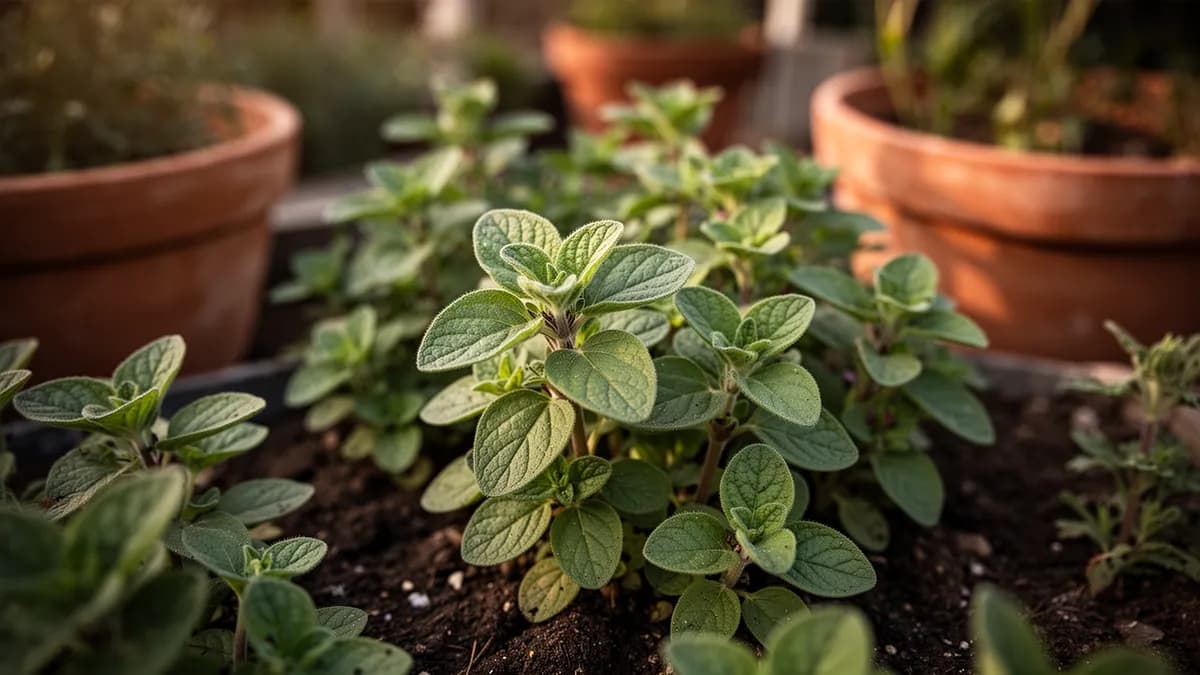
Sweet marjoram thrives in lean, well-drained soil with a pH of 6.5 to 7.5. Like most Mediterranean herbs, rich soil produces lush but poorly flavored growth. Sandy or gravelly soil with minimal organic amendment is ideal. Fertilize sparingly; a light application of balanced fertilizer once in spring is sufficient. Container plants can be fed monthly with diluted liquid fertilizer during active growth.
Ideal Temperature
Hardiness Zone Compatibility
From seed to harvest, stage by stage
Seed Germination
Sweet marjoram seeds are exceptionally tiny — nearly dust-like — and germinate slowly over 8-14 days when surface-sown on warm, moist seed-starting mix. The seeds need light to germinate and should not be covered with soil. Seedlings first appear as minuscule pairs of rounded cotyledon leaves barely visible to the naked eye.
Seedling Development
Growth is very slow during this stage as the tiny seedlings develop their first true leaves — small, oval, and slightly fuzzy with the characteristic grey-green color. Seedlings gradually form a miniature rosette of aromatic foliage. Root systems develop steadily but the above-ground growth can feel frustratingly slow compared to other herbs.
Vegetative Growth
Plants accelerate their growth and begin branching freely, forming a compact, bushy mound 20-30 cm tall and wide. The stems become woody at the base while remaining soft and herbaceous at the tips. Leaves are densely packed along the stems with an intensely sweet, warm aroma when brushed or crushed. This is the primary harvest window for fresh use.
Flowering
Distinctive knotted flower buds form at the tips of stems — tight, rounded clusters of overlapping bracts that give sweet marjoram its old common name 'knotted marjoram.' Tiny white or pale pink tubular flowers emerge from these knots, attracting bees and beneficial insects. Leaf flavor changes subtly during flowering, becoming slightly more bitter.
Seed Set and Senescence
After flowering, tiny dark brown seeds develop within the dried flower knots. Each knot contains numerous seeds smaller than grains of sand. In temperate climates, sweet marjoram is treated as an annual and the plant begins to decline as temperatures drop in autumn. In frost-free zones, the plant may overwinter and become a short-lived perennial.
Sow seeds on the surface of fine, pre-moistened seed-starting mix and press gently without covering. Maintain consistent warmth of 18-21°C (65-70°F) and use a humidity dome or plastic wrap to retain moisture. Bottom watering prevents washing away the tiny seeds. Start indoors 6-8 weeks before the last frost date.
Caring for Sweet Marjoram month by month
What to do each month for your Sweet Marjoram
October
You are hereIn most temperate zones, sweet marjoram dies back with the first hard frost. Remove spent plants and compost them. Bring potted plants or rooted cuttings indoors to a sunny windowsill. Reduce watering for indoor plants — marjoram needs less moisture in the shorter days of autumn and winter.
Know exactly what to do in your garden — every month
One email at the start of each month: what to sow, plant, and tackle right now — for your Sweet Marjoram and everything growing around it. Plus a short starter course that helps you dodge the classic mistakes.
- What to do, right now
- Matched to your season
- Starter course included
Harvesting Sweet Marjoram
Harvest sweet marjoram leaves and stem tips throughout the growing season. The most flavorful harvest occurs just before the tiny knot-like flower buds open, when essential oils are most concentrated. Cut stems 4 to 6 inches long from the top of the plant. Sweet marjoram is best used fresh or added at the end of cooking, as heat diminishes its delicate flavor. For drying, harvest on a dry morning after dew has evaporated.
assuming you plant when the window opens — set your real date
Pick Sweet Marjoram promptly and the plant keeps producing.
Storage & Preservation
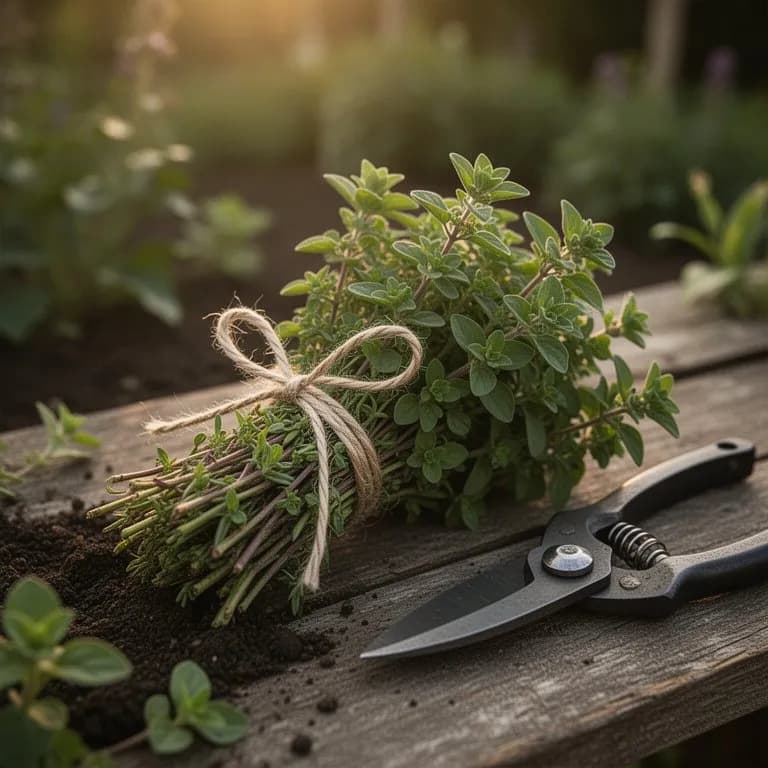
Fresh sweet marjoram stores in the refrigerator for 5 to 7 days wrapped in damp paper towels. For drying, hang small bundles upside down in a warm, dark, well-ventilated area for 1 week, or use a dehydrator at 95 degrees. Dried marjoram retains excellent flavor for up to a year in airtight containers. Freeze chopped leaves in ice cube trays with olive oil for convenient additions to winter cooking. Marjoram-infused oil and vinegar capture the herb's delicate flavor beautifully.
What goes wrong — and the fix

Spider Mites
PestFine stippling on leaves, giving foliage a dusty appearance. Tiny webbing between leaves. Most common in hot, dry conditions and on indoor plants.
Root Rot
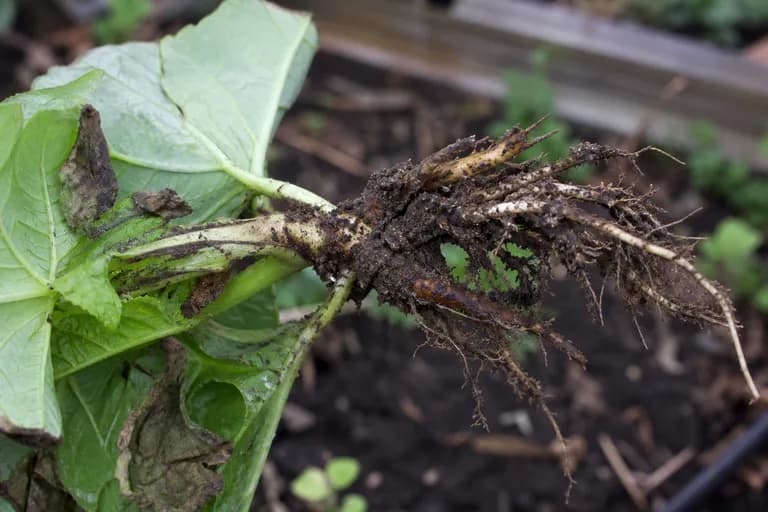
DiseaseYellowing leaves, wilting, mushy base. Caused by overwatering in poorly drained soil. Usually fatal.
Troubleshooting Common Problems
Cold sensitivity is the main limitation; any frost kills sweet marjoram. In cold climates, bring containers indoors before fall frost. Overwatering and poor drainage cause root rot quickly. The delicate flavor is easily overwhelmed by aggressive herbs like rosemary or oregano; pair carefully. Indoor plants in winter may become leggy from insufficient light; provide the brightest window or supplement with grow lights.
Growing Tips
- Start seeds indoors 6-8 weeks before the last frost date because sweet marjoram seedlings grow very slowly. The tiny seeds need light to germinate — press them onto the surface of moist seed-starting mix without covering them, and maintain temperatures of 18-21°C (65-70°F) for best results.
- Choose a planting site with full sun and excellent drainage. Sweet marjoram is a Mediterranean herb that thrives in lean, well-drained soil and struggles in heavy clay or constantly moist conditions. Raised beds or containers with a gritty potting mix are ideal for gardens with poor drainage.
- Pinch the growing tips of young plants regularly to encourage dense, bushy growth. Without pinching, sweet marjoram tends to grow leggy and sparse. Each pinch stimulates two new side branches, quickly creating a compact, productive mound of fragrant foliage.
- Water moderately and allow the soil surface to dry between waterings. Sweet marjoram is drought-tolerant once established and produces more concentrated essential oils when kept on the drier side. Overwatering is the most common cause of failure with this herb — root rot develops quickly in soggy soil.
- Harvest regularly throughout the growing season by cutting stems back to a leaf node, never removing more than one-third of the plant at a time. Frequent cutting stimulates fresh, tender growth and prevents the plant from becoming woody. The best flavor comes from young growth before flowering.
- For drying, harvest whole stems just as the characteristic knotted flower buds begin to form but before they open — this is when the concentration of essential oils reaches its peak. Bundle 4-6 stems together and hang upside down in a warm, dark, well-ventilated area for 1-2 weeks.
- Grow sweet marjoram in containers if you live in zones 7 or colder. Use a terracotta pot with drainage holes and a fast-draining potting mix blended with extra perlite. Container plants can be moved indoors before the first frost to extend the harvest season through winter on a sunny windowsill.
- Companion plant sweet marjoram near peppers, tomatoes, eggplant, and squash — its flowers attract beneficial insects including hoverflies, parasitic wasps, and lacewings that prey on aphids and other garden pests. Marjoram also improves the flavor of neighboring vegetables according to longstanding gardener tradition.
- Protect plants from hard frost by covering them with row cover fabric or cloches when unexpected cold snaps threaten. In zones 8-9, sweet marjoram may survive mild winters with a thick mulch of straw around the base, but it is safest to treat it as an annual and start fresh from seed or cuttings each spring.
- Take stem cuttings in late summer to propagate new plants for overwintering indoors. Cut 8-10 cm non-flowering stem tips, strip the lower leaves, dip in rooting hormone, and insert into moist perlite or a light potting mix. Roots develop in 3-4 weeks under a humidity cover with bright indirect light.
Grow your best Sweet Marjoram yet — and everything around it.
Start a free plan today. Lay out your beds, drop in your Sweet Marjoram, and let PlotMyGarden handle the timing, spacing, companions and reminders from seed to harvest basket.
Pick your Sweet Marjoram
Sweet Marjoram
The classic culinary variety with small gray-green leaves and distinctive knot-shaped flower buds. Warm, sweet, complex flavor. The standard for fine cooking.
Italian Oregano (O. x majoricum)
A hybrid between sweet marjoram and oregano with flavor between the two parents. More cold-hardy than sweet marjoram. Good dual-purpose culinary herb.
A small jar (15-30g) of dried sweet marjoram costs $4-8 at grocery stores, while specialty organic marjoram can reach $10-15. A single $3 seed packet produces 15-25 plants, each yielding 25-50g of dried herb over the season — that is 375-1250g of dried marjoram worth $50-300 at retail prices. Fresh marjoram is rarely available in supermarkets and commands premium prices of $3-5 per small bunch at farmers' markets. Growing your own ensures a constant supply of the freshest possible herb, far superior in aroma and flavor to any commercial dried product.
Quick recipes
Sweet Marjoram Compound Butter
10 minA fragrant herb butter that melts beautifully over grilled meats, roasted vegetables, or warm crusty bread. Sweet marjoram's gentle warmth pairs perfectly with butter's richness, creating an elegant finishing touch that elevates simple dishes into something special.
6 ingredients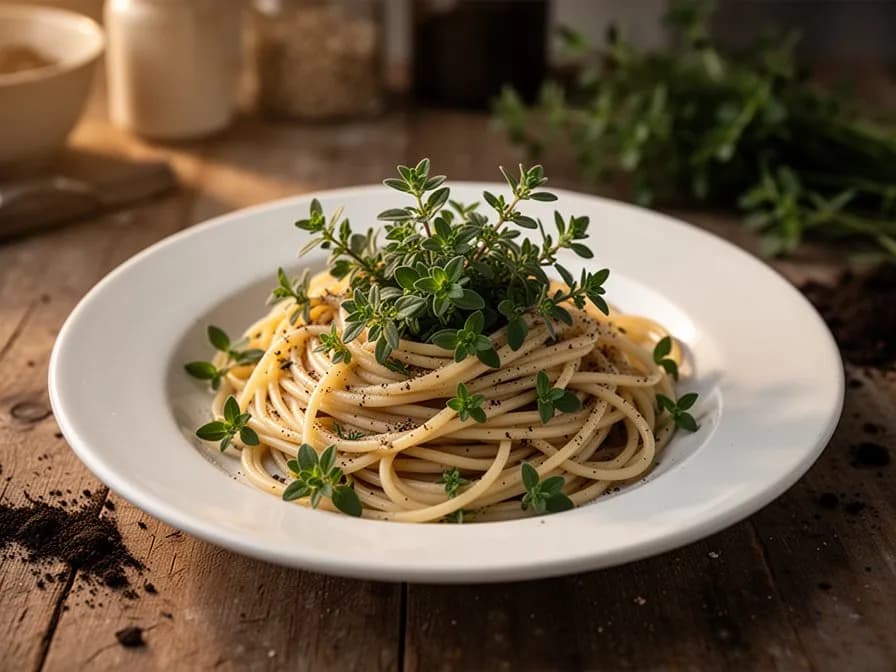
Soothing Marjoram Tea
5 minA calming herbal infusion with a sweet, slightly floral flavor that has been used since ancient times to ease digestion, relieve tension, and promote restful sleep. Equally delicious with fresh or dried leaves from the garden.
4 ingredientsMediterranean Marjoram Roasted Potatoes
40 minCrispy roasted potatoes tossed with generous amounts of fresh sweet marjoram, garlic, and olive oil — a classic Mediterranean side dish where marjoram's warm sweetness truly shines. The herb's flavor intensifies beautifully with roasting.
7 ingredientsCulinary Uses
Sweet marjoram is one of the most versatile and underappreciated culinary herbs. Its warm, sweet flavor enhances mushroom dishes, cream sauces, egg preparations, and delicate meat dishes including veal, chicken, and fish. It is essential in traditional German and Austrian sausage-making and features in herbes de Provence. Add at the very end of cooking or use fresh as a garnish to preserve the delicate flavor. Pairs beautifully with butter, cream, eggs, mushrooms, and light meats.
What's inside
Health Benefits
- Rich in antioxidant compounds including rosmarinic acid, terpinene, and ursolic acid, which research indicates help neutralize free radicals, reduce oxidative stress, and may lower the risk of chronic inflammatory conditions when consumed regularly as part of a varied diet.
- Traditionally used for centuries as a digestive aid — marjoram tea stimulates bile production and soothes stomach cramps, bloating, and indigestion. Modern studies confirm that marjoram extracts can relax smooth muscle tissue in the digestive tract, supporting its longstanding use as a carminative herb.
- Contains compounds with documented antimicrobial activity against a range of foodborne pathogens including Salmonella, E. coli, and Staphylococcus aureus, contributing to both food safety and immune support when used regularly in cooking.
- May support cardiovascular health through its high potassium content and the vasodilating properties of its essential oil compounds. Traditional herbalists have long recommended marjoram tea for mild hypertension, and preliminary clinical studies suggest modest blood pressure-lowering effects.
- Valued in traditional and modern herbal medicine as a gentle nervine — a calming herb that eases anxiety, tension, and promotes restful sleep. Marjoram tea before bedtime is a time-tested European folk remedy for insomnia and nervous restlessness.
- Provides meaningful amounts of vitamin K, calcium, and iron even in typical culinary quantities, supporting bone health, blood clotting, and oxygen transport — particularly beneficial as a regular seasoning in plant-based diets where these nutrients can be harder to obtain.
Where Sweet Marjoram comes from
Sweet marjoram (Origanum majorana) is native to the eastern Mediterranean region and western Asia, with its likely center of origin in Cyprus, Turkey, and the surrounding areas of the Levant. Archaeological and literary evidence suggests that marjoram has been cultivated and revered for at least 3,000 years, making it one of the oldest known culinary and medicinal herbs in Western civilization.
The ancient Egyptians used sweet marjoram in embalming preparations, perfumes, and medicinal ointments. The Greeks elevated the herb to near-sacred status, associating it with Aphrodite, the goddess of love, and using it extensively in wedding ceremonies, funeral rites, and temple offerings. The Greek physician Hippocrates prescribed marjoram as an antiseptic and tonic, while Aristotle noted that tortoises who ate snakes would immediately consume marjoram as an antidote — an observation that reinforced the herb's reputation as a healing plant throughout antiquity.
The Romans adopted Greek marjoram traditions and carried the herb across their empire, establishing it as a culinary staple from Britain to North Africa. Roman soldiers planted marjoram wherever they were garrisoned, and the herb naturalized throughout southern and central Europe. During the Middle Ages, marjoram became one of the most important monastery garden herbs, cultivated for medicine, cooking, brewing, and as a strewing herb to freshen living quarters.
Sweet marjoram reached England by the 13th century and quickly became essential in Tudor and Elizabethan kitchens and apothecaries. European colonists brought the herb to the Americas in the 17th century, where it established itself in the kitchen gardens of New England and Virginia. In German-speaking countries, marjoram became inseparable from sausage-making traditions, earning the enduring nickname 'Wurstkraut.' Today, Egypt, France, and Germany remain the largest producers of dried sweet marjoram for the global spice trade, though the herb is grown in gardens worldwide from the Mediterranean to Southeast Asia.
Sweet Marjoram: did you know?
Fascinating facts about Sweet Marjoram
Ancient Greeks and Romans believed sweet marjoram was created by Aphrodite (Venus) as a symbol of love and happiness. Newlywed couples were crowned with marjoram wreaths, and the herb was planted on graves to ensure peaceful rest for the departed — giving it the poetic name 'joy of the mountain' from its Greek roots 'oros' (mountain) and 'ganos' (joy).
Sweet Marjoram questions, answered
When should I plant Sweet Marjoram?
What are good companion plants for Sweet Marjoram?
What hardiness zones can Sweet Marjoram grow in?
How much sun does Sweet Marjoram need?
How far apart should I space Sweet Marjoram?
What pests and diseases affect Sweet Marjoram?
How do I store Sweet Marjoram after harvest?
What are the best Sweet Marjoram varieties to grow?
What soil does Sweet Marjoram need?
What is the difference between sweet marjoram and oregano?
Can sweet marjoram survive winter outdoors?
When should I harvest sweet marjoram for the best flavor?
How do I dry and store sweet marjoram?
Why is my sweet marjoram plant leggy and sparse?
Is sweet marjoram safe to use during pregnancy?
You just read the theory. Now grow it on autopilot.
Everything that makes Sweet Marjoram fiddly — the timing, the spacing, the companions, the harvest window — is exactly what PlotMyGarden handles for you, for every plant in your garden.
A plan that knows your weather
Set your location once. Get sow, feed and harvest dates built around your real last-frost date and live forecast — no more guessing from a generic seed packet.
From the “When to plant” sectionDrag-and-drop bed planner
Design beds on a grid. Every plant snaps to its proper spacing, and you can see your whole season laid out before you spend a cent on seed.
From the “Growing guide” sectionCompanion conflicts, caught early
200+ good-and-bad pairings checked live as you plant — so a season-wrecking mistake never makes it into the ground.
From the “Companions” sectionReminders you'll actually act on
“Water the beans.” “Pick today before it turns.” Timely, specific, and tied to the plants you're really growing.
From the “Harvest” sectionSuccession, scheduled
Want a harvest for six weeks, not six days? It spaces your sowings automatically and reminds you when each new block is due.
From the “When to plant” sectionA record that gets smarter
Every harvest you log teaches it your garden. Next year's plan starts from what actually worked in your soil, not a textbook's.
From the “Overview” sectionPlant these alongside Sweet Marjoram
More Culinary Herbs
Keep Sweet Marjoram away from these
Grow your best Sweet Marjoram yet — and everything around it.
Start a free plan today. Lay out your beds, drop in your Sweet Marjoram, and let PlotMyGarden handle the timing, spacing, companions and reminders from seed to harvest basket.