Mache
A delicate, nutty-flavored salad green that thrives in cold weather when most other salad crops have finished for the season.





On this pageOverview
Meet Mache
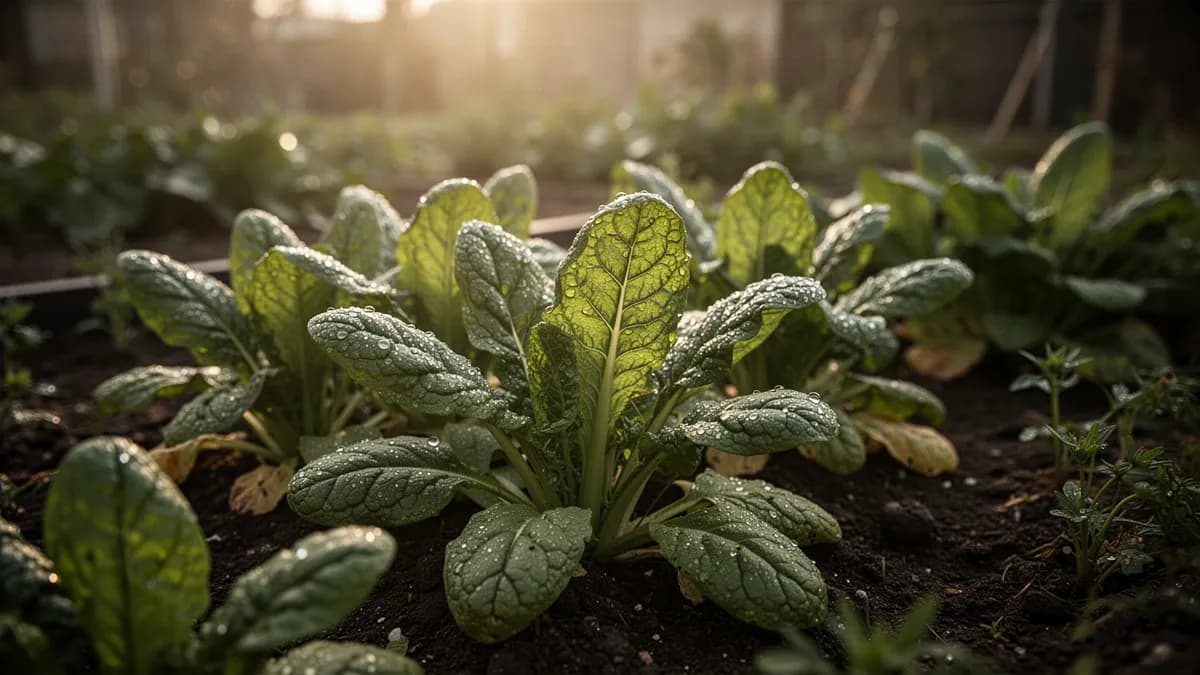
A delicate, nutty-flavored salad green that thrives in cold weather when most other salad crops have finished for the season. Mache, also known as corn salad or lambs lettuce, forms small rosettes of soft, spoon-shaped leaves with a mild, slightly sweet flavor. Sow in early fall for winter and early spring harvests, as it tolerates freezing temperatures remarkably well. The small plants grow slowly but require very little attention and are virtually pest-free in cool weather.
When to plant Mache
Direct sow 1/4 inch deep in late summer through early fall for the most reliable results. Seeds germinate in 7-14 days at 50-60°F. Warm soil above 70°F causes poor germination; wait for cool weather. Scatter seeds thickly; mache grows well in dense plantings. Do not transplant. Pre-chilling seeds in the refrigerator for a week can improve germination. Seeds remain viable for 3-5 years.
We watch the calendar so you don't have to
Tell us where you garden once. We line your sow and harvest windows up with your local season — and nudge you the moment each one opens.
See your exact Mache dates
Share your location once and we'll line every sow and harvest date up with your real local season — not a generic seed-packet guess.
Used once to set your season · never sharedHow to grow Mache
Direct sow mache seeds 1/4 inch deep in late summer through early fall for winter and spring harvest, or in very early spring. Seeds germinate best in cool soil (50-60°F) and take 7-14 days. Scatter seeds thickly in wide rows or beds and thin to 3-4 inches apart. Mache does not transplant well and should be direct-sown.
Mache is a cool-season specialist that thrives at 40-60°F and bolts rapidly in temperatures above 70°F. It is remarkably cold-hardy and can survive down to 5°F under row covers or cold frames. Fall-sown mache overwinters as small rosettes and grows vigorously as spring arrives.
The tiny rosettes grow slowly, reaching harvest size in 45-60 days. Mache requires minimal care once established. Water lightly and avoid fertilizing, as slow growth produces the most concentrated, nutty flavor. In spring, harvest promptly before warming temperatures trigger rapid bolting. Mache self-sows readily if allowed to flower.
The bed planner spaces every plant for you
Pick a bed size and PlotMyGarden spaces your Mache at 10 cm, counts how many fit, and lays the block out before you buy a single seed.
Mache's best neighbours
Mache grows well under taller crops that provide light shade in transitional seasons. It makes an excellent ground-level companion beneath fall brassicas like kale and Brussels sprouts. Plant in paths between raised beds as an edible ground cover. Avoid planting near vigorous growers that could overshadow the tiny rosettes.
It flags clashes before you plant, not after
Every plant you place is checked against its neighbours in real time. Good matches glow green; conflicts get flagged on the spot — so a season-wrecking mistake never makes it into the ground.
Feed it well
Mache grows in most well-drained soils with a pH of 6.0-7.0. It tolerates poor soil better than most salad greens and actually produces more flavorful leaves in lean conditions. Avoid heavy fertilization, which produces bland growth prone to disease. A light compost amendment is sufficient. Good drainage is essential for winter growing to prevent crown rot during wet, cold periods.
Ideal Temperature
Hardiness Zone Compatibility
From seed to harvest, stage by stage
Germination
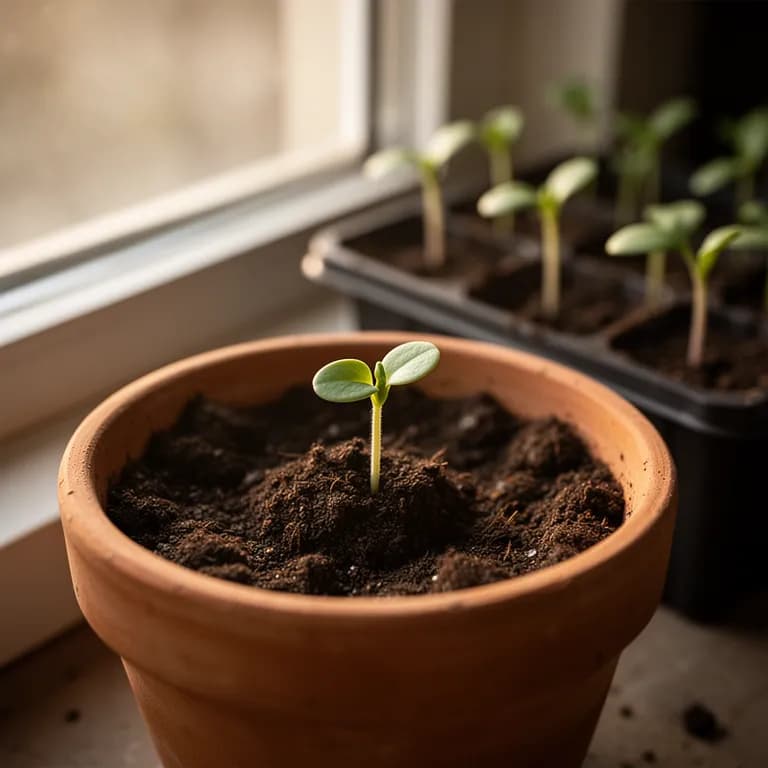
Seeds germinate slowly in cool soil at 50-60°F, producing tiny paired cotyledons. Germination is erratic in warm soil above 70°F. The small seeds should be sown shallowly at 1/4 inch depth and kept consistently moist.
Seedling Establishment
First true leaves appear — small, rounded, and spoon-shaped. Growth is very slow at this stage, and seedlings are easily overwhelmed by weeds. Thin to 3-4 inches apart or allow dense stands to grow as a mat.
Rosette Formation
Plants form their characteristic compact rosettes of 6-12 soft, rounded leaves. Growth accelerates as autumn temperatures cool. The rosettes press close to the ground, creating a carpet-like effect in dense plantings.
Overwintering
Fall-sown mache enters semi-dormancy during the coldest months. Rosettes remain green and alive under snow, row covers, or cold frames, tolerating temperatures down to 5°F. Growth nearly stops but the plants survive remarkably well.
Spring Flush and Harvest
As spring temperatures rise above 40°F, overwintered plants resume rapid growth. This is the prime harvest window — leaves are at their sweetest and most tender. Once temperatures regularly exceed 70°F, plants bolt quickly, sending up small flower stalks.
Flowering and Seed Set
Tiny pale blue-white flowers appear on slender stalks above the rosettes. Mache is an enthusiastic self-sower — a single plant produces hundreds of tiny seeds that scatter and germinate the following autumn without any effort.
Sow in late summer or early fall when soil temperatures have dropped below 65°F. Pre-chill seeds in the refrigerator for one week to improve germination rates. Keep the seedbed evenly moist but never waterlogged.
Caring for Mache month by month
What to do each month for your Mache
July
You are hereNo active mache care. Prepare beds for late summer sowing by weeding and lightly amending with compost. Avoid heavy fertilization — mache prefers lean soil.
Harvesting Mache
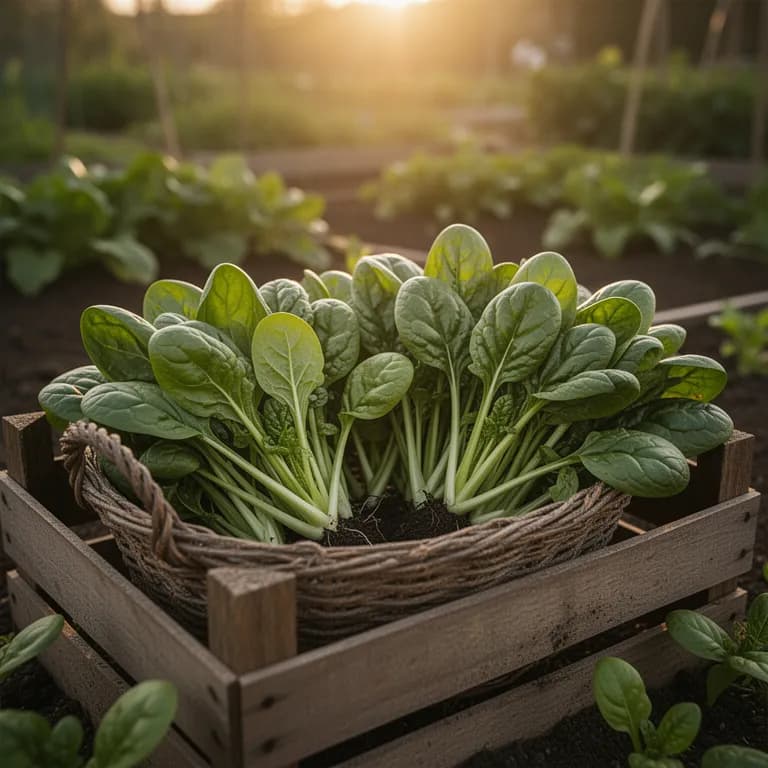
Harvest mache rosettes when leaves are 2-3 inches long, typically 45-60 days from sowing. Cut entire rosettes at the soil level or pull whole plants. Mache does not regrow after cutting. The small, round leaves bruise easily, so handle gently. Harvest in the morning when leaves are most turgid. Once plants begin to elongate and flower, flavor declines. Winter-harvested mache is especially sweet and nutty.
We count the days and tell you when to pick
Tell us when you planted and PlotMyGarden tracks the 45-day countdown to harvest, then pings you the day your Mache is ready.
Storage & Preservation
Store unwashed mache in a plastic bag in the refrigerator for 3-5 days. The delicate leaves wilt quickly, so use soon after harvest. Do not wash until ready to serve. Mache does not freeze or dry well. The best preservation strategy is to stagger plantings for continuous fresh harvest. In the garden, mache stores itself through winter under row covers, staying fresh for months.
What goes wrong — and the fix
Downy Mildew
DiseaseYellow spots on leaves with gray-purple fuzzy growth beneath, especially in cool, damp conditions.
Slugs
PestHoles in small leaves, slimy trails, damage worst in fall and spring wet weather.
Aphids
PestSmall insects on leaves, curled foliage, stunted growth.
Troubleshooting Common Problems
The biggest challenge is the slow growth rate; patience is required. Bolting occurs rapidly when temperatures exceed 70°F; time plantings for cool seasons. The small rosettes are labor-intensive to harvest. Germination is poor in warm soil above 70°F; fall sowing is most reliable. Mache can be overwhelmed by weeds due to slow establishment; keep beds clean.
Growing Tips
- Timing is everything with mache — sow in late summer through early fall when soil temperatures drop below 70°F. Warm soil causes poor, erratic germination and is the number one reason gardeners fail with this crop. If in doubt, wait until September.
- Do not transplant mache. The tiny seedlings have delicate root systems that do not survive disturbance. Always direct sow in the final growing location. Scatter seeds thickly and thin minimally — mache thrives in dense stands.
- Resist the urge to fertilize. Mache produces its best flavor and most disease-resistant growth in lean soil with only a light compost amendment. Heavy feeding produces watery, bland leaves prone to downy mildew.
- Install row covers or cold frames before the first hard freeze, not after. This simple step extends the harvest season by months and allows mache to produce fresh salad greens through the entire winter in zones 5-8.
- Water sparingly once plants are established. Mache's biggest enemy in winter is excess moisture around the crown, which leads to rot. Water only when the top inch of soil is dry, and always in the morning so foliage dries before nightfall.
- Let some plants bolt and flower in spring — mache self-sows prolifically, and volunteer seedlings will emerge automatically the following autumn. Mark the area and avoid disturbing the soil through summer to preserve the seed bank.
- Mache makes an excellent living mulch and ground cover beneath taller fall crops like kale, Brussels sprouts, and leeks. The low rosettes suppress weeds and protect the soil surface while producing a bonus harvest of salad greens.
- For the sweetest, most intensely flavored mache, harvest after a hard frost or during the coldest part of winter. Like many cold-hardy greens, mache converts starches to sugars as a natural antifreeze mechanism, dramatically improving flavor.
Pick your Mache
Vit
Most popular variety with dark green, round leaves and excellent cold hardiness. Vigorous growth and uniform rosettes.
D'Etampes
Large-leaved French variety with a more open rosette. Slightly more productive than compact types.
Jade
Dark green variety with good mildew resistance. Compact rosettes with rich, nutty flavor.
Mache is one of the most expensive salad greens at retail, typically selling for $4-8 per 100g (3.5 oz) package in grocery stores and $12-20 per pound at farmers' markets. A single $3 seed packet can produce several kilograms of mache over a season, representing a savings of $50-100 or more. Because mache self-sows freely, a one-time planting can provide free greens for years with zero additional seed cost.
Quick recipes
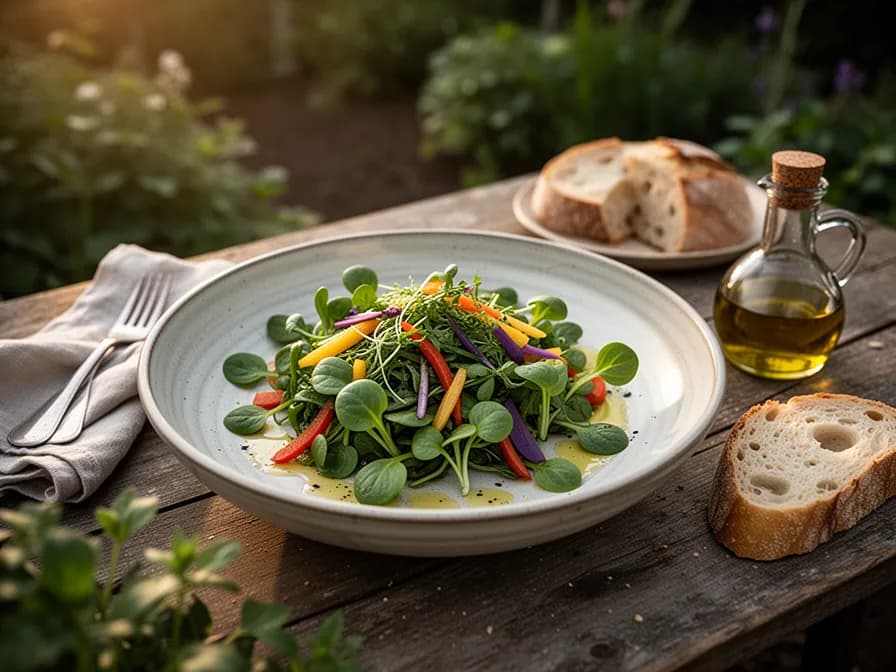
Classic French Mache Salad with Walnut Vinaigrette
10 minThe quintessential way to enjoy mache in France — tender rosettes dressed with a nutty walnut oil vinaigrette, topped with toasted walnuts and shaved Gruyere. The delicate, buttery greens pair perfectly with the rich, earthy dressing.
7 ingredientsMache, Beet, and Goat Cheese Salad
15 minA stunning winter salad that pairs the sweet earthiness of roasted beets with the mild, nutty flavor of mache and the tangy creaminess of goat cheese. A French bistro classic that turns a simple salad into an elegant course.
8 ingredientsMache and Smoked Salmon Tartine
10 minAn open-faced sandwich that showcases mache as a bed for smoked salmon — the peppery, nutty greens cut through the richness of the fish beautifully. A quick but elegant lunch or appetizer.
8 ingredientsCulinary Uses
Mache is the classic French winter salad green, traditionally served with beet salad and goat cheese. Its mild, nutty flavor pairs beautifully with walnut oil vinaigrette. Serve alone as a delicate salad or mix with other tender greens. Use as a bed for smoked salmon, poached eggs, or pan-seared duck. The small rosettes make an elegant garnish.
What's inside
Health Benefits
- Exceptionally rich in Vitamin A and beta-carotene, providing over 140% of the daily value per 100g — critical for maintaining healthy vision, skin integrity, and robust immune function.
- One of the few leafy greens with significant omega-3 fatty acid content (alpha-linolenic acid), supporting cardiovascular health and reducing systemic inflammation.
- High in Vitamin C (42% DV per 100g), which boosts immune defense, promotes collagen synthesis for skin and joint health, and enhances non-heme iron absorption from plant foods.
- Contains more iron than most salad greens (2.0mg per 100g), making it a valuable addition to vegetarian and vegan diets where plant-based iron sources are essential.
- Rich in folate (Vitamin B9), which is critical for DNA synthesis, cell division, and is especially important during pregnancy for preventing neural tube defects.
- Provides potassium (459mg per 100g) that helps regulate blood pressure, supports proper muscle contraction, and maintains electrolyte balance.
Where Mache comes from
Mache (Valerianella locusta) is native to Europe, western Asia, and North Africa, where it has grown wild in cultivated fields and along roadsides since antiquity. For thousands of years it was not deliberately cultivated but rather foraged as a free winter green from cereal grain fields — hence its common name 'corn salad,' with 'corn' referring to grain crops in the old European sense rather than maize.
The earliest records of deliberate mache cultivation date to the late 1500s in France, where it became a staple of monastery gardens and eventually the royal kitchen gardens at Versailles under Louis XIV. The royal gardener La Quintinie championed it as a cold-hardy salad green that could be harvested when virtually nothing else grew. By the 18th century, mache was widely cultivated across France and Germany, valued for filling the hungry gap between the last autumn harvests and the first spring greens.
Today, France is by far the world's largest commercial producer of mache, centered in the Loire Valley around Nantes, where the mild maritime climate and sandy soils are ideal. The Nantes region produces over 80% of France's commercial mache crop. In Germany, it remains the most beloved winter salad green, appearing on tables from October through March. Mache was introduced to North America by European settlers but never achieved the same popularity, though it is experiencing a renaissance among specialty growers and farmers' market gardeners who value its exceptional cold hardiness and delicate flavor.
Mache: did you know?
Fascinating facts about Mache
Mache is one of the few salad greens that can survive temperatures as low as -15 degrees Celsius (5 degrees Fahrenheit) without protection, making it one of the hardiest edible plants grown in temperate gardens.
Mache questions, answered
When should I plant Mache?
What are good companion plants for Mache?
What hardiness zones can Mache grow in?
How much sun does Mache need?
How far apart should I space Mache?
What pests and diseases affect Mache?
How do I store Mache after harvest?
What are the best Mache varieties to grow?
What soil does Mache need?
Why won't my mache seeds germinate?
Can I grow mache in spring and summer?
How do I protect mache through winter?
Why does my mache taste bland?
Does mache regrow after cutting?
Can I grow mache in containers?
You just read the theory. Now grow it on autopilot.
Everything that makes Mache fiddly — the timing, the spacing, the companions, the harvest window — is exactly what PlotMyGarden handles for you, for every plant in your garden.
A plan that knows your weather
Set your location once. Get sow, feed and harvest dates built around your real last-frost date and live forecast — no more guessing from a generic seed packet.
From the “When to plant” sectionDrag-and-drop bed planner
Design beds on a grid. Every plant snaps to its proper spacing, and you can see your whole season laid out before you spend a cent on seed.
From the “Growing guide” sectionCompanion conflicts, caught early
200+ good-and-bad pairings checked live as you plant — so a season-wrecking mistake never makes it into the ground.
From the “Companions” sectionReminders you'll actually act on
“Water the beans.” “Pick today before it turns.” Timely, specific, and tied to the plants you're really growing.
From the “Harvest” sectionSuccession, scheduled
Want a harvest for six weeks, not six days? It spaces your sowings automatically and reminds you when each new block is due.
From the “When to plant” sectionA record that gets smarter
Every harvest you log teaches it your garden. Next year's plan starts from what actually worked in your soil, not a textbook's.
From the “Overview” sectionPlant these alongside Mache
More Leafy Greens
Grow your best Mache yet — and everything around it.
Start a free plan today. Lay out your beds, drop in your Mache, and let PlotMyGarden handle the timing, spacing, companions and reminders from seed to harvest basket.